A multifaceted perspective on contemporary sculpture that explores the practices and concepts of the medium through different approaches. The publication interweaves works by Yu Ji, Bronwyn Katz, Dan Lie, Trương Công Tùng, and Luana Vitra, with essays by Federico Giani, Sohrab Mohebbi, Julia Morandeira Arrizabalaga, Chiara Nuzzi, and Anne Reeve.
Suffused with specially conceived collages of the artist’s research materials, notes, and sketches, this is the first monograph on Castelli’s painting and sculpture, with essays by Sarah Crowe and Lillian Davies, and an artist interview by Francesco Manacorda. Published with Castello di Rivoli Museo d’Arte Contemporanea and Kunsthalle Wien.
What if the shadow moved first? From March through May 2026, the exhibition The Second Shadow. Dozie Kanu Mirroring Marc Camille Chaimowicz, with Shared Echoes and Kindred Spirits at Fondazione ICA Milano unfolds online through a series of voices and crossings that shift its gravity. Not an extension. A displacement.
A Cosmic Movie Camera is the title of the 18th edition of the BIM’24, which also marks the 50th anniversary of the Biennale organized by the Centre d’Art Contemporain Genève. By blending the real and the virtual, its catalogue captures the spirit of the exhibition, which explores the evolution of moving images, particularly in our algorithmic age.
The book seeks to define the contours of the obsession with the teenage years; a fixation that has shaped a significant strand of contemporary art over the last ten years. Adolescence is here understood as a state of mind, a prolonged condition that dissolves the transition into adulthood and becomes a critique of an unstable world.
In this multi-voiced book, starting from the Orobie Alpine range, the mountainside becomes an epistemological lens through which to interpret contemporaneity and address issues such as multi-species migrations, our relationship with geological time and intergenerational inheritance, and the rethinking of collective memories and rituals.
Edited by Adriana Varejão, Helena de Freitas, and Victor Gorgulho
Authors: Elena Crippa, Raphael Fonseca, Helena de Freitas, Victor Gorgulho and Adriana Varejão
Designed by Lorenzo Mason Studio
2025, English, softcover, 24 x 32 cm, 152 pages
ISBN 979-12-80579-58-4
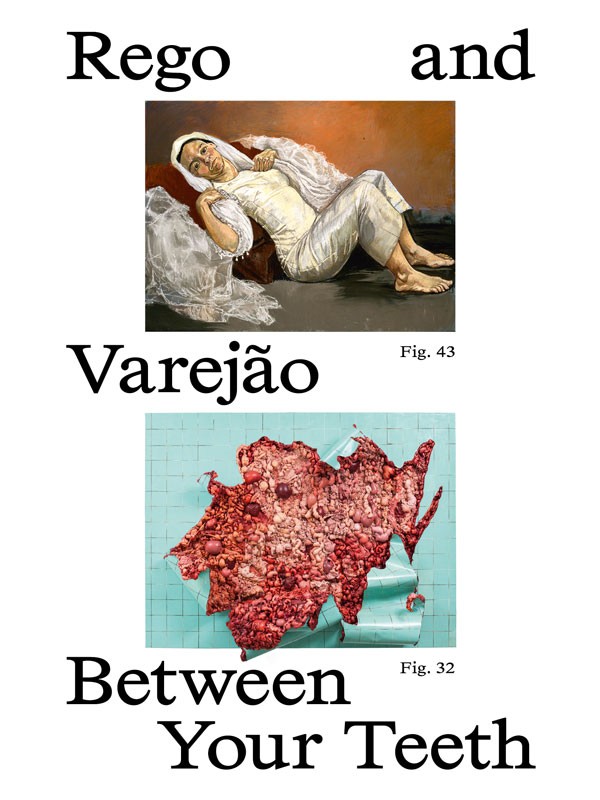
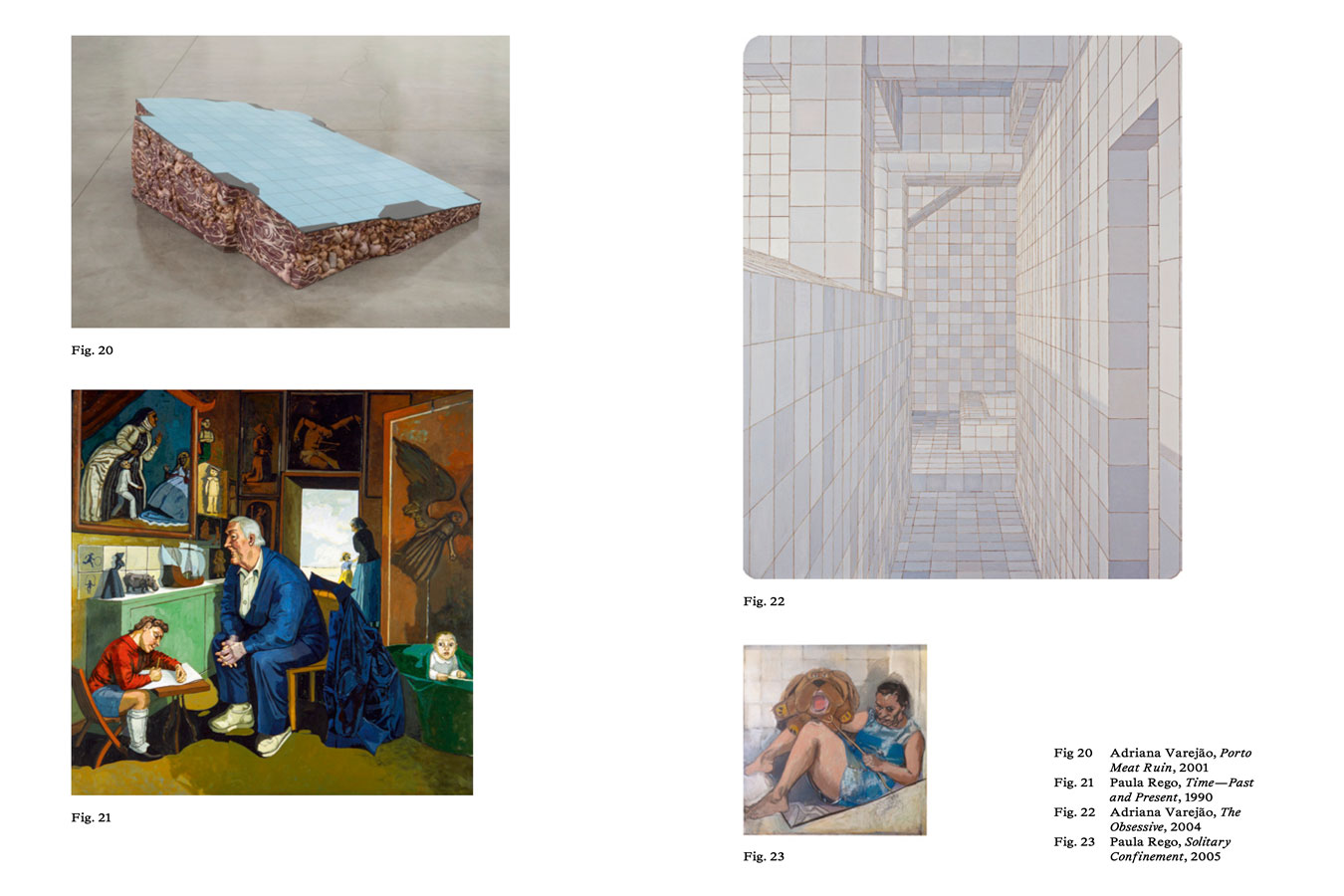
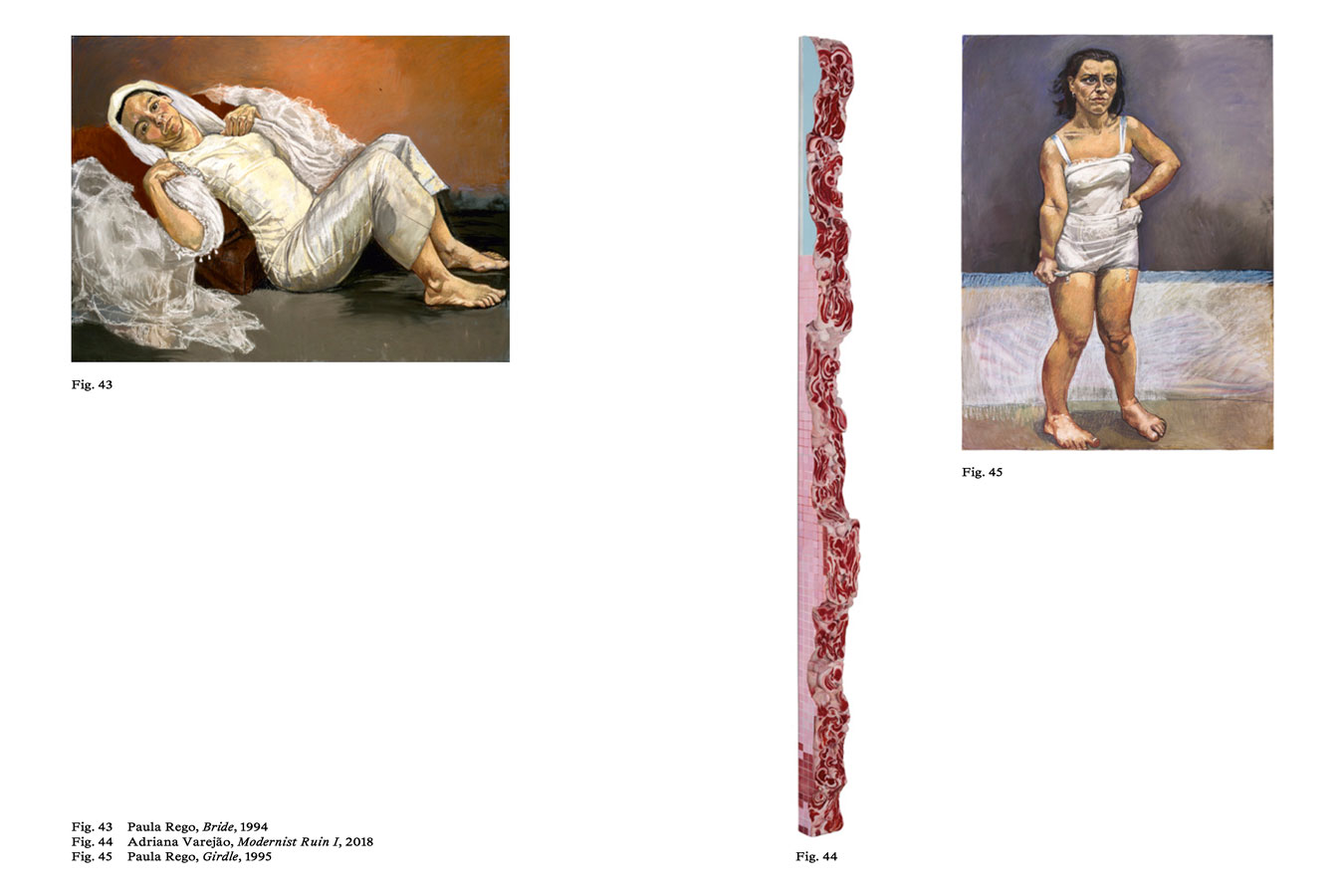
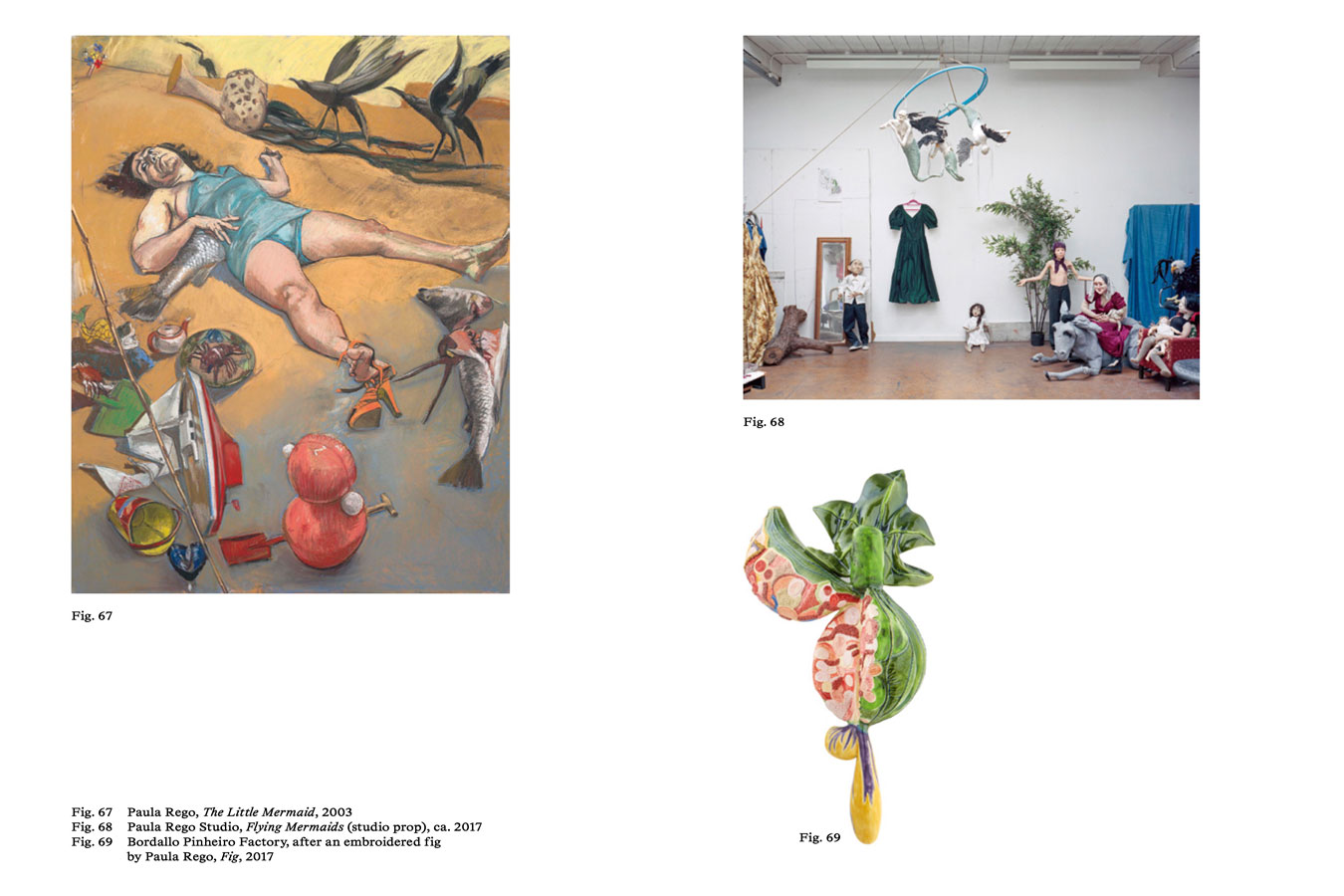
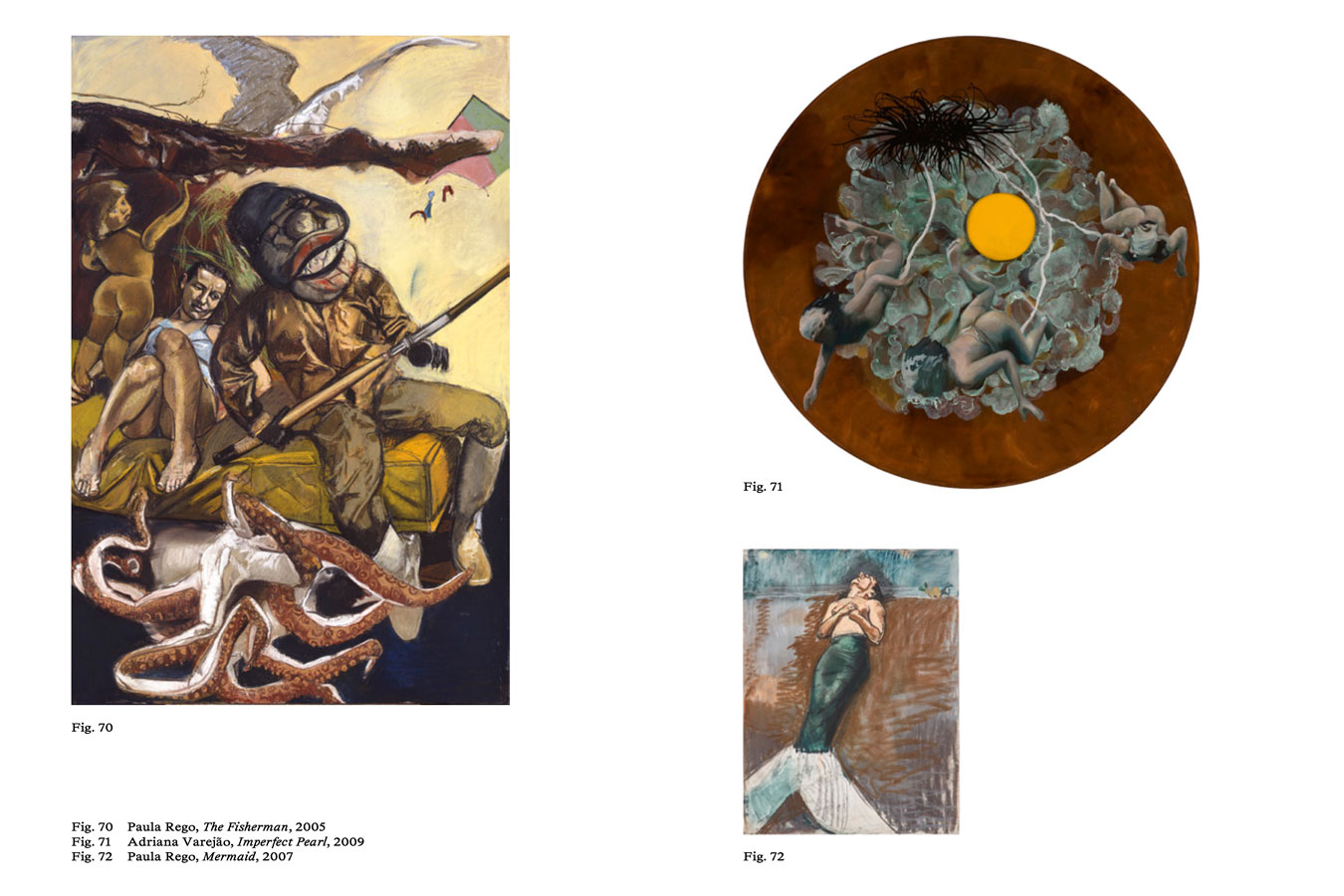
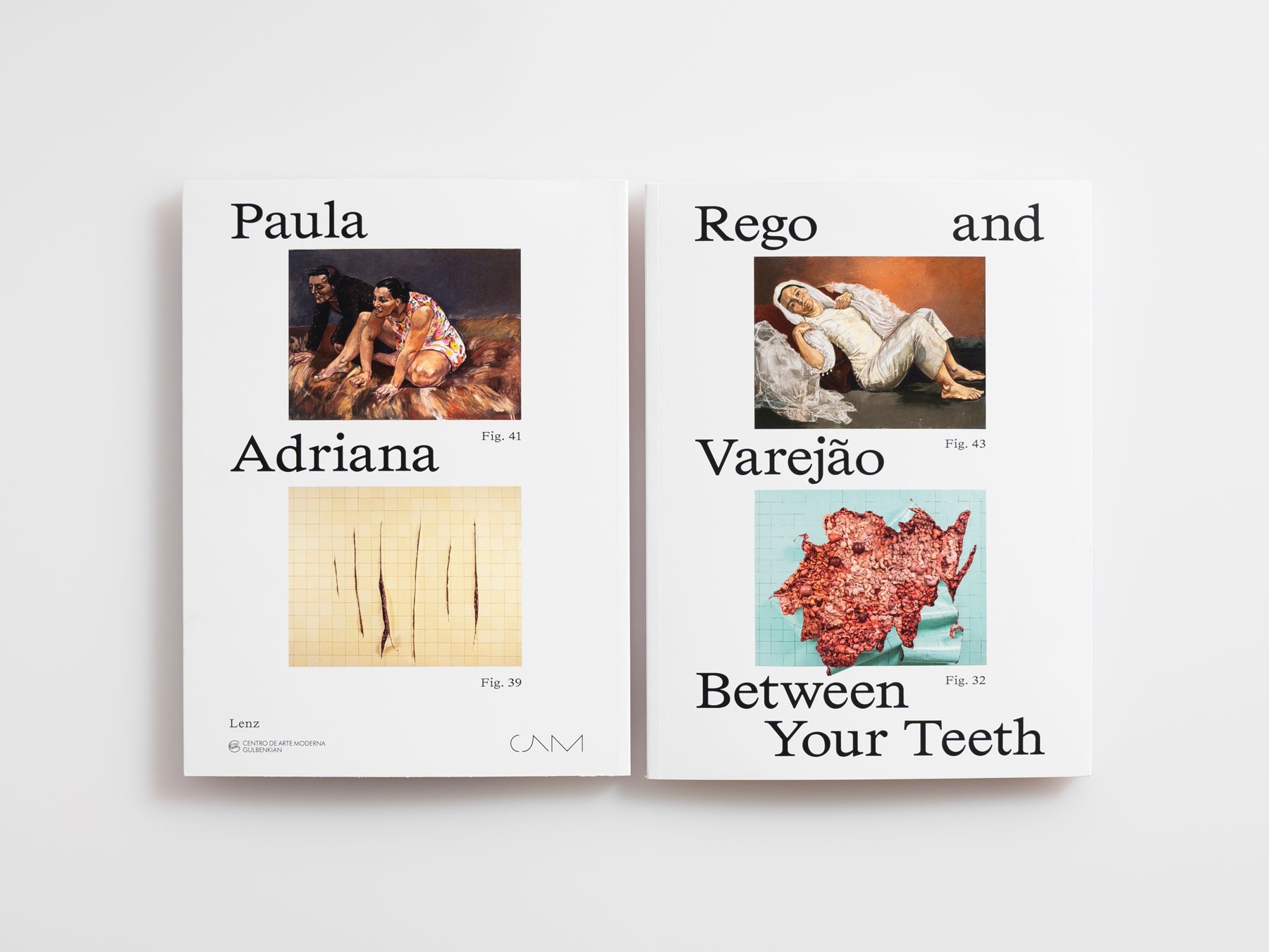
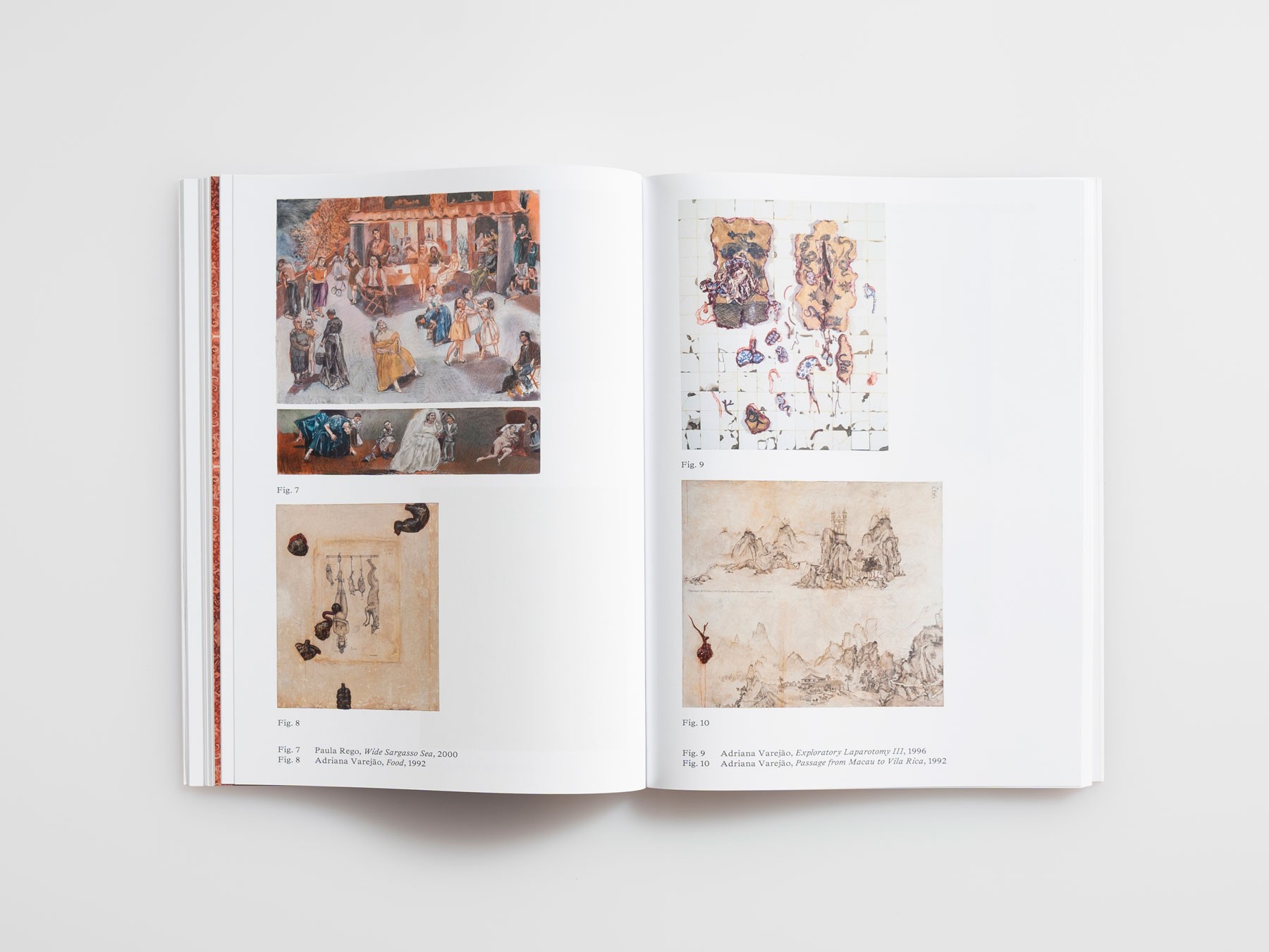
Paula Rego and Adriana Varejão. Between Your Teeth, published on the occasion of the eponymous exhibition held at CAM – Gulbenkian in Lisbon, explores convergences in the work of Paula Rego (Lisbon, 1935 – London, 2022) and Adriana Varejão (Rio de Janeiro, 1964), although they belong to different generations and come from different backgrounds.
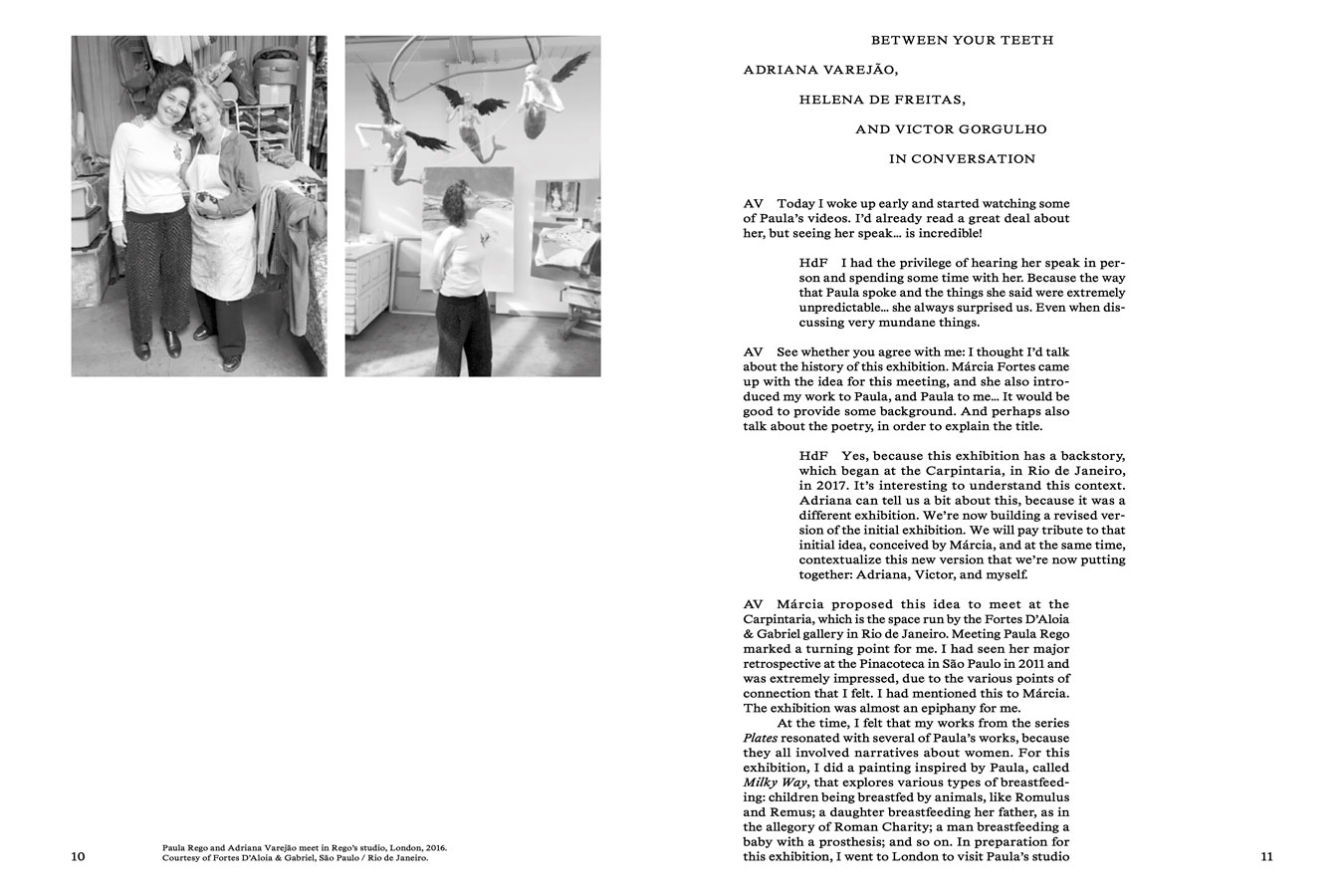
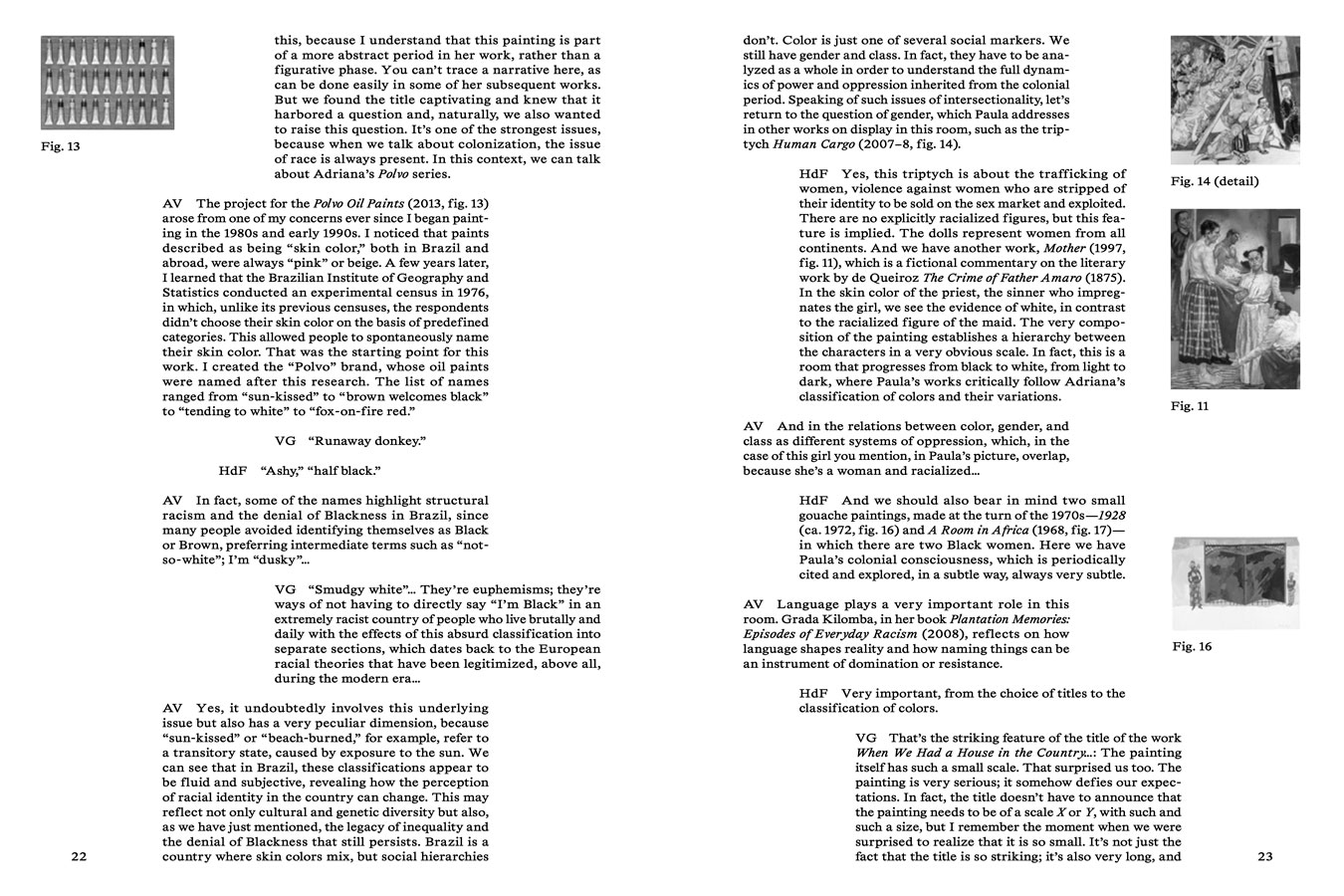
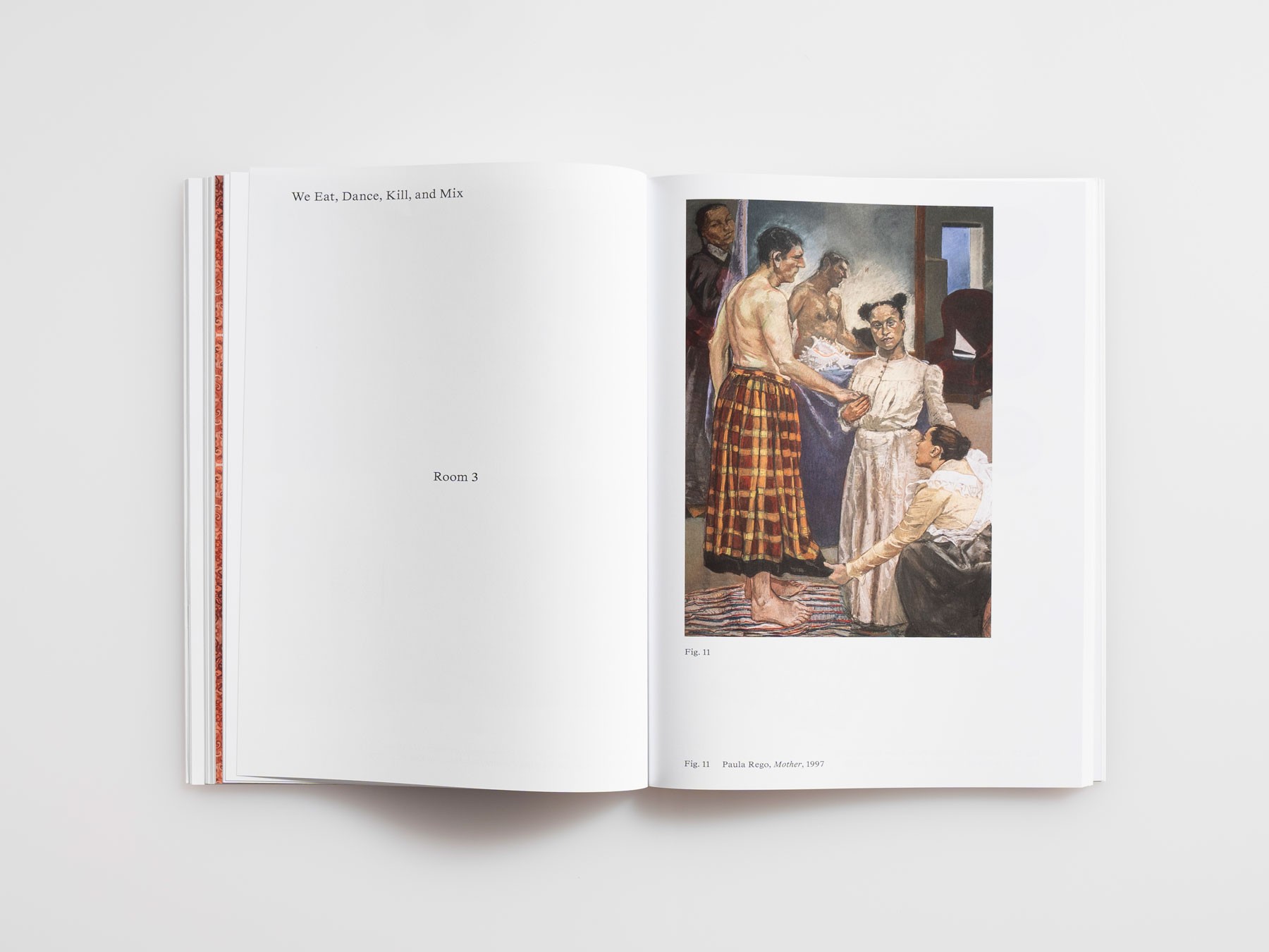
Curated by Adriana Varejão, Helena de Freitas, and Victor Gorgulho, the exhibition, which presents nearly 80 works—including paintings, engravings, sculptures, and installations—is divided into thirteen thematic rooms. The long conversation between the three curators, which forms the main text of the catalogue, reflects the structure of the exhibition, addressing the different thematic nodes and revealing the conceptual and methodological process that guided the selection of works.
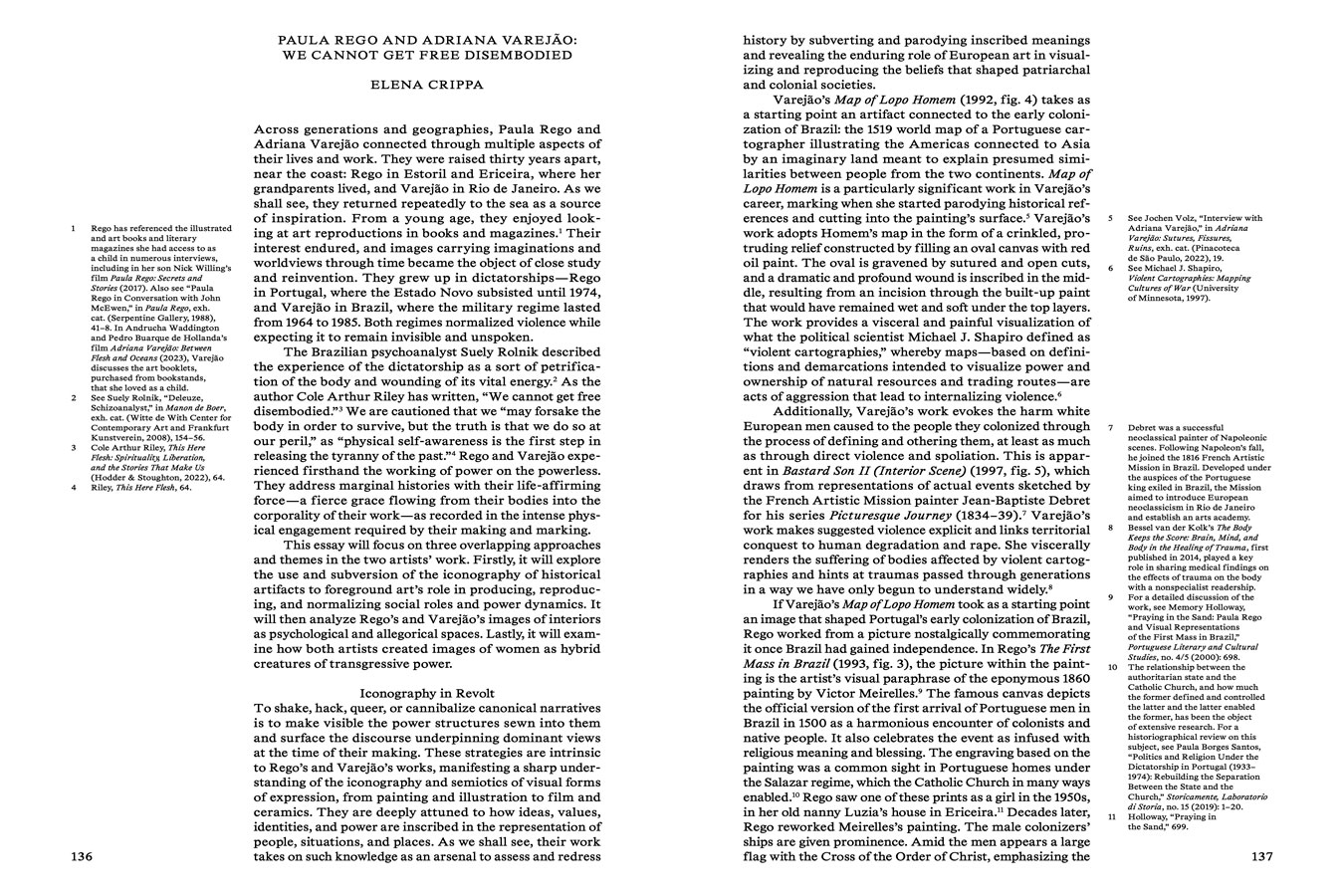
The two essays by Raphael Fonseca and Elena Crippa, which complete the catalogue, offer further insights, by highlighting several similarities in the practice of the two artists from a critical perspective.
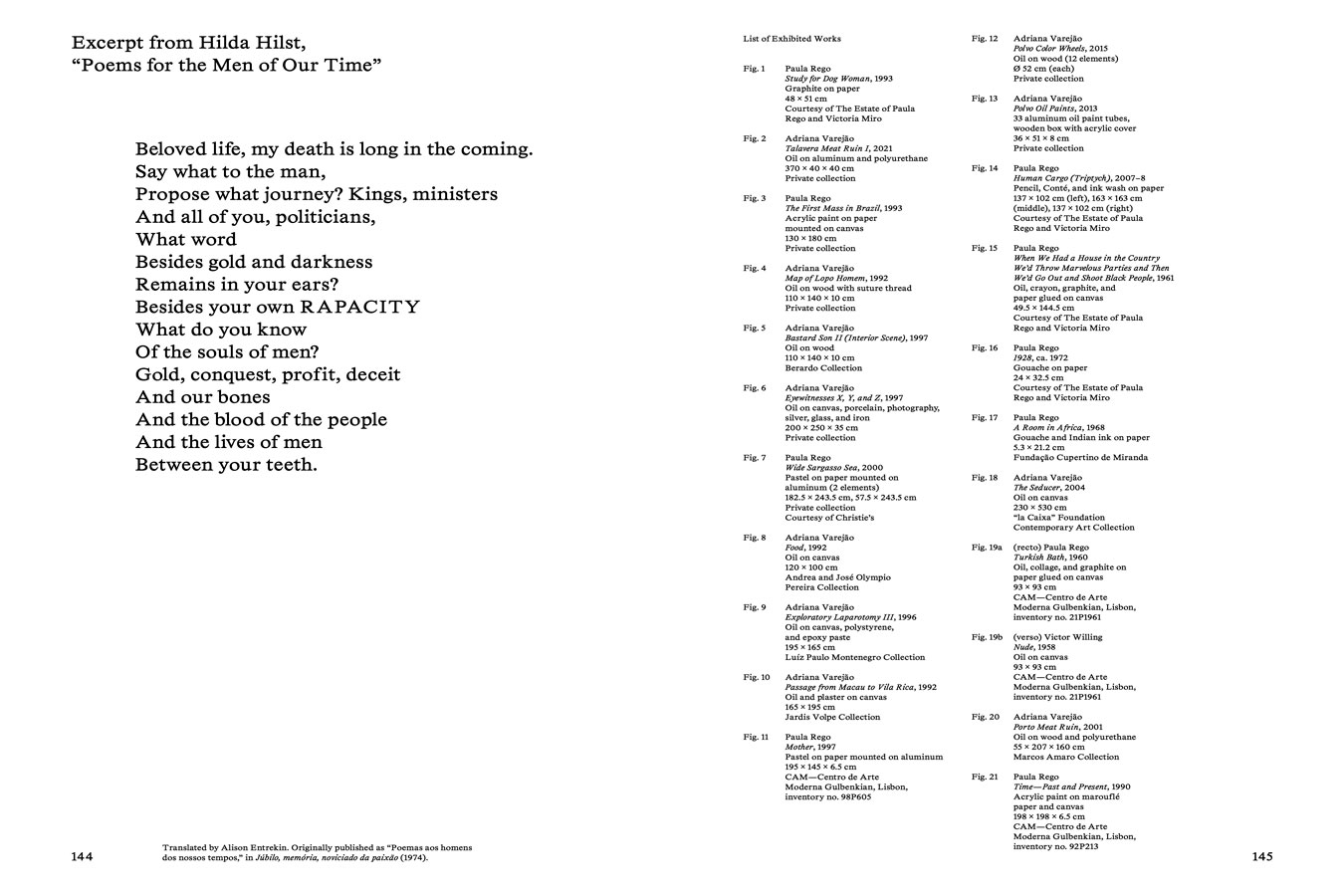
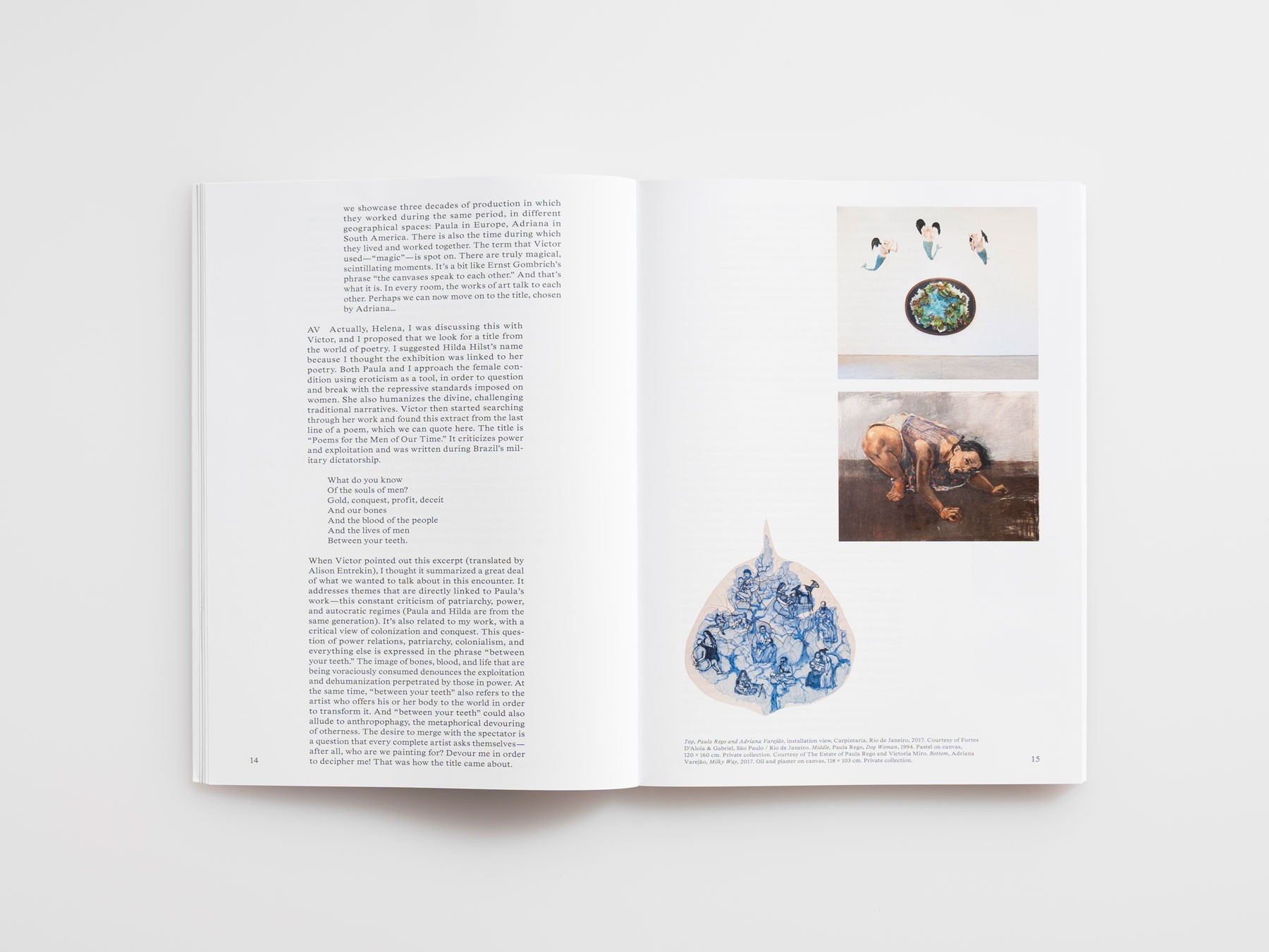
The title—Between Your Teeth—is a line taken from the 1974 Poemas aos homens do nosso tempo (Poems to the men of our time) by the Brazilian poet and novelist, Hilda Hilst, in a clear allusion to the dictatorial regime that had begun in Brazil in the previous decade. Hilst describes and criticises the power associated to greed, conquest, profit and exploitation. In their representations of literal and metaphorical bodies, Paula Rego and Adriana Varejão reflect on how patriarchy, colonialism and all forms of oppression mutually interact, “chewing up” people and their stories.
This is the artists’ first joint exhibition in Portugal, having already exhibited together in Rio de Janeiro (Carpintaria, 2017), when Paula Rego was still alive.
The catalogue fosters the encounter between Adriana Varejão, who has developed pioneering work in the field of postcolonial thought, and the work of Paula Rego, whose political force is developed by a productive tension between a private register and its public dimension, expanding the interpretive universe of the two artists.