Consisting of a richly illustrated booklet and a record vinyl, this special release accompanies the performative sound-based project A Comparative Dialogue Act by artists Andrea Mancini and the collective Every Island, hosted in the Luxembourg Pavilion at the 60th Venice Biennale.
Conceived as a catalogue and an artist’s book, the publication offers a deeper insight into the eponymous 2022 exhibition staged at Indipendenza Roma, and explores tensions that can be generated between artworks and their surrounding architectural context, raising questions of taste, value, function and decoration.
The practice of Tomaso Binga (Bianca Pucciarelli Menna, 1931) toys with the notion of gender, reconsidering women’s social roles and rights. This monograph, edited by Eva Fabbris, Lilou Vidal, and Stefania Zuliani, analyses her work through various languages and features a selection of poems, highlighting the author’s critical and artistic approach.
In her work, Cally Spooner crystallizes an absurd contemporary ecosystem in which entities run the risk of managing themselves and one another to death. Featuring newly commissioned essays alongside a lecture by Spooner, SWEAT SHAME ETC. is the first comprehsive survey of the artist’s output of the last five years.
This new anthology brings together visions, experiences and critical interdisciplinary methodologies that have been instrumental in the development of the language of moving images since 2010. New essays and conversations reflect on radical technological and poetic transformations in the works of the generation of digital native artists.
Center of the Frame is the artist’s first monograph and brings together paintings made between 1997 and 2024. The publication provides an in-depth look at Eisler’s fascination with cinema and with the transmission of images through the various formats of analog film, television broadcasts, Internet video and, of course, the painted canvas.
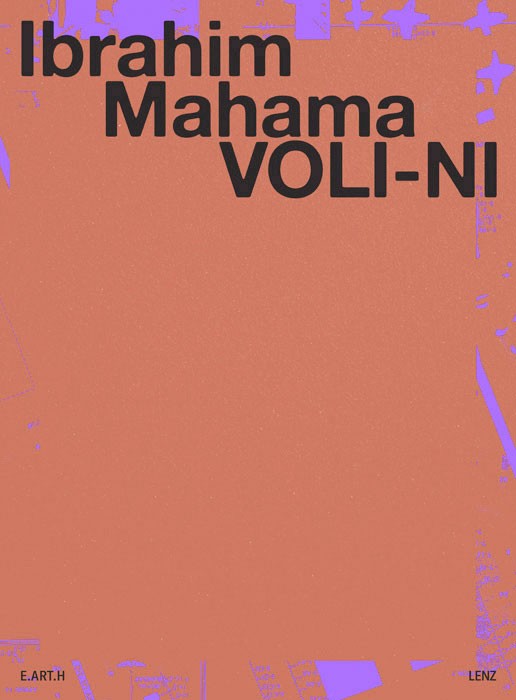
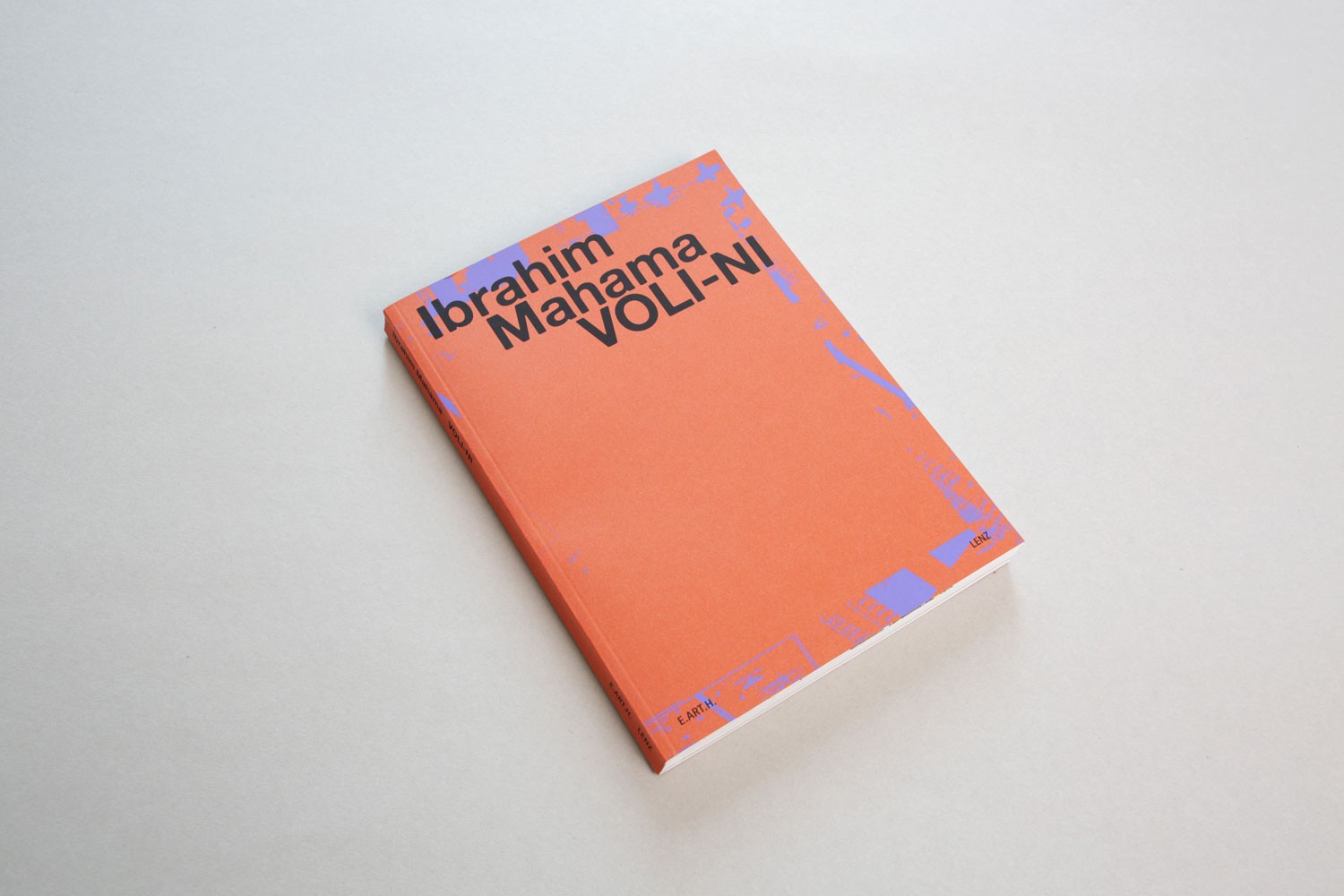
Edited by Ibrahim Mahama and Eva Brioschi
Texts by Bernard Akoi-Jackson and Ibrahim Mahama; Eva Brioschi; karî’kachä seid’ou and Selom Kudjie
Design: Studio Temp
Softcover, 272 pages, 21 x 28.5 cm
English / Italian
ISBN 979-12-80579-20-1
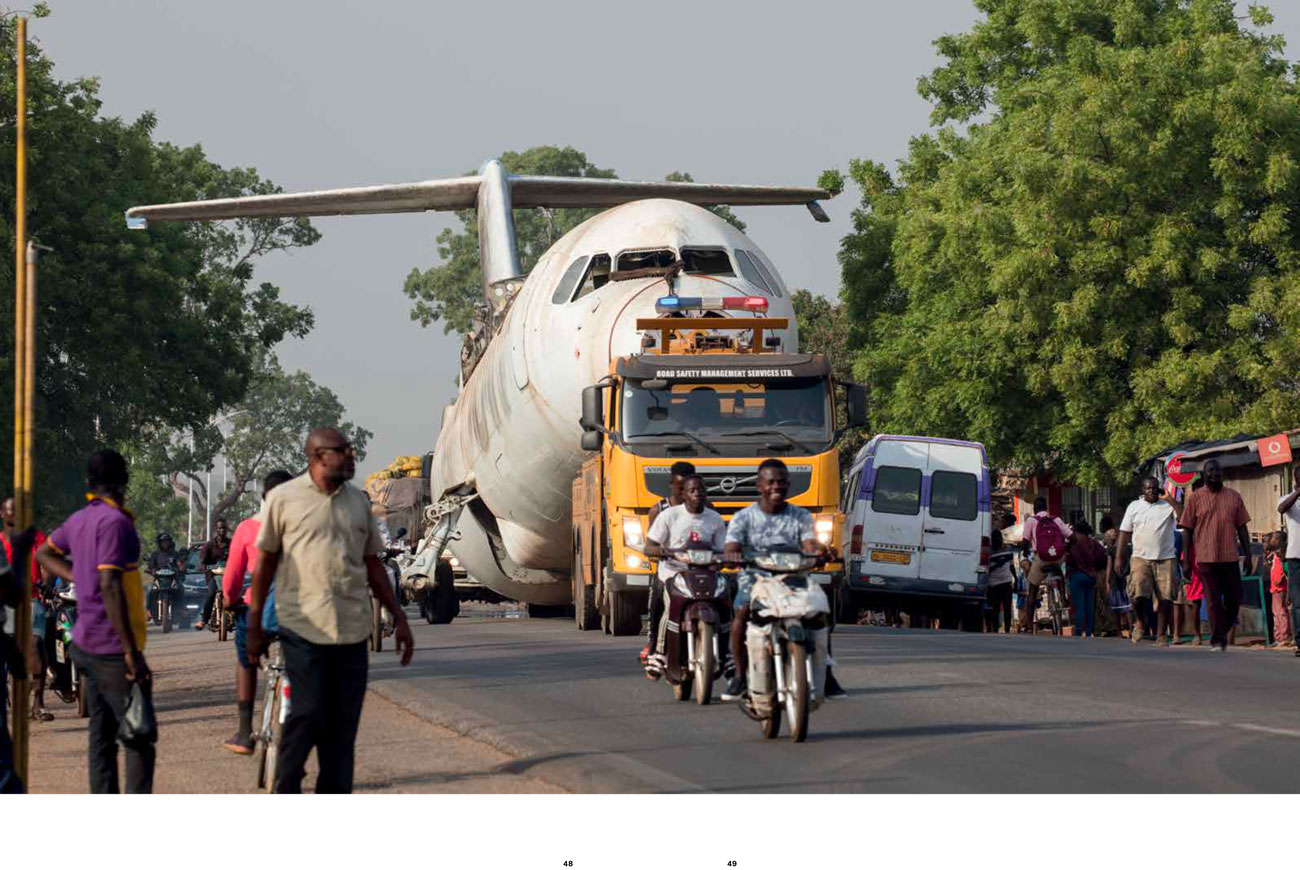
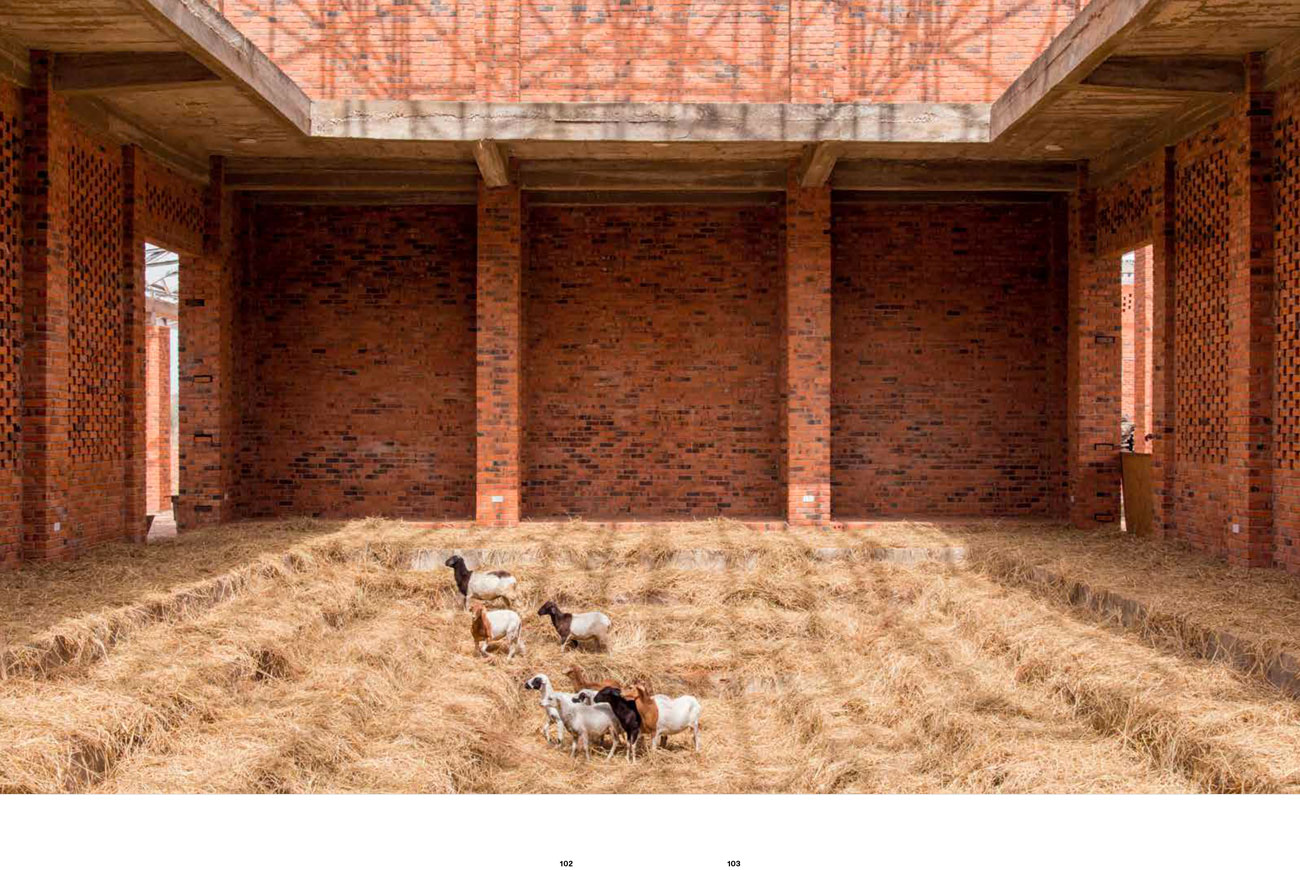
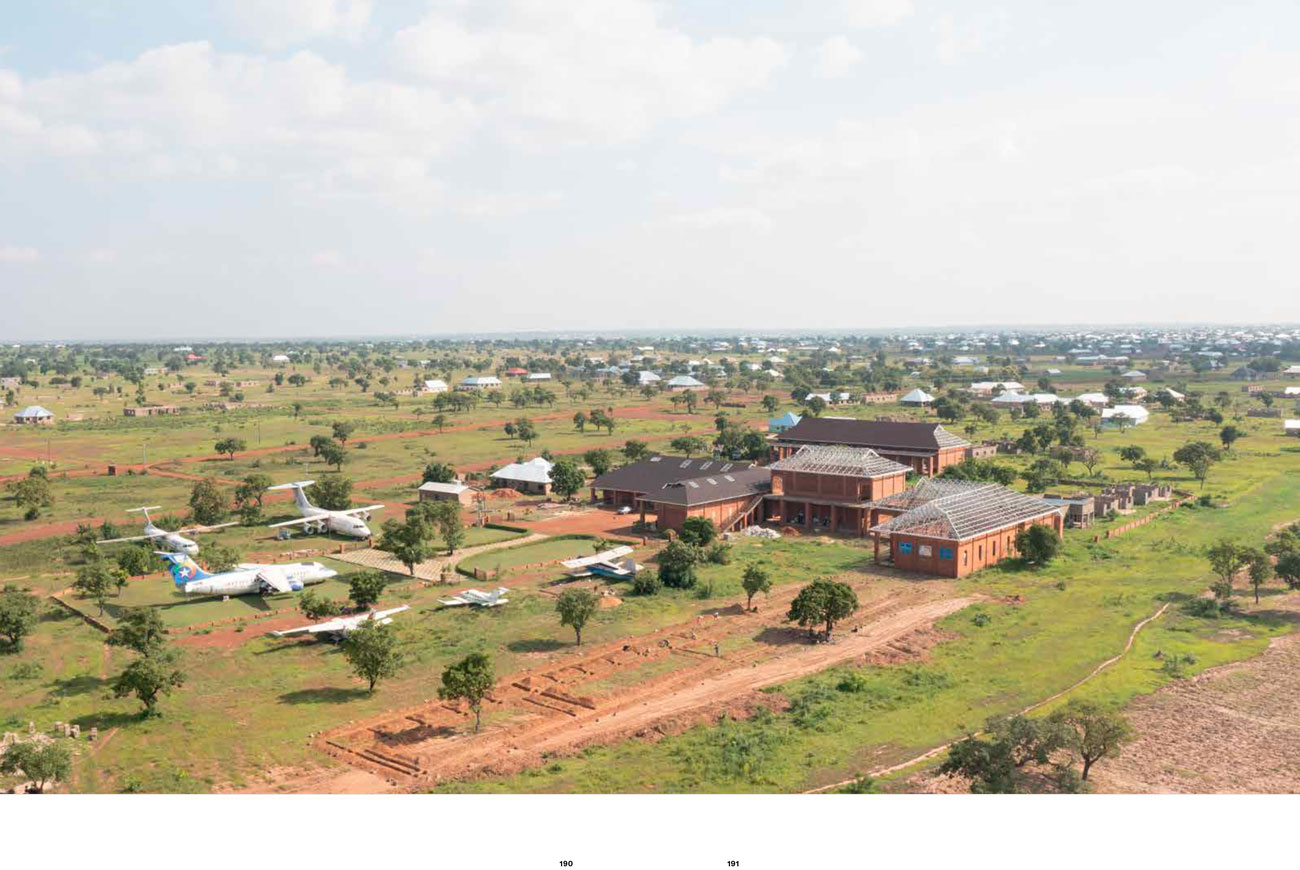
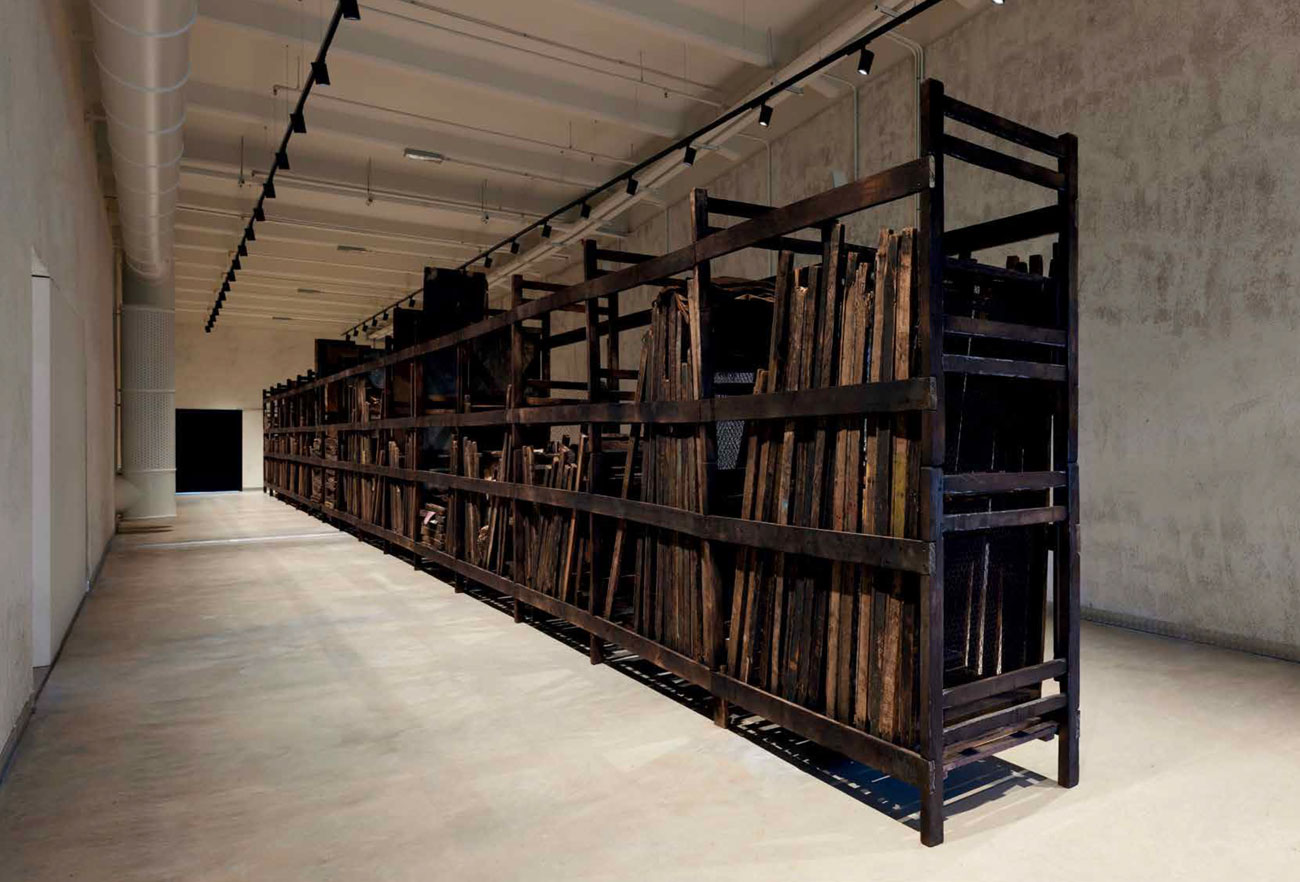
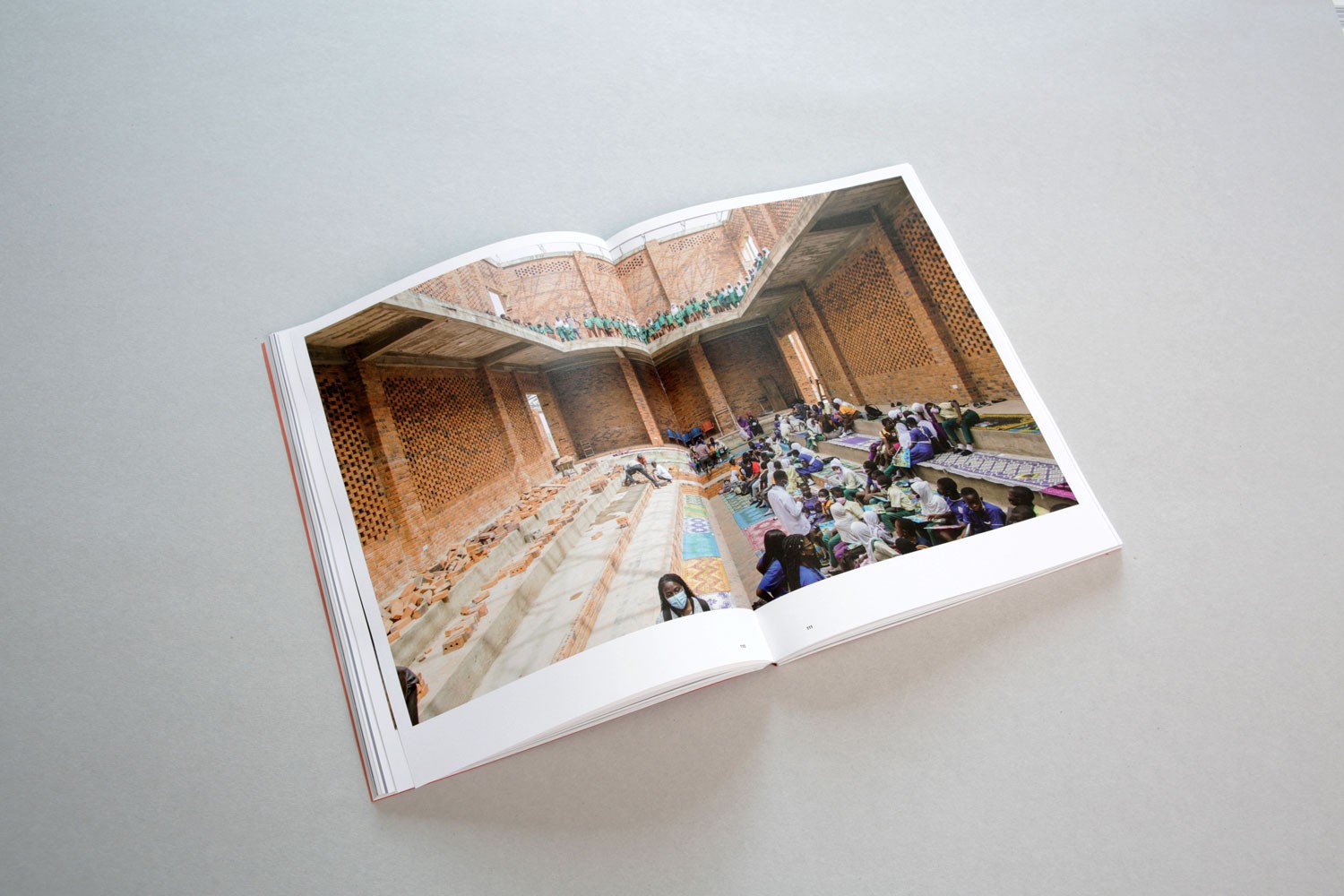
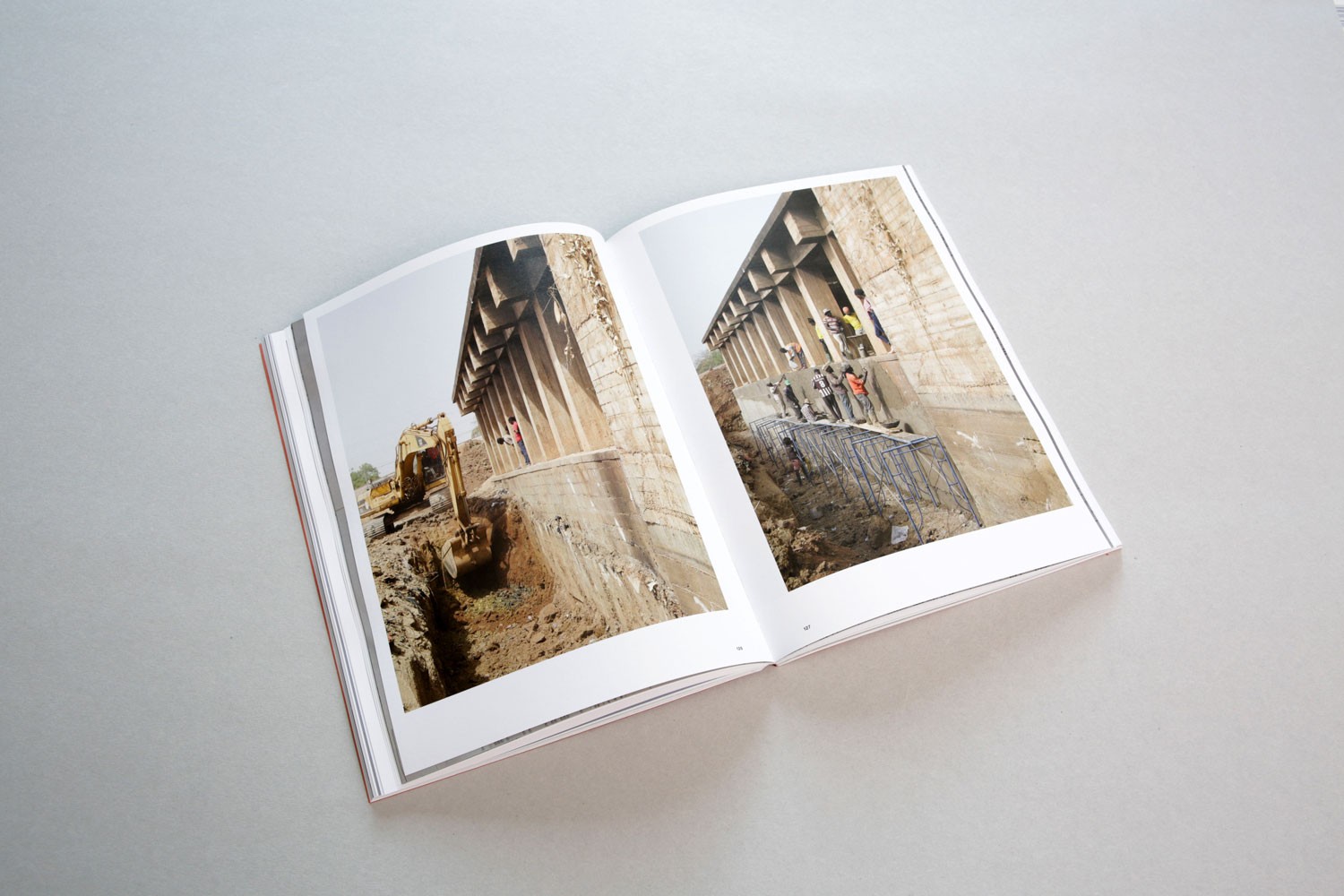
Ibrahim Mahama was born in 1987 in Tamale, a city in northern Ghana where he lives and works. He studied painting and sculpture at Kwame Nkurumah University in Kumasi, Ghana, earning a master’s degree in painting and sculpture in 2013. During his university years, he began working on installations reflecting on the theme of globalization, labor, and the movement of goods, with works made in collaboration with local communities. In 2019, Mahama opened the Savannah Centre for Contemporary Art (SCCA), a foundation run by a group of artists and curators active in Ghana, which was followed by the establishment of Redclay in the suburbs of Tamale. This large facility incorporates artist studios (including his own), research spaces, an artist residency, a permanent collection of artworks, workshop rooms (some set up inside old decommissioned airplanes), and large plots of land dedicated to various types of cultivation. All of this contributes to this visionary artist’s desire to take an active part in the economic, social, and cultural development of his country, providing powerful incentives and teachings to new generations, to make the local population as participatory and economically self-sufficient as possible.
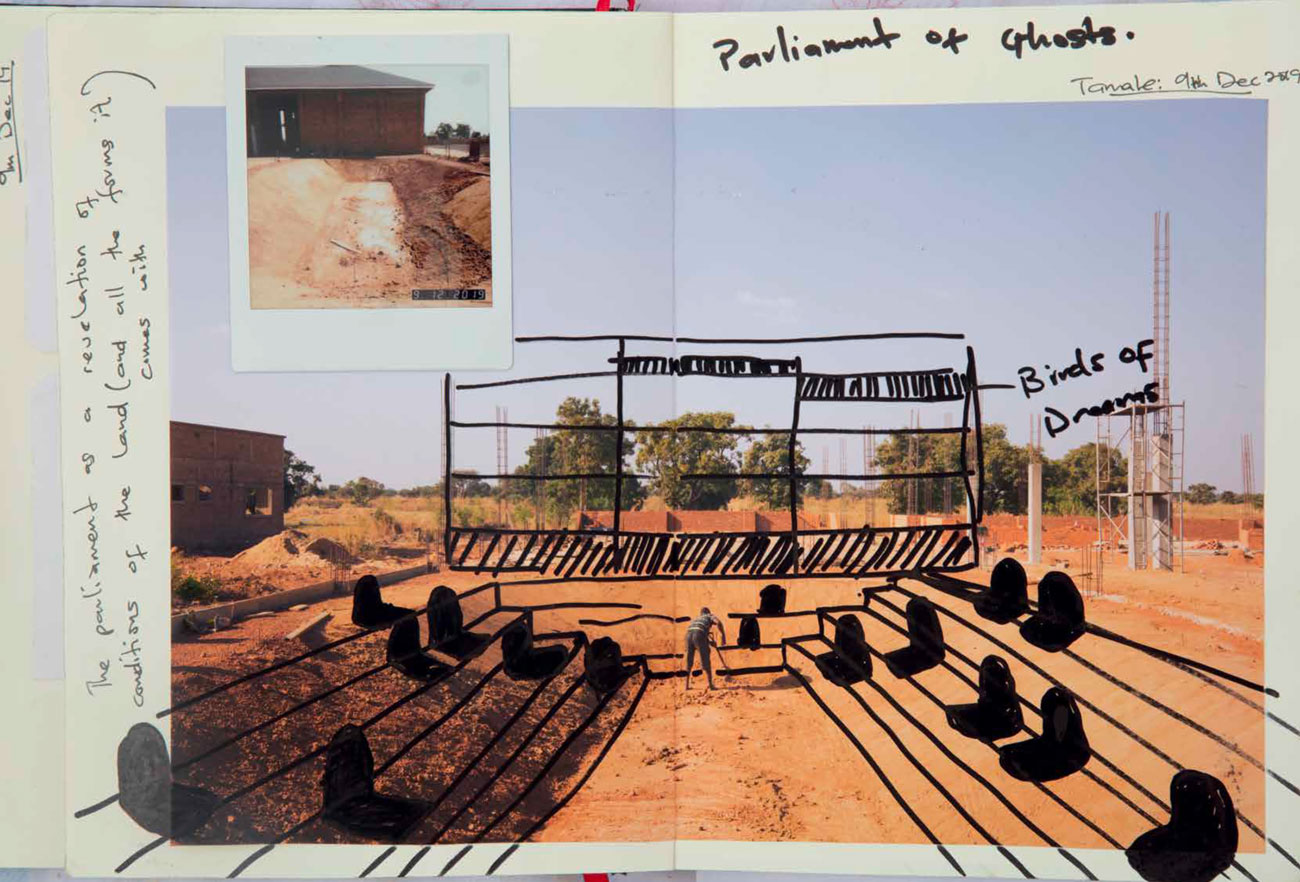
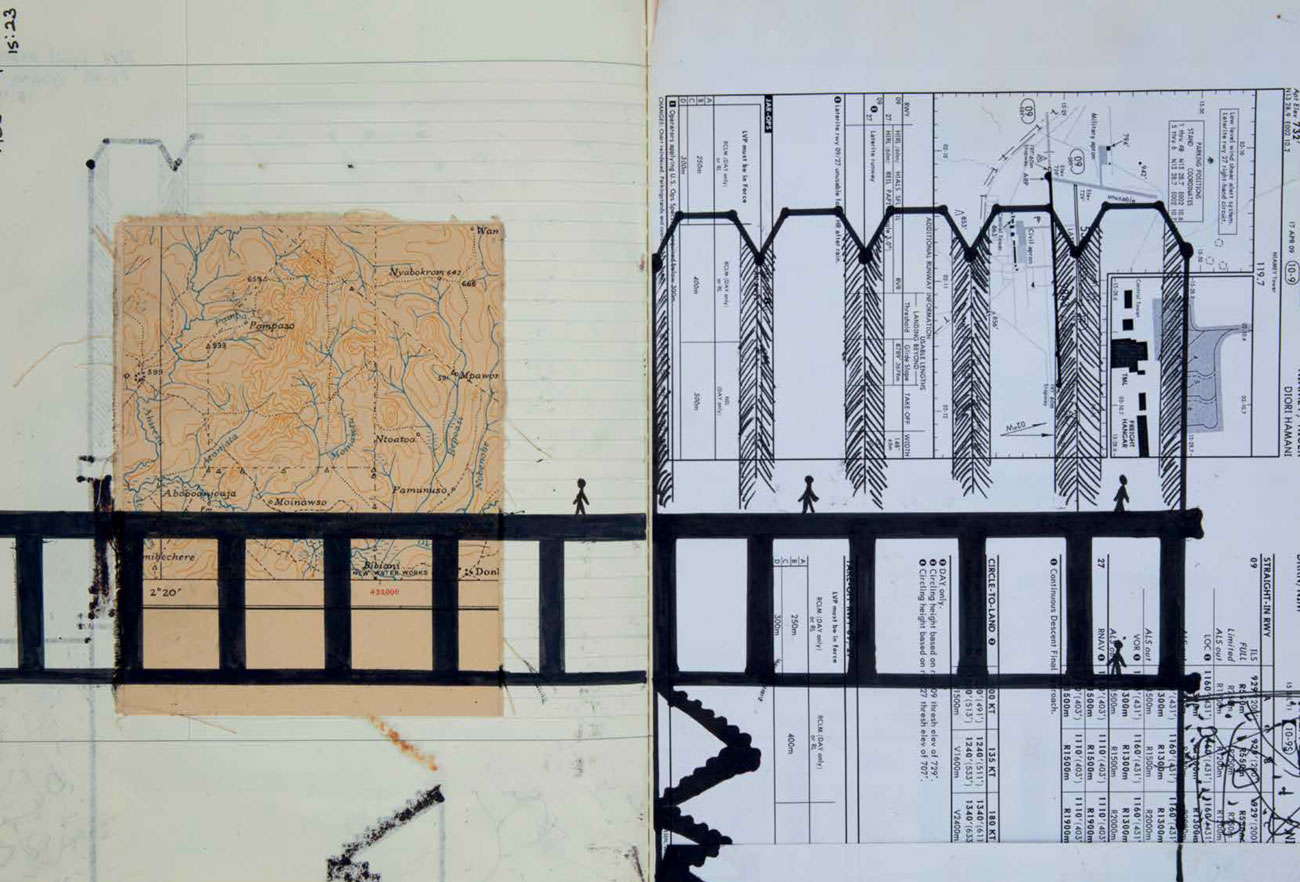
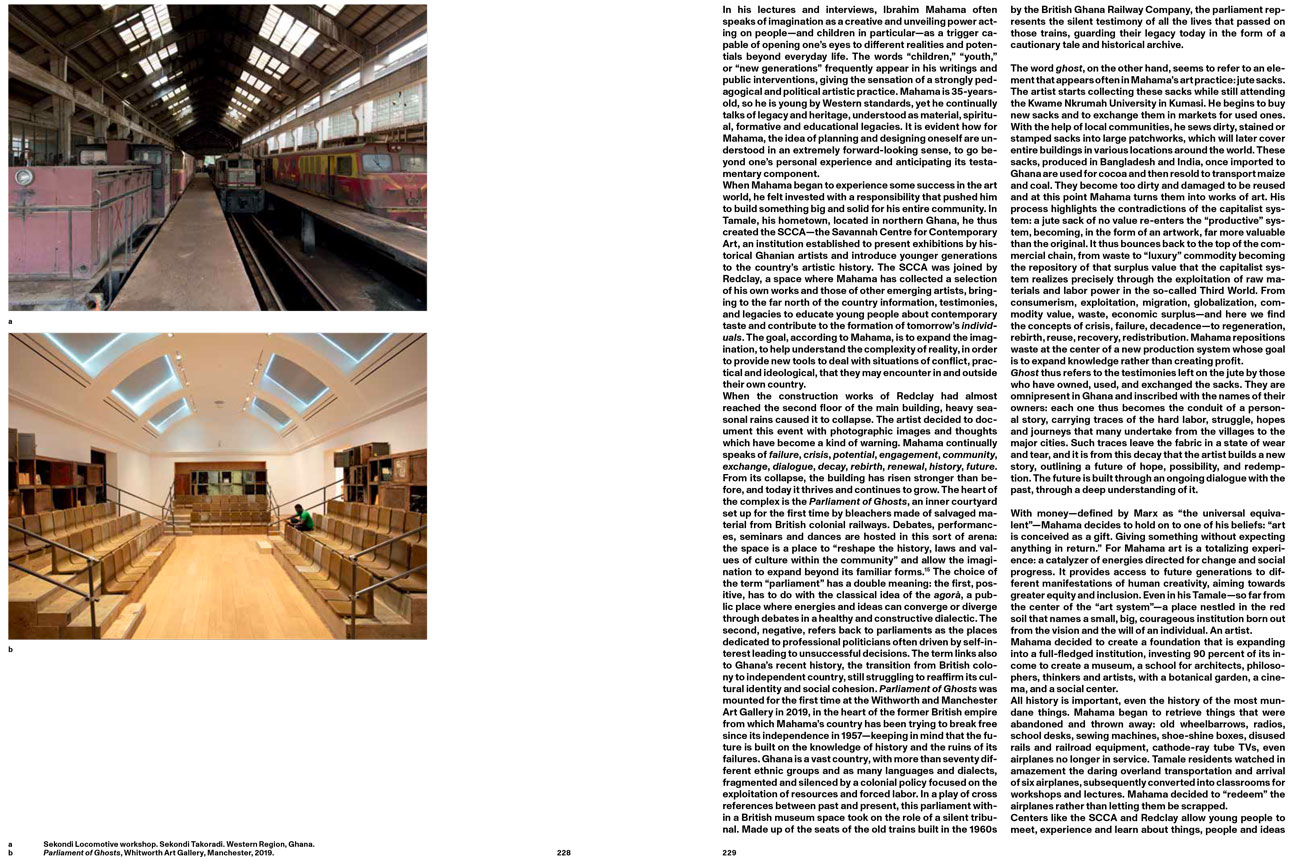
This volume, published to accompany Mahama’s inaugural exhibition at Eataly Art House, in Verona, is constructed as visual diary of artist’s impressive work in his native Tamale, a community-based project founded on the understanding of art as totalizing, reparatory experience: a catalyzer of energies directed for change and social progress. It features texts by the curator Eva Brioschi, Mahama’s professor and mentor karî’kachä seid’ou with Selom Kudjie, and Mahama himself with Bernard Akoi-Jackson.
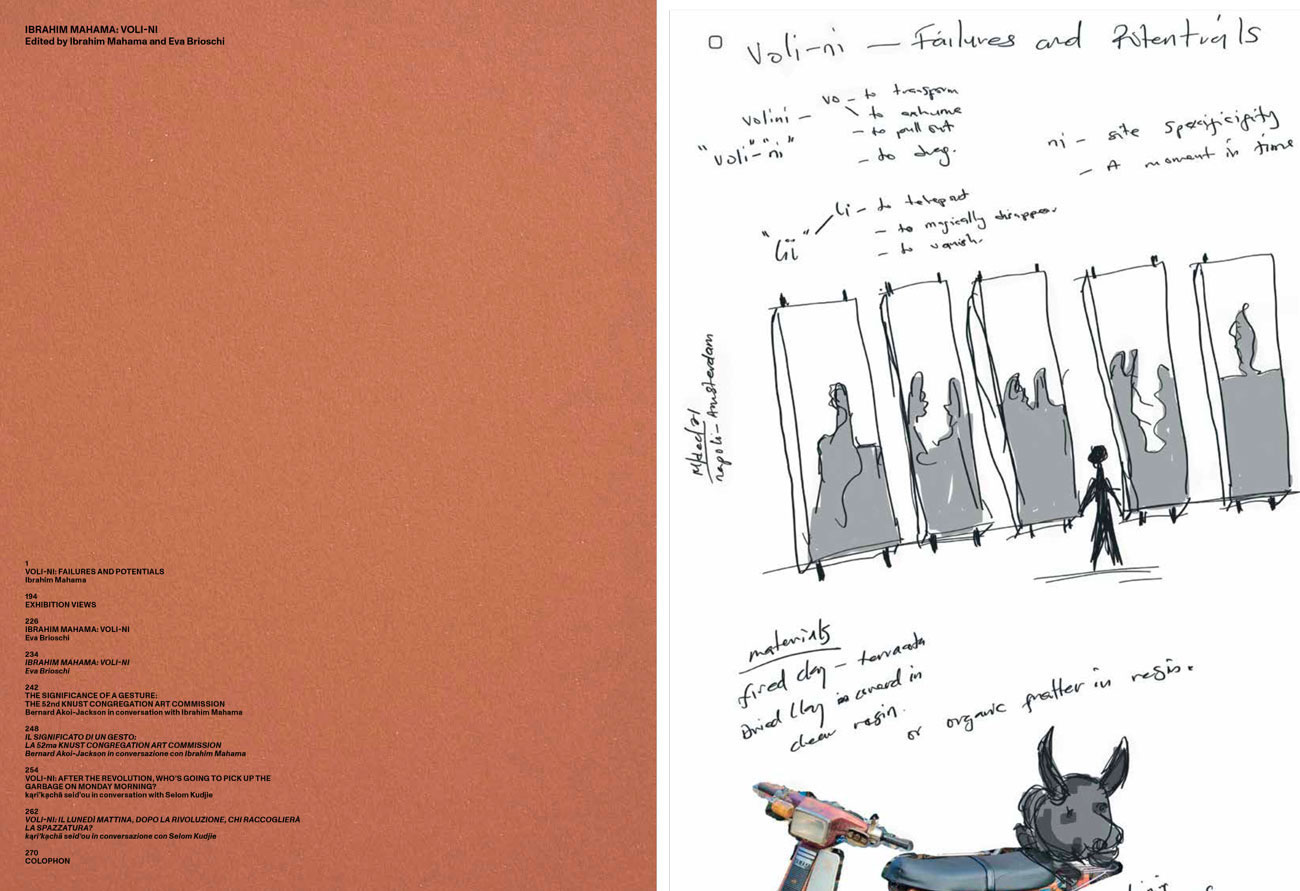
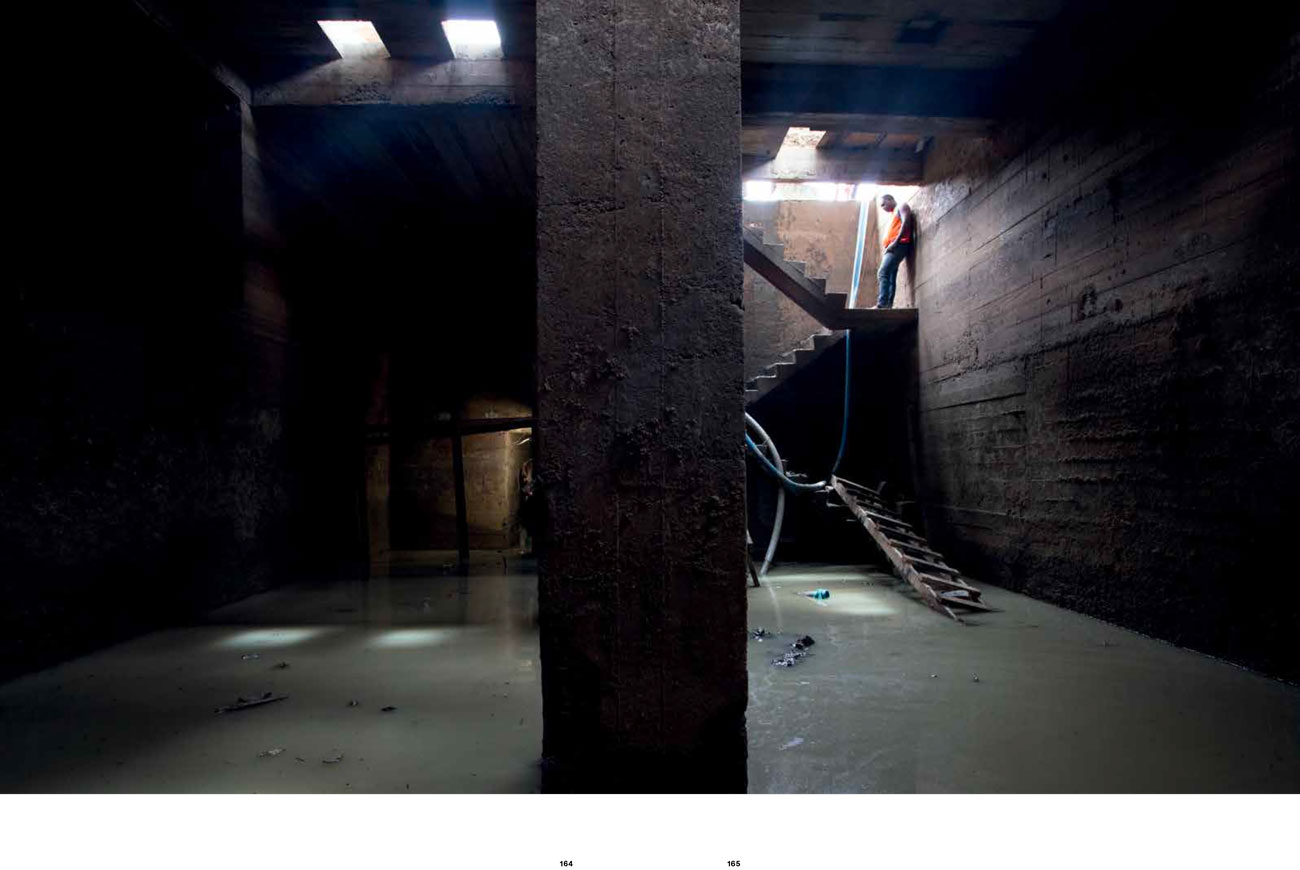
Voli-ni, which literally means “inside the hole,” is composed of individual particles with their own meaning: Vo, “to pull out,” “extract”; li, “to transfer,” “teleport”; and ni, “here and now.”
Voli-ni therefore indicates an emersion from darkness, from a failed past of defeat, towards the possibility of redemption, regeneration, through a portal that is real (recovered architecture) or imaginary (art).