Since the 1980s, Belgian artist Sigefride Bruna Hauman has created a highly original body of work in different media. Her installations, reliefs and videos are the subject of a much-overdue retrospective organized by M Leuven—and of this first monograph.
Rituals of Care is an extensive monograph devoted to the work of Antonio Obá, published in conjunction with his eponymous exhibition presented at the Centre d’Art Contemporain Genève, curated by Andrea Bellini. Extensively illustrated, the book immerses the reader in Obá’s multifaceted oeuvre and in the magical iconographic universe of his paintings.
Claiming that the museum is not enough means asking what a museum should be and do, eventually questioning the role of cultural institutions in society. Through conversations, stills of documentaries, responses, and reprints of archival documents that explore ideas of architecture on the ground, this volume reflects on the tools deployed by the institution to redefine its relationship to others.
Affirmer que le musée ne suffit pas, c’est interroger ce qu’un musée devrait être et faire, et réfléchir de manière critique sur le rôle des institutions culturelles dans nos sociétés. À travers des conversations, des photogrammes de documentaires, des interventions et des reproductions d’archives questionnant les conceptions de l’architecture sur le terrain, ce volume réfléchit aux outils mis en œuvre par l’institution pour redéfinir sa relation aux autres.
Semi-Nomadic Debt-Ridden Bedouins is the first monograph on the work of the Palestinian artist and filmmaker Basma al-Sharif. Spanning nearly two decades of moving-image and installation work, it combines visual documentation with texts that reflect on the charged political landscapes through which al-Sharif navigates.
This monograph marks the occasion of the first European survey of Nicola L. (1932–2018). Often discussed in the context of Pop Art, activism, feminism, and design, this is the first in-depth exploration of the multi-layered and expansive nature of her extraordinary practice, which also encompassed cosmology, environmental concerns, spirituality, political protest, and sexuality.
Edited by Omar Kholeif and Theodor Ringborg
Texts by Hannah Feldman, Marianne Hirsch, Omar Kholeif, Vali Mahlouji, Todd Reisz, and Theodor Ringborg
2021, English, softcover, 21.5 x 28 cm, 280 pages
ISBN: 979-12-80579-01-0
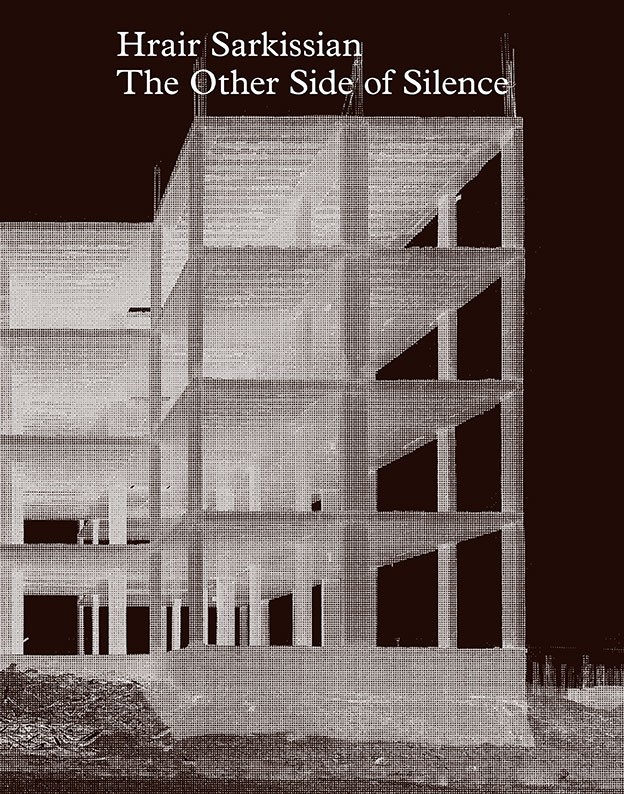
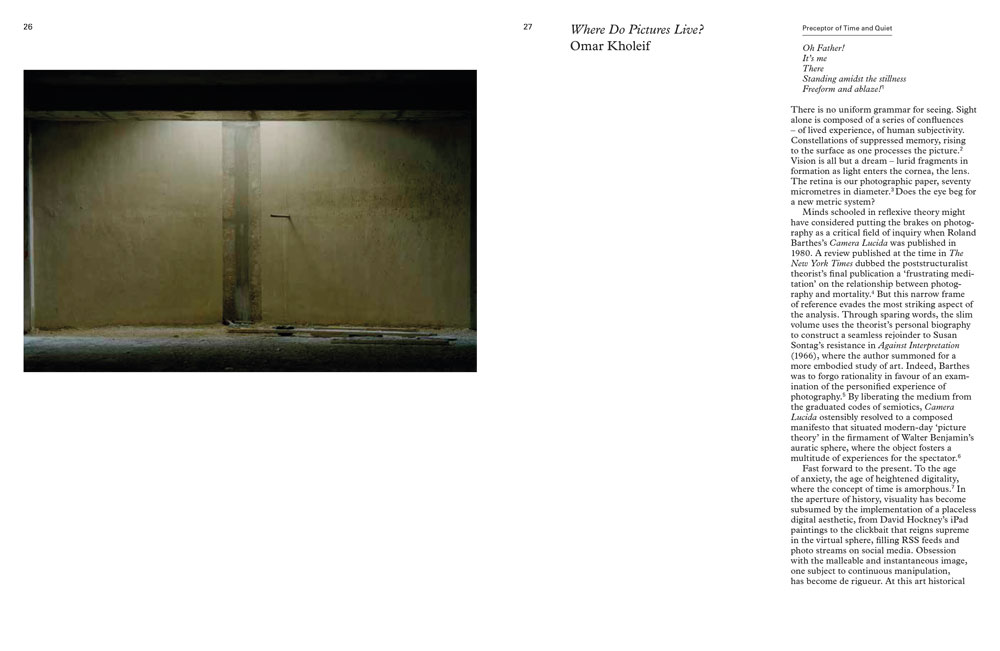
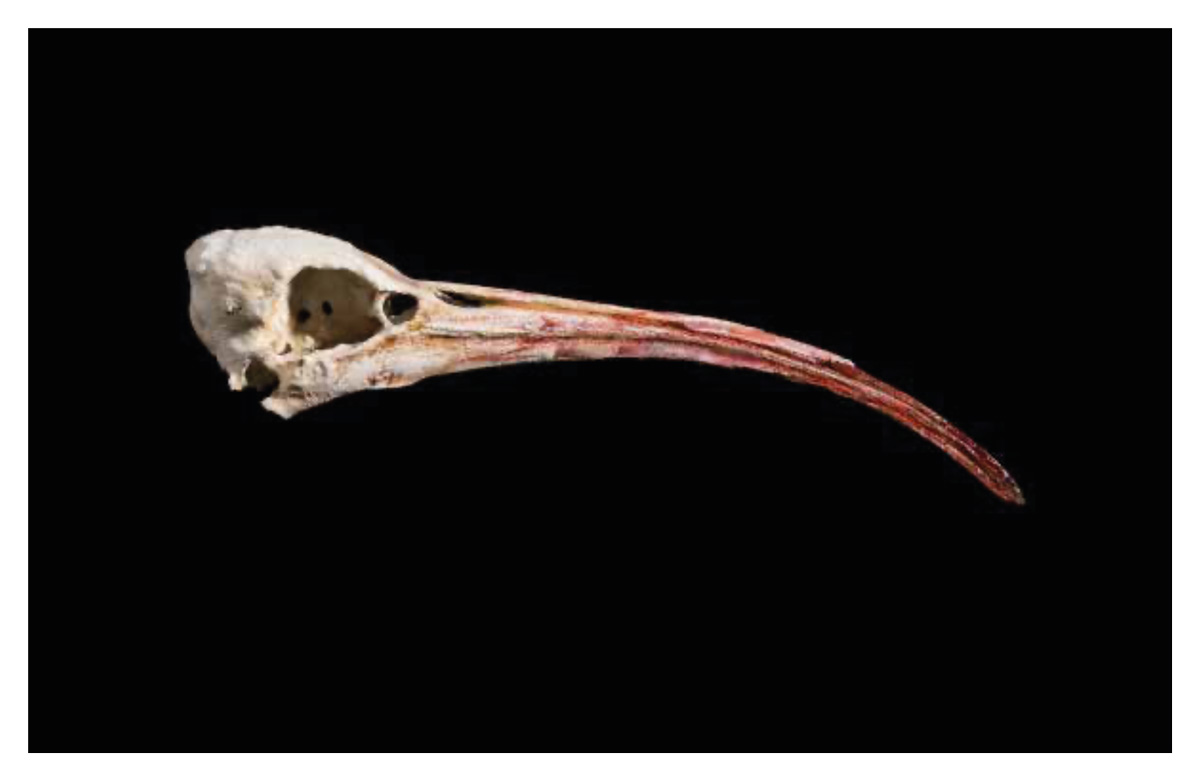
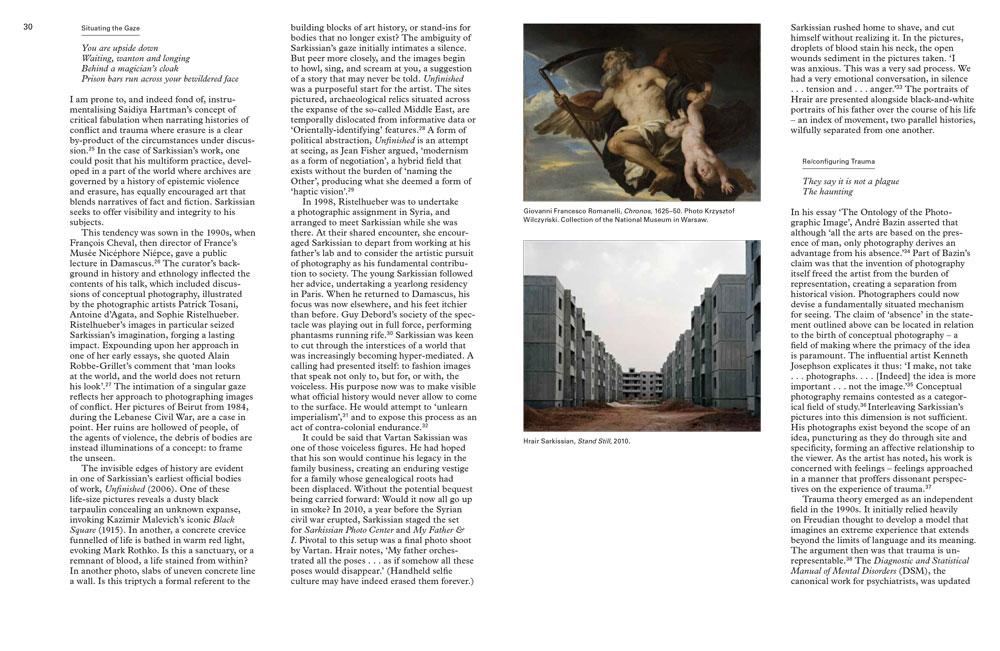
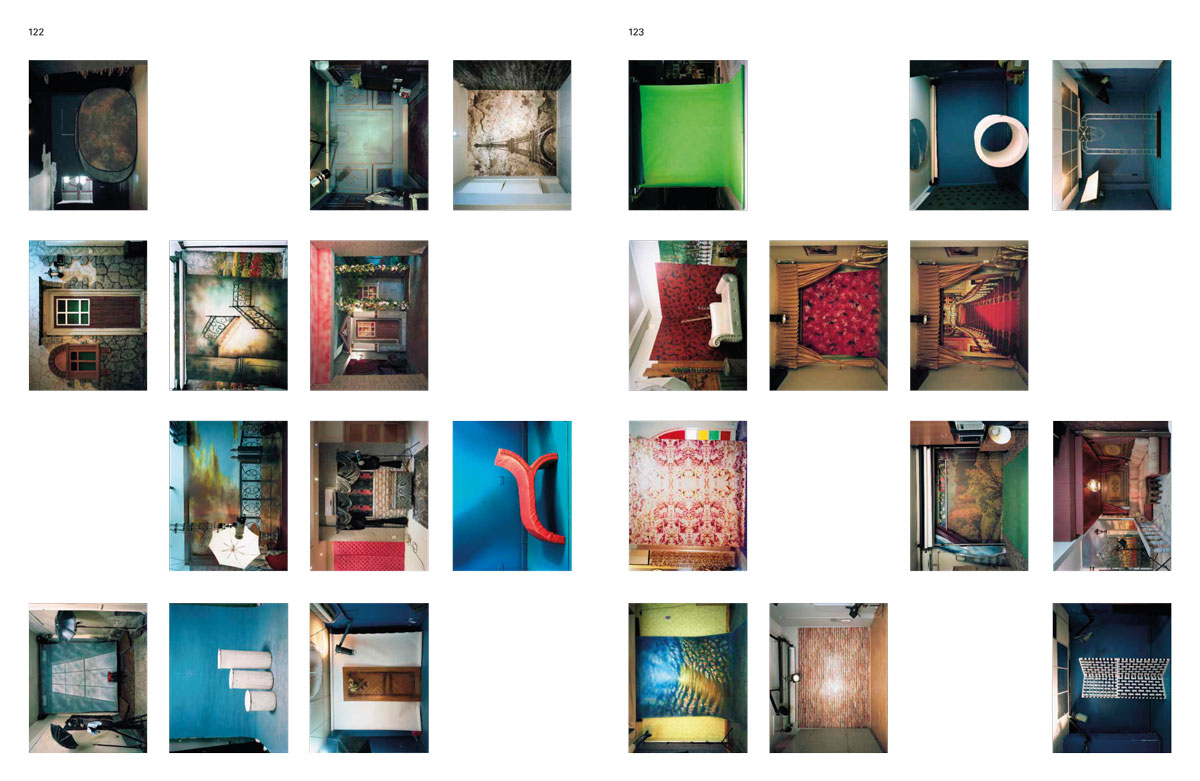
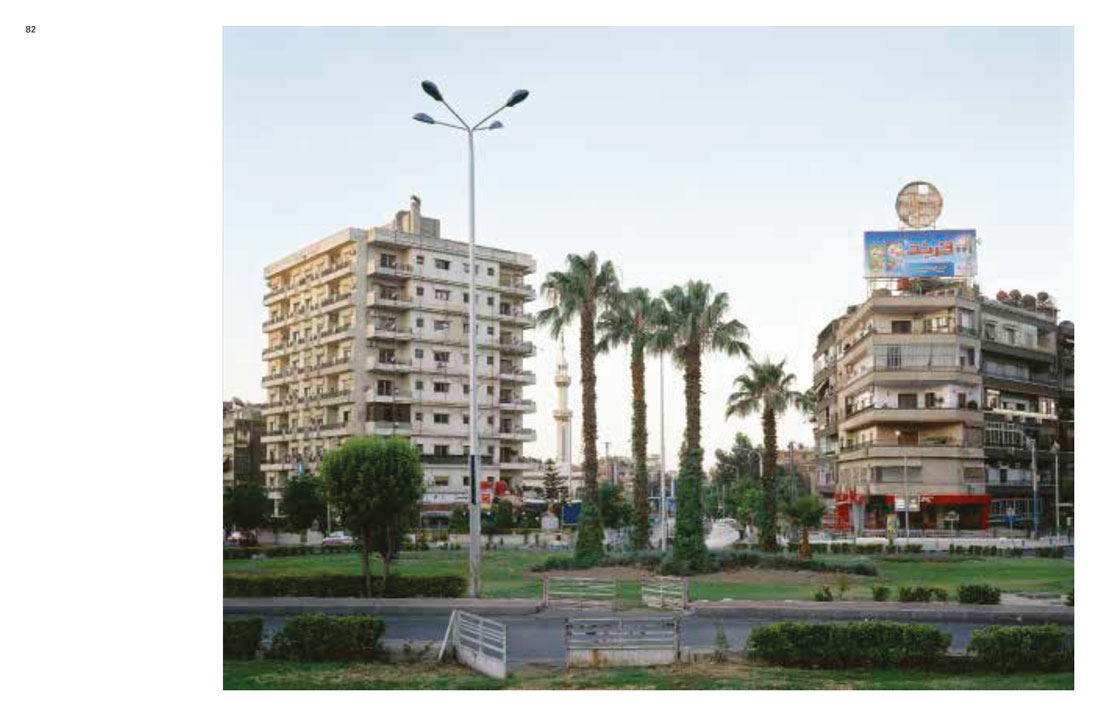
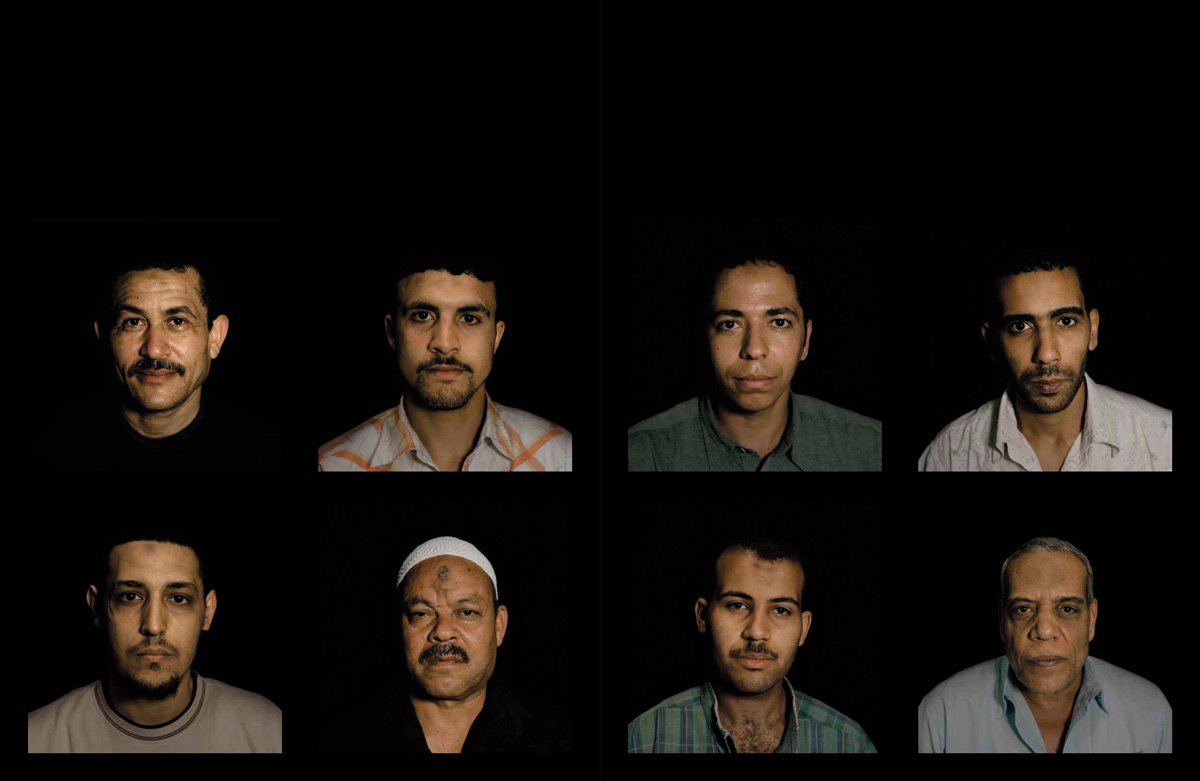
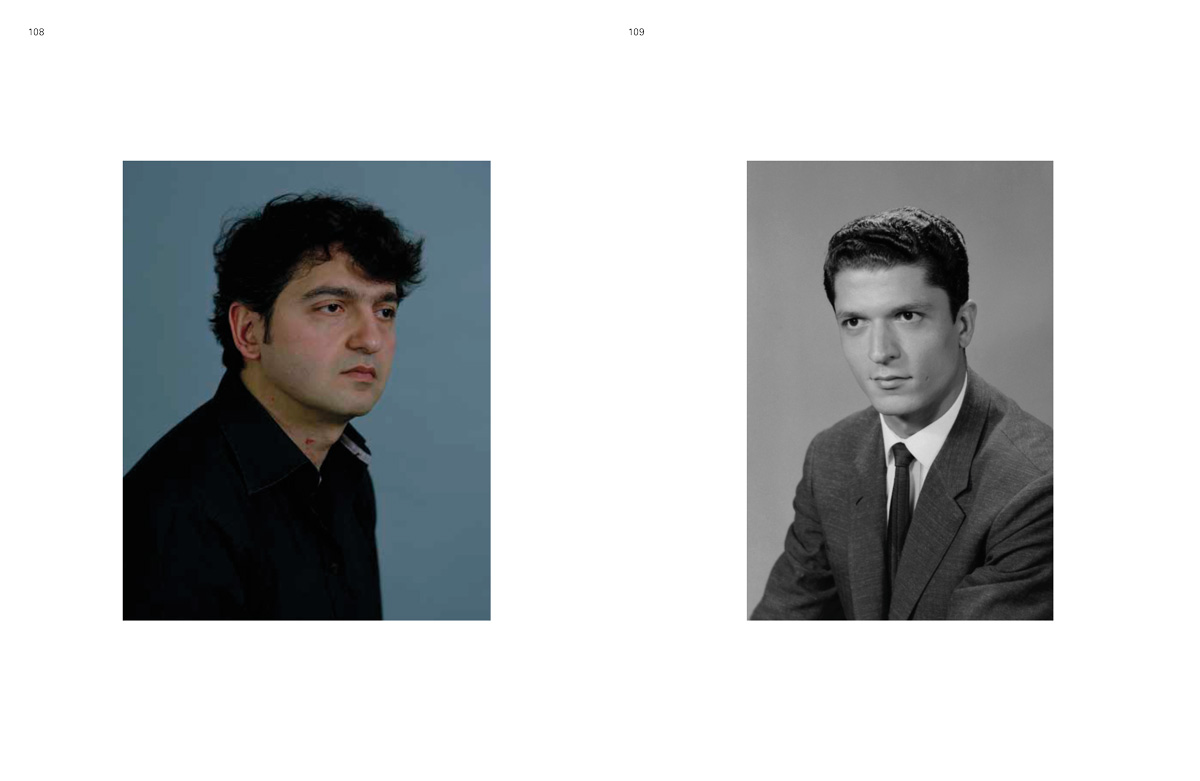
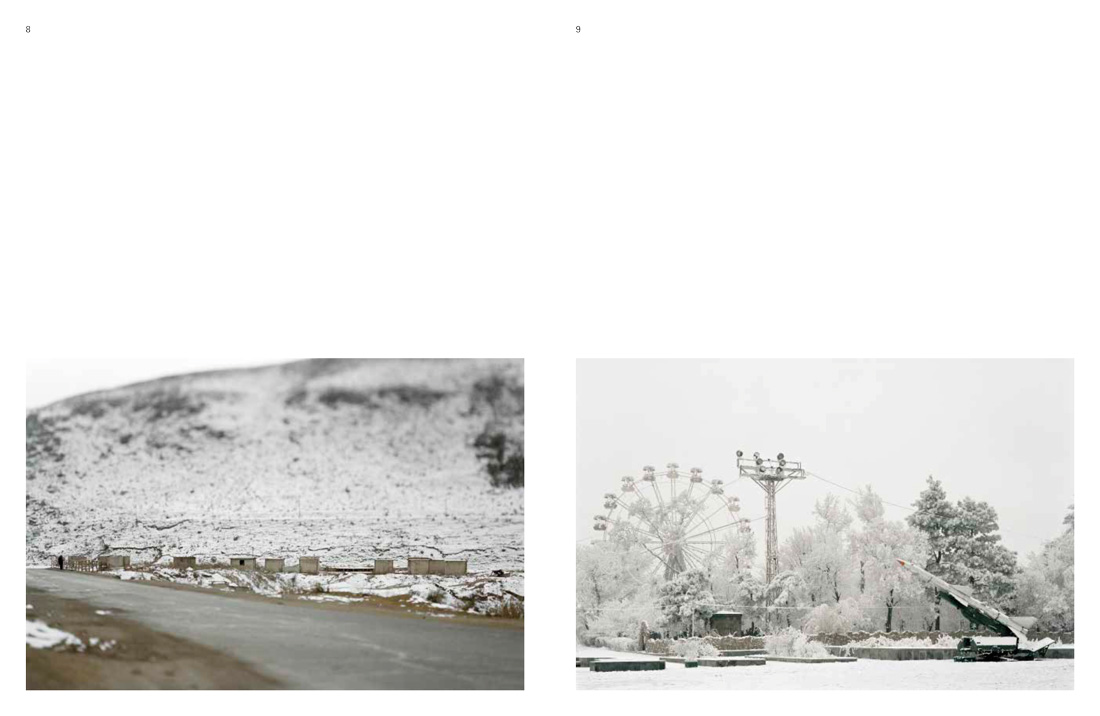
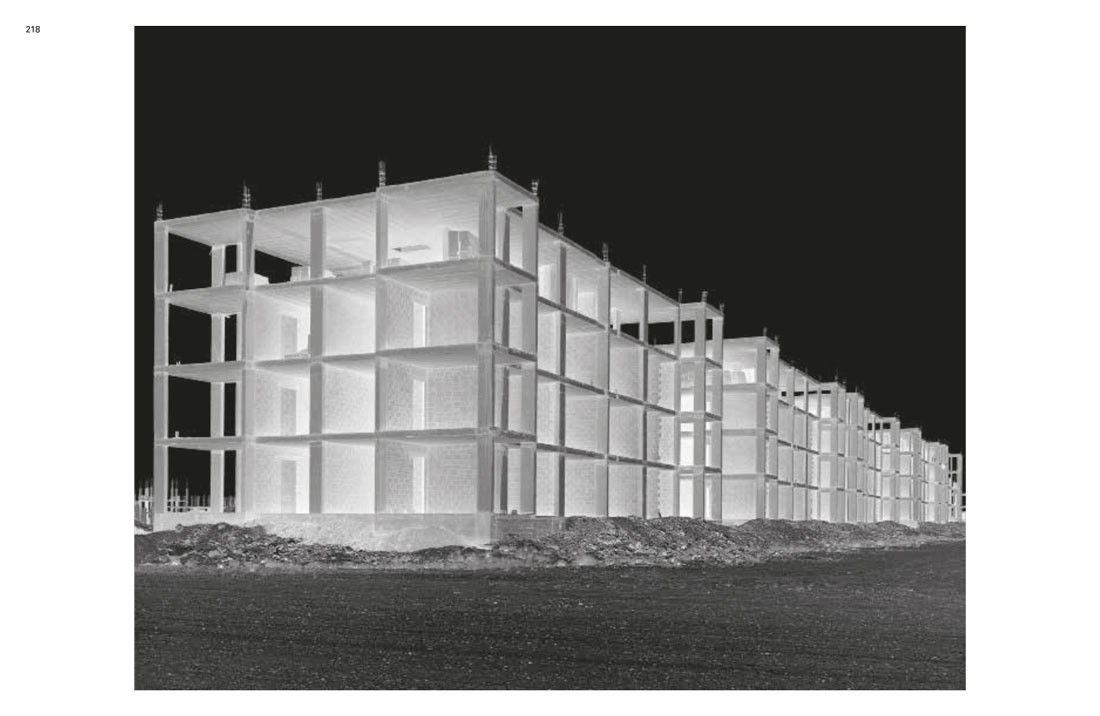
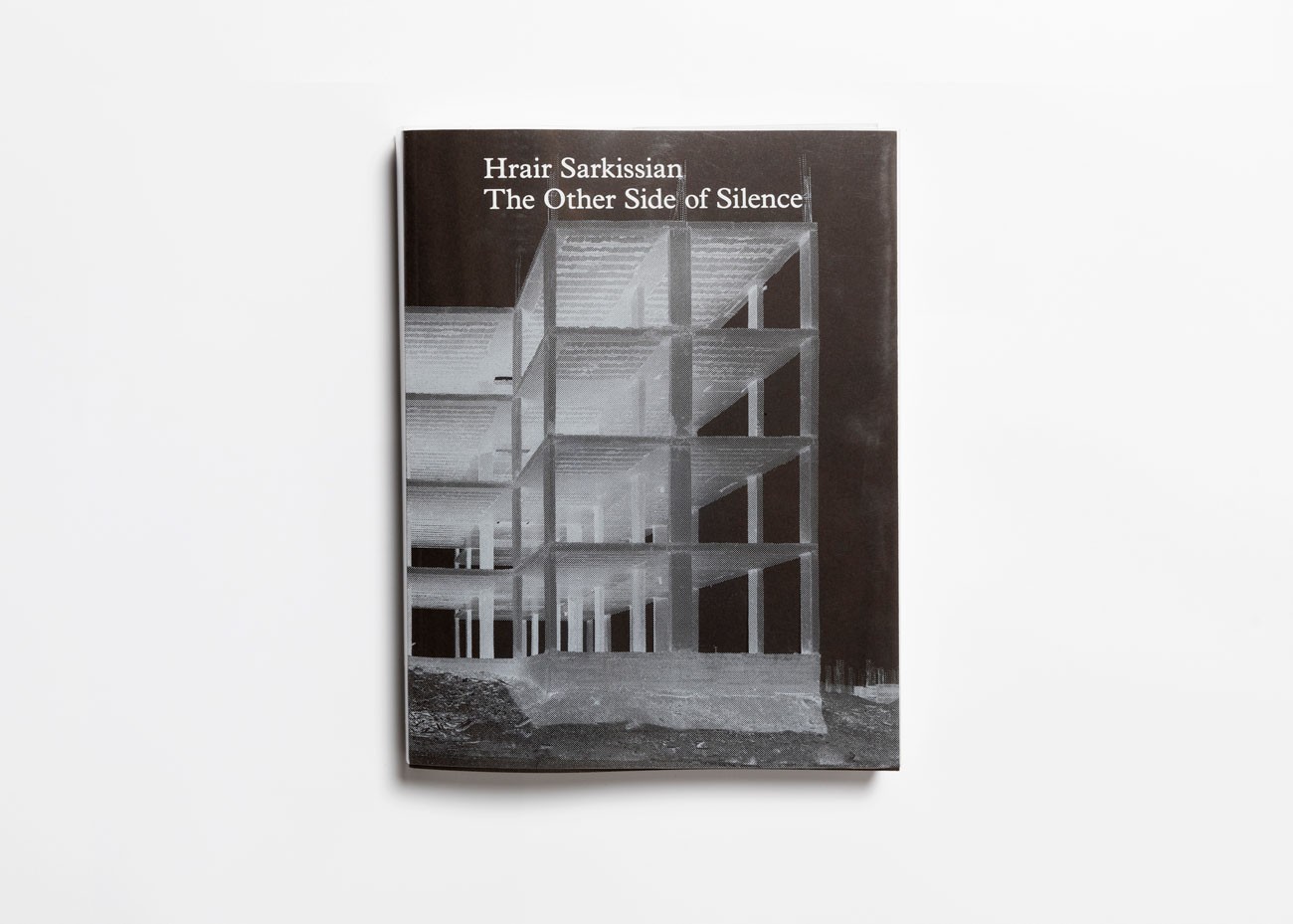
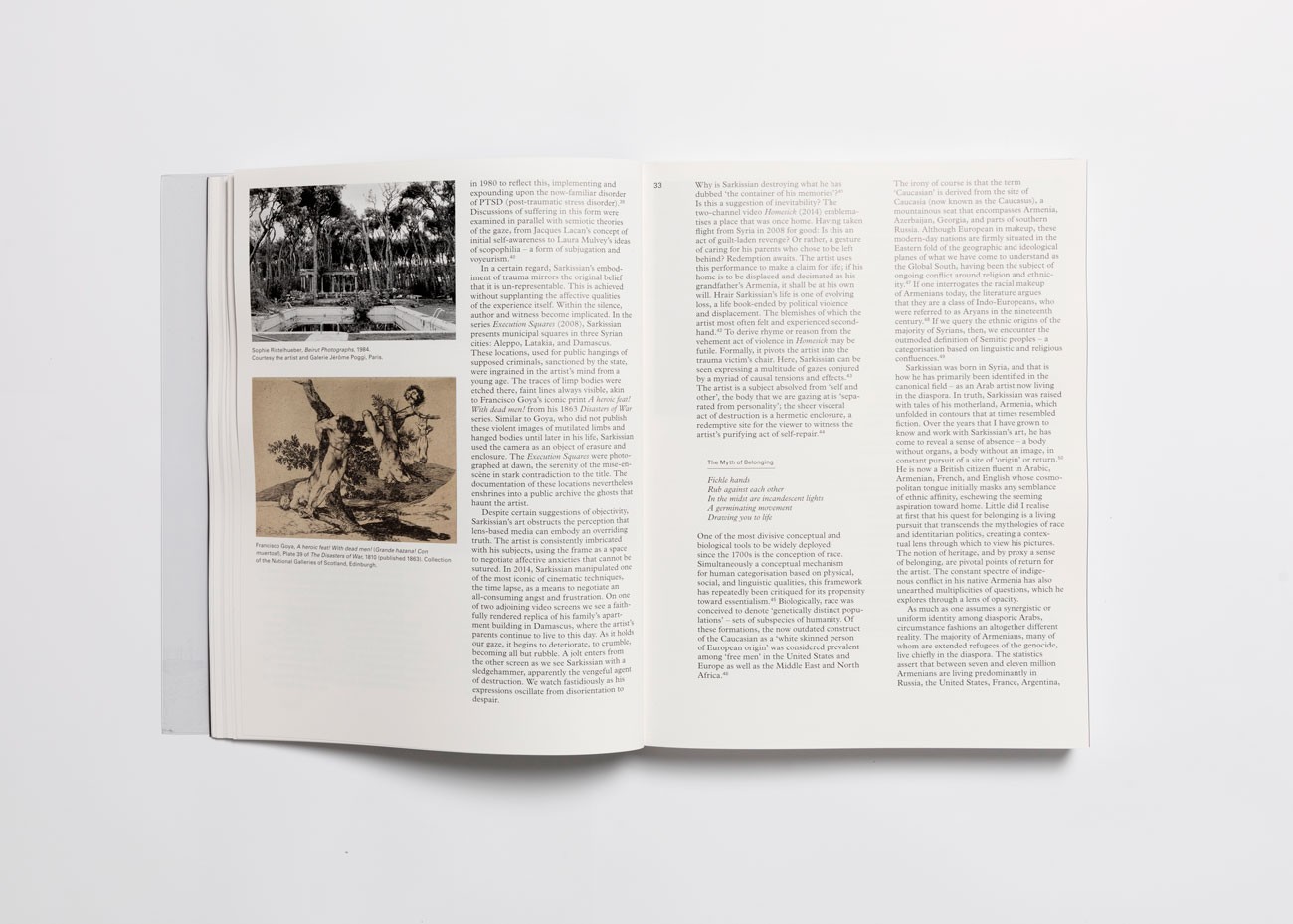
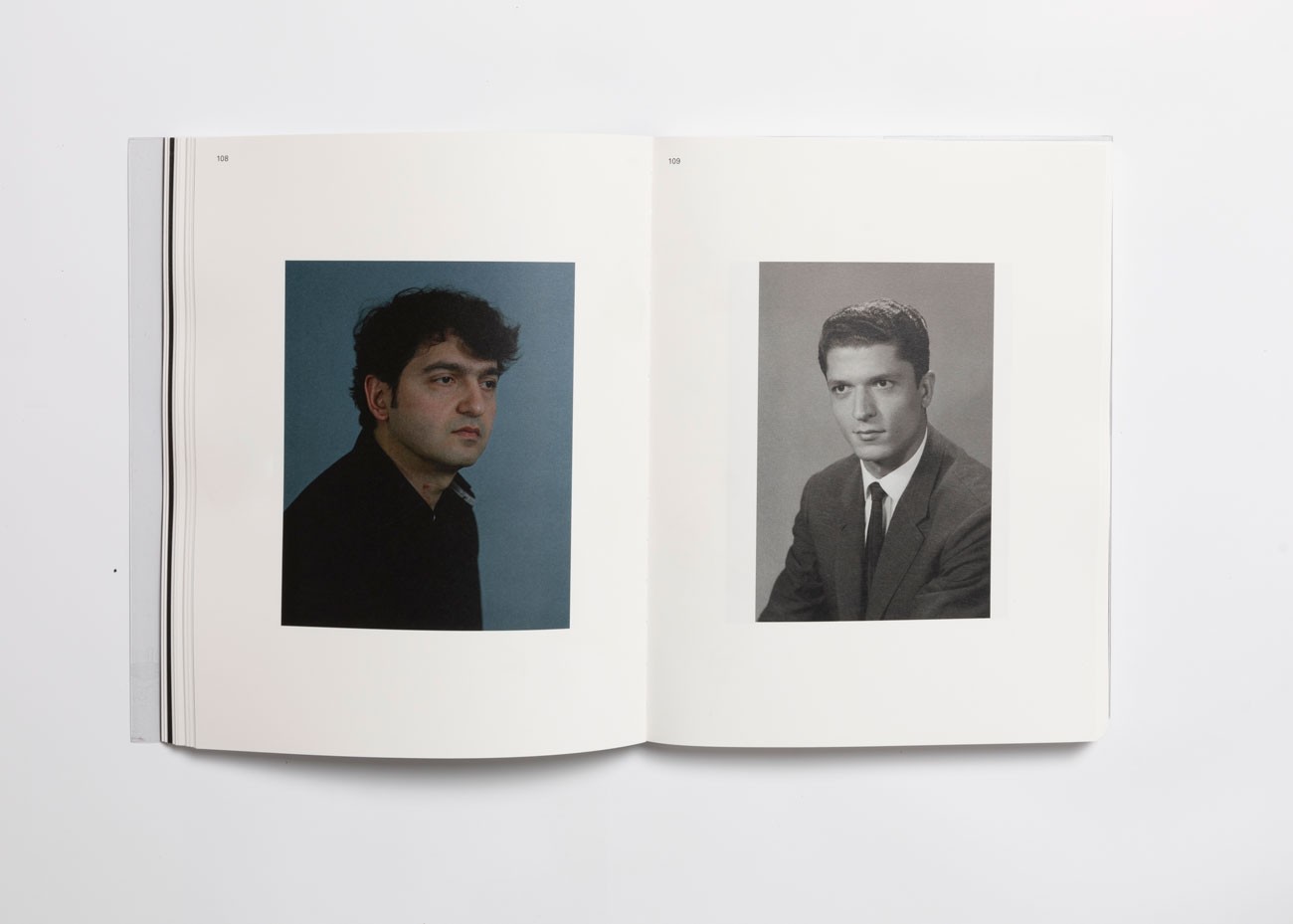
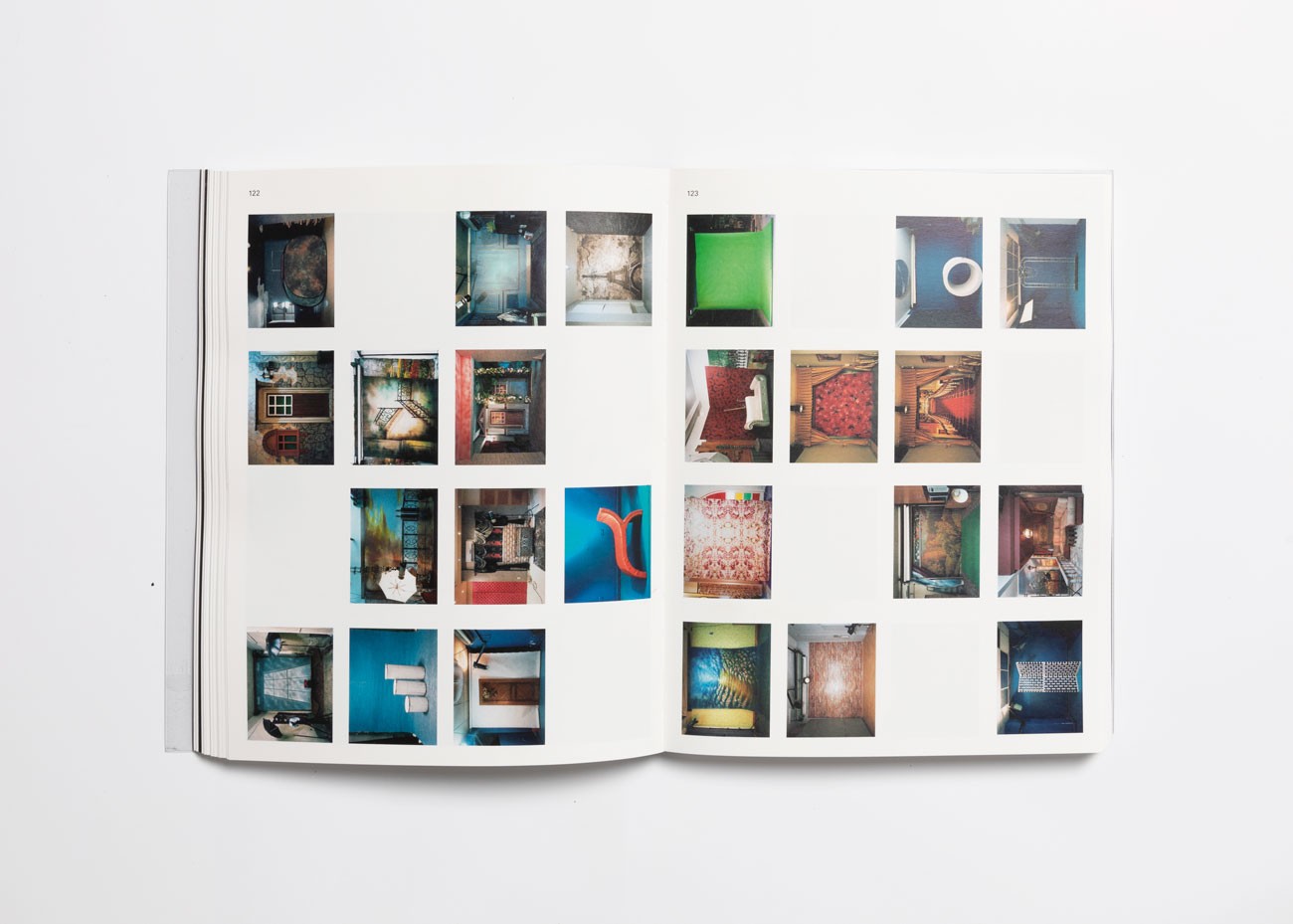
The Other Side of Silence is the first monograph of the artist Hrair Sarkissian—one of the leading figures working with photography globally today. This cerebral book of multi-disciplinary essays and images explores histories of disappearance, the architecture of violence, and the potential of the medium of photography itself. While encompassing the moving image, sculpture, sound, and installation, Sarkissian’s practice is rooted in his photographs. His lifelong use of a large-format camera relates to the artist’s interest in the role that chance plays in capturing hidden narratives of conflict, trauma, and displacement. Acting as an archaeologist and a storyteller, the artist draws upon personal and collective memory to reveal stories that official records cannot tell. The viewer is invited to consider the formal aspects of the image, to breathe in its silence and to interrogate what might live beneath its surface. This monograph accompanies Hrair Sarkissian’s eponymous touring exhibition organized by Bonniers Konsthall, Stockholm; the Bonnefanten, Maastricht; and Sharjah Art Foundation.
The artist
Born 1973 in Damascus, Syria, Hrair Sarkissian gained his foundational training at his father’s photographic studio in Damascus. In 2010 he completed a BFA in photography at the Gerrit Rietveld Academie, Amsterdam. He lives and works in London.