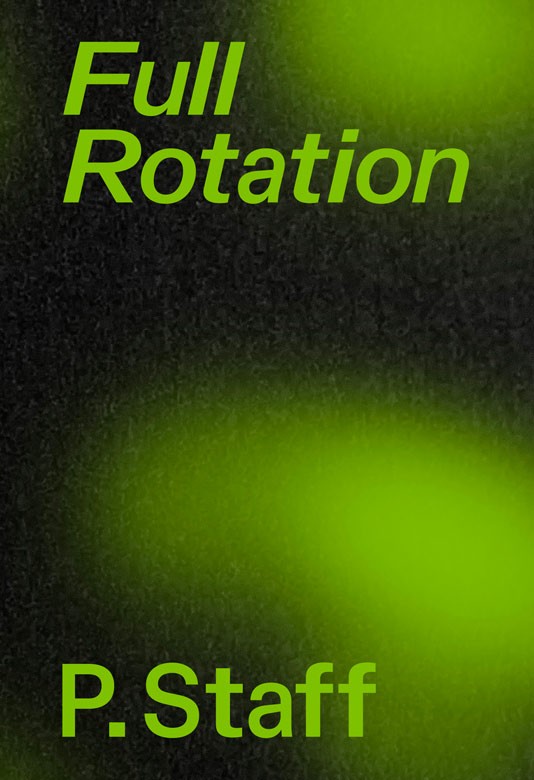
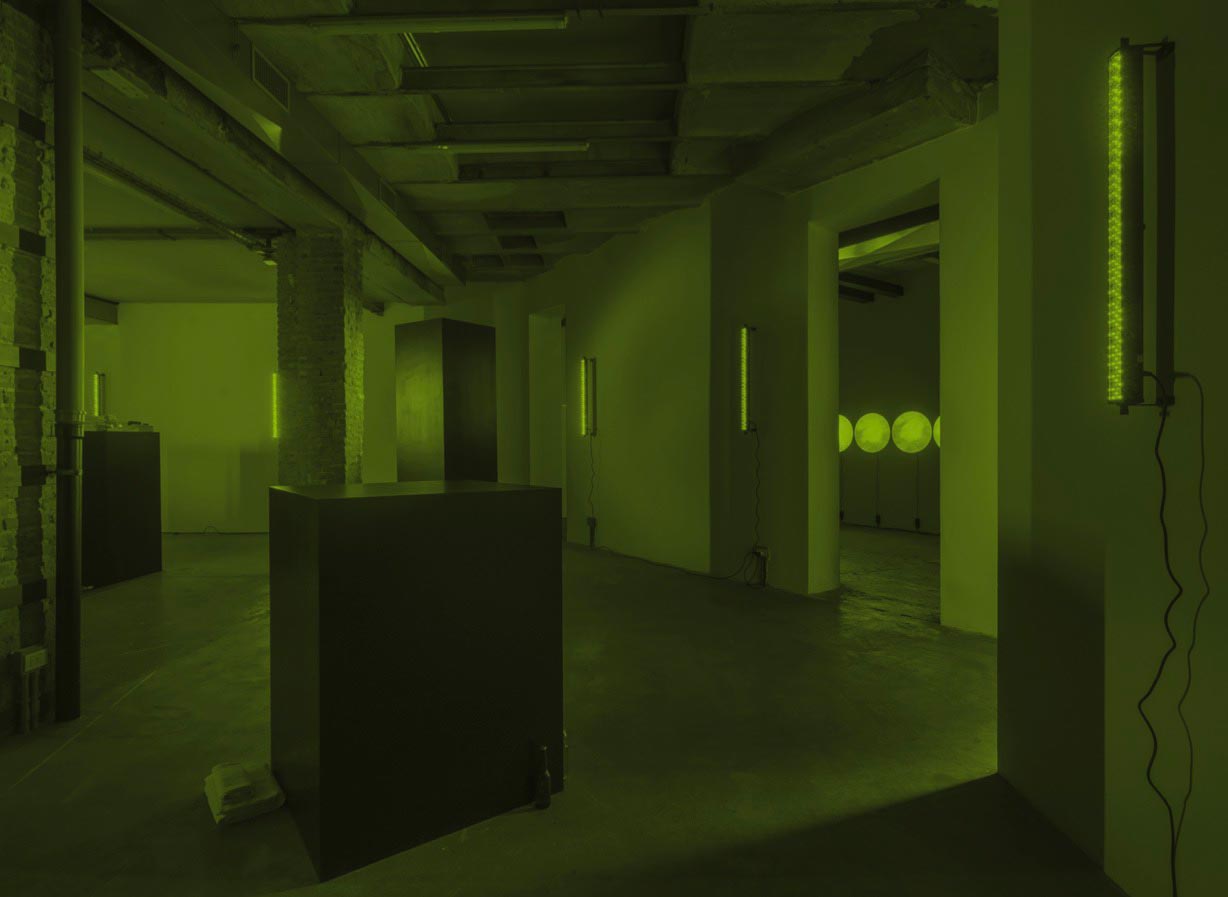
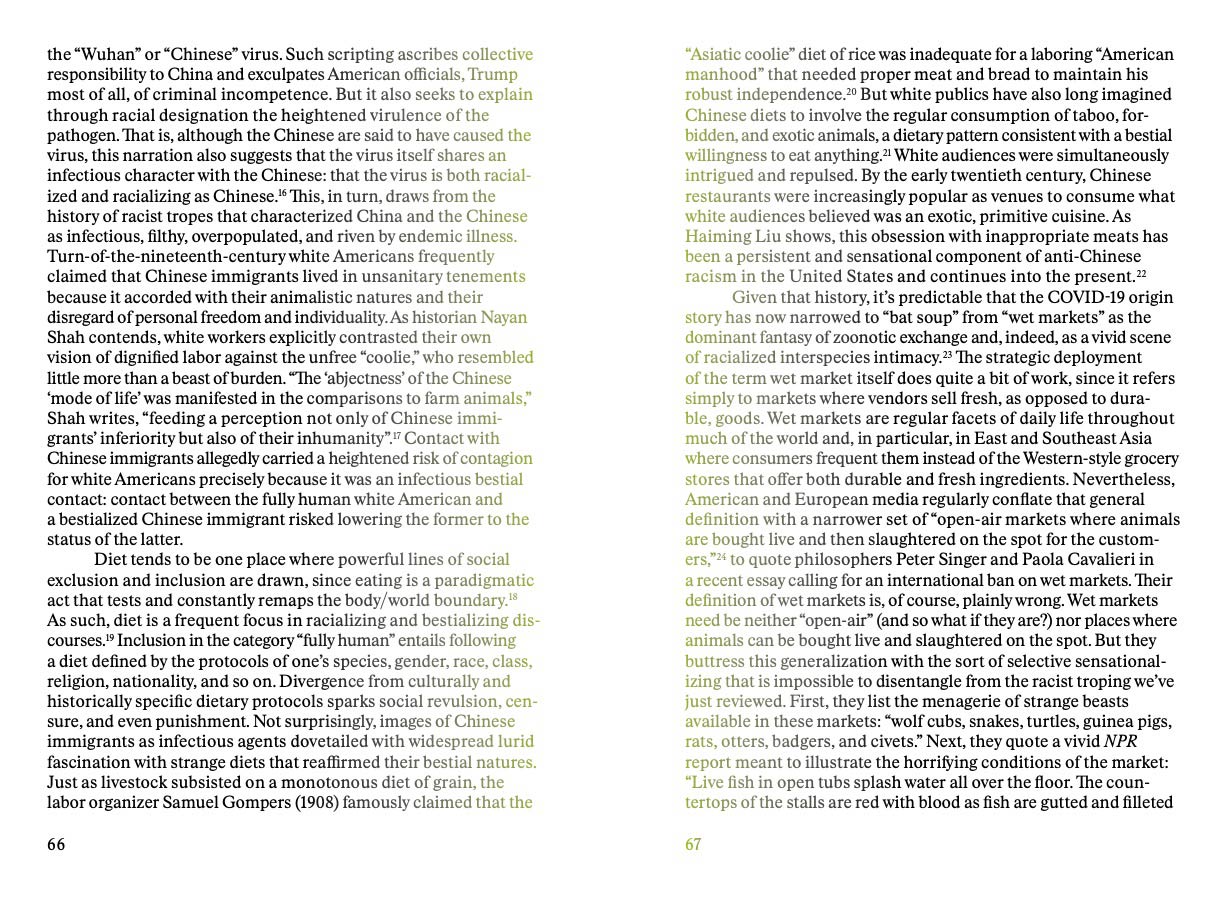
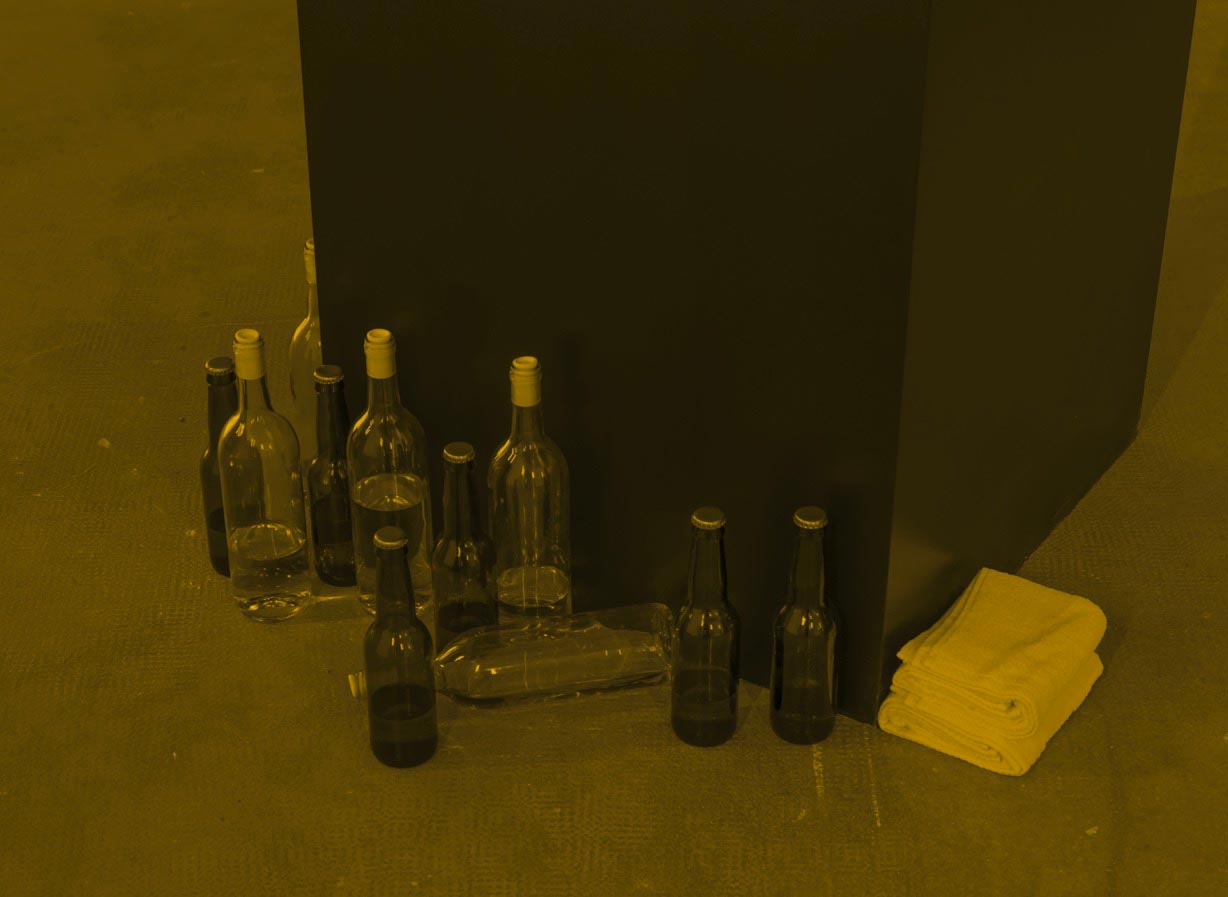
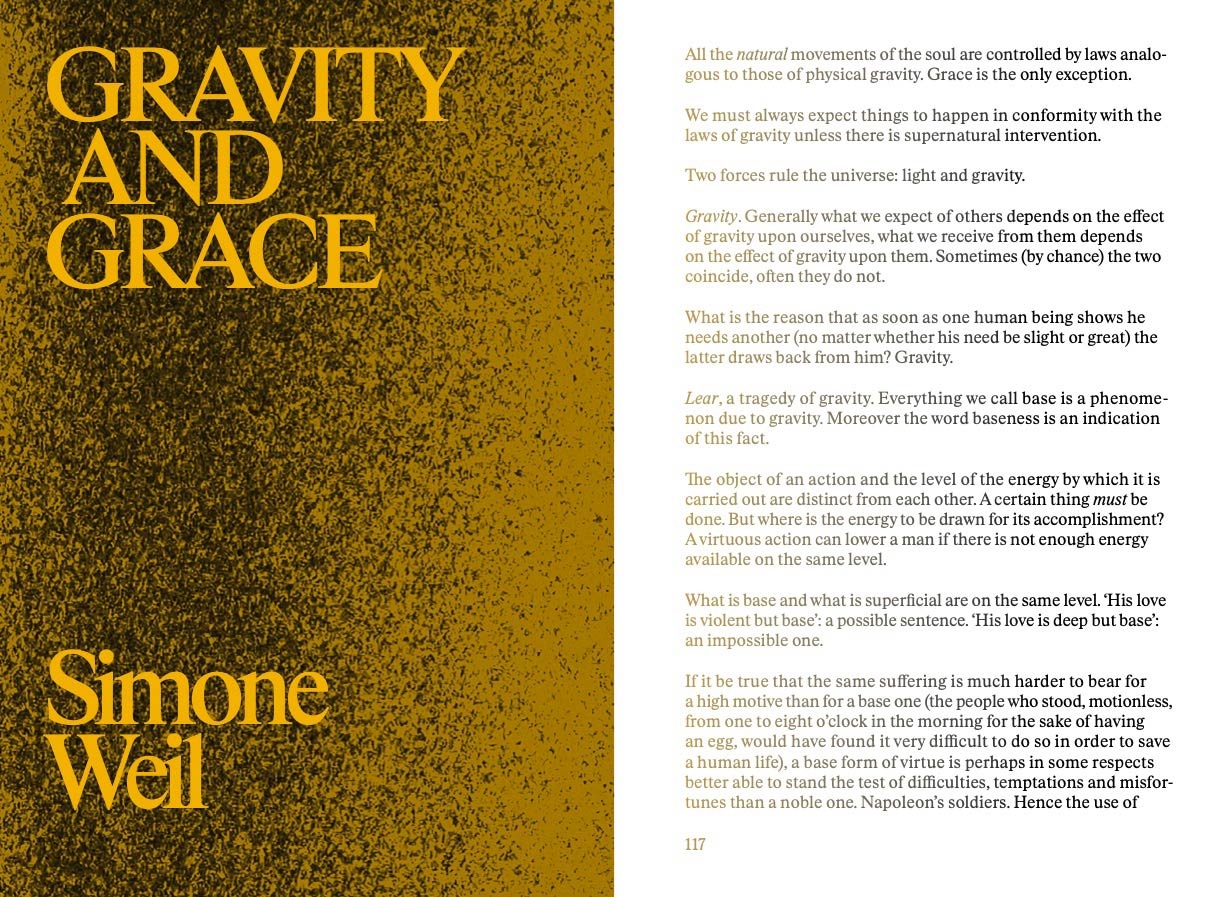
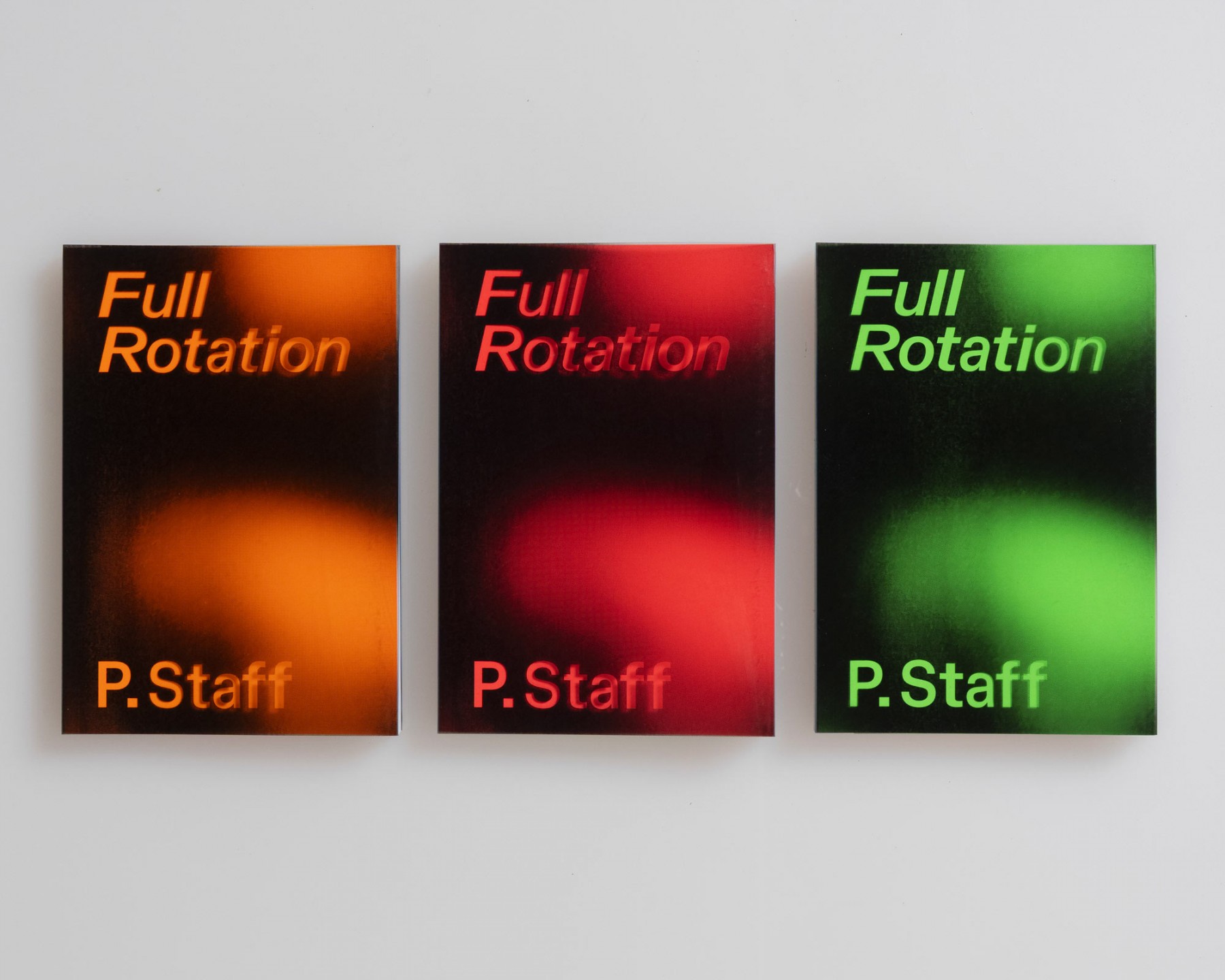
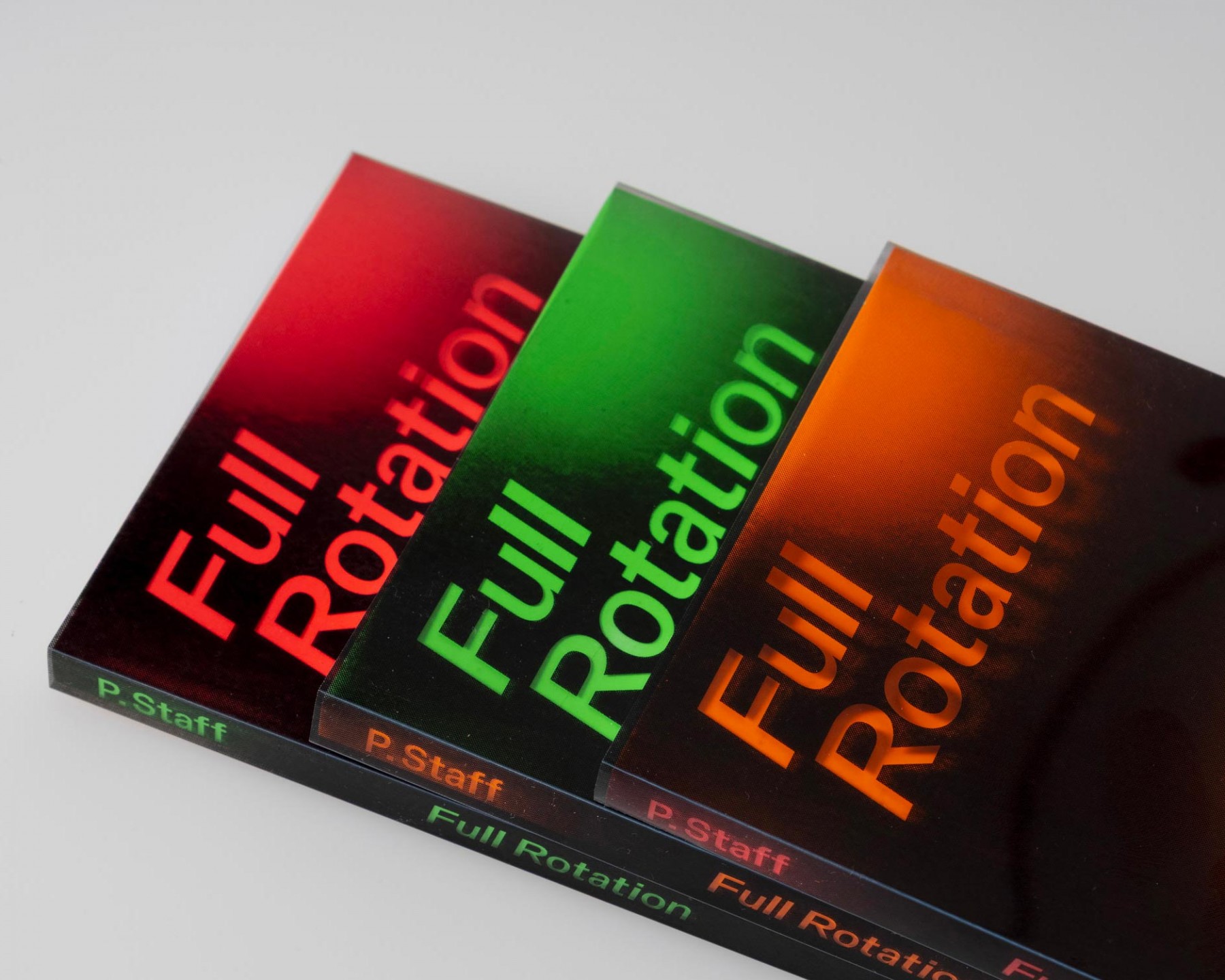
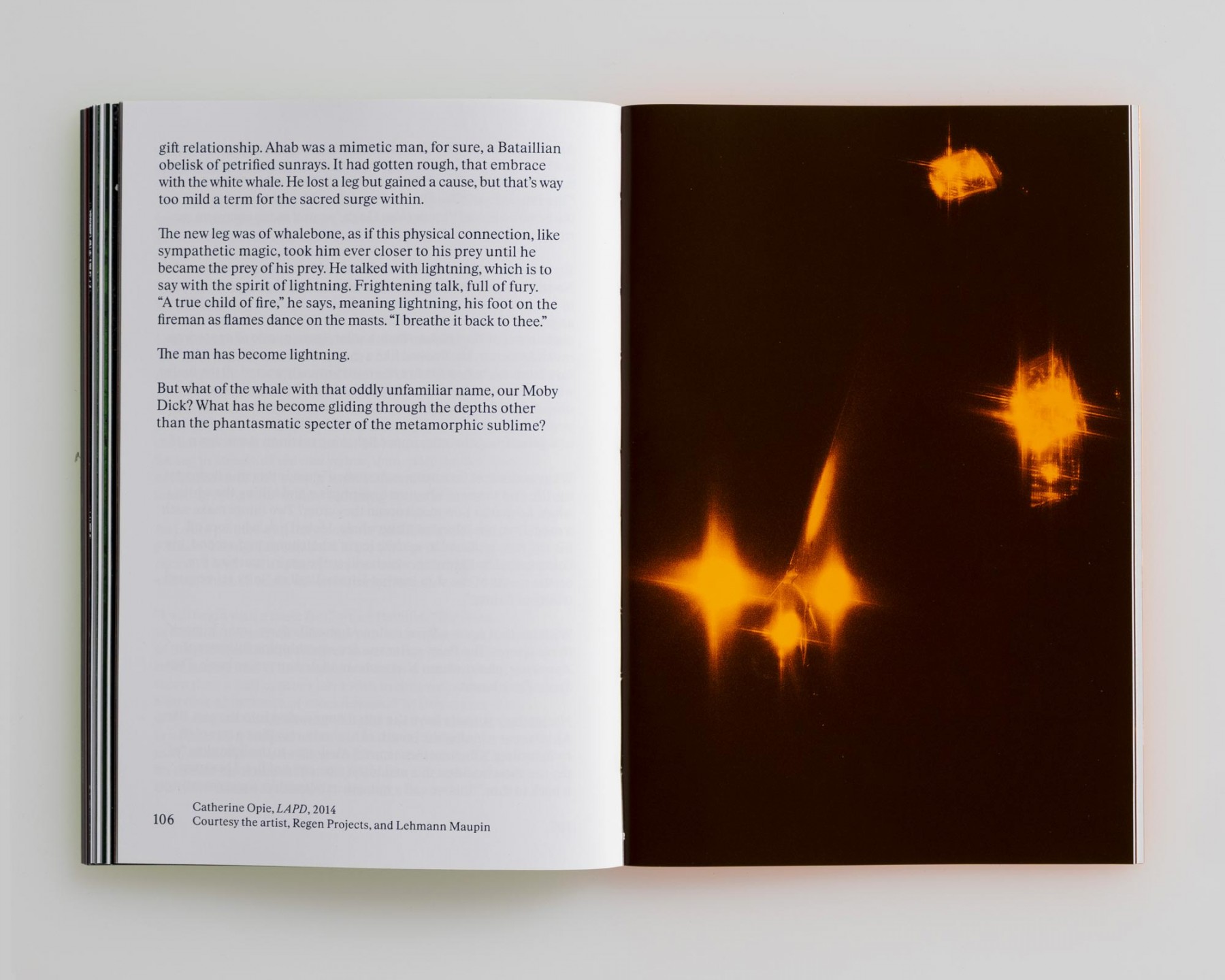
Full Rotation brings together texts and images to trace the forces that draw bodies beyond themselves. Moving between ecstasy, animal life, and light, the book explores heightened sensation, altered perception, and dissolution, where the human gives way to other forms of existence and boundaries between the physical, psychic, and cosmic begin to blur.
This is the first monograph on the influential American choreographer and dancer Trajal Harrell. In an entertaining, far-reaching conversation with curator Daniel Baumann, Harrell covers all of his choreographies and performances, as well as his influences, successes, and failures, addressing how he transforms and transgresses the history of dance.
Maxiprocesso brings together 360 photographs by Maria D. Rapicavoli, one for each of the archival folders documenting the largest mafia trial in history, held in Palermo from 1986 to 1987. The volume explores the relationship between memory, justice, and social responsibility, examining the material element of a landmark event in contemporary Italian history.
This book offers the first comprehensive overview of Anna Franceschini’s practice. Organized around recurring themes, it explores animation, the body, machines, ghosts, desire, and windows through commissioned contributions and selected writings. Its associative structure reflects her interest in repetition, transformation, and unstable images.
This book accompanies 5 Works, Lydia Ourahmane’s first institutional solo show in Italy, staged at the Nicoletta Fiorucci Foundation in Venice and curated by Polly Staple, during the 61st Venice Biennale, and includes newly commissioned texts and images that further contextualize the artist’s practice and work.
Museums of Tears extends Francesco Vezzoli’s 2024 exhibition at Museo Correr, Venice, combining historical works and new commissions to explore antiquity, emotion and illusion. Conceived as an artist’s book rather than a catalogue, it transforms the museum guide into a hybrid archive and portable museum of memory, beauty and mourning.
Edited by P. Staff with Samuele Piazza
Designed by Studio Dominik Krauss
Published with OGR, Turin
2026, English, softcover, 13 x 19 cm, 136 pages
ISBN 979-12-80579-94-2
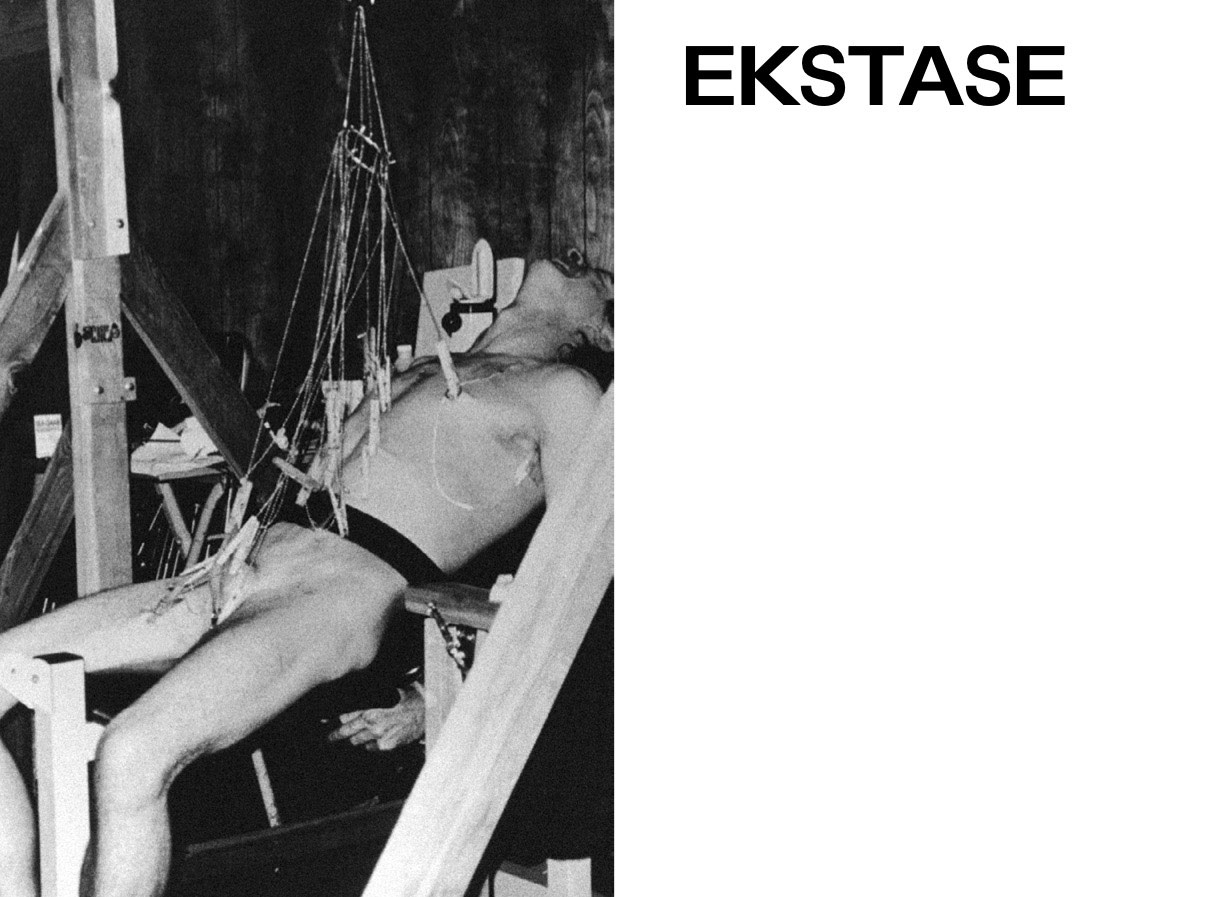
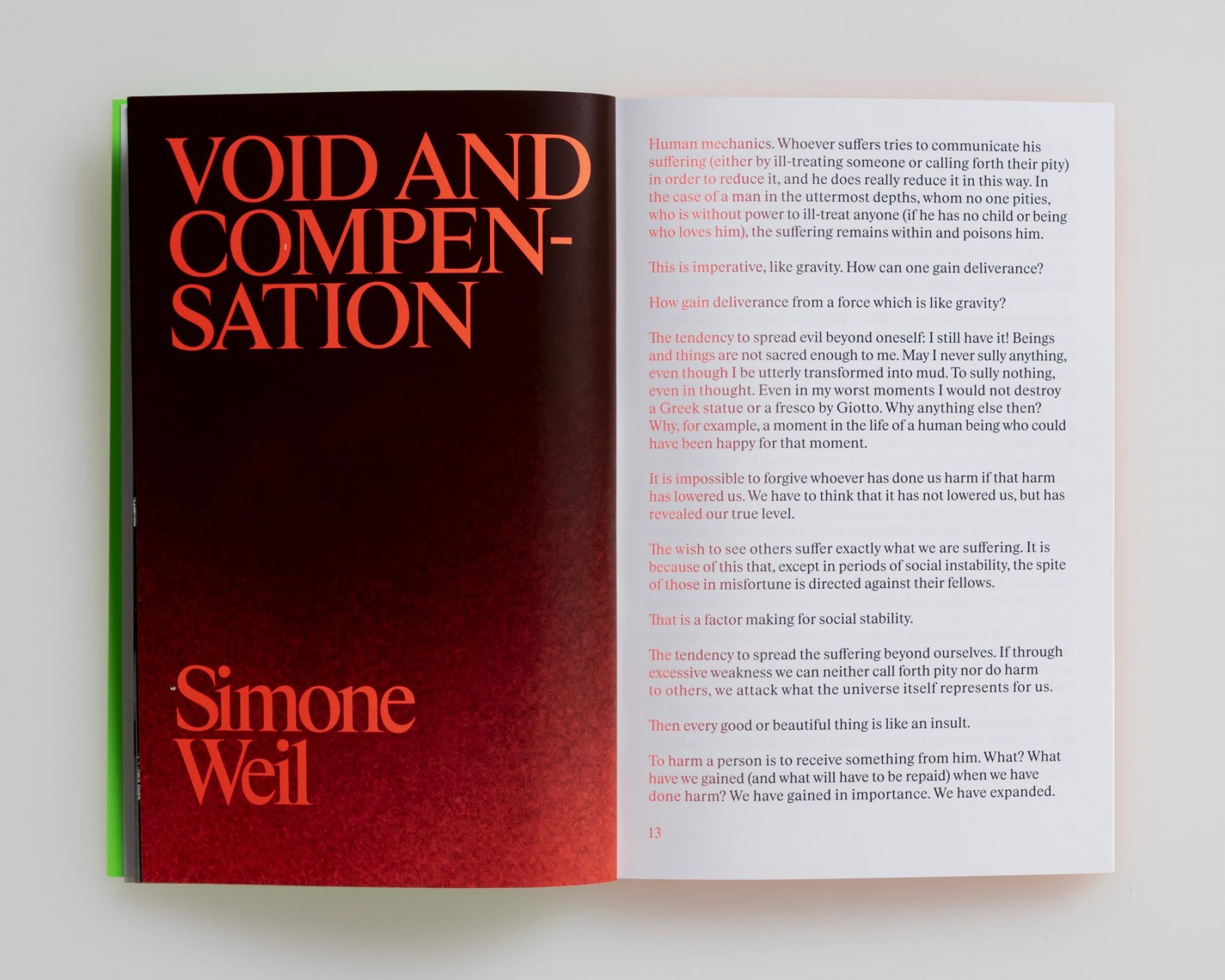
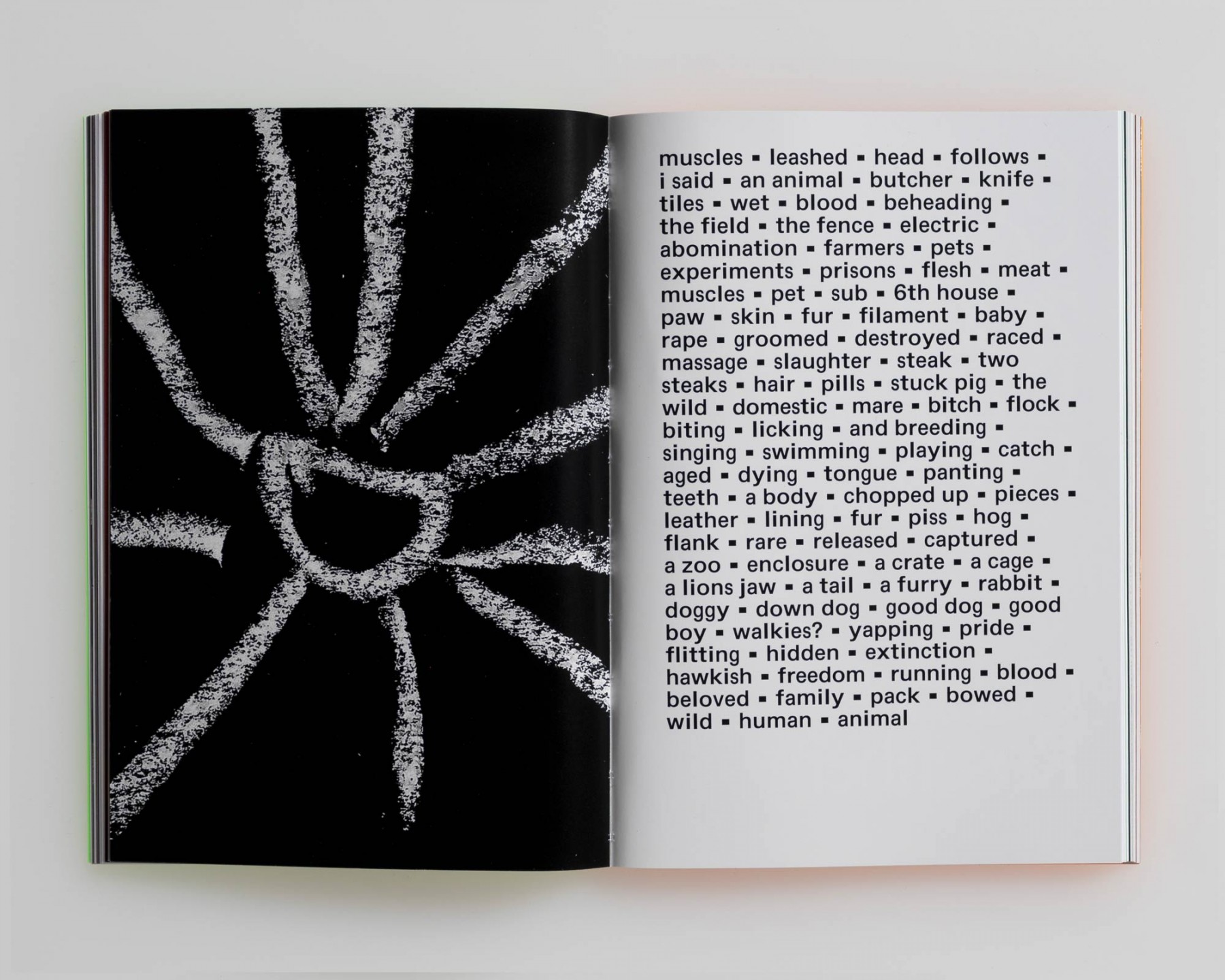
Full Rotation is an artist book by P. Staff organized around three terms: “Ekstase,” “Animals,” and “Light.” Chosen and assembled by Staff, the essays, poems and artworks move without hierarchy between the clinical, the erotic, the zoological and the cosmological, bringing different systems of knowledge into contact and allowing unexpected affinities to emerge. Rather than establishing a unified argument, the book unfolds through encounters, associations and shifts in perspective, exploring the body as a site where physical sensation, desire, vulnerability and transformation converge.
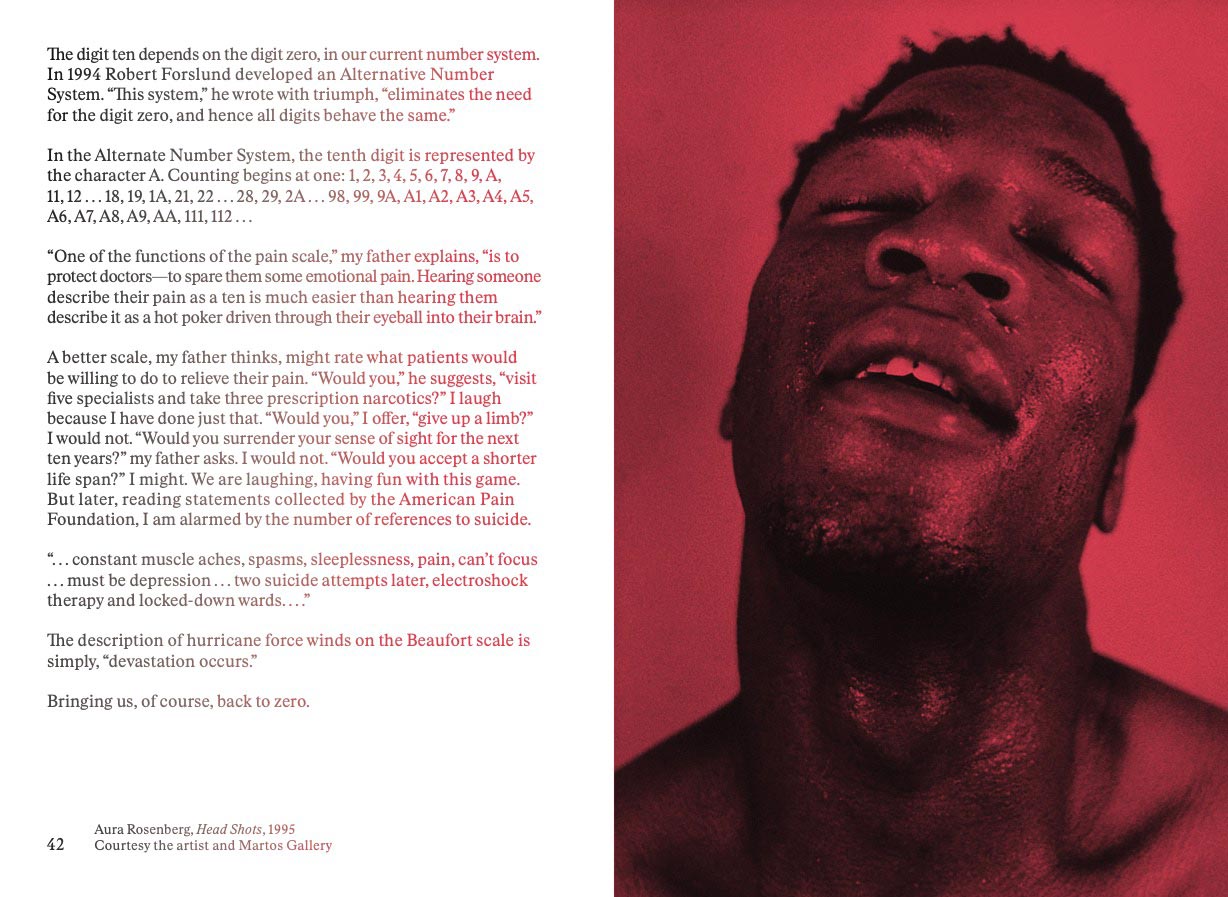
A constellation of texts spans the poem, the polemic, the letter, the elegy, hybrid verse and anthropological essay. Artworks by Käthe Kollwitz, Valie Export, Aura Rosenberg, Pati Hill, Catherine Opie and Luigi Russolo are interleaved with Staff’s own drawings and images, creating a field of correspondences across different historical moments, artistic practices and modes of representation.
Across the book, ecstasy emerges as both a bodily experience and a disruption of the self: a state in which pleasure, pain, excess and surrender unsettle the boundaries of individual identity. Animality offers a related perspective, challenging the divisions between human and nonhuman, instinct and reason, the organic and the artificial. Light, in turn, appears as a force of illumination and exposure, but also of instability and transformation—a phenomenon that makes visible while exceeding the limits of perception. Together, these three terms open onto questions of how bodies are constituted, how they encounter other forms of life, and how they are altered by forces that cannot be fully contained or understood.
The resulting structure is cyclical rather than linear, inviting connections to recur and meanings to shift as the reader moves through the book. Full Rotation treats the page as a space of circulation in which images and texts are continually reconfigured, resisting fixed distinctions between bodies and environments, sensation and knowledge, the intimate and the universal. Physical ecstasy, animality and illumination become three vantage points from which to consider what exceeds, consumes and transforms the body—and the possibility of inhabiting forms of existence beyond its presumed limits.