At 500 pages, this is the most comprehensive book yet on Norwegian artist, Ida Ekblad. Appearing three years after the artist’s show at Kunsthalle Zürich, Melted Snow took certainly a long time—all the time is takes to ponder fifteen years of the artist’s career.
On the occasion of PROVENCE’s 15th anniversary, the reader My Alphabet presents 26 texts published by PROVENCE between 2009 and 2024, either in print or digitally in the weekly newsletter. These texts are sorted alphabetically, ranging from A for Amphetamine to N for Ne travaillez jamais to Z for Gen Z.
This publication is devoted exclusively to the metal works of Sidsel Meineche Hansen. Catalogued here is every cast, forged, and fabricated metal sculpture made since 2017. Poems by the artist Diego Marcon annotate and respond to the individual pieces.
This compelling artist’s book is built around KOOL (“cabbage” in Dutch), an original font designed by Reus, somewhere between a plant alphabet and concrete poetry. The publication draws on the type specimen book tradition to present new typefaces.
Through a rich selection of images, this artist’s book, published in two editions—gold and silver—explores the birth, life and death of Francesco Gennari’s work Vorrei perdermi e non trovarmi più, 2022, exhibited for the first time at the Ciaccia Levi Gallery in Paris.
Through a rich selection of images, this artist’s book, published in two editions—gold and silver—explores the birth, life and death of Francesco Gennari’s work Vorrei perdermi e non trovarmi più, 2022, exhibited for the first time at the Ciaccia Levi Gallery in Paris.
Edited by Lorenzo Giusti and Valentina Gervasoni
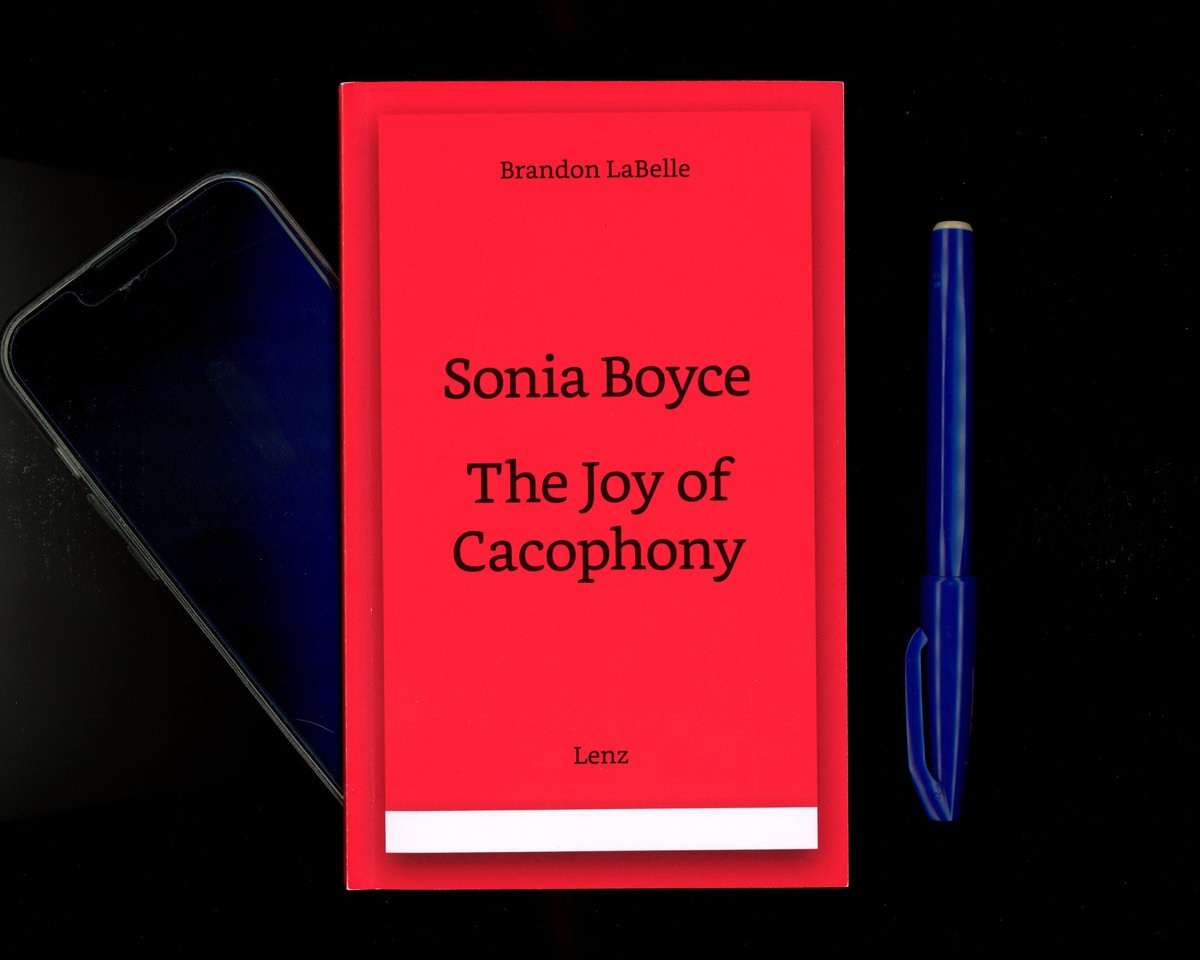
Essay by Brandon LaBelle
Designed by Lorenzo Mason Studio
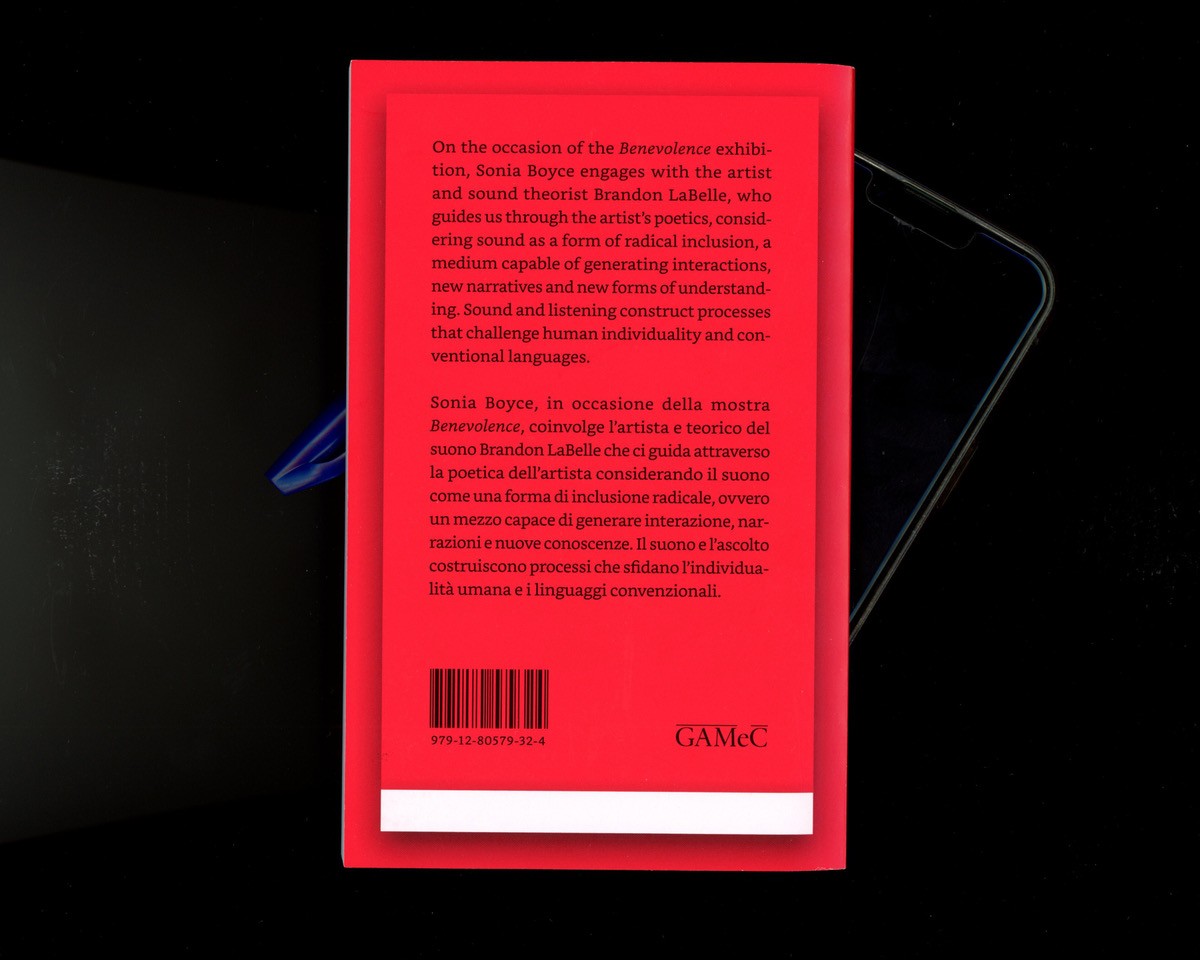
2024, English / Italian, softcover, 11 x 17.7 cm, 96 pages
ISBN 979-12-80579-32-4
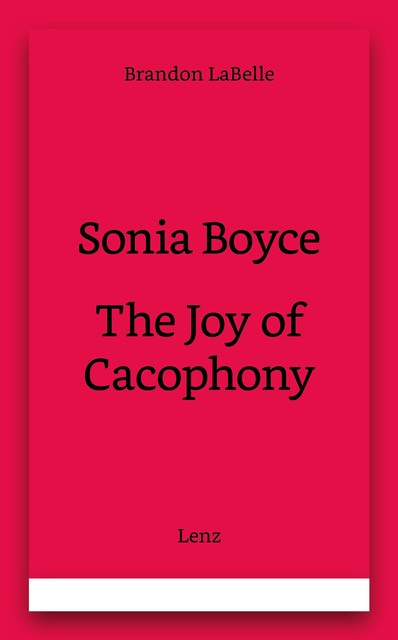
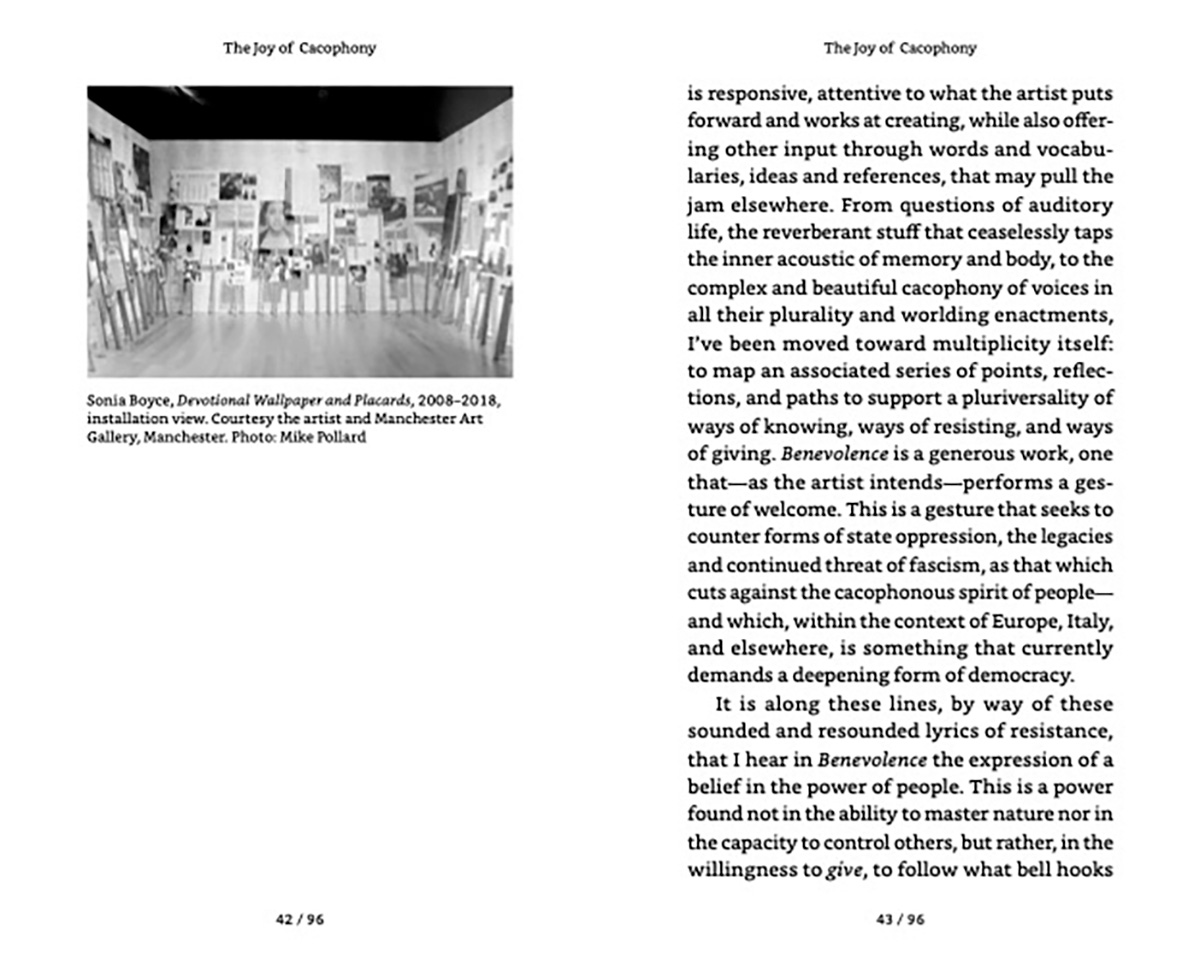
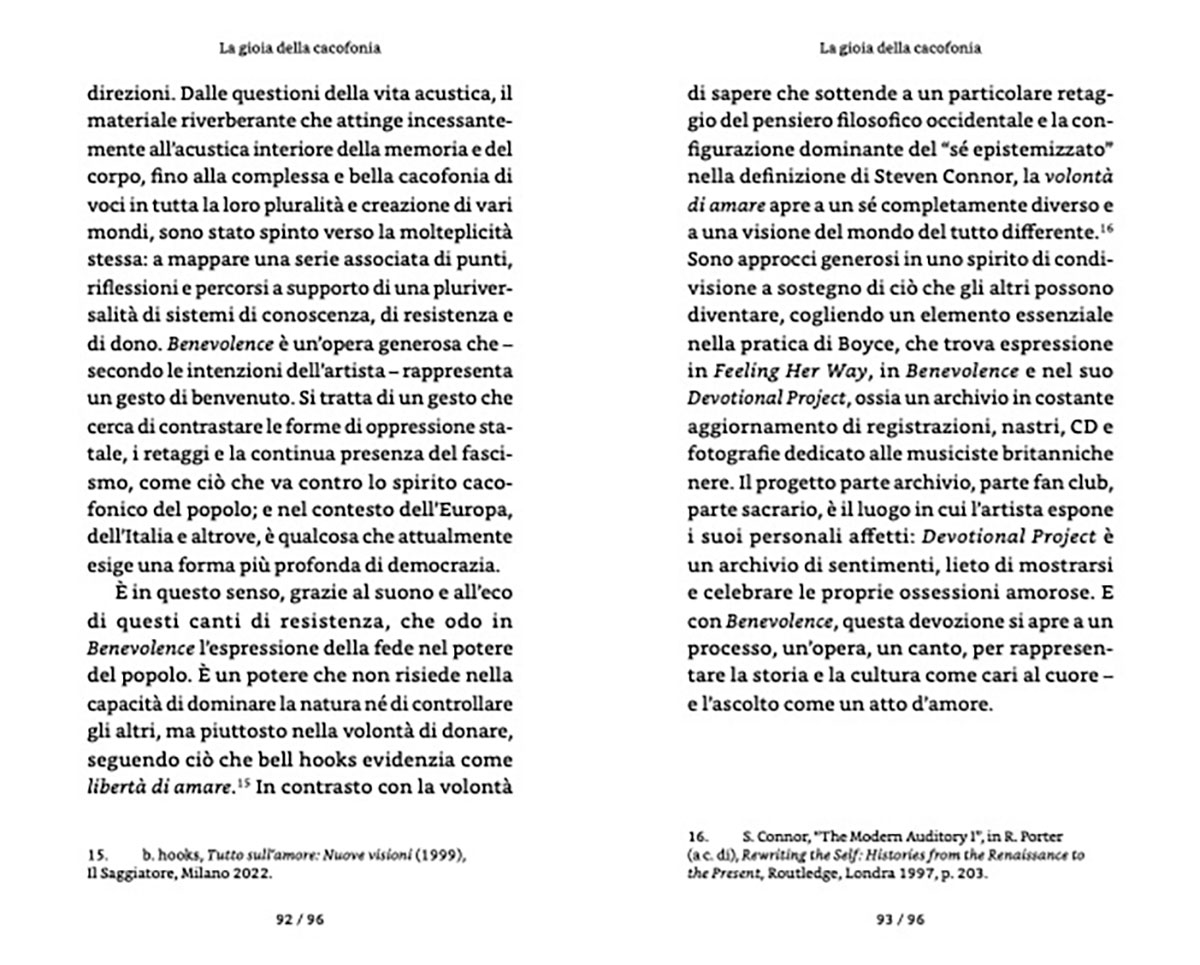
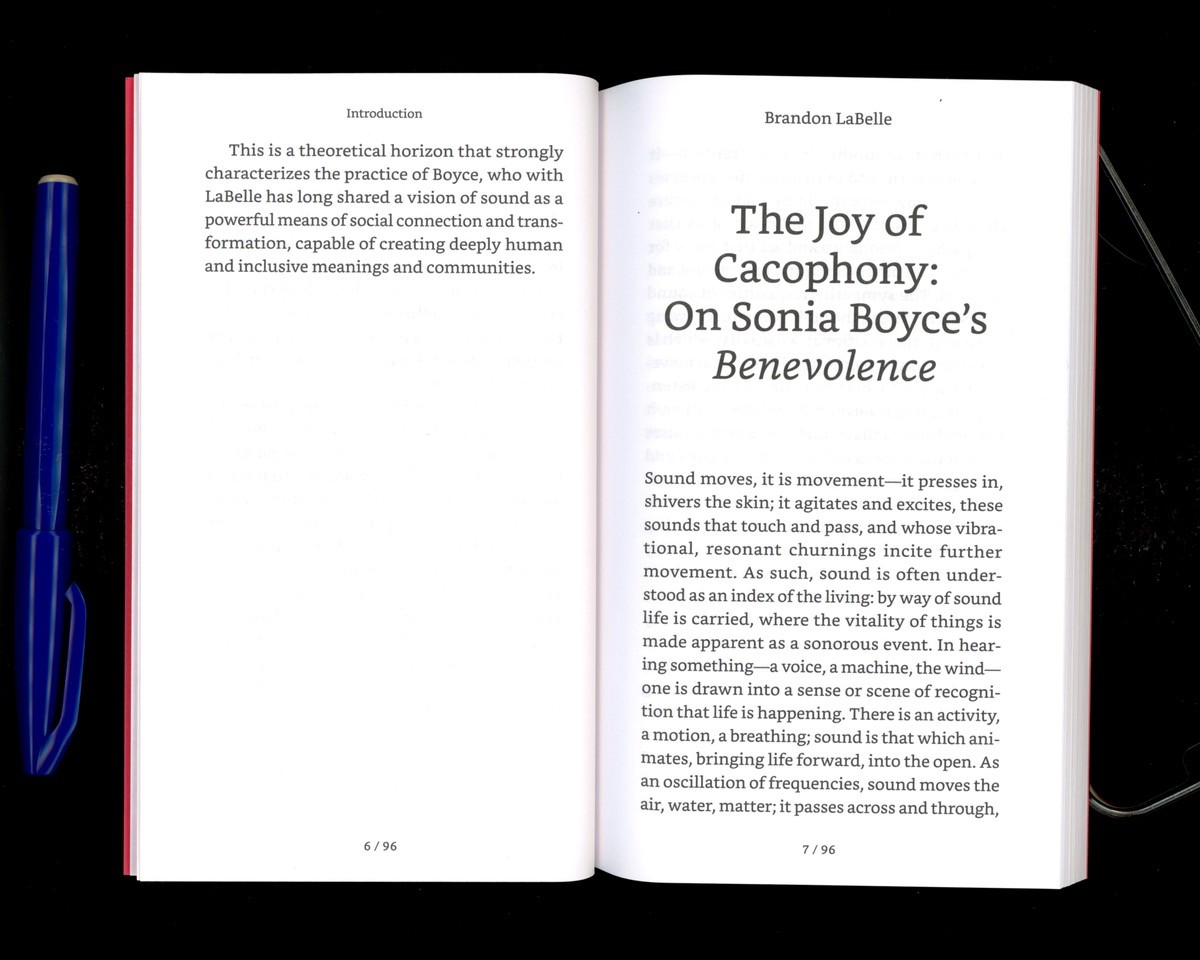
Sonia Boyce engages with the artist and sound theorist Brandon LaBelle, who guides us through the artist’s poetics, considering sound as a form of radical inclusion, a medium capable of generating interaction, narratives and new understanding. Sound and listening construct processes that challenge human individuality and conventional languages. Sound, by its porous nature, and the cultural and symbolic manifestation of music fostering social connections, exert an influence on everyone’s capacity to participate.
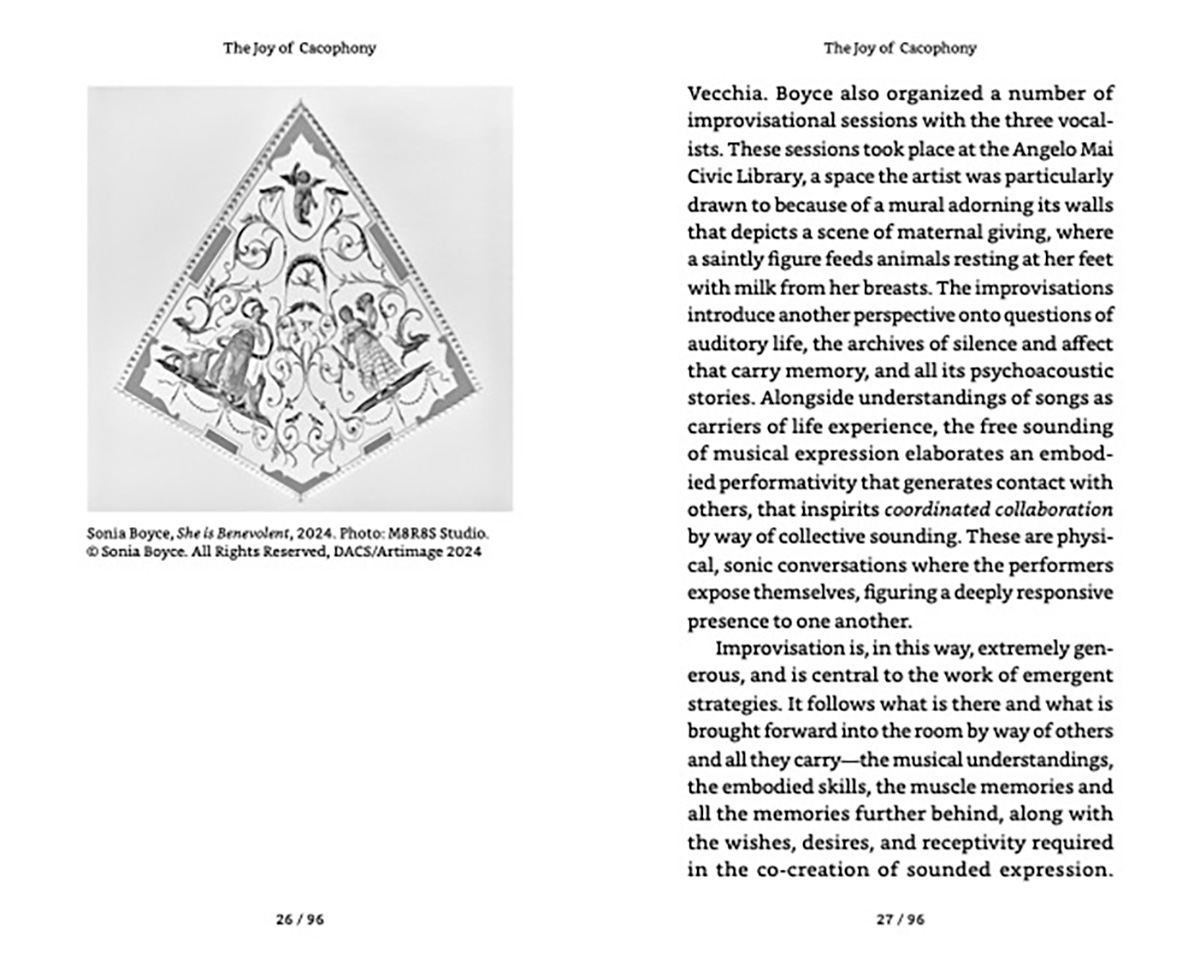
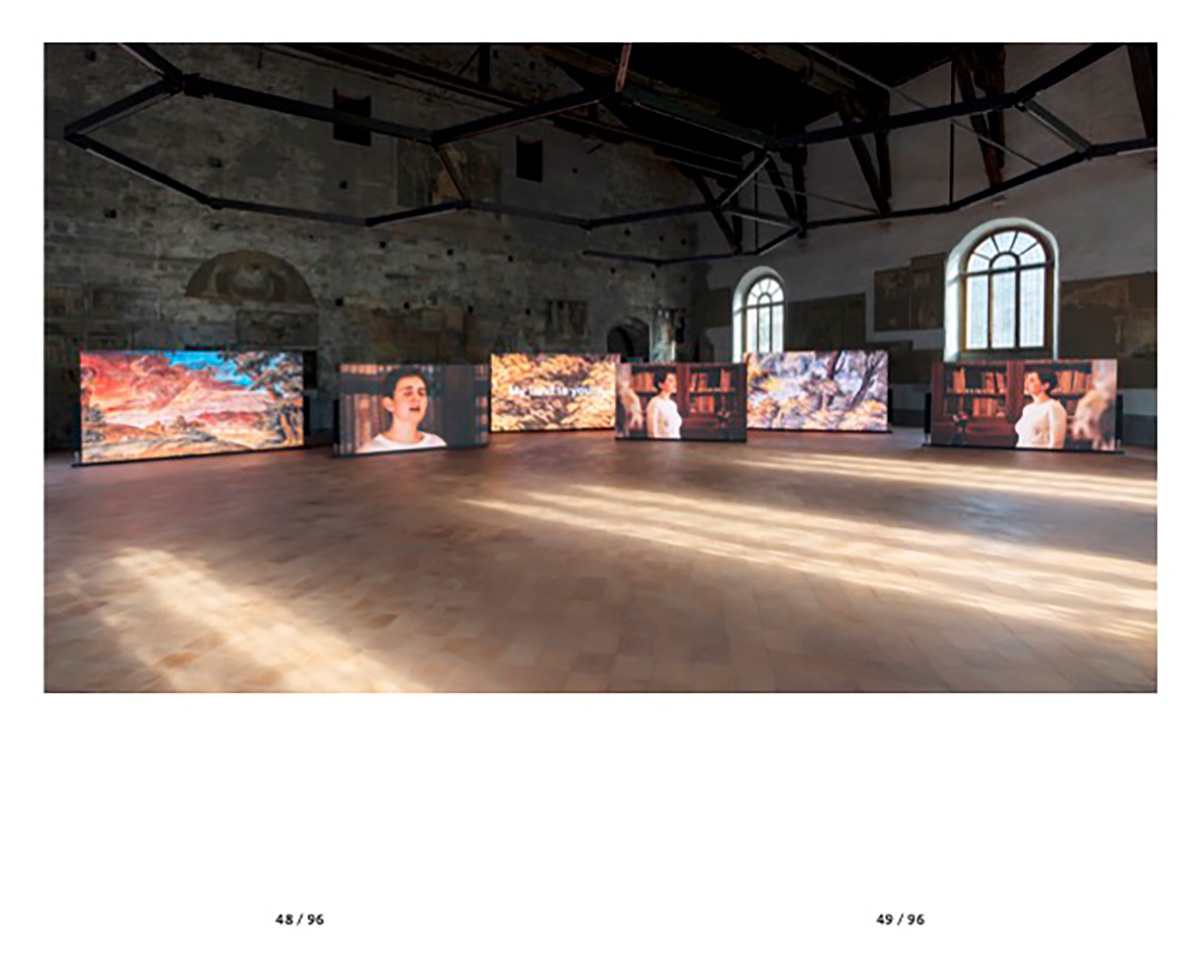
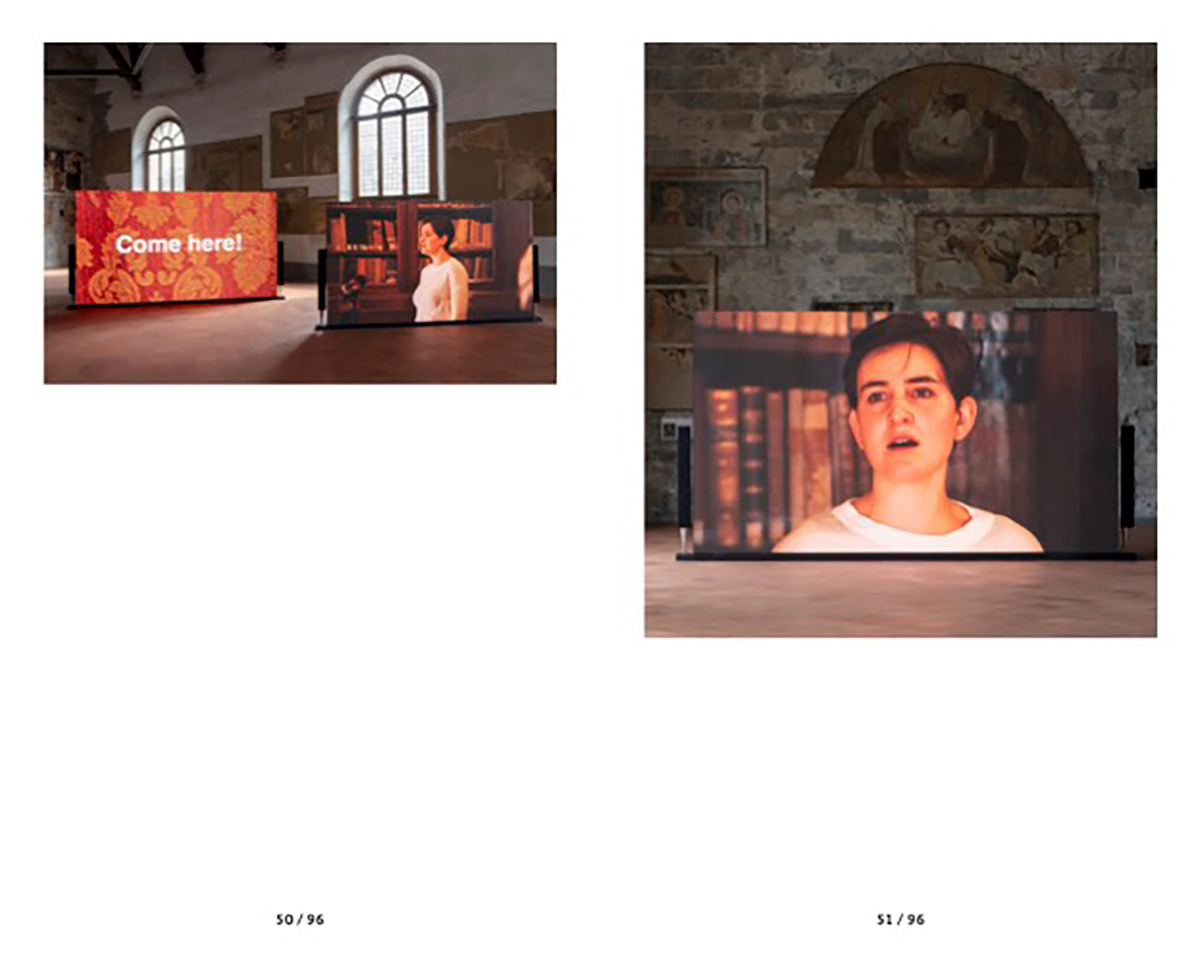
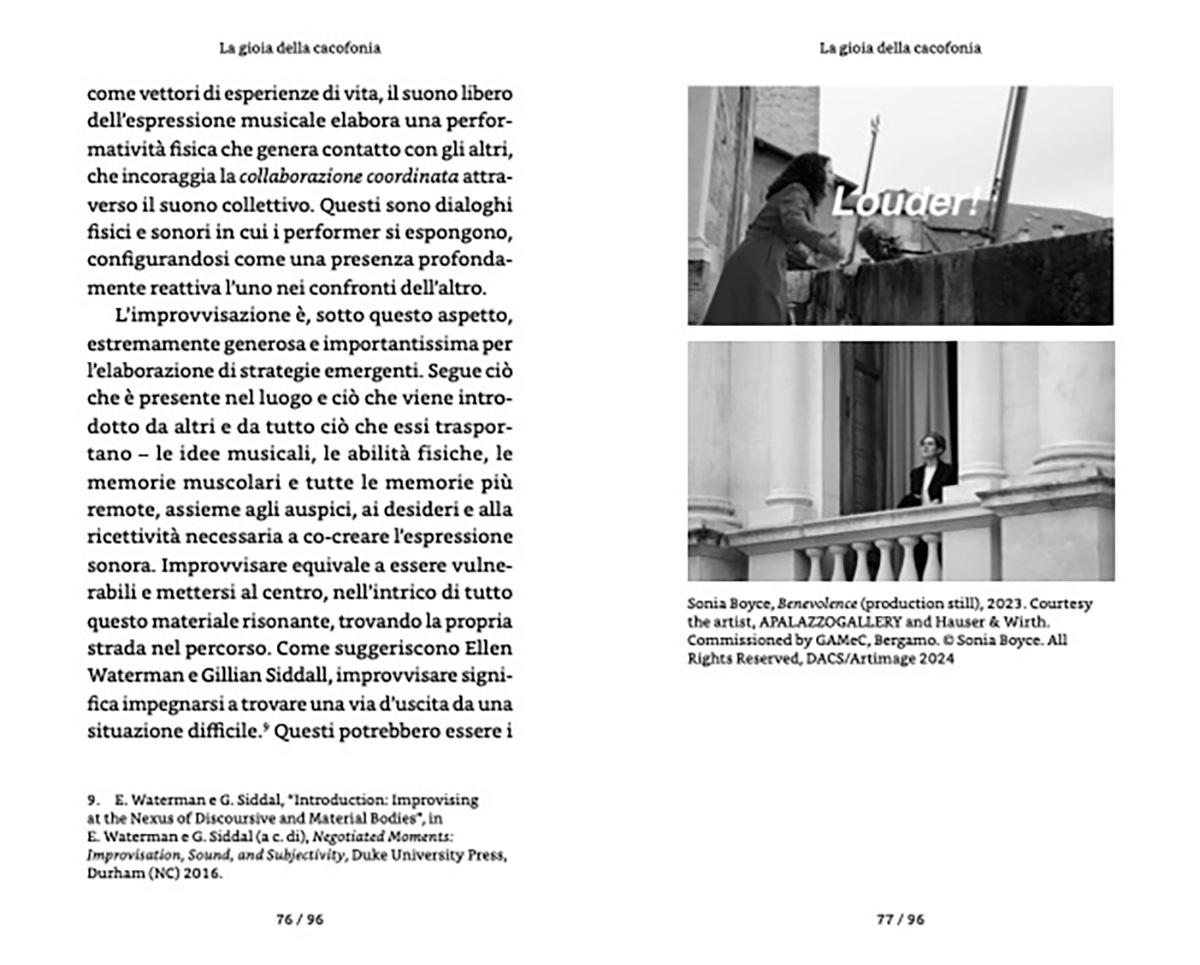
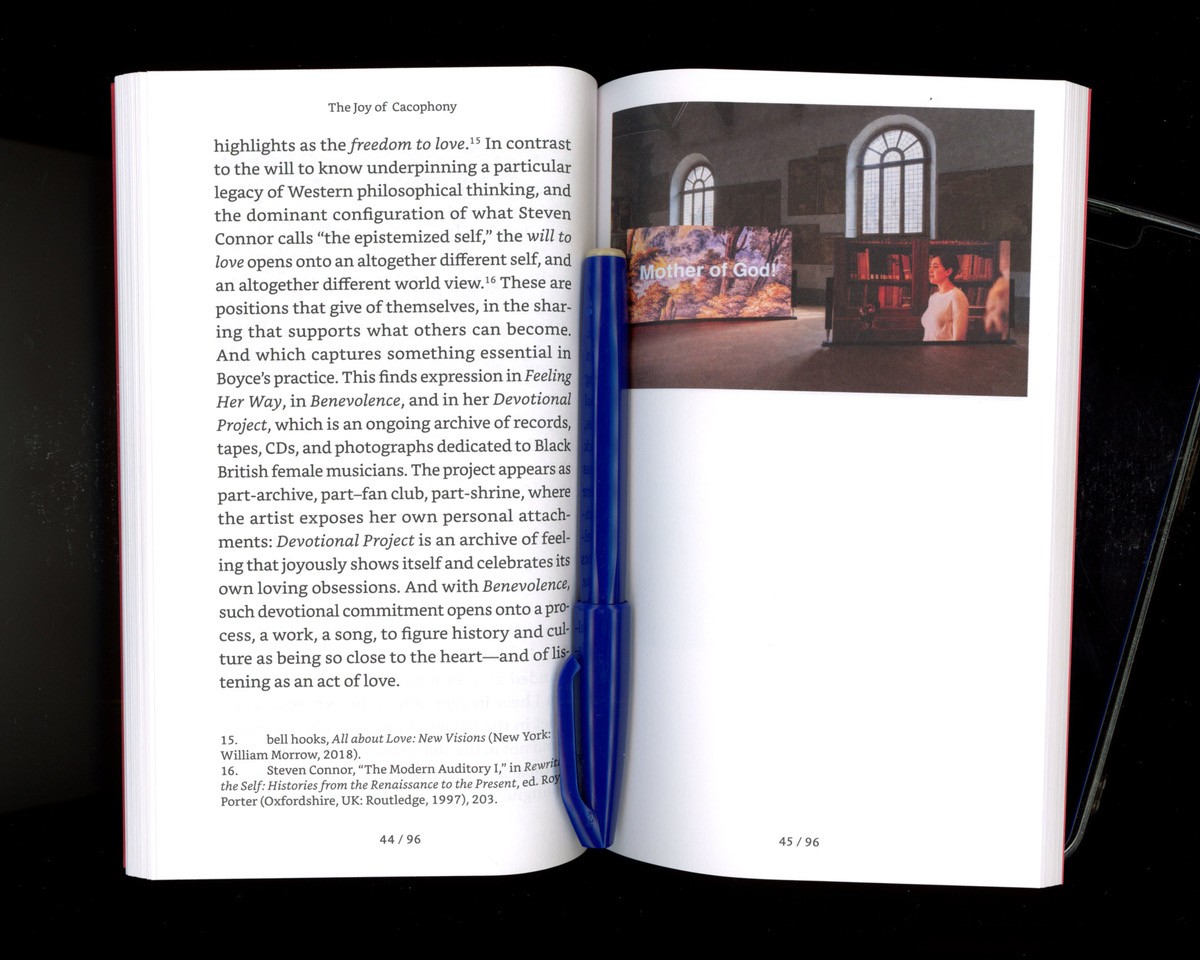
Sonia Boyce’s project for Palazzo della Ragione saw her collaborate with three students from the “Gaetano Donizetti” Higher Institute of Musical Studies in Bergamo, who were invited to perform and improvise popular songs in the heart of Bergamo’s “Città Alta.” The act of singing from balconies is an explicit reference to the lockdowns, during which people sang songs from inside their homes to support each other in what was a time of crisis. These actions inspired the artist, for whom singing itself represents a gesture of altruism and empathy. The Joy of Cacophony is the second book in a series of short essay collections inspired by the site-specific art projects specially conceived for GAMeC at Palazzo della Ragione, a symbolic, time-honored location within the city of Bergamo that embodies the values of community life and participation. The artist was asked to name an author who interests her—be it a researcher, a philosopher or a scholar—and whose thinking could be said to underpin the project, with a view to finding a path through the complexities of the present day, starting from the work produced but without necessarily lingering on it.