This compelling artist’s book is built around KOOL (“cabbage” in Dutch), an original font designed by Reus, somewhere between a plant alphabet and concrete poetry. The publication draws on the type specimen book tradition to present new typefaces.
Through a rich selection of images, this artist’s book, published in two editions—gold and silver—explores the birth, life and death of Francesco Gennari’s work Vorrei perdermi e non trovarmi più, 2022, exhibited for the first time at the Ciaccia Levi Gallery in Paris.
Through a rich selection of images, this artist’s book, published in two editions—gold and silver—explores the birth, life and death of Francesco Gennari’s work Vorrei perdermi e non trovarmi più, 2022, exhibited for the first time at the Ciaccia Levi Gallery in Paris.
This richly illustrated publication combines artwork, archival and process imagery, and includes an extended interview with the artist, as well as new essays by key thinkers in the fields of anthropology, philosophy, political economy and art history.
In the first monograph on the feminist conceptual artist collective Claire Fontaine, political theorist and somatic practitioner Anita Chari explores the artist’s theoretical and political innovations to illuminate a more haptic, embodied approach to the practice of critical theory.
Shahryar Nashat inserts his art in the pages of this new artist’s book, which takes the form of a catalogue-turned-manual: but instead of explaining its meaning, he strips it of its aura, flaunts its nature as an object and describes step-by-step how to create it.
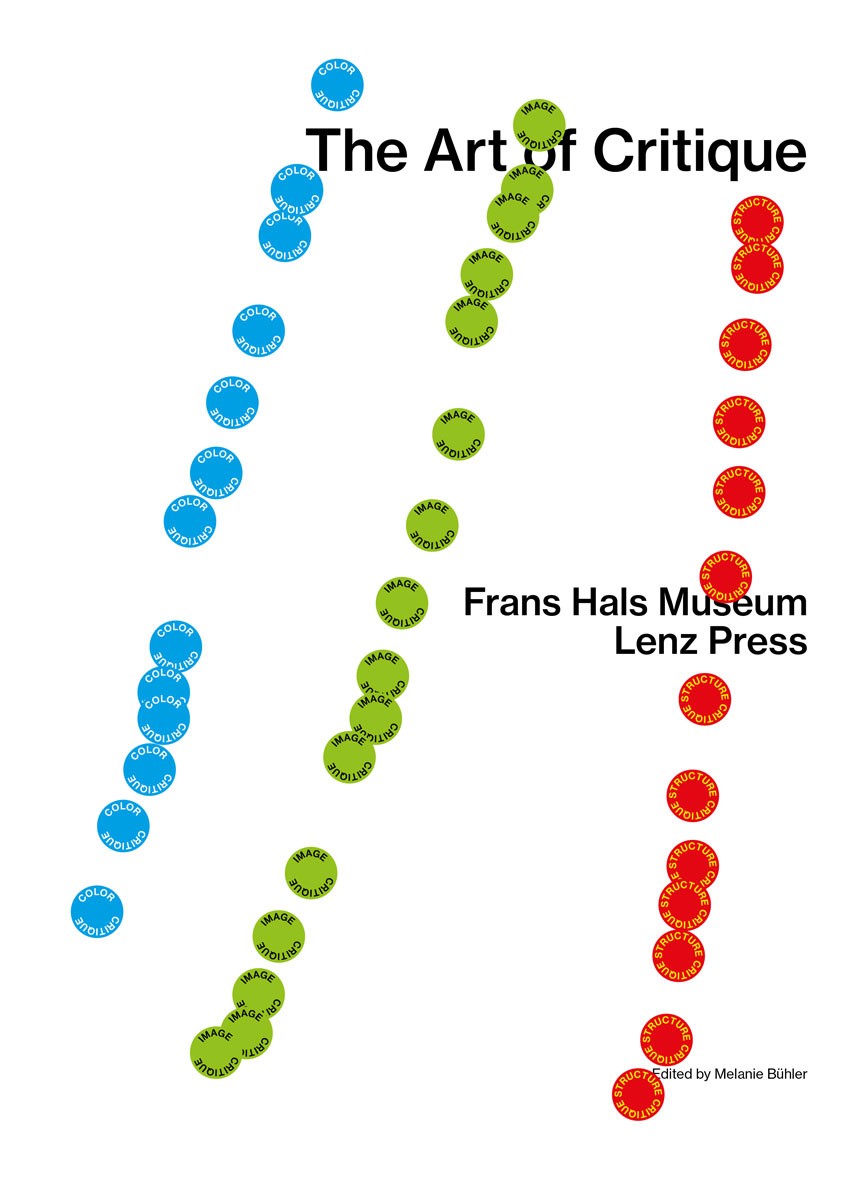
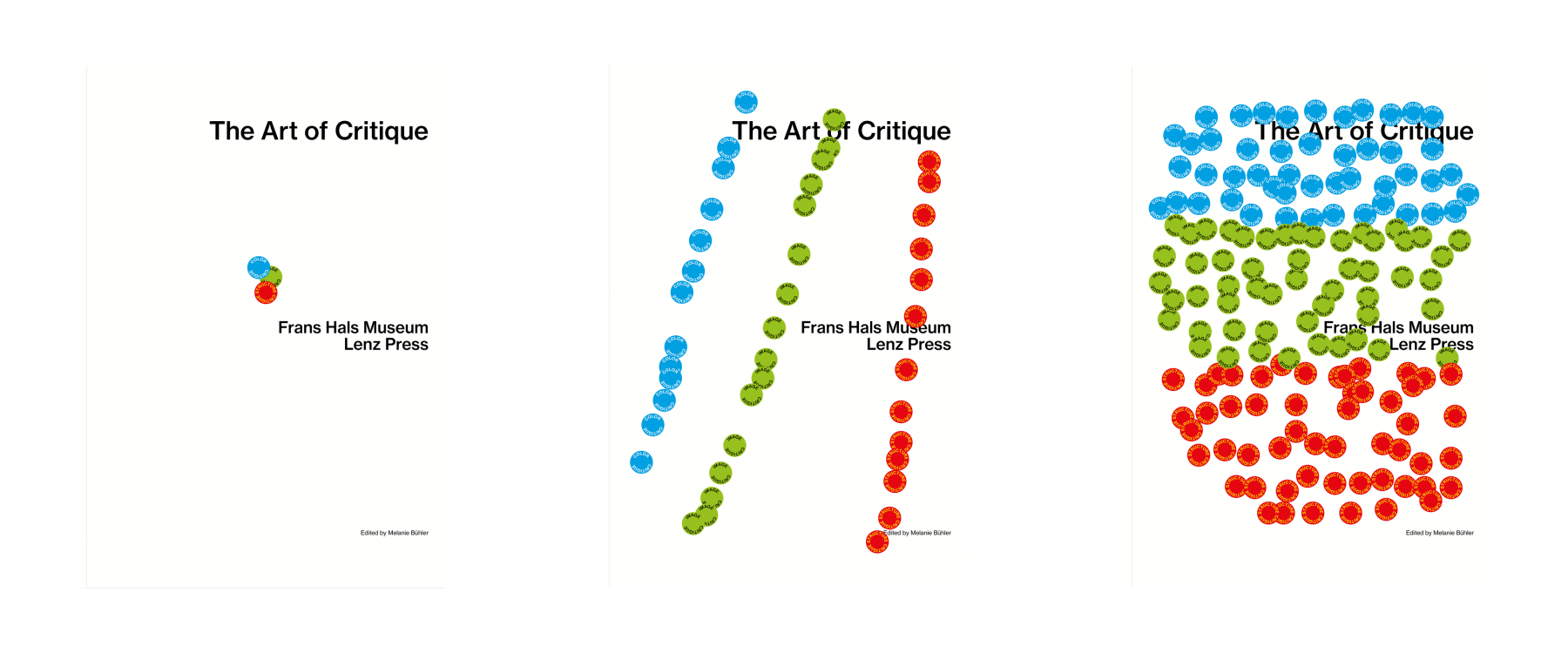
Edited by Melanie Bühler
Contributions by Marie Angeletti, Karen Archey, Ute Meta Bauer, Melanie Bühler, Simnikiwe Buhlungu, Harry Burke, Ann Demeester, Clémence Lollia Hilaire, Frima Fox Hofrichter, Andrea Fraser, Simon Fujiwara, Sofía Hernández Chong Cuy, Alex Kitnick, Lynne Kouassi, Erik van Lieshout, Lloyd Corporation, Sven Lütticken, Daniel Morgenthaler, Marlie Mul, Becket MWN, Grace Ndiritu, D’Ette Nogle, Ahmet Öğüt, Ima-Abasi Okon, Monilola Olayemi Ilupeju, María Inés Plaza Lazo, Bea Schlingelhoff, Hito Steyerl, Juan Uribe, Dena Yago
Designed by Sabo Day
Co-published with Frans Hals Museum
2022, English, softcover, 21 x 29,7 cm, 288 pages
ISBN 979-12-80579-10-2
We live in a moment in which institutions, including those central to the art world, are facing a surge of public scrutiny. Propelled by social media, profound questions about how institutions operate—whether structurally, politically, or financially—have become an increasingly prominent part of public life and discourse in recent years.
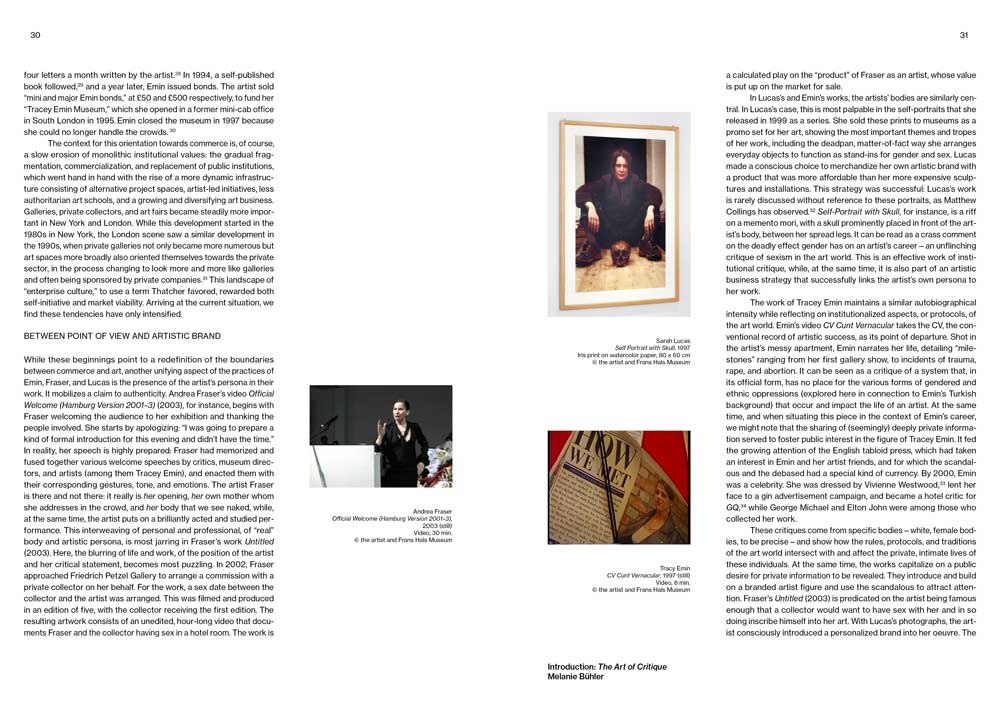
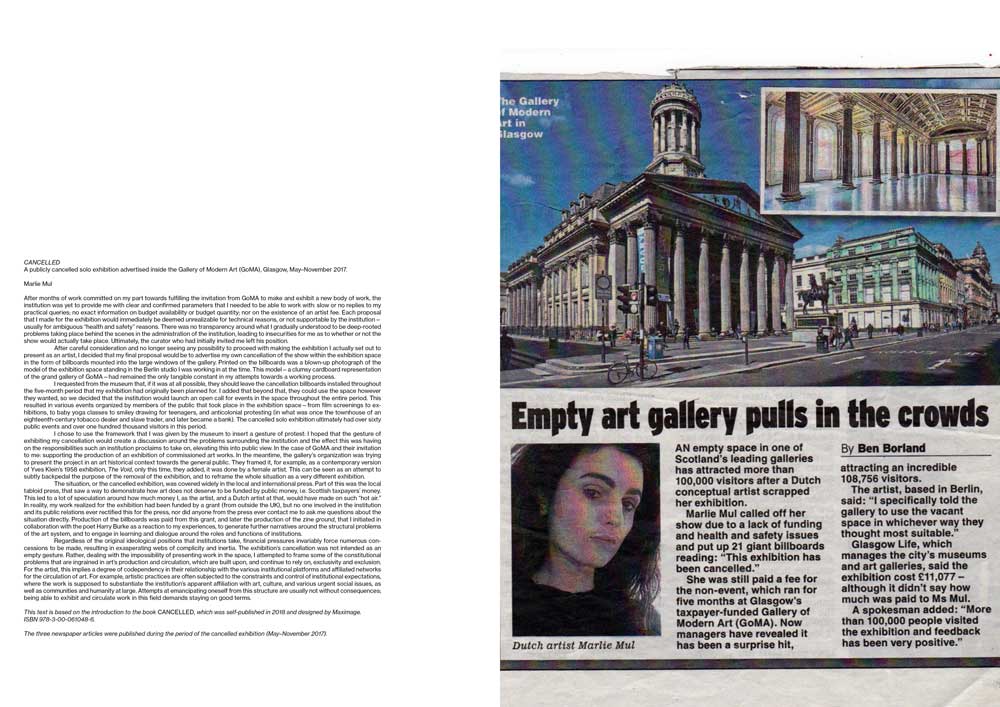
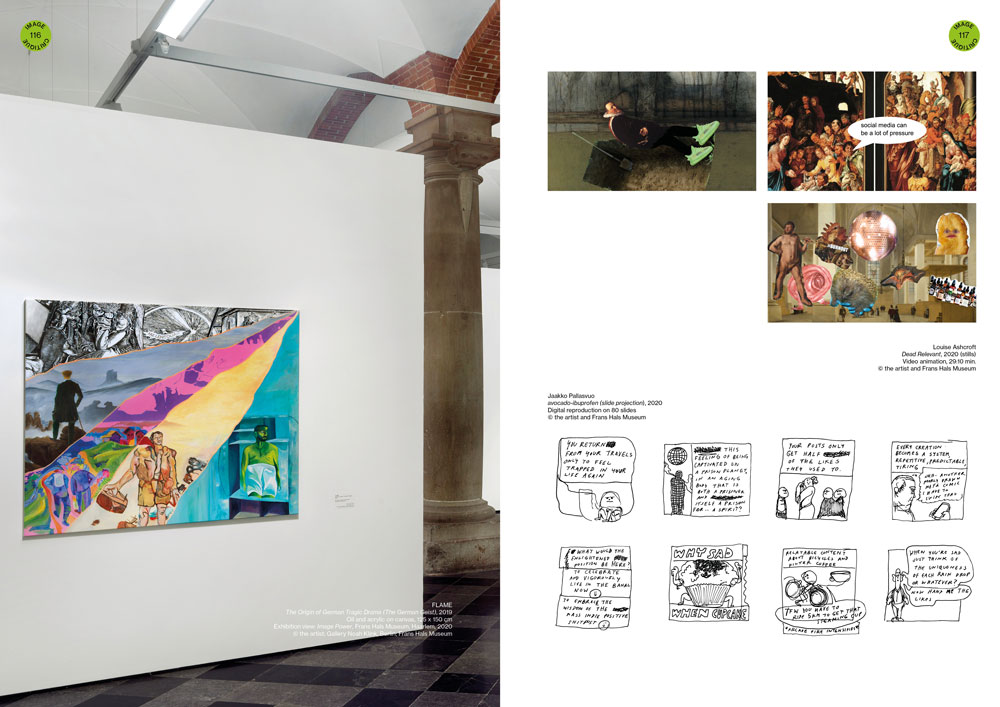
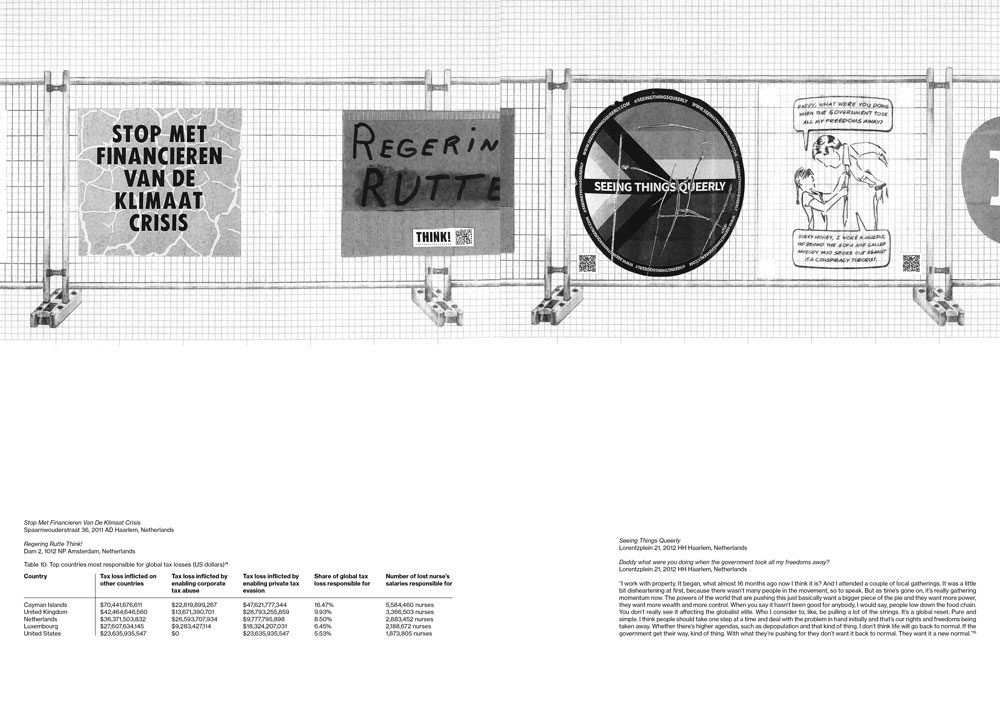
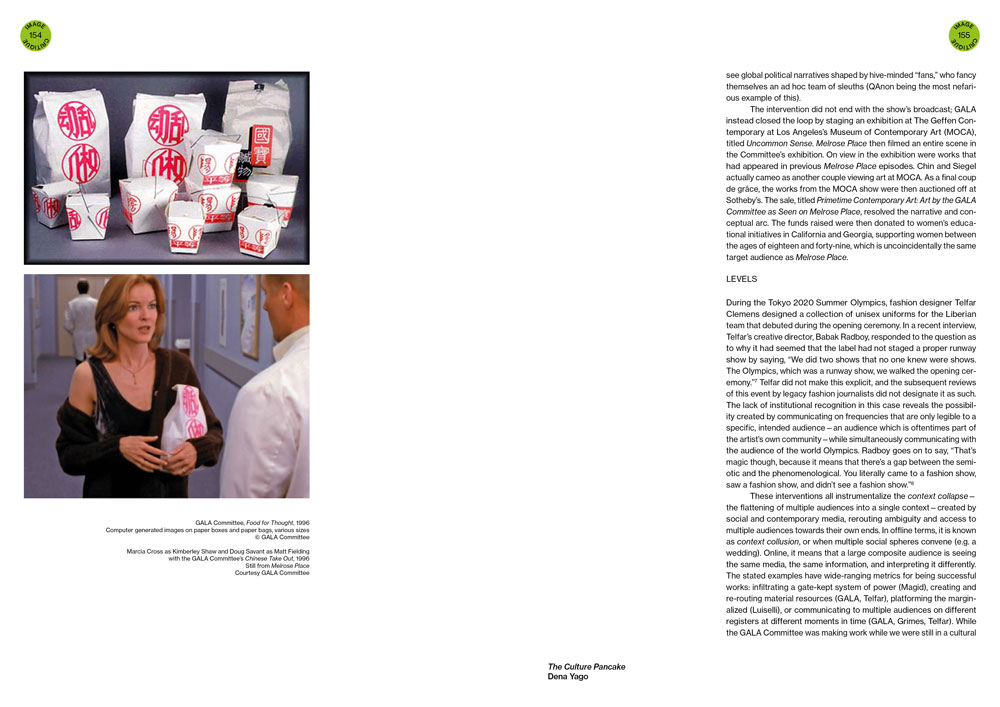
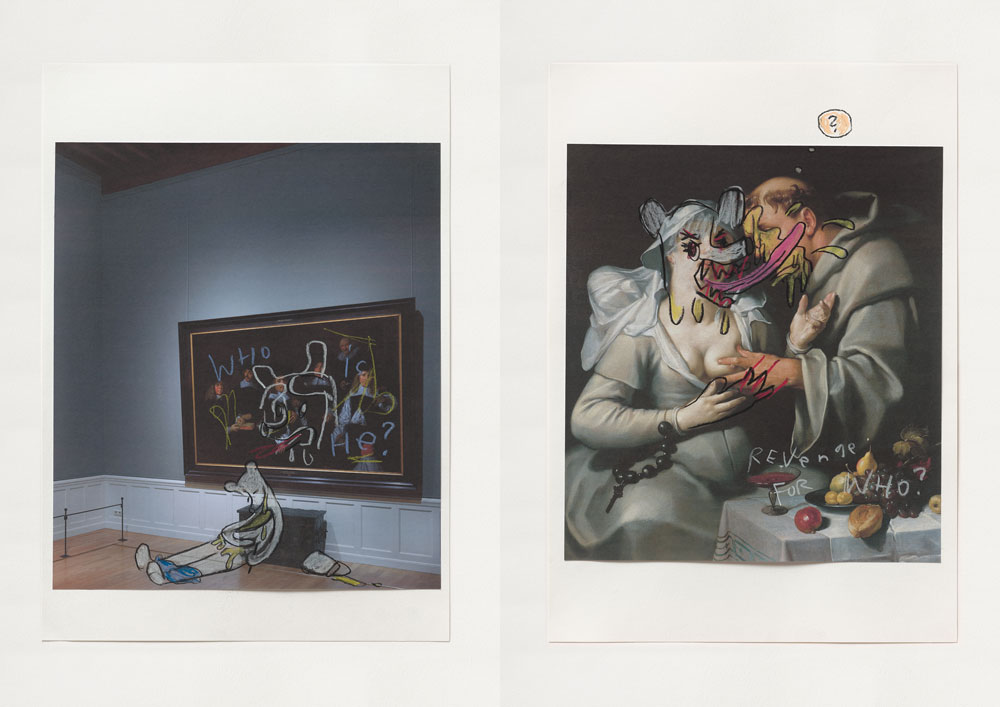
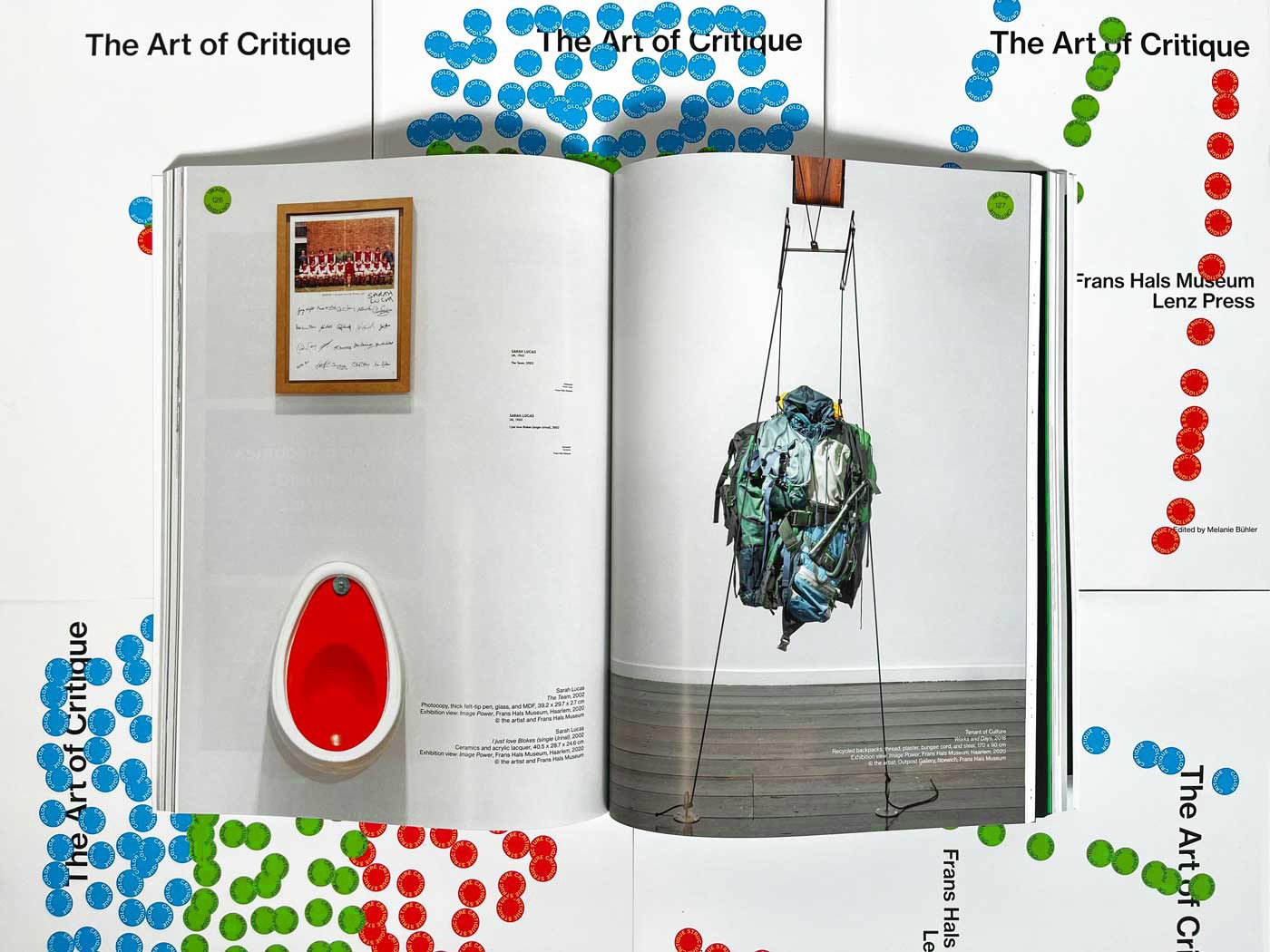
In this context, The Art of Critique revisits the artistic practice of institutional critique to ask what it means today, and to consider its ability to respond to the urgent social, political, and economic issues of our time. Taking works by Tracey Emin, Andrea Fraser, and Sarah Lucas in the collection of the Frans Hals Museum as a departure point, The Art of Critique uses a feminist approach to broaden and challenge traditional art historical definitions of institutional critique. These expanded forms of critique function as precursors to the practices of the contemporary artists presented as part of this project. Collectively, the contemporary works shed a new light on the legacy of institutional critique while addressing structural issues as wide-ranging as labor practices in the creative industry, city development, gender inequality, and the intertwined histories of capitalism and colonialism.
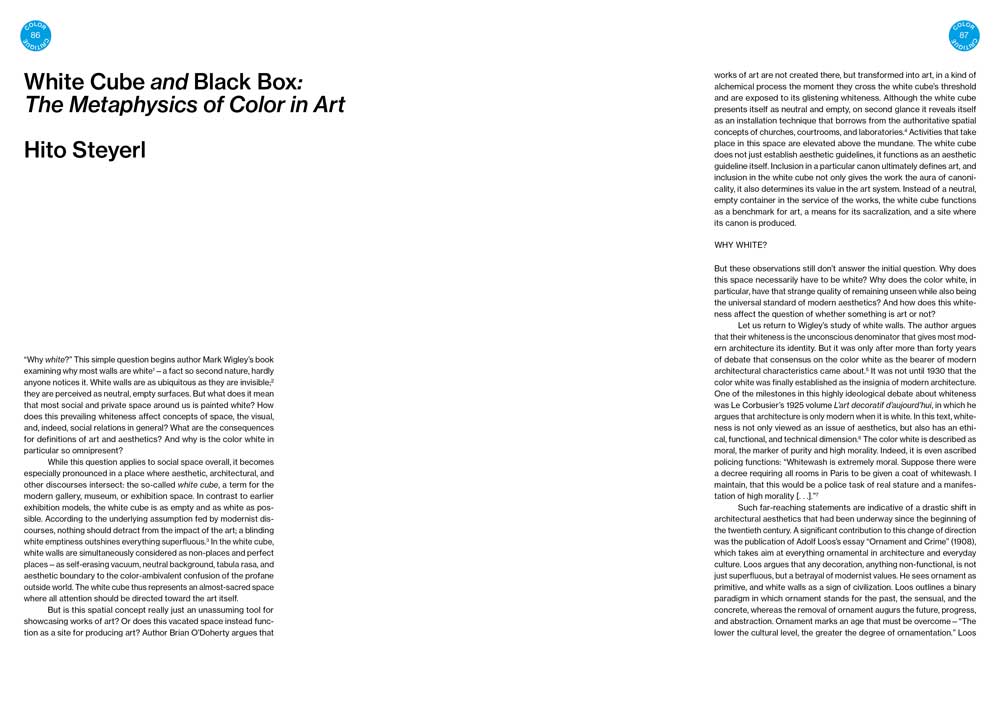
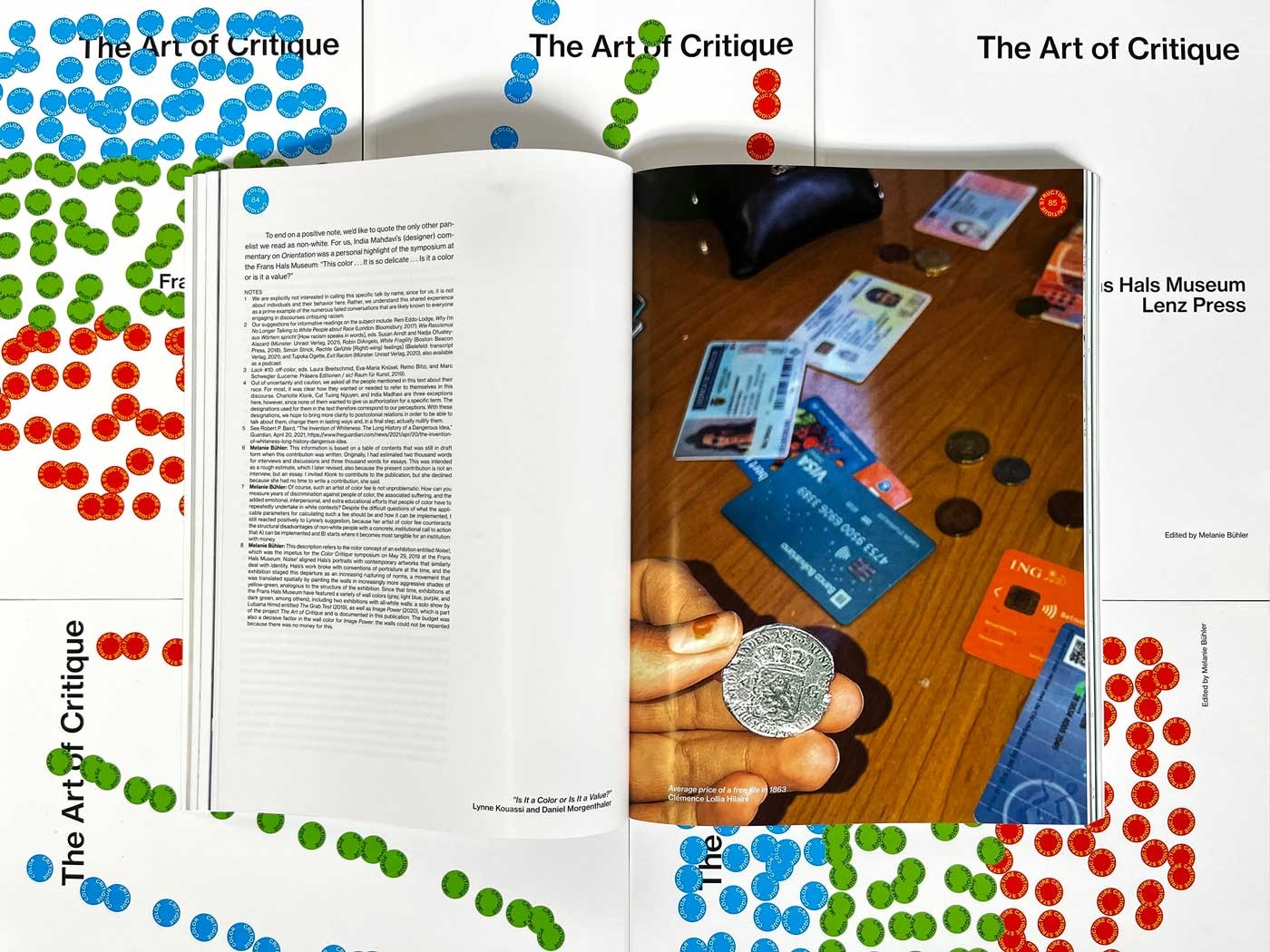
The publication documents the long-term project at the Frans Hals Museum (2019–22)—a symposium, Color Critique (chapter one); an exhibition, Image Power (chapter two: Image Critique); and artist commissions (chapter three: Structure Critique)—together with artworks, conversations, and newly commissioned and translated essays.
The publication has been generously supported by Outset Contemporary Art Fund Netherlands and VriendenLoterij.