Since the 1980s, Belgian artist Sigefride Bruna Hauman has created a highly original body of work in different media. Her installations, reliefs and videos are the subject of a much-overdue retrospective organized by M Leuven—and of this first monograph.
Rituals of Care is an extensive monograph devoted to the work of Antonio Obá, published in conjunction with his eponymous exhibition presented at the Centre d’Art Contemporain Genève, curated by Andrea Bellini. Extensively illustrated, the book immerses the reader in Obá’s multifaceted oeuvre and in the magical iconographic universe of his paintings.
Claiming that the museum is not enough means asking what a museum should be and do, eventually questioning the role of cultural institutions in society. Through conversations, stills of documentaries, responses, and reprints of archival documents that explore ideas of architecture on the ground, this volume reflects on the tools deployed by the institution to redefine its relationship to others.
Affirmer que le musée ne suffit pas, c’est interroger ce qu’un musée devrait être et faire, et réfléchir de manière critique sur le rôle des institutions culturelles dans nos sociétés. À travers des conversations, des photogrammes de documentaires, des interventions et des reproductions d’archives questionnant les conceptions de l’architecture sur le terrain, ce volume réfléchit aux outils mis en œuvre par l’institution pour redéfinir sa relation aux autres.
Semi-Nomadic Debt-Ridden Bedouins is the first monograph on the work of the Palestinian artist and filmmaker Basma al-Sharif. Spanning nearly two decades of moving-image and installation work, it combines visual documentation with texts that reflect on the charged political landscapes through which al-Sharif navigates.
This monograph marks the occasion of the first European survey of Nicola L. (1932–2018). Often discussed in the context of Pop Art, activism, feminism, and design, this is the first in-depth exploration of the multi-layered and expansive nature of her extraordinary practice, which also encompassed cosmology, environmental concerns, spirituality, political protest, and sexuality.
Edited by Melanie Bühler
Contributions by Marie Angeletti, Karen Archey, Ute Meta Bauer, Melanie Bühler, Simnikiwe Buhlungu, Harry Burke, Ann Demeester, Clémence Lollia Hilaire, Frima Fox Hofrichter, Andrea Fraser, Simon Fujiwara, Sofía Hernández Chong Cuy, Alex Kitnick, Lynne Kouassi, Erik van Lieshout, Lloyd Corporation, Sven Lütticken, Daniel Morgenthaler, Marlie Mul, Becket MWN, Grace Ndiritu, D’Ette Nogle, Ahmet Öğüt, Ima-Abasi Okon, Monilola Olayemi Ilupeju, María Inés Plaza Lazo, Bea Schlingelhoff, Hito Steyerl, Juan Uribe, Dena Yago
Designed by Sabo Day
Co-published with Frans Hals Museum
2022, English, softcover, 21 x 29,7 cm, 288 pages
ISBN 979-12-80579-10-2
We live in a moment in which institutions, including those central to the art world, are facing a surge of public scrutiny. Propelled by social media, profound questions about how institutions operate—whether structurally, politically, or financially—have become an increasingly prominent part of public life and discourse in recent years.
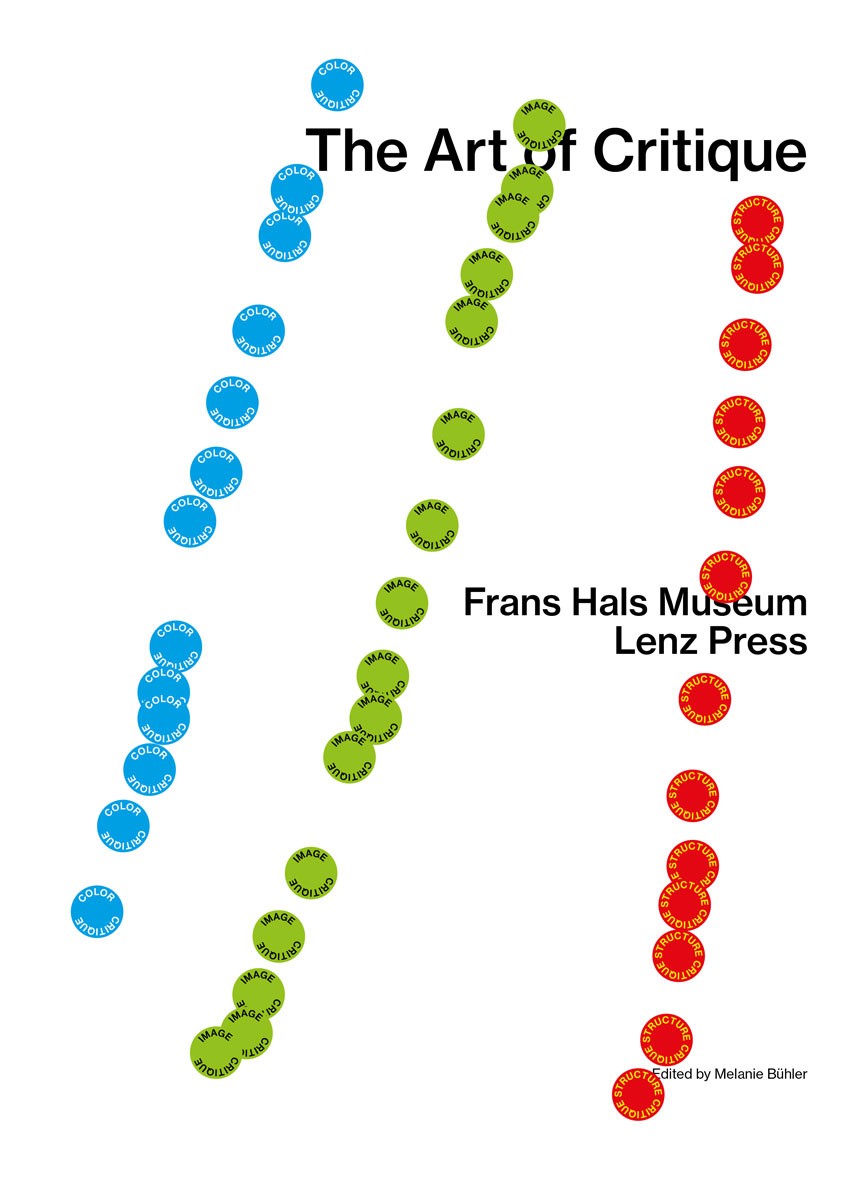
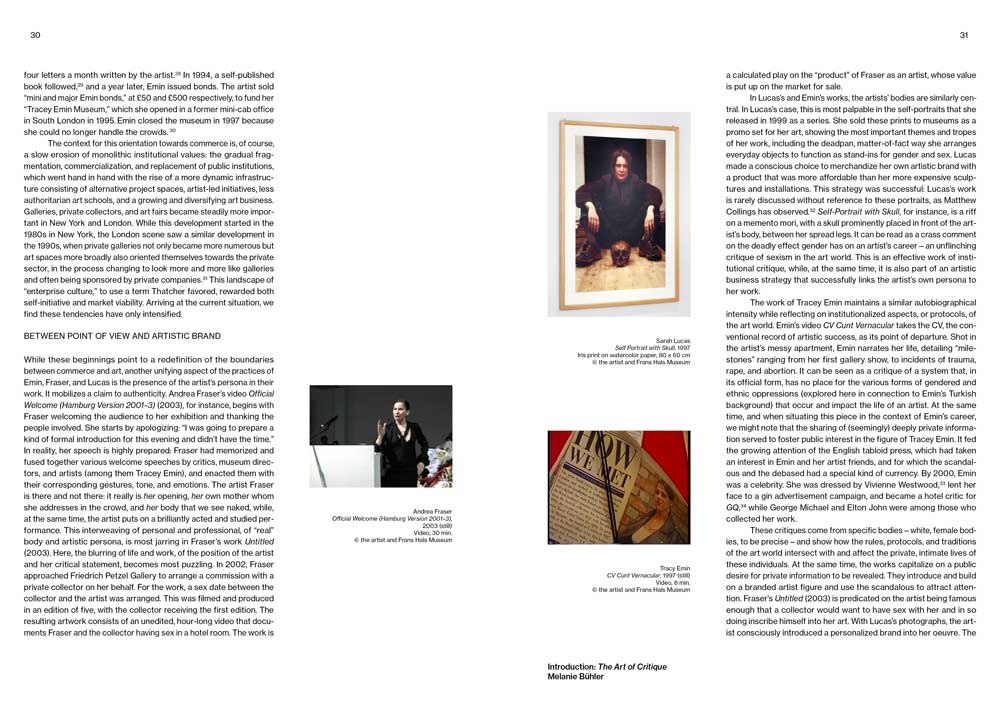
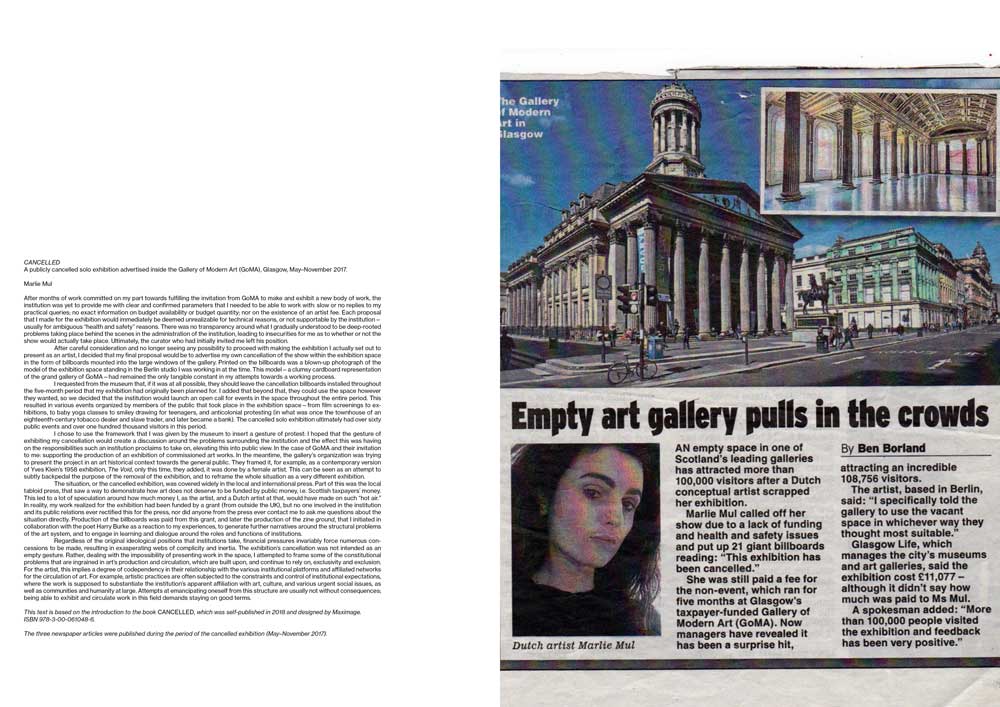
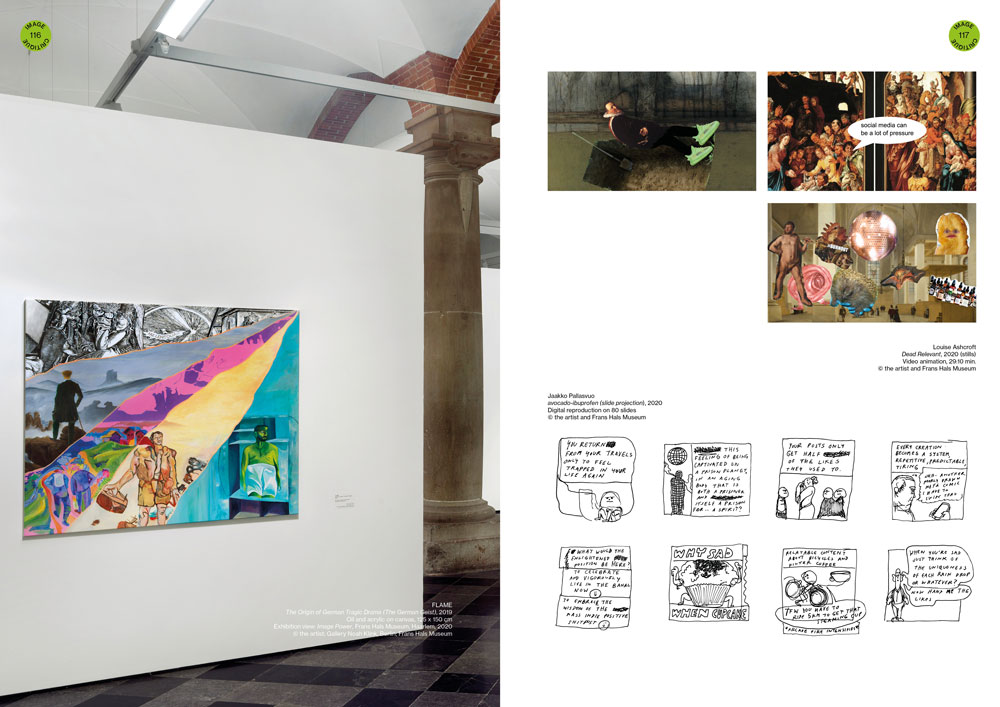
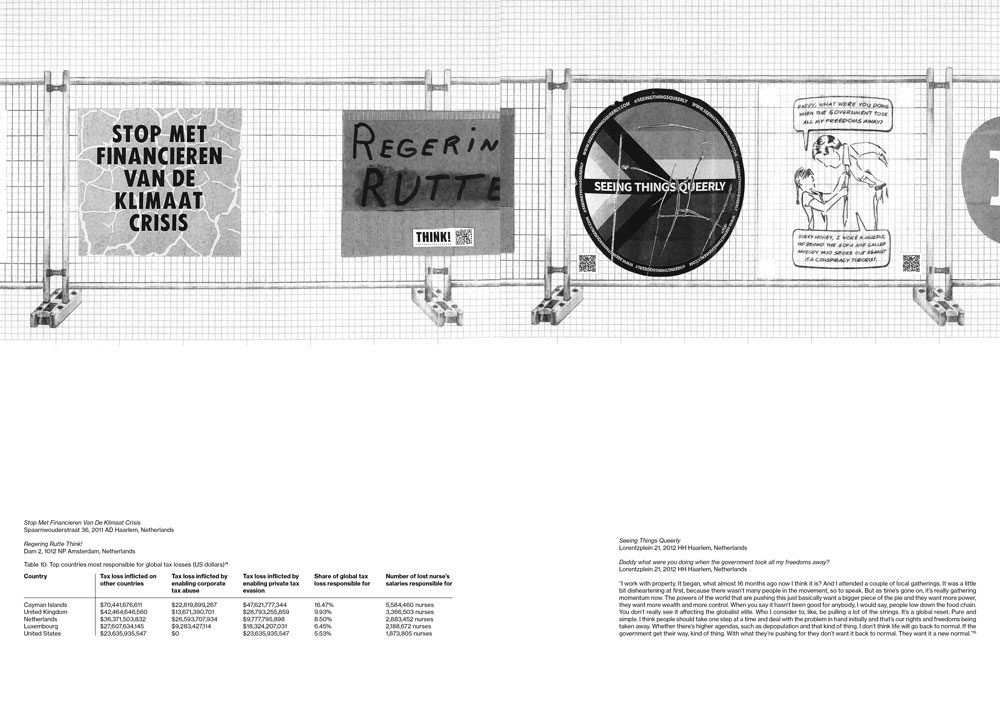
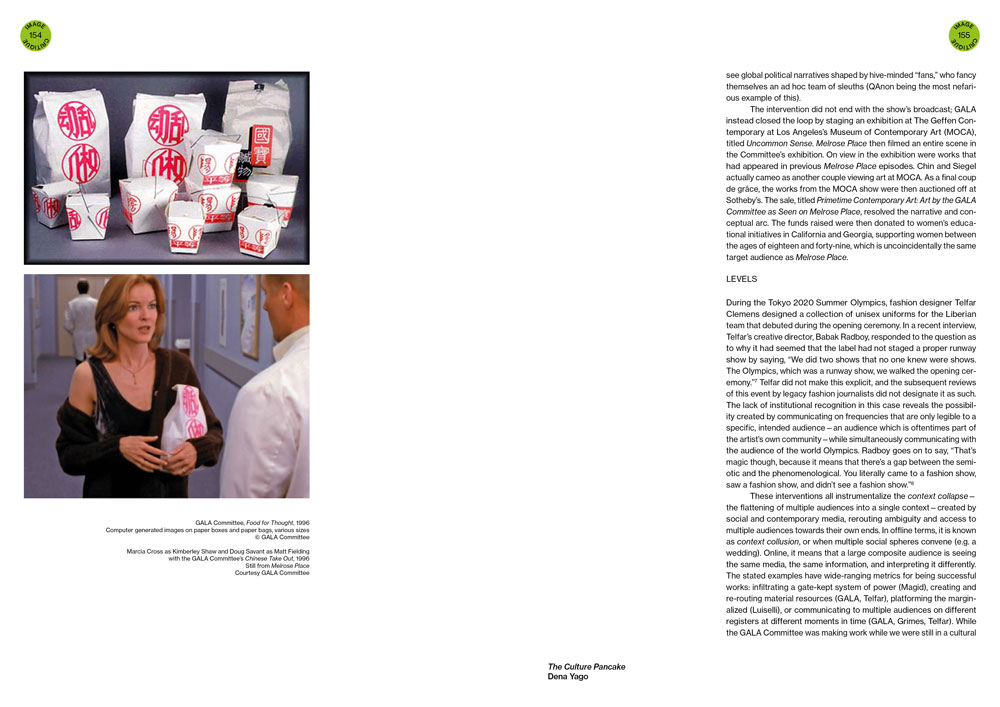
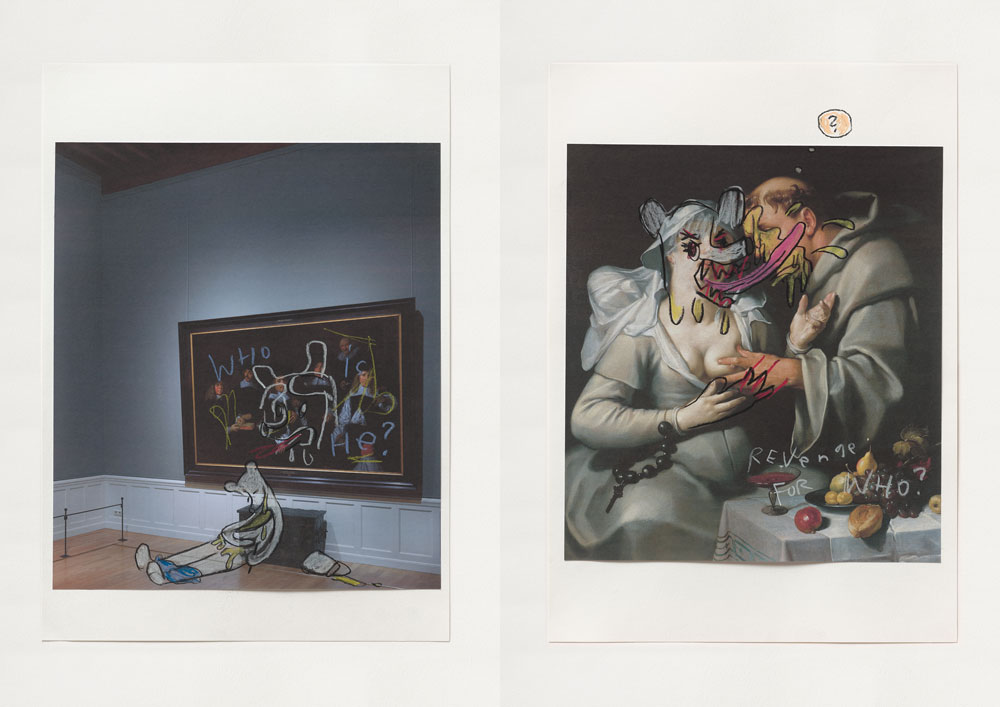
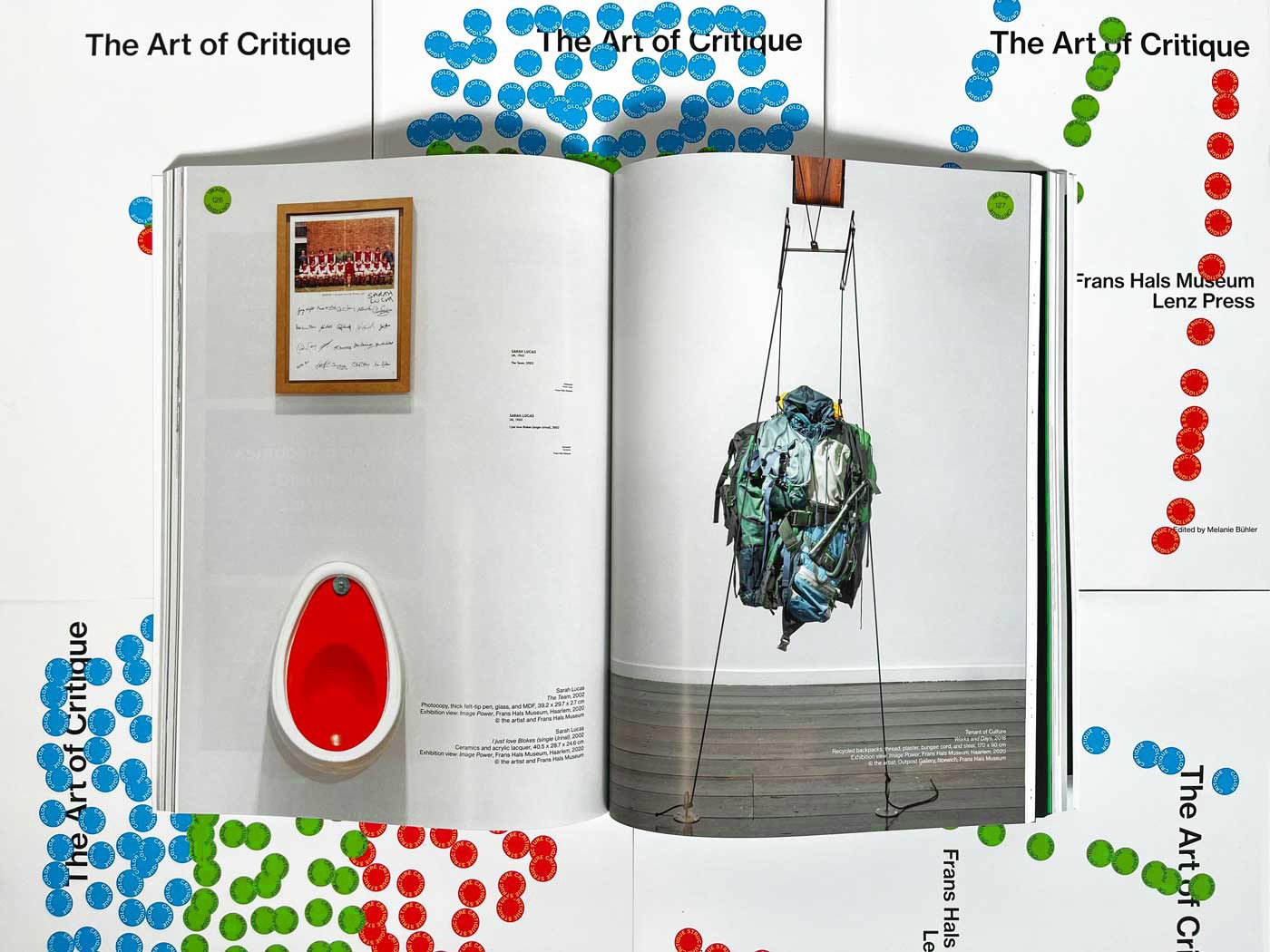
In this context, The Art of Critique revisits the artistic practice of institutional critique to ask what it means today, and to consider its ability to respond to the urgent social, political, and economic issues of our time. Taking works by Tracey Emin, Andrea Fraser, and Sarah Lucas in the collection of the Frans Hals Museum as a departure point, The Art of Critique uses a feminist approach to broaden and challenge traditional art historical definitions of institutional critique. These expanded forms of critique function as precursors to the practices of the contemporary artists presented as part of this project. Collectively, the contemporary works shed a new light on the legacy of institutional critique while addressing structural issues as wide-ranging as labor practices in the creative industry, city development, gender inequality, and the intertwined histories of capitalism and colonialism.
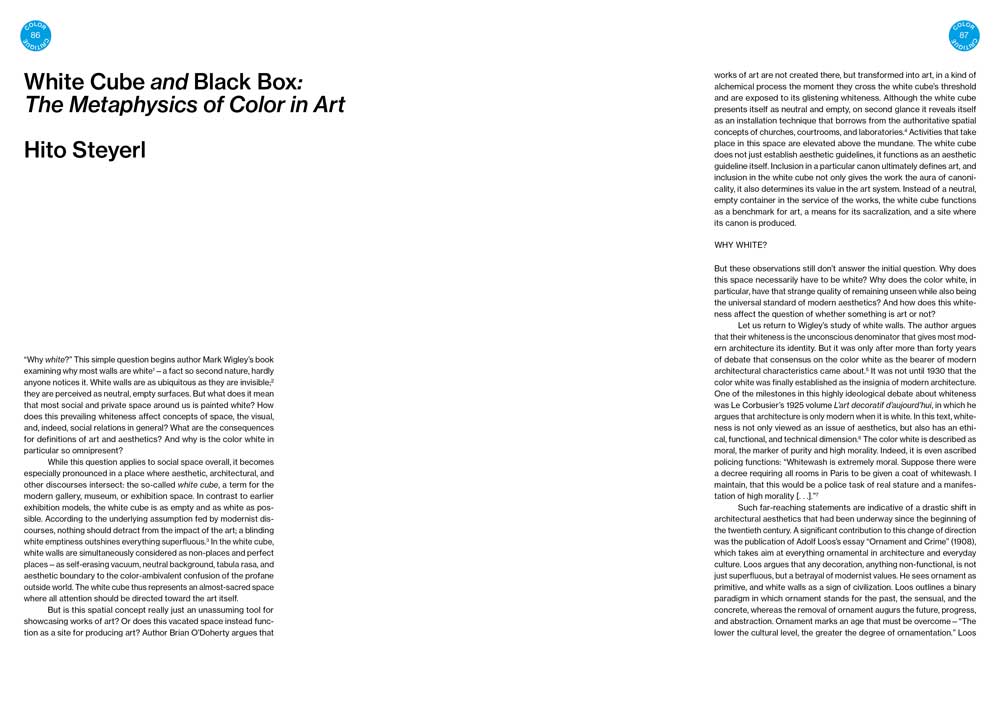
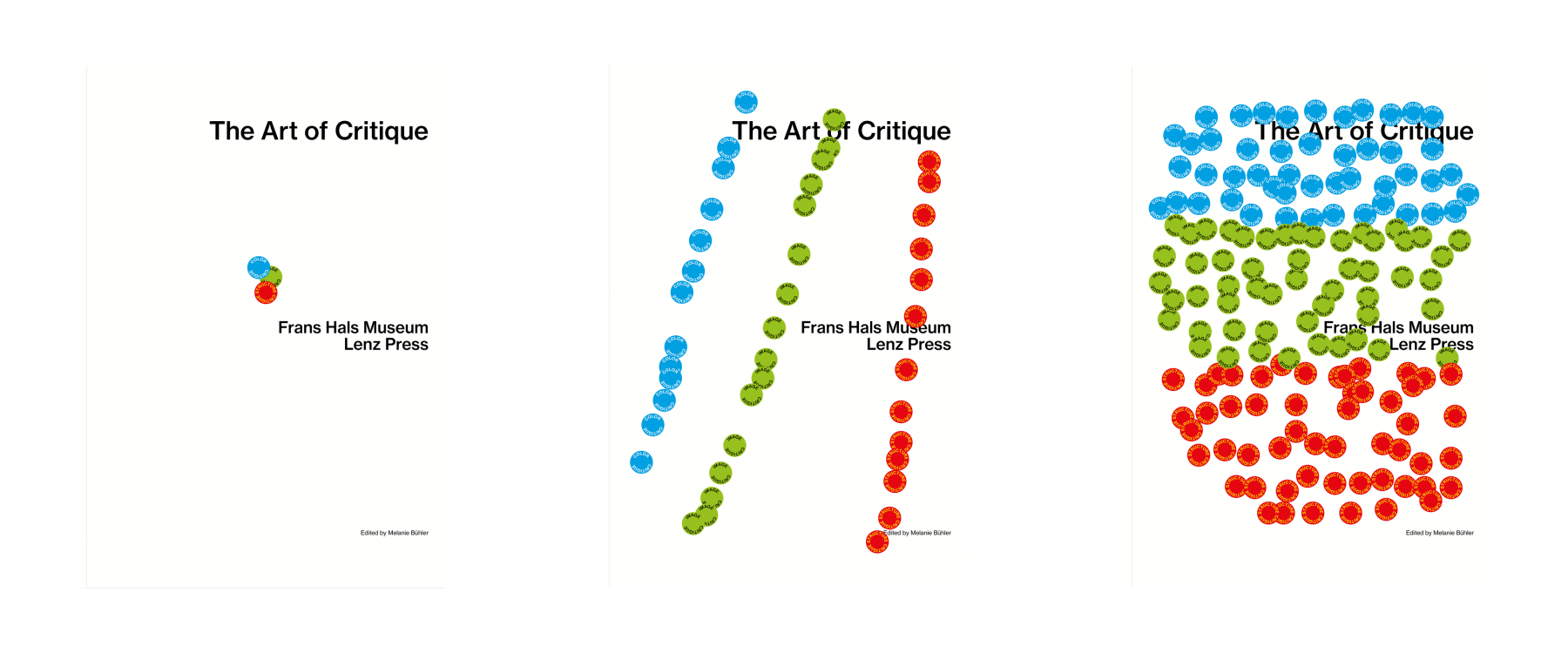
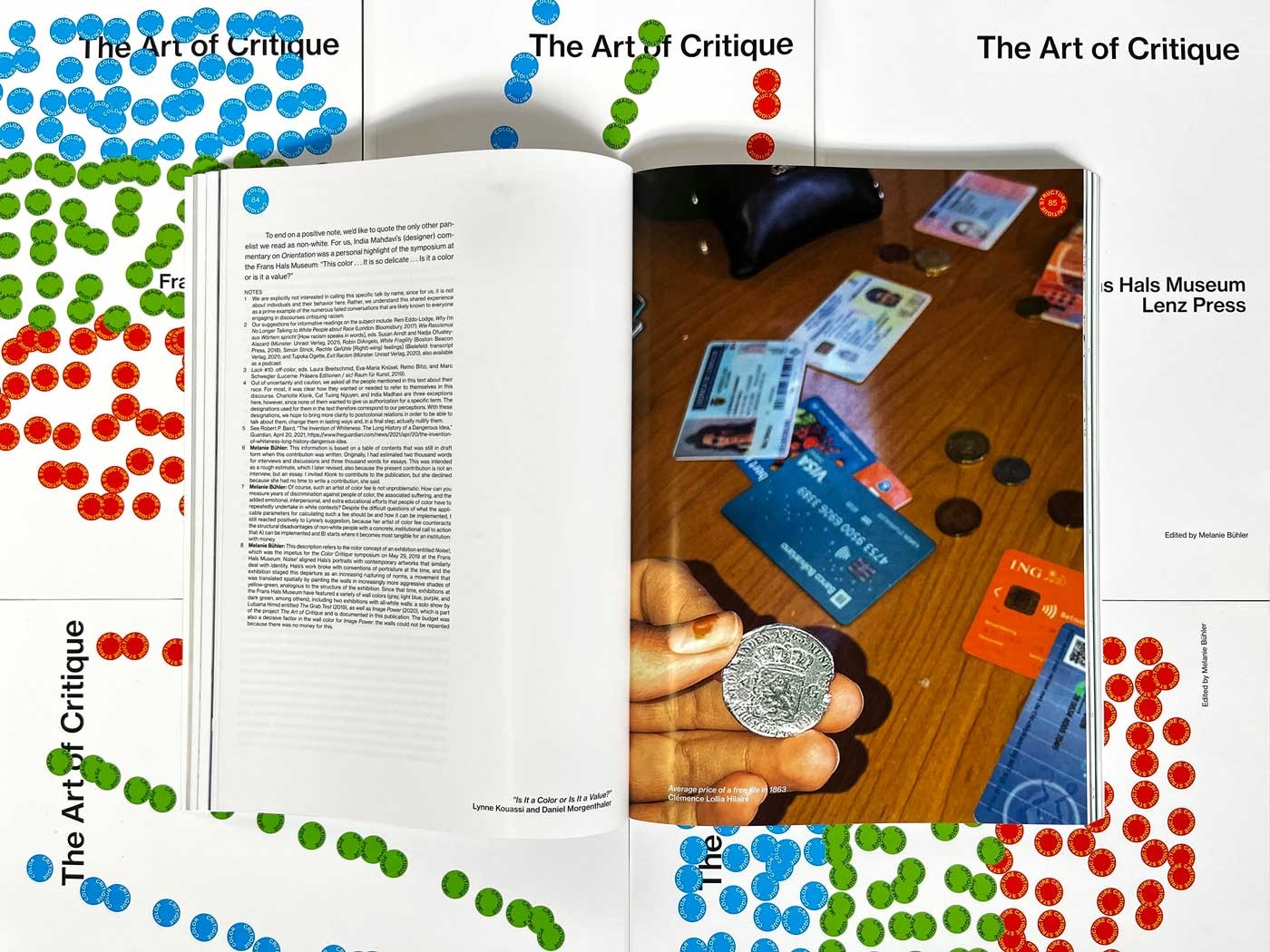
The publication documents the long-term project at the Frans Hals Museum (2019–22)—a symposium, Color Critique (chapter one); an exhibition, Image Power (chapter two: Image Critique); and artist commissions (chapter three: Structure Critique)—together with artworks, conversations, and newly commissioned and translated essays.
The publication has been generously supported by Outset Contemporary Art Fund Netherlands and VriendenLoterij.