Full Rotation brings together texts and images to trace the forces that draw bodies beyond themselves. Moving between ecstasy, animal life, and light, the book explores heightened sensation, altered perception, and dissolution, where the human gives way to other forms of existence and boundaries between the physical, psychic, and cosmic begin to blur.
This is the first monograph on the influential American choreographer and dancer Trajal Harrell. In an entertaining, far-reaching conversation with curator Daniel Baumann, Harrell covers all of his choreographies and performances, as well as his influences, successes, and failures, addressing how he transforms and transgresses the history of dance.
Maxiprocesso brings together 360 photographs by Maria D. Rapicavoli, one for each of the archival folders documenting the largest mafia trial in history, held in Palermo from 1986 to 1987. The volume explores the relationship between memory, justice, and social responsibility, examining the material element of a landmark event in contemporary Italian history.
This book offers the first comprehensive overview of Anna Franceschini’s practice. Organized around recurring themes, it explores animation, the body, machines, ghosts, desire, and windows through commissioned contributions and selected writings. Its associative structure reflects her interest in repetition, transformation, and unstable images.
This book accompanies 5 Works, Lydia Ourahmane’s first institutional solo show in Italy, staged at the Nicoletta Fiorucci Foundation in Venice and curated by Polly Staple, during the 61st Venice Biennale, and includes newly commissioned texts and images that further contextualize the artist’s practice and work.
Museums of Tears extends Francesco Vezzoli’s 2024 exhibition at Museo Correr, Venice, combining historical works and new commissions to explore antiquity, emotion and illusion. Conceived as an artist’s book rather than a catalogue, it transforms the museum guide into a hybrid archive and portable museum of memory, beauty and mourning.
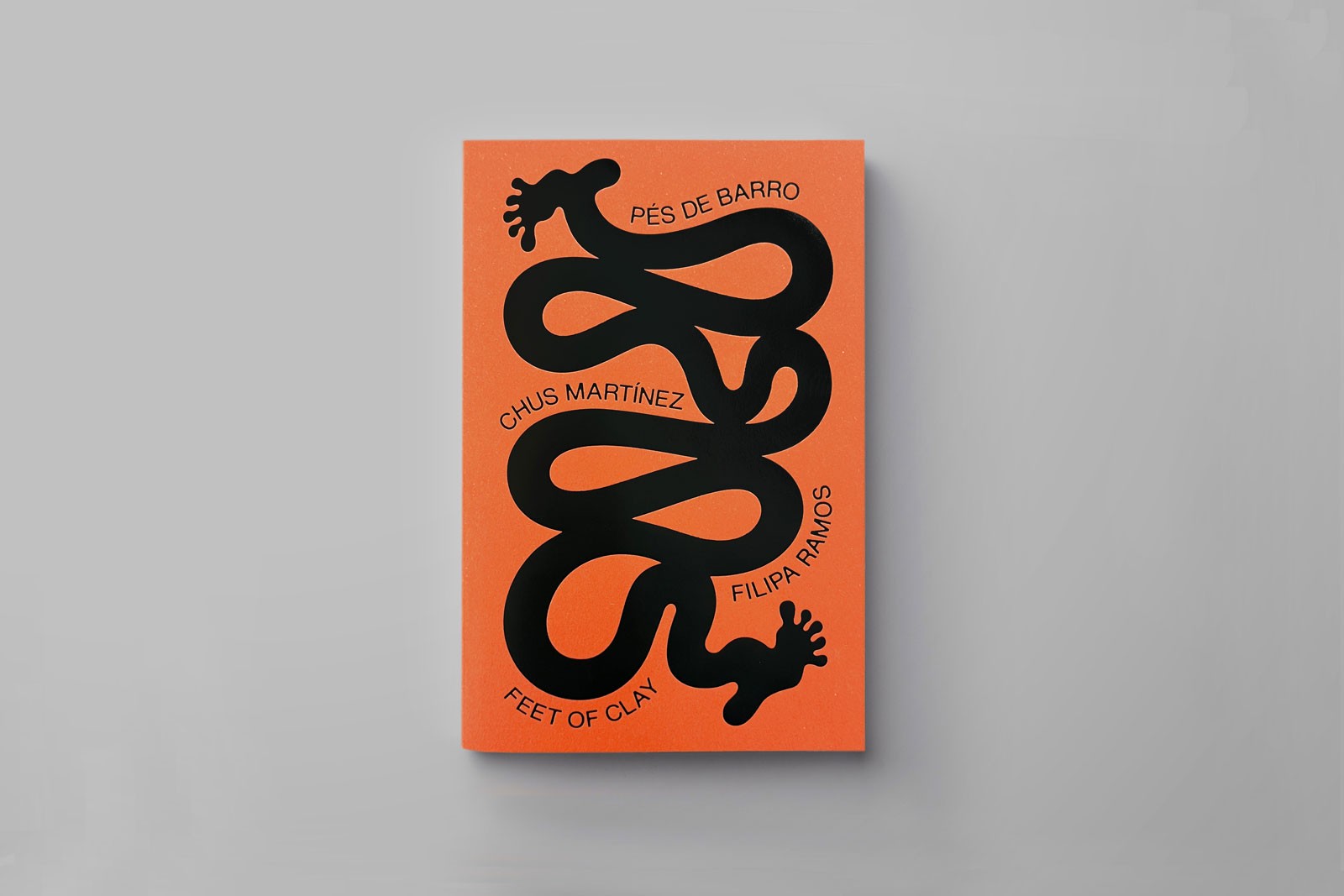
Edited by Chus Martínez and Filipa Ramos
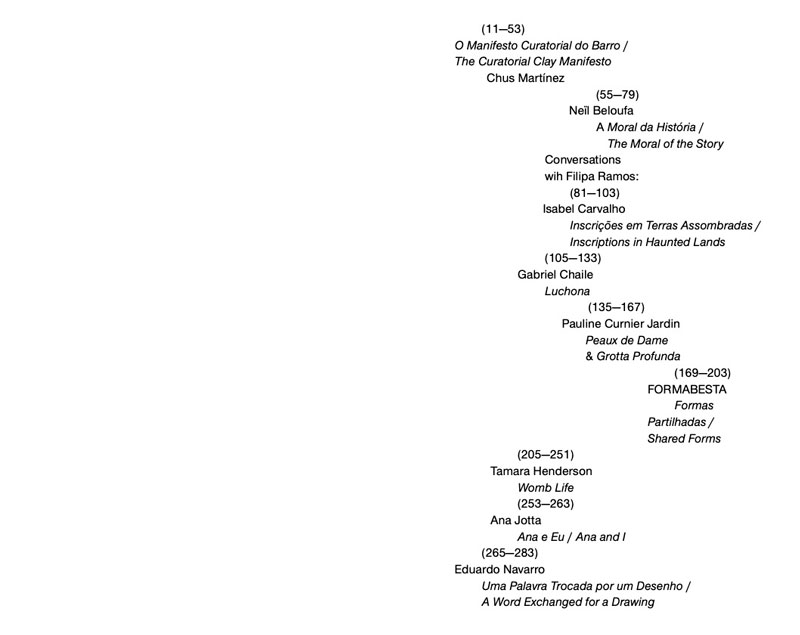
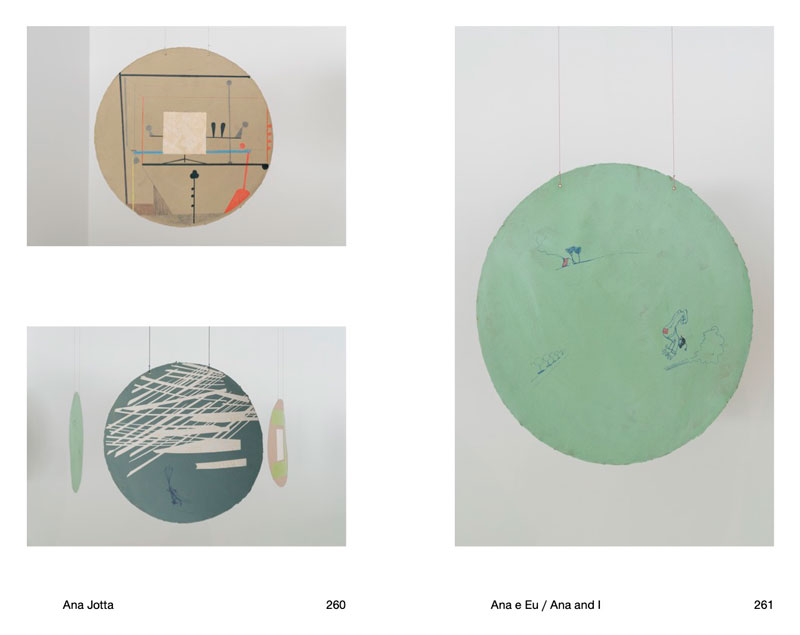
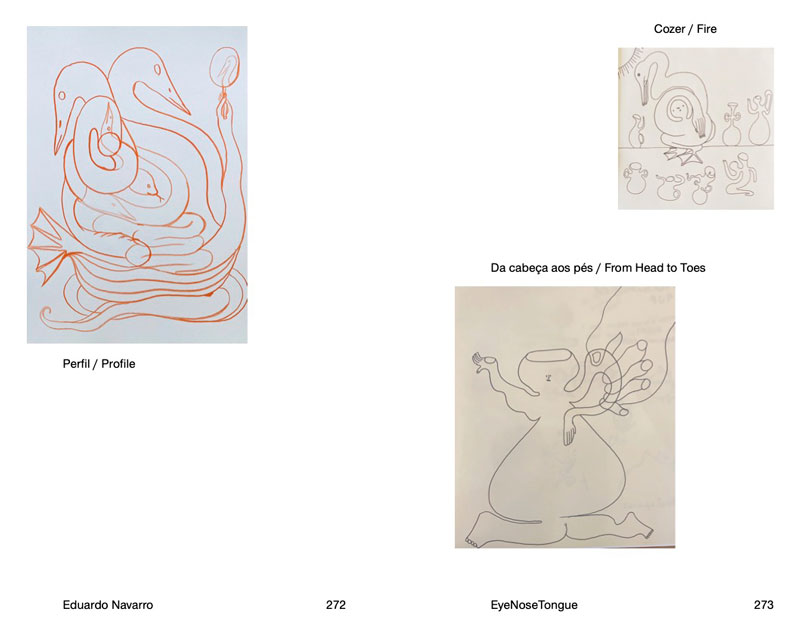
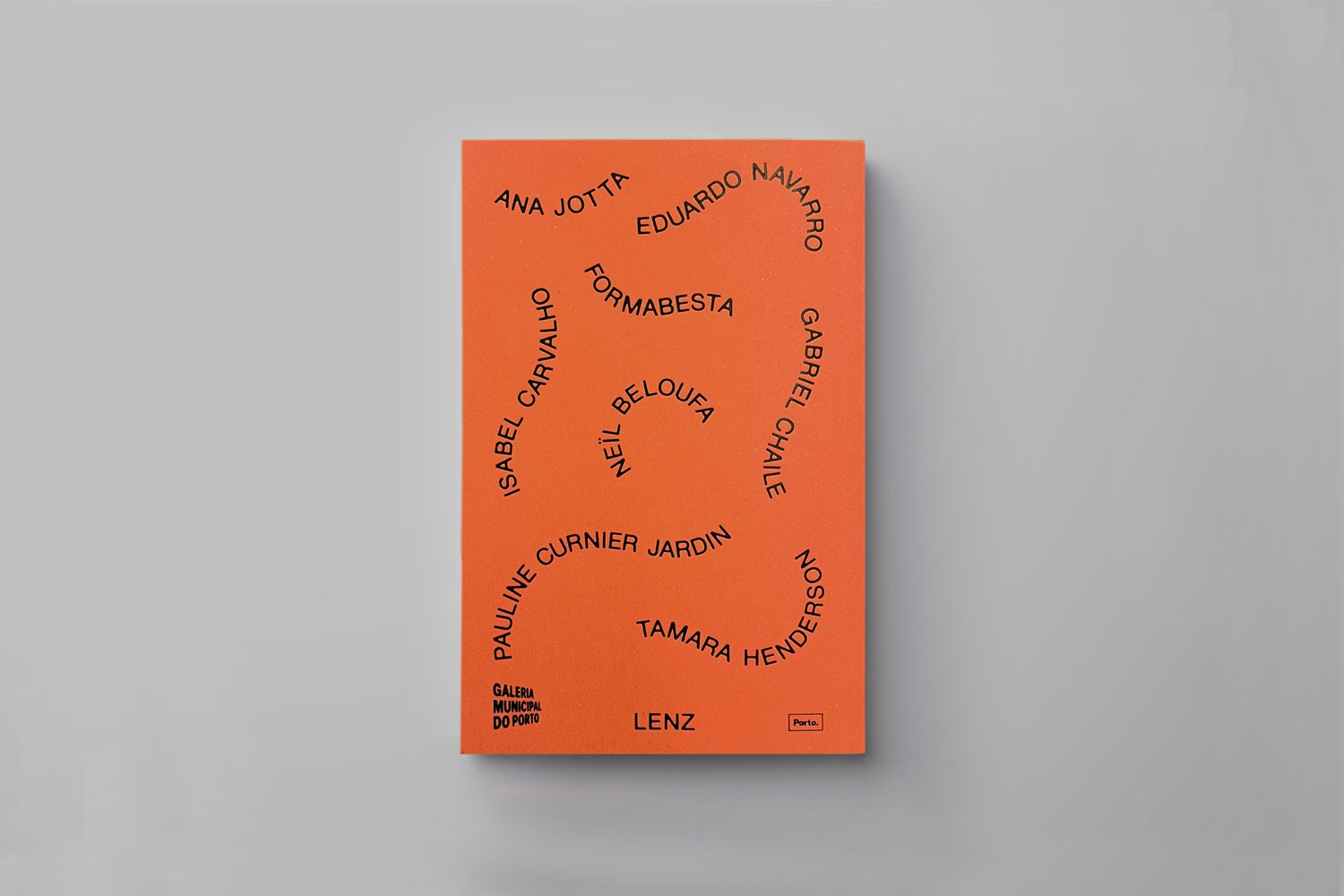
Texts by Neïl Beloufa, Isabel Carvalho, Gabriel Chaile, Pauline Curnier Jardin, Formabesta (Salvador e Juan Cidrás), Tamara Henderson, Ana Jotta, Chus Martínez, Eduardo Navarro, and Filipa Ramos
Design by Ana Dominguez Studio
2023, English / Portuguese, softcover, 11.2 X 17.8 cm, 288 pages
ISBN: 979-12-80579-50-8
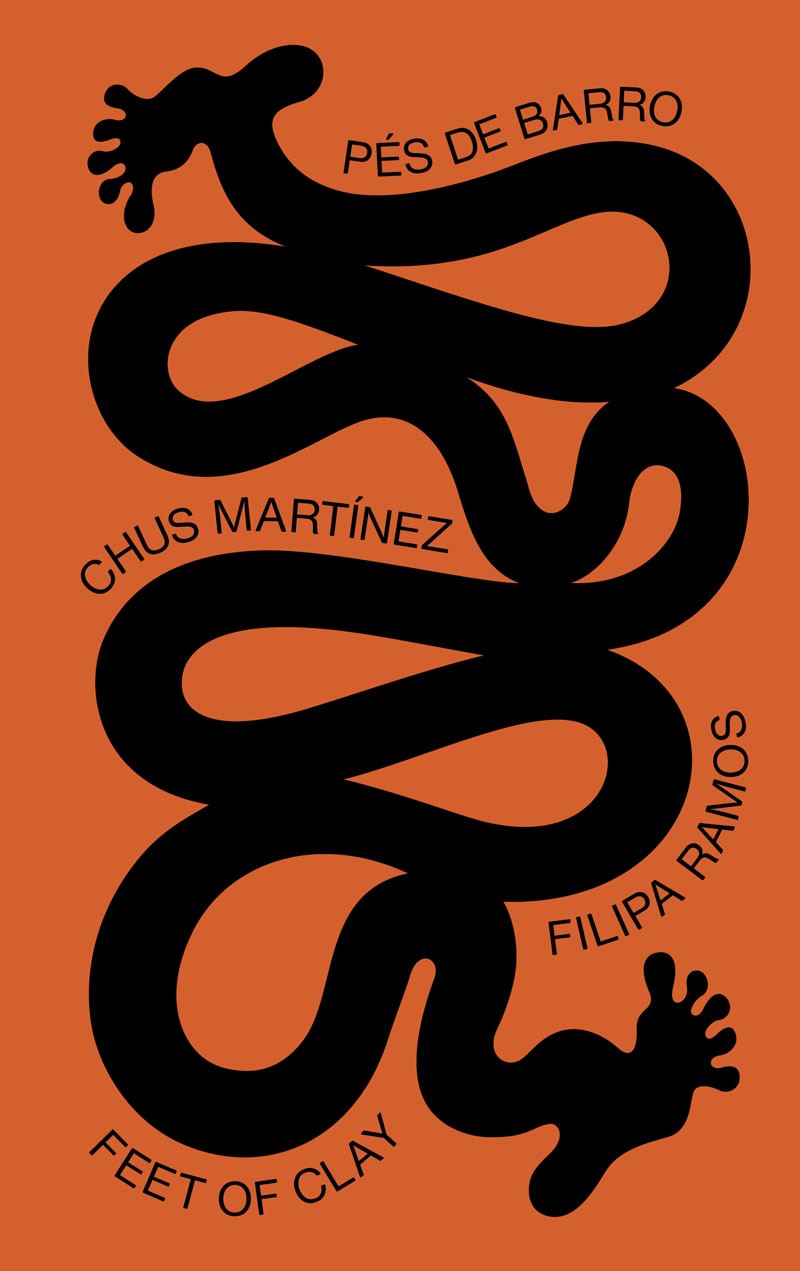
Some may associate clay, pottery and ceramics to tradition, and tradition to the past. Some may associate technology, digital communication and data with the new, and the new with the future. What if the future is only a technology as old and unusual as clay? What if clay is a matter that renews itself constantly and gives time its unpredictable configurations?
What if clay is the future and the future is clay? And if the feet of clay only reveal a vulnerability because the rest of the body is made of a different material? And if the feet of clay are actually rooting people to the earth, connecting them through the same matter? And if feet of clay are a way to establish a post-technological communication that requires no webs, no networks, no cables; only our many, one, two, eight, twenty feet and some clay?
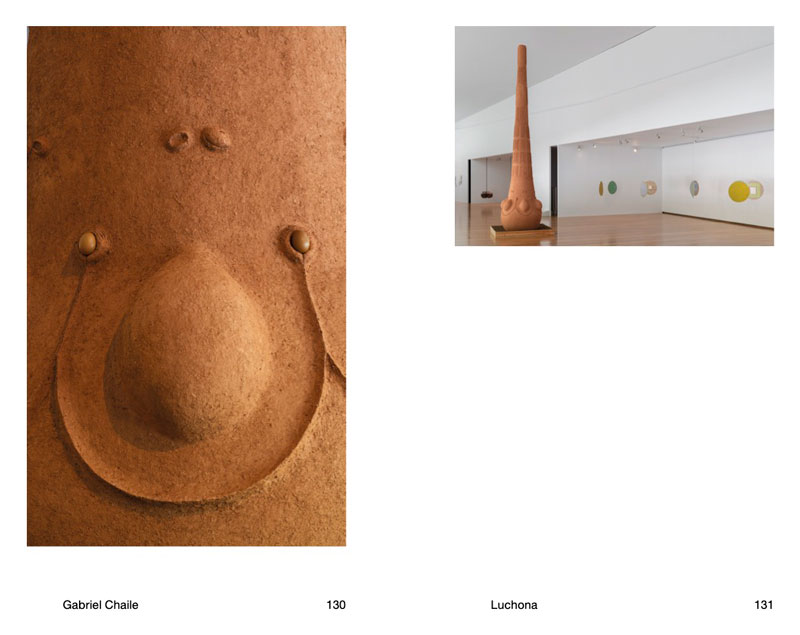
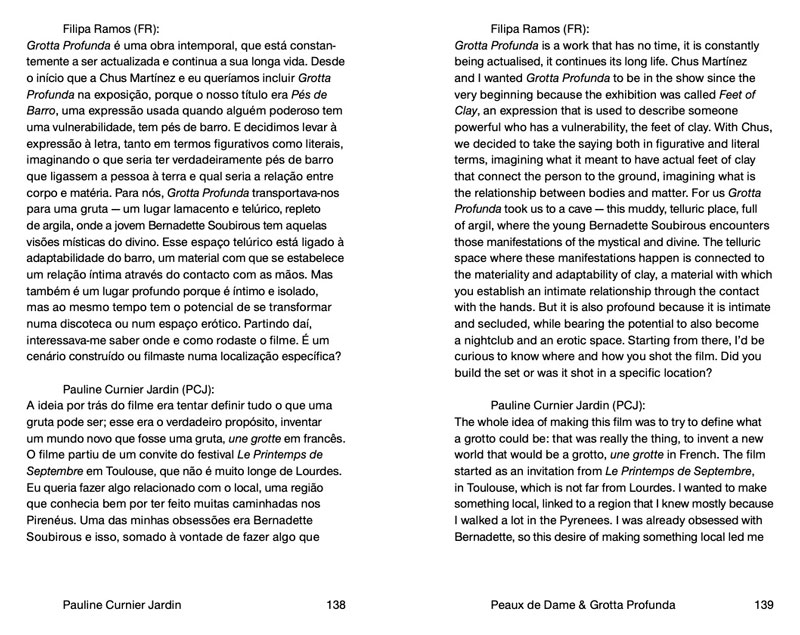
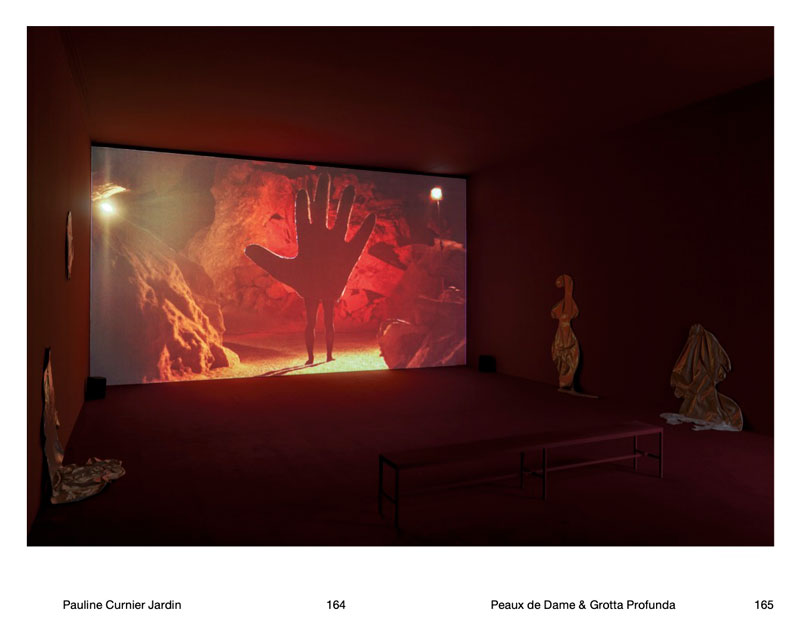
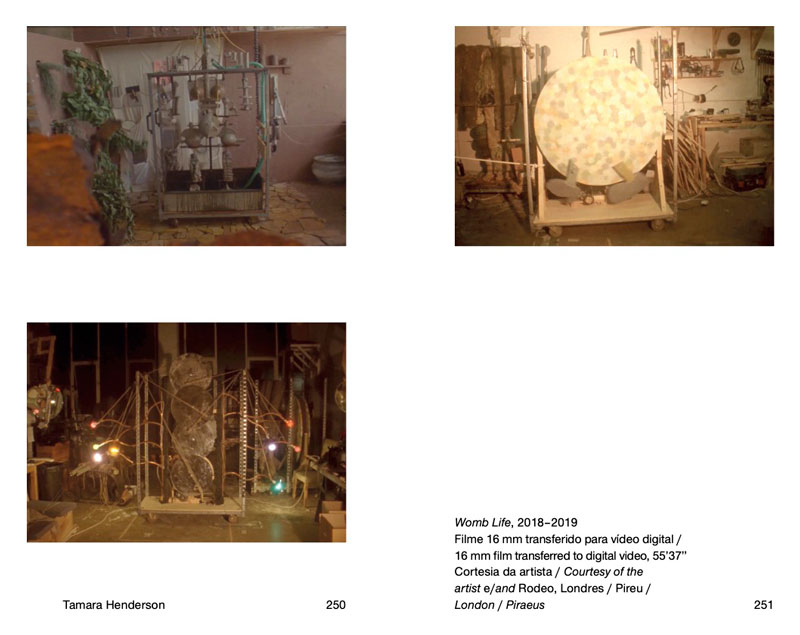
These are some of the questions and enigmas addressed by curators Chus Martínez and Filipa Ramos, who brought together a group of artists who have been using clay, pottery and ceramics in an exhibition entitled Feet of Clay, presented at Galeria Municipal do Porto in 2021. Like clay, the project has now been moulded into book format, bringing together exclusive texts and interviews with the participating artists: Neïl Beloufa, Isabel Carvalho, Gabriel Chaile, Pauline Curnier Jardin, Formabesta (Salvador and Juan Cidrás), Tamara Henderson, Ana Jotta and Eduardo Navarro.
Published with Galeria Municipal do Porto / Ágora - Cultura e Desporto do Porto, E.M.