Since the 1980s, Belgian artist Sigefride Bruna Hauman has created a highly original body of work in different media. Her installations, reliefs and videos are the subject of a much-overdue retrospective organized by M Leuven—and of this first monograph.
Rituals of Care is an extensive monograph devoted to the work of Antonio Obá, published in conjunction with his eponymous exhibition presented at the Centre d’Art Contemporain Genève, curated by Andrea Bellini. Extensively illustrated, the book immerses the reader in Obá’s multifaceted oeuvre and in the magical iconographic universe of his paintings.
Claiming that the museum is not enough means asking what a museum should be and do, eventually questioning the role of cultural institutions in society. Through conversations, stills of documentaries, responses, and reprints of archival documents that explore ideas of architecture on the ground, this volume reflects on the tools deployed by the institution to redefine its relationship to others.
Affirmer que le musée ne suffit pas, c’est interroger ce qu’un musée devrait être et faire, et réfléchir de manière critique sur le rôle des institutions culturelles dans nos sociétés. À travers des conversations, des photogrammes de documentaires, des interventions et des reproductions d’archives questionnant les conceptions de l’architecture sur le terrain, ce volume réfléchit aux outils mis en œuvre par l’institution pour redéfinir sa relation aux autres.
Semi-Nomadic Debt-Ridden Bedouins is the first monograph on the work of the Palestinian artist and filmmaker Basma al-Sharif. Spanning nearly two decades of moving-image and installation work, it combines visual documentation with texts that reflect on the charged political landscapes through which al-Sharif navigates.
This monograph marks the occasion of the first European survey of Nicola L. (1932–2018). Often discussed in the context of Pop Art, activism, feminism, and design, this is the first in-depth exploration of the multi-layered and expansive nature of her extraordinary practice, which also encompassed cosmology, environmental concerns, spirituality, political protest, and sexuality.
Edited by Samuele Piazza
Texts by Lorenzo Giusti, Felicia F. Leu, Samuele Piazza, Laura Preston
Design by Lorenzo Mason Studio
2022, English / Italian, softcover, 224 pages, 16.5 x 24 cm
ISBN: 979-12-80579-14-0
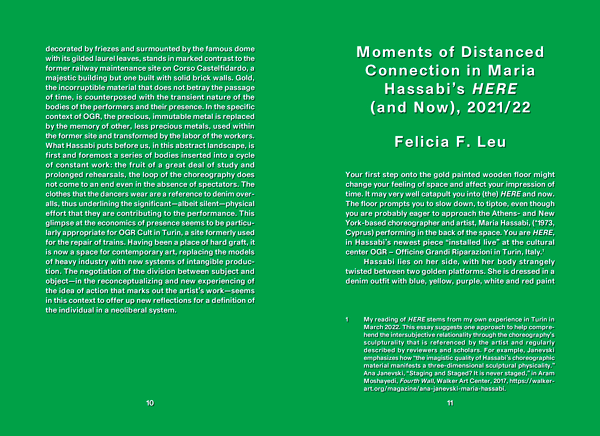
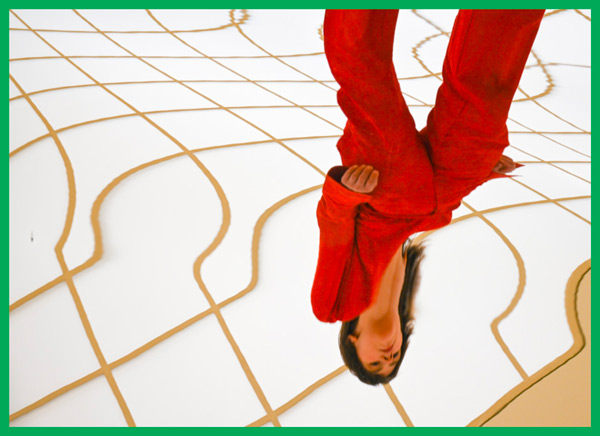
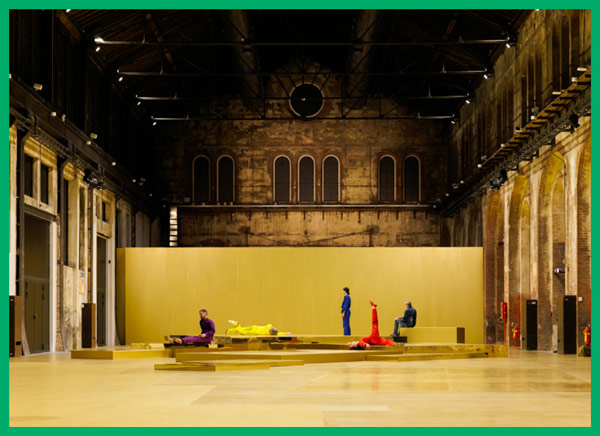
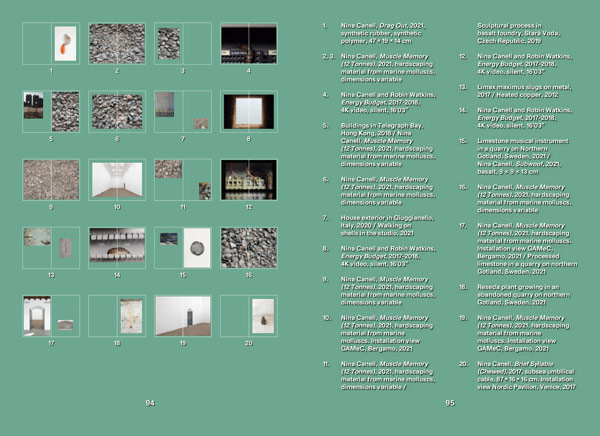
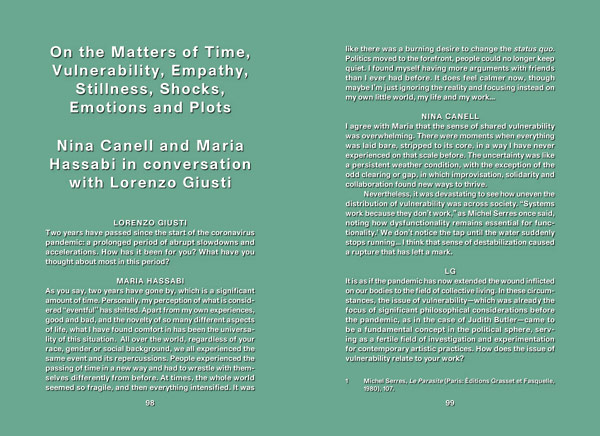
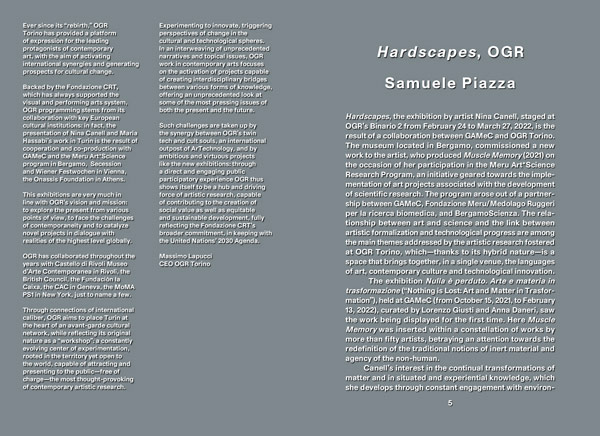
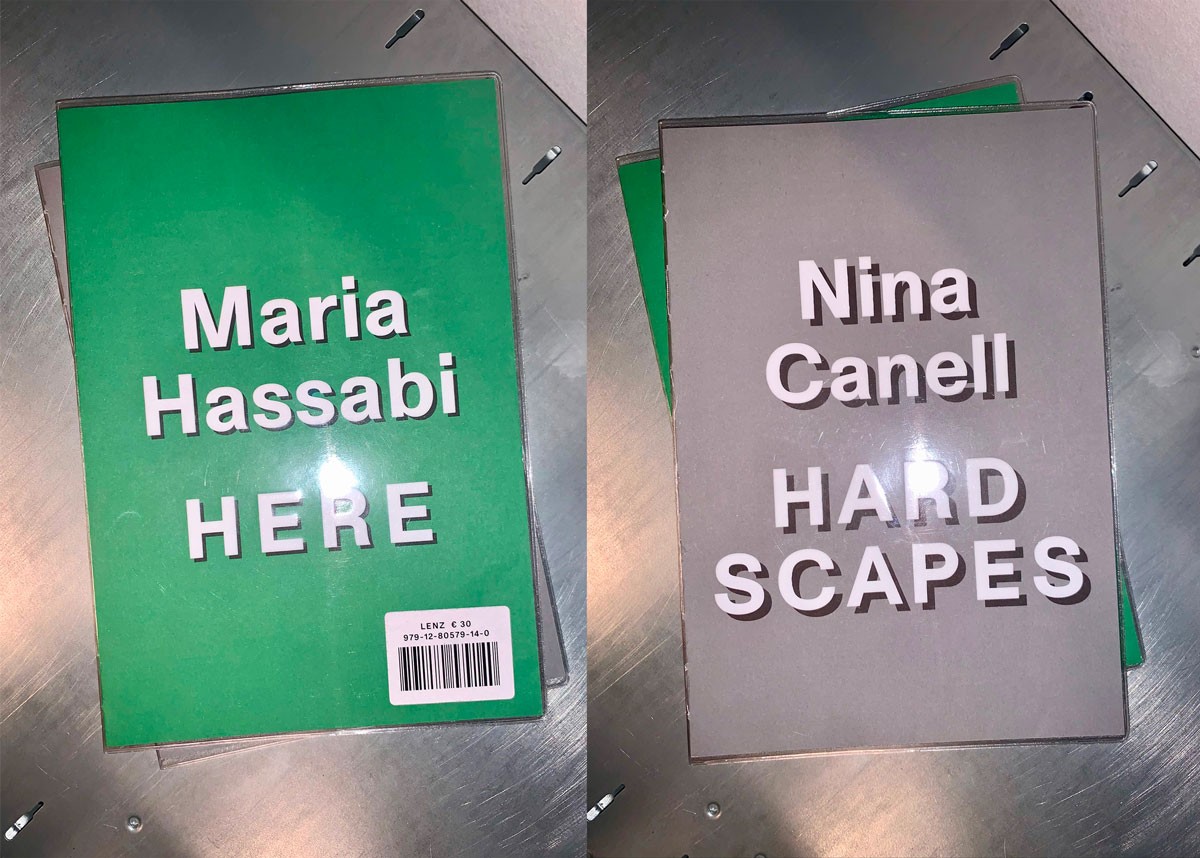
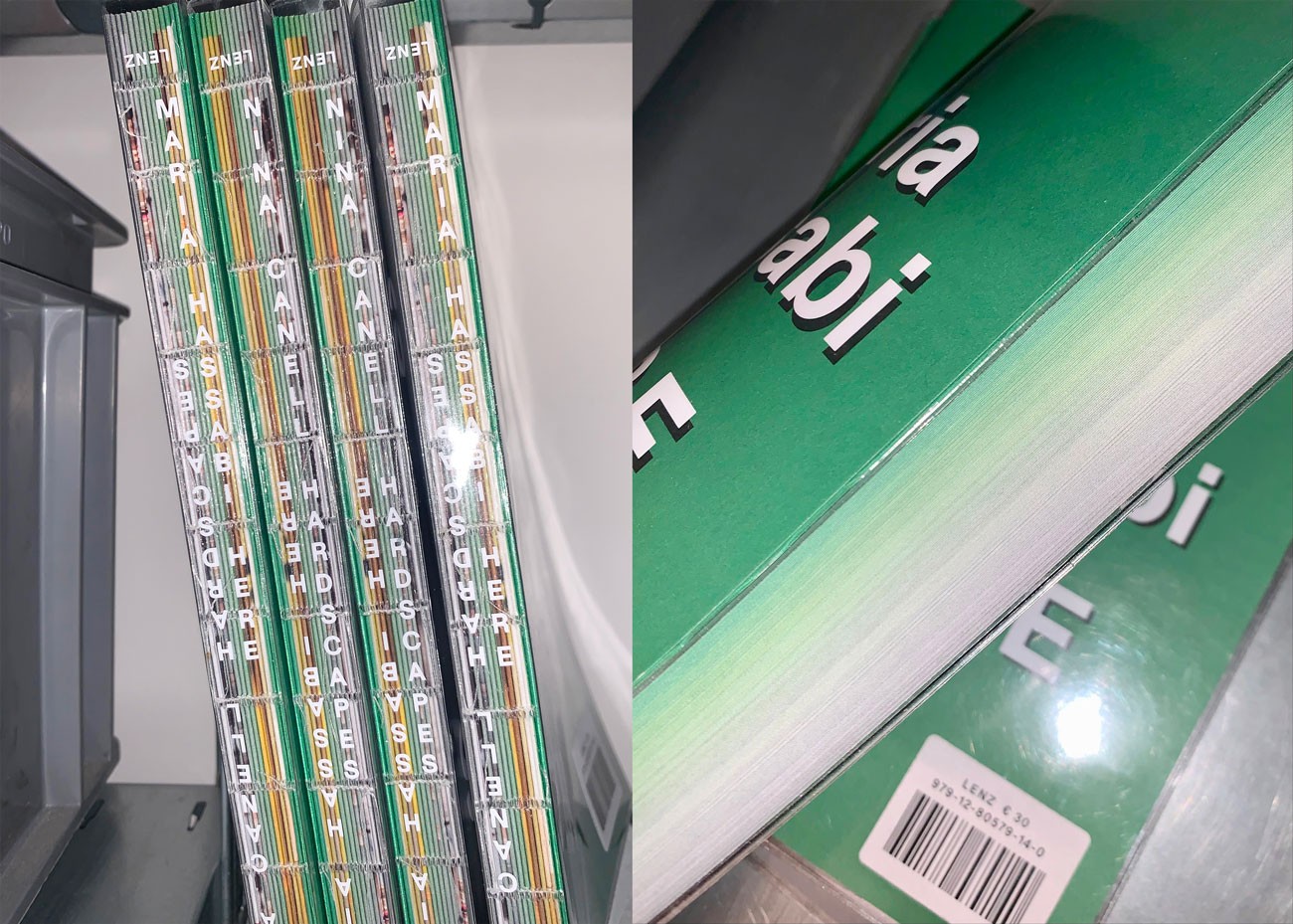
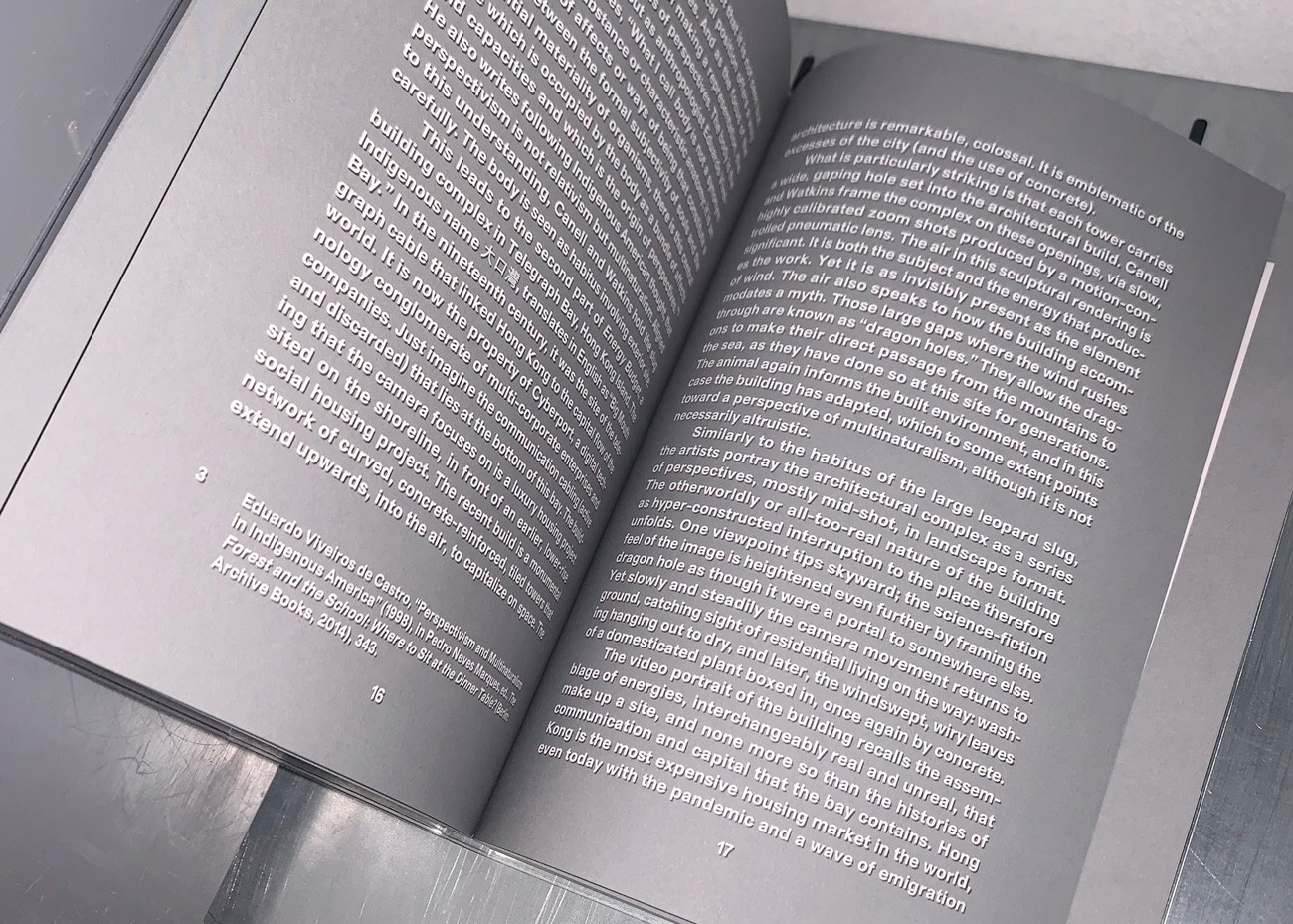
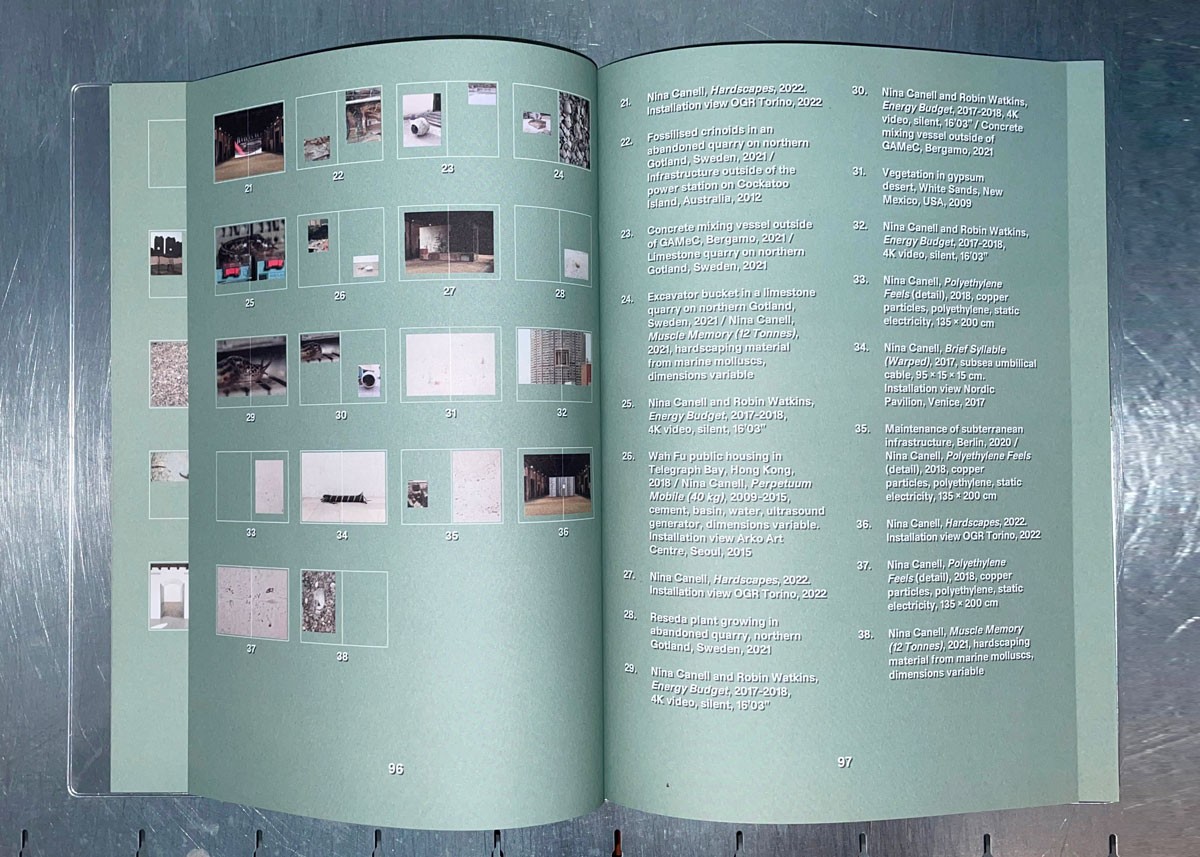
Hardscapes / HERE documents and brings together two exhibition projects by artists Nina Canell (Växjö, 1979) and Maria Hassabi (Cyprus, 1973). Produced on the occasion of the exhibitions of the same name curated by Samuele Piazza at the OGR Torino, the publication consists of two graphically specular books that merge into a single volume. Essays, unpublished materials and a rich set of photographic materials form the driving force behind two visual narratives that offer new keys to understanding the research of the two artists.
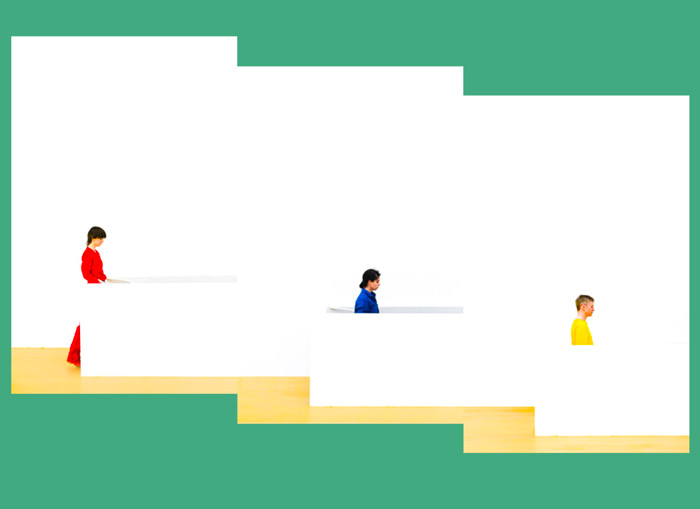
Hassabi’s live installation HERE calls on visitors to share space and spend time with six performers portrayed in a decelerated rhythmic choreography within a sculptural environment. In constant motion, the dancers contribute to a situation of shifting presence, demonstrating the contestable nature of the “here and now.” Immobility and slowing down are thus used both as techniques and as subjects of representation: the performing bodies oscillate between dance and sculpture, subject and object, living body and static image.
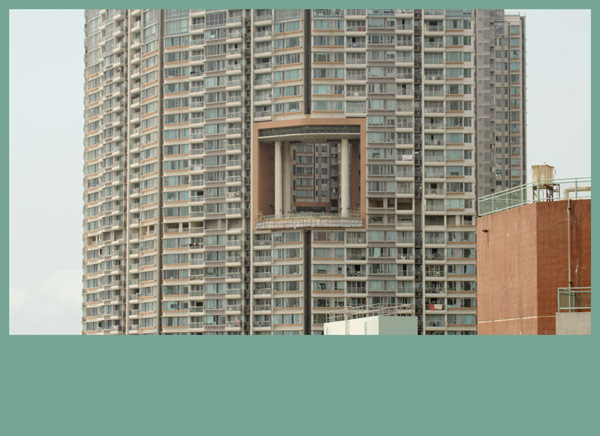
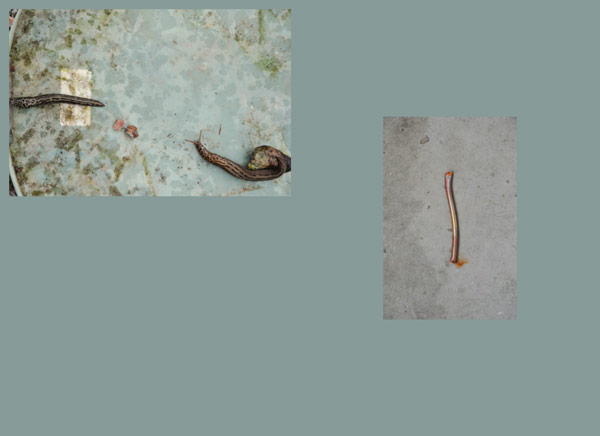
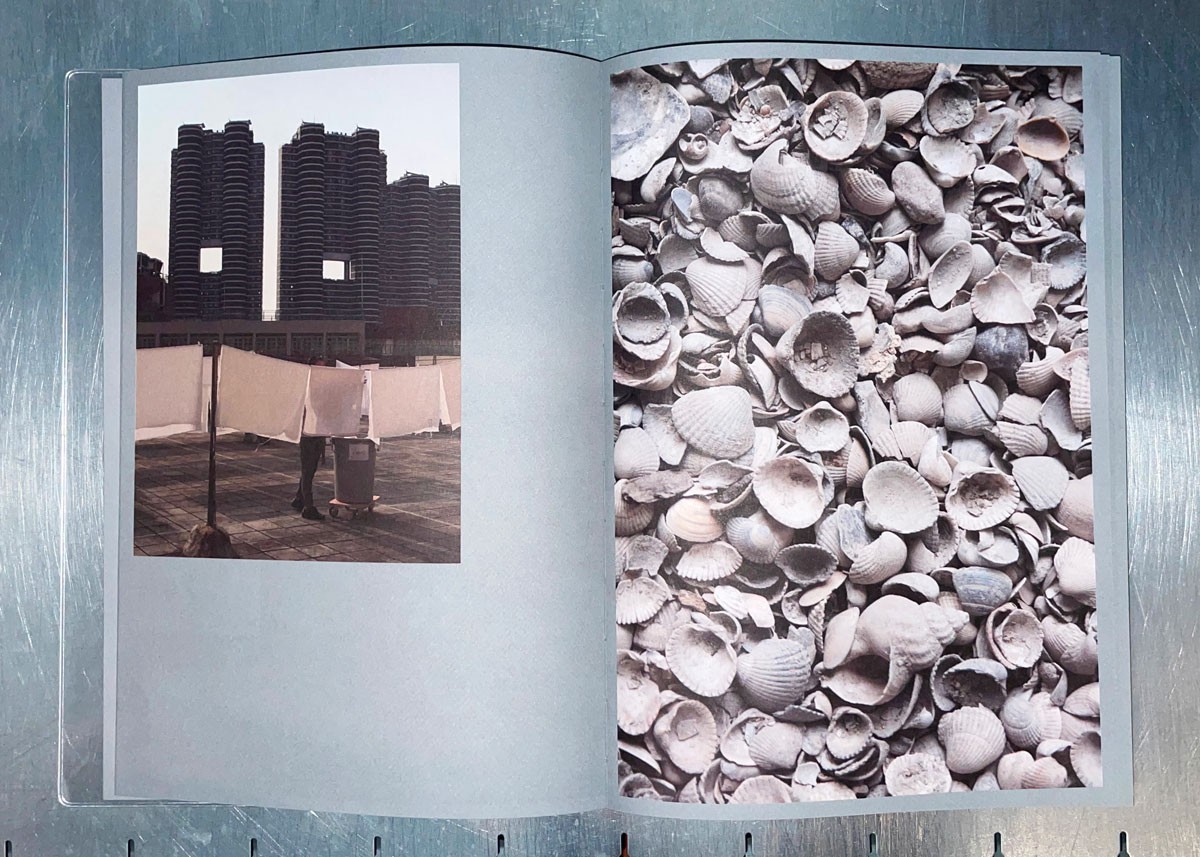
Canell’s Hardscapes combines two works that focus on the concepts of circulation and transformation as well as on unexpected forms of coexistence. Energy Budget (2017–18), a video that alternates between two subjects: a basement in which a leopard snail crawls over an electrical panel, and the gradual shifting of the frame away from “dragon gates”—portal-like openings in huge buildings on the Hong Kong waterfront. Muscle Memory (16 Tonnes) (2020–21) is a floor sculpture, decomposed and transformed by the density of moving bodies, which literally crumbles under the soles of passing visitors.
In addition to texts by the curator, the publication includes essays by Felicia Leu and Laura Preston, along with a conversation by Maria Hassabi and Nina Canell with Lorenzo Giusti.