Catalog of the eponymous exhibition, held at the Centre d’Art Contemporain Genève and curated by Andrea Bellini, this publication brings together a number of essays that explore the notion of metamorphosis from different perspectives. The catalog, like the exhibition, celebrates a world in constant transformation, where human nature is fluid and hybrid, open to change.
Ce catalogue de l’exposition éponyme, organisée au Centre d’Art Contemporain Genève sous la direction d’Andrea Bellini, rassemble plusieurs essais qui explorent la notion de métamorphose sous différentes perspectives. Le catalogue, comme l’exposition, célèbre un monde en constante transformation, où la nature humaine est fluide et hybride, ouverte au changement.
Fredrik Værslev: The Garden Paintings is the first publication dedicated solely to one specific body of work in the artist’s practice. It includes essays by Martha Kirszenbaum and Erlend Hammer, and gives a comprehensive and chronological account of the works from the series, showing their stylistic development as well as their exhibition history.
Between an artist’s book and a catalogue, this publication follows up on Armleder’s multidimensional exhibition at KANAL in 2020–21. Through archival pictures and in depth conversations, the book is designed to recreate the immersive experience of this collective experiment, and proposes a dive into something akin to a large self-portrait, conceived through the works of more than a hundred artists.
This artist’s book reflects Eva & Franco Mattes’ continued interest in the condition of displacement to be sensed in Fukushima. Borrowing the format of wrapping-paper catalogs, it contains twenty large pre-perforated sheets, each of which features a photographic texture—a seamlessly repeating motif captured by the camera amid the radioactive ruins of the contaminated towns and countryside.
The album brings together the music composed by Federico Chiari for various film and video works by Diego Marcon, including Monelle (2017), Ludwig (2018), The Parents’ Room (2021), and Dolle (2023). The album comes with a booklet containing lyrics and images that provide a deeper insight into this unique, profoundly intertwined collaboration between Chiari and Marcon.
Edited by Samuele Piazza
Texts by Lorenzo Giusti, Felicia F. Leu, Samuele Piazza, Laura Preston
Design by Lorenzo Mason Studio
2022, English / Italian, softcover, 224 pages, 16.5 x 24 cm
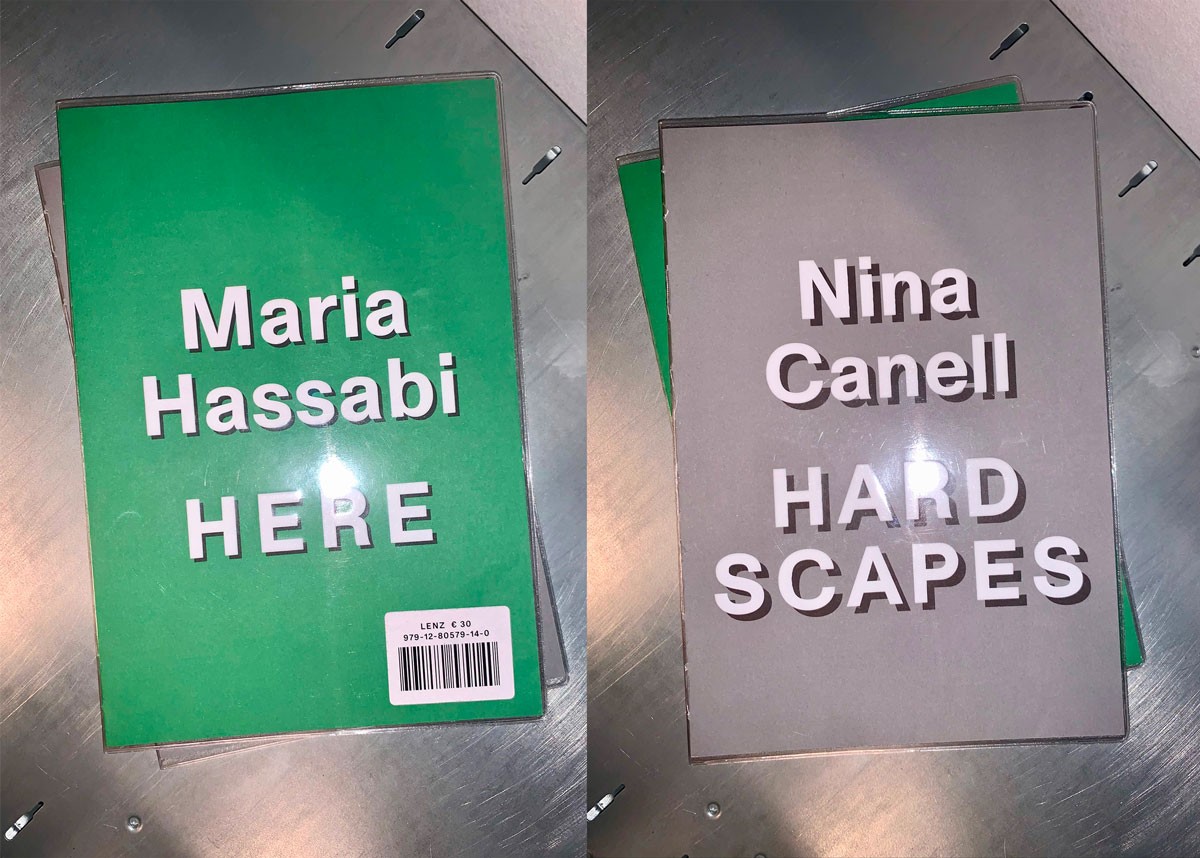
ISBN: 979-12-80579-14-0
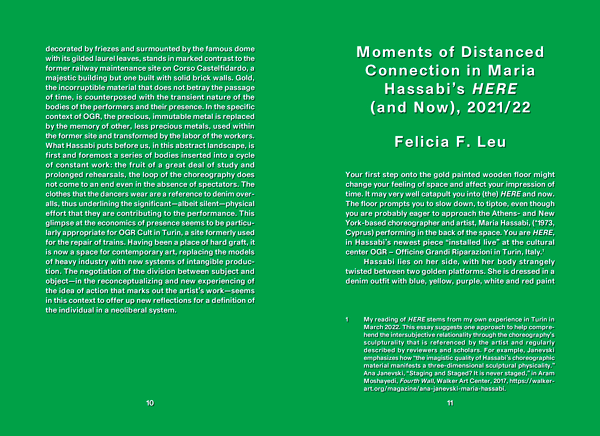
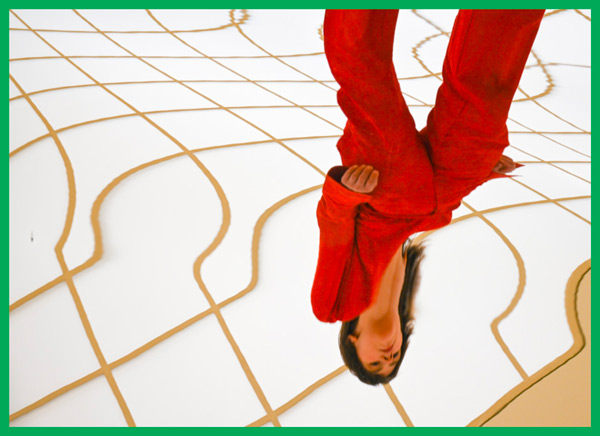
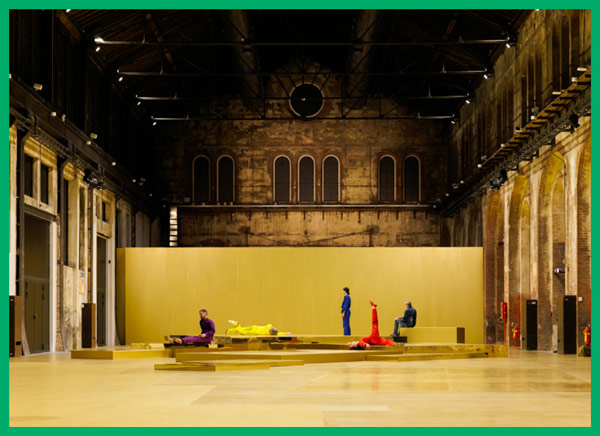
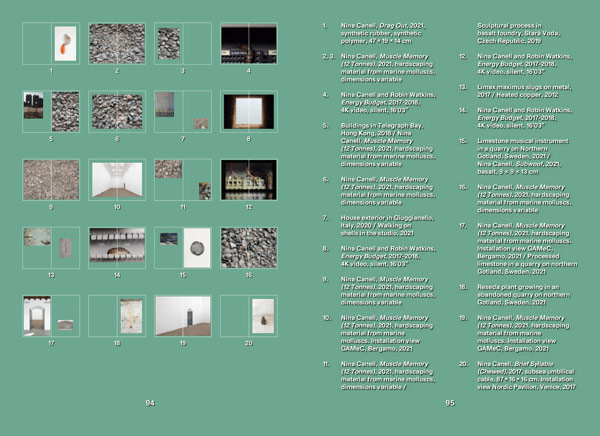
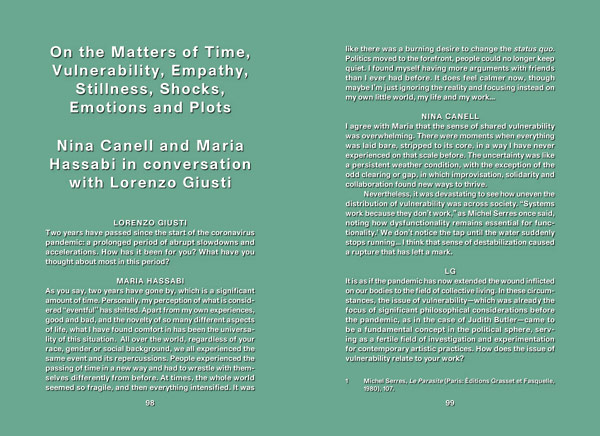
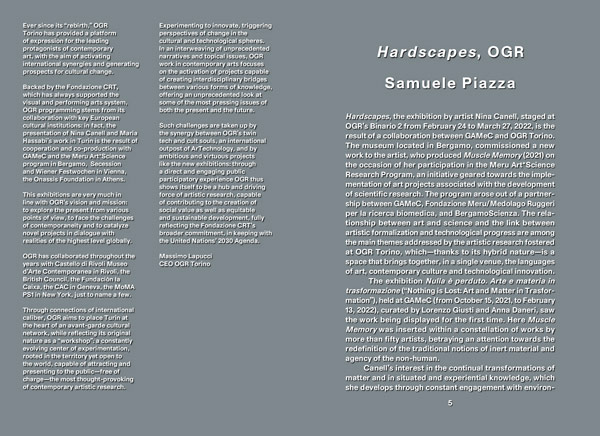
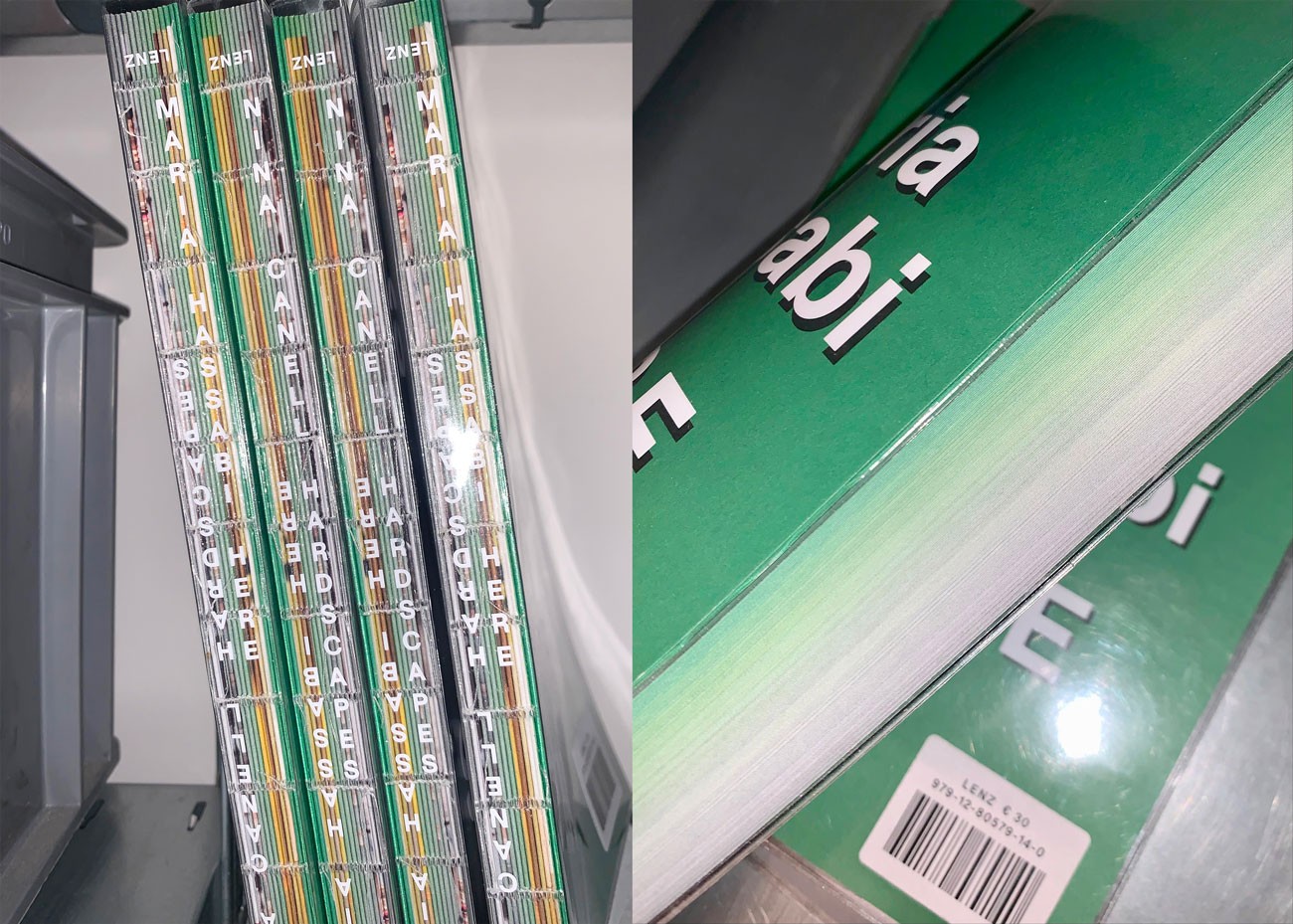
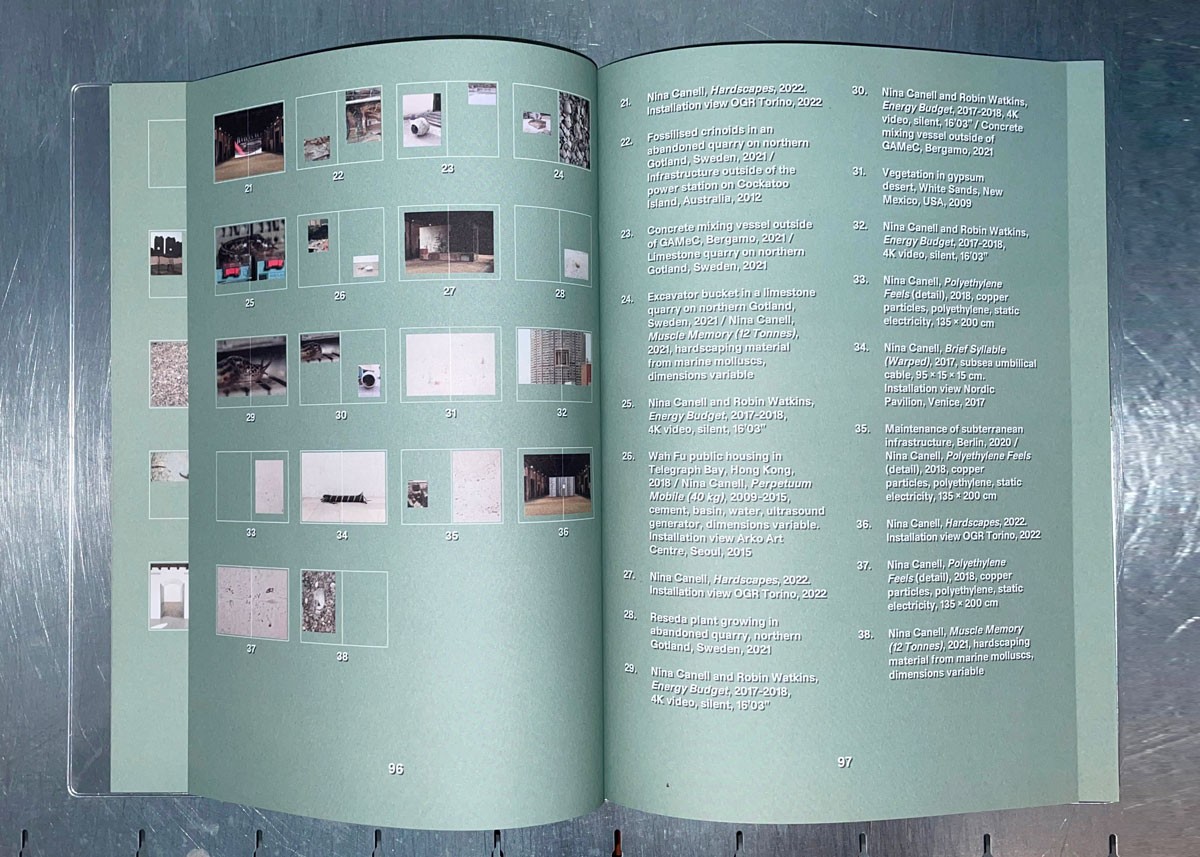
Hardscapes / HERE documents and brings together two exhibition projects by artists Nina Canell (Växjö, 1979) and Maria Hassabi (Cyprus, 1973). Produced on the occasion of the exhibitions of the same name curated by Samuele Piazza at the OGR Torino, the publication consists of two graphically specular books that merge into a single volume. Essays, unpublished materials and a rich set of photographic materials form the driving force behind two visual narratives that offer new keys to understanding the research of the two artists.
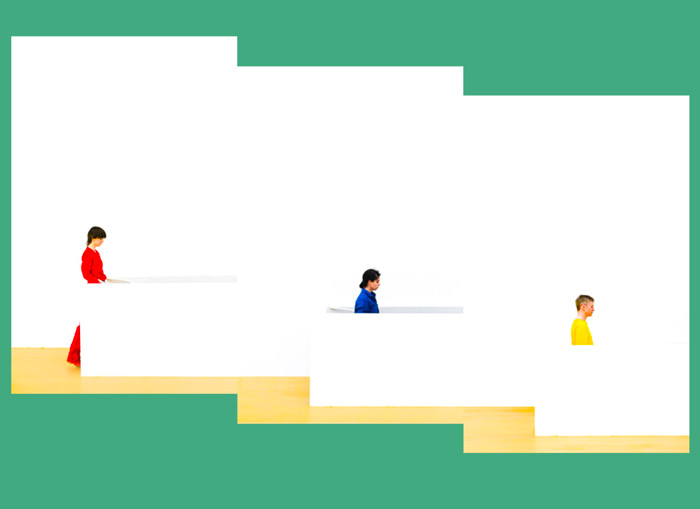
Hassabi’s live installation HERE calls on visitors to share space and spend time with six performers portrayed in a decelerated rhythmic choreography within a sculptural environment. In constant motion, the dancers contribute to a situation of shifting presence, demonstrating the contestable nature of the “here and now.” Immobility and slowing down are thus used both as techniques and as subjects of representation: the performing bodies oscillate between dance and sculpture, subject and object, living body and static image.
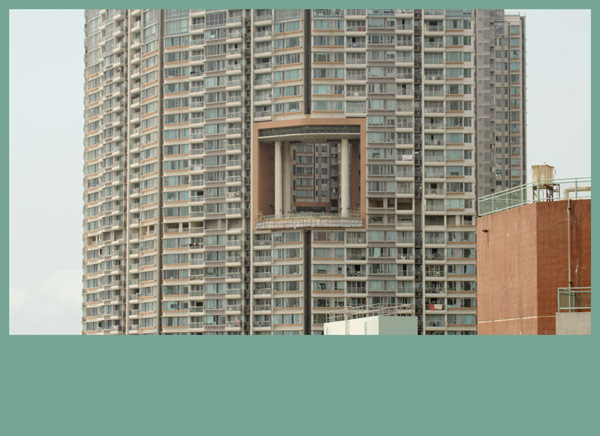
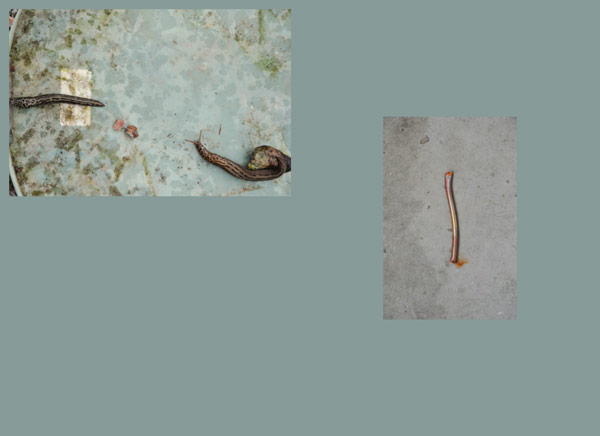
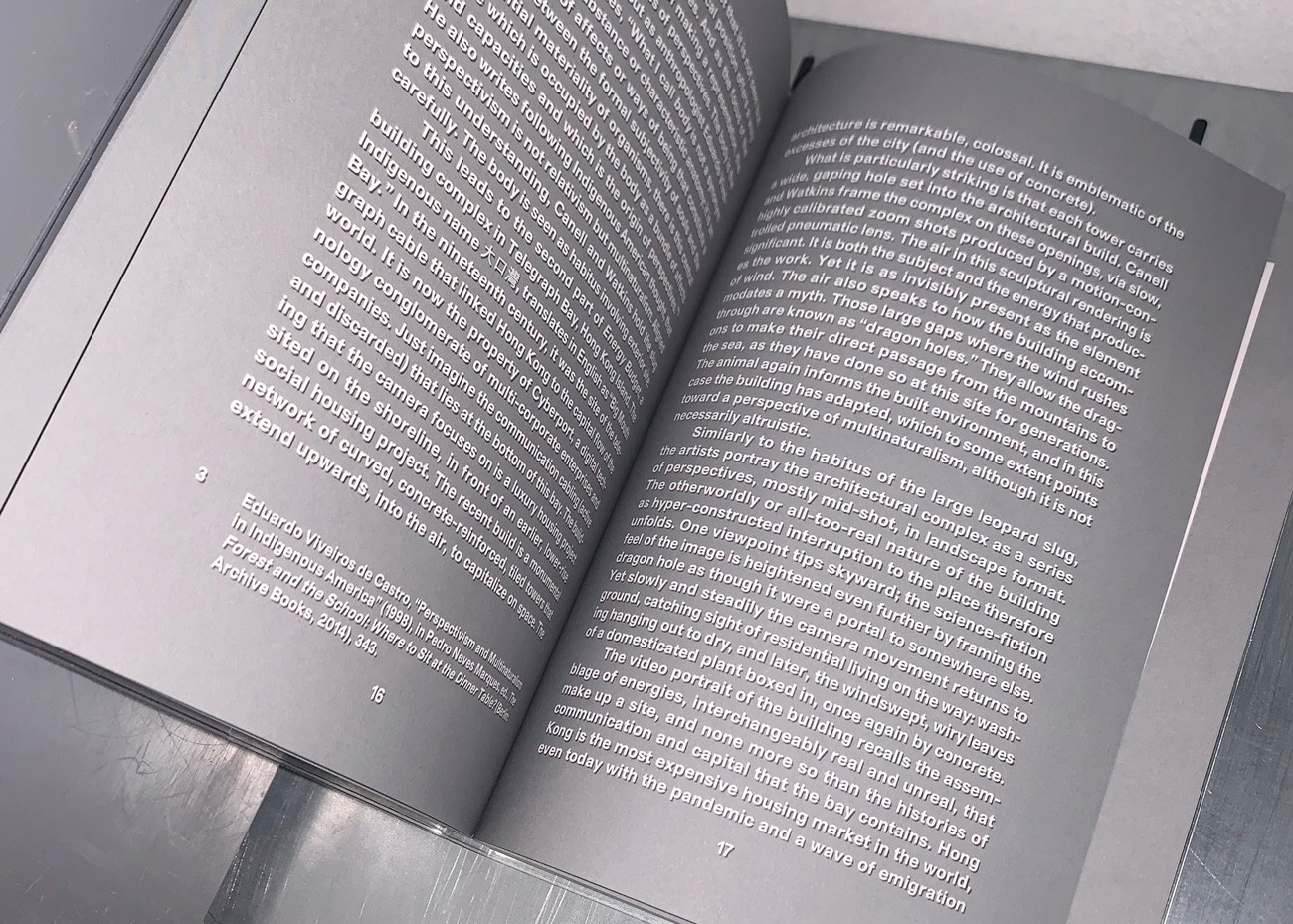
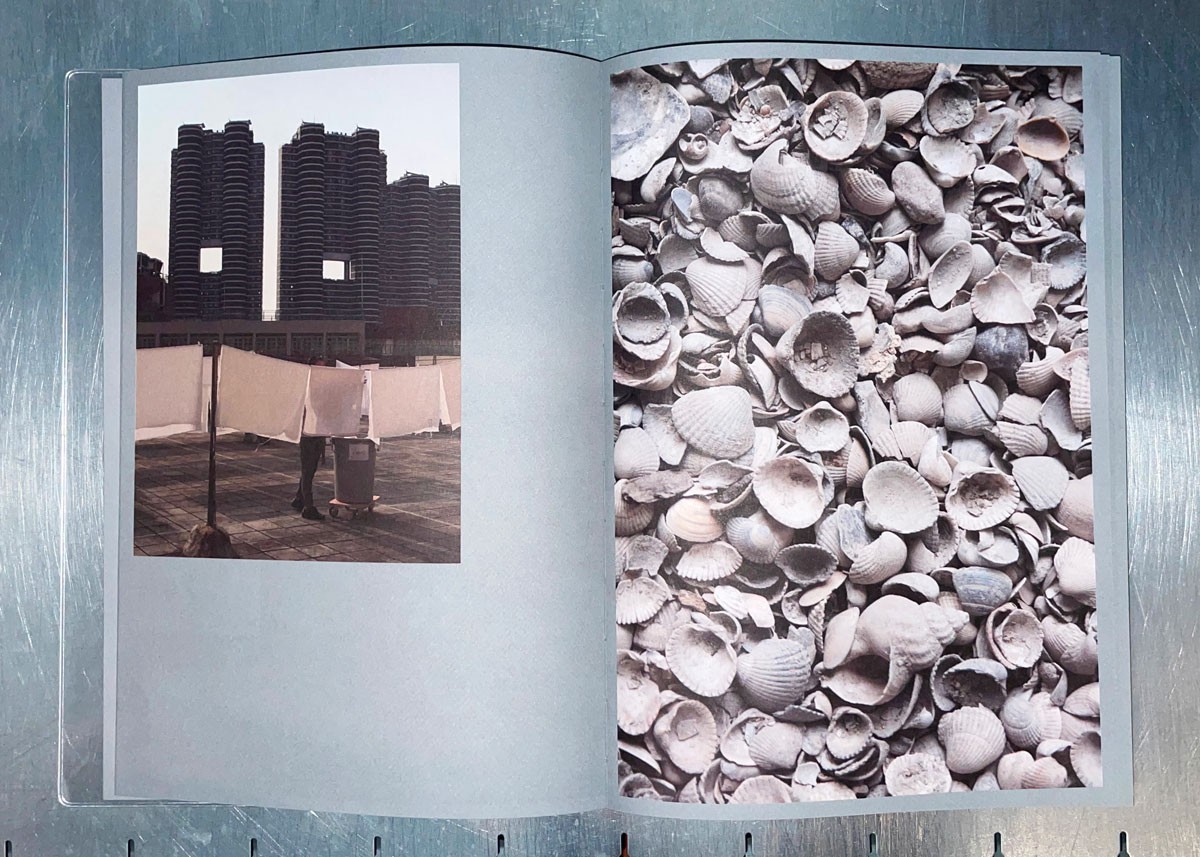
Canell’s Hardscapes combines two works that focus on the concepts of circulation and transformation as well as on unexpected forms of coexistence. Energy Budget (2017–18), a video that alternates between two subjects: a basement in which a leopard snail crawls over an electrical panel, and the gradual shifting of the frame away from “dragon gates”—portal-like openings in huge buildings on the Hong Kong waterfront. Muscle Memory (16 Tonnes) (2020–21) is a floor sculpture, decomposed and transformed by the density of moving bodies, which literally crumbles under the soles of passing visitors.
In addition to texts by the curator, the publication includes essays by Felicia Leu and Laura Preston, along with a conversation by Maria Hassabi and Nina Canell with Lorenzo Giusti.