A visual notebook of the screenshots taken by Yngve Holen over the past five years or so, 6G—the anticipated next phase of network technology—is a peculiarly sized artist’s book, a glossy non-linear agglomeration that reflects the intersections of production, life, and digital debris.
Conceived as a visual résumé, the book provides a comprehensive overview of Posenenske’s solo exhibitions and a record of her numerous group shows. Featuring an essay by curator Erlend Hammer on the role of documentary photographs in the circulation of works of art, it was published in conjunction with the eponymous show at the Haugar Art Museum in Tønsberg.
Since the 1980s, Belgian artist Sigefride Bruna Hauman has created a highly original body of work in different media. Her installations, reliefs and videos are the subject of a much-overdue retrospective organized by M Leuven—and of this first monograph.
Rituals of Care is an extensive monograph devoted to the work of Antonio Obá, published in conjunction with his eponymous exhibition presented at the Centre d’Art Contemporain Genève, curated by Andrea Bellini. Extensively illustrated, the book immerses the reader in Obá’s multifaceted oeuvre and in the magical iconographic universe of his paintings.
Claiming that the museum is not enough means asking what a museum should be and do, eventually questioning the role of cultural institutions in society. Through conversations, stills of documentaries, responses, and reprints of archival documents that explore ideas of architecture on the ground, this volume reflects on the tools deployed by the institution to redefine its relationship to others.
Edited by Francesco Vezzoli
Texts by Donatien Grau, Francesco Vezzoli, and FiIlippo Bisagni
Art direction: Alberto Agosti
Design: Leonardo Pertile
Published for ArchivorumxM
2026, English, spiral-bound, 23 x 17 cm, 206 pages
ISBN 979-12-80579-95-9
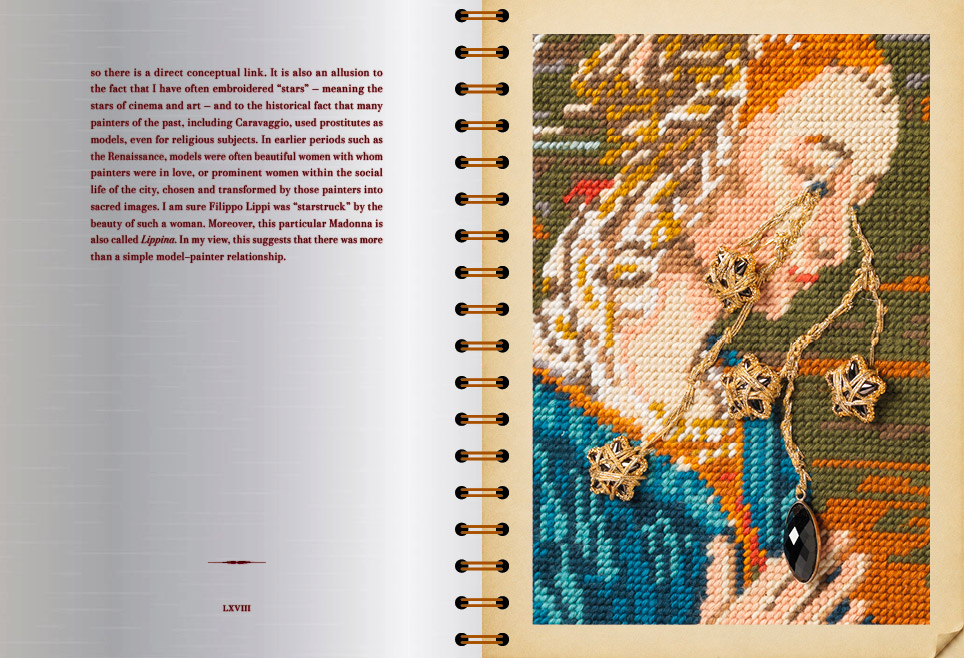
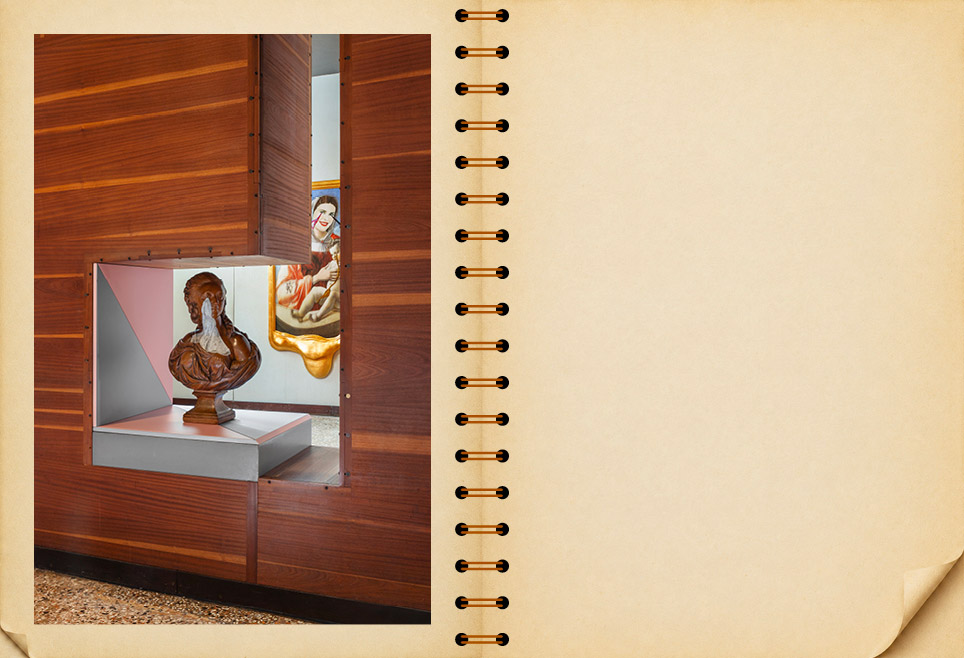
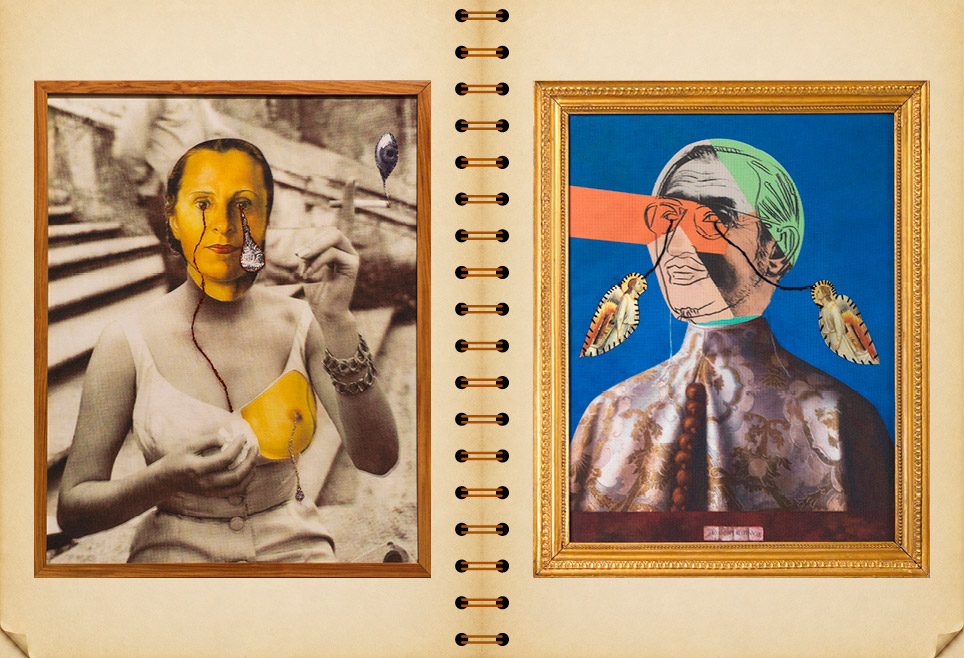
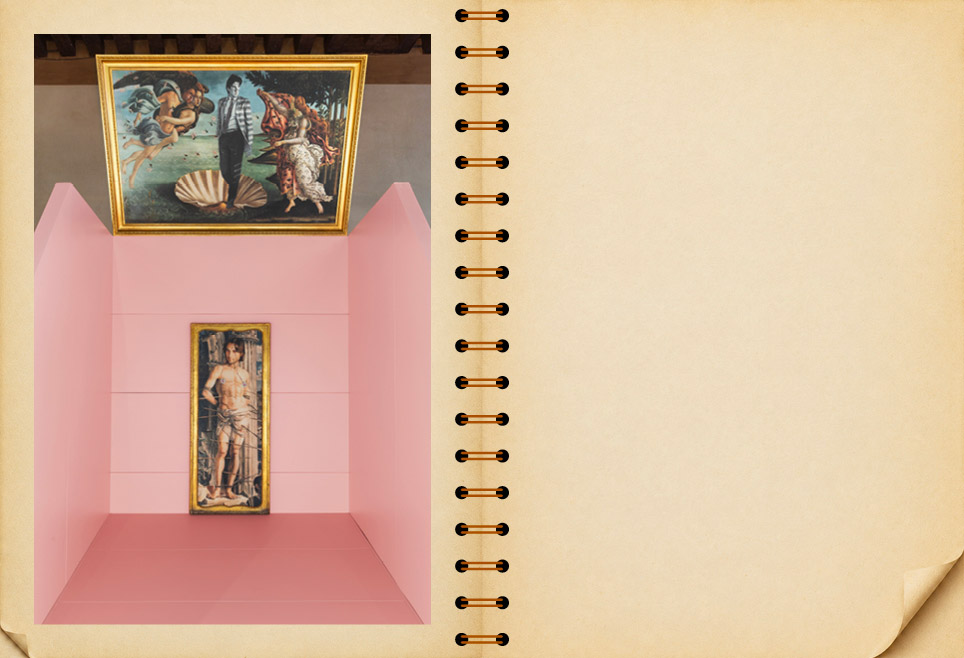
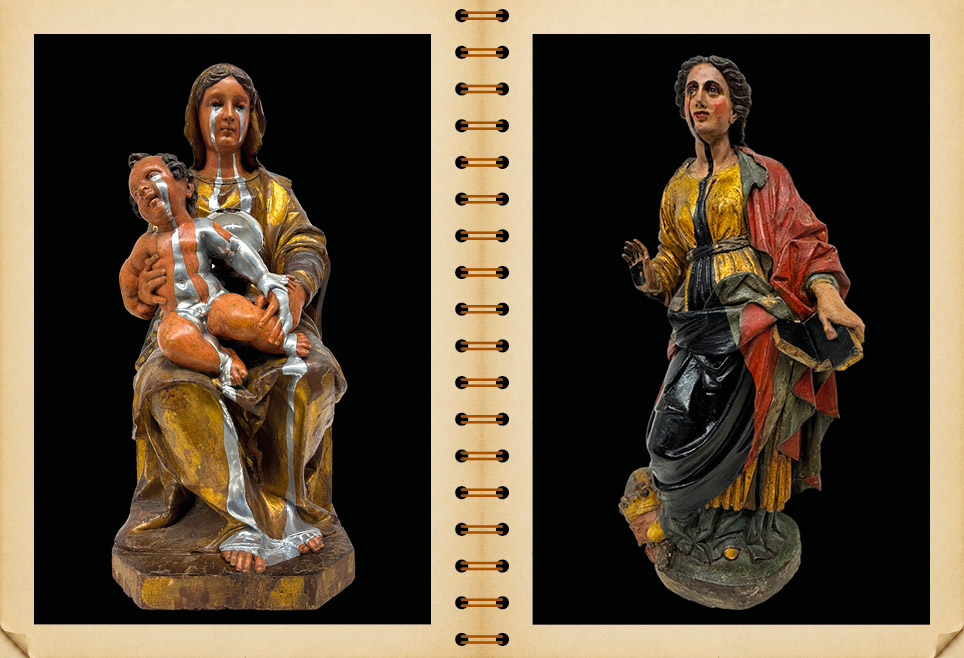
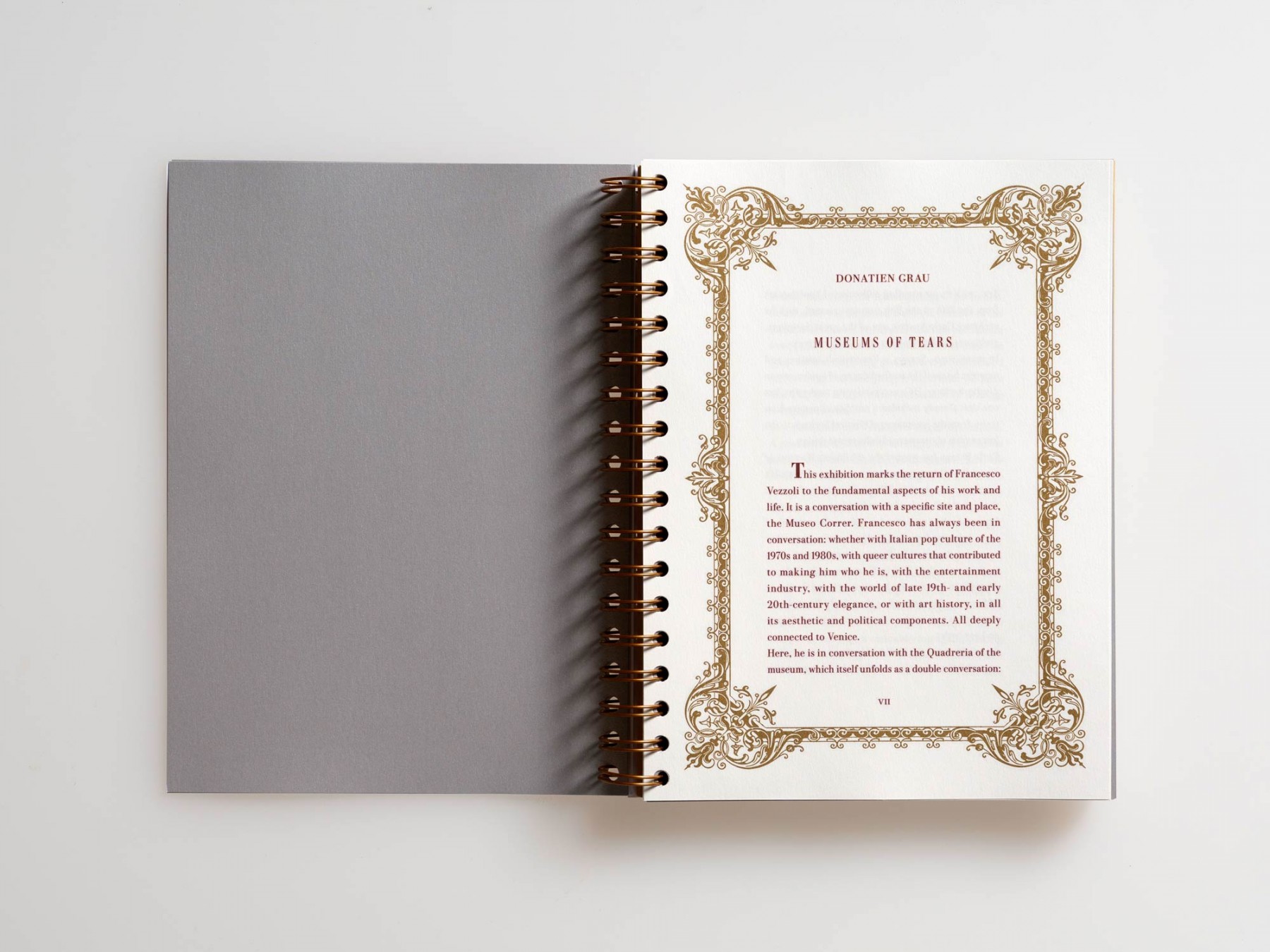
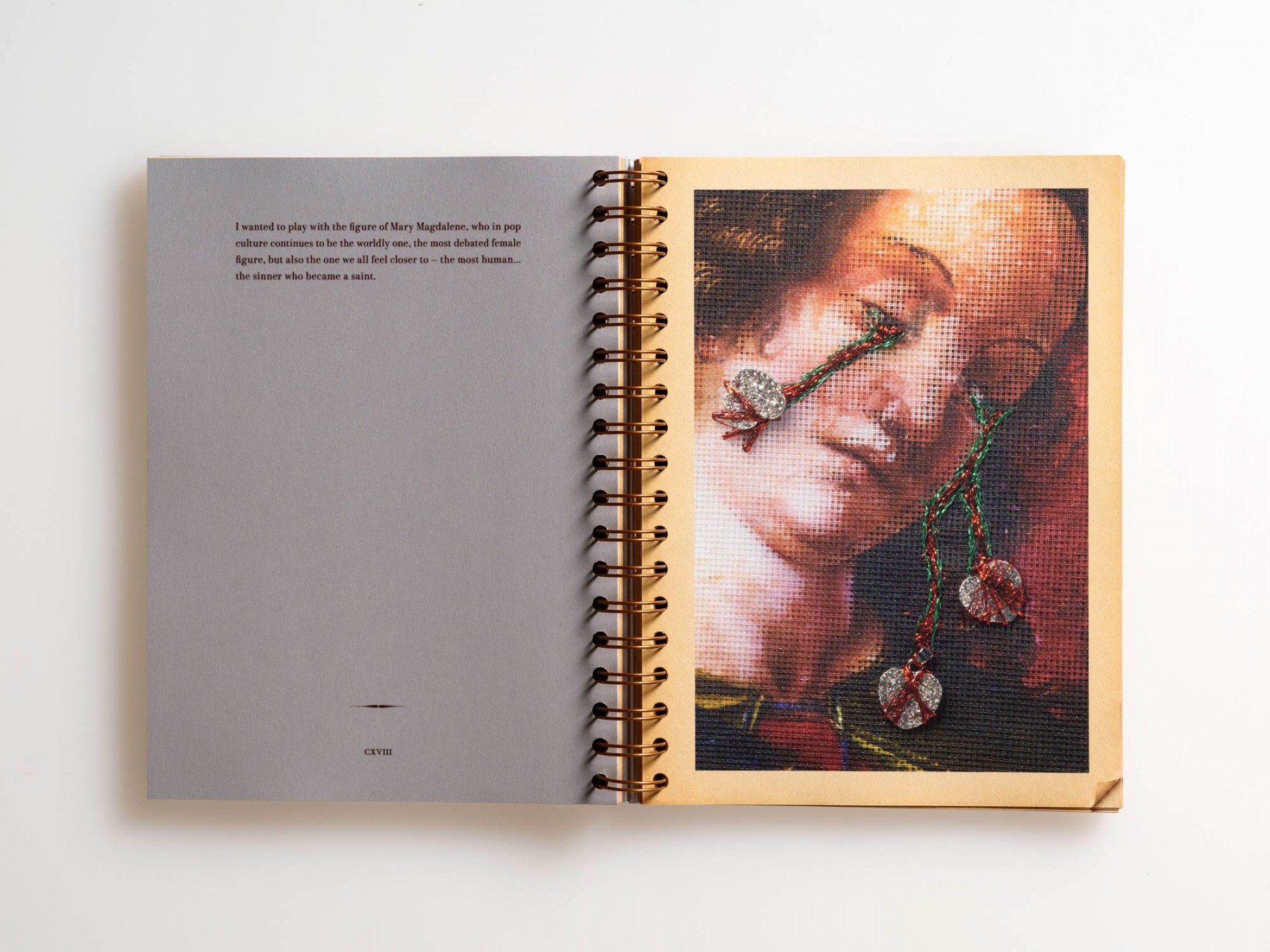
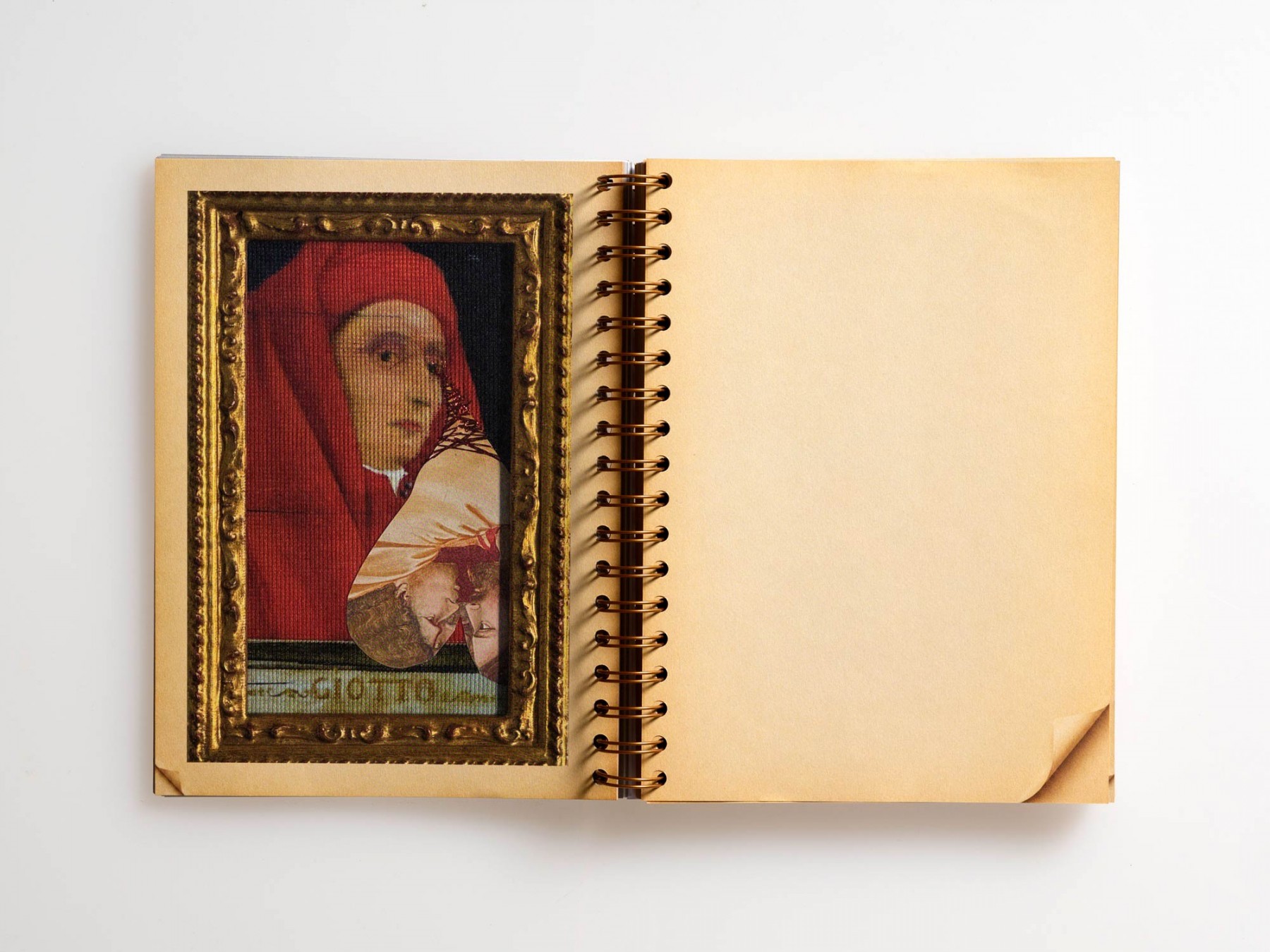
Conceived as both a publication and an autonomous artwork, Museums of Tears extends Francesco Vezzoli’s acclaimed exhibition presented at Museo Correr, Venice, in 2024. Developed in dialogue with Donatien Grau, the project brought together historical works from the museum alongside recent and newly commissioned works by Vezzoli, creating a layered conversation between antiquity, emotion and illusion. The exhibition marked a significant moment in the artist’s practice, reflecting his growing engagement with art history, archaeology and the museum as a space where the past can be reimagined through contemporary desire.
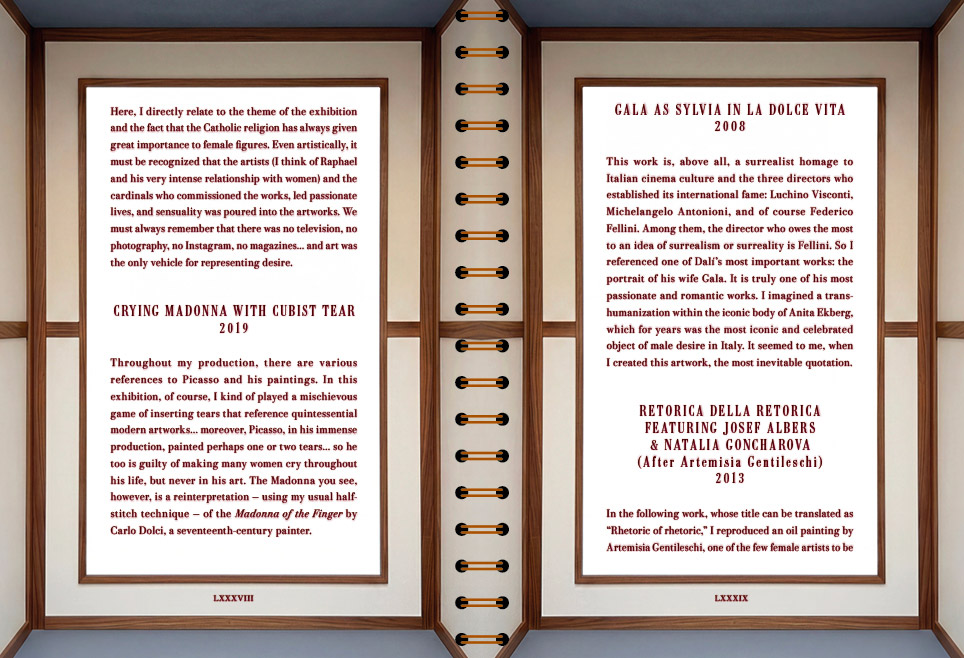
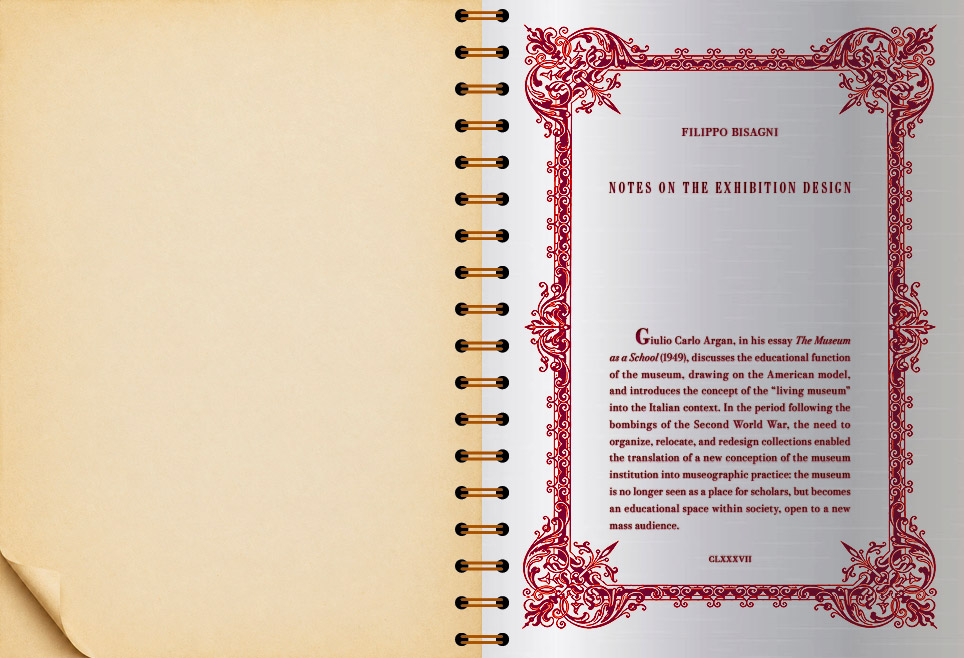
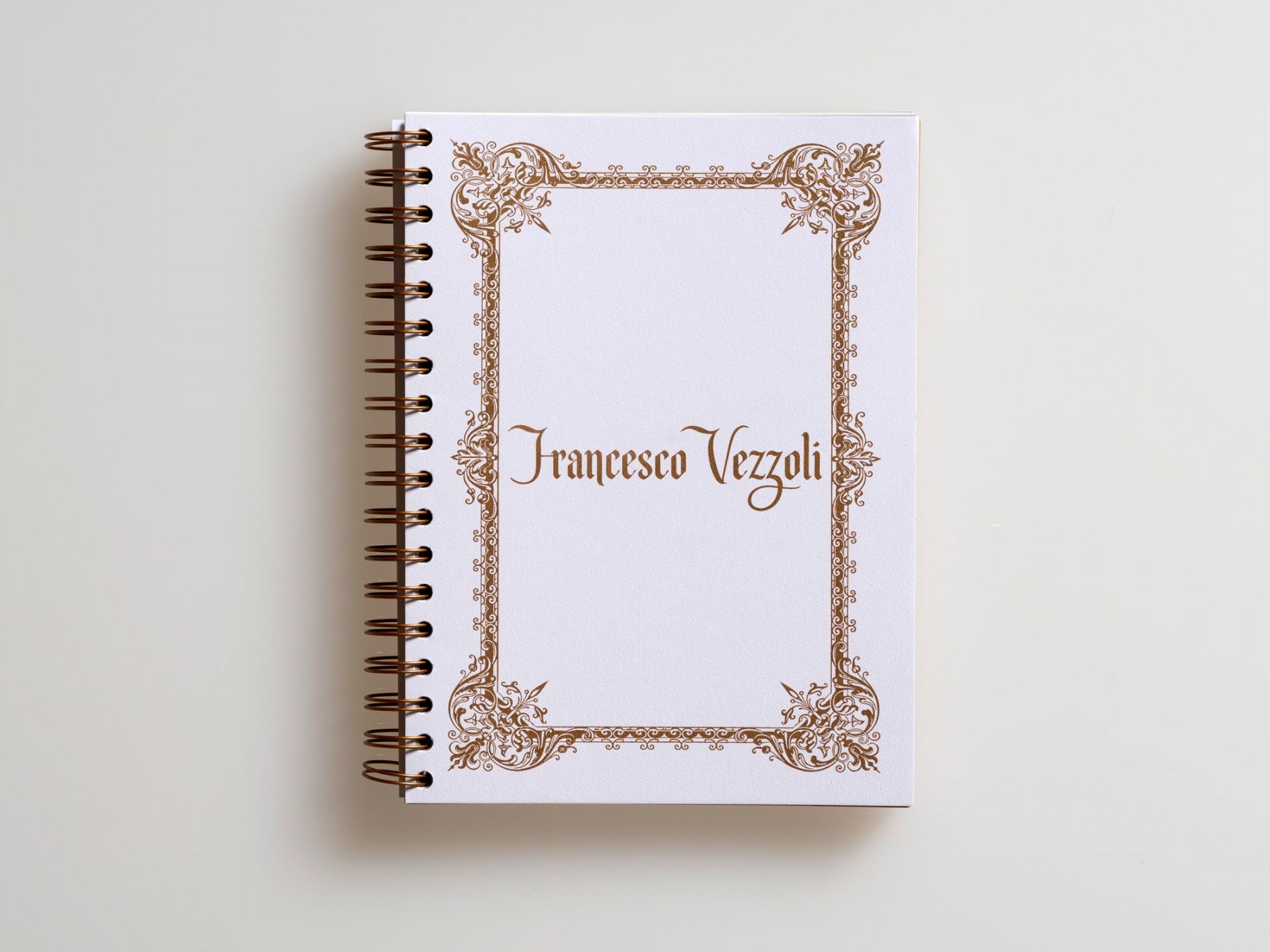
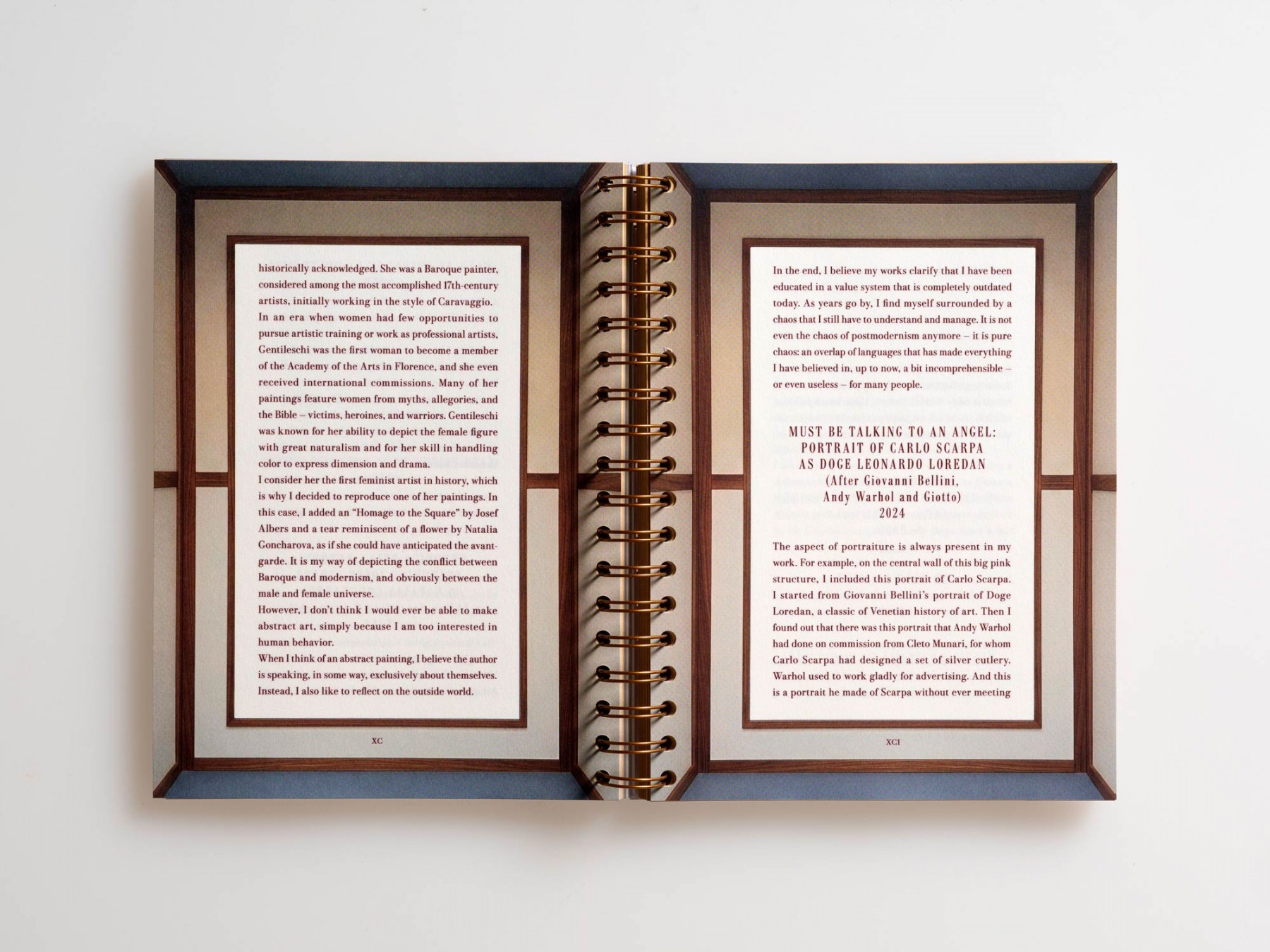
Moving beyond the conventional exhibition catalogue format, the volume has been conceived as a true artist’s book. Inspired by the historical guidebooks of Museo Correr and by Carlo Scarpa’s vision of the museum as a form of emotional choreography, it transforms the museum guide into a hybrid object: part scholarly document, part fictional archive and part personal diary. Rather than documenting the exhibition, Museum of Tears becomes an extension of it: a portable museum of memory, beauty, mourning and artifice.