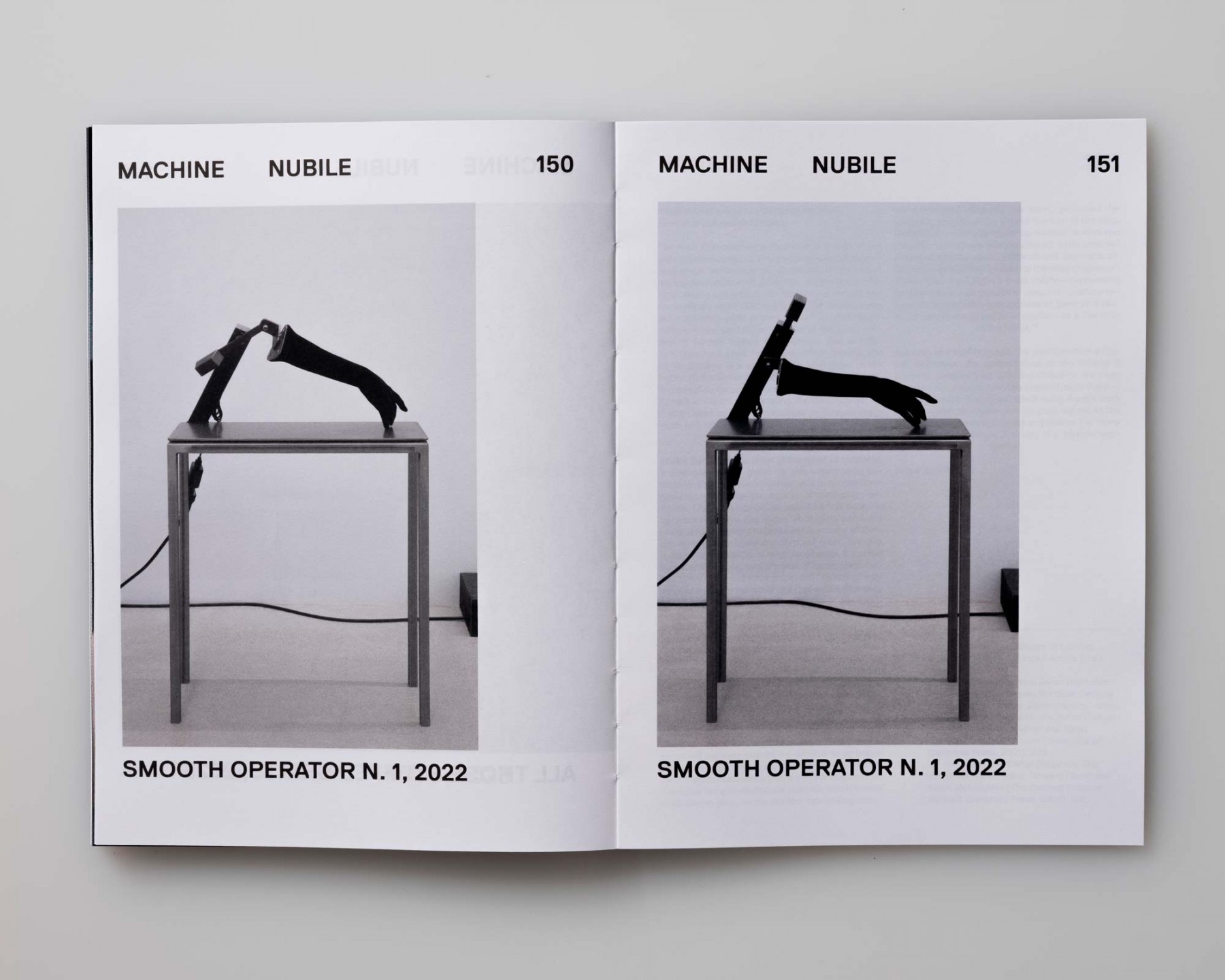
Shahryar Nashat inserts his art in the pages of this new artist’s book, which takes the form of a catalogue-turned-manual: but instead of explaining its meaning, he strips it of its aura, flaunts its nature as an object and describes step-by-step how to create it.
Martin Heidegger, Glenn Gould, Jacques-Louis David, Cy Twombly, Paul Engelmann and Ludwig Wittgenstein: characters that Francesco Arena has chosen or rediscovered in multiple contexts over the time recur in this book. Ranging from philosophy, to music, to visual arts, they embrace the whole world of knowledge.
This first institutional monograph on the multimedia practice of artist and director Ali Cherri aims to highlight the themes and formal concerns running through his most recent, highly significant projects at GAMeC, Bergamo; Frac Bretagne, Rennes; Swiss Institute, New York; Biennale Arte 2022, Venice; and the National Gallery, London.
The book highlights the main characteristics of the collective trauma that gave rise to Rachel Whiteread’s project for GAMeC. The psychoanalysts Angelo Antonio Moroni and Pietro Roberto Goisis map out a composite picture, starting from the sense of vulnerability and collective loss associated with the Covid-19 pandemic.
This book, with follows the eponymous exhibition at Mudam Luxembourg, is constructed as a story, with a prologue, four acts, and an epilogue: an intuitive journey through the voices of thirty-four artists from different generations who are experimenting with the idea of the performative.
Dreaming Alcestis is an artist’s book by artist and filmmaker Beatrice Gibson, conceived as an accompaniment to her holographic film installation of the same name. It features a commissioned essay by poet and translator Allison Grimaldi Donahue, as well as a reprint of the American poet Alice Notley’s 1991 essay What Can Be Learned From Dreams?
Concept by Vela Arbutina and Anna Franceschini
Edited by Attilia Fattori Franchini, Anna Franceschini, and Ilaria Gianni
Texts by Chiara Agradi, Mohamed Almusibli, Fabio Cherstich, Liv Cuniberti, Gioia Dal Molin, Bernardo De Souza, Vincenzo di Rosa, Attilia Fattori Franchini, Francesco Urbano Ragazzi, Ilaria Gianni, Ingrid Luquet-Gad, Beniamino Marini, Nick Mauss, Giacomo Mercuriali, Alice Motard, Tabea Panizzi, Tobias Perse, Jennifer Teets, Roberta Tenconi, Jeppe Ugelvig, Joel Valabrega, Marianna Vecellio
Designed by Vela Arbutina
2026, English, softcover, 19 x 26 cm, 176 pages
ISBN 979-12-82771-02-3
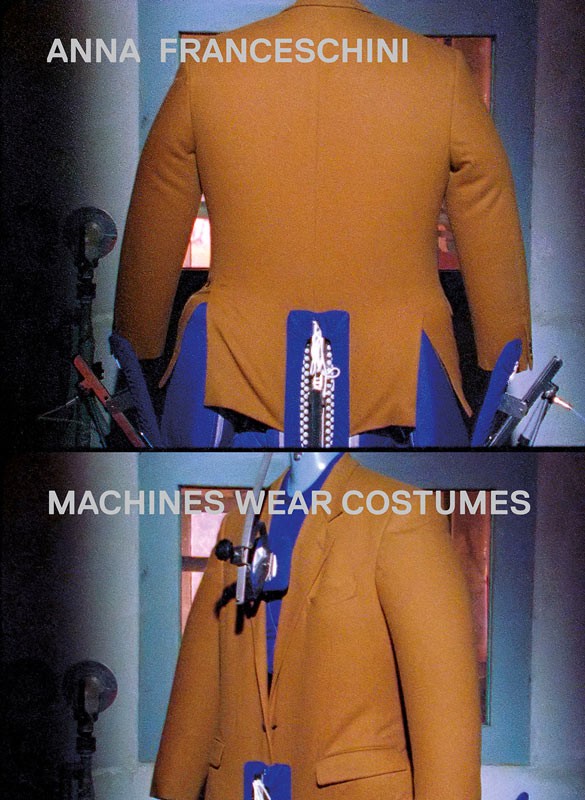
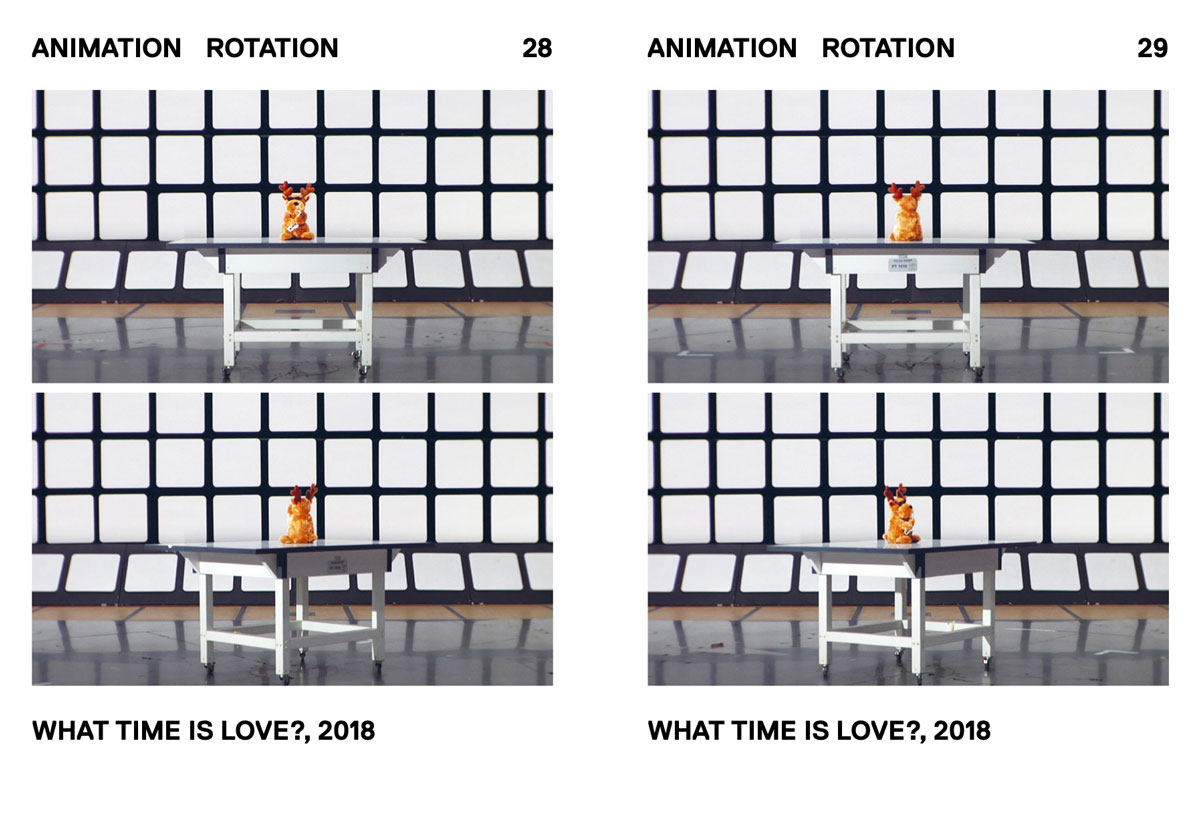
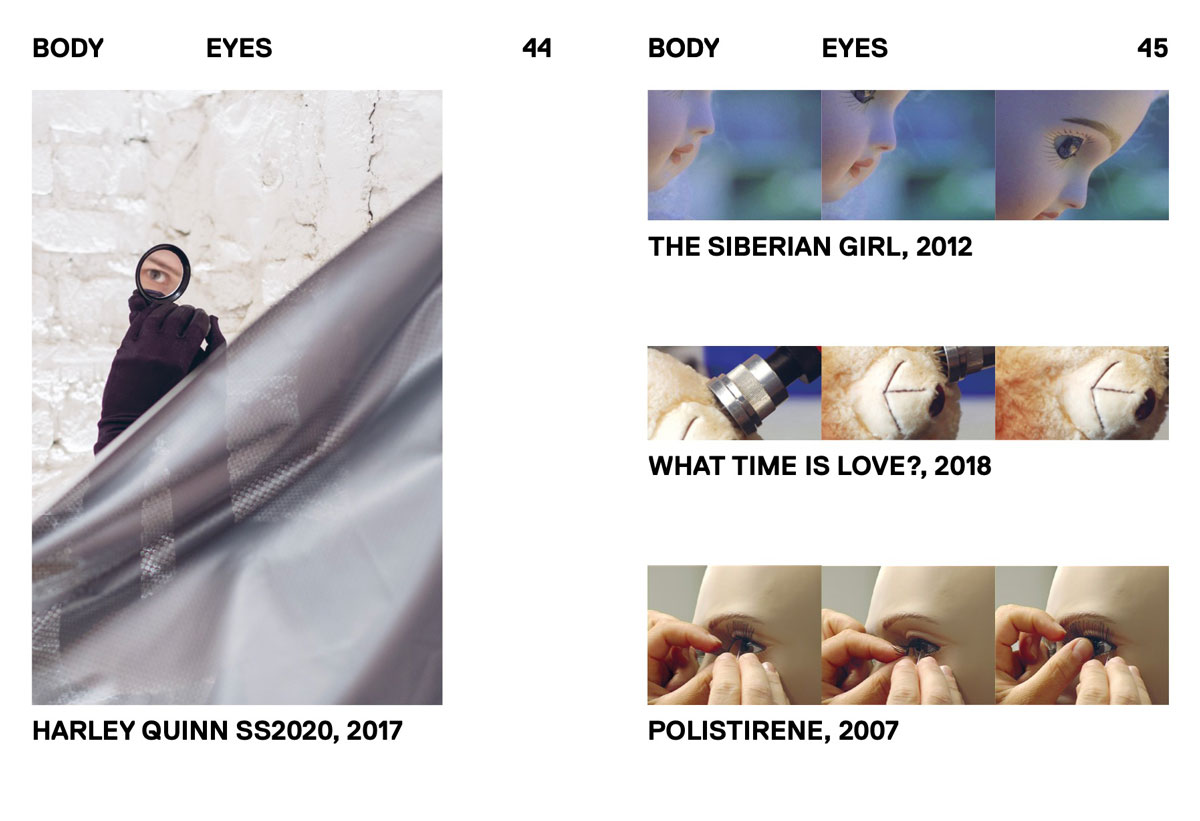
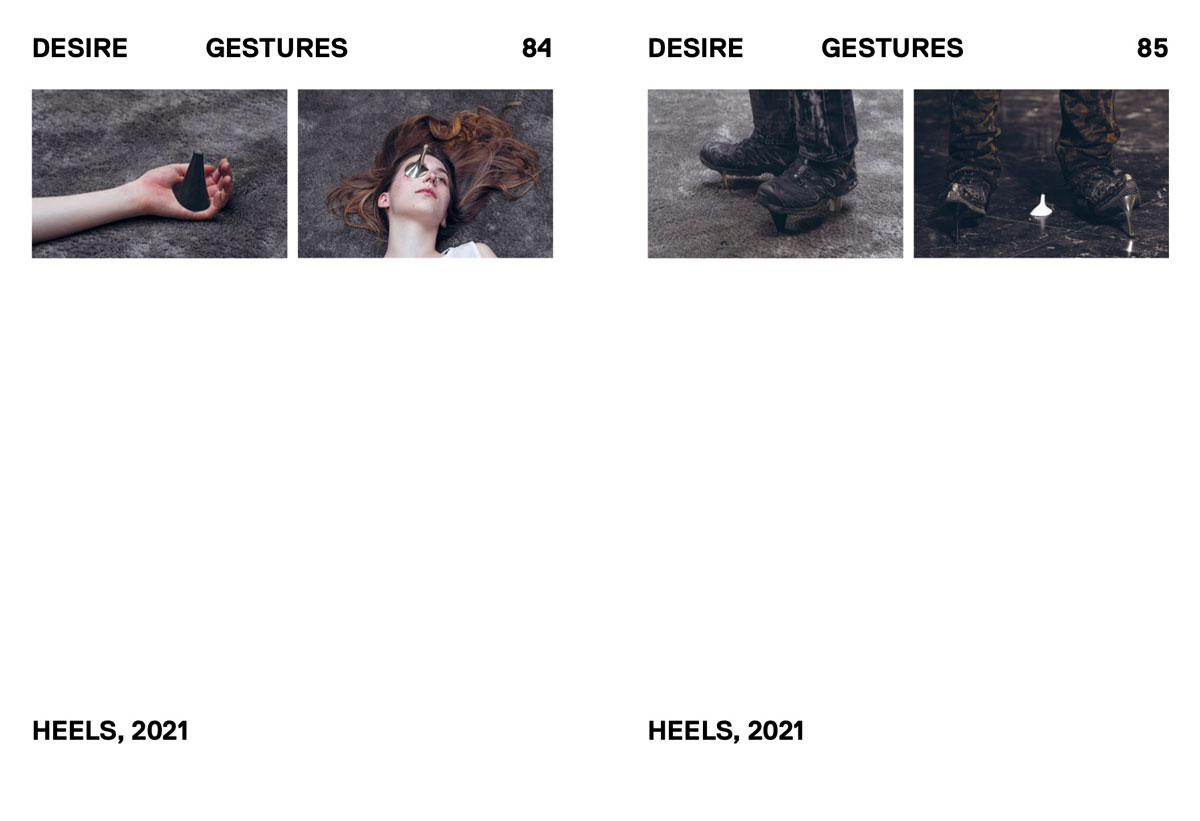
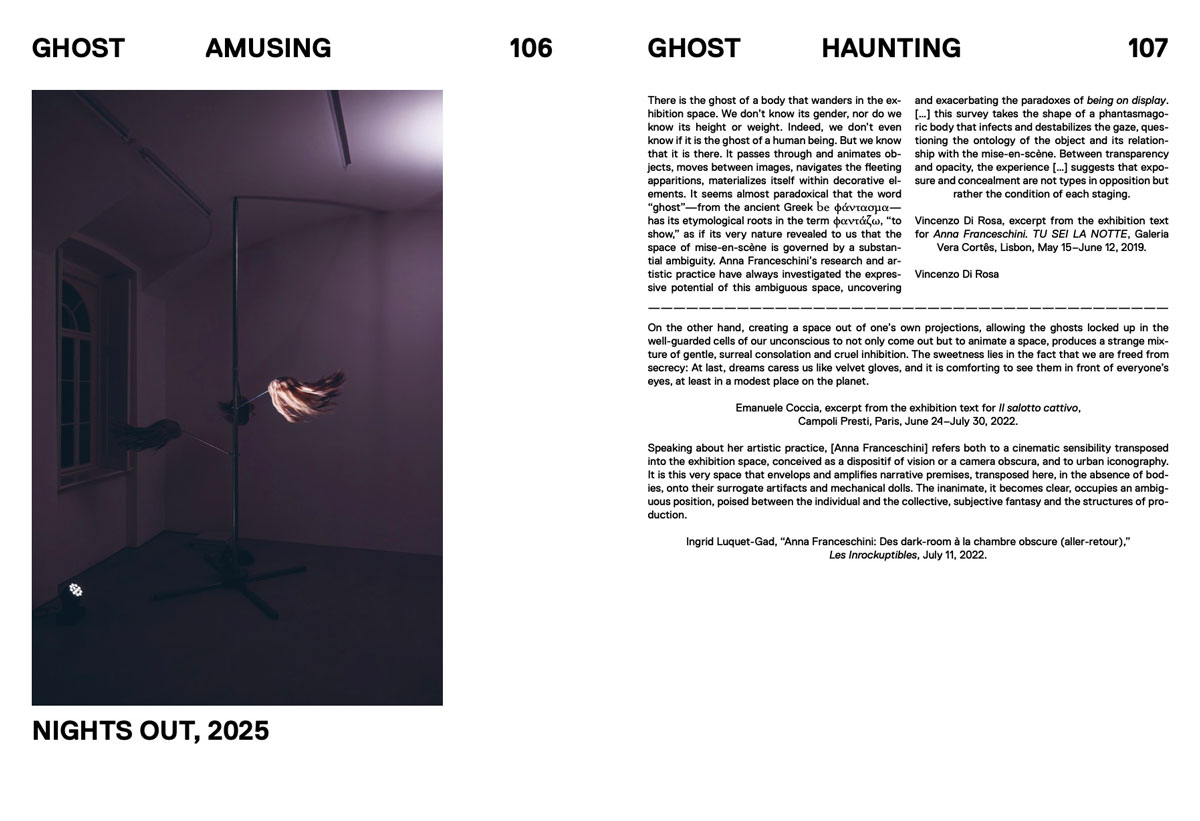
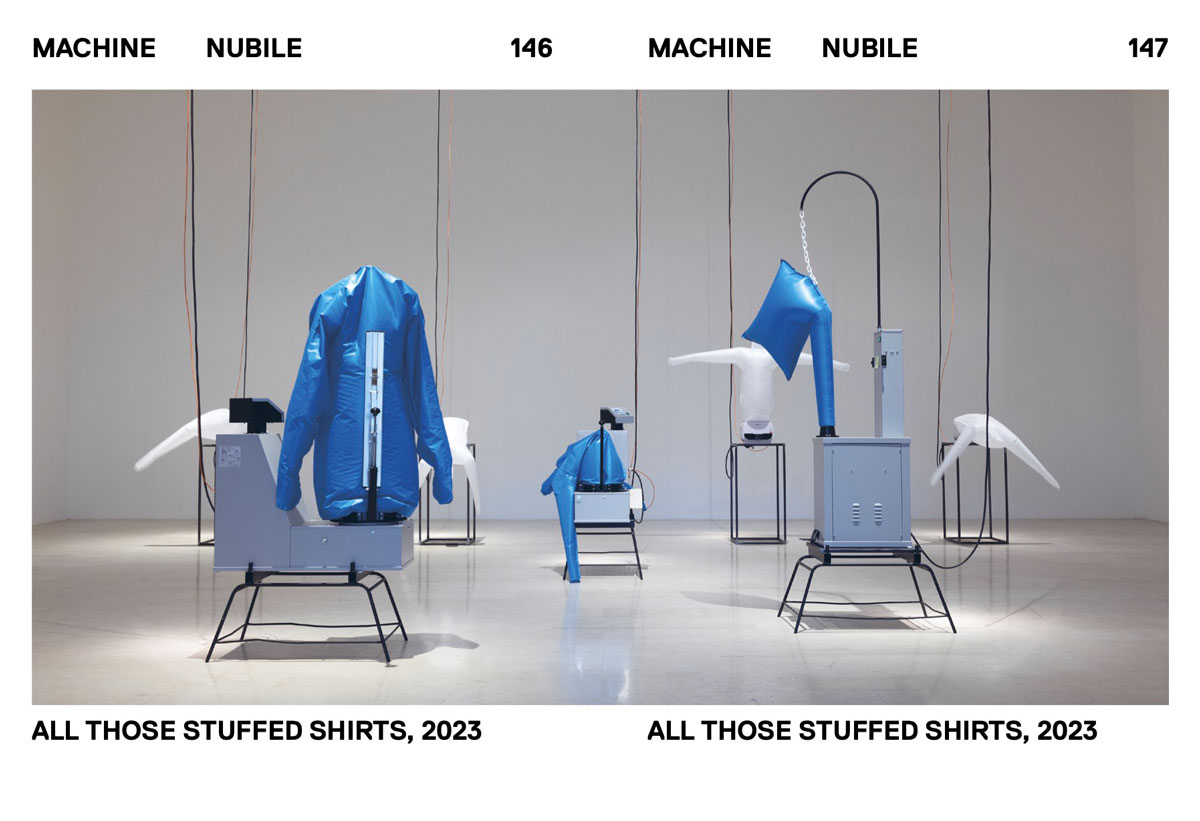
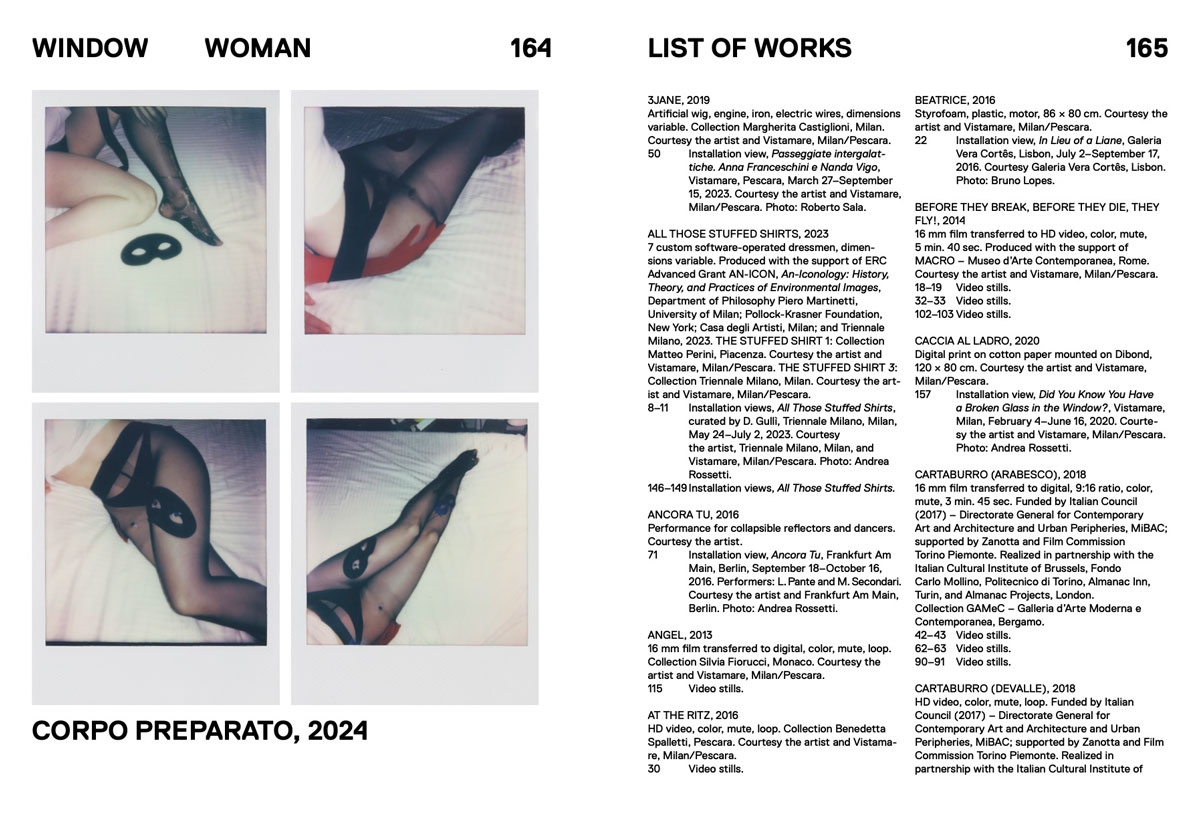
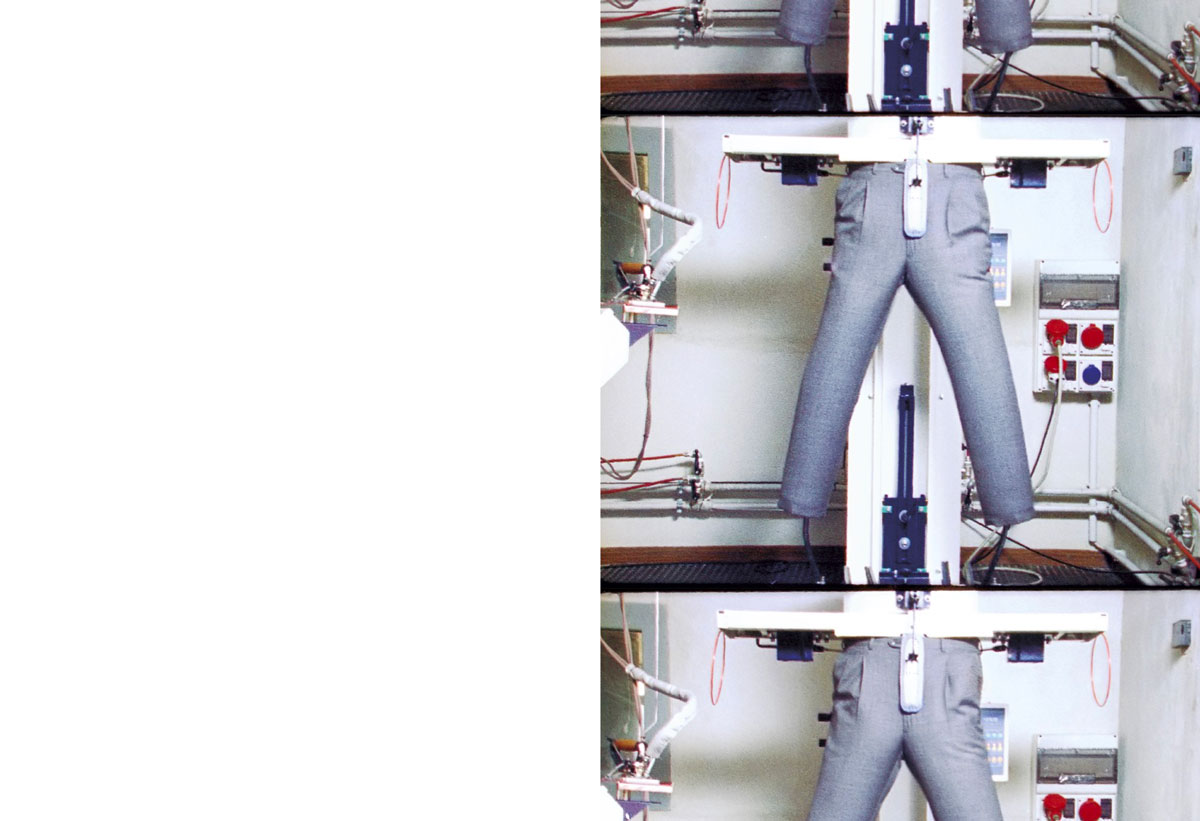
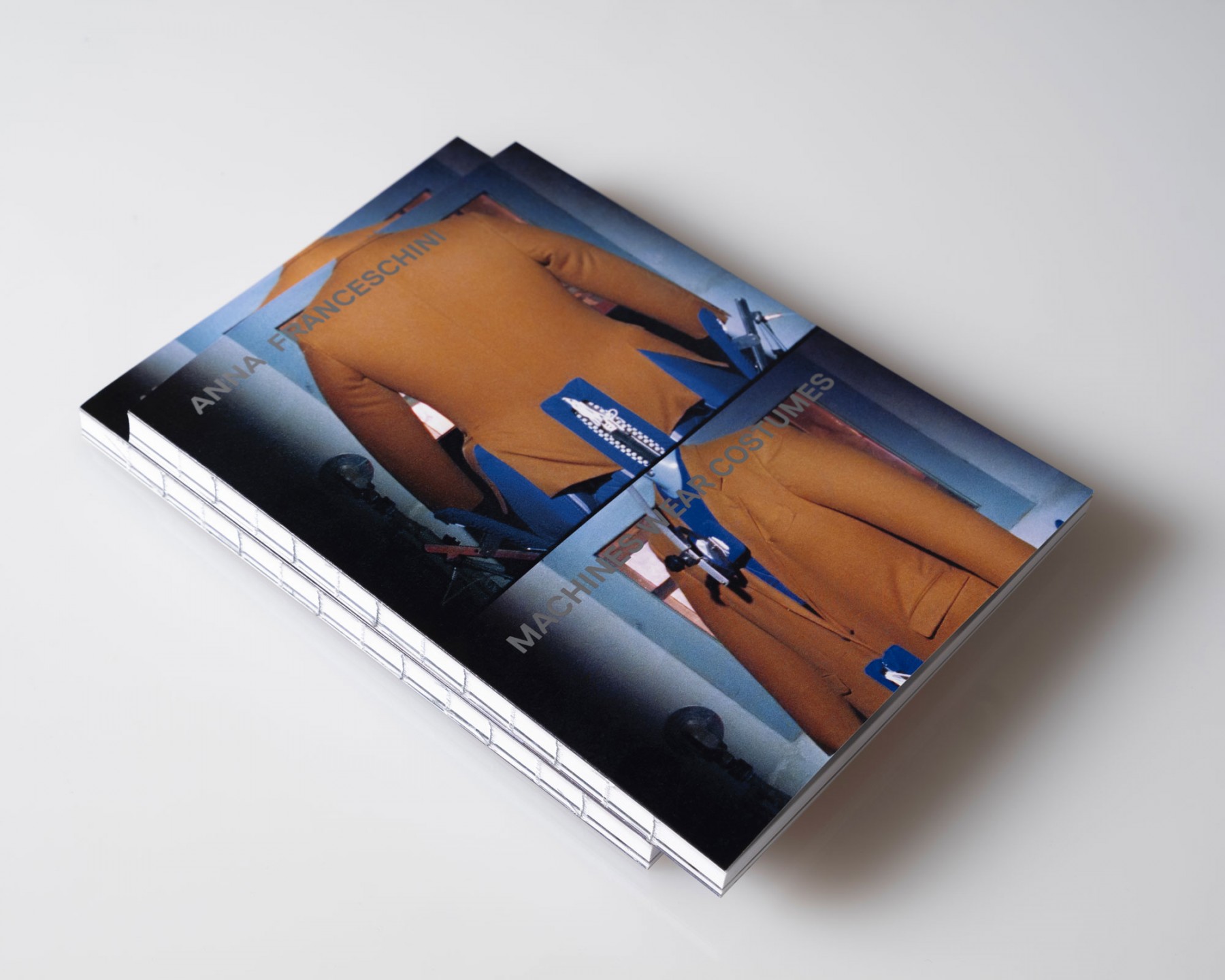
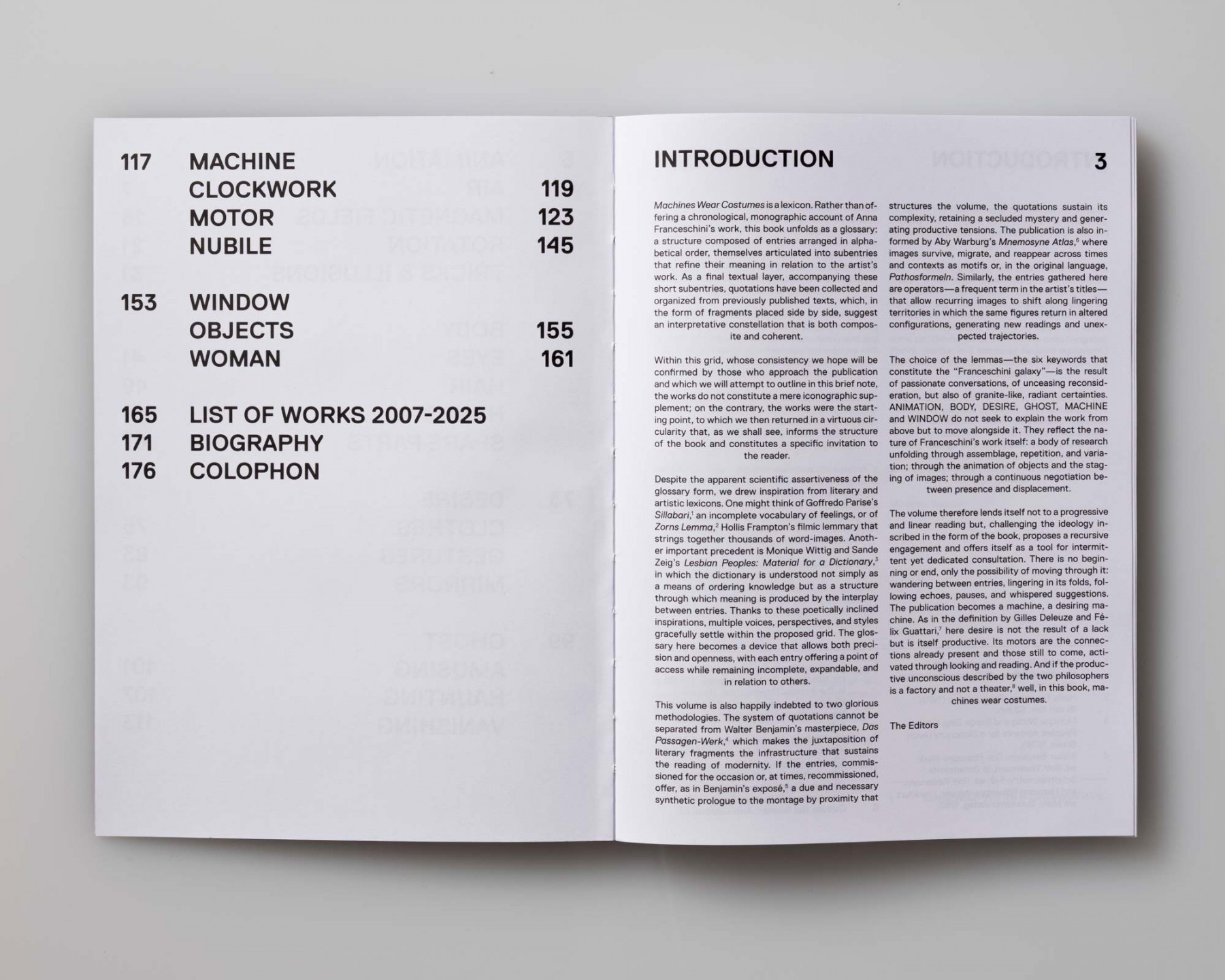
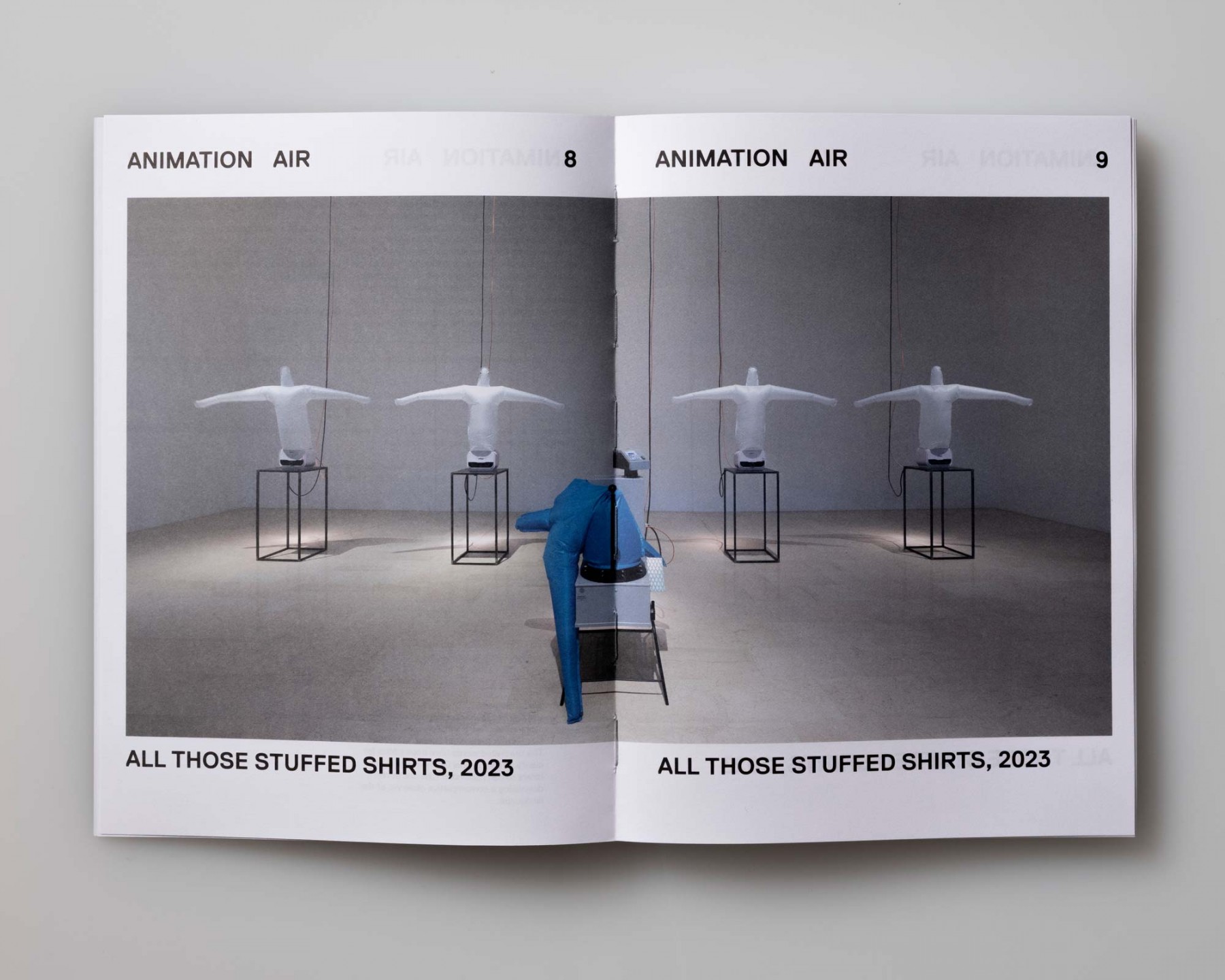
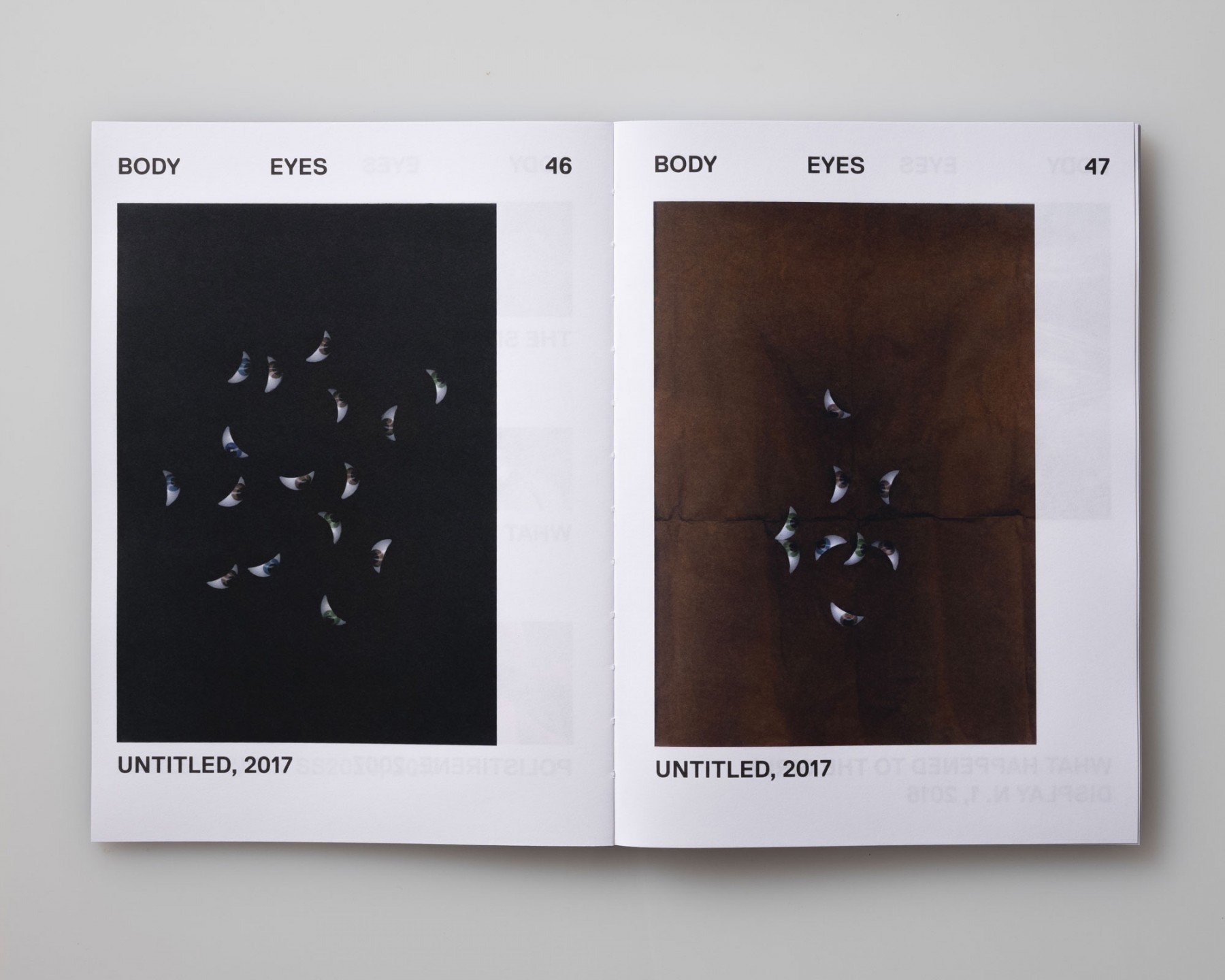
Machines Wear Costumes is Anna Franceschini’s first monograph, bringing together works made between 2007 and 2025. Rather than a chronological account, the publication offers an in-depth look at the artist’s oeuvre through a specialized lexicon. This glossary is organized around six core entries—Animation, Body, Machine, Ghost, Desire, and Window—which are further articulated in subentries that refine their meaning in relation to the artist’s work. Newly commissioned texts by Mohamed Almusibli, Attilia Fattori Franchini, Ilaria Gianni, Ingrid Luquet-Gad, Jeppe Ugelvig, and Marianna Vecellio are expanded by a constellation of quotations from previously published texts to offer a composite yet coherent interpretation.
Indebted in structure to Walter Benjamin’s Das Passagen‑Werk, and in visual approach to Aby Warburg’s Mnemosyne Atlas, the book favors juxtaposition and recurrence over linear narrative, mirroring Franceschini’s own practice of repetition, rotation, and animation. By resisting a fixed reading order, the volume invites an open and recursive engagement, functioning as a “desiring machine,” activated anew through each act of looking and reading.
Machines Wear Costumes has been promoted by Kunstverein Gartenhaus and supported by the Directorate-General for Contemporary Creativity of the Italian Ministry of Culture under the Italian Council program (13th edition, 2024).