A visual notebook of the screenshots taken by Yngve Holen over the past five years or so, 6G—the anticipated next phase of network technology—is a peculiarly sized artist’s book, a glossy non-linear agglomeration that reflects the intersections of production, life, and digital debris.
Conceived as a visual résumé, the book provides a comprehensive overview of Posenenske’s solo exhibitions and a record of her numerous group shows. Featuring an essay by curator Erlend Hammer on the role of documentary photographs in the circulation of works of art, it was published in conjunction with the eponymous show at the Haugar Art Museum in Tønsberg.
Since the 1980s, Belgian artist Sigefride Bruna Hauman has created a highly original body of work in different media. Her installations, reliefs and videos are the subject of a much-overdue retrospective organized by M Leuven—and of this first monograph.
Rituals of Care is an extensive monograph devoted to the work of Antonio Obá, published in conjunction with his eponymous exhibition presented at the Centre d’Art Contemporain Genève, curated by Andrea Bellini. Extensively illustrated, the book immerses the reader in Obá’s multifaceted oeuvre and in the magical iconographic universe of his paintings.
Claiming that the museum is not enough means asking what a museum should be and do, eventually questioning the role of cultural institutions in society. Through conversations, stills of documentaries, responses, and reprints of archival documents that explore ideas of architecture on the ground, this volume reflects on the tools deployed by the institution to redefine its relationship to others.
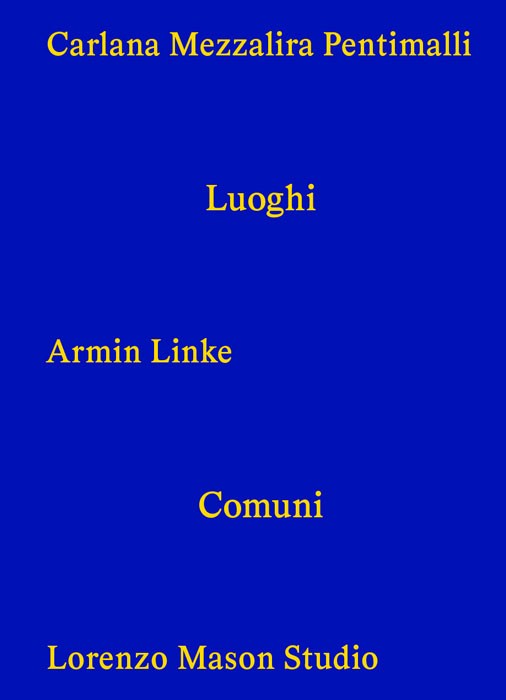
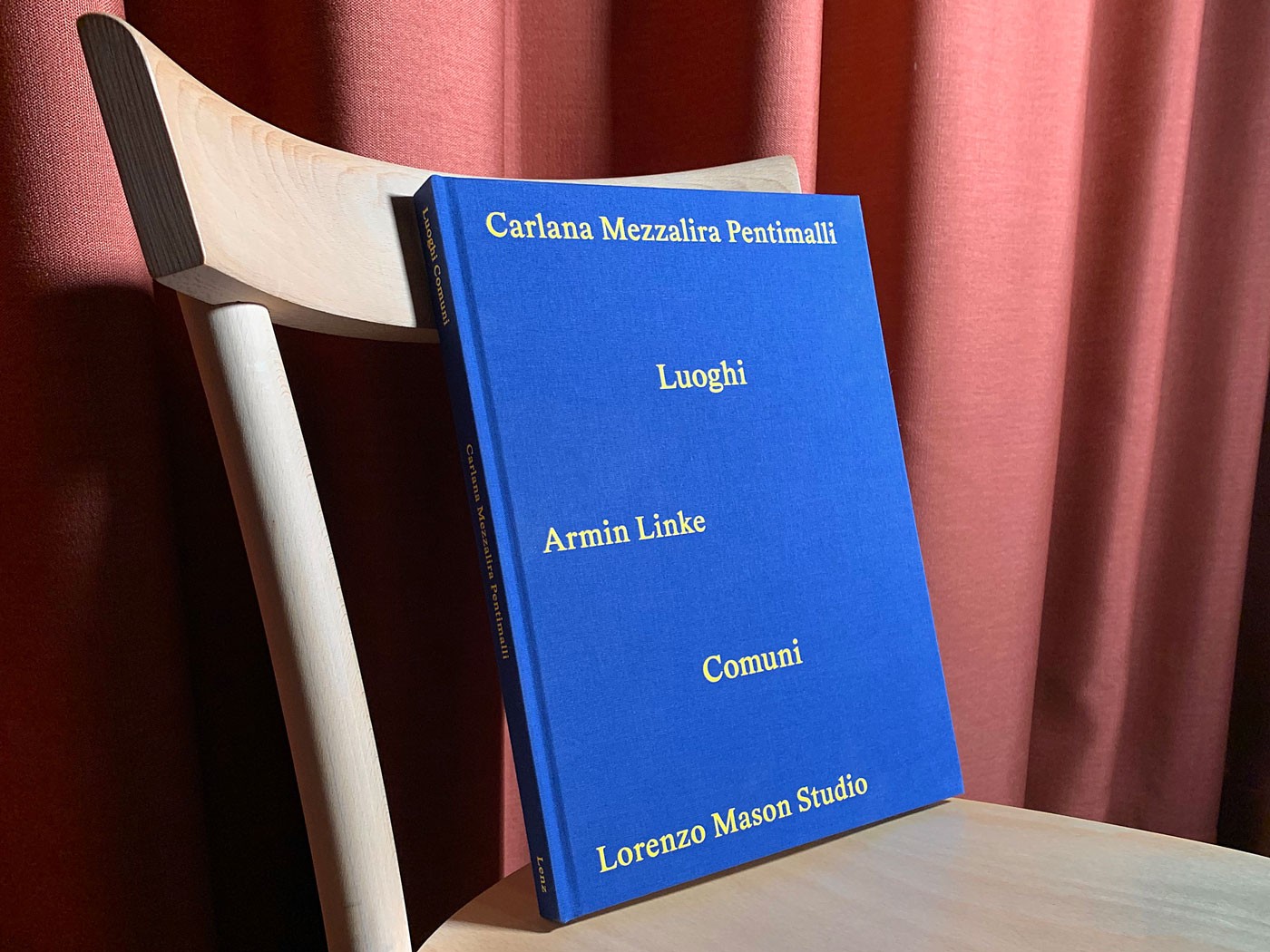
Michel Carlana, Luca Mezzalira, and Curzio Pentimalli
Photographs by Armin Linke
Design by Lorenzo Mason Studio
Hardcover, 176 pages, 24 x 33 cm
ISBN: 979-12-80579-39-3
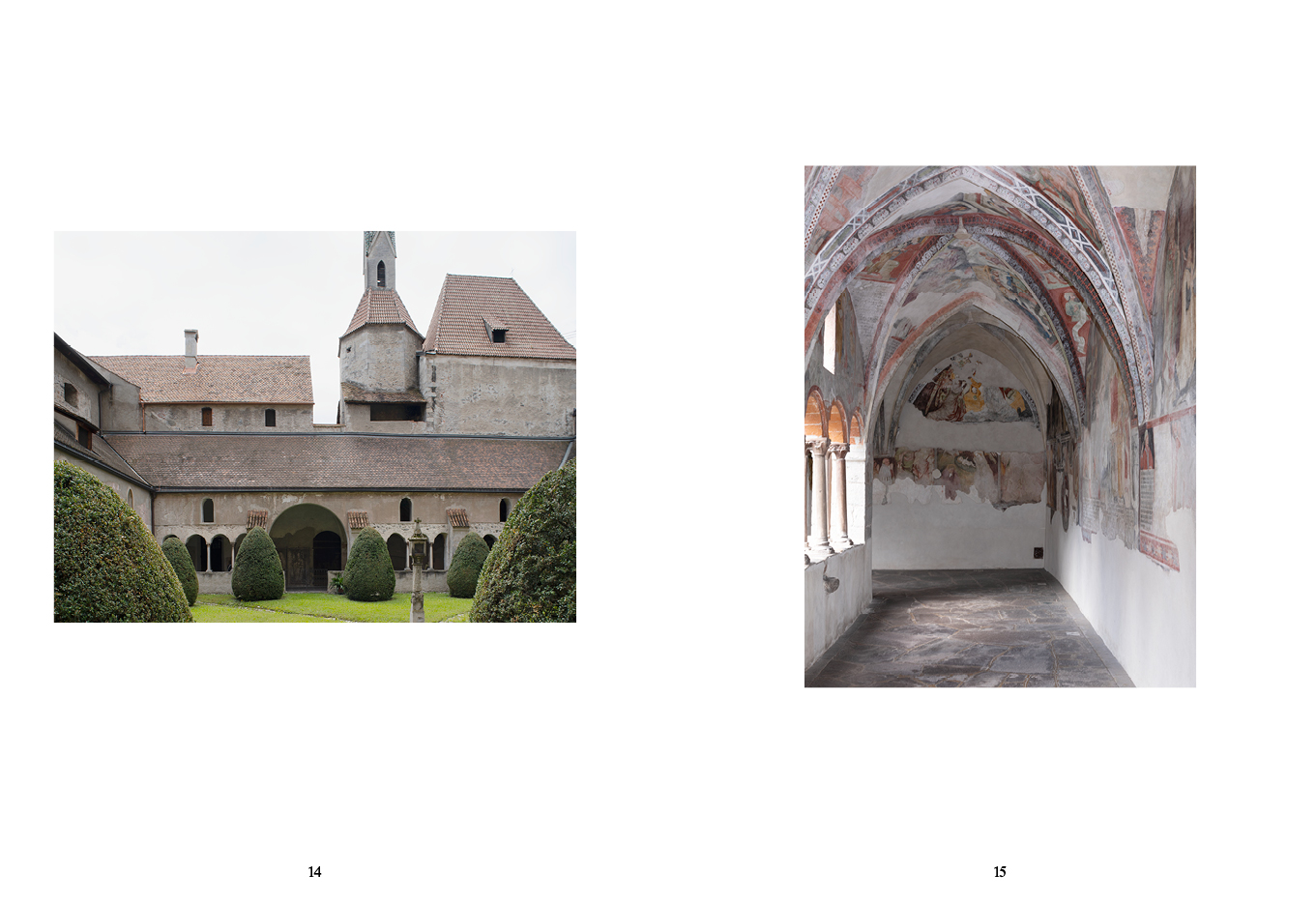
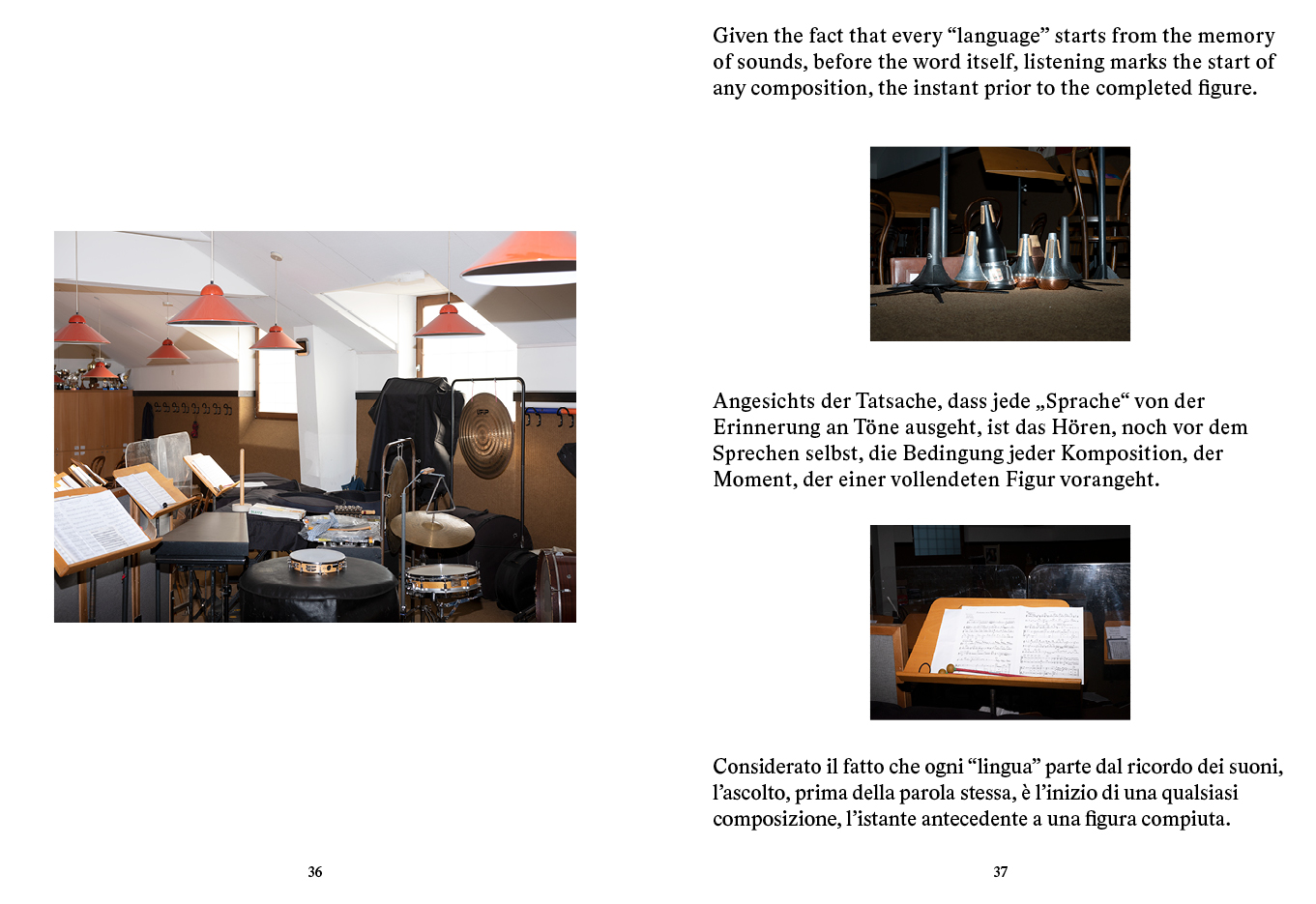
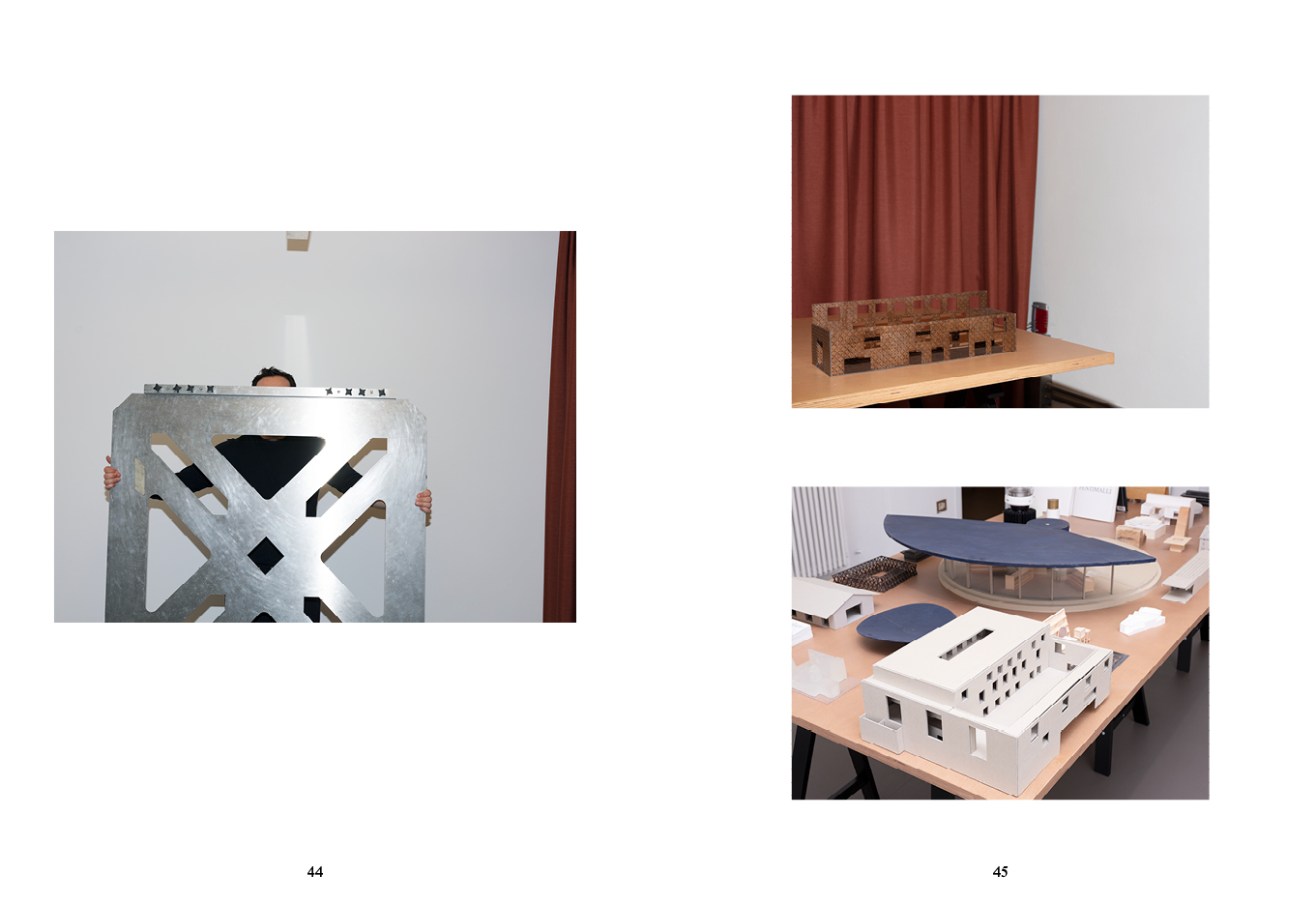
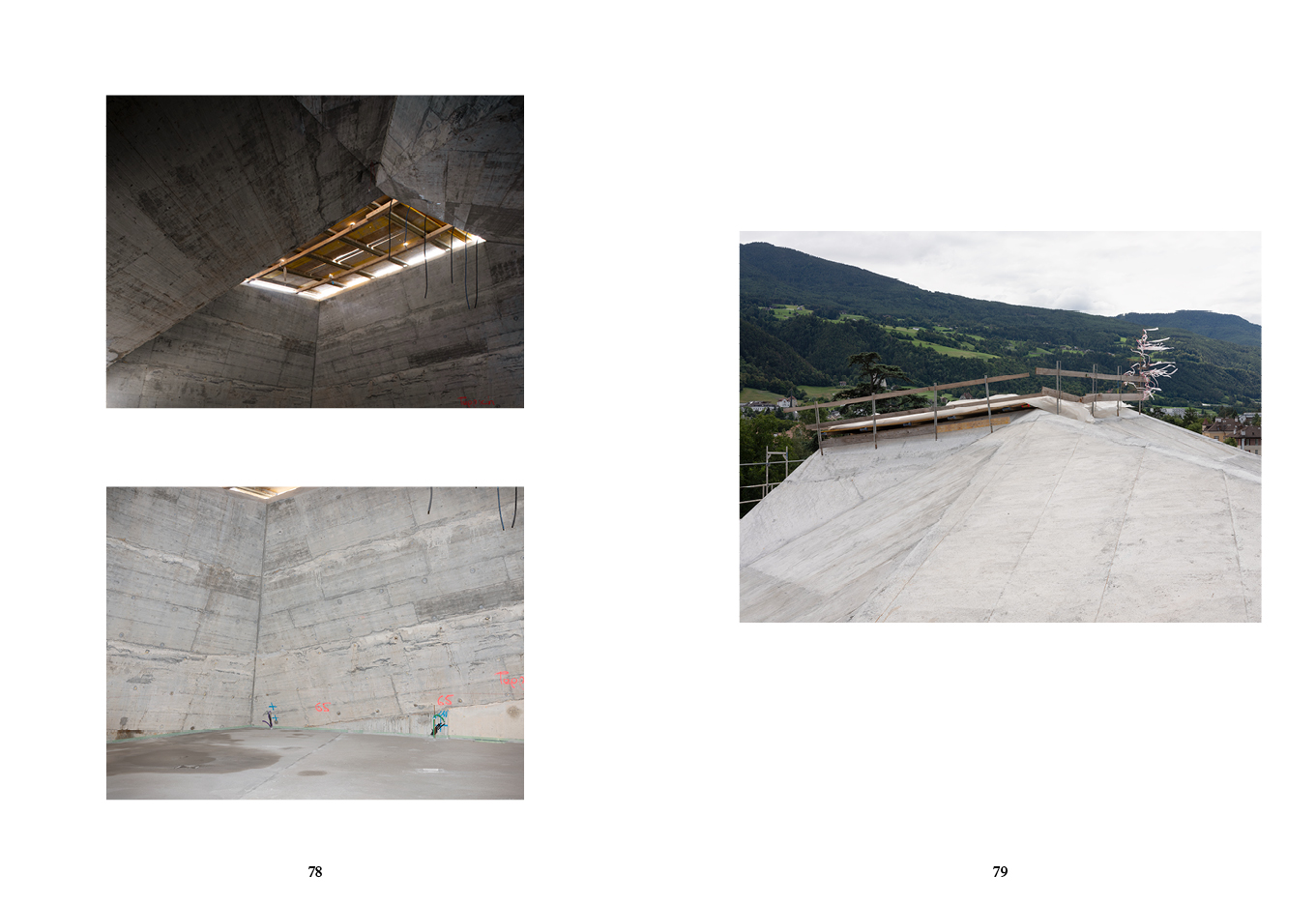
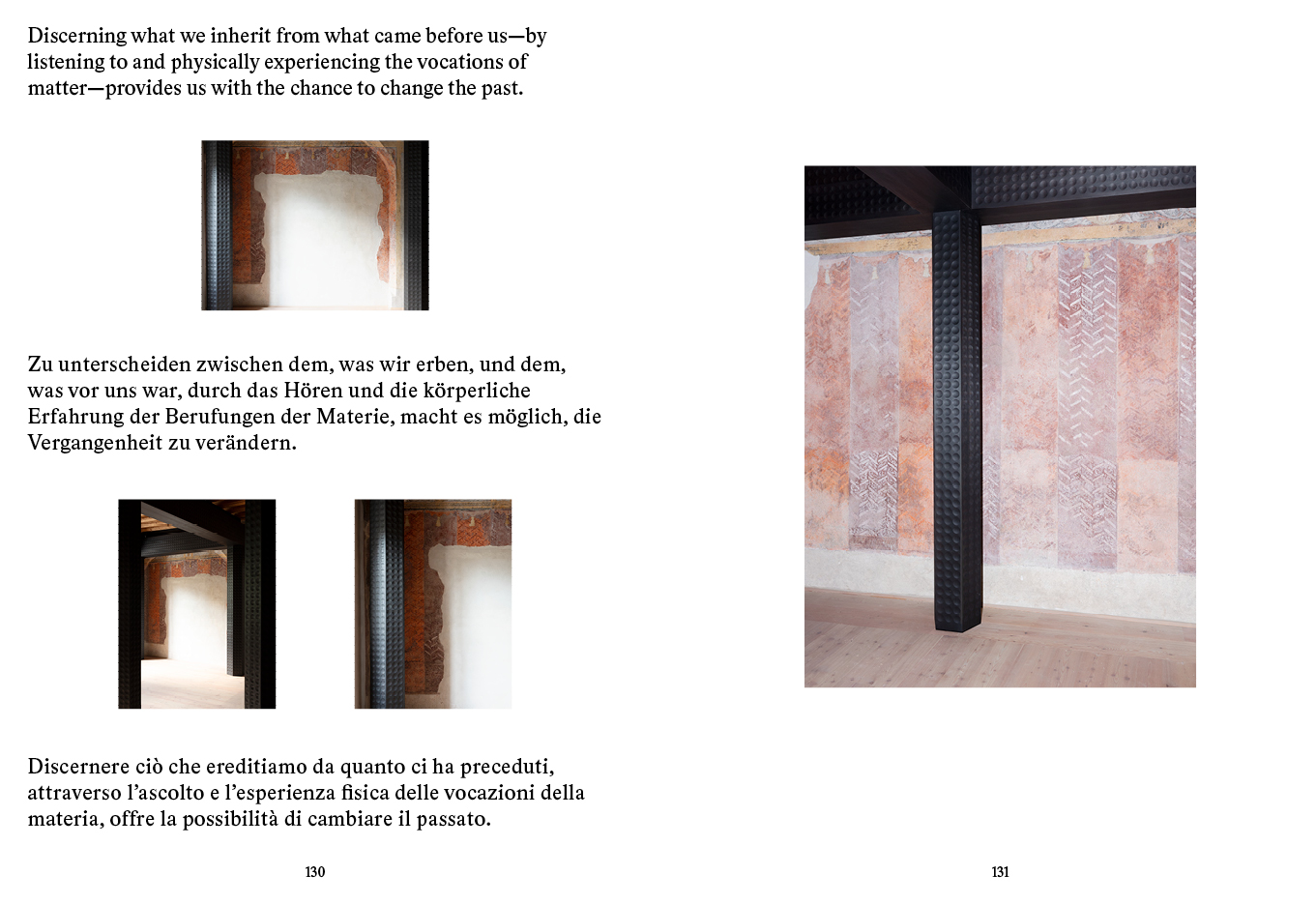
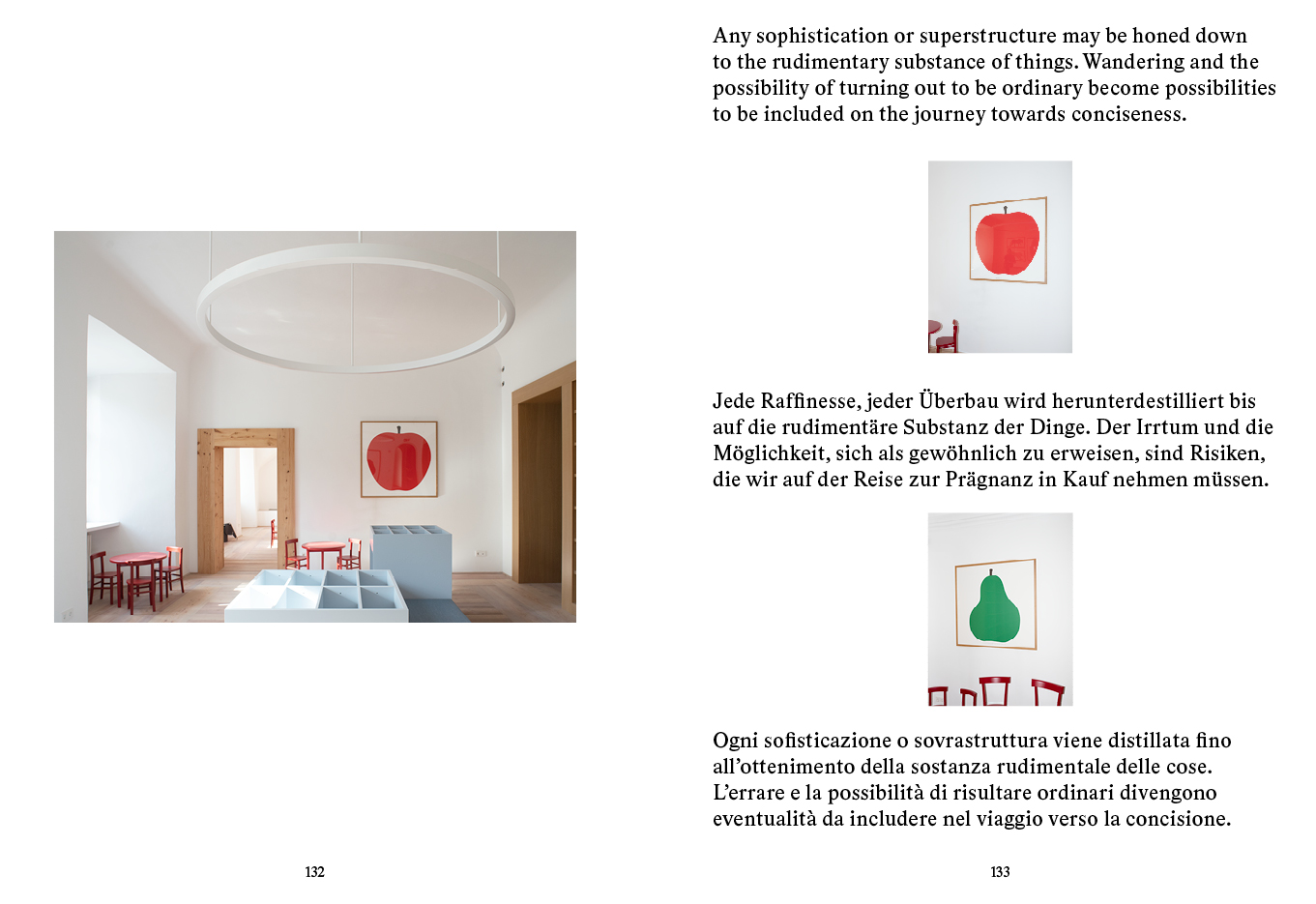
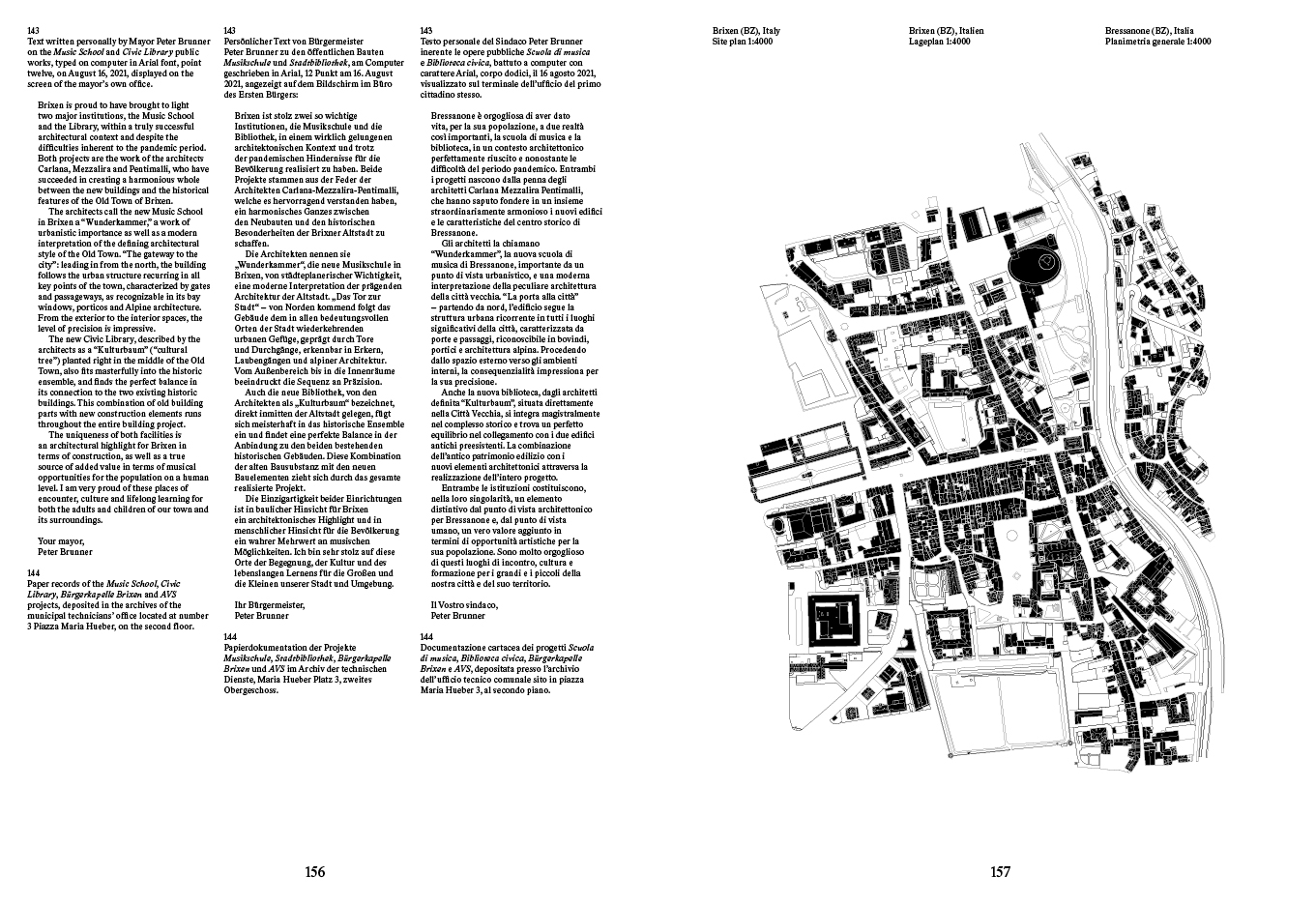
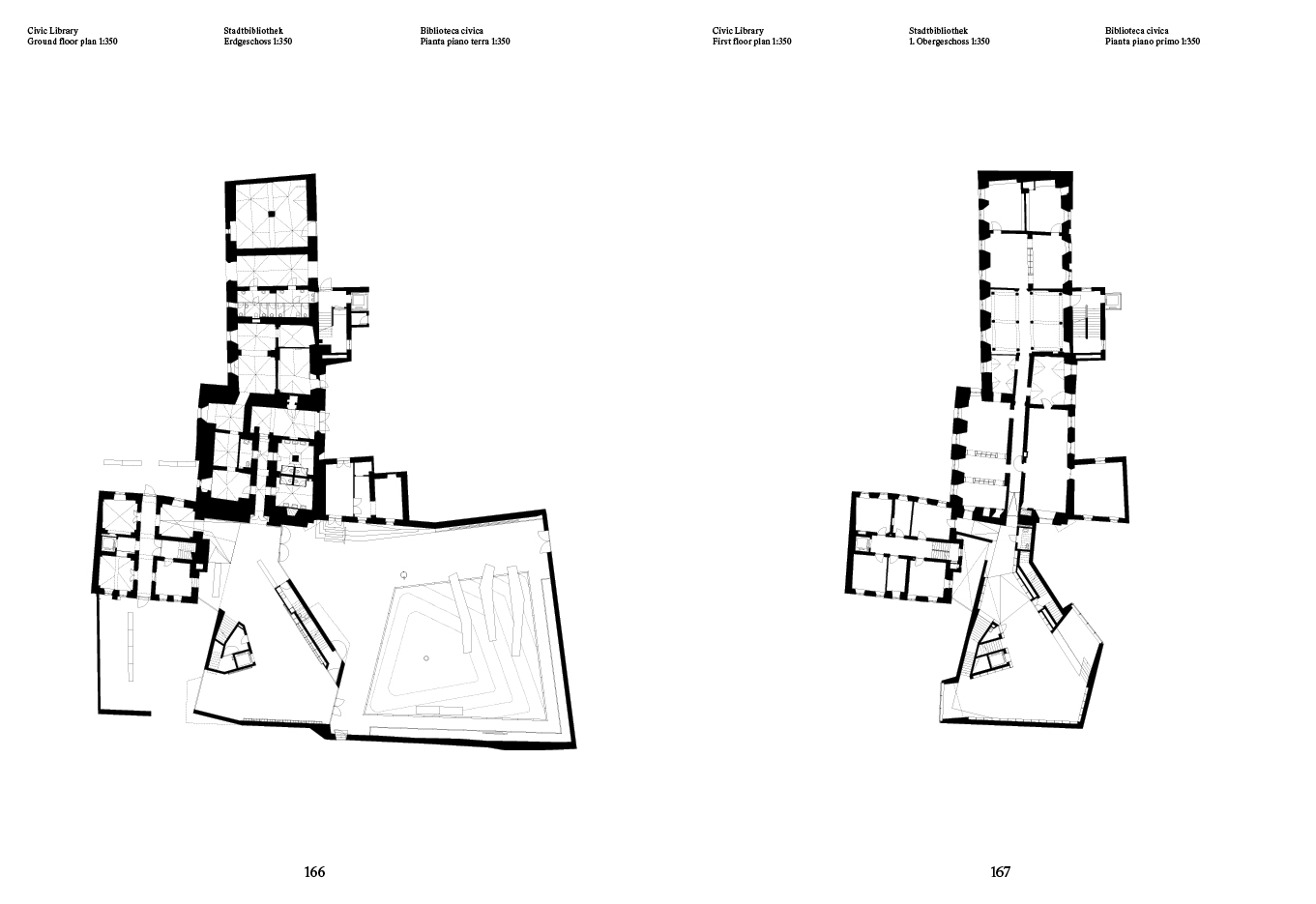
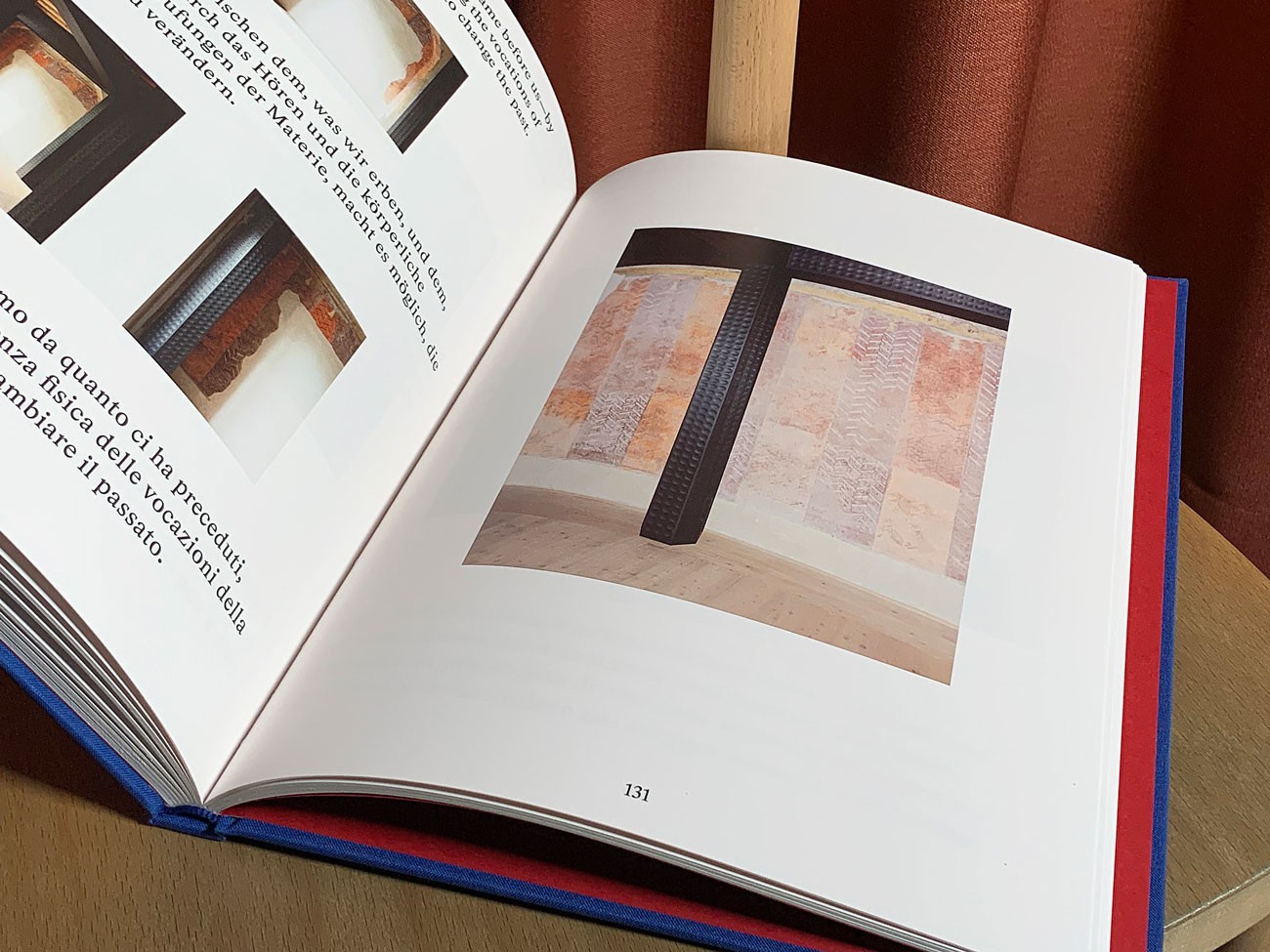
The Italian-based architectural office Carlana Mezzalira Pentimalli designed two important public buildings in the ancient city center of Bressanone, South Tyrol. Just over five hundred meters apart, the two works, the Music School, and the Public Library allowed for reasoning about the city’s architecture, exercising a method made up of ideas that look at the peculiarities of places.
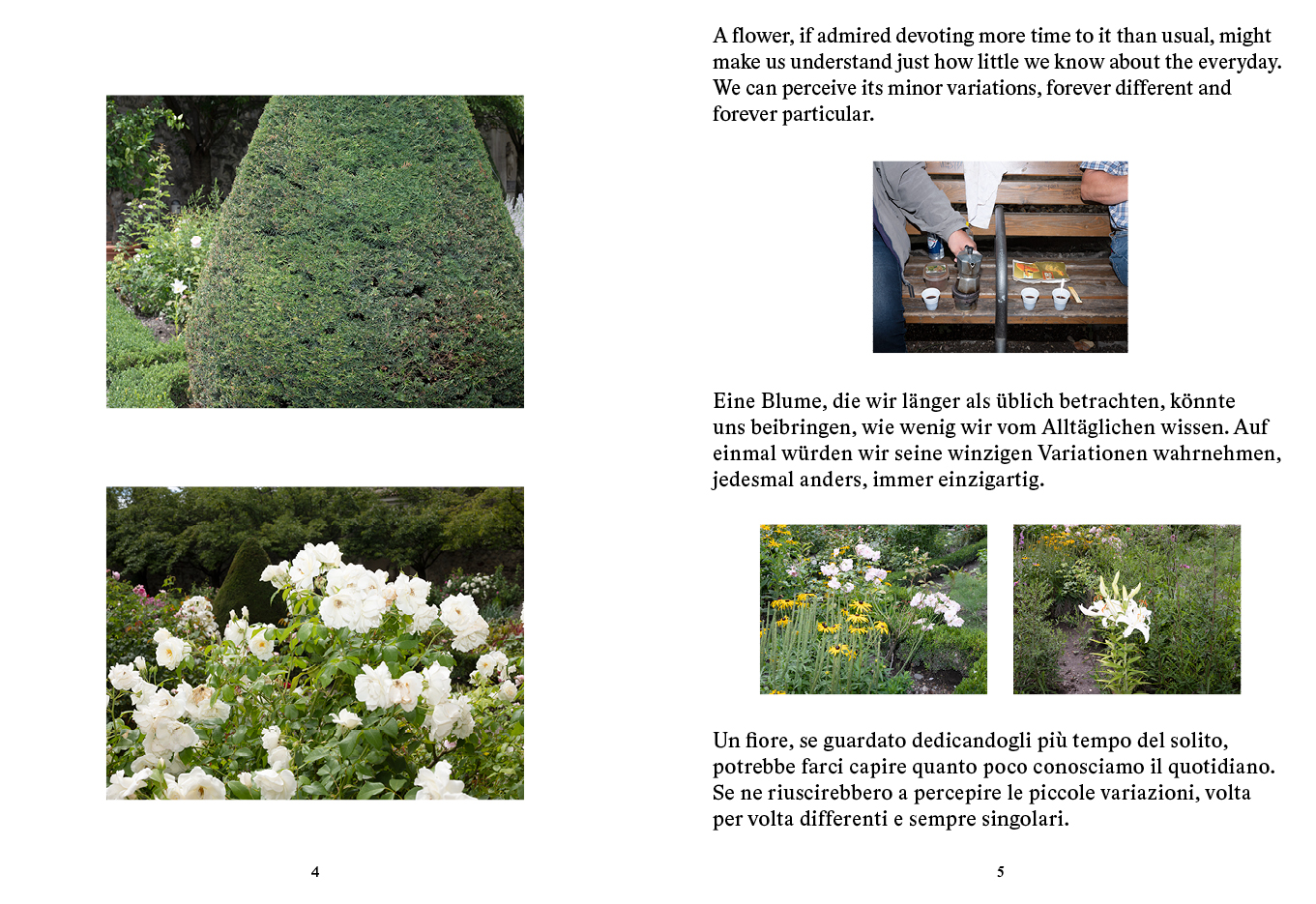
In a historical period in which the image—by virtue of its visual impact even before its meaning—has taken on the role of the main channel of communication, the Luogo Comune (“common place”)—understood both as a meeting space and as the lowest common denominator of an “essential language”—might provide the interval of reflection necessary to start asking some simple, elementary questions about what surrounds us.
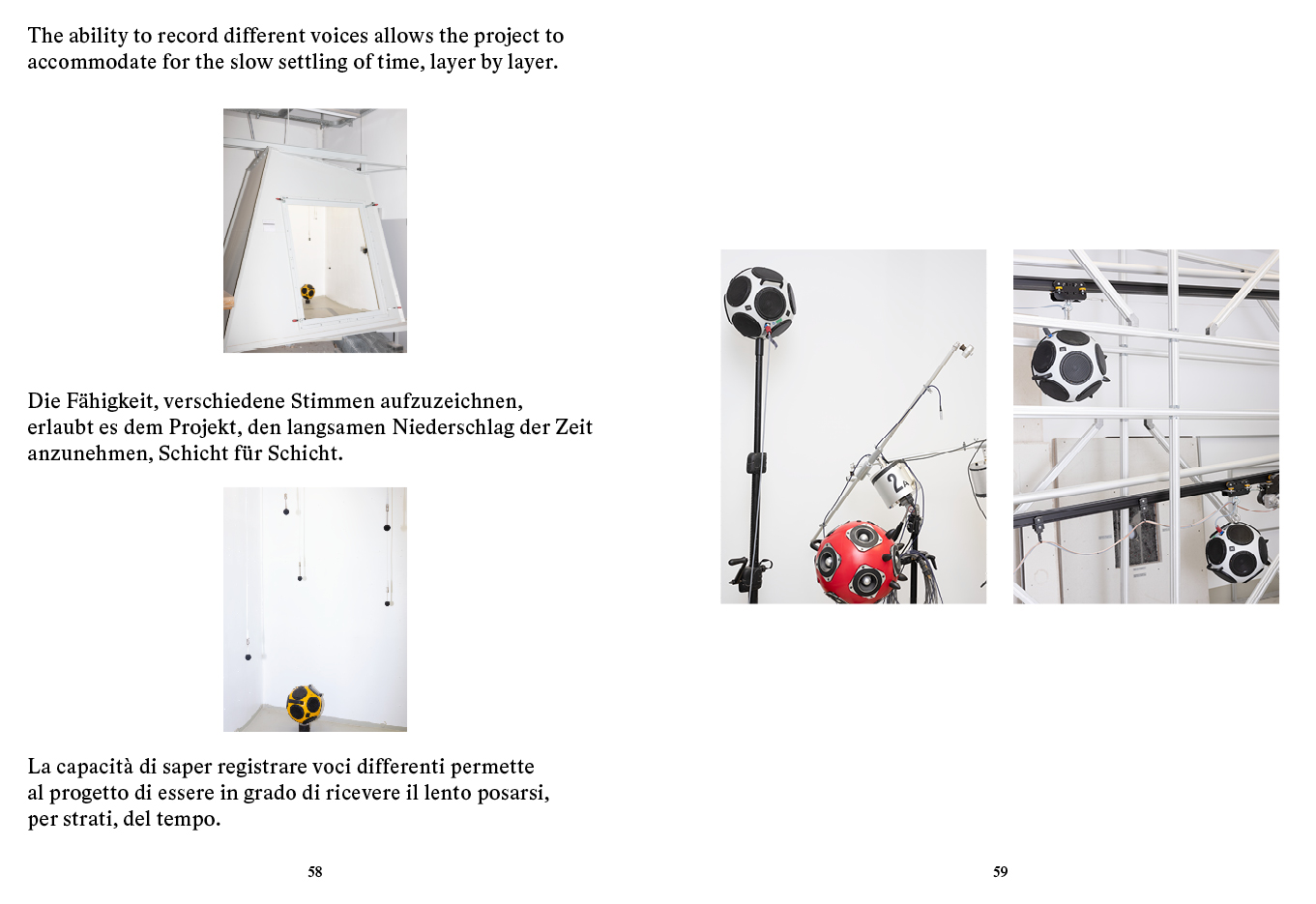
Within this publishing project, the authors talk about the passage of time, the concept of place and method through the anthropological approach underpinning the photographs taken by Armin Linke in several site visits made in the cities of Treviso, Brixen and Munich, between 2020 and 2021.
Lorenzo Mason gave the graphic structure to a text written in short annotations, in which trilingualism helps to bring out the traditions of the community of Brixen: a town capable of welcoming two public buildings designed with the same approach yet specific to the context in which they are rooted.
Biographies
Michel Carlana (1980), Luca Mezzalira (1982), and Curzio Pentimalli (1982) graduated from the Università Iuav di Venezia. Founded in 2010, the office aims to make urban planning and architecture a single practice—simple and enduring, organic, precise, and necessary—that considers the project an idea, an opportunity to reinterpret a place.