Since the 1980s, Belgian artist Sigefride Bruna Hauman has created a highly original body of work in different media. Her installations, reliefs and videos are the subject of a much-overdue retrospective organized by M Leuven—and of this first monograph.
Rituals of Care is an extensive monograph devoted to the work of Antonio Obá, published in conjunction with his eponymous exhibition presented at the Centre d’Art Contemporain Genève, curated by Andrea Bellini. Extensively illustrated, the book immerses the reader in Obá’s multifaceted oeuvre and in the magical iconographic universe of his paintings.
Claiming that the museum is not enough means asking what a museum should be and do, eventually questioning the role of cultural institutions in society. Through conversations, stills of documentaries, responses, and reprints of archival documents that explore ideas of architecture on the ground, this volume reflects on the tools deployed by the institution to redefine its relationship to others.
Affirmer que le musée ne suffit pas, c’est interroger ce qu’un musée devrait être et faire, et réfléchir de manière critique sur le rôle des institutions culturelles dans nos sociétés. À travers des conversations, des photogrammes de documentaires, des interventions et des reproductions d’archives questionnant les conceptions de l’architecture sur le terrain, ce volume réfléchit aux outils mis en œuvre par l’institution pour redéfinir sa relation aux autres.
Semi-Nomadic Debt-Ridden Bedouins is the first monograph on the work of the Palestinian artist and filmmaker Basma al-Sharif. Spanning nearly two decades of moving-image and installation work, it combines visual documentation with texts that reflect on the charged political landscapes through which al-Sharif navigates.
This monograph marks the occasion of the first European survey of Nicola L. (1932–2018). Often discussed in the context of Pop Art, activism, feminism, and design, this is the first in-depth exploration of the multi-layered and expansive nature of her extraordinary practice, which also encompassed cosmology, environmental concerns, spirituality, political protest, and sexuality.
Edited and with an essay by Pavel Pyś
Designed by Lorenzo Mason Studio
2024, English, softcover, 22 x 28 cm
ISBN: 979-12-80579-49-2
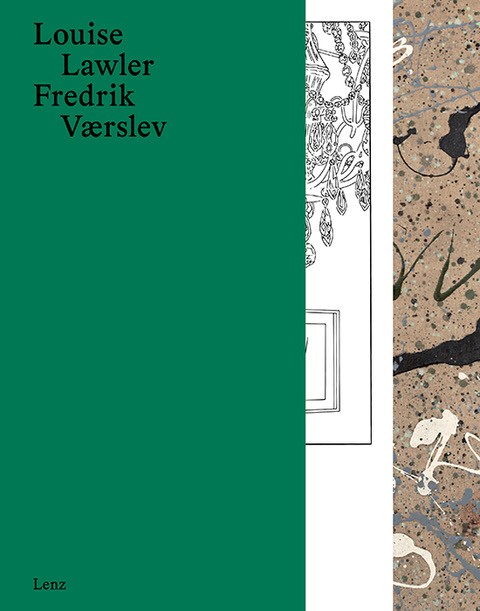
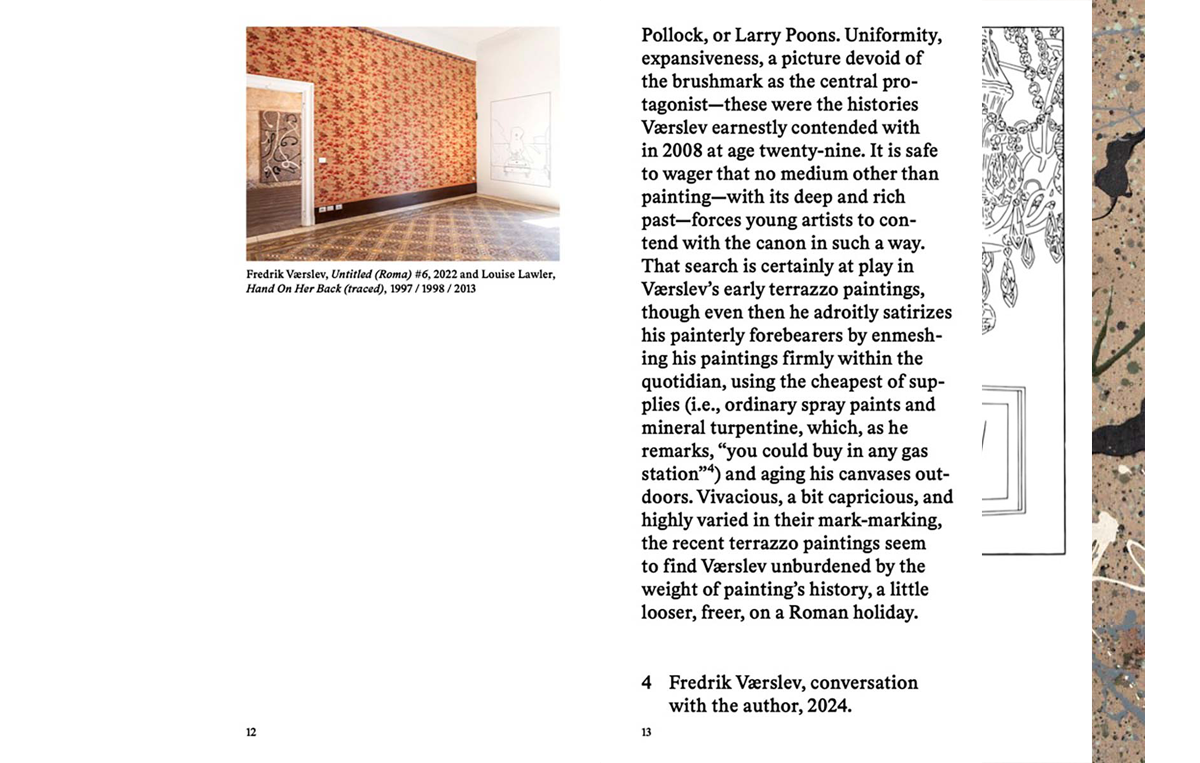
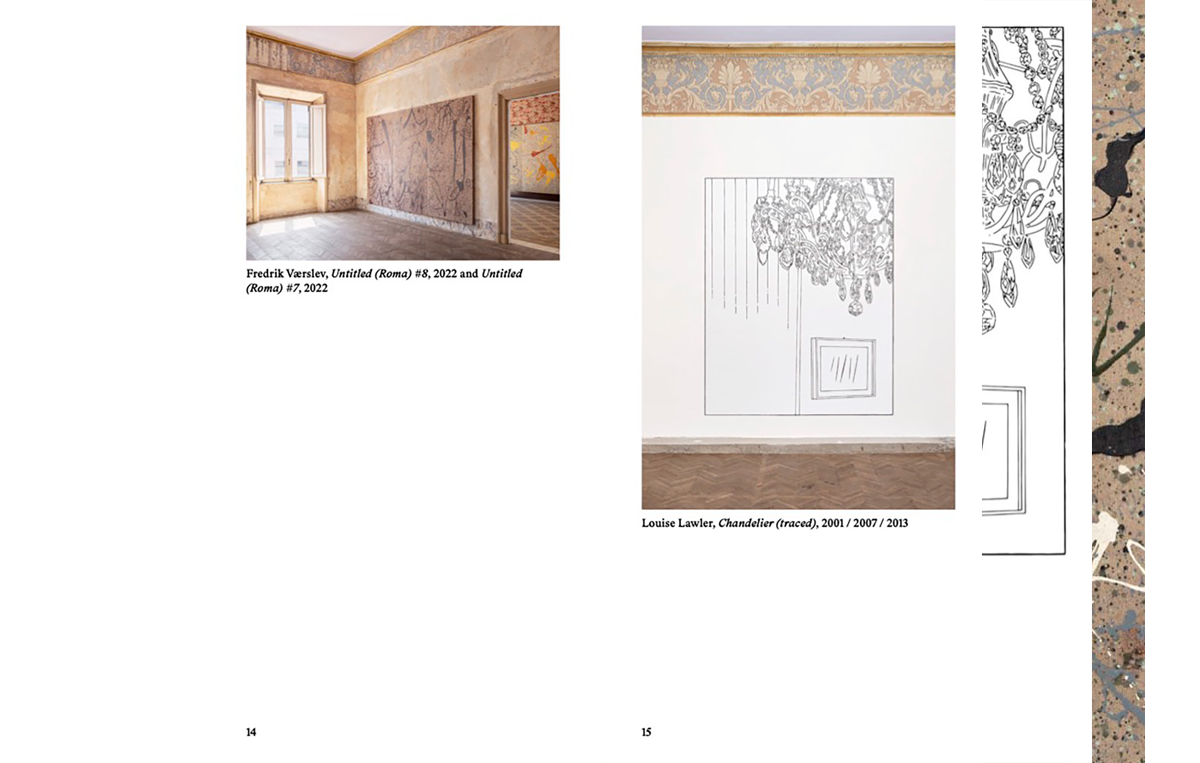
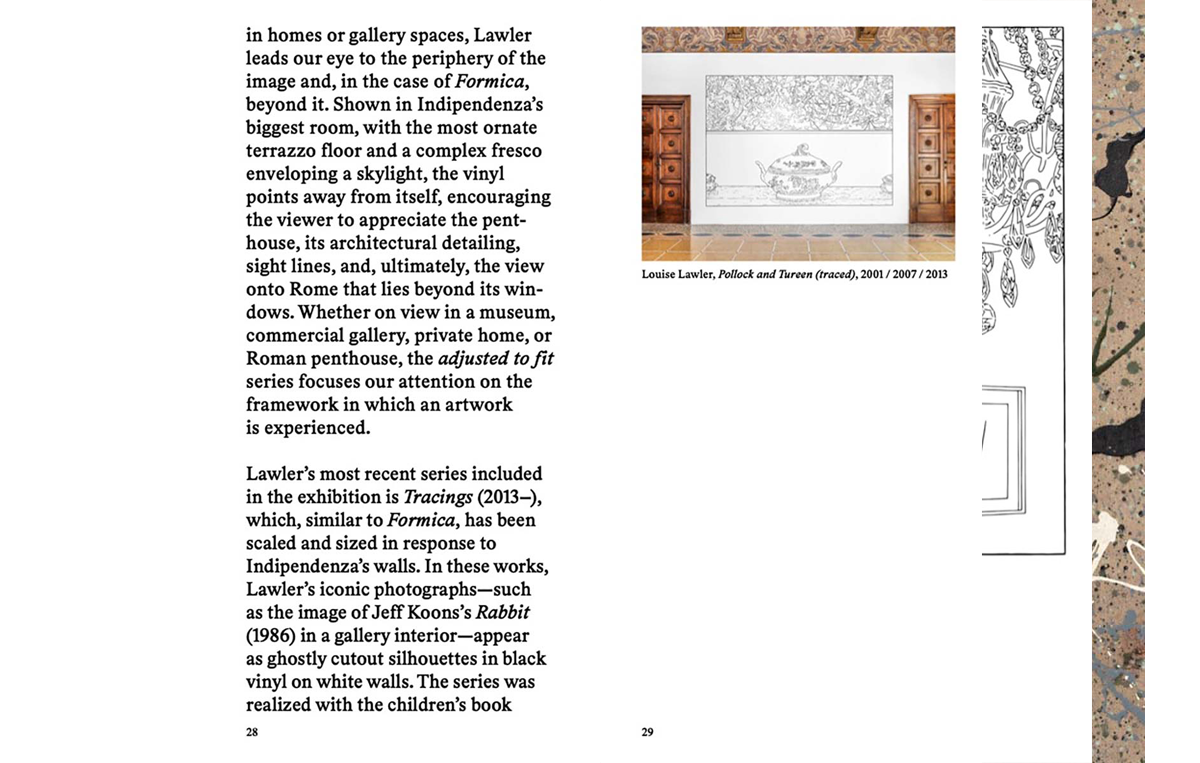
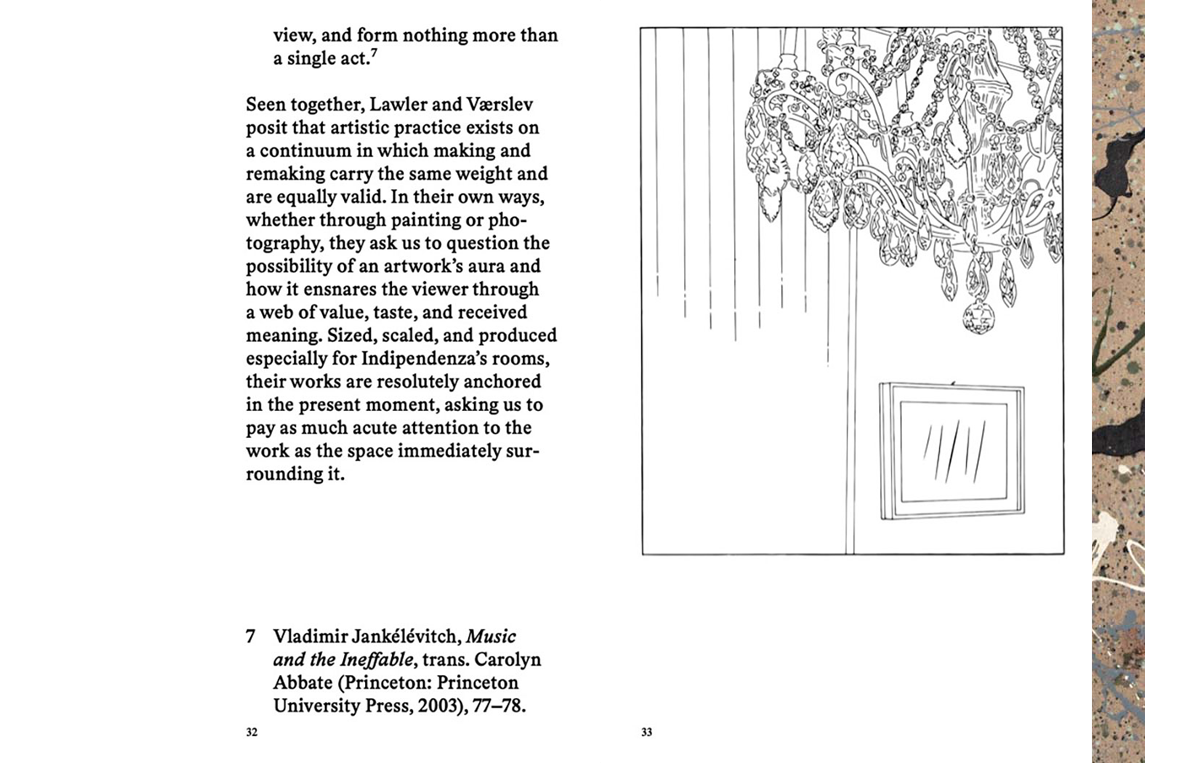
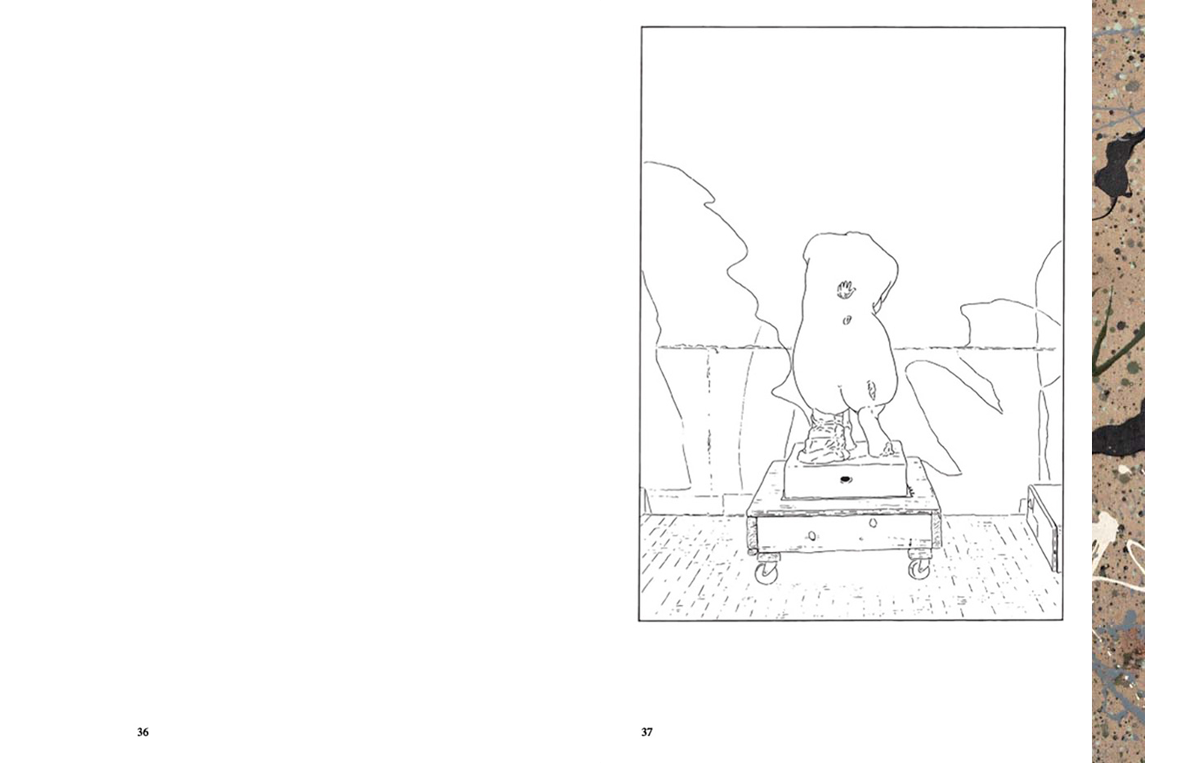
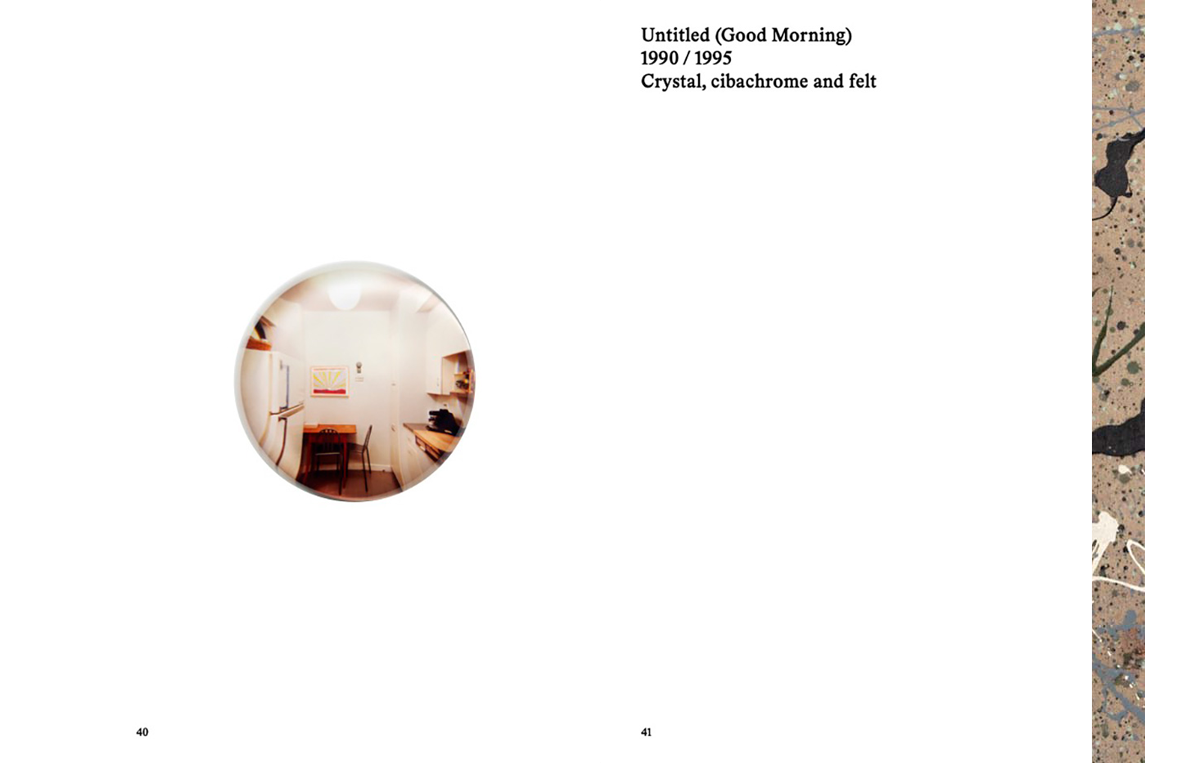
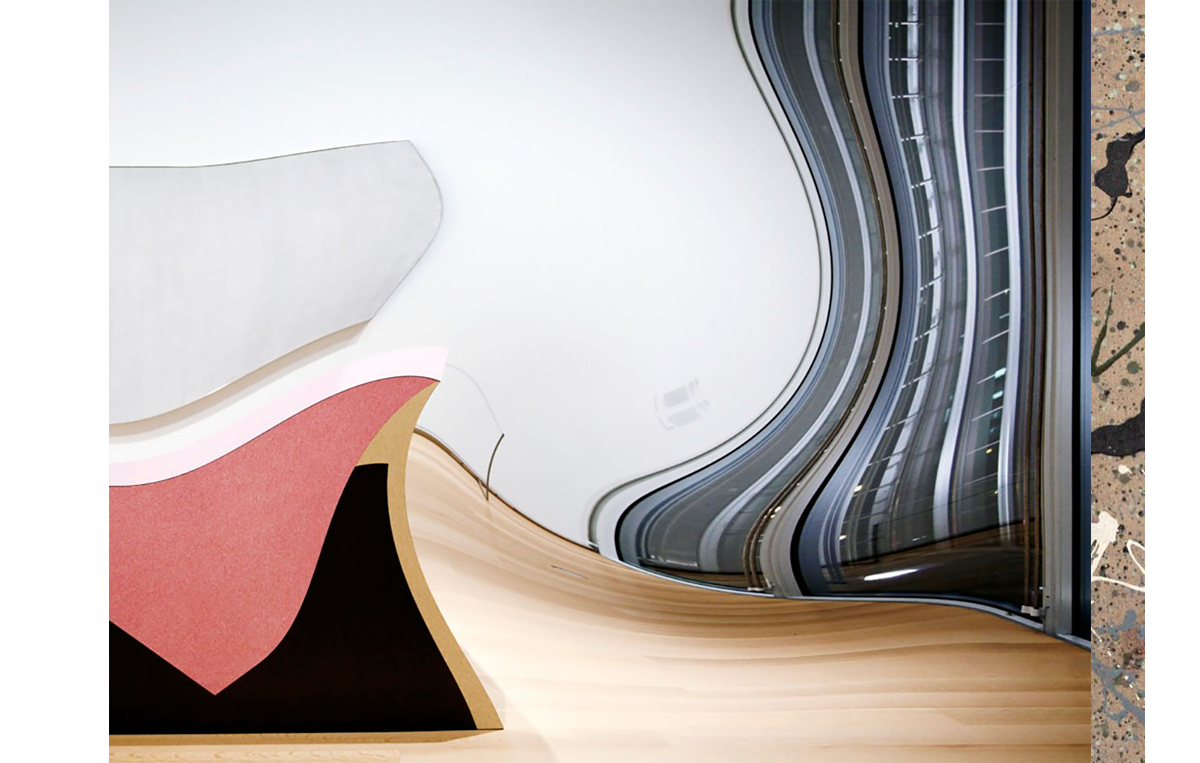
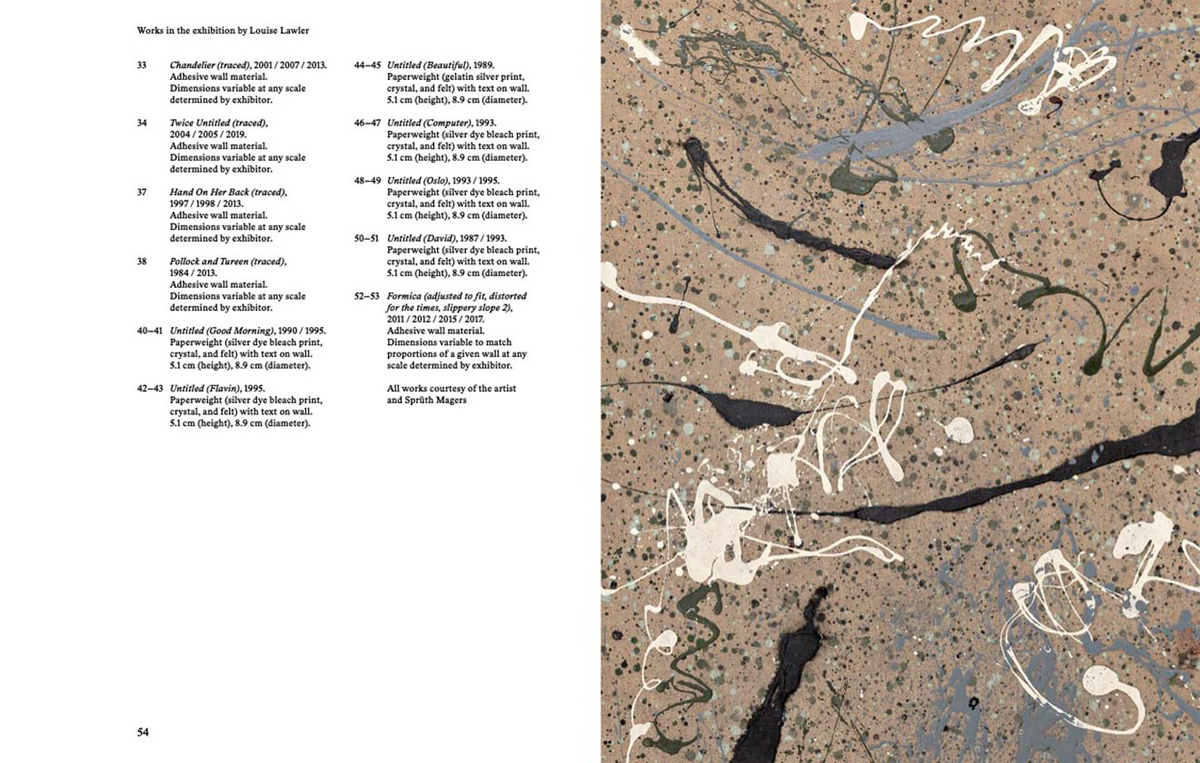
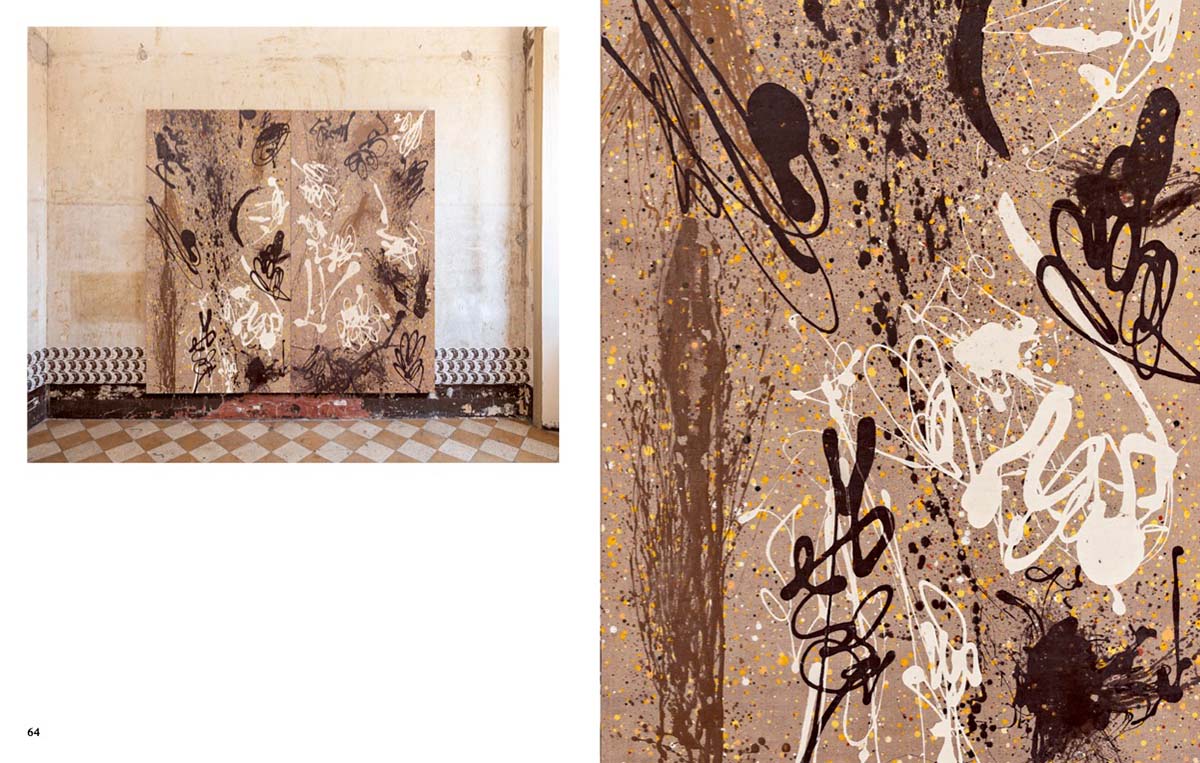
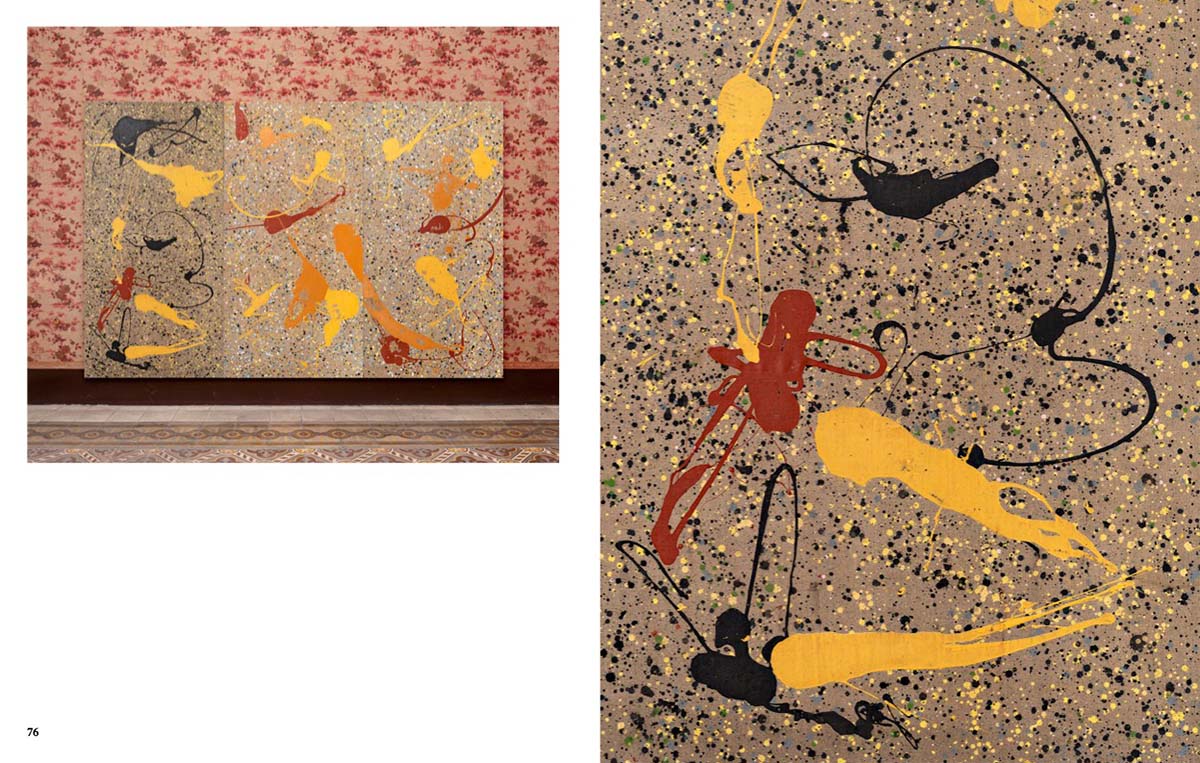
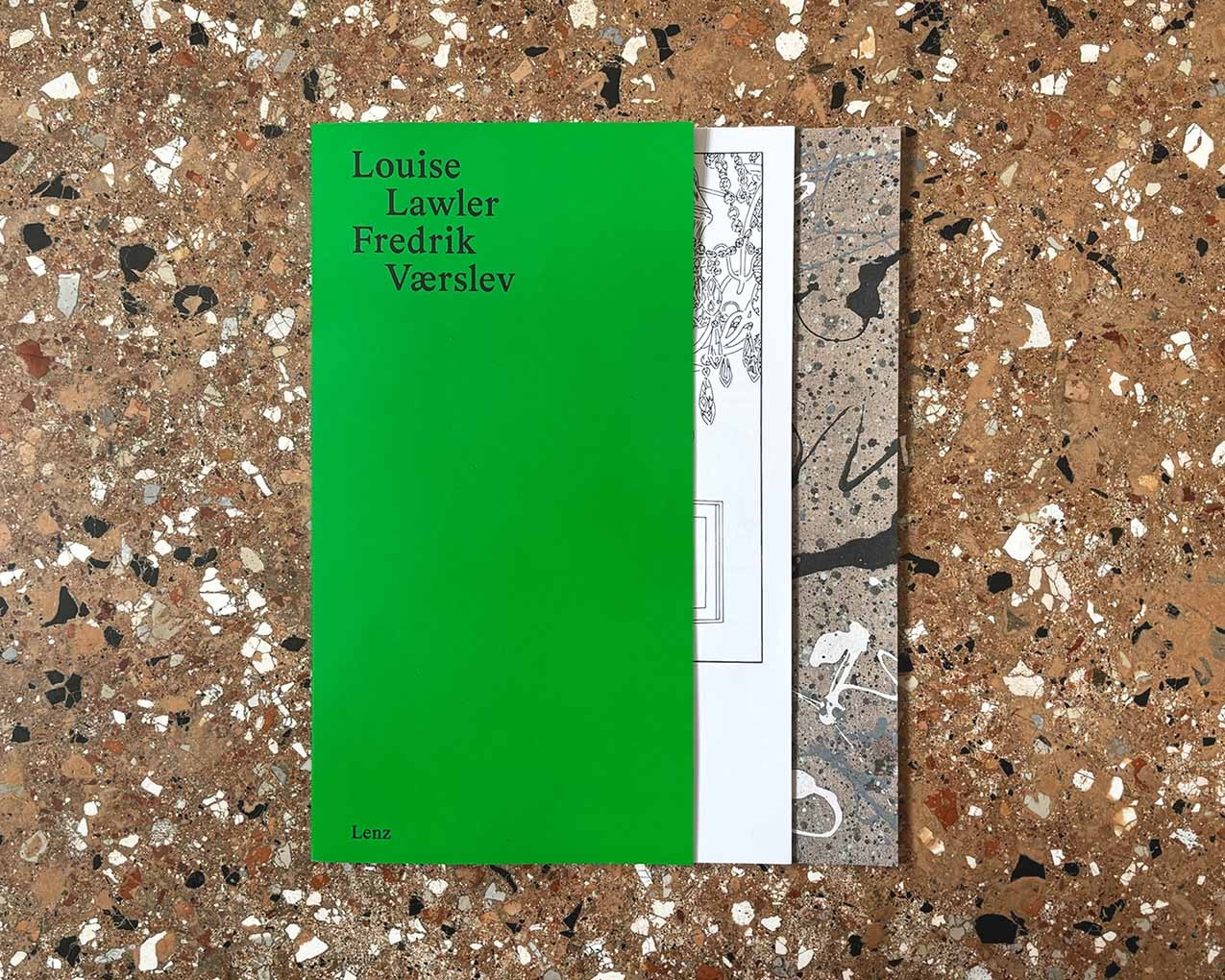
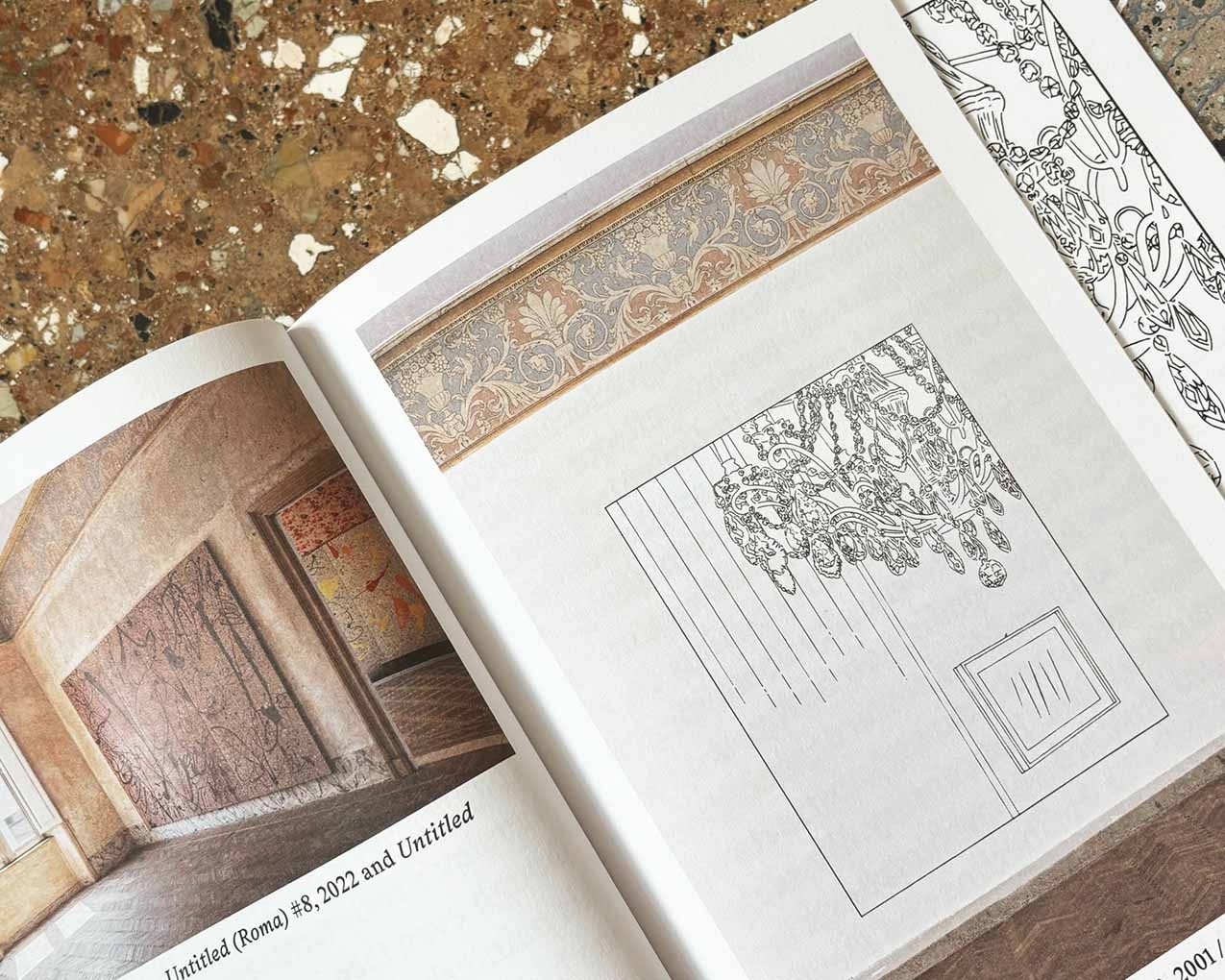
Conceived as a catalogue and an artist’s book, the publication was made on occasion of the eponymous 2022 exhibition at Indipendenza Roma. Deeply responsive to the space, the exhibition brought together works by Louise Lawler and Fredrik Værslev to explore the tension between an artwork and its surrounding architectural context, spurring questions of taste, value, function, and decoration.
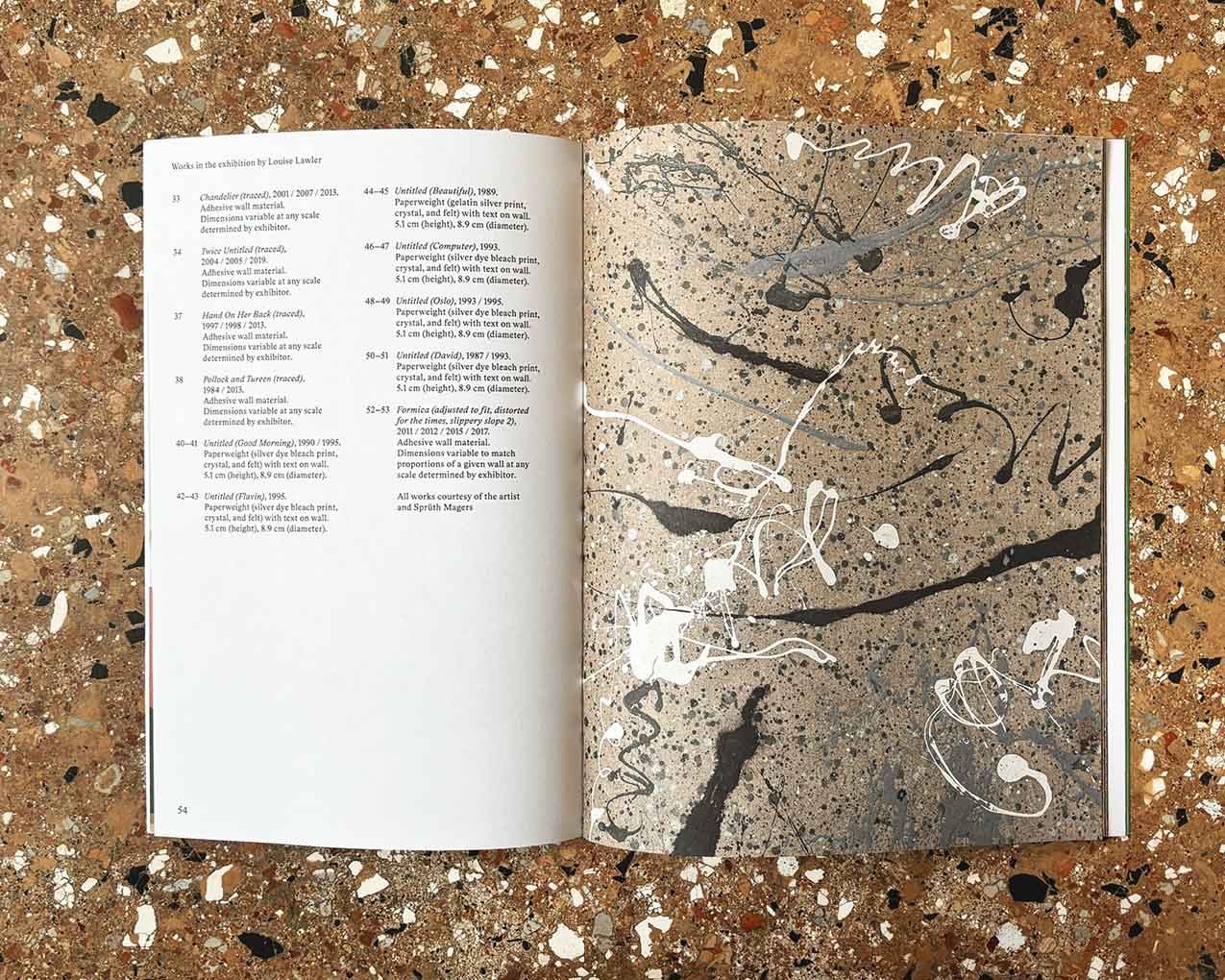
Louise Lawler’s incisive practice brings to the fore the very means by which value and significance are conferred upon artworks. Her critical strategies reveal the mechanisms by which art is produced, reproduced, consumed to question how we understand issues of authorship, connoisseurship, and meaning. Through emblematic interventions belonging to the series Tracings (2013-present), Adjusted to fit (2010-present), and Paperweights (1988-present) within Indipendenza’s rooms, that once served as an apartment, Lawler’s works draw our attention to how we organize and present our lives to others.
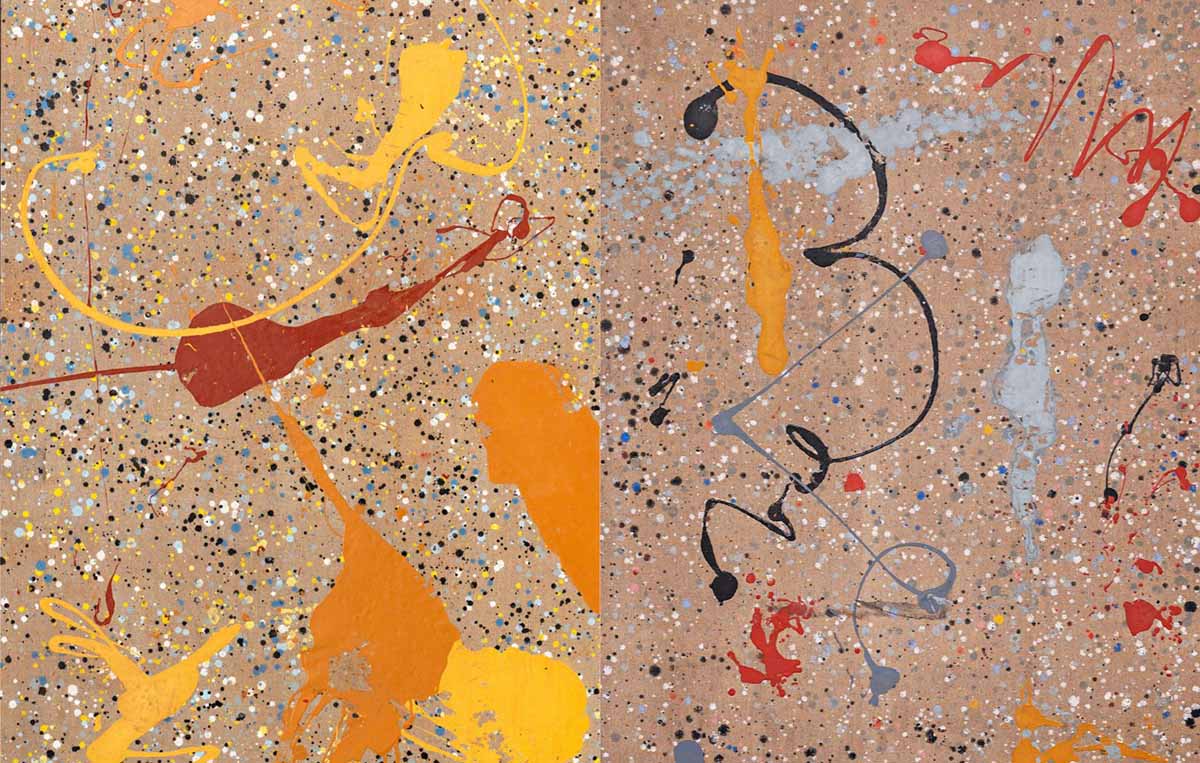
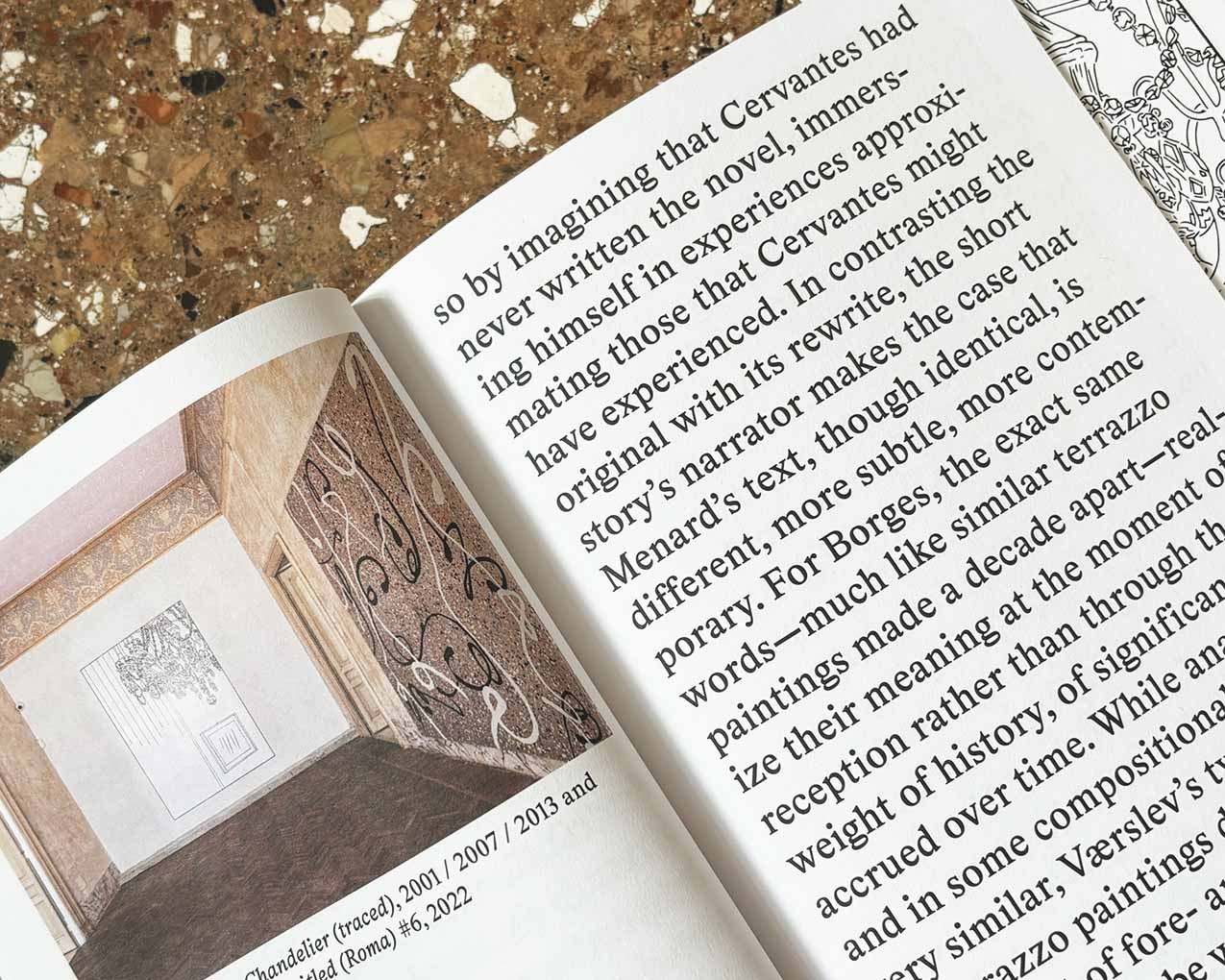
Deeply invested in the relationship between painting, architecture, and both urban and suburban environments, Fredrik Værslev’s serial practice reflects on the conventions, styles, and limits of abstract painting. For this exhibition, Værslev has created a series of site-responsive paintings (2021-22), which are sized to match the doorway dimensions and informed by the palette, materials, texture, and imagery that characterize Indipendenza’s spaces. These trompe l’oeil terrazzo paintings mimic the pattern and treatment of the gallery floor designs, yet are marked with drips and swirls suggestive of the ceiling frescoes that interrupt the all-over treatment, playing on the tension between background and foreground, function and decoration, real and faux.
Seen together, works by Lawler and Værslev point beyond their own limits, drawing our eyes to their surrounding spaces, asking how an artwork’s context can frame its meaning and vice versa.