A visual notebook of the screenshots taken by Yngve Holen over the past five years or so, 6G—the anticipated next phase of network technology—is a peculiarly sized artist’s book, a glossy non-linear agglomeration that reflects the intersections of production, life, and digital debris.
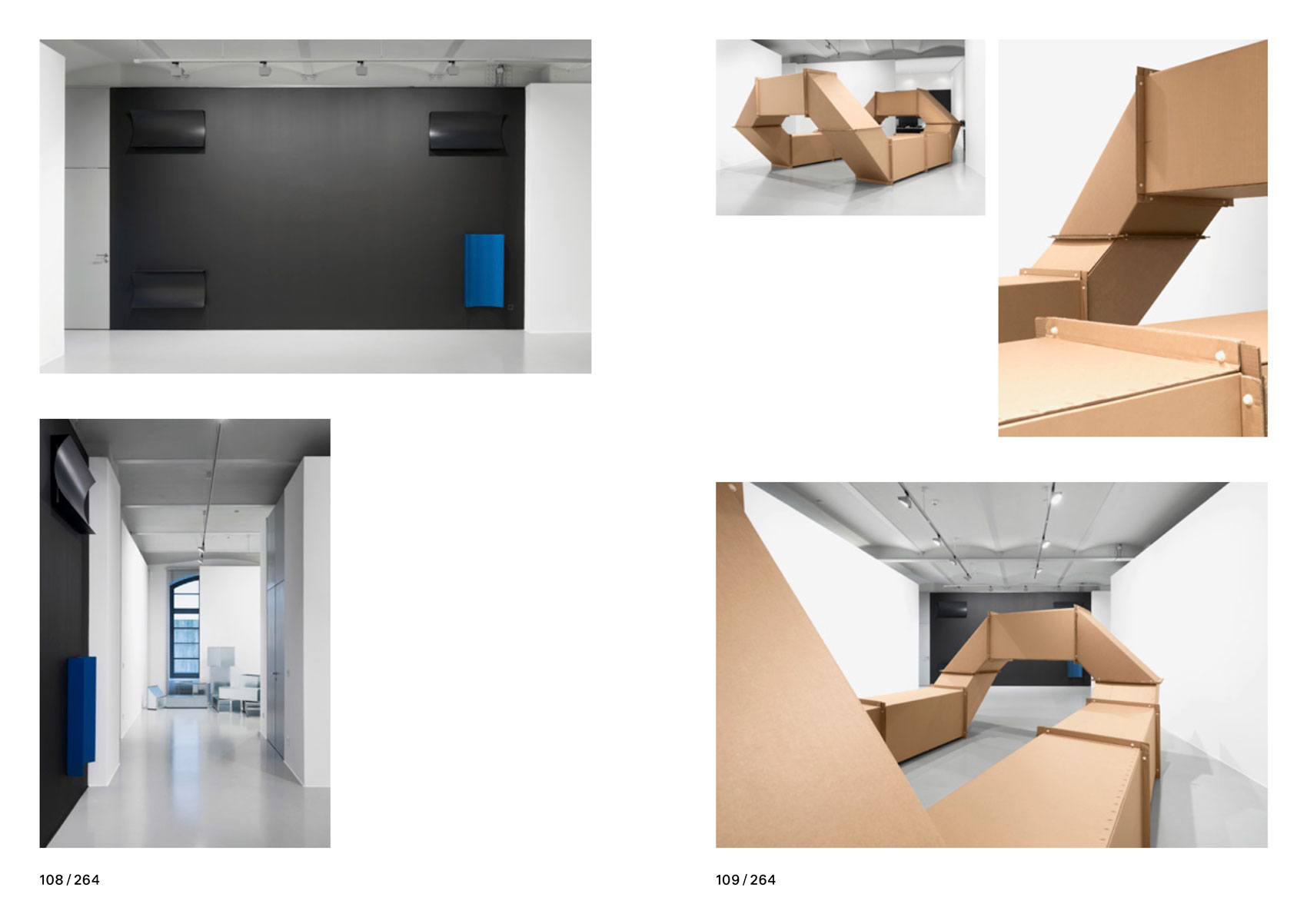
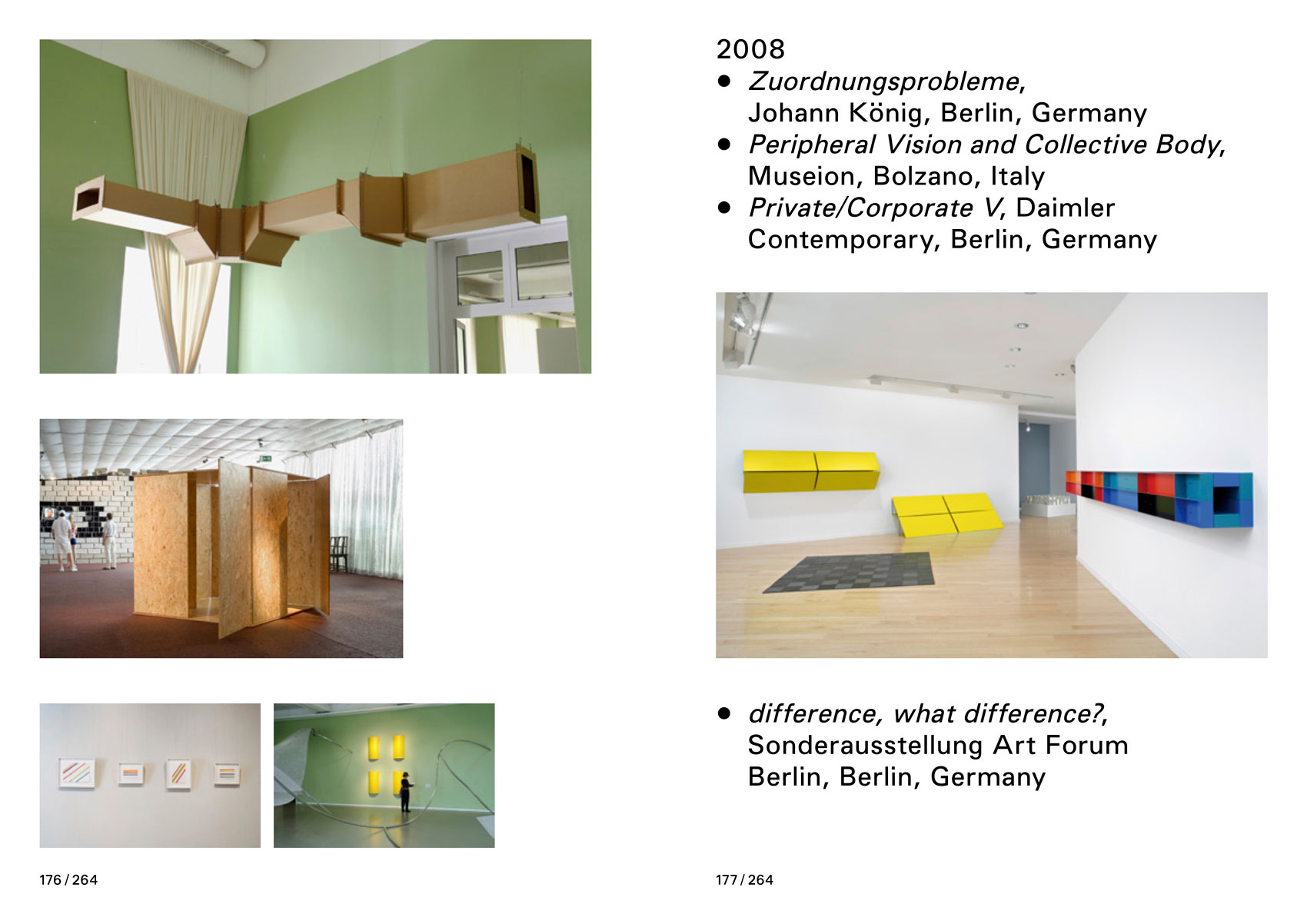
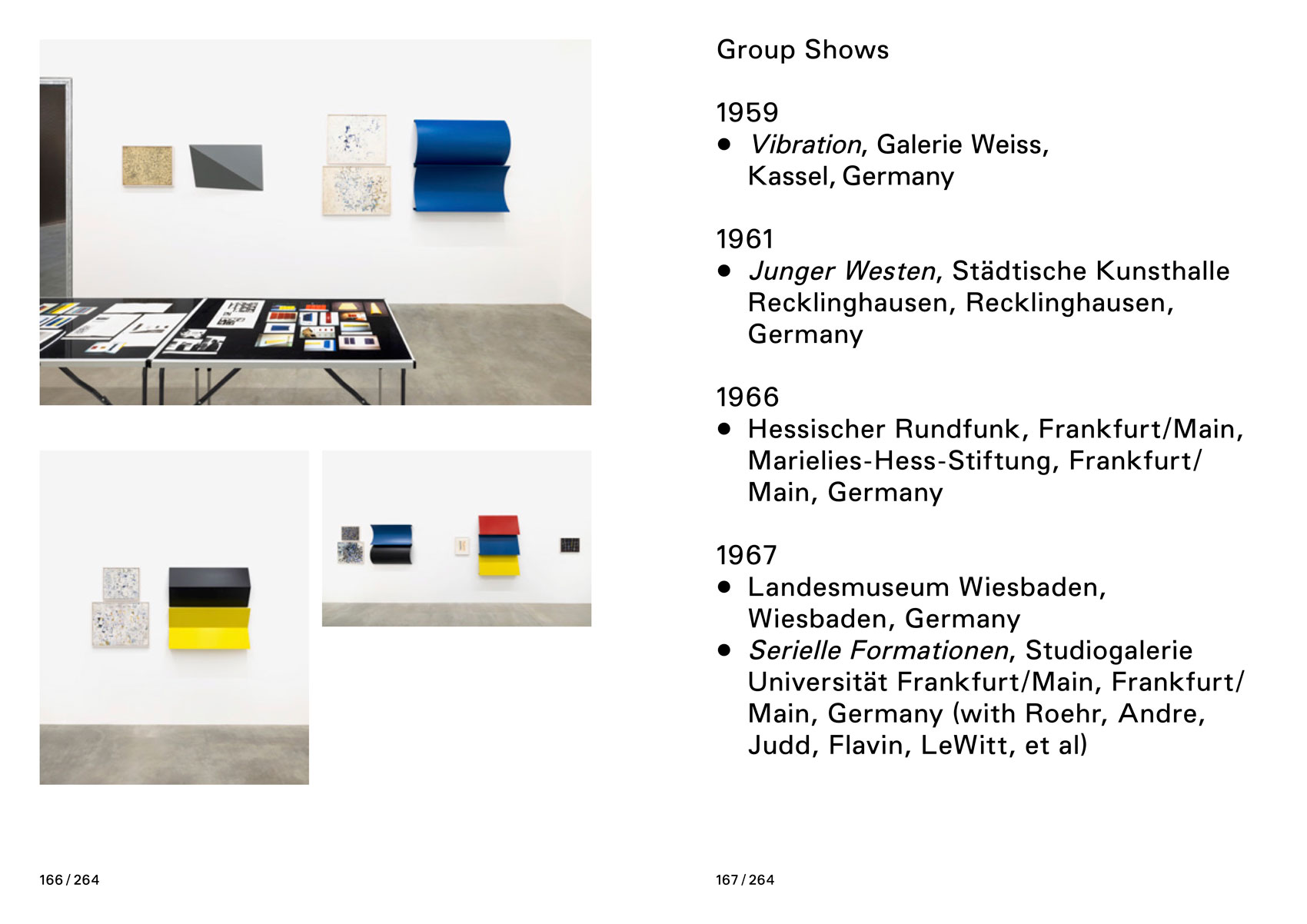
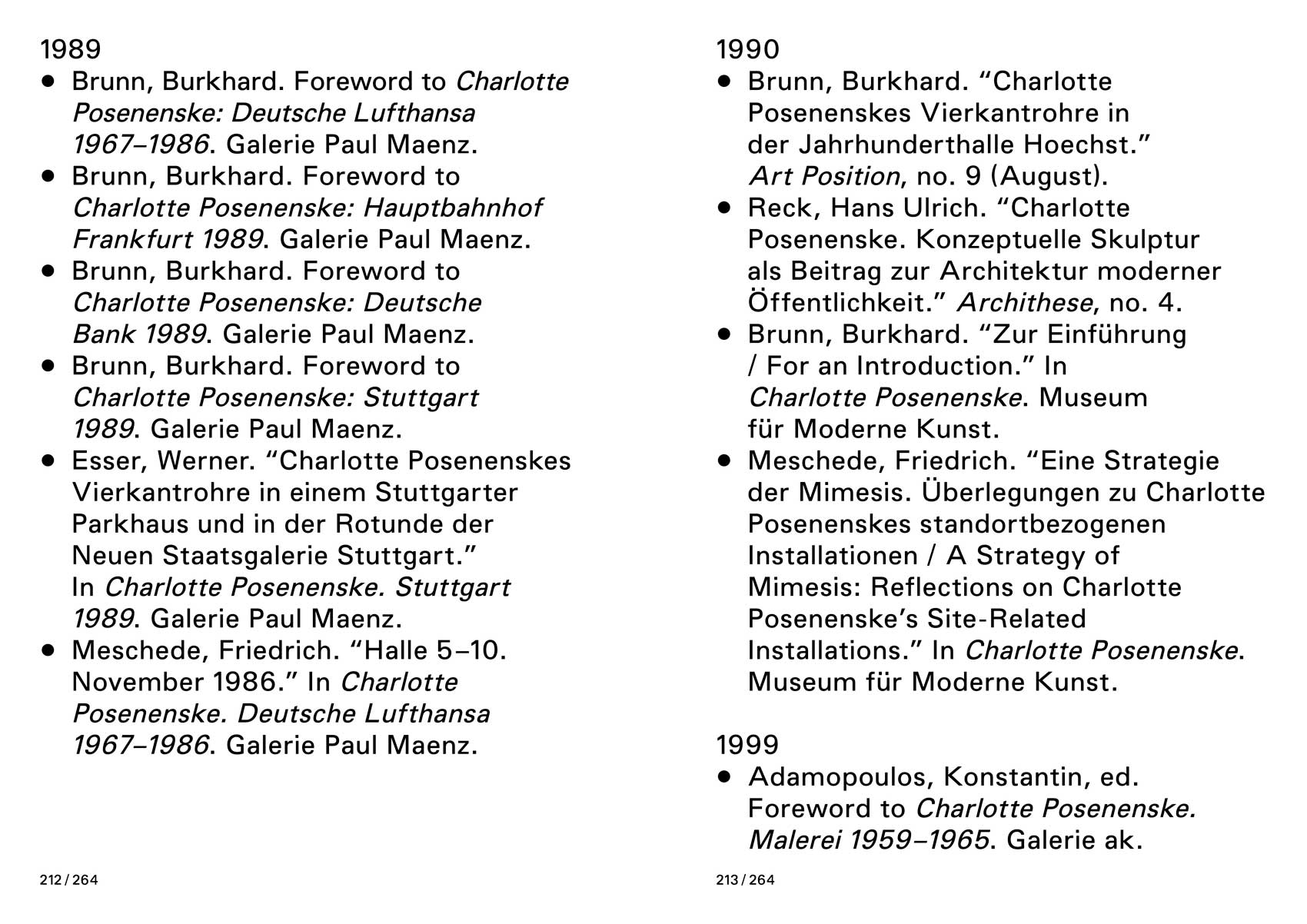
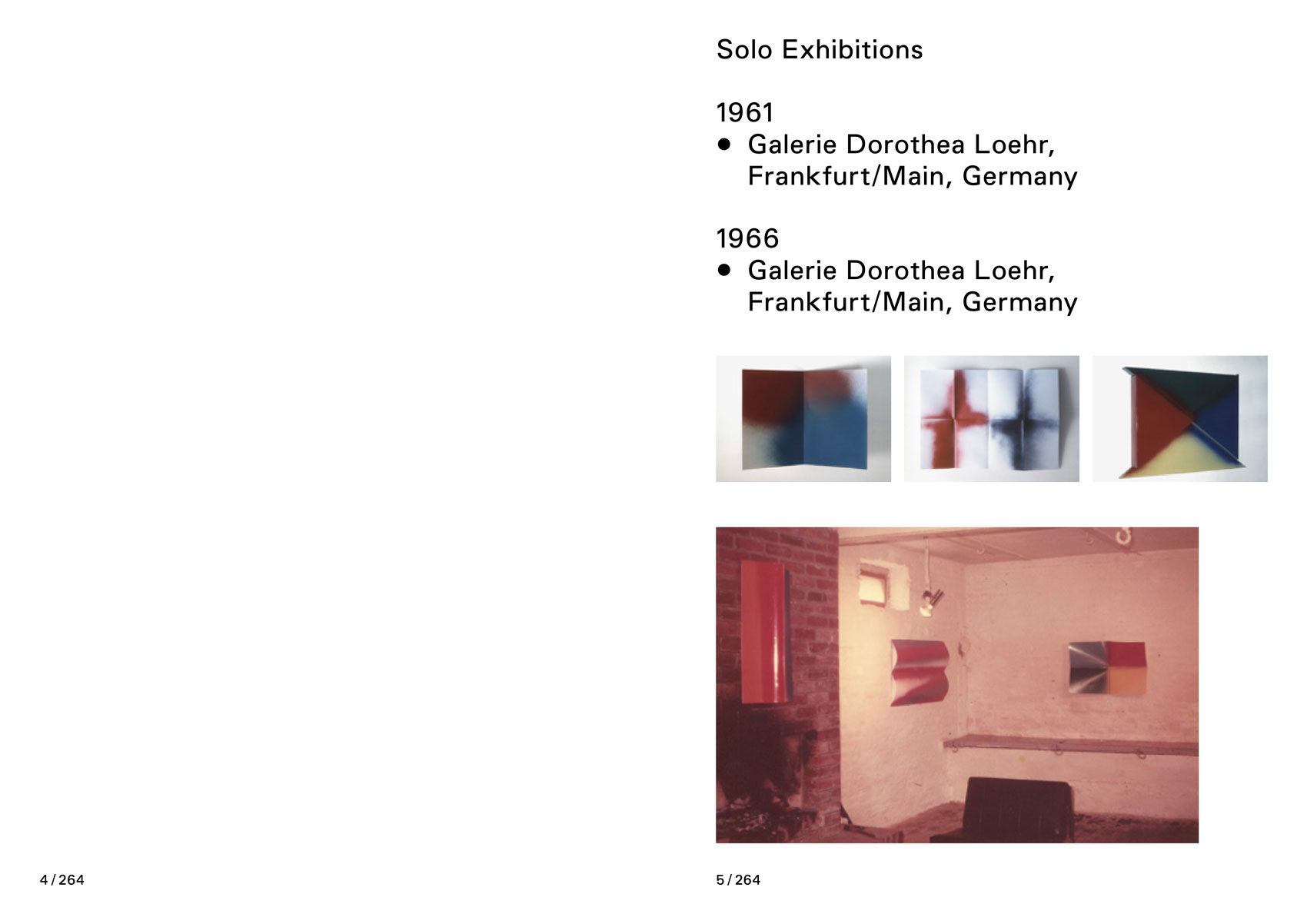
Conceived as a visual résumé, the book provides a comprehensive overview of Posenenske’s solo exhibitions and a record of her numerous group shows. Featuring an essay by curator Erlend Hammer on the role of documentary photographs in the circulation of works of art, it was published in conjunction with the eponymous show at the Haugar Art Museum in Tønsberg.
Since the 1980s, Belgian artist Sigefride Bruna Hauman has created a highly original body of work in different media. Her installations, reliefs and videos are the subject of a much-overdue retrospective organized by M Leuven—and of this first monograph.
Rituals of Care is an extensive monograph devoted to the work of Antonio Obá, published in conjunction with his eponymous exhibition presented at the Centre d’Art Contemporain Genève, curated by Andrea Bellini. Extensively illustrated, the book immerses the reader in Obá’s multifaceted oeuvre and in the magical iconographic universe of his paintings.
Claiming that the museum is not enough means asking what a museum should be and do, eventually questioning the role of cultural institutions in society. Through conversations, stills of documentaries, responses, and reprints of archival documents that explore ideas of architecture on the ground, this volume reflects on the tools deployed by the institution to redefine its relationship to others.
Edited by Erlend Hammer
Essay by Erlend Hammer
Designed by Lorenzo Mason Studio
2025, English, softcover, 21 x 29.7 cm, 264 pages
ISBN 979-12-80579-79-9
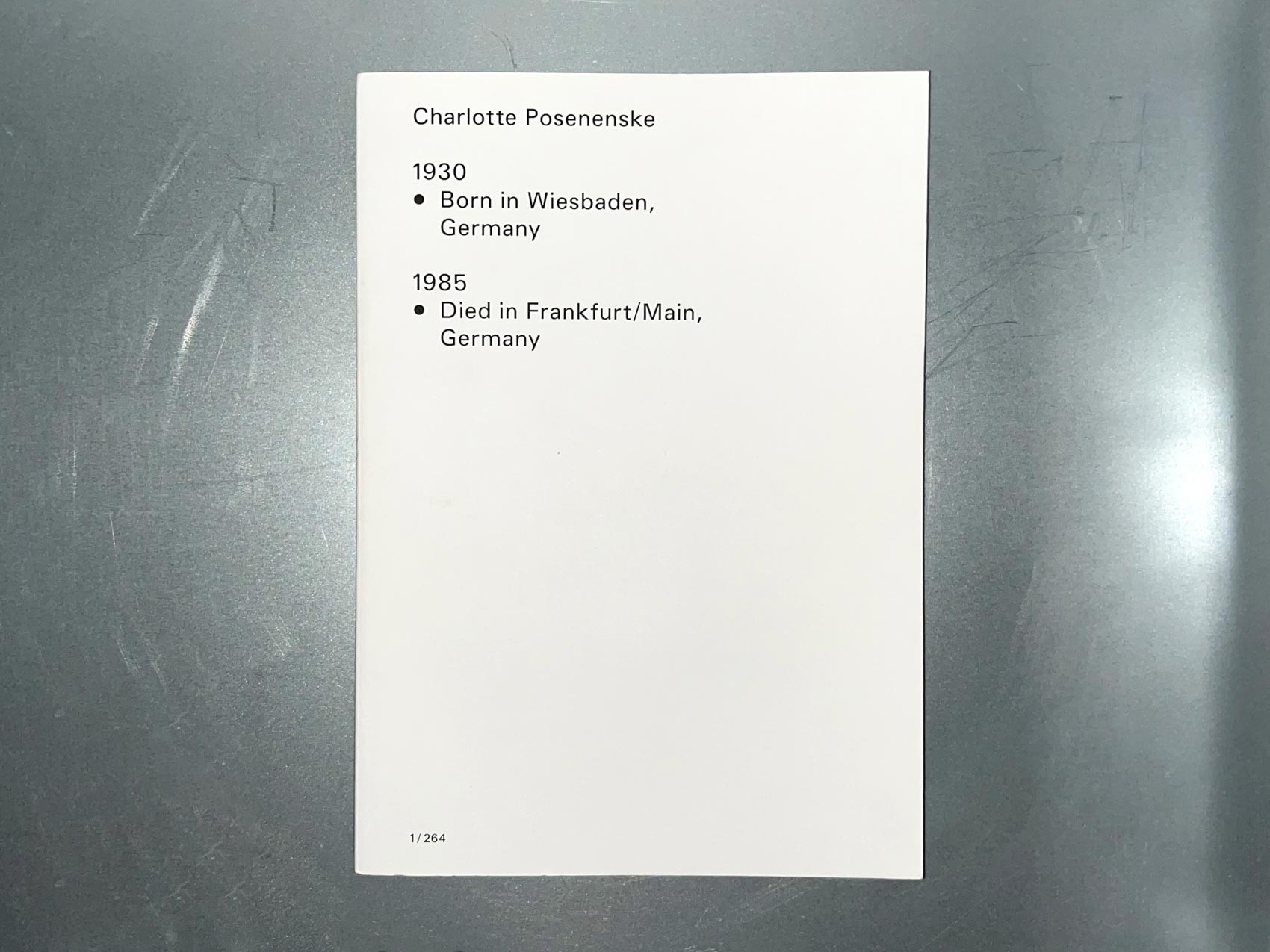
In her Manifesto, Charlotte Posenenske (1930-1985) stated: “I find it difficult to come to terms with the fact that art can contribute nothing to the solution of pressing social problems.”
Developing her artistic practice throughout the 1960s, Posenenske produced a body of work that uniquely combined several strands of the art of the period: conceptualism, minimalism, and socially engaged participatory art. Her Manifesto, published in Art International in May 1968, lays out the social demands on art as well as the impossibility of fulfilling those demands. Shortly after its publication, Posenenske left the art world behind to pursue her studies in sociology, undertaking a new career in that field.
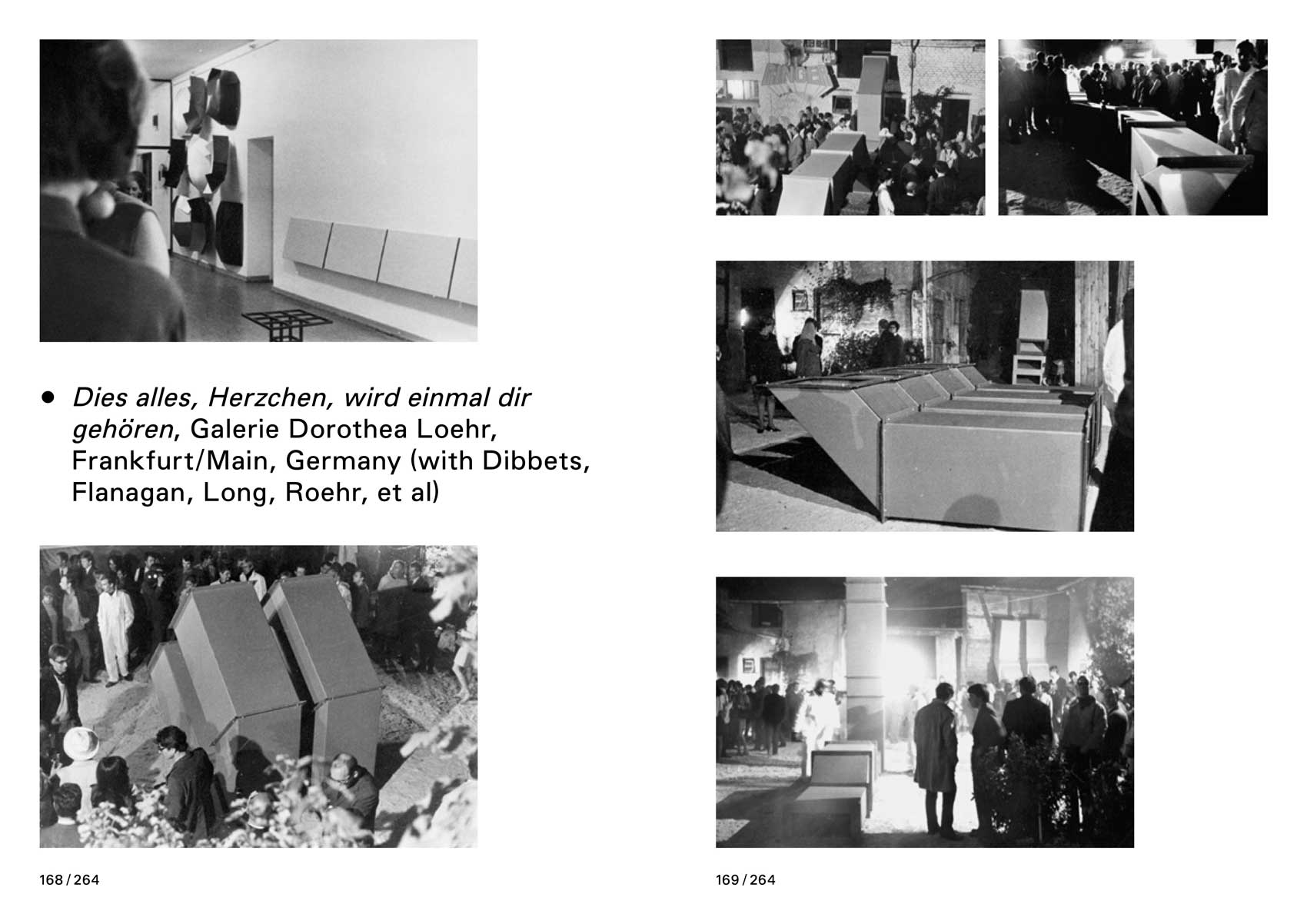
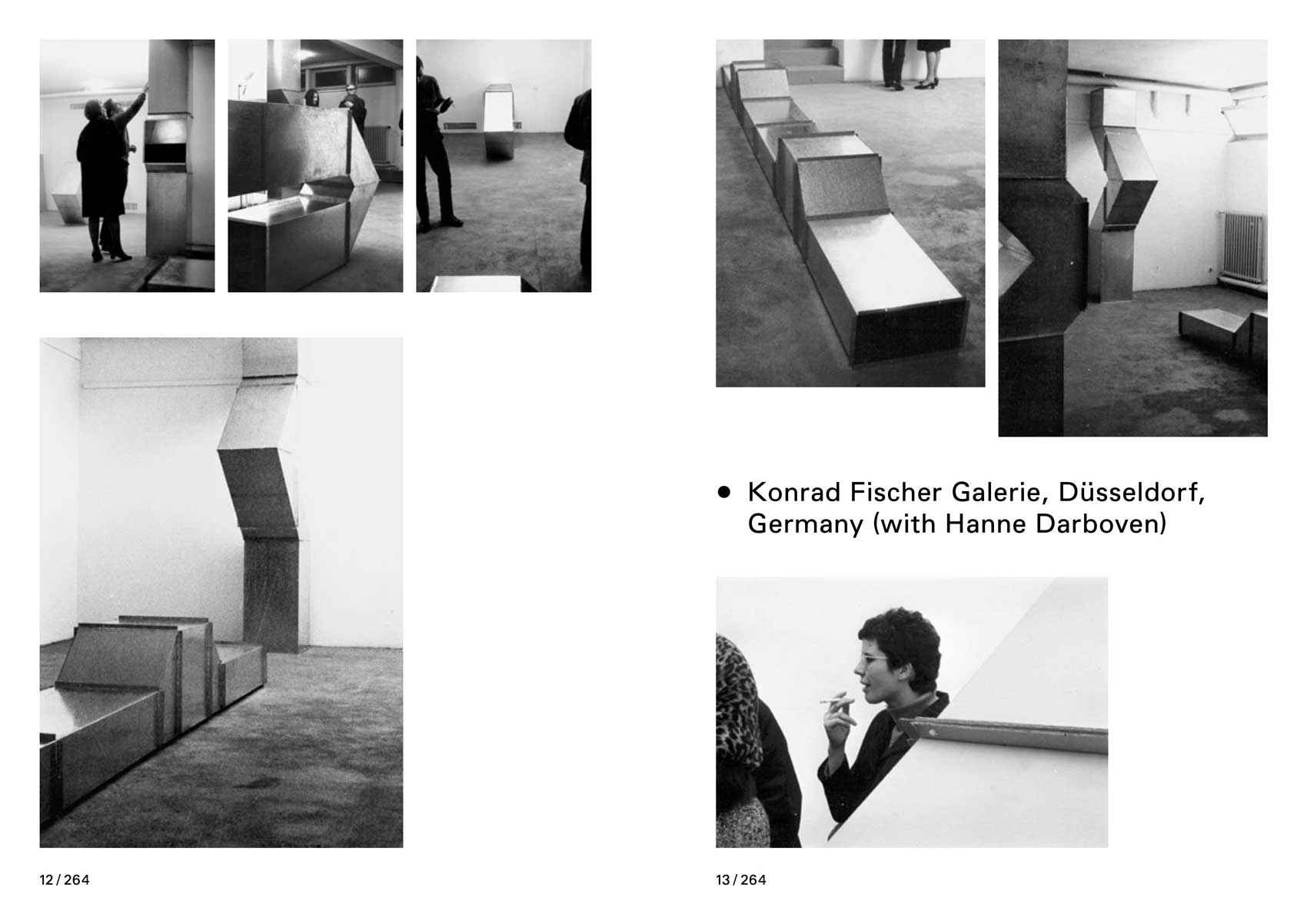
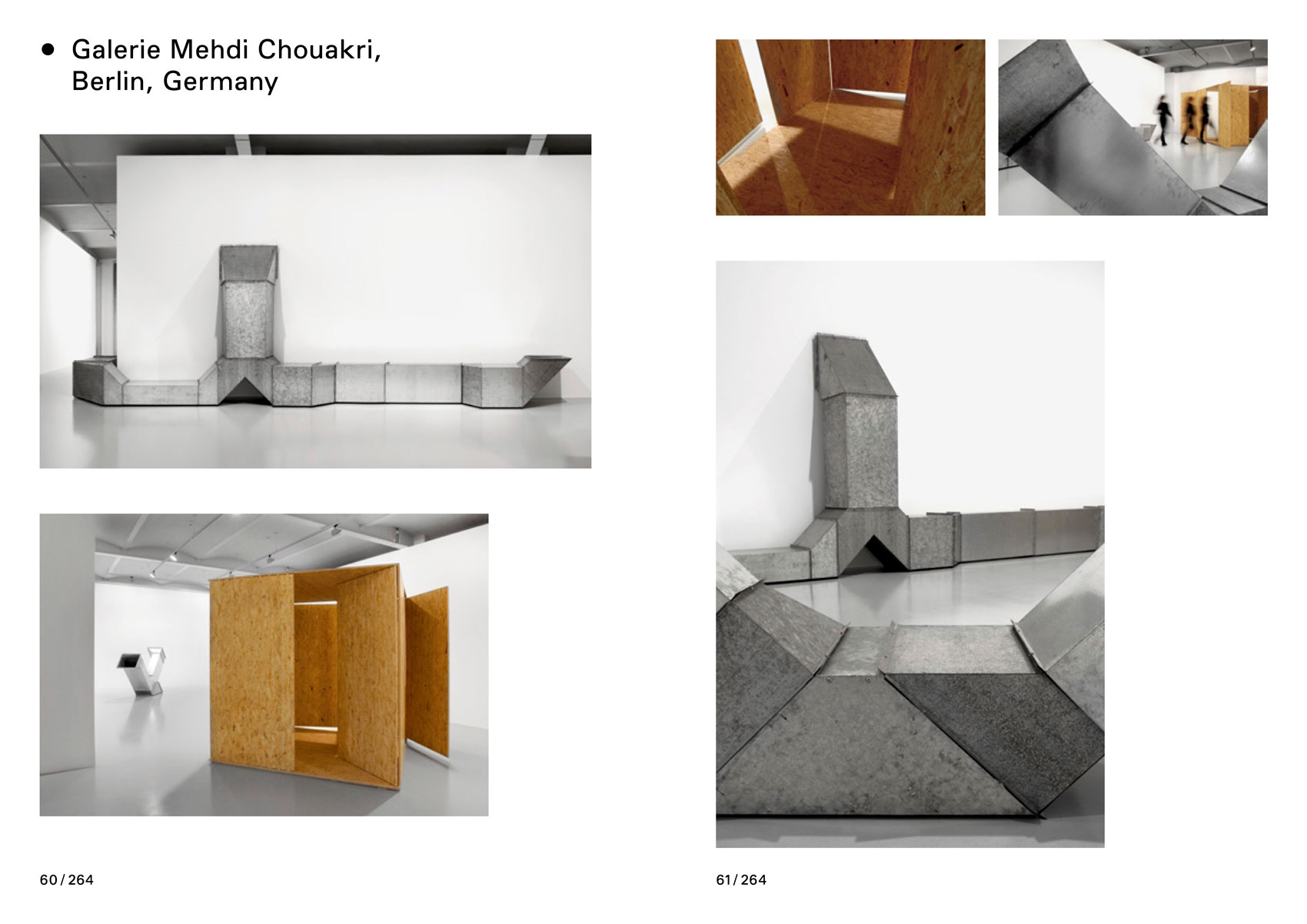
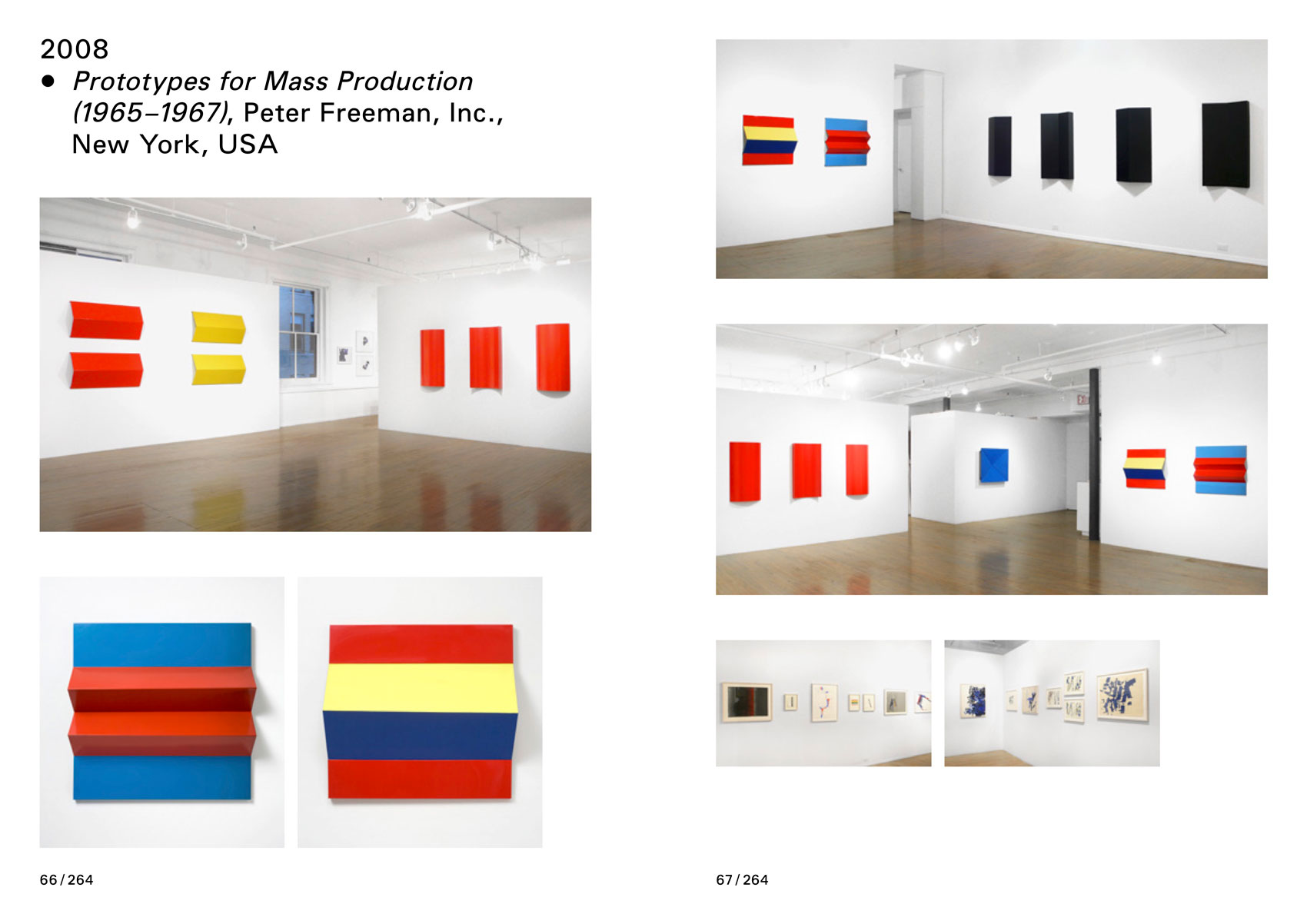
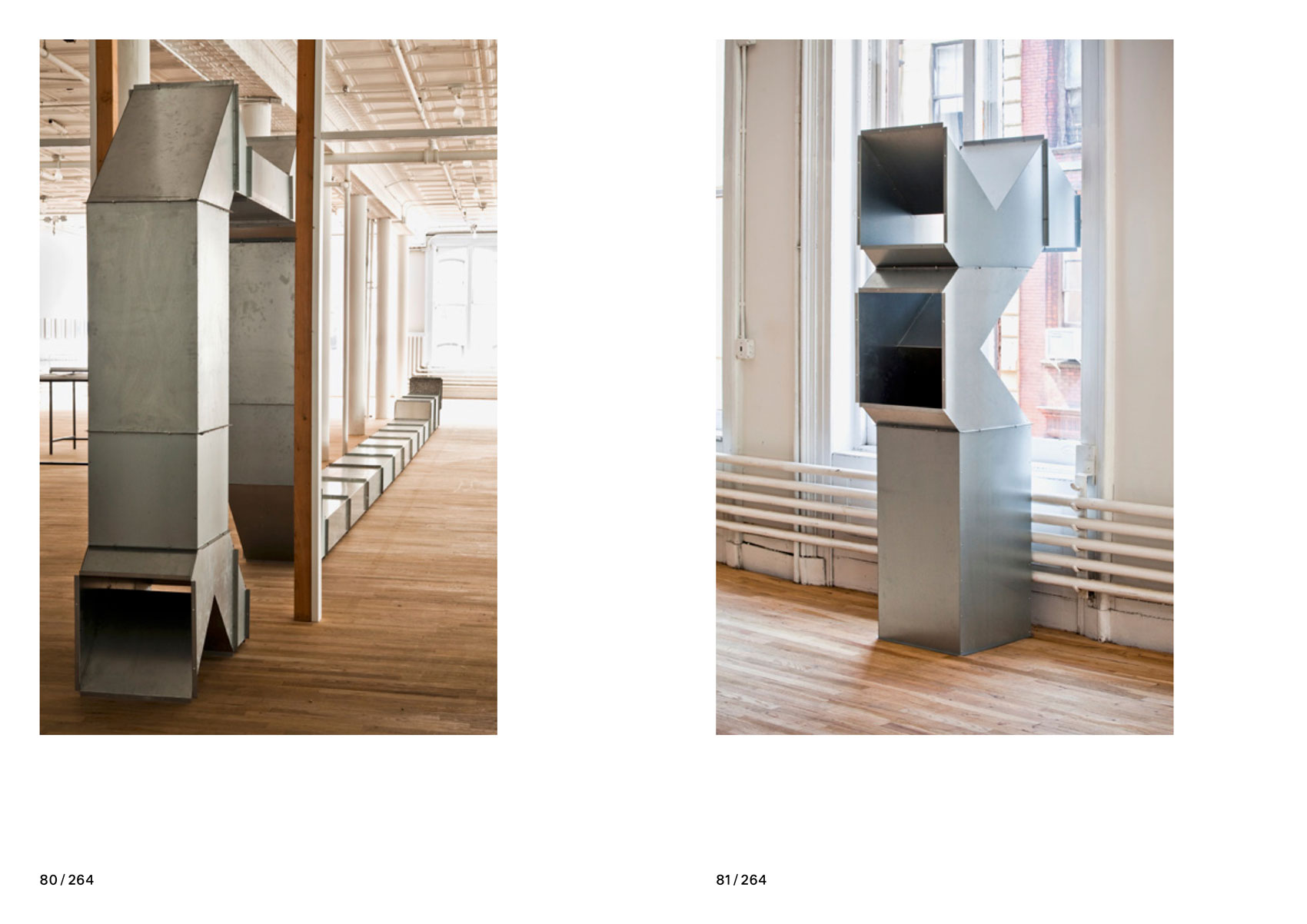
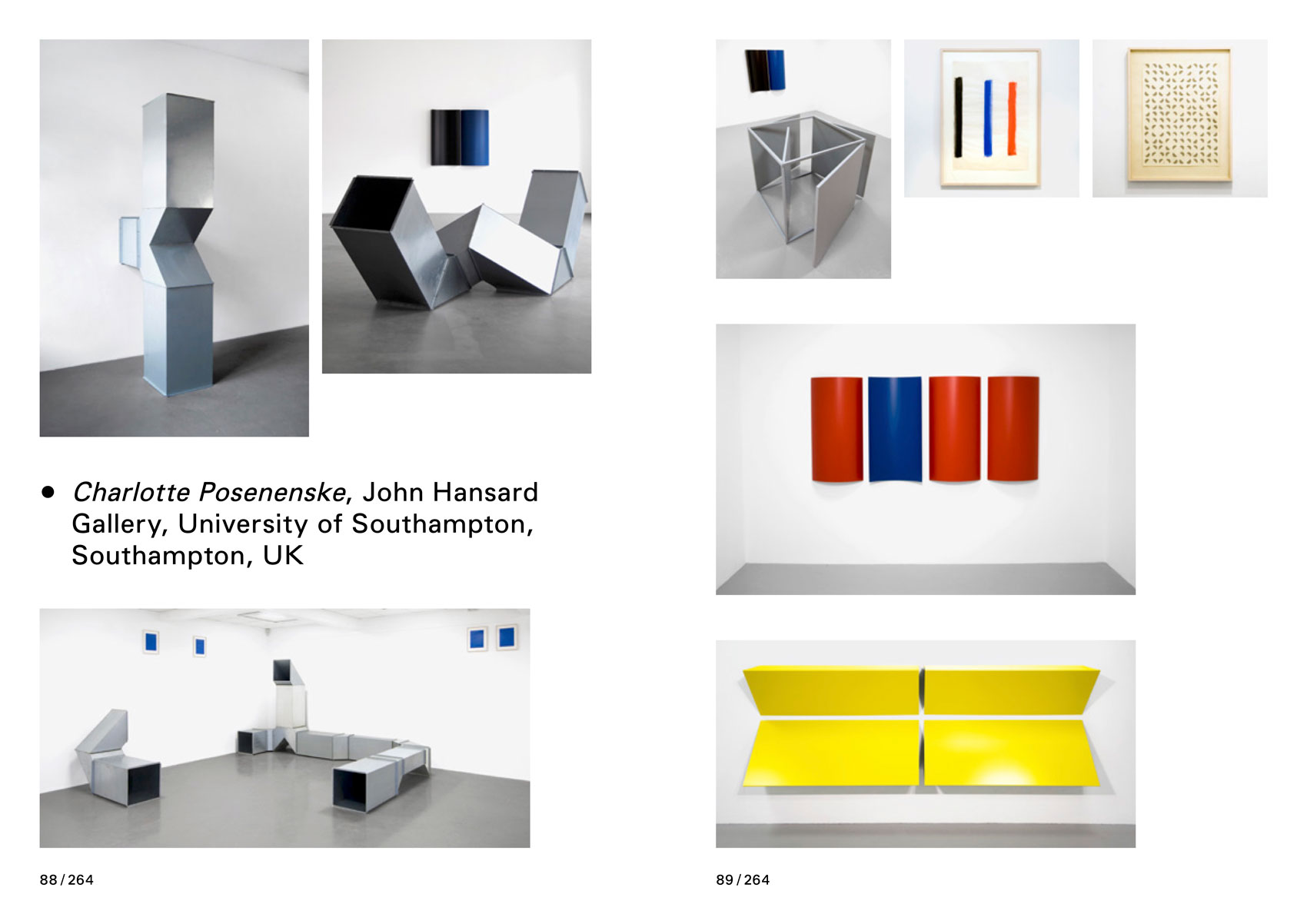
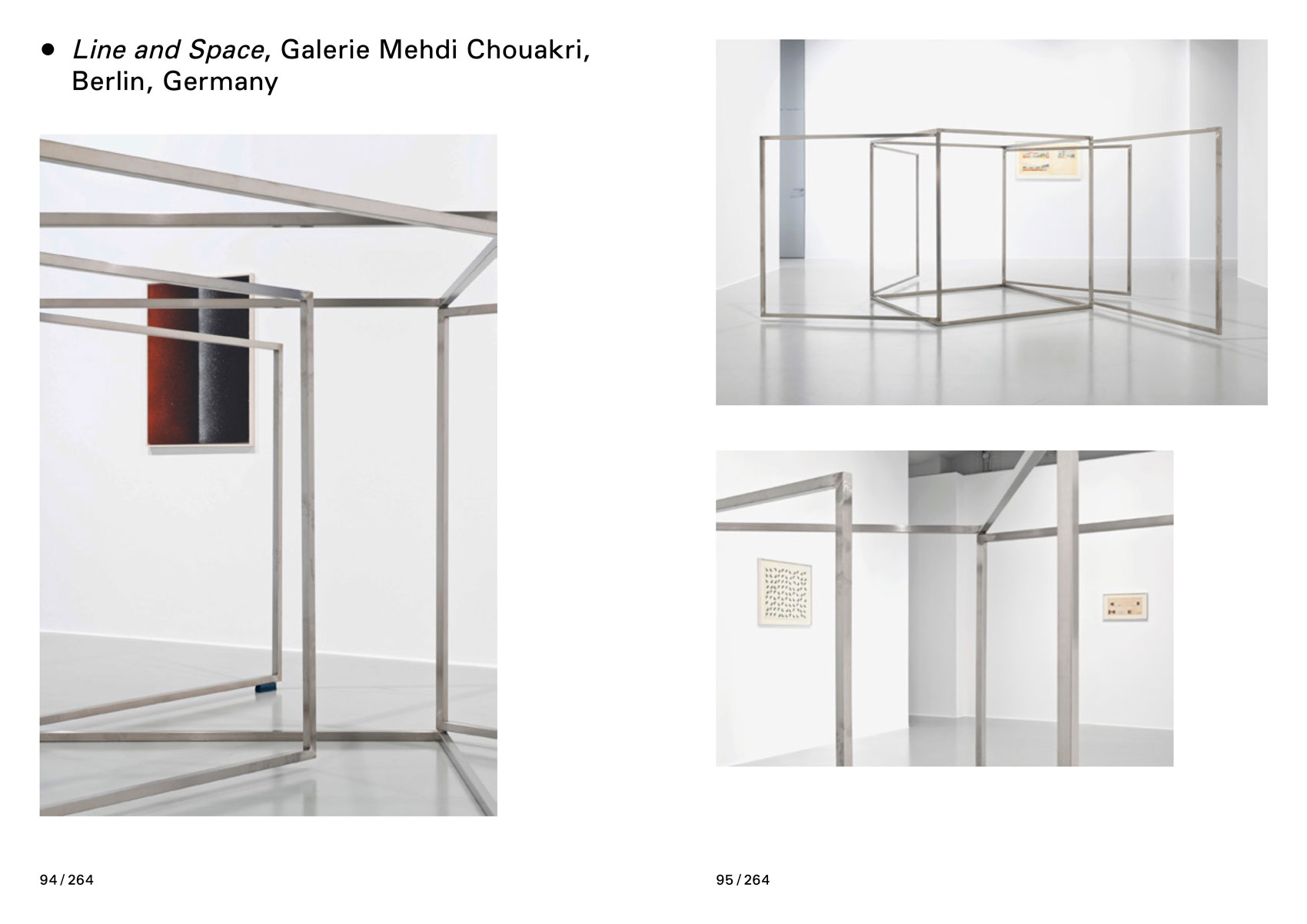
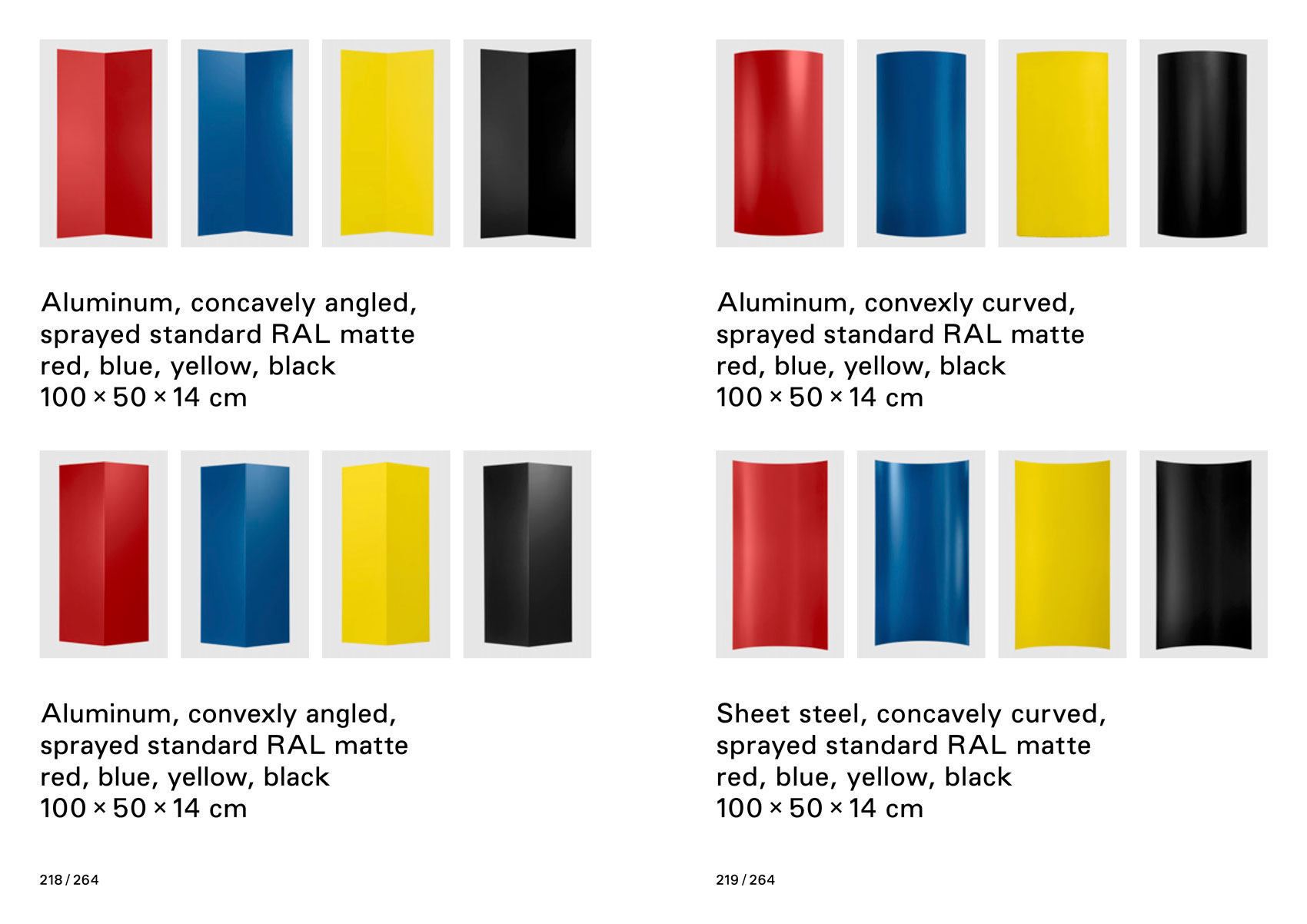
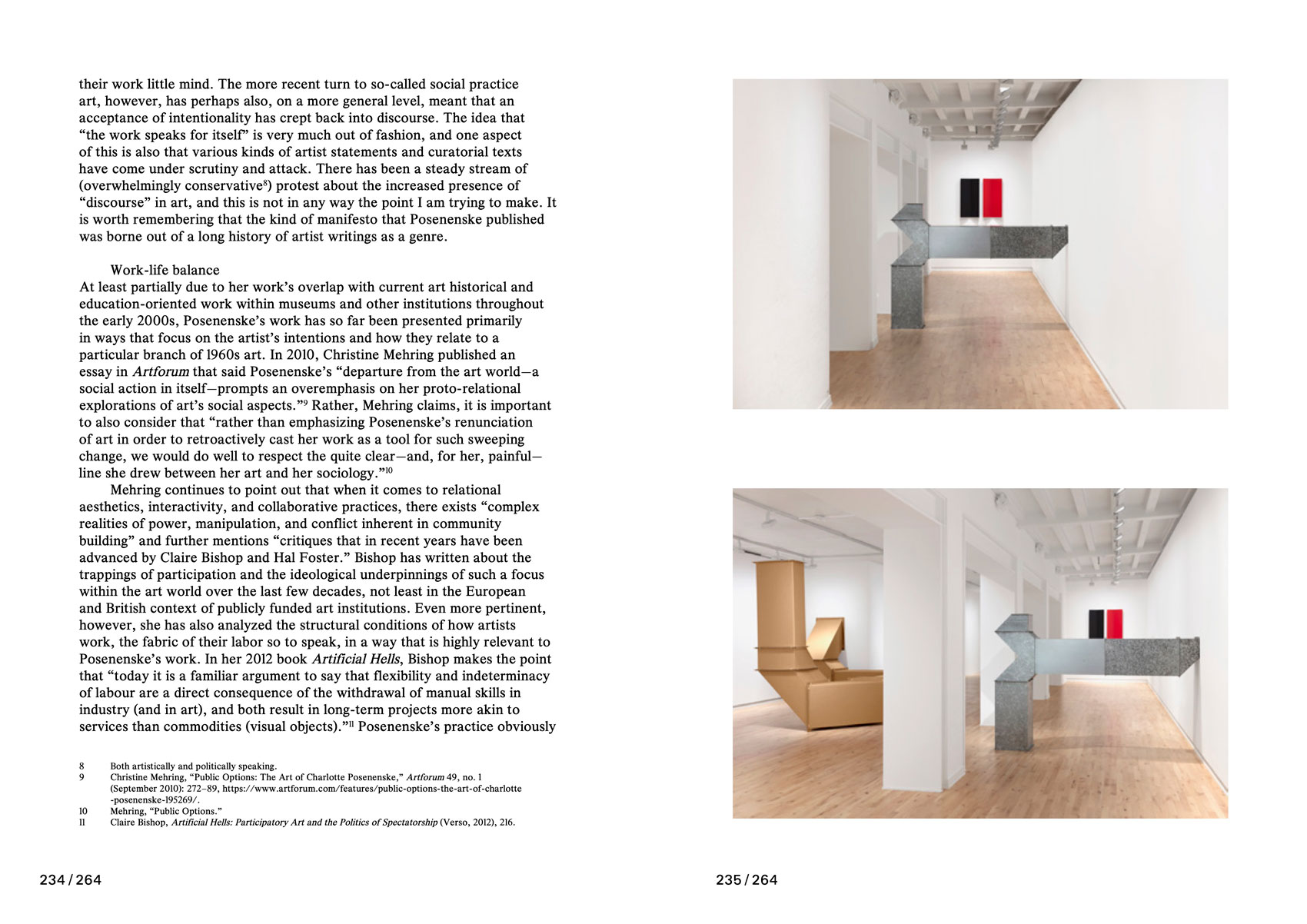
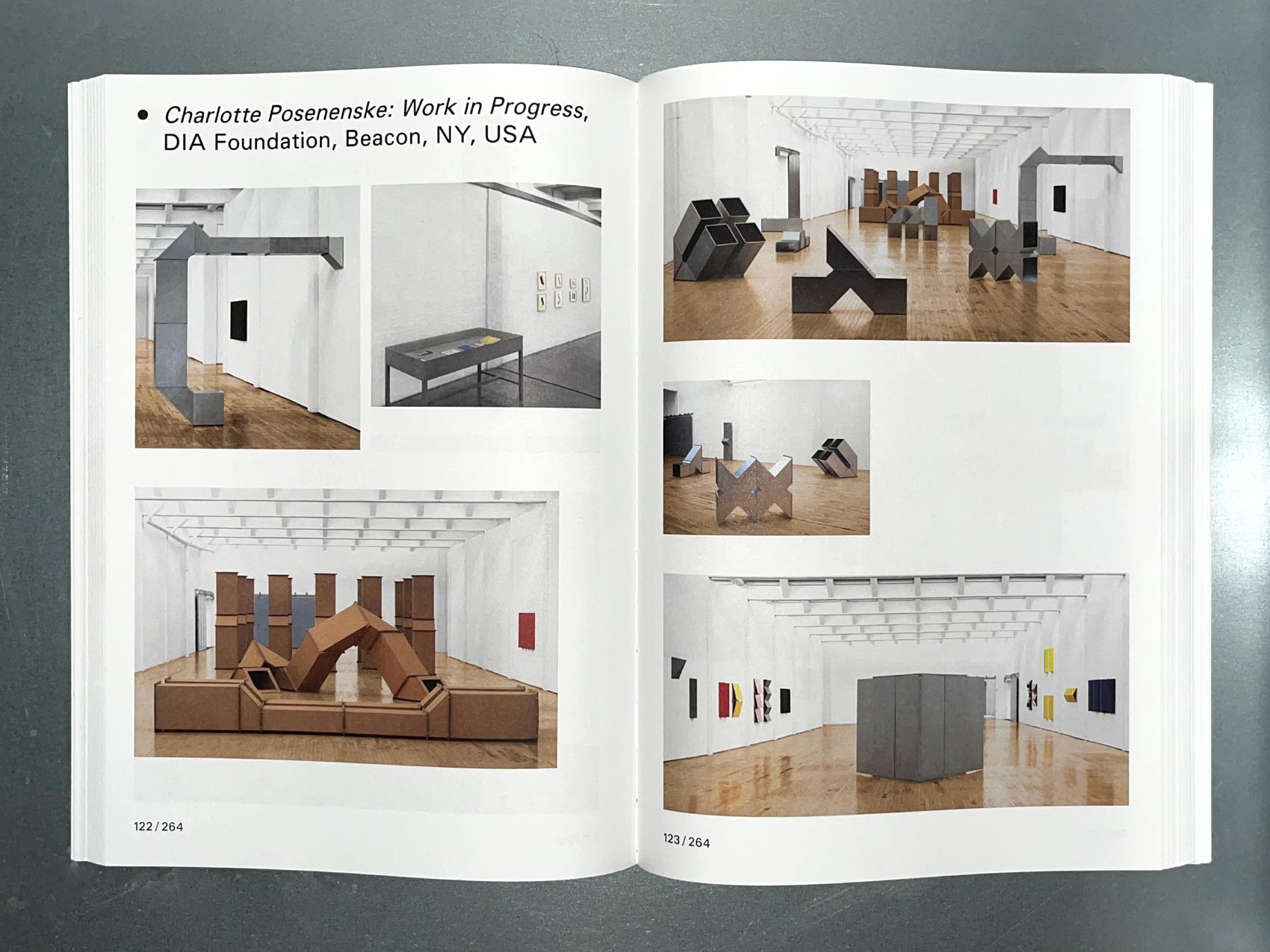
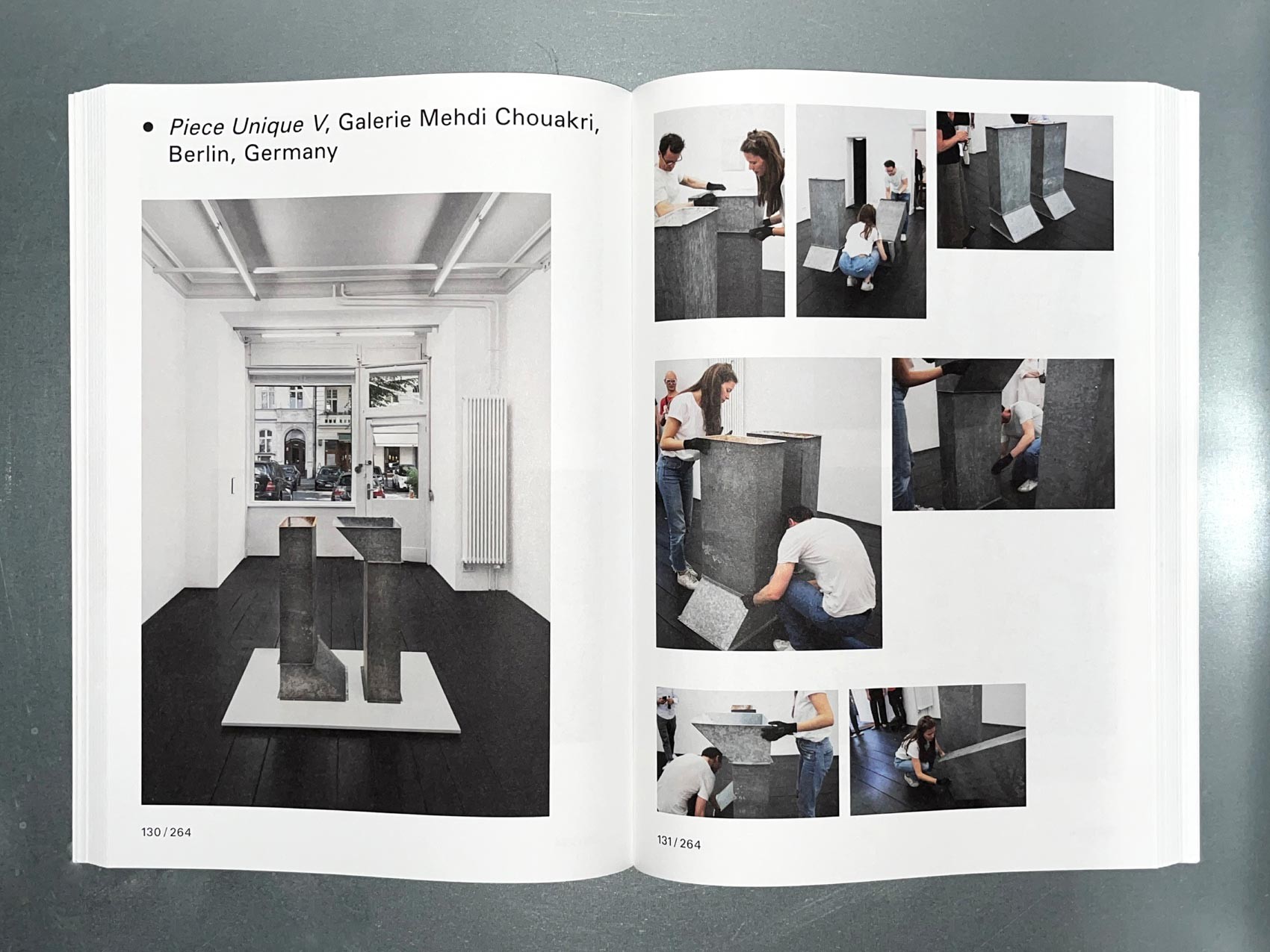
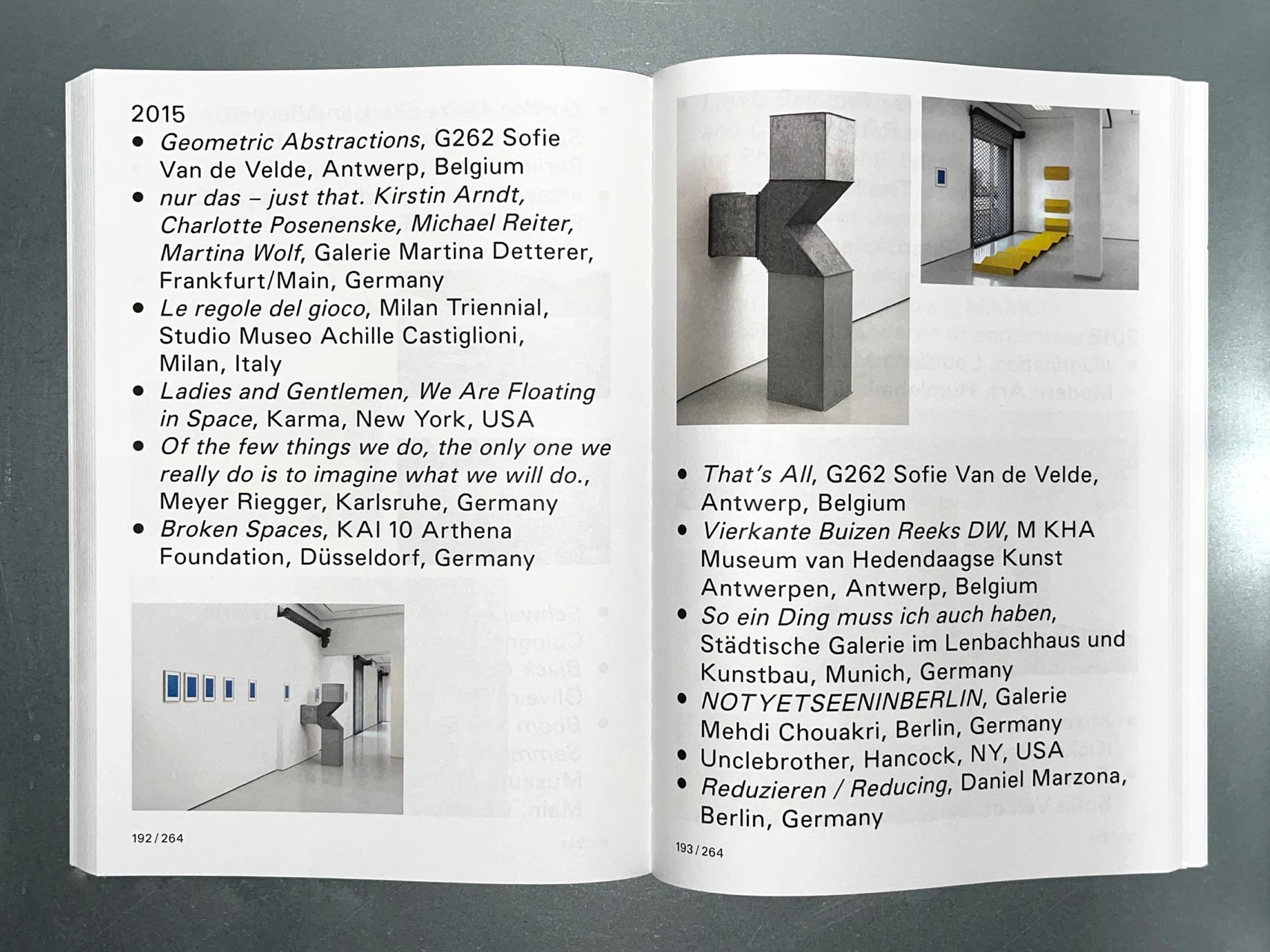
Conceived as a visual résumé, Installation Views provides both a comprehensive overview of Charlotte Posenenske’s solo exhibitions and a record of her numerous group shows. The book features an essay written by curator Erlend Hammer on the role of documentary photographs in the circulation of works of art.
The book was published in conjunction with the eponymous show at the Haugar Art Museum in Tønsberg, Norway—the first full-scale presentation of the artist’s oeuvre in Scandinavia. The exhibition showcased works from all the artist’s major series of modular sculpture. Consisting of works made over the course of less than 12 months, between 1967 and 1968, preceding the abrupt end to Posenenske’s career as an artist, the exhibition had the character of a snapshot. We are left wondering whether her withdrawal from the art world was a logical or necessary consequence of the development of the series. What are we to do with Posenenske’s assertion that art is powerless to effectively change society for the better?