This book, with follows the eponymous exhibition at Mudam Luxembourg, is constructed as a story, with a prologue, four acts, and an epilogue: an intuitive journey through the voices of thirty-four artists from different generations who are experimenting with the idea of the performative.
Dreaming Alcestis is an artist’s book by artist and filmmaker Beatrice Gibson, conceived as an accompaniment to her holographic film installation of the same name. It features a commissioned essay by poet and translator Allison Grimaldi Donahue, as well as a reprint of the American poet Alice Notley’s 1991 essay What Can Be Learned From Dreams?
What if clay is the future and the future is clay? Curators Chus Martínez and Filipa Ramos brought together a group of artists to think and create through this old, maleable and fascinating matter. The result was materialized in an exhibition and book format entitled Feet of Clay.
Catalog of the eponymous exhibition, held at the Centre d’Art Contemporain Genève and curated by Andrea Bellini, this publication brings together a number of essays that explore the notion of metamorphosis from different perspectives. The catalog, like the exhibition, celebrates a world in constant transformation, where human nature is fluid and hybrid, open to change.
Ce catalogue de l’exposition éponyme, organisée au Centre d’Art Contemporain Genève sous la direction d’Andrea Bellini, rassemble plusieurs essais qui explorent la notion de métamorphose sous différentes perspectives. Le catalogue, comme l’exposition, célèbre un monde en constante transformation, où la nature humaine est fluide et hybride, ouverte au changement.
Fredrik Værslev: The Garden Paintings is the first publication dedicated solely to one specific body of work in the artist’s practice. It includes essays by Martha Kirszenbaum and Erlend Hammer, and gives a comprehensive and chronological account of the works from the series, showing their stylistic development as well as their exhibition history.
Edited by Erlend Hammer
Essay by Erlend Hammer
Designed by Lorenzo Mason Studio
2025, English, softcover, 21 x 29.7 cm, 264 pages
ISBN 979-12-80579-79-9
In her Manifesto, Charlotte Posenenske (1930-1985) stated: “I find it difficult to come to terms with the fact that art can contribute nothing to the solution of pressing social problems.”
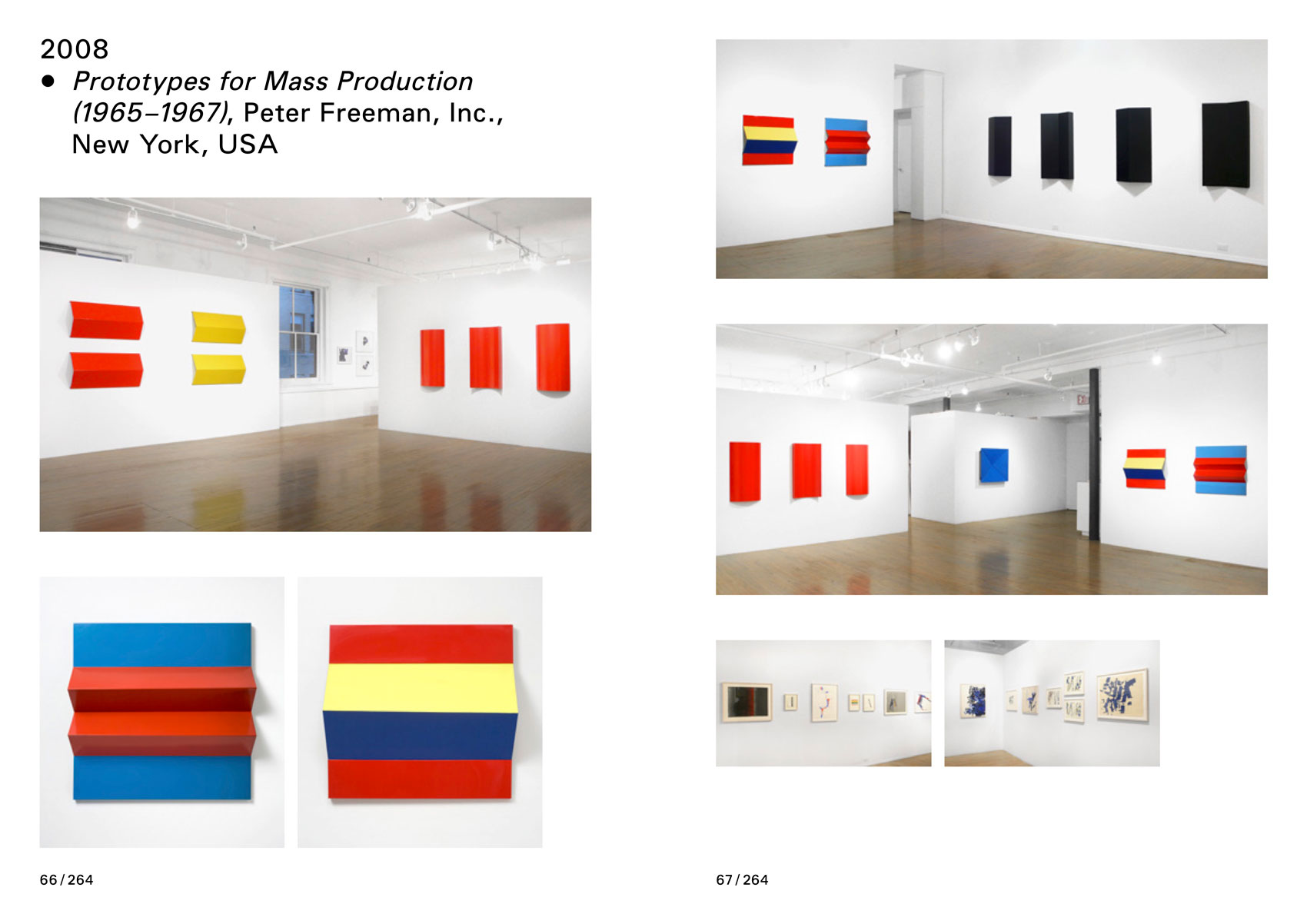
Developing her artistic practice throughout the 1960s, Posenenske produced a body of work that uniquely combined several strands of the art of the period: conceptualism, minimalism, and socially engaged participatory art. Her Manifesto, published in Art International in May 1968, lays out the social demands on art as well as the impossibility of fulfilling those demands. Shortly after its publication, Posenenske left the art world behind to pursue her studies in sociology, undertaking a new career in that field.
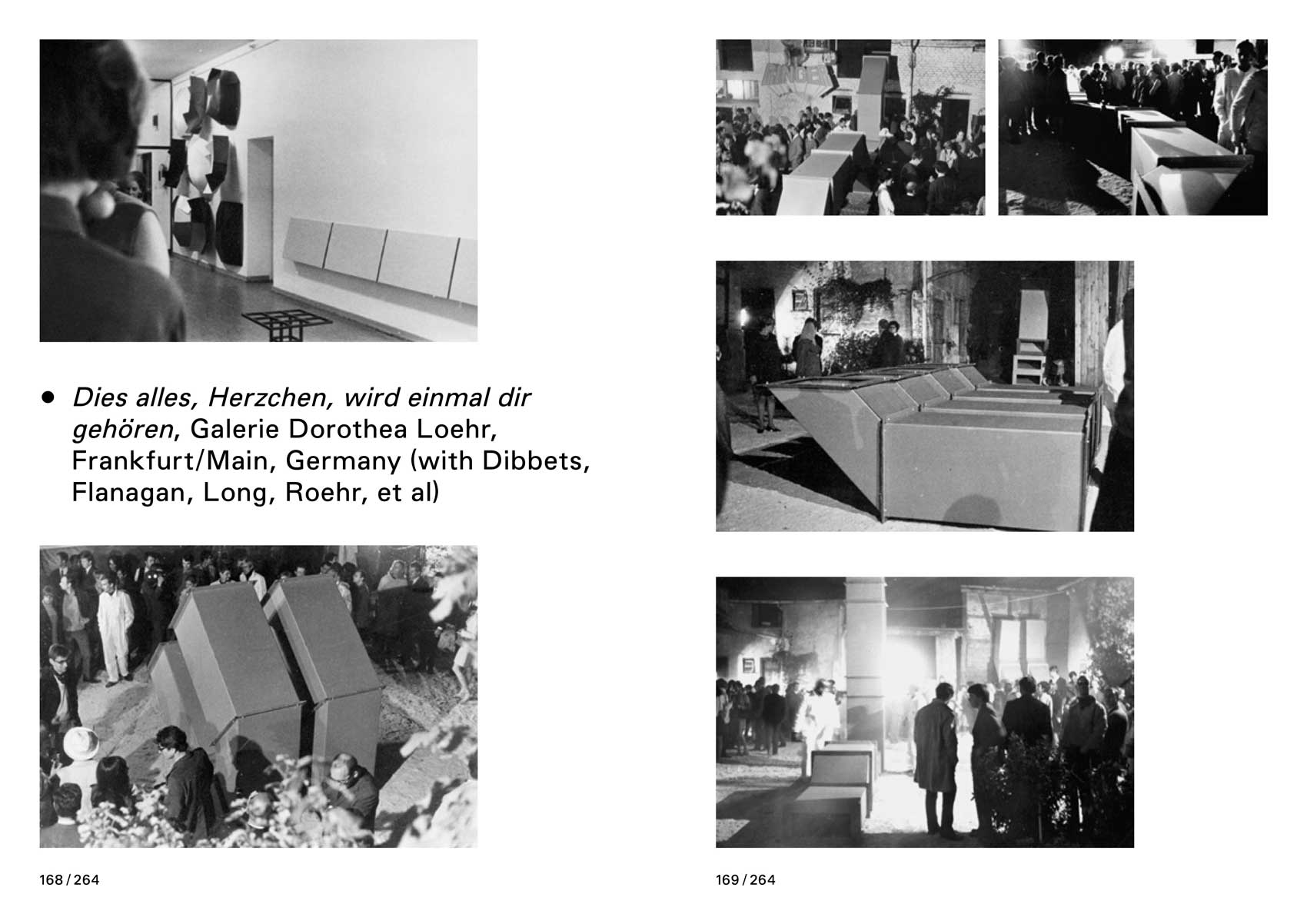
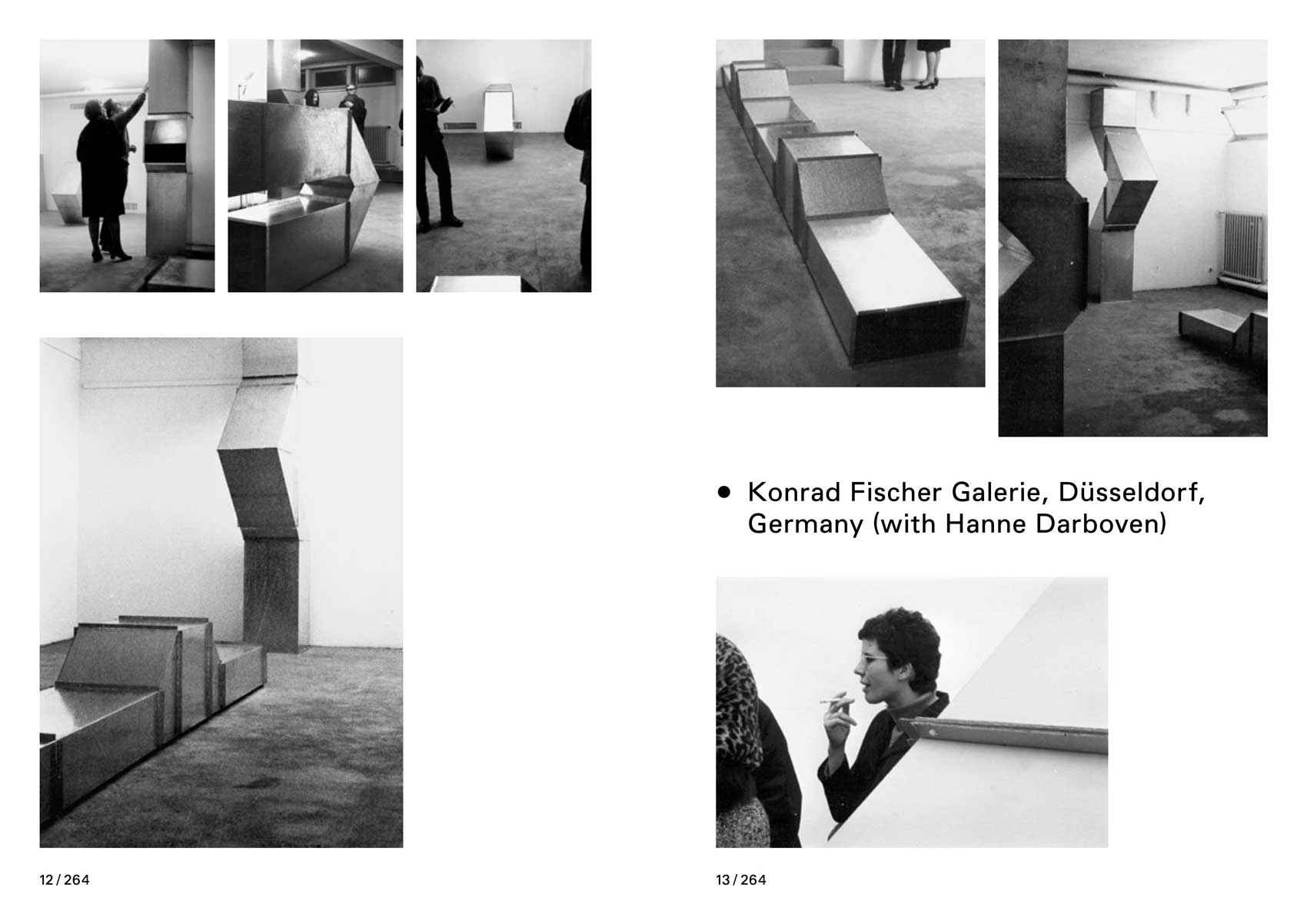
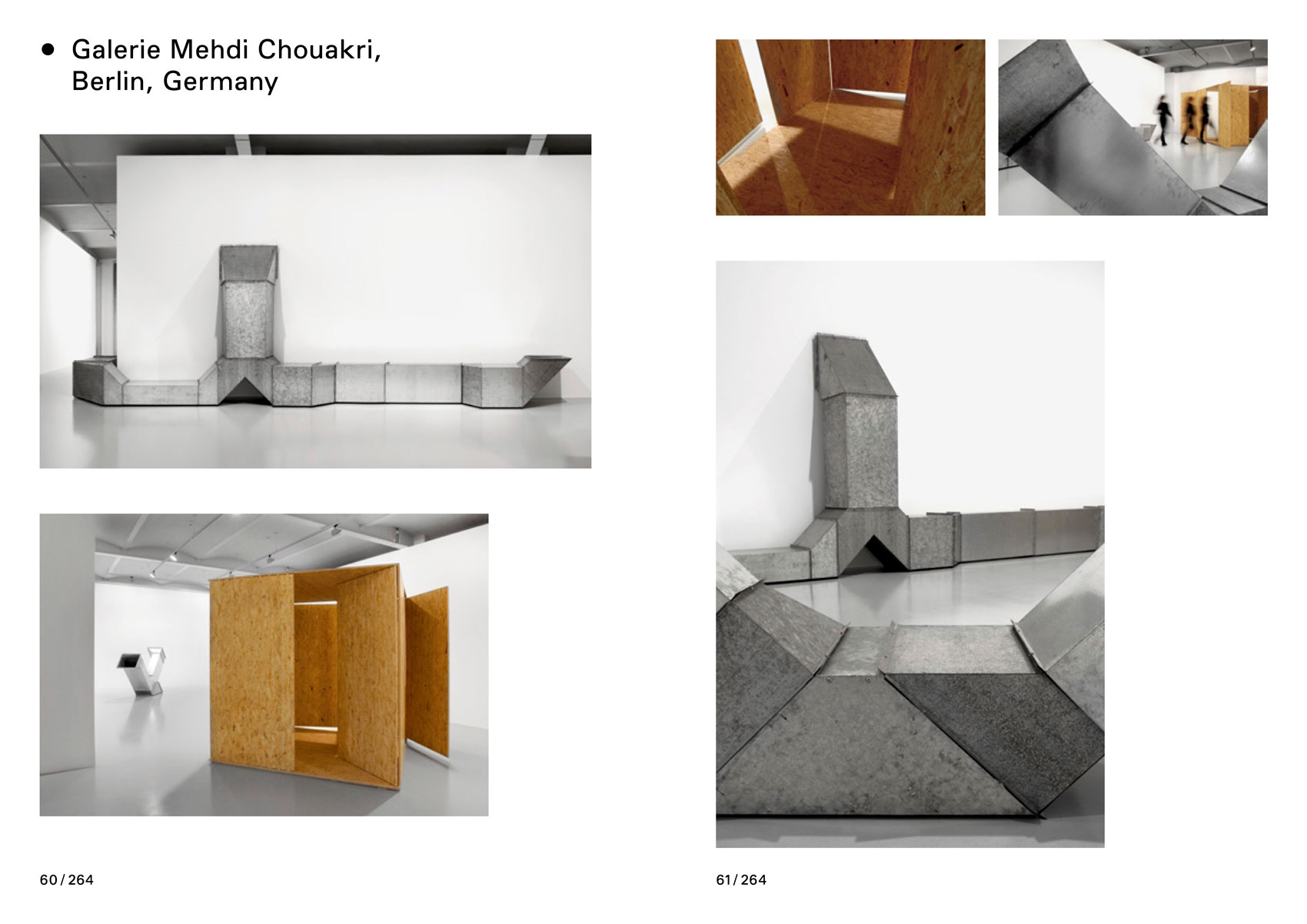
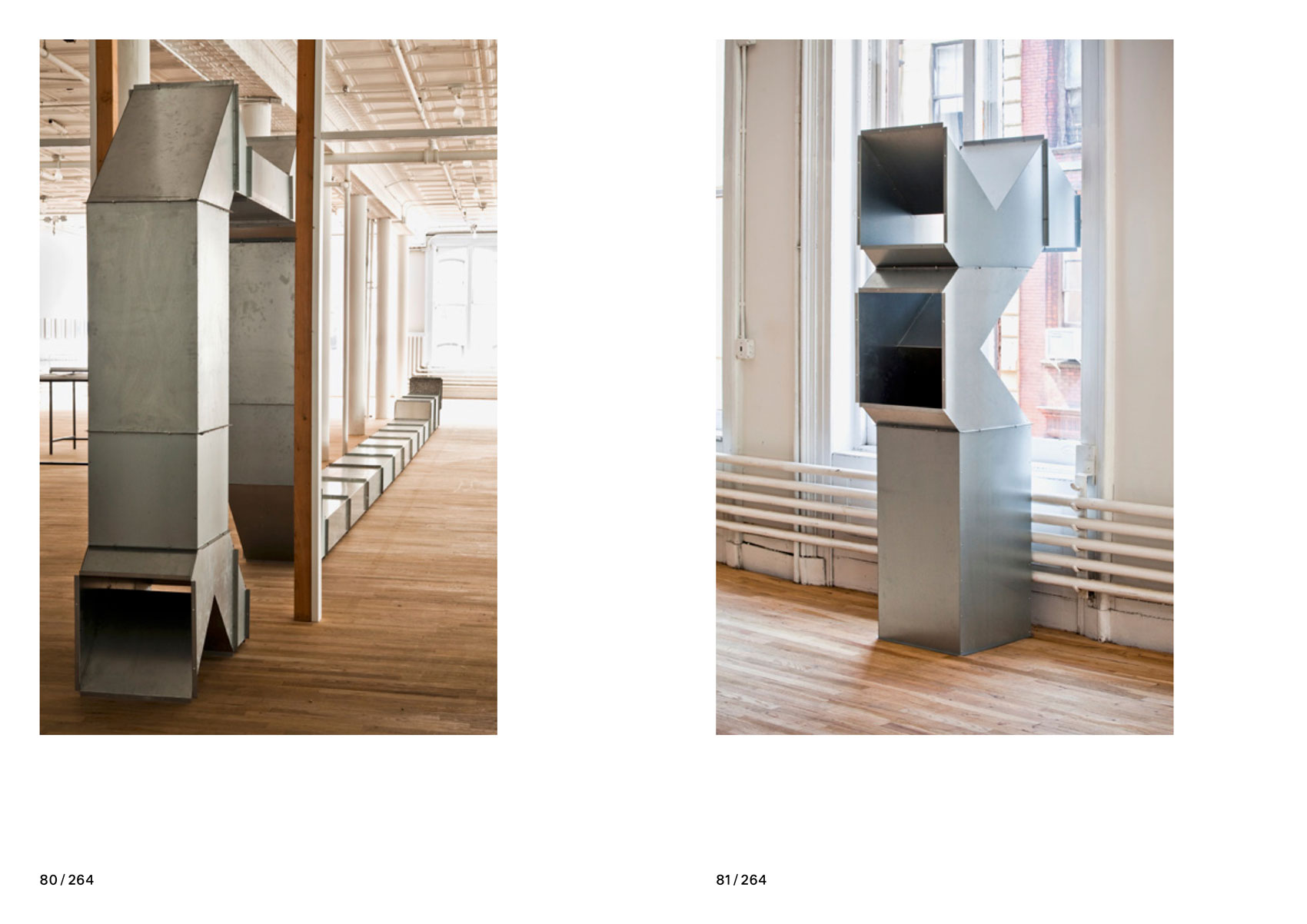
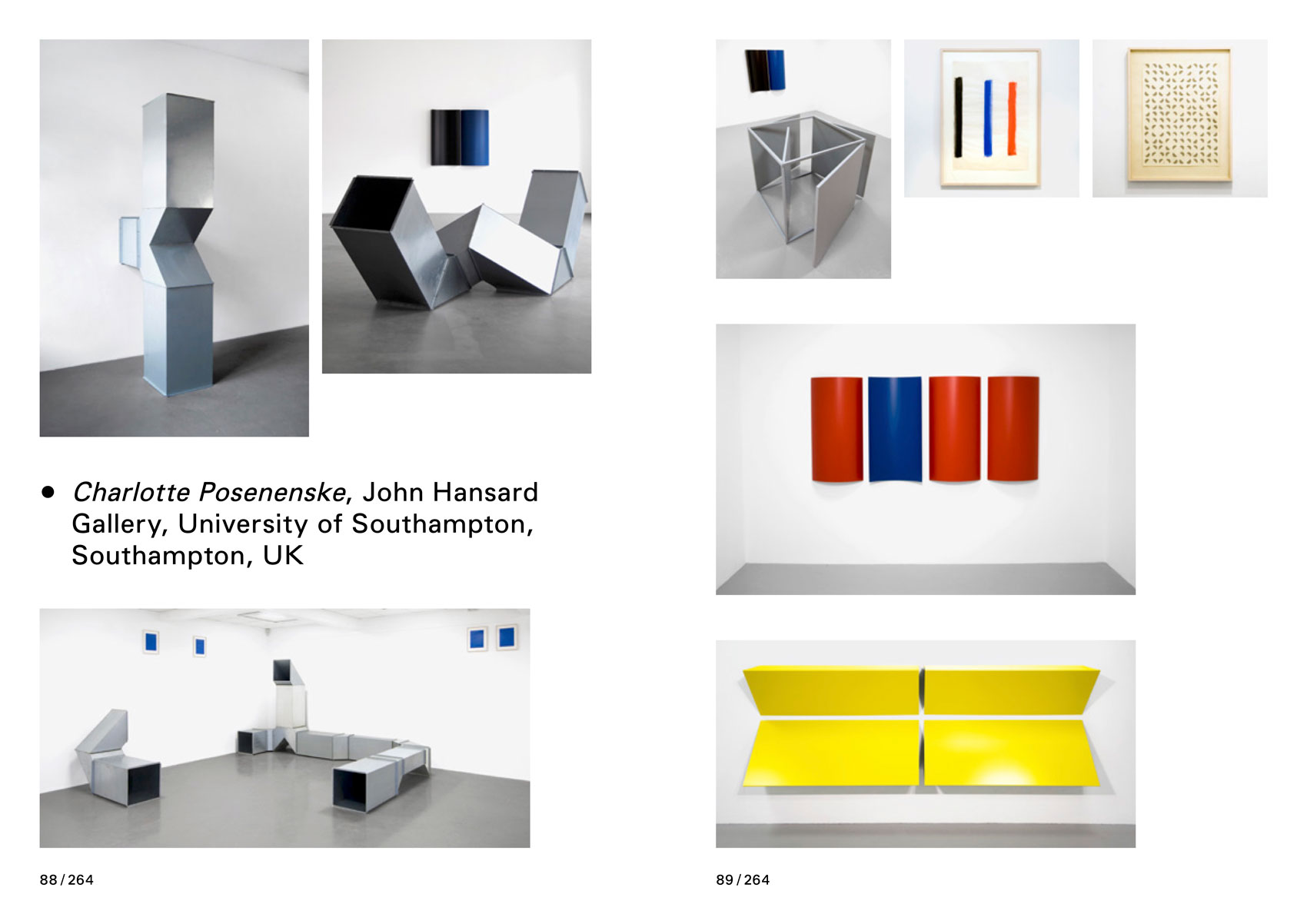
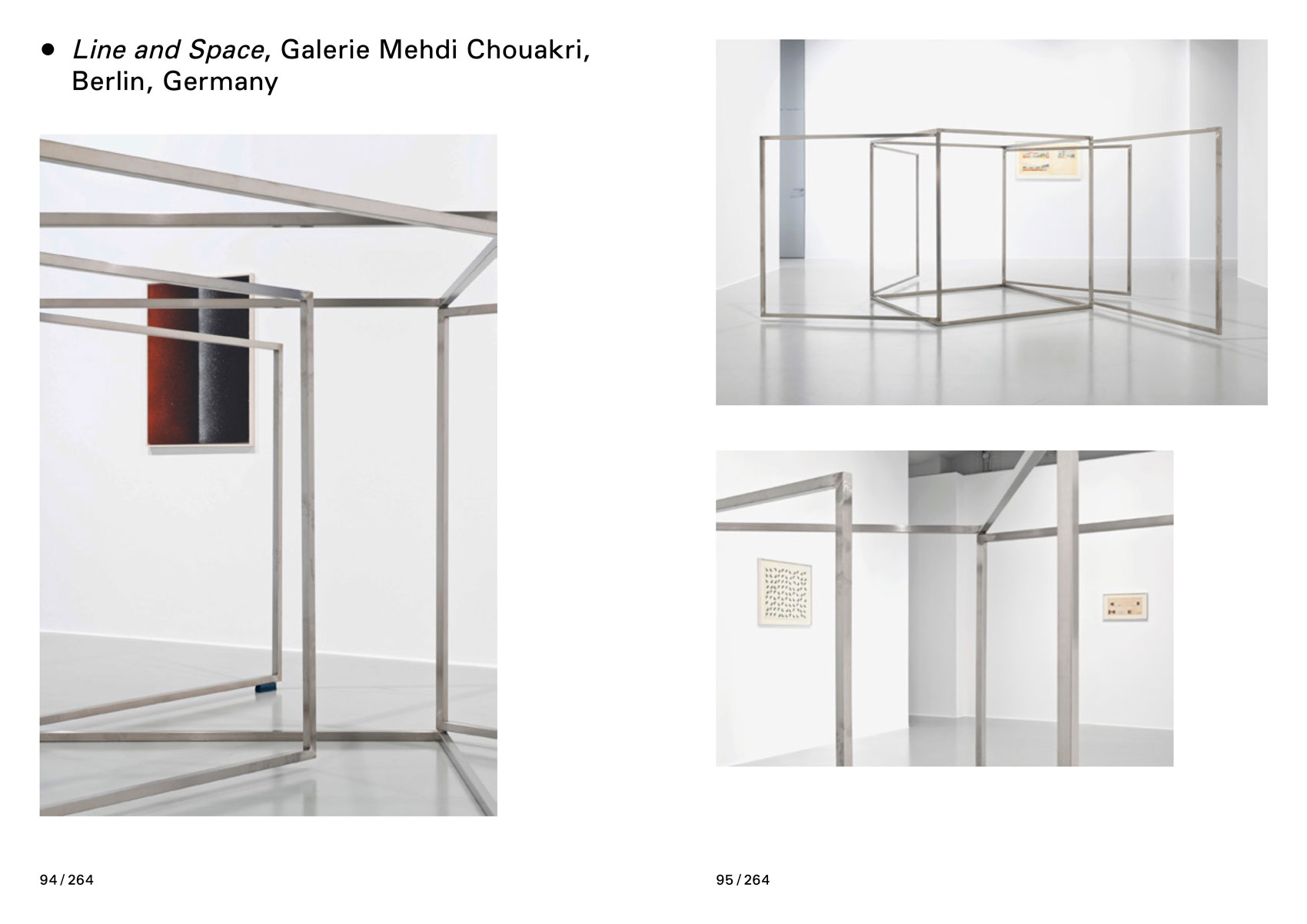
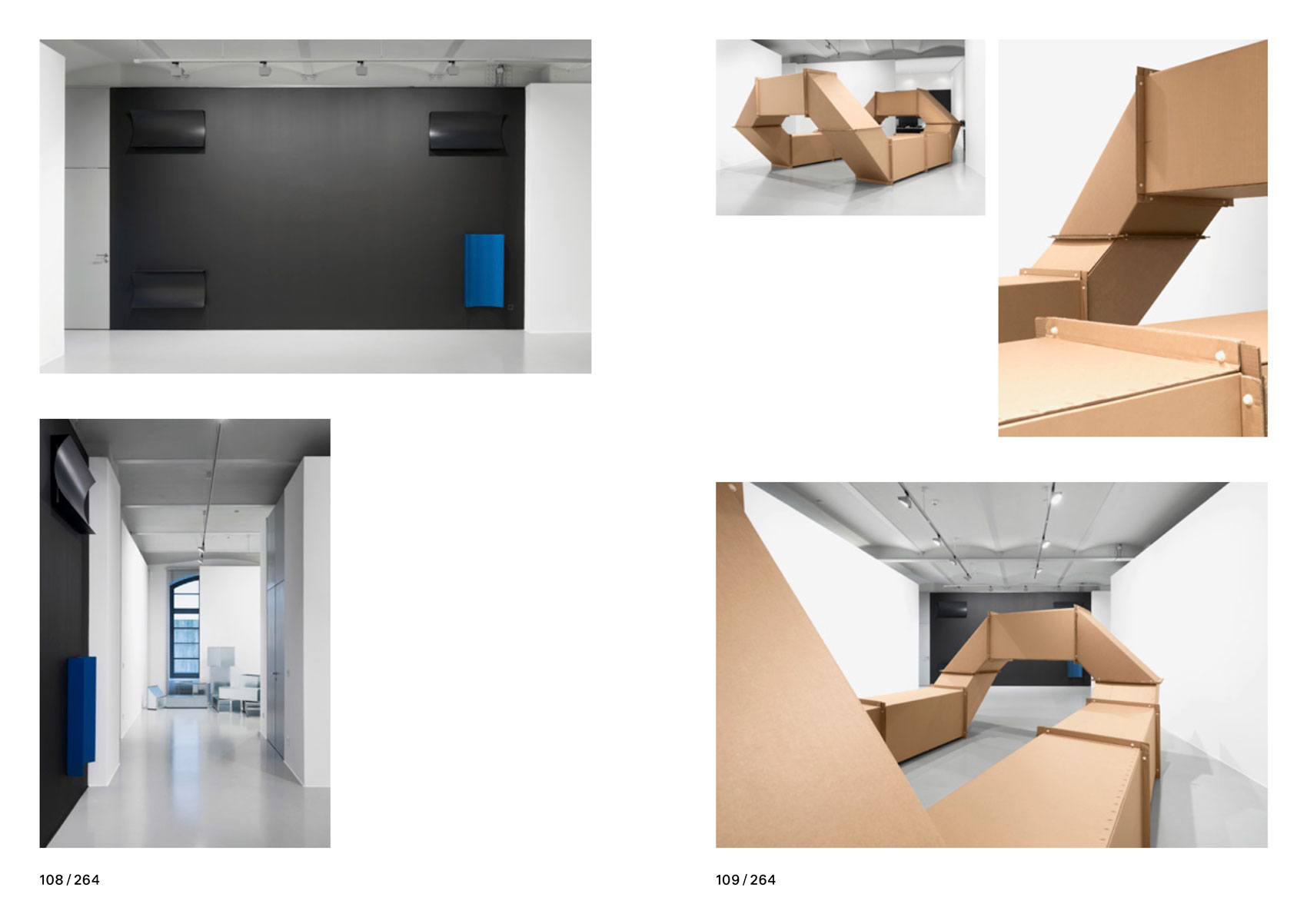
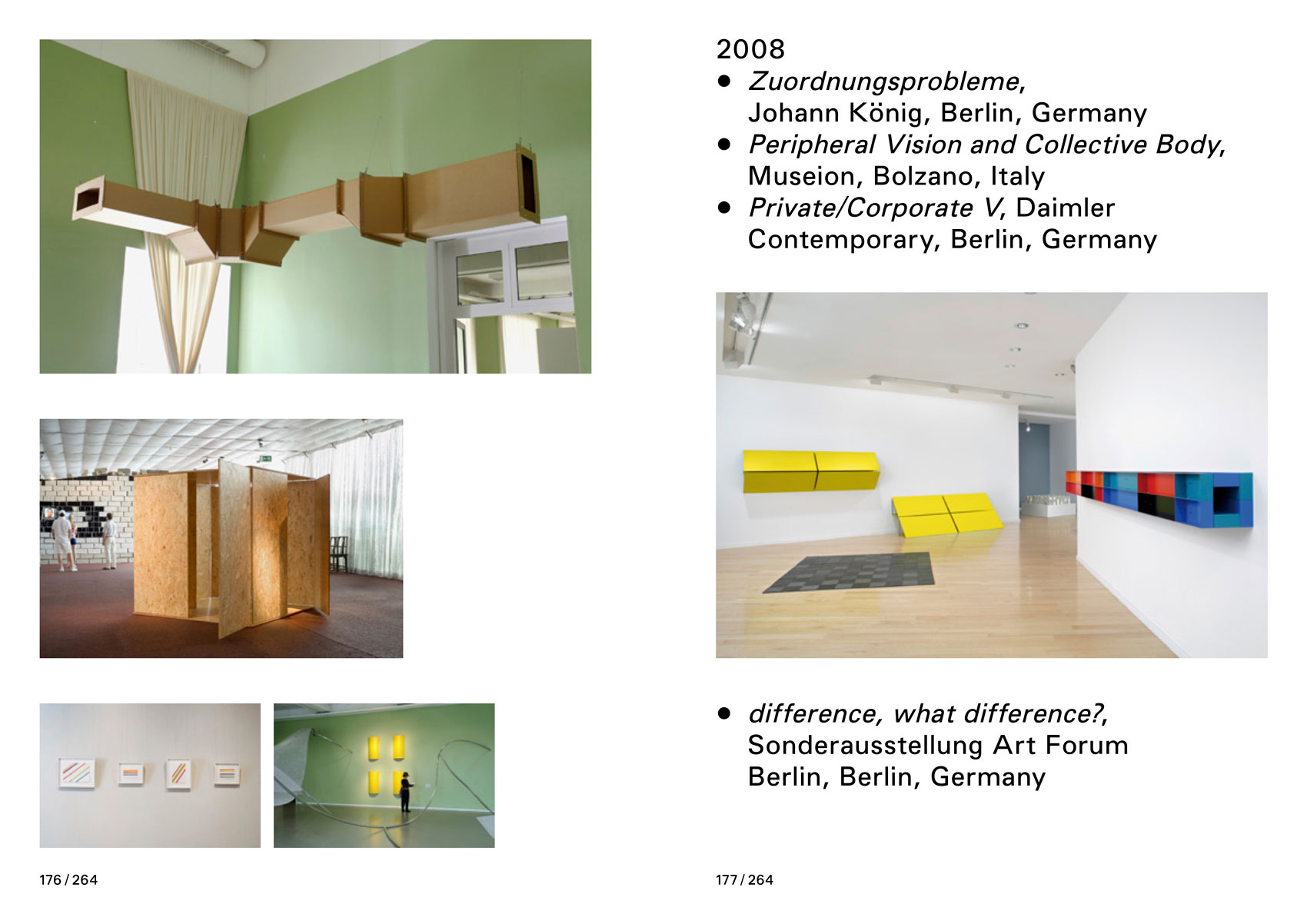
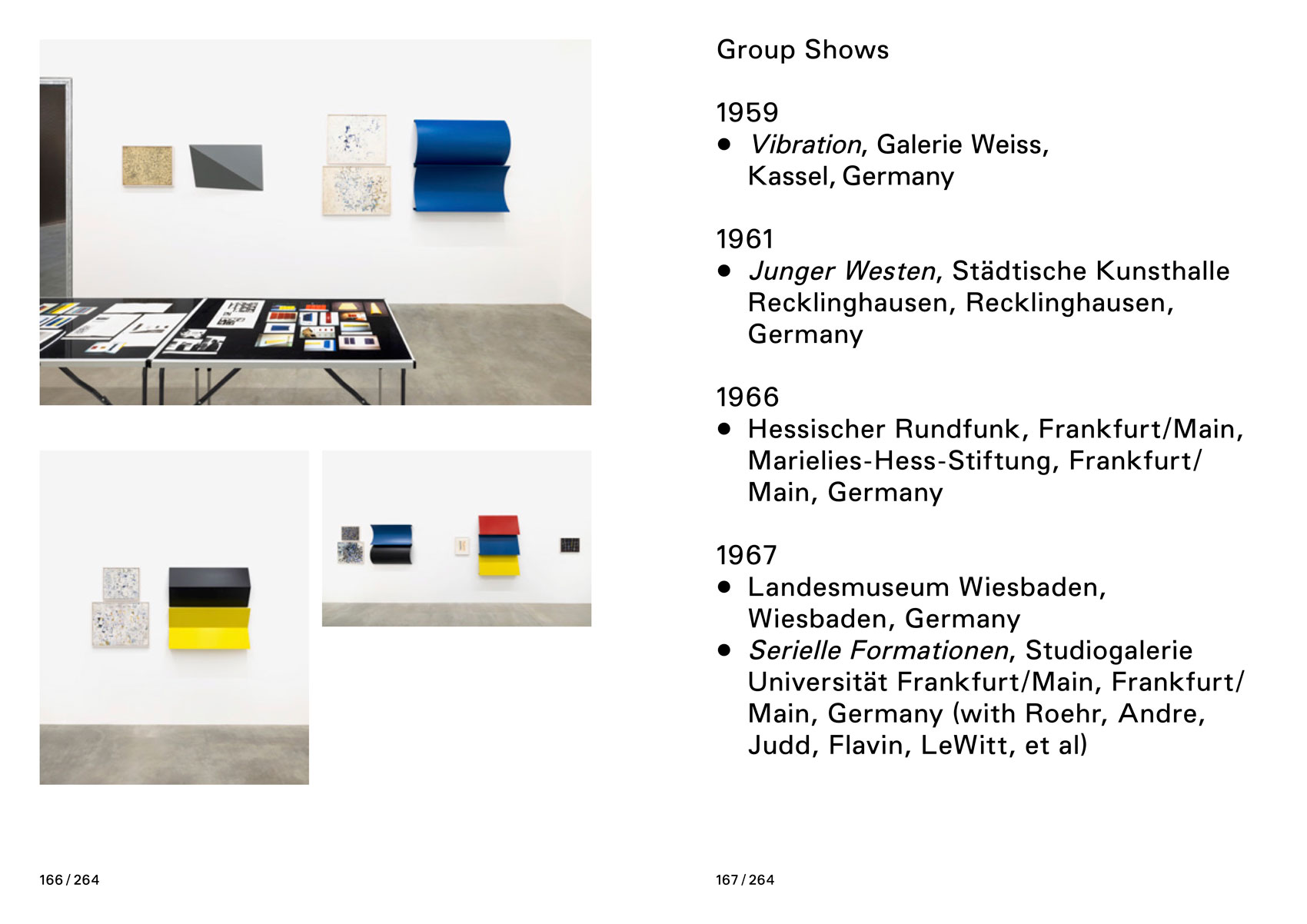
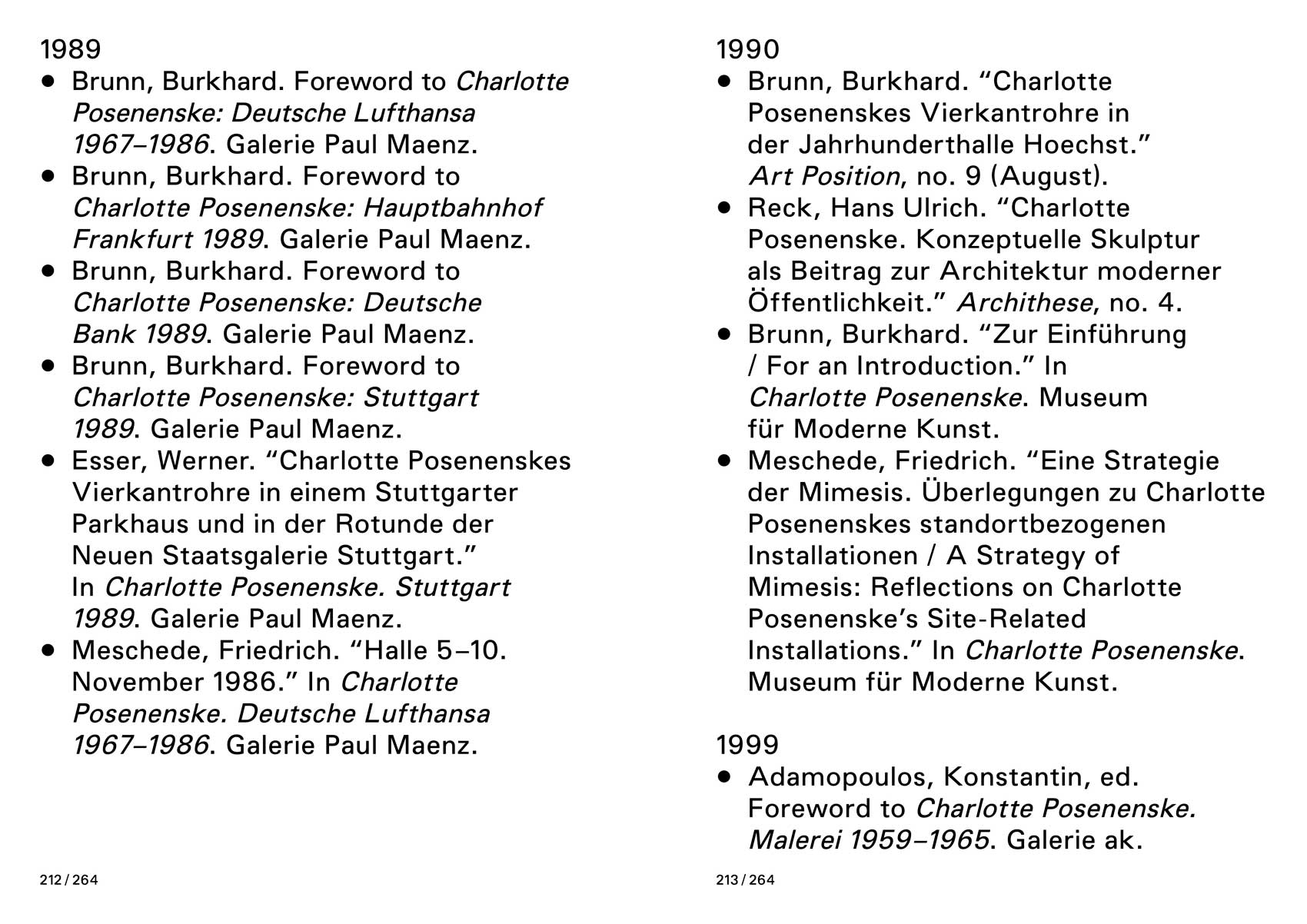
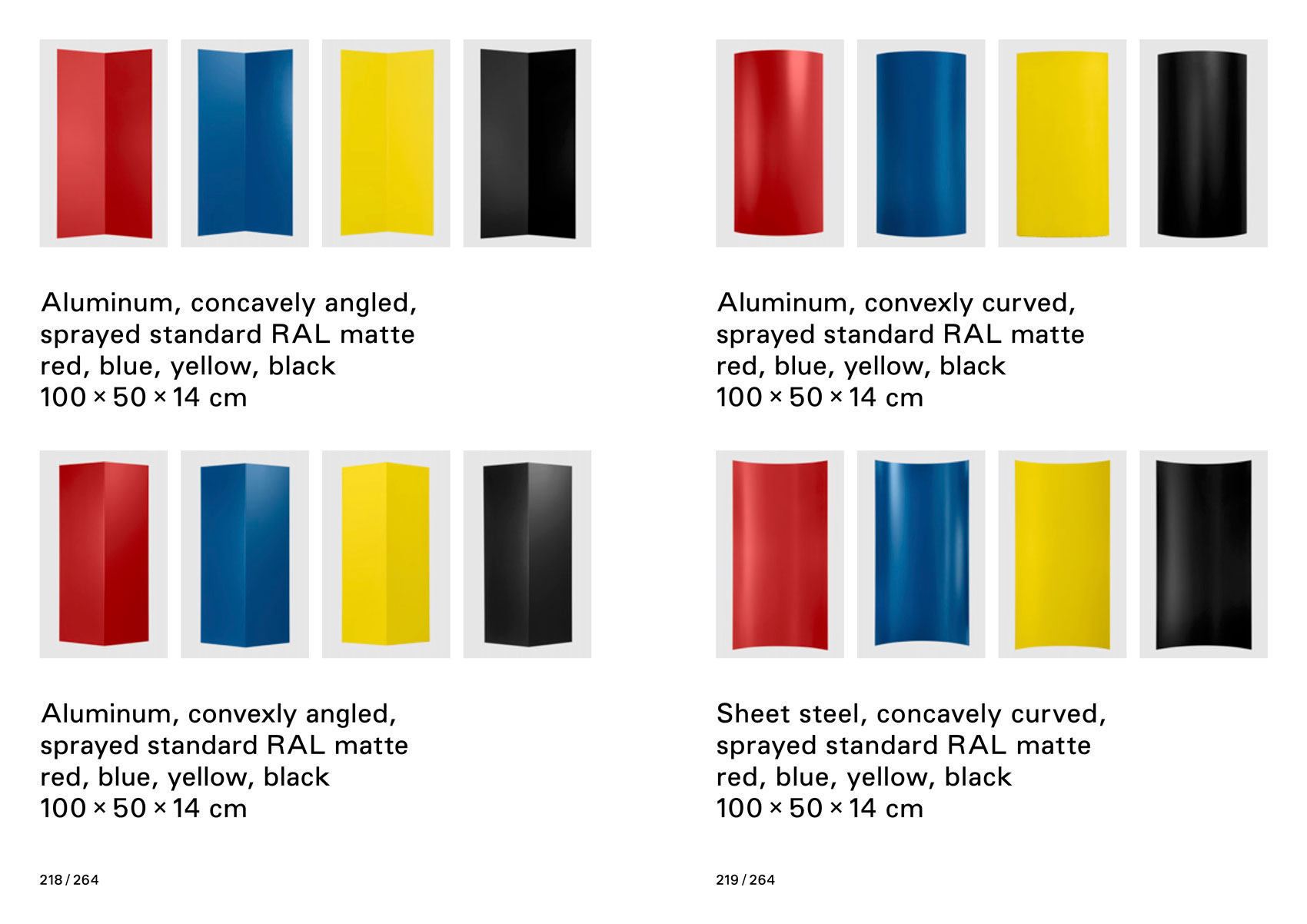
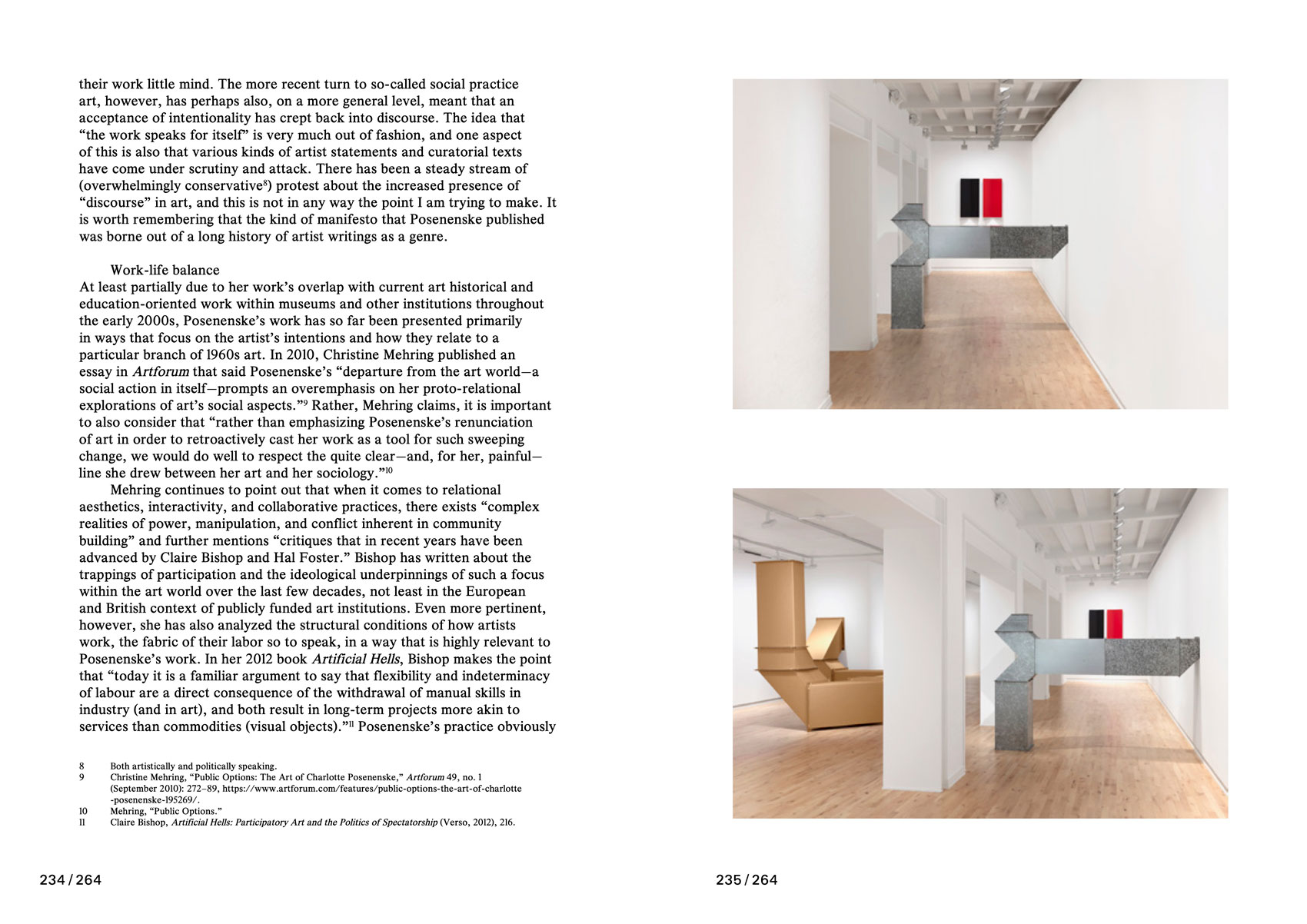
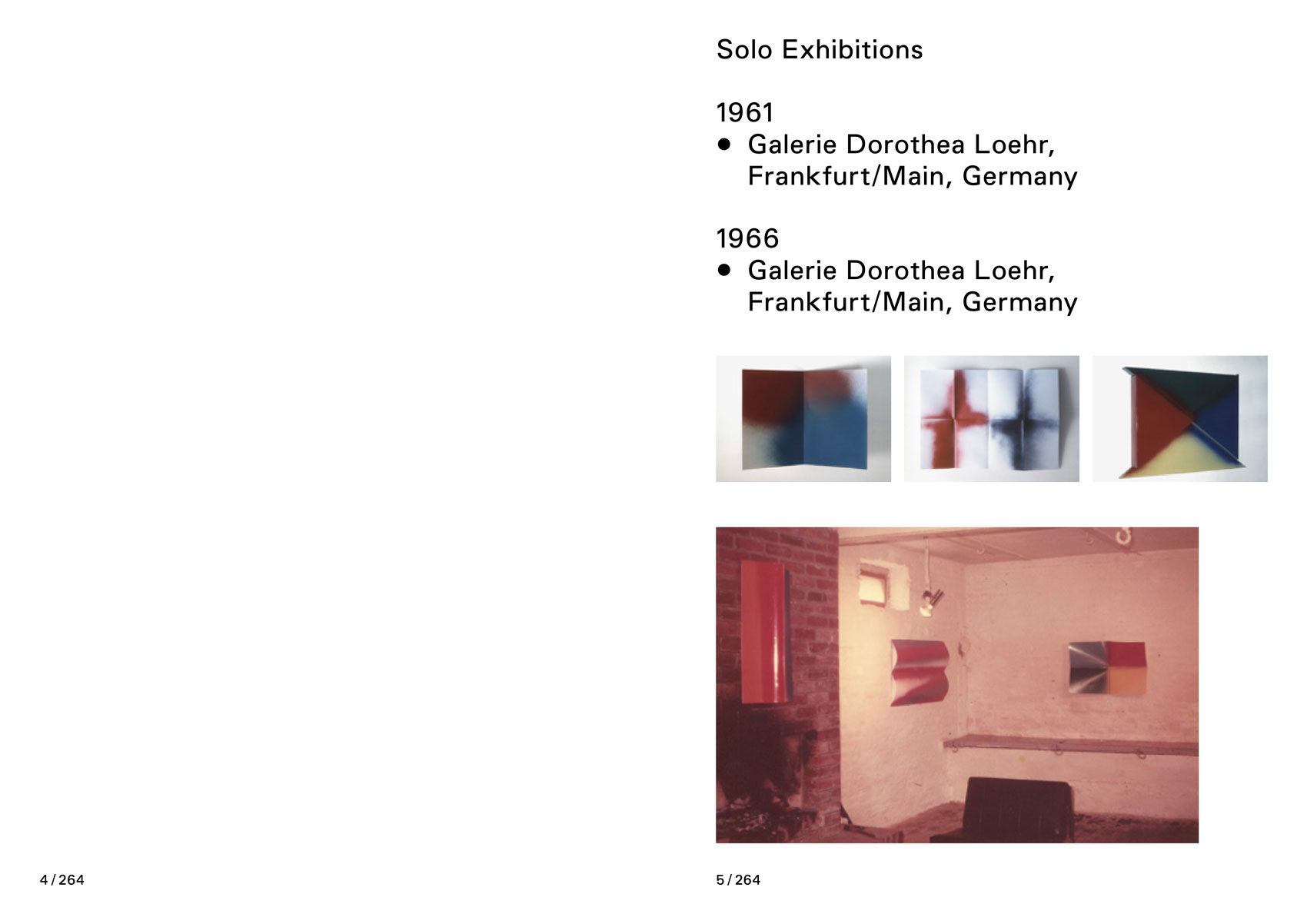
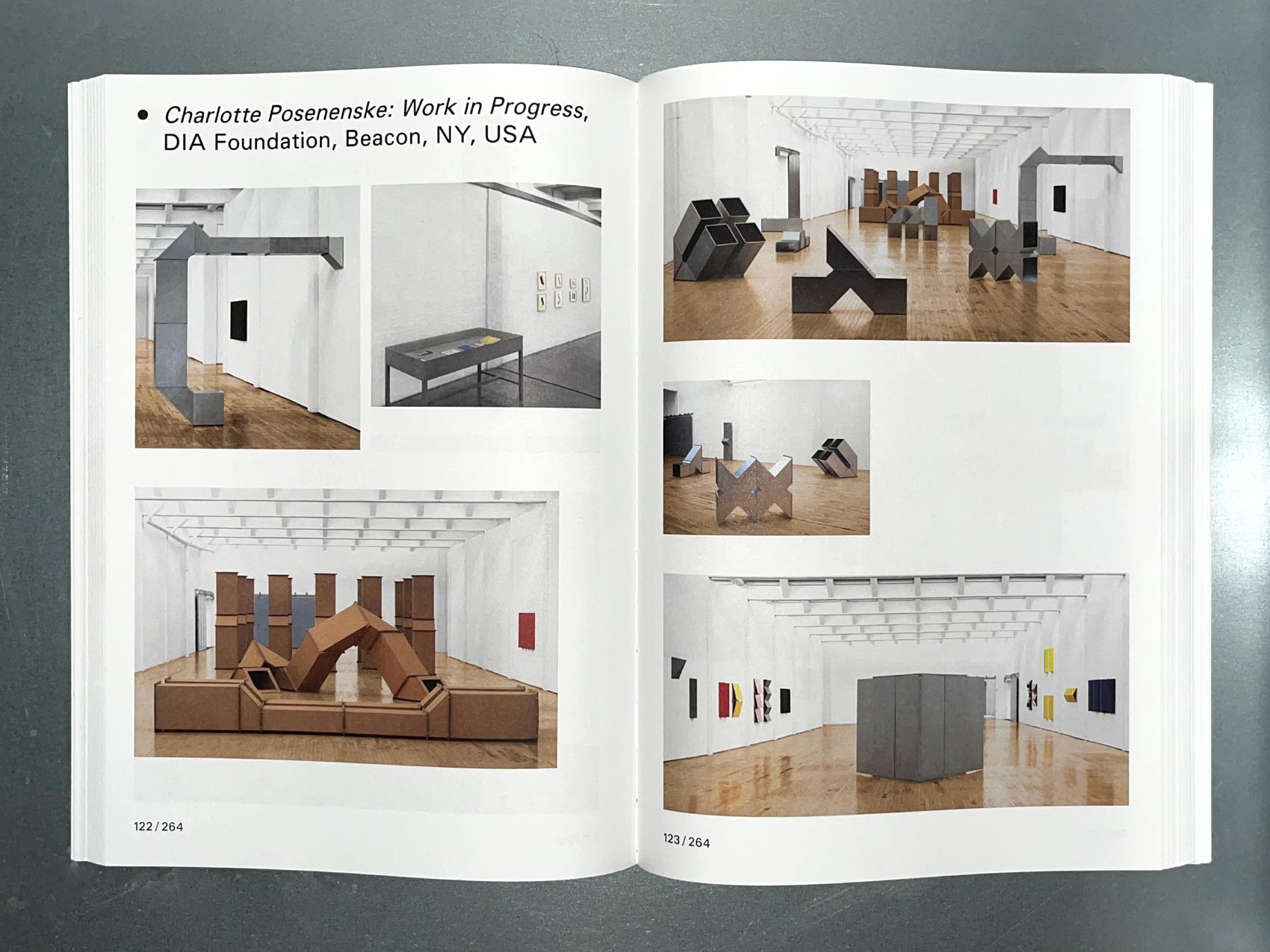
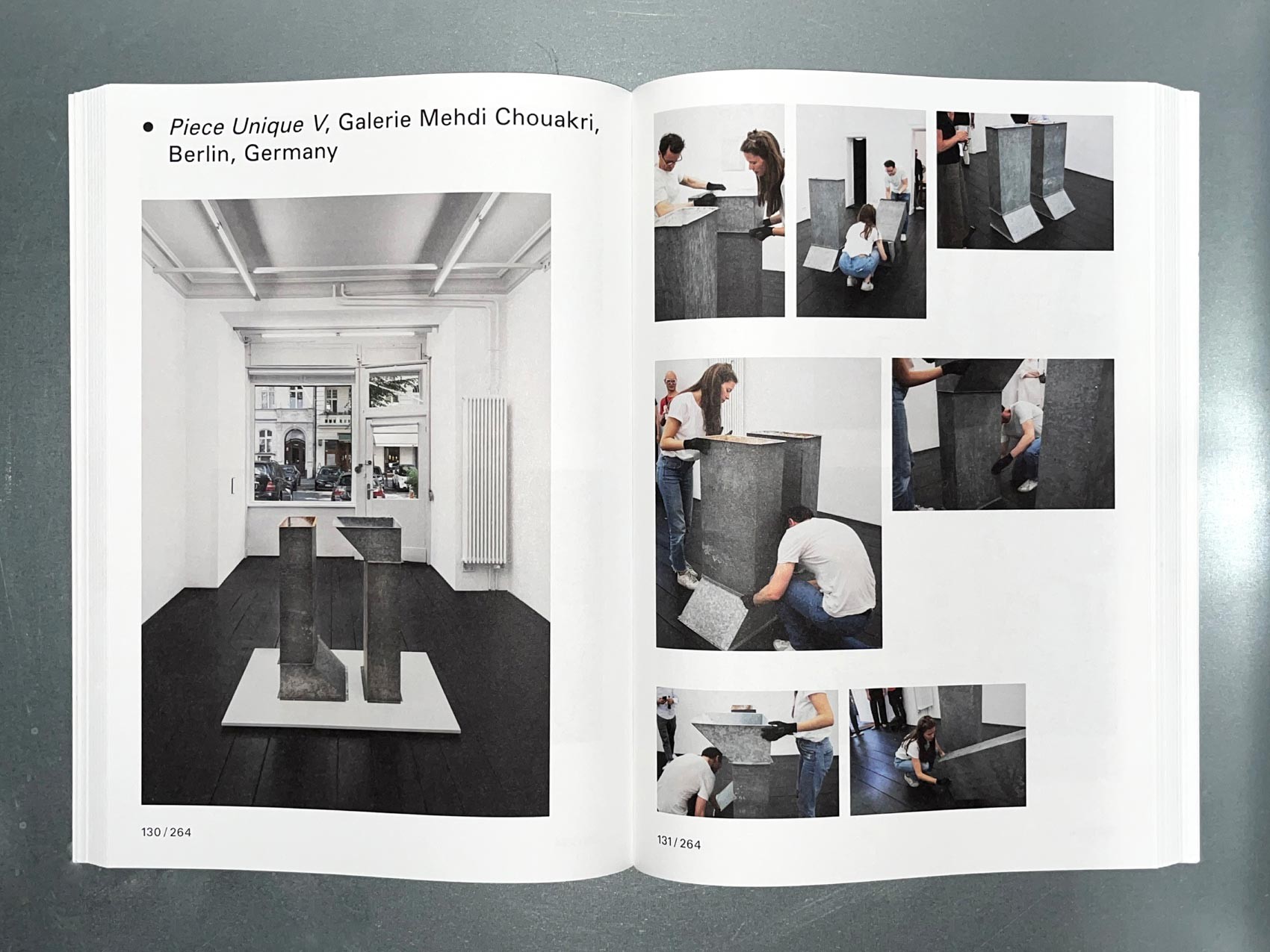
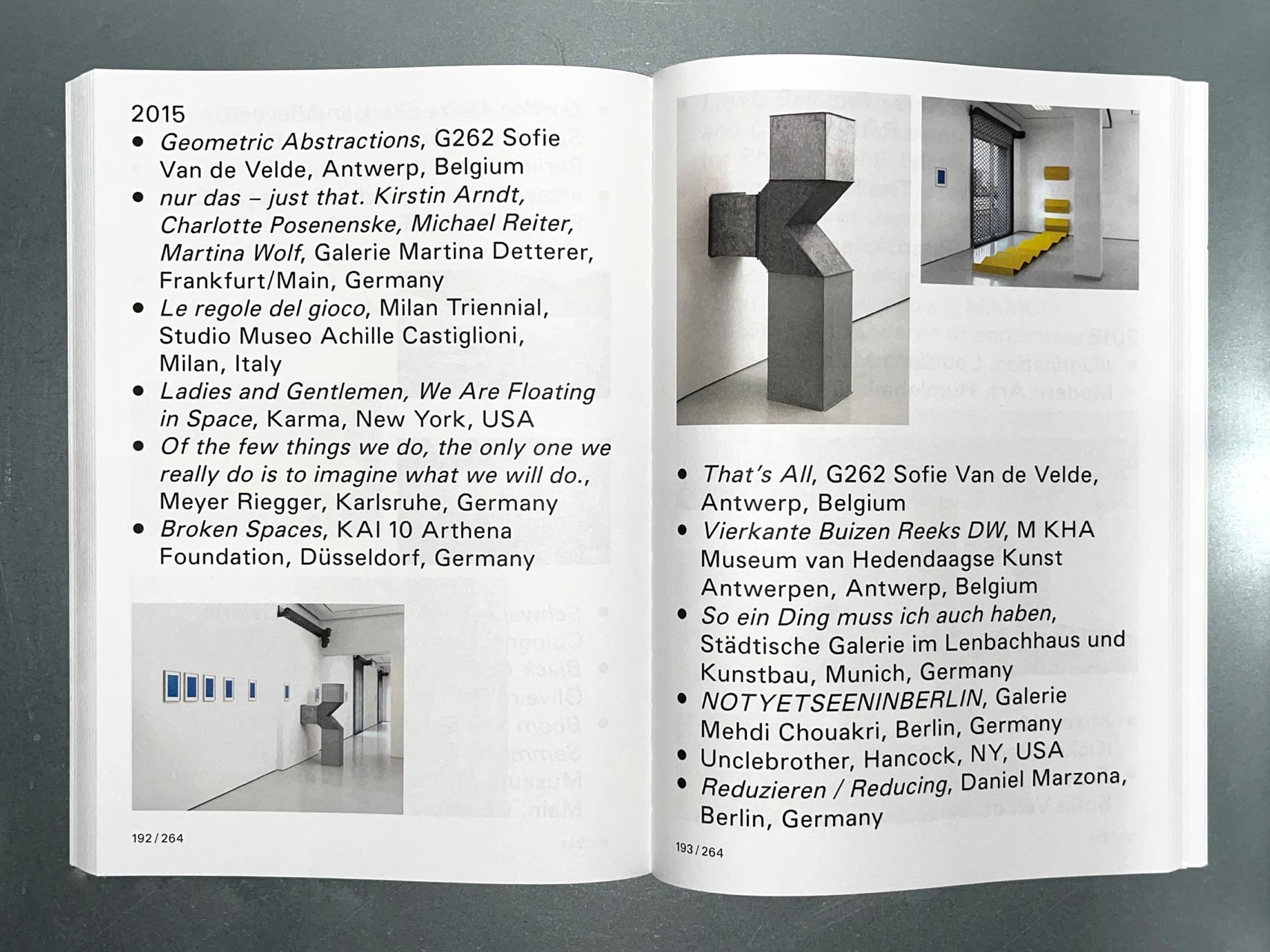
Conceived as a visual résumé, Installation Views provides both a comprehensive overview of Charlotte Posenenske’s solo exhibitions and a record of her numerous group shows. The book features an essay written by curator Erlend Hammer on the role of documentary photographs in the circulation of works of art.
The book was published in conjunction with the eponymous show at the Haugar Art Museum in Tønsberg, Norway—the first full-scale presentation of the artist’s oeuvre in Scandinavia. The exhibition showcased works from all the artist’s major series of modular sculpture. Consisting of works made over the course of less than 12 months, between 1967 and 1968, preceding the abrupt end to Posenenske’s career as an artist, the exhibition had the character of a snapshot. We are left wondering whether her withdrawal from the art world was a logical or necessary consequence of the development of the series. What are we to do with Posenenske’s assertion that art is powerless to effectively change society for the better?