O livro, lançado por ocasião da exposição homónima no CAM – Centro de Arte Moderna Gulbenkian, em Lisboa, explora as convergências nas obras de Paula Rego (Lisboa, 1935 – Londres, 2022) e Adriana Varejão (Rio de Janeiro, 1964), apesar de pertencerem a gerações e contextos distintos.
The future of architecture lies in the curatorial approach. This is the thesis put forward by architect Wilfried Kuehn and theorist Dubravka Sekulić in their book, which brings together contributions from more than 30 authors working in the fields of architecture, art, and curatorial knowledge and practice.
Emanuele Coccia describes the radical creative freedom inscribed in Ernesto Neto’s practice, analyzing the workings of the Brazilian artist’s pieces of living architecture. Art on Earth is the third book in a series of short essay collections inspired by the site-specific projects conceived for GAMeC at Palazzo della Ragione.
First Meeting is the first monograph on Argentinian artist Santiago de Paoli. From his early, experimental projects to his most recent explorations, the book delves into his innovative approach of painting on unconventional materials. The book features commissioned essays by Fernanda Brenner and Mariano Mayer, as well as a conversation between Christian Rattemeyer and the artist.
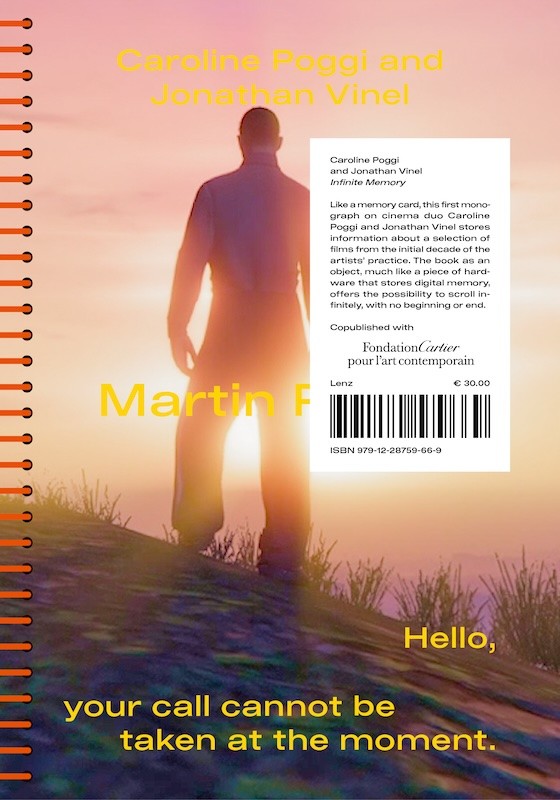
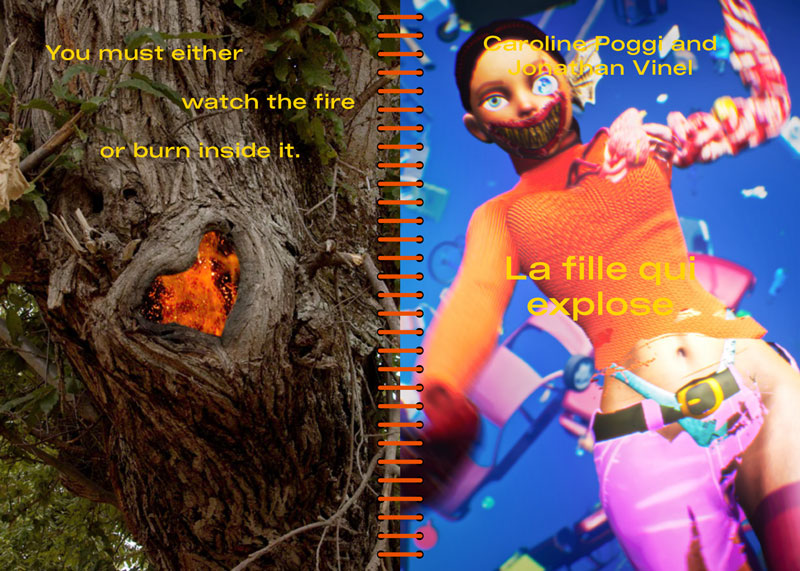
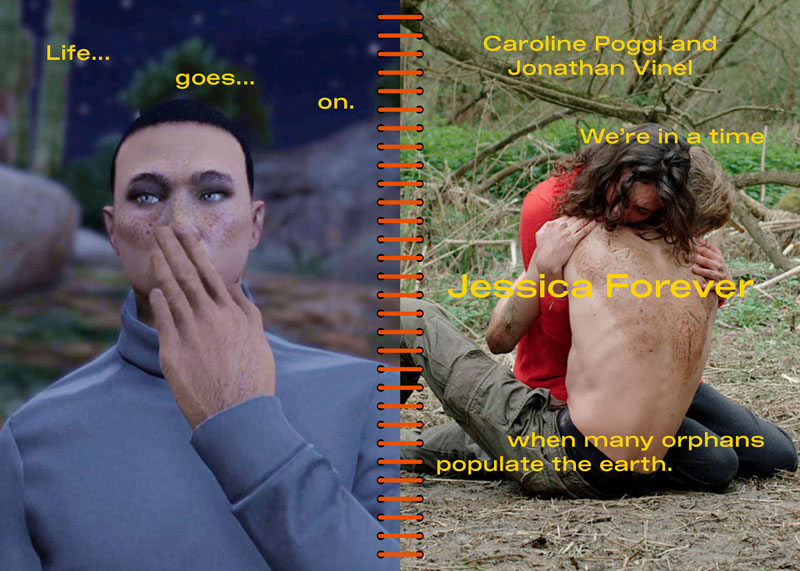
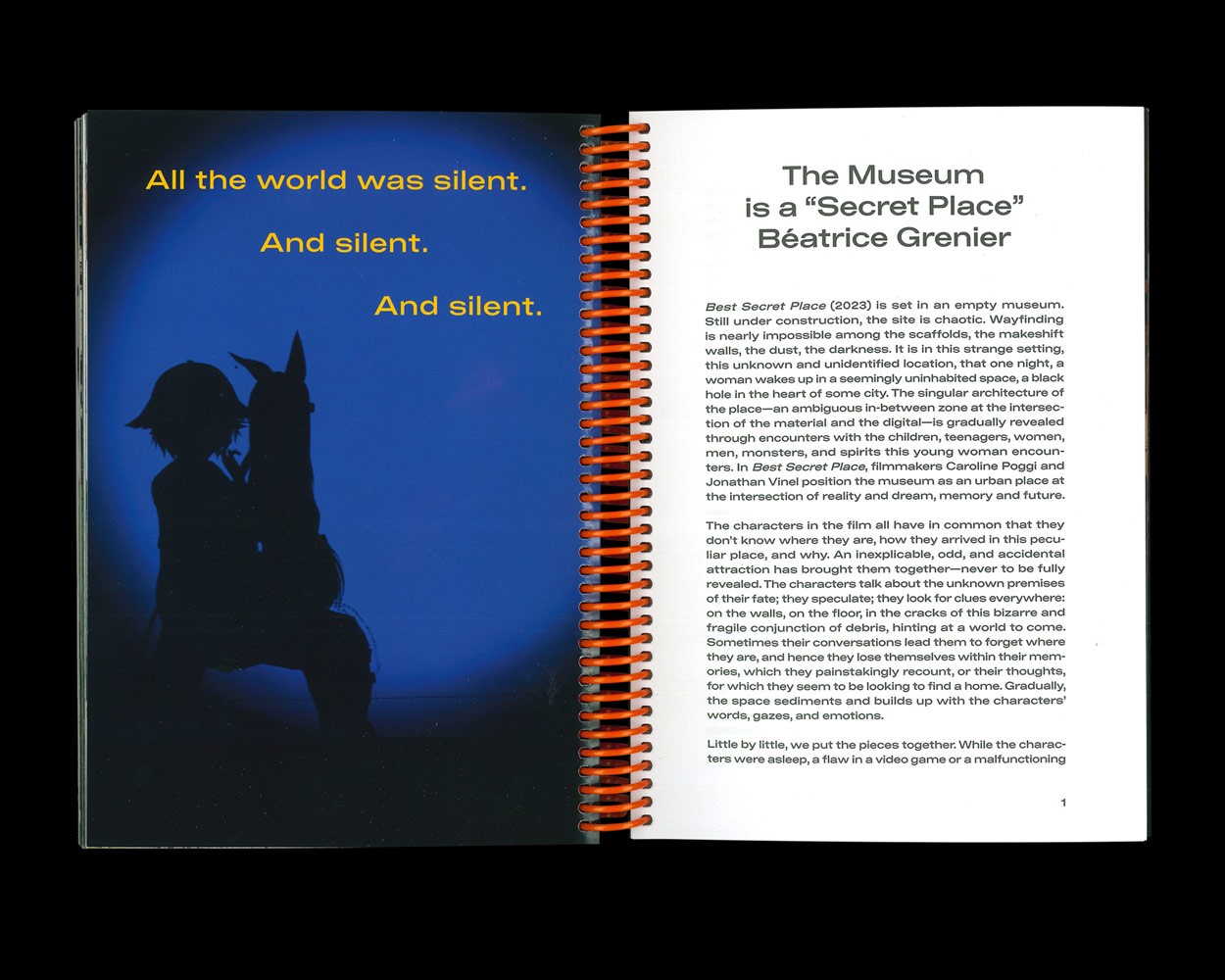
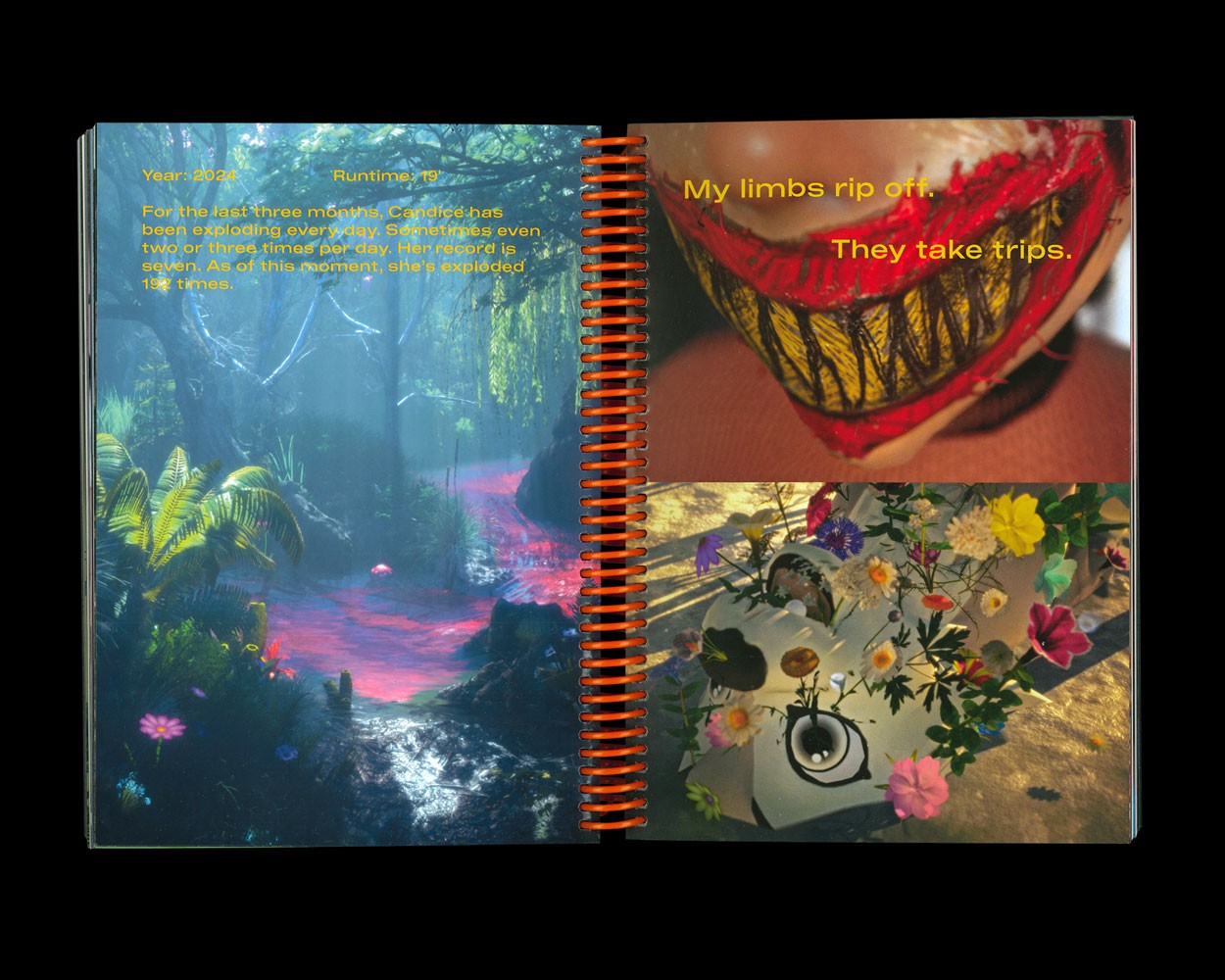
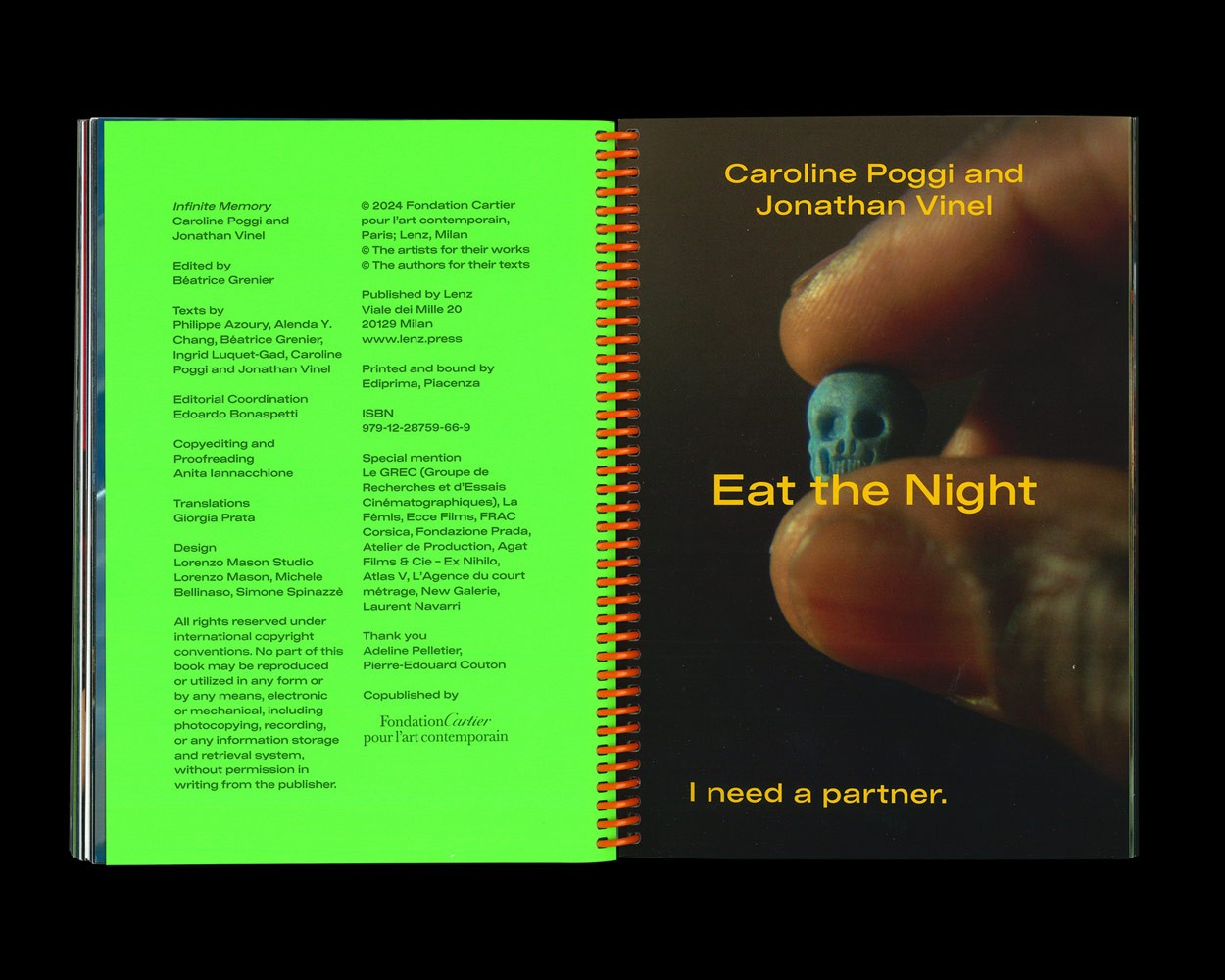
Infinite Memory is Caroline Poggi and Jonathan Vinel’s first monograph, co-published with Fondation Cartier pour l’art contemporain and Lenz. Like a memory card, the book stores information about a selection of films from the initial decade of the artists’ practice. Considered as an object, much like a piece of hardware that stores digital memory, the book offers the possibility to scroll infinitely, with no beginning or end.
Through the words of the sound artist and theorist Brandon LaBelle, the book explores the social and relational component of sound that gave rise to Benevolence, the site-specific project by Sonia Boyce. The Joy of Cacophony is the second book in a series of essay collections inspired by the site-specific projects conceived for GAMeC at Palazzo della Ragione.
Edited by Béatrice Grenier
Texts by Philippe Azoury, Alenda Y. Chang, Béatrice Grenier, Ingrid Luquet-gad, Caroline Poggi and Jonathan Vinel
Co-published by Fondation Cartier pour l’art contemporain
Designed by Lorenzo Mason Studio
2024, English, 16.8 x 24 cm, 274 pages
ISBN 979-12-80579-66-9
The book is the first monograph of the work of Caroline Poggi and Jonathan Vinel, published in conjunction with the release of the duo’s second feature-length film, titled Eat the Night . Formal experimentation characterises the work of emerging French film-making duo Poggi & Vinel, who employ the languages of video games, archives, and film-making to hybridise genres and break aesthetic conventions. There is ambiguity over the register within which the duo’s work should be situated: is it film, musical score, game or animation?
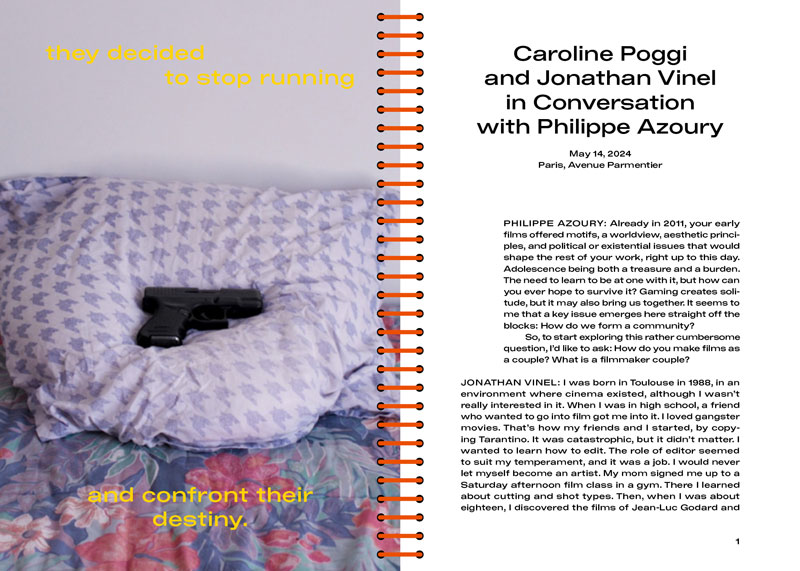
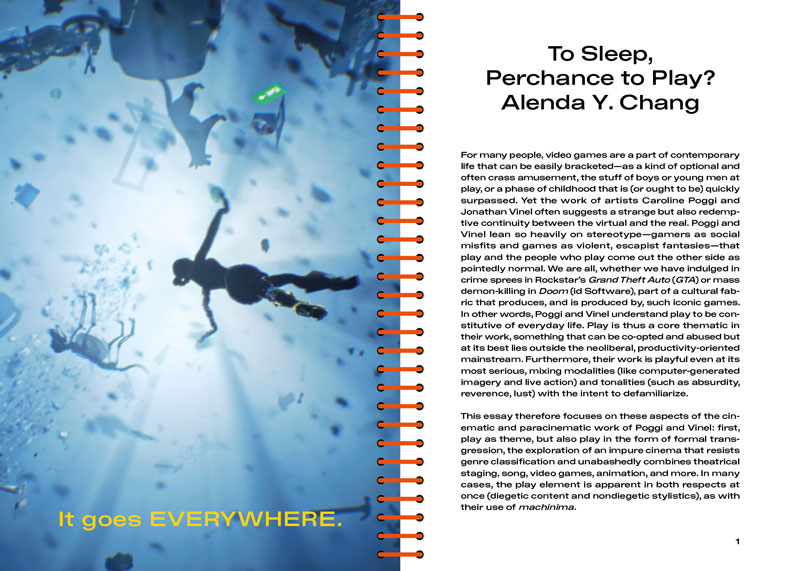
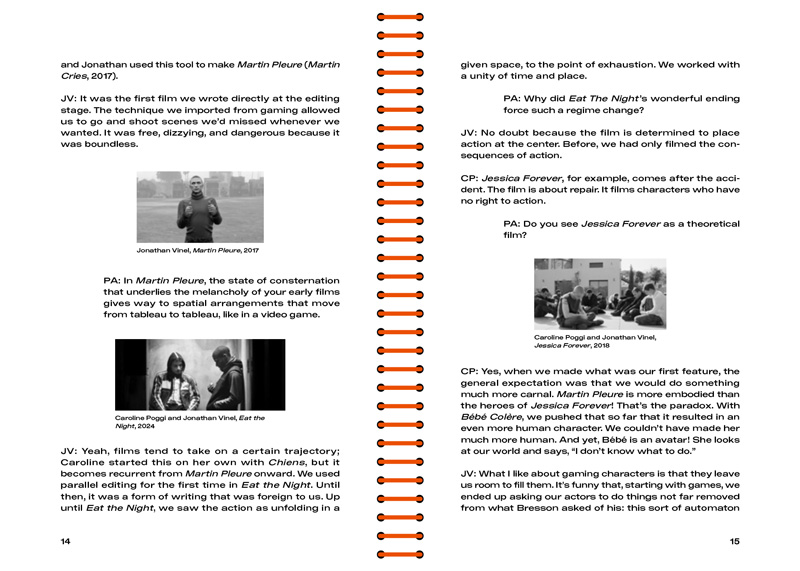
Edited by Béatrice Grenier, considered as an object the book is a formulation of an archive or a record of the duo’s work, encompassing the variety of mediums with which Poggi & Vinel engage, in addition to the overarching question of memory as explored in their practice. Three essays by Alenda Y. Chang, Béatrice Grenier and Ingrid Luquet-gad offer in-depth analyses of the ways in which the work of the duo constitutes a form of preservation through the use and reuse of video-game imagery. Identifying key works and turning points, the book provides a commentary on their particular, ambiguous positioning, somewhere between cinema-video and practice-gaming, and helps to explain why this positioning is critical vis-à-vis contemporary art today. In an interview with Philippe Azoury, the film-makers reflect on the role of community-building both within and outside their films, considering specifically the relationship between the digital characters and the ’real’ characters, and the importance of gaming in acknowledging and understanding other subjectivities.
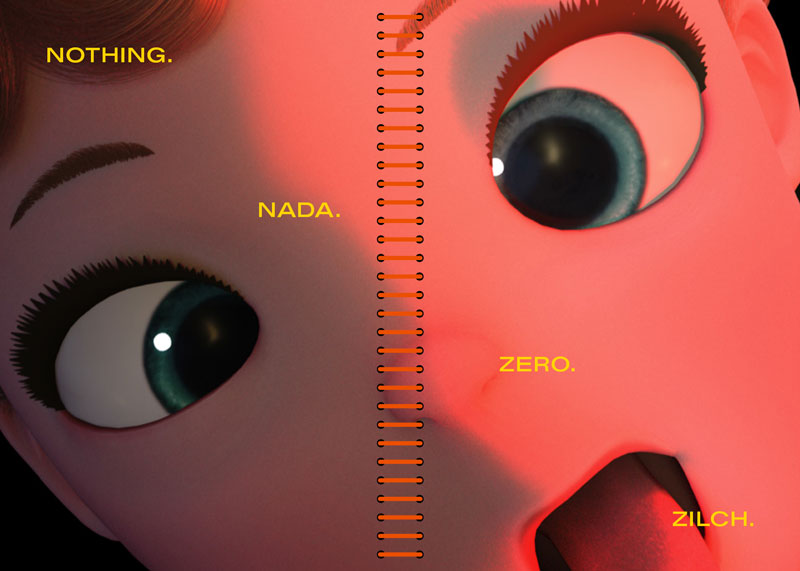
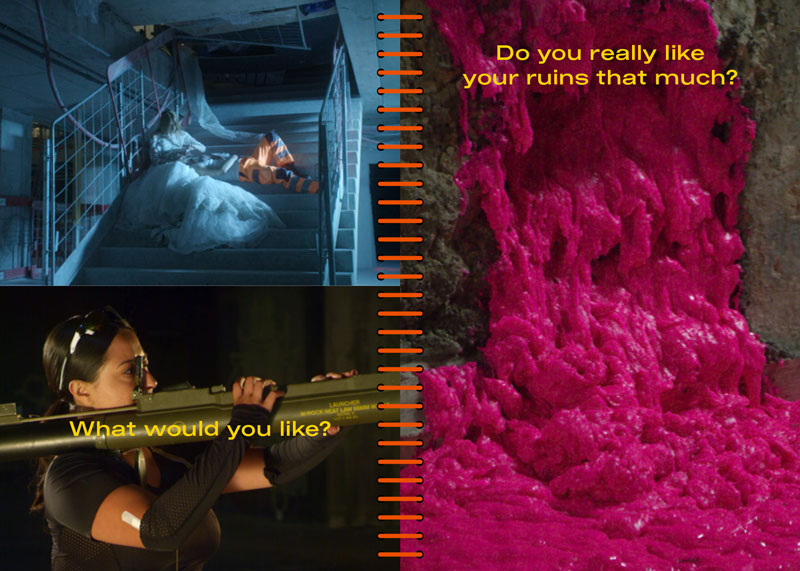
Each film selected for the book is transformed into a photo essay, calling into question the nature of the image—the significance it has when moving or still. Spiral-bound, the book is punctuated by an infinity of potential covers: the object itself has no beginning or end. One can pick off where one left off, or enter the narrative at any point—a formal attempt to transcend the nature of the age-old medium.