Maxiprocesso brings together 360 photographs by Maria D. Rapicavoli, one for each of the archival folders documenting the largest mafia trial in history, held in Palermo from 1986 to 1987. The volume explores the relationship between memory, justice, and social responsibility, examining the material element of a landmark event in contemporary Italian history.
This is the first monograph on the influential American choreographer and dancer Trajal Harrell. In an entertaining, far-reaching conversation with curator Daniel Baumann, Harrell covers all of his choreographies and performances, as well as his influences, successes, and failures, addressing how he transforms and transgresses the history of dance.
This book offers the first comprehensive overview of Anna Franceschini’s practice. Organized around recurring themes, it explores animation, the body, machines, ghosts, desire, and windows through commissioned contributions and selected writings. Its associative structure reflects her interest in repetition, transformation, and unstable images.
This book accompanies 5 Works, Lydia Ourahmane’s first institutional solo show in Italy, staged at the Nicoletta Fiorucci Foundation in Venice and curated by Polly Staple, during the 61st Venice Biennale, and includes newly commissioned texts and images that further contextualize the artist’s practice and work.
Museums of Tears extends Francesco Vezzoli’s 2024 exhibition at Museo Correr, Venice, combining historical works and new commissions to explore antiquity, emotion and illusion. Conceived as an artist’s book rather than a catalogue, it transforms the museum guide into a hybrid archive and portable museum of memory, beauty and mourning.
A project by Fondazione In Between Art Film, edited by Carla Subrizi, Paola Ugolini, and Maria Alicata, this illustrated volume investigates the cinematic, documentary, and video output of women artists and filmmakers operating in Italy in the 1960s and 1970s, situating their research at the intersection of artistic experimentation, politics, society, and technology.
Edited by Lorenzo Giusti and Valentina Gervasoni
Texts by Emanuele Coccia and Ernesto Neto
Designed by Lorenzo Mason Studio
2025, English / Italian, softcover, 11 x 17.7 cm, 96 pages
ISBN 979-12-80579-62-1
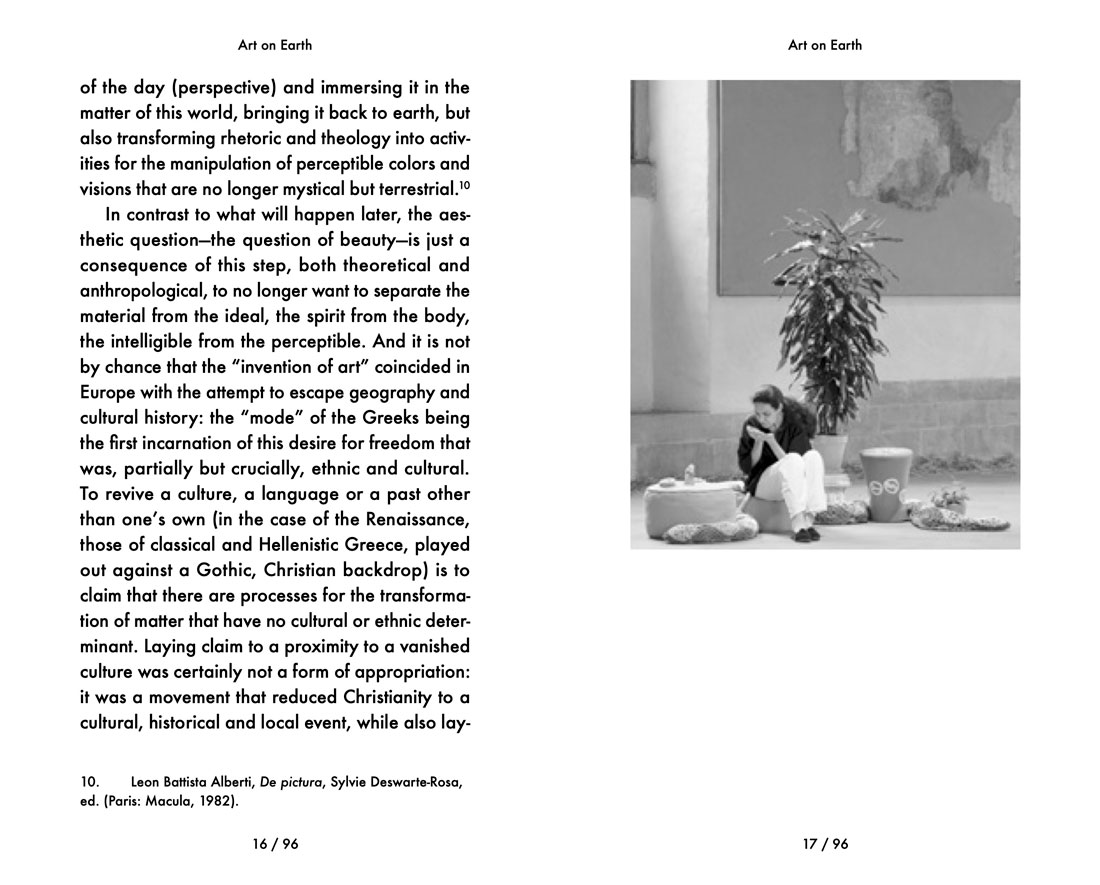
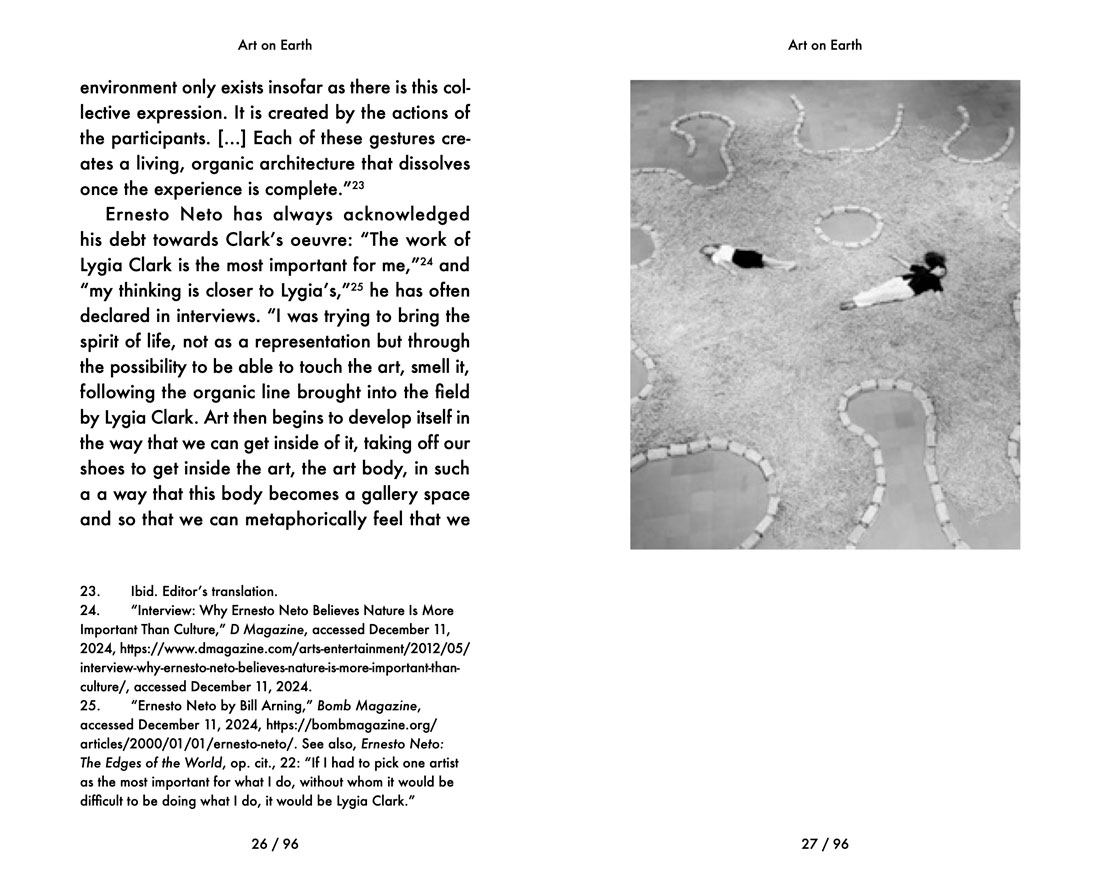
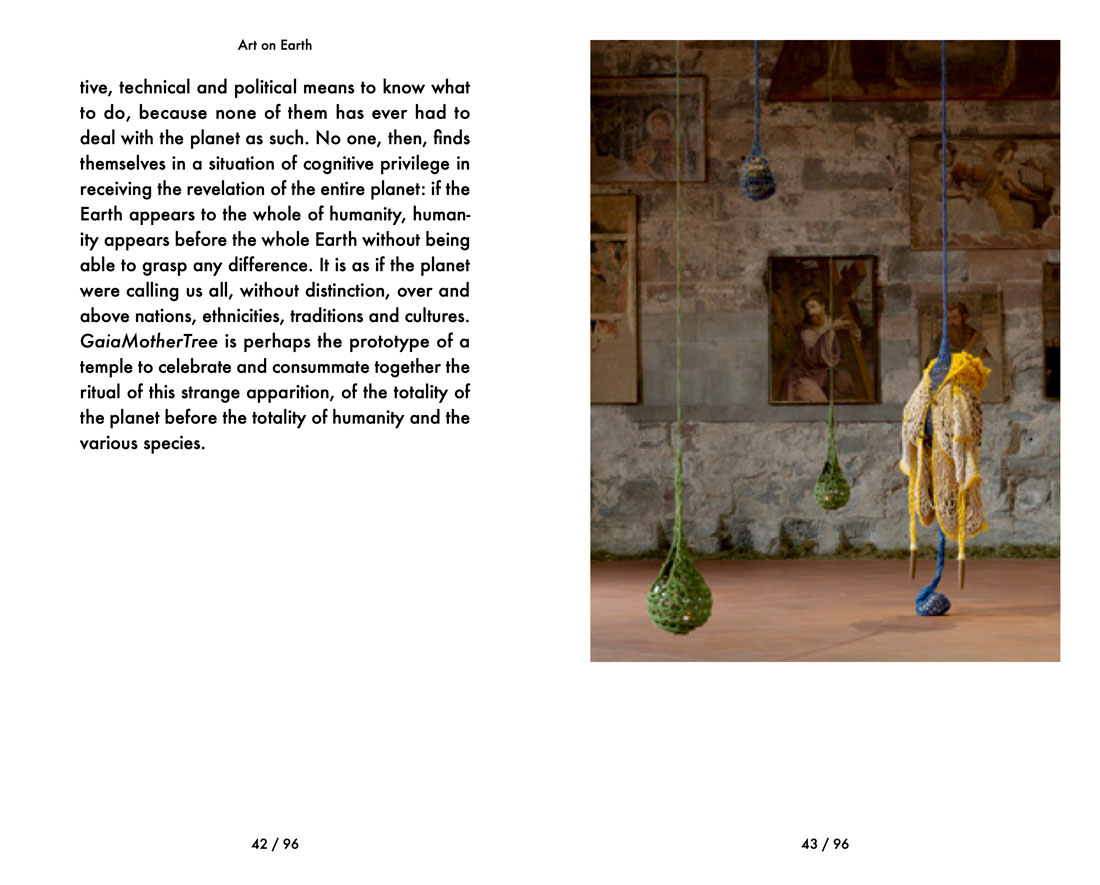
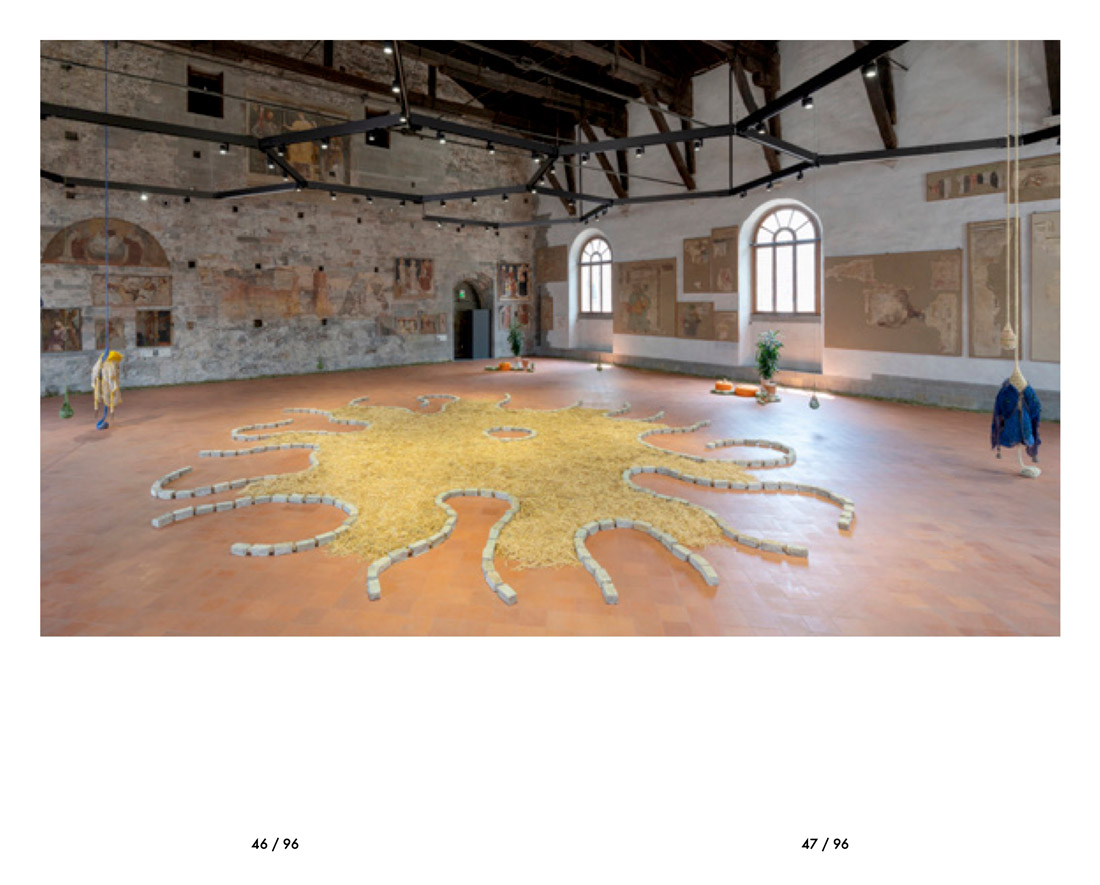
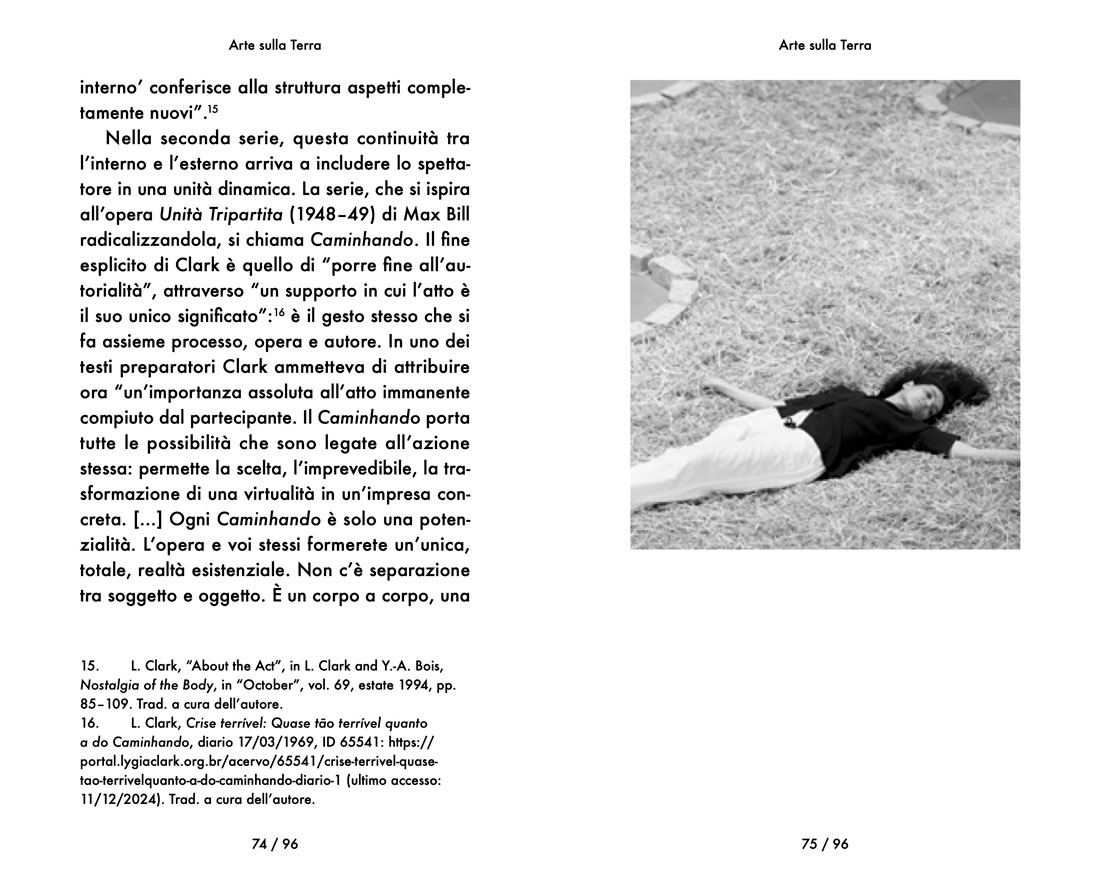
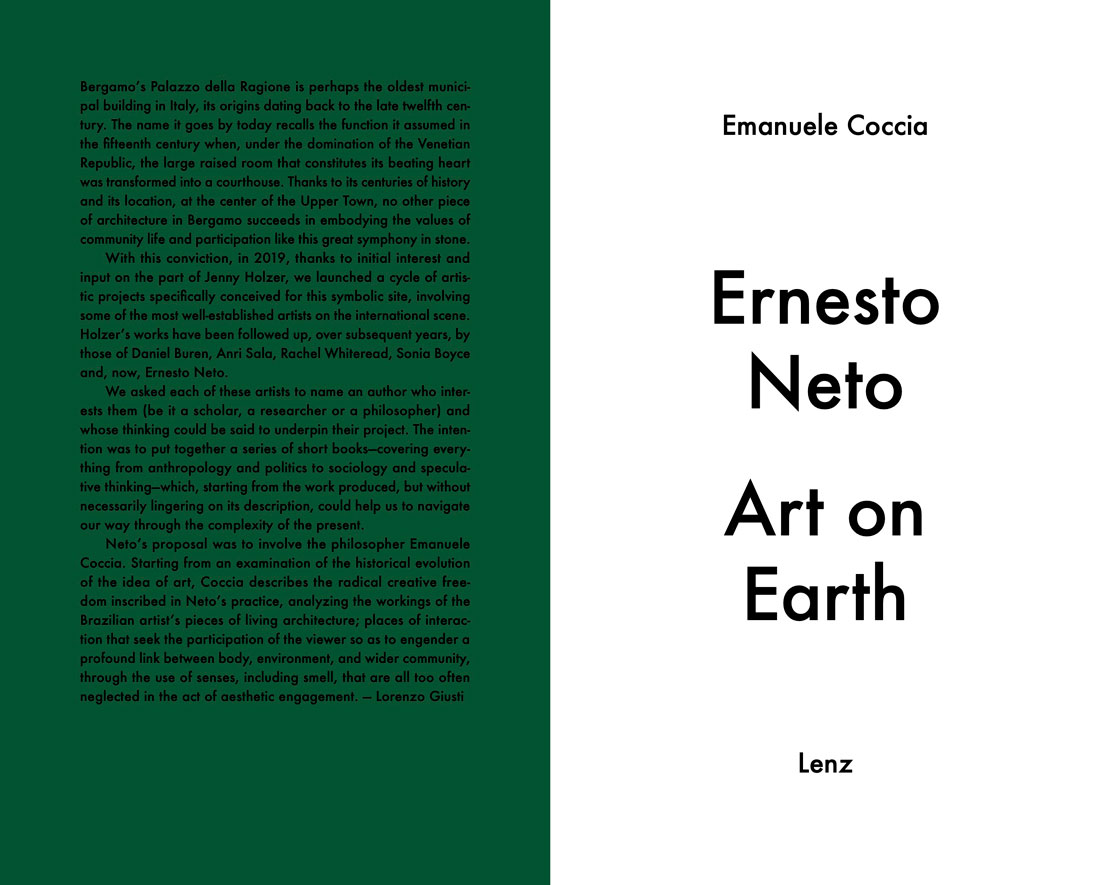
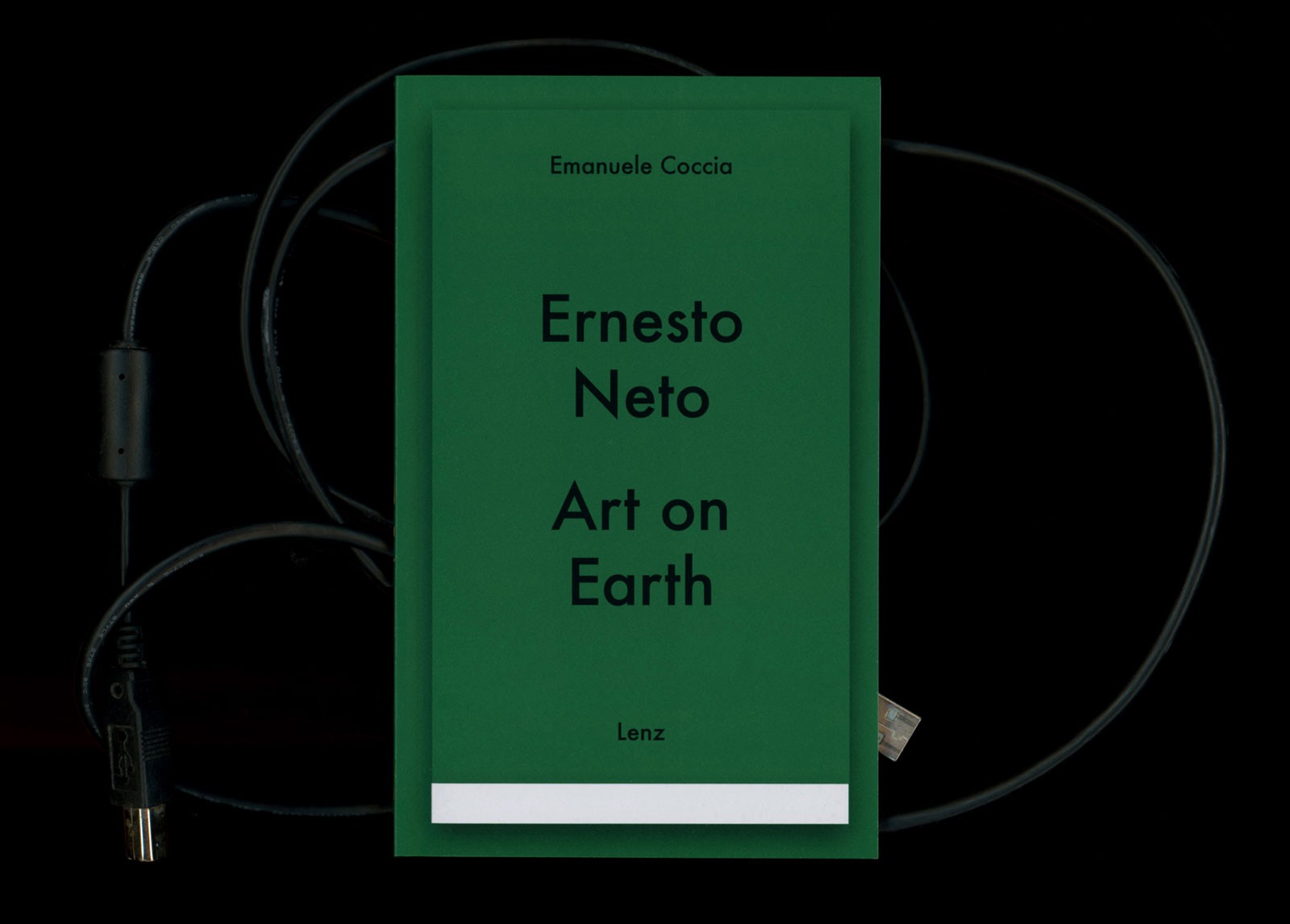
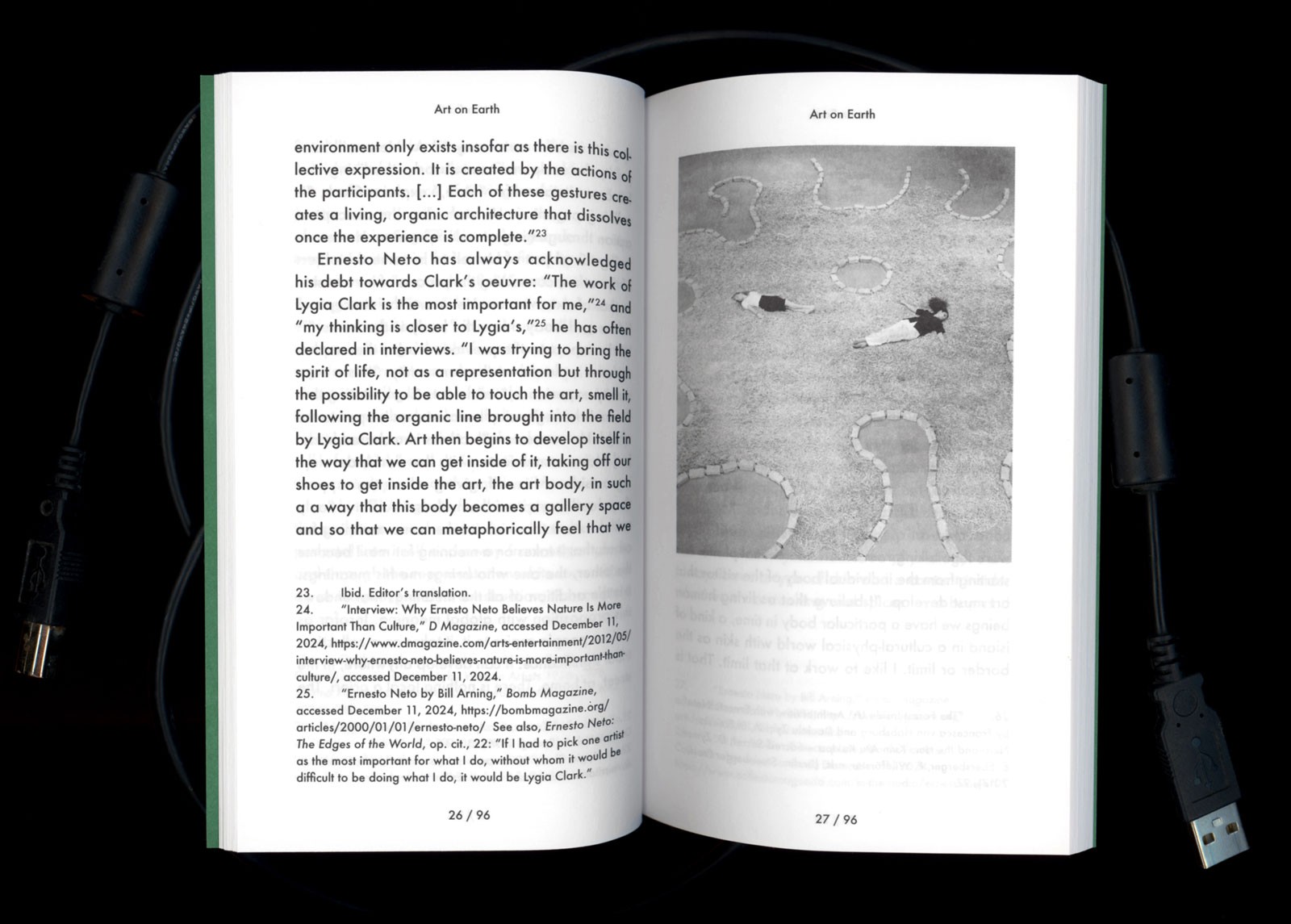
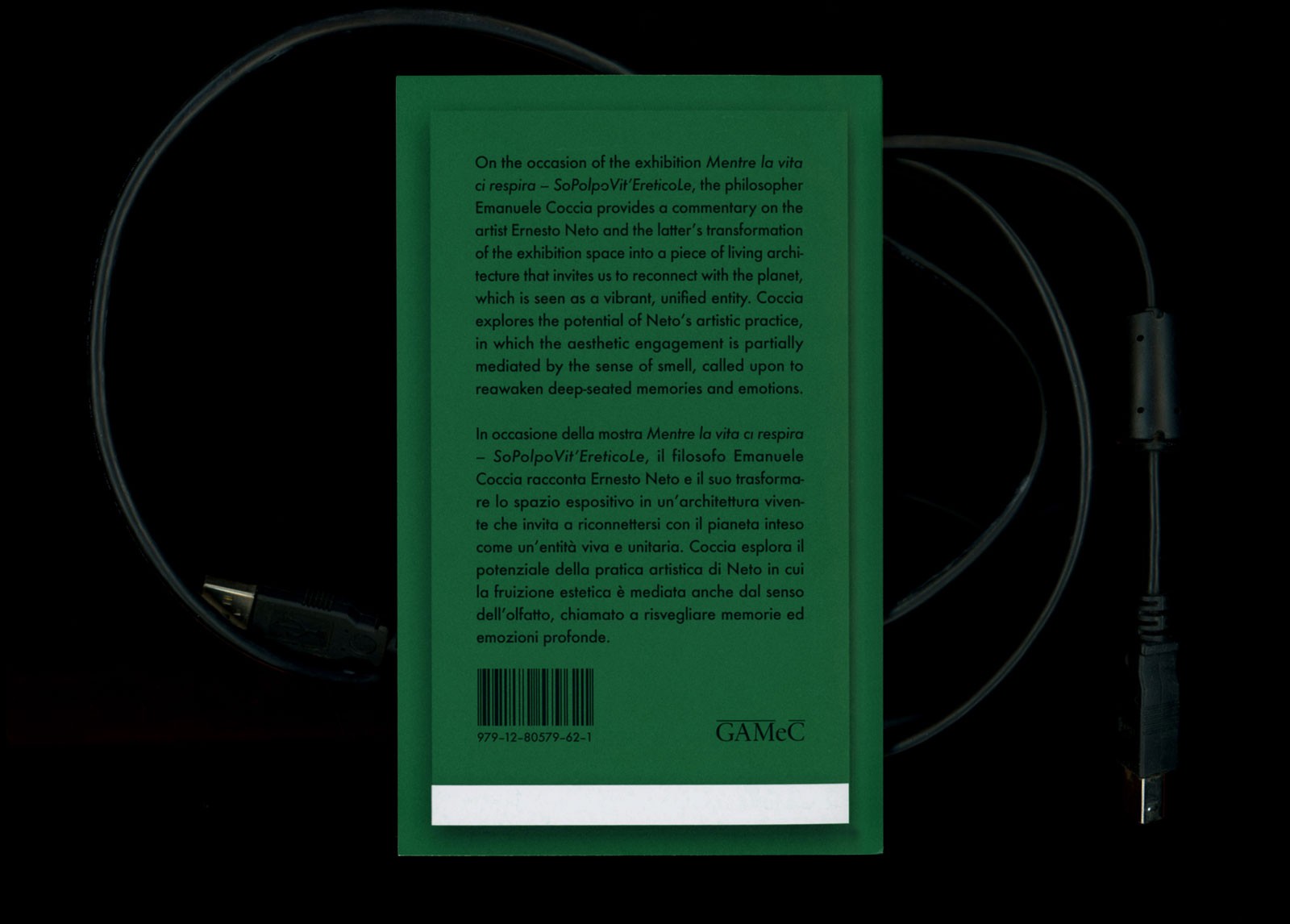
On the occasion of the exhibition Mentre la vita ci respira – SoPolpoVit’EreticoLe, Emanuele Coccia provides a commentary on the practice of the artist Ernesto Neto and the latter’s transformation of the exhibition space into a piece of living architecture, a place of interaction that seeks the participation of the viewer so as to engender a profound link between body, environment, and wider community. Coccia explores the potential of Neto’s artistic practice, in which the aesthetic engagement is partially mediated through the use of senses, including smell, that are all too often neglected in the act of aesthetic engagement and are here called upon to reawaken deep-seated memories and emotions.
Art on Earth is the third book in a series of short essay collections inspired by the site-specific art projects specially conceived for GAMeC at Palazzo della Ragione, a symbolic, time-honored location within the city of Bergamo that embodies the values of community life and participation. The artist was asked to name an author who interests him—be it a researcher, a philosopher, or a scholar—and whose thinking could be said to underpin the project, with a view to finding a path through the complexities of the present day, starting from the work produced but without necessarily lingering on it.