O livro, lançado por ocasião da exposição homónima no CAM – Centro de Arte Moderna Gulbenkian, em Lisboa, explora as convergências nas obras de Paula Rego (Lisboa, 1935 – Londres, 2022) e Adriana Varejão (Rio de Janeiro, 1964), apesar de pertencerem a gerações e contextos distintos.
The future of architecture lies in the curatorial approach. This is the thesis put forward by architect Wilfried Kuehn and theorist Dubravka Sekulić in their book, which brings together contributions from more than 30 authors working in the fields of architecture, art, and curatorial knowledge and practice.
Emanuele Coccia describes the radical creative freedom inscribed in Ernesto Neto’s practice, analyzing the workings of the Brazilian artist’s pieces of living architecture. Art on Earth is the third book in a series of short essay collections inspired by the site-specific projects conceived for GAMeC at Palazzo della Ragione.
First Meeting is the first monograph on Argentinian artist Santiago de Paoli. From his early, experimental projects to his most recent explorations, the book delves into his innovative approach of painting on unconventional materials. The book features commissioned essays by Fernanda Brenner and Mariano Mayer, as well as a conversation between Christian Rattemeyer and the artist.
Infinite Memory is Caroline Poggi and Jonathan Vinel’s first monograph, co-published with Fondation Cartier pour l’art contemporain and Lenz. Like a memory card, the book stores information about a selection of films from the initial decade of the artists’ practice. Considered as an object, much like a piece of hardware that stores digital memory, the book offers the possibility to scroll infinitely, with no beginning or end.
Through the words of the sound artist and theorist Brandon LaBelle, the book explores the social and relational component of sound that gave rise to Benevolence, the site-specific project by Sonia Boyce. The Joy of Cacophony is the second book in a series of essay collections inspired by the site-specific projects conceived for GAMeC at Palazzo della Ragione.
Edited by Julia Marchand, in collaboration with Vittoria Morpurgo
Texts by Morgan Labar, Julia Marchand, Julie Ackermann, Anya Harrison, Giulia Mariachiara Galiano and Cecilia Larese, Vittoria Morpurgo and Robin Plus, Gaia Vincensini, Raphaëlle Serre, Linda Voorwinde, Tohé Commaret, Louise Nicolas de Lamballerie, Caroline Poggi, Jonathan Vinel, Kevin Blinderman, Mohamed Bourouissa, Michal Novotný, Laura Owens, Magda Szpecht, Thomas Liu Le Lann, Velvet Aubry, Arnaud Dezoteux, Prune Phi, Alban Diaz, Ant łakomsk, Liselor Perez, Francesca Grilli, Camille Aleña, Joanna Kordjak, Katarzyna Kołodziej-Podsiadło
Designed by Lorenzo Mason Studio
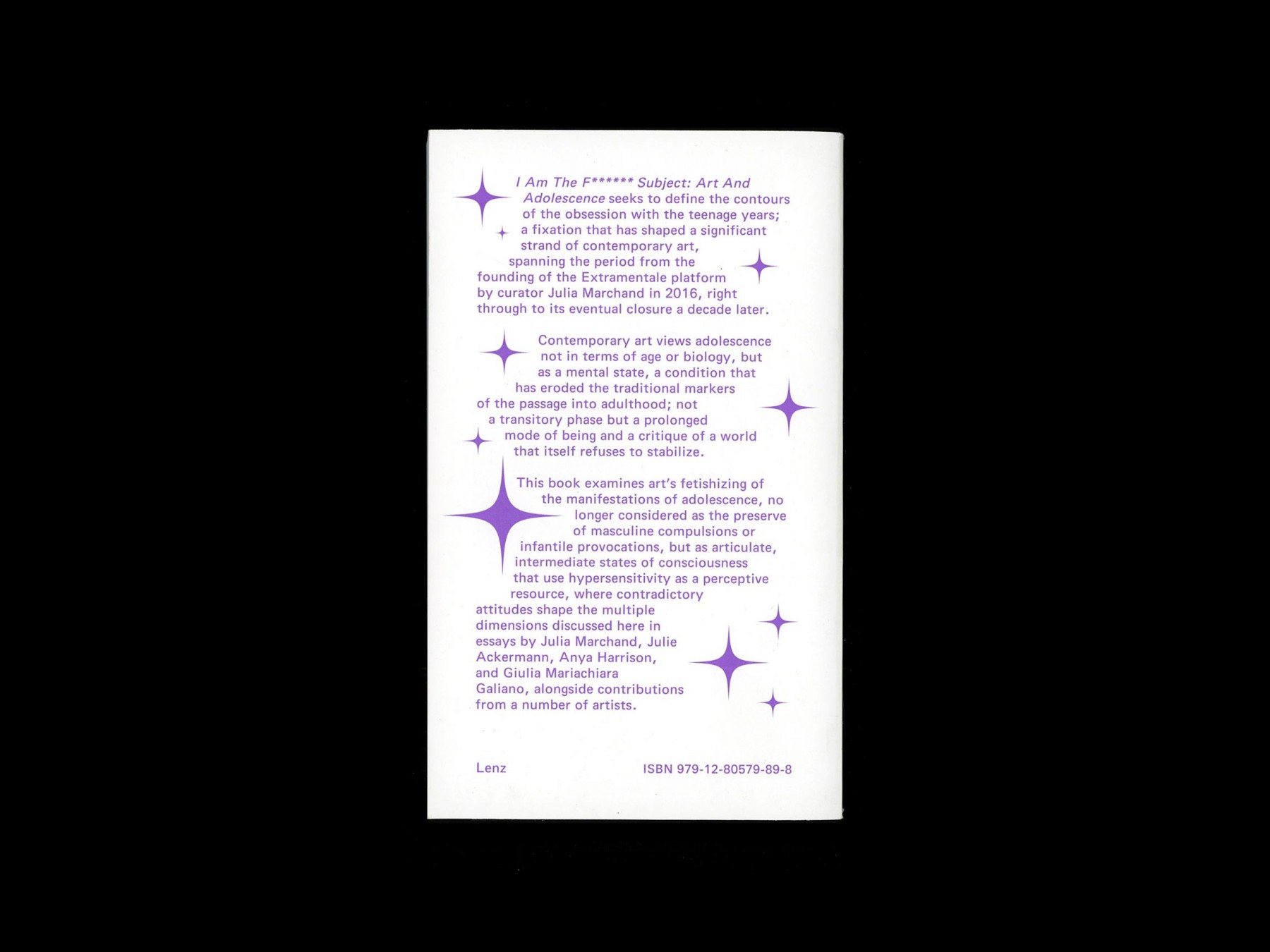
2026, English, softcover, 11 x 18.5 cm, 160 pages
ISBN 979-12-80579-89-8
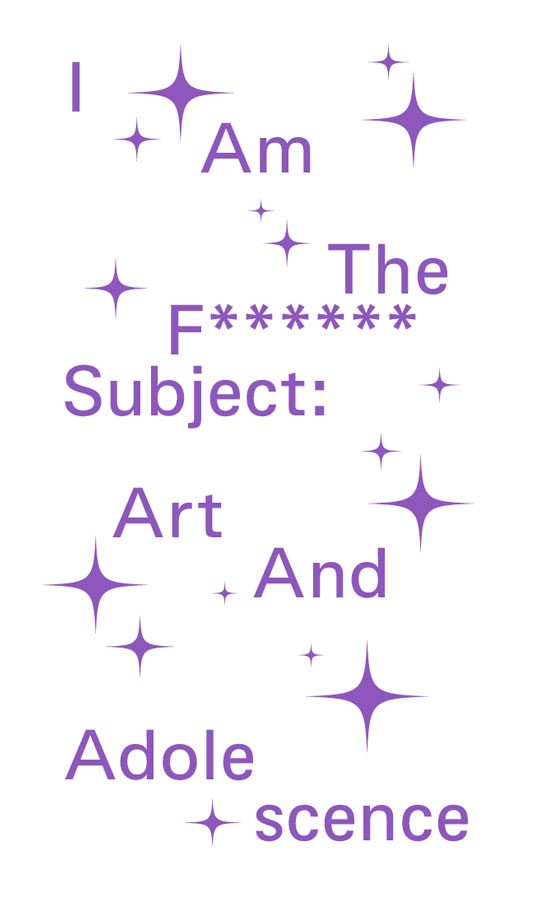
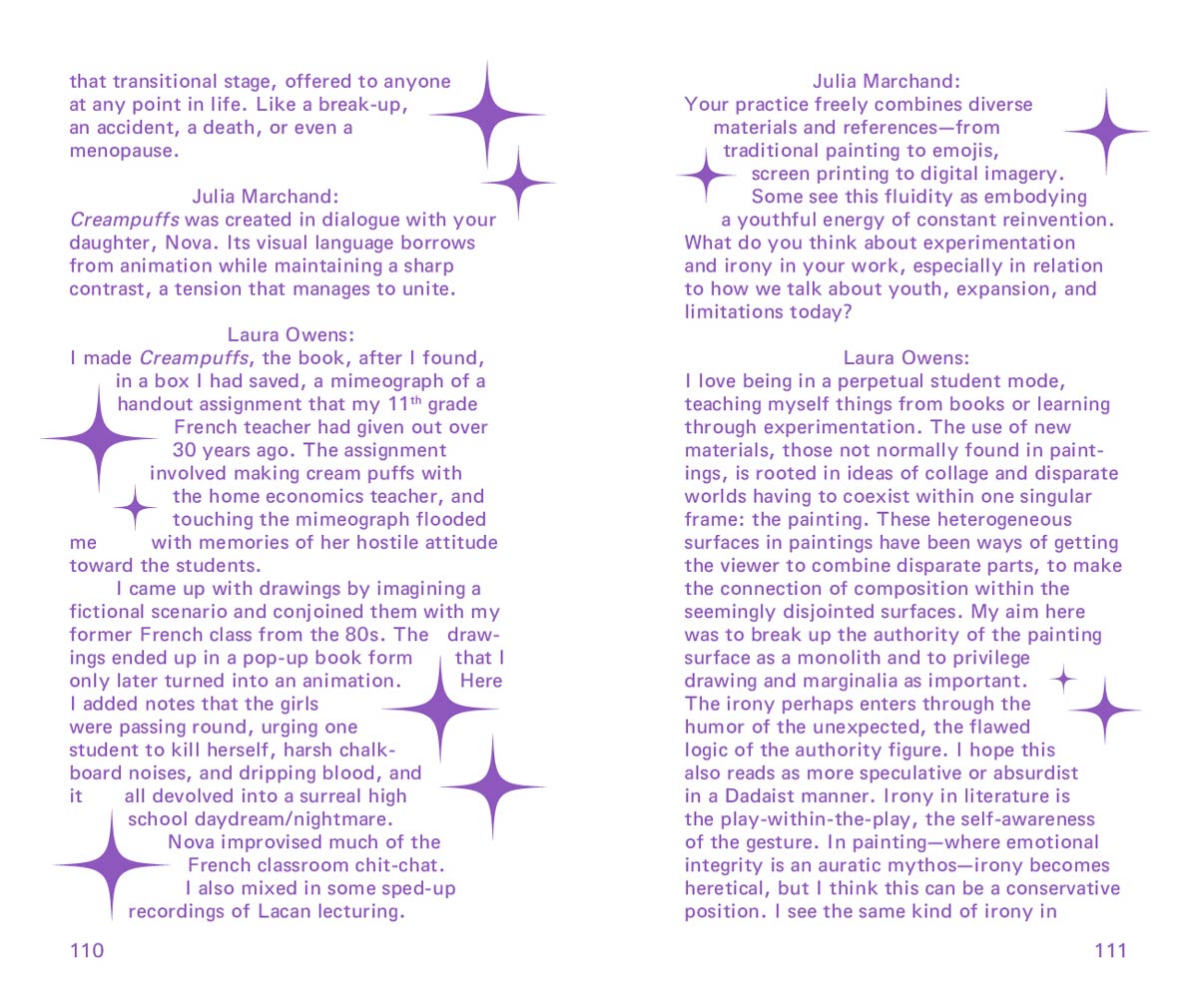
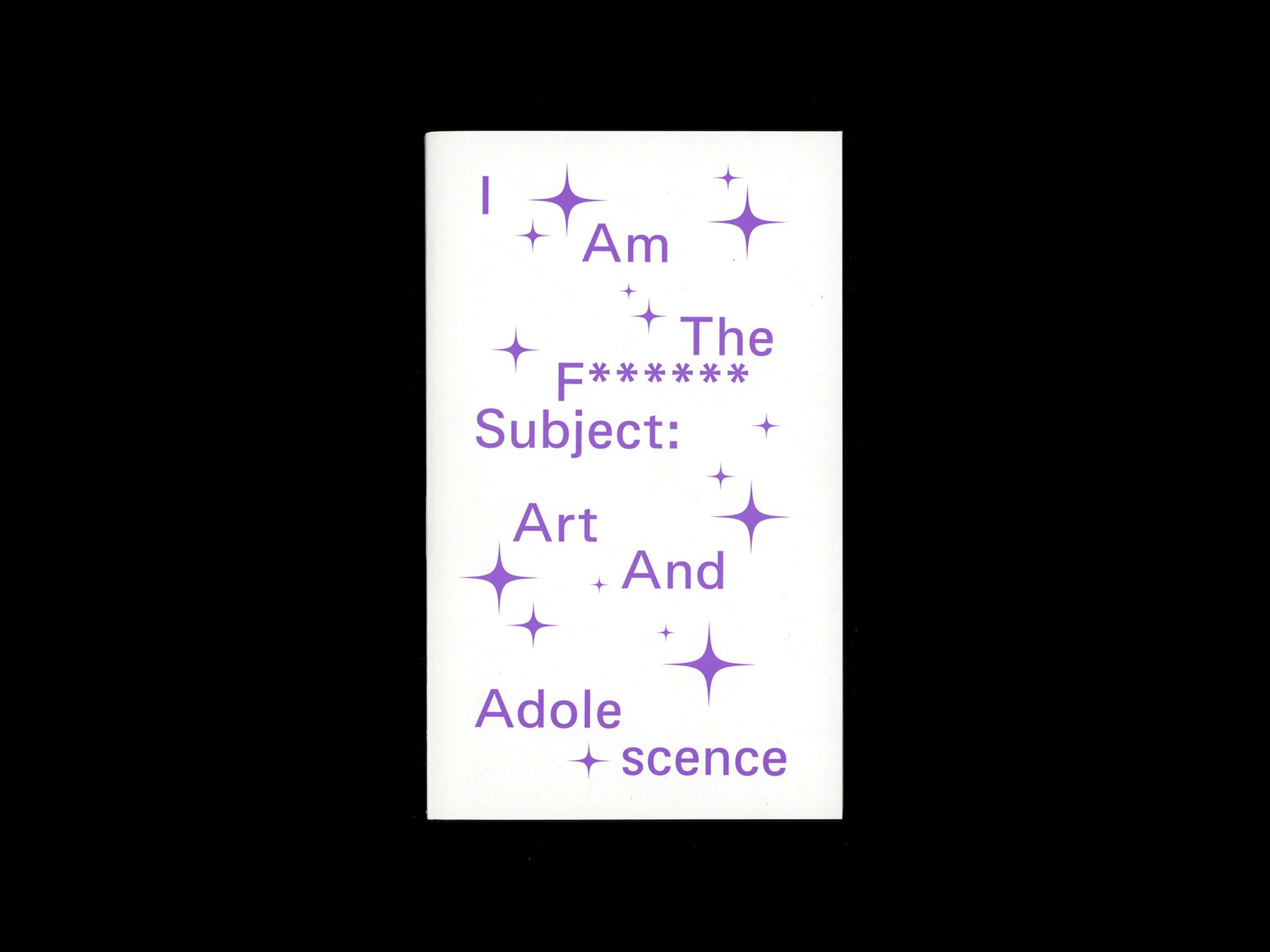
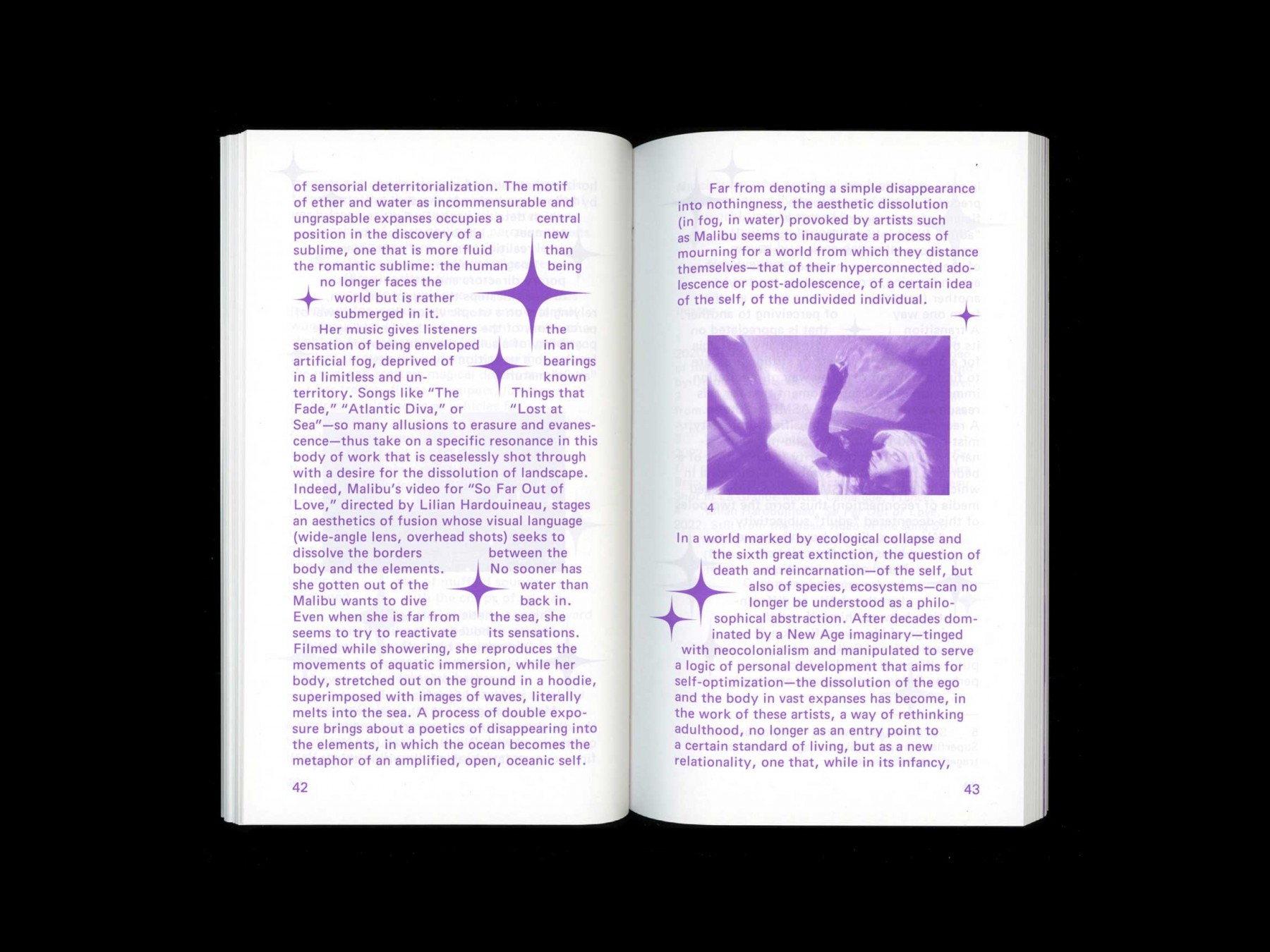
Why be the object when you can dive into yourself and archive your own adolescence? And what about this adolescence when it lasts until the late thirties, and expands beyond the traditional understanding of age group?
This volume redefines the coming-of-age genre by addressing the contours of the obsession with the prolonged teenager years. Contemporary art views adolescence as a mental state, a condition that has eroded the traditional markers of the passage into adulthood; not a transitory phase but a prolonged mode of being or even a critique of a world that itself refuses to stabilize.
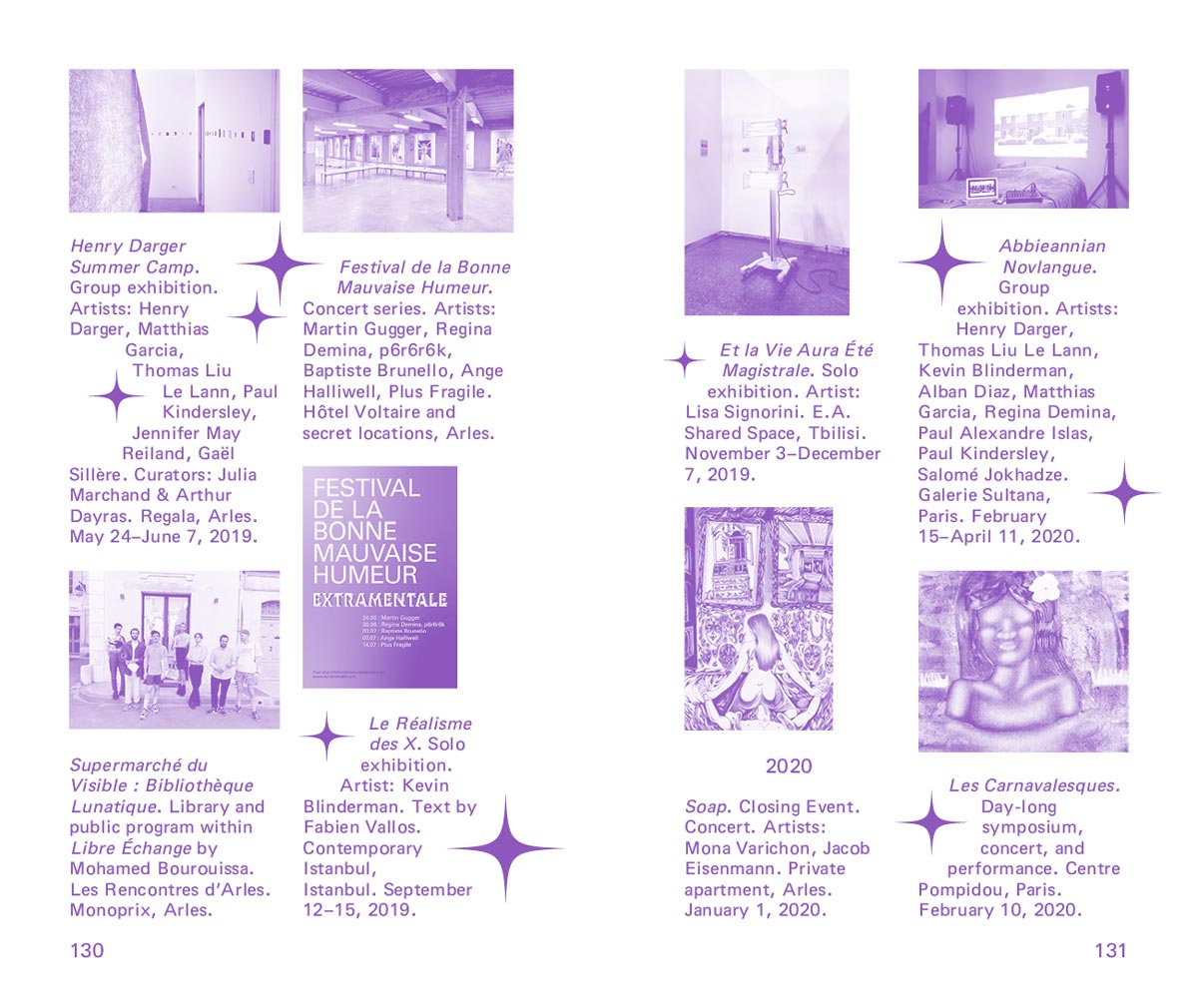
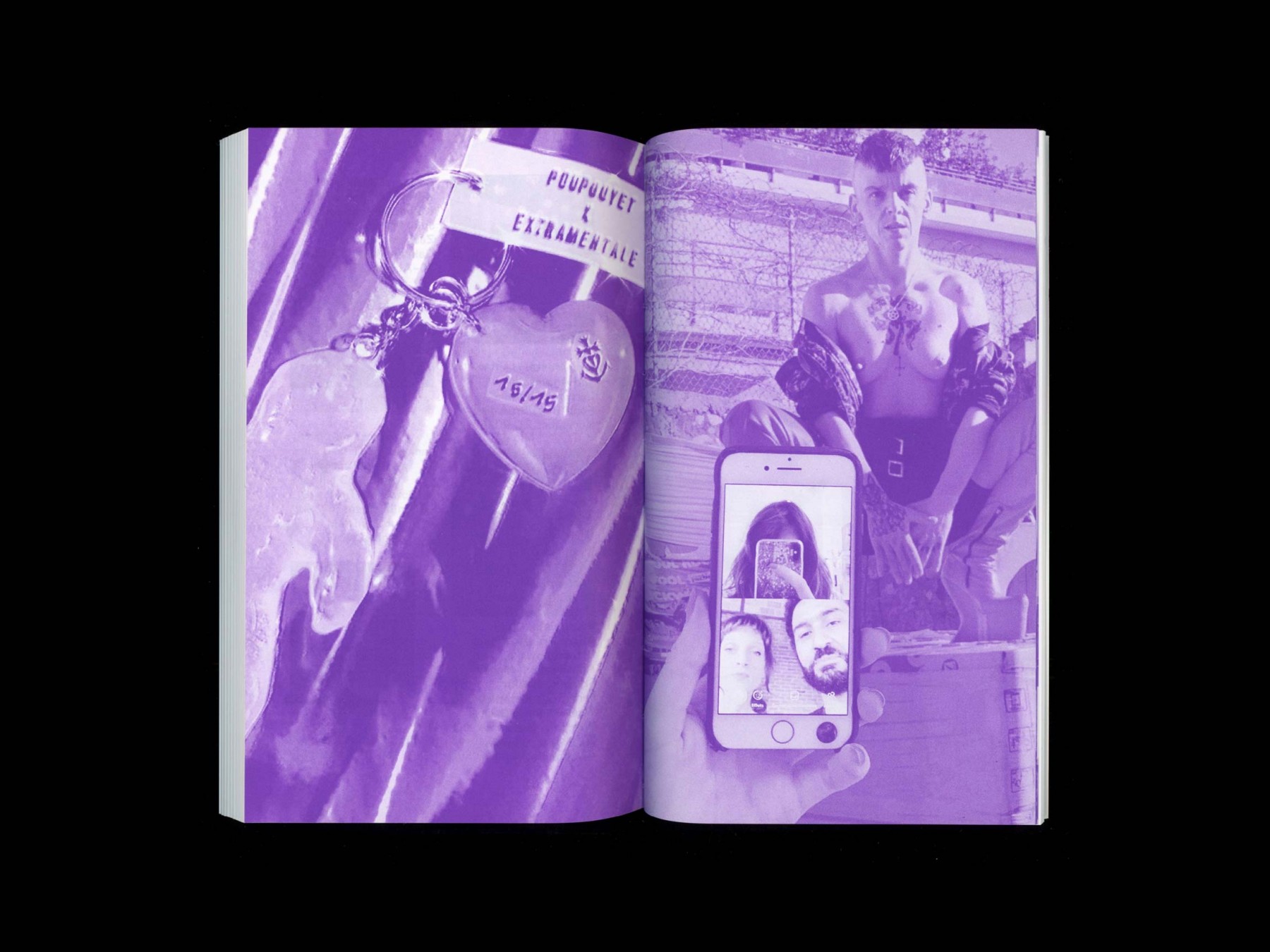
Extramentale, a curatorial platform on teenage aesthetics, was founded by Julia Marchand, the editor of this book, which spans the period from the platform’s creation in 2016 through to its eventual closure in 2026. It gave voice to artist-adolescents and author-adolescents, mainly millennials and Gen Zers.
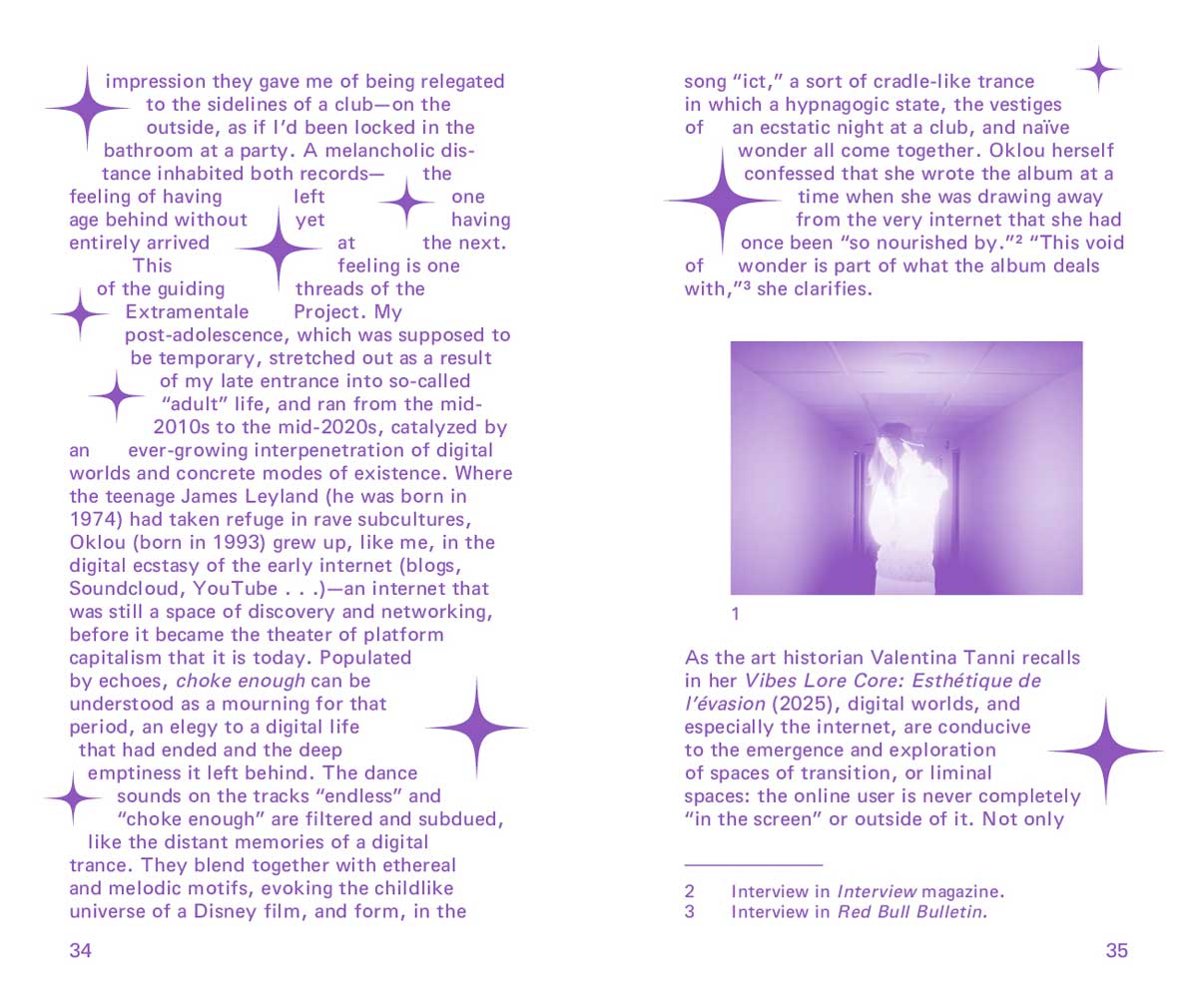
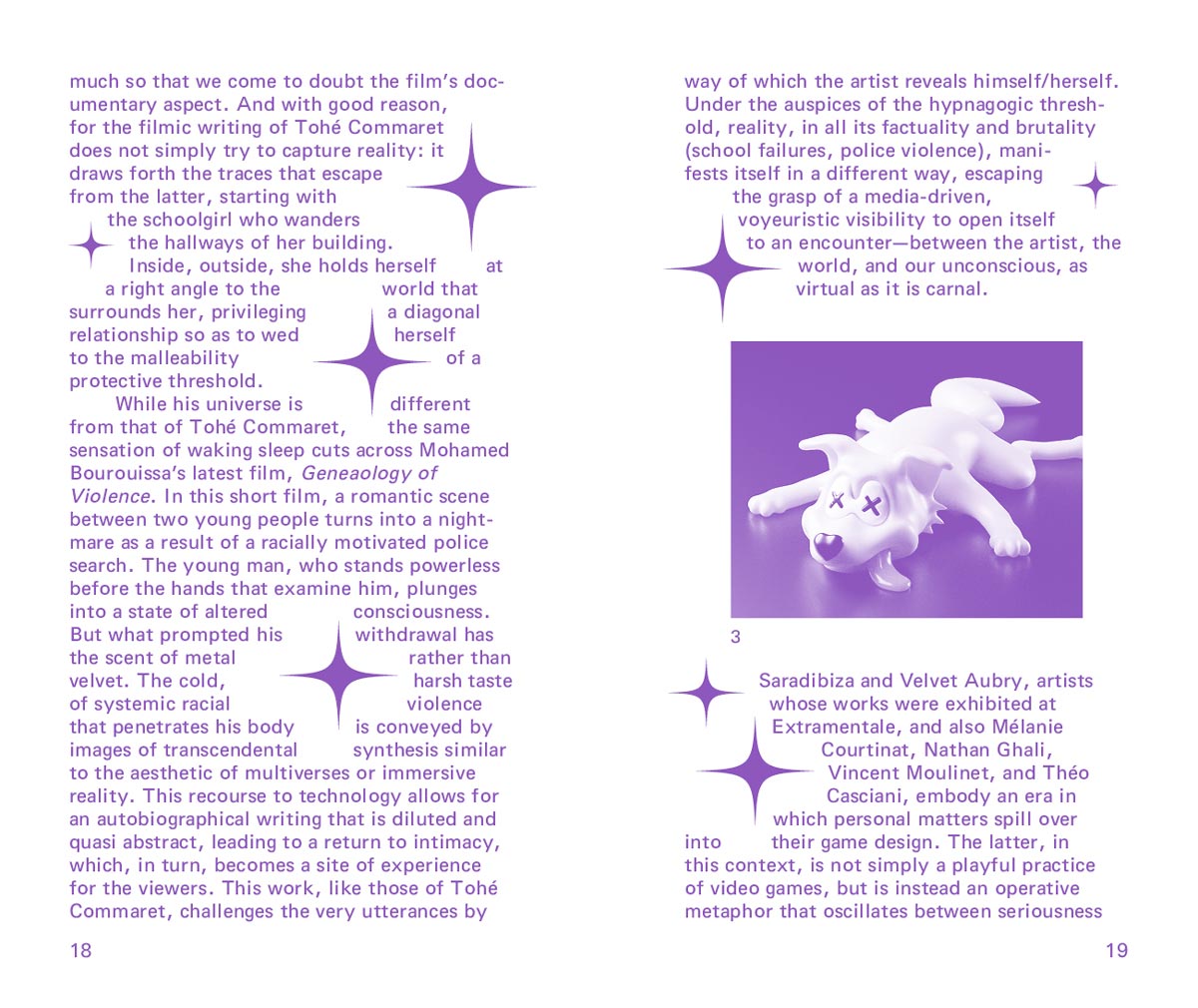
The essays by Julia Marchand and Julie Ackermann examine manifestations of adolescence that draw on gaming, hypersensitivity, and intermediate states of consciousness as a perceptive resource and where contradictory attitudes shape the many dimensions of today’s artists-adolescents. Anya Harrison, with her incisive critical voice, explores moral panics and literary extremity in a time when society’s fetishization of adolescence continues to generate intense debates. Giulia Mariachiara Galiano, writing from her perspective as a Venice-based curator, traces the limits and contours of the “girl online,” reflecting on digital subjectivities staged out by artists of her generation. Morgan Labar argues that adolescence as the territory of our concerns is no longer the preserve of masculine compulsions of infantile provocations; Labar, author of In Praise of Dumbness: Regression and Superficiality in the Arts Since the Late 1980s (Les Presses du réel), also signs the foreword to this anthology.
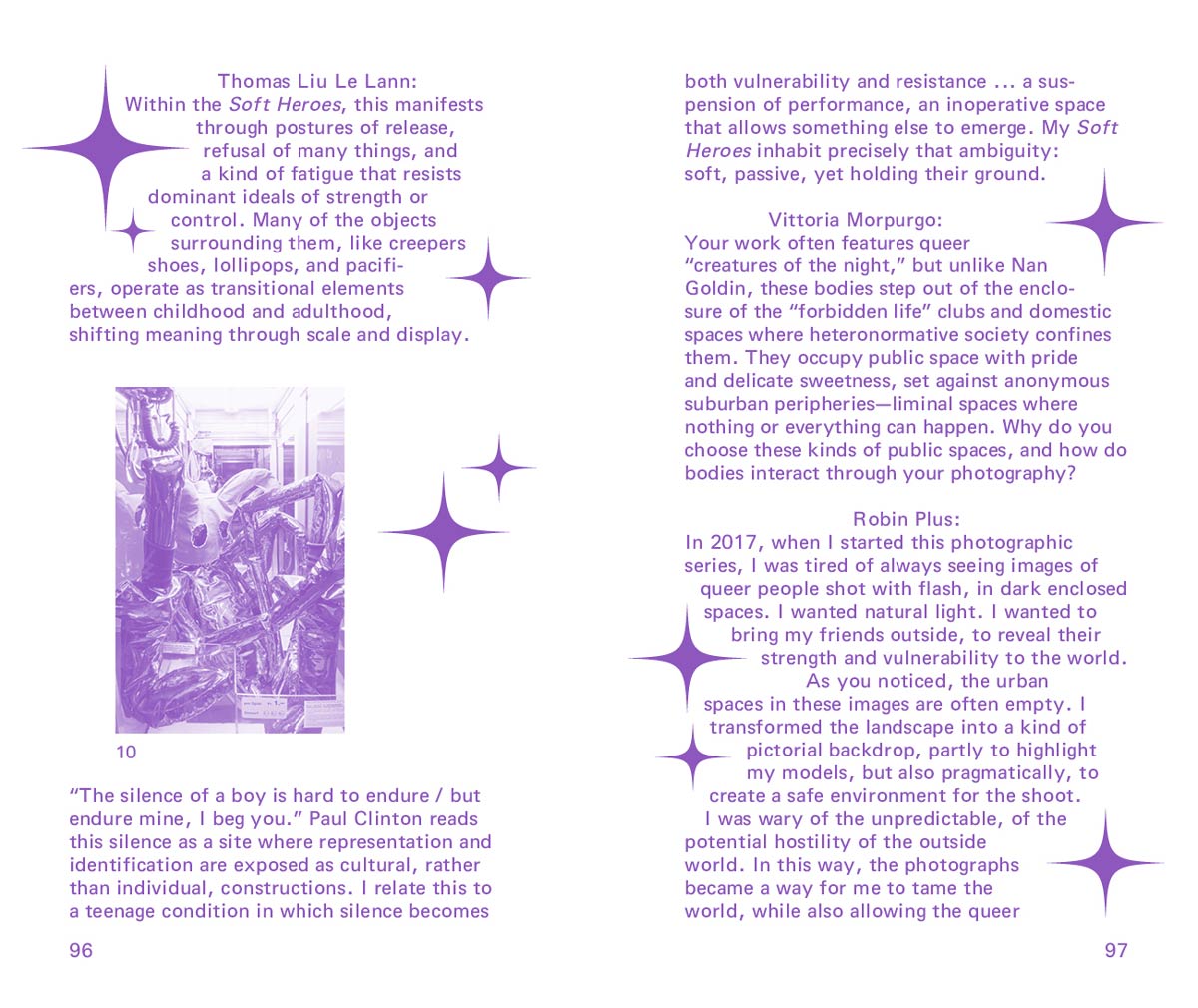
Adolescent artists of the Extramentale program and beyond contributed to this publication by sharing their words on the many dimensions of the adolescence: Robin Plus, Gaia Vincensini, Raphaëlle Serre, Linda Voorwinde, Tohé Commaret, Louise Nicolas de Lamballerie, Caroline Poggi, Jonathan Vinel, Kevin Blinderman, Mohamed Bourouissa, Michal Novotný, Laura Owens, Magda Szpecht, Thomas Liu Le Lann, Velvet Aubry, Arnaud Dezoteux, Prune Phi, Alban Diaz, Ant Łakomsk, Liselor Perez, Francesca Grilli, Camille Aleña, Joanna Kordjak, and Katarzyna Kołodziej-Podsiadło; interviewed by Venice-based researchers Cecilia Larese, Vittoria Morpurgo, and Julia Marchand.