At 500 pages, this is the most comprehensive book yet on Norwegian artist, Ida Ekblad. Appearing three years after the artist’s show at Kunsthalle Zürich, Melted Snow took certainly a long time—all the time is takes to ponder fifteen years of the artist’s career.
On the occasion of PROVENCE’s 15th anniversary, the reader My Alphabet presents 26 texts published by PROVENCE between 2009 and 2024, either in print or digitally in the weekly newsletter. These texts are sorted alphabetically, ranging from A for Amphetamine to N for Ne travaillez jamais to Z for Gen Z.
This publication is devoted exclusively to the metal works of Sidsel Meineche Hansen. Catalogued here is every cast, forged, and fabricated metal sculpture made since 2017. Poems by the artist Diego Marcon annotate and respond to the individual pieces.
This compelling artist’s book is built around KOOL (“cabbage” in Dutch), an original font designed by Reus, somewhere between a plant alphabet and concrete poetry. The publication draws on the type specimen book tradition to present new typefaces.
Through a rich selection of images, this artist’s book, published in two editions—gold and silver—explores the birth, life and death of Francesco Gennari’s work Vorrei perdermi e non trovarmi più, 2022, exhibited for the first time at the Ciaccia Levi Gallery in Paris.
Through a rich selection of images, this artist’s book, published in two editions—gold and silver—explores the birth, life and death of Francesco Gennari’s work Vorrei perdermi e non trovarmi più, 2022, exhibited for the first time at the Ciaccia Levi Gallery in Paris.
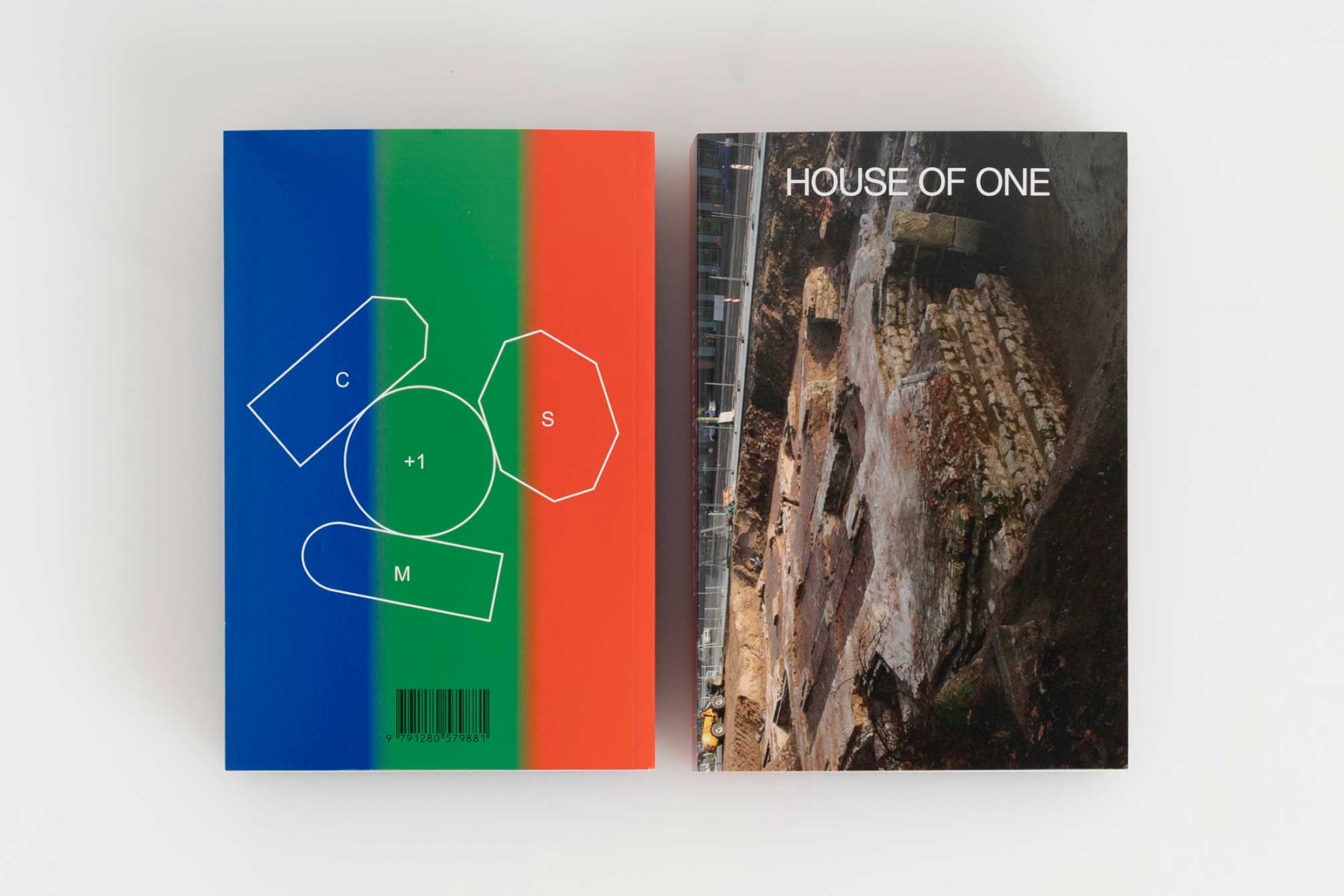
Edited by Kuehn Malvezzi
Designed by Something Fantastic
2025, English, softcover, 14.5 x 21.5 cm, 416 pages
ISBN 979-12-80579-88-1
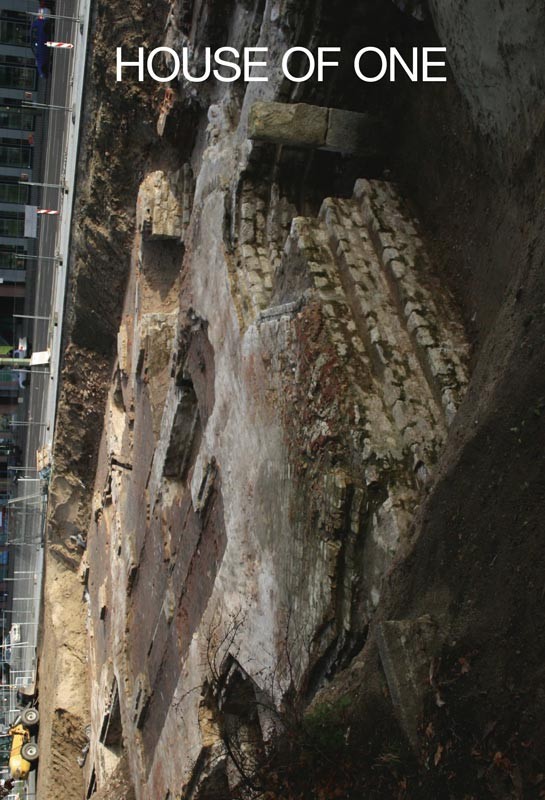
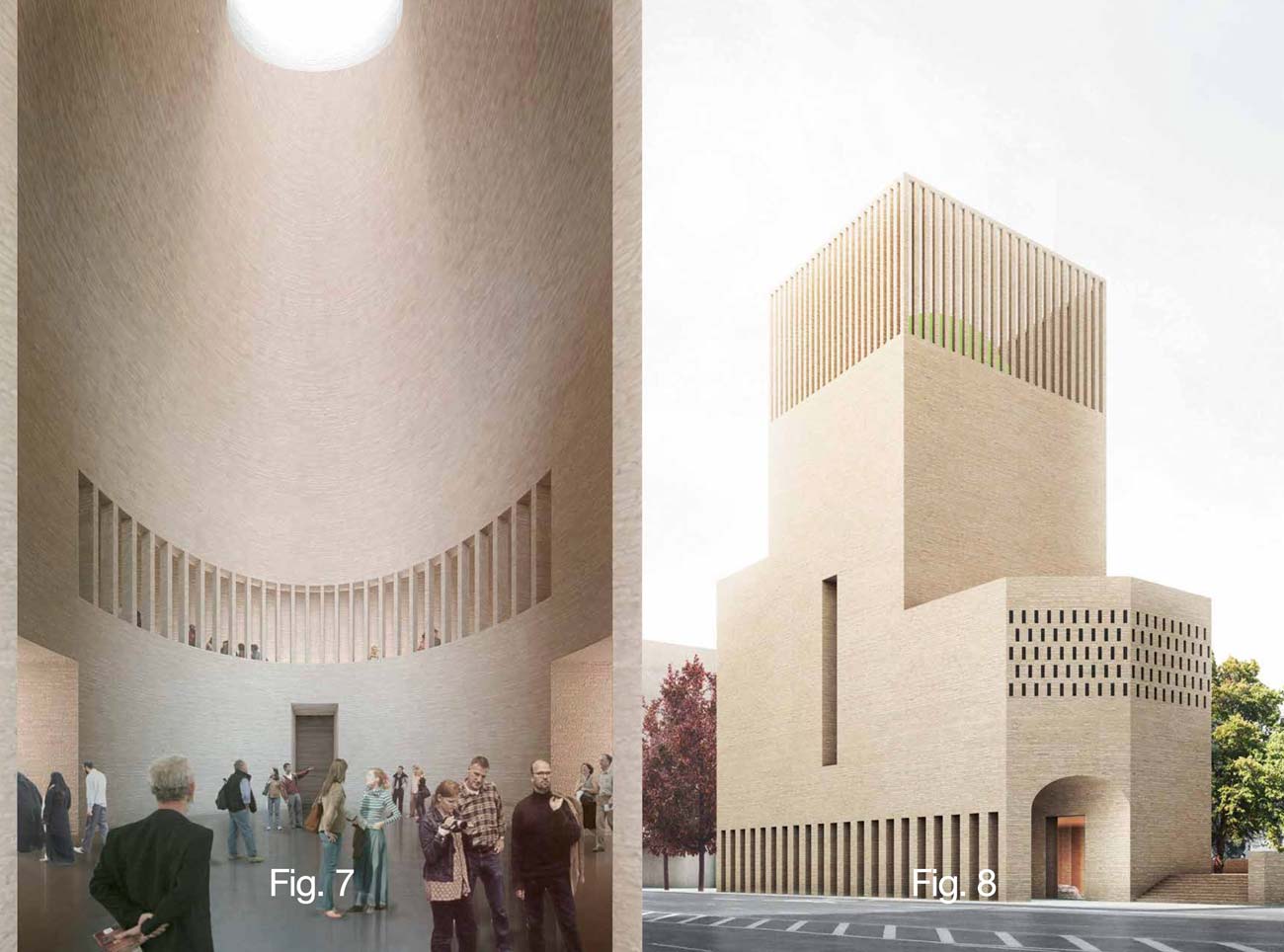
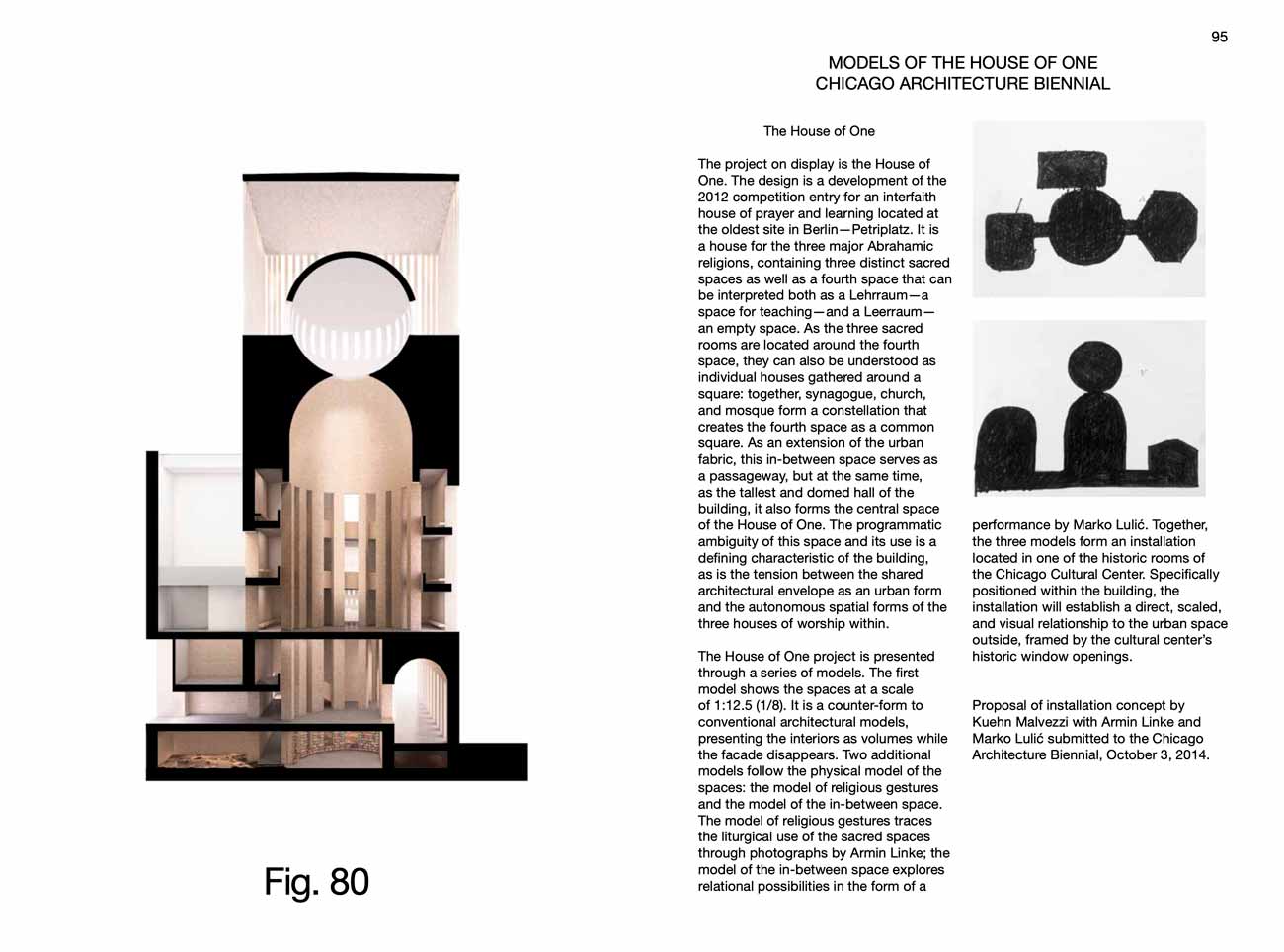
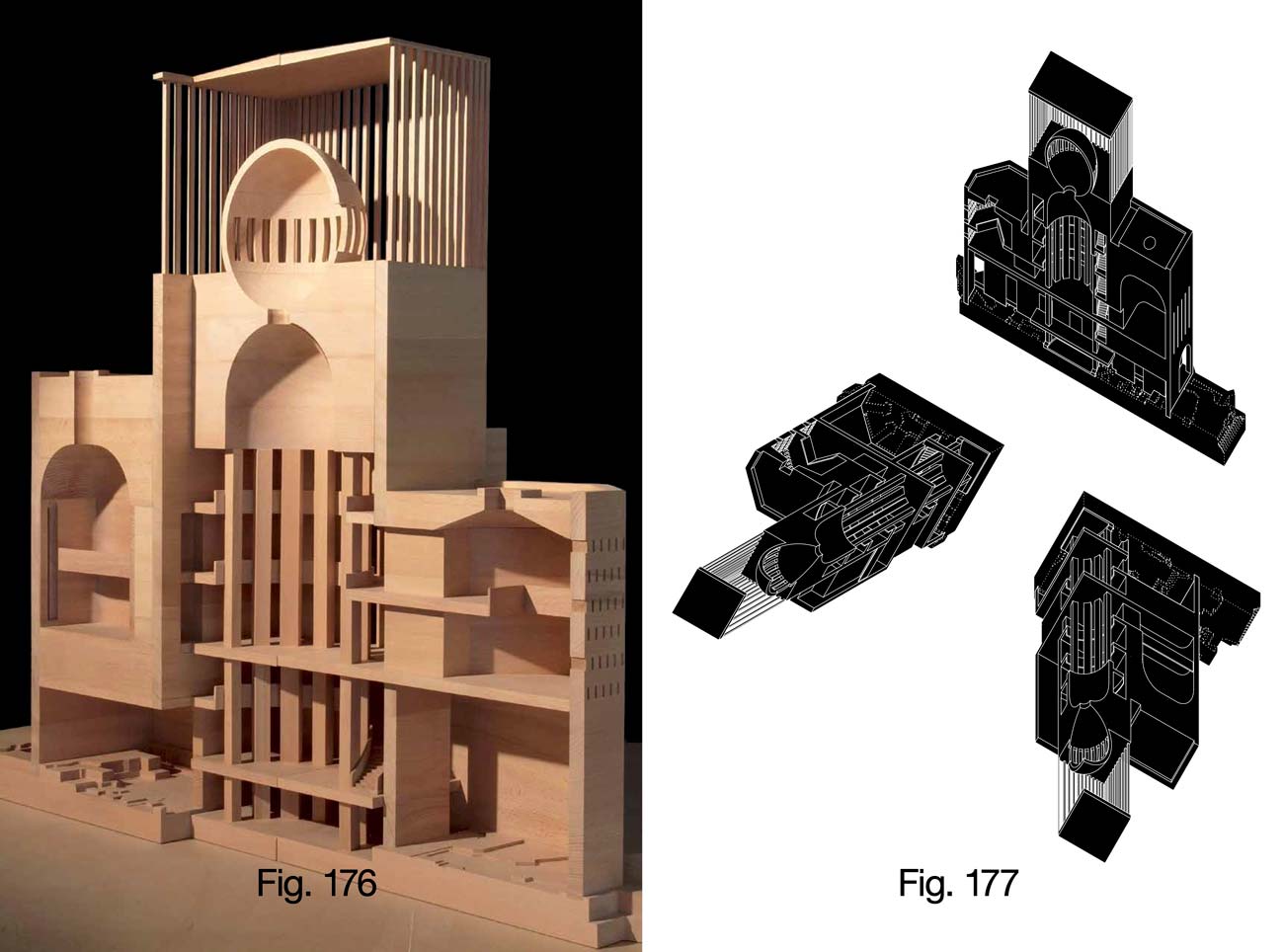
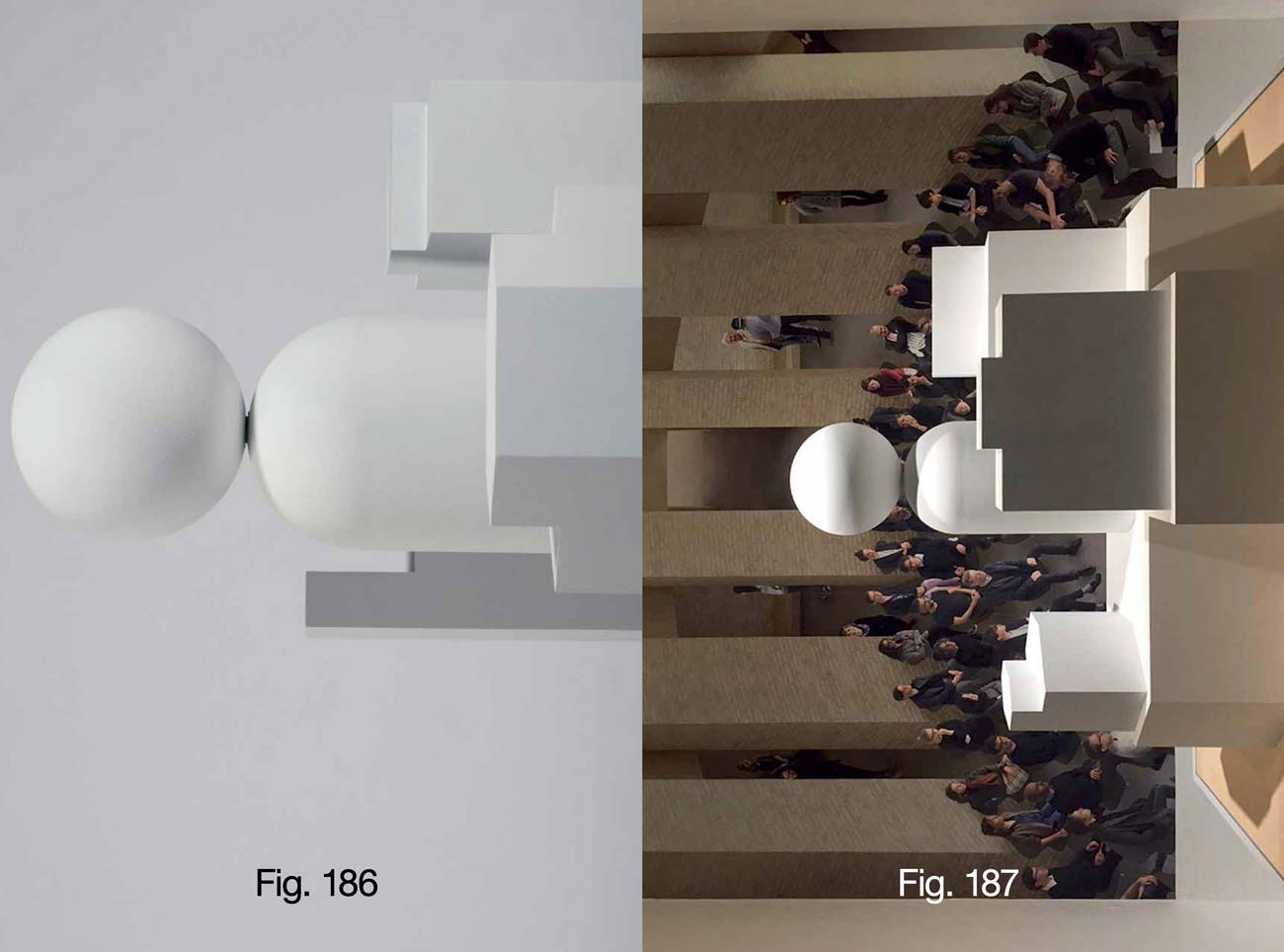
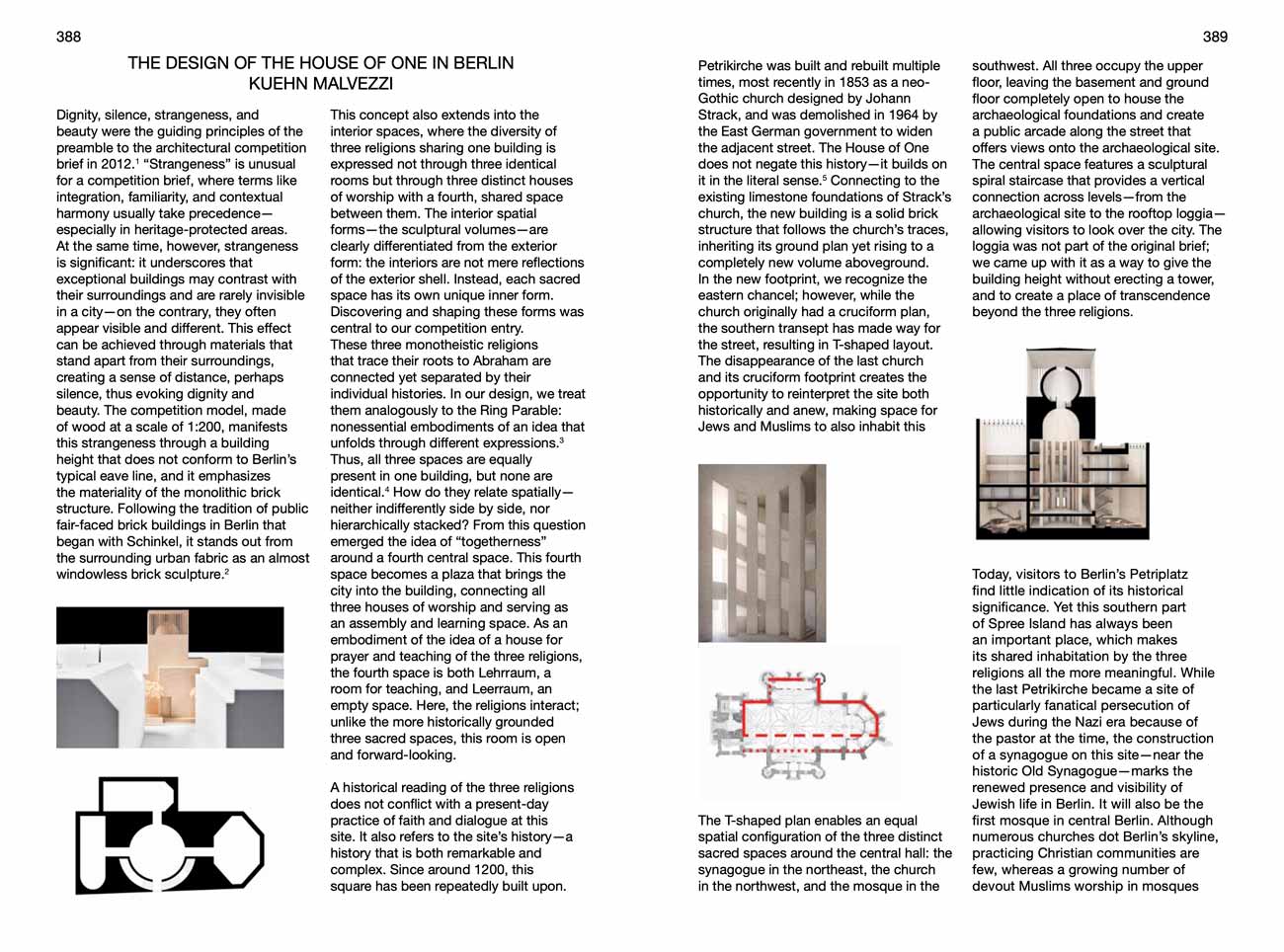
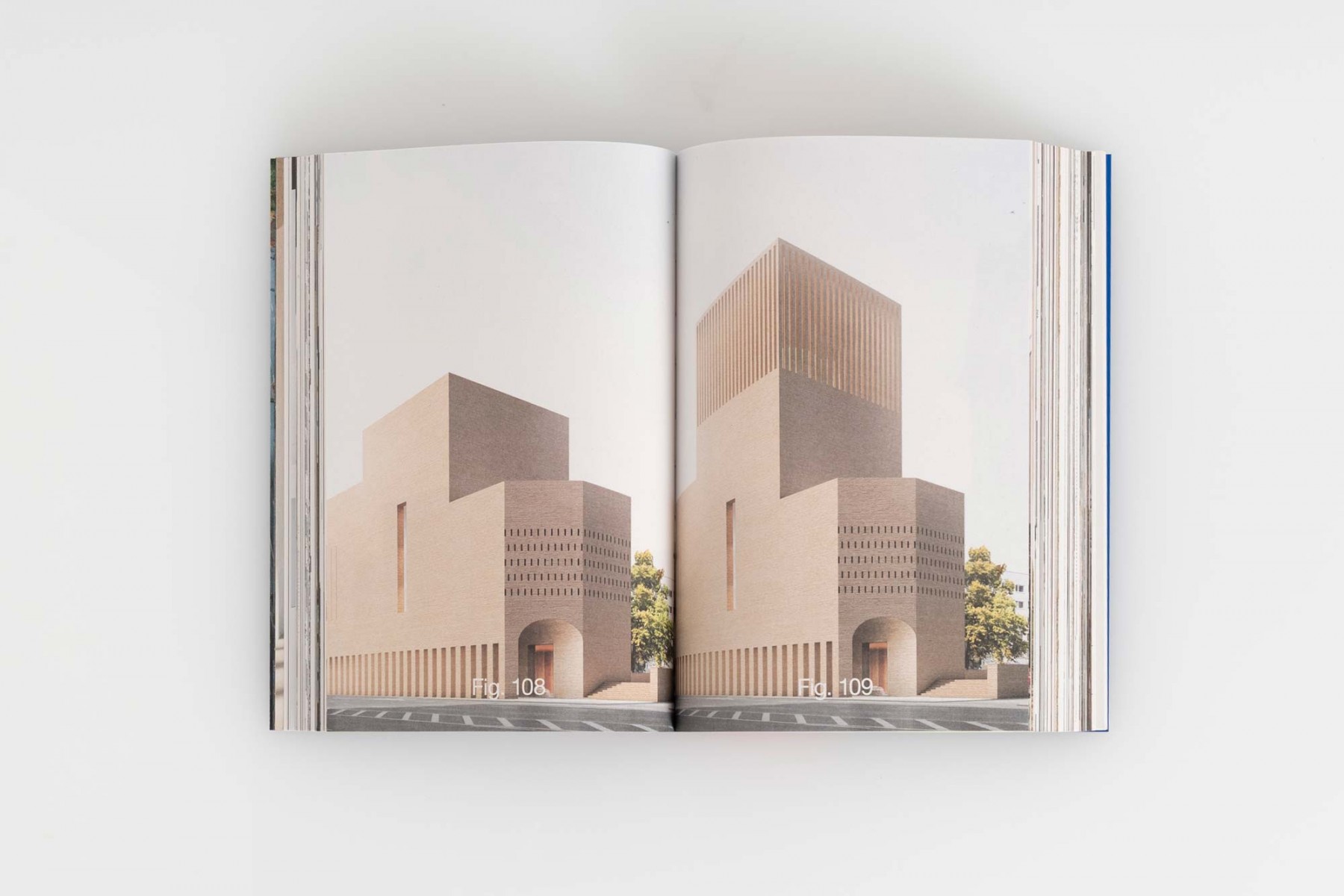
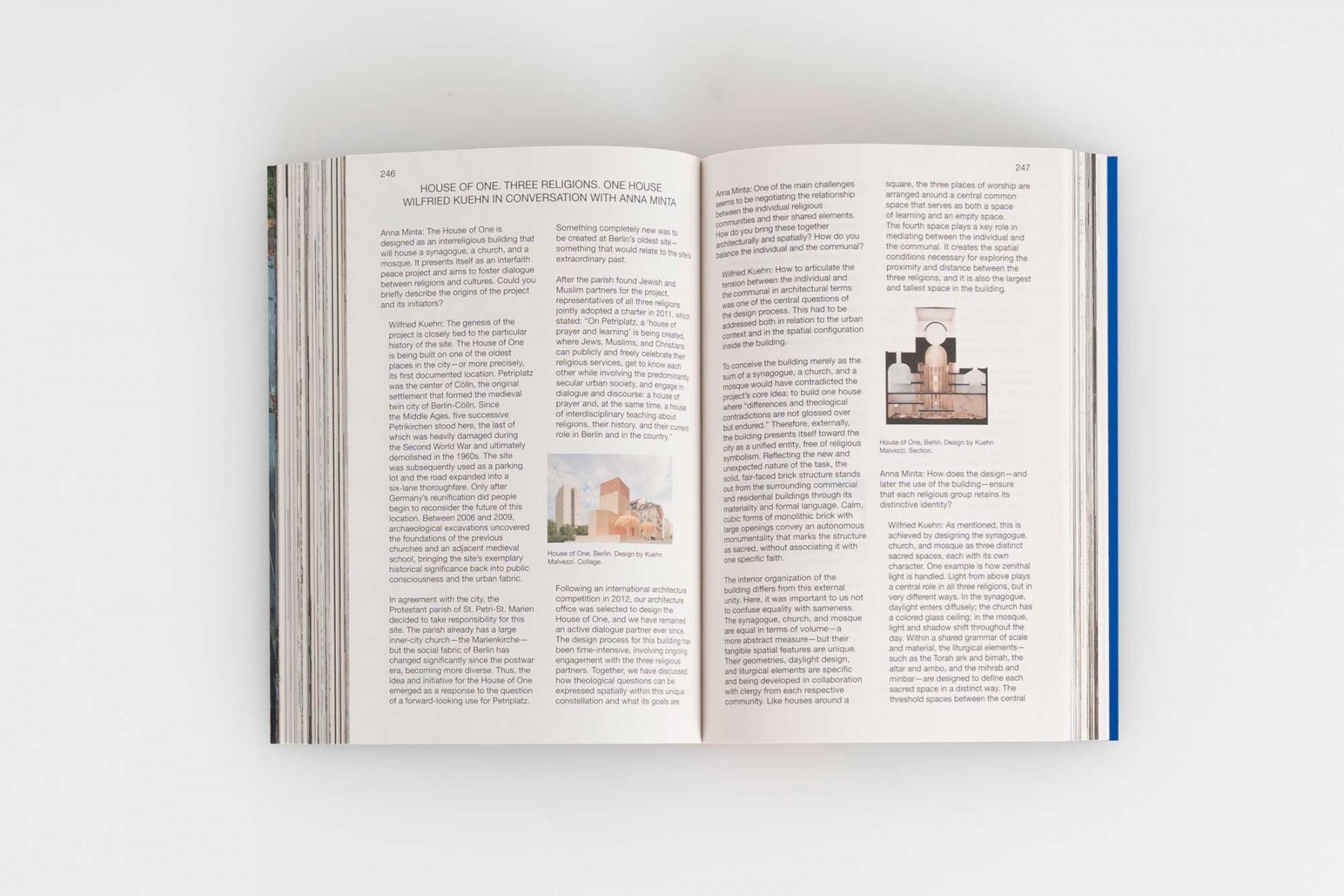
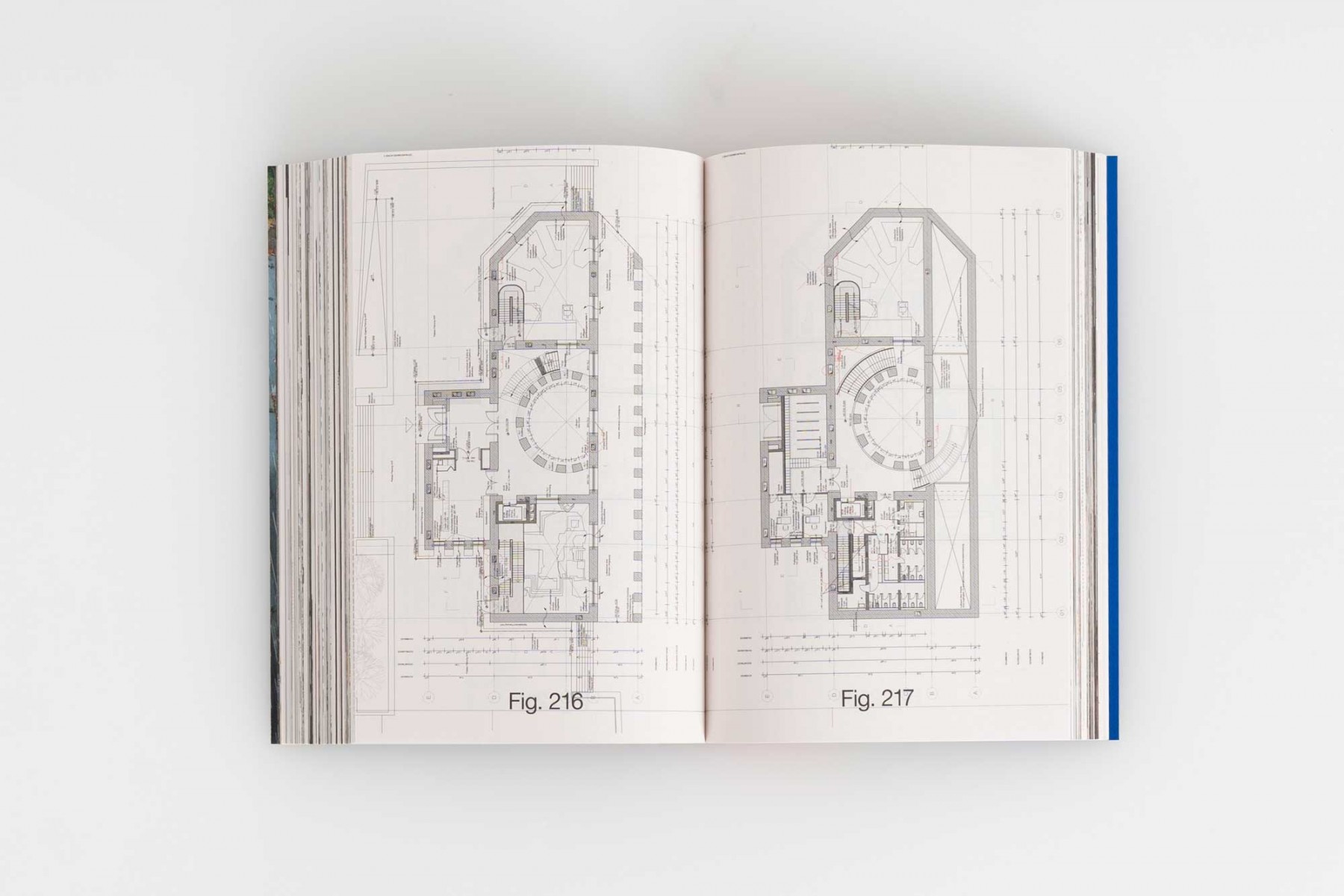
The House of One is a bold proposal by three local communities to build a house of prayer and learning for Jews, Christians, and Muslims in central Berlin. The design, which was the result of an international competition won by architects Kuehn Malvezzi in 2012, is to be built on the existing foundations of St. Petri Church, the first documented site in Berlin’s history. The concept of the House of One is based on dialogue and an understanding of other faiths. As well as being a place of worship, it will be an educational center open to everyone. The sequence of spaces follows the principle of multiplicity within unity and heterogeneity within a single building. Although their rituals are different, coming together around a central hall in one building aspires to the universal.
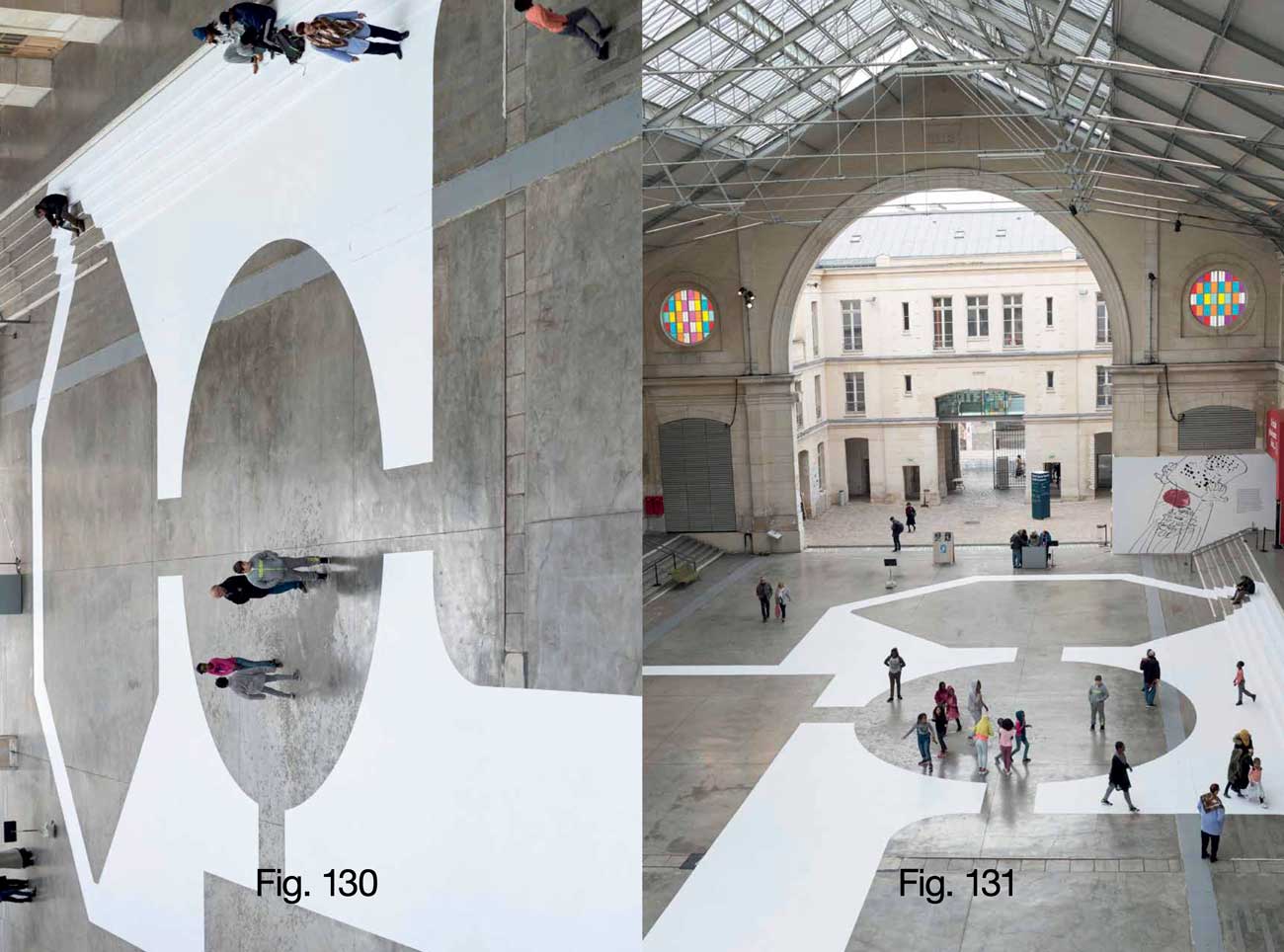
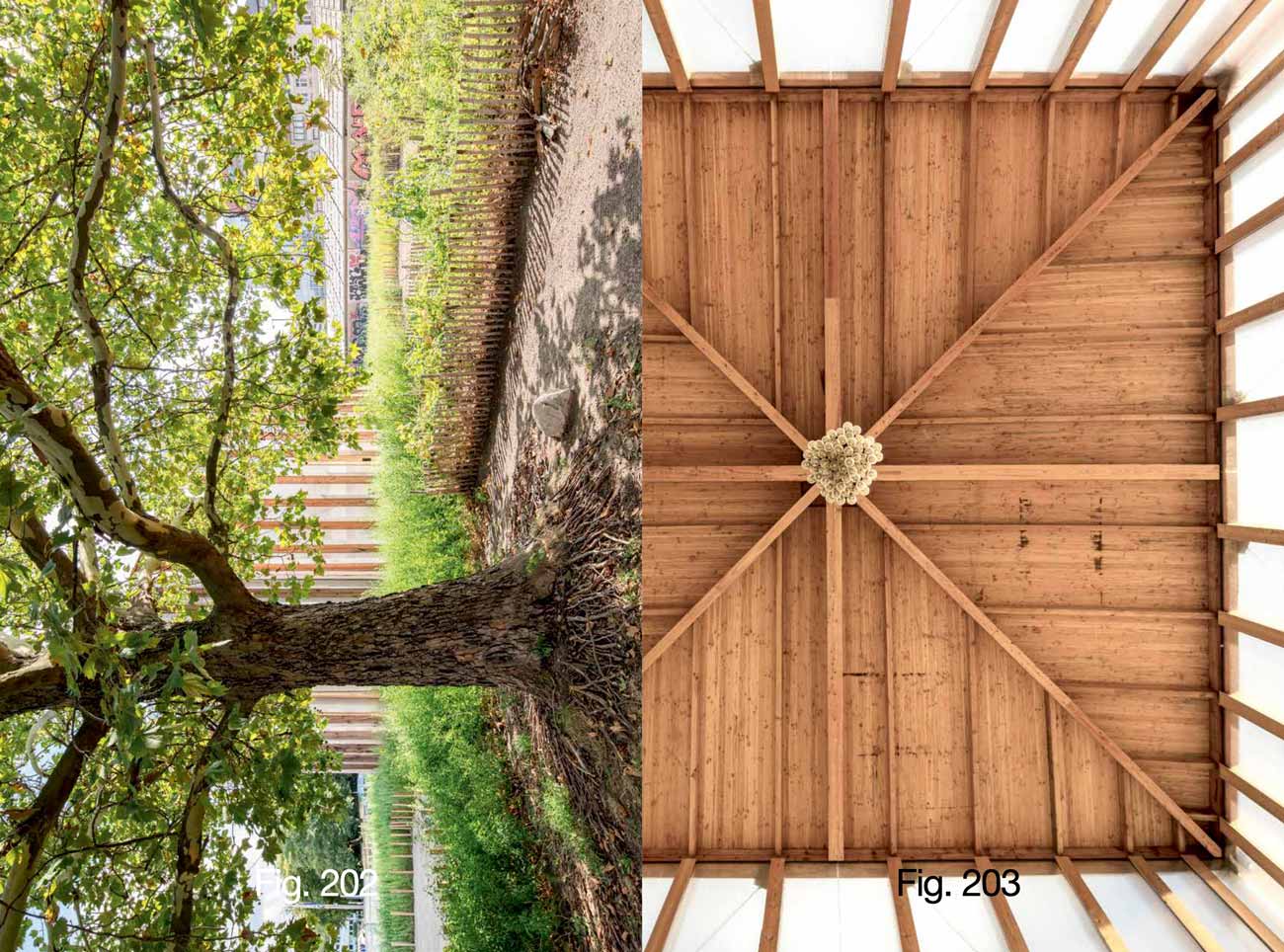
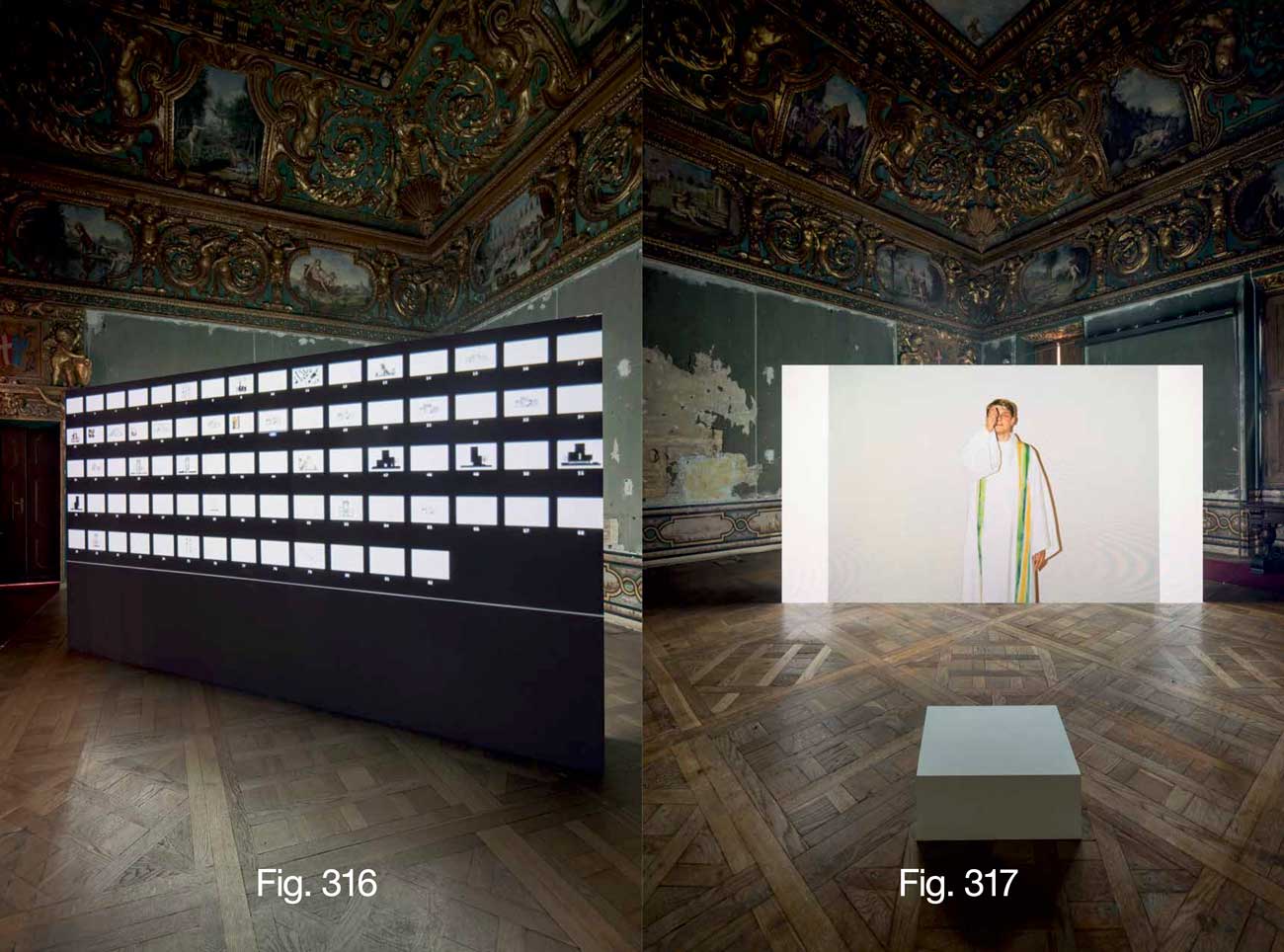
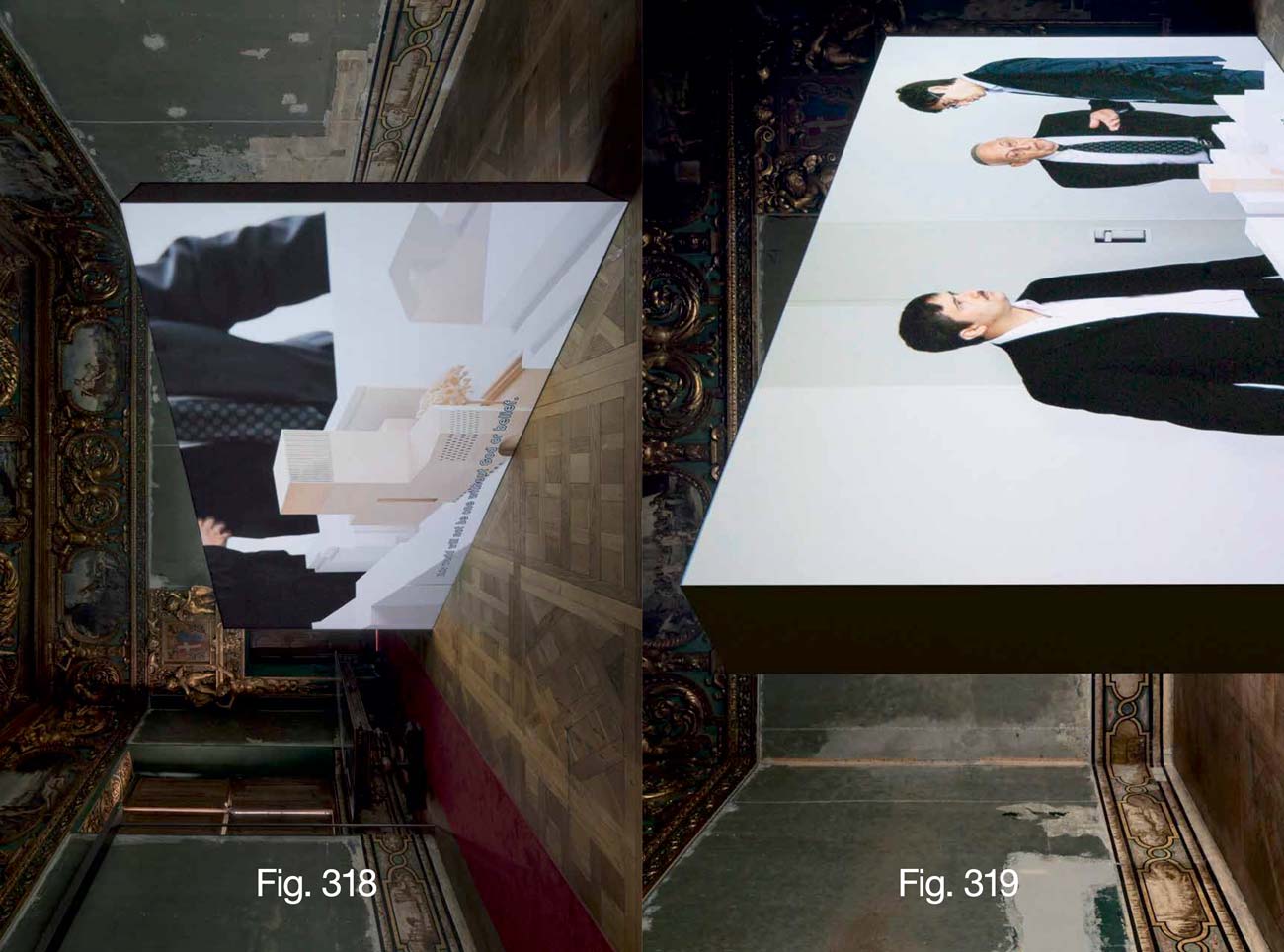
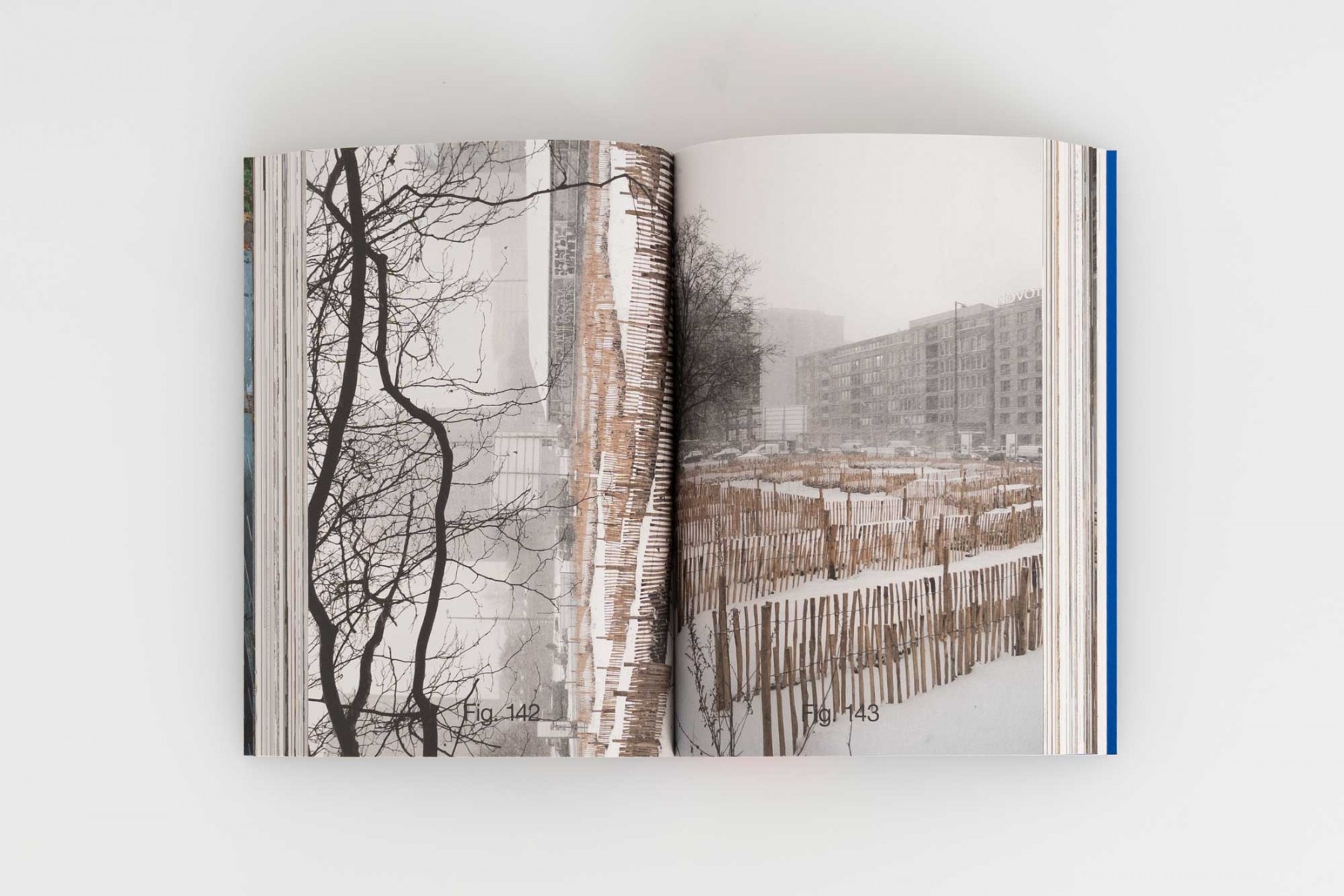
The dynamic relationship between the specific and the universal informs its architecture as a hybrid monument. Since 2012, the project has attracted considerable interest due to its uniqueness and complexity. It has been featured in numerous international exhibitions, including the Chicago Biennial and the Venice Biennale. A wooden model of the House of One is included in the collection of the Victoria and Albert Museum. This book traces the project’s development to the present day and includes details of exhibitions, articles, and contributions from artists who have interpreted the House of One through videos, photographs, and performances.