O livro, lançado por ocasião da exposição homónima no CAM – Centro de Arte Moderna Gulbenkian, em Lisboa, explora as convergências nas obras de Paula Rego (Lisboa, 1935 – Londres, 2022) e Adriana Varejão (Rio de Janeiro, 1964), apesar de pertencerem a gerações e contextos distintos.
The future of architecture lies in the curatorial approach. This is the thesis put forward by architect Wilfried Kuehn and theorist Dubravka Sekulić in their book, which brings together contributions from more than 30 authors working in the fields of architecture, art, and curatorial knowledge and practice.
Emanuele Coccia describes the radical creative freedom inscribed in Ernesto Neto’s practice, analyzing the workings of the Brazilian artist’s pieces of living architecture. Art on Earth is the third book in a series of short essay collections inspired by the site-specific projects conceived for GAMeC at Palazzo della Ragione.
First Meeting is the first monograph on Argentinian artist Santiago de Paoli. From his early, experimental projects to his most recent explorations, the book delves into his innovative approach of painting on unconventional materials. The book features commissioned essays by Fernanda Brenner and Mariano Mayer, as well as a conversation between Christian Rattemeyer and the artist.
Infinite Memory is Caroline Poggi and Jonathan Vinel’s first monograph, co-published with Fondation Cartier pour l’art contemporain and Lenz. Like a memory card, the book stores information about a selection of films from the initial decade of the artists’ practice. Considered as an object, much like a piece of hardware that stores digital memory, the book offers the possibility to scroll infinitely, with no beginning or end.
Through the words of the sound artist and theorist Brandon LaBelle, the book explores the social and relational component of sound that gave rise to Benevolence, the site-specific project by Sonia Boyce. The Joy of Cacophony is the second book in a series of essay collections inspired by the site-specific projects conceived for GAMeC at Palazzo della Ragione.
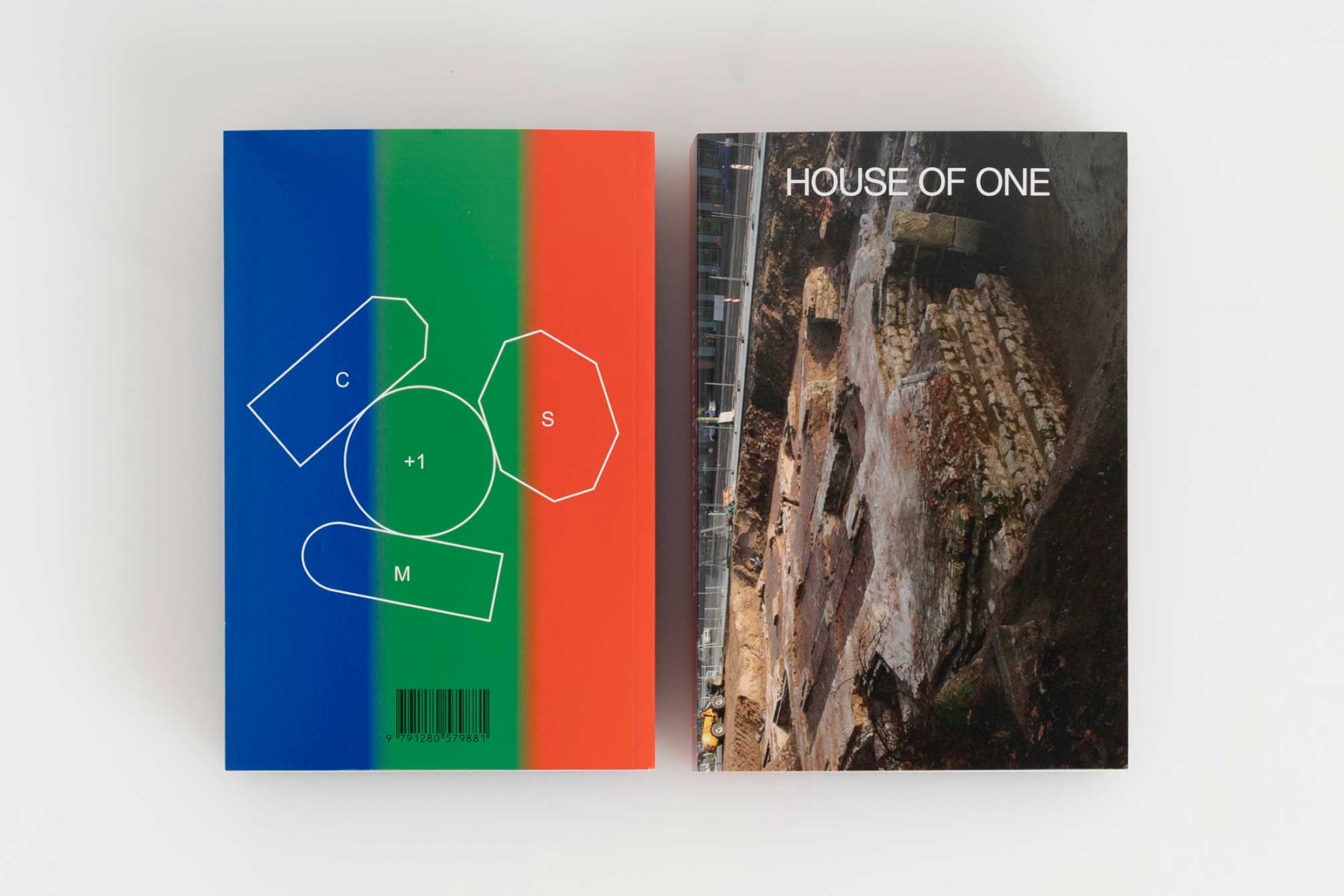
Edited by Kuehn Malvezzi
Designed by Something Fantastic
2025, English, softcover, 14.5 x 21.5 cm, 416 pages
ISBN 979-12-80579-88-1
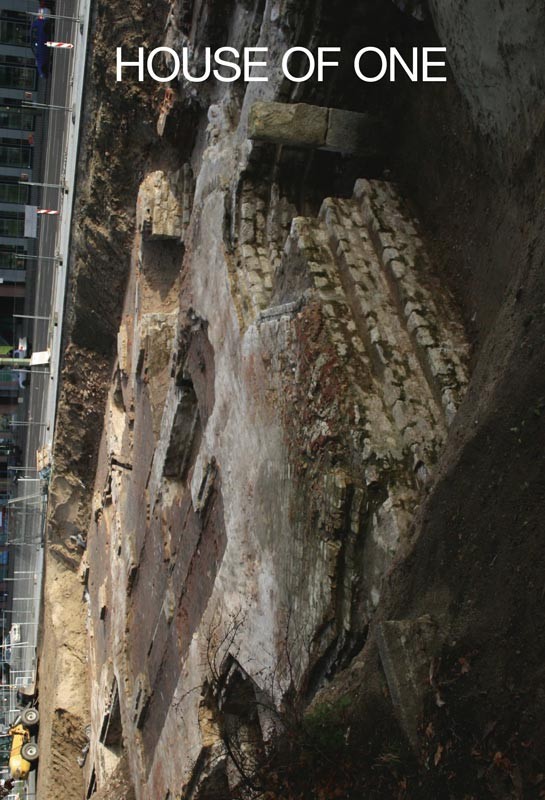
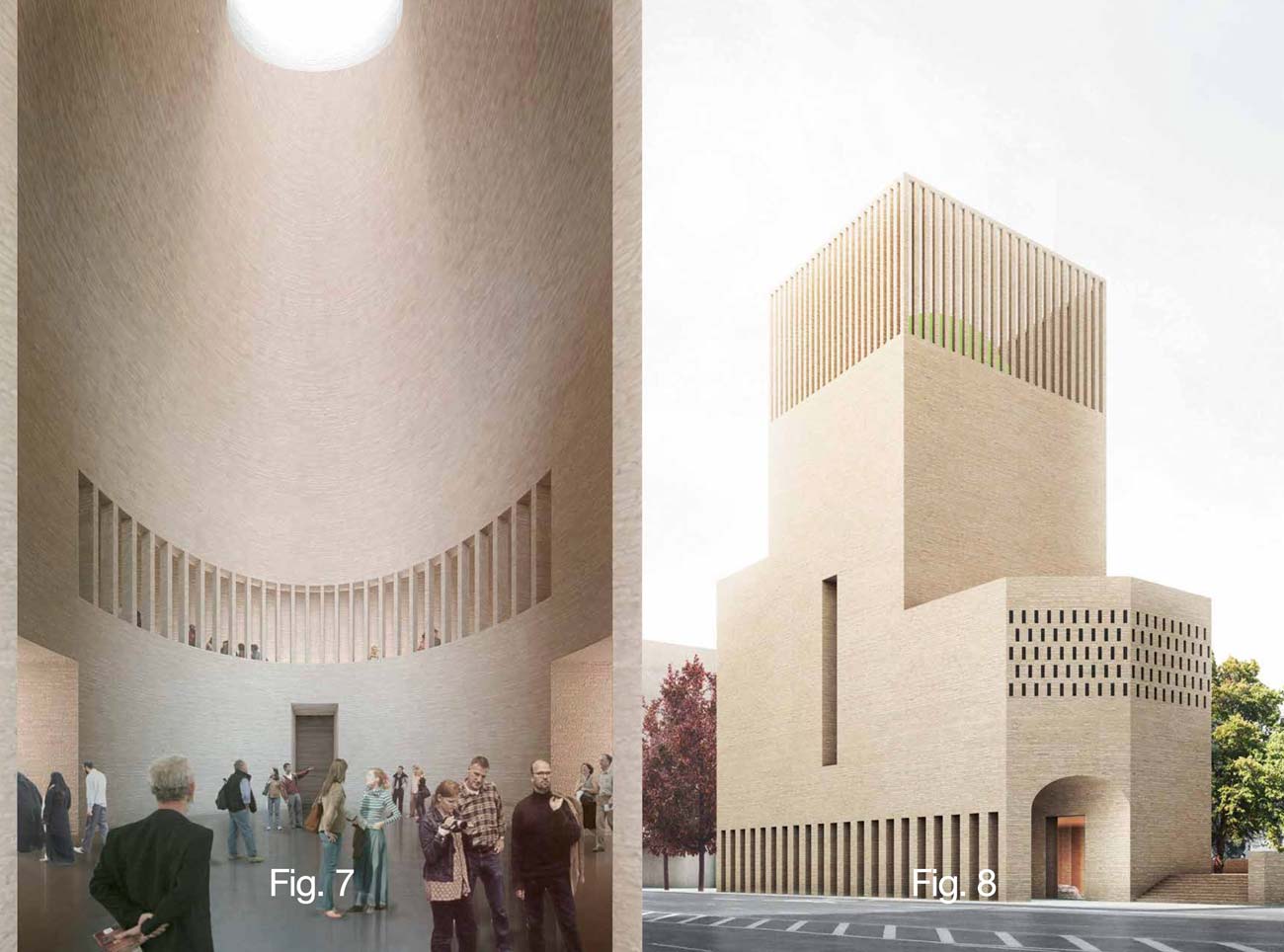
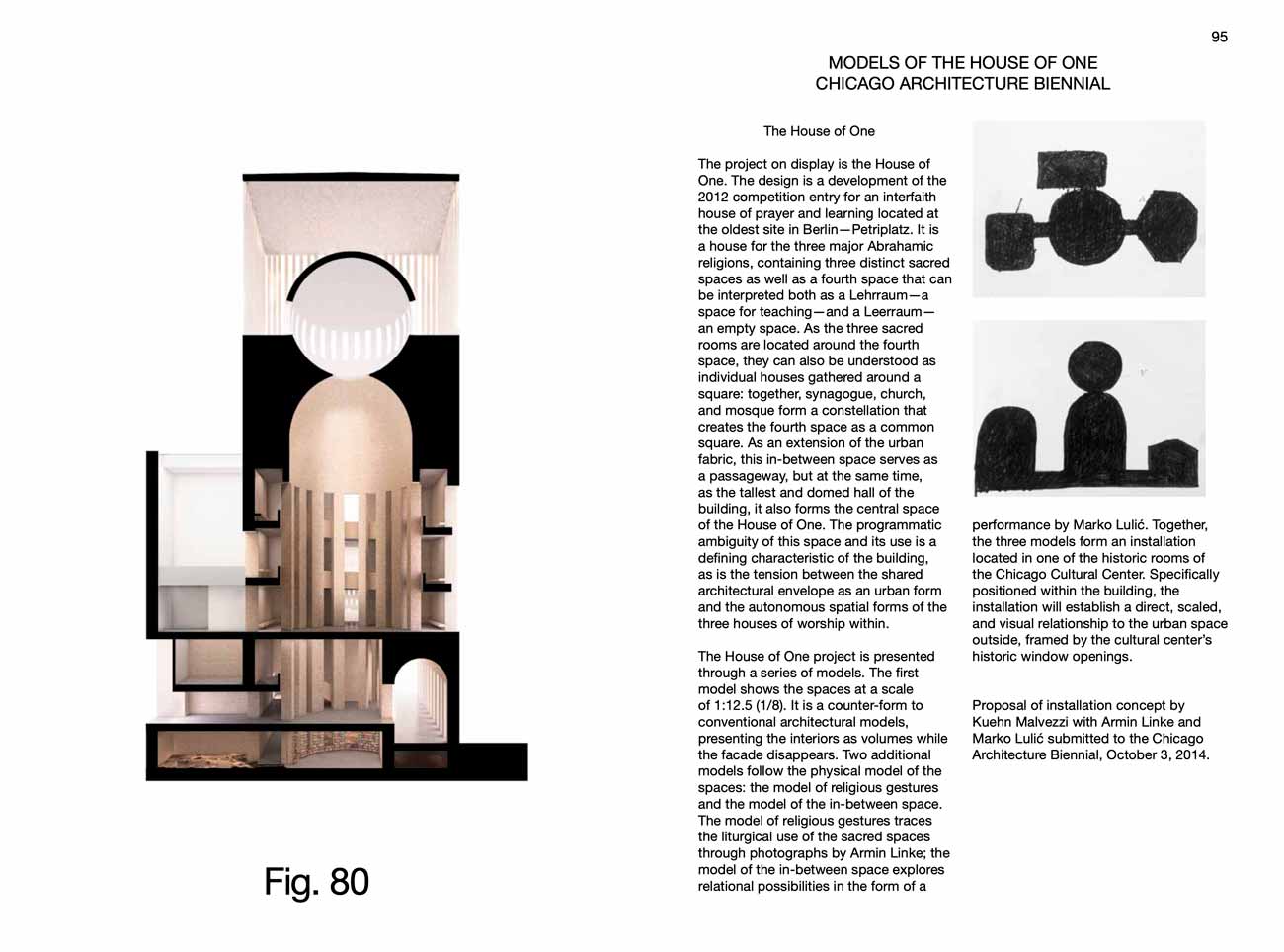
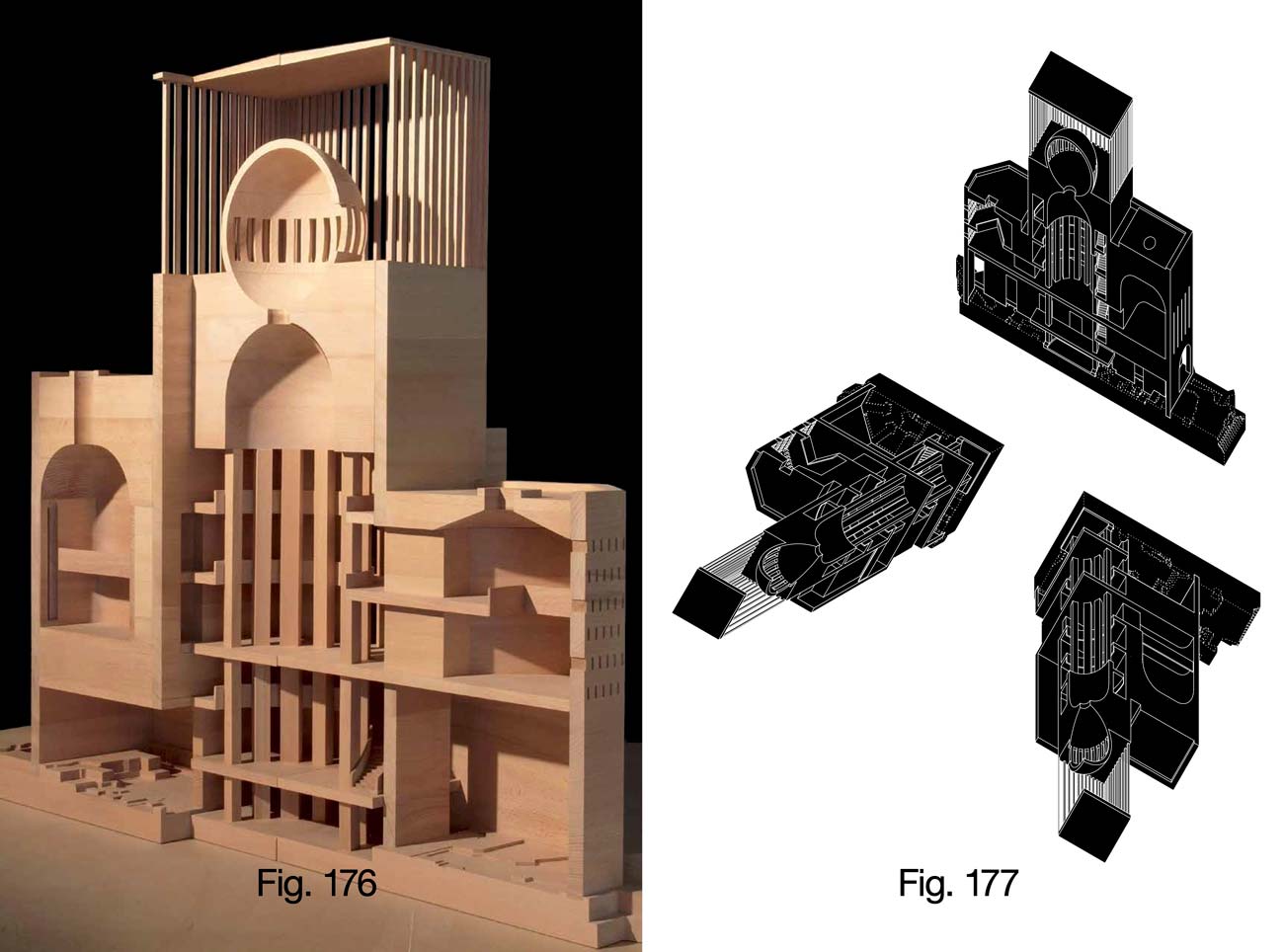
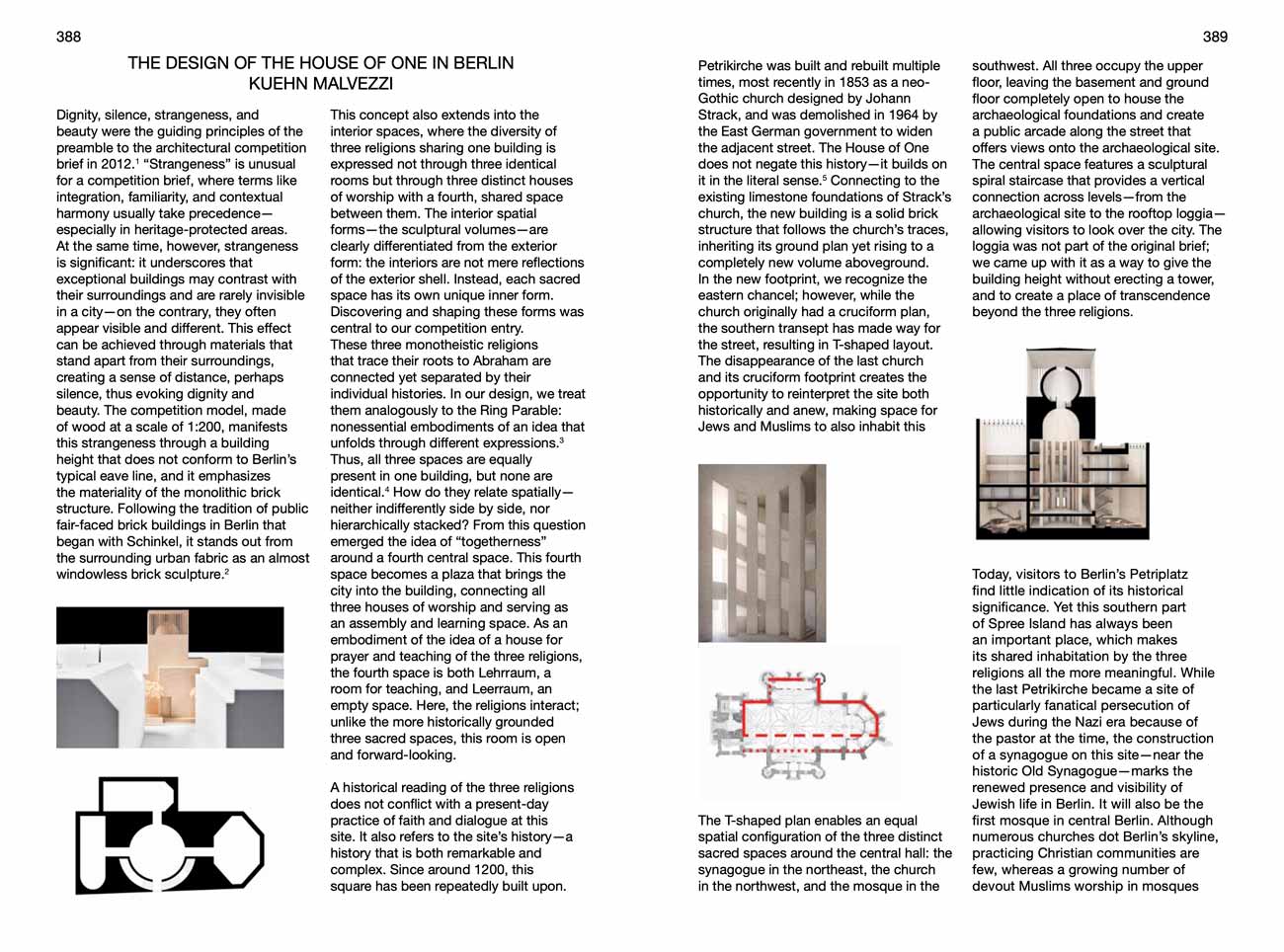
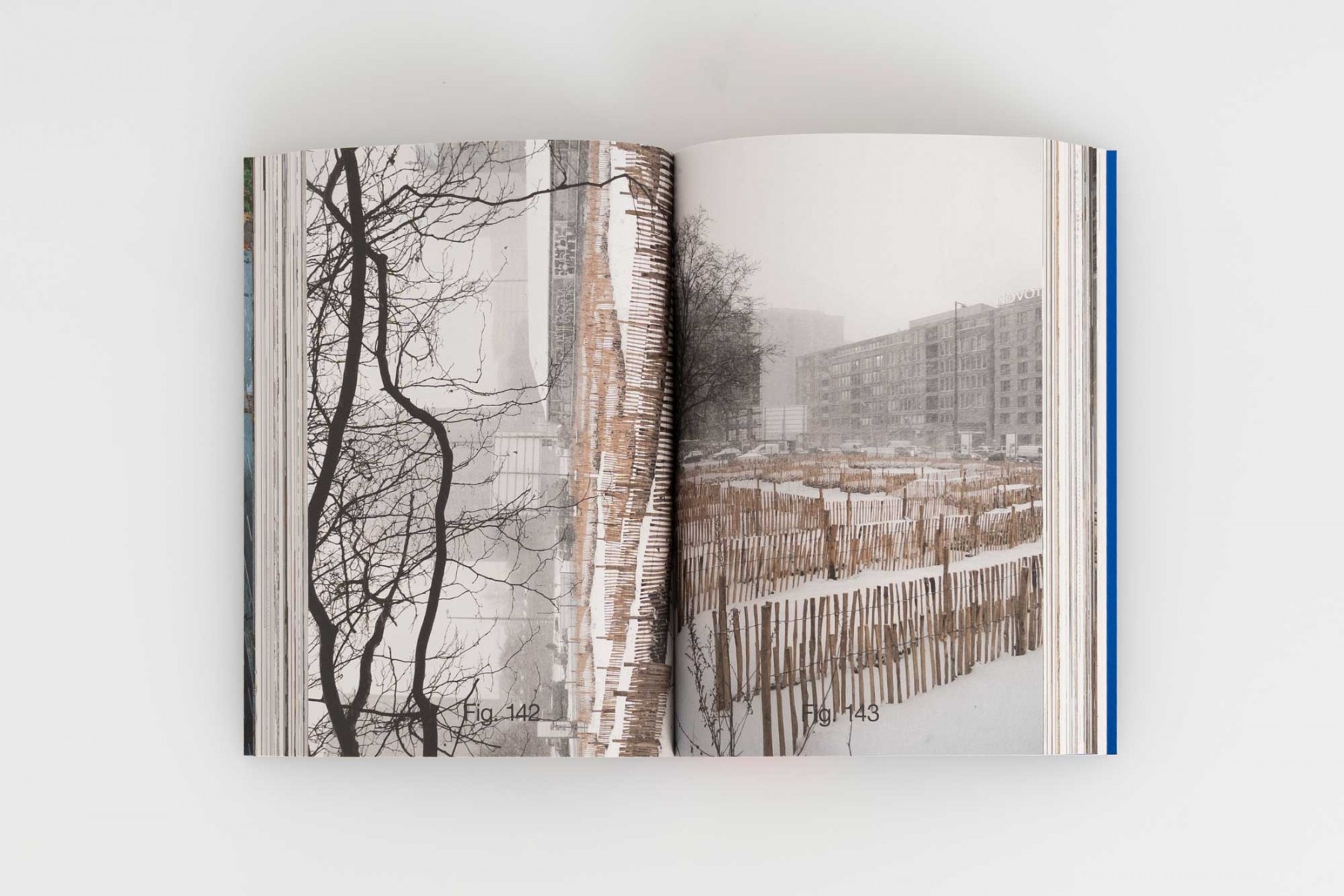
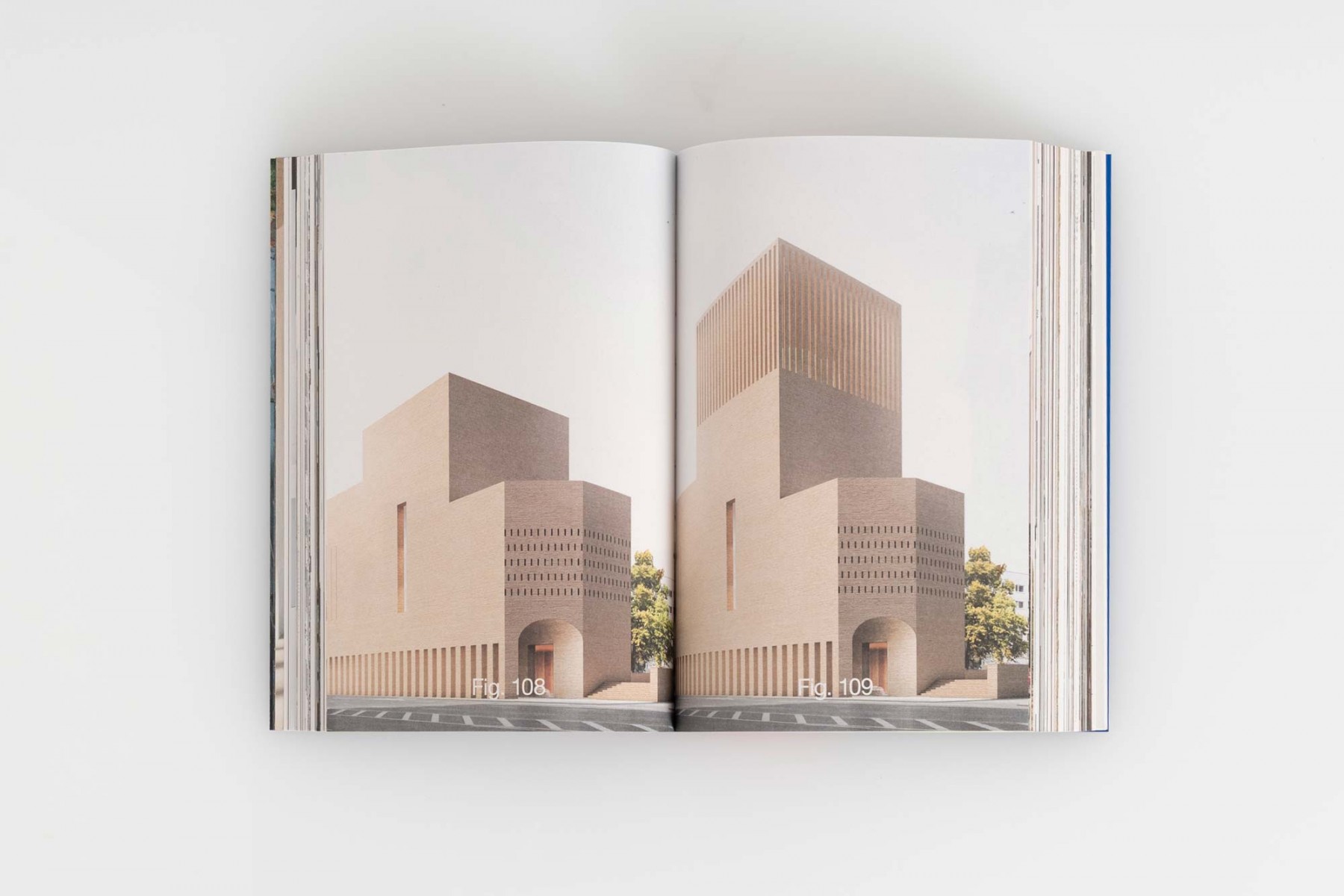
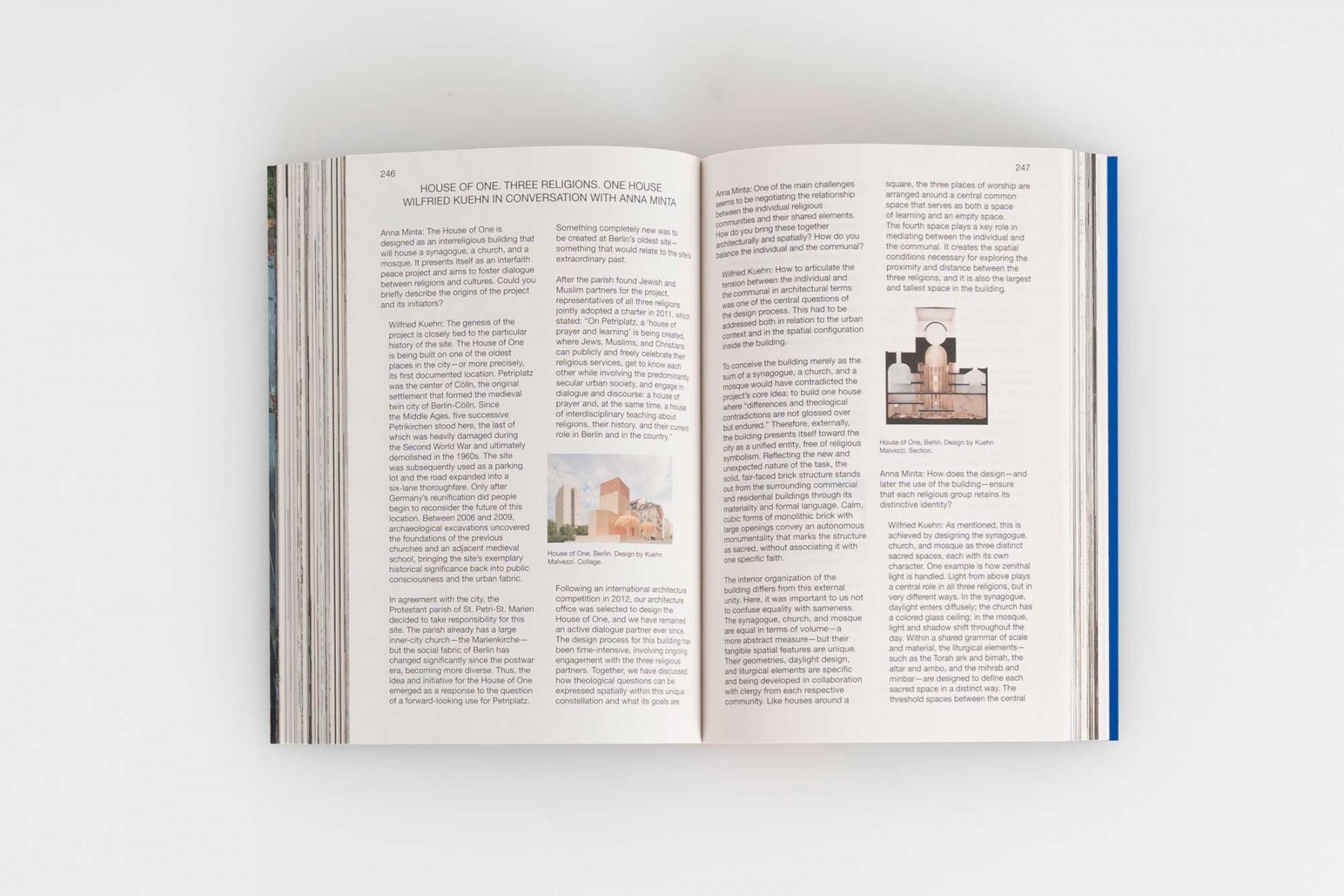
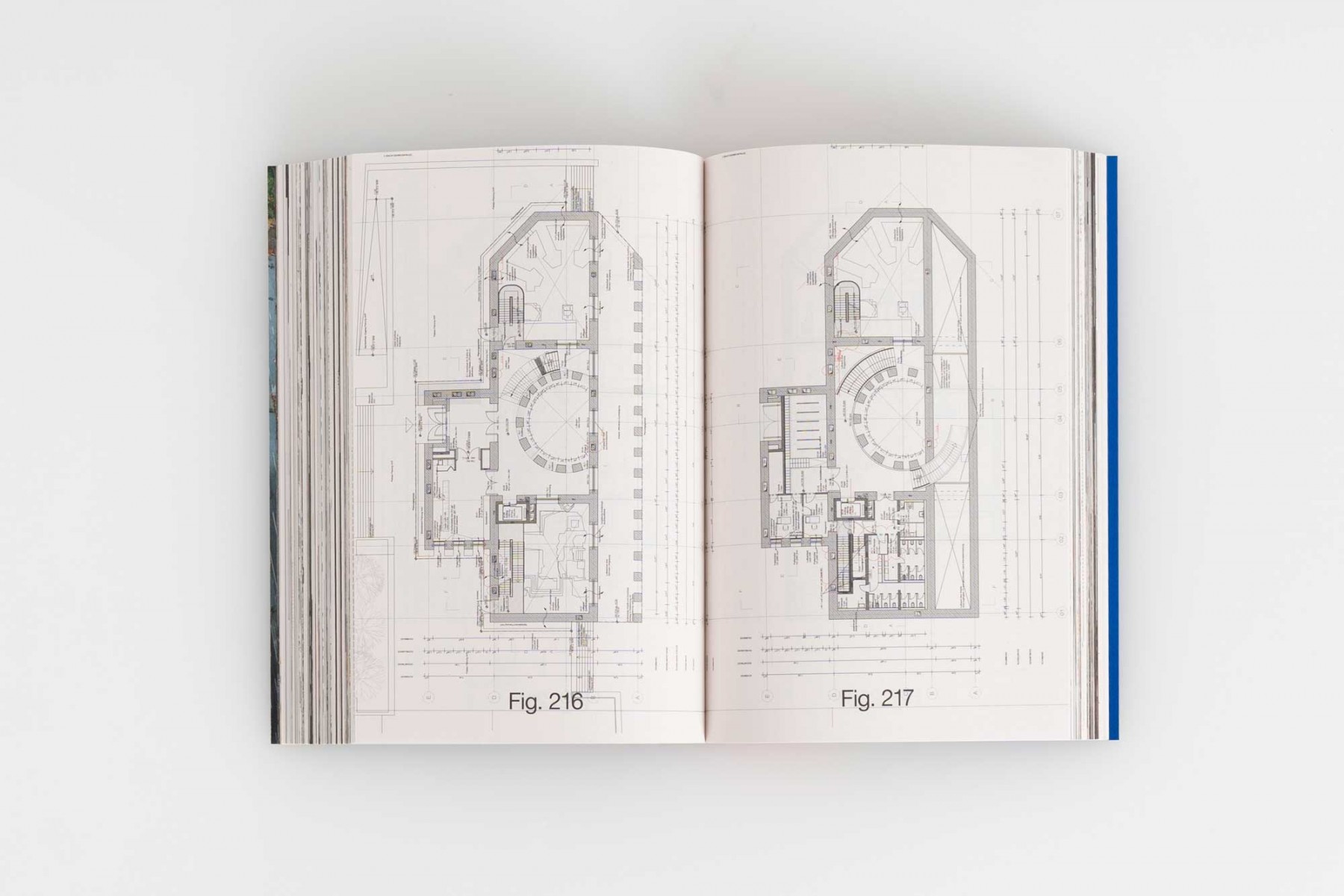
The House of One is a bold proposal by three local communities to build a house of prayer and learning for Jews, Christians, and Muslims in central Berlin. The design, which was the result of an international competition won by architects Kuehn Malvezzi in 2012, is to be built on the existing foundations of St. Petri Church, the first documented site in Berlin’s history. The concept of the House of One is based on dialogue and an understanding of other faiths. As well as being a place of worship, it will be an educational center open to everyone. The sequence of spaces follows the principle of multiplicity within unity and heterogeneity within a single building. Although their rituals are different, coming together around a central hall in one building aspires to the universal.
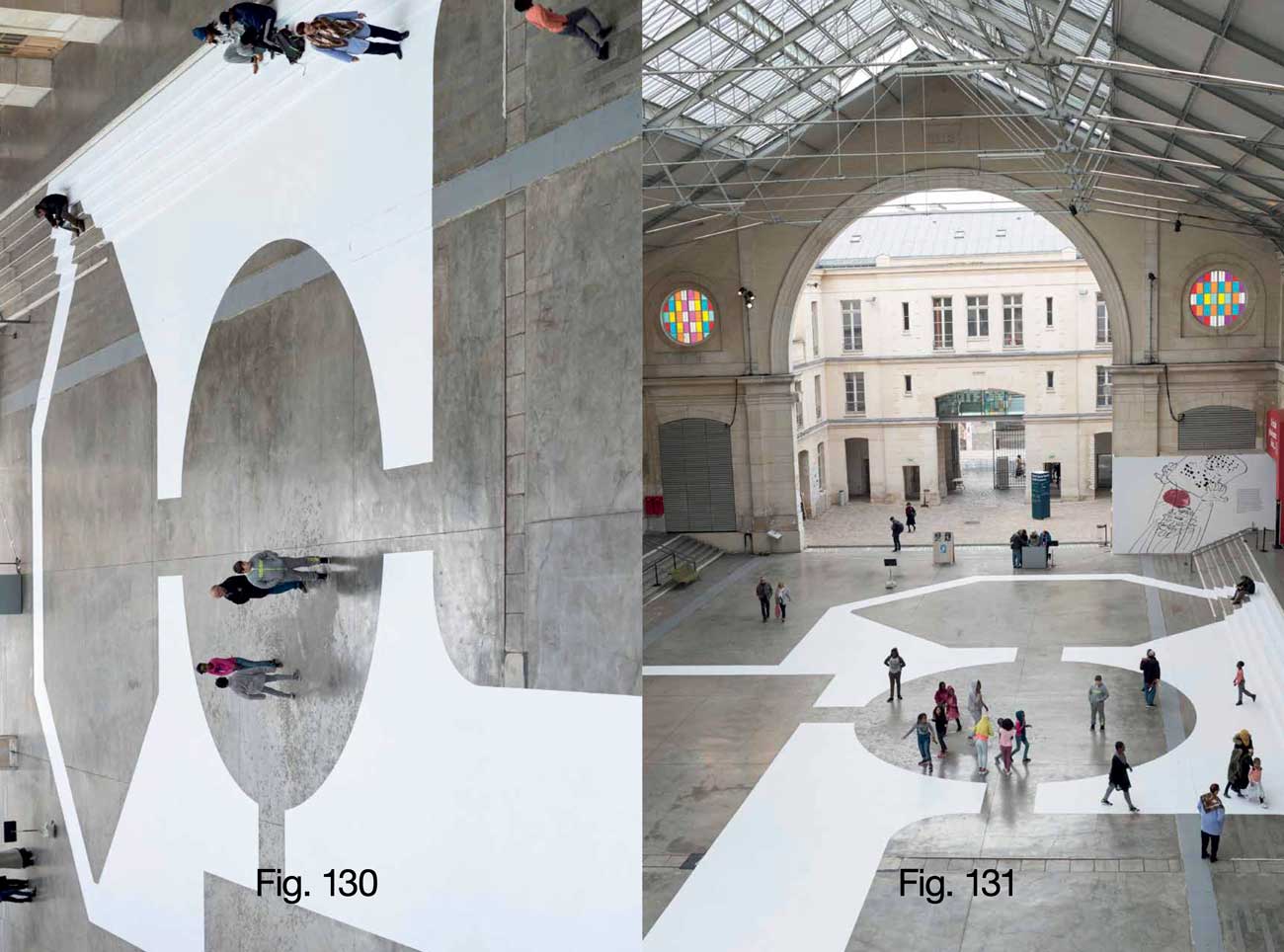
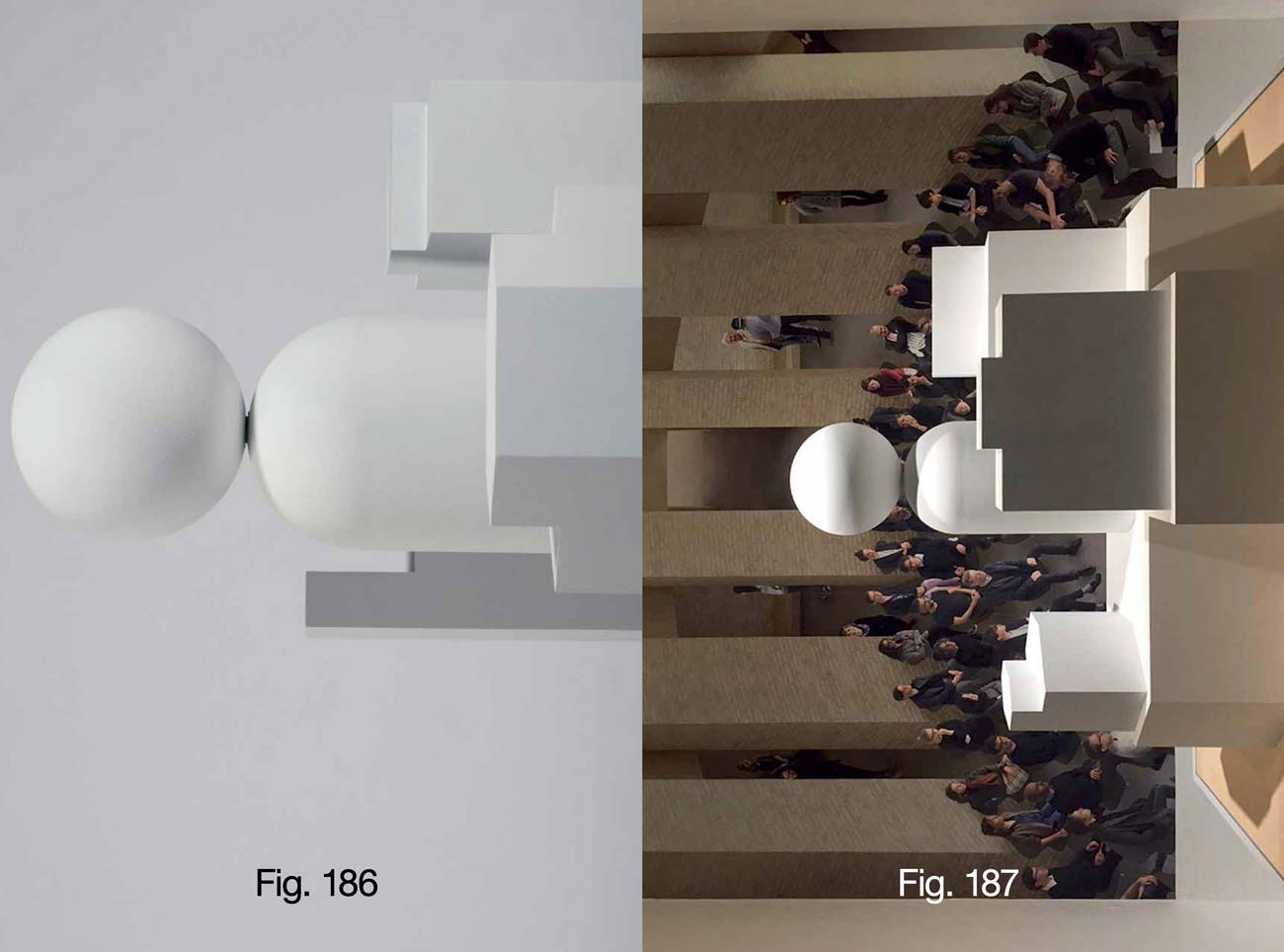
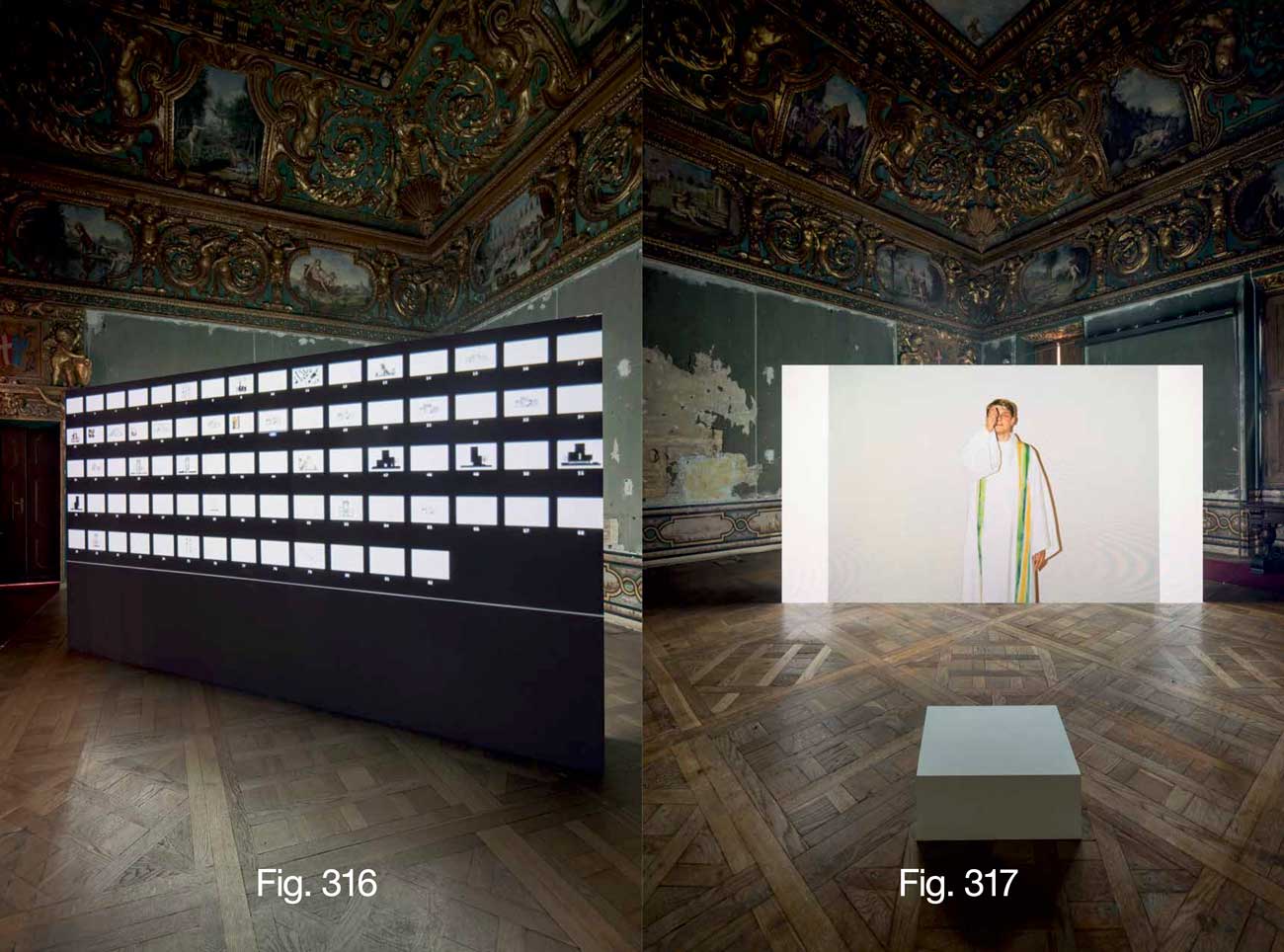
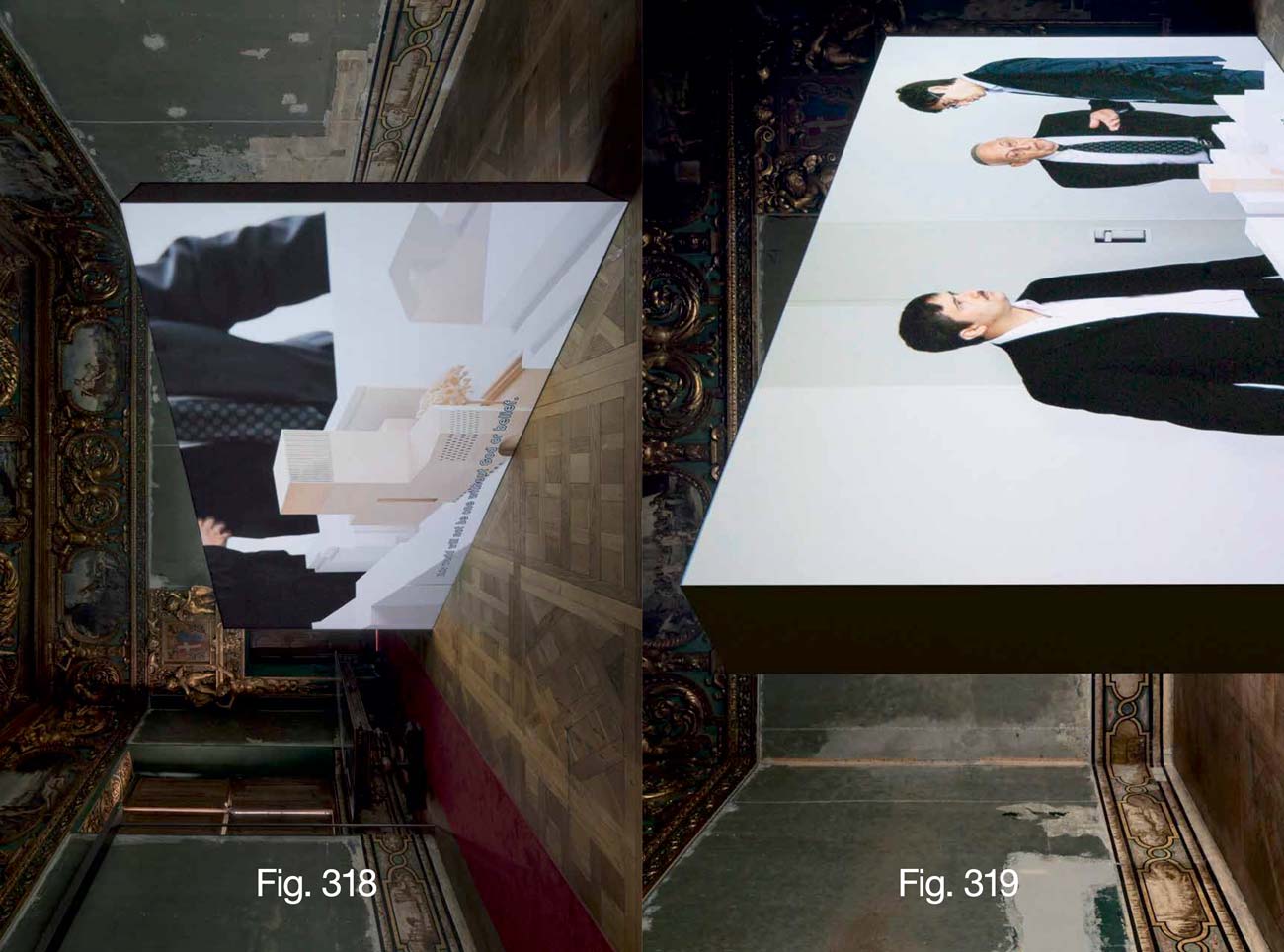
The dynamic relationship between the specific and the universal informs its architecture as a hybrid monument. Since 2012, the project has attracted considerable interest due to its uniqueness and complexity. It has been featured in numerous international exhibitions, including the Chicago Biennial and the Venice Biennale. A wooden model of the House of One is included in the collection of the Victoria and Albert Museum. This book traces the project’s development to the present day and includes details of exhibitions, articles, and contributions from artists who have interpreted the House of One through videos, photographs, and performances.