A visual notebook of the screenshots taken by Yngve Holen over the past five years or so, 6G—the anticipated next phase of network technology—is a peculiarly sized artist’s book, a glossy non-linear agglomeration that reflects the intersections of production, life, and digital debris.
Conceived as a visual résumé, the book provides a comprehensive overview of Posenenske’s solo exhibitions and a record of her numerous group shows. Featuring an essay by curator Erlend Hammer on the role of documentary photographs in the circulation of works of art, it was published in conjunction with the eponymous show at the Haugar Art Museum in Tønsberg.
Since the 1980s, Belgian artist Sigefride Bruna Hauman has created a highly original body of work in different media. Her installations, reliefs and videos are the subject of a much-overdue retrospective organized by M Leuven—and of this first monograph.
Rituals of Care is an extensive monograph devoted to the work of Antonio Obá, published in conjunction with his eponymous exhibition presented at the Centre d’Art Contemporain Genève, curated by Andrea Bellini. Extensively illustrated, the book immerses the reader in Obá’s multifaceted oeuvre and in the magical iconographic universe of his paintings.
Claiming that the museum is not enough means asking what a museum should be and do, eventually questioning the role of cultural institutions in society. Through conversations, stills of documentaries, responses, and reprints of archival documents that explore ideas of architecture on the ground, this volume reflects on the tools deployed by the institution to redefine its relationship to others.
Edited by Michelle Cotton and Francesco Manacorda
Texts by Guglielmo Castelli, Sarah Crowe, Lillian Davies, and Francesco Manacorda
Designed by Lorenzo Mason Studio
2026, English / Italian / German, 24 x 30 cm, 256 pages
ISBN 979-12-80579-90-4
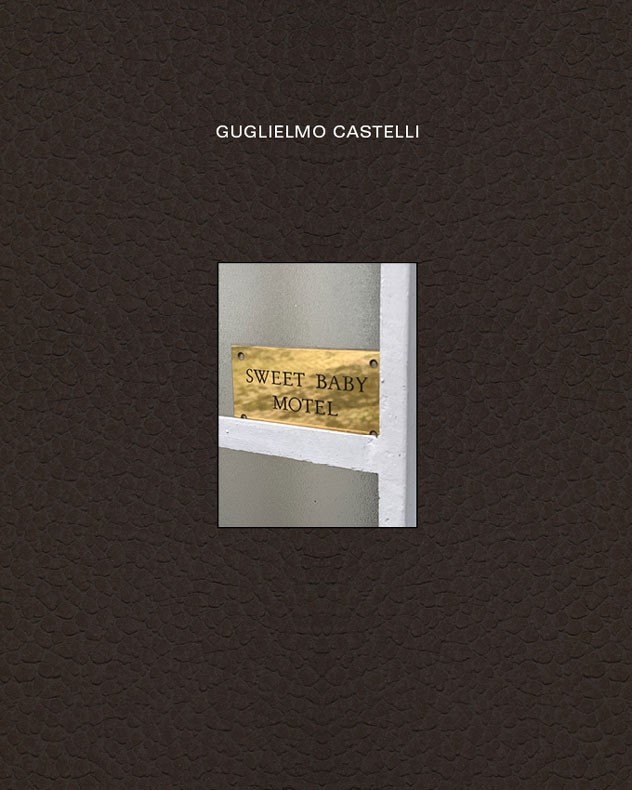
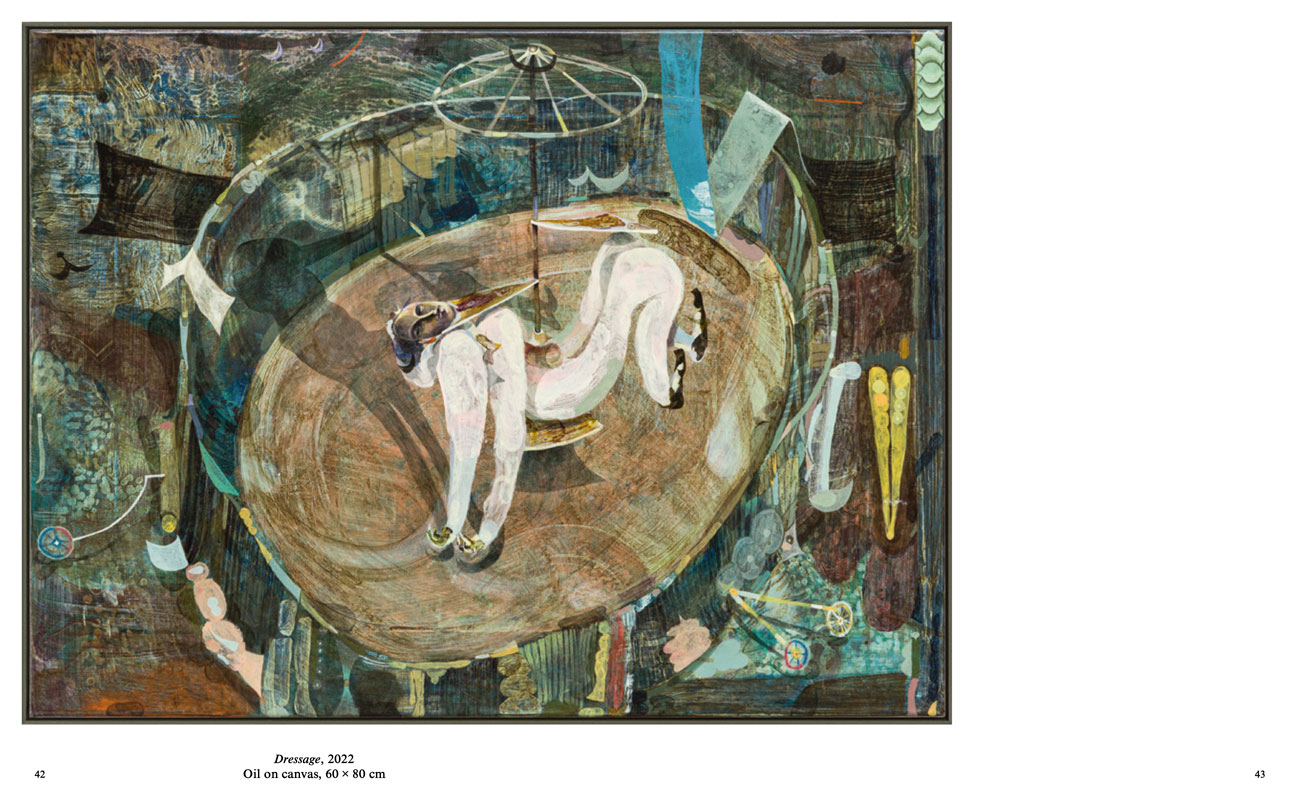
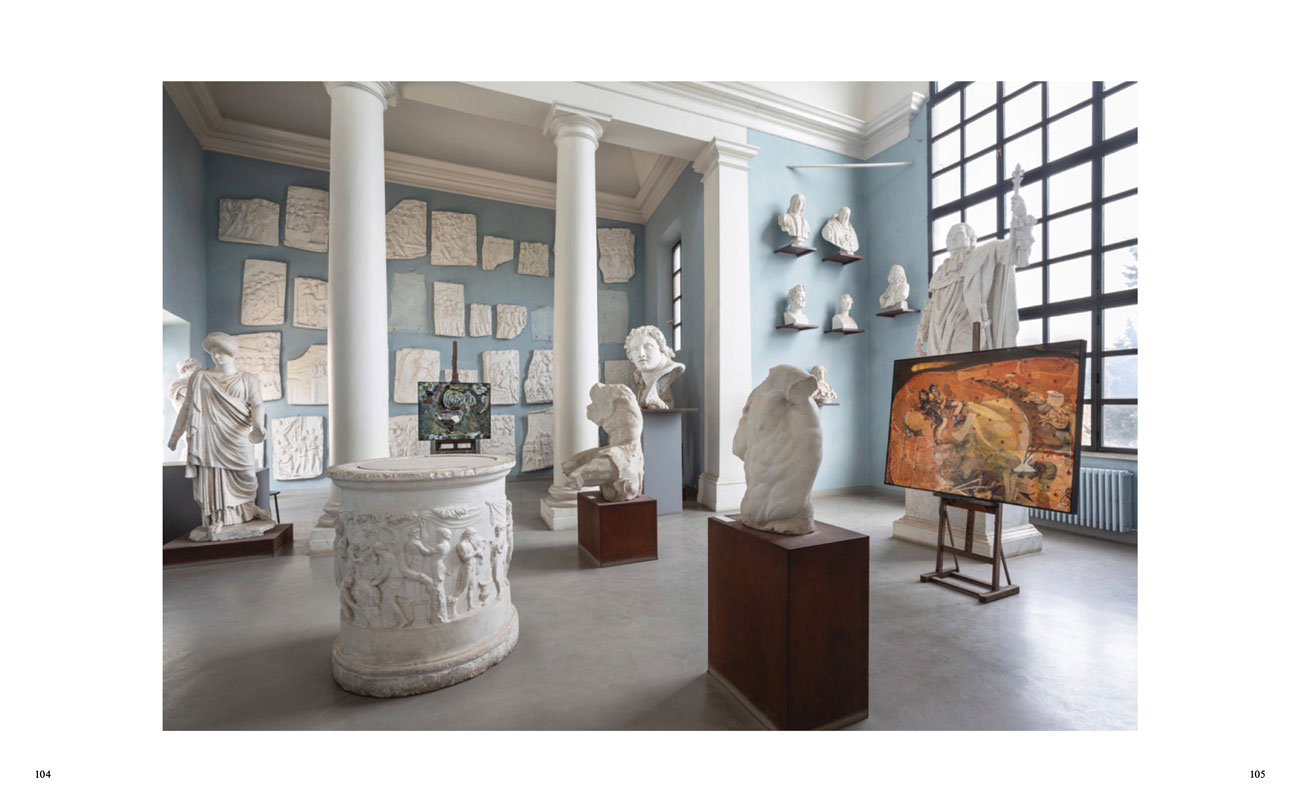
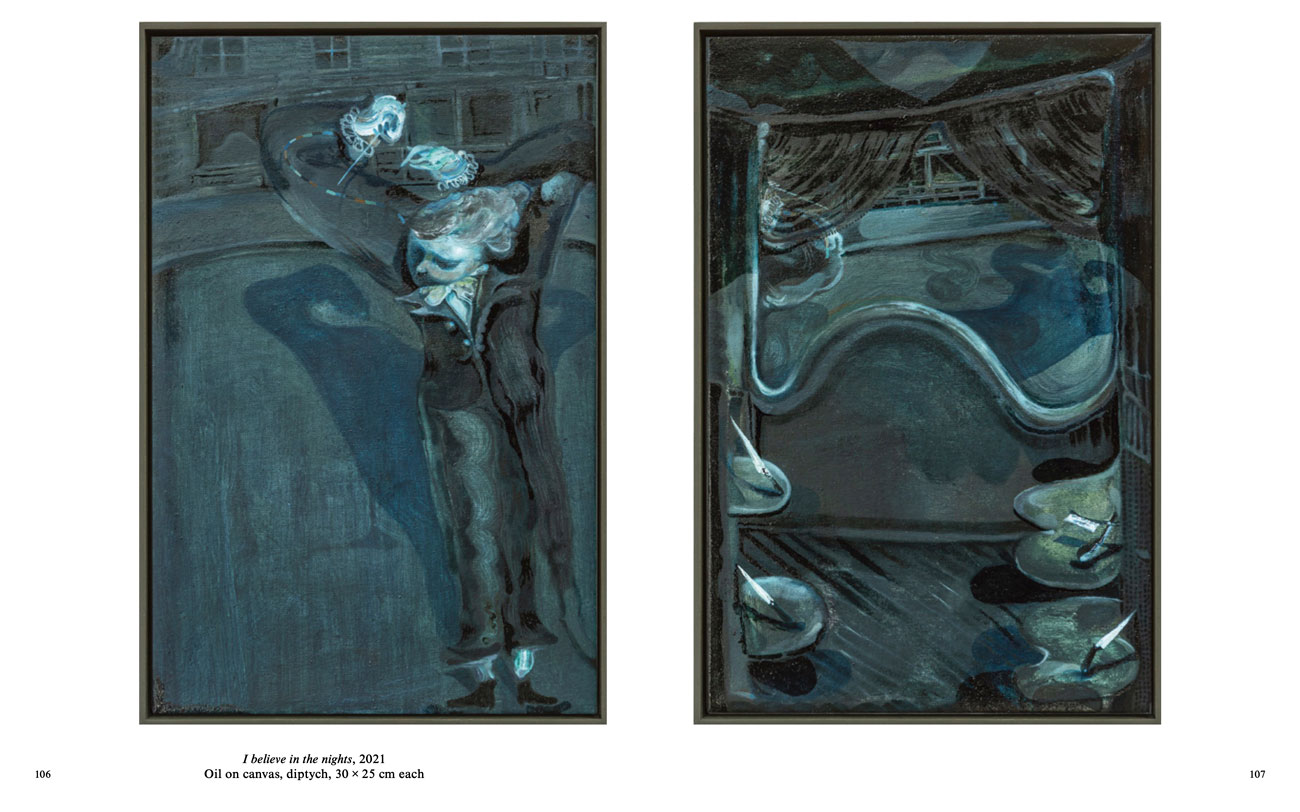
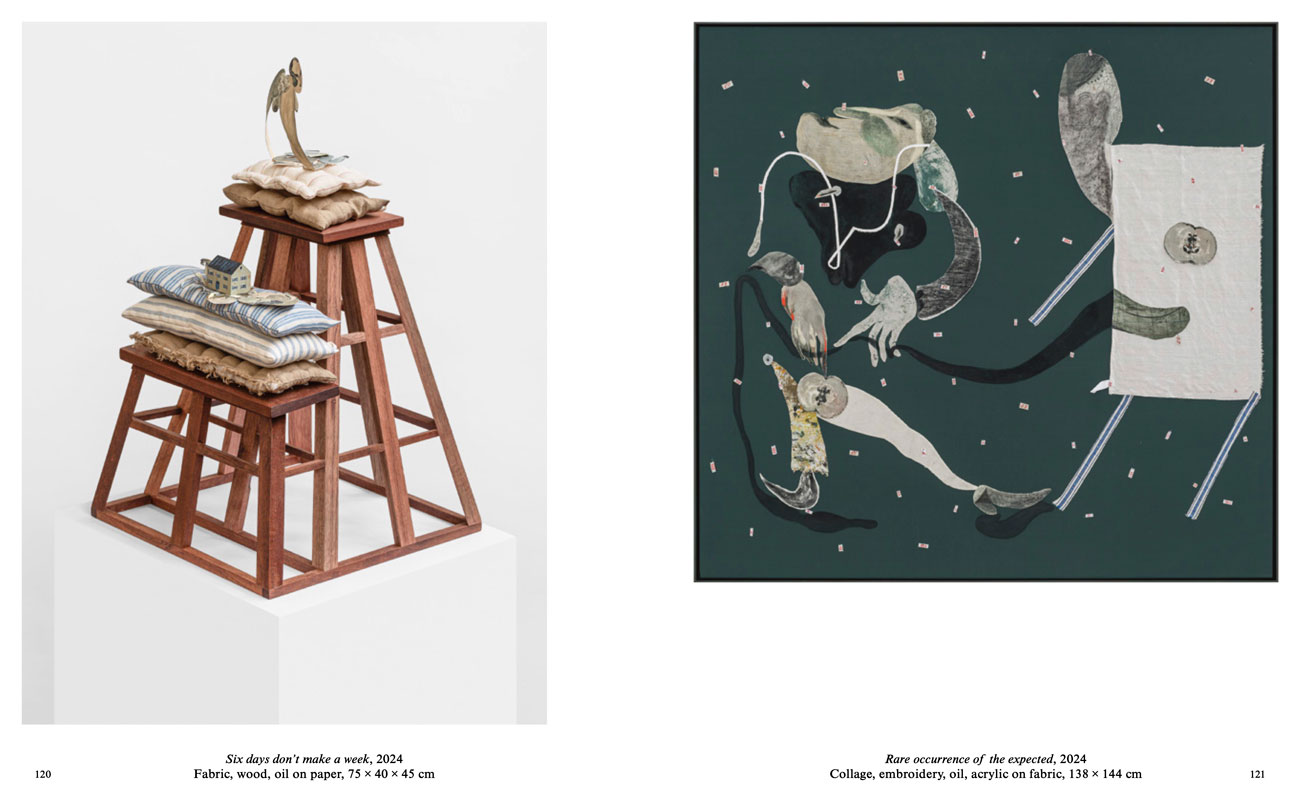
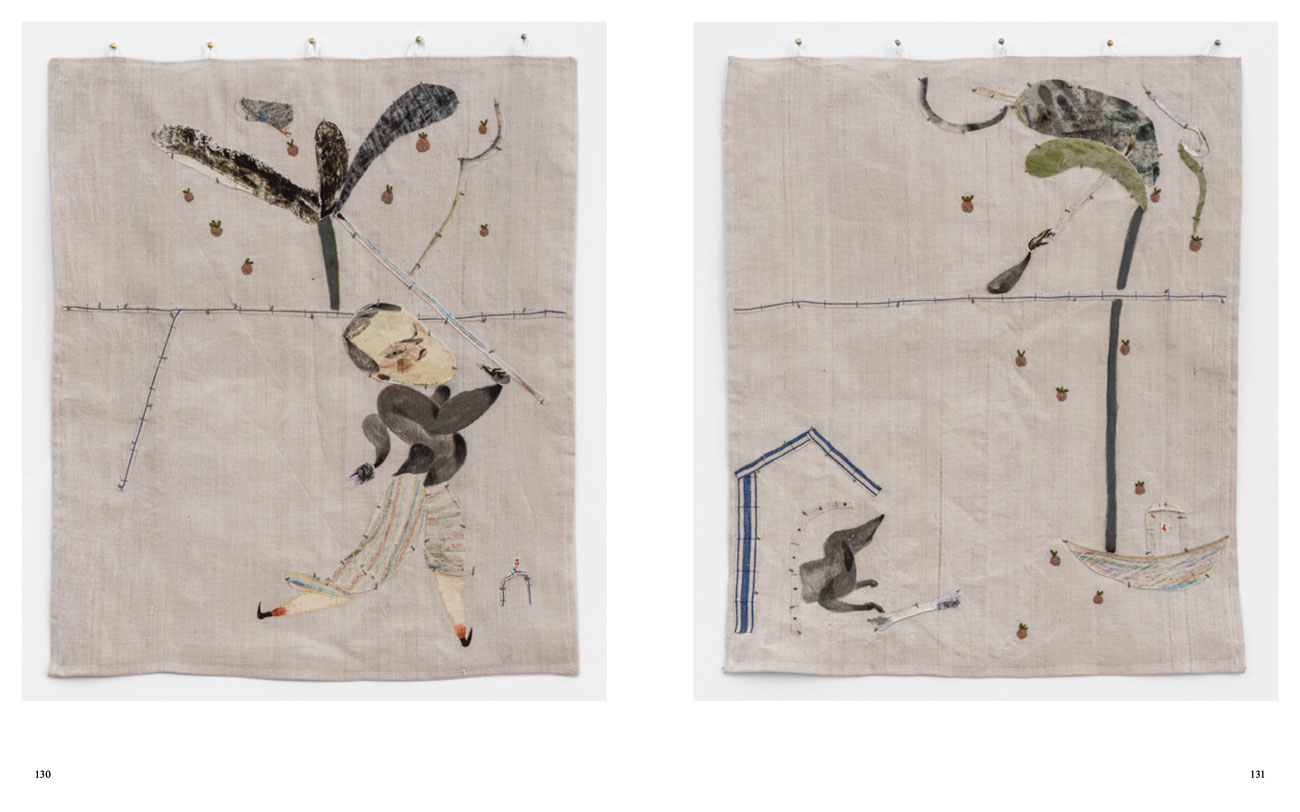
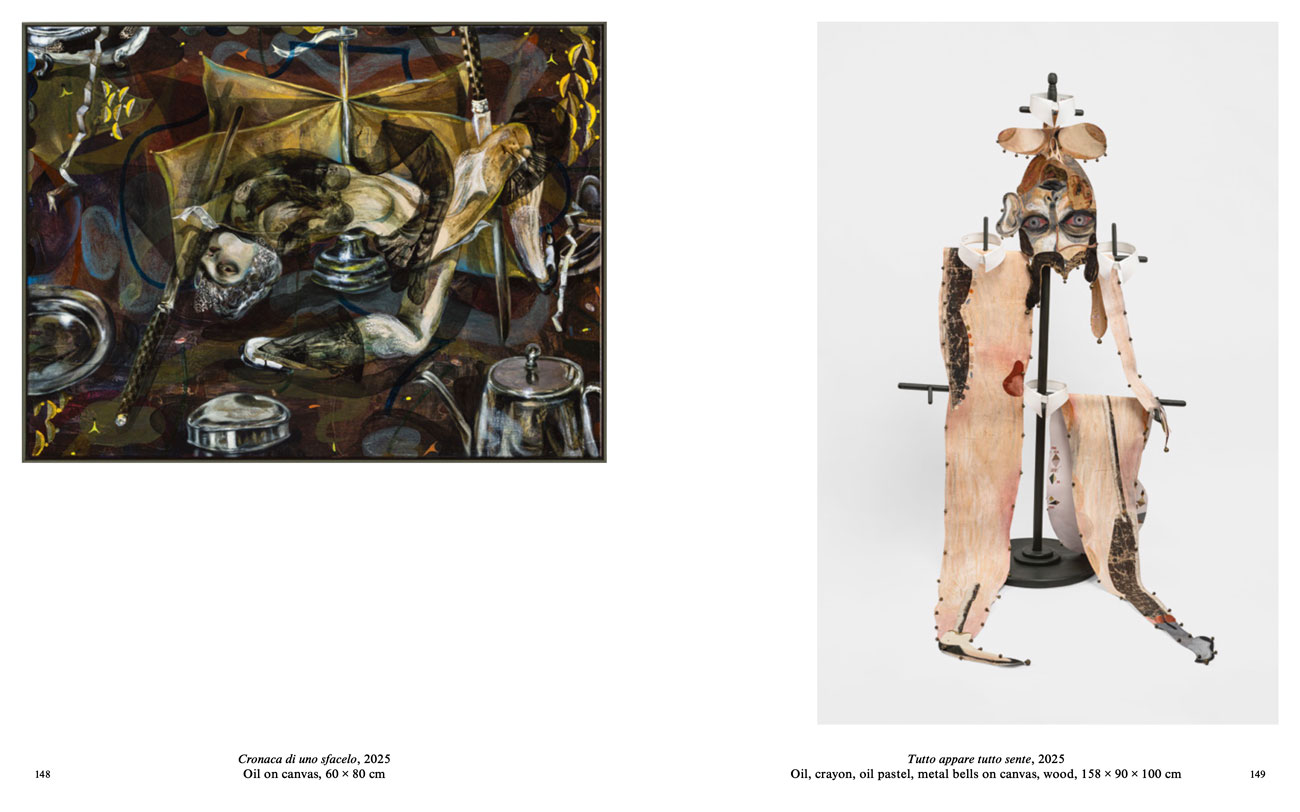
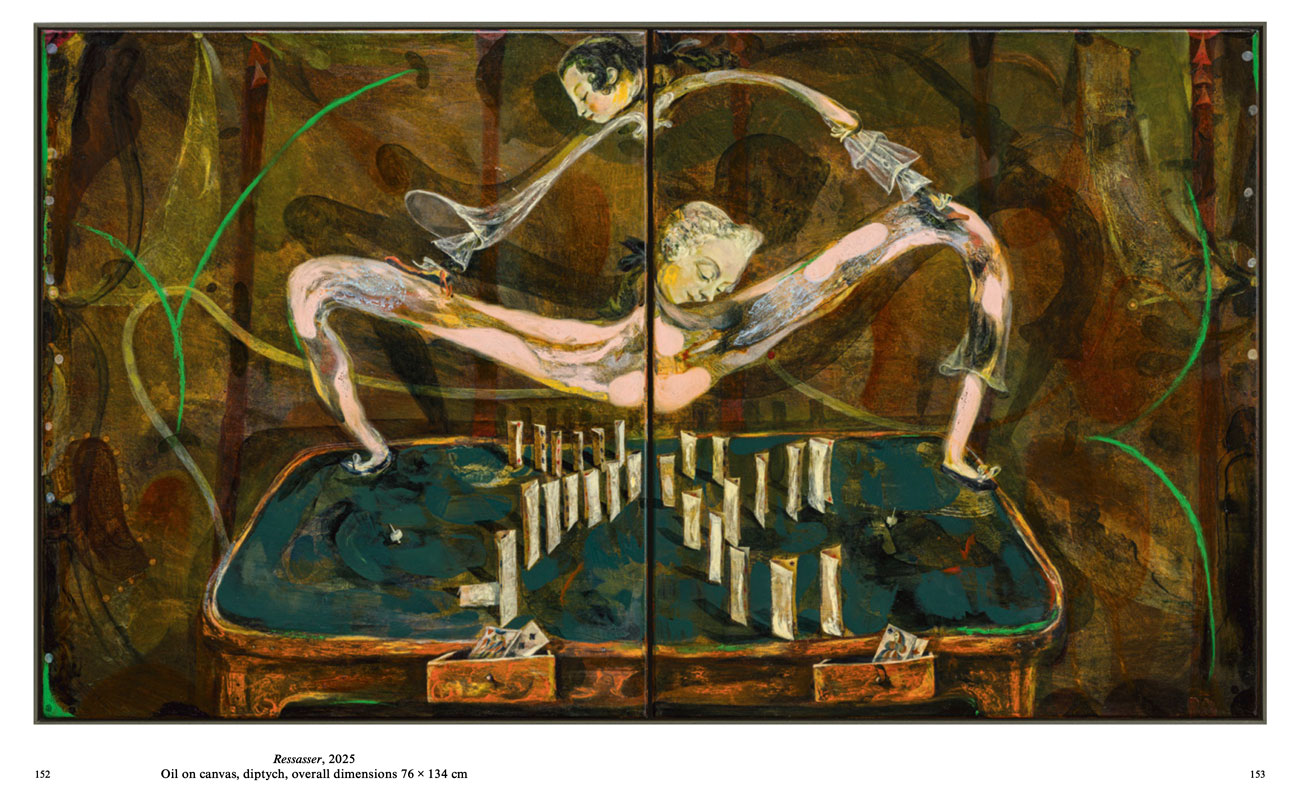
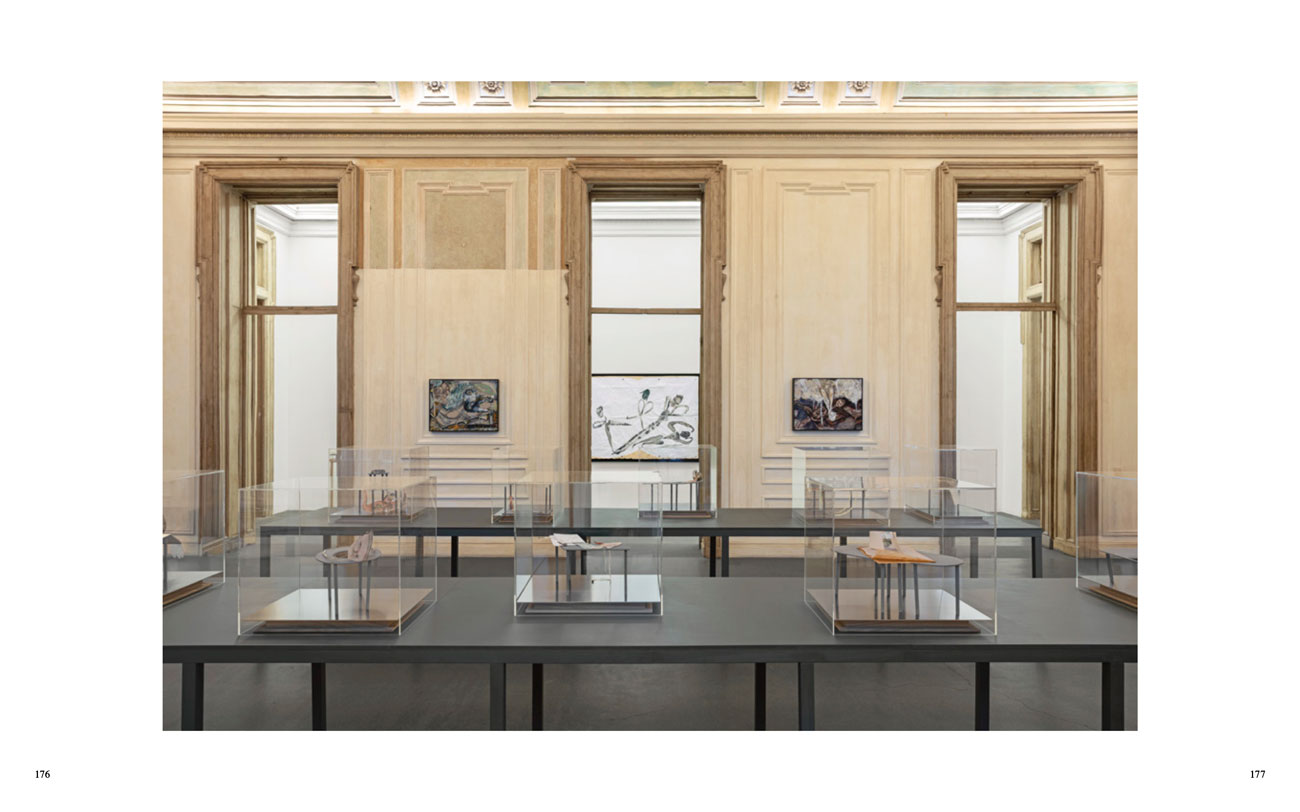
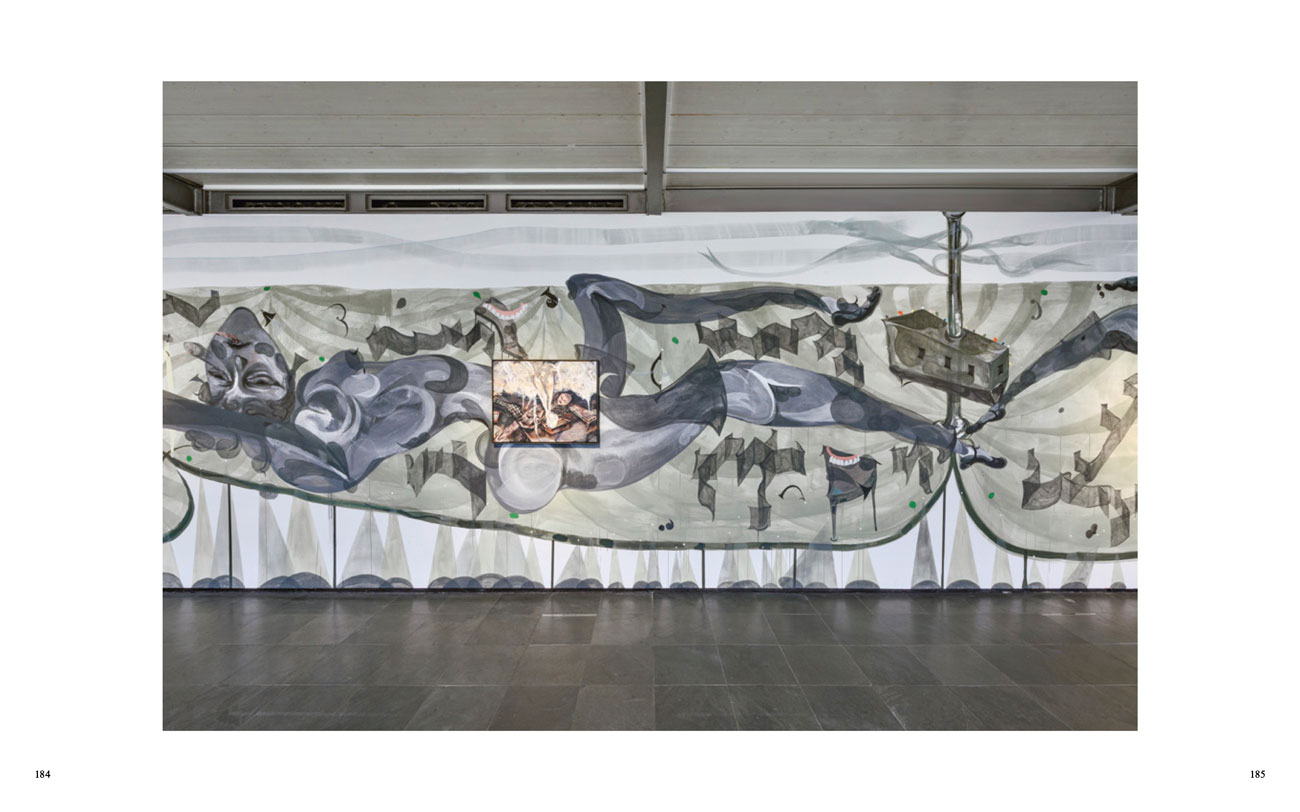
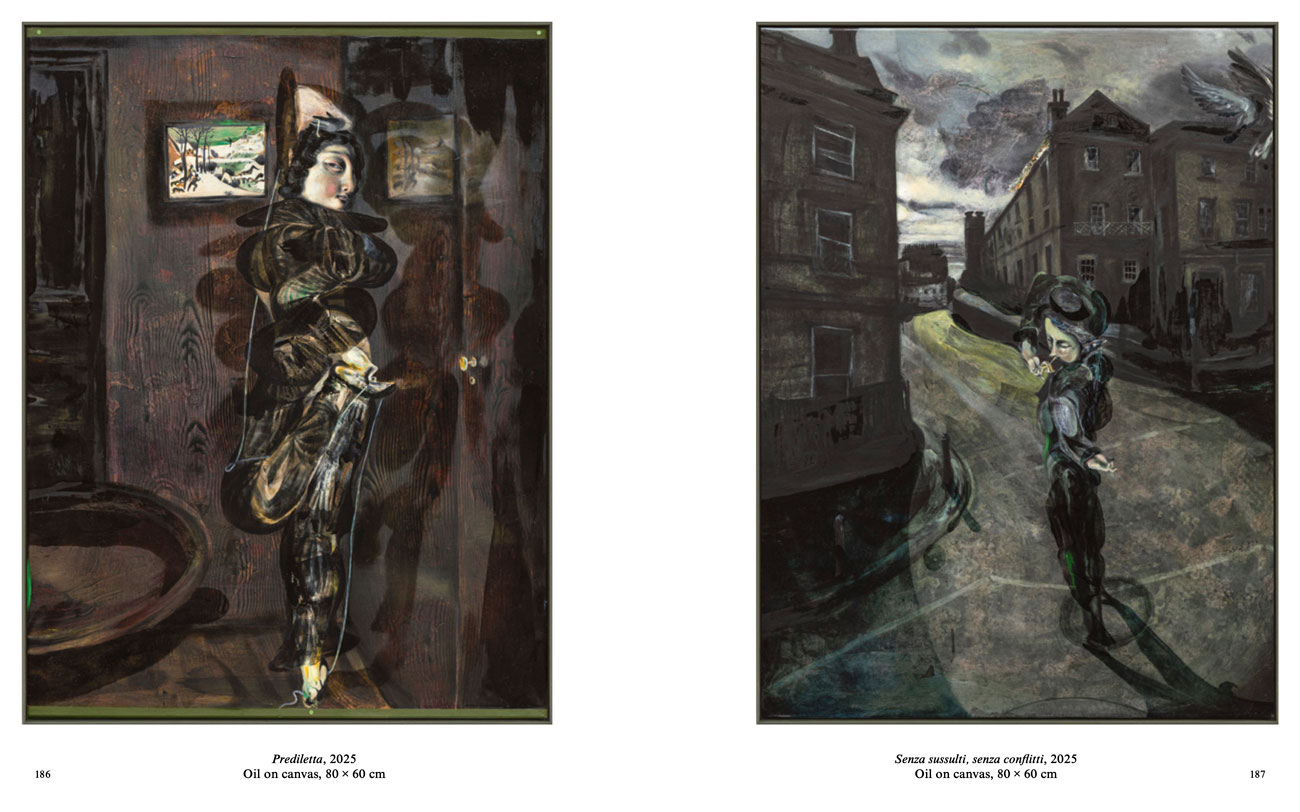
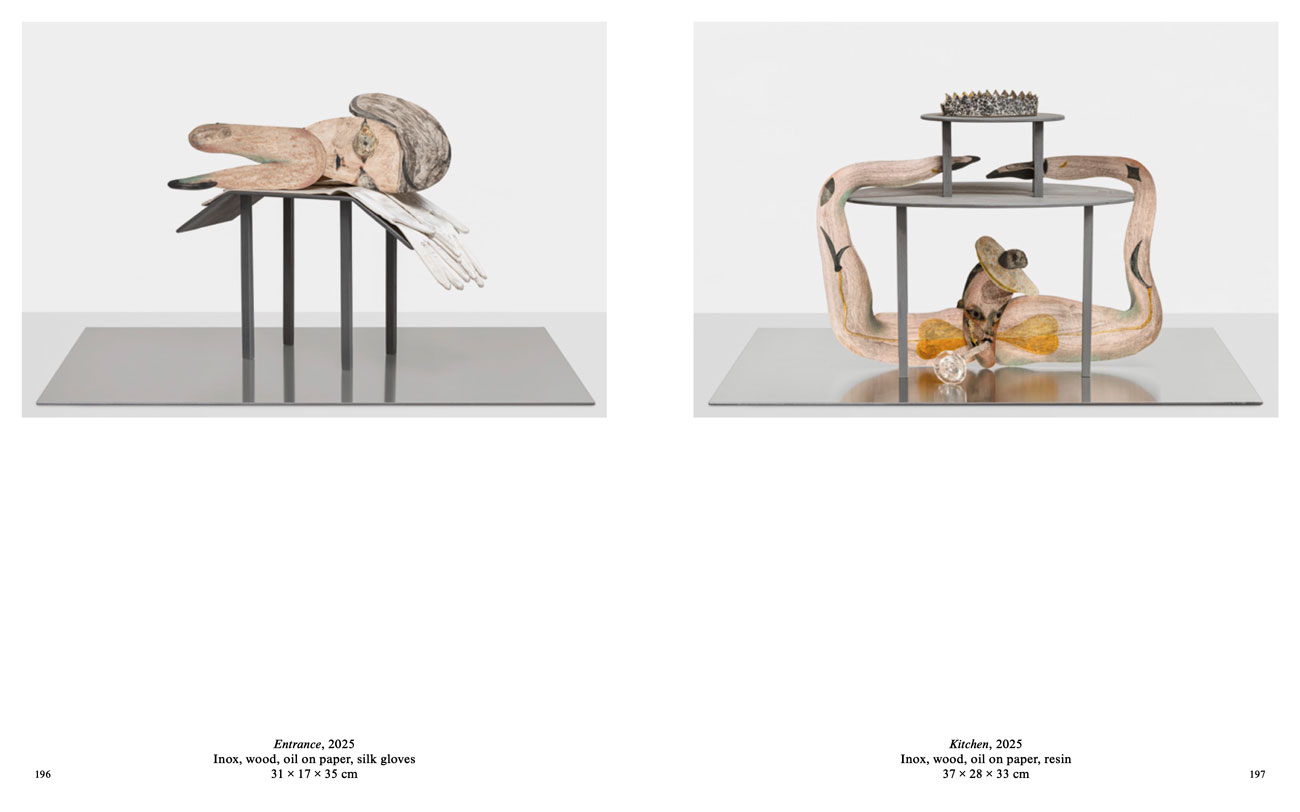
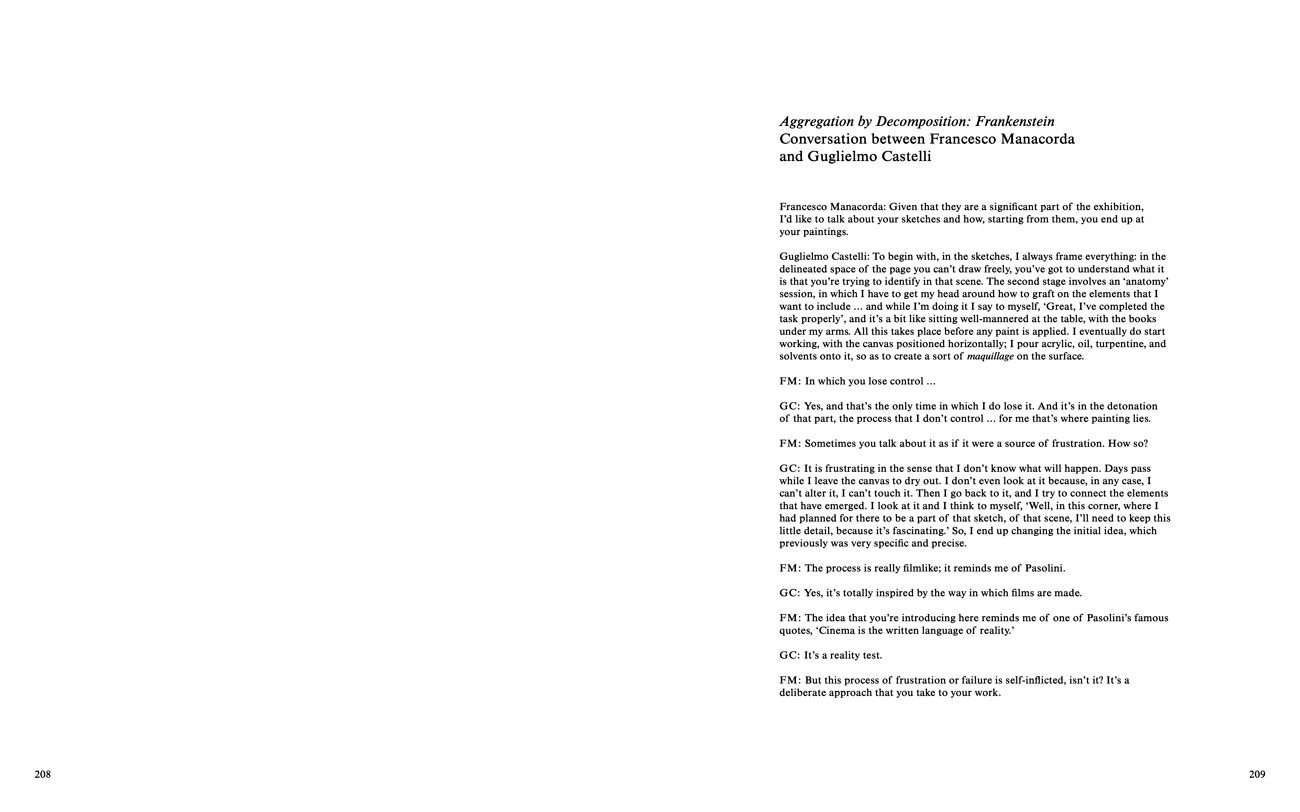
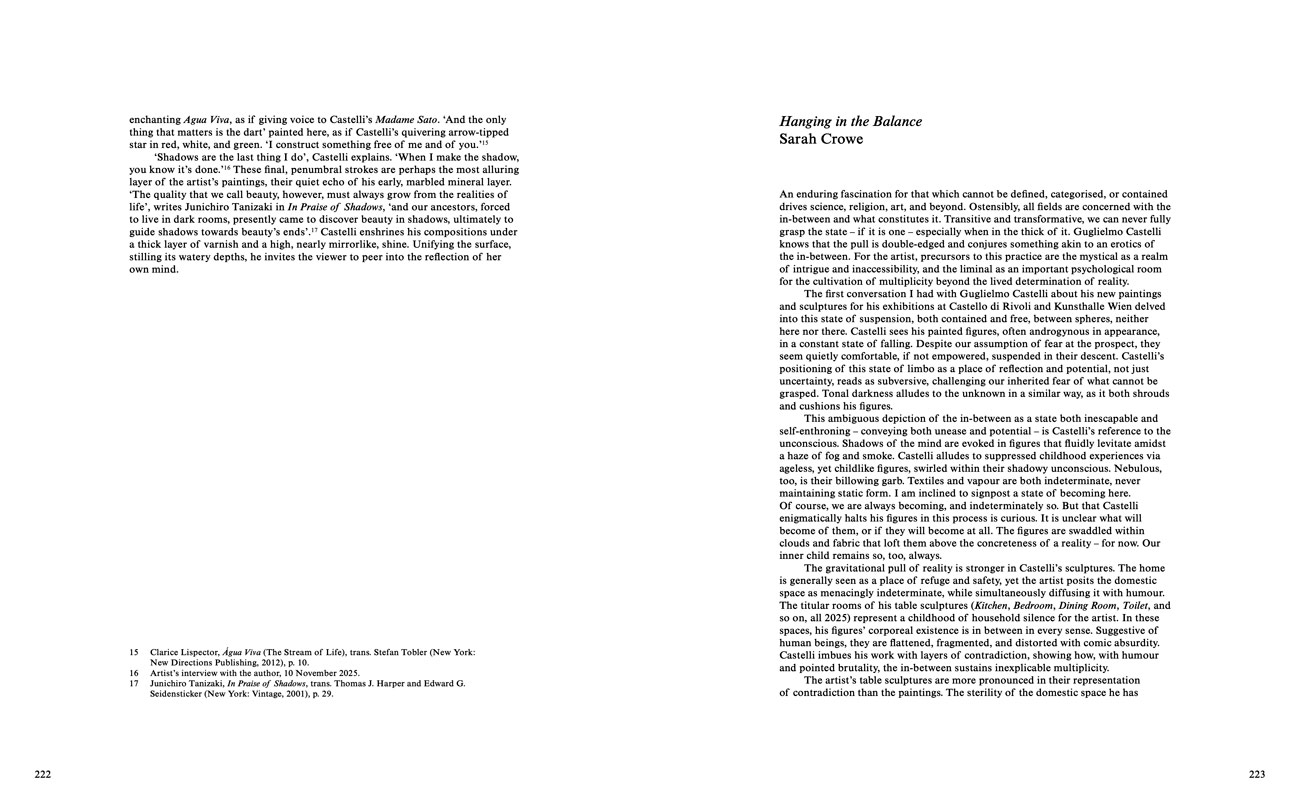
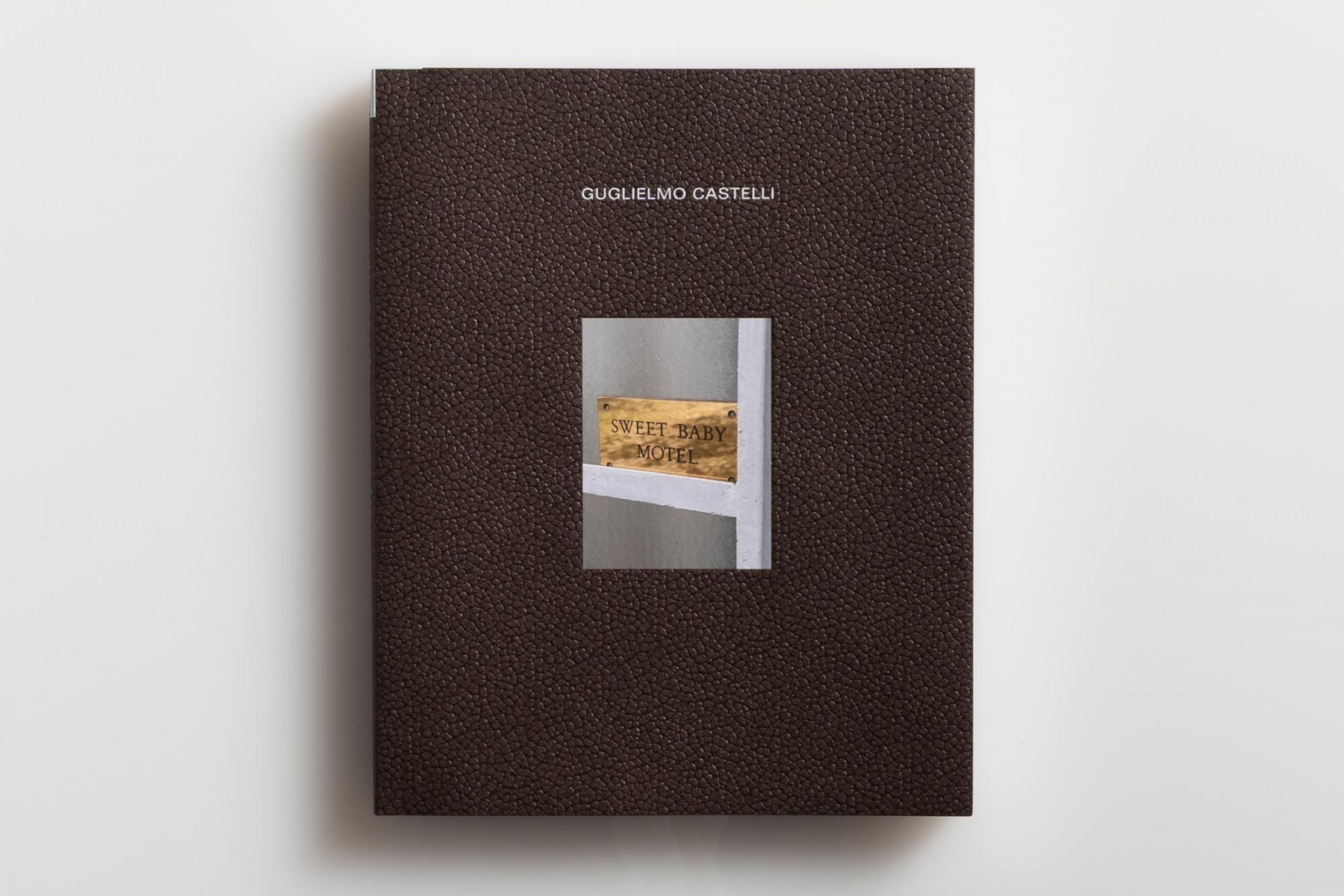
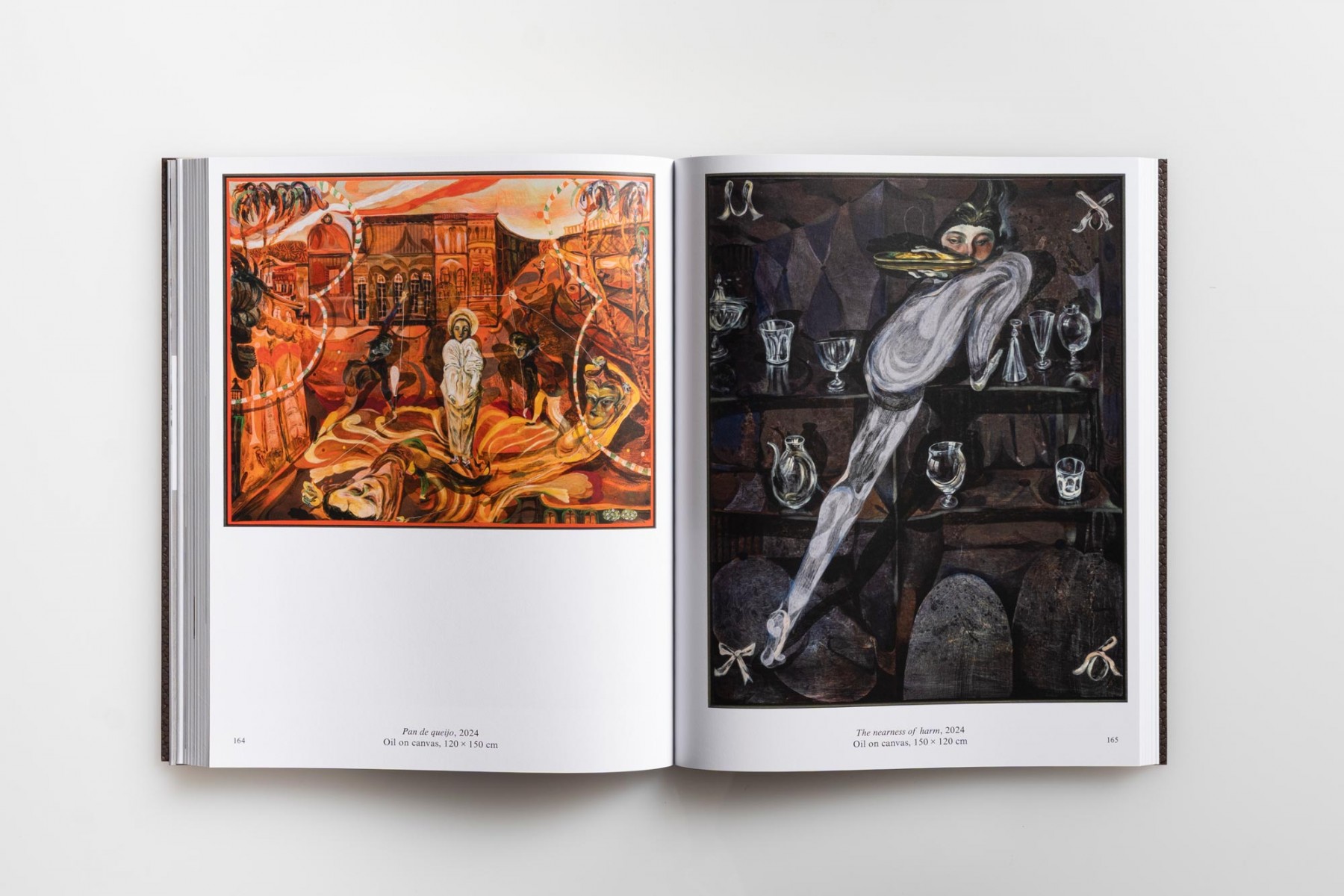
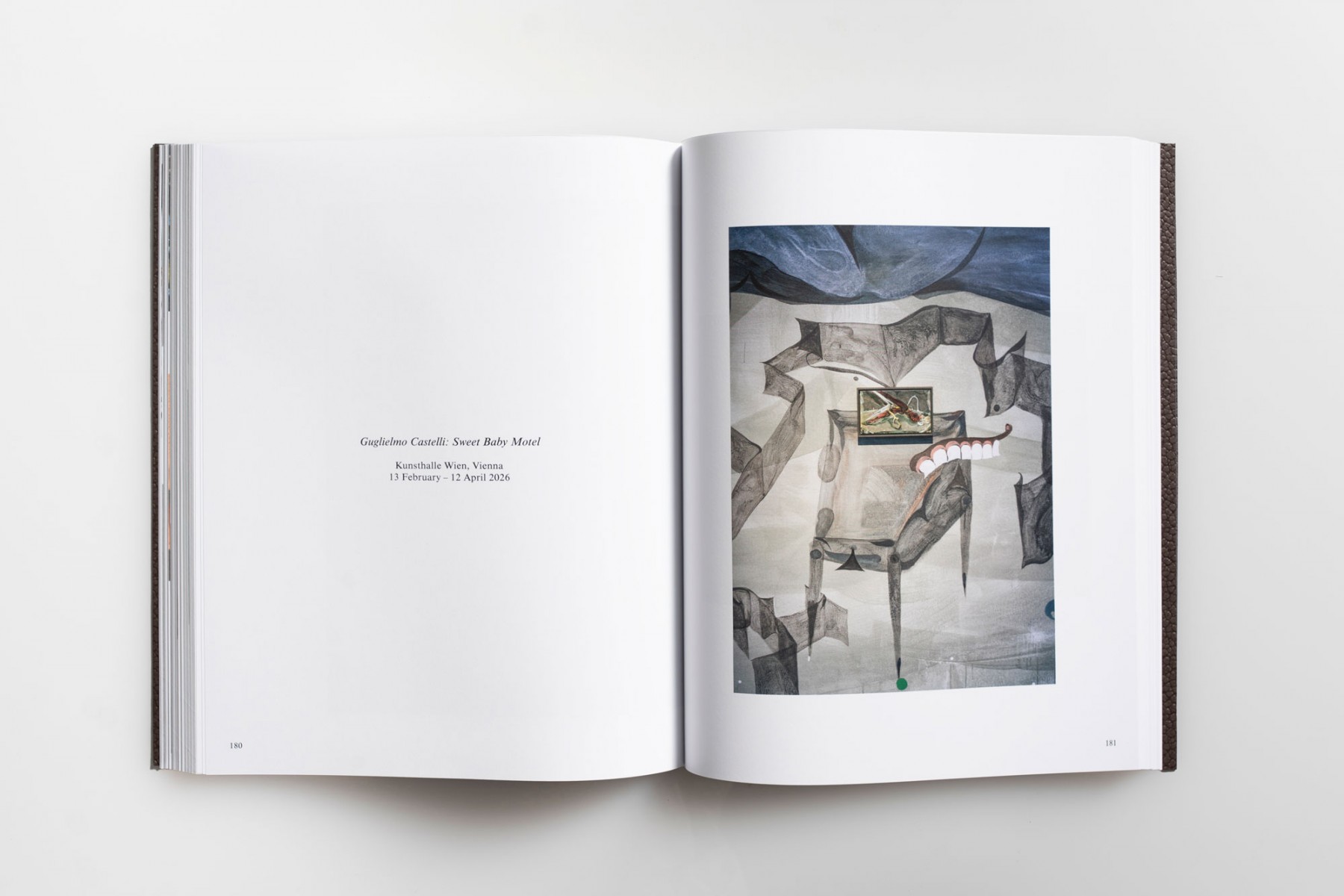
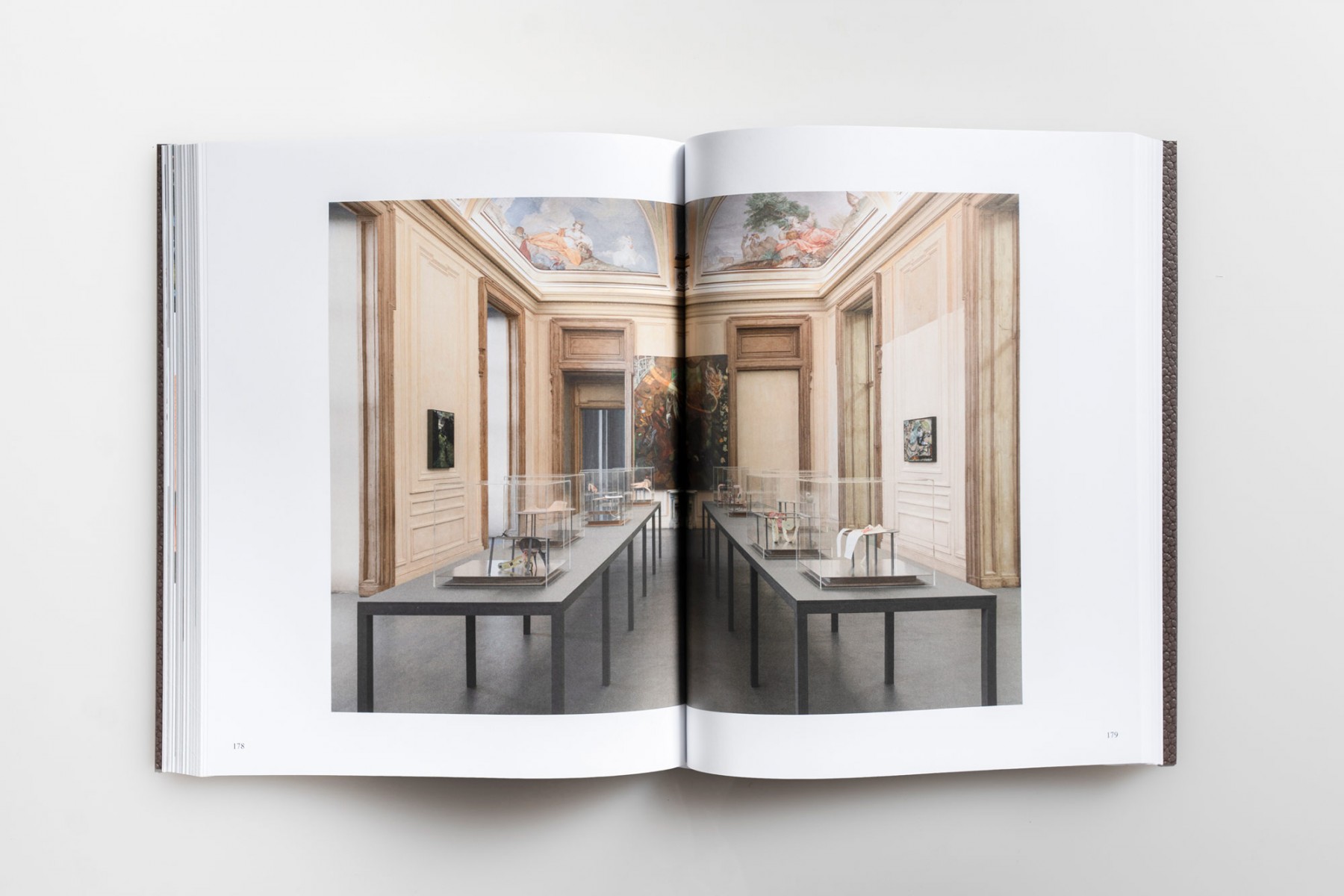
Published on the occasion of the exhibitions at Castello di Rivoli Museo d’Arte Contemporanea, Rivoli-Turin, and Kunsthalle Wien, Vienna, Guglielmo Castelli: Sweet Baby Motel is the first comprehensive monograph on the artist’s painting and sculpture. The publication conducts a wide-ranging investigation into the artist’s ethereal poetics, including newly commissioned essays by the curators of the exhibitions at Castello di Rivoli Museo d’Arte Contemporanea and Kunsthalle Wien, and by art historian and critic Lillian Davies. Davies explores the enigmatic depths of Castelli’s painting practice, and curator Sarah Crowe pays particular attention to the artist’s weightless, boneless, and genderless figures. Francesco Manacorda interviews the artist on his scenographic, filmic approach.
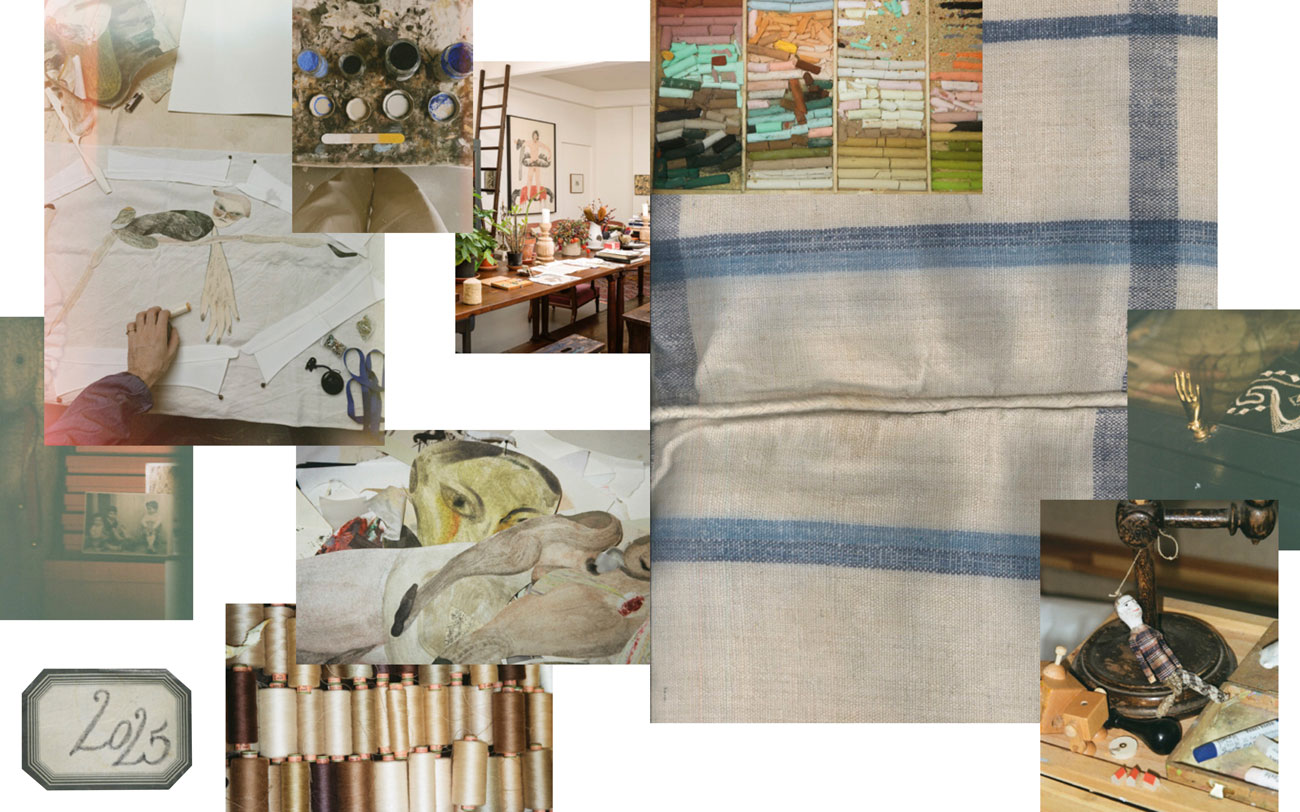
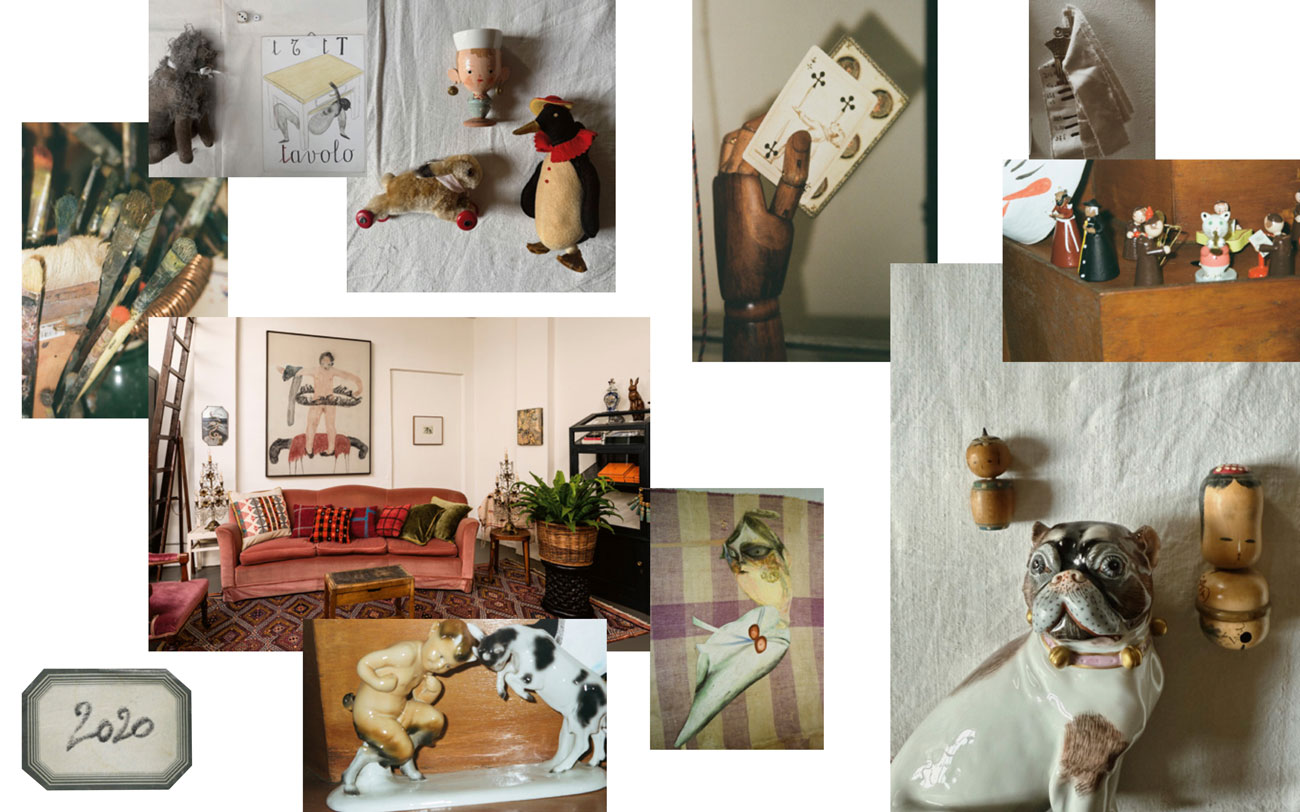
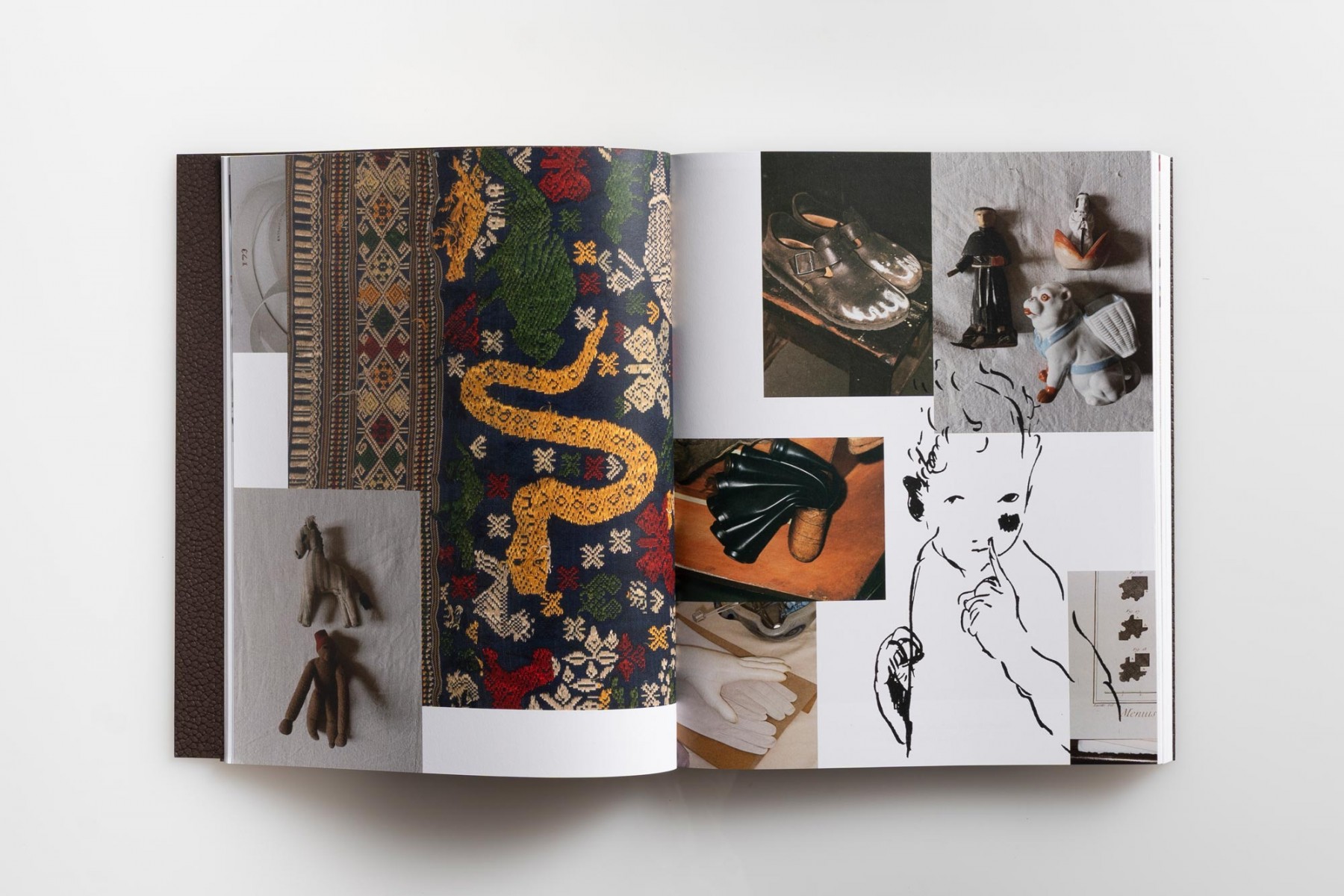
Castelli developed a new corpus of works for the exhibitions in Turin and Vienna that spans painting, collage, and sculpture, and culminates in a selection of his sketchbooks. Facilitating a deep understanding of process and intimate aspects of Castelli’s practice, these sketchbooks are invaluable repositories of creative trajectories, containing references from different places and times, which are then carefully selected by the artist to flow into his work.
The sketchbooks and the artistic process they embody guide the temporal structure and artistic intimacy of the publication. Castelli constellates myriad materials—from preliminary drawings and notes to poetry excerpts and fabric cutoffs—as conceptual inspiration for bodies of work that he conceives as fully fledged exhibitions. In the publication, examples of these collaged fields of associations preface documentation of individual exhibitions and their groups of work, thus bringing the artist’s practice full circle.