The paintings and drawings by Jake Grewal draw the viewer in through stillness and ambiguity: they invite reflection on how we inhabit places—physically and emotionally—and how our inner landscapes mirror the physical world. This is the Grewal’s first book, published to accompany the artist’s exhibition at Studio Voltaire.
The transformation of the notion of monuments and the way cultural institutions choose to deal with it find in Maurizio Cattelan an interpreter capable of manipulating historical memory and shared symbols, to the point of turning them into a terrain of doubt and play. Lisa Parola and Lorenzo Giusti investigate the potential of contemporary art within the public sphere.
This is a visual archive of 12 years of developing, designing and exhibiting the House of One, a multireligious sacred space in the heart of Berlin. The architecture, conceived by Kuehn Malvezzi, has been displayed at various venues while being developed in close collaboration with three local religious communities in Berlin since 2012.
The first major monograph on artist Jill Mulleady, whose paintings thread motifs of decay, memory, history, and private myth, featuring humans and animals enacting their instinctive psychological reactions to ever-present threats of danger.
The essays in this first-ever monograph dedicated to Swiss artist Jan Vorisek, alongside image portfolios of the exhibitions they explore and an appendix that features photos and documentation of Vorisek’s performances, recordings and ephemera, grant us unprecedented access to the private fictions that the work reveals.
Since the 1990s Costa has been challenging hierarchies of art production and the fetishization of the “finished” artwork, inviting viewers to reconsider what is discarded, both materially and socially. Through over 300 artworks, accompanied by new writing, this catalogue explores Adriano Costa’s work, a meditation on transformation—of objects, meanings, and systems of value.
Edited by Simon Castets and Salome Hohl
Texts by Salome Hohl, Laura McLean-Ferris, et al.
Designed by Dan Solbach
2022, English, hardcover, 128 pages, 17.5 x 24 cm
ISBN 979-12-80579-36-2
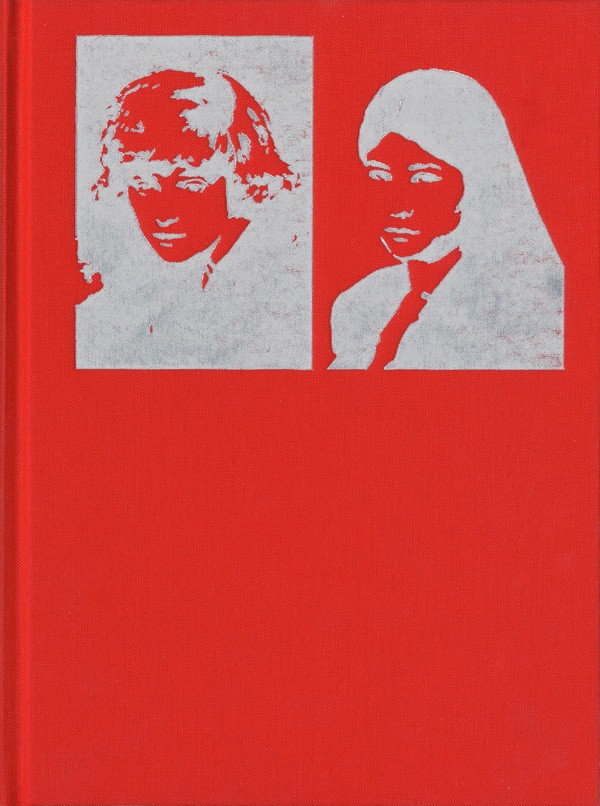
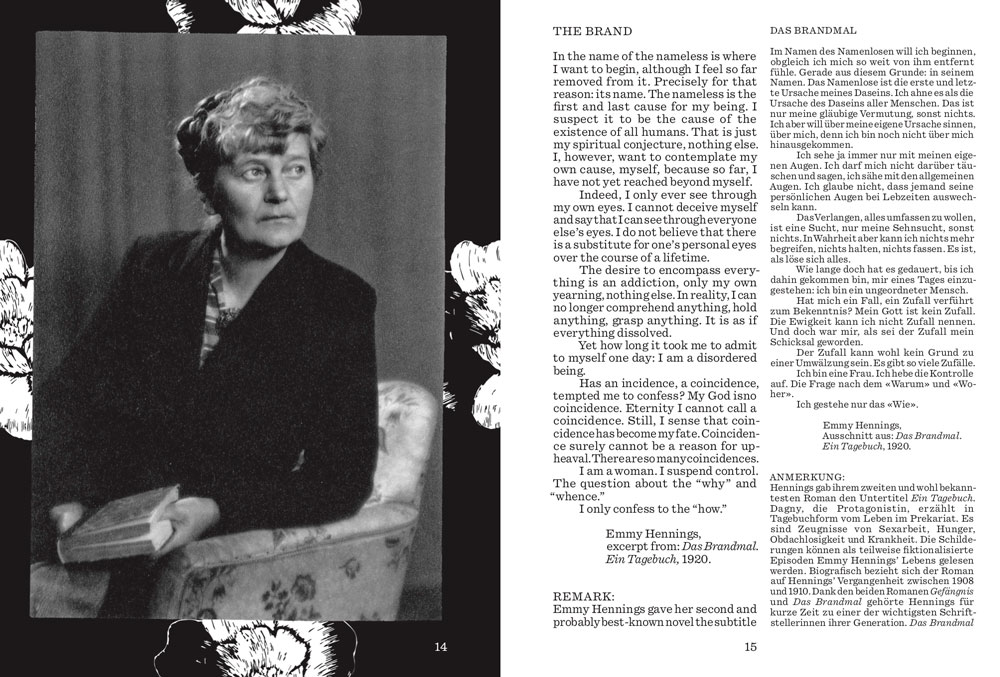
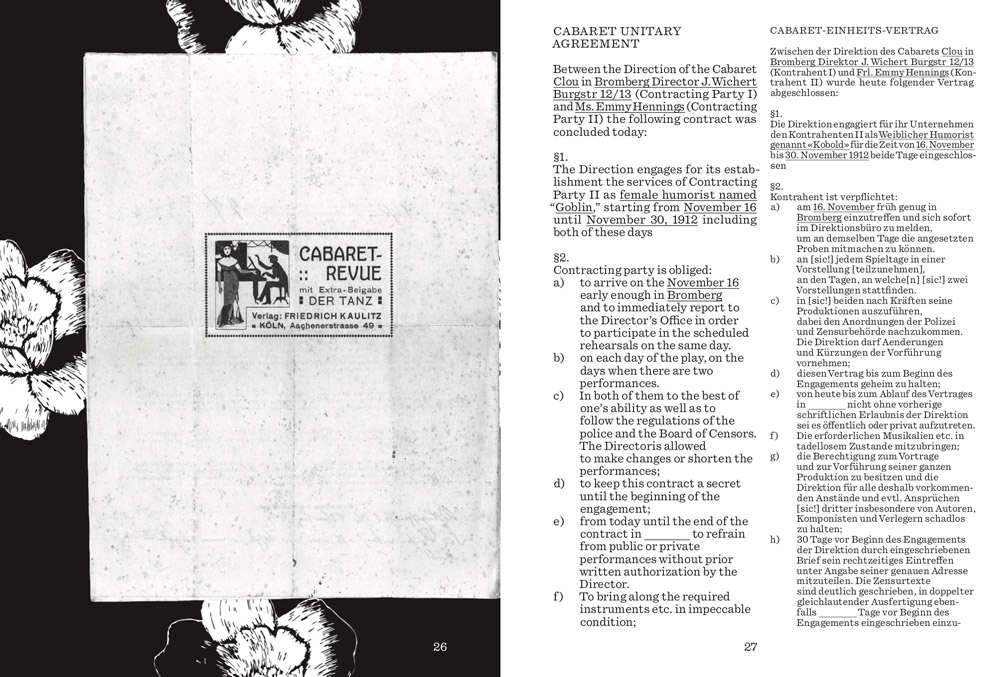
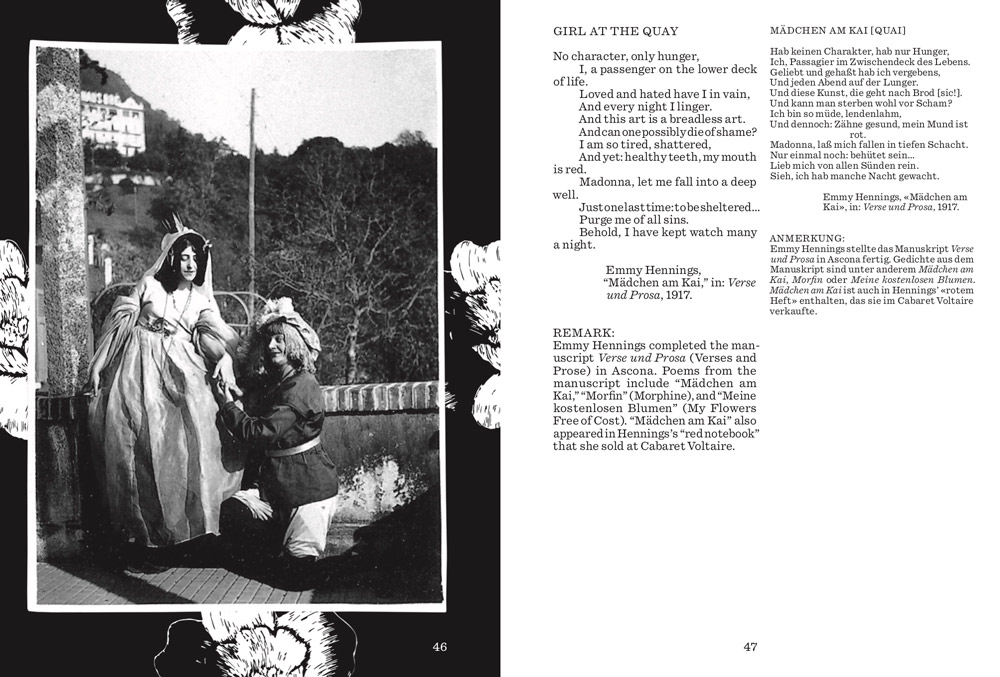
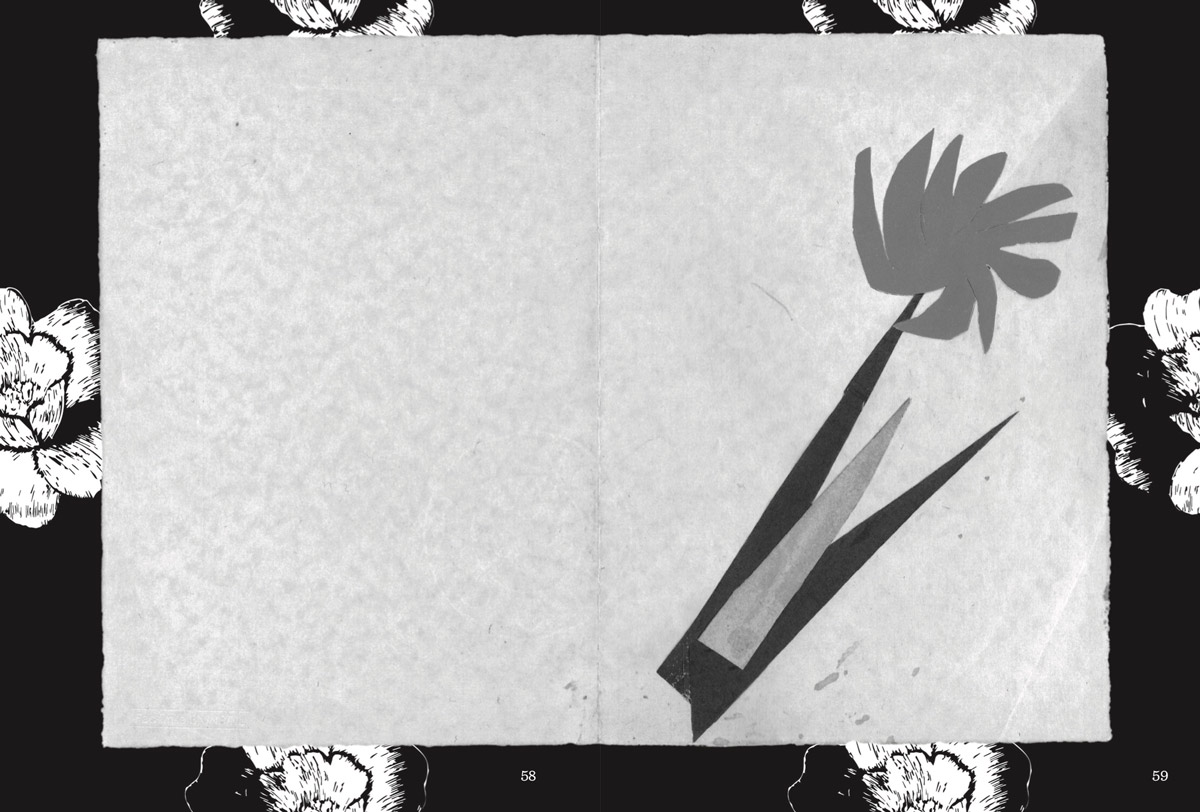
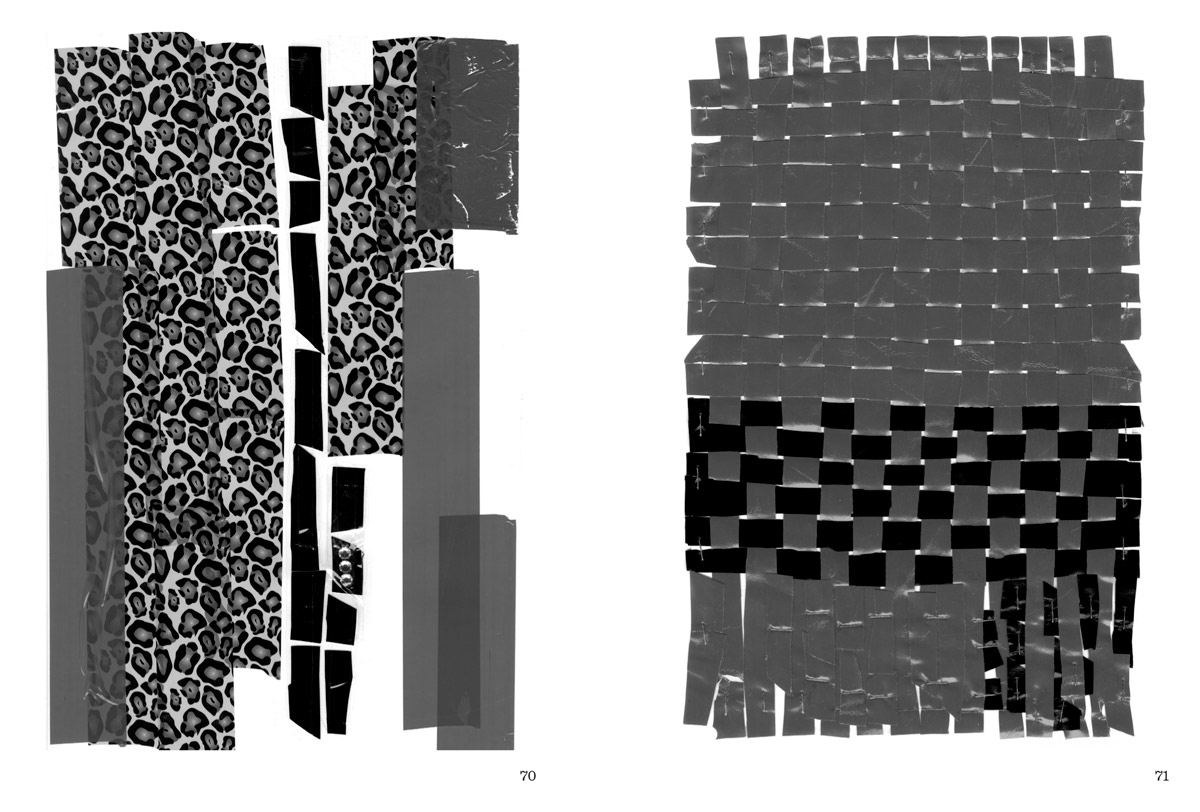
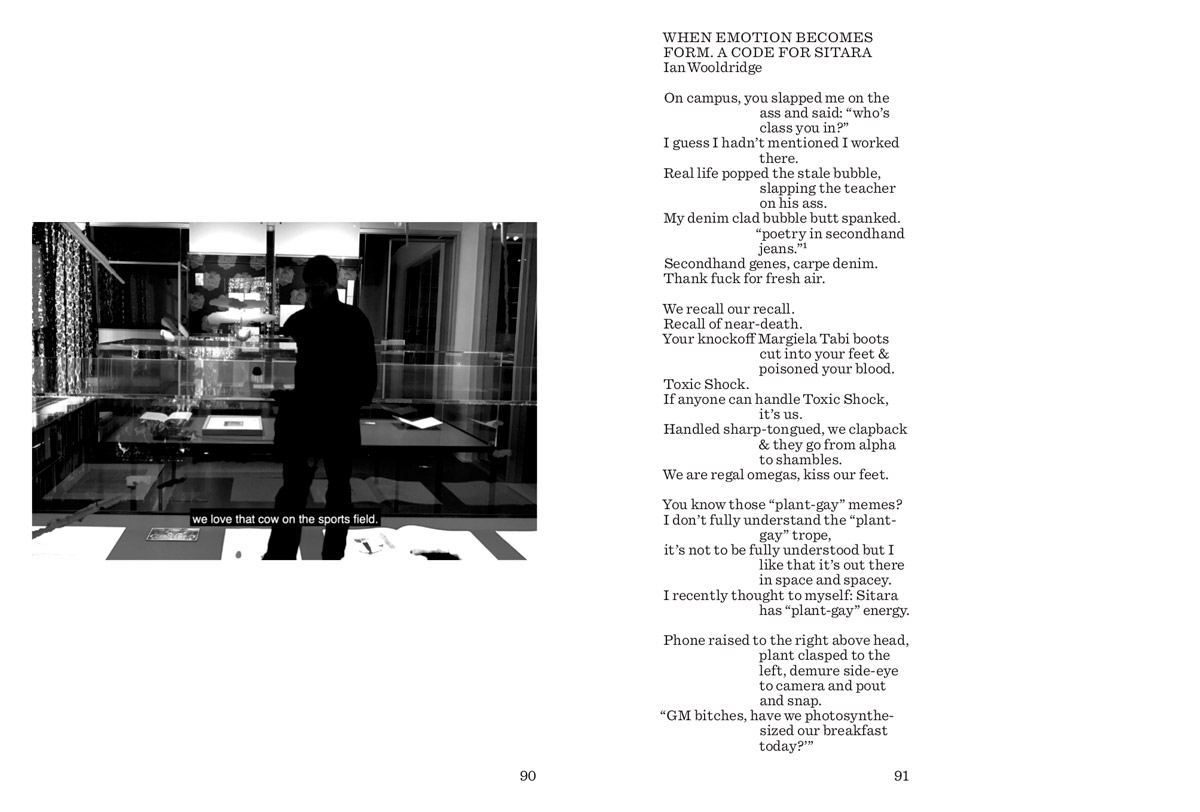
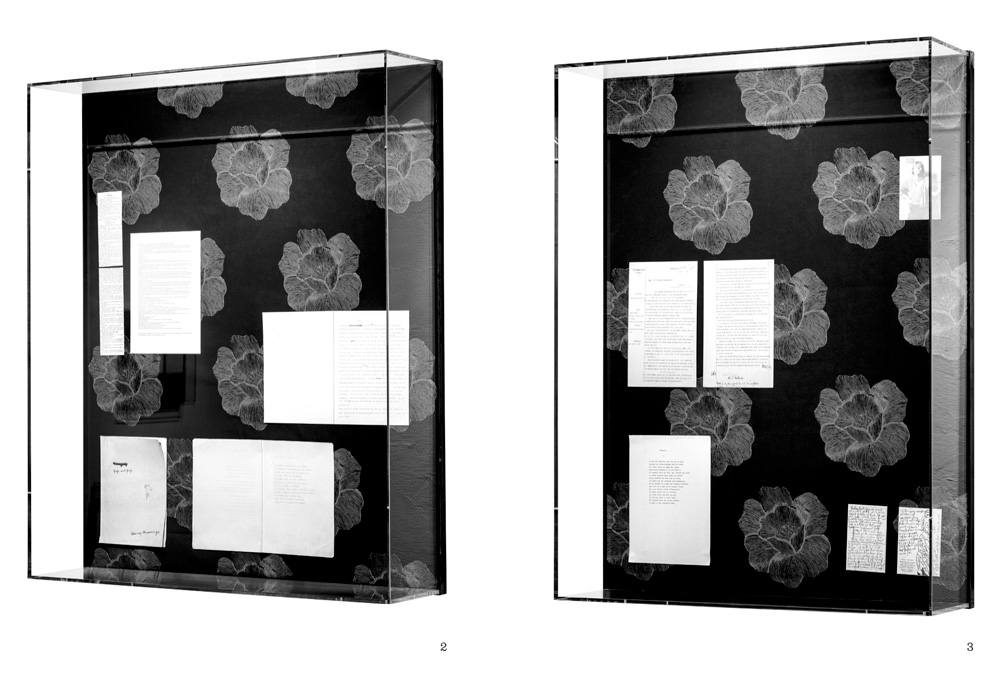
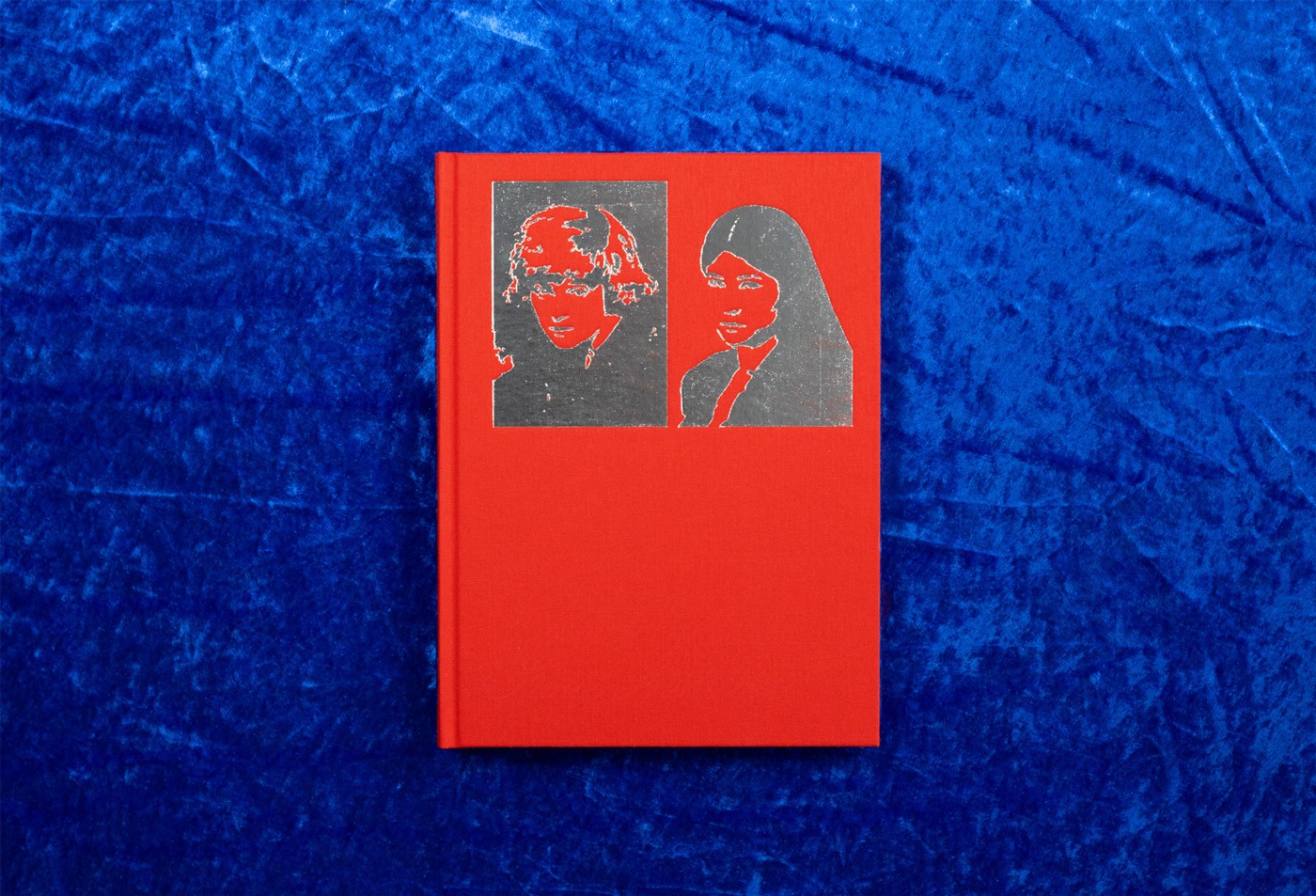
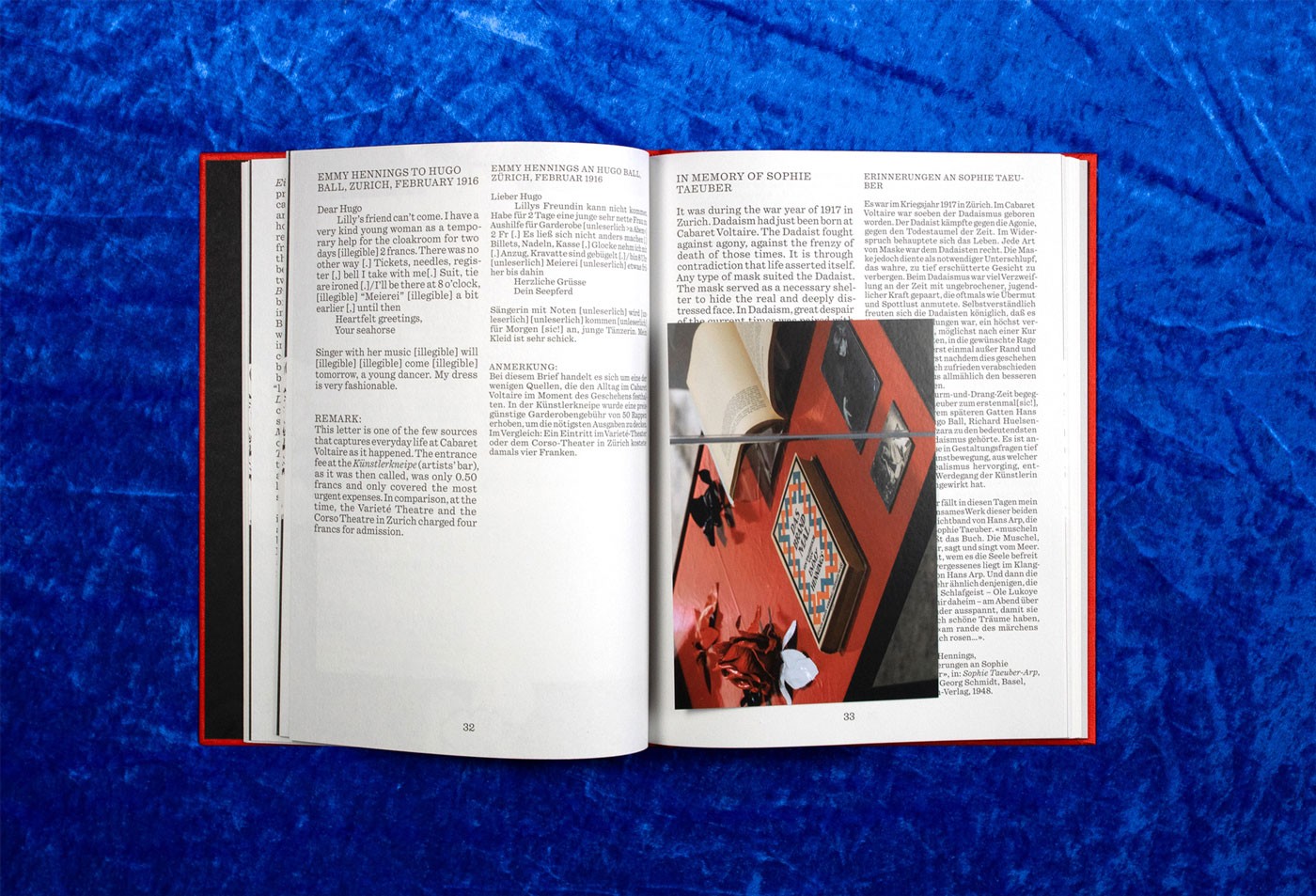
As a cofounder of Cabaret Voltaire in 1916, Emmy Hennings, with her partner, the Dadaist Hugo Ball, is recognized as having established and environment for collective experimentation. This book gathers an extensive collection of Hennings’s writings, ephemera, and art, to give shape to a practice and an individual so ofter flattened for the sake of art historical narrative. In the exhibitions held at Cabaret Voltaire and at the Swiss Institute in 2020, Sitara Abuzar Ghaznawi made evocative displays that created space for a deeper engagement with Hennings’s life and art. For this publication, she has made new collages, combining found materials and working tools such as adhesive strips, supplemented by graphic gestures and subjective indexes such as cigarette butts. By bringing the Hennings archive into dialogue with her own work, Ghaznawi considers the manner in which an individual’s multiple identities guide the accumulation of personal experience, be they her own or those of a woman she never met. Commissioned on the occasion of her exhibitions, and published together here for the first time, are texts by Ghaznawi’s friends and collaborators Michael Zimmerman, Semuel Lala, Nils Amadeus Lange, Sophia Rohwetter, Ser Serpas, Ian Woolridge, Olamiju Fajemisin, Shamiran Istifan, Timur Akhmetov and Furqat Palvan-Zade.