This richly illustrated book considers the dazzling oeuvre of choreographer and dancer Marlene Monteiro Freitas. In line with her creative methodology, Alexandra Balona unfolds an “atlas of affects” through five emblematic dance pieces that reveal the intensity, humor, and humanity of one of today’s most radical choreographic voices.
Invited to present an exhibition at the Galleria Borghese in Rome, Kenyan-American artist Wangechi Mutu has developed an innovative approach to museum space, challenging hierarchy, permanence, and fixed meanings. With in-depth essays and a rich selection of illustrations, this catalog retraces that exhibition and explores the themes and concerns that have long characterized the artist’s practice.
Invitata a concepire una mostra alla Galleria Borghese, l’artista keniota-americana Wangechi Mutu ha sviluppato un approccio innovativo allo spazio museale, confrontandosi con le gerarchie, la permanenze e le sedimentazioni del contesto. Attraverso saggi approfonditi e una ricca selezione di illustrazioni, questo catalogo ripercorre la mostra ed esplora i temi e le preoccupazioni che da tempo caratterizzano la pratica dell’artista.
A visual notebook of the screenshots taken by Yngve Holen over the past five years or so, 6G—the anticipated next phase of network technology—is a peculiarly sized artist’s book, a glossy non-linear agglomeration that reflects the intersections of production, life, and digital debris.
Conceived as a visual résumé, the book provides a comprehensive overview of Posenenske’s solo exhibitions and a record of her numerous group shows. Featuring an essay by curator Erlend Hammer on the role of documentary photographs in the circulation of works of art, it was published in conjunction with the eponymous show at the Haugar Art Museum in Tønsberg.
Edited by Simon Castets and Salome Hohl
Texts by Salome Hohl, Laura McLean-Ferris, et al.
Designed by Dan Solbach
2022, English, hardcover, 128 pages, 17.5 x 24 cm
ISBN 979-12-80579-36-2
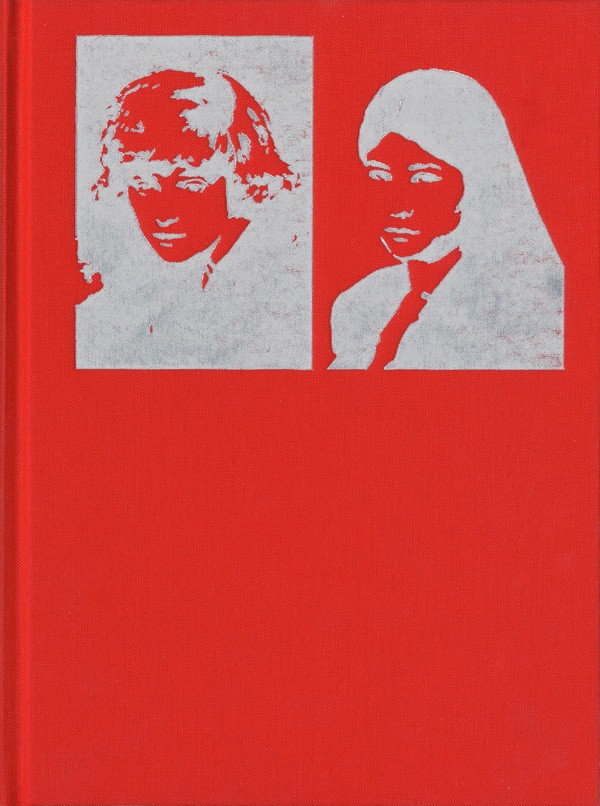
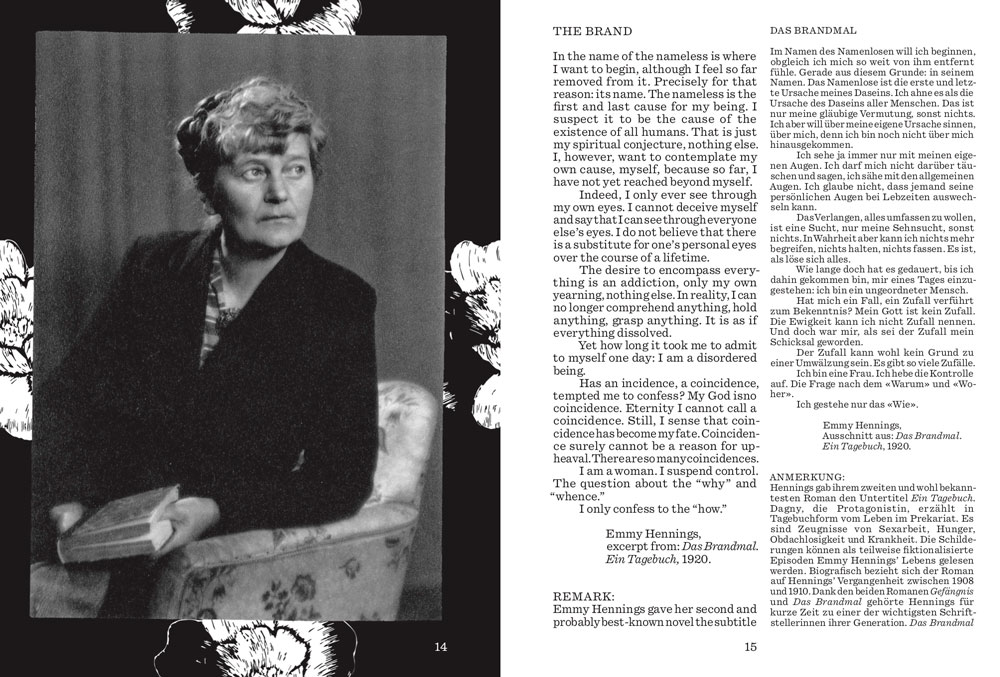
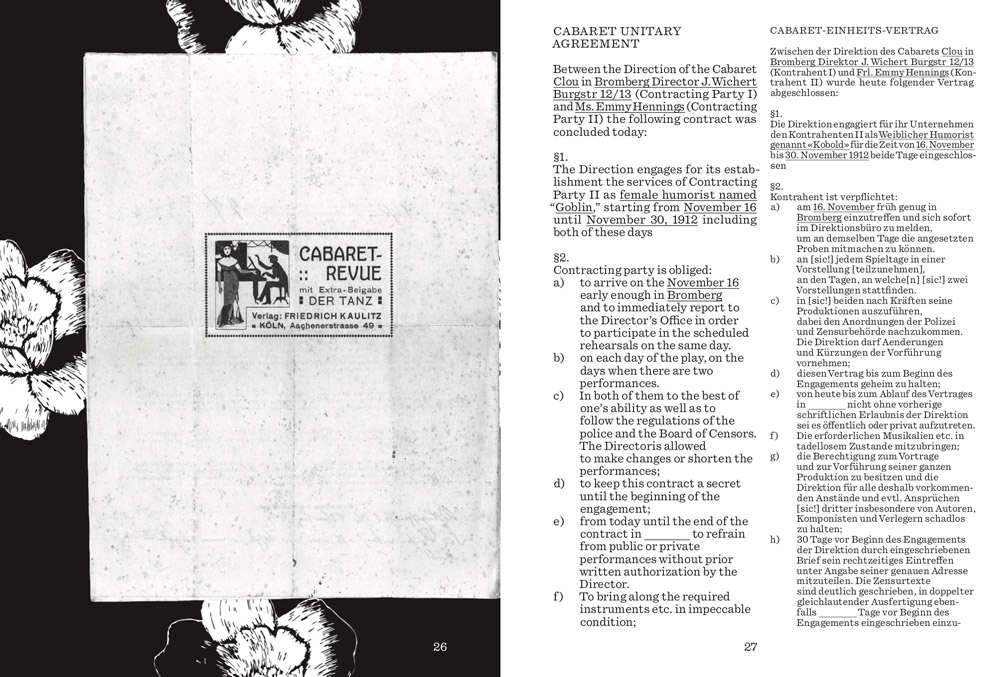
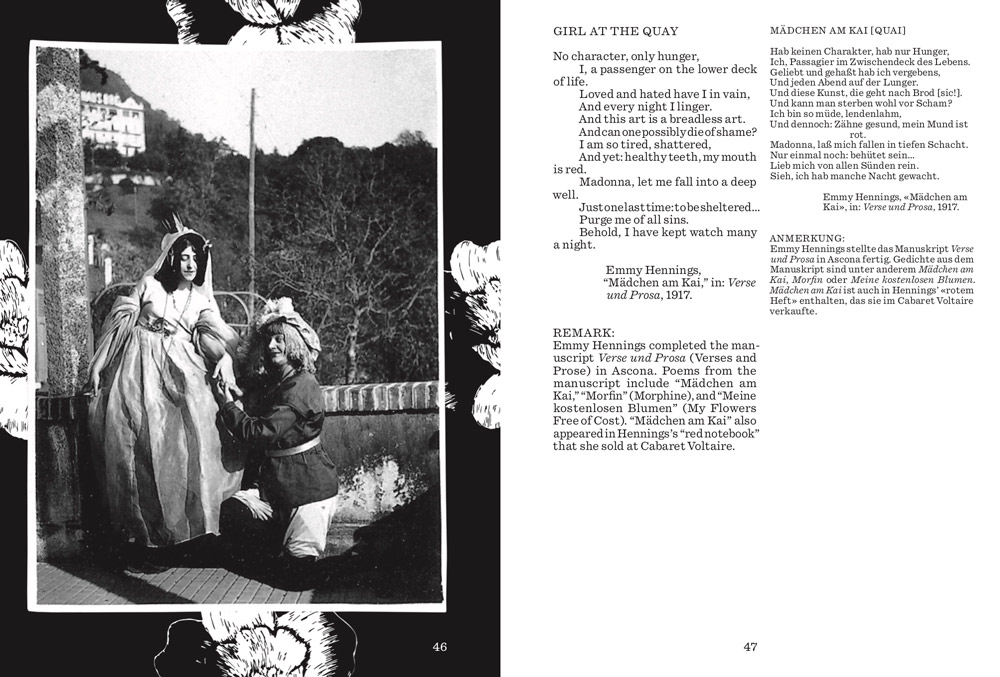
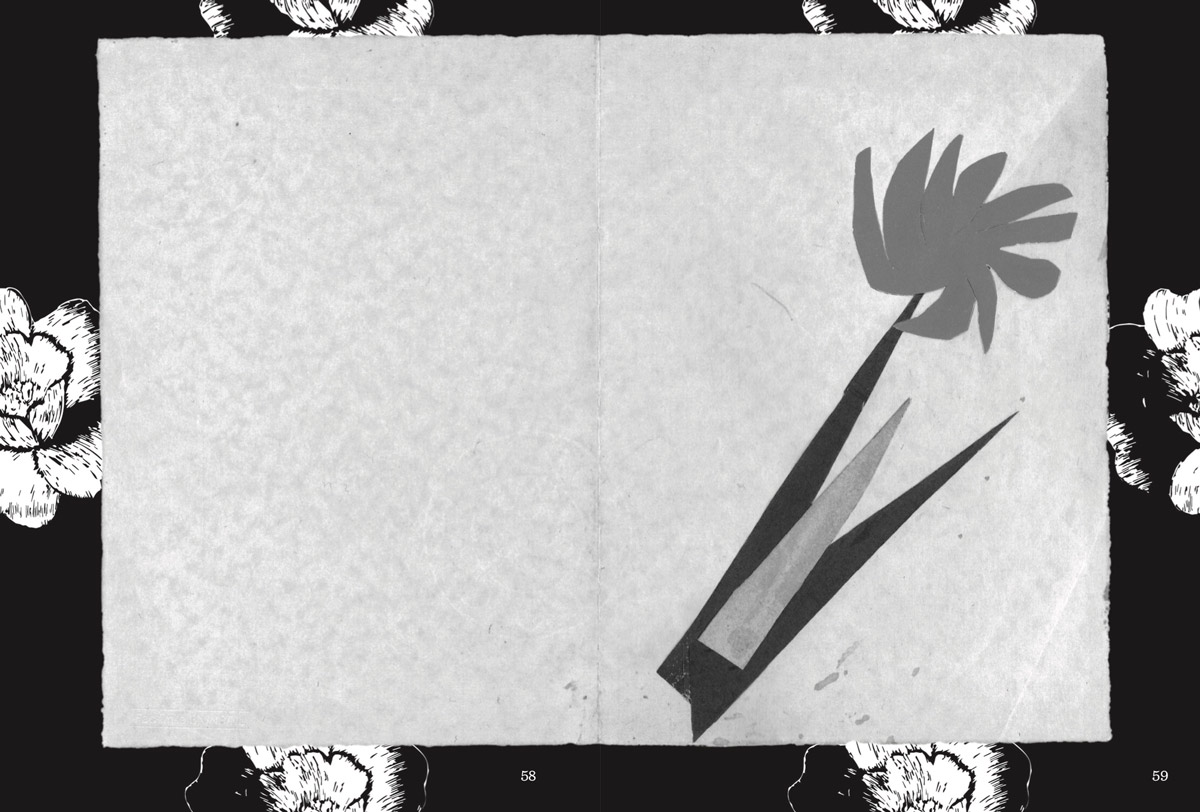
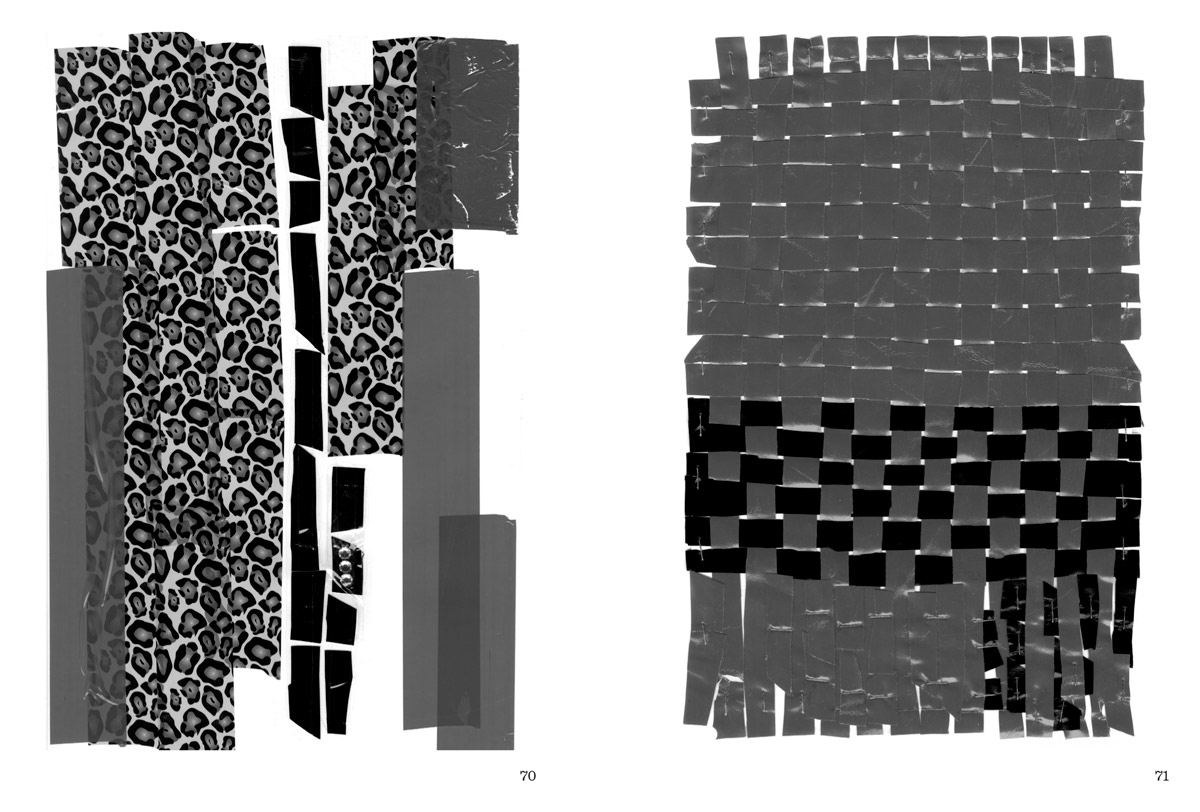
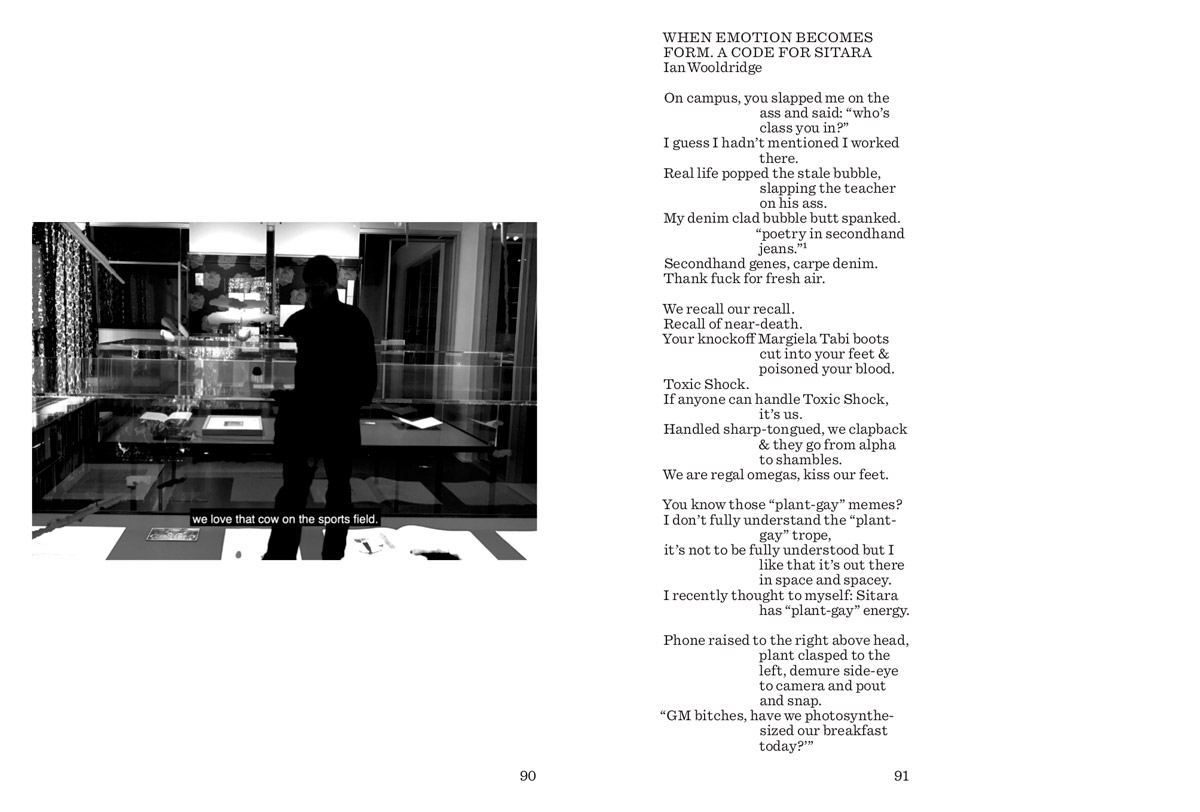
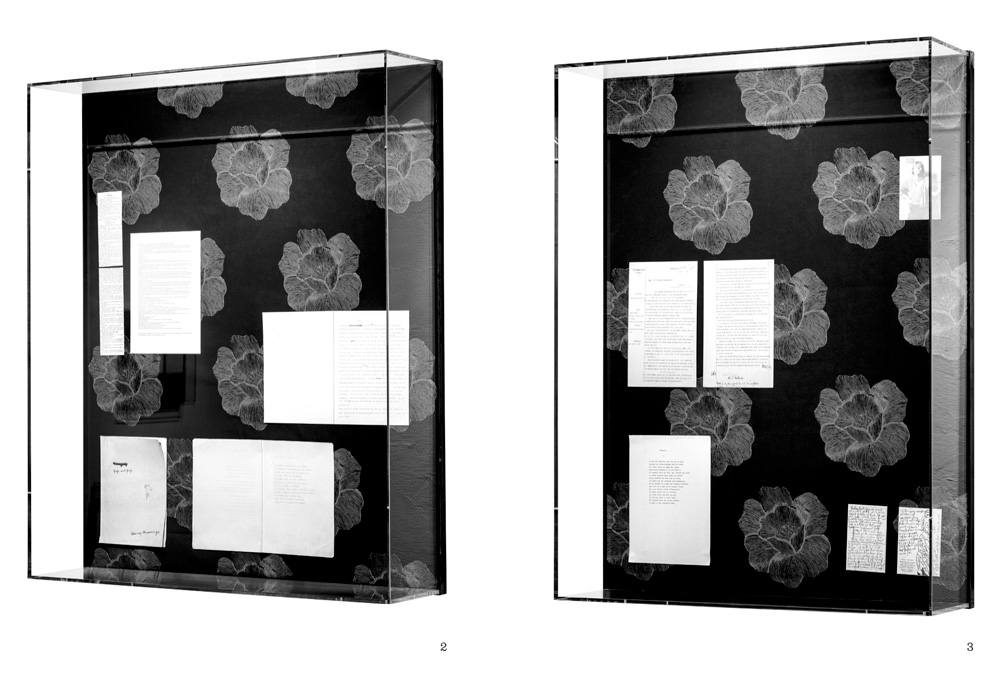
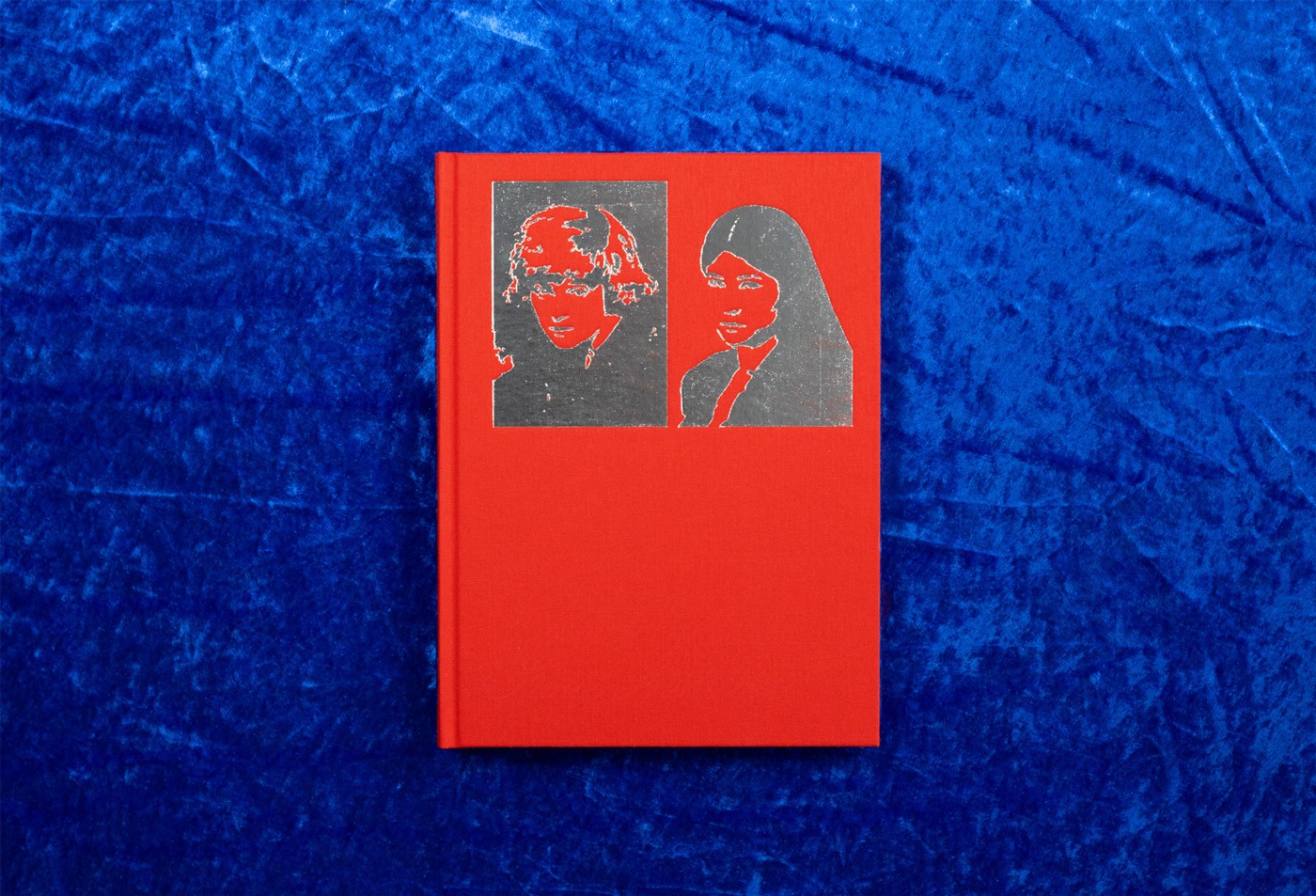
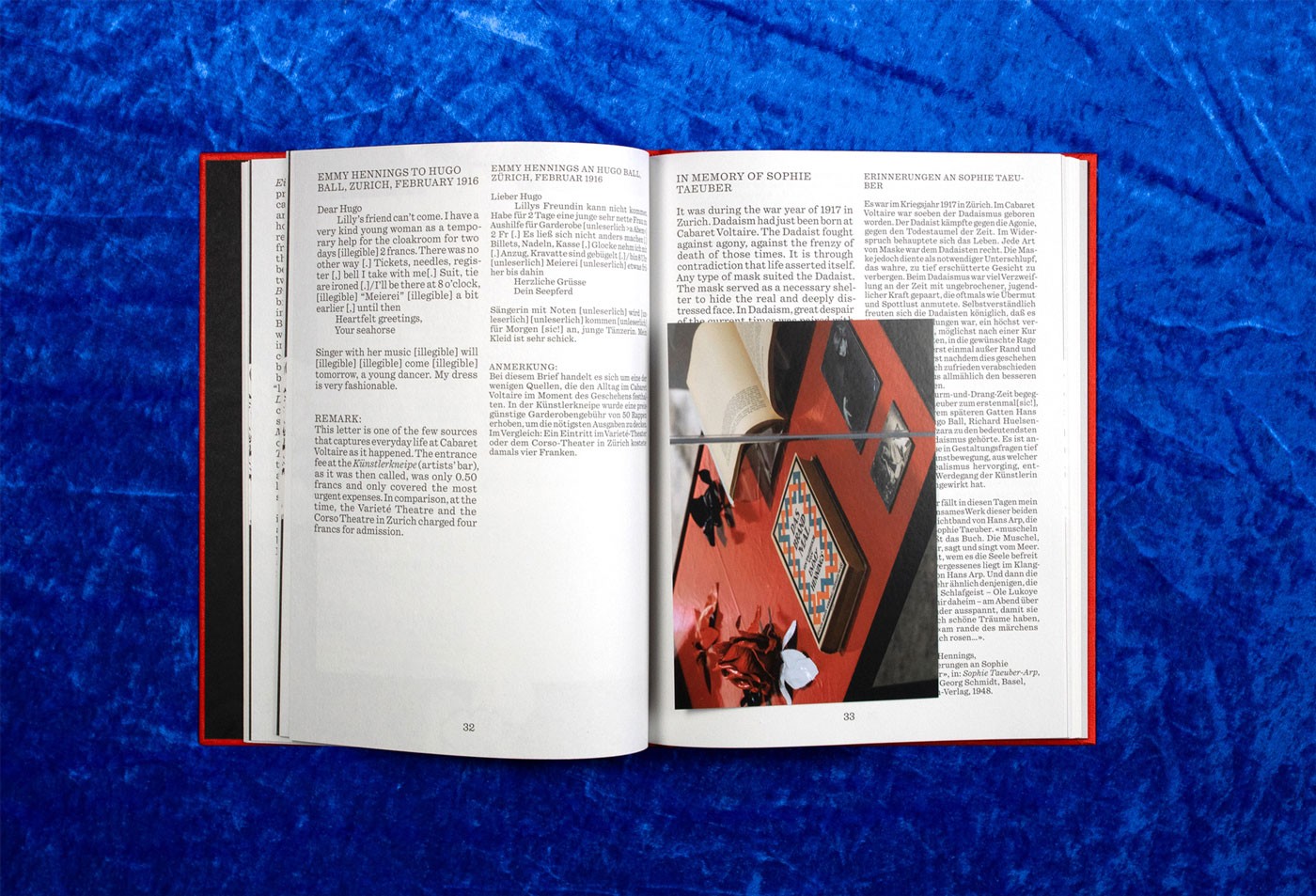
As a cofounder of Cabaret Voltaire in 1916, Emmy Hennings, with her partner, the Dadaist Hugo Ball, is recognized as having established and environment for collective experimentation. This book gathers an extensive collection of Hennings’s writings, ephemera, and art, to give shape to a practice and an individual so ofter flattened for the sake of art historical narrative. In the exhibitions held at Cabaret Voltaire and at the Swiss Institute in 2020, Sitara Abuzar Ghaznawi made evocative displays that created space for a deeper engagement with Hennings’s life and art. For this publication, she has made new collages, combining found materials and working tools such as adhesive strips, supplemented by graphic gestures and subjective indexes such as cigarette butts. By bringing the Hennings archive into dialogue with her own work, Ghaznawi considers the manner in which an individual’s multiple identities guide the accumulation of personal experience, be they her own or those of a woman she never met. Commissioned on the occasion of her exhibitions, and published together here for the first time, are texts by Ghaznawi’s friends and collaborators Michael Zimmerman, Semuel Lala, Nils Amadeus Lange, Sophia Rohwetter, Ser Serpas, Ian Woolridge, Olamiju Fajemisin, Shamiran Istifan, Timur Akhmetov and Furqat Palvan-Zade.