O livro, lançado por ocasião da exposição homónima no CAM – Centro de Arte Moderna Gulbenkian, em Lisboa, explora as convergências nas obras de Paula Rego (Lisboa, 1935 – Londres, 2022) e Adriana Varejão (Rio de Janeiro, 1964), apesar de pertencerem a gerações e contextos distintos.
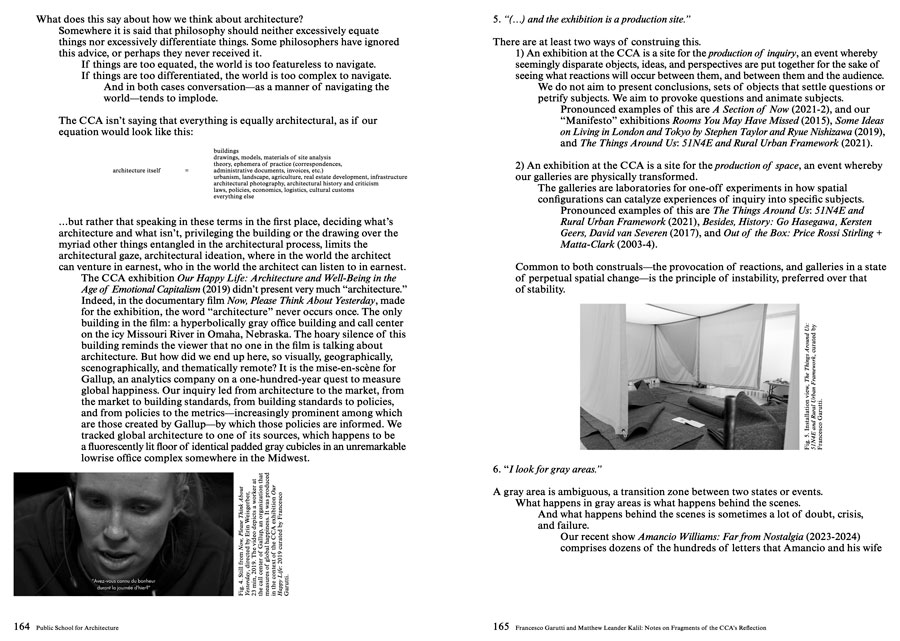
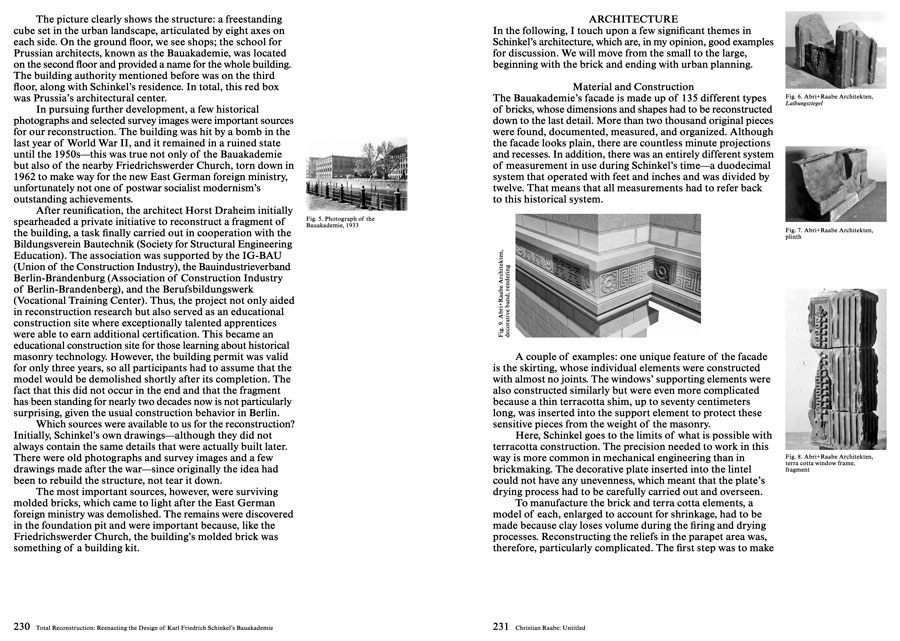
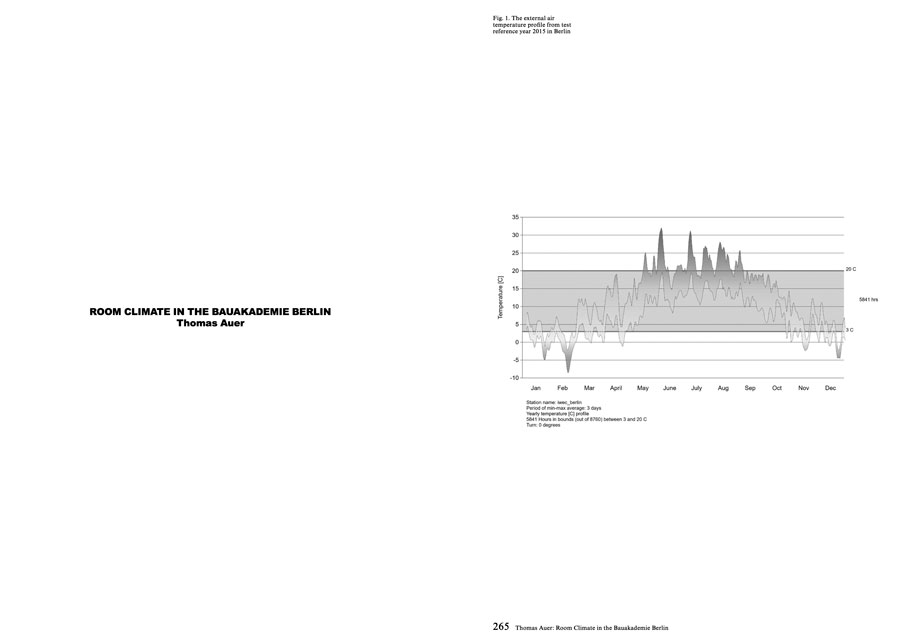
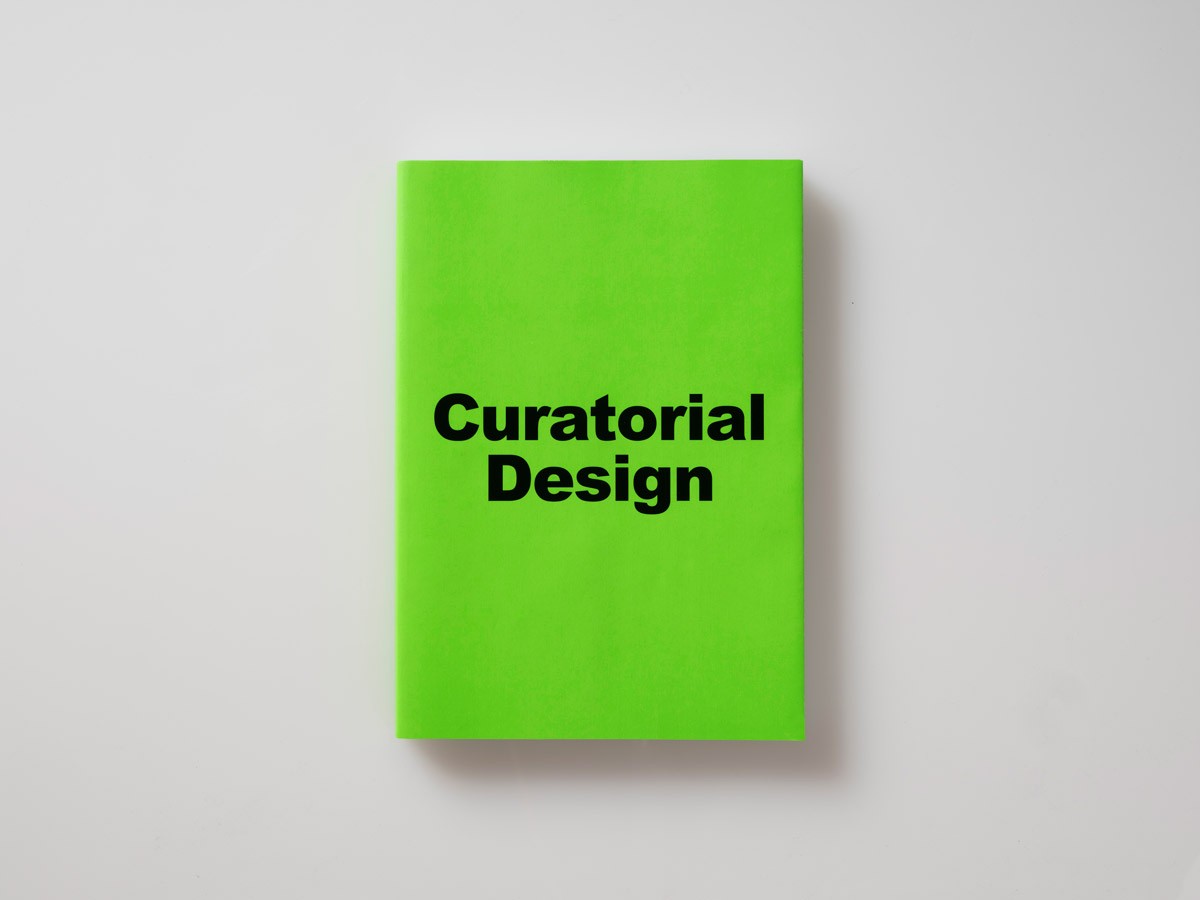
The future of architecture lies in the curatorial approach. This is the thesis put forward by architect Wilfried Kuehn and theorist Dubravka Sekulić in their book, which brings together contributions from more than 30 authors working in the fields of architecture, art, and curatorial knowledge and practice.
Emanuele Coccia describes the radical creative freedom inscribed in Ernesto Neto’s practice, analyzing the workings of the Brazilian artist’s pieces of living architecture. Art on Earth is the third book in a series of short essay collections inspired by the site-specific projects conceived for GAMeC at Palazzo della Ragione.
First Meeting is the first monograph on Argentinian artist Santiago de Paoli. From his early, experimental projects to his most recent explorations, the book delves into his innovative approach of painting on unconventional materials. The book features commissioned essays by Fernanda Brenner and Mariano Mayer, as well as a conversation between Christian Rattemeyer and the artist.
Infinite Memory is Caroline Poggi and Jonathan Vinel’s first monograph, co-published with Fondation Cartier pour l’art contemporain and Lenz. Like a memory card, the book stores information about a selection of films from the initial decade of the artists’ practice. Considered as an object, much like a piece of hardware that stores digital memory, the book offers the possibility to scroll infinitely, with no beginning or end.
Through the words of the sound artist and theorist Brandon LaBelle, the book explores the social and relational component of sound that gave rise to Benevolence, the site-specific project by Sonia Boyce. The Joy of Cacophony is the second book in a series of essay collections inspired by the site-specific projects conceived for GAMeC at Palazzo della Ragione.
Edited by Wilfried Kuehn & Dubravka Sekulić
Authors: Martina Abri, Ross Exo Adams, Thomas Auer, Giovana Borasi, Susana Caló, Brendon Carlin, Peggy Deamer, Clémentine Deliss, FICTILIS, Francesco Garutti, Maria Shéhérazade Giudici, Joyce Hwang, Anousheh Kehar, Bettina Köhler, Elke Krasny, Wilfried Kuehn, Ippolito Pestellini Laparelli, Maxim Larrivée, Matthew Leander Kalil, Mark Lee, Steve Lyons for Not An Alternative, Armin Linke, Mona Mahall, Charlotte Malterre-Barthes, Dejan Marković, Ana Miljački, Erica Petrillo, Christian Raabe, Albert Refiti, Damon Rich, Christiane Salge, Ivonne Santoyo-Orozco, Anna Schäffler, Bernd Scherer, Laila Seewang, Dubravka Sekulić, Asli Serbest, Stuart Smith, Laurent Stalder, Milica Tomić.
Designed by Gregory Dapra & Laure Giletti
2025, English, softcover, 20 x 28.5 cm, 440 pages
ISBN 979-12-80579-61-4
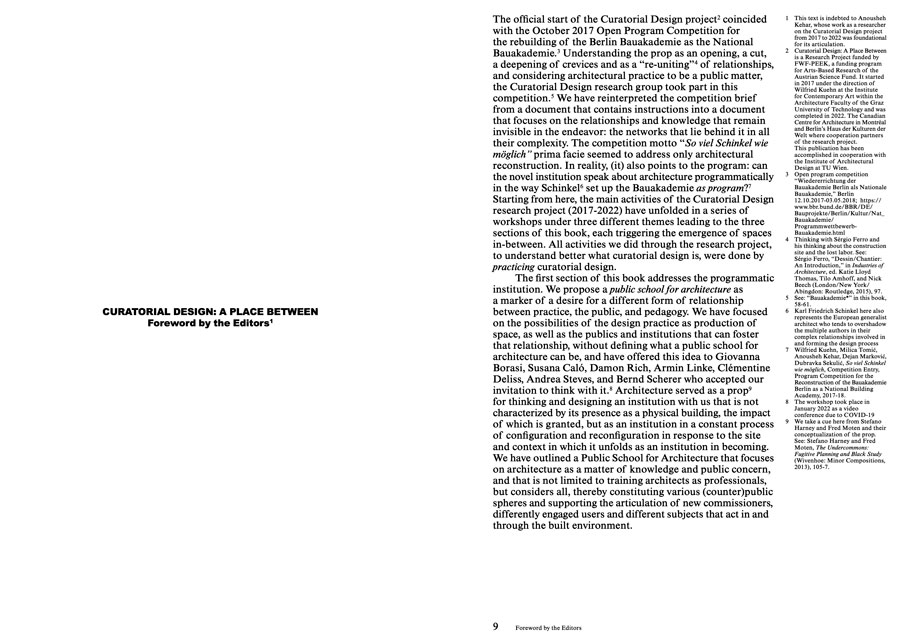
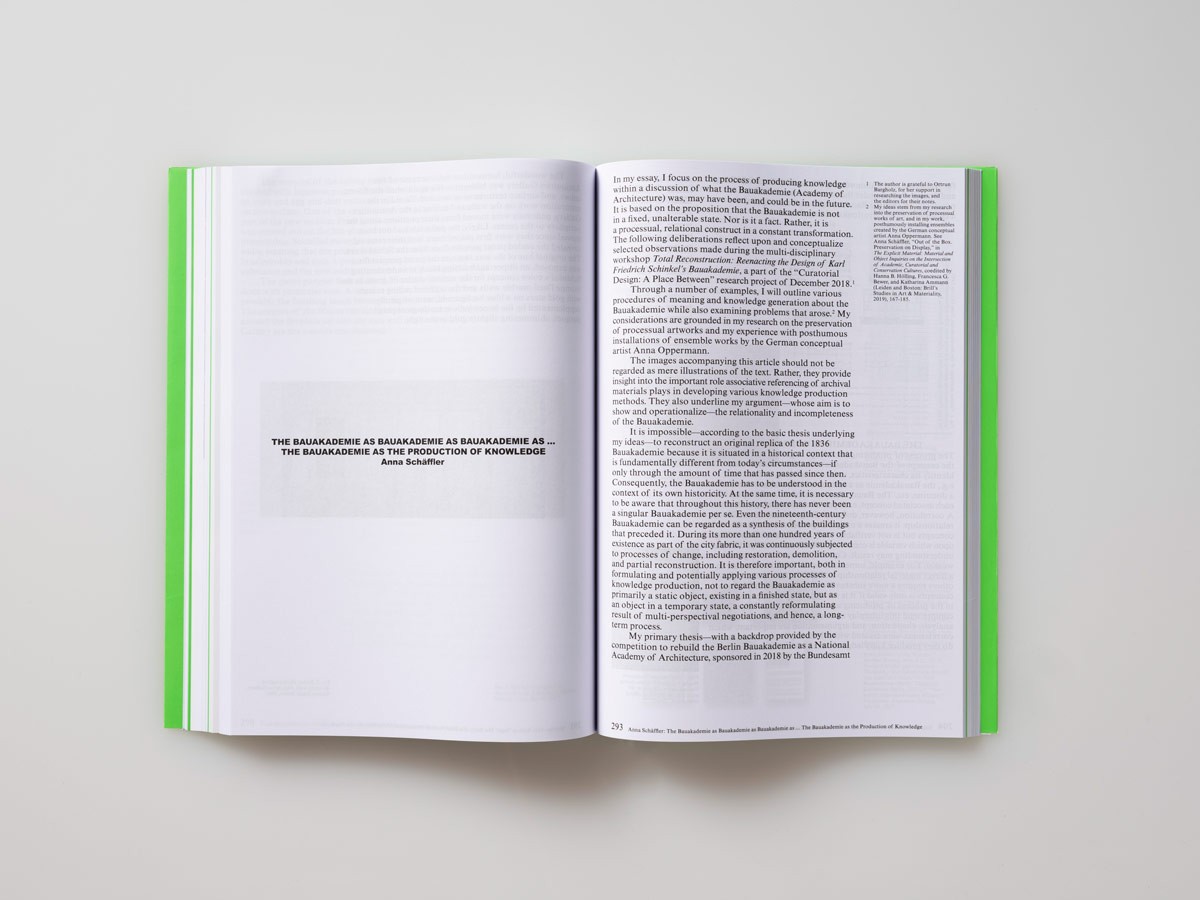
The future of architecture lies in the curatorial approach. This is the thesis put forward by architect Wilfried Kuehn and theorist Dubravka Sekulić in their book Curatorial Design: A Place Between, which brings together contributions from more than 30 authors working in the fields of architecture, art, and curatorial knowledge and practice.
Architectural design and the curatorial share a non-disciplinary background, and aim to assemble diverse forms of knowledge rather than specializing. Inherently transdisciplinary, then, they are at odds with the increasing division of labor in all fields of knowledge and practice. In the face of professionalization, which limits our capacity to intervene comprehensively, design and the curatorial challenge specialization and produce relational knowledge. They intend to create an in-between place, as together they form a novel practice that—in combining heterogenous forms of knowledge—takes center stage rather than serving as a moderator or mediator of sorts. What unites them is the assertion of a relational form, the autonomy of which consists precisely in teasing out relations between different elements. What happens to architectural design when it consciously enters a relationship with the curatorial?
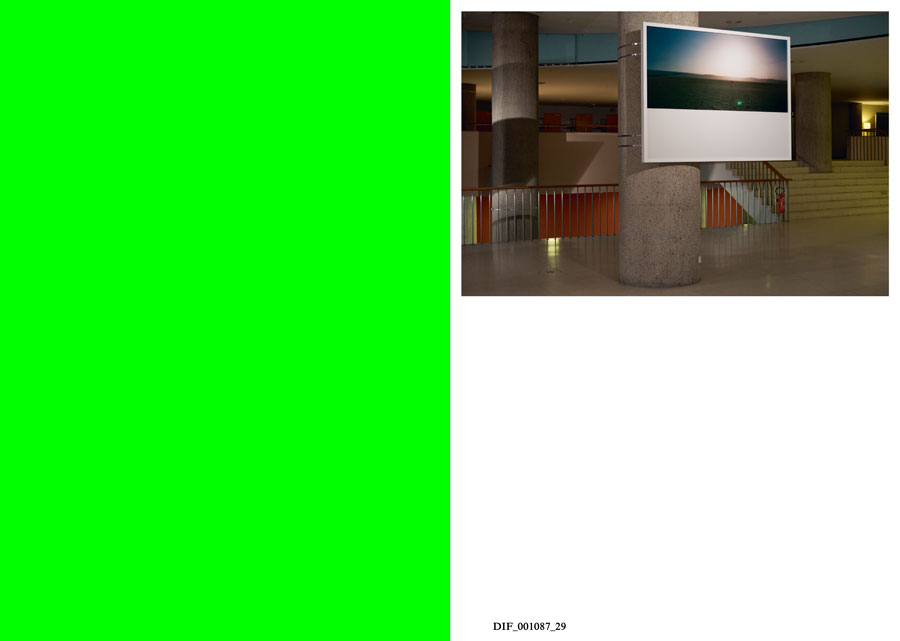
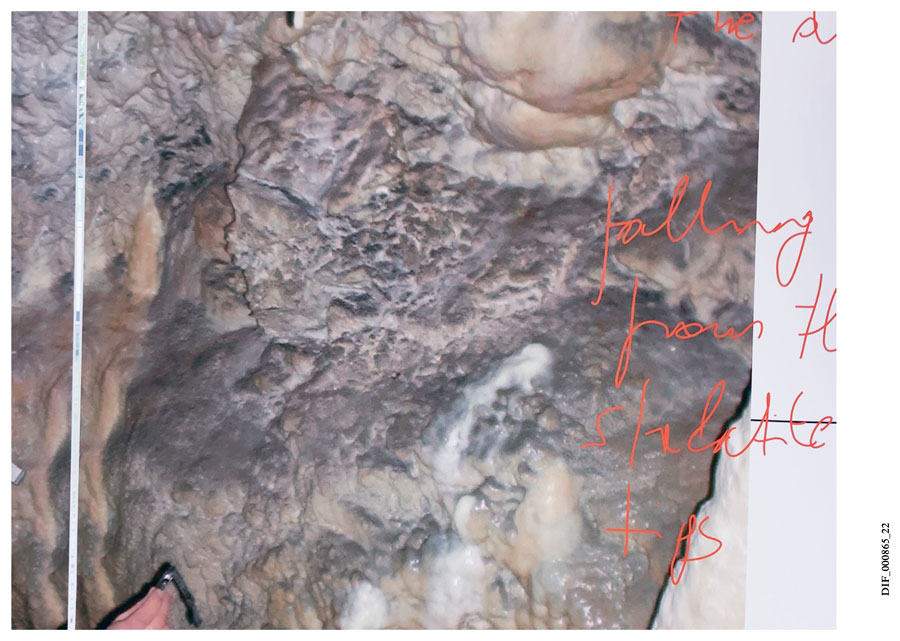
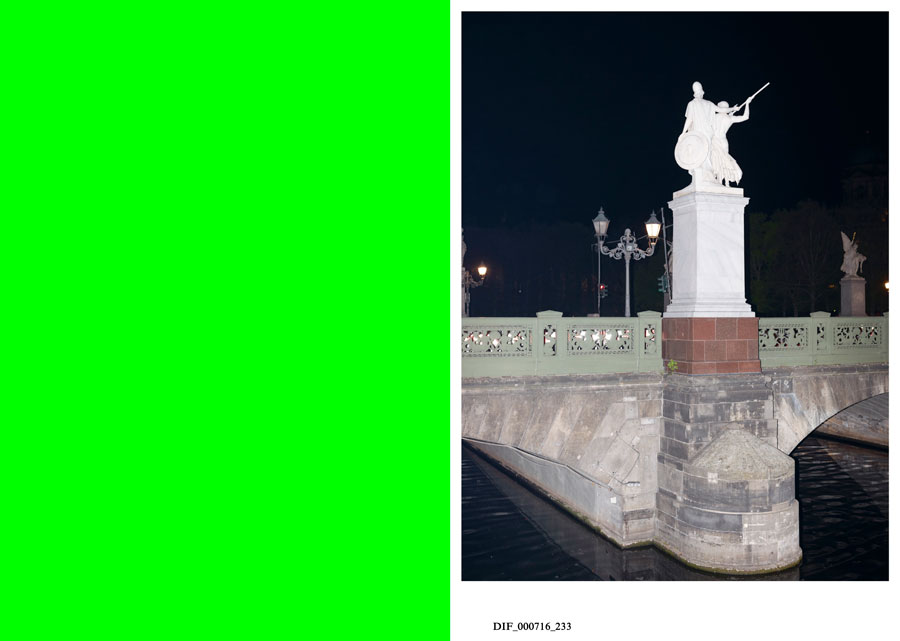
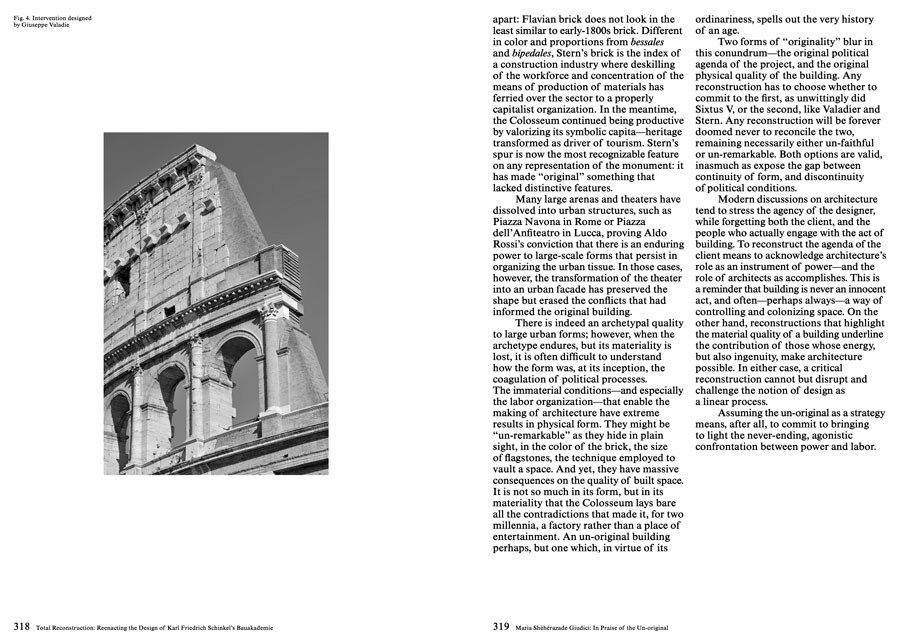
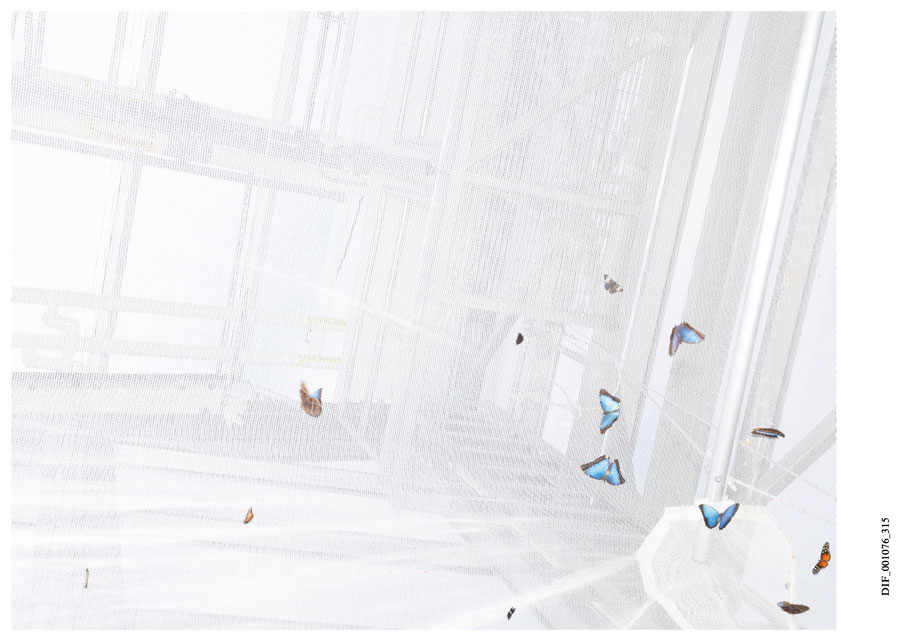
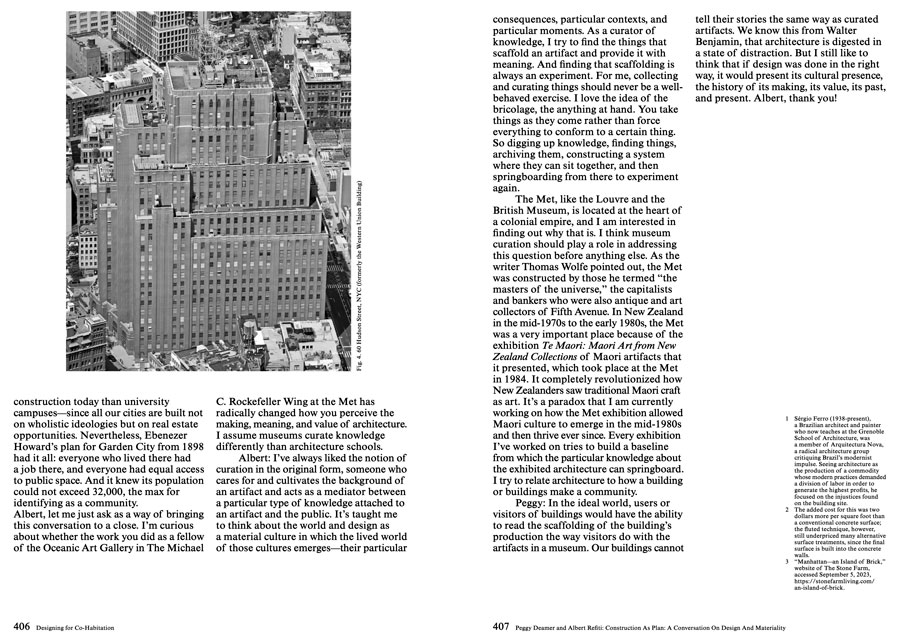
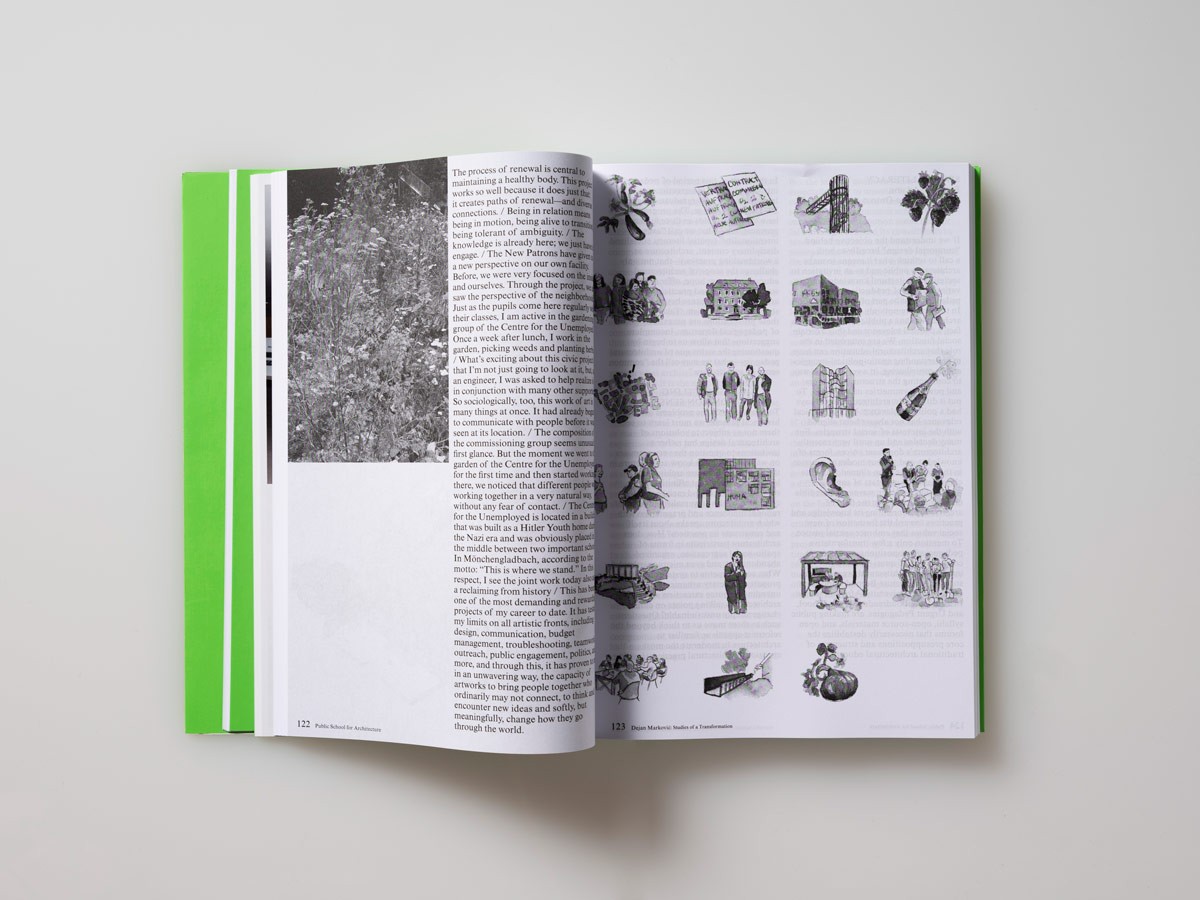
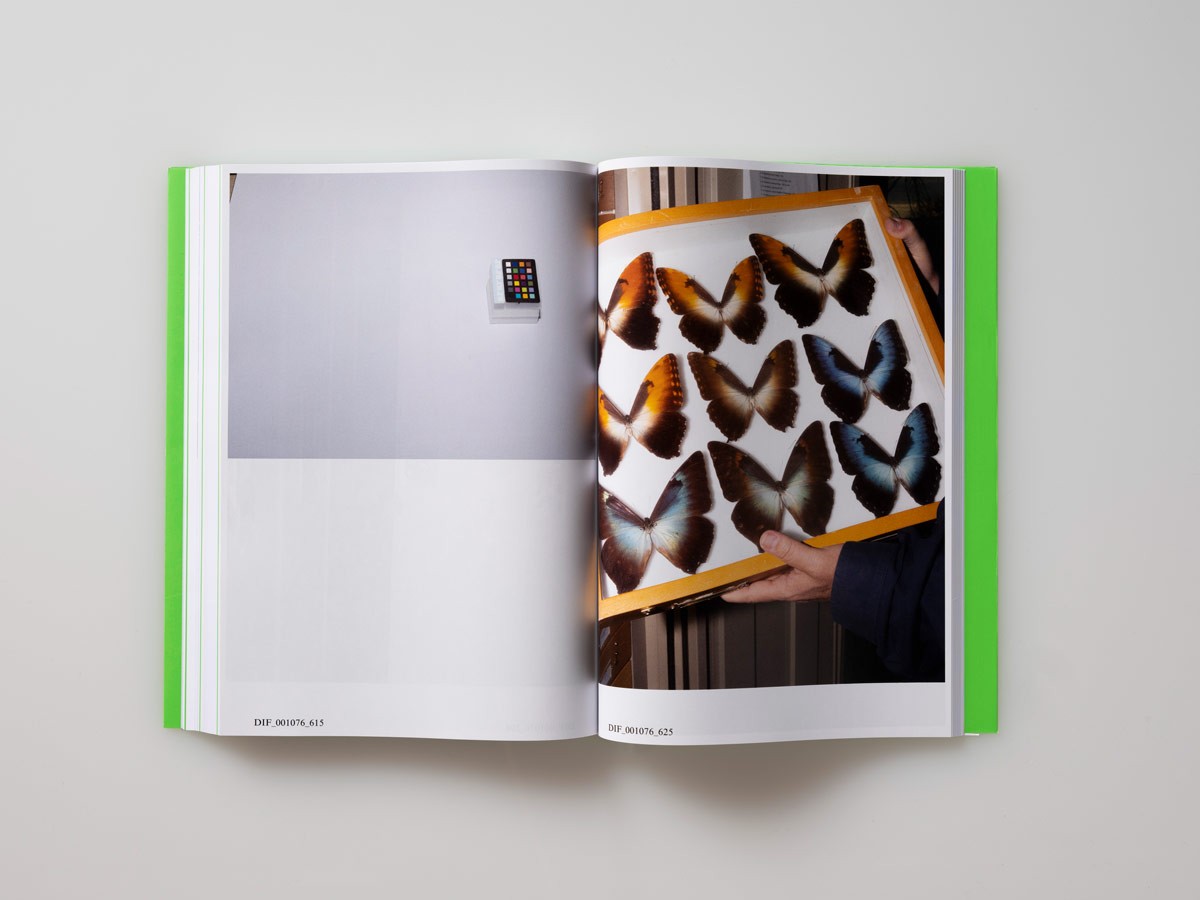
The book is aimed at practitioners and educators in the field of architecture and design, as well as curators and exhibition makers. It contains three photo series by Armin Linke that accompany the three sections of the book: “Public School for Architecture”, “Total Reconstruction,” and “Designing for Co-Habitation.”