A visual notebook of the screenshots taken by Yngve Holen over the past five years or so, 6G—the anticipated next phase of network technology—is a peculiarly sized artist’s book, a glossy non-linear agglomeration that reflects the intersections of production, life, and digital debris.
Conceived as a visual résumé, the book provides a comprehensive overview of Posenenske’s solo exhibitions and a record of her numerous group shows. Featuring an essay by curator Erlend Hammer on the role of documentary photographs in the circulation of works of art, it was published in conjunction with the eponymous show at the Haugar Art Museum in Tønsberg.
Since the 1980s, Belgian artist Sigefride Bruna Hauman has created a highly original body of work in different media. Her installations, reliefs and videos are the subject of a much-overdue retrospective organized by M Leuven—and of this first monograph.
Rituals of Care is an extensive monograph devoted to the work of Antonio Obá, published in conjunction with his eponymous exhibition presented at the Centre d’Art Contemporain Genève, curated by Andrea Bellini. Extensively illustrated, the book immerses the reader in Obá’s multifaceted oeuvre and in the magical iconographic universe of his paintings.
Claiming that the museum is not enough means asking what a museum should be and do, eventually questioning the role of cultural institutions in society. Through conversations, stills of documentaries, responses, and reprints of archival documents that explore ideas of architecture on the ground, this volume reflects on the tools deployed by the institution to redefine its relationship to others.
Edited by di Cloé Perrone
Texts by Adrienne Edwards, Ekow Eshun, Francesco Freddolini, Wangechi Mutu, Cloé Perrone, Ilaria Puri Purini
Designed by Lorenzo Mason Studio
2025, English, hardcover, 30 x 24 cm, 202 pages
ISBN 979-12-80579-80-5
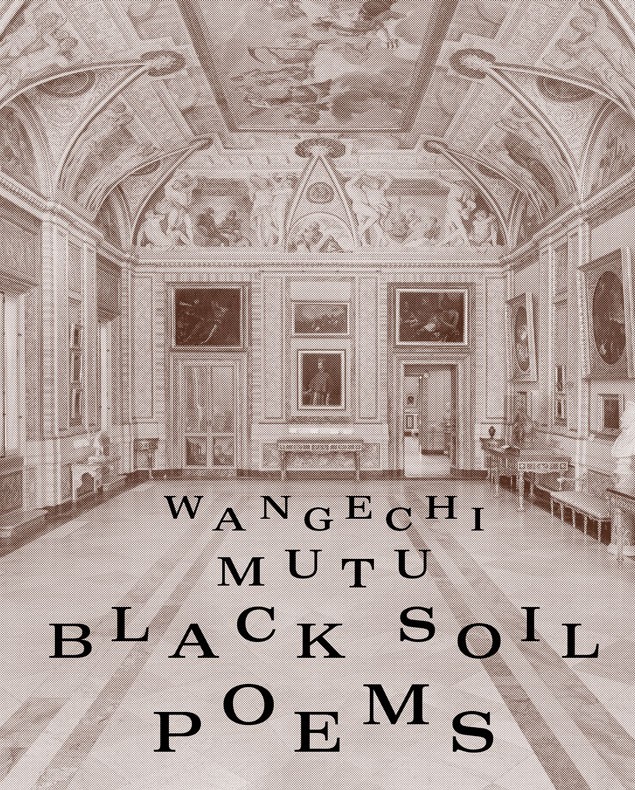
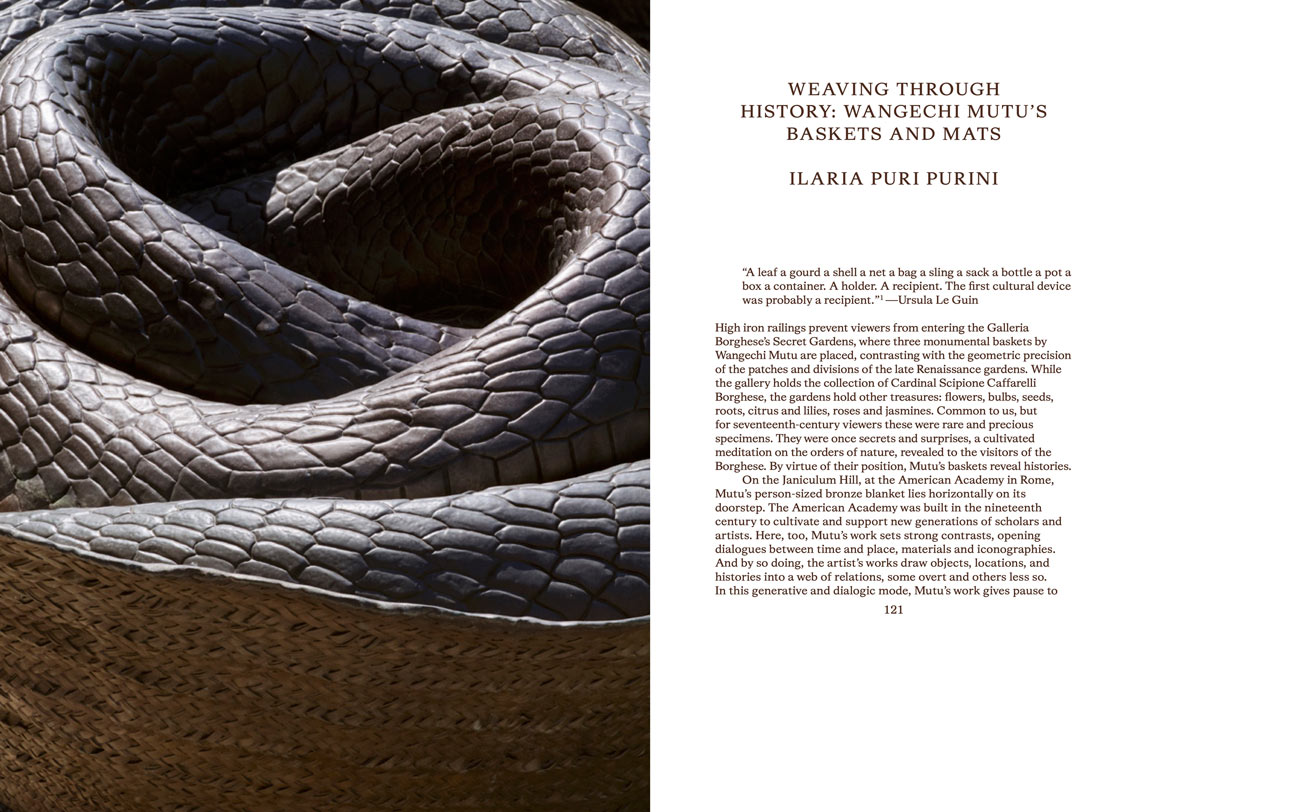
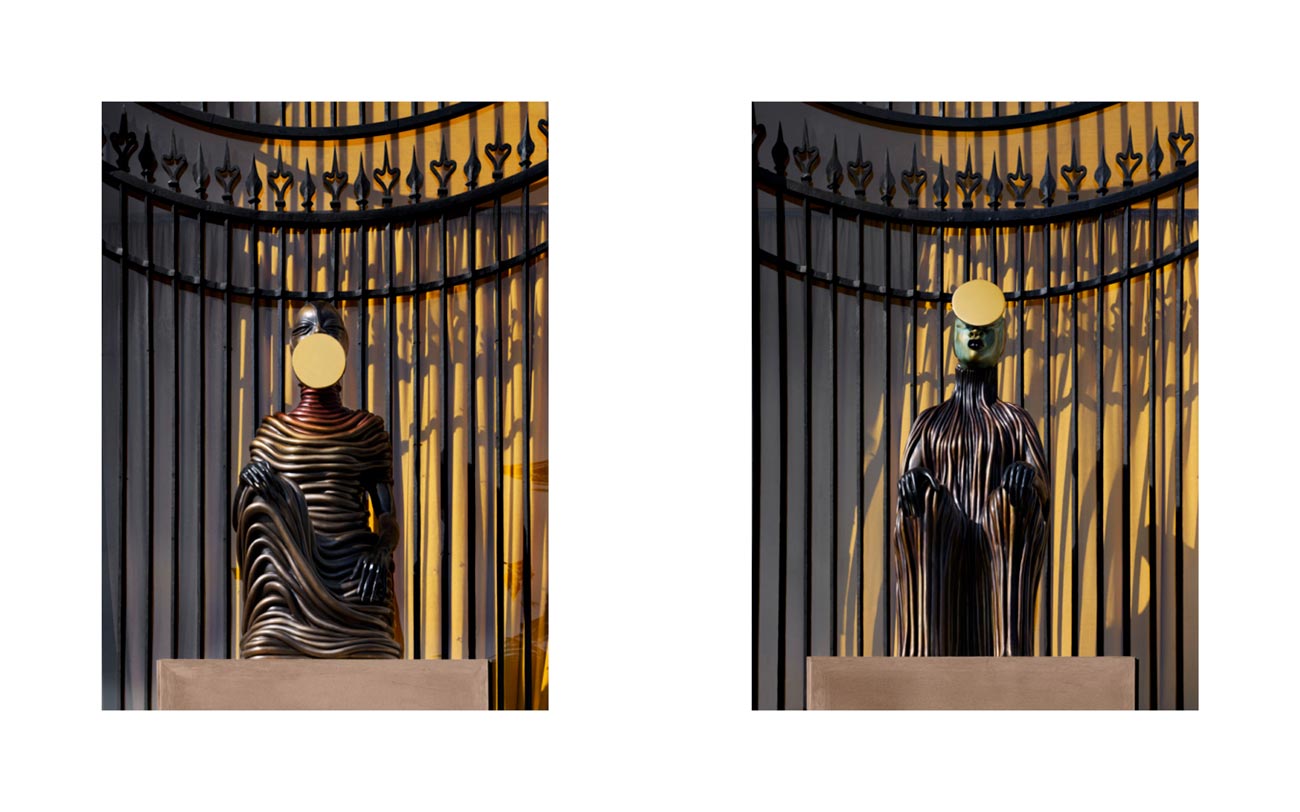
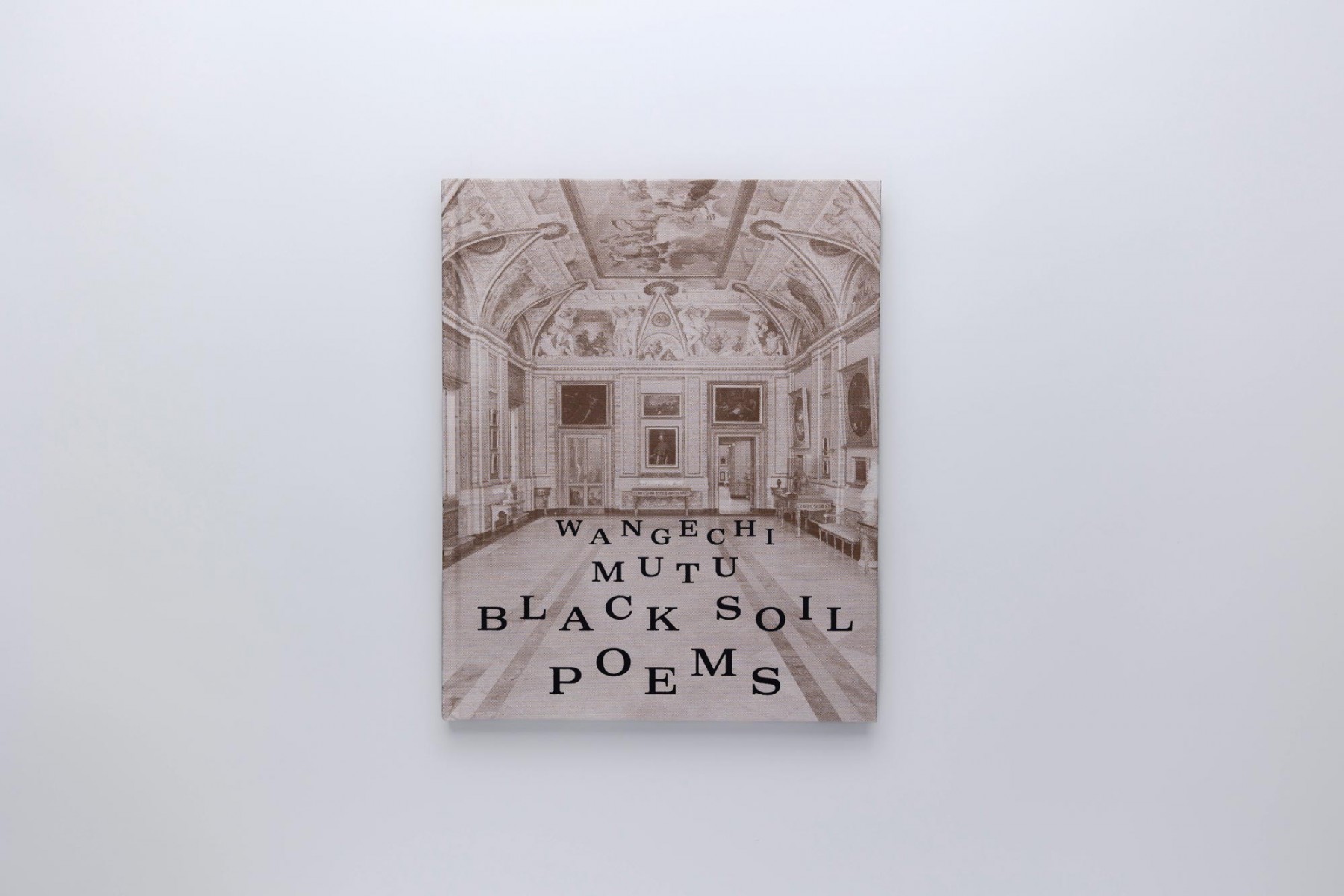
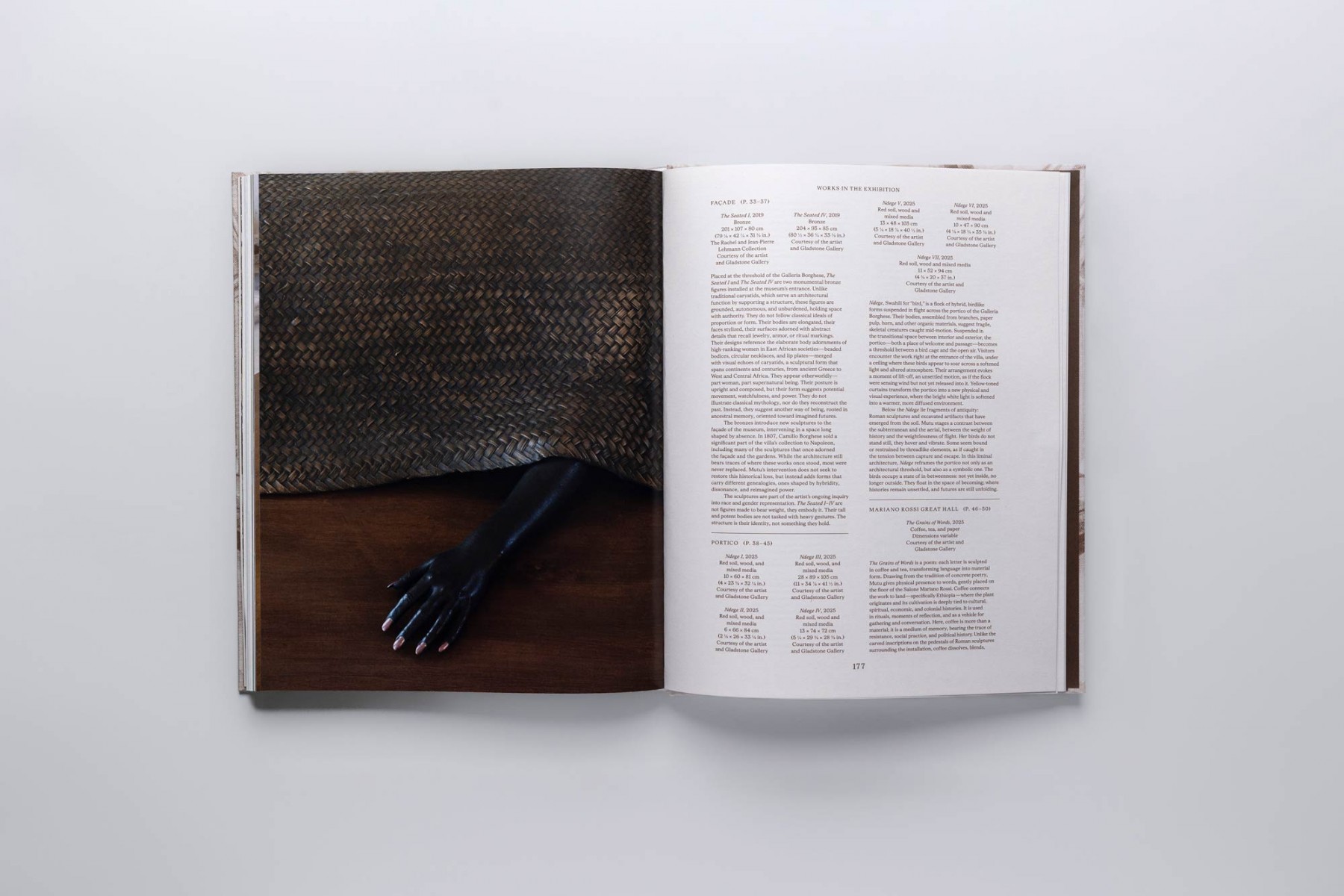
The title of this rich publication, published on the occasion of the solo exhibition of the Kenyan-American artist Wangechi Mutu at the Galleria Borghese—the first time in the century-old history of the Villa for a living female artist—evokes the dual nature of Mutu’s practice: poetic and mythological, yet deeply connected to contemporary social and material contexts. “Black soil”—rich and malleable under the rain, almost like clay—appears across multiple geographies, including the Secret Gardens of the Galleria, which resonate with the artist’s imagination. From this soil, the sculptures seem to emerge, as if molded by a primordial force, giving shape to stories, myths, memories, and poems. The metaphor underscores the generative and transformative power of her work: rooted in materiality, yet open to multiple future interpretations.
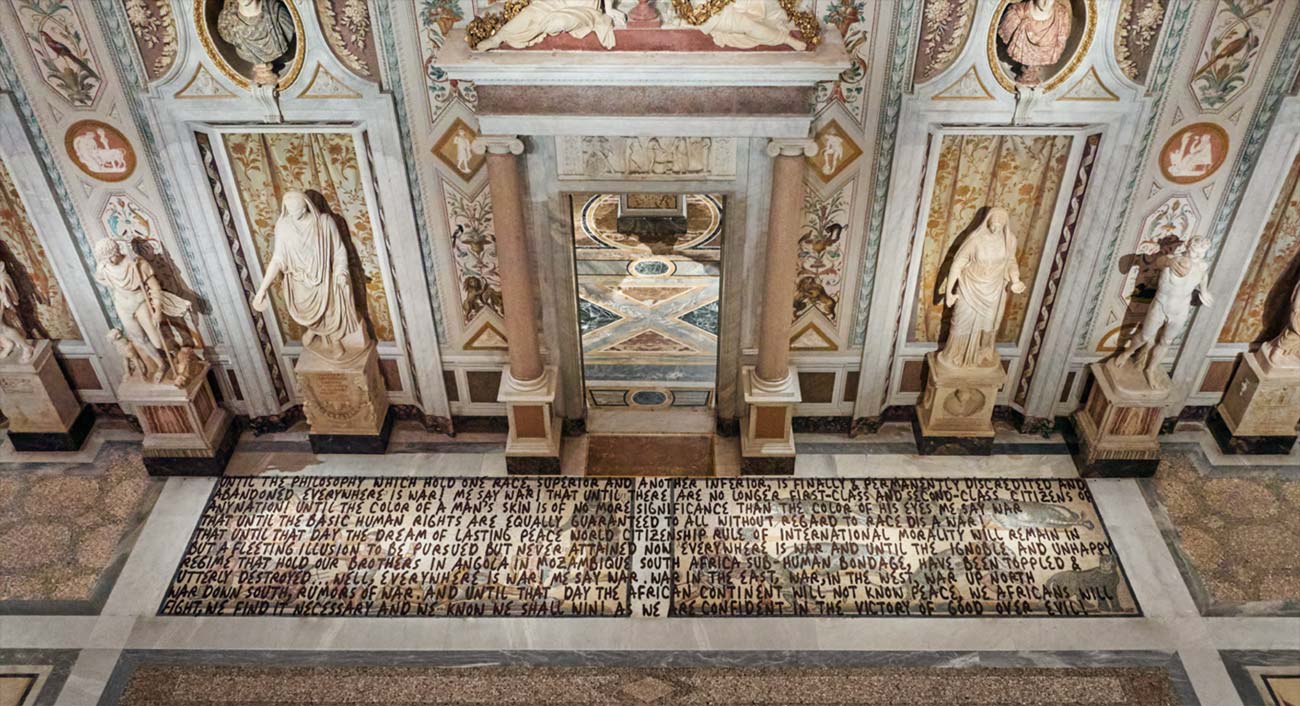
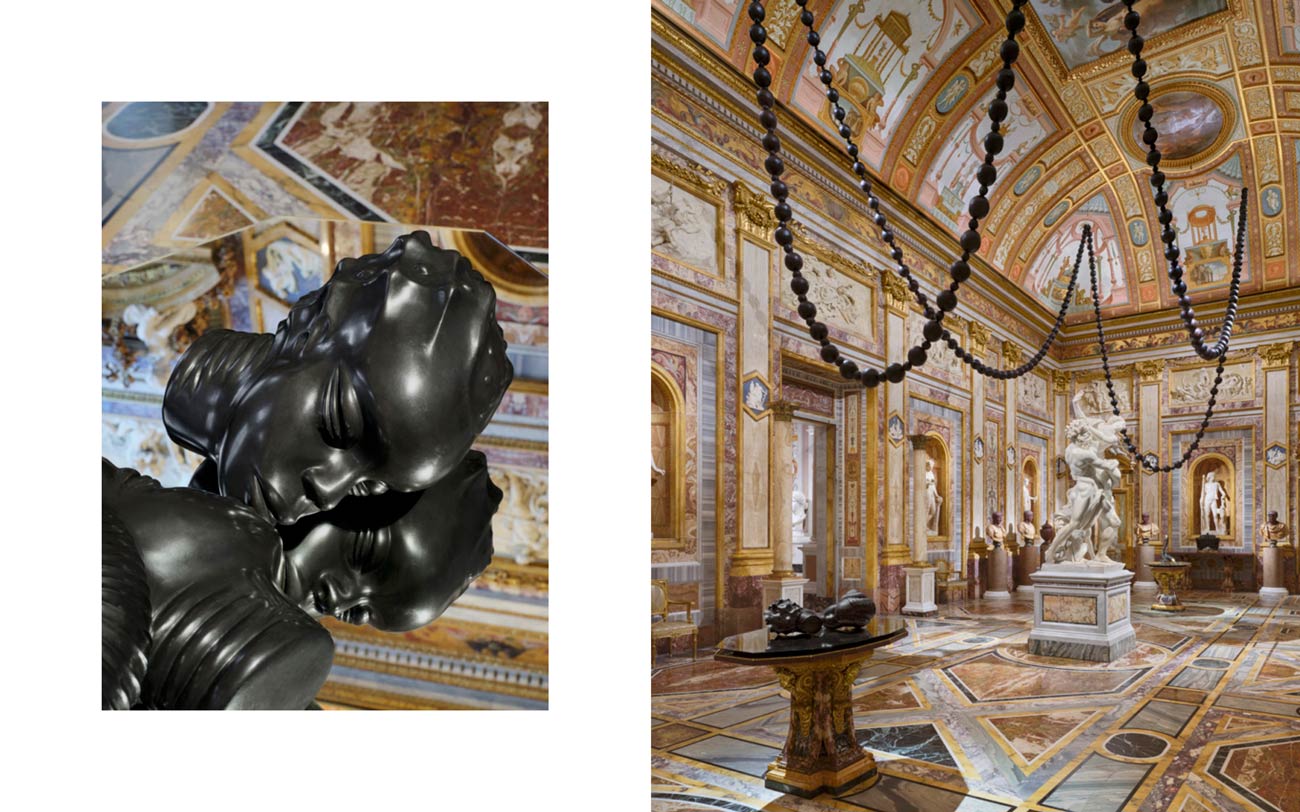
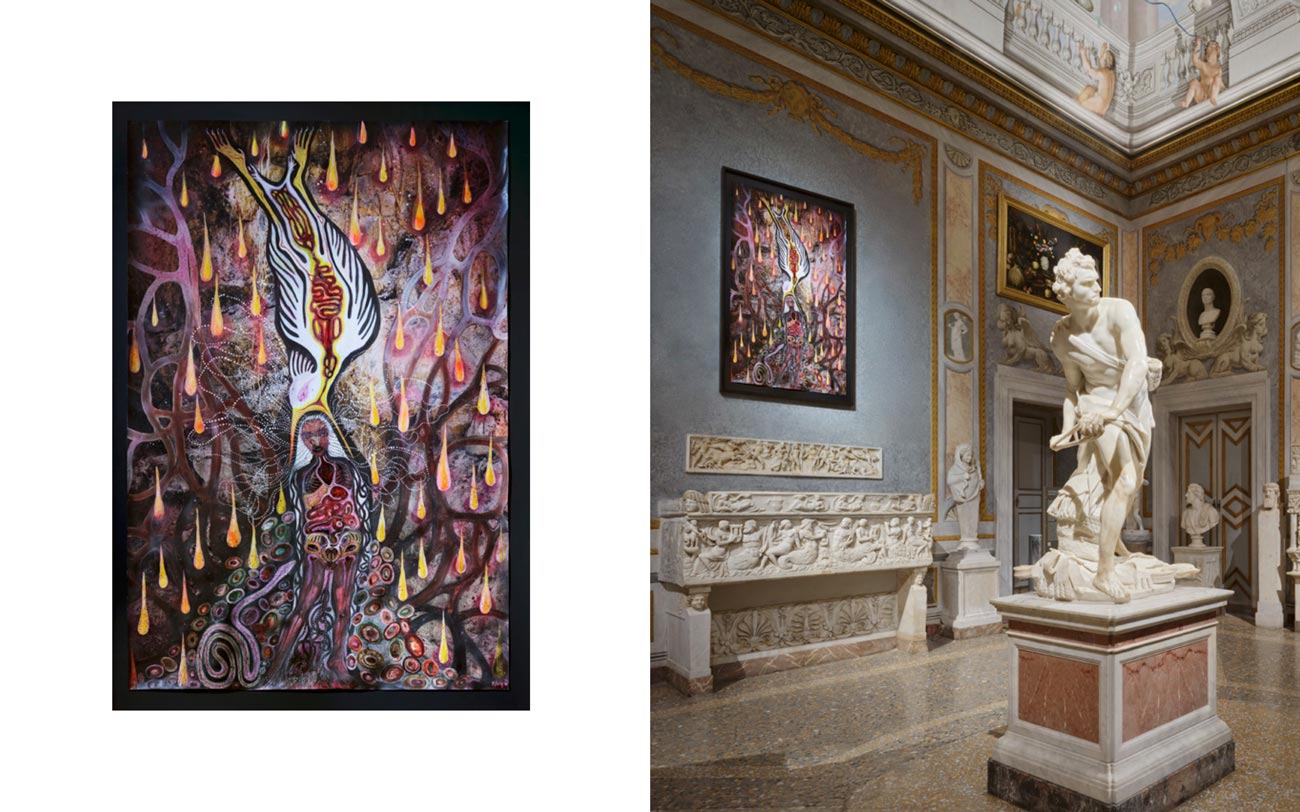
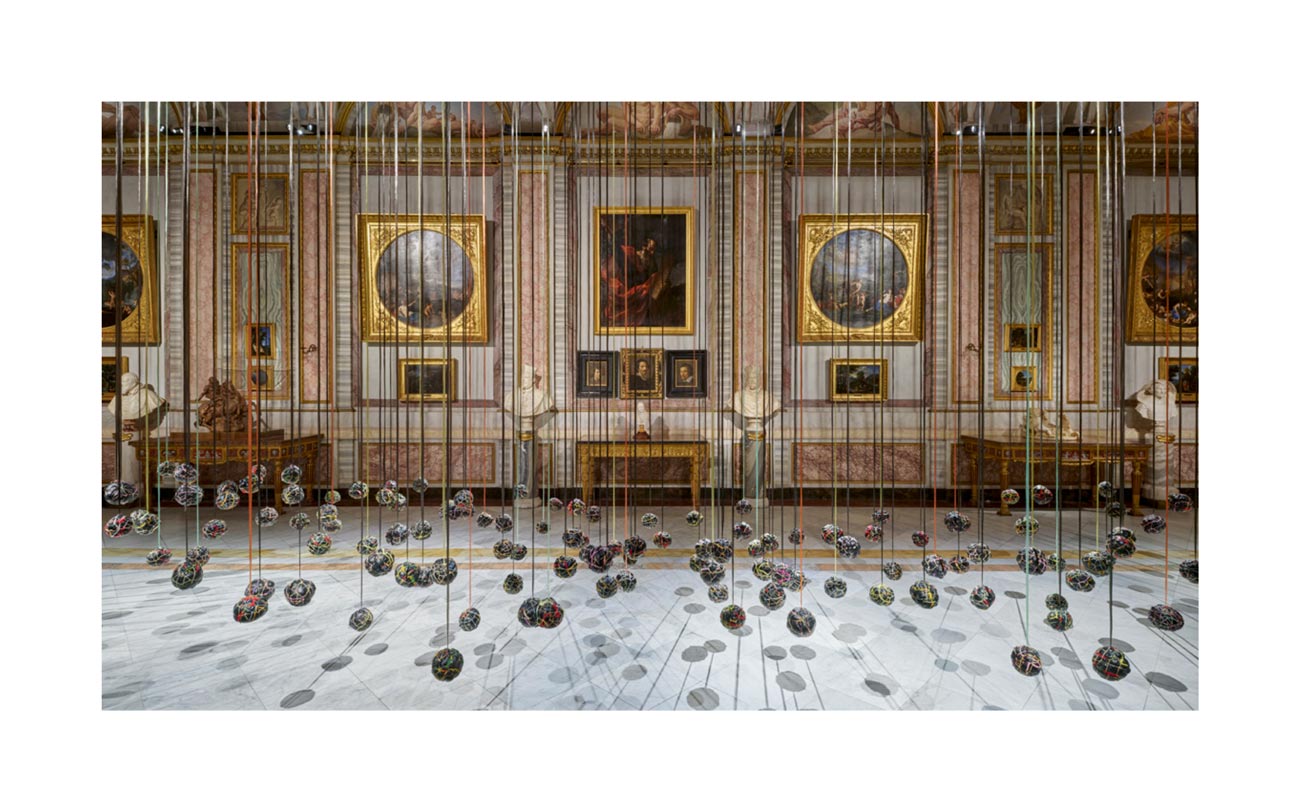
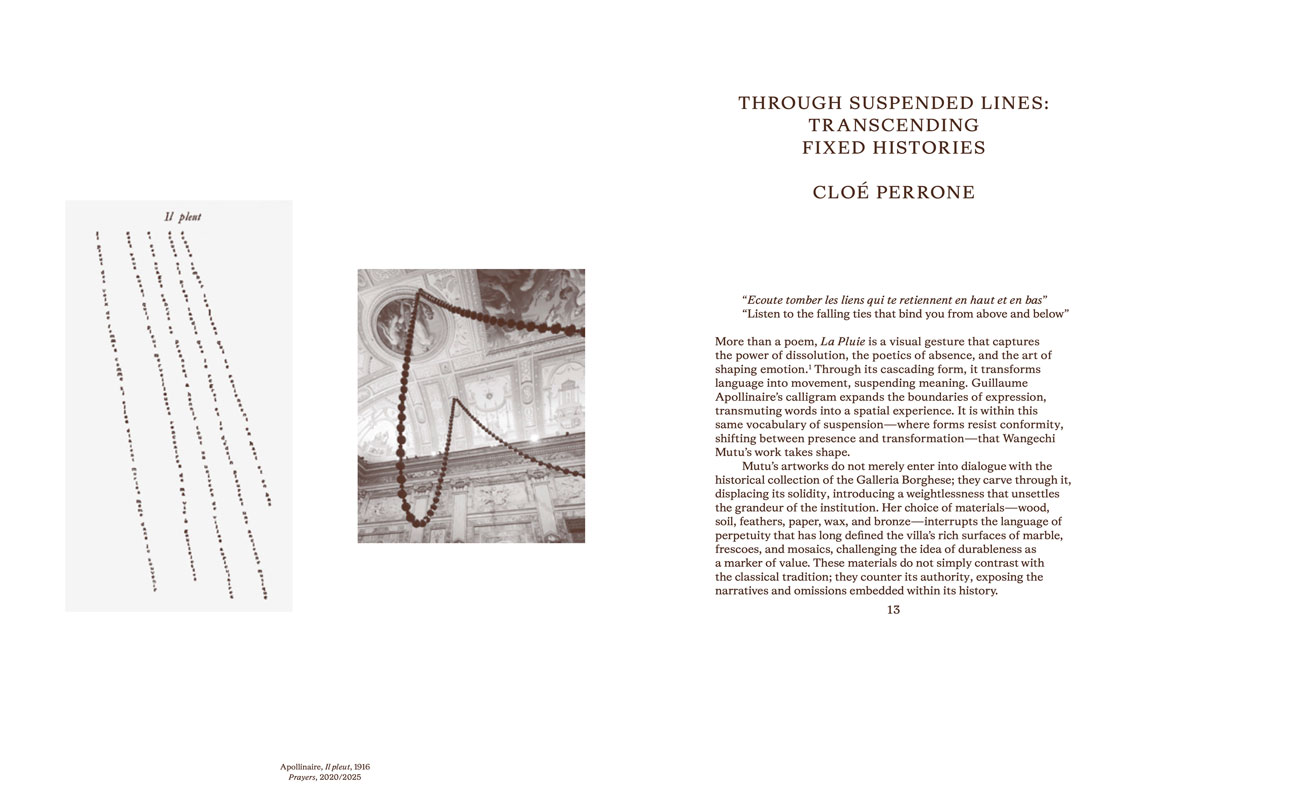
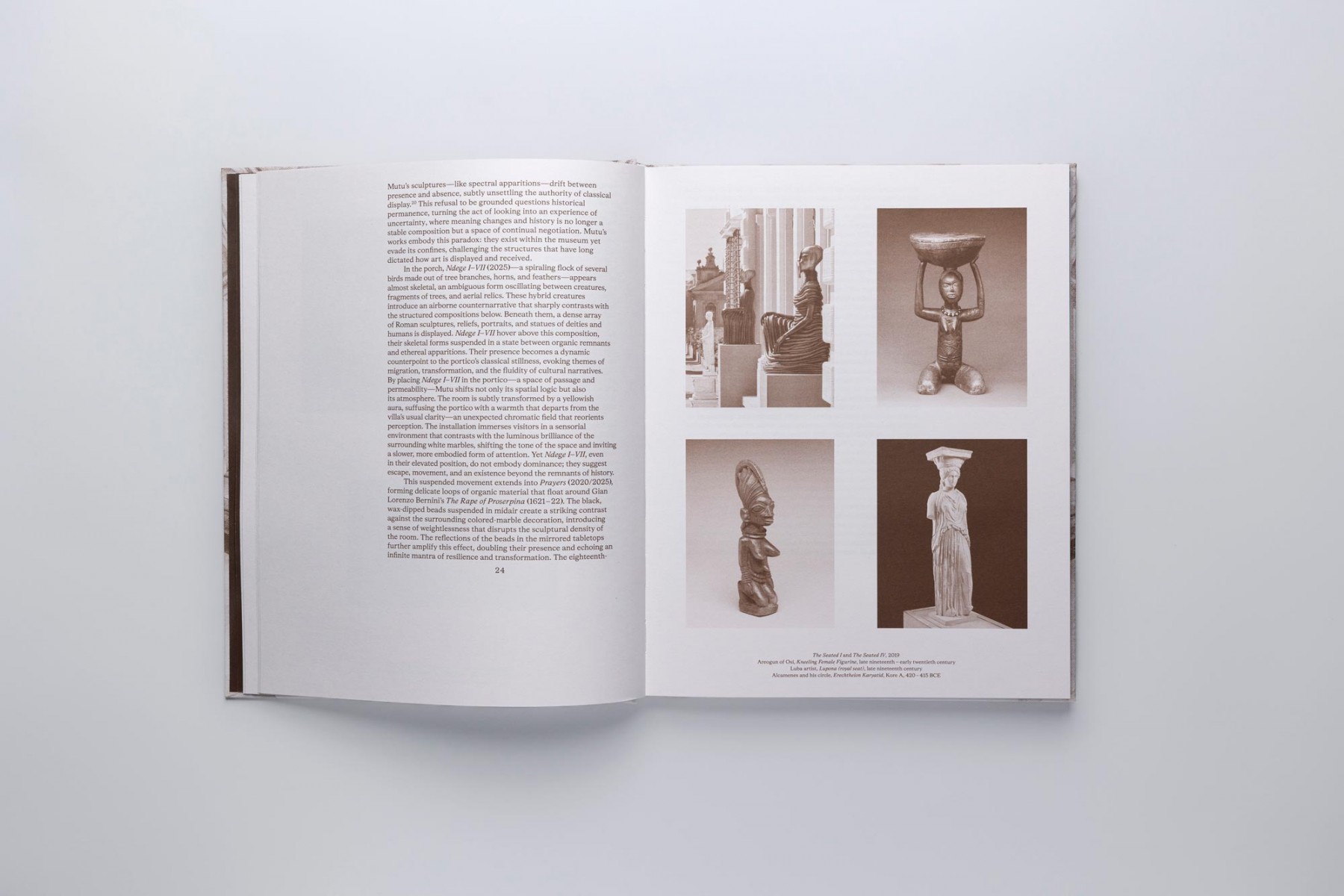
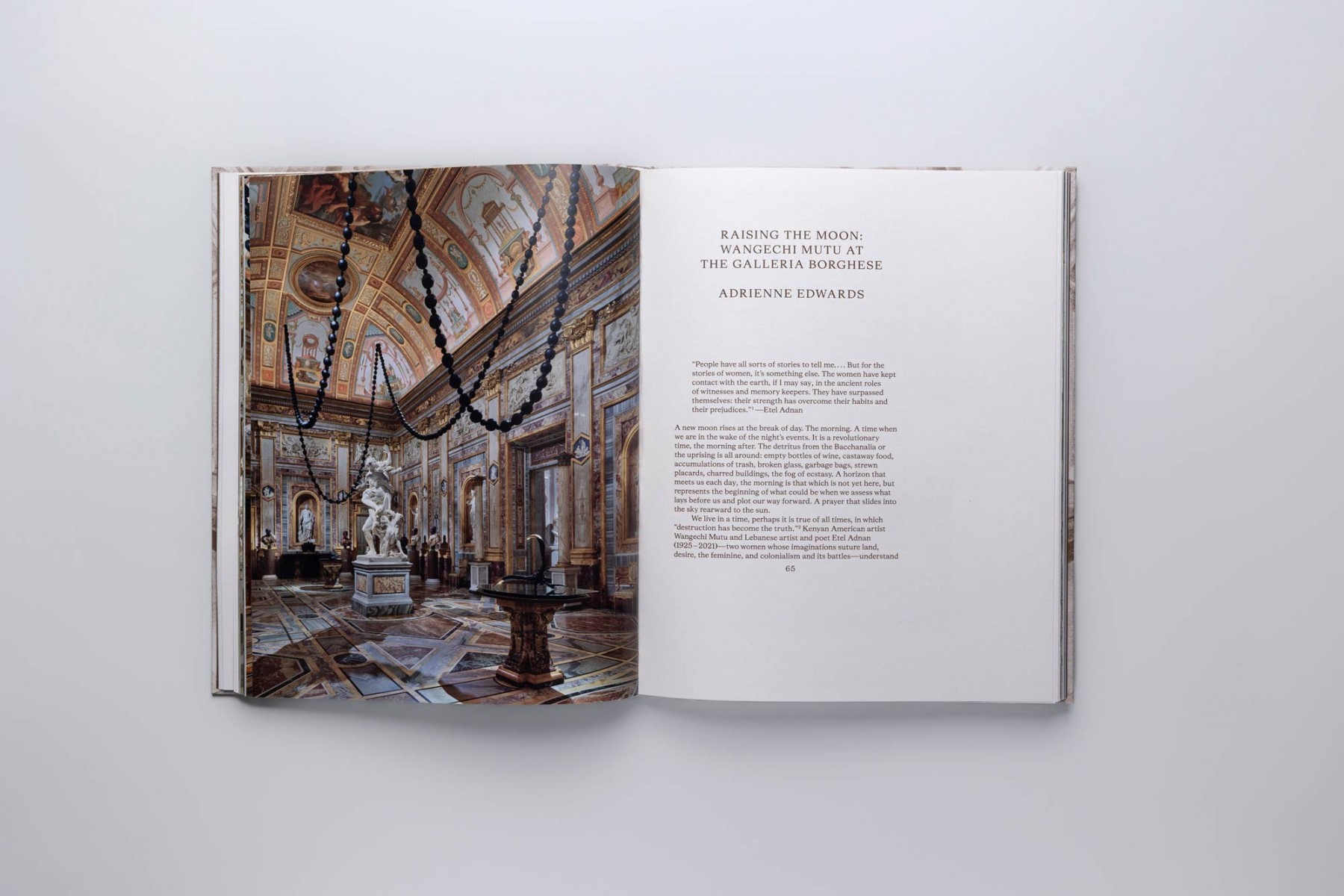
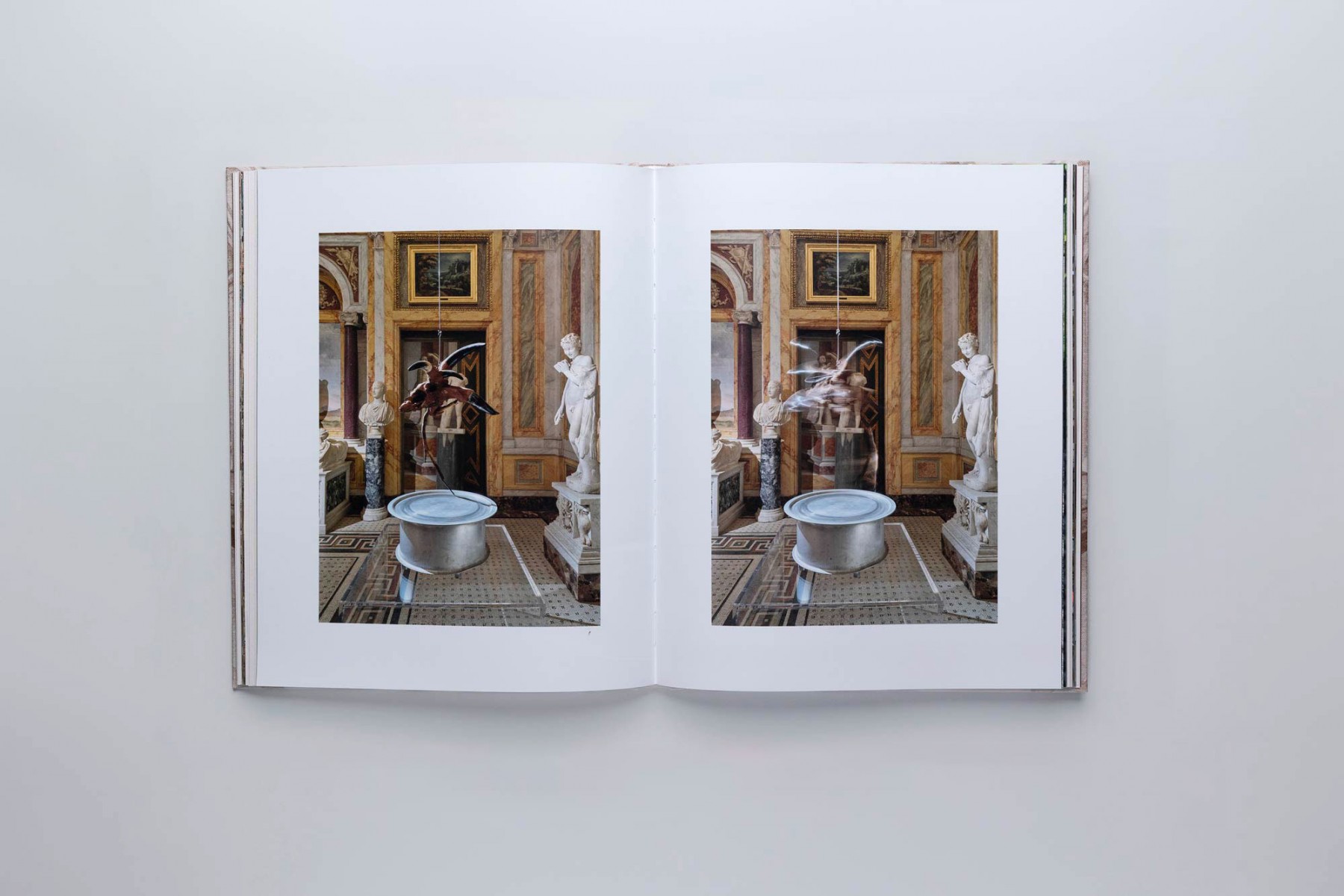
Wangechi Mutu’s intervention introduces a new vocabulary into the historical and symbolic architecture of the Galleria Borghese. Through sculpture, installation, and moving image, the artist proposes an innovative approach to the museum space—one that challenges hierarchy, permanence, and fixed meaning. Her works question the visual weight and authority of the collection through strategies of suspension, fluidity, and fragmentation. In doing so, the museum is no longer presented as a static container of objects, but as a living organism, in continuous transformation, shaped by loss, adaptation, and reconfiguration.
Accompanied by a text by curator Cloé Perrone analyzing the context and themes that informed the exhibition’s conception, the volume is enriched by four additional essays by Adrienne Edwards, Ekow Eshun, Francesco Freddolini, and Ilaria Puri Purini, as well as a conversation between Eshun and the artist. A rich selection of illustrations allows the readers to retrace the exhibition, which unfolded in the Gallery’s sumptuous rooms and gardens, all the way to its extramural presence at the American Academy.