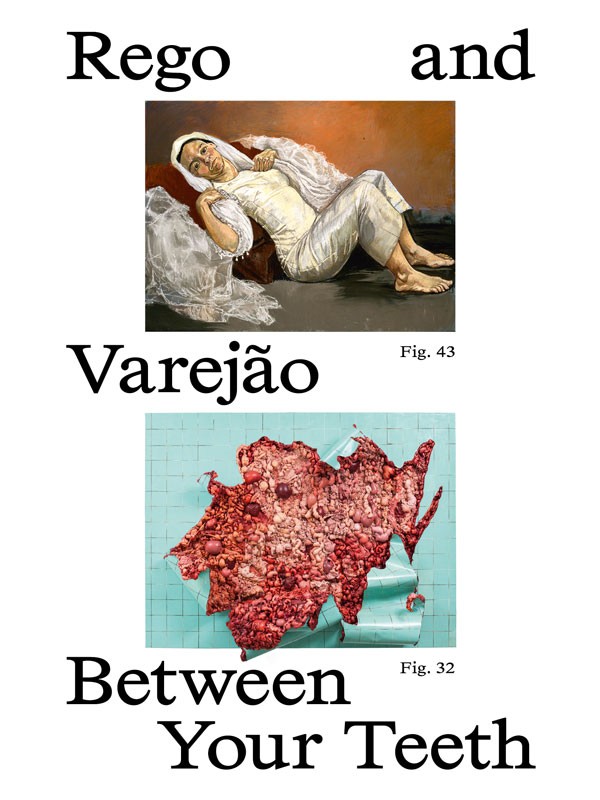
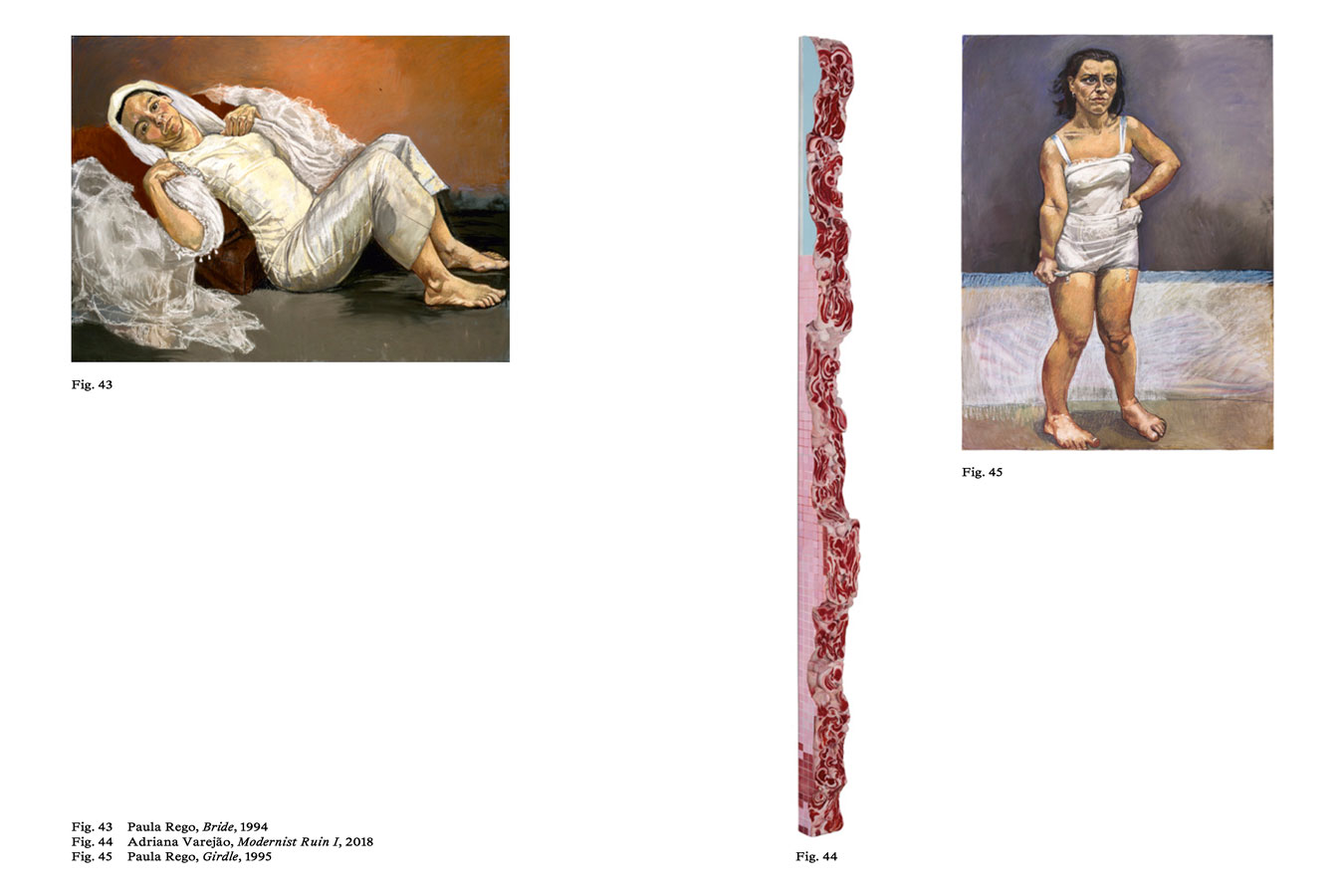
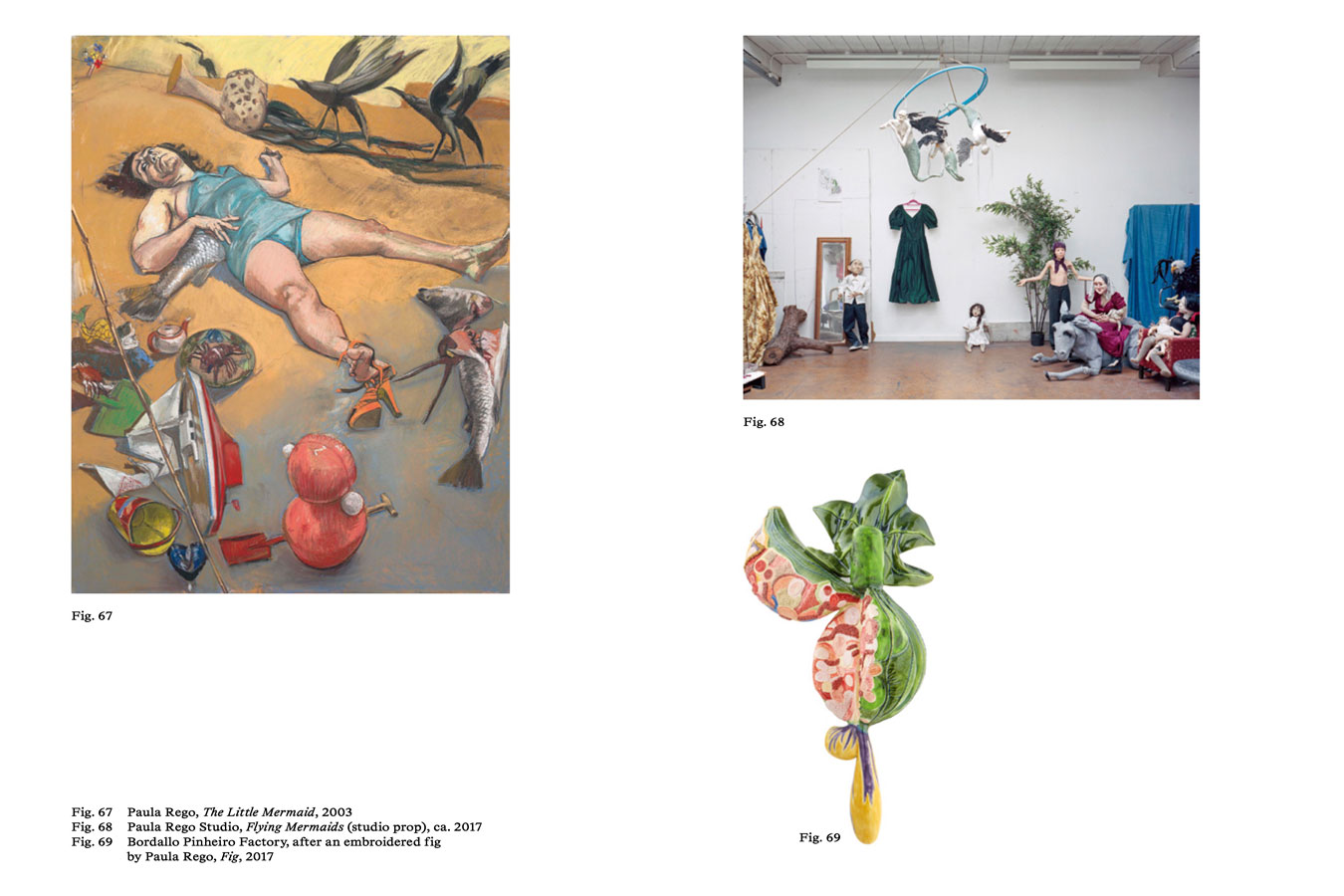
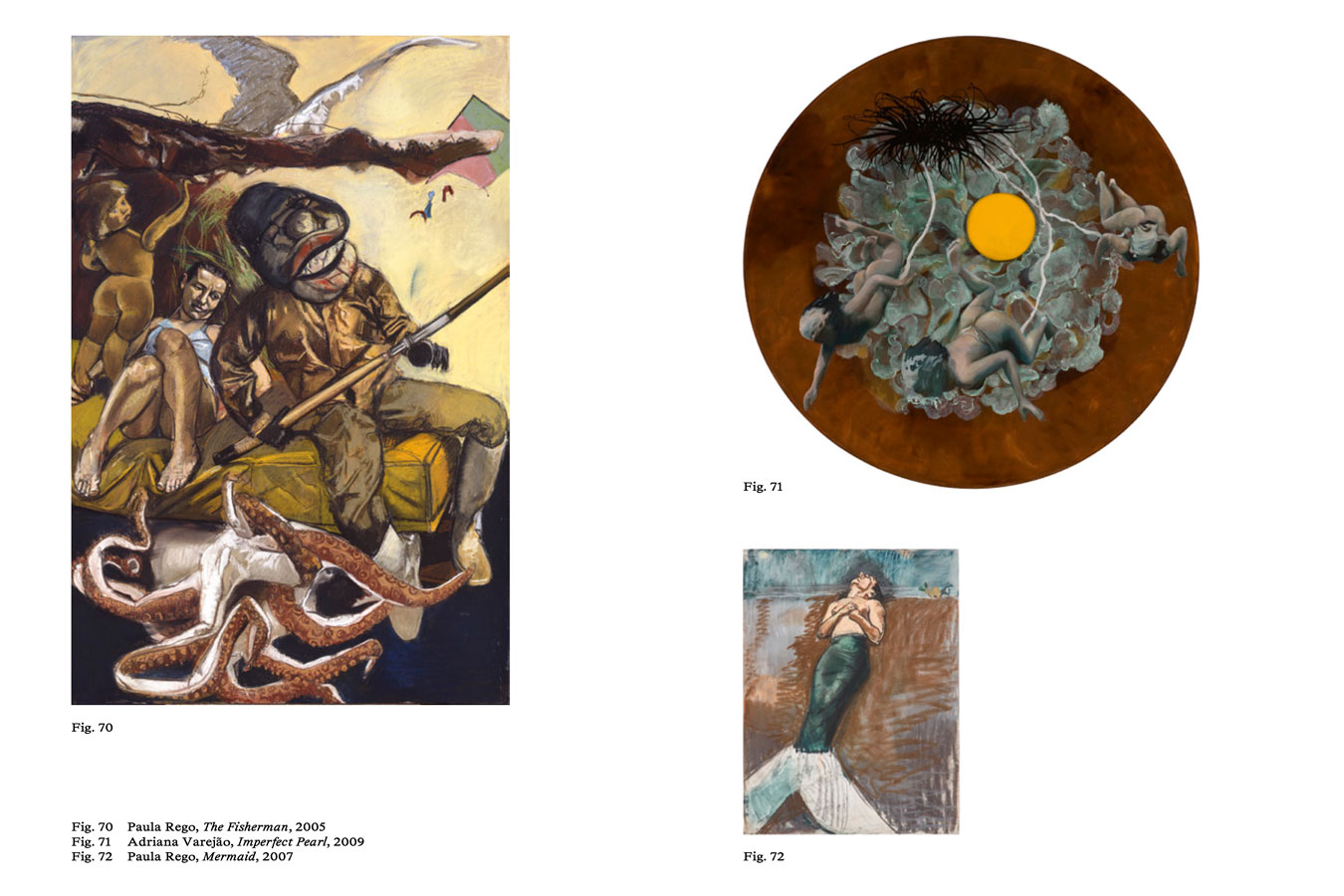
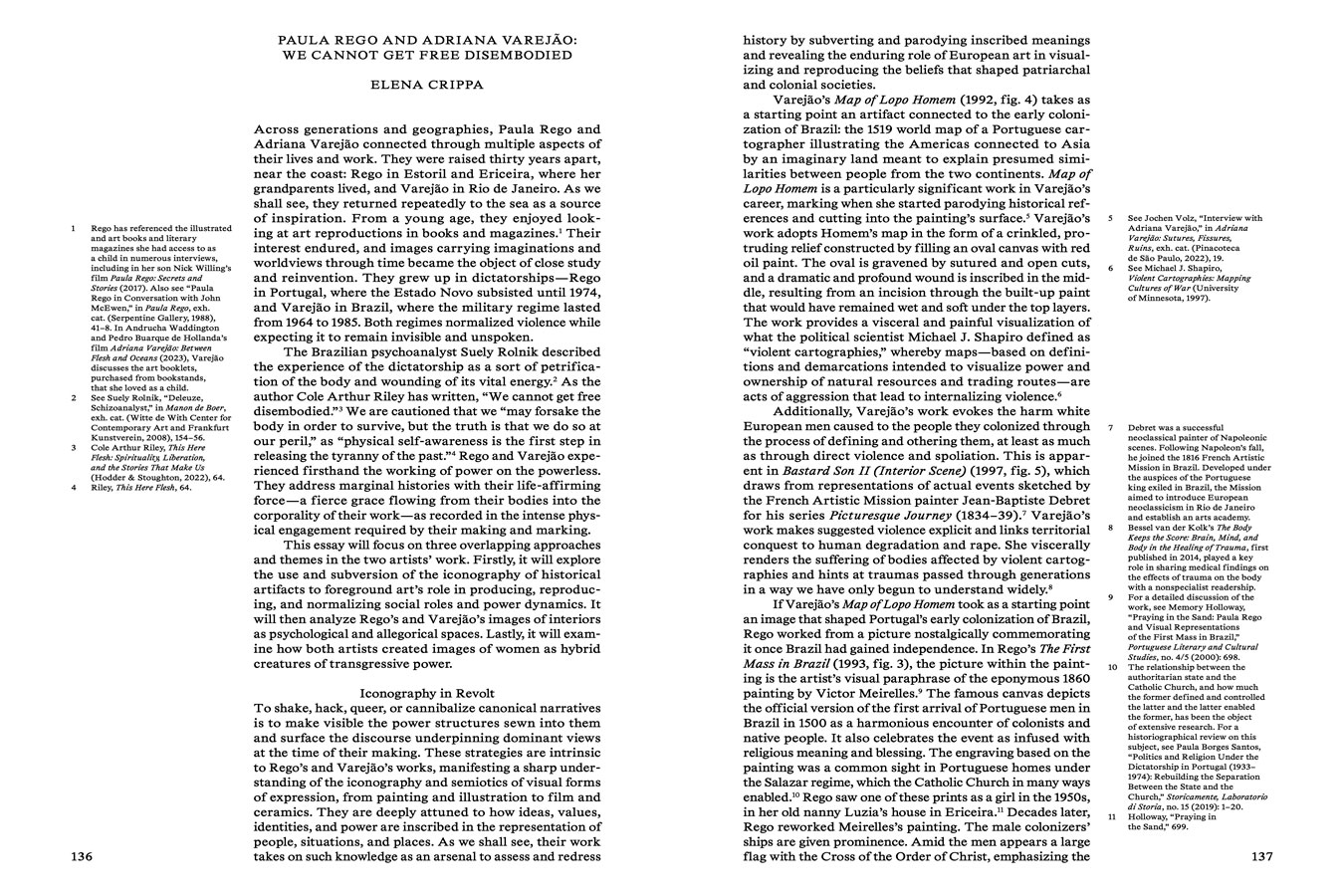
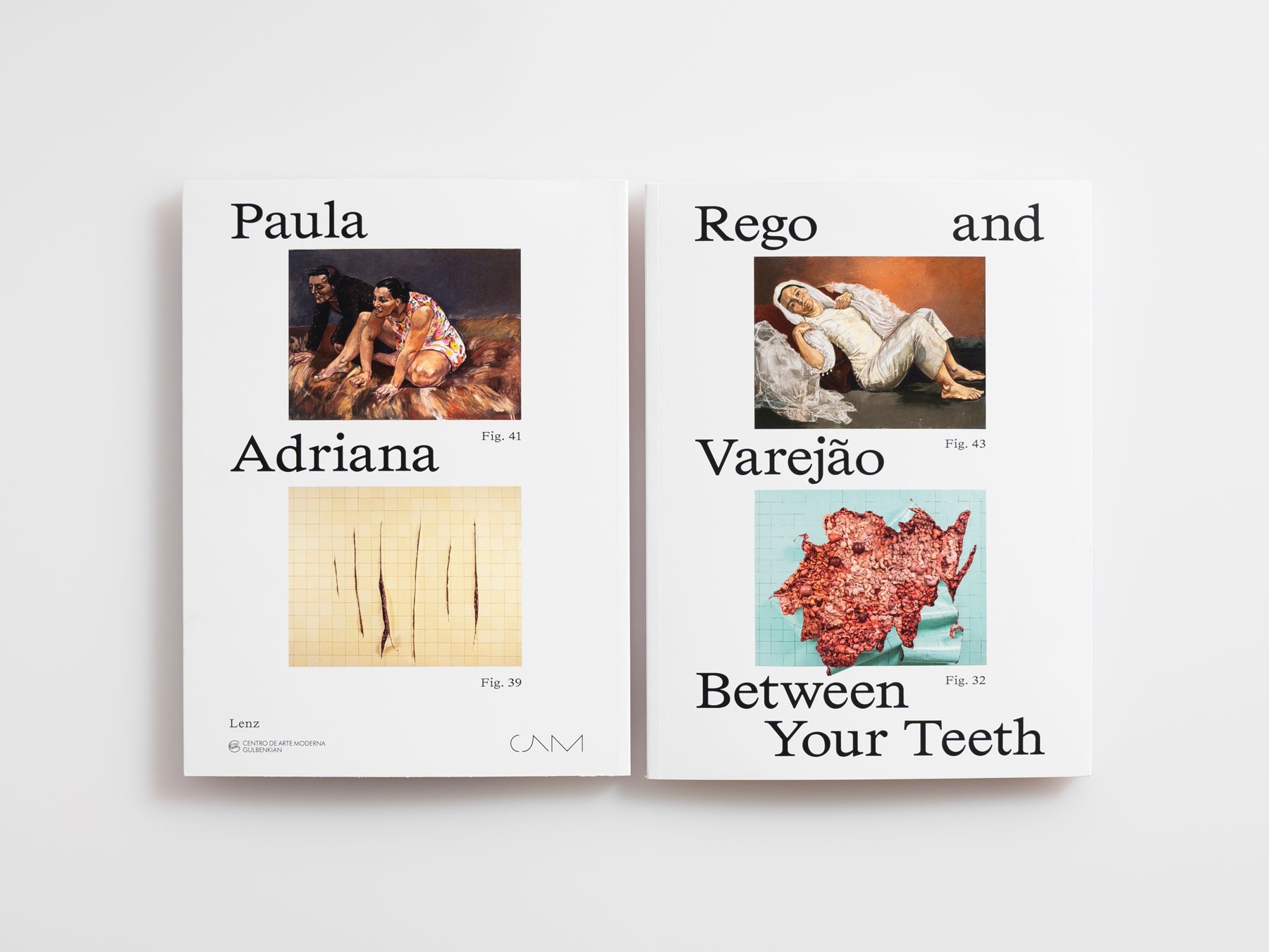
O livro, lançado por ocasião da exposição homónima no CAM – Centro de Arte Moderna Gulbenkian, em Lisboa, explora as convergências nas obras de Paula Rego (Lisboa, 1935 – Londres, 2022) e Adriana Varejão (Rio de Janeiro, 1964), apesar de pertencerem a gerações e contextos distintos.
The future of architecture lies in the curatorial approach. This is the thesis put forward by architect Wilfried Kuehn and theorist Dubravka Sekulić in their book, which brings together contributions from more than 30 authors working in the fields of architecture, art, and curatorial knowledge and practice.
Emanuele Coccia describes the radical creative freedom inscribed in Ernesto Neto’s practice, analyzing the workings of the Brazilian artist’s pieces of living architecture. Art on Earth is the third book in a series of short essay collections inspired by the site-specific projects conceived for GAMeC at Palazzo della Ragione.
First Meeting is the first monograph on Argentinian artist Santiago de Paoli. From his early, experimental projects to his most recent explorations, the book delves into his innovative approach of painting on unconventional materials. The book features commissioned essays by Fernanda Brenner and Mariano Mayer, as well as a conversation between Christian Rattemeyer and the artist.
Infinite Memory is Caroline Poggi and Jonathan Vinel’s first monograph, co-published with Fondation Cartier pour l’art contemporain and Lenz. Like a memory card, the book stores information about a selection of films from the initial decade of the artists’ practice. Considered as an object, much like a piece of hardware that stores digital memory, the book offers the possibility to scroll infinitely, with no beginning or end.
Through the words of the sound artist and theorist Brandon LaBelle, the book explores the social and relational component of sound that gave rise to Benevolence, the site-specific project by Sonia Boyce. The Joy of Cacophony is the second book in a series of essay collections inspired by the site-specific projects conceived for GAMeC at Palazzo della Ragione.
Edited by Adriana Varejão, Helena de Freitas, and Victor Gorgulho
Authors: Elena Crippa, Raphael Fonseca, Helena de Freitas, Victor Gorgulho and Adriana Varejão
Designed by Lorenzo Mason Studio
2025, English, softcover, 24 x 32 cm, 152 pages
ISBN 979-12-80579-58-4
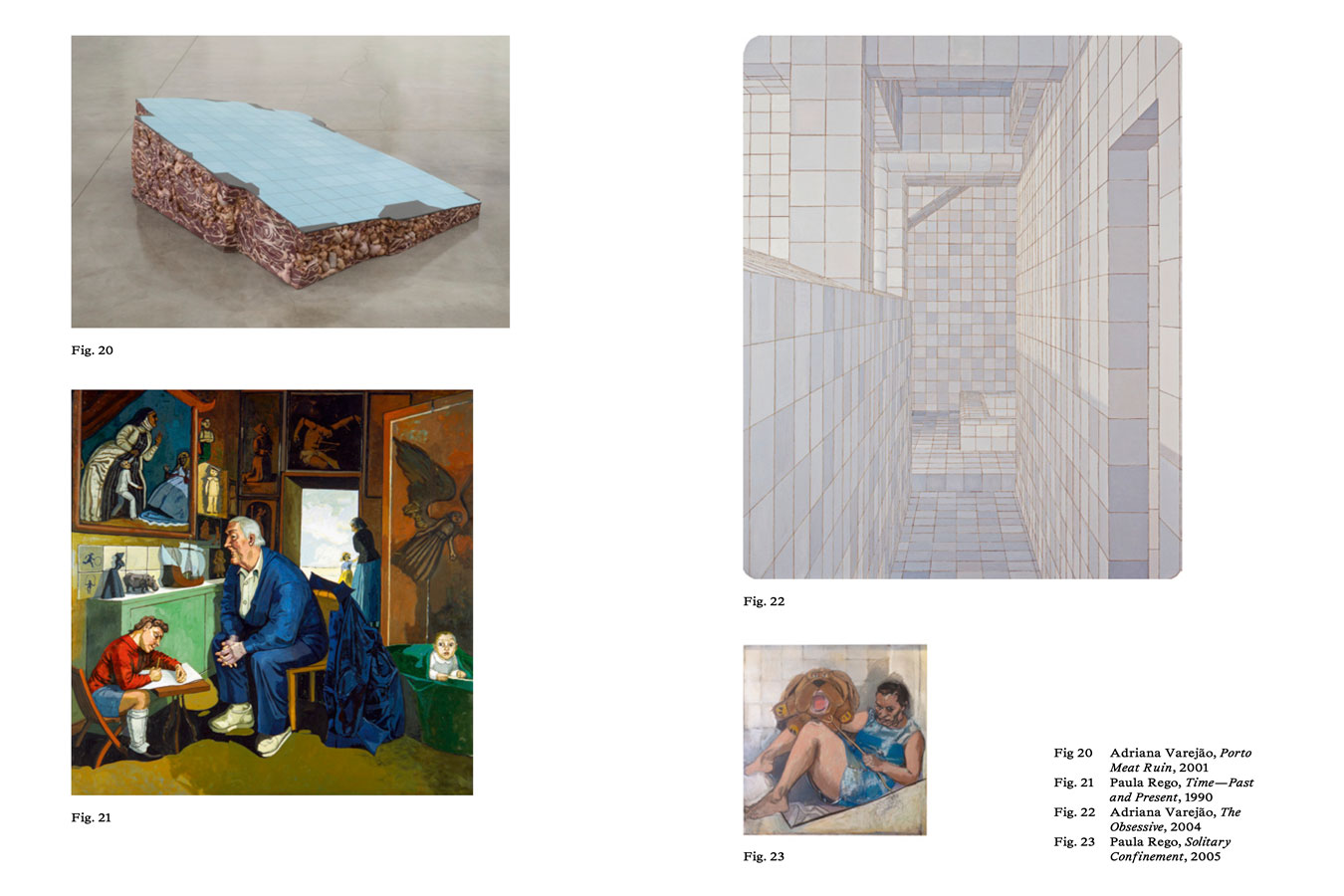
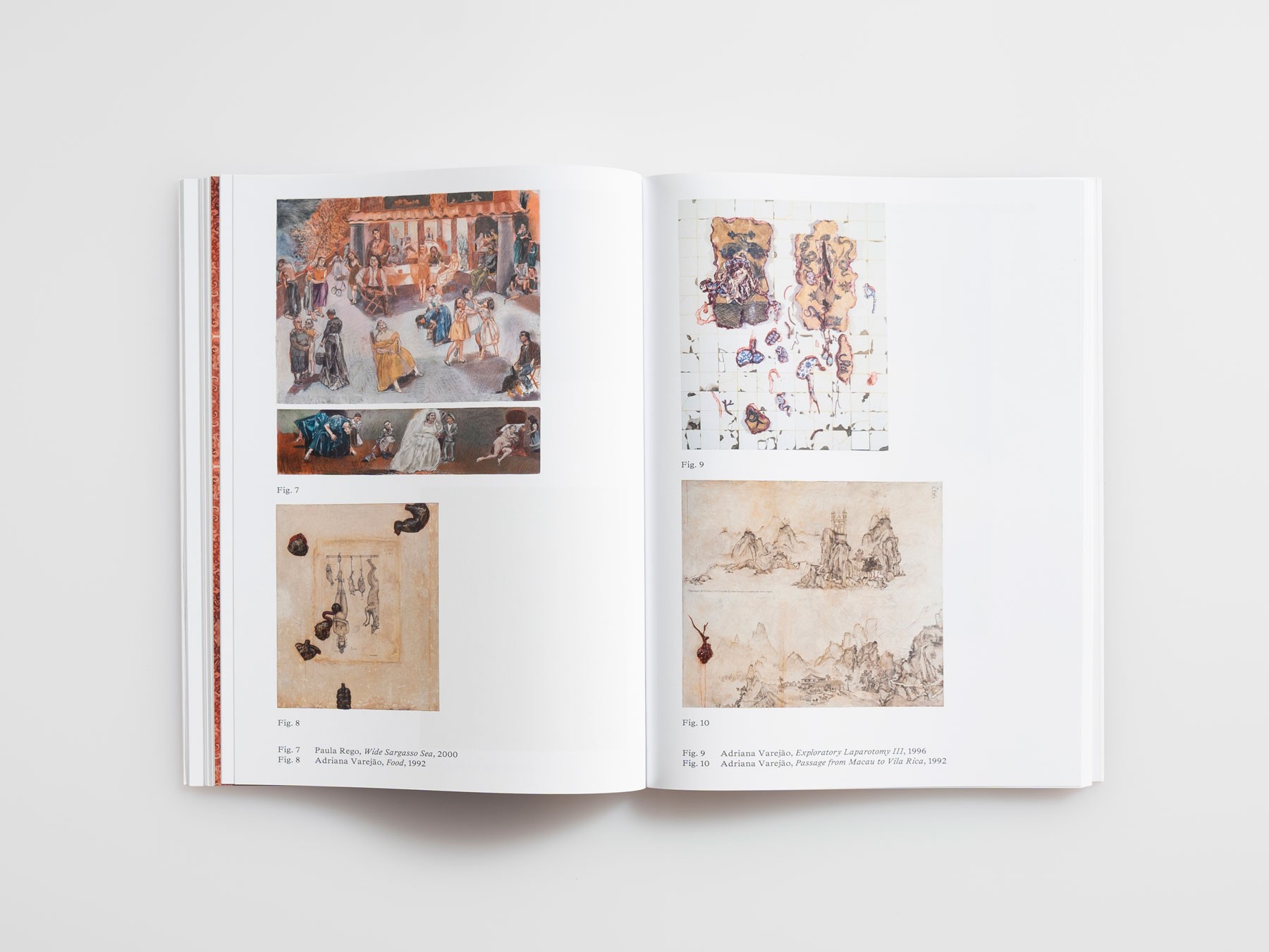
Paula Rego and Adriana Varejão. Between Your Teeth, published on the occasion of the eponymous exhibition held at CAM – Gulbenkian in Lisbon, explores convergences in the work of Paula Rego (Lisbon, 1935 – London, 2022) and Adriana Varejão (Rio de Janeiro, 1964), although they belong to different generations and come from different backgrounds.
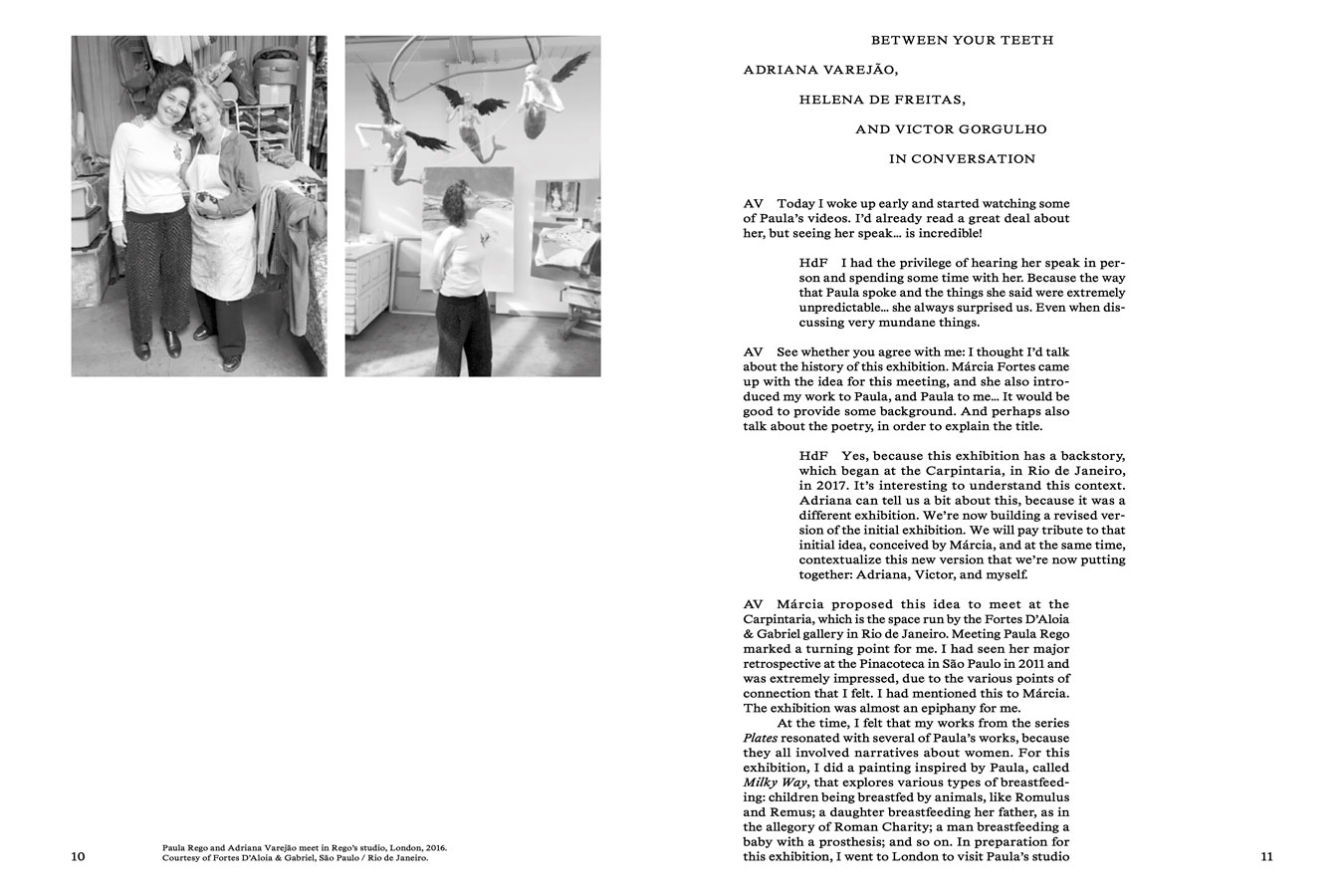
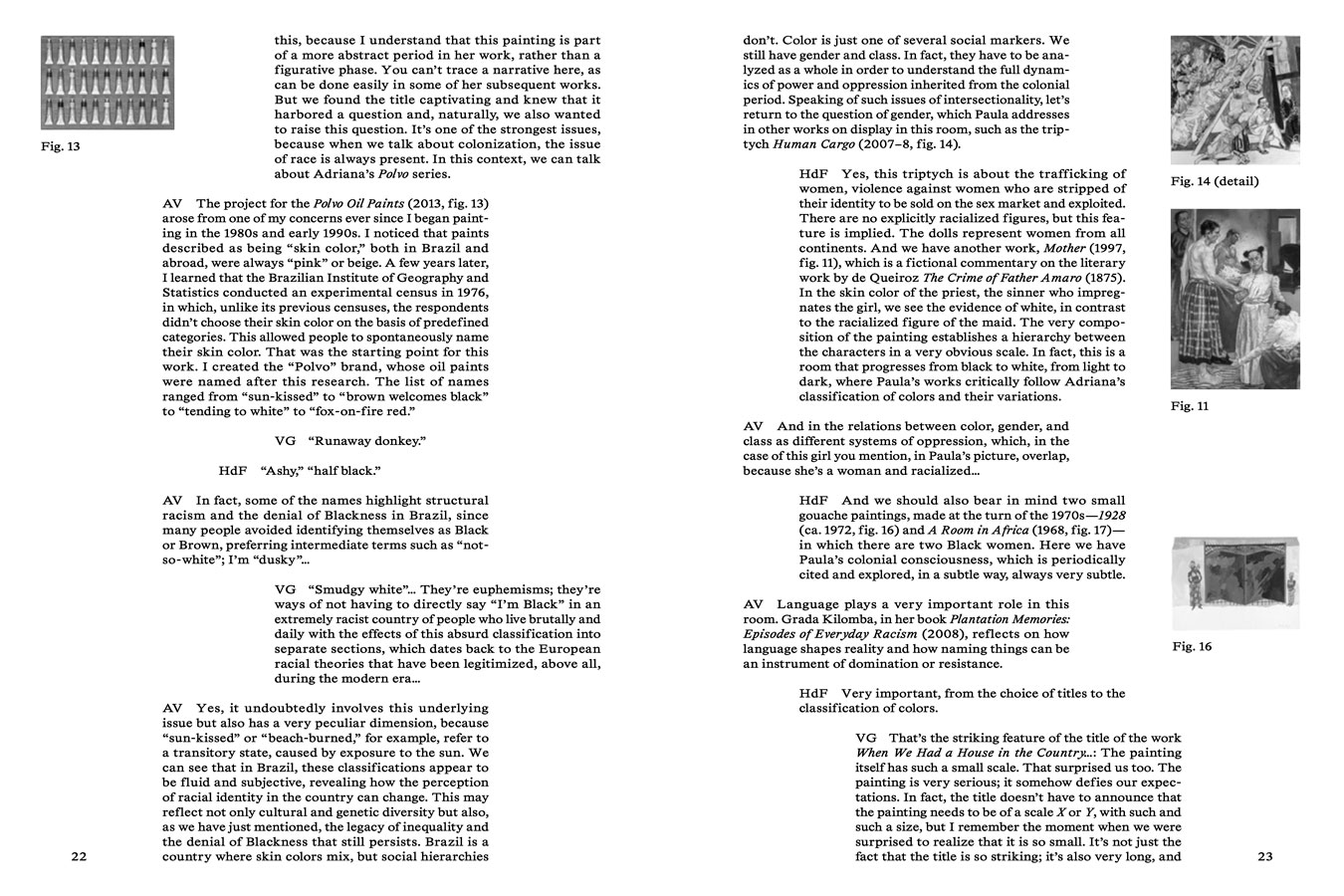
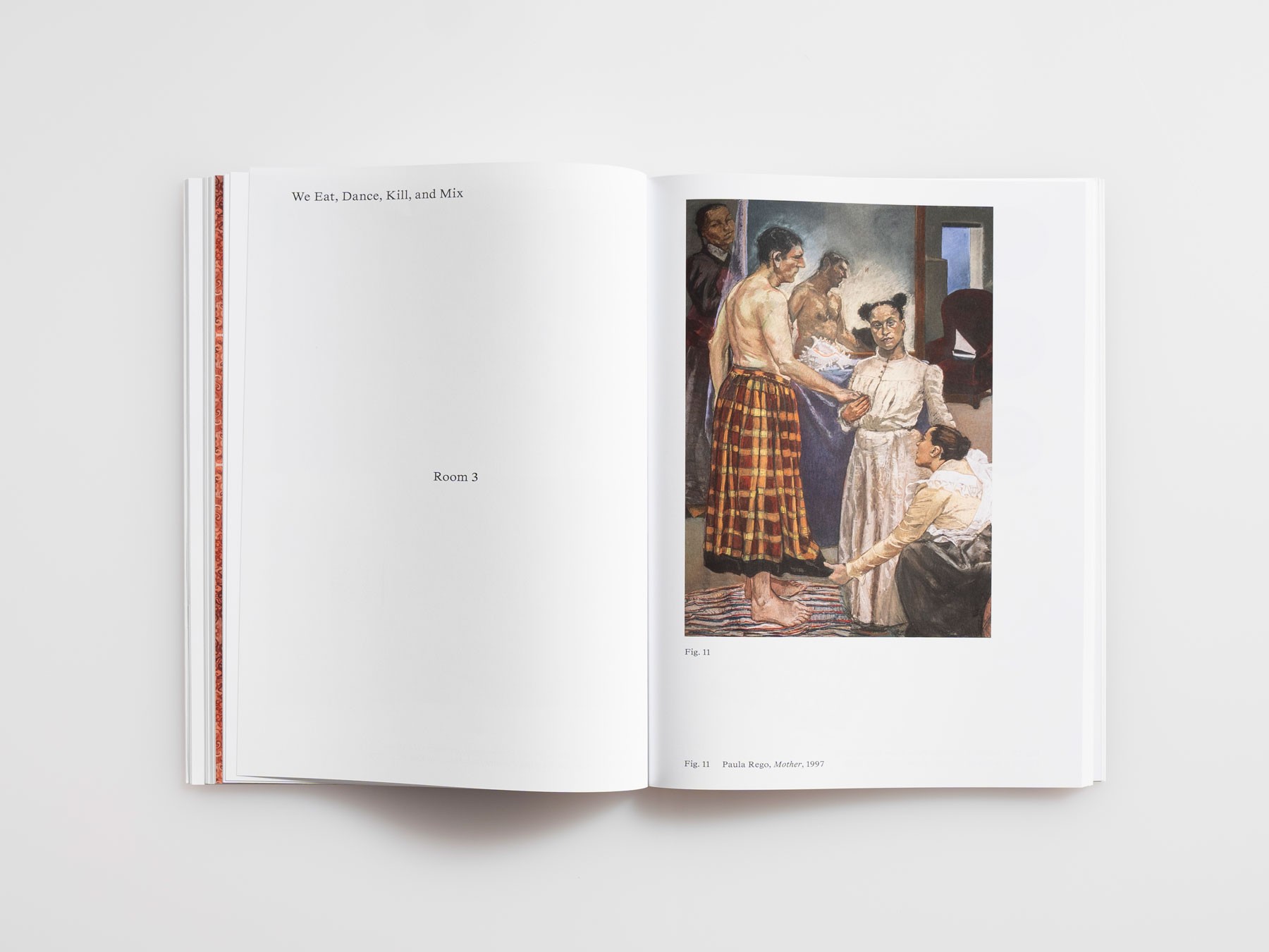
Curated by Adriana Varejão, Helena de Freitas, and Victor Gorgulho, the exhibition, which presents nearly 80 works—including paintings, engravings, sculptures, and installations—is divided into thirteen thematic rooms. The long conversation between the three curators, which forms the main text of the catalogue, reflects the structure of the exhibition, addressing the different thematic nodes and revealing the conceptual and methodological process that guided the selection of works.
The two essays by Raphael Fonseca and Elena Crippa, which complete the catalogue, offer further insights, by highlighting several similarities in the practice of the two artists from a critical perspective.
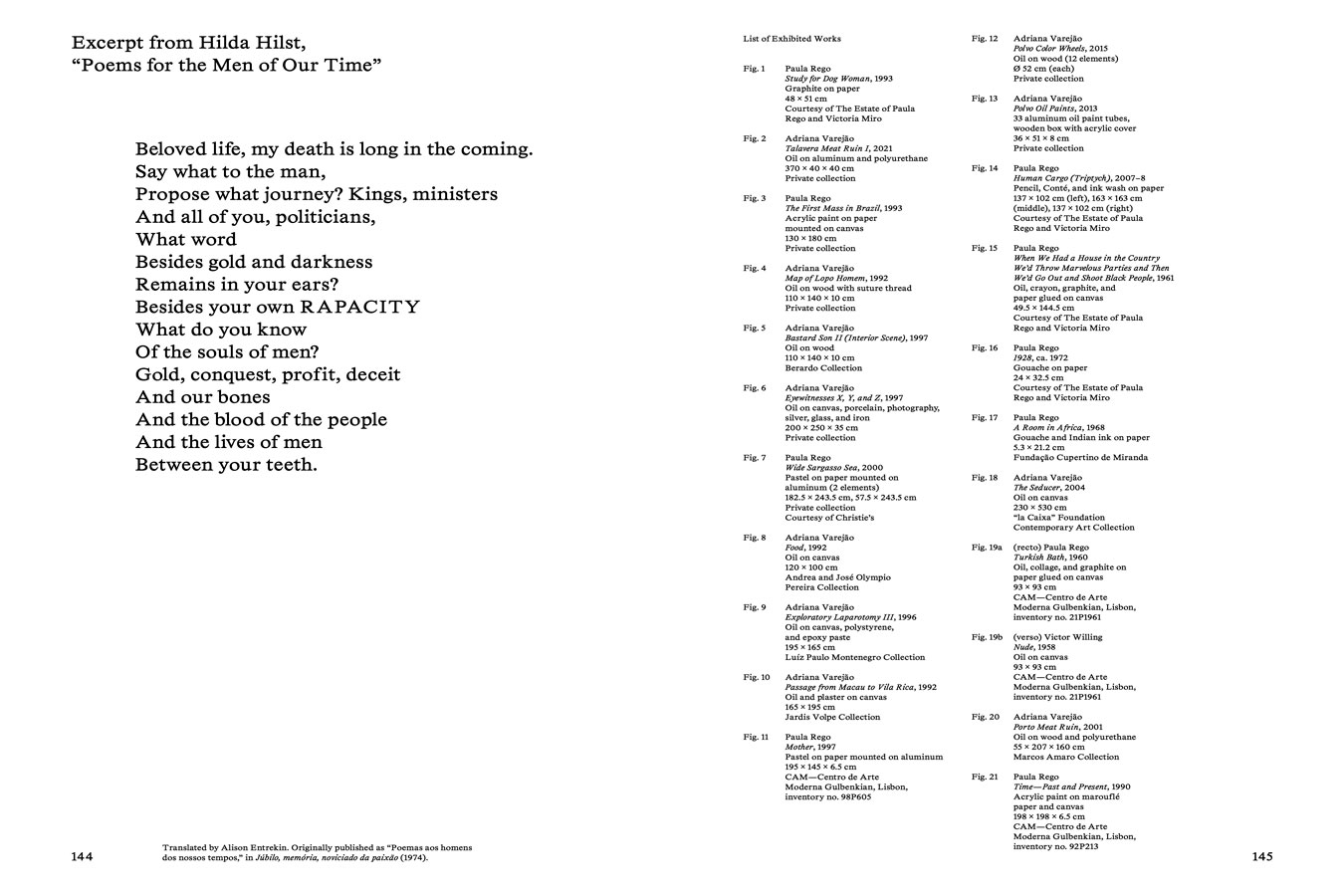
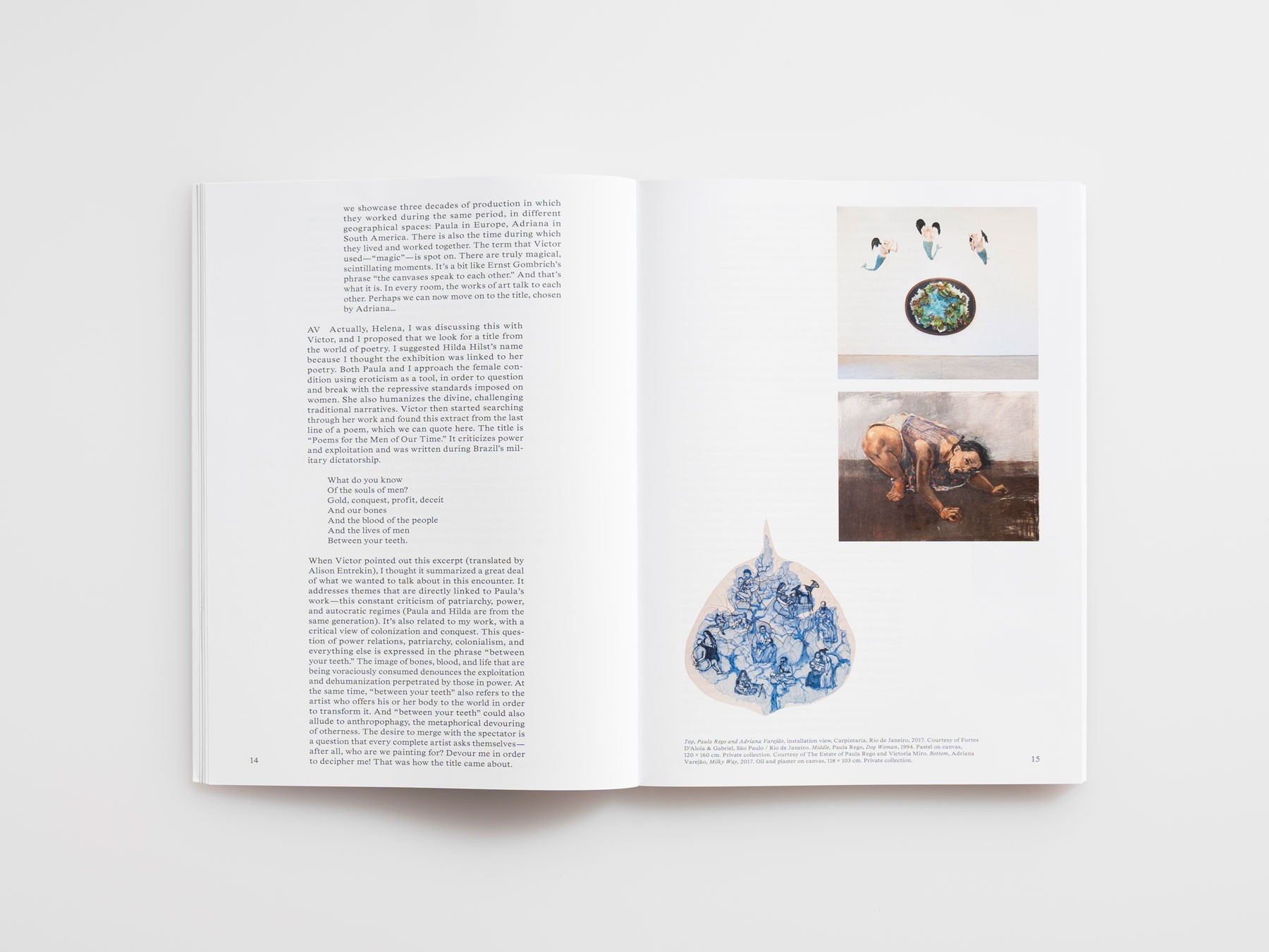
The title—Between Your Teeth—is a line taken from the 1974 Poemas aos homens do nosso tempo (Poems to the men of our time) by the Brazilian poet and novelist, Hilda Hilst, in a clear allusion to the dictatorial regime that had begun in Brazil in the previous decade. Hilst describes and criticises the power associated to greed, conquest, profit and exploitation. In their representations of literal and metaphorical bodies, Paula Rego and Adriana Varejão reflect on how patriarchy, colonialism and all forms of oppression mutually interact, “chewing up” people and their stories.
This is the artists’ first joint exhibition in Portugal, having already exhibited together in Rio de Janeiro (Carpintaria, 2017), when Paula Rego was still alive.
The catalogue fosters the encounter between Adriana Varejão, who has developed pioneering work in the field of postcolonial thought, and the work of Paula Rego, whose political force is developed by a productive tension between a private register and its public dimension, expanding the interpretive universe of the two artists.