Consisting of a richly illustrated booklet and a record vinyl, this special release accompanies the performative sound-based project A Comparative Dialogue Act by artists Andrea Mancini and the collective Every Island, hosted in the Luxembourg Pavilion at the 60th Venice Biennale.
Conceived as a catalogue and an artist’s book, the publication offers a deeper insight into the eponymous 2022 exhibition staged at Indipendenza Roma, and explores tensions that can be generated between artworks and their surrounding architectural context, raising questions of taste, value, function and decoration.
The practice of Tomaso Binga (Bianca Pucciarelli Menna, 1931) toys with the notion of gender, reconsidering women’s social roles and rights. This monograph, edited by Eva Fabbris, Lilou Vidal, and Stefania Zuliani, analyses her work through various languages and features a selection of poems, highlighting the author’s critical and artistic approach.
In her work, Cally Spooner crystallizes an absurd contemporary ecosystem in which entities run the risk of managing themselves and one another to death. Featuring newly commissioned essays alongside a lecture by Spooner, SWEAT SHAME ETC. is the first comprehsive survey of the artist’s output of the last five years.
This new anthology brings together visions, experiences and critical interdisciplinary methodologies that have been instrumental in the development of the language of moving images since 2010. New essays and conversations reflect on radical technological and poetic transformations in the works of the generation of digital native artists.
Center of the Frame is the artist’s first monograph and brings together paintings made between 1997 and 2024. The publication provides an in-depth look at Eisler’s fascination with cinema and with the transmission of images through the various formats of analog film, television broadcasts, Internet video and, of course, the painted canvas.
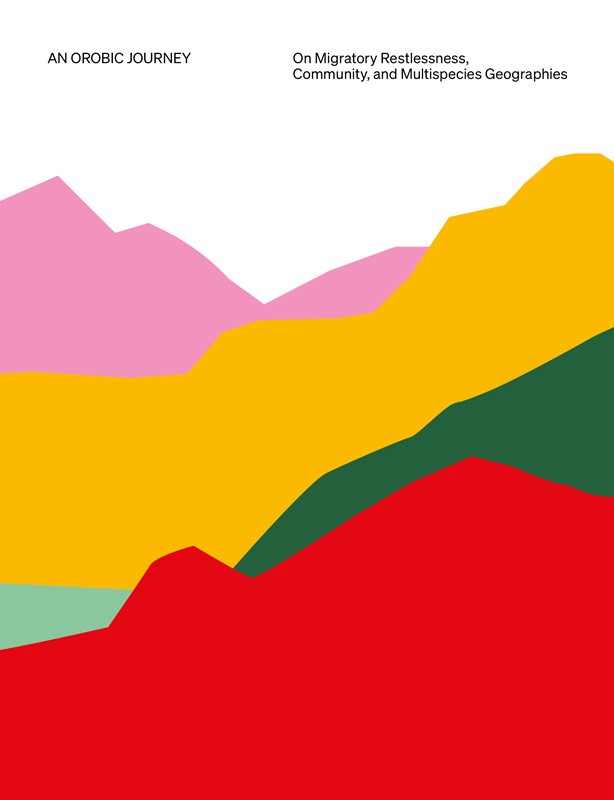
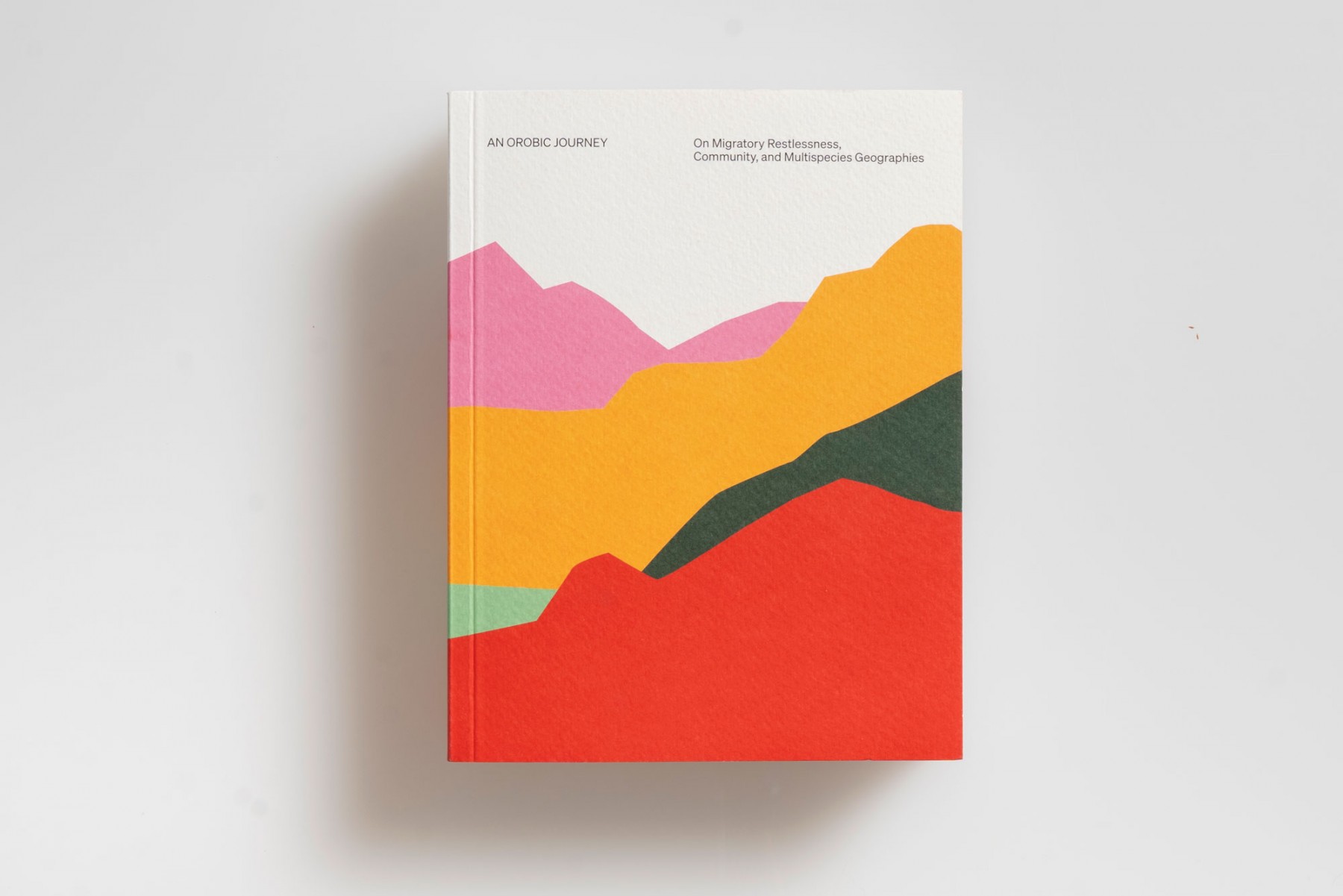
An Orobic Journey. On Migratory Restlessness, Community, and Multispecies Geographies
Edited by Valentina Gervasoni and Lorenzo Giusti
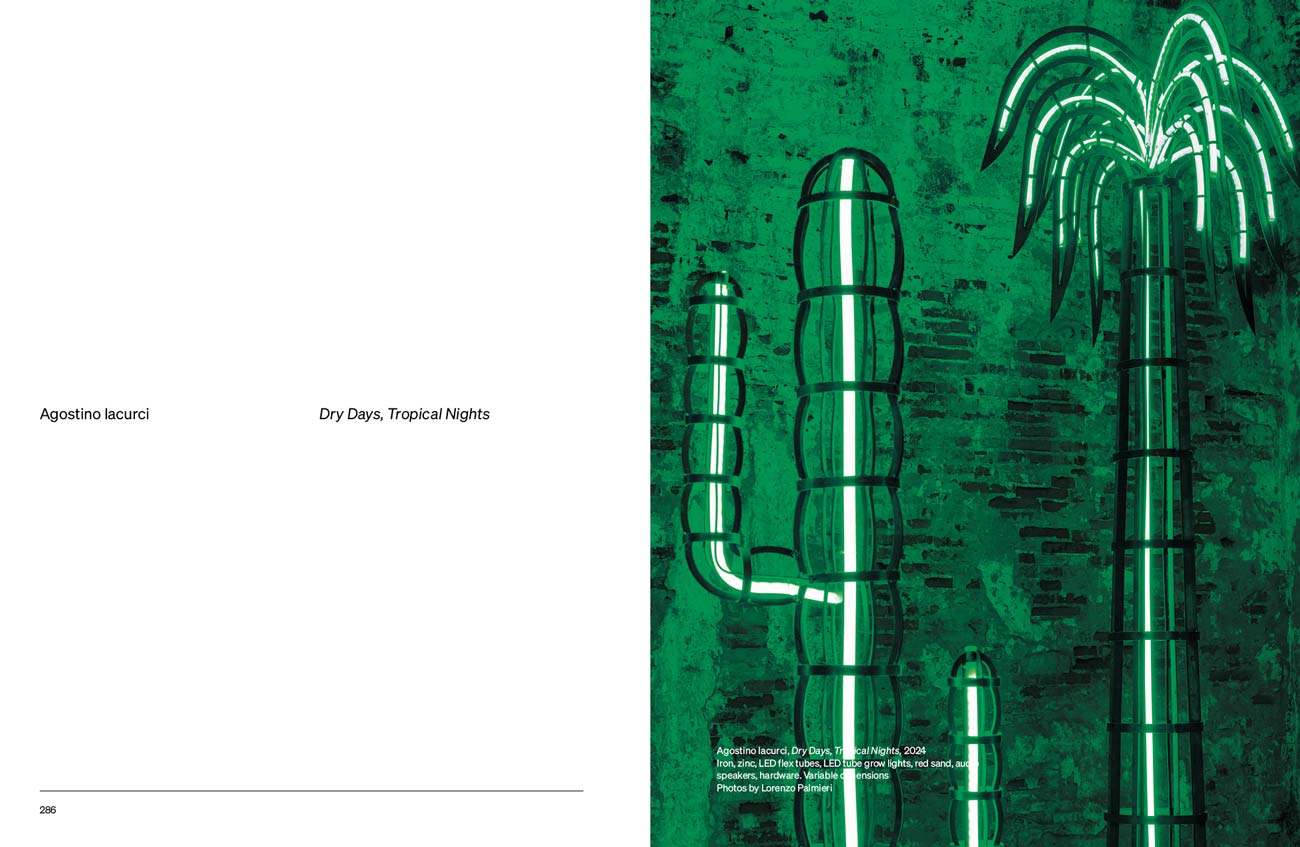
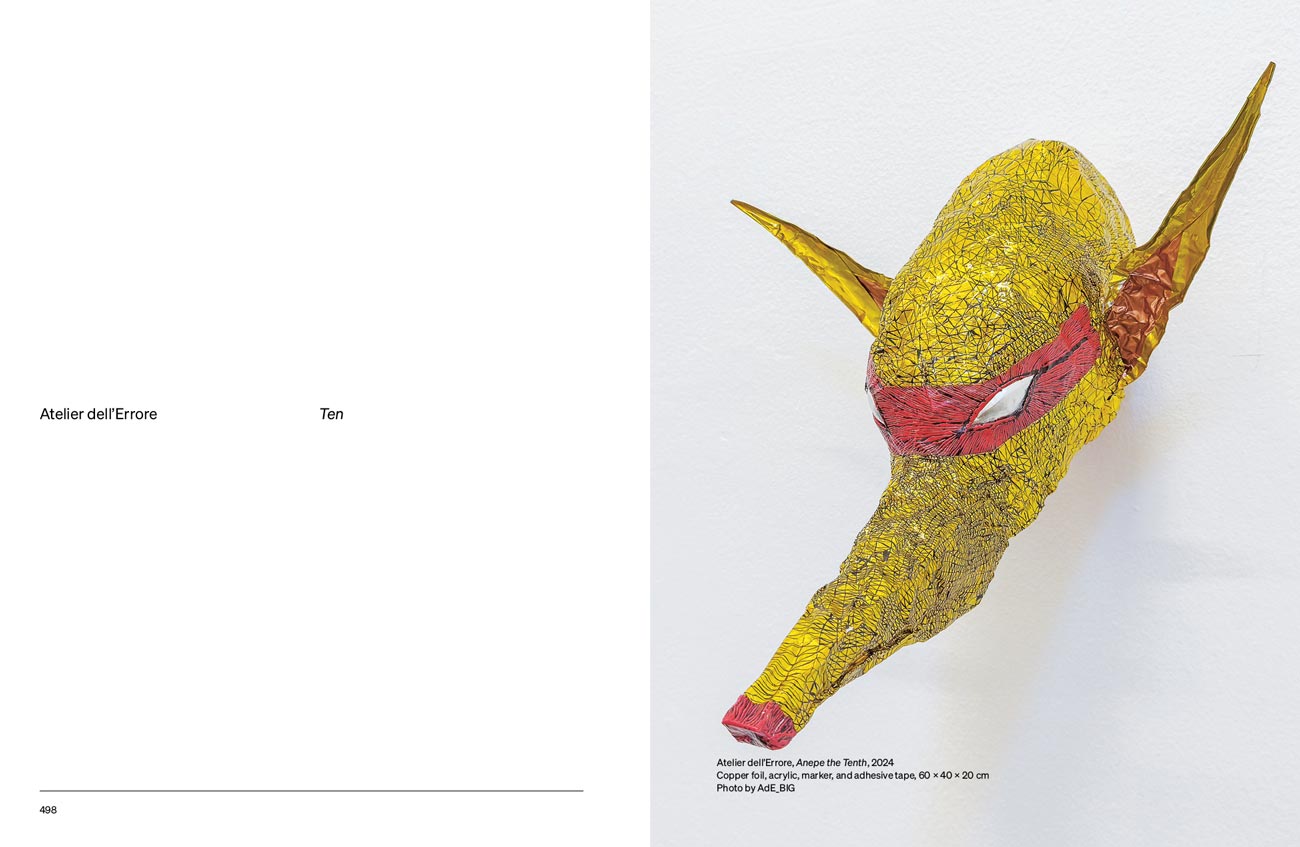
With contributions by Annamaria Ajmone, Atelier dell’Errore, Elena Bassi, Enrico Bassi, Yesmine Ben Khelil, Cecilia Bengolea, Julius von Bismarck, Bianca Bondi, Emanuela Borgnino, Sonia Boyce, Roberto Casti, Maurizio Cattelan, Gabriel Chaile, Mosè Cometta, Giulia Costanzo Talarico, Abraham Cruzvillegas, Giammarco Cugusi, Marta Cuscunà, Michela de Mattei, Adele Dipasquale, EX., Adriano Favole, Simone Ferracina, Francesco Ferrero, Frantoio Sociale, Gaia Fugazza, Ilaria Gadenz, Agnese Galiotto, Chiara Gambirasio, Valentina Gervasoni, Lorenzo Giusti, Agostino Iacurci, Michael Jakob, Zeyn Joukhadar, Alice Kentridge, Amal Khalaf, Invernomuto, Brandon LaBelle, Alice Labor, Greta Martina, Alessandra Mignatti, Asunción Molinos Gordo, Mozzarella Light, Bertram Niessen, Serpil Oppermann, Veronica Pecile, Francesco Pedrini, Marie Petersmann, Roberto Picchi, Giulia Rispoli, Francesca Rossi, Angela Rui, Lin May Saeed, Ana Silva, Giulio Squillacciotti, Studio Ossidiana, Federica Timeto, Miriam Tola, Mauro Varotto, Pedro Vaz
Designed by xxy studio
2026, English, softcover, 21.5 x 16,5 cm, 720 pages
ISBN 979-12-80579-84-3
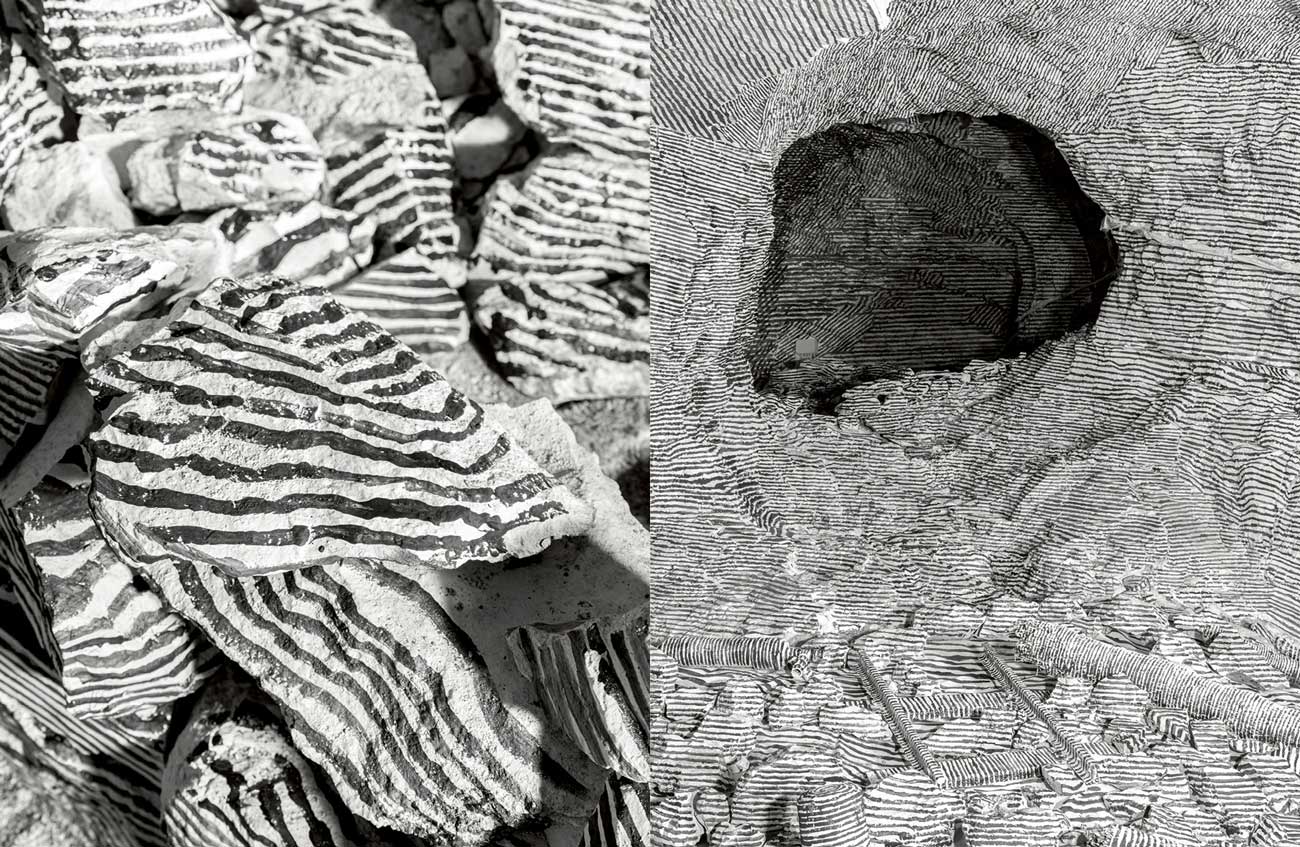
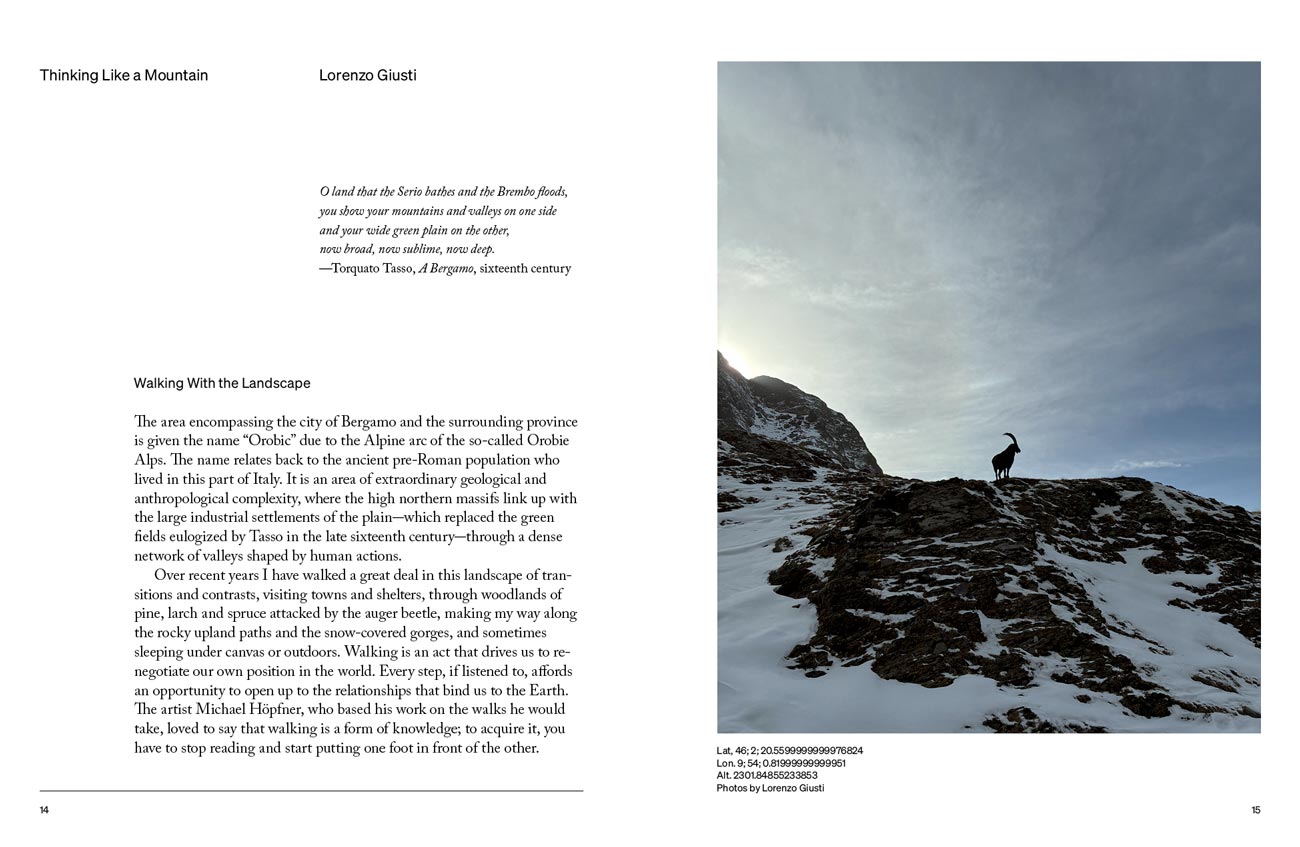
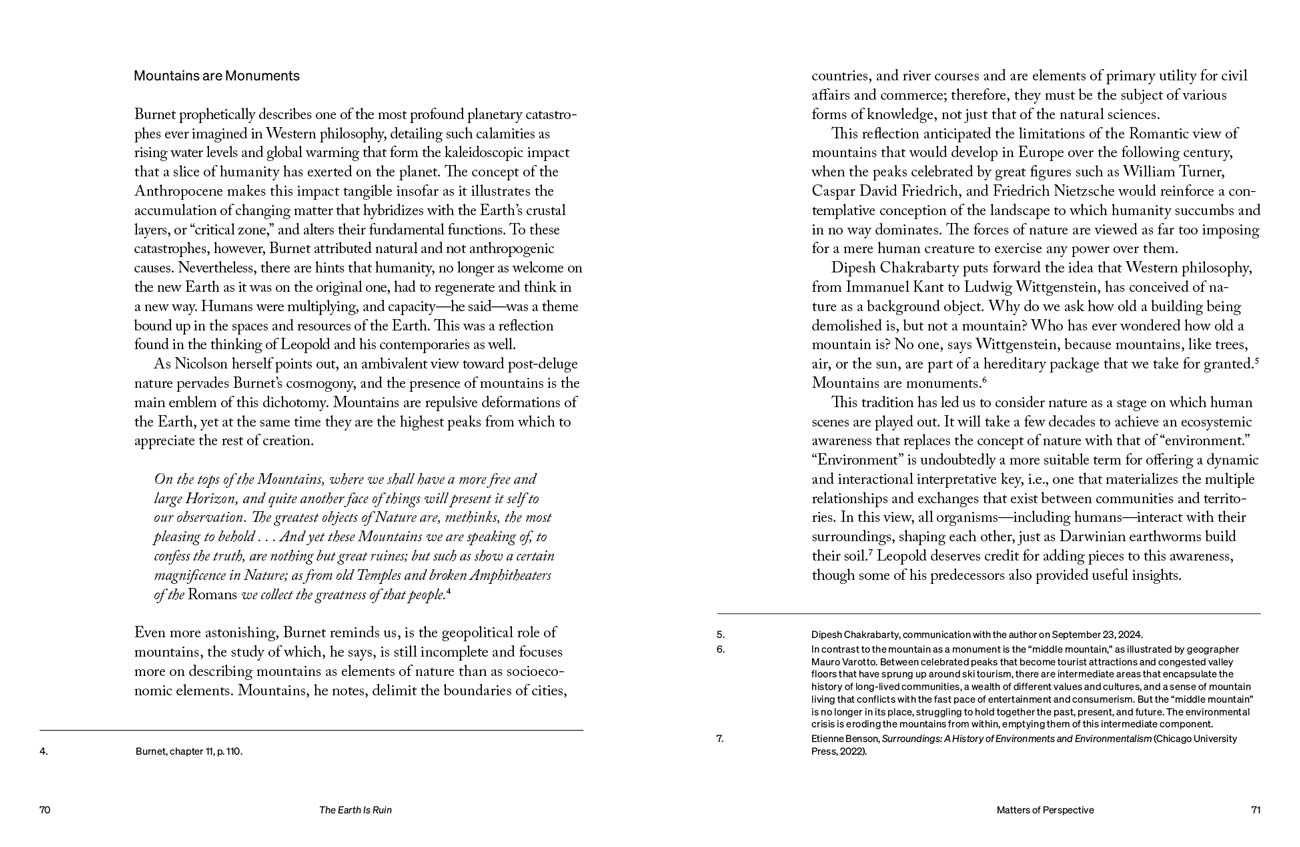
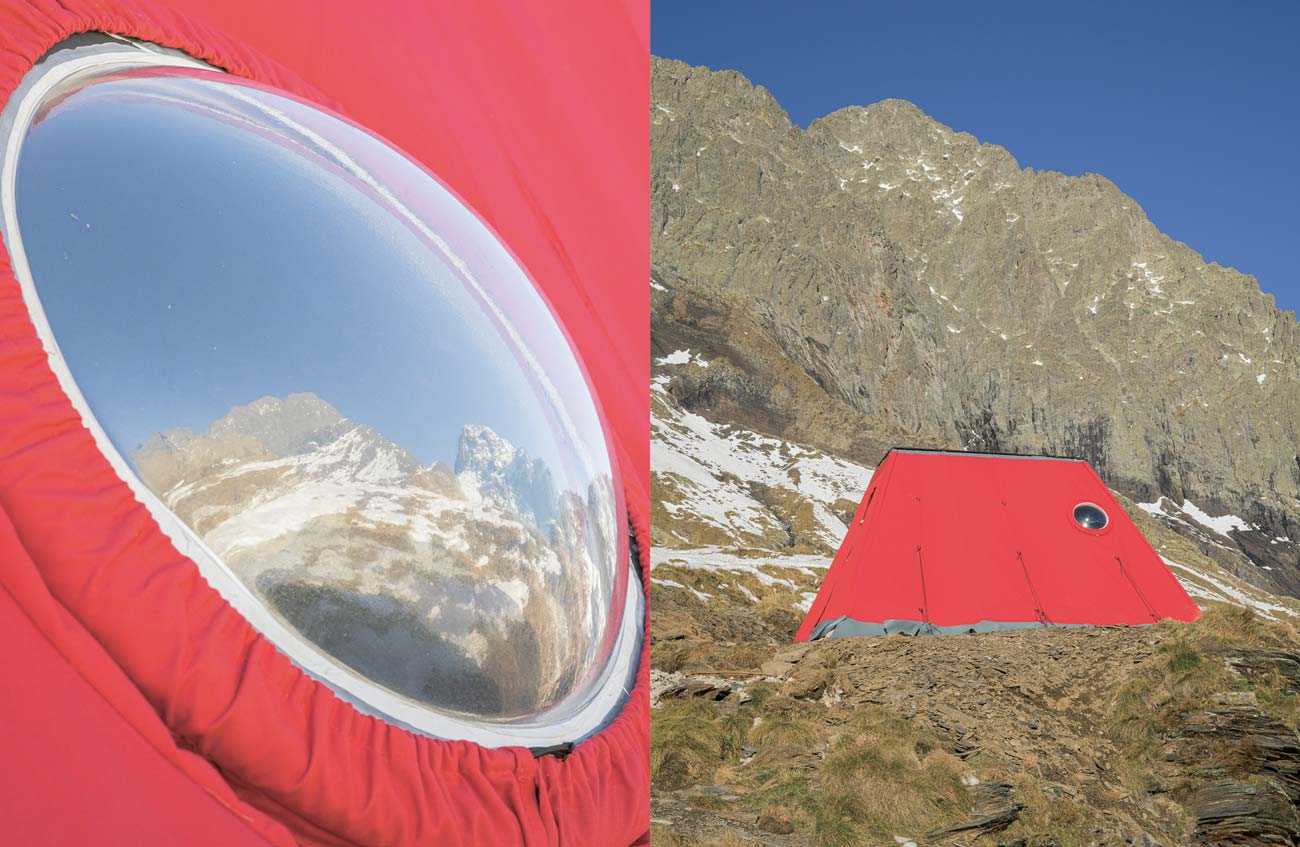
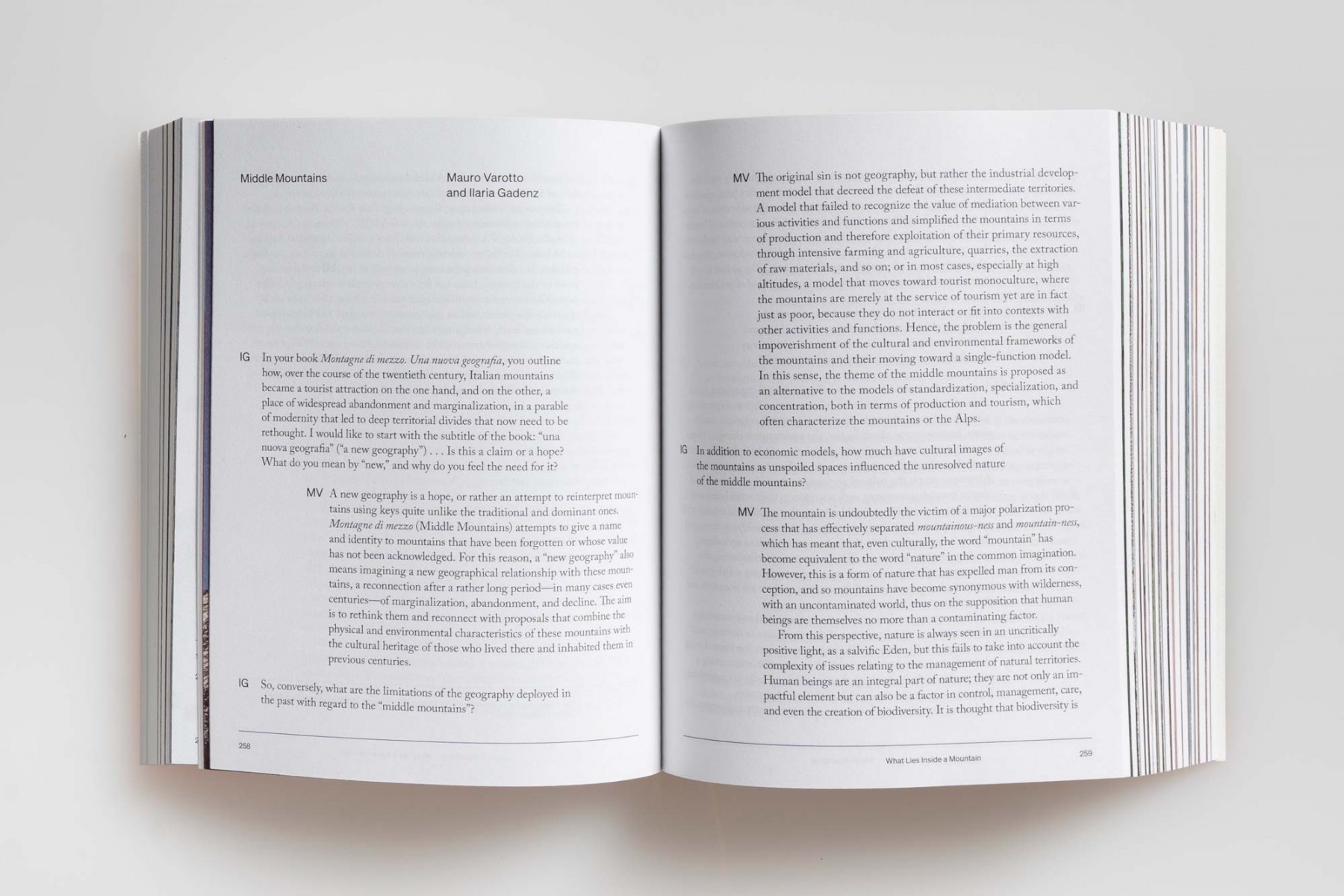
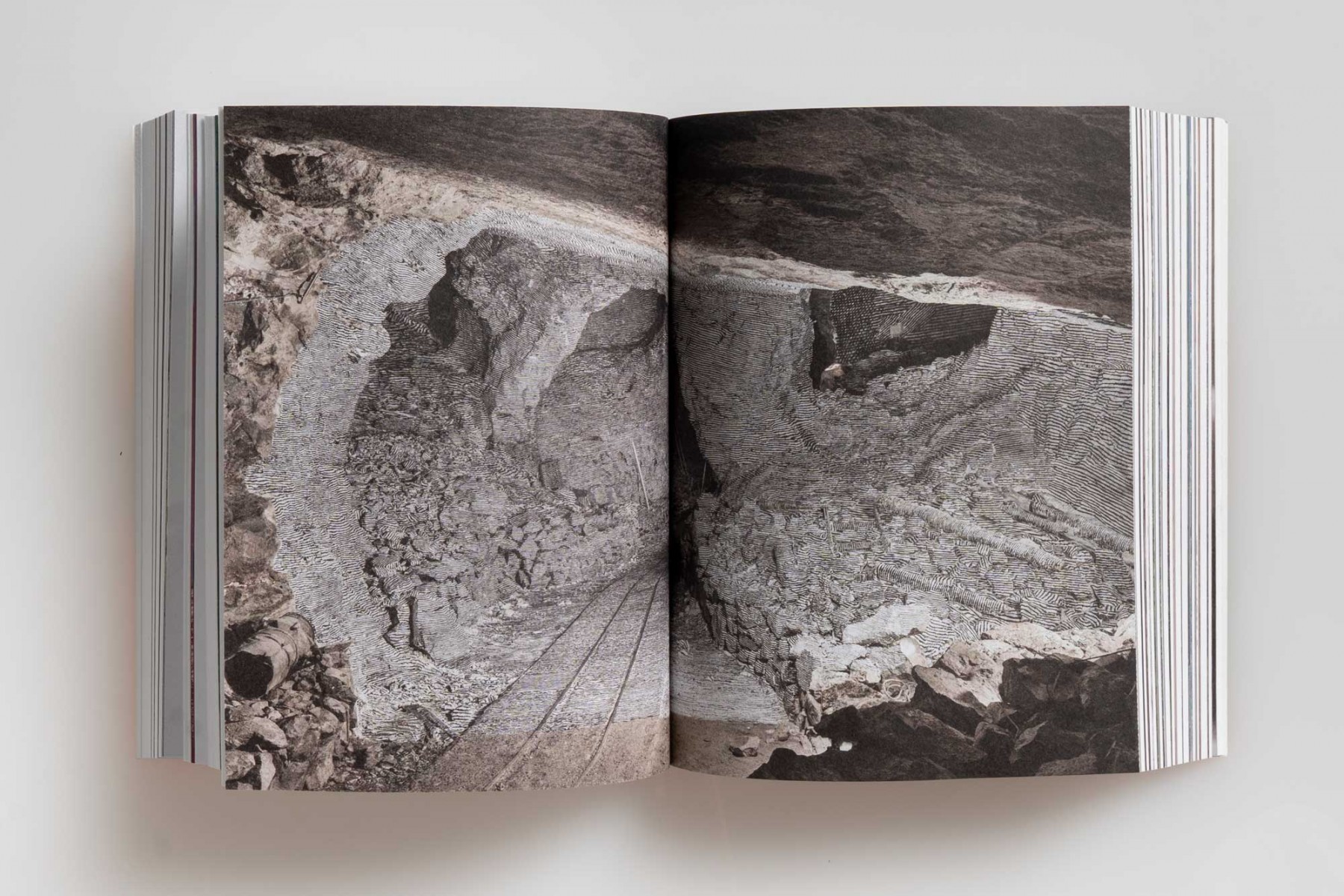
An Orobic Journey: On Migratory Restlessness, Community, and Multispecies Geographies brings together a layered and polyphonic investigation that, setting out from the Orobic Alpine territory in Northern Italy, explores the mountainside not merely as a natural backdrop but as an epistemological lens through which to understand and rethink the contemporary world.
The book originated as an online magazine and an expansion of the biennial program Thinking Like a Mountain (2024–25), a project inspired by Aldo Leopold’s exhortation to abandon an anthropocentric gaze in favor of a geological outlook on the peaks, thereby acknowledging the intrinsic value of every natural element. An Orobic Journey developed independently from the exhibition program and is not limited to mere documentation; instead, it functions as a parallel research tool articulated through essays, conversations, and visual documentation, featuring contributions from artists, scientists, researchers, anthropologists, ornithologists, curators, academics, architects, writers, and other experts.
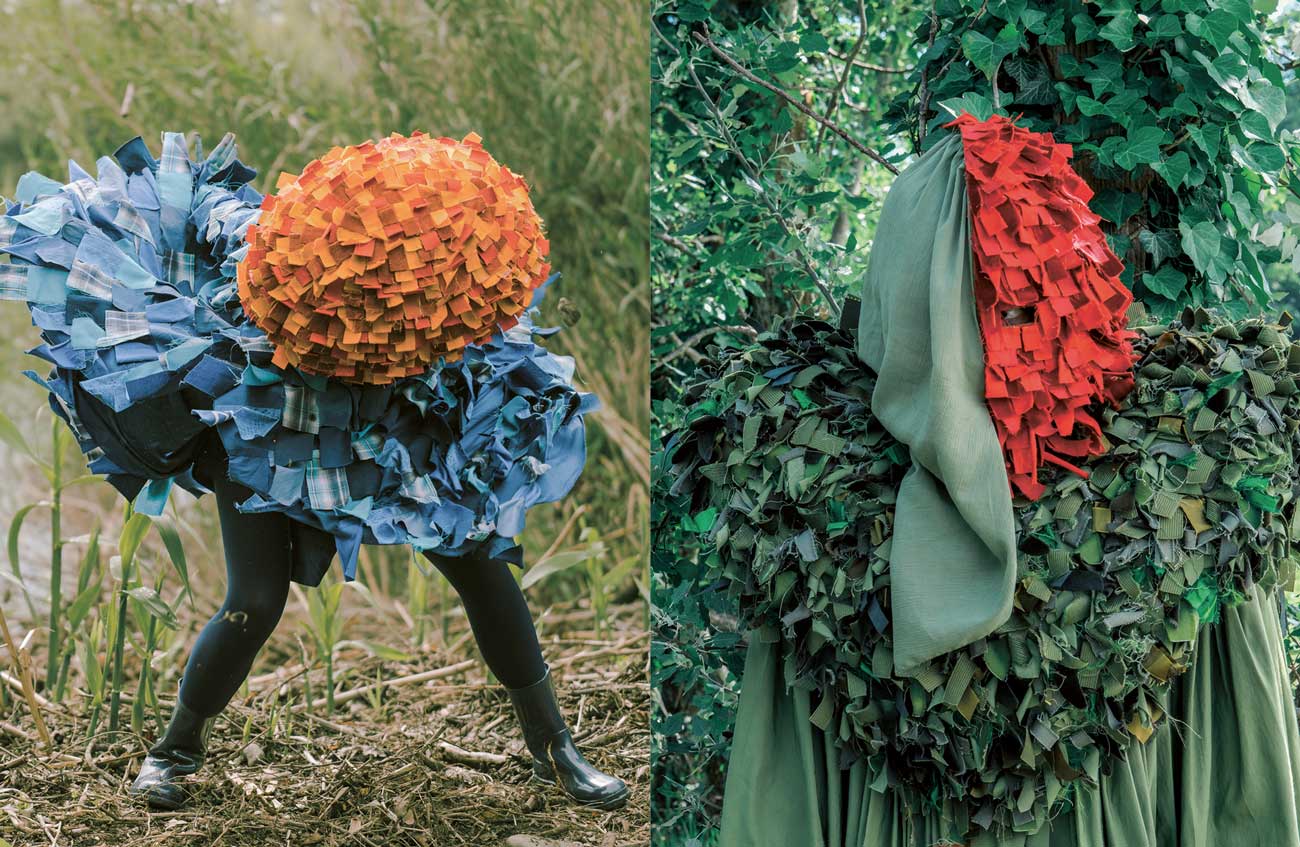
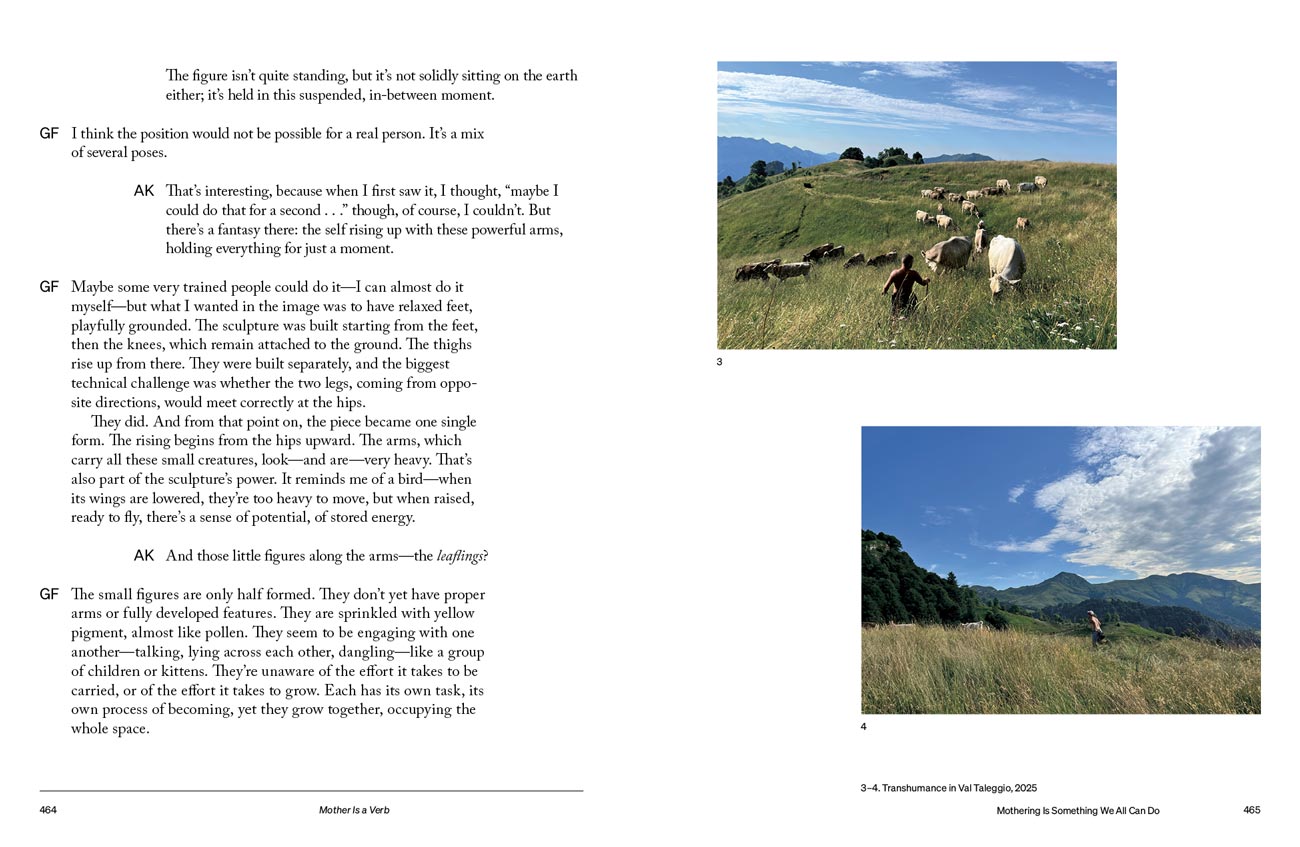
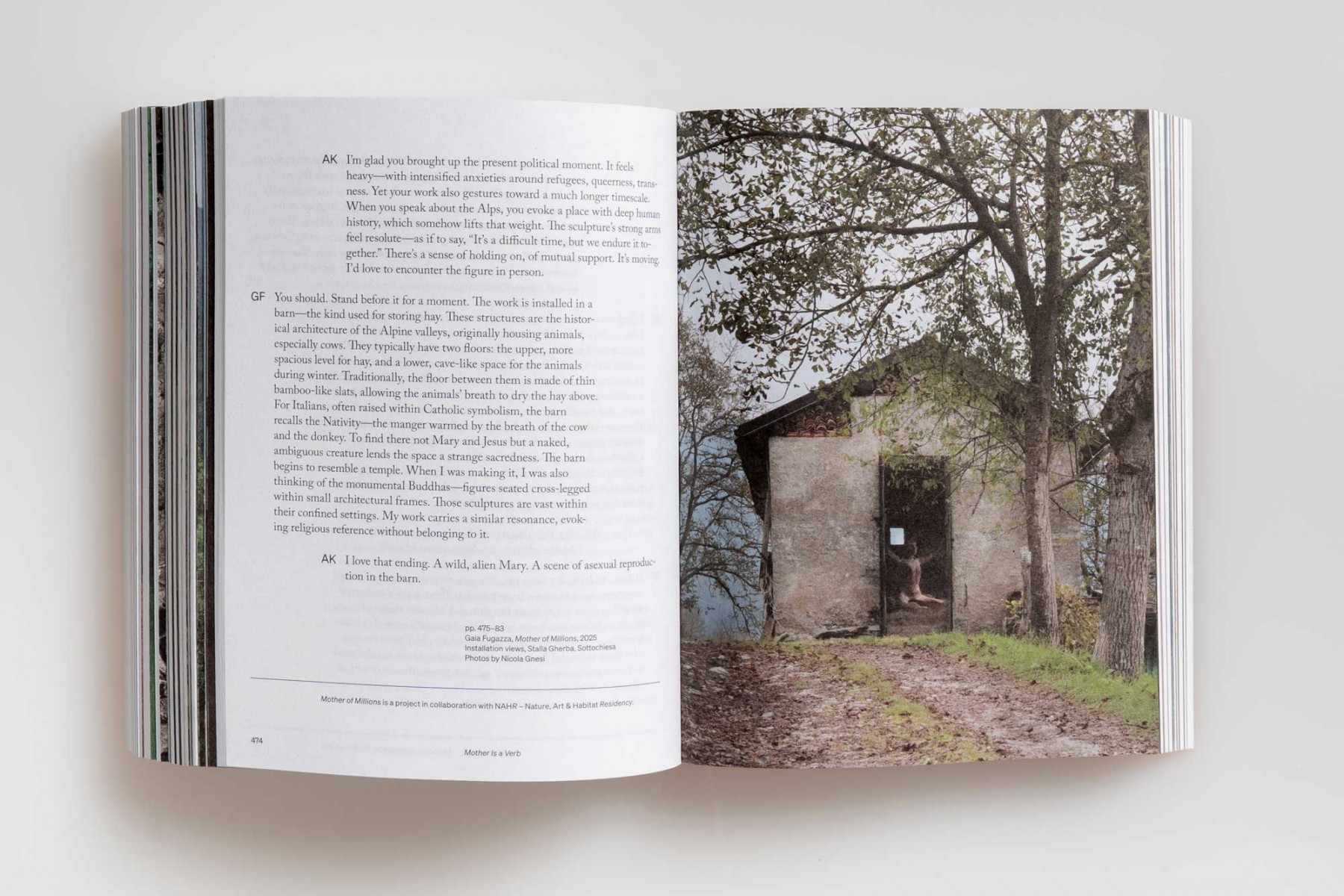
Embracing Ursula K. Le Guin’s “carrier bag theory,” An Orobic Journey brings together non-heroic tales of resistance, adaptation, and cohabitation. The book opens with a reflection on species migration and “migratory restlessness”: a condition that does not only concern the spontaneous return of wolves to the Alps or the transit of birdlife, but becomes a metaphor for a shared condition of continuous movement and searching. The future of the mountain—amid tourist monocultures and acts of transformative care—is investigated by conceiving the Alpine landscape as a political space shaped by power relations, images, and collective memories, and inhabited by multispecies communities that dwell in a place, weaving intergenerational relationships. With both a poetic and political approach, An Orobic Journey attempts to rethink ways of looking at the mountain landscape while imagining new collective rituals.