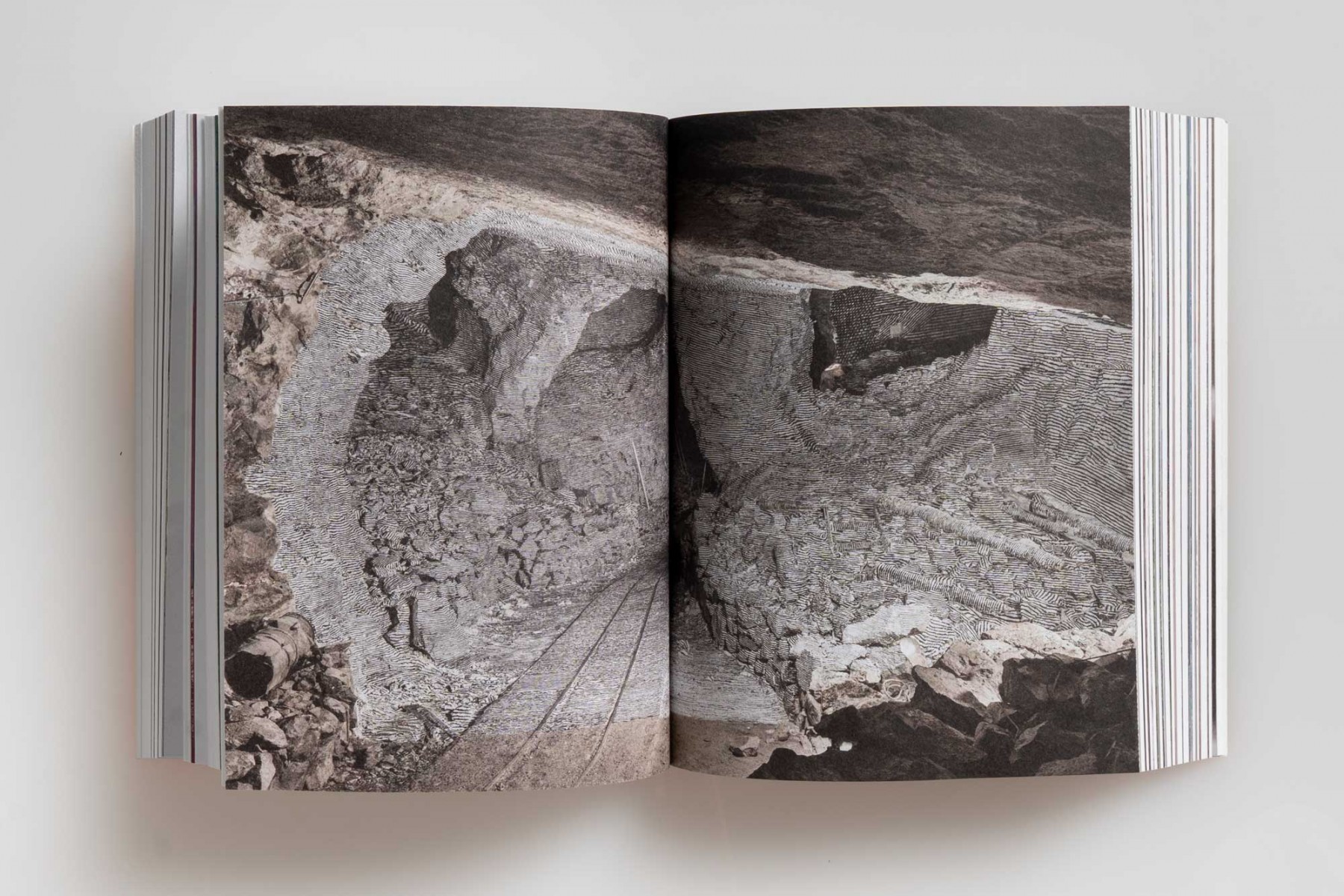
A visual notebook of the screenshots taken by Yngve Holen over the past five years or so, 6G—the anticipated next phase of network technology—is a peculiarly sized artist’s book, a glossy non-linear agglomeration that reflects the intersections of production, life, and digital debris.
Conceived as a visual résumé, the book provides a comprehensive overview of Posenenske’s solo exhibitions and a record of her numerous group shows. Featuring an essay by curator Erlend Hammer on the role of documentary photographs in the circulation of works of art, it was published in conjunction with the eponymous show at the Haugar Art Museum in Tønsberg.
Since the 1980s, Belgian artist Sigefride Bruna Hauman has created a highly original body of work in different media. Her installations, reliefs and videos are the subject of a much-overdue retrospective organized by M Leuven—and of this first monograph.
Rituals of Care is an extensive monograph devoted to the work of Antonio Obá, published in conjunction with his eponymous exhibition presented at the Centre d’Art Contemporain Genève, curated by Andrea Bellini. Extensively illustrated, the book immerses the reader in Obá’s multifaceted oeuvre and in the magical iconographic universe of his paintings.
Claiming that the museum is not enough means asking what a museum should be and do, eventually questioning the role of cultural institutions in society. Through conversations, stills of documentaries, responses, and reprints of archival documents that explore ideas of architecture on the ground, this volume reflects on the tools deployed by the institution to redefine its relationship to others.
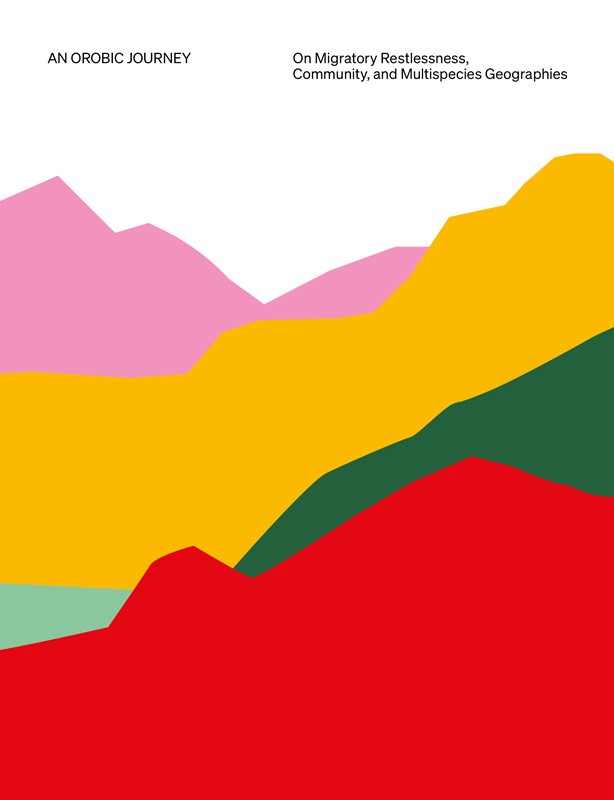
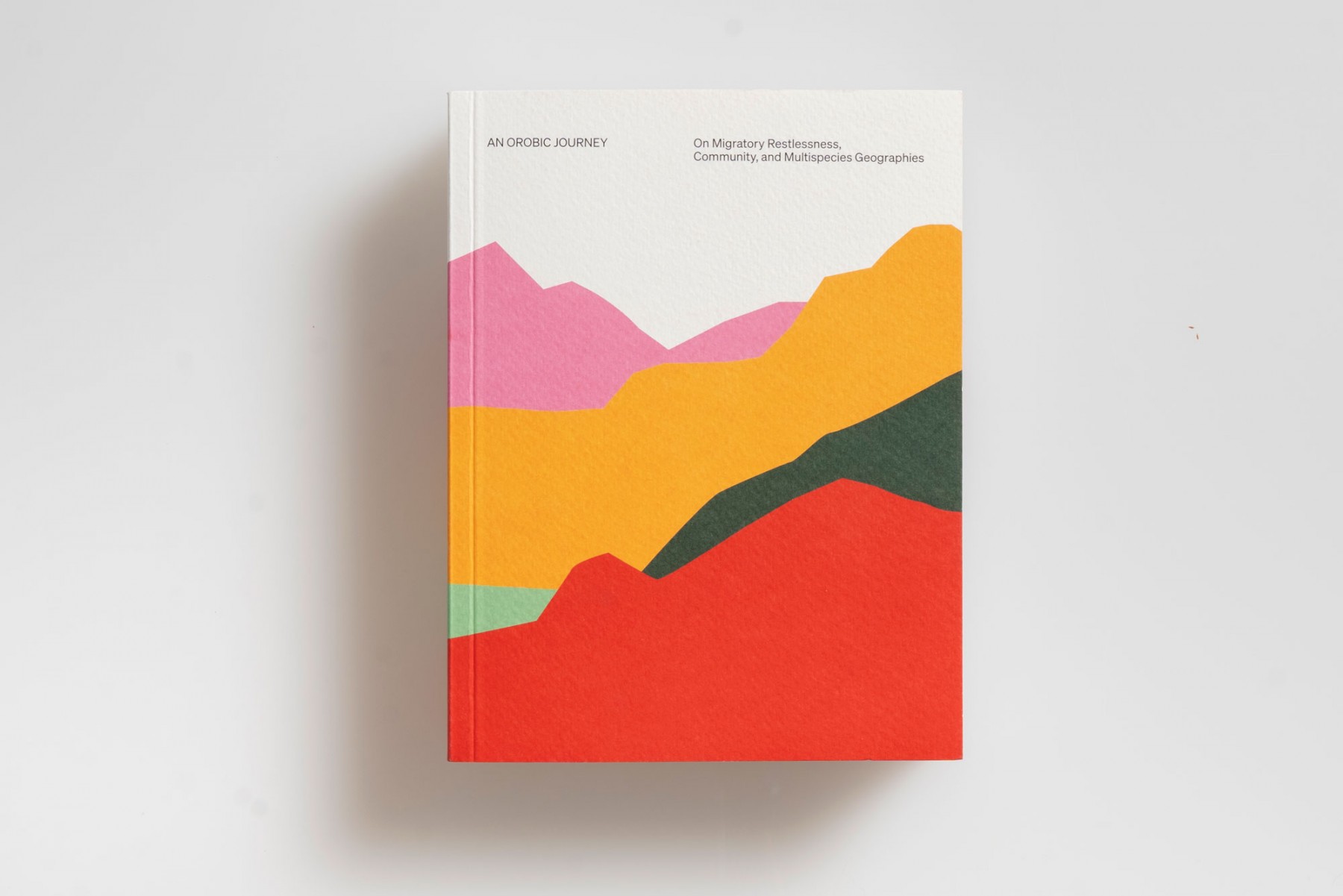
An Orobic Journey. On Migratory Restlessness, Community, and Multispecies Geographies
Edited by Valentina Gervasoni and Lorenzo Giusti
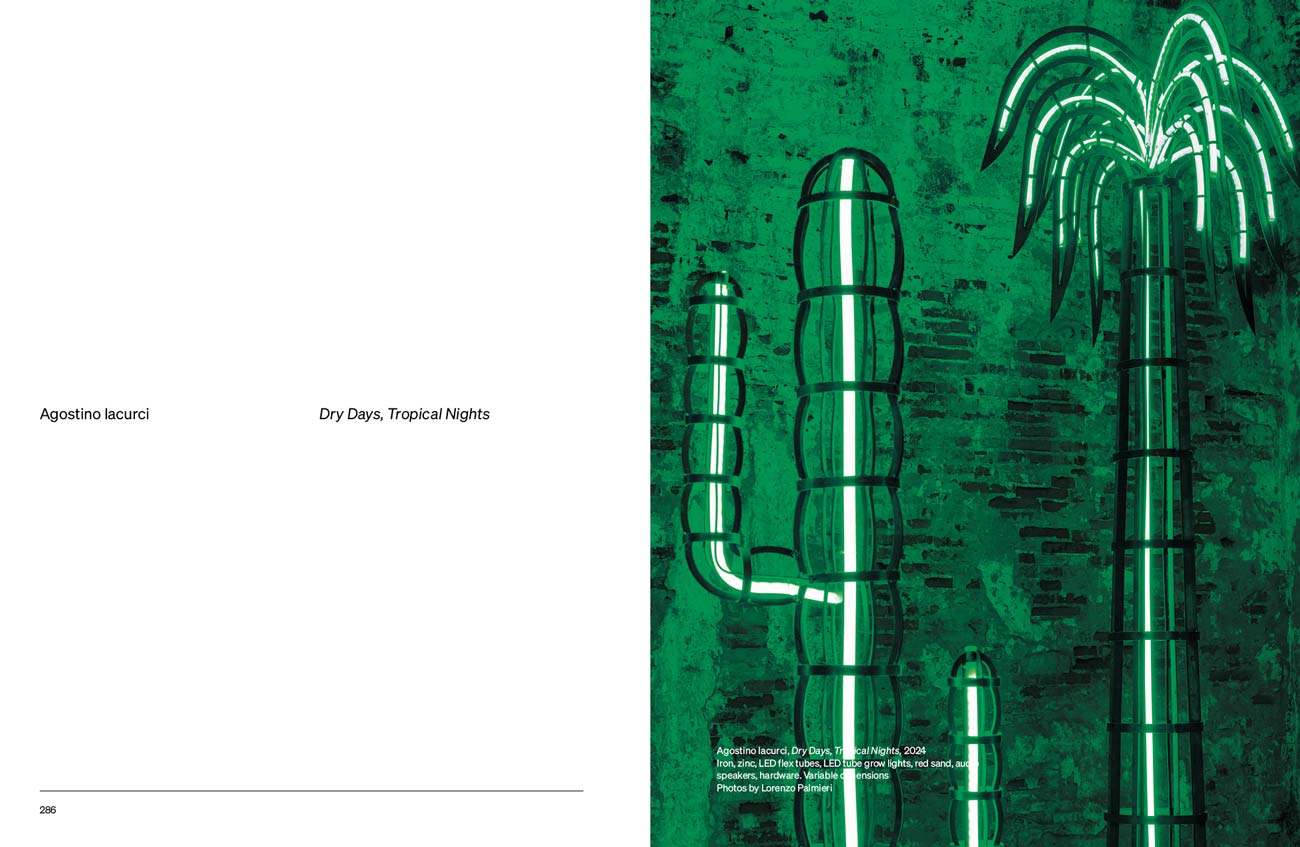
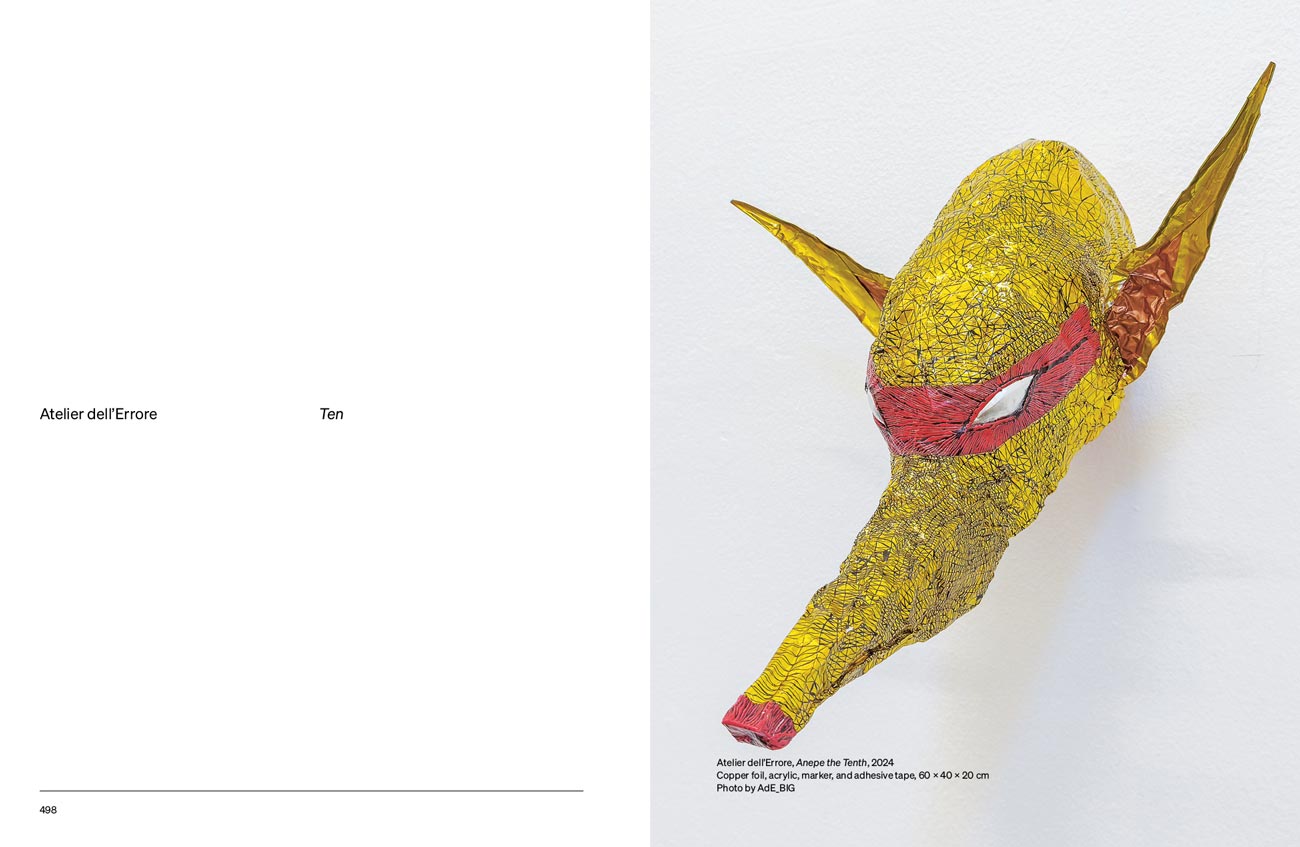
With contributions by Annamaria Ajmone, Atelier dell’Errore, Elena Bassi, Enrico Bassi, Yesmine Ben Khelil, Cecilia Bengolea, Julius von Bismarck, Bianca Bondi, Emanuela Borgnino, Sonia Boyce, Roberto Casti, Maurizio Cattelan, Gabriel Chaile, Mosè Cometta, Giulia Costanzo Talarico, Abraham Cruzvillegas, Giammarco Cugusi, Marta Cuscunà, Michela de Mattei, Adele Dipasquale, EX., Adriano Favole, Simone Ferracina, Francesco Ferrero, Frantoio Sociale, Gaia Fugazza, Ilaria Gadenz, Agnese Galiotto, Chiara Gambirasio, Valentina Gervasoni, Lorenzo Giusti, Agostino Iacurci, Michael Jakob, Zeyn Joukhadar, Alice Kentridge, Amal Khalaf, Invernomuto, Brandon LaBelle, Alice Labor, Greta Martina, Alessandra Mignatti, Asunción Molinos Gordo, Mozzarella Light, Bertram Niessen, Serpil Oppermann, Veronica Pecile, Francesco Pedrini, Marie Petersmann, Roberto Picchi, Giulia Rispoli, Francesca Rossi, Angela Rui, Lin May Saeed, Ana Silva, Giulio Squillacciotti, Studio Ossidiana, Federica Timeto, Miriam Tola, Mauro Varotto, Pedro Vaz
Designed by xxy studio
2026, English, softcover, 21.5 x 16,5 cm, 720 pages
ISBN 979-12-80579-84-3
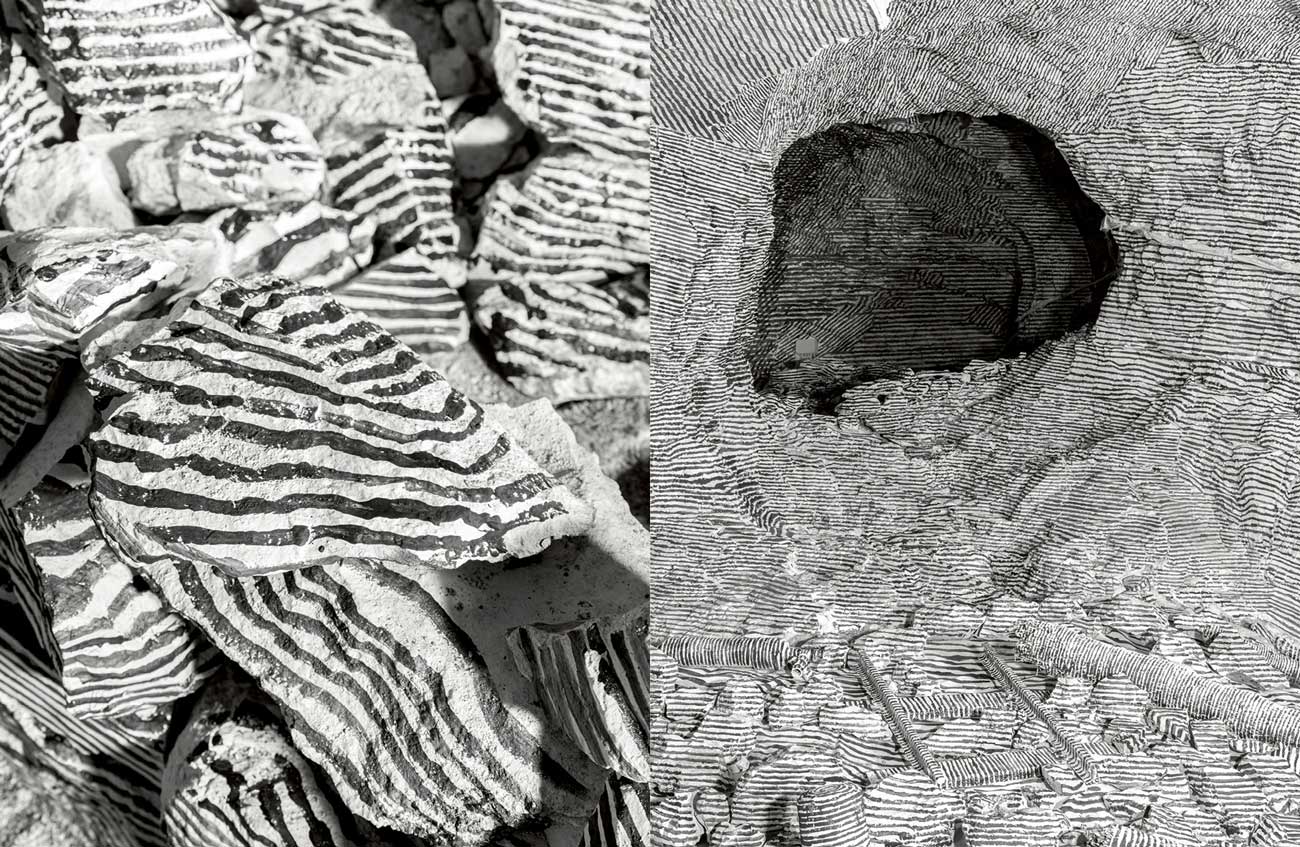
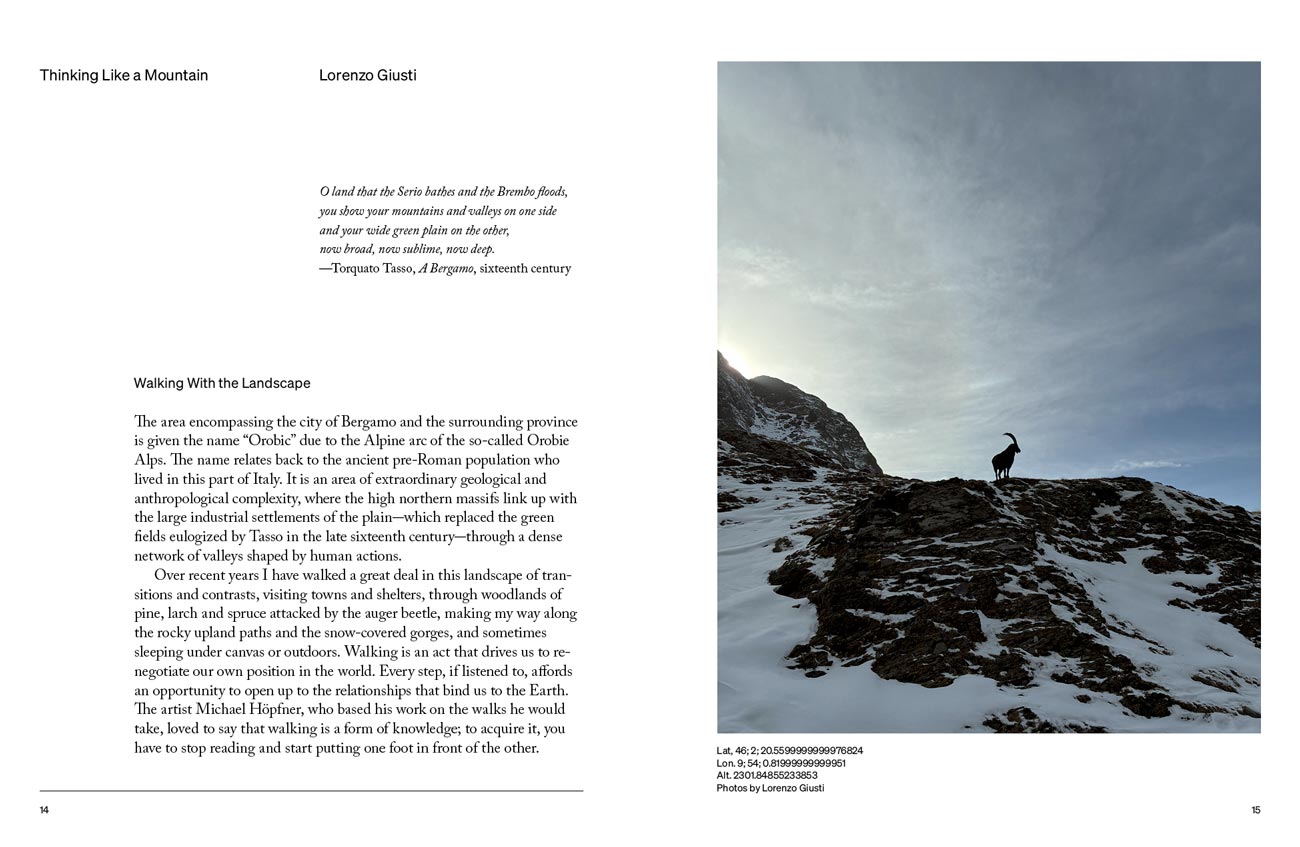
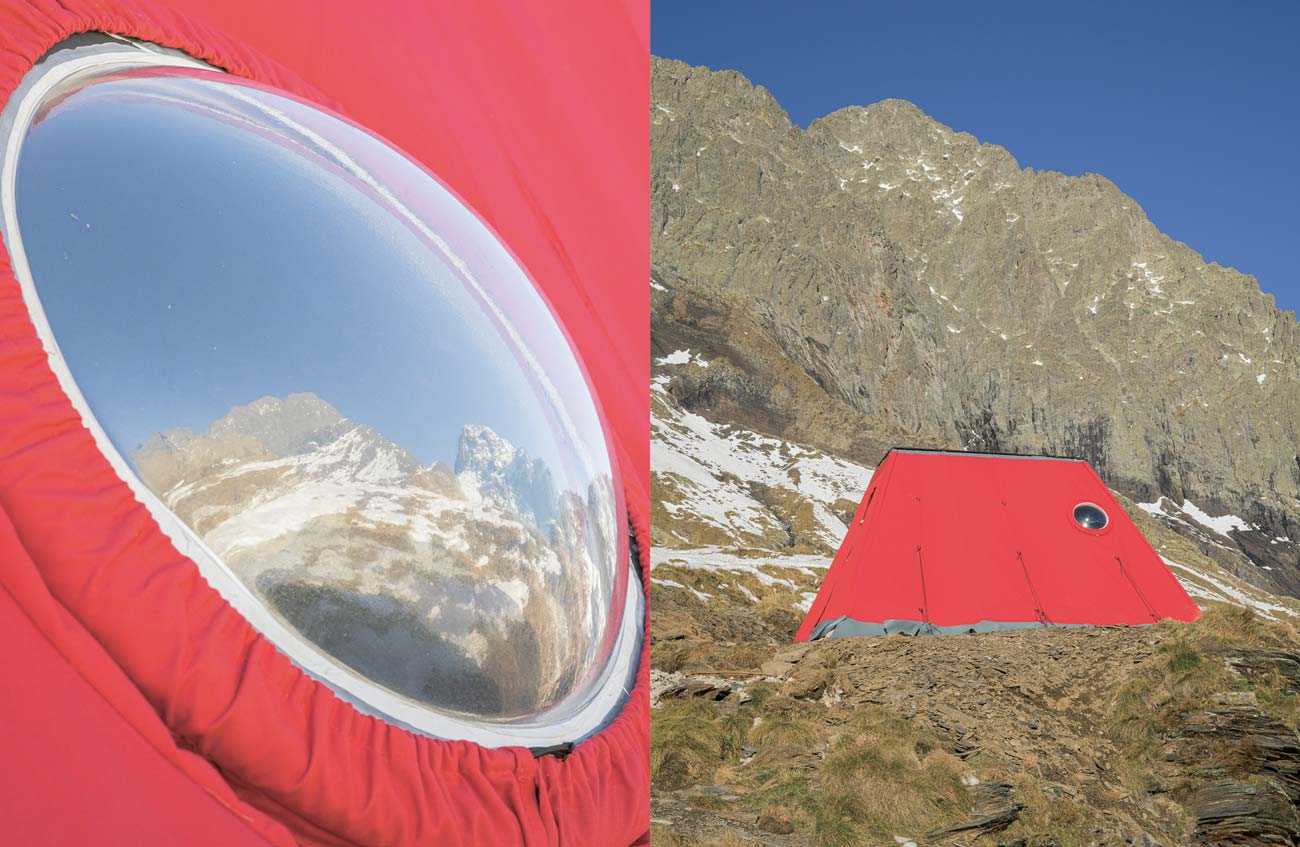
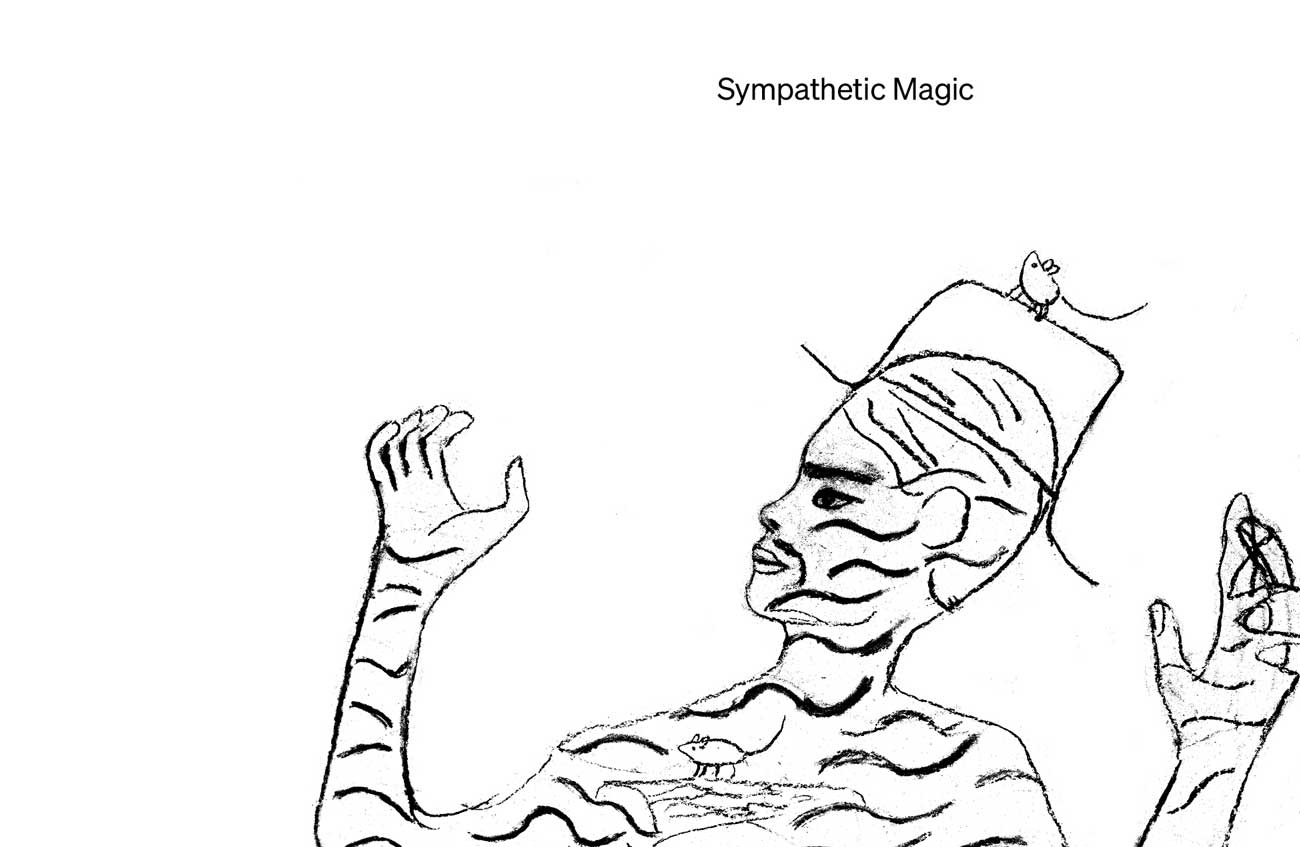
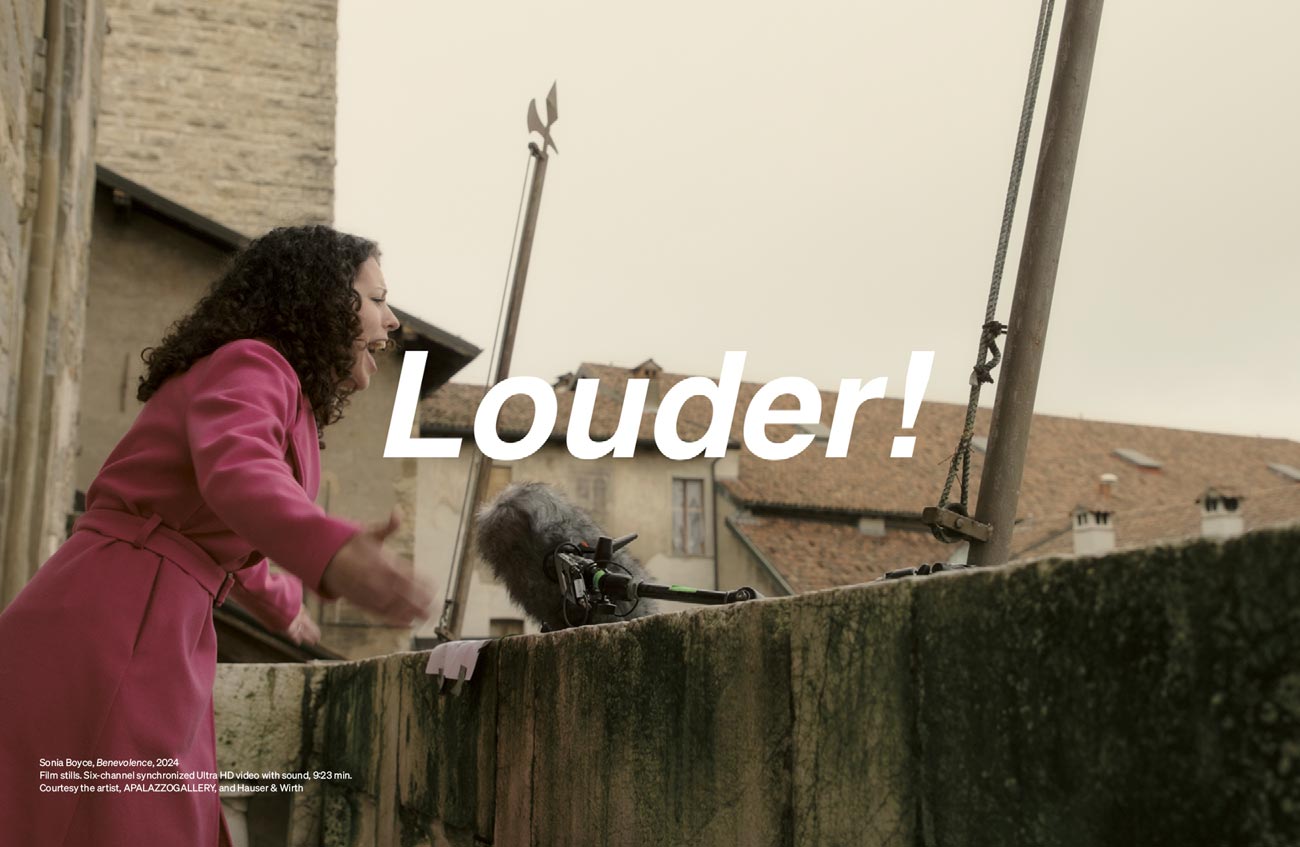
An Orobic Journey: On Migratory Restlessness, Community, and Multispecies Geographies brings together a layered and polyphonic investigation that, setting out from the Orobic Alpine territory in Northern Italy, explores the mountainside not merely as a natural backdrop but as an epistemological lens through which to understand and rethink the contemporary world.
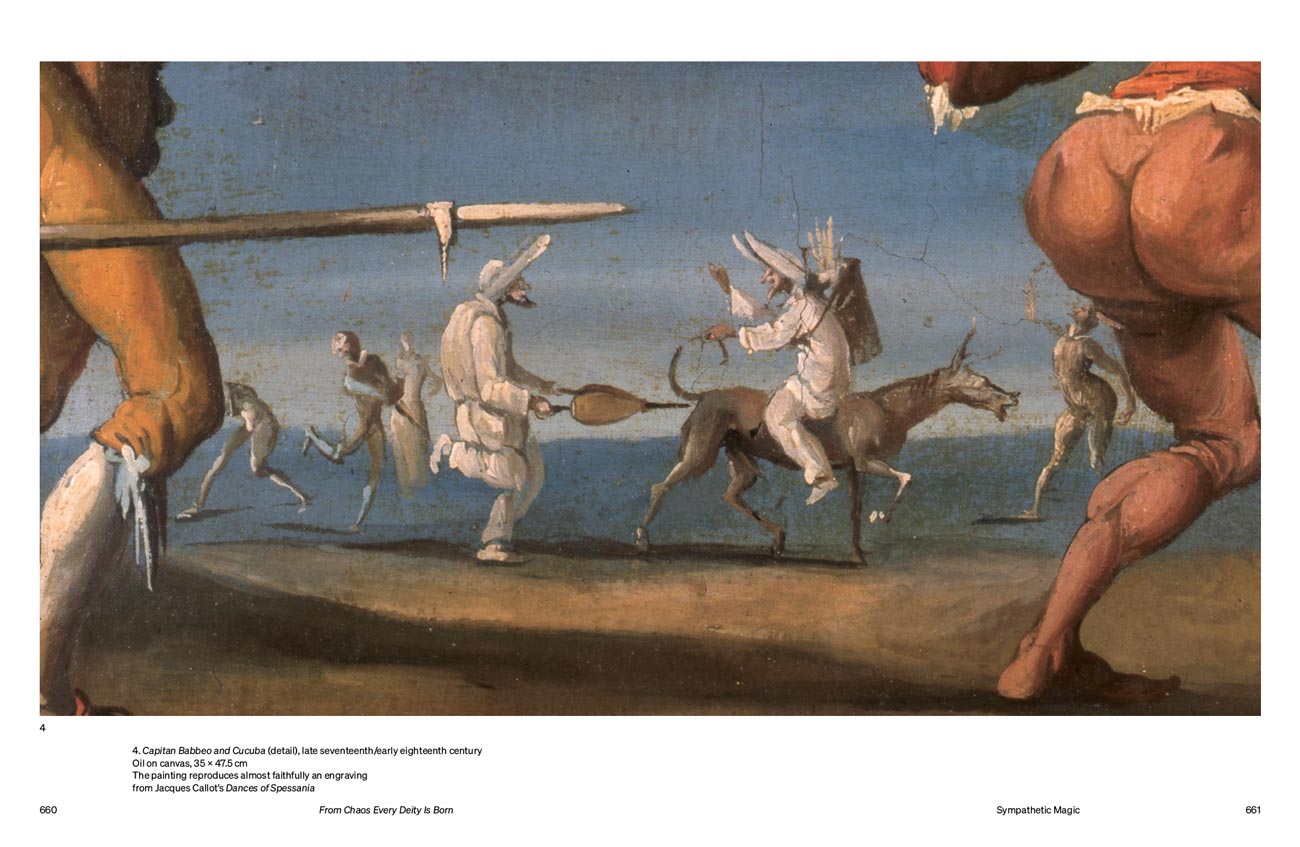
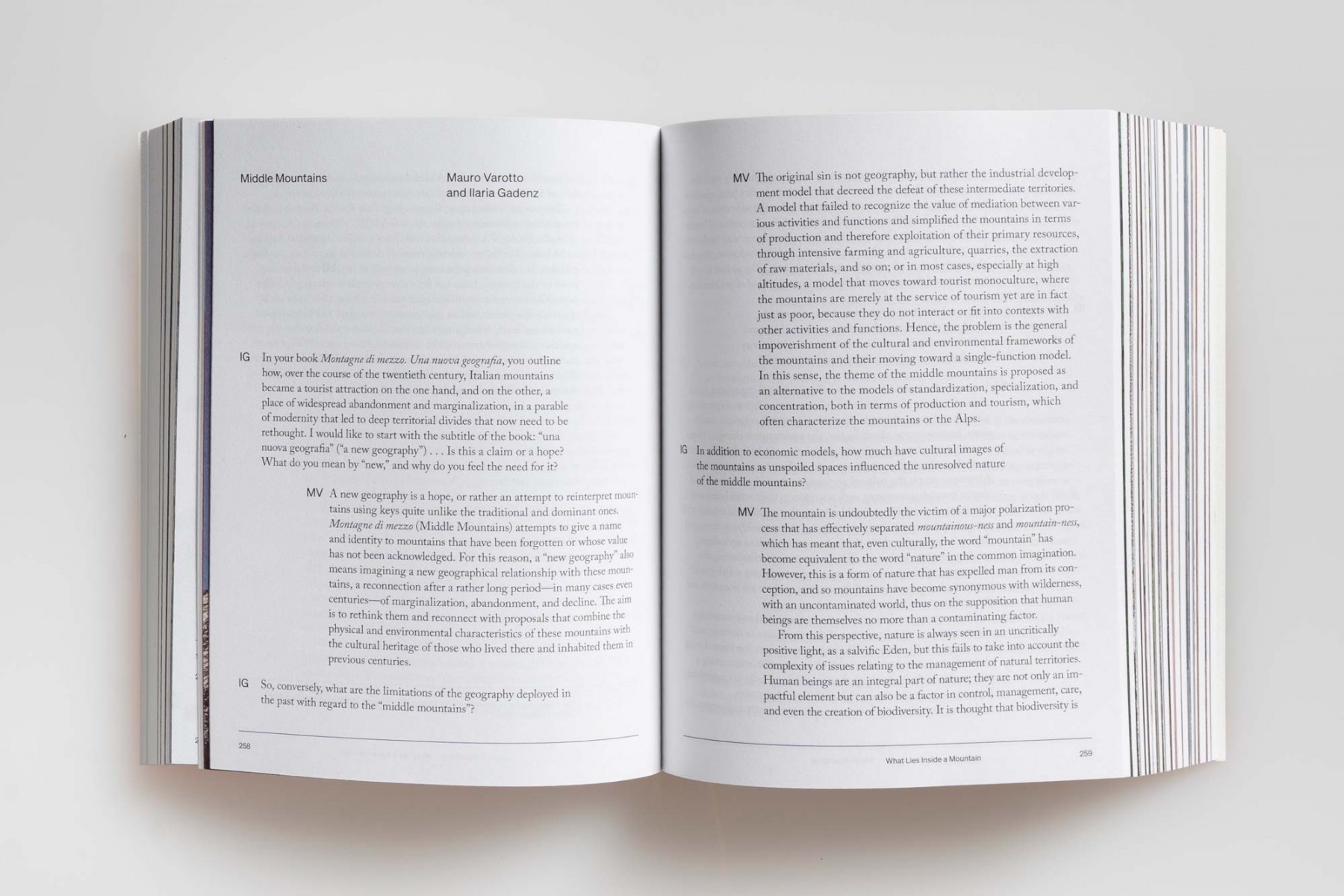
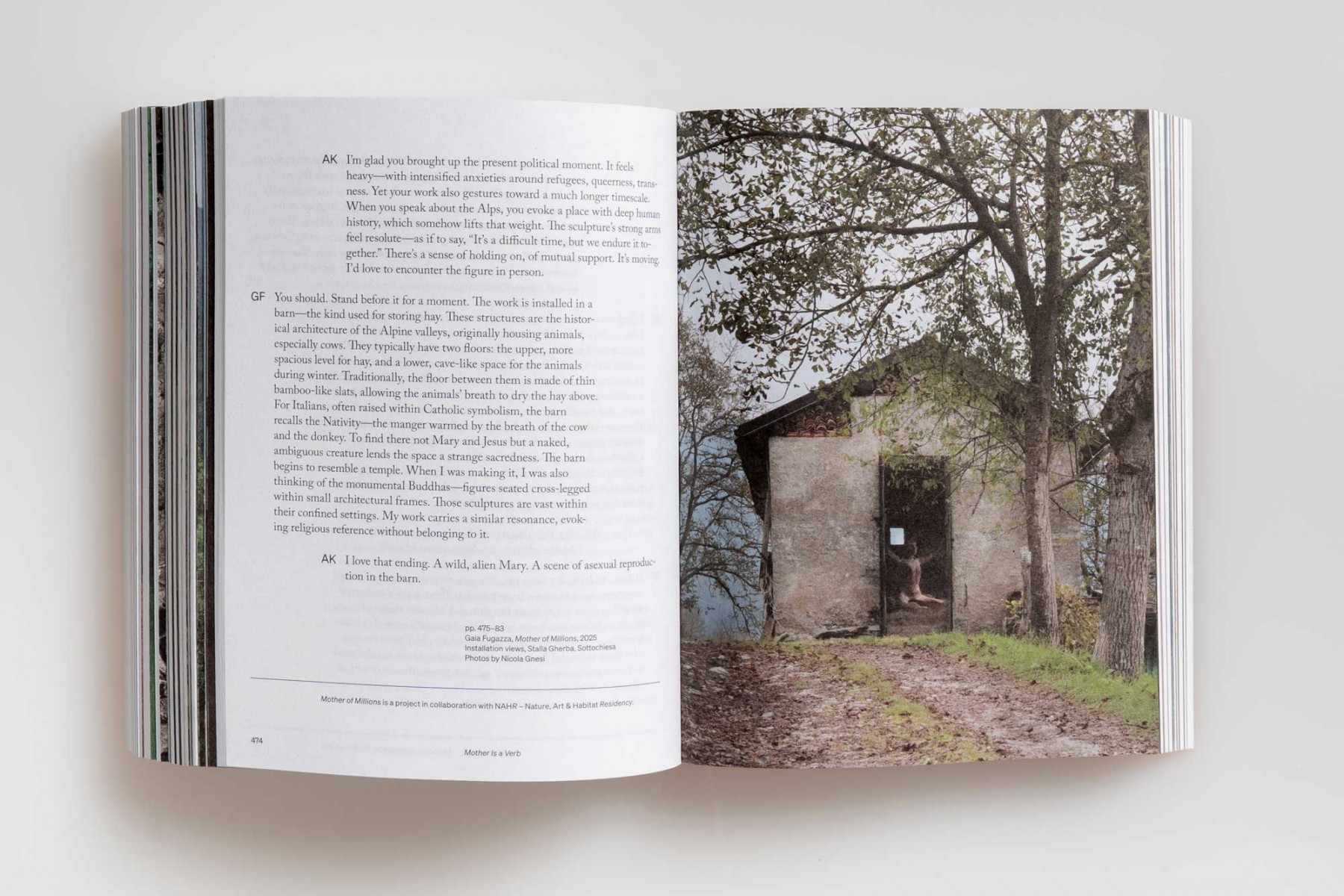
The book originated as an online magazine and an expansion of the biennial program Thinking Like a Mountain (2024–25), a project inspired by Aldo Leopold’s exhortation to abandon an anthropocentric gaze in favor of a geological outlook on the peaks, thereby acknowledging the intrinsic value of every natural element. An Orobic Journey developed independently from the exhibition program and is not limited to mere documentation; instead, it functions as a parallel research tool articulated through essays, conversations, and visual documentation, featuring contributions from artists, scientists, researchers, anthropologists, ornithologists, curators, academics, architects, writers, and other experts.
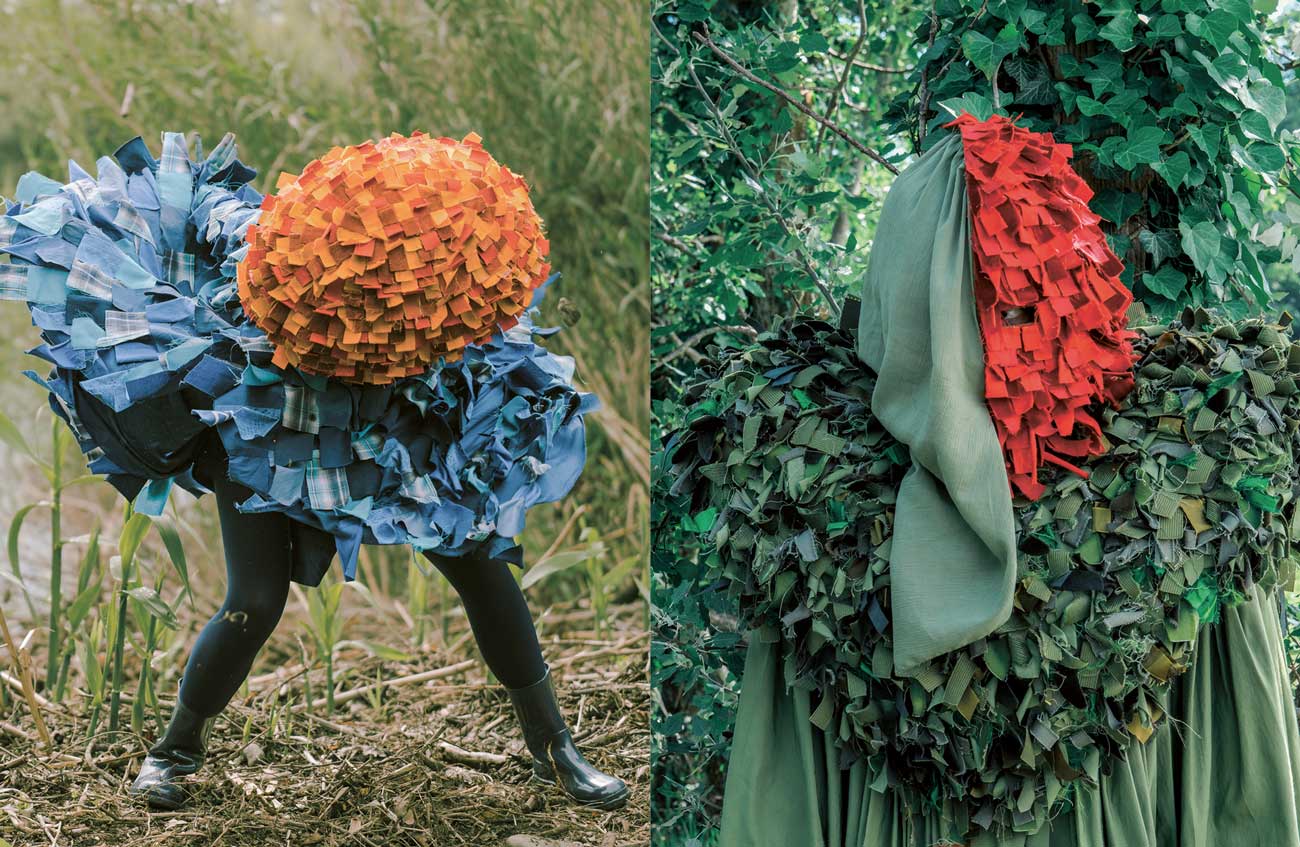
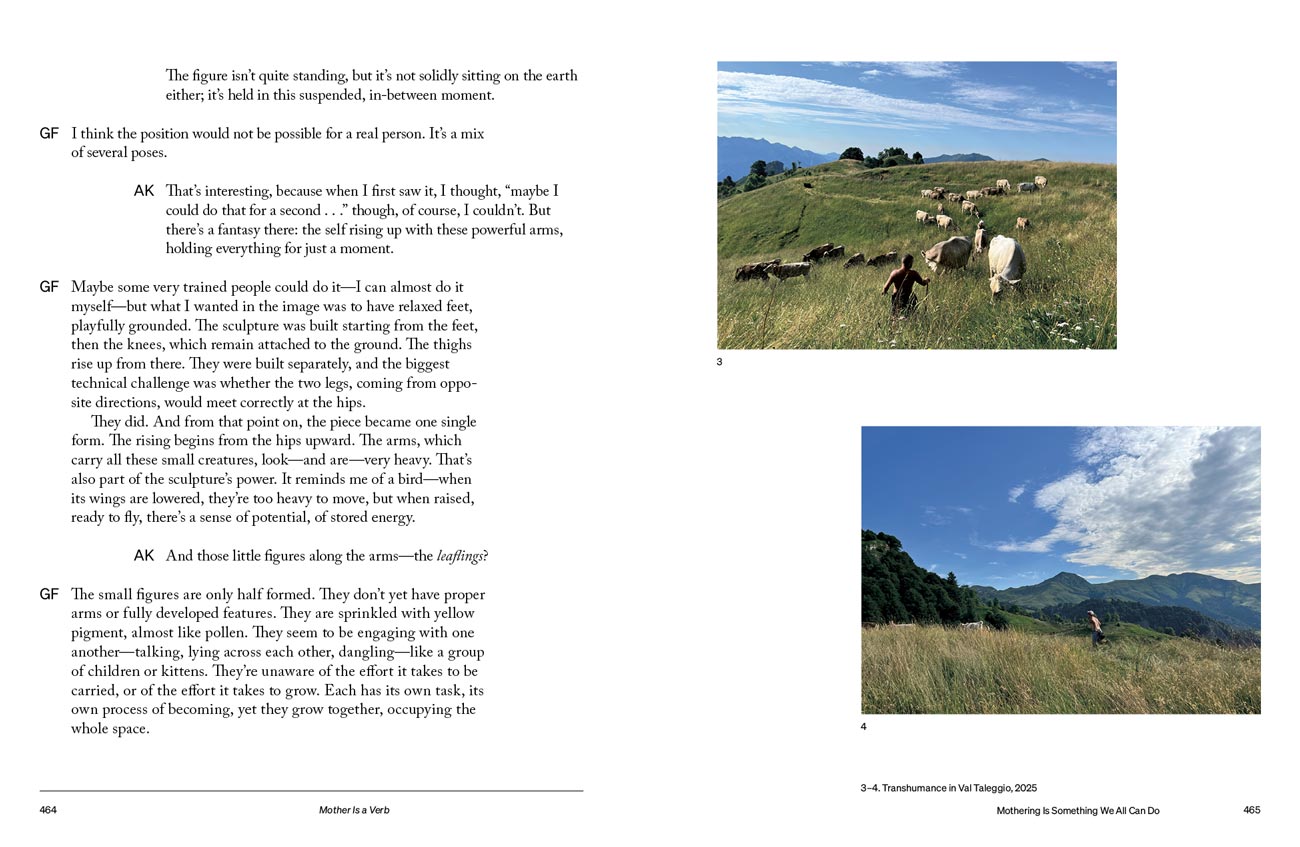
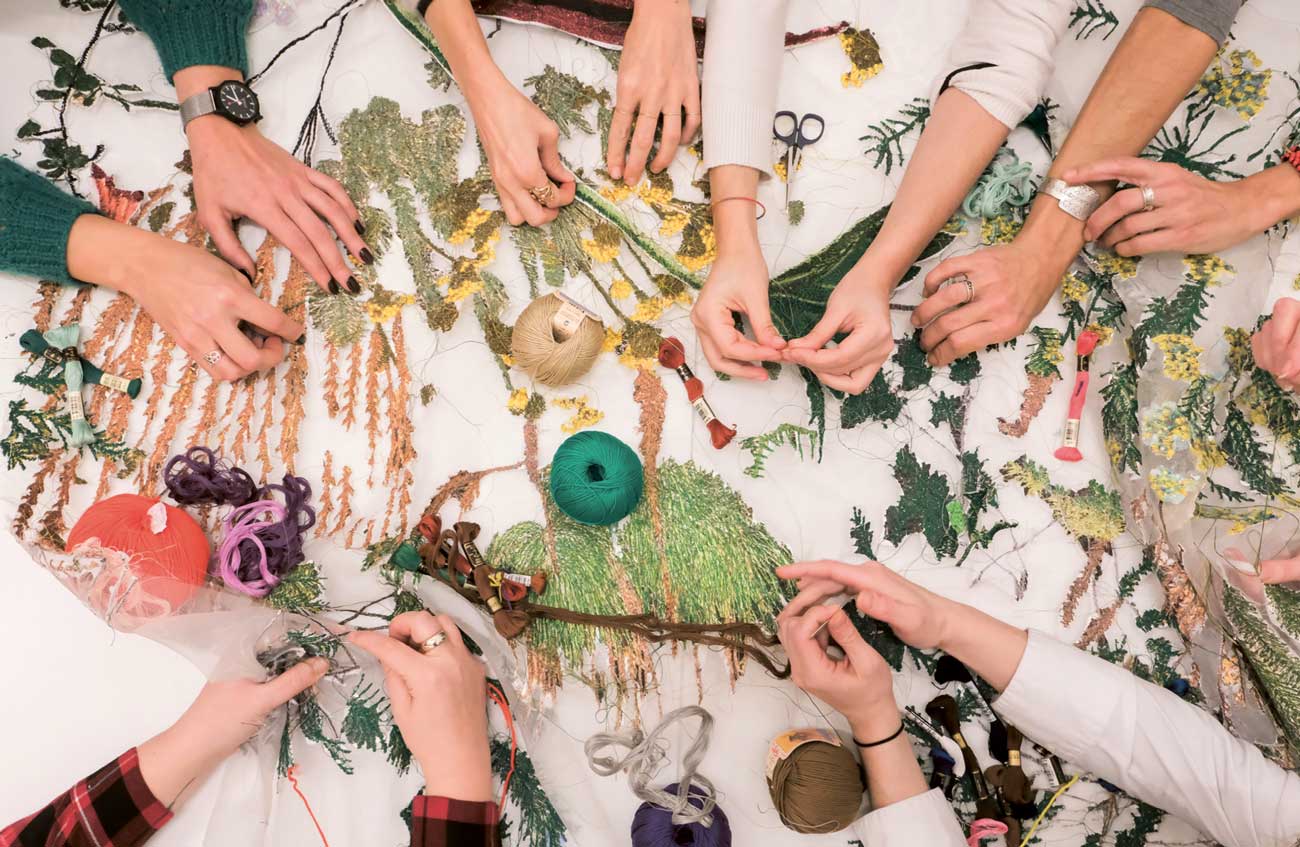
Embracing Ursula K. Le Guin’s “carrier bag theory,” An Orobic Journey brings together non-heroic tales of resistance, adaptation, and cohabitation. The book opens with a reflection on species migration and “migratory restlessness”: a condition that does not only concern the spontaneous return of wolves to the Alps or the transit of birdlife, but becomes a metaphor for a shared condition of continuous movement and searching. The future of the mountain—amid tourist monocultures and acts of transformative care—is investigated by conceiving the Alpine landscape as a political space shaped by power relations, images, and collective memories, and inhabited by multispecies communities that dwell in a place, weaving intergenerational relationships. With both a poetic and political approach, An Orobic Journey attempts to rethink ways of looking at the mountain landscape while imagining new collective rituals.