The paintings and drawings by Jake Grewal draw the viewer in through stillness and ambiguity: they invite reflection on how we inhabit places—physically and emotionally—and how our inner landscapes mirror the physical world. This is the Grewal’s first book, published to accompany the artist’s exhibition at Studio Voltaire.
The transformation of the notion of monuments and the way cultural institutions choose to deal with it find in Maurizio Cattelan an interpreter capable of manipulating historical memory and shared symbols, to the point of turning them into a terrain of doubt and play. Lisa Parola and Lorenzo Giusti investigate the potential of contemporary art within the public sphere.
This is a visual archive of 12 years of developing, designing and exhibiting the House of One, a multireligious sacred space in the heart of Berlin. The architecture, conceived by Kuehn Malvezzi, has been displayed at various venues while being developed in close collaboration with three local religious communities in Berlin since 2012.
The first major monograph on artist Jill Mulleady, whose paintings thread motifs of decay, memory, history, and private myth, featuring humans and animals enacting their instinctive psychological reactions to ever-present threats of danger.
The essays in this first-ever monograph dedicated to Swiss artist Jan Vorisek, alongside image portfolios of the exhibitions they explore and an appendix that features photos and documentation of Vorisek’s performances, recordings and ephemera, grant us unprecedented access to the private fictions that the work reveals.
Since the 1990s Costa has been challenging hierarchies of art production and the fetishization of the “finished” artwork, inviting viewers to reconsider what is discarded, both materially and socially. Through over 300 artworks, accompanied by new writing, this catalogue explores Adriano Costa’s work, a meditation on transformation—of objects, meanings, and systems of value.
Edited by Alessandro Rabottini and Leonardo Bigazzi with Bianca Stoppani
Authors: Cecilia Alemani, Erika Balsom, Étienne Bernard, Leonardo Bigazzi, Ali Cherri, Lorenzo Giusti, Stefanie Hessler, Priyesh Mistry, Alessandro Rabottini, and Stefan Tarnowski
Design by Lorenzo Mason Studio
2024, English, softcover, 21 x 28 cm, 192 pages
ISBN: 979-12-80579-46-1
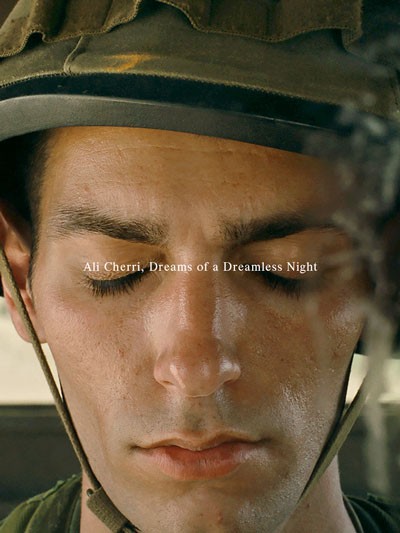
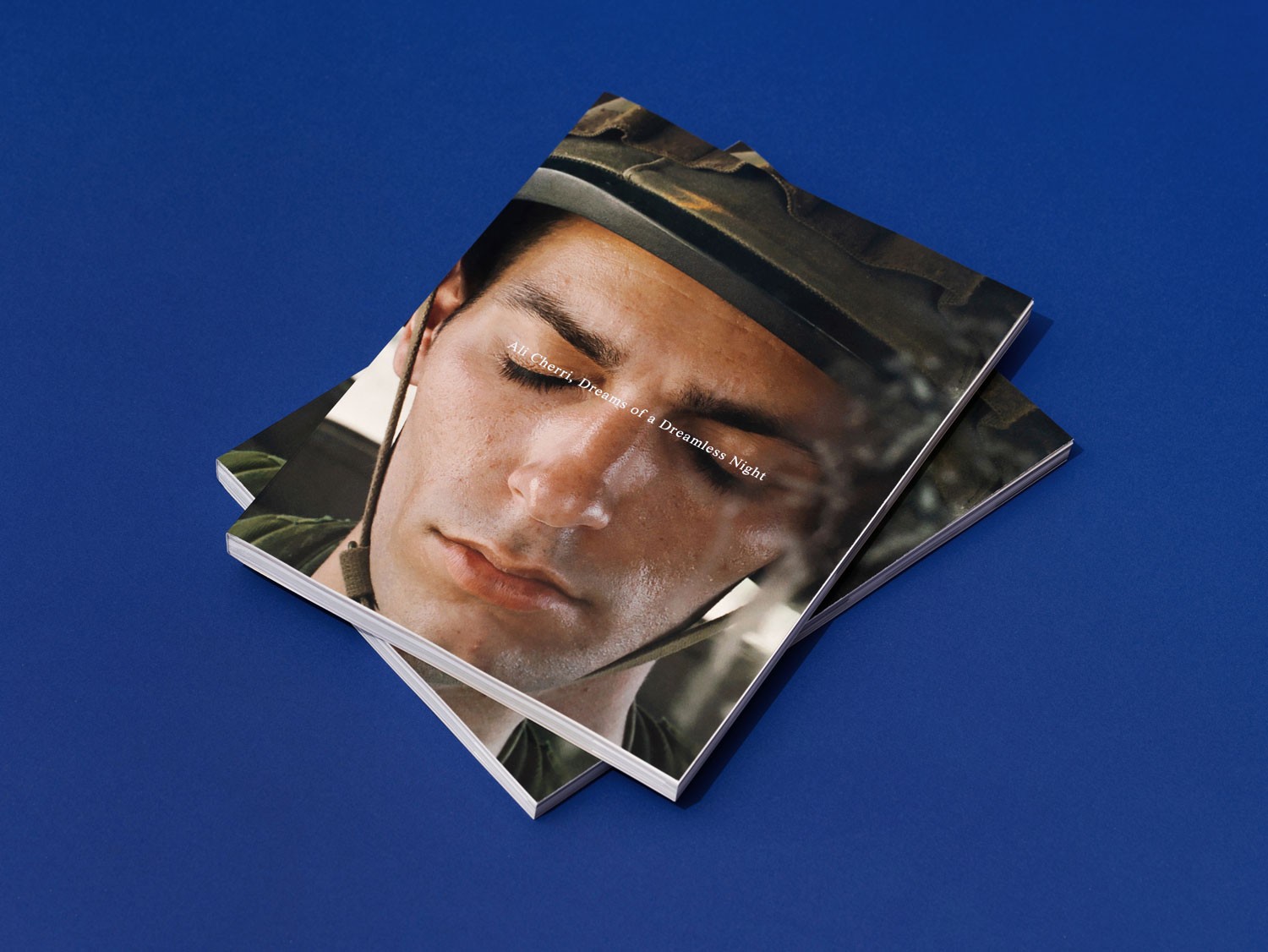
The publication is the first institutional monograph on the multimedia practice of artist and director Ali Cherri. It aims to highlight the constellation of ideas, themes, and formal concerns running through his most recent, highly significant projects.
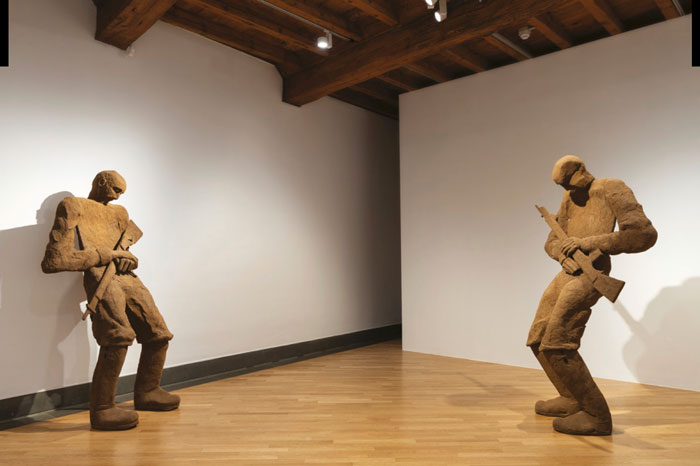
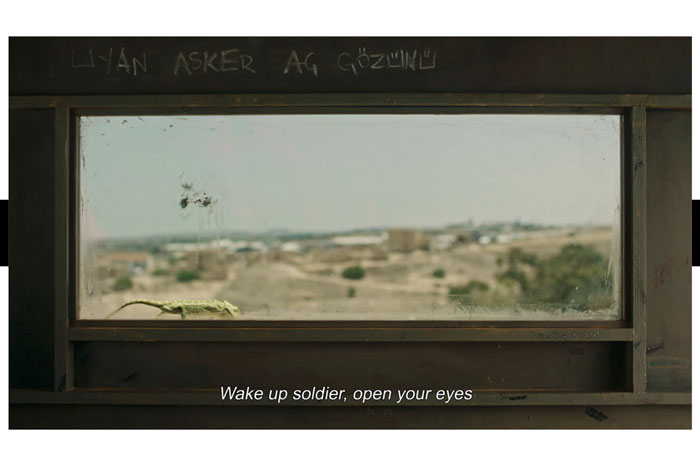
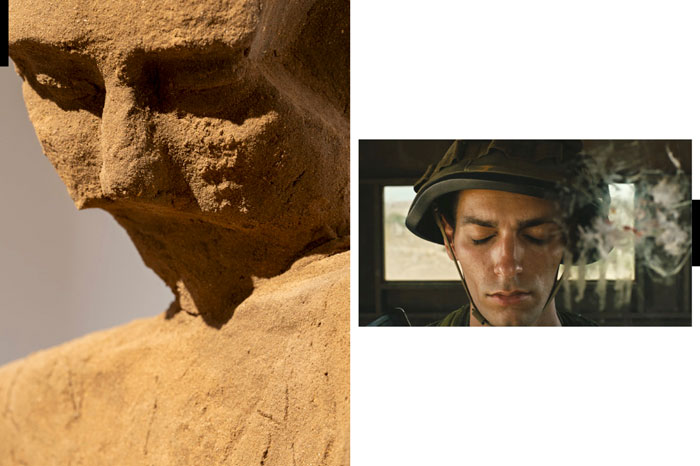
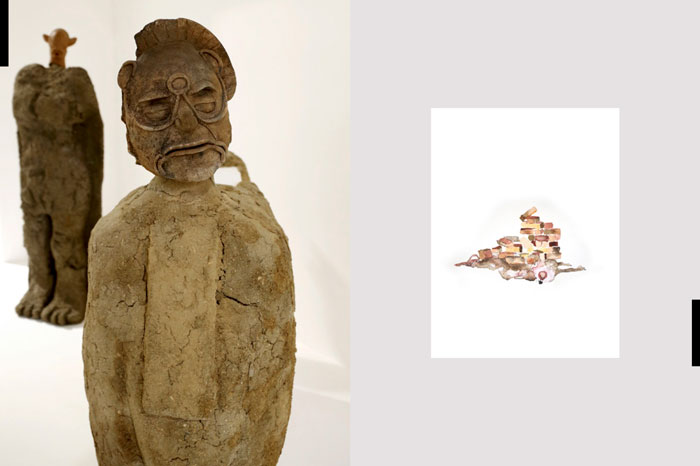
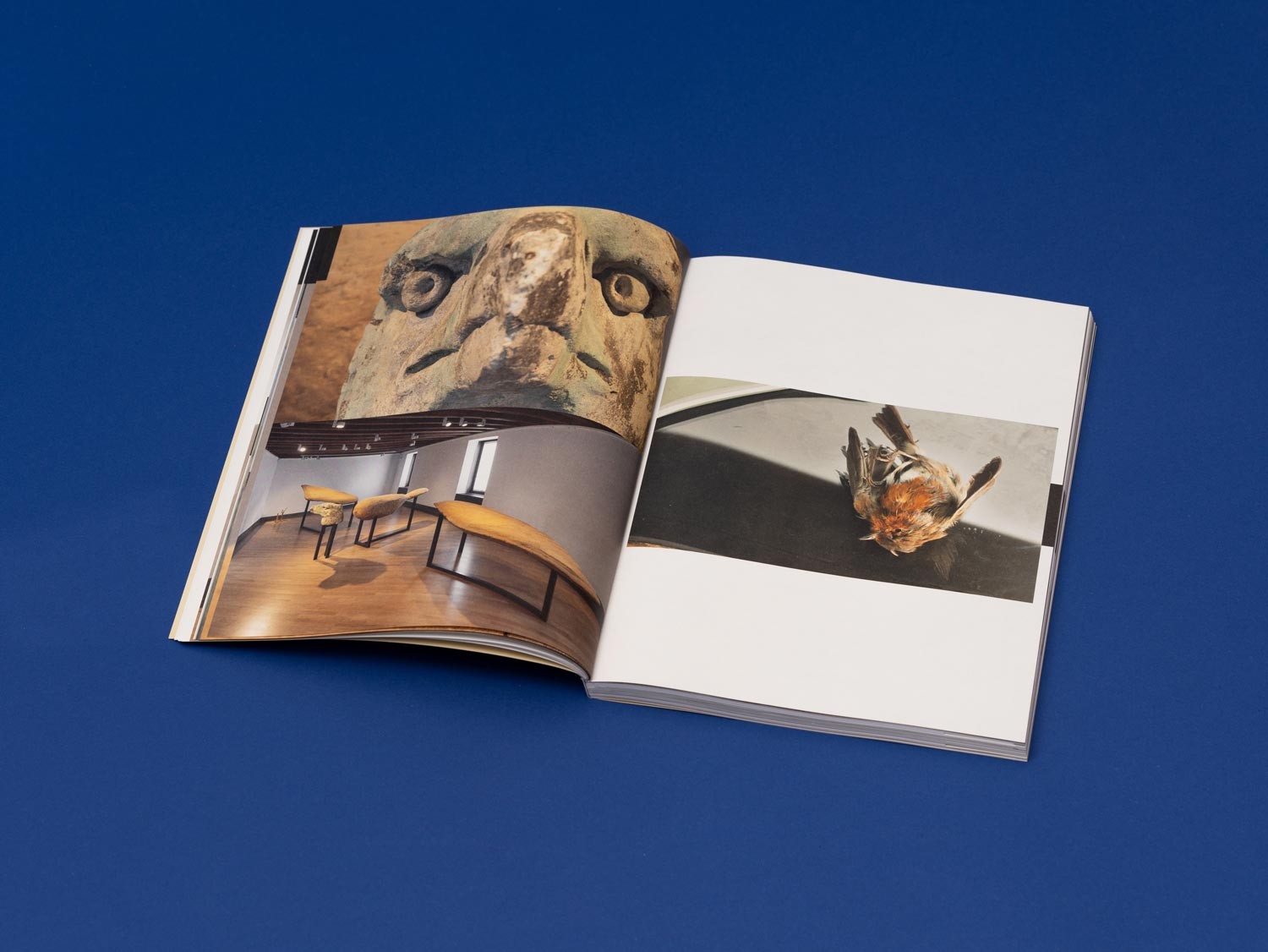
Edited by Alessandro Rabottini and Leonardo Bigazzi, with Bianca Stoppani, this book provides an overview of the artist’s output over the past three years, teasing out both new strands for interpretation and formal links between his films, videos, sculptures, drawings, and installations.
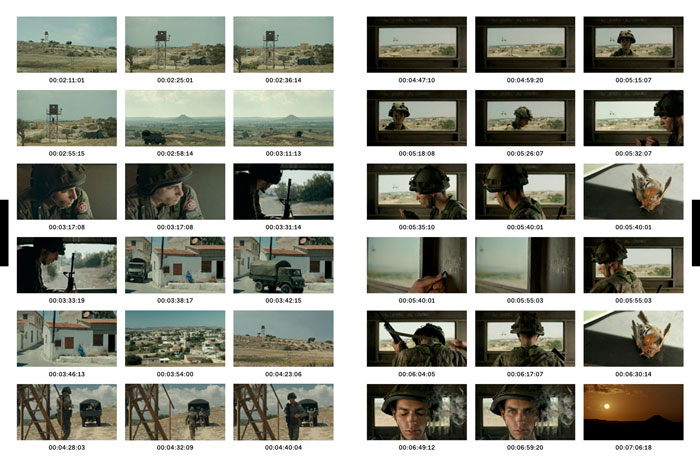
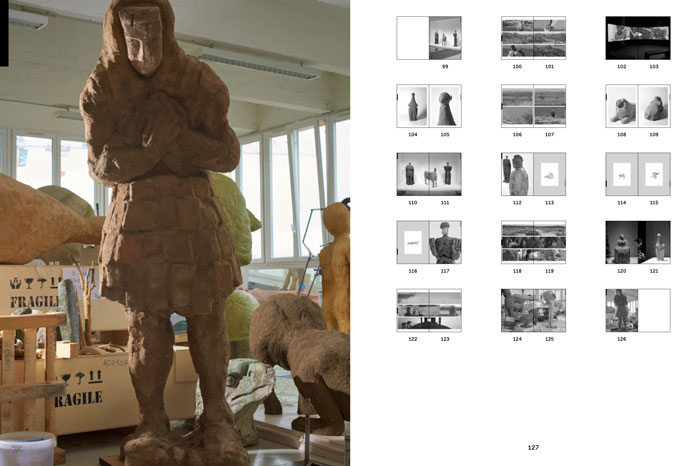
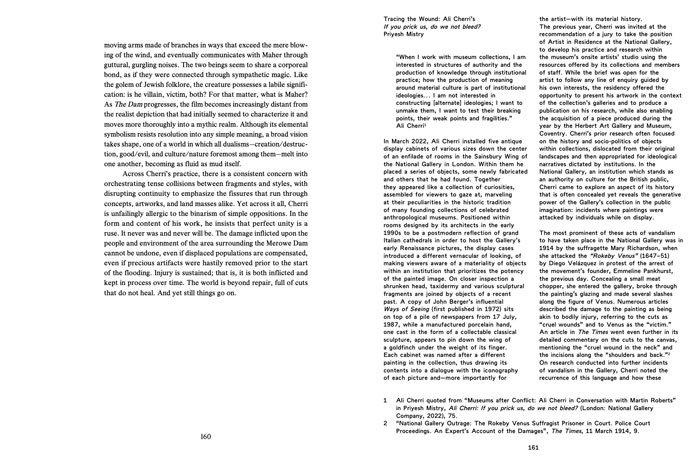
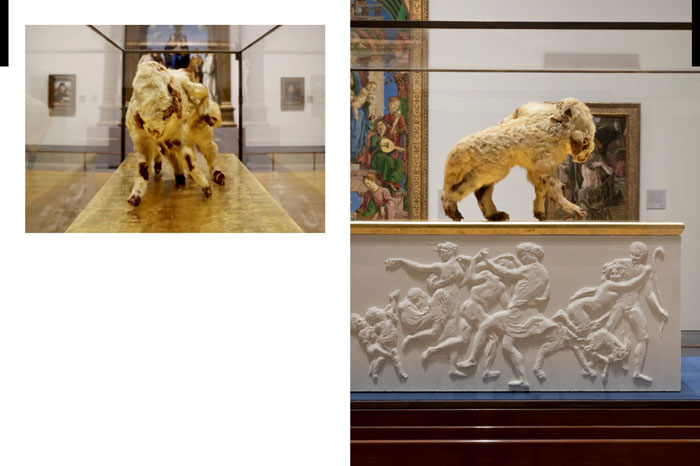
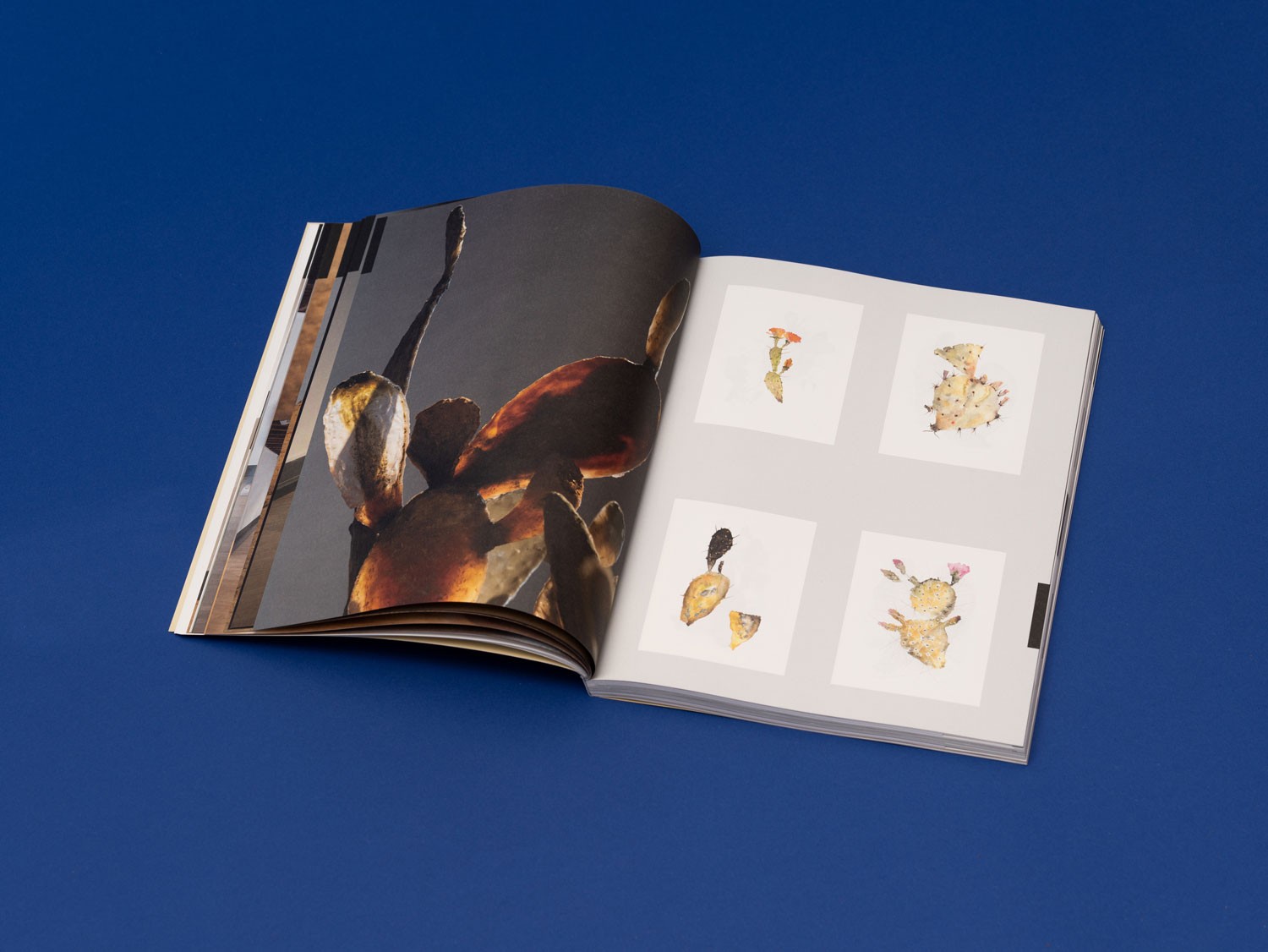
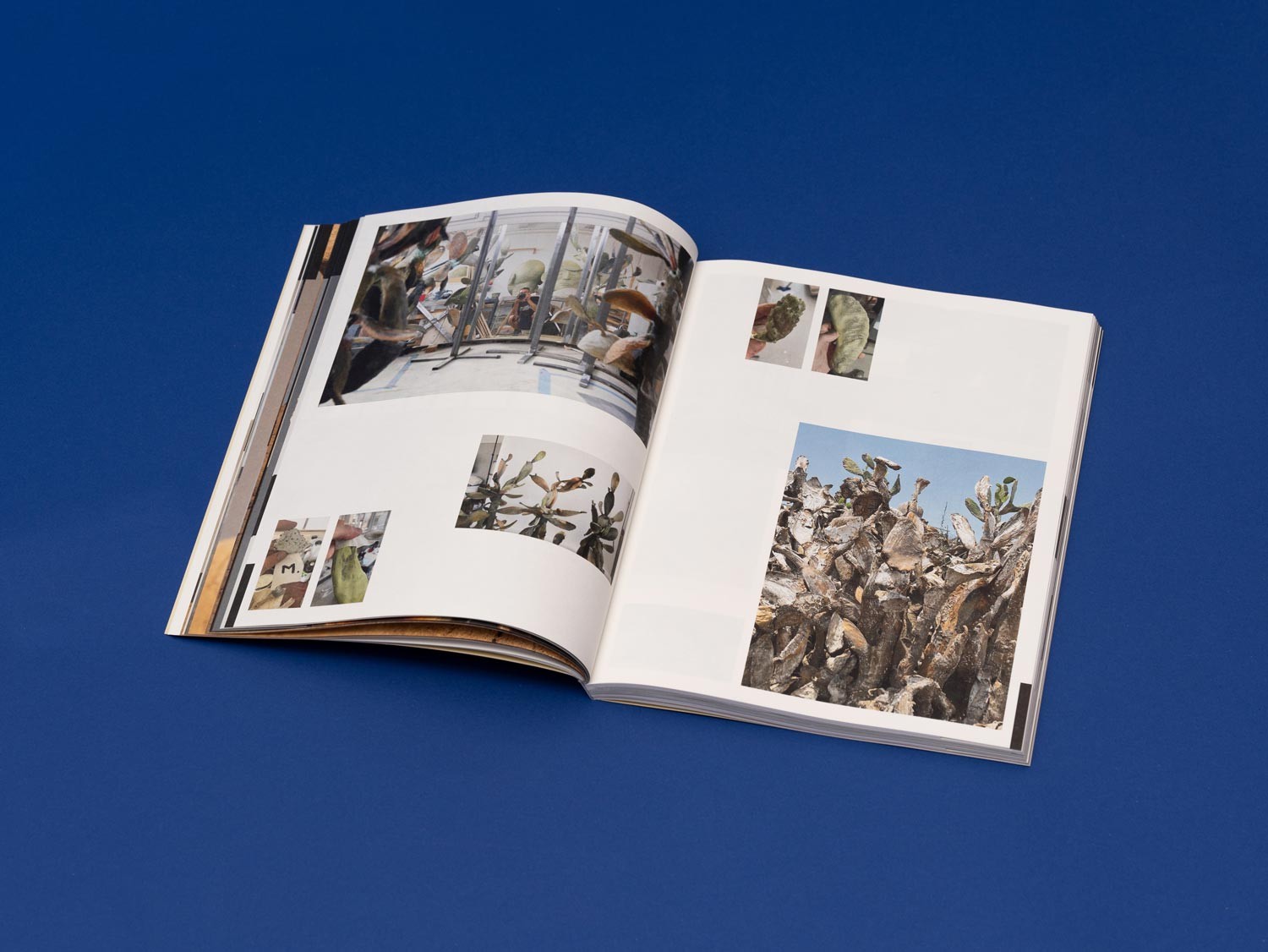
Originated by Fondazione In Between Art Film on the occasion of Dreamless Night—a comprehensive solo exhibition first staged at GAMeC in Bergamo, and later at Frac Bretagne in Rennes—the book showcases a number of newly commissioned essays that reflect upon Cherri’s most recent exhibition projects. Starting with the documenting of Dreamless Night, the book also covers Humble and quiet and soothing as mud, the 2023 exhibition at Swiss Institute in New York; his participation at Biennale Arte 2022 in Venice; and If you prick us, do we not bleed?, the exhibition held at the National Gallery in London following his residency at the museum in 2021. Each exhibition is also extensively illustrated by a visual essay conceived by the artist, encompassing not only the installation views but also images charting the development and production stages.
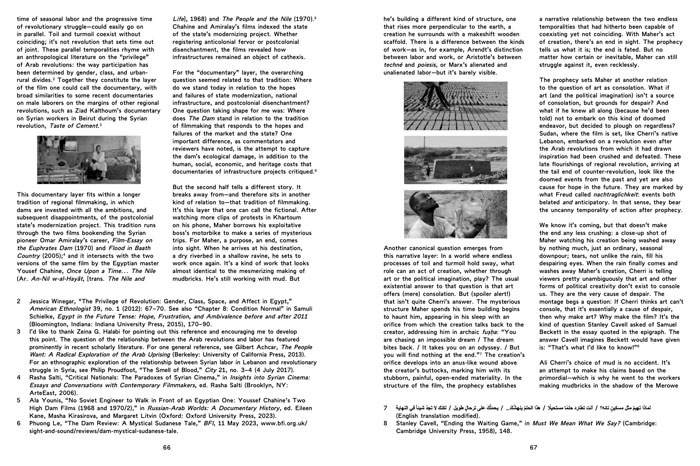
The book features a wide-ranging conversation between the artist, GAMeC director Lorenzo Giusti, and Étienne Bernard, director of Frac Bretagne, as well as essays by Alessandro Rabottini and Leonardo Bigazzi, curators of the exhibition Dreamless Night at GAMeC, and at Frac Bretagne; Cecilia Alemani, who curated the exhibition The Milk of Dreams for Biennale Arte 2022; Stefanie Hessler, director of Swiss Institute in New York; Priyesh Mistry, Associate Curator of Modern and Contemporary Projects at the National Gallery, London; Erika Balsom, Reader in Film Studies at King’s College, London; and Stefan Tarnowski, Early-Career Research Fellow in AMES and Social Anthropology at Corpus Christi College, University of Cambridge.
This publication was made possible thanks to the support of Galerie Imane Farès.