This richly illustrated book considers the dazzling oeuvre of choreographer and dancer Marlene Monteiro Freitas. In line with her creative methodology, Alexandra Balona unfolds an “atlas of affects” through five emblematic dance pieces that reveal the intensity, humor, and humanity of one of today’s most radical choreographic voices.
Invited to present an exhibition at the Galleria Borghese in Rome, Kenyan-American artist Wangechi Mutu has developed an innovative approach to museum space, challenging hierarchy, permanence, and fixed meanings. With in-depth essays and a rich selection of illustrations, this catalog retraces that exhibition and explores the themes and concerns that have long characterized the artist’s practice.
Invitata a concepire una mostra alla Galleria Borghese, l’artista keniota-americana Wangechi Mutu ha sviluppato un approccio innovativo allo spazio museale, confrontandosi con le gerarchie, la permanenze e le sedimentazioni del contesto. Attraverso saggi approfonditi e una ricca selezione di illustrazioni, questo catalogo ripercorre la mostra ed esplora i temi e le preoccupazioni che da tempo caratterizzano la pratica dell’artista.
A visual notebook of the screenshots taken by Yngve Holen over the past five years or so, 6G—the anticipated next phase of network technology—is a peculiarly sized artist’s book, a glossy non-linear agglomeration that reflects the intersections of production, life, and digital debris.
Conceived as a visual résumé, the book provides a comprehensive overview of Posenenske’s solo exhibitions and a record of her numerous group shows. Featuring an essay by curator Erlend Hammer on the role of documentary photographs in the circulation of works of art, it was published in conjunction with the eponymous show at the Haugar Art Museum in Tønsberg.
Edited by Alessandro Rabottini and Leonardo Bigazzi with Bianca Stoppani
Authors: Cecilia Alemani, Erika Balsom, Étienne Bernard, Leonardo Bigazzi, Ali Cherri, Lorenzo Giusti, Stefanie Hessler, Priyesh Mistry, Alessandro Rabottini, and Stefan Tarnowski
Design by Lorenzo Mason Studio
2024, English, softcover, 21 x 28 cm, 192 pages
ISBN: 979-12-80579-46-1
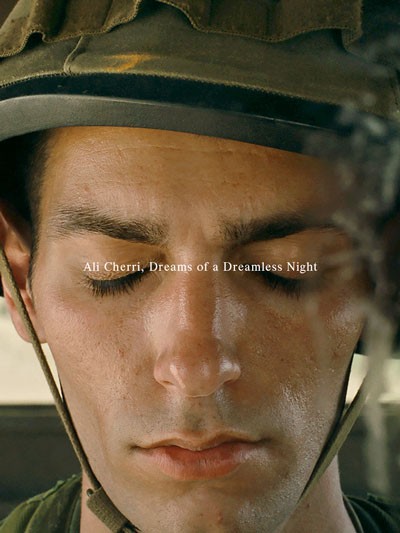
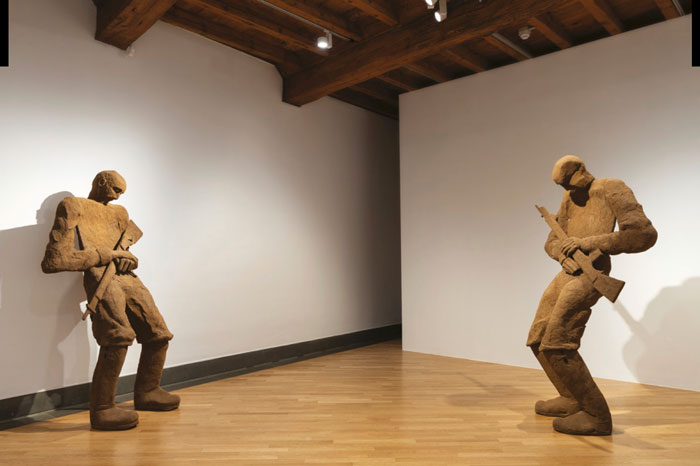
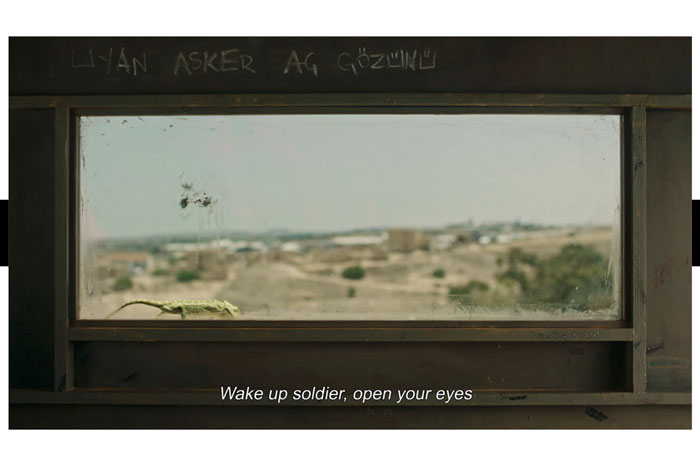
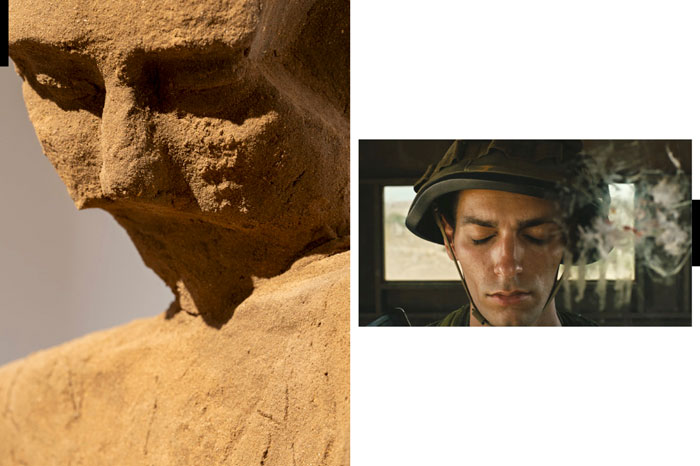
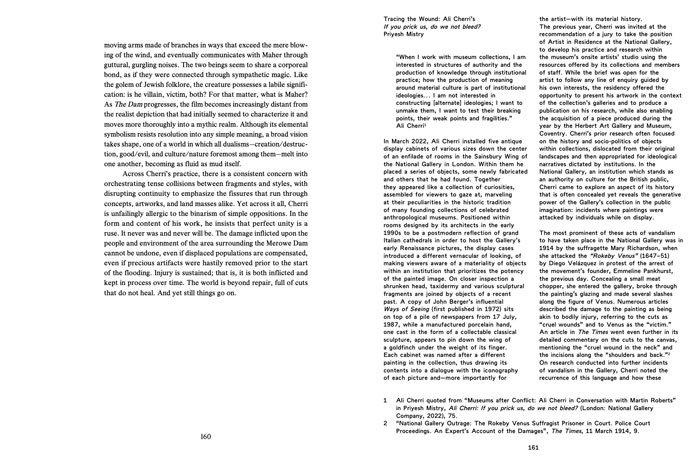
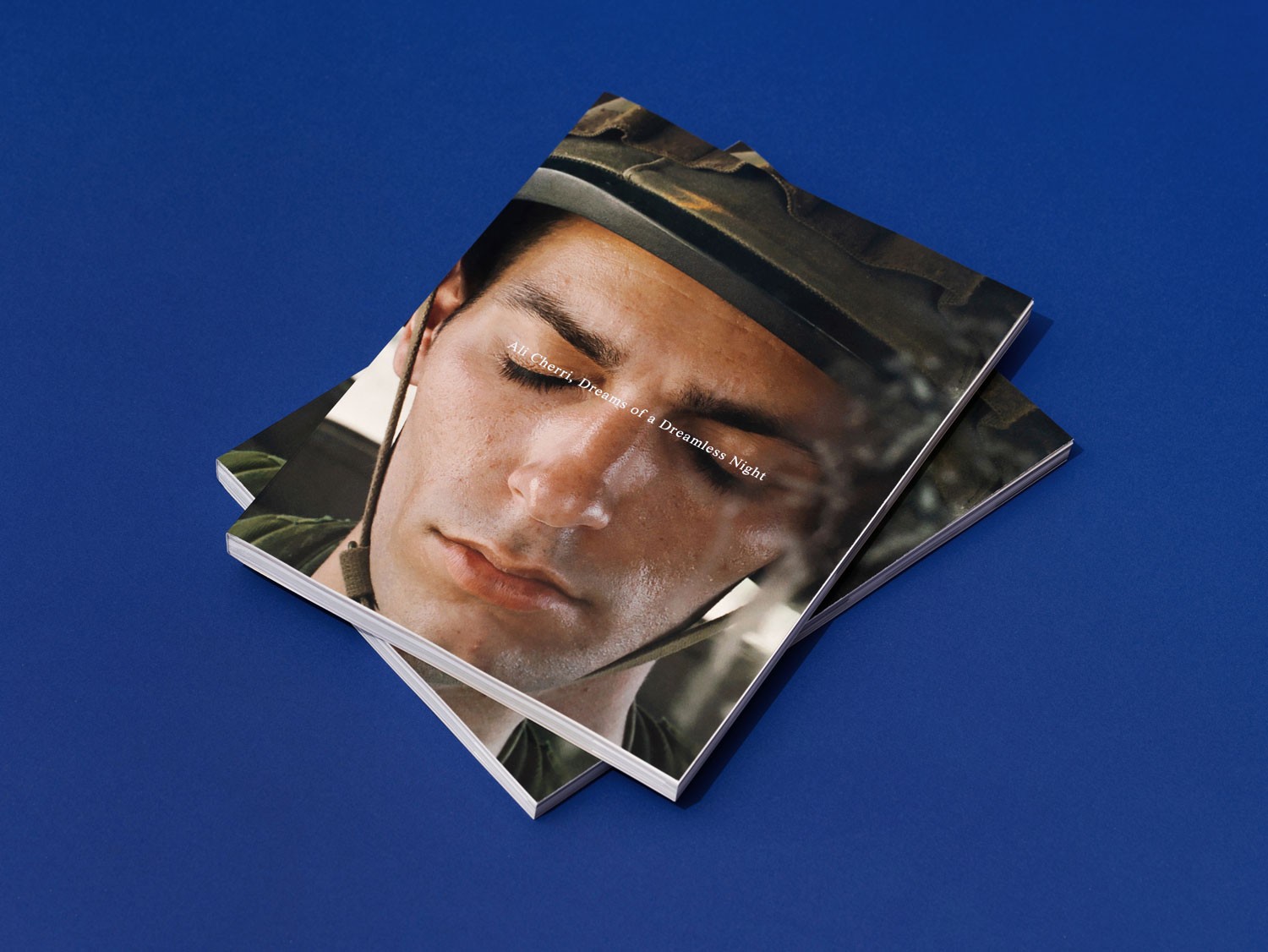
The publication is the first institutional monograph on the multimedia practice of artist and director Ali Cherri. It aims to highlight the constellation of ideas, themes, and formal concerns running through his most recent, highly significant projects.
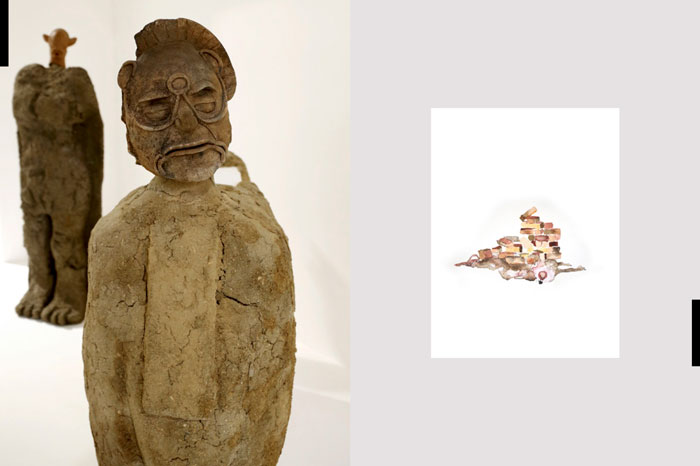
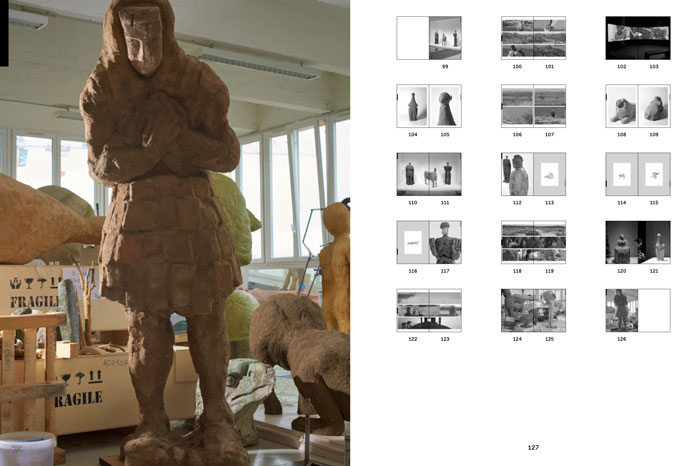
Edited by Alessandro Rabottini and Leonardo Bigazzi, with Bianca Stoppani, this book provides an overview of the artist’s output over the past three years, teasing out both new strands for interpretation and formal links between his films, videos, sculptures, drawings, and installations.
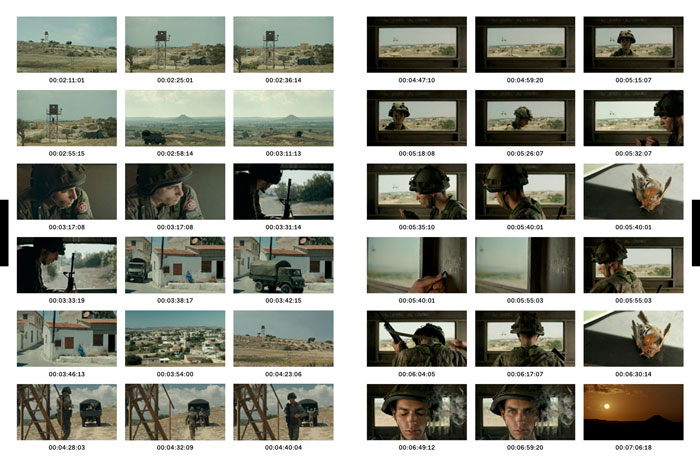
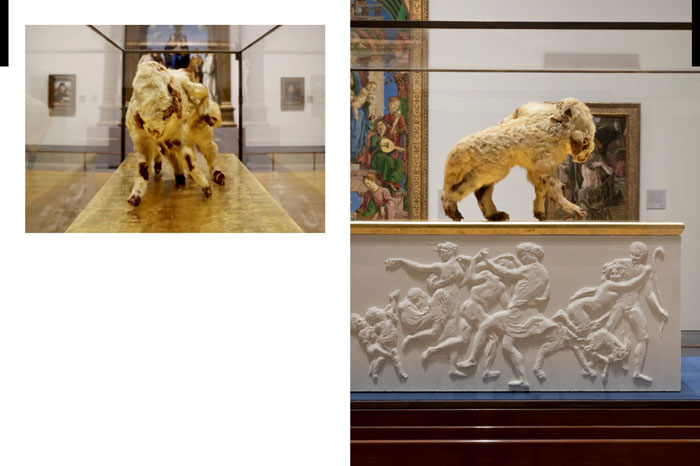
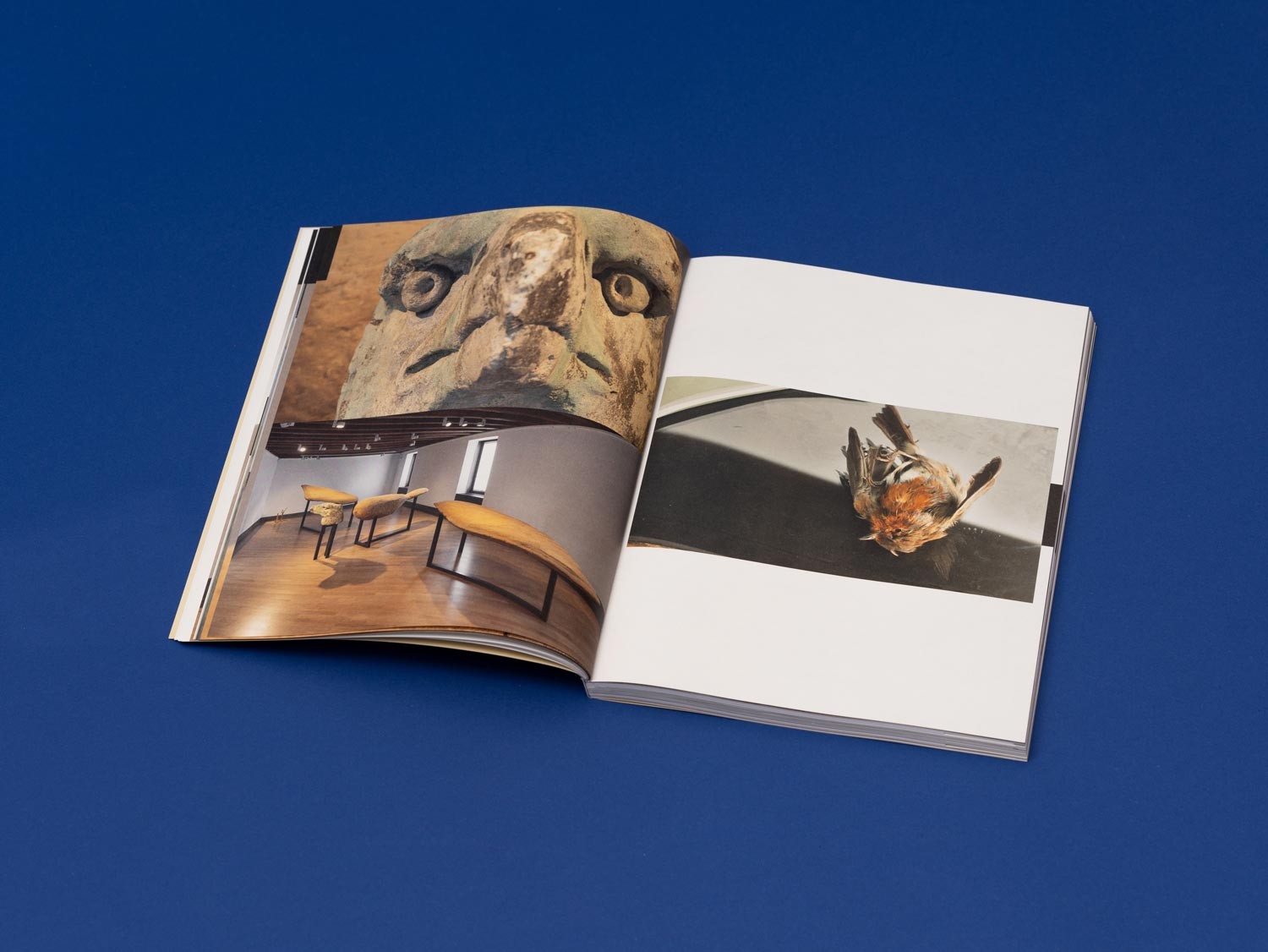
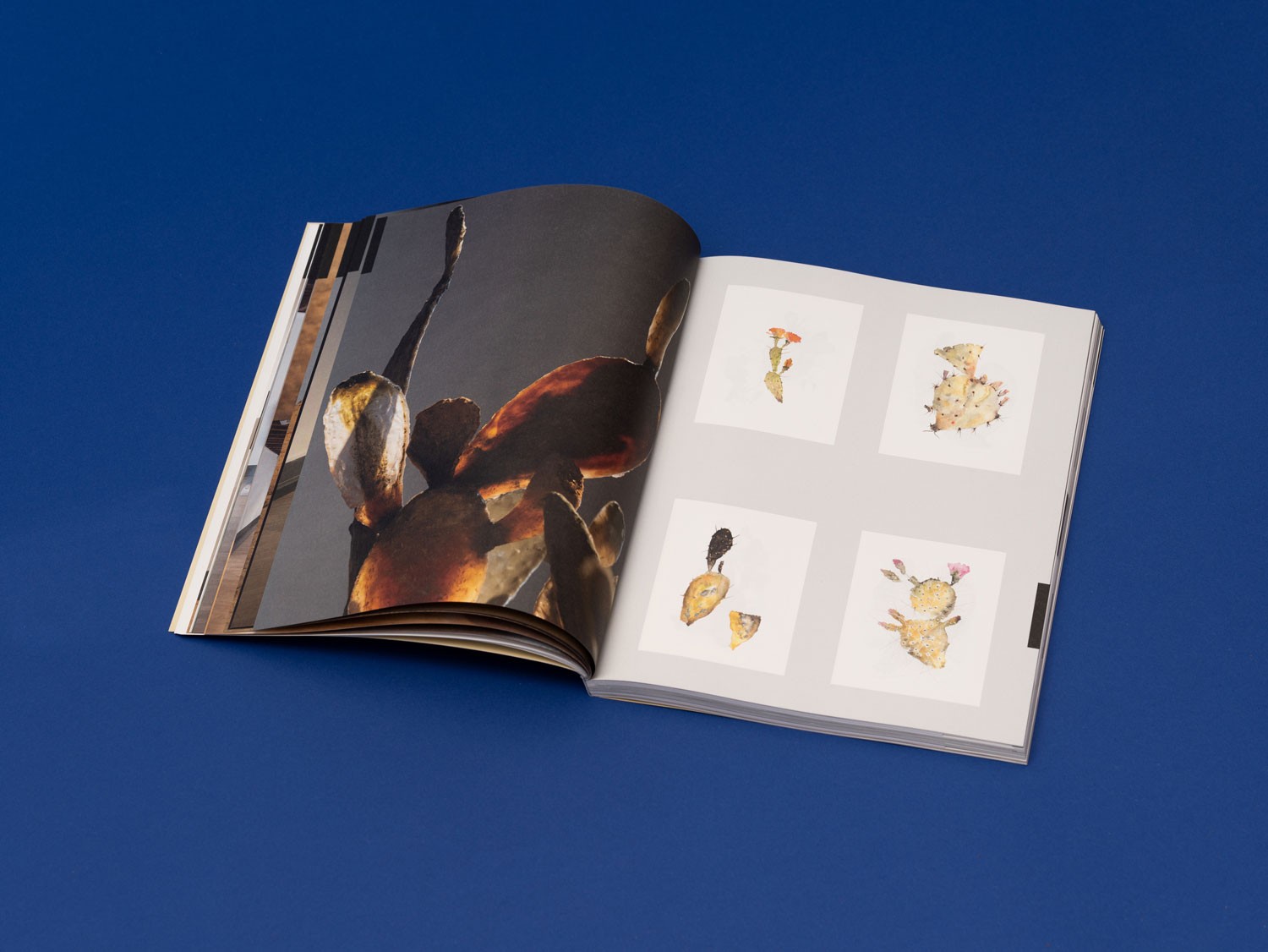
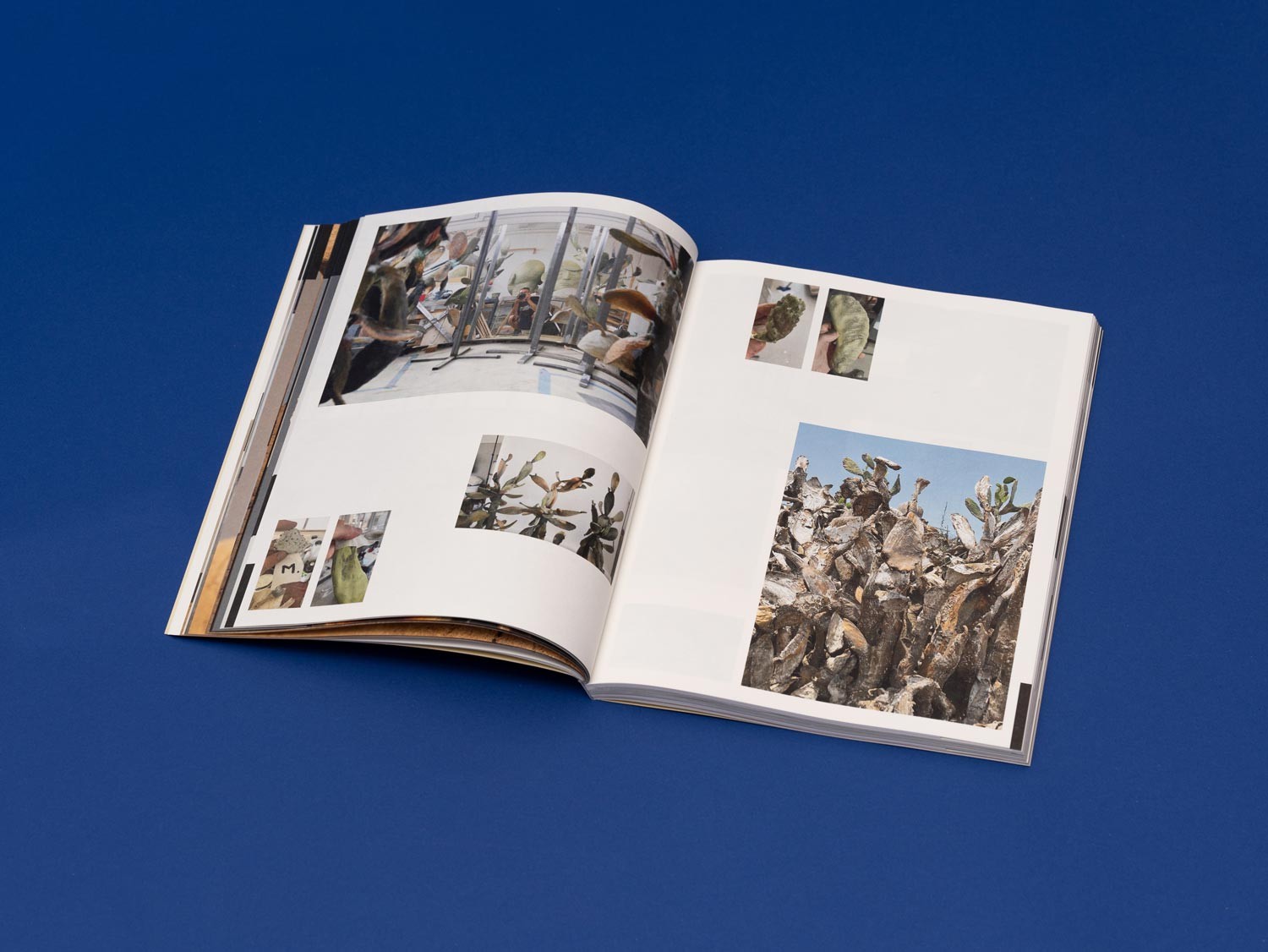
Originated by Fondazione In Between Art Film on the occasion of Dreamless Night—a comprehensive solo exhibition first staged at GAMeC in Bergamo, and later at Frac Bretagne in Rennes—the book showcases a number of newly commissioned essays that reflect upon Cherri’s most recent exhibition projects. Starting with the documenting of Dreamless Night, the book also covers Humble and quiet and soothing as mud, the 2023 exhibition at Swiss Institute in New York; his participation at Biennale Arte 2022 in Venice; and If you prick us, do we not bleed?, the exhibition held at the National Gallery in London following his residency at the museum in 2021. Each exhibition is also extensively illustrated by a visual essay conceived by the artist, encompassing not only the installation views but also images charting the development and production stages.
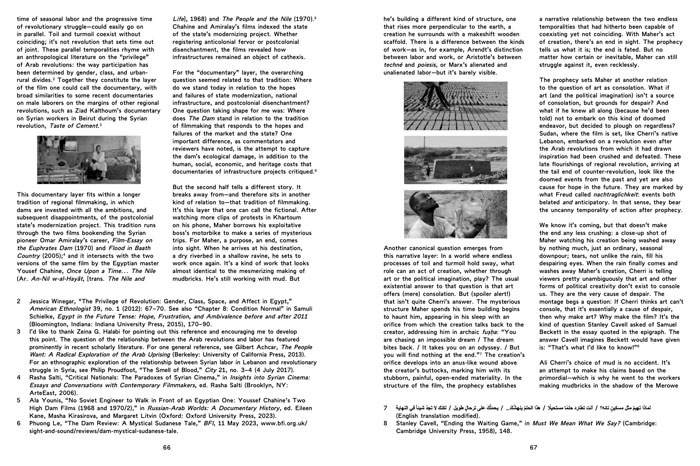
The book features a wide-ranging conversation between the artist, GAMeC director Lorenzo Giusti, and Étienne Bernard, director of Frac Bretagne, as well as essays by Alessandro Rabottini and Leonardo Bigazzi, curators of the exhibition Dreamless Night at GAMeC, and at Frac Bretagne; Cecilia Alemani, who curated the exhibition The Milk of Dreams for Biennale Arte 2022; Stefanie Hessler, director of Swiss Institute in New York; Priyesh Mistry, Associate Curator of Modern and Contemporary Projects at the National Gallery, London; Erika Balsom, Reader in Film Studies at King’s College, London; and Stefan Tarnowski, Early-Career Research Fellow in AMES and Social Anthropology at Corpus Christi College, University of Cambridge.
This publication was made possible thanks to the support of Galerie Imane Farès.