For years now, the Die Vier von der Tankstelle (Four from the Gas Station) have been roaming across an area stretching out to the south of the Baltic Sea. They prowl their way through sparsely populated areas, wantonly terrorizing the inhabitants. The 2026 calendar by Jos de Gruyter and Harald Thys bears witness to their presence.
The first monograph dedicated to Lorenza Longhi, published with the Kunst Museum Winterthur, adopts a format associated with prototypes, manuals, or working documents. Its irregularities reflect Longhi’s ongoing examination of value, functionality, and the aesthetics of the everyday.
This publication is an extensive monograph devoted to the work of Carlos Bunga, published in conjunction with his eponymous show at CAM – Gulbenkian. In addition to a number of essays, which offer an in-depth look at his multifaceted practice, the book contains previously unpublished photos that reveal his working process.
The paintings and drawings by Jake Grewal draw the viewer in through stillness and ambiguity: they invite reflection on how we inhabit places—physically and emotionally—and how our inner landscapes mirror the physical world. This is the Grewal’s first book, published to accompany the artist’s exhibition at Studio Voltaire.
The transformation of the notion of monuments and the way cultural institutions choose to deal with it find in Maurizio Cattelan an interpreter capable of manipulating historical memory and shared symbols, to the point of turning them into a terrain of doubt and play. Lisa Parola and Lorenzo Giusti investigate the potential of contemporary art within the public sphere.
This is a visual archive of 12 years of developing, designing and exhibiting the House of One, a multireligious sacred space in the heart of Berlin. The architecture, conceived by Kuehn Malvezzi, has been displayed at various venues while being developed in close collaboration with three local religious communities in Berlin since 2012.
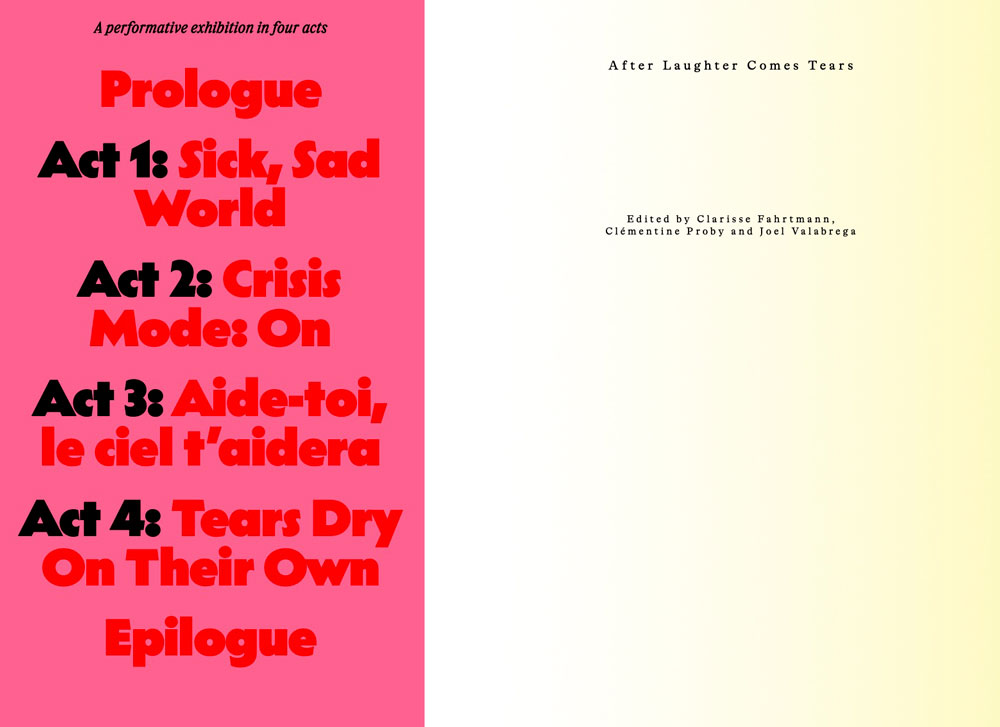
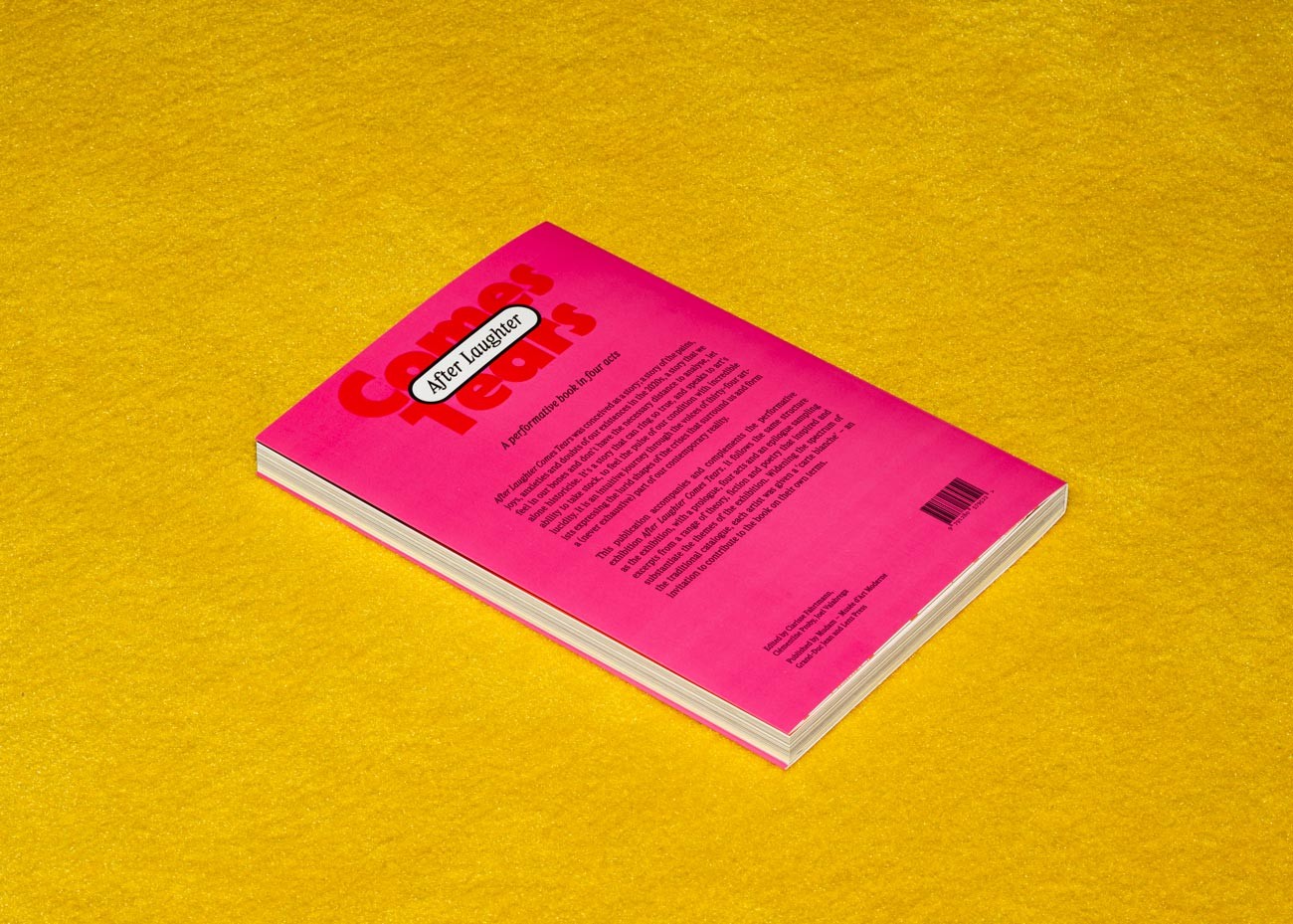
Edited by Clarisse Fahrtmann, Clementine Proby and Joel Valabrega
Foreword by Bettina Steinbrügge
Authors: Kate Cooper, Lukas Hofmann, David McDermott, Markus Pilgram, Agnieszka Polska, Clémentine Proby, Sin Wai Kin, Bettina Steinbrügge, Geraldine Tedder, Joel Valabrega and Lauren Wetmore
Design by Sam de Groot
2023, English, softcover, 16.5 x 24 cm, 200 pages
ISBN: 979-12-80579-52-2
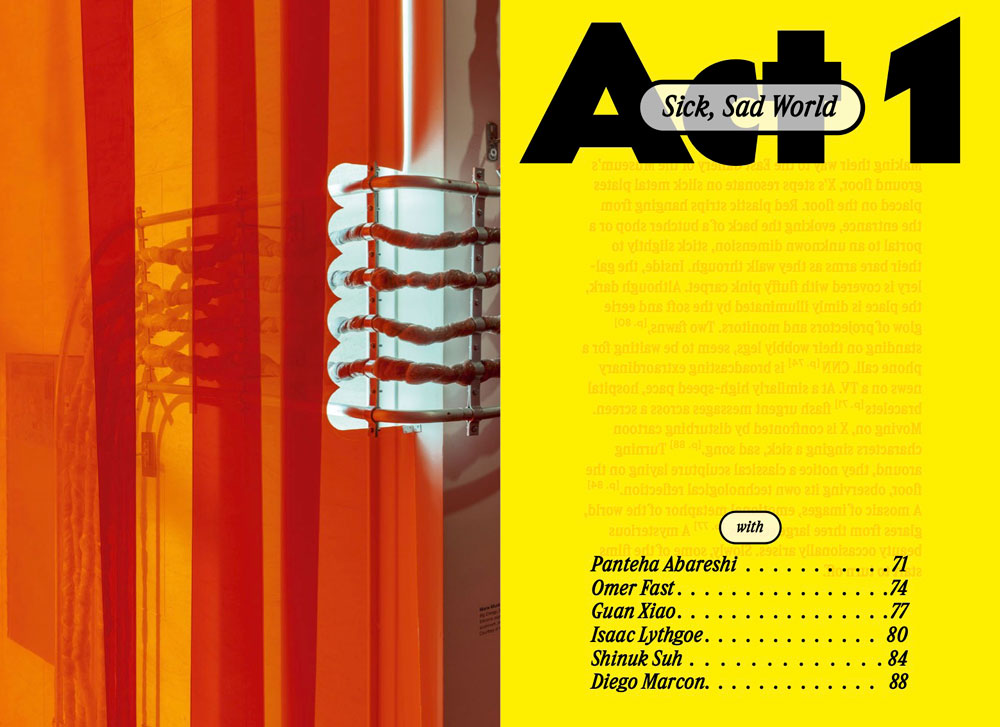
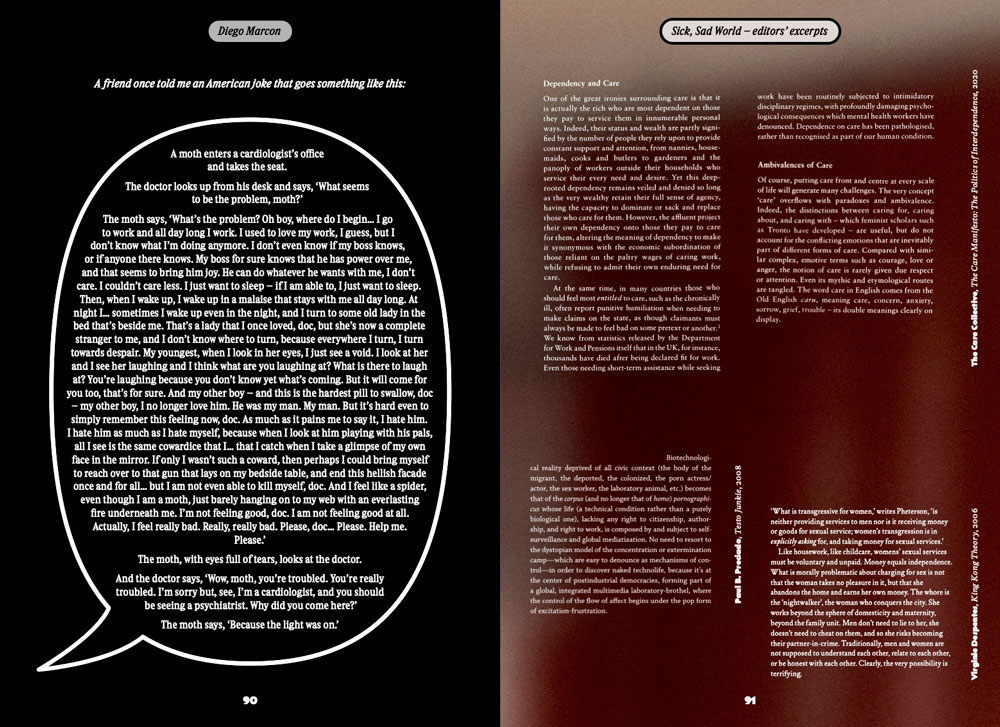
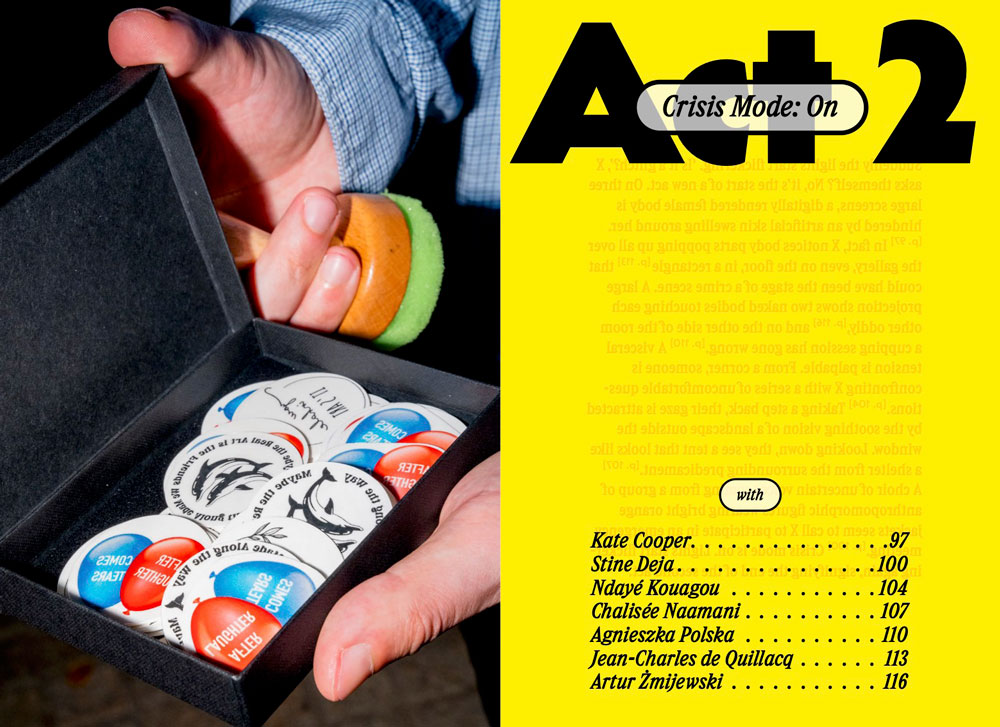
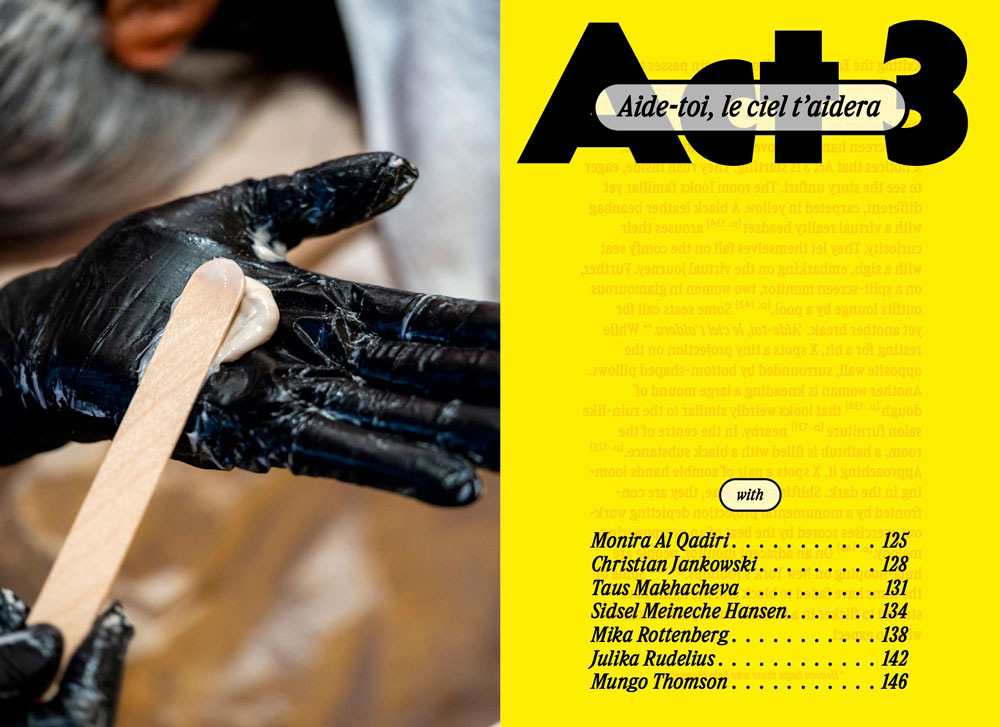
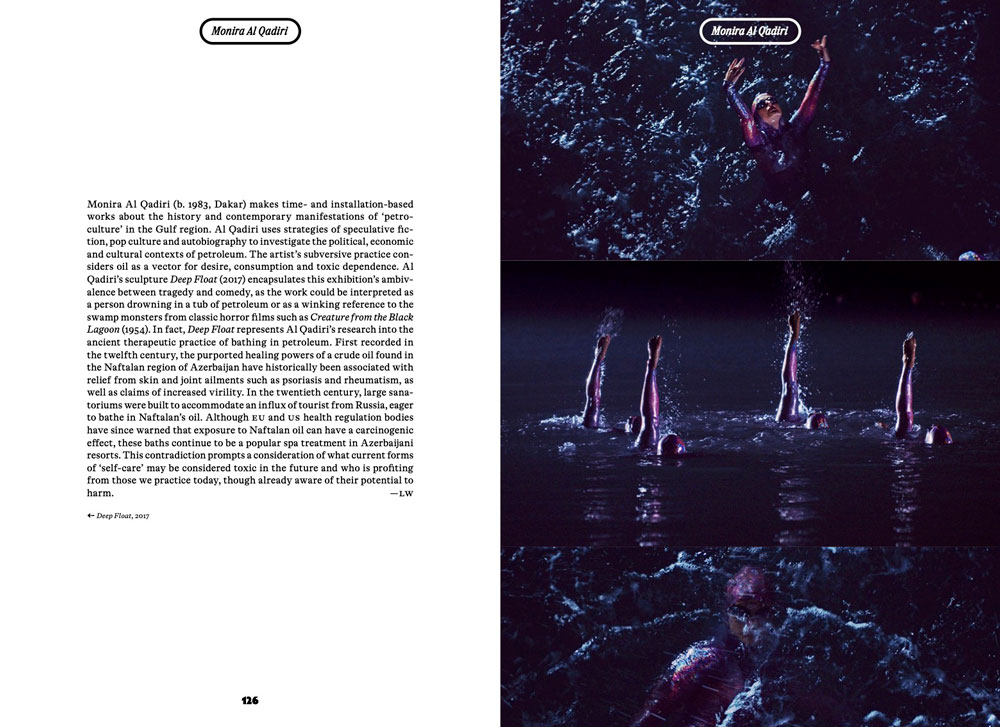
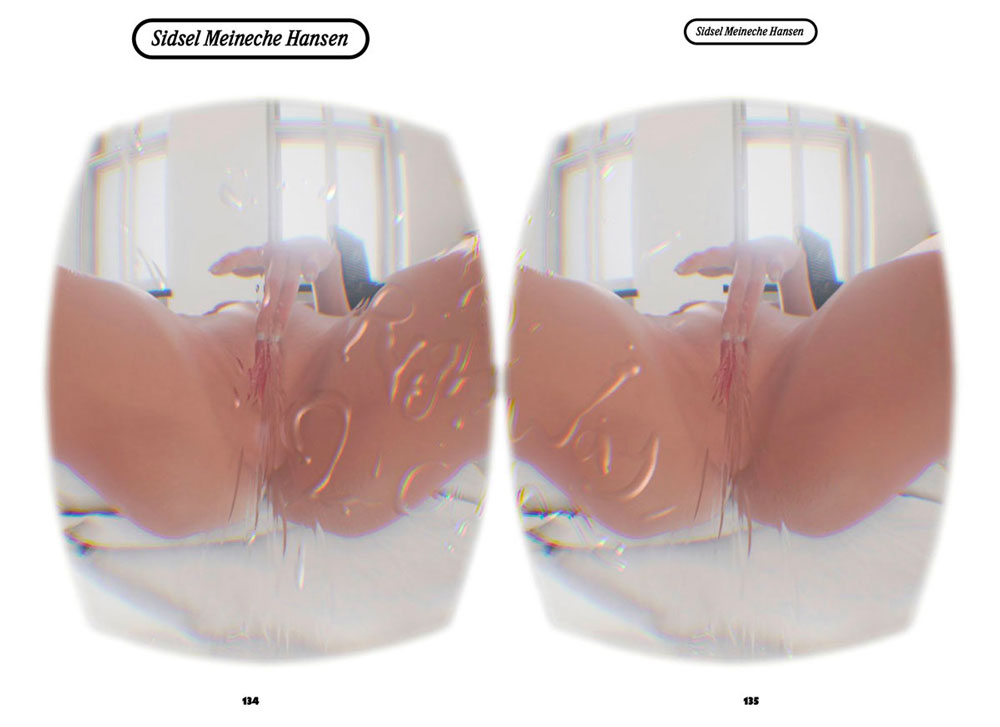
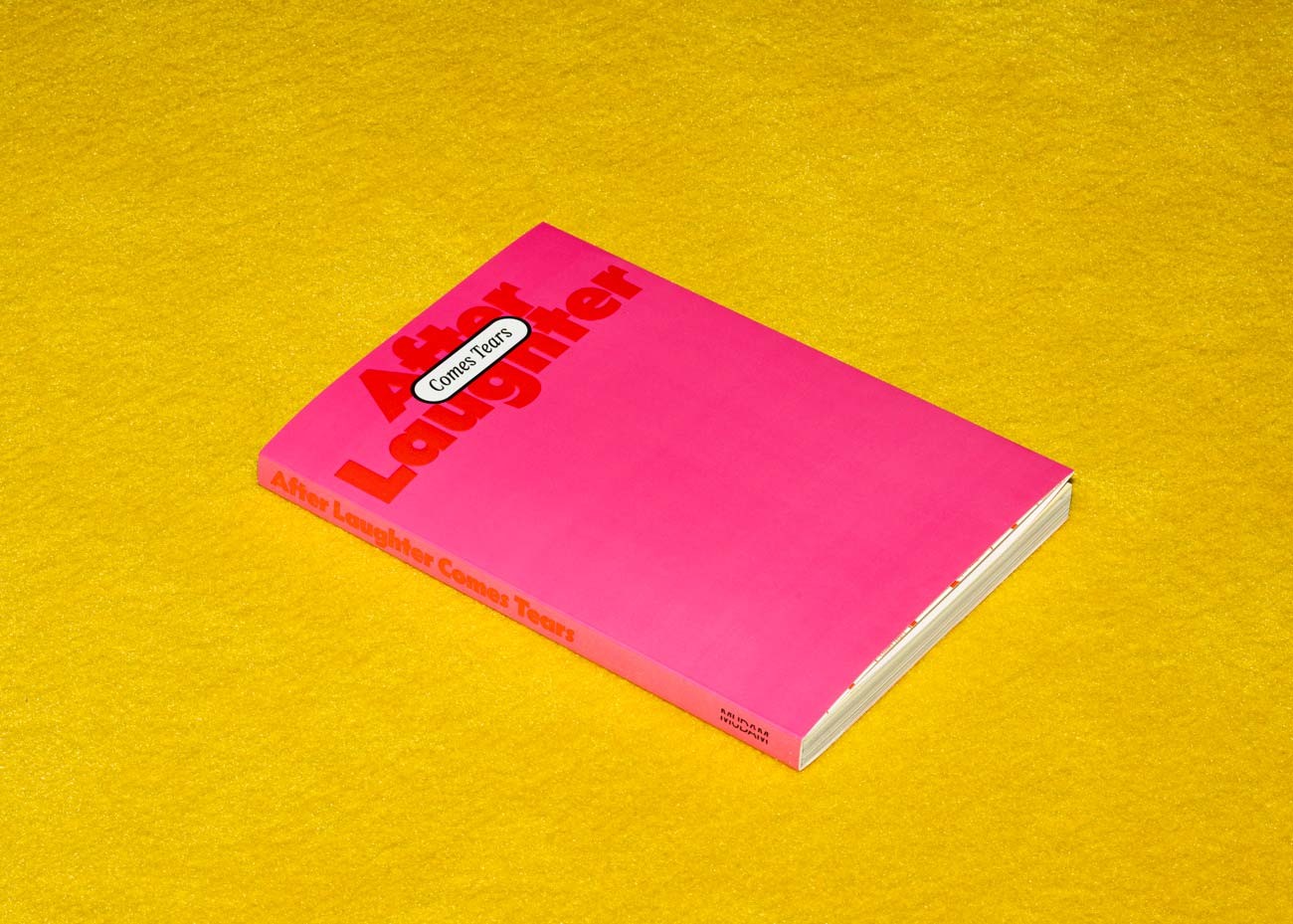
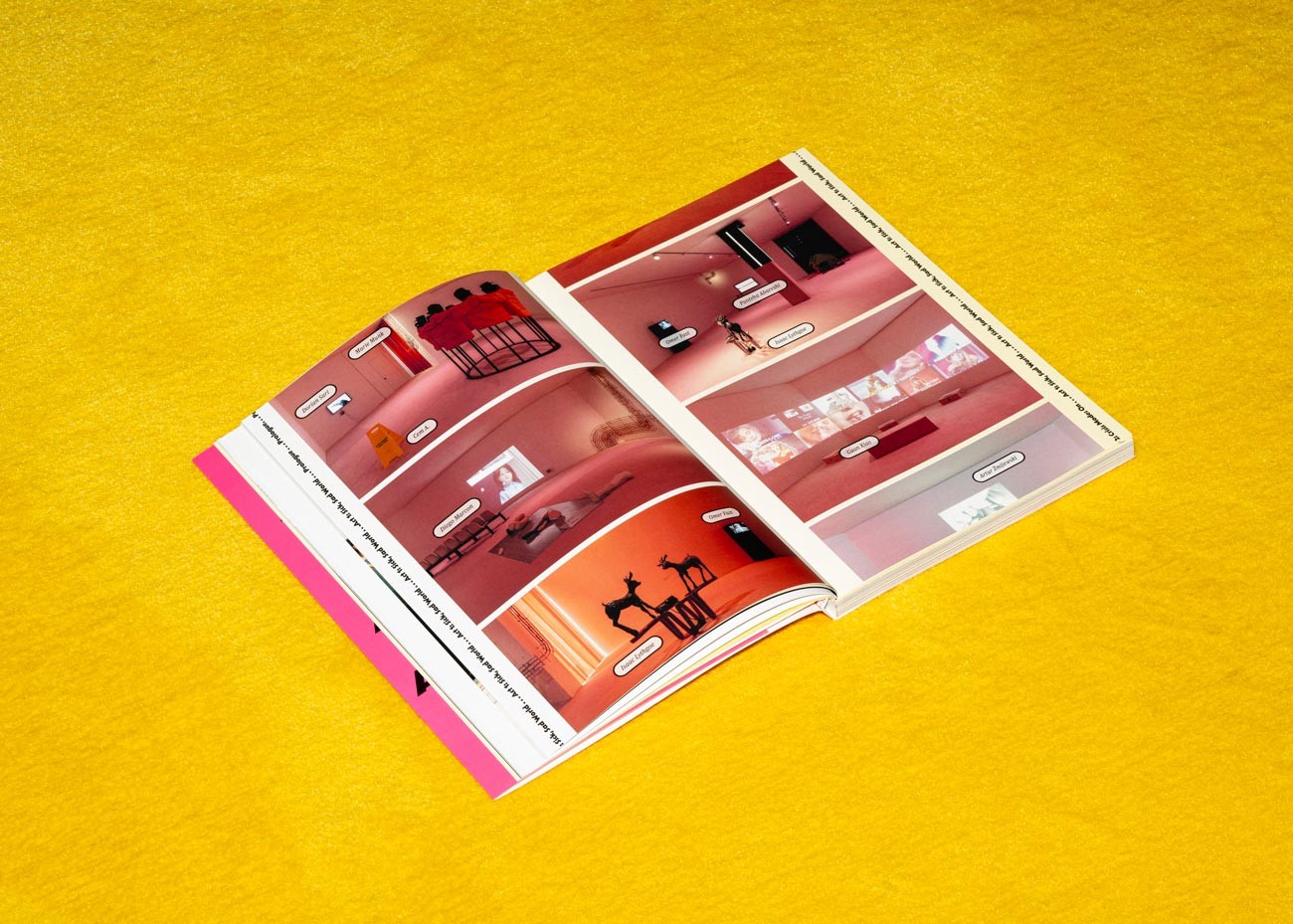
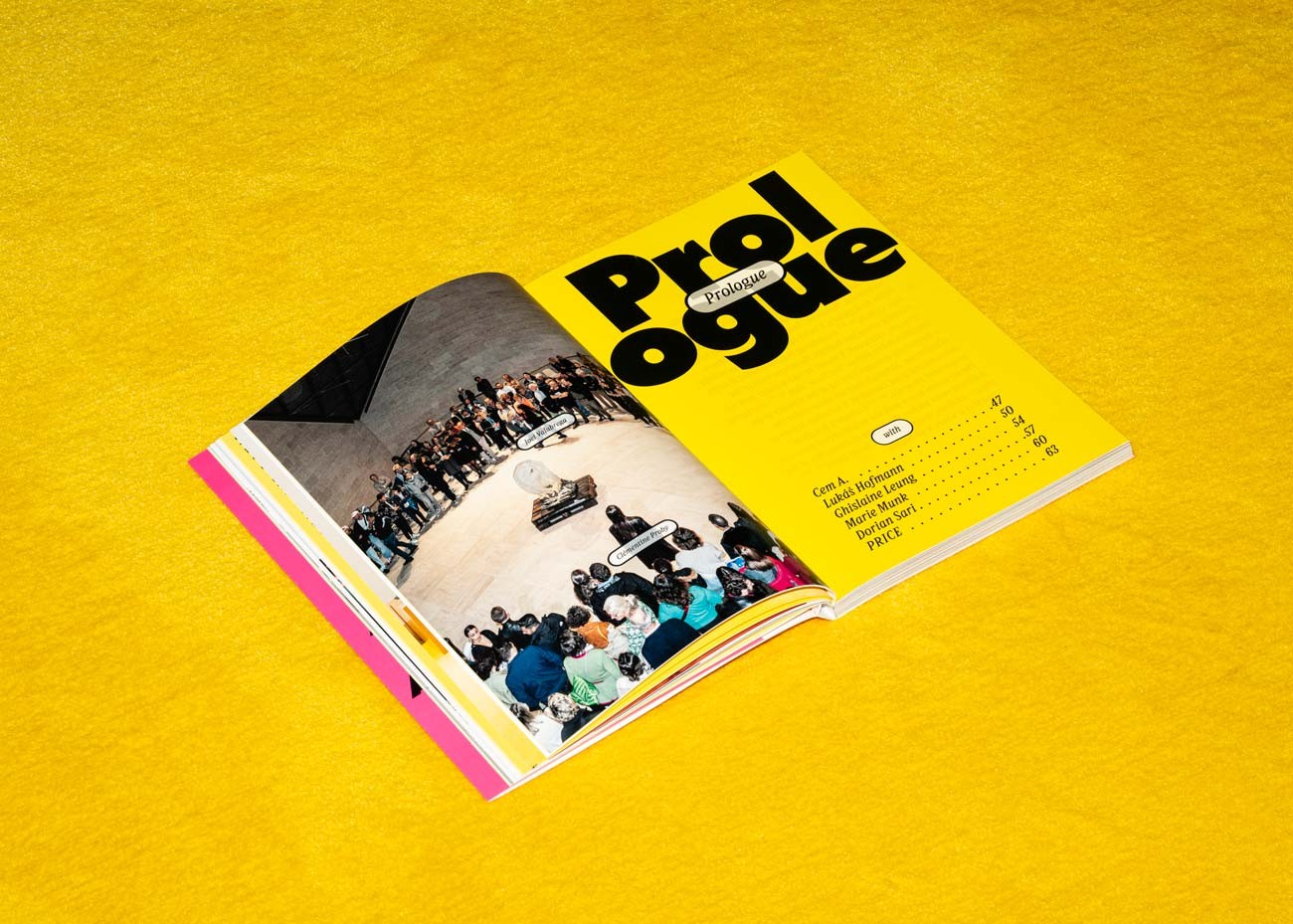
After Laughter Comes Tears, in its exhibition and book forms, brings together artists from different generations who are experimenting with the idea of the performative. This publication follows the structure of the exhibition at Mudam Luxembourg, with a prologue, four acts and an epilogue, which each sample excerpts from the range of theory, fiction and poetry that inspired and substantiate the themes of the exhibition. Widening the spectrum of the traditional catalogue, each artist was given a “carte blanche”—an invitation to contribute to the book on their own terms.
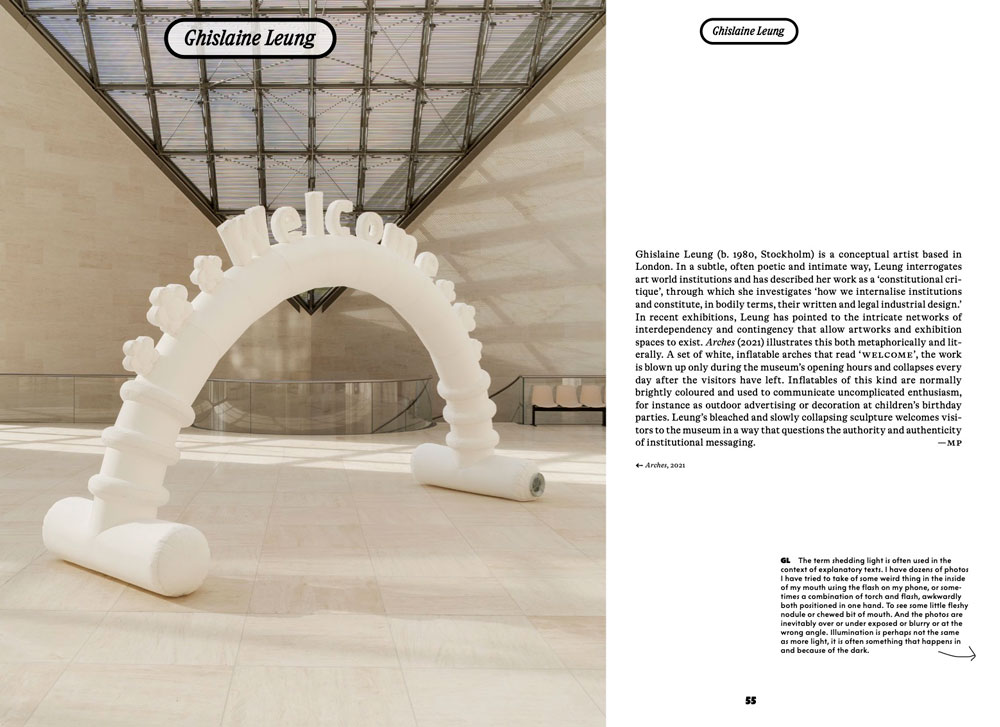
This performative book was conceived as a story; a story of the pains, joys, anxieties and doubts of the 2020s. It takes as a starting point, the feelings of stasis and anger that define the present stage of late capitalism, framed by the anxieties of a generation facing a climate crisis, welfare states trampled and failed by neoliberal policies and the rise of xenophobia around the globe, partly fueled by fake news spreading on- and offline. It is an intuitive journey through the voices of thirty-four artists expressing the lurid shapes of the crises that surround us and form a (never exhaustive) part of our contemporary reality. They are Cem A., Panteha Abareshi, Monira Al Qadiri, Kate Cooper, Pauline Curnier Jardin, Jesse Darling, Stine Deja, Omer Fast, Anna Franceschini, Guan Xiao, Sidsel Meineche Hansen, Lukáš Hofmann, Christian Jankowski, Chris Korda, Ndayé Kouagou, Ghislaine Leung, Isaac Lythgoe, Taus Makhacheva, Diego Marcon, Jacopo Miliani, Marie Munk, Chalisée Naamani, Agnieszka Polska, PRICE, Jean-Charles de Quillacq, Mika Rottenberg, Julika Rudelius, Dorian Sari, Sin Wai Kin, Shinuk Suh, Martine Syms, Mungo Thomson, Cajsa von Zeipel, and Artur Żmijewski.