The first major monograph on artist Jill Mulleady, whose paintings thread motifs of decay, memory, history, and private myth, featuring humans and animals enacting their instinctive psychological reactions to ever-present threats of danger.
The essays in this first-ever monograph dedicated to Swiss artist Jan Vorisek, alongside image portfolios of the exhibitions they explore and an appendix that features photos and documentation of Vorisek’s performances, recordings and ephemera, grant us unprecedented access to the private fictions that the work reveals.
Since the 1990s Costa has been challenging hierarchies of art production and the fetishization of the “finished” artwork, inviting viewers to reconsider what is discarded, both materially and socially. Through over 300 artworks, accompanied by new writing, this catalogue explores Adriano Costa’s work, a meditation on transformation—of objects, meanings, and systems of value.
This richly illustrated book considers the dazzling oeuvre of choreographer and dancer Marlene Monteiro Freitas. In line with her creative methodology, Alexandra Balona unfolds an “atlas of affects” through five emblematic dance pieces that reveal the intensity, humor, and humanity of one of today’s most radical choreographic voices.
Invited to present an exhibition at the Galleria Borghese in Rome, Kenyan-American artist Wangechi Mutu has developed an innovative approach to museum space, challenging hierarchy, permanence, and fixed meanings. With in-depth essays and a rich selection of illustrations, this catalog retraces that exhibition and explores the themes and concerns that have long characterized the artist’s practice.
Invitata a concepire una mostra alla Galleria Borghese, l’artista keniota-americana Wangechi Mutu ha sviluppato un approccio innovativo allo spazio museale, confrontandosi con le gerarchie, la permanenze e le sedimentazioni del contesto. Attraverso saggi approfonditi e una ricca selezione di illustrazioni, questo catalogo ripercorre la mostra ed esplora i temi e le preoccupazioni che da tempo caratterizzano la pratica dell’artista.
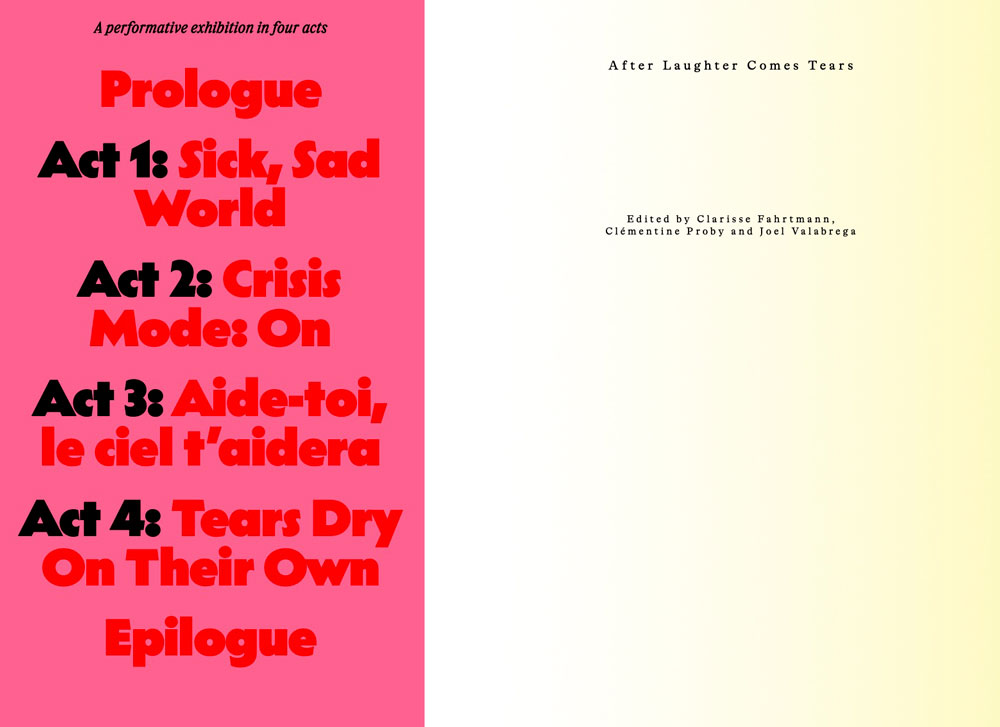
Edited by Clarisse Fahrtmann, Clementine Proby and Joel Valabrega
Foreword by Bettina Steinbrügge
Authors: Kate Cooper, Lukas Hofmann, David McDermott, Markus Pilgram, Agnieszka Polska, Clémentine Proby, Sin Wai Kin, Bettina Steinbrügge, Geraldine Tedder, Joel Valabrega and Lauren Wetmore
Design by Sam de Groot
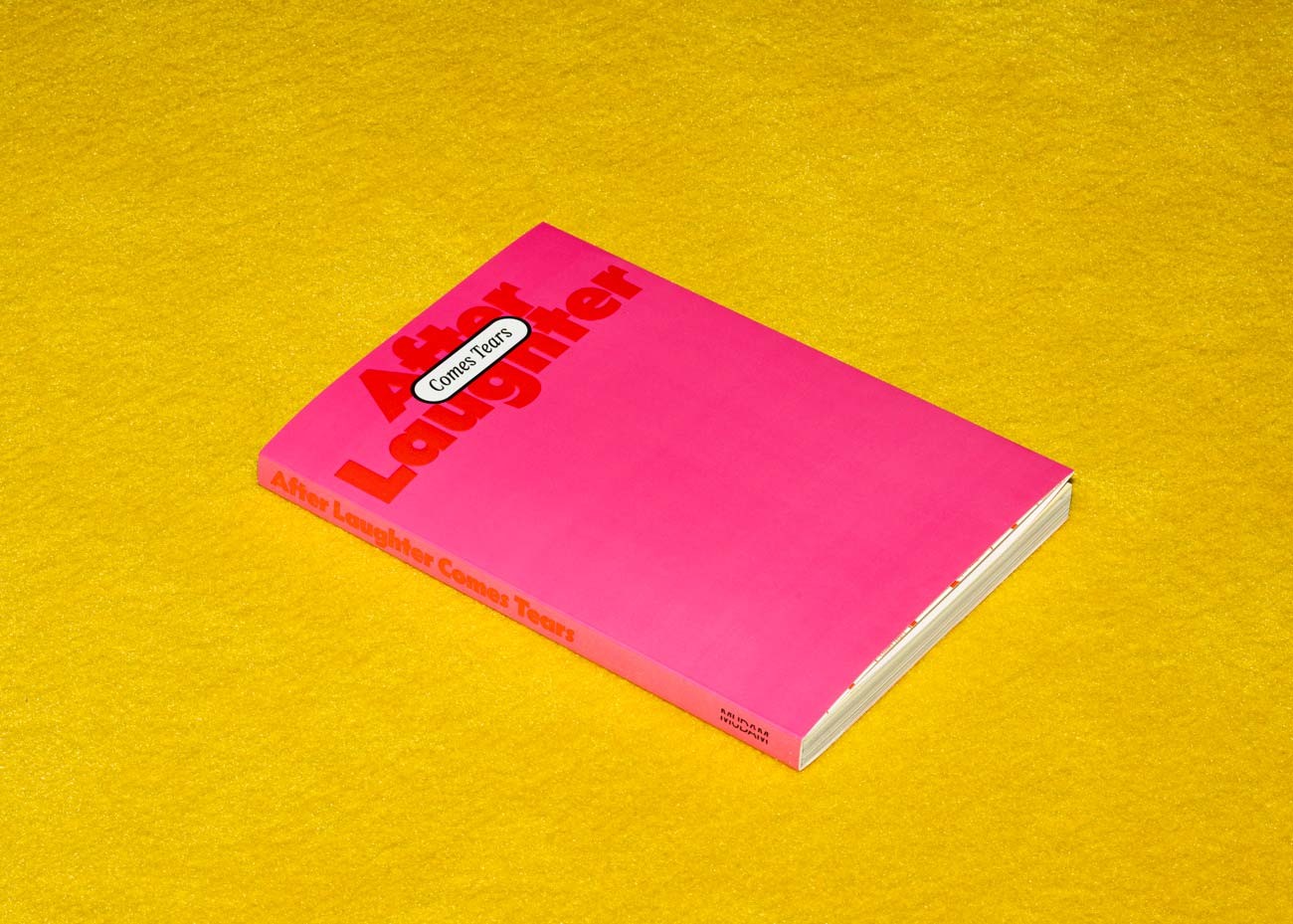
2023, English, softcover, 16.5 x 24 cm, 200 pages
ISBN: 979-12-80579-52-2
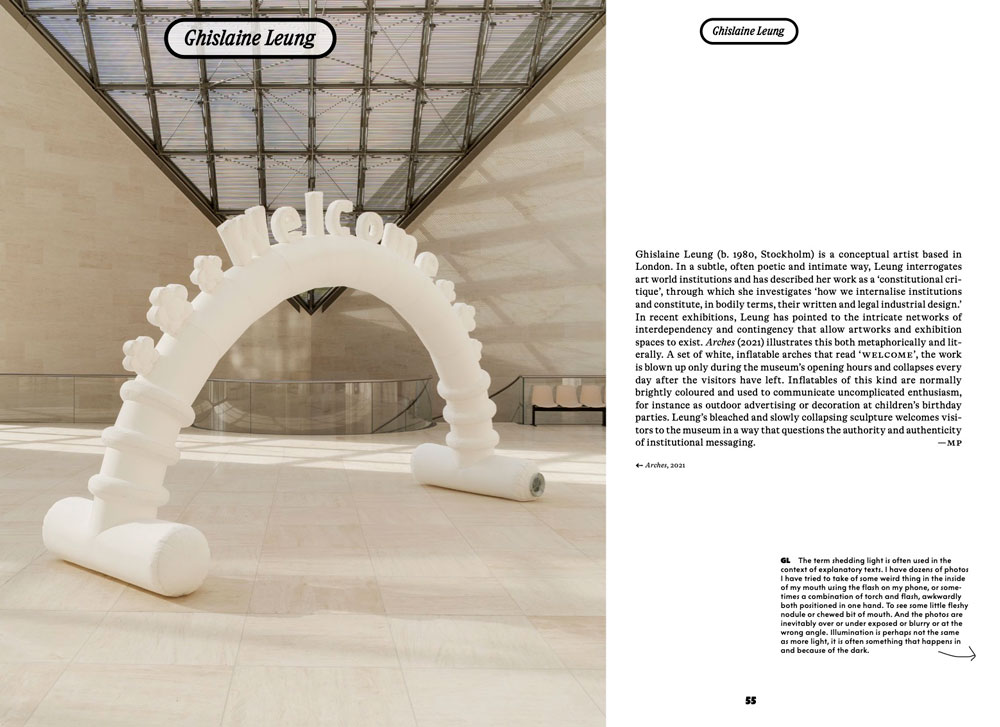
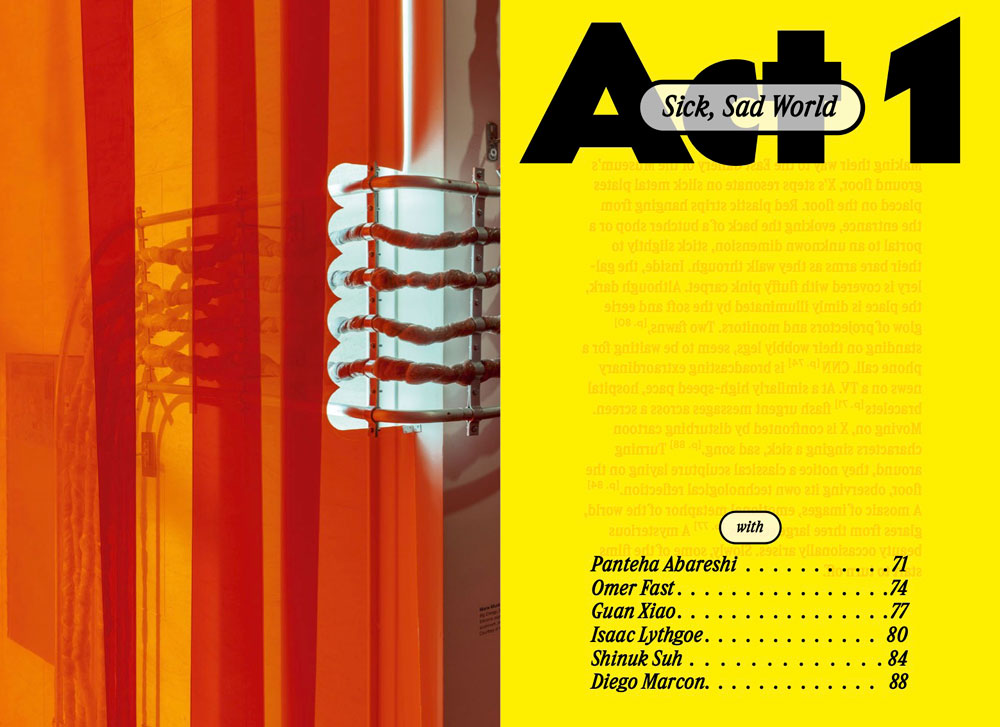
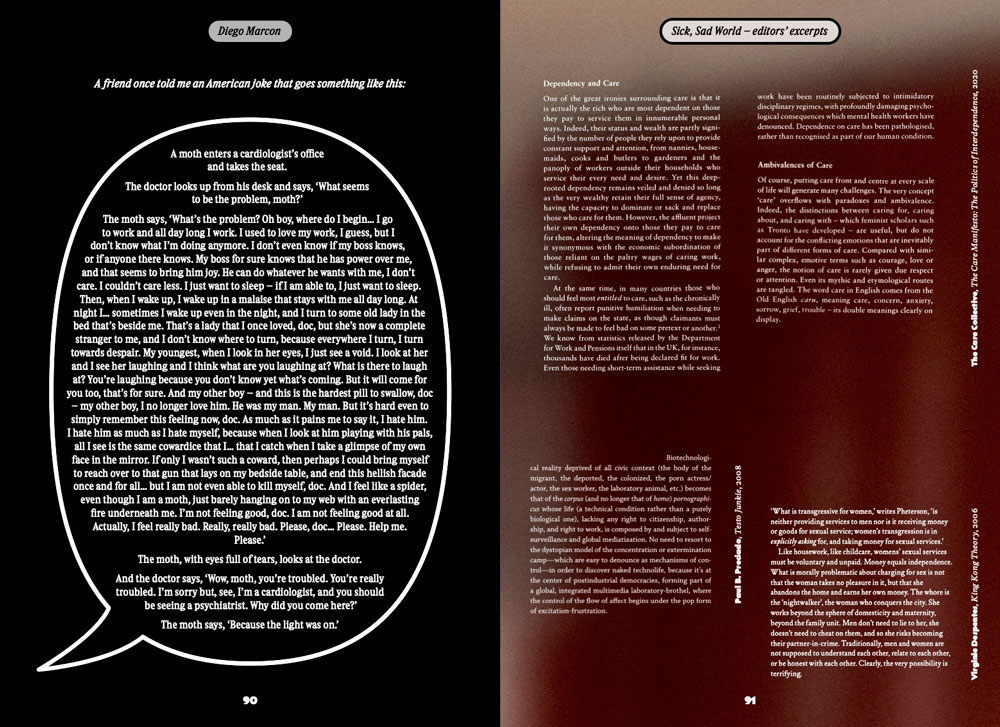
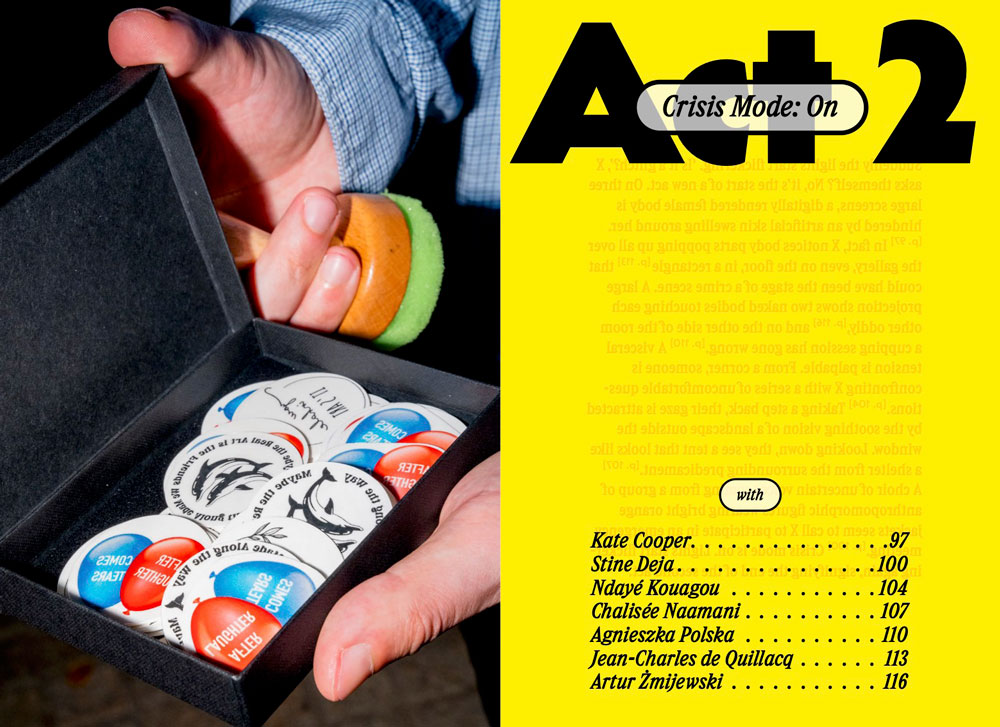
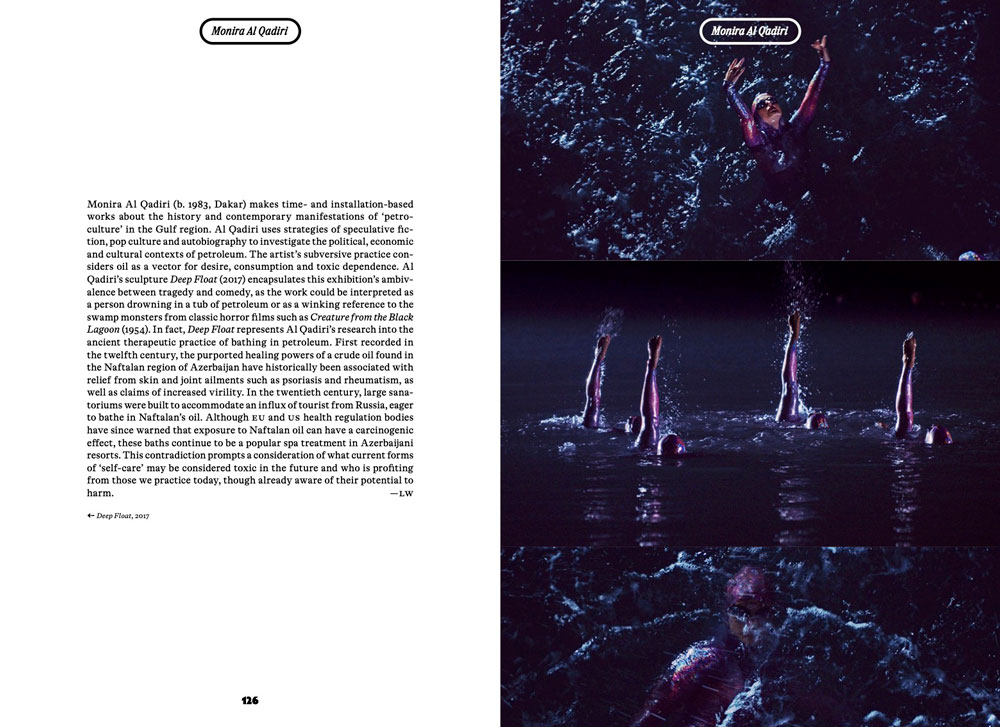
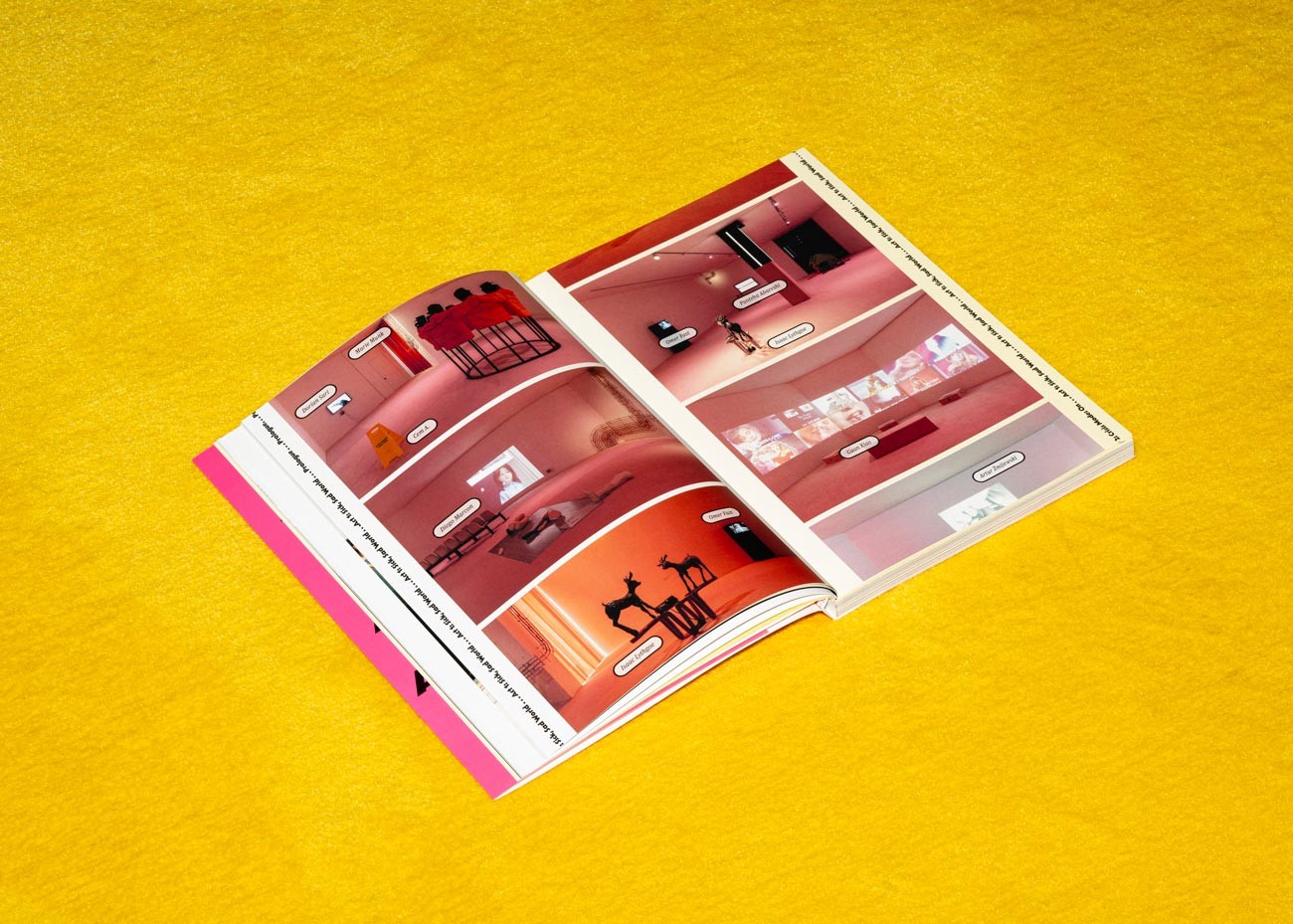
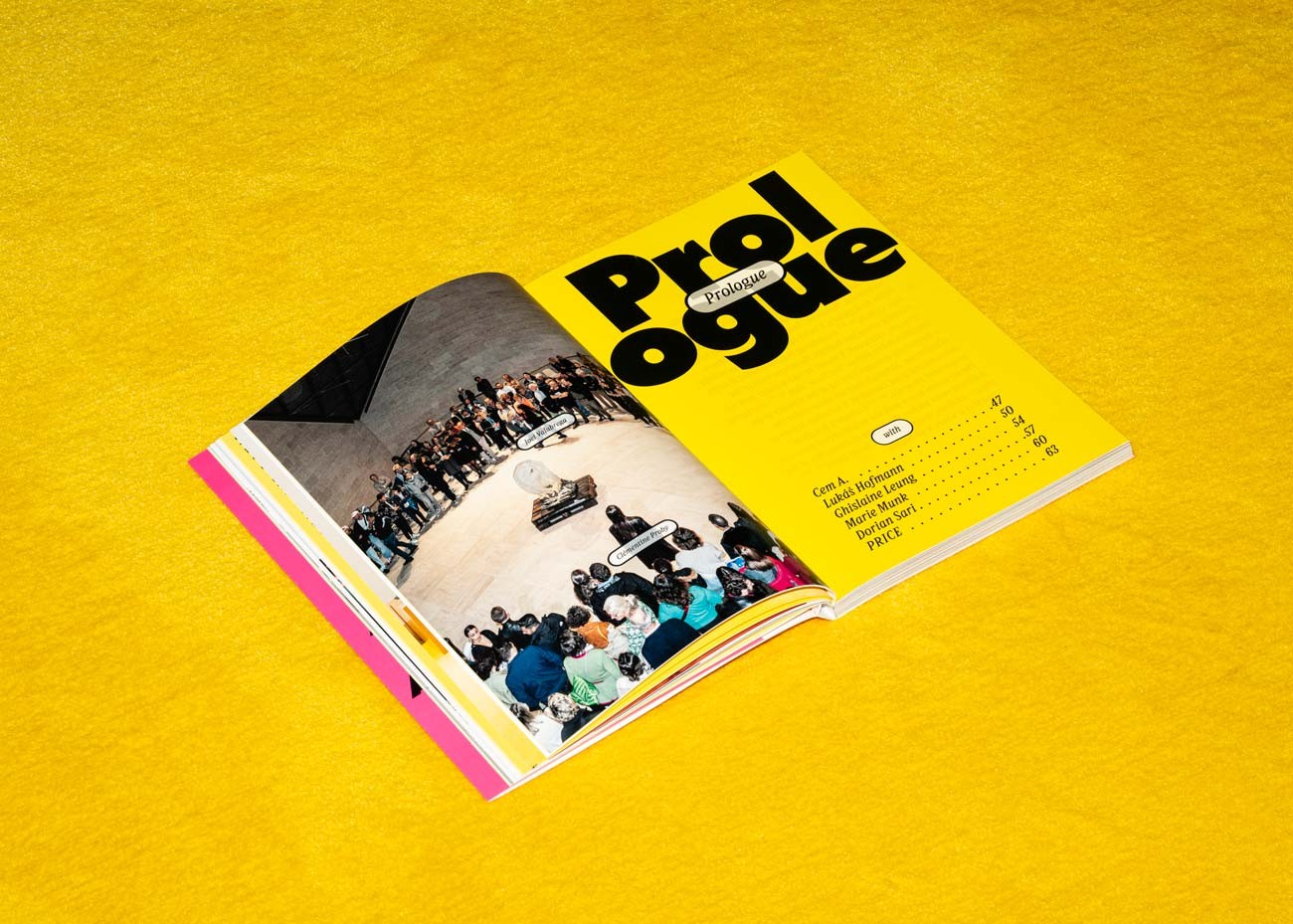
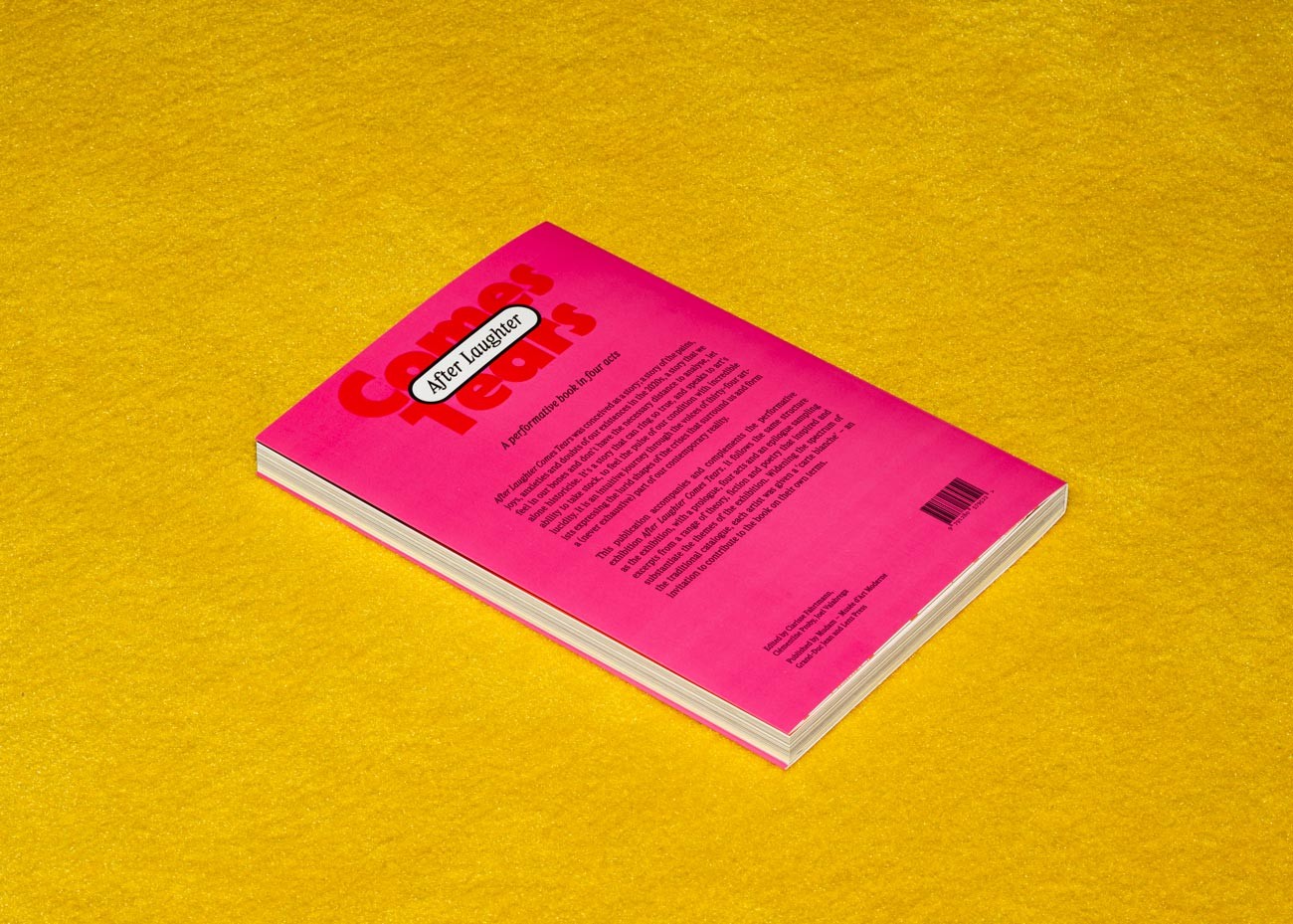
After Laughter Comes Tears, in its exhibition and book forms, brings together artists from different generations who are experimenting with the idea of the performative. This publication follows the structure of the exhibition at Mudam Luxembourg, with a prologue, four acts and an epilogue, which each sample excerpts from the range of theory, fiction and poetry that inspired and substantiate the themes of the exhibition. Widening the spectrum of the traditional catalogue, each artist was given a “carte blanche”—an invitation to contribute to the book on their own terms.
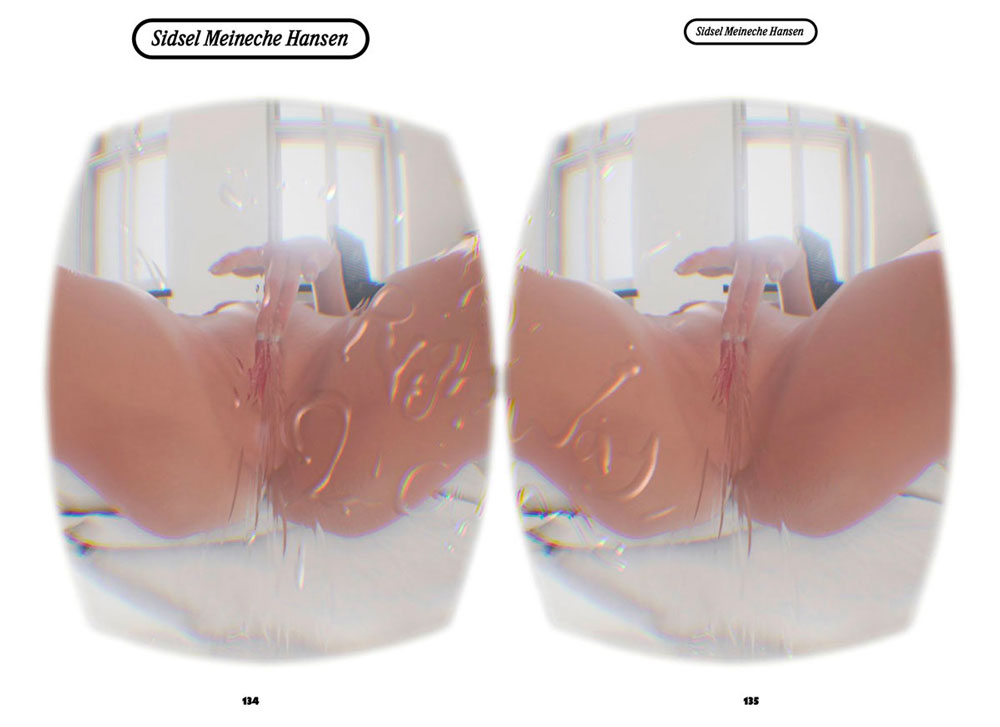
This performative book was conceived as a story; a story of the pains, joys, anxieties and doubts of the 2020s. It takes as a starting point, the feelings of stasis and anger that define the present stage of late capitalism, framed by the anxieties of a generation facing a climate crisis, welfare states trampled and failed by neoliberal policies and the rise of xenophobia around the globe, partly fueled by fake news spreading on- and offline. It is an intuitive journey through the voices of thirty-four artists expressing the lurid shapes of the crises that surround us and form a (never exhaustive) part of our contemporary reality. They are Cem A., Panteha Abareshi, Monira Al Qadiri, Kate Cooper, Pauline Curnier Jardin, Jesse Darling, Stine Deja, Omer Fast, Anna Franceschini, Guan Xiao, Sidsel Meineche Hansen, Lukáš Hofmann, Christian Jankowski, Chris Korda, Ndayé Kouagou, Ghislaine Leung, Isaac Lythgoe, Taus Makhacheva, Diego Marcon, Jacopo Miliani, Marie Munk, Chalisée Naamani, Agnieszka Polska, PRICE, Jean-Charles de Quillacq, Mika Rottenberg, Julika Rudelius, Dorian Sari, Sin Wai Kin, Shinuk Suh, Martine Syms, Mungo Thomson, Cajsa von Zeipel, and Artur Żmijewski.