For years now, the Die Vier von der Tankstelle (Four from the Gas Station) have been roaming across an area stretching out to the south of the Baltic Sea. They prowl their way through sparsely populated areas, wantonly terrorizing the inhabitants. The 2026 calendar by Jos de Gruyter and Harald Thys bears witness to their presence.
The first monograph dedicated to Lorenza Longhi, published with the Kunst Museum Winterthur, adopts a format associated with prototypes, manuals, or working documents. Its irregularities reflect Longhi’s ongoing examination of value, functionality, and the aesthetics of the everyday.
This publication is an extensive monograph devoted to the work of Carlos Bunga, published in conjunction with his eponymous show at CAM – Gulbenkian. In addition to a number of essays, which offer an in-depth look at his multifaceted practice, the book contains previously unpublished photos that reveal his working process.
The paintings and drawings by Jake Grewal draw the viewer in through stillness and ambiguity: they invite reflection on how we inhabit places—physically and emotionally—and how our inner landscapes mirror the physical world. This is the Grewal’s first book, published to accompany the artist’s exhibition at Studio Voltaire.
The transformation of the notion of monuments and the way cultural institutions choose to deal with it find in Maurizio Cattelan an interpreter capable of manipulating historical memory and shared symbols, to the point of turning them into a terrain of doubt and play. Lisa Parola and Lorenzo Giusti investigate the potential of contemporary art within the public sphere.
This is a visual archive of 12 years of developing, designing and exhibiting the House of One, a multireligious sacred space in the heart of Berlin. The architecture, conceived by Kuehn Malvezzi, has been displayed at various venues while being developed in close collaboration with three local religious communities in Berlin since 2012.
Edited by Andrea Bellini and Nora N. Khan
Texts by Basel Abbas & Ruanne Abou-Rahme, Andrea Bellini, Danielle Brathwaite-Shirley, Giacomo Castagnola, Sheila Chiamaka Chukwulozie, Cairo Clarke, Tamar Clarke-Brown, Hajra Haider Karrar, Aziz Hazara, Nasrin Himada, Interspecifics, Will Jennings, Nora N. Khan, Michael Kurtz, Lauren Lee McCarthy, Luc Meier, Margarida Mendes, Harlan Levey, Shuang Li, Alessandro Rabottini, Sahej Rahal, Francesca Recchia, Elvia Wilk
Designed by Lorenzo Mason Studio
2026, English, softcover, 24 x 29 cm, 272 pages
ISBN 979-12-80579-87-4
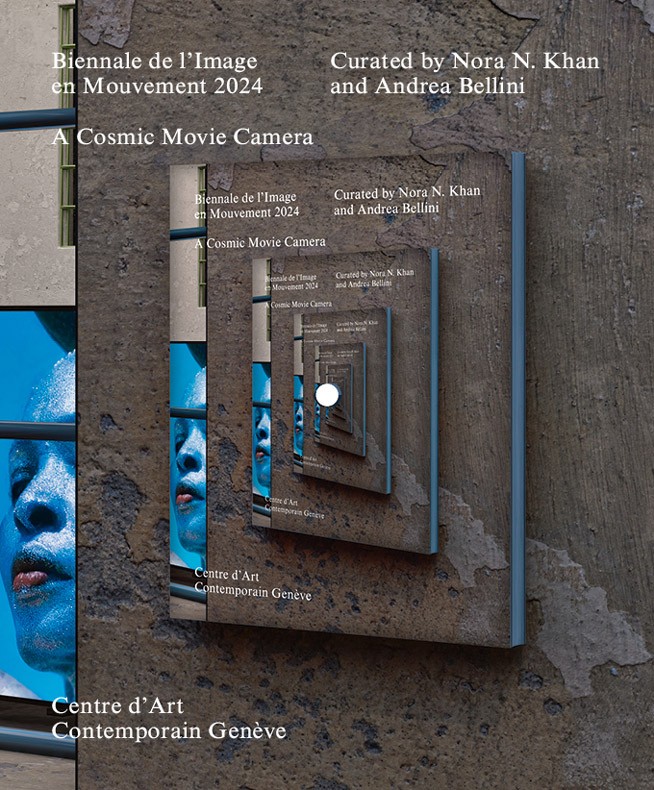
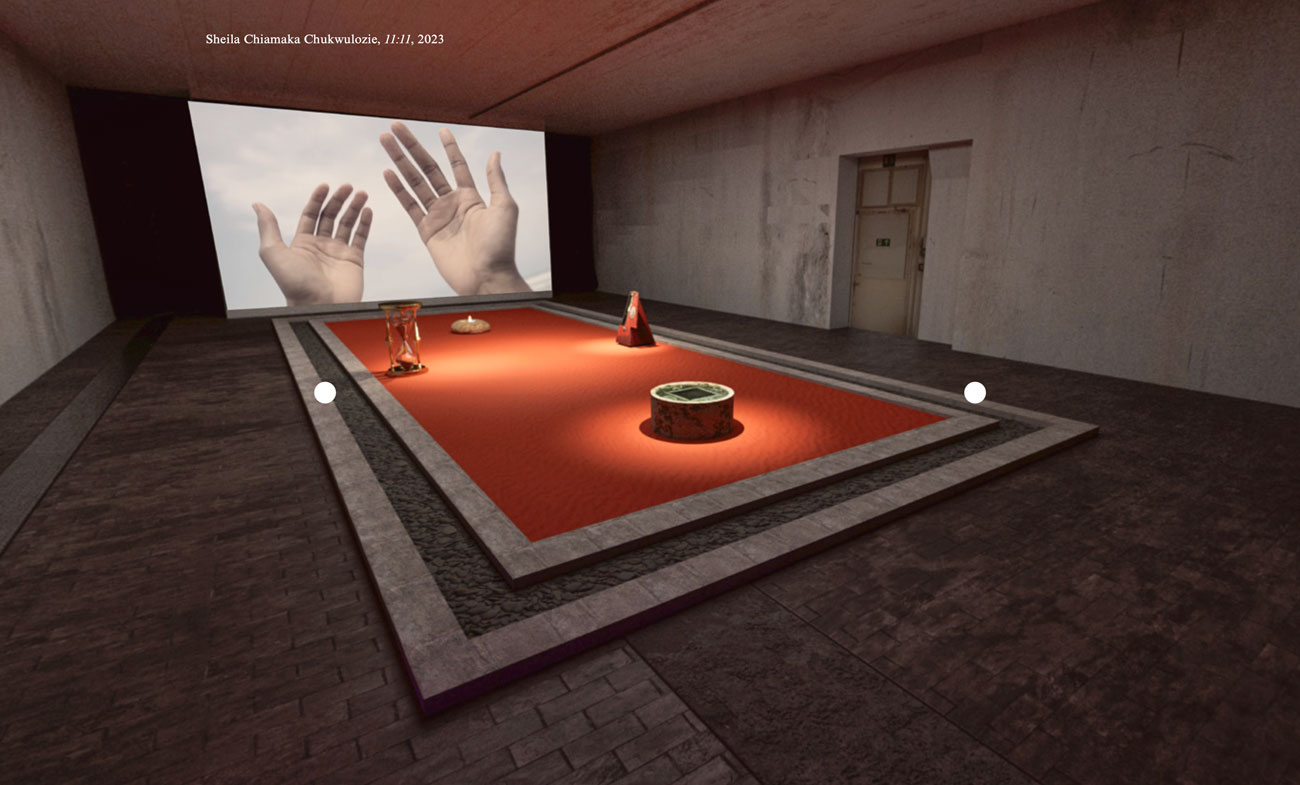
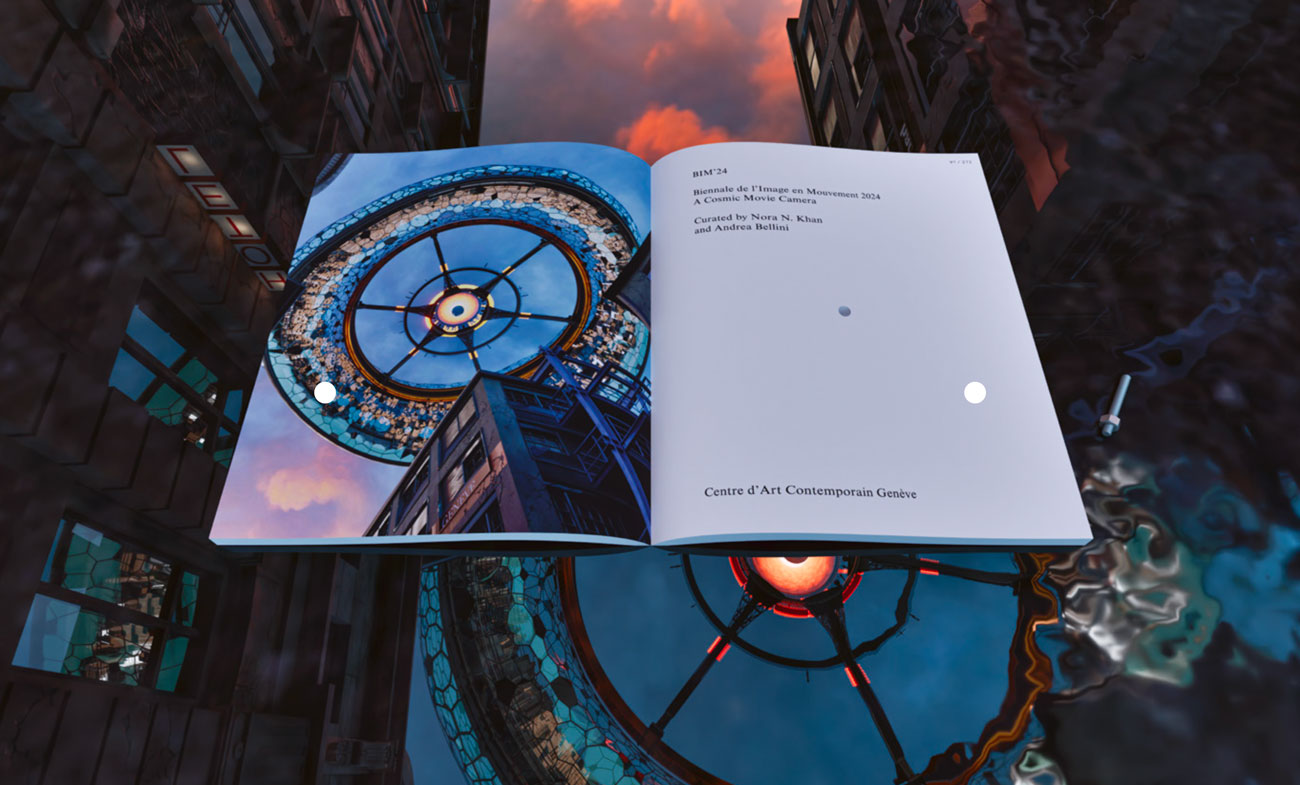
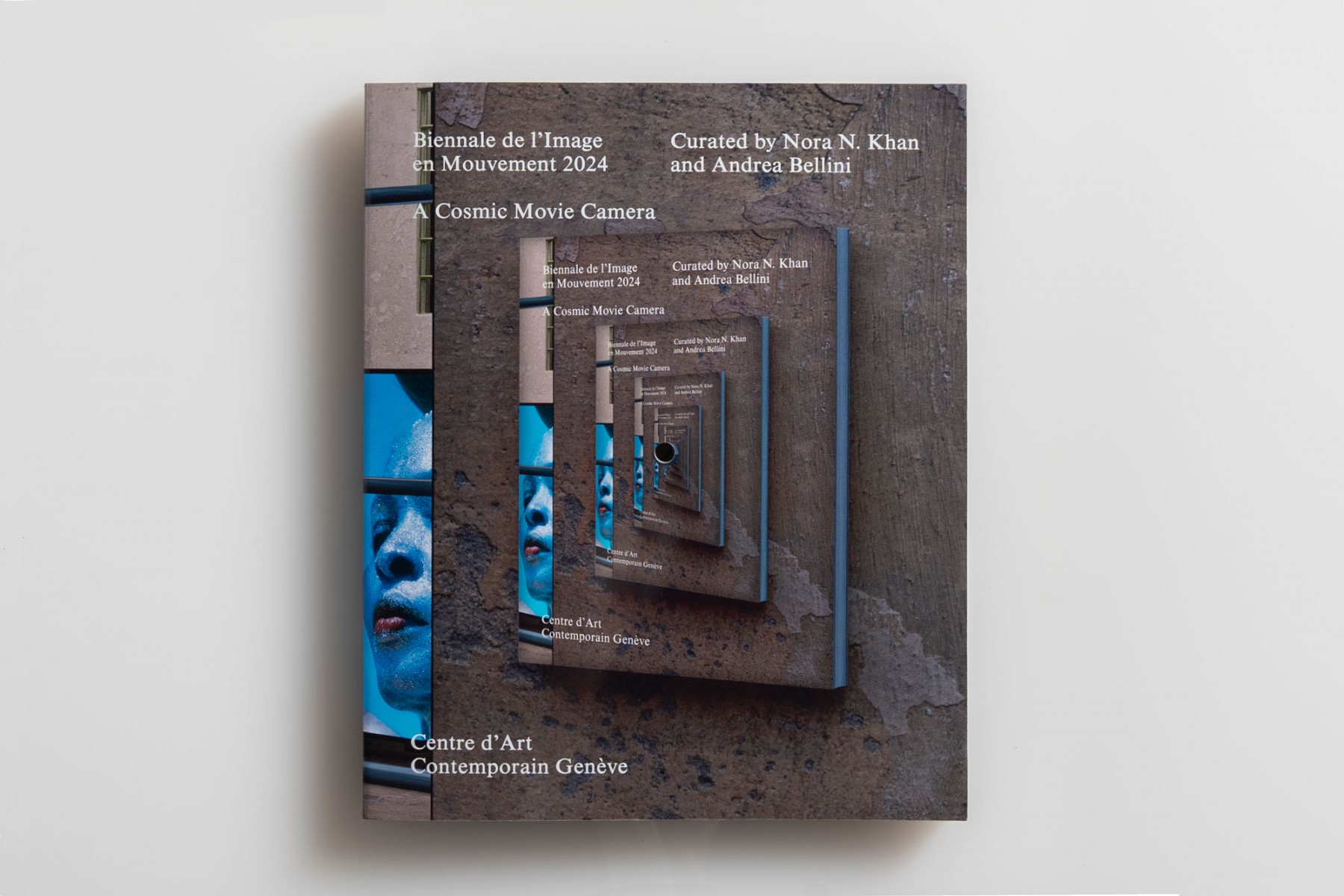
Curated by Nora N. Khan and Andrea Bellini, the 18th edition of the Biennale de l’Image en Mouvement 2024 (BIM’24), produced and hosted by the Centre d’Art Contemporain Genève from January 24 to May 16, 2024, is titled A Cosmic Movie Camera. This title draws inspiration from the discovery by astrophysicists of a ring of photons around a black hole, which potentially represents the visible medium through which humanity could deepen its understanding of the interior of black holes—the epitome of the unknown.
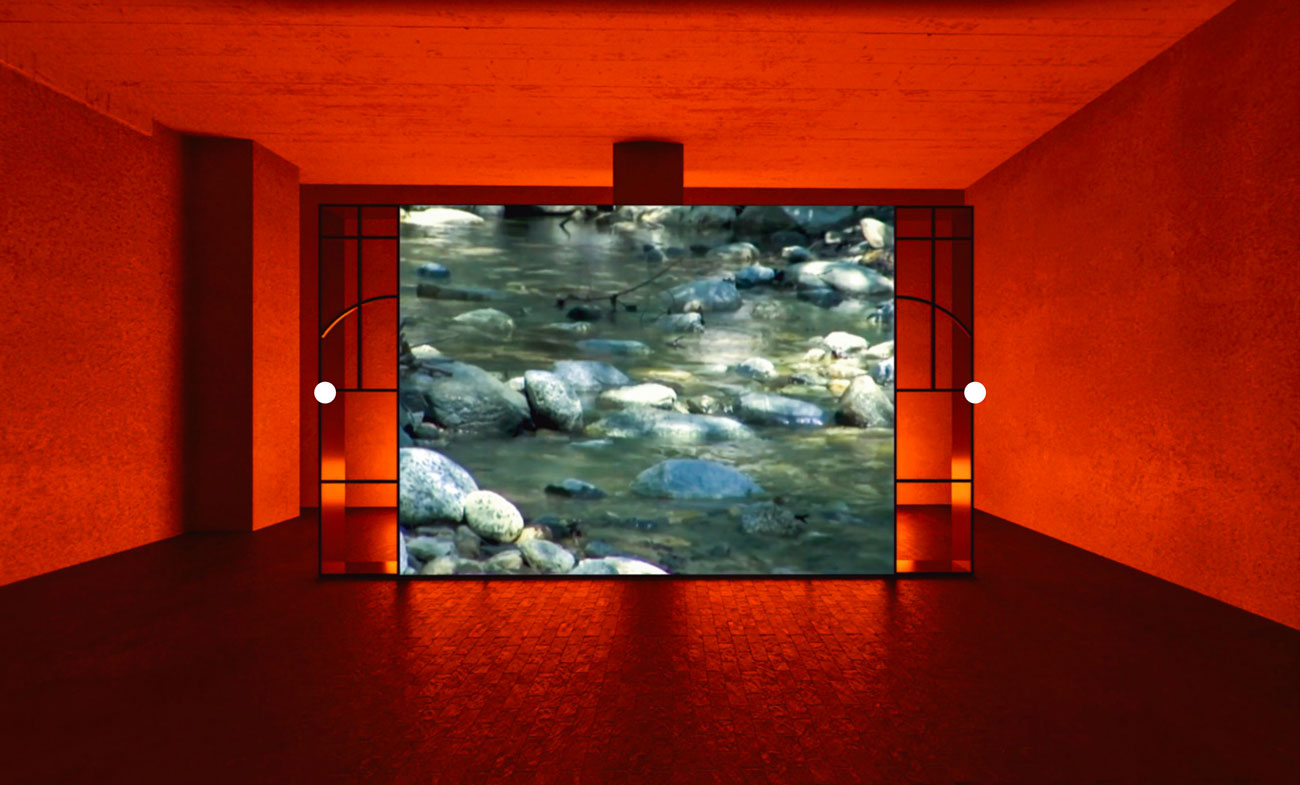
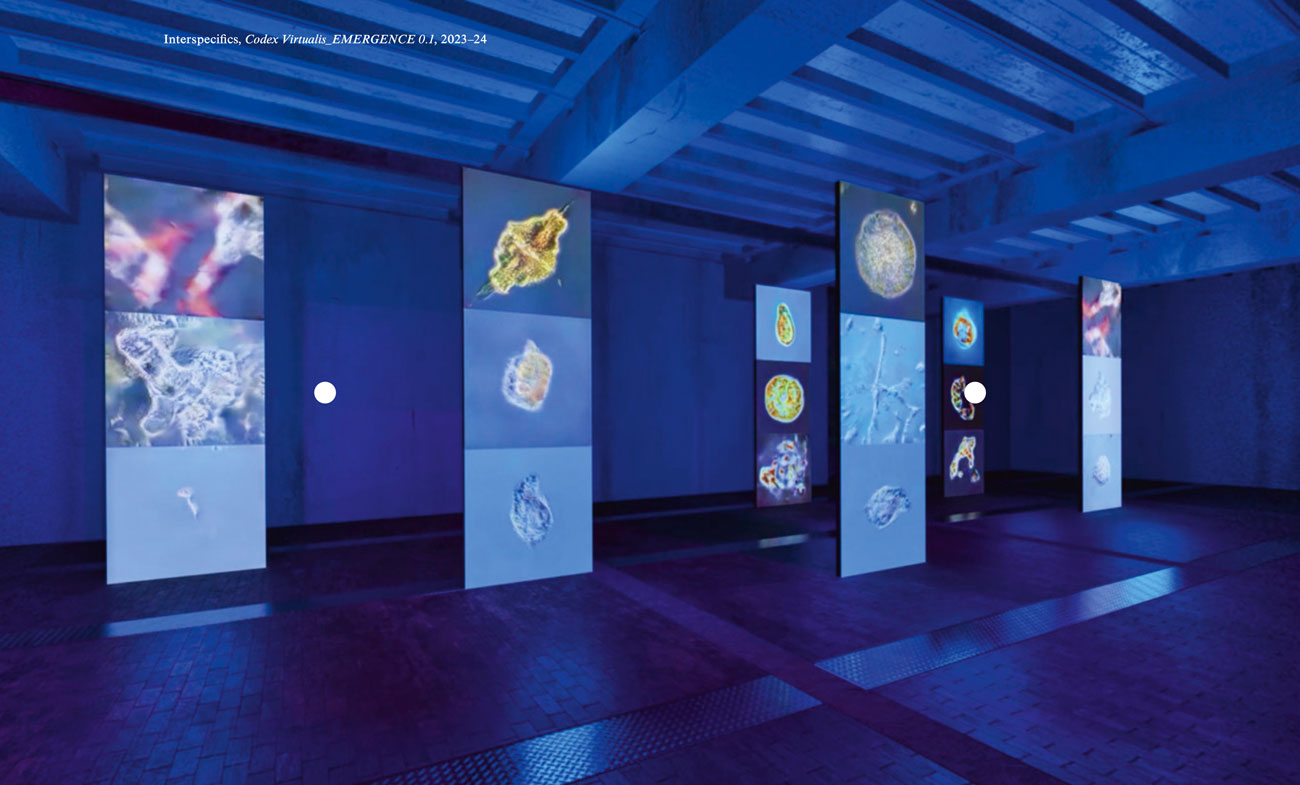
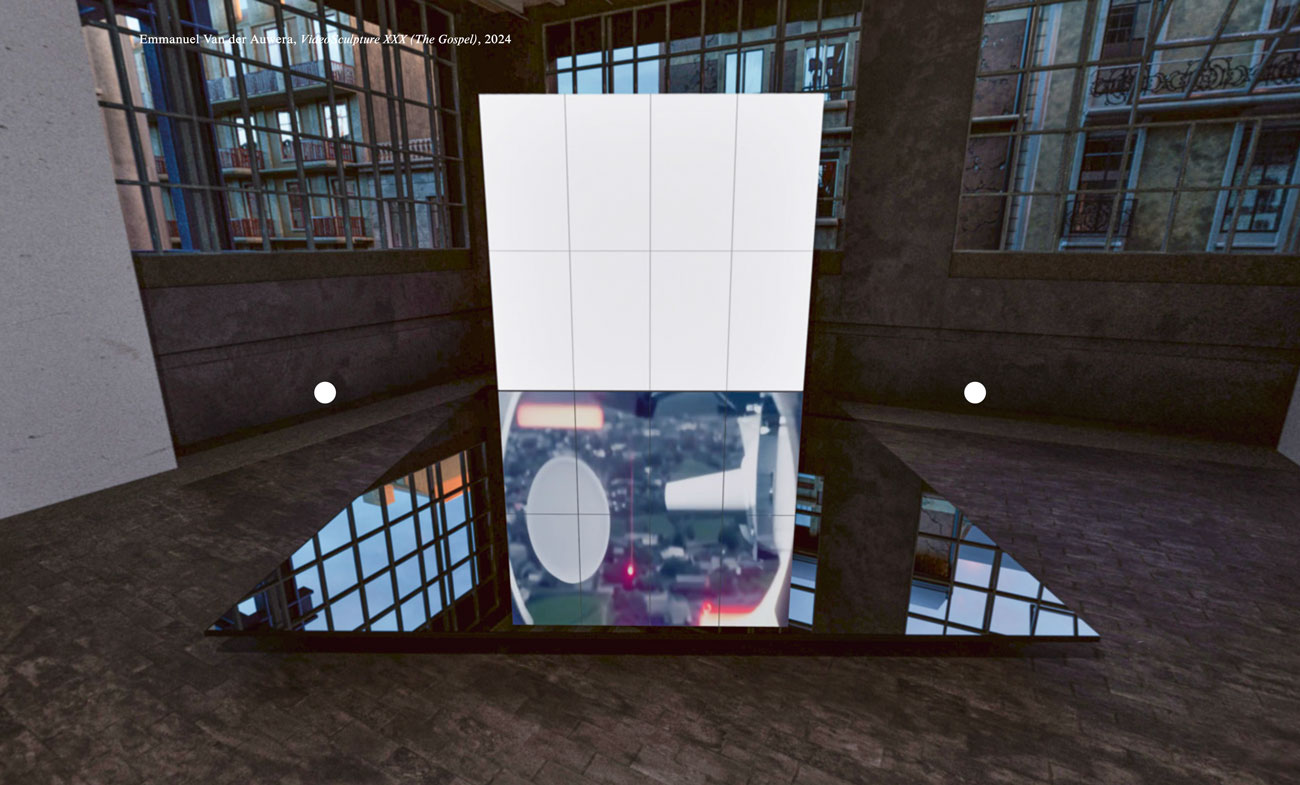
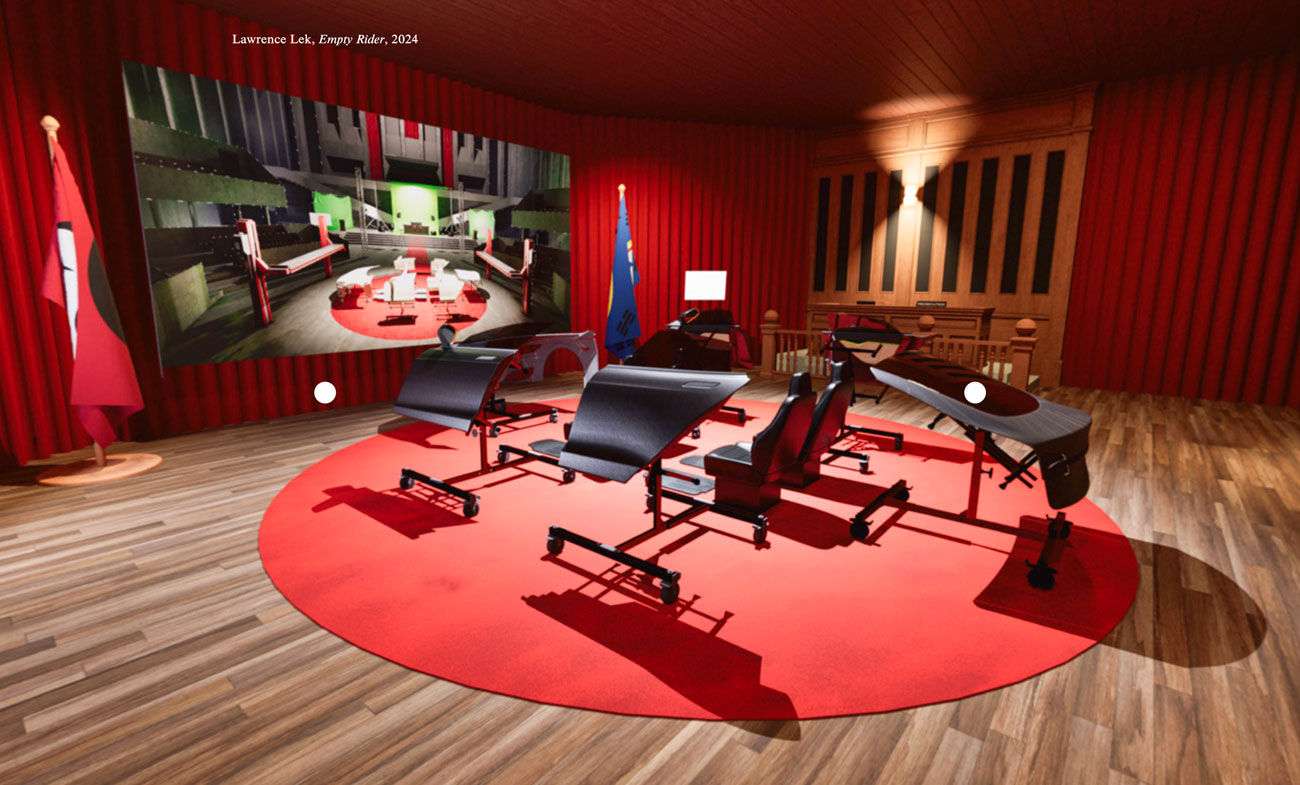
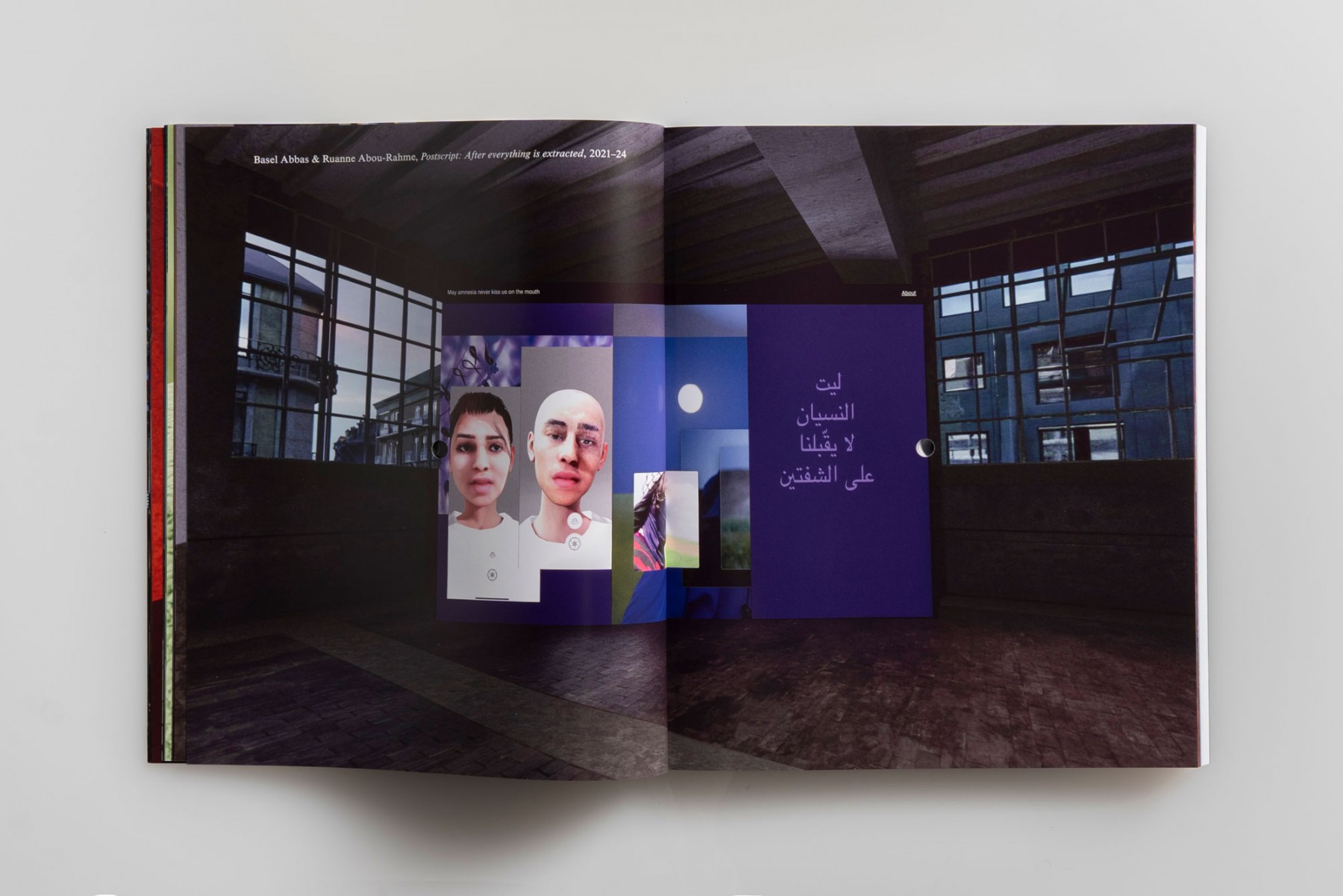
The exhibition presented works, specifically commissioned for the occasion, by Basel Abbas & Ruanne Abou-Rahme, alfatih, American Artist, Danielle Brathwaite-Shirley, Sheila Chiamaka Chukwulozie, Formafantasma, Aziz Hazara, Interspecifics, Lawrence Lek, Shuang Li, Diego Marcon, Lauren Lee McCarthy, Sahej Rahal, Jenna Sutela, Emmanuel Van der Auwera, and an exhibition display conceived by Giacomo Castagnola. The works on show explore the concepts of the invisible and the unknown, as expressed through aesthetics, the use of technology, and a wide variety of sensibilities.
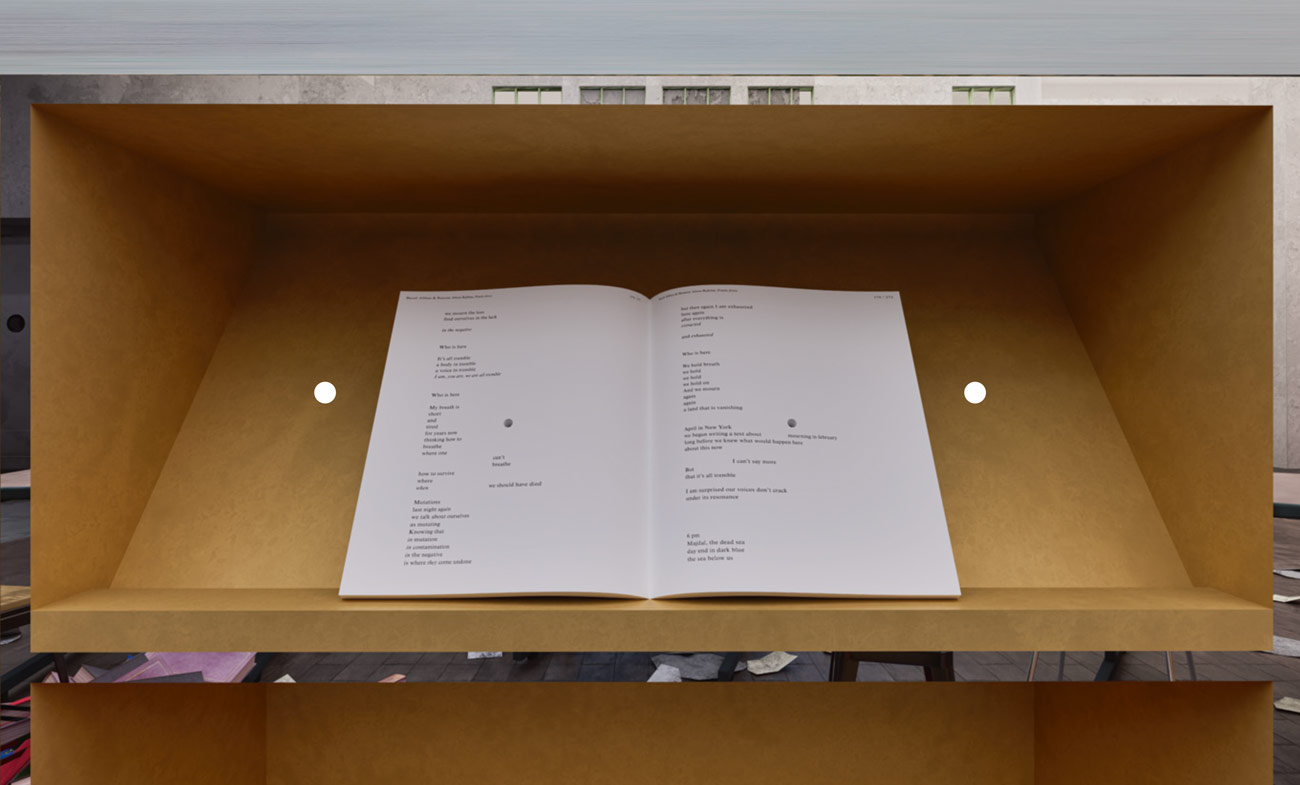
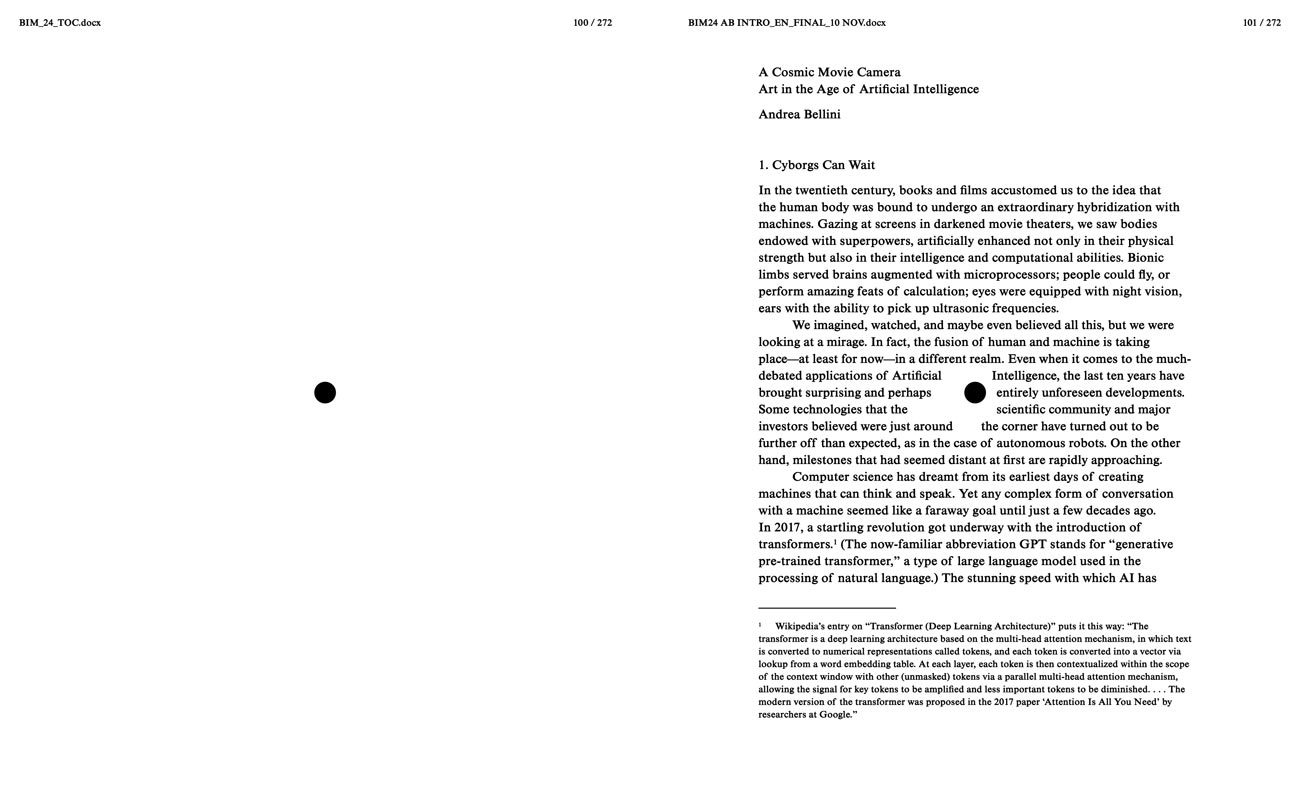
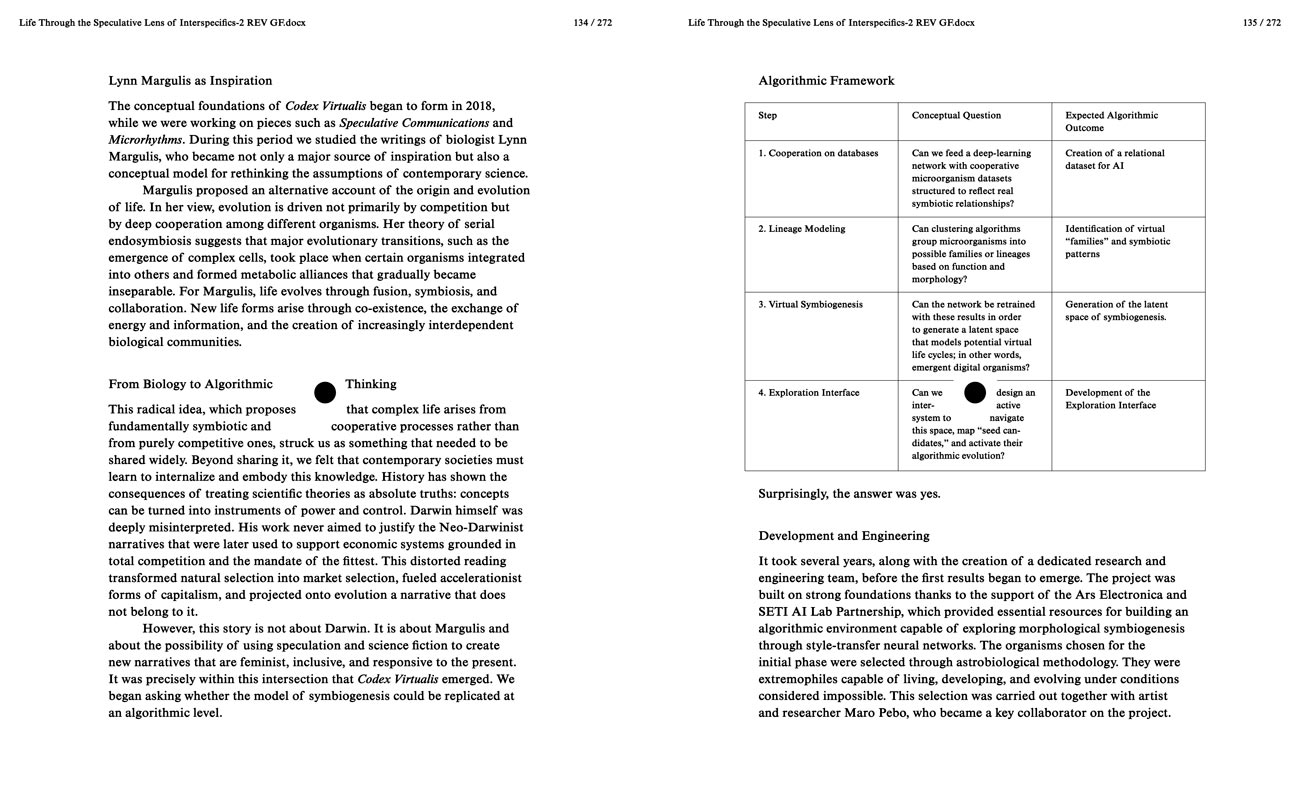
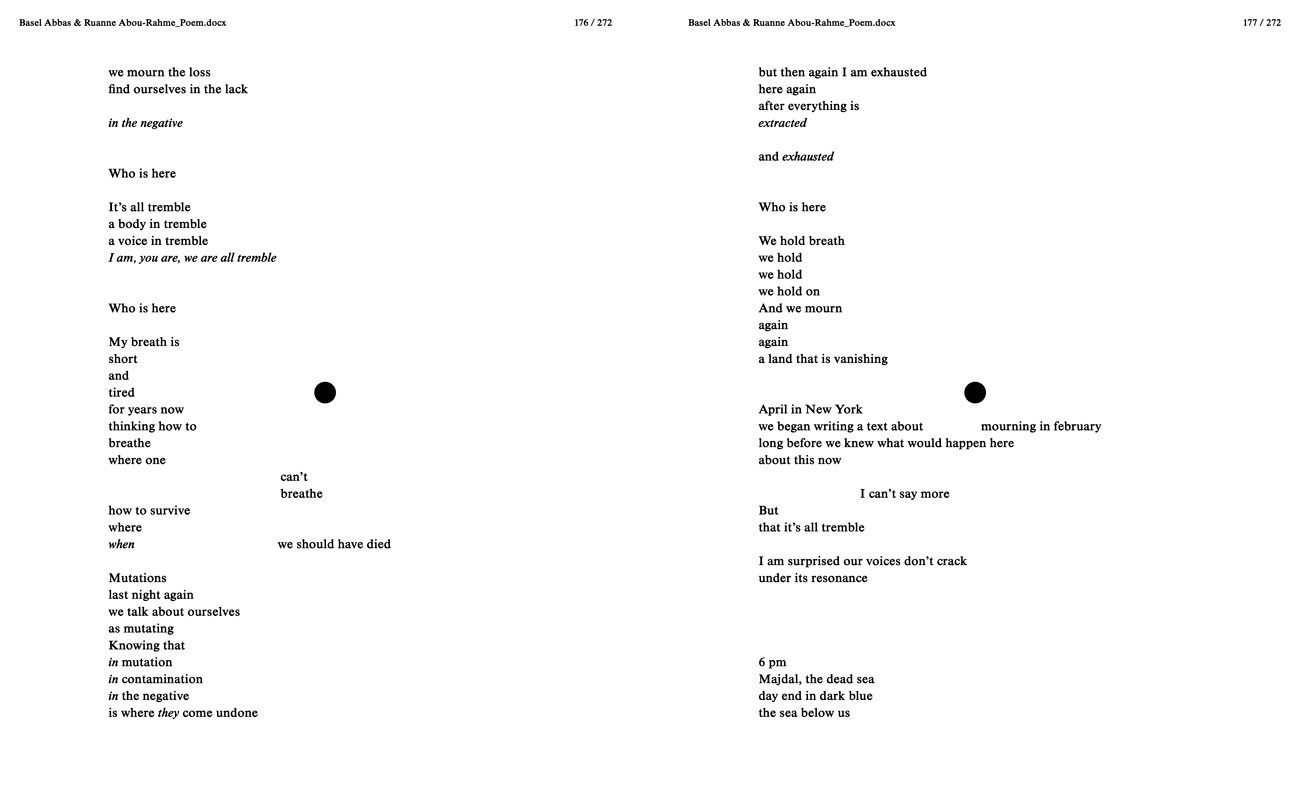
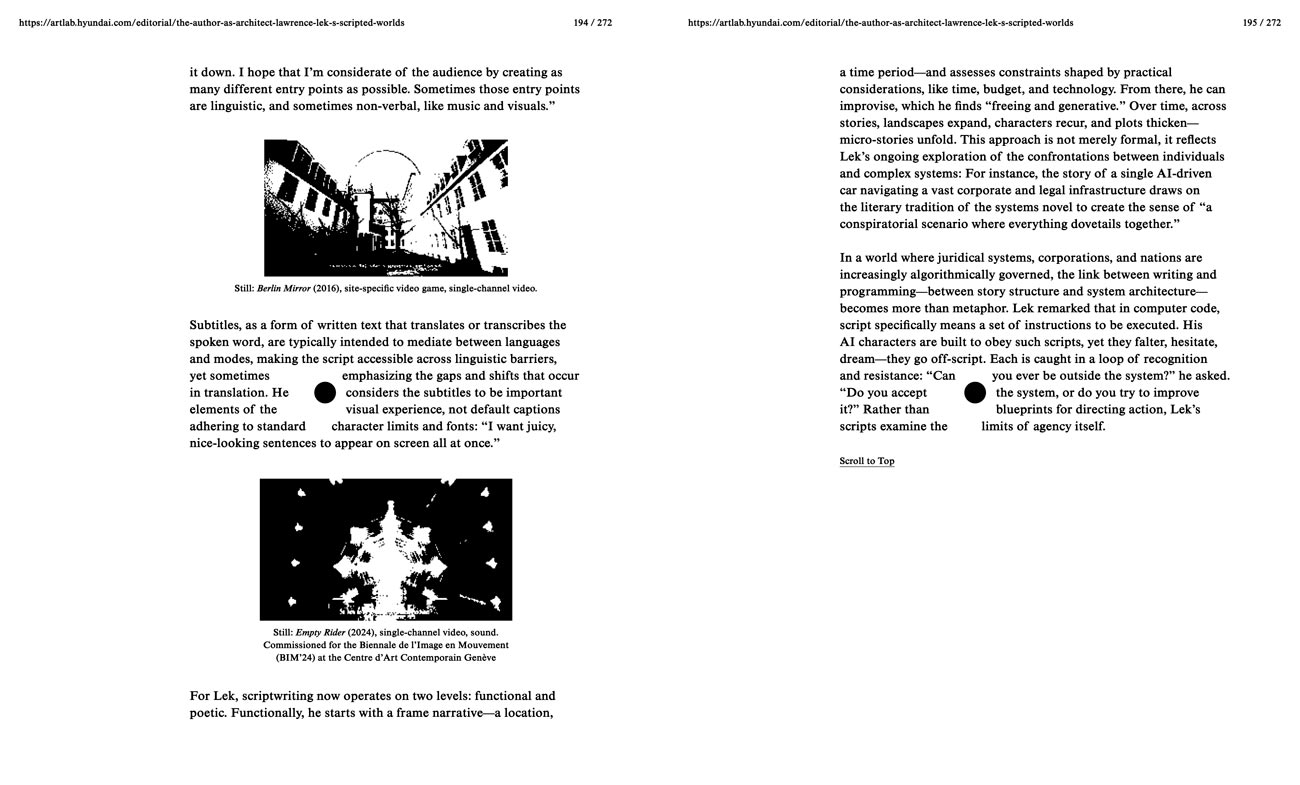
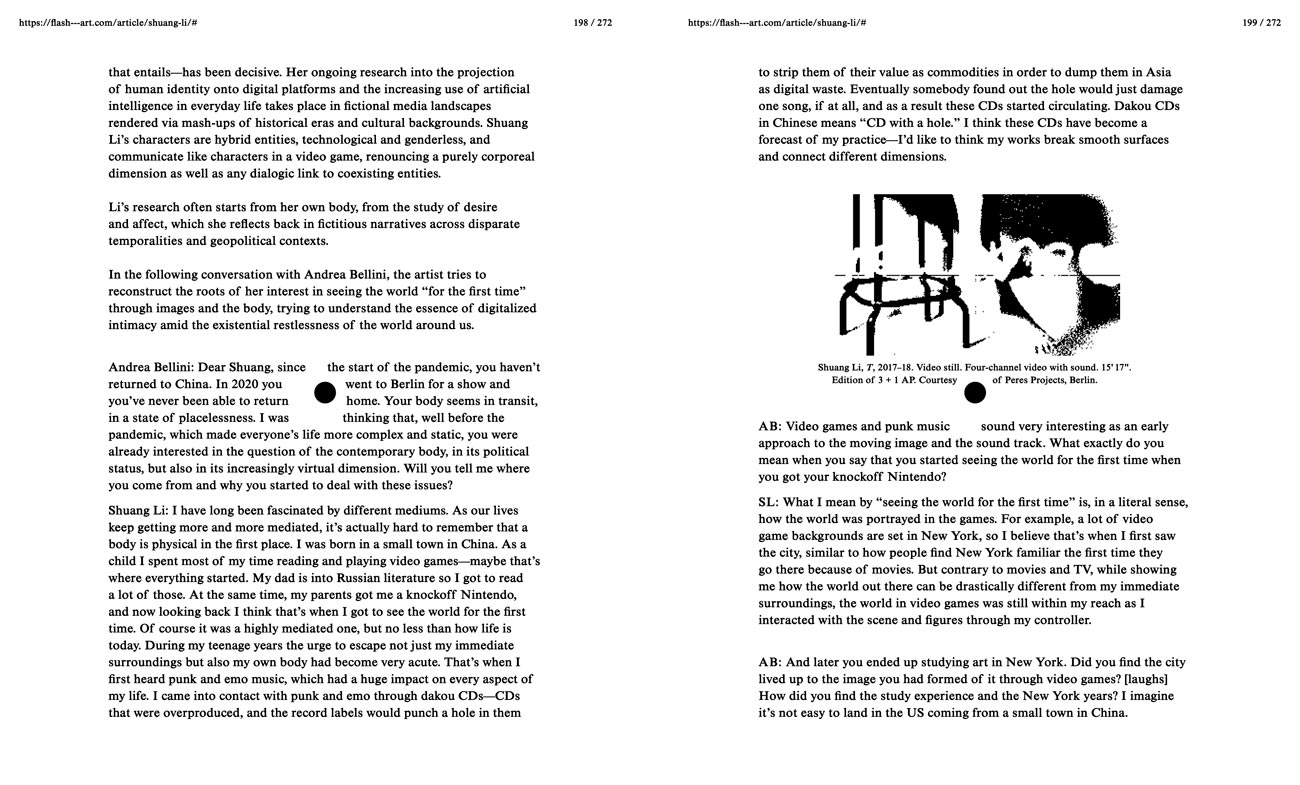
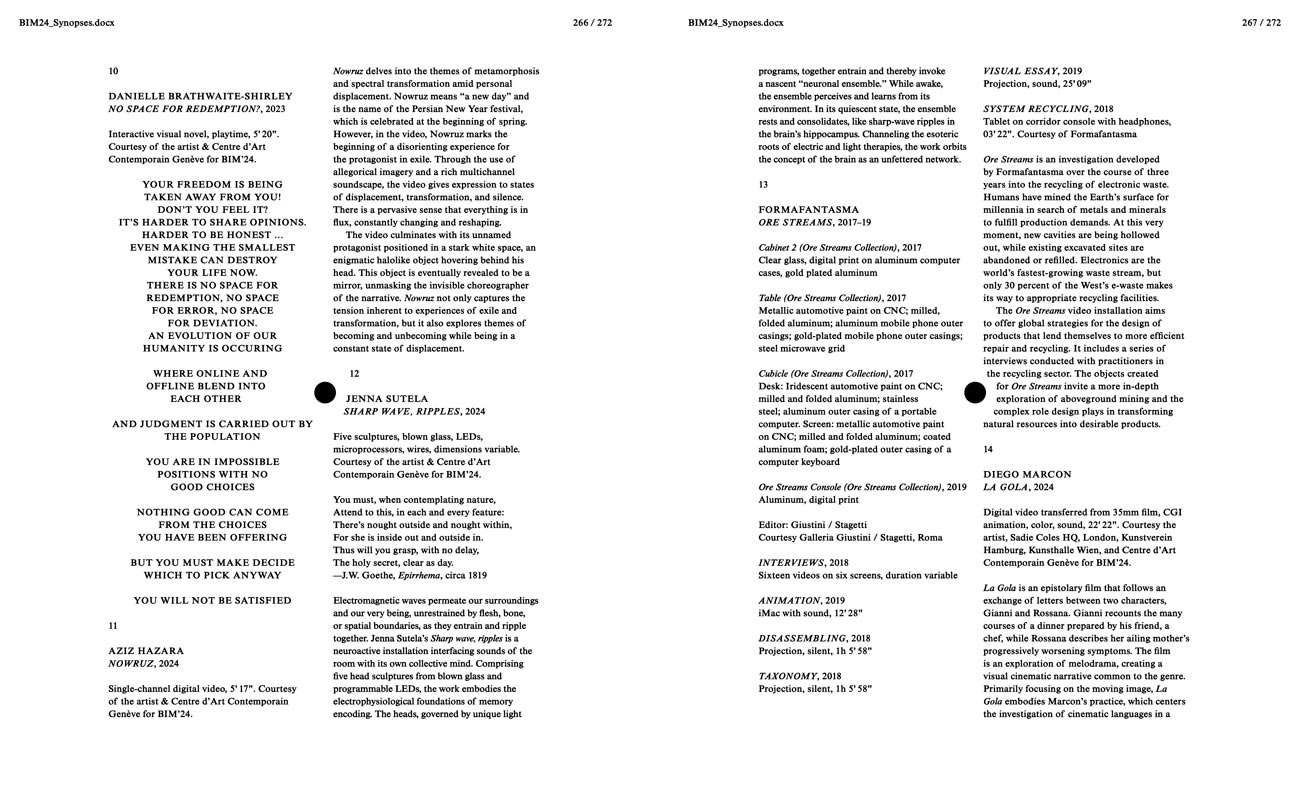
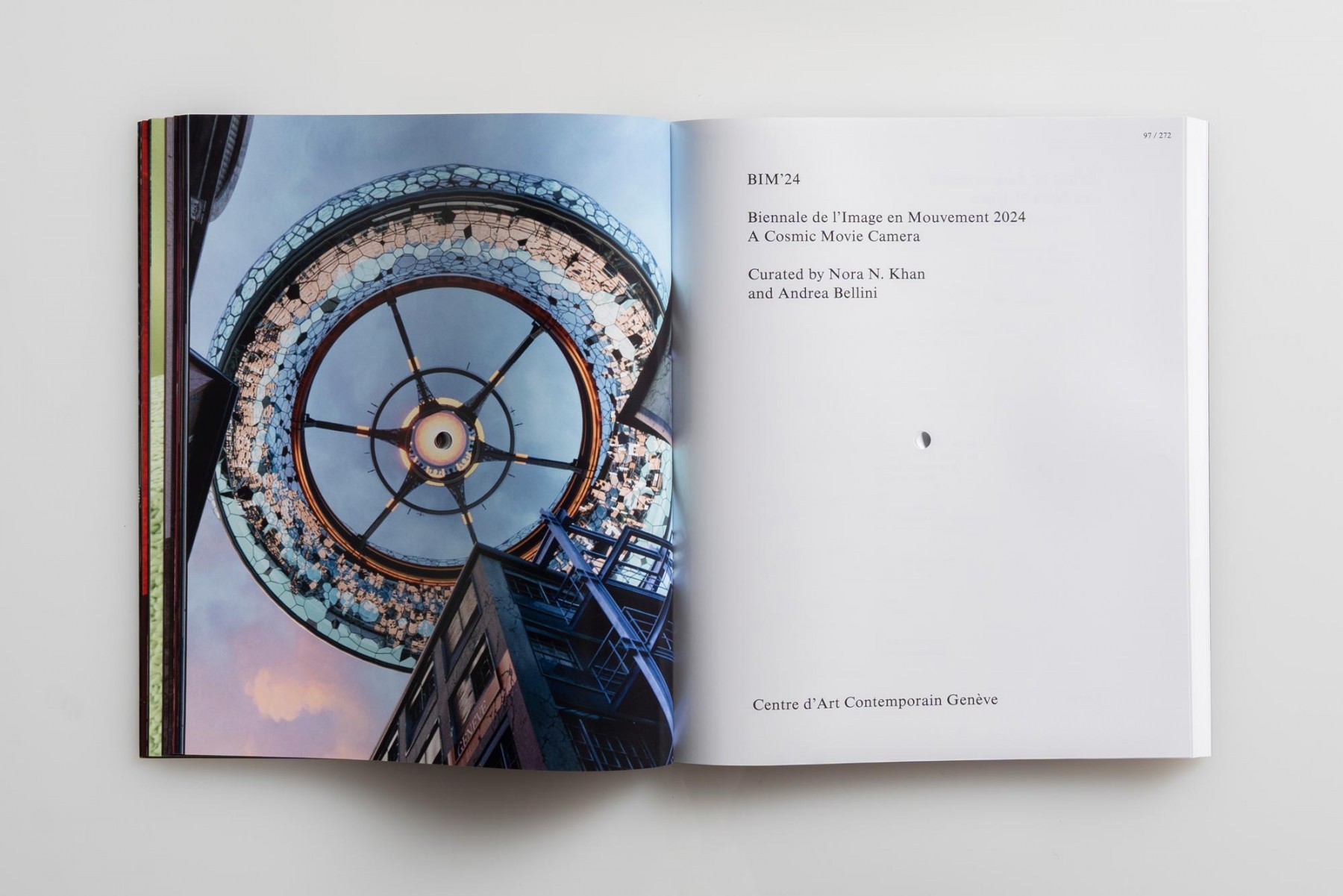
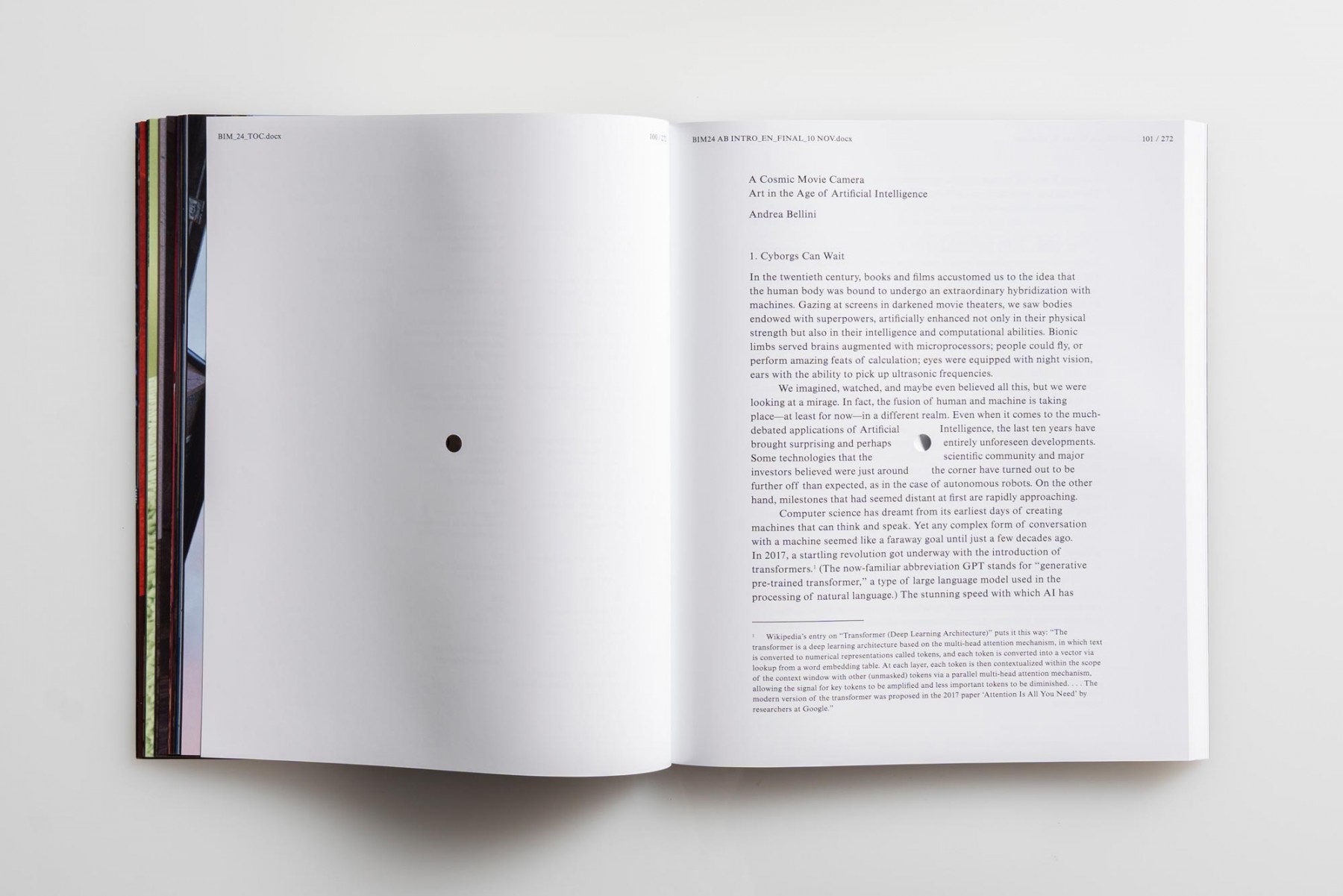
The catalogue documenting the exhibition was conceived as a “binder” of the future, as indicated by the holes that run through the publication, from front to back. The book collects various types of texts relating to the artists participating in the Biennale—reviews, essays, interviews, poems, emails, and texts written for the occasion—with a view to creating a paper archive that may preserve the memory of the project in a dystopian future: inside a spaceship or in the building of the Centre d’Art Contemporain Genève, transformed in the distant future.
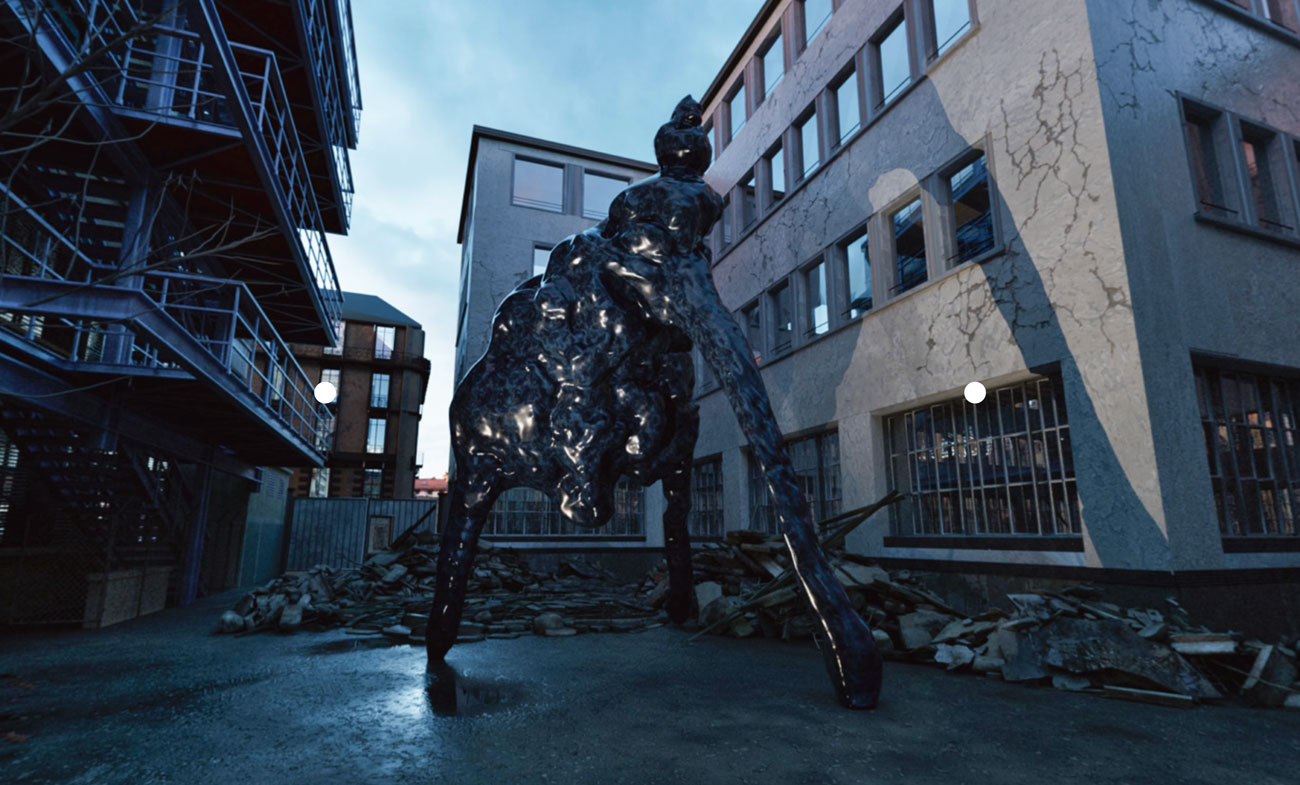
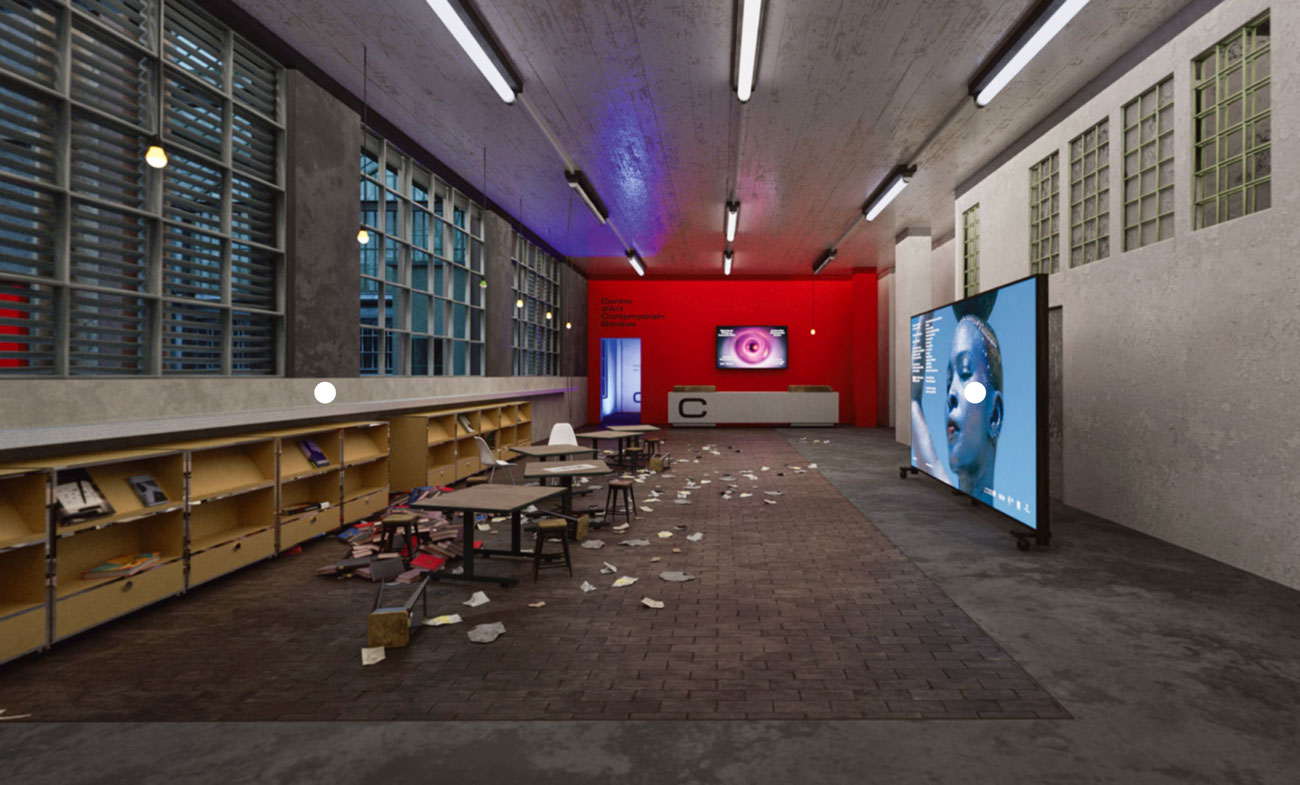
The visual essay that projects the works into a virtual context was designed by EPOCH, who also created the website hosting the ongoing virtual exhibition (bim24.ch). The catalogue’s combination of print and digital formats, the real and the virtual, the past and the future, conveys the conceptual core of the Biennale, which explores the inextricable intertwining of AI, digital culture, and art in the contemporary world.