This book, with follows the eponymous exhibition at Mudam Luxembourg, is constructed as a story, with a prologue, four acts, and an epilogue: an intuitive journey through the voices of thirty-four artists from different generations who are experimenting with the idea of the performative.
Dreaming Alcestis is an artist’s book by artist and filmmaker Beatrice Gibson, conceived as an accompaniment to her holographic film installation of the same name. It features a commissioned essay by poet and translator Allison Grimaldi Donahue, as well as a reprint of the American poet Alice Notley’s 1991 essay What Can Be Learned From Dreams?
What if clay is the future and the future is clay? Curators Chus Martínez and Filipa Ramos brought together a group of artists to think and create through this old, maleable and fascinating matter. The result was materialized in an exhibition and book format entitled Feet of Clay.
Catalog of the eponymous exhibition, held at the Centre d’Art Contemporain Genève and curated by Andrea Bellini, this publication brings together a number of essays that explore the notion of metamorphosis from different perspectives. The catalog, like the exhibition, celebrates a world in constant transformation, where human nature is fluid and hybrid, open to change.
Ce catalogue de l’exposition éponyme, organisée au Centre d’Art Contemporain Genève sous la direction d’Andrea Bellini, rassemble plusieurs essais qui explorent la notion de métamorphose sous différentes perspectives. Le catalogue, comme l’exposition, célèbre un monde en constante transformation, où la nature humaine est fluide et hybride, ouverte au changement.
Fredrik Værslev: The Garden Paintings is the first publication dedicated solely to one specific body of work in the artist’s practice. It includes essays by Martha Kirszenbaum and Erlend Hammer, and gives a comprehensive and chronological account of the works from the series, showing their stylistic development as well as their exhibition history.
Edited by Lydia Ourahmane and Polly Staple
Texts by Nicoletta Fiorucci, Lydia Ourahmane, Polly Staple
Designed by Lorenzo Mason Studio
2026, English, softcover, 16.5 × 24 cm, 384 pages
ISBN 979-12-80579-98-0
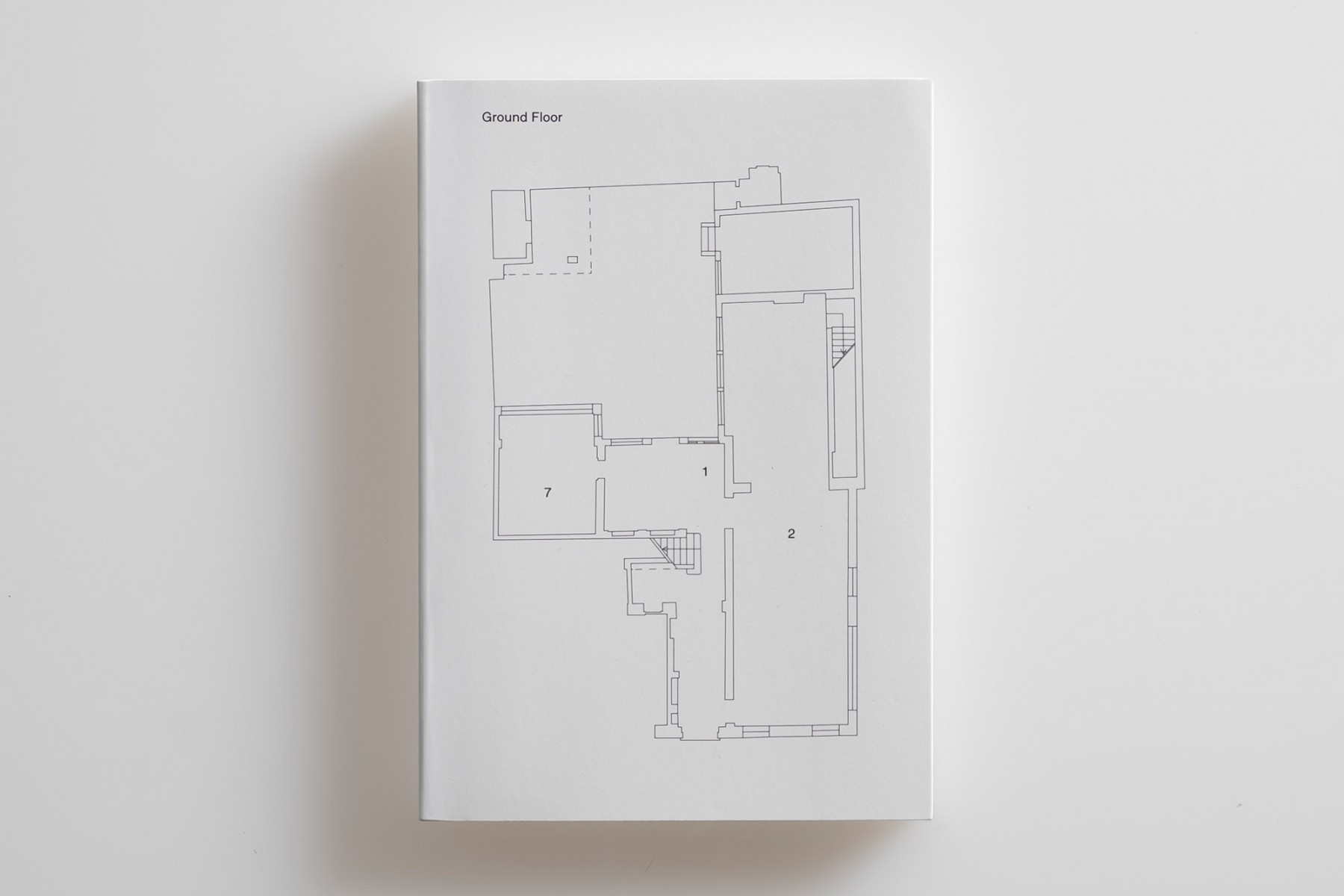
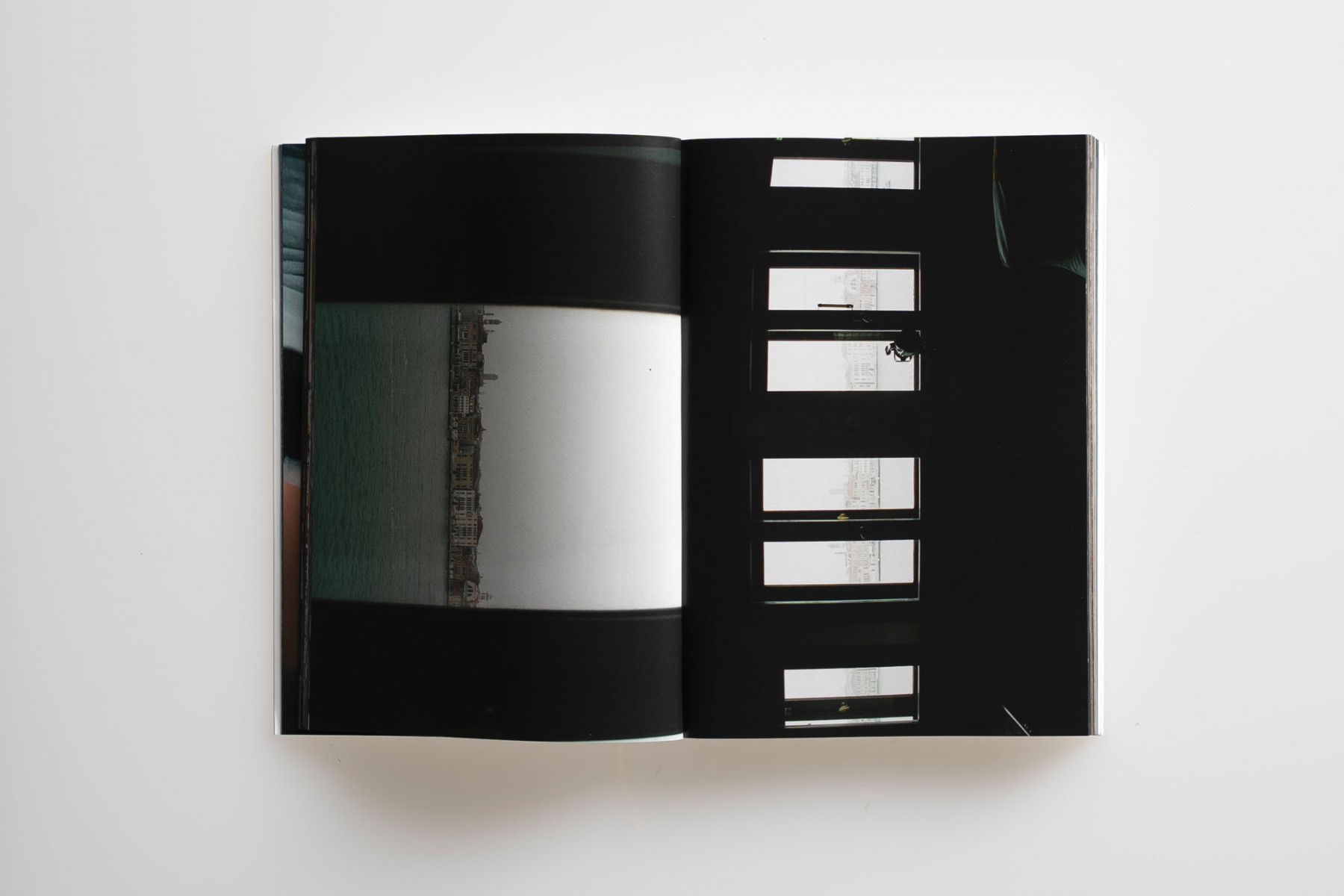
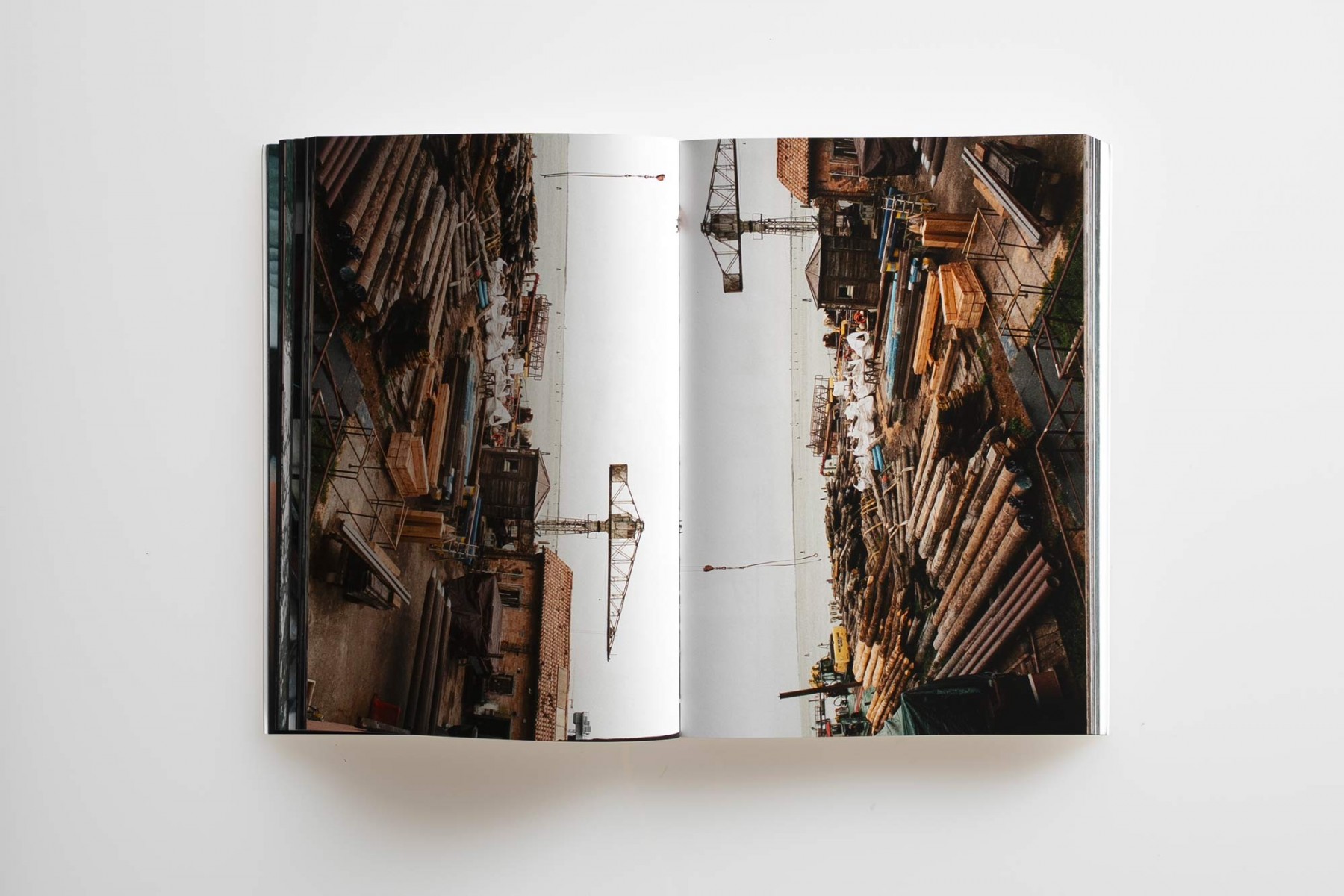
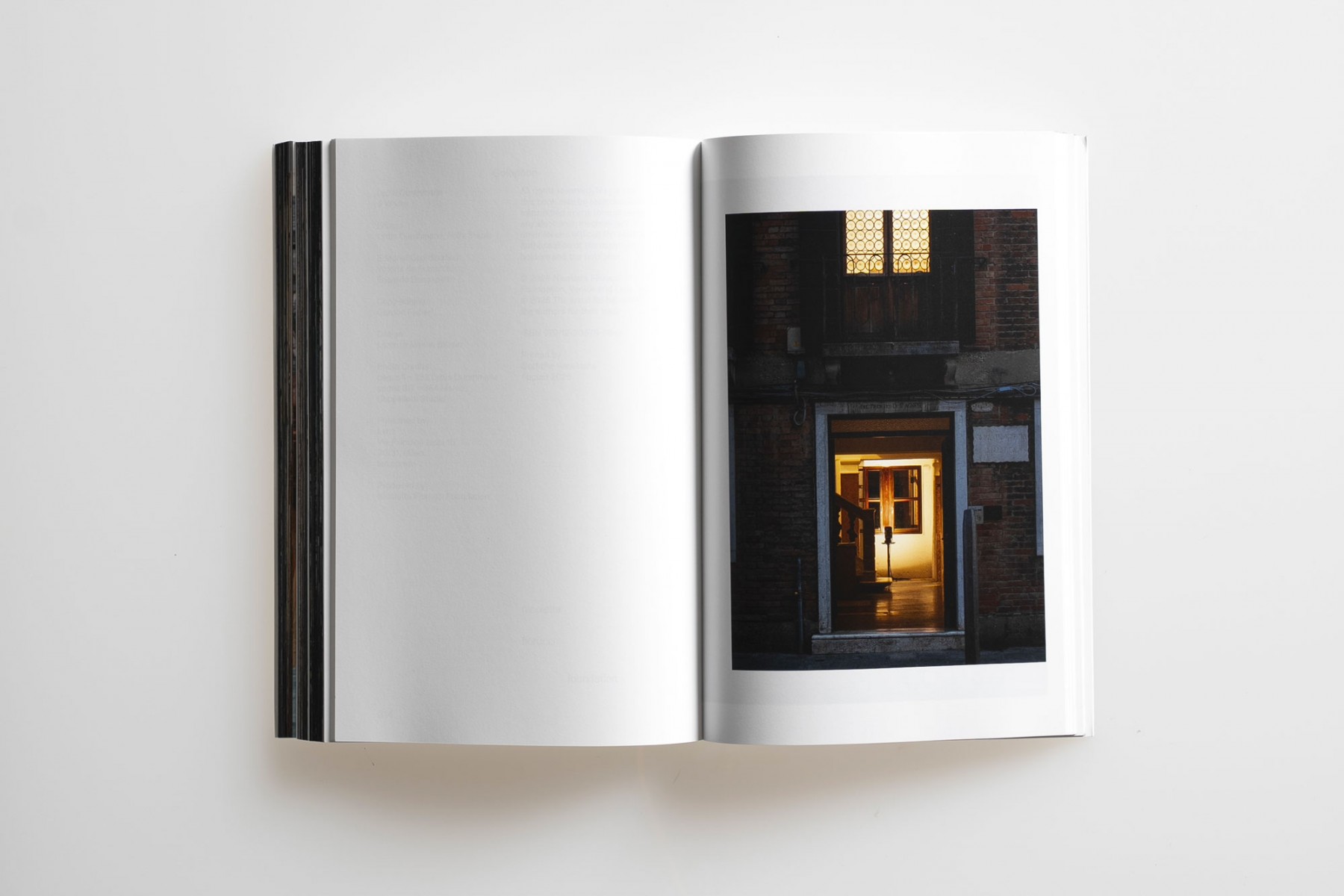
This book accompanies 5 Works, Lydia Ourahmane’s first institutional solo show in Italy, staged at the Nicoletta Fiorucci Foundation in Venice and curated by Polly Staple, during the 61st Venice Biennale. As Ourahmane’s first publication, the book sets a template for her future editorial projects. Central to this design is the custom typeface “LL,” created by the artist with graphic designer Lorenzo Mason. Ourahmane’s new commission, 5 Works, followed her residency at the Foundation, which saw her living and working in Venice from January to May 2026.
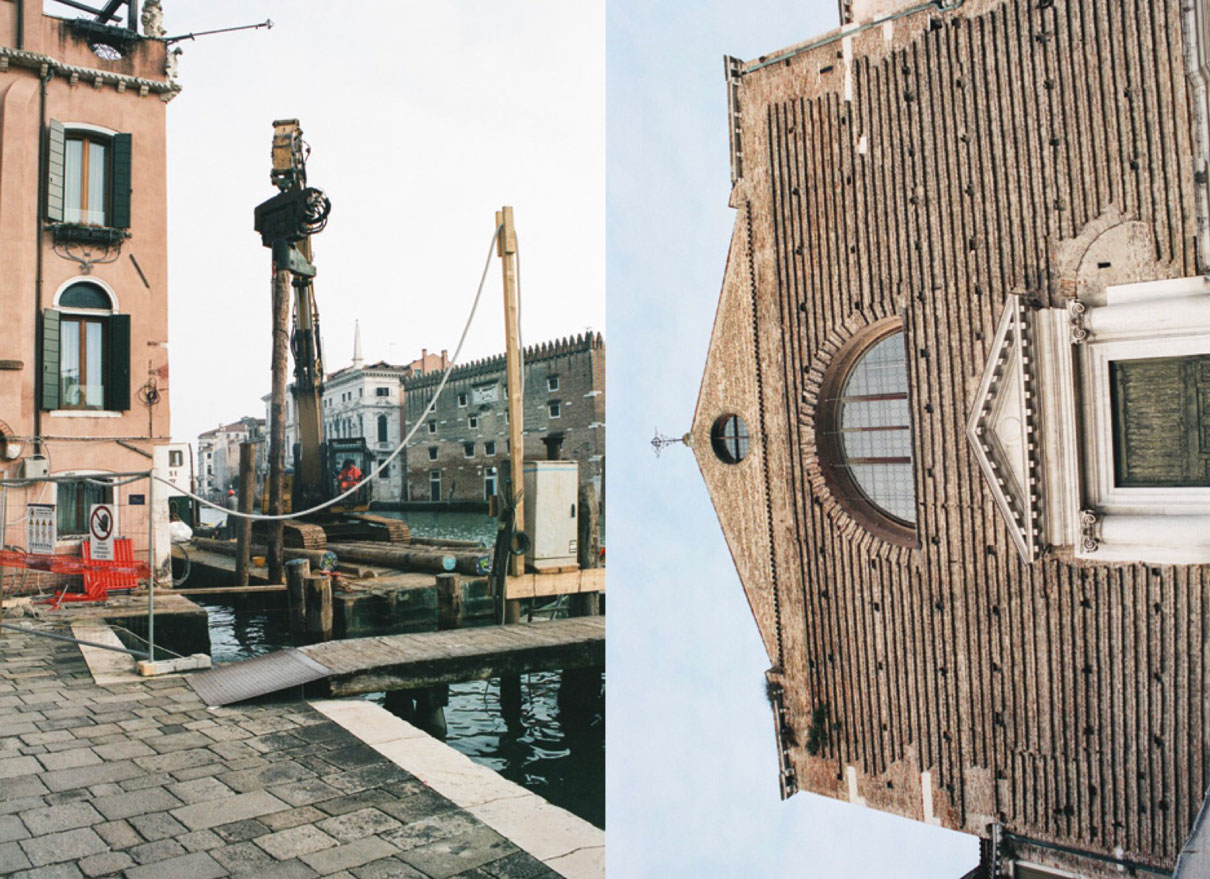
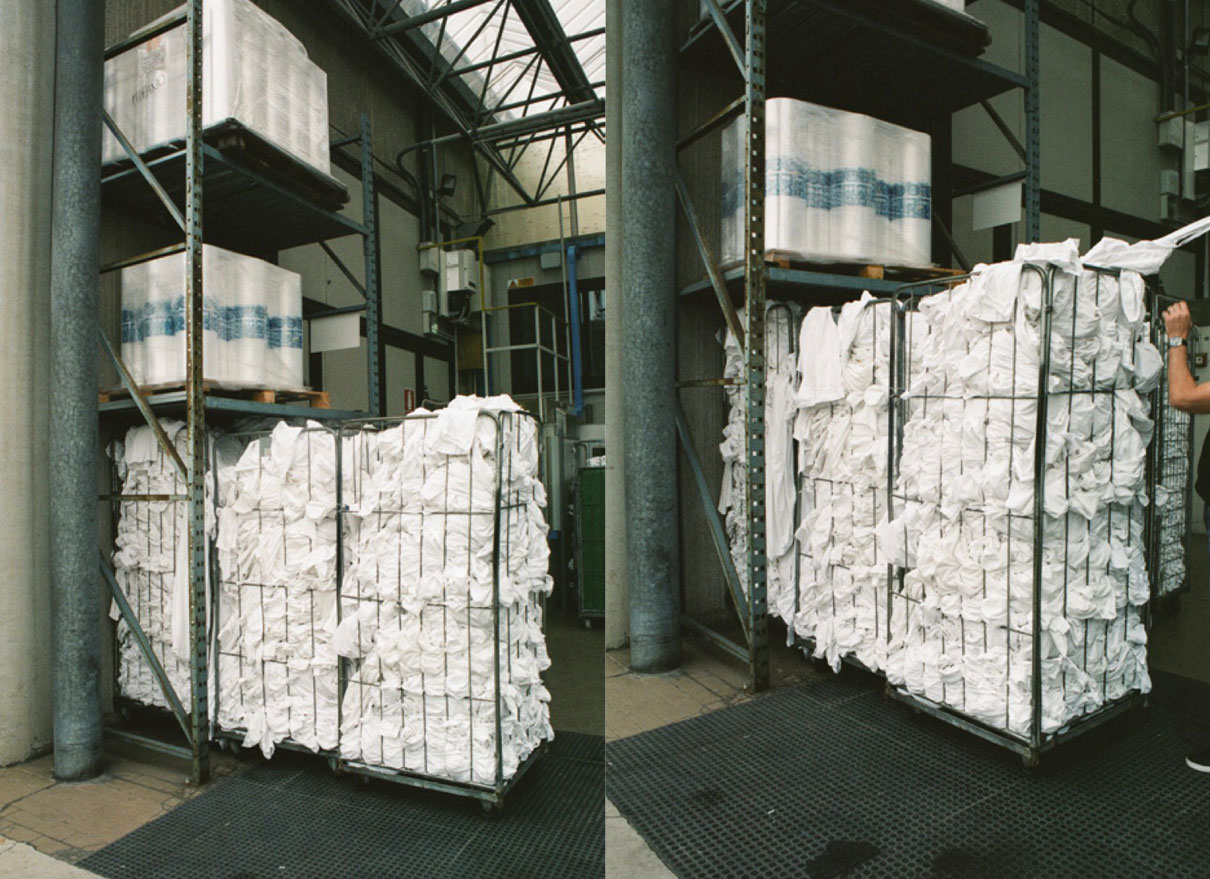
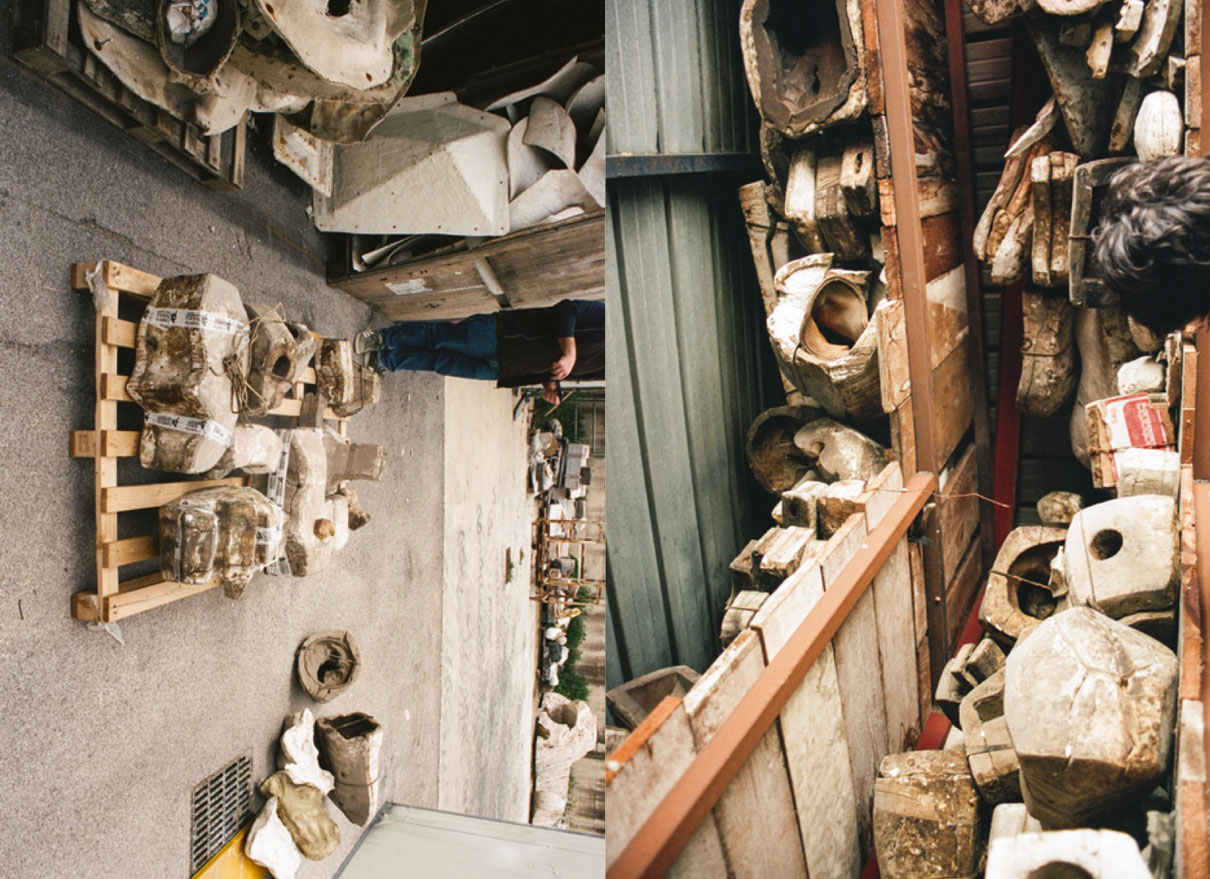
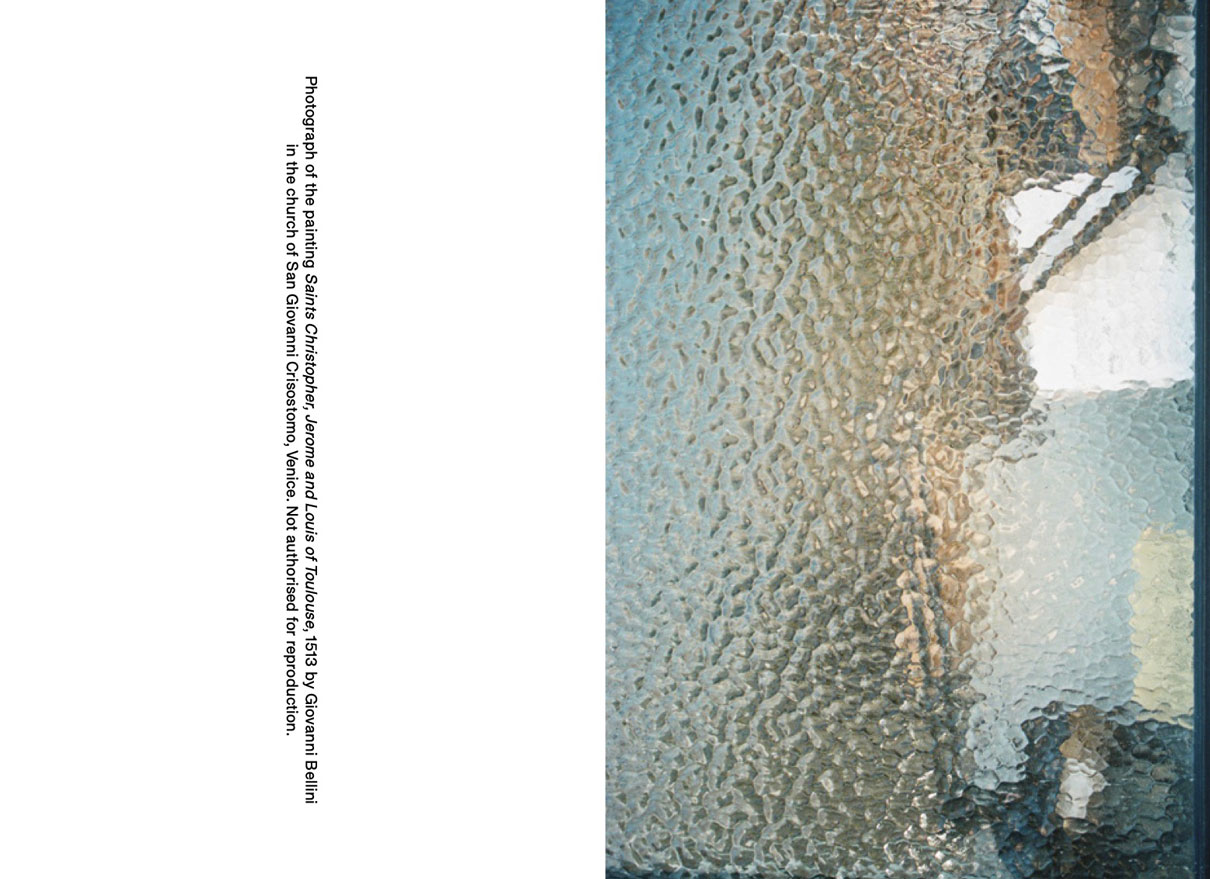
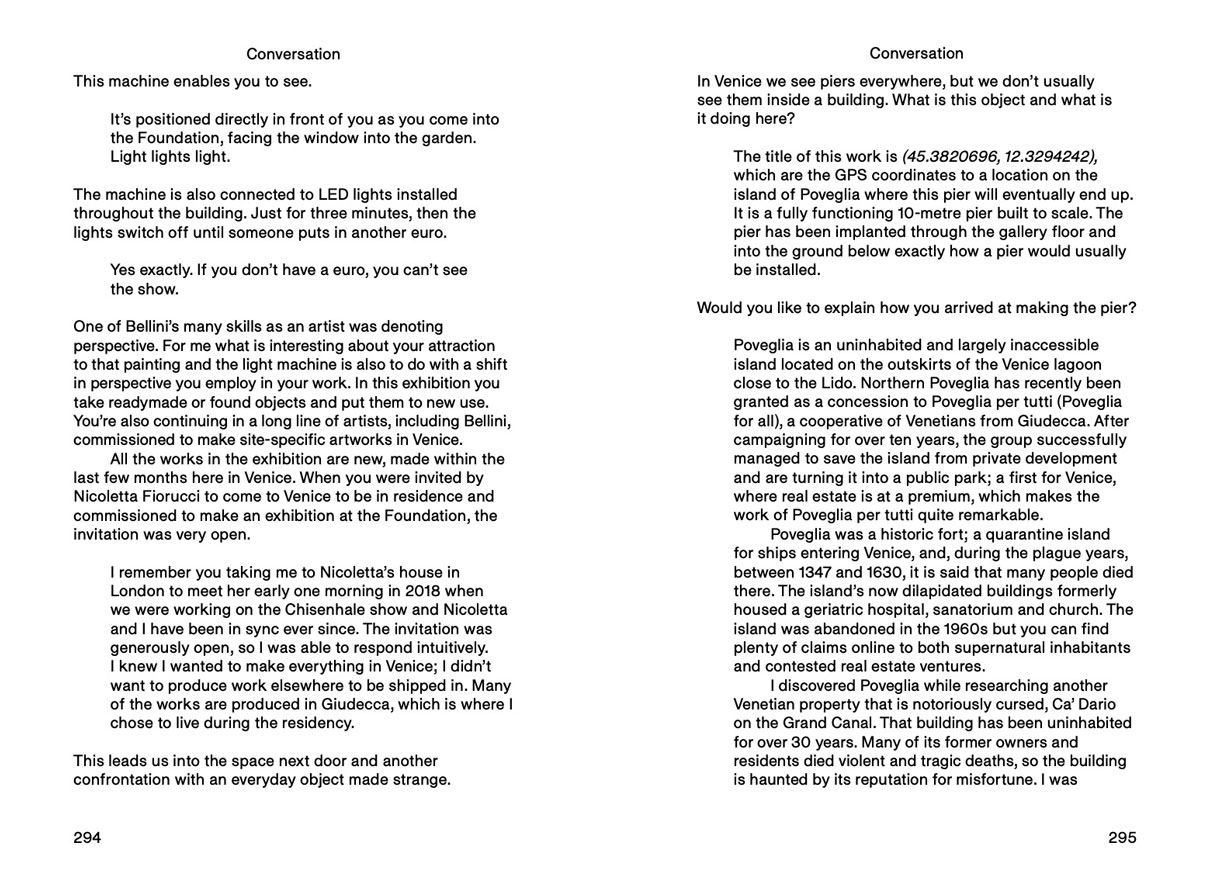
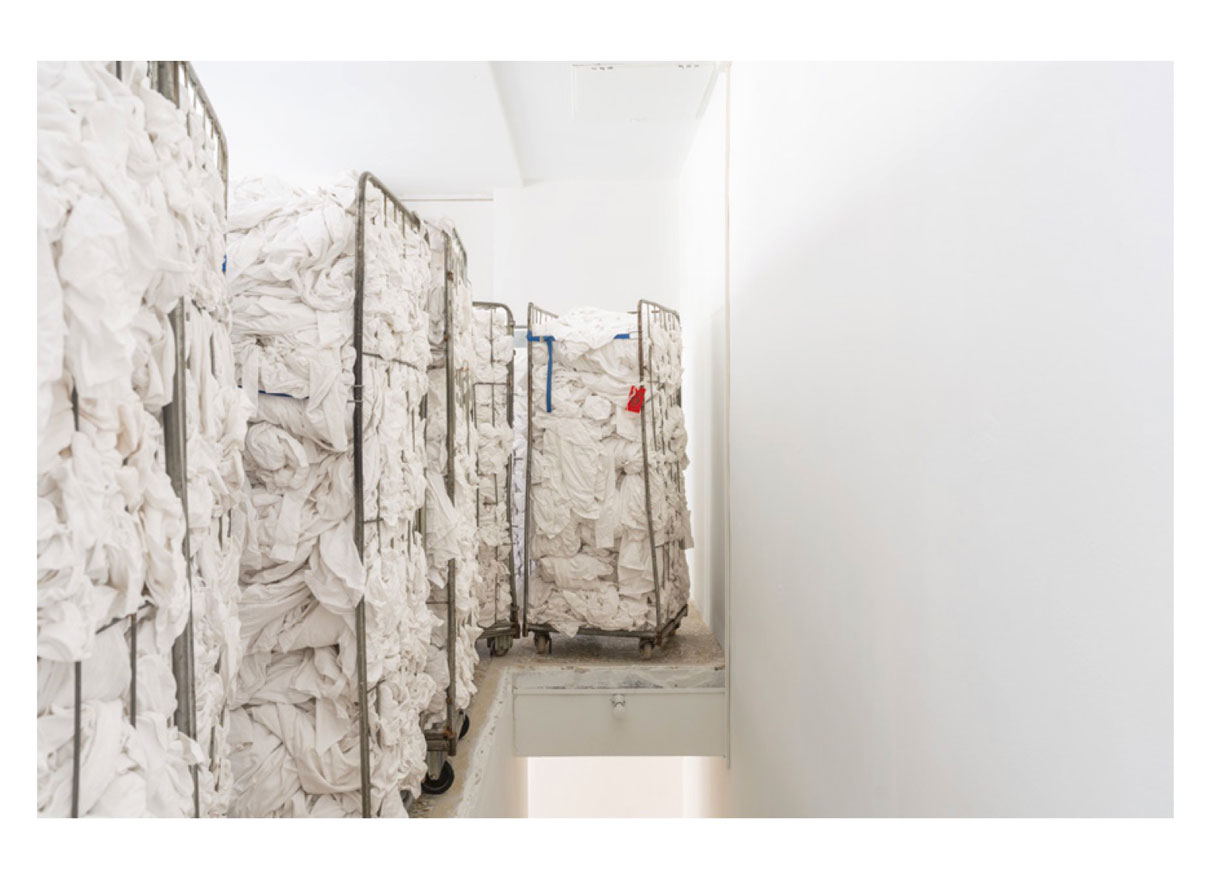
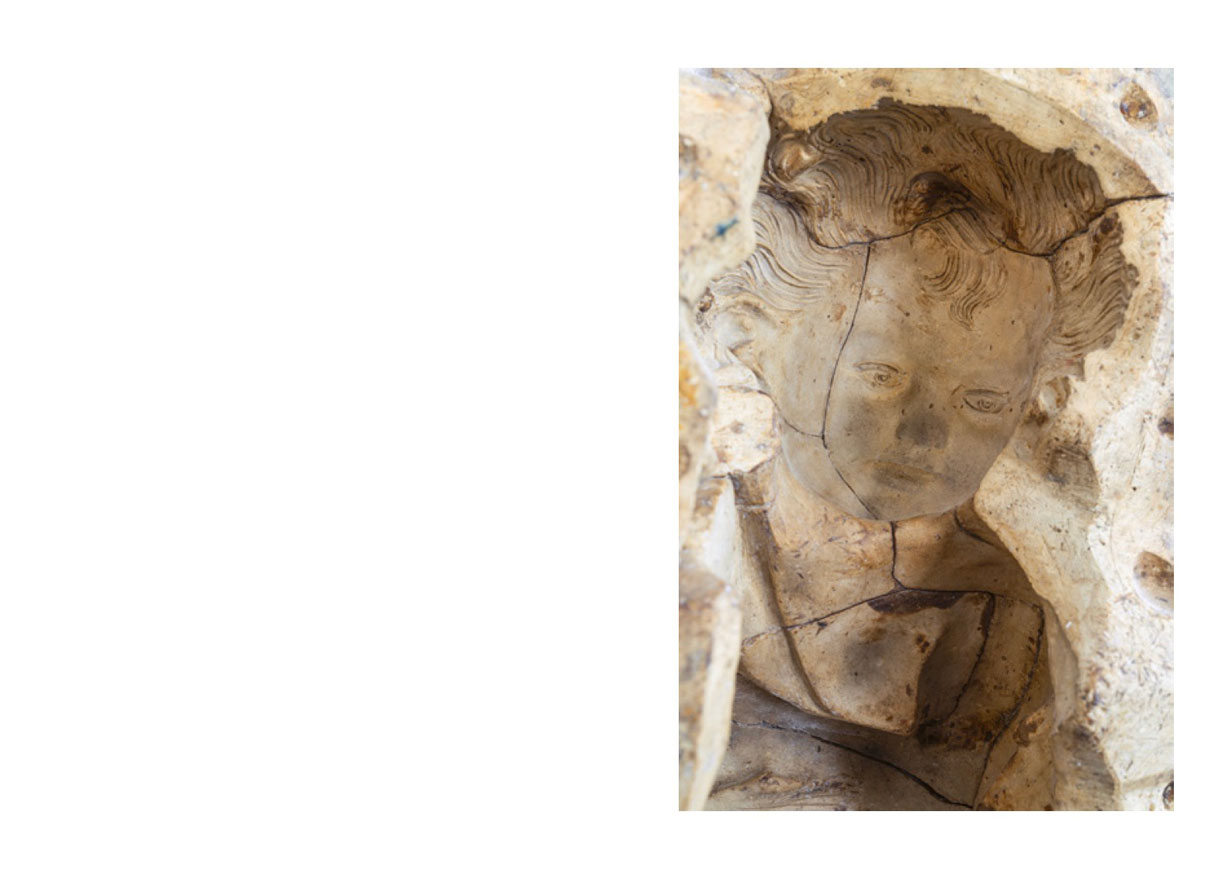
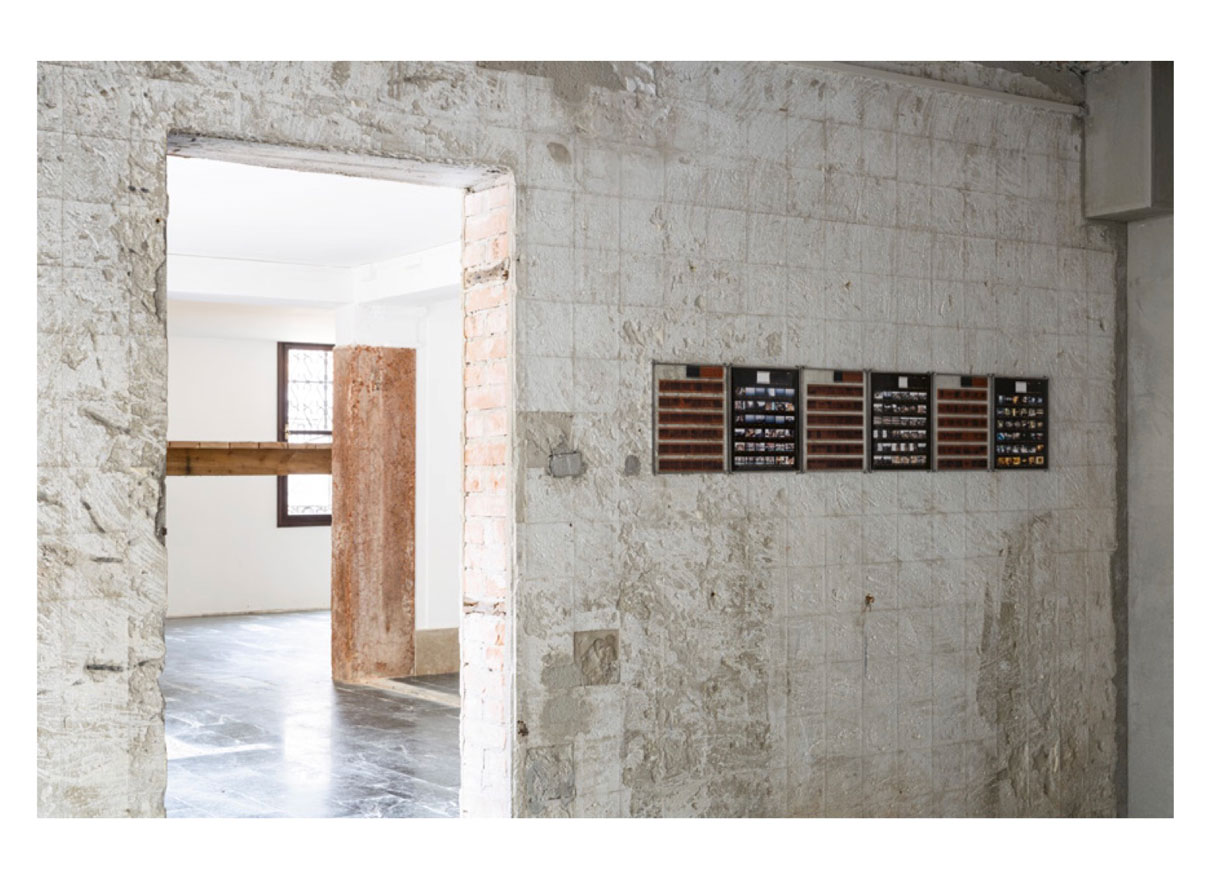
One of the show’s prerequisites was that many of the artworks should be created in Venice. Ourahmane thus worked with Venetian craftspeople and technicians but also with organisations in the city and the surrounding Veneto region. 5 Works combines a wide range of visceral media—antique sculpture moulds, church lighting and decommissioned bed linen among them—with traditional conceptual gestures such as the recontextualization of found objects and the presentation of documentary processes. Several works in the exhibition are the direct result of negotiations, transactions and exchanges specific to historic sites and activist associations in Venice: the church of San Giovanni Crisostomo, Poveglia per tutti, Banco Lotto No. 10: Il Cerchio, Lavanderia LSG and TOCIA! Cucina e Comunità.
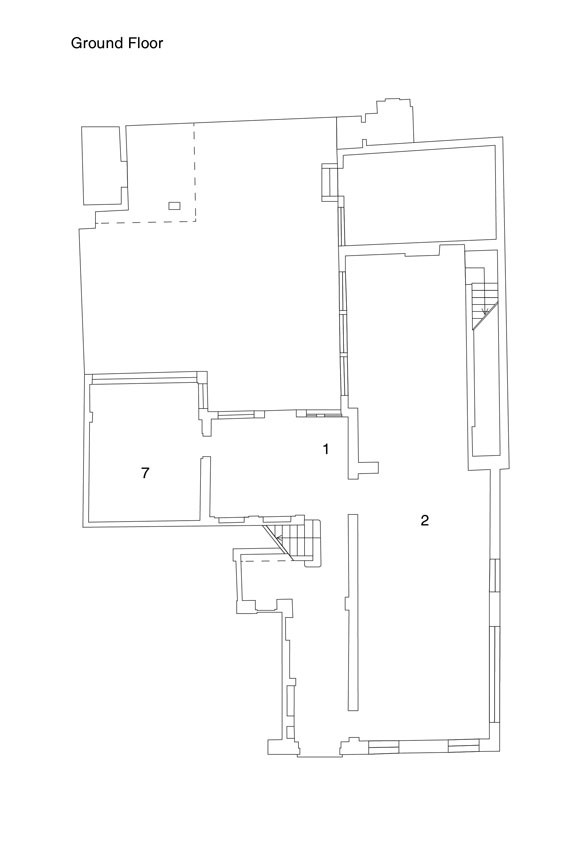
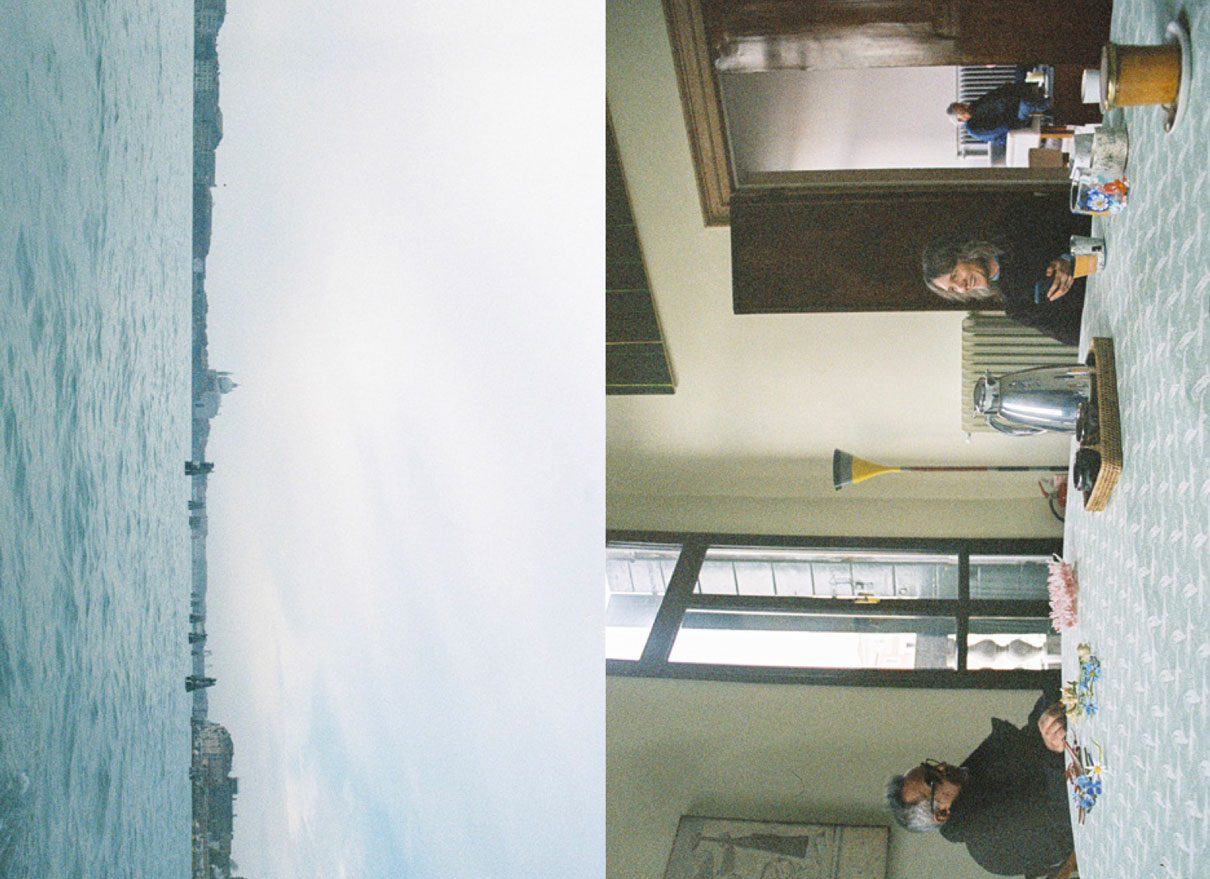
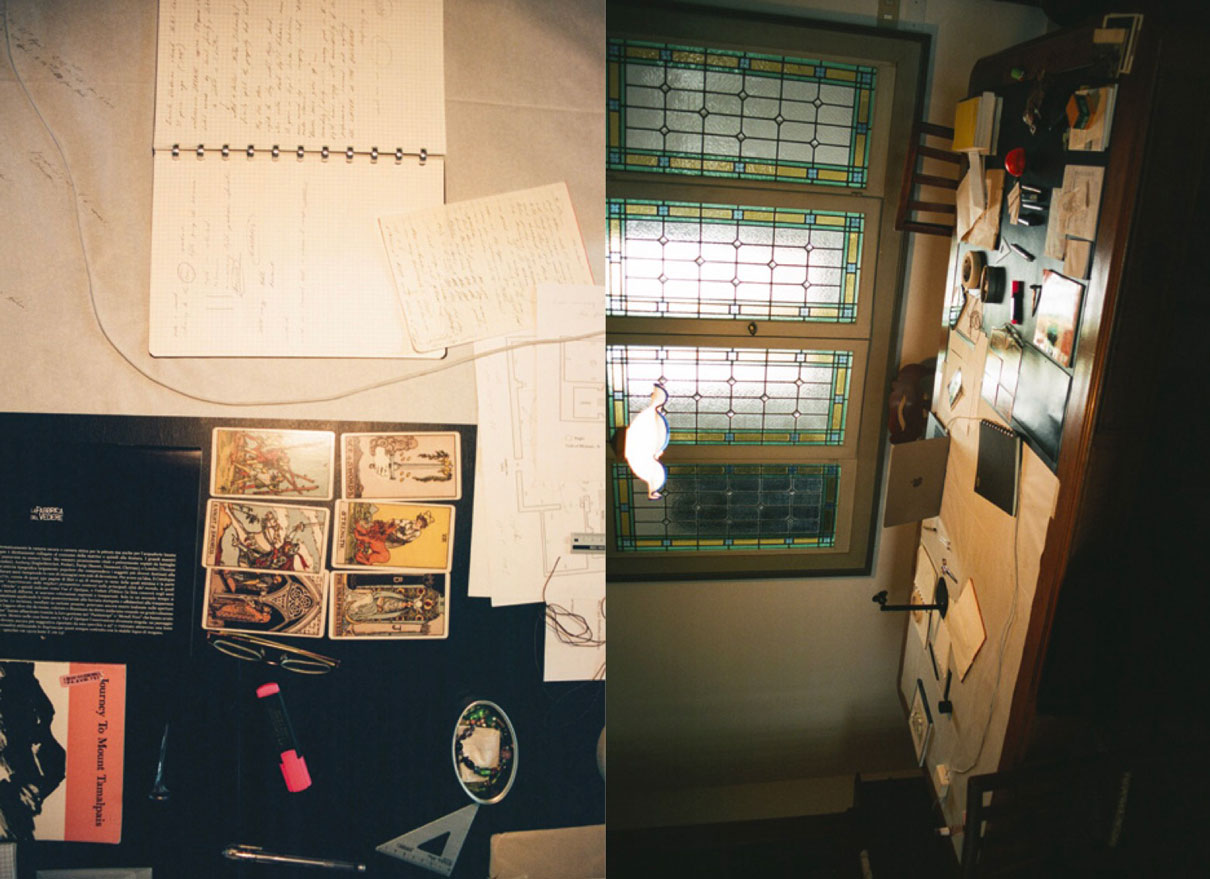
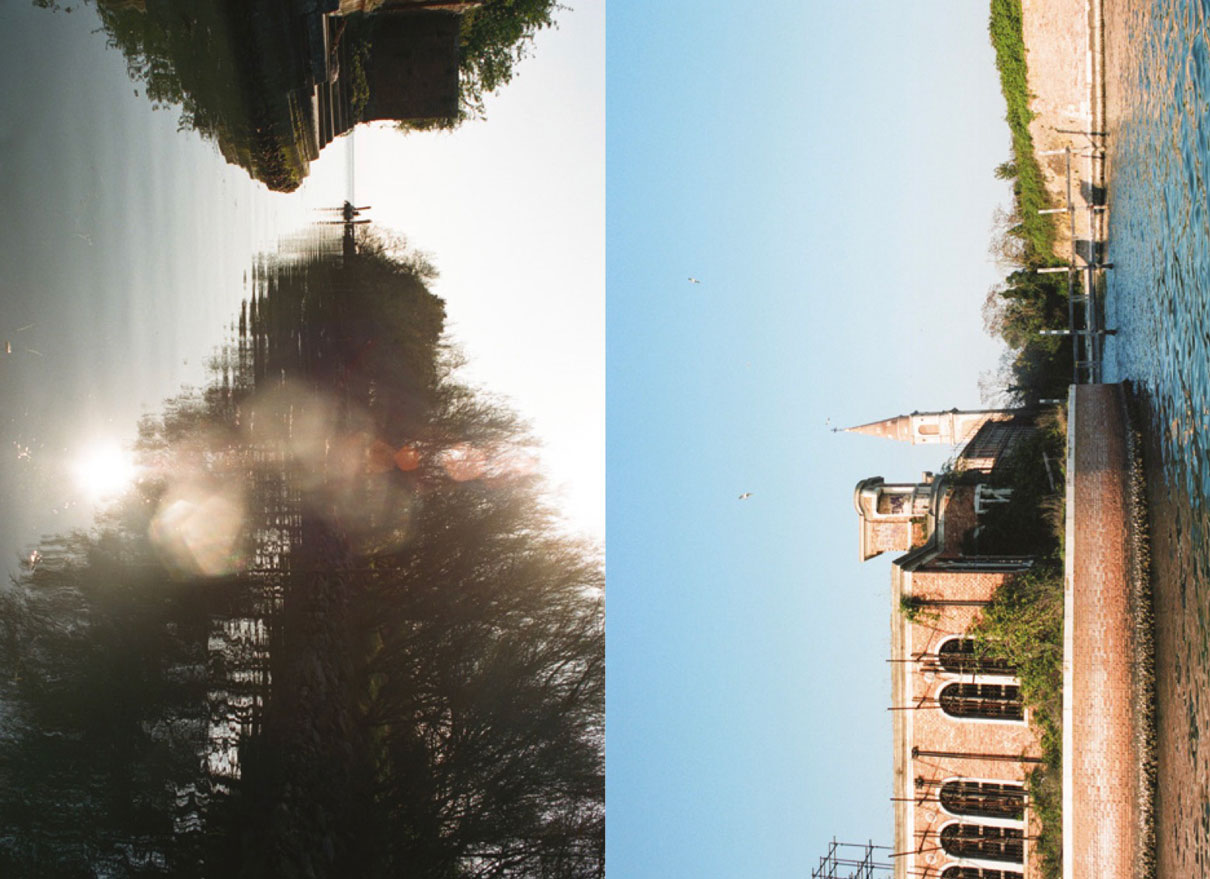
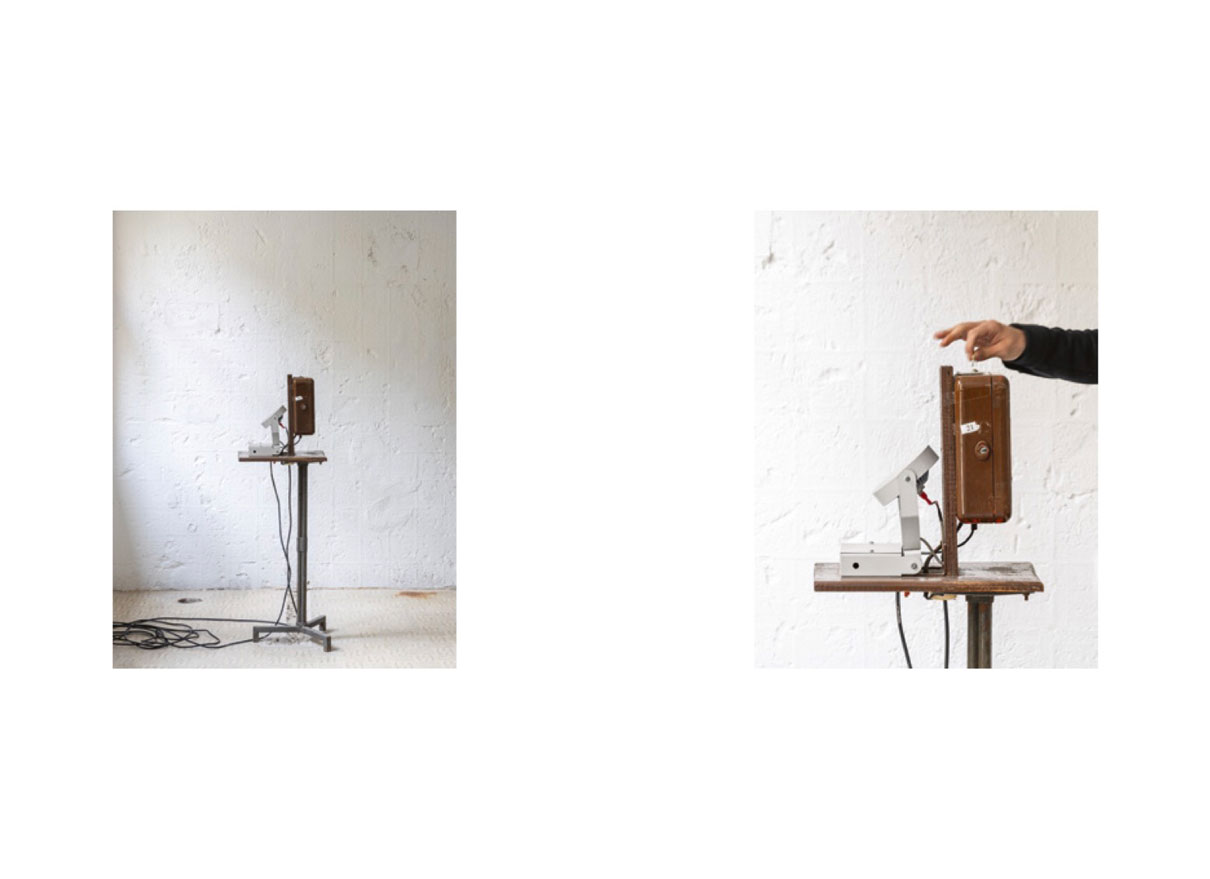
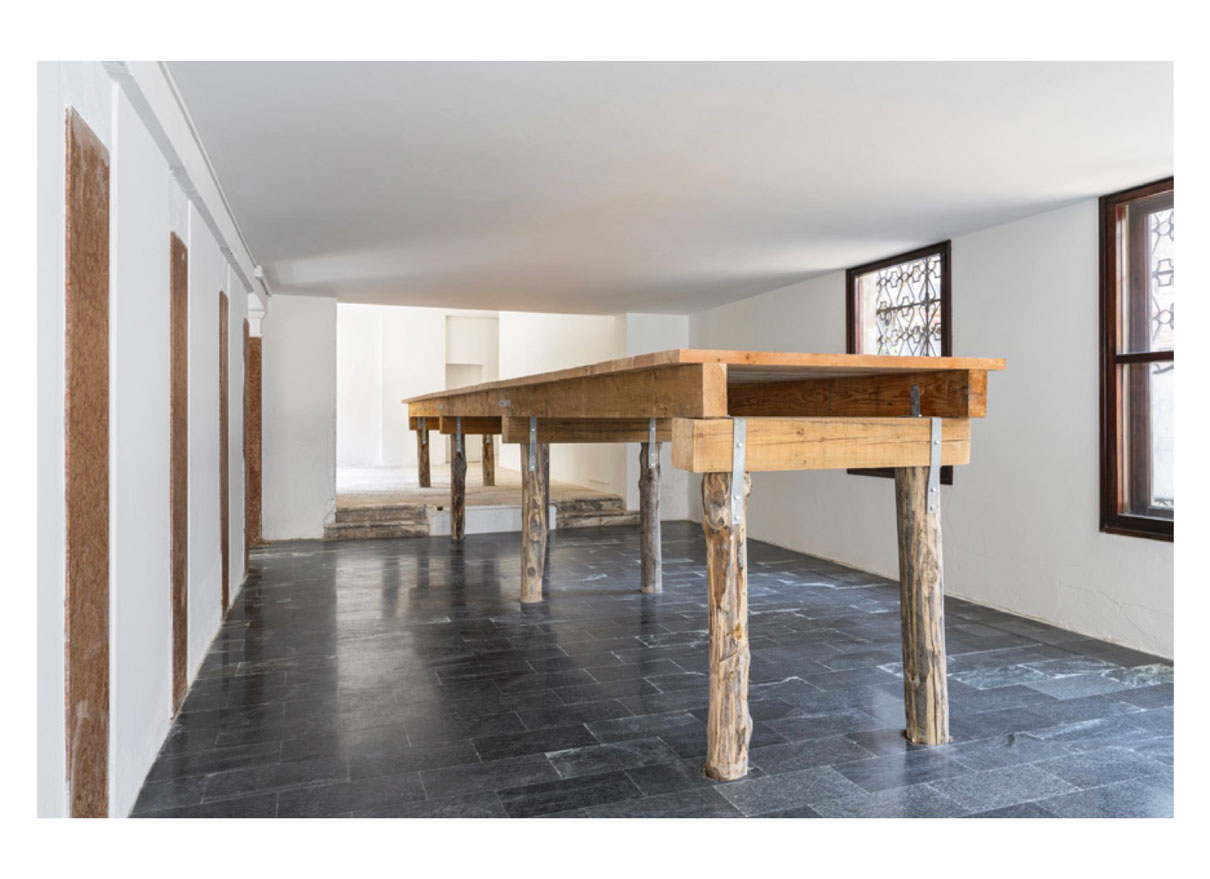
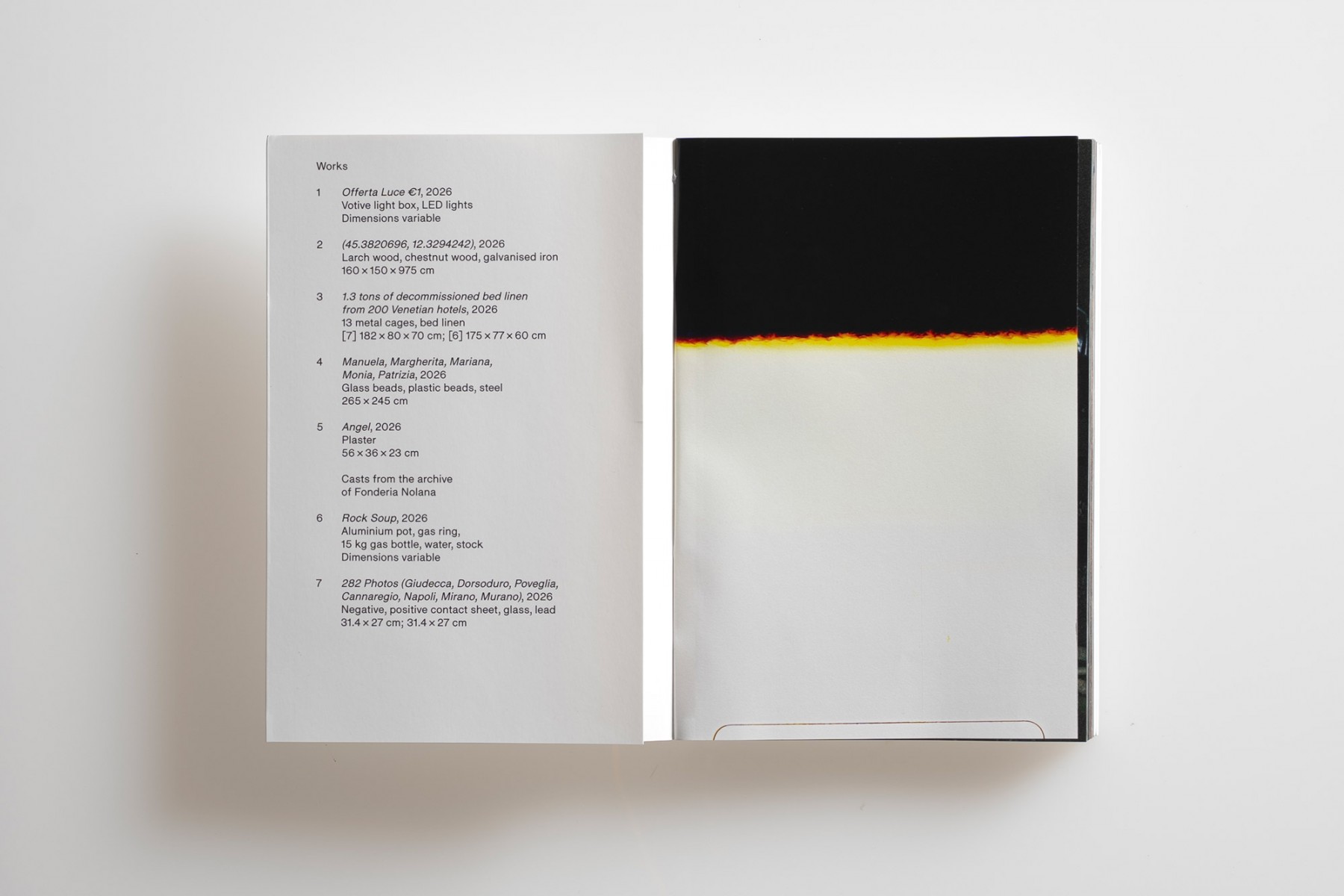
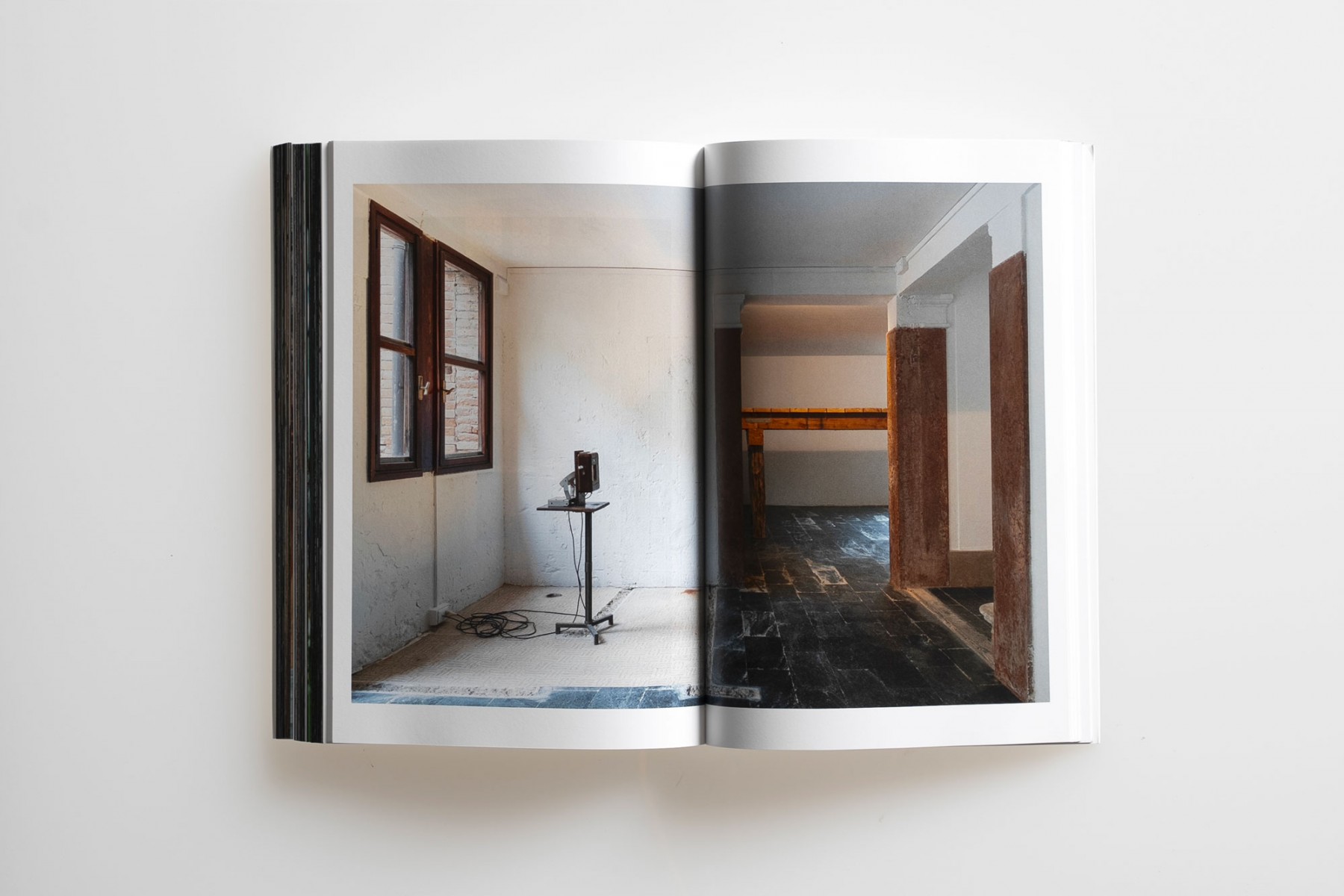
The publication encompasses the following elements: 282 photographs that Ourahmane shot during her residency in Venice while preparing 5 Works; an introduction to Ourahmane’s work and to the exhibition, written by Staple; a conversation between Ourahmane and Staple, structured as a walking tour of the exhibition; installation views, by photographer Marco Cappelletti, sequenced in the order visitors encountered the works; the floor plan of the exhibition—appearing on the book’s cover—complete with the list of works; and an endnote by Nicoletta Fiorucci.