For years now, the Die Vier von der Tankstelle (Four from the Gas Station) have been roaming across an area stretching out to the south of the Baltic Sea. They prowl their way through sparsely populated areas, wantonly terrorizing the inhabitants. The 2026 calendar by Jos de Gruyter and Harald Thys bears witness to their presence.
The first monograph dedicated to Lorenza Longhi, published with the Kunst Museum Winterthur, adopts a format associated with prototypes, manuals, or working documents. Its irregularities reflect Longhi’s ongoing examination of value, functionality, and the aesthetics of the everyday.
This publication is an extensive monograph devoted to the work of Carlos Bunga, published in conjunction with his eponymous show at CAM – Gulbenkian. In addition to a number of essays, which offer an in-depth look at his multifaceted practice, the book contains previously unpublished photos that reveal his working process.
The paintings and drawings by Jake Grewal draw the viewer in through stillness and ambiguity: they invite reflection on how we inhabit places—physically and emotionally—and how our inner landscapes mirror the physical world. This is the Grewal’s first book, published to accompany the artist’s exhibition at Studio Voltaire.
The transformation of the notion of monuments and the way cultural institutions choose to deal with it find in Maurizio Cattelan an interpreter capable of manipulating historical memory and shared symbols, to the point of turning them into a terrain of doubt and play. Lisa Parola and Lorenzo Giusti investigate the potential of contemporary art within the public sphere.
This is a visual archive of 12 years of developing, designing and exhibiting the House of One, a multireligious sacred space in the heart of Berlin. The architecture, conceived by Kuehn Malvezzi, has been displayed at various venues while being developed in close collaboration with three local religious communities in Berlin since 2012.
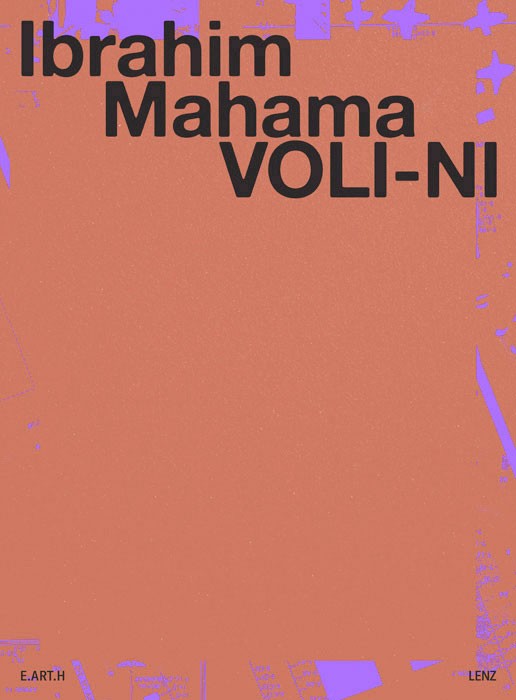
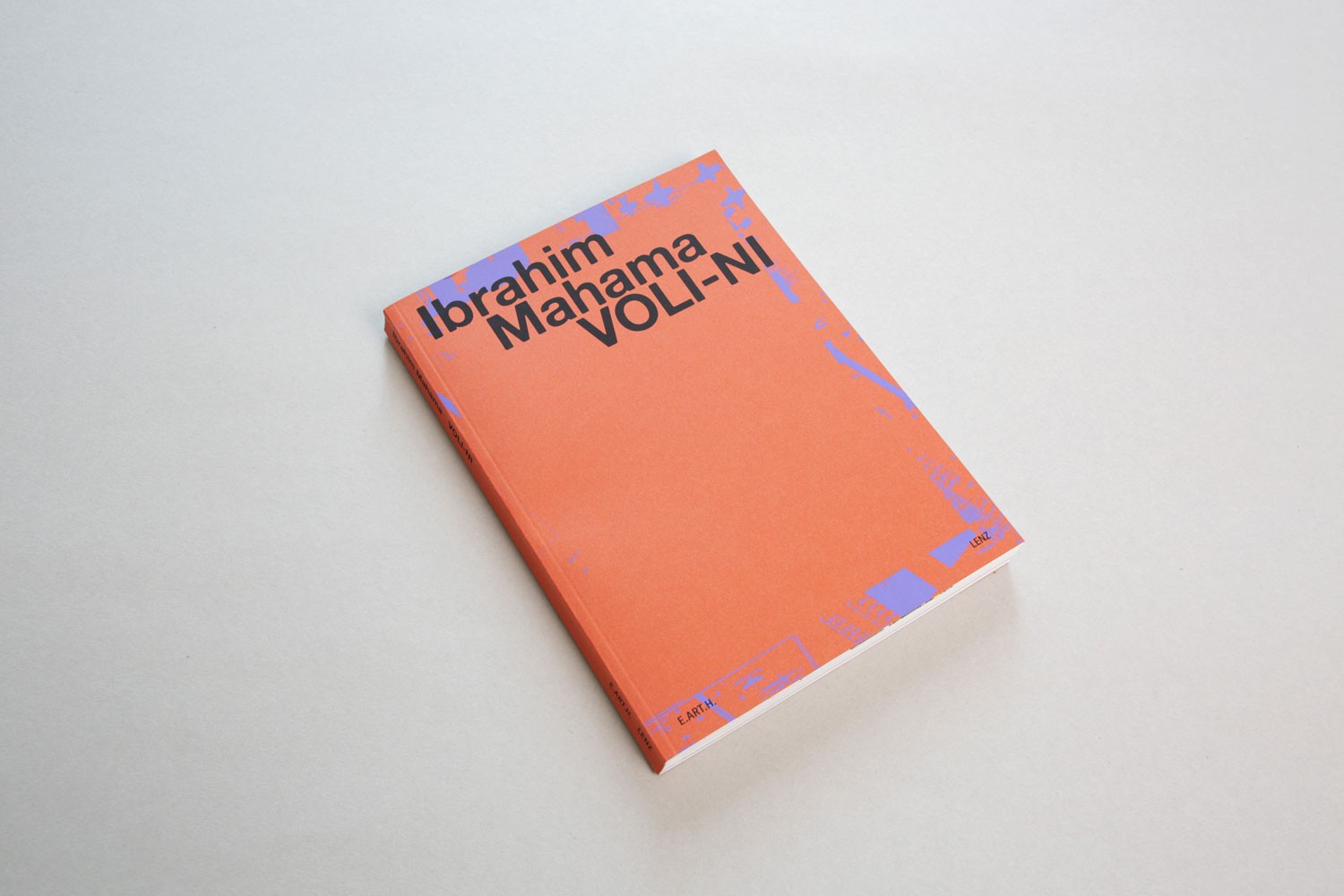
Edited by Ibrahim Mahama and Eva Brioschi
Texts by Bernard Akoi-Jackson and Ibrahim Mahama; Eva Brioschi; karî’kachä seid’ou and Selom Kudjie
Design: Studio Temp
Softcover, 272 pages, 21 x 28.5 cm
English / Italian
ISBN 979-12-80579-20-1
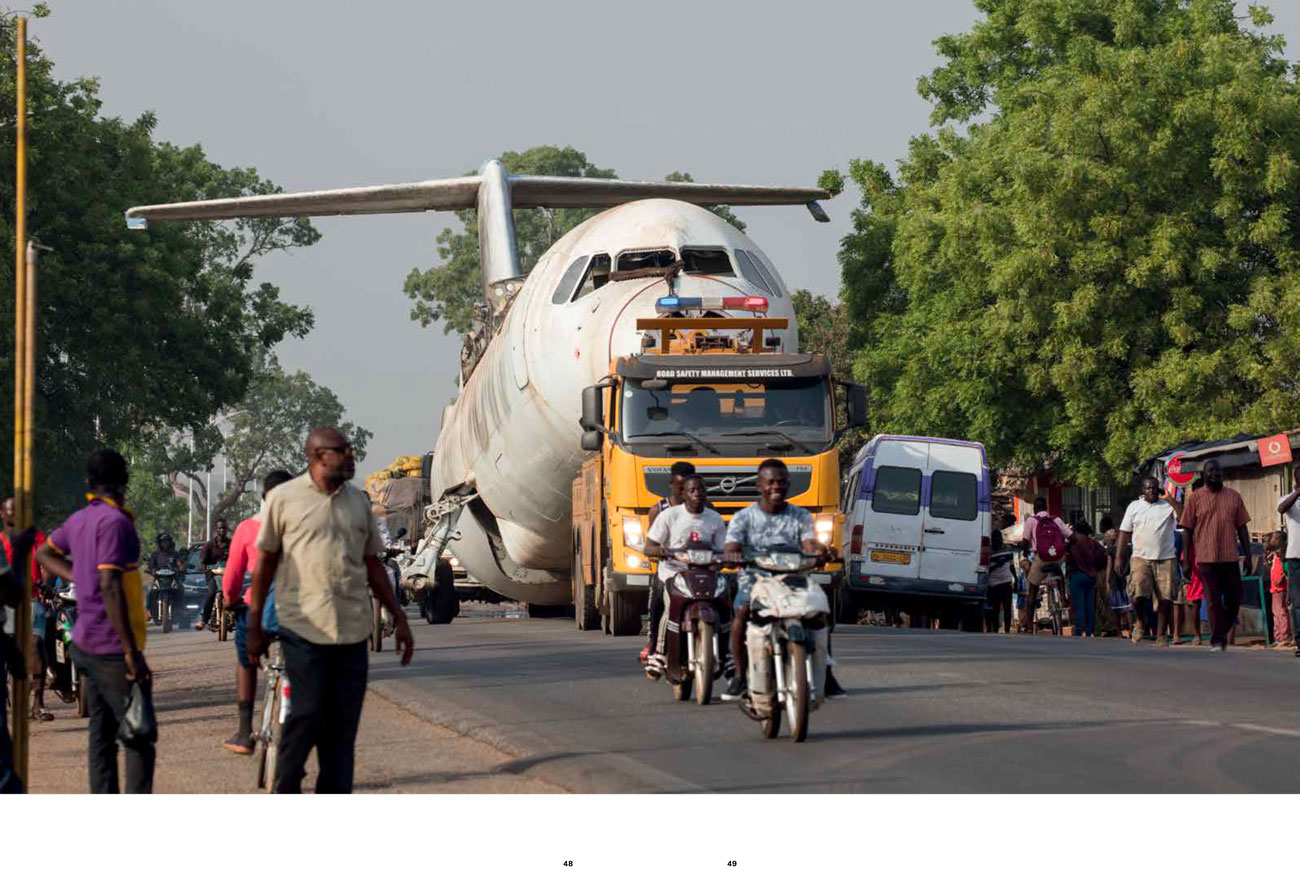
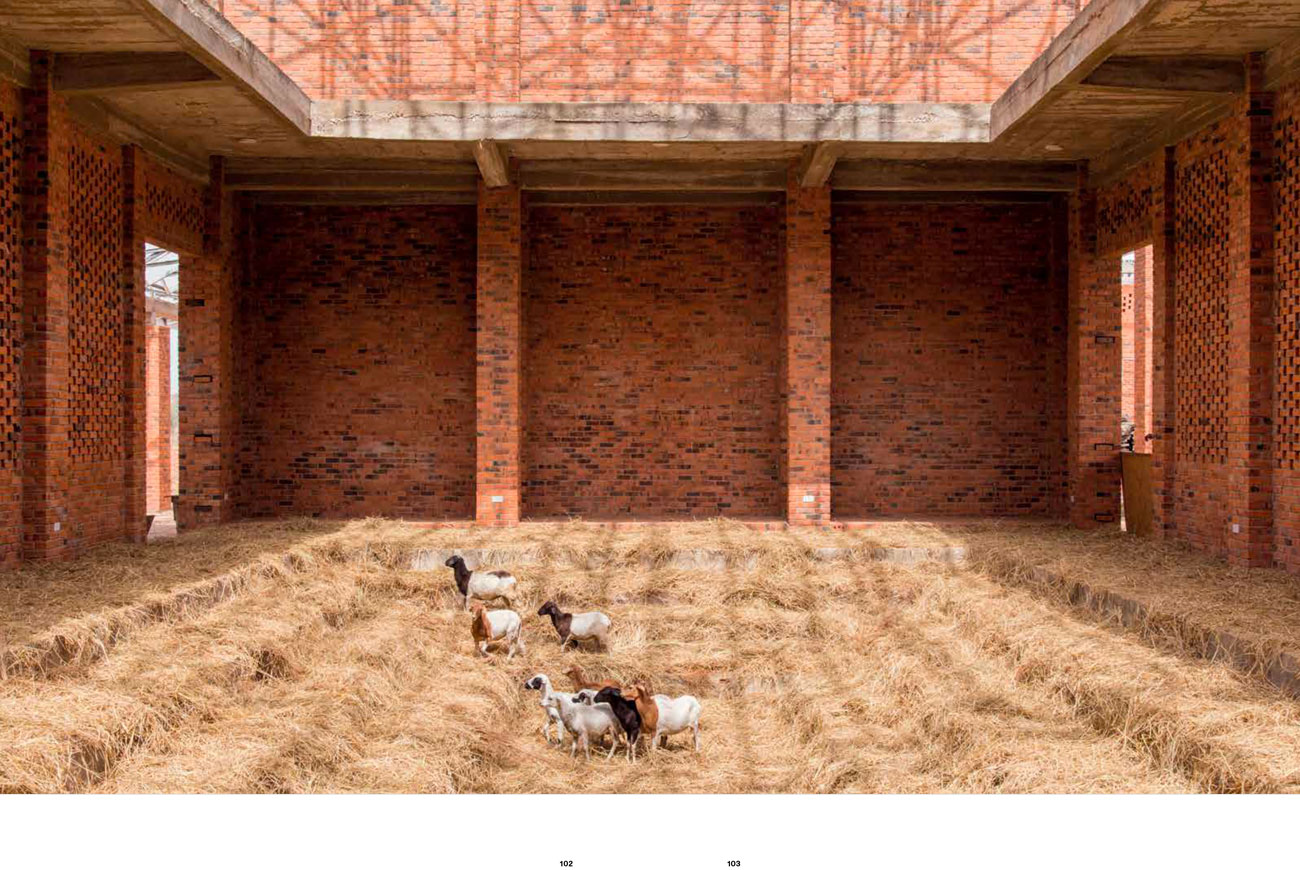
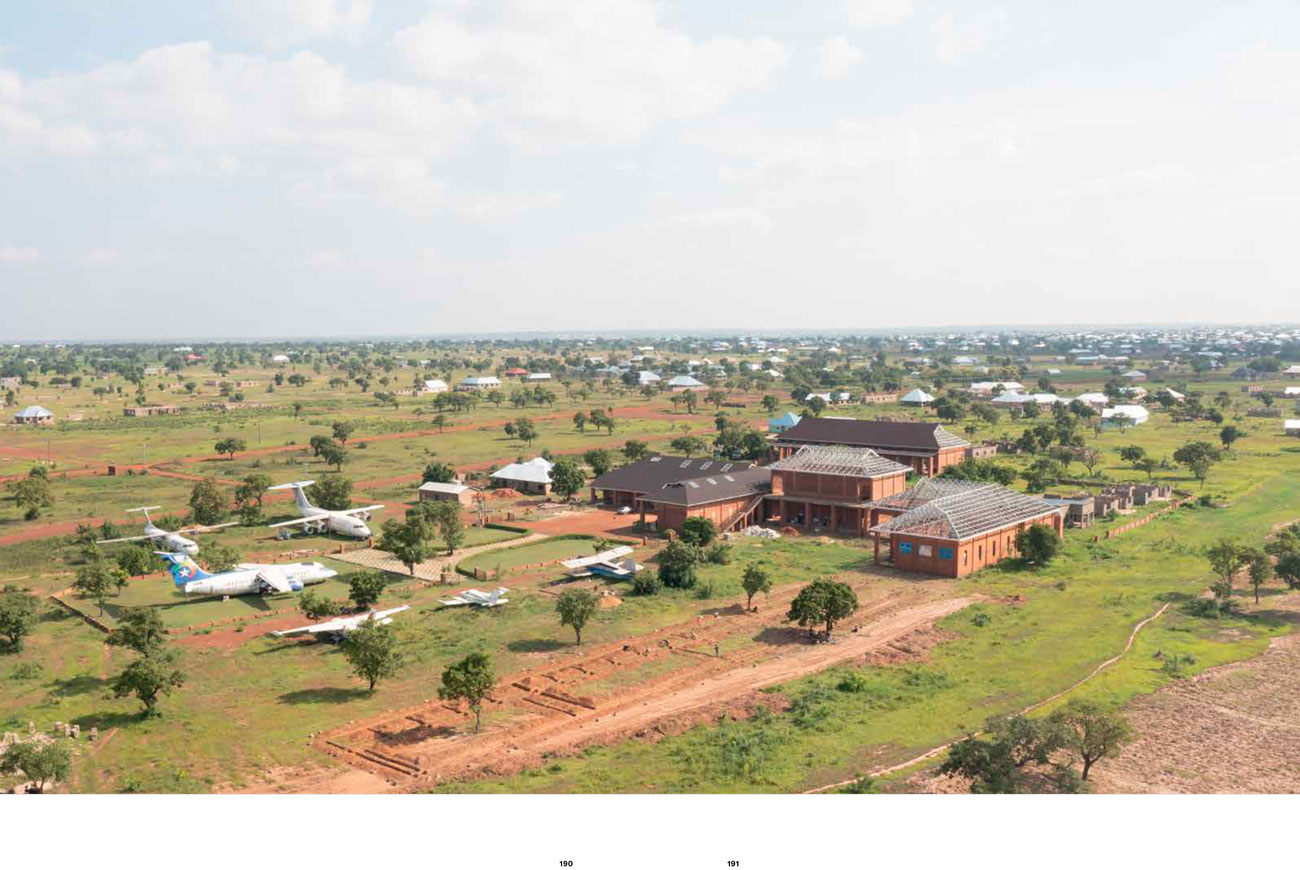
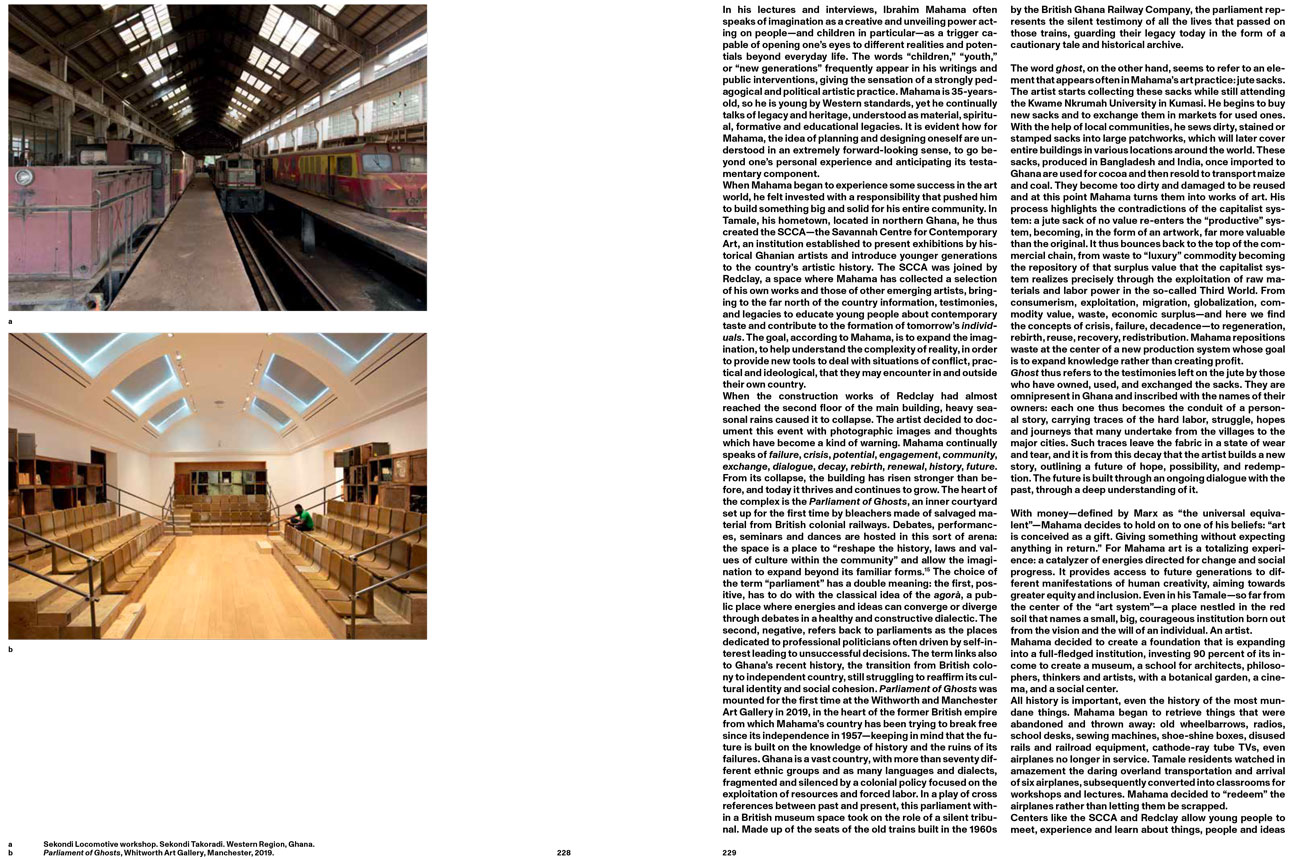
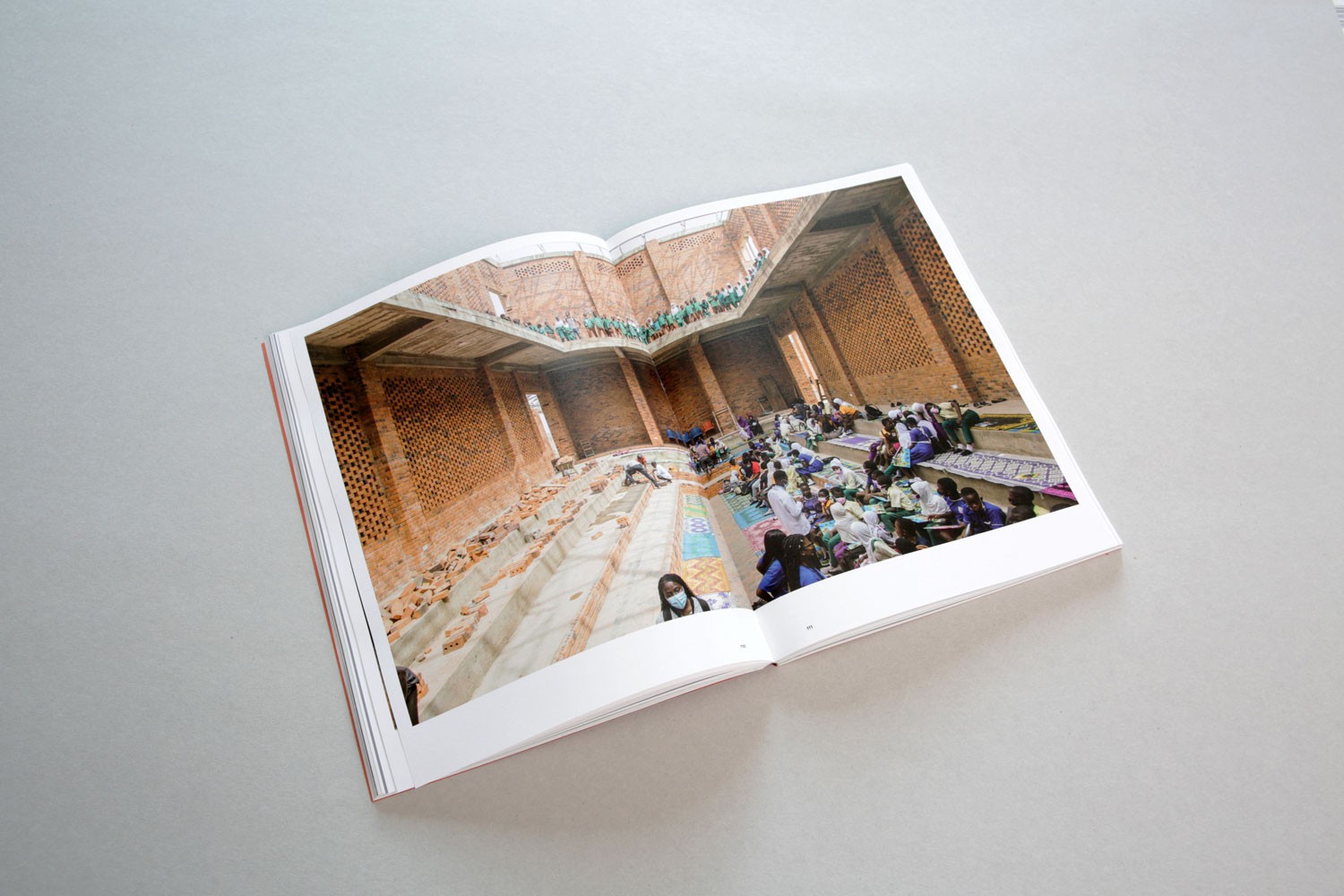
Ibrahim Mahama was born in 1987 in Tamale, a city in northern Ghana where he lives and works. He studied painting and sculpture at Kwame Nkurumah University in Kumasi, Ghana, earning a master’s degree in painting and sculpture in 2013. During his university years, he began working on installations reflecting on the theme of globalization, labor, and the movement of goods, with works made in collaboration with local communities. In 2019, Mahama opened the Savannah Centre for Contemporary Art (SCCA), a foundation run by a group of artists and curators active in Ghana, which was followed by the establishment of Redclay in the suburbs of Tamale. This large facility incorporates artist studios (including his own), research spaces, an artist residency, a permanent collection of artworks, workshop rooms (some set up inside old decommissioned airplanes), and large plots of land dedicated to various types of cultivation. All of this contributes to this visionary artist’s desire to take an active part in the economic, social, and cultural development of his country, providing powerful incentives and teachings to new generations, to make the local population as participatory and economically self-sufficient as possible.
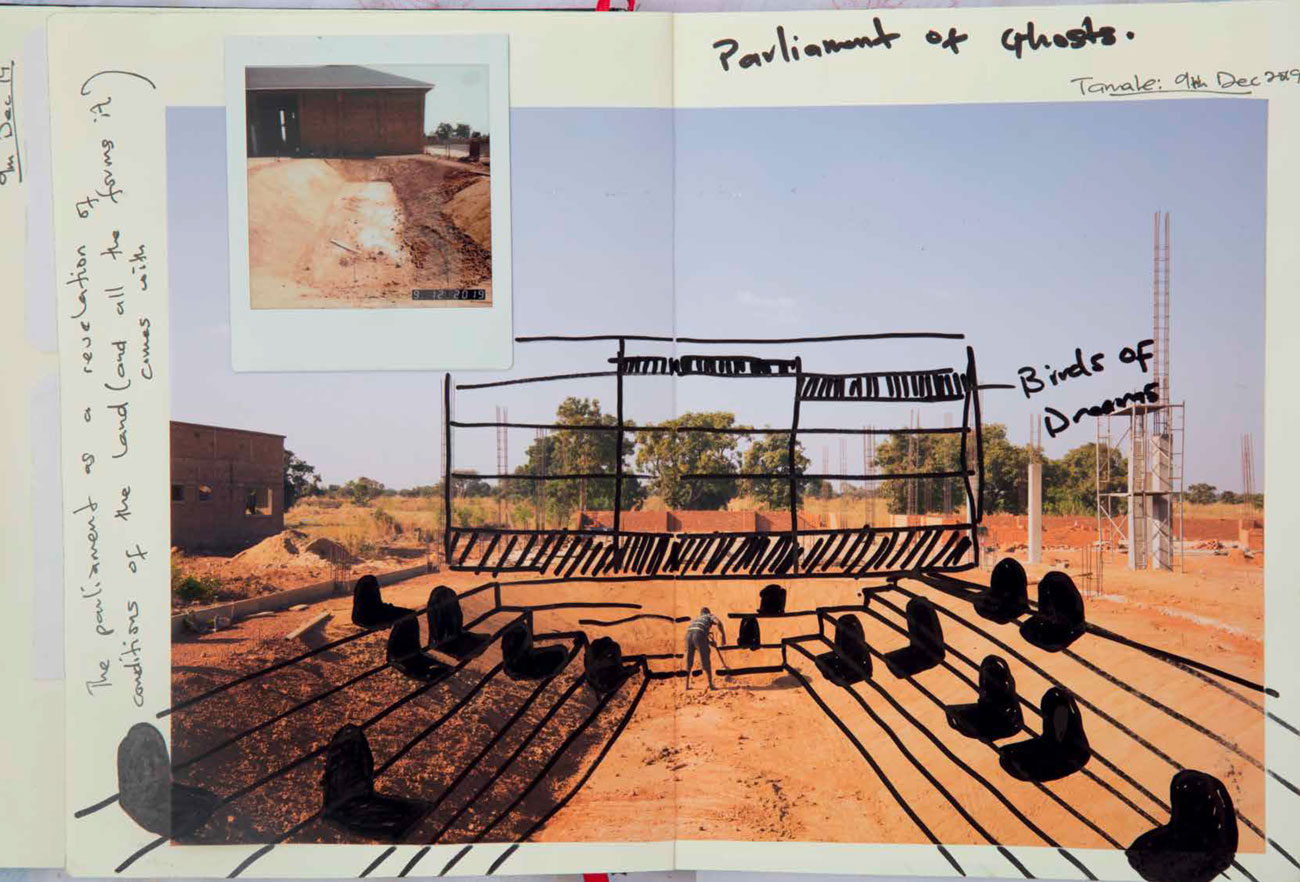
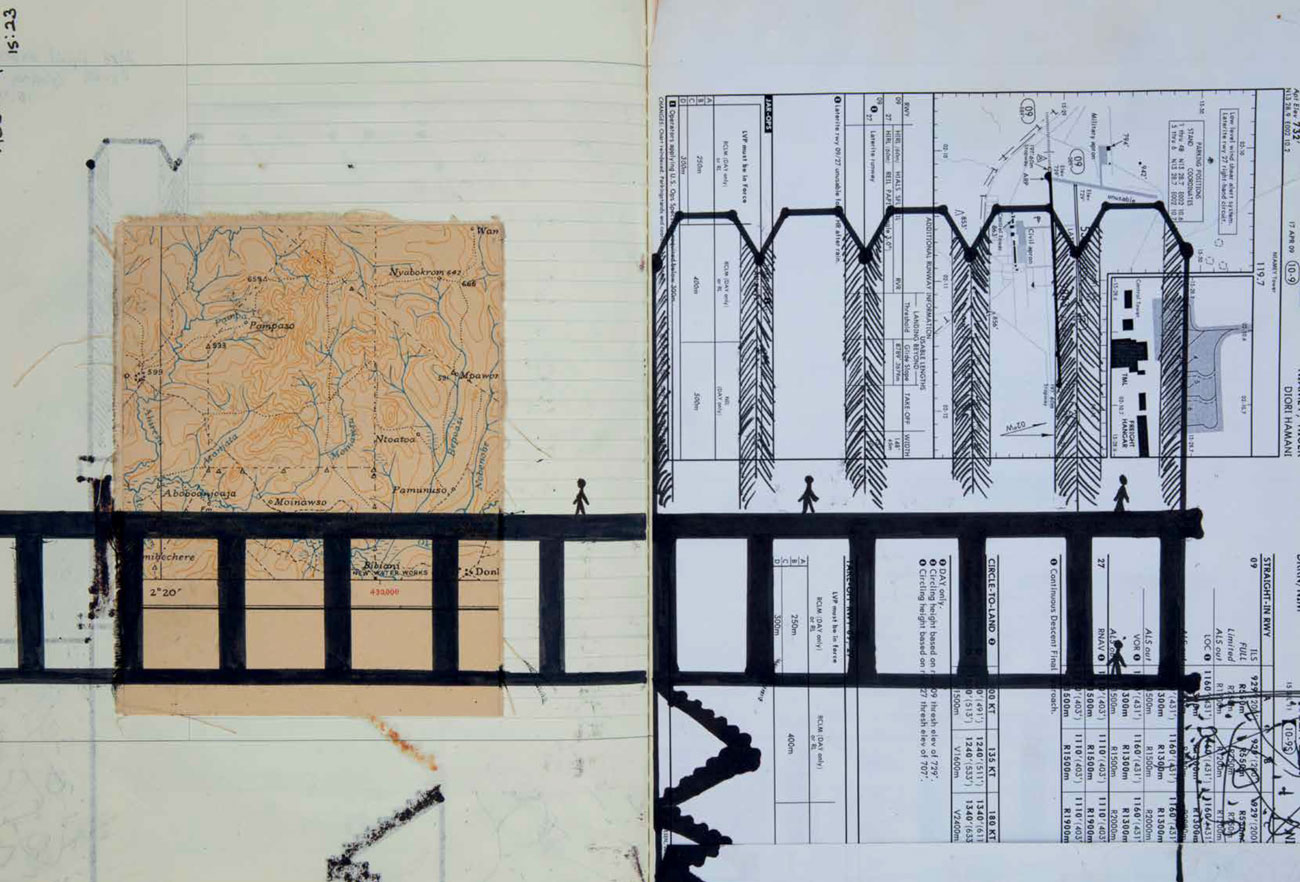
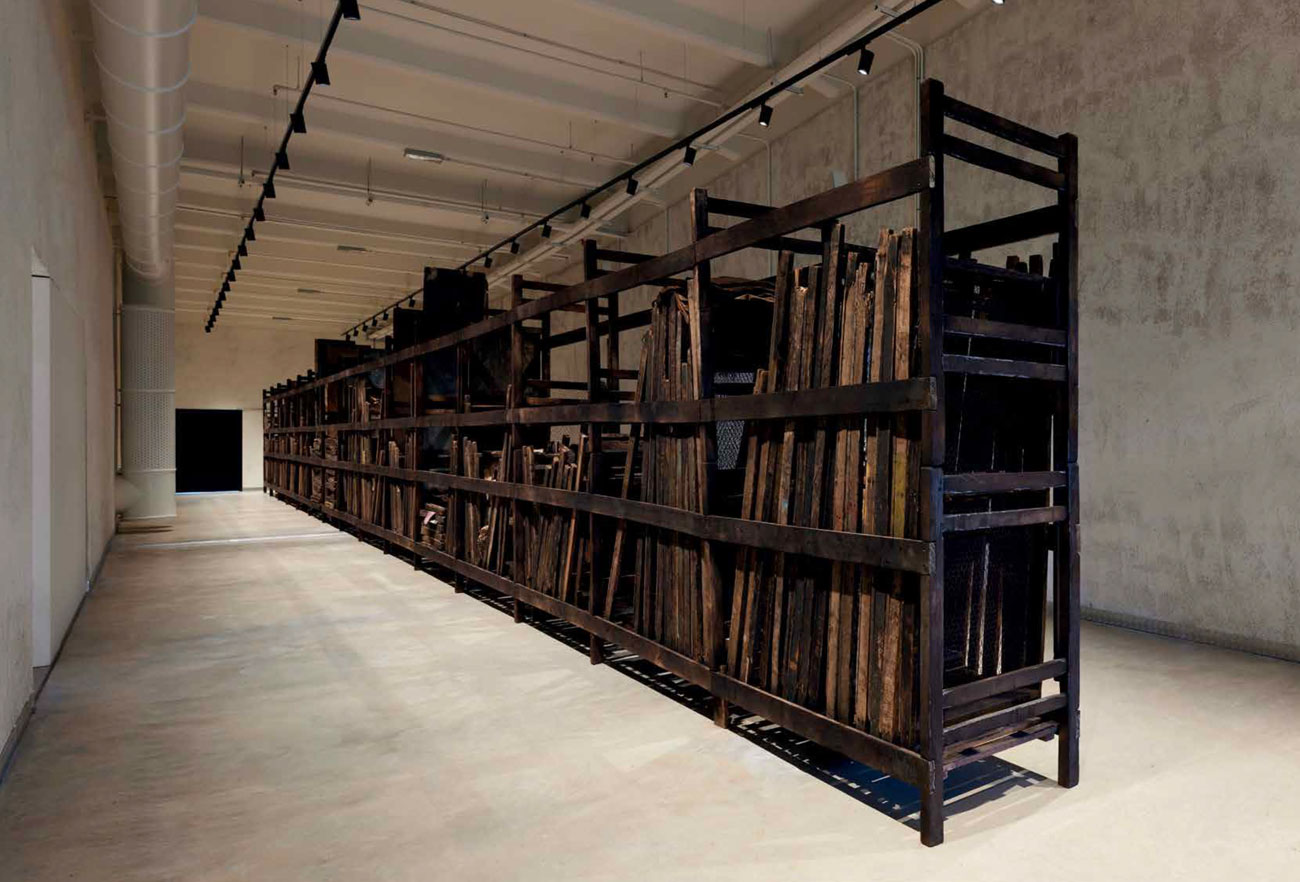
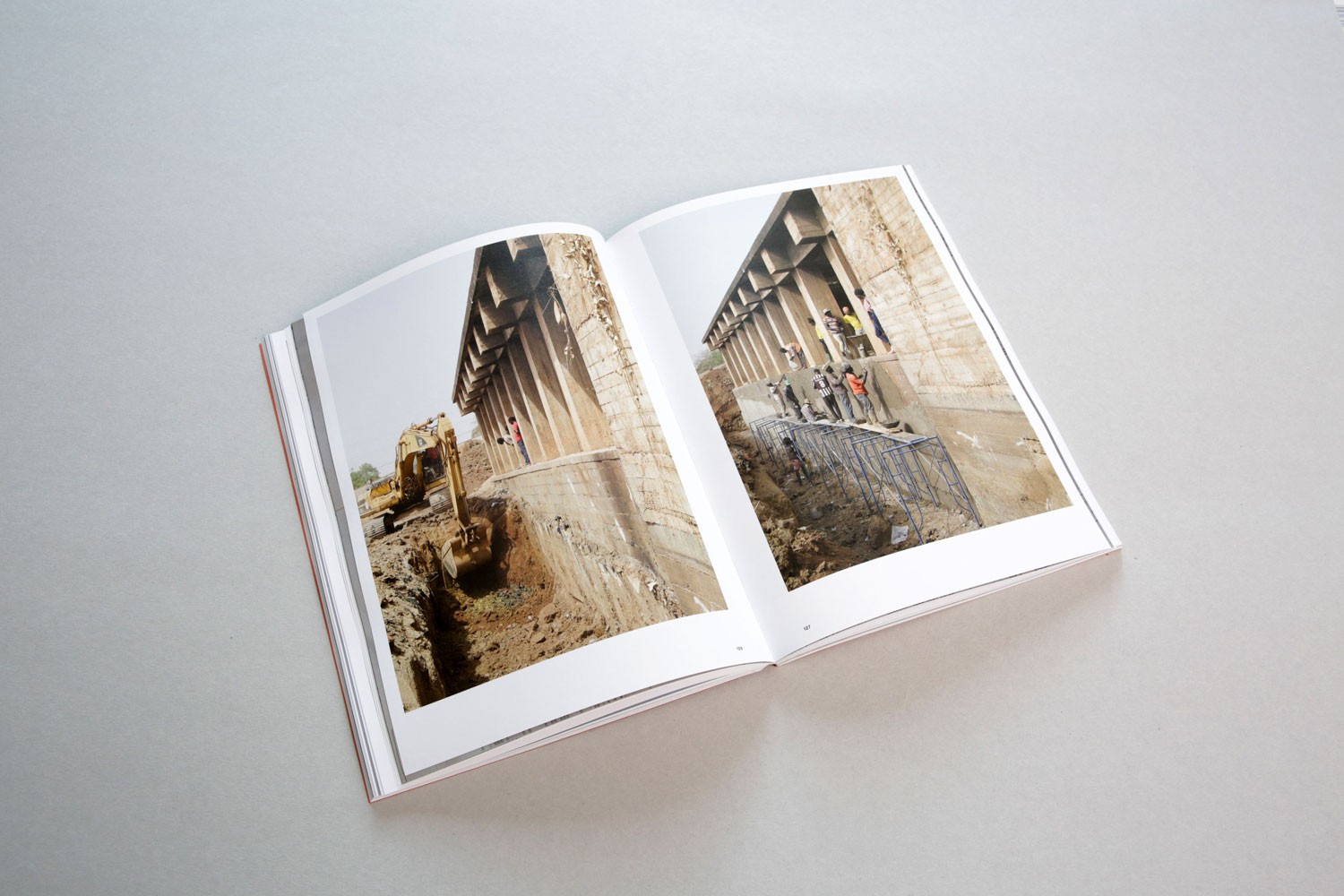
This volume, published to accompany Mahama’s inaugural exhibition at Eataly Art House, in Verona, is constructed as visual diary of artist’s impressive work in his native Tamale, a community-based project founded on the understanding of art as totalizing, reparatory experience: a catalyzer of energies directed for change and social progress. It features texts by the curator Eva Brioschi, Mahama’s professor and mentor karî’kachä seid’ou with Selom Kudjie, and Mahama himself with Bernard Akoi-Jackson.
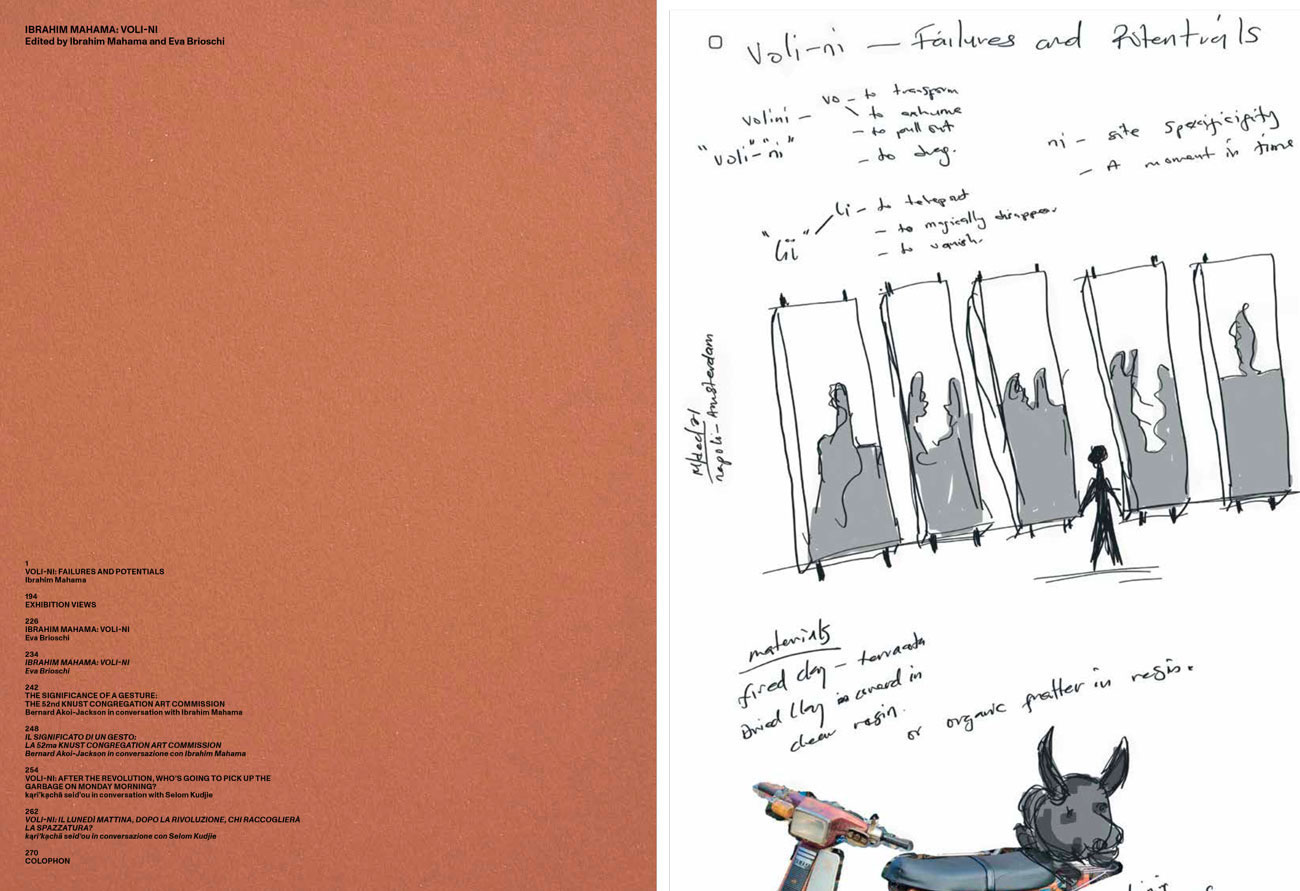
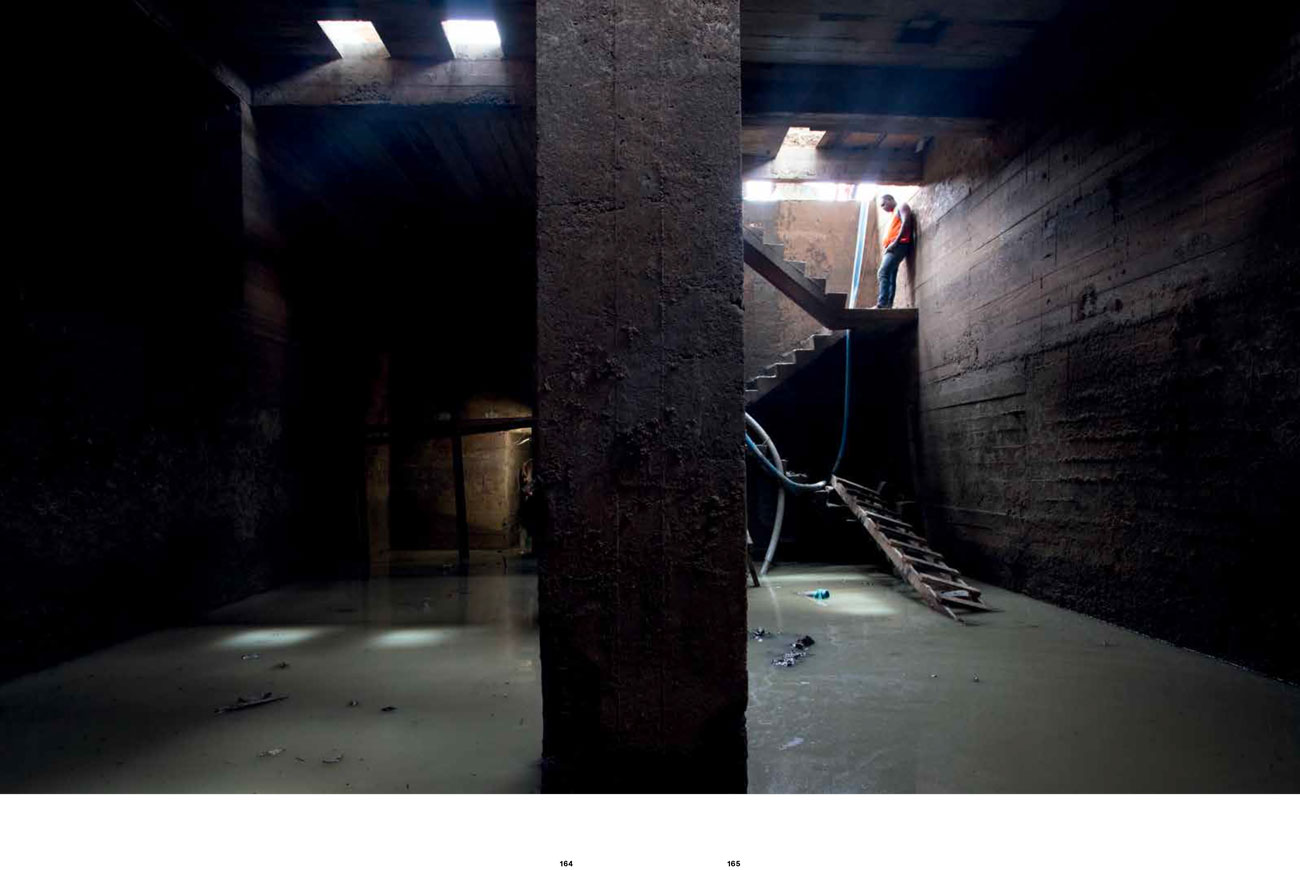
Voli-ni, which literally means “inside the hole,” is composed of individual particles with their own meaning: Vo, “to pull out,” “extract”; li, “to transfer,” “teleport”; and ni, “here and now.”
Voli-ni therefore indicates an emersion from darkness, from a failed past of defeat, towards the possibility of redemption, regeneration, through a portal that is real (recovered architecture) or imaginary (art).