Through exquisite craftsmanship, and with reference to romantic nationalism, Ann Böttcher explores how aesthetic and political projections characterize notions of nature, and how such conceptions are taken up by countries, political movements, and other institutions.
Voices (Towards Other Institutions) is the final act of the coral, multiform, articulated, two-year-long experiment carried out by Open, the Russian Federation Pavilion at the 17th International Architecture Exhibition.
The book deals with Diego Marcon’s practice through the analysis of three film and video works. Monelle (2017), Ludwig (2018), and The Parents’ Room (2020) are his most recent and complex projects, and they are all emblematic of central aspects of his production.
Over the last ten years, Raphael Hefti has created an astonishingly body of work consisting of sculptures and installations, performance and “art-in-public-spaces.” The first comprehensive monograph is published on the occasion of his major exhibition at Kunsthalle Basel.
Between 1998 and 1999, the London-based art collective BANK operated the Fax-Bak Service. The group’s members proof-read and copy-edited more than 300 press releases by galleries. The publication is the most comprehensive record of this notorious project.
SOLD OUT
Sold Out
Listen
On how The BANK Fax-Bak Service started and how it came to be a book
In the Villa Santo Sospir, Jean Cocteau conceived his pictorial work through accumulation, inspired by Greek mythology and the Mediterranean landscape. Architecture permeates the subjects of Mauro Restiffe from a viewpoint that amplifies and reverberates the simple historical record.
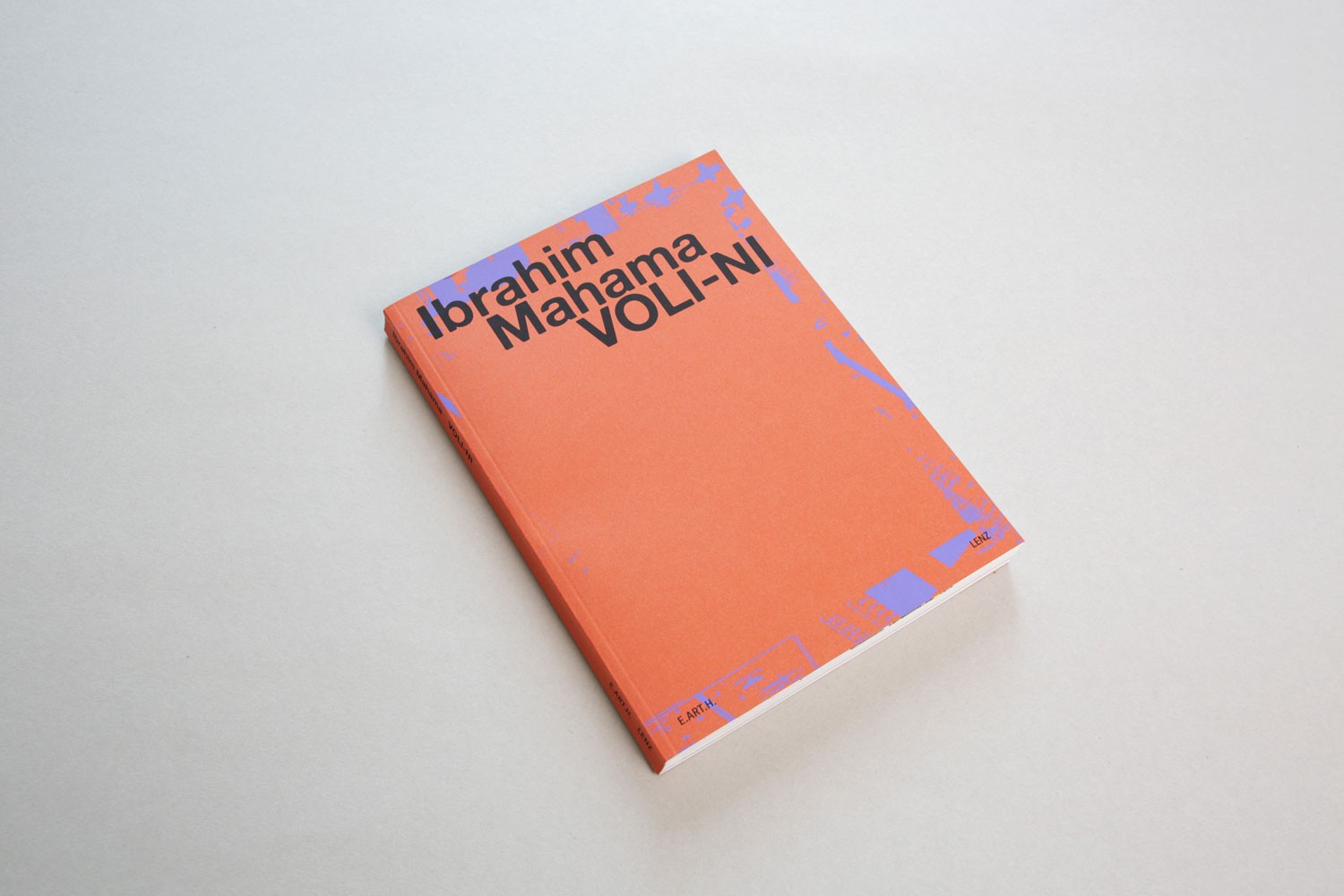
Edited by Ibrahim Mahama and Eva Brioschi
Texts by Bernard Akoi-Jackson and Ibrahim Mahama; Eva Brioschi; karî’kachä seid’ou and Selom Kudjie
Design: Studio Temp
Softcover, 272 pages, 21 x 28.5 cm
English / Italian
ISBN 979-12-80579-20-1
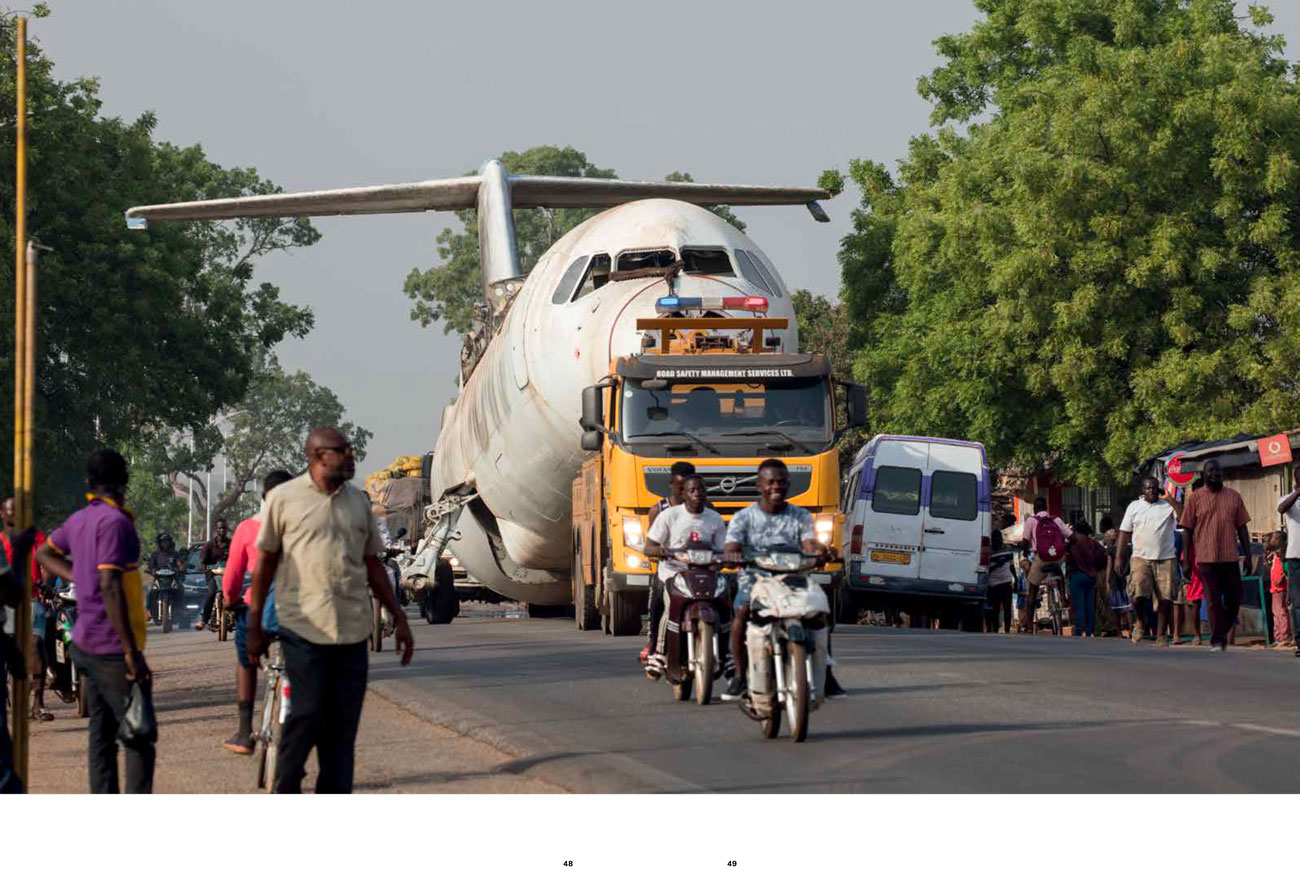
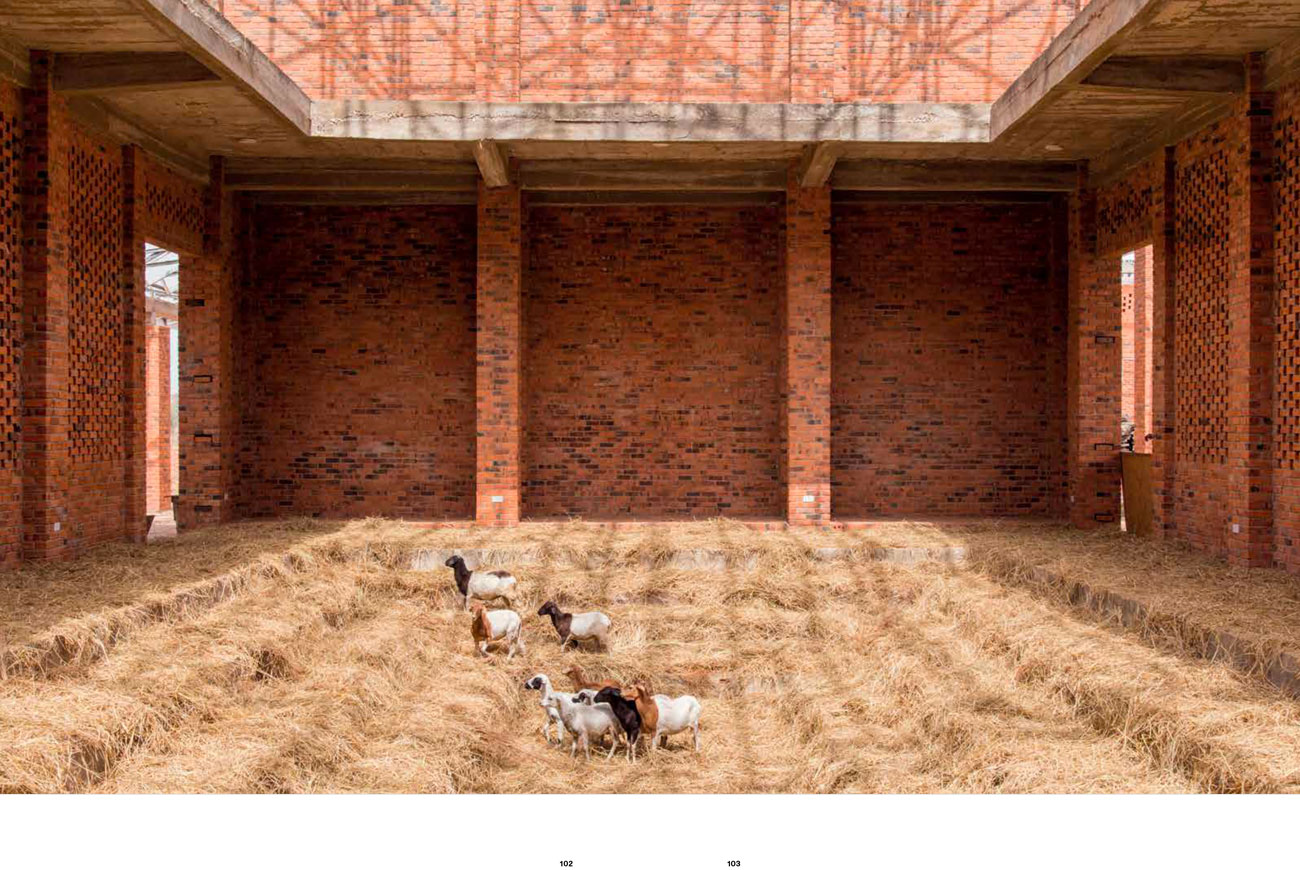
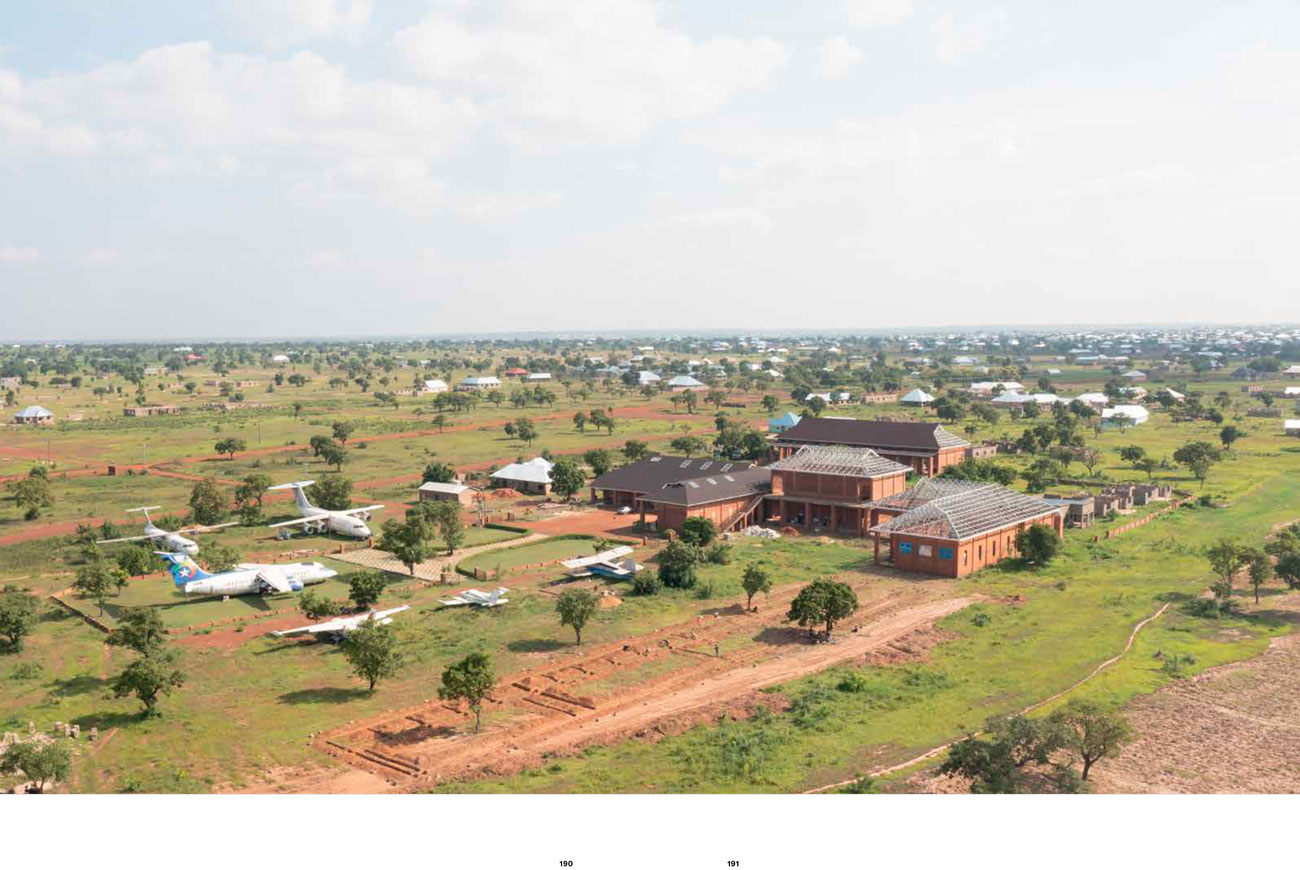
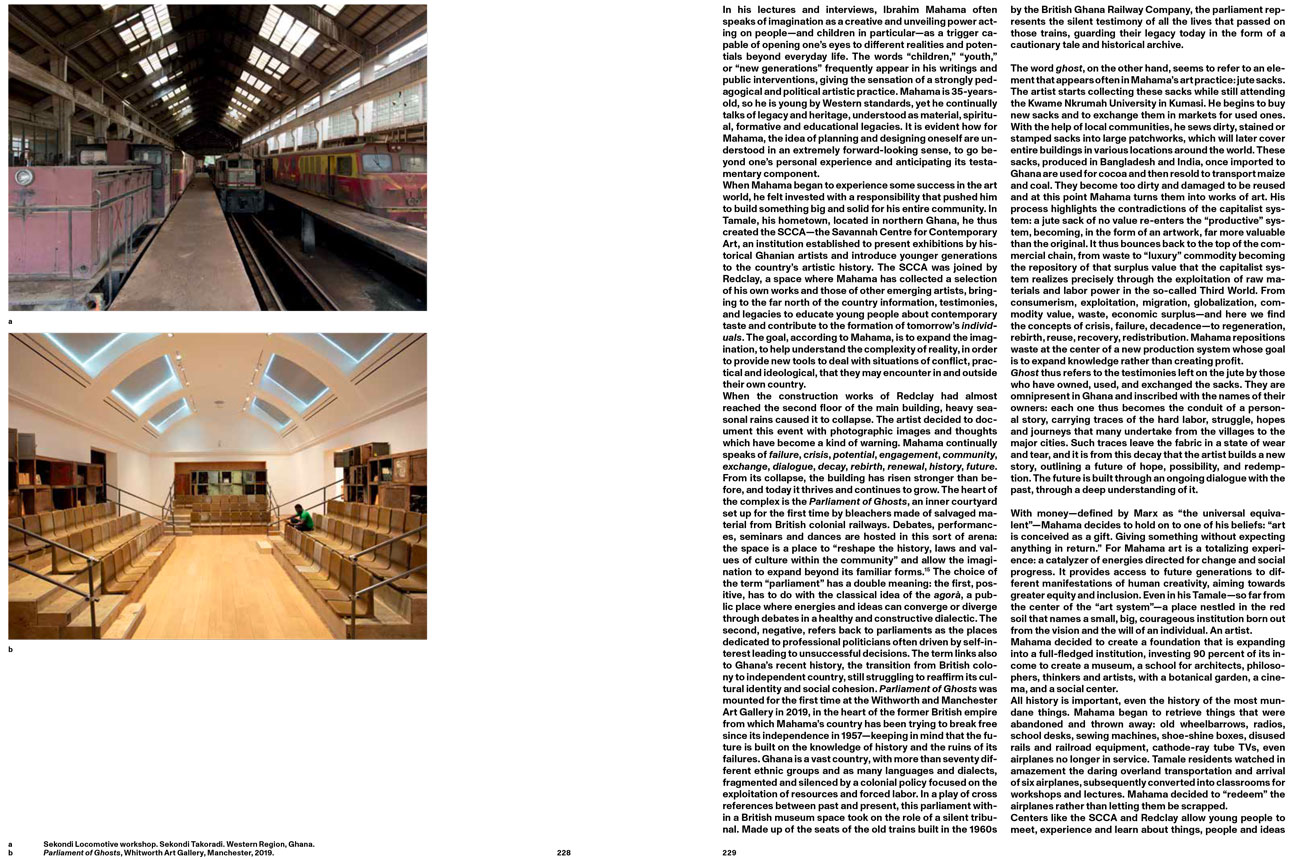
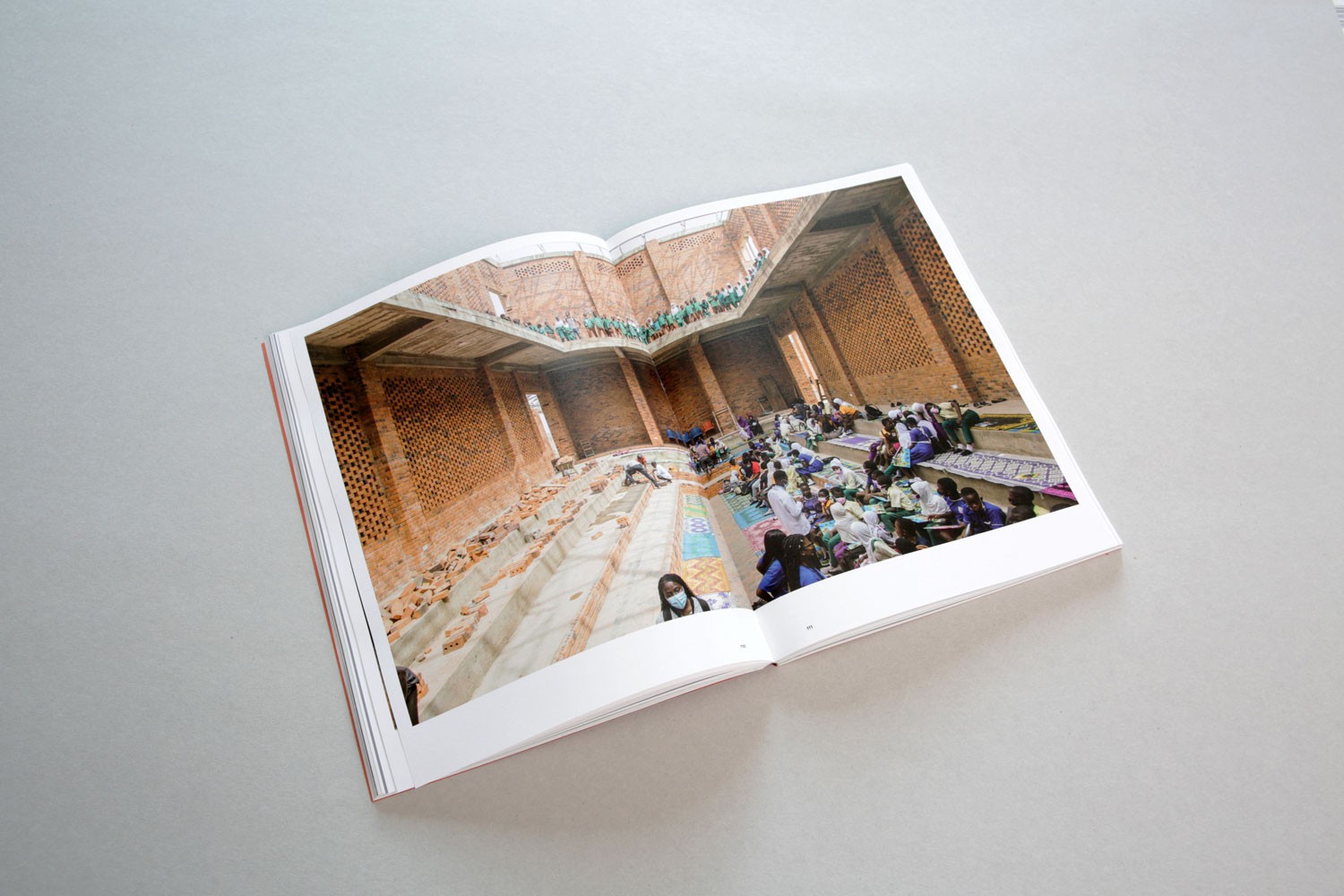
Ibrahim Mahama was born in 1987 in Tamale, a city in northern Ghana where he lives and works. He studied painting and sculpture at Kwame Nkurumah University in Kumasi, Ghana, earning a master’s degree in painting and sculpture in 2013. During his university years, he began working on installations reflecting on the theme of globalization, labor, and the movement of goods, with works made in collaboration with local communities. In 2019, Mahama opened the Savannah Centre for Contemporary Art (SCCA), a foundation run by a group of artists and curators active in Ghana, which was followed by the establishment of Redclay in the suburbs of Tamale. This large facility incorporates artist studios (including his own), research spaces, an artist residency, a permanent collection of artworks, workshop rooms (some set up inside old decommissioned airplanes), and large plots of land dedicated to various types of cultivation. All of this contributes to this visionary artist’s desire to take an active part in the economic, social, and cultural development of his country, providing powerful incentives and teachings to new generations, to make the local population as participatory and economically self-sufficient as possible.
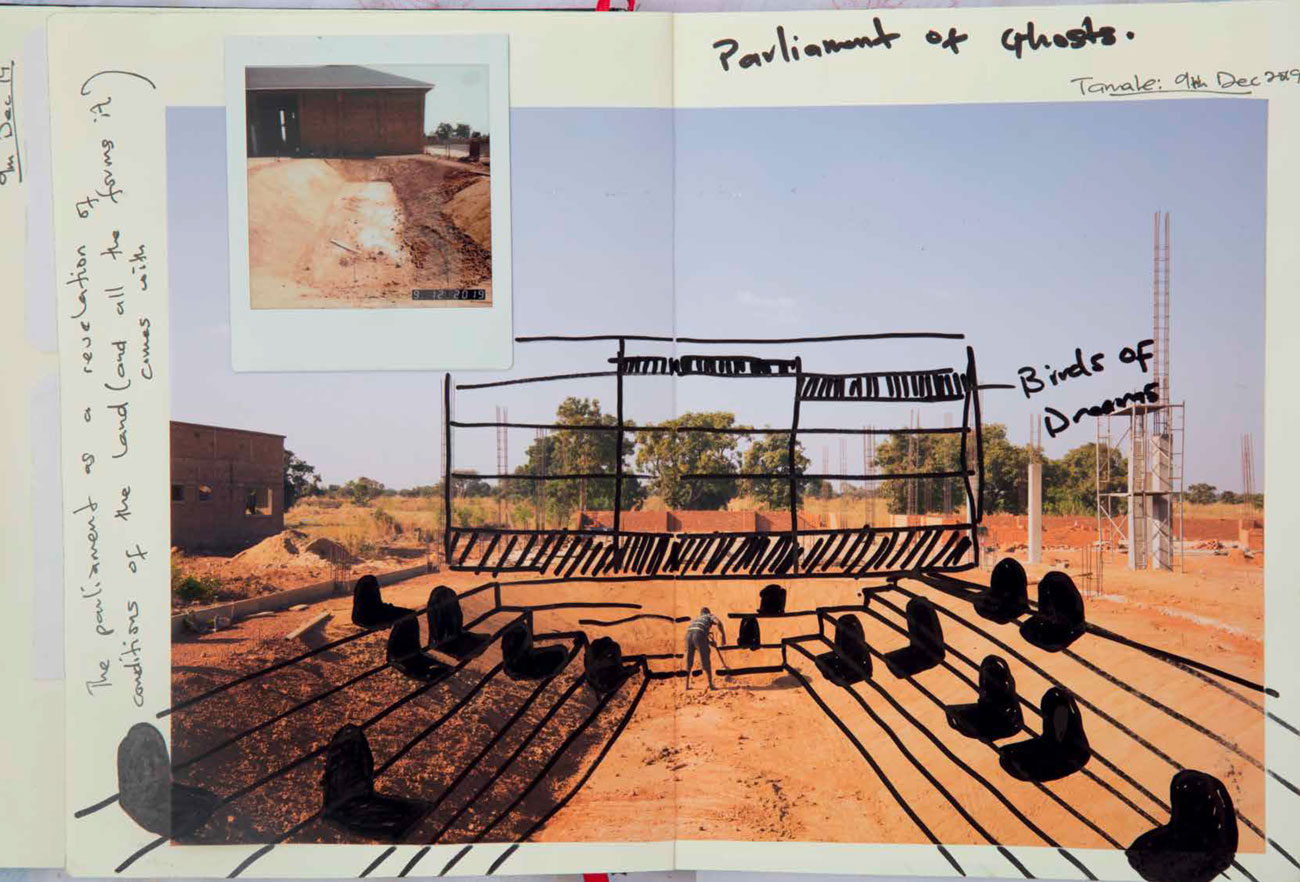
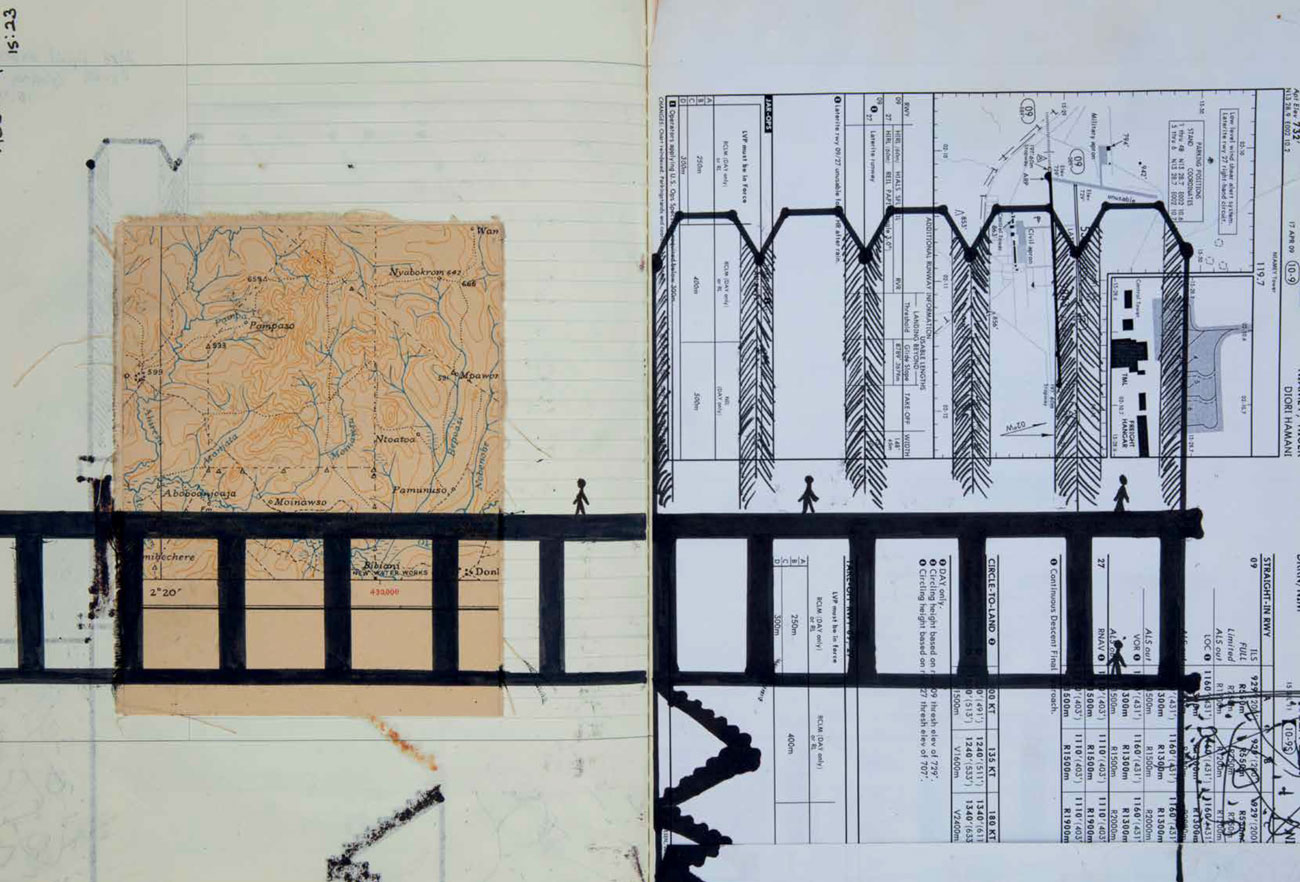
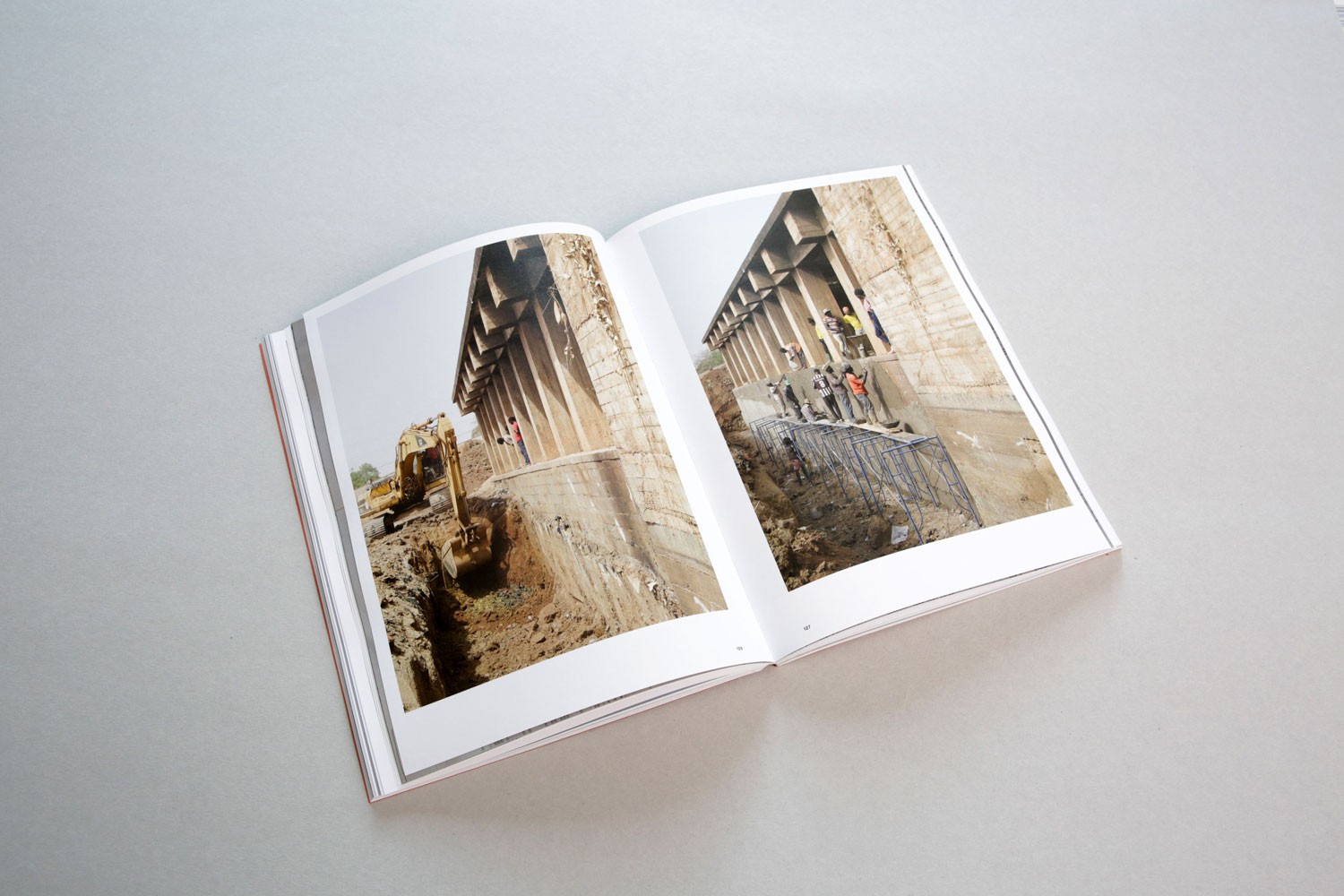
This volume, published to accompany Mahama’s inaugural exhibition at Eataly Art House, in Verona, is constructed as visual diary of artist’s impressive work in his native Tamale, a community-based project founded on the understanding of art as totalizing, reparatory experience: a catalyzer of energies directed for change and social progress. It features texts by the curator Eva Brioschi, Mahama’s professor and mentor karî’kachä seid’ou with Selom Kudjie, and Mahama himself with Bernard Akoi-Jackson.
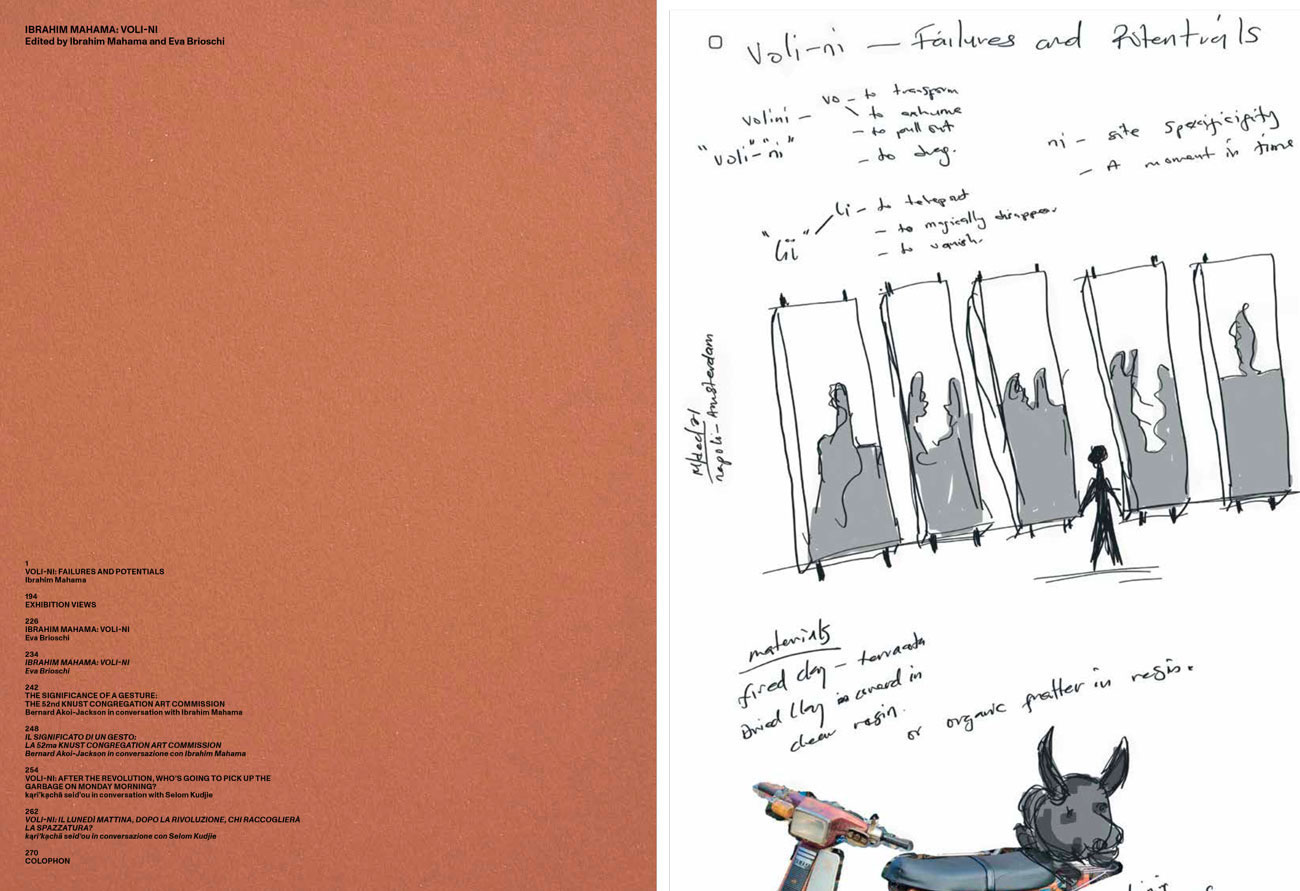
Voli-ni, which literally means “inside the hole,” is composed of individual particles with their own meaning: Vo, “to pull out,” “extract”; li, “to transfer,” “teleport”; and ni, “here and now.”
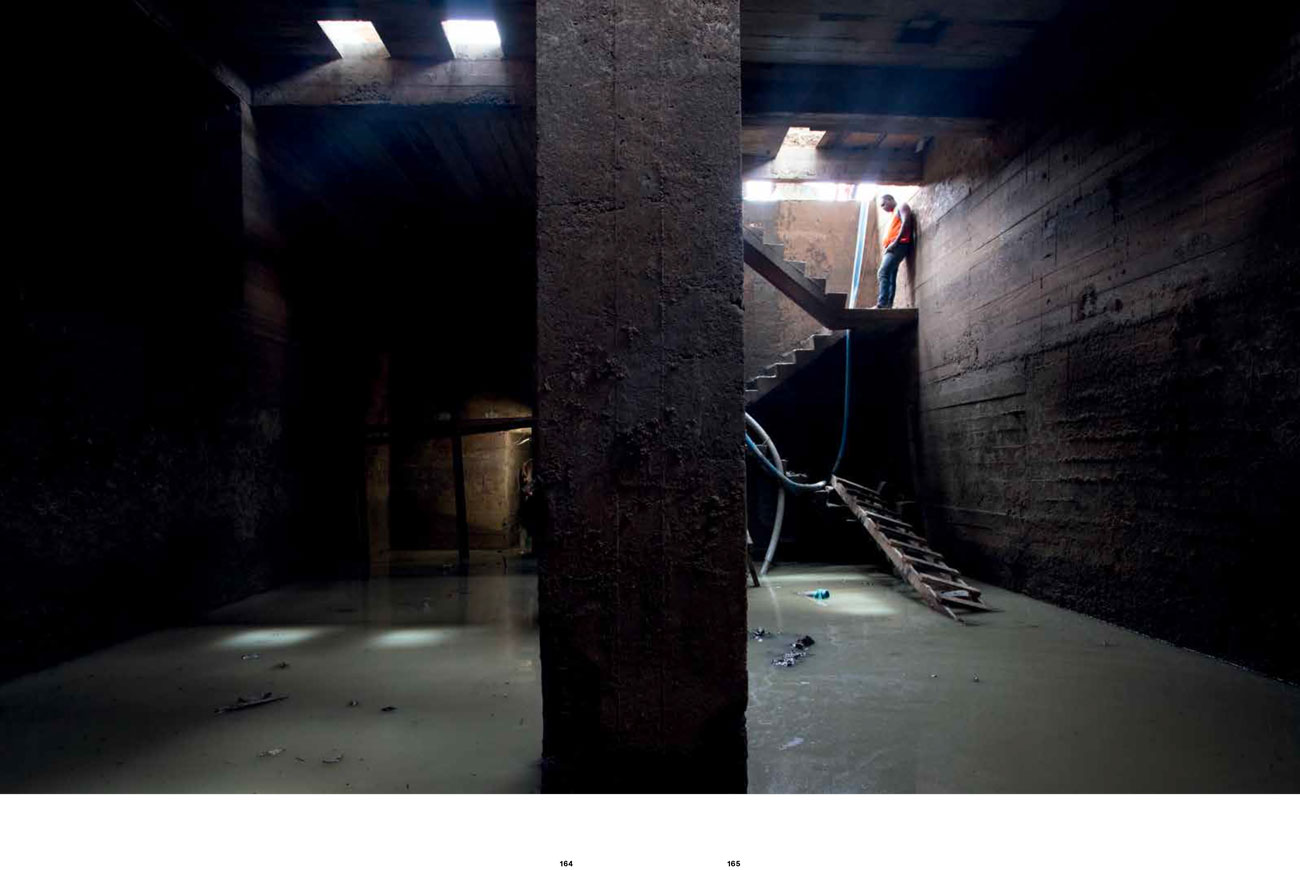
Voli-ni therefore indicates an emersion from darkness, from a failed past of defeat, towards the possibility of redemption, regeneration, through a portal that is real (recovered architecture) or imaginary (art).