In the Villa Santo Sospir, Jean Cocteau conceived his pictorial work through accumulation, inspired by Greek mythology and the Mediterranean landscape. Architecture permeates the subjects of Mauro Restiffe from a viewpoint that amplifies and reverberates the simple historical record.
Oh mio cagnetto, is the artist’s first book of writings, conceived as an artwork. It is a collection of 81 little poems that revolve around the missed and mourned figure of a puppy. It intentionally plays on the ambiguity of its nature, as both a book distributed in conventional ways and an art object.
When she started writing the Corona Tales, Chus Martínez had been weighing how people and the media were addressing the outbreak of the virus as an unprecedented disaster. One possible contribution, as curator and writer, would be to write a short story a day…
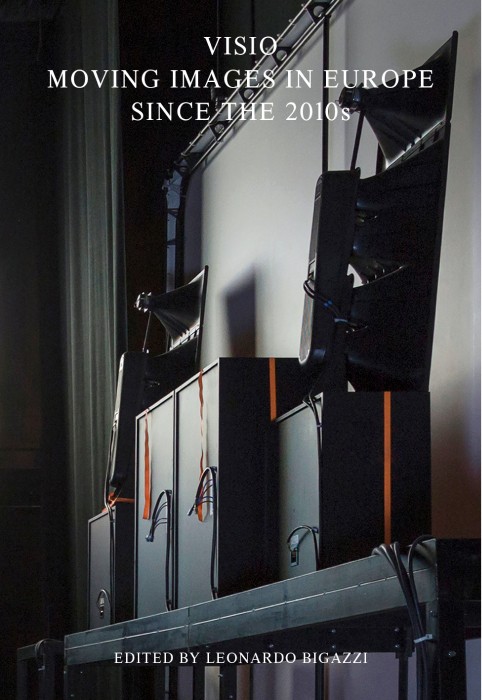
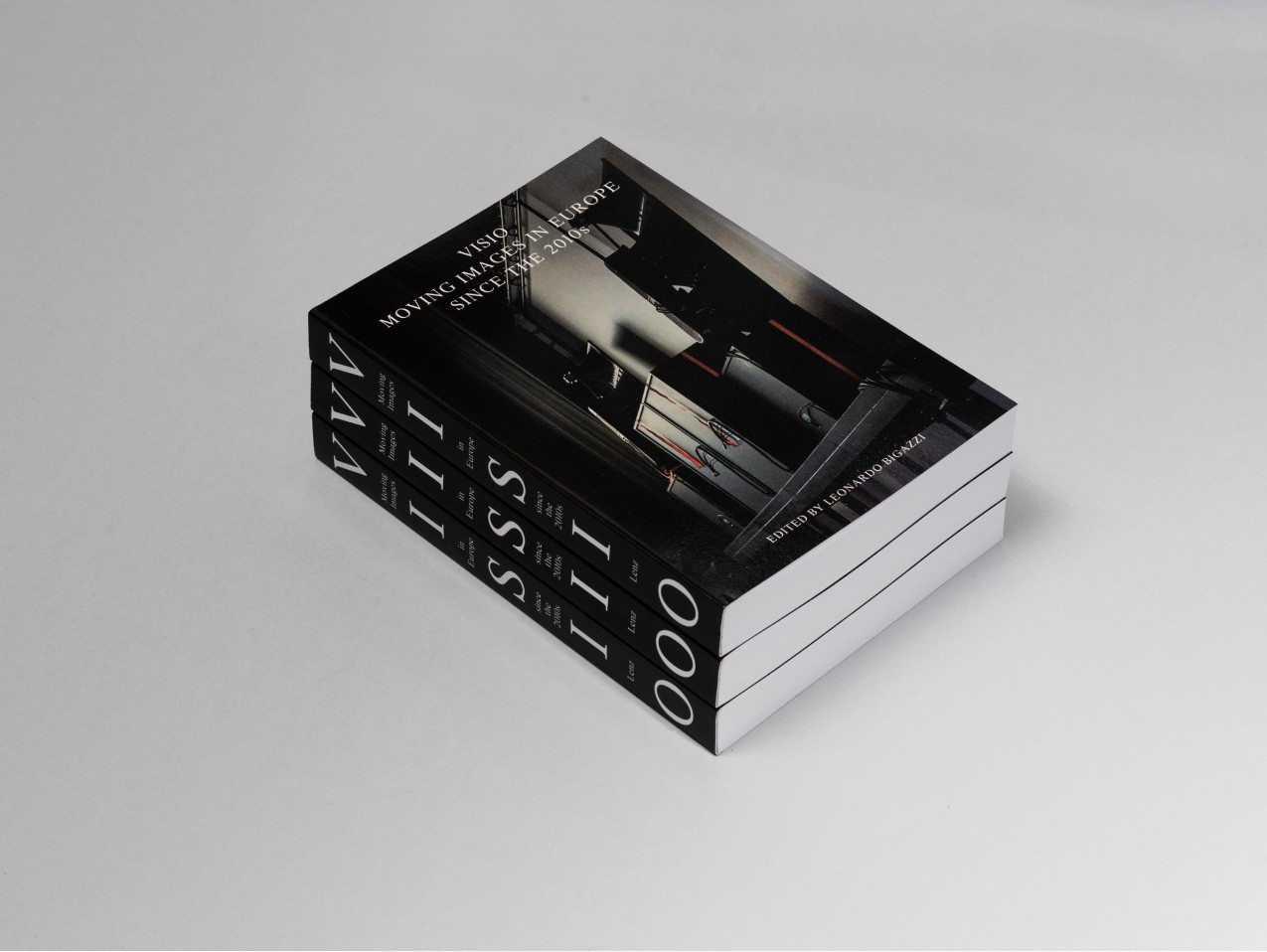
Edited by Leonardo Bigazzi
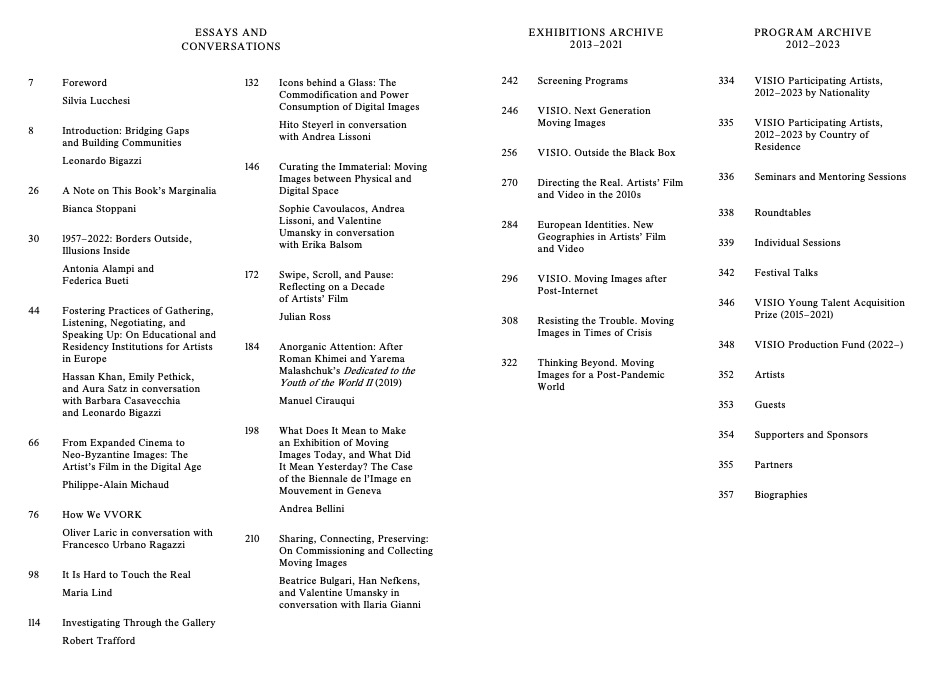
Texts by Antonia Alampi, Erika Balsom, Andrea Bellini, Leonardo Bigazzi, Federica Bueti, Beatrice Bulgari, Barbara Casavecchia, Sophie Cavoulacos, Manuel Cirauqui, Ilaria Gianni, Hassan Khan, Oliver Laric, Maria Lind, Andrea Lissoni, Philippe-Alain Michaud, Han Nefkens, Emily Pethick, Julian Ross, Aura Satz, Hito Steyerl, Bianca Stoppani, Robert Trafford, Valentine Umansky, Francesco Urbano Ragazzi
Designed by Lorenzo Mason Studio
2024, English, softcover, 17 x 24 cm, 368 pages
ISBN 979-12-80579-57-7
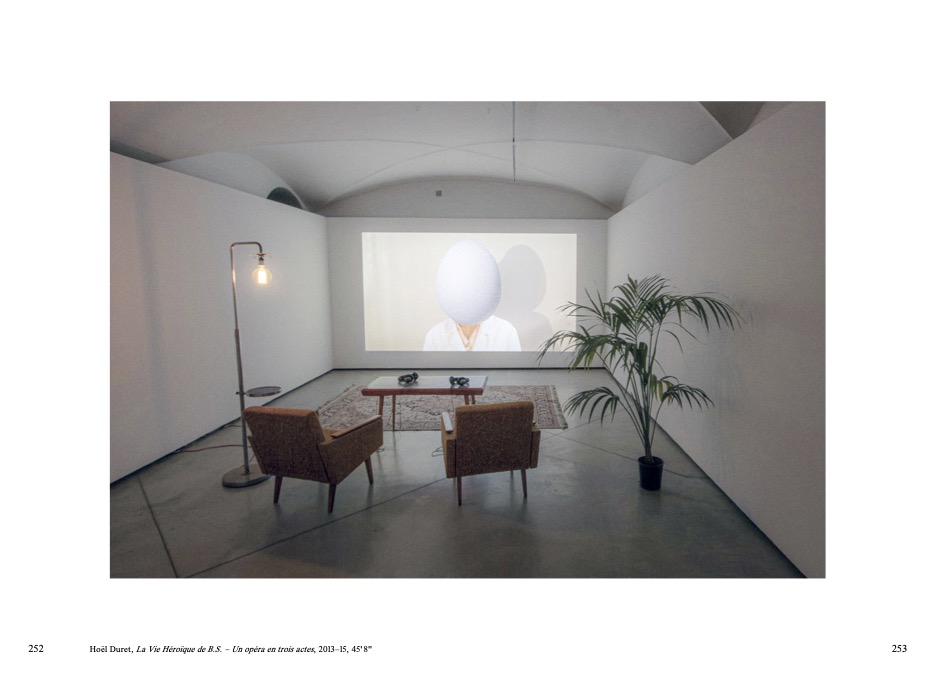
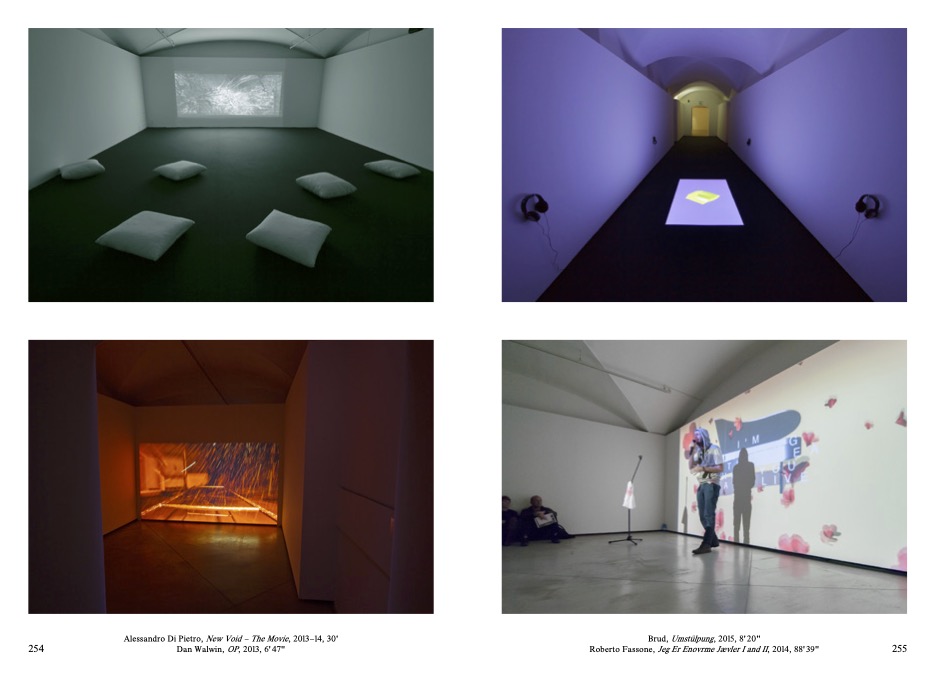
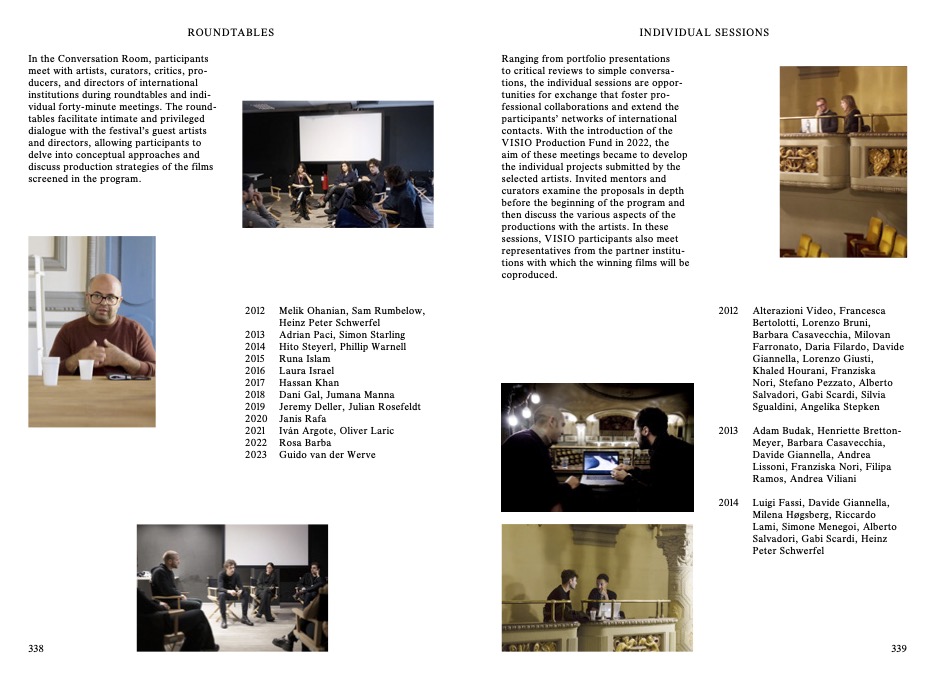
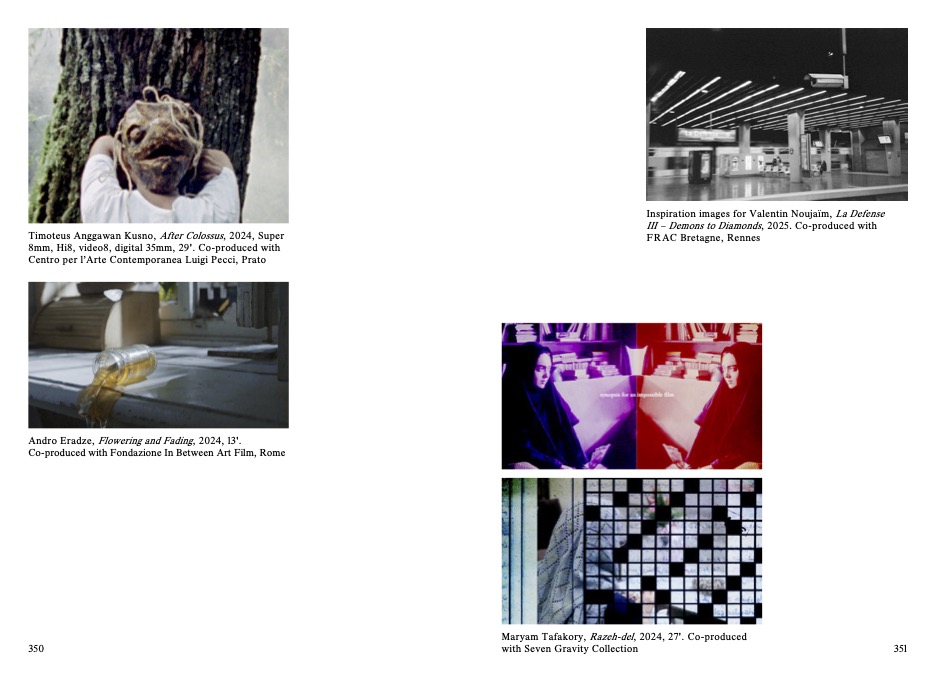
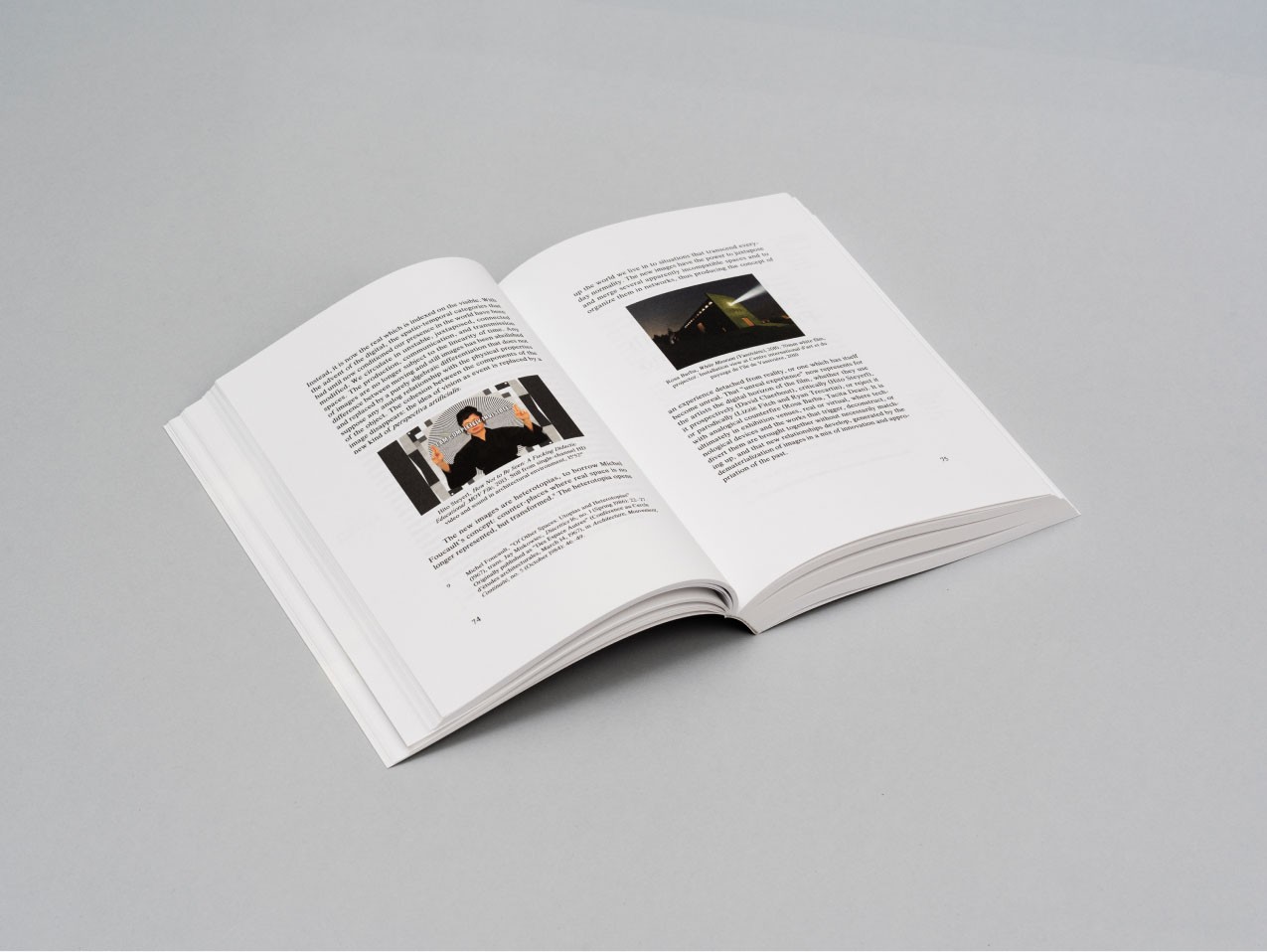
This volume brings together visions, experiences and critical interdisciplinary methodologies that have been instrumental in the development of the language of moving images since 2010. New essays and conversations reflect on radical technological and poetic transformations in the works of the generation of digital native artists, adhering to the shared processes developed during the first twelve editions of VISIO – European Programme on Artists’ Moving Images, a research, production and residency project promoted and organized by Lo schermo dell’arte in Florence.
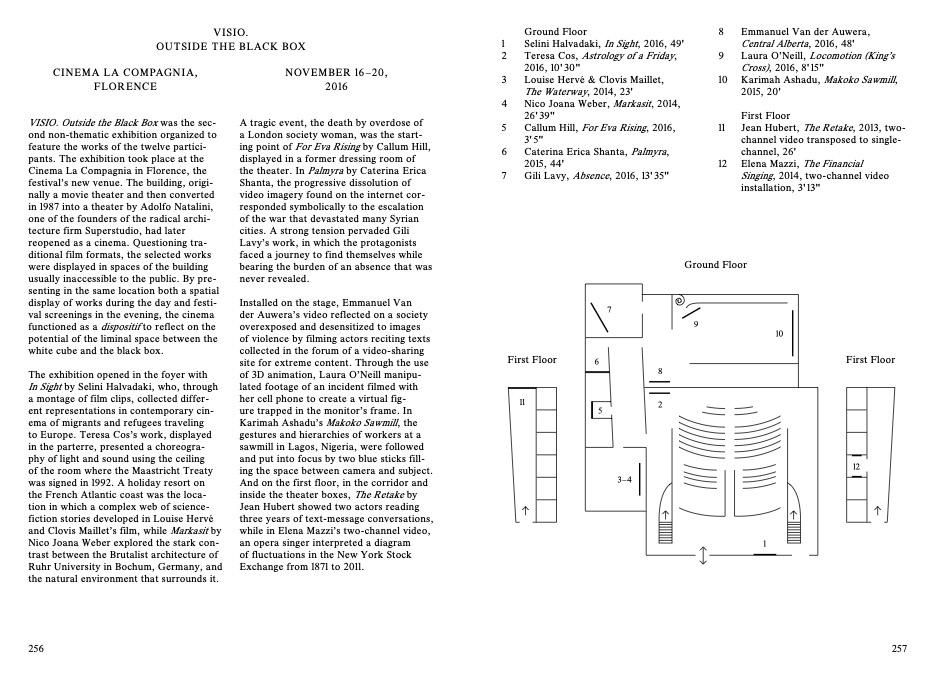
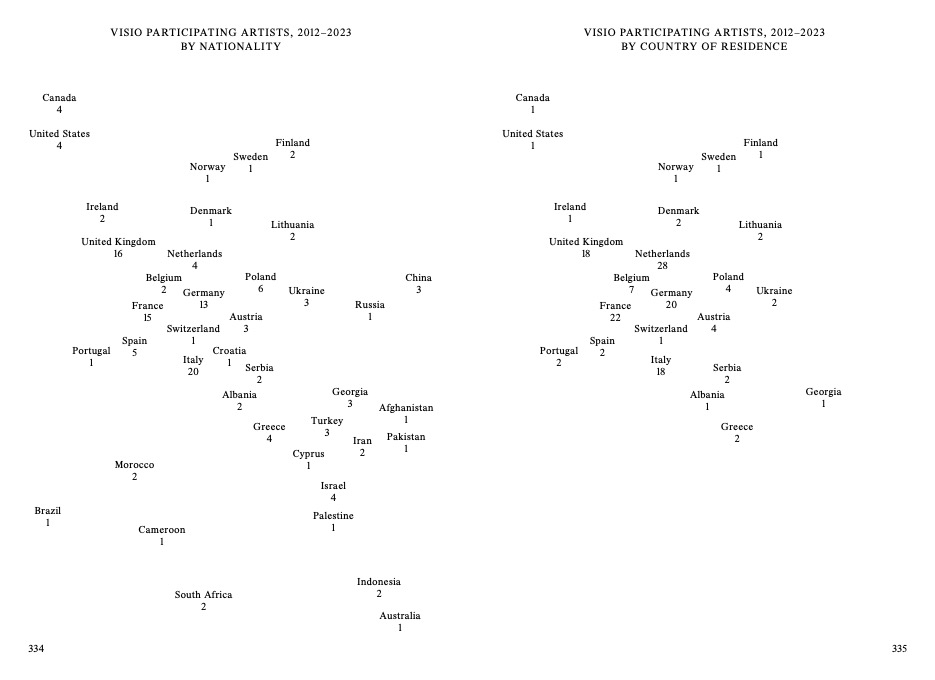
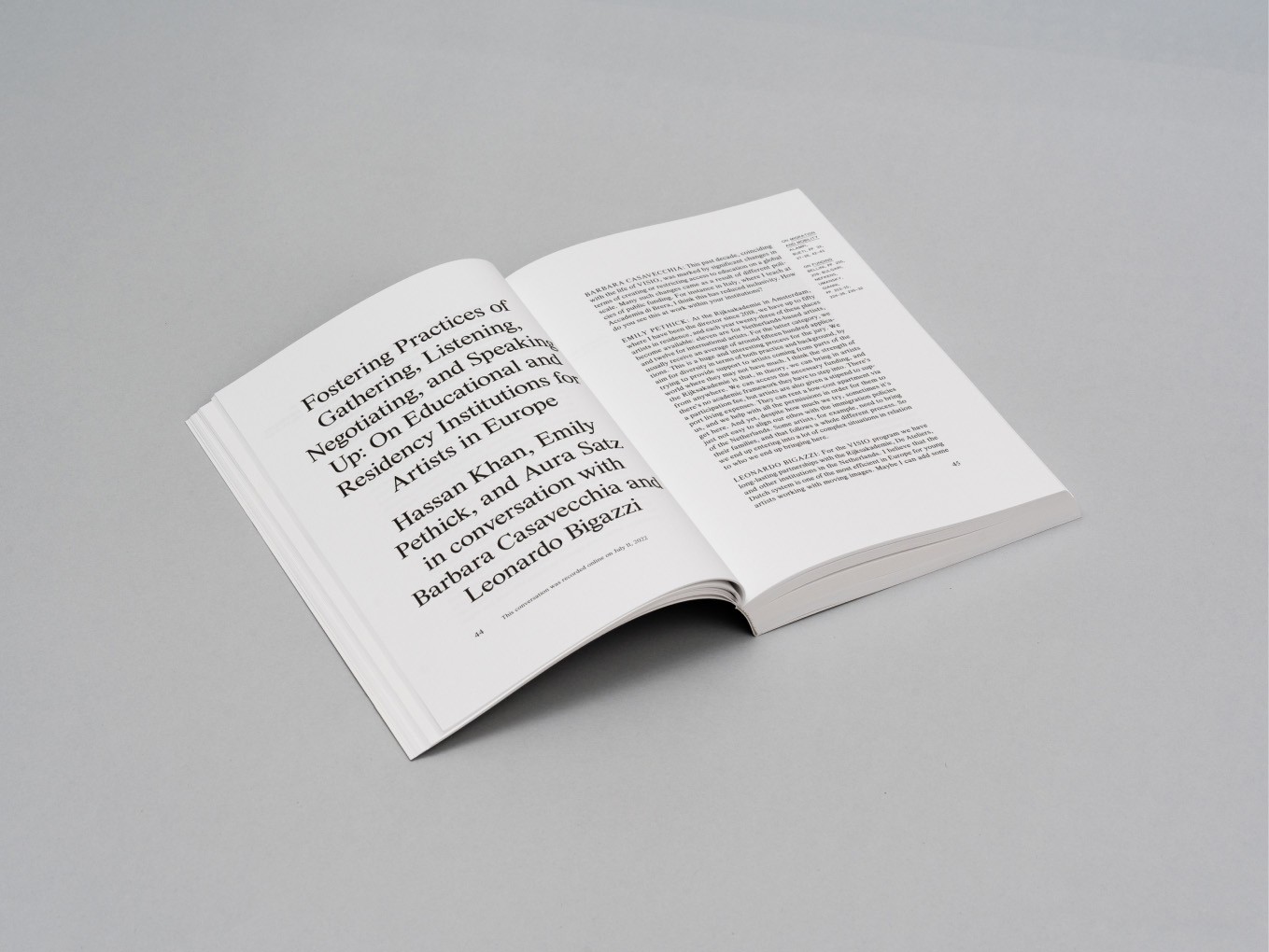
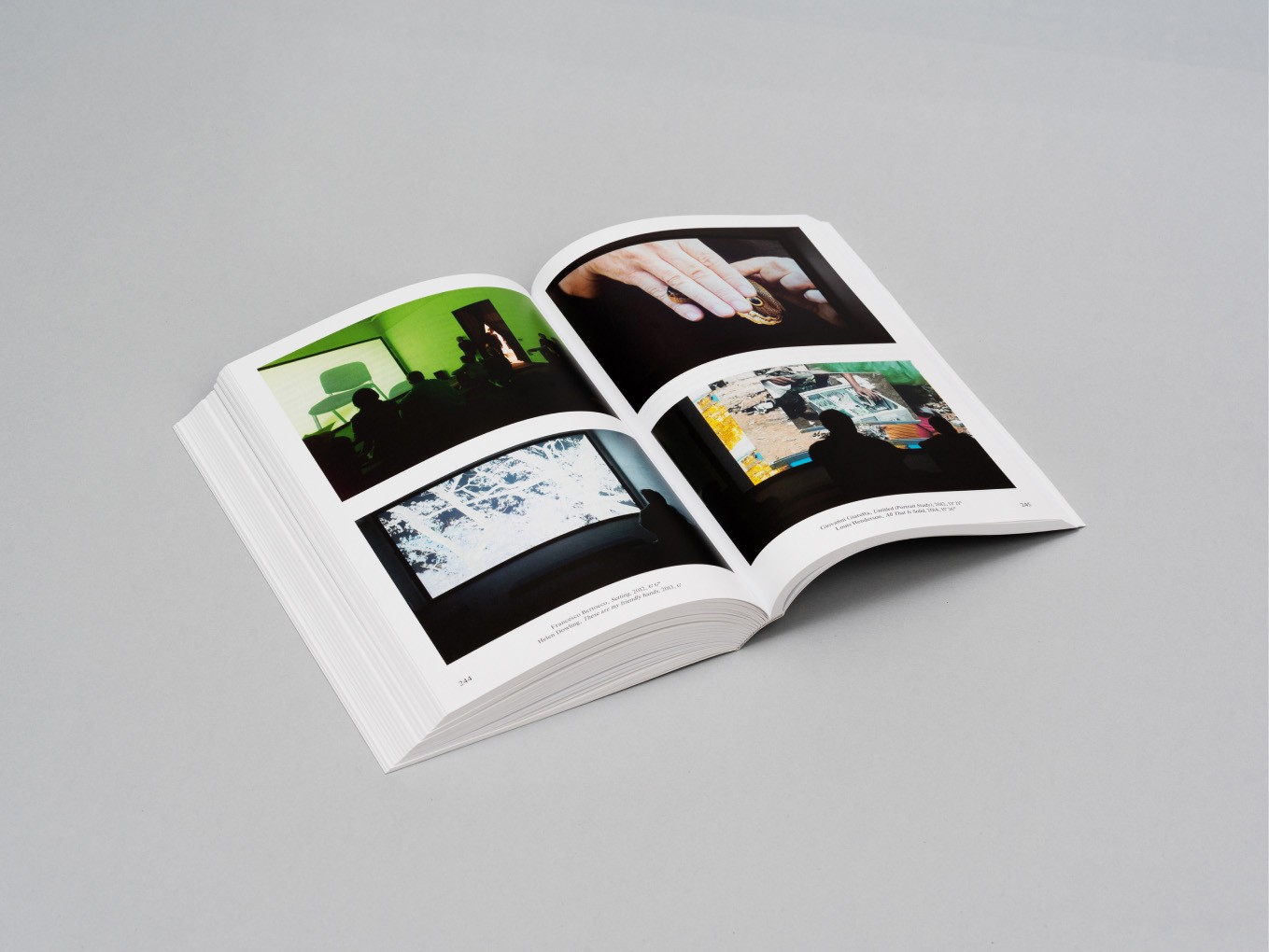
The book features original contributions from twenty-three authors who have participated in the program over the years and is divided into two main sections: the first reflects the theoretical and discursive approach of VISIO by alternating essays and conversations; the second compiles a large archive of the first twelve editions of VISIO.
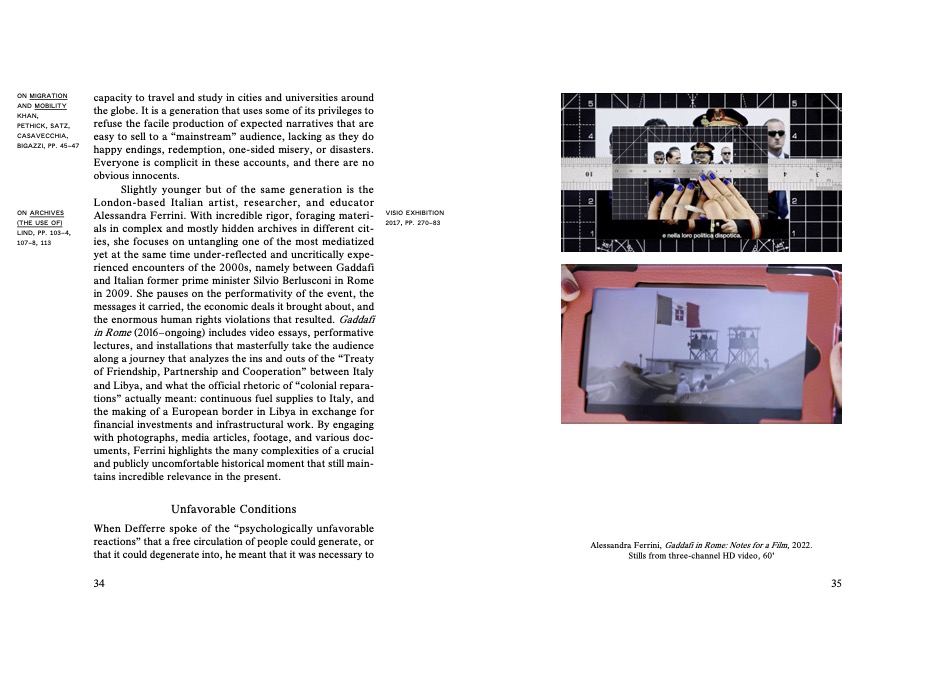
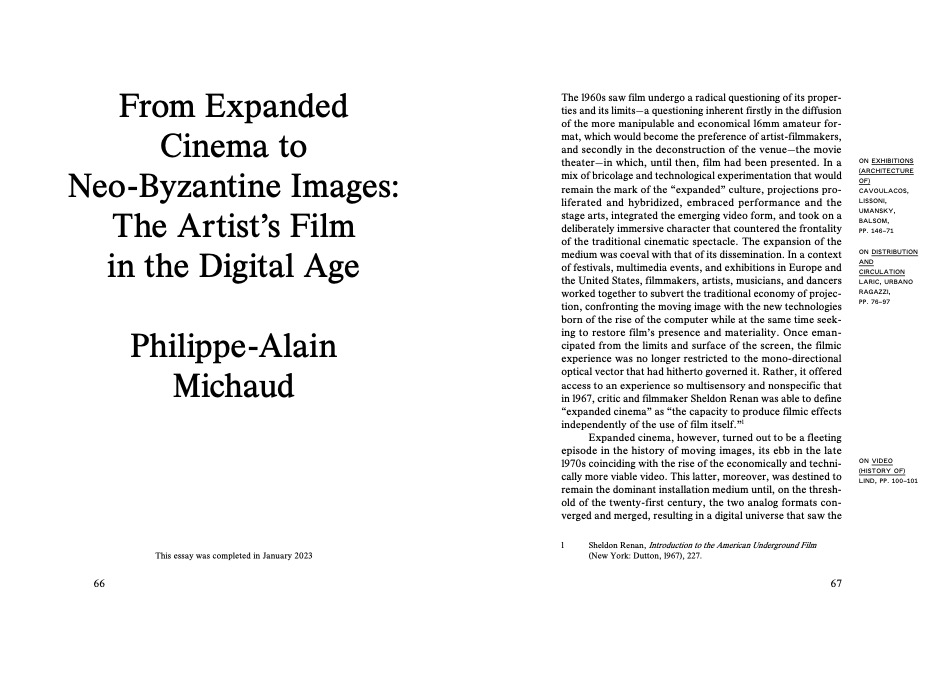
The texts investigate various topics: the questioning of a European identity; the accessibility and role of academic institutions and residences; the evolving significance of images in the digital age; the virtual realm as an exhibition and research space; the impact of documentary practices on contemporary production; the rise of investigative aesthetics and exhibitions as a medium to renegotiate truth; the commodification of digital images and their influence on power consumption; the shifts in curatorial approach to physical and digital spaces; a focus on the practices of VISIO generation artists; and how public and private institutions commission and collect moving image today.