Published in conjunction with a solo exhibition at Kunst Museum Winterthur, this book provides the first overview of Altmann’s work to date, characterized by a strongly socio-critical consciousness, and reveals the artist’s influences and inspirations.
The first monograph dedicated to Paloma Bosquê addresses the Brazilian artist’s ways of understanding and giving shape to that matter which can be perceived, but not rationalized.
The first book on London based artist Gili Tal, whose practice identifies how the digital has long become a reality that has subjected our habits of perception to a radical change.
Through comprehensive and interdisciplinary readings of landscape, cinema, architecture, and visual culture, this first monograph builds on the storytelling dimensions that have always informed the photographic oeuvre of the Syrian artist.
The book is the outcome of an exhibition around the theme of the sacred. The resumption of historical figures, classical art-historical iconography, and everyday images intermingle in a reconstruction of reality that is dreamlike, painful, and sometimes grotesque.
Vogliamo tutto. Cultural Practices and Labor is a publication on work within a changing socio-cultural context: from the impact of the Industrial Revolution to post-industrial decline through to the rapid evolution of the digital era.
Edited by Tolia Astakhishvili and Hans Ulrich Obrist
Texts: Tolia Astakhishvili, Hans Ulrich Obrist
Designed by Lorenzo Mason Studio
2025, English, softcover, 160 pages, 24 x 34 cm
ISBN 979-12-80579-65-2
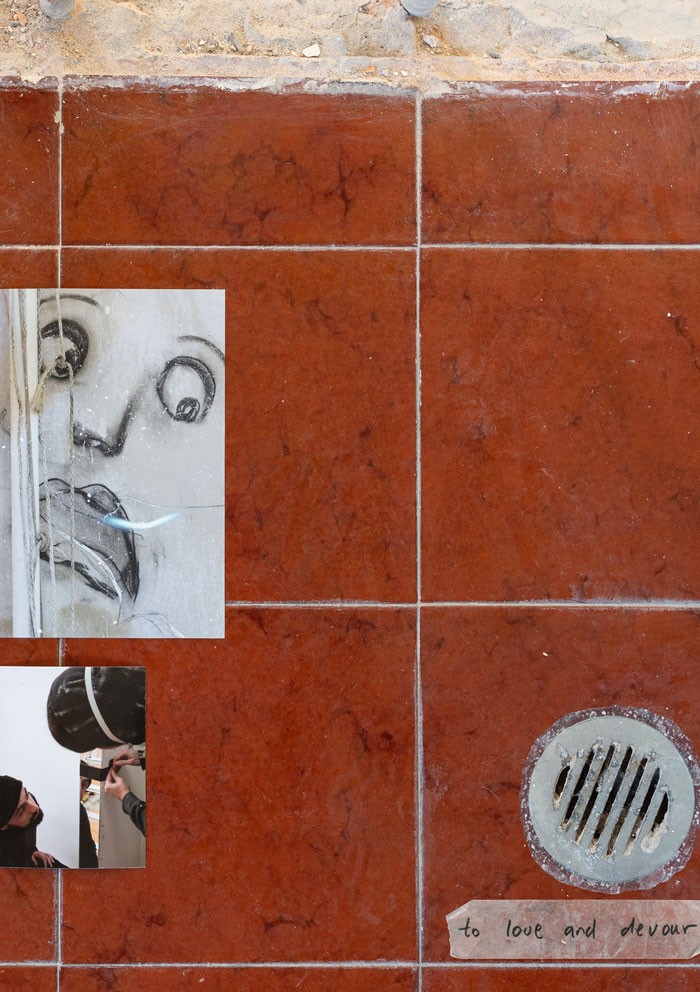
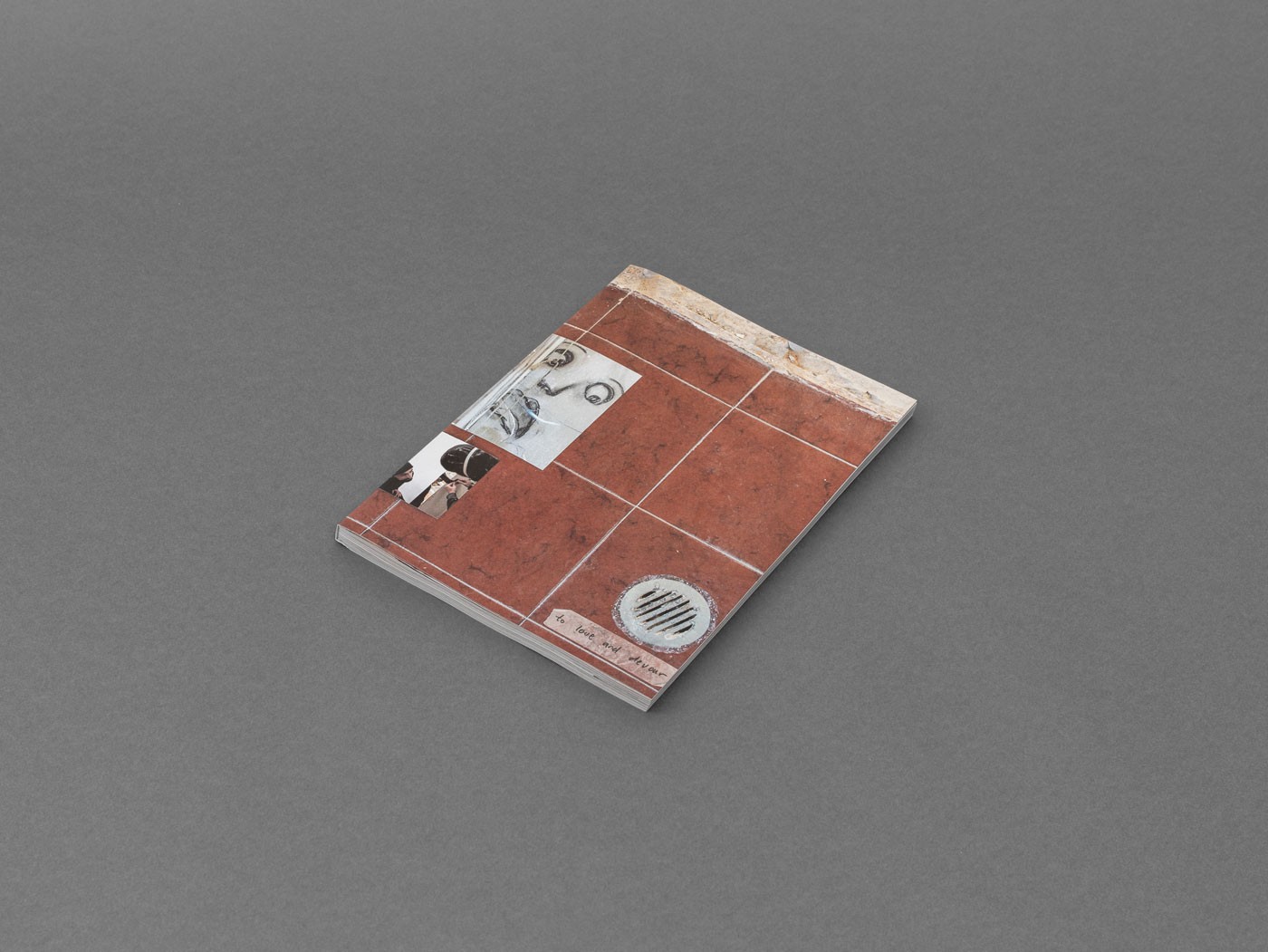
The artist’s book to love and devour by Tolia Astakhishvili was published on the occasion of the inaugural exhibition at the new site of the Nicoletta Fiorucci Foundation in Venice, curated by Hans Ulrich Obrist.
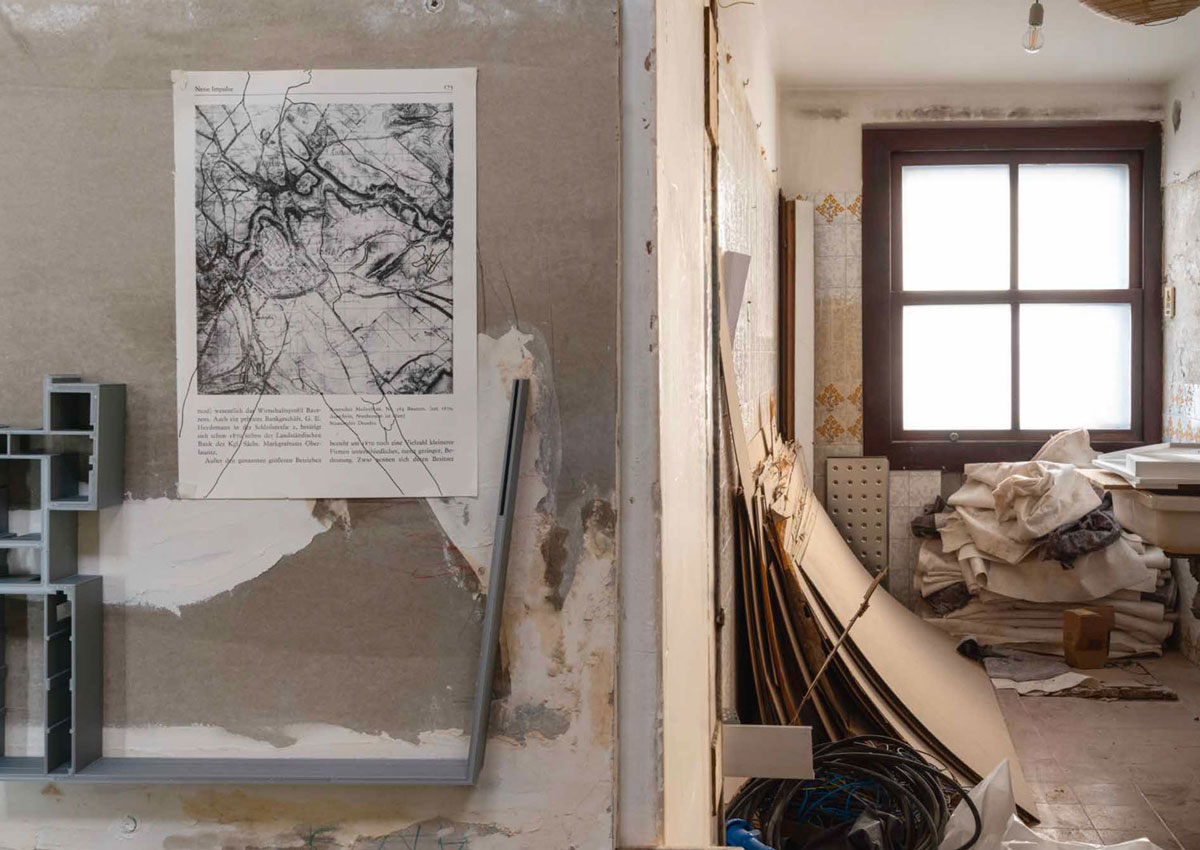
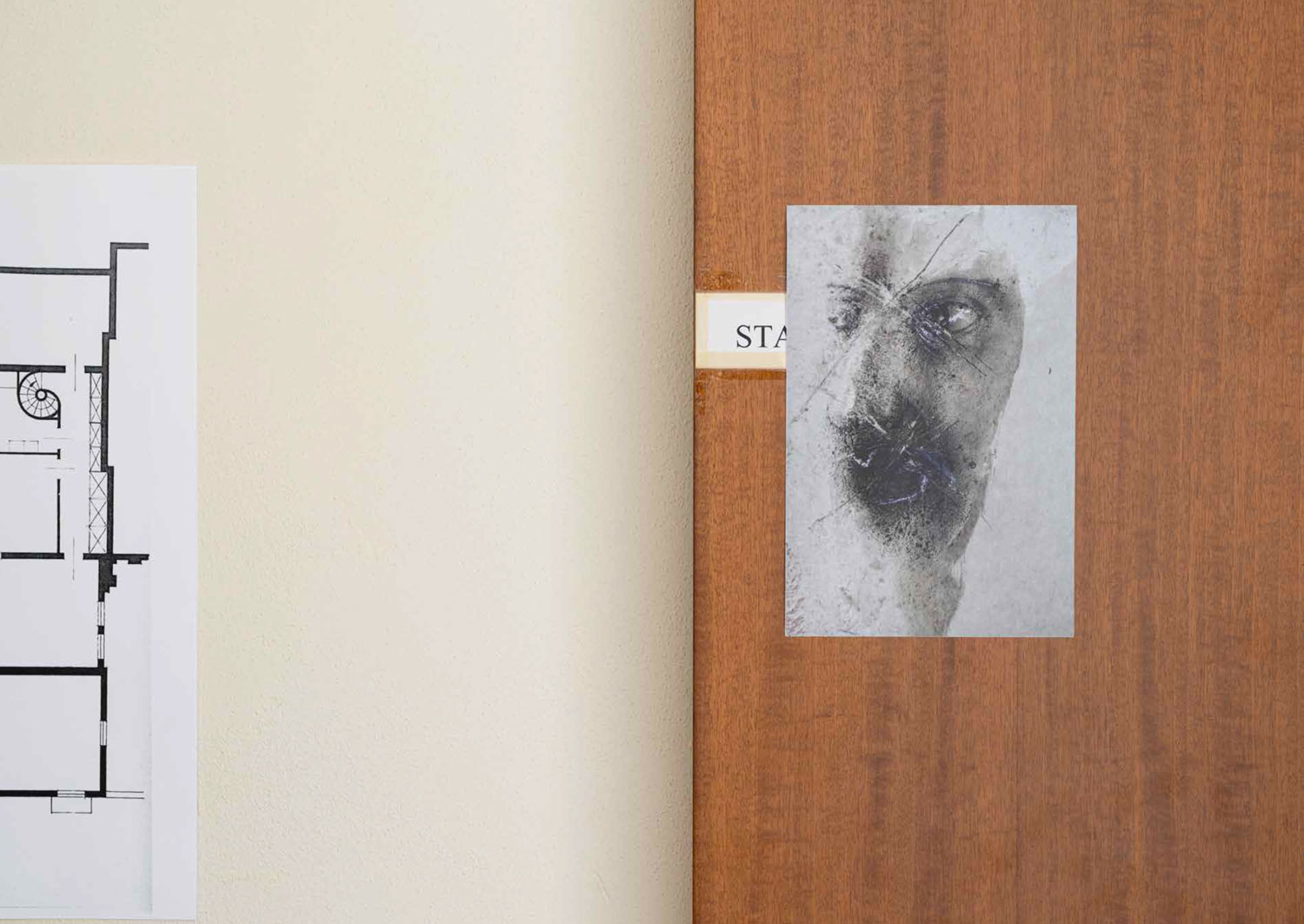
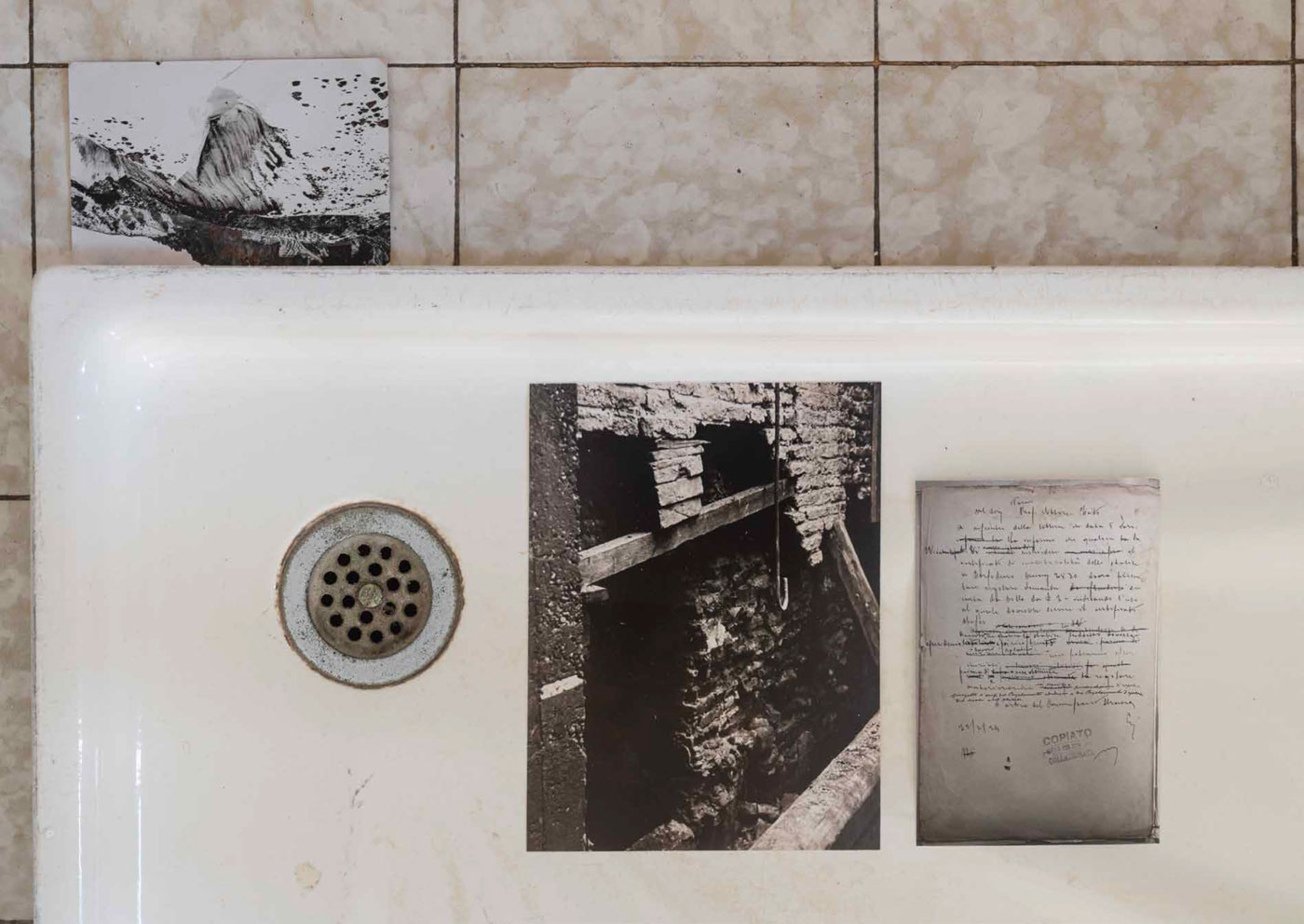
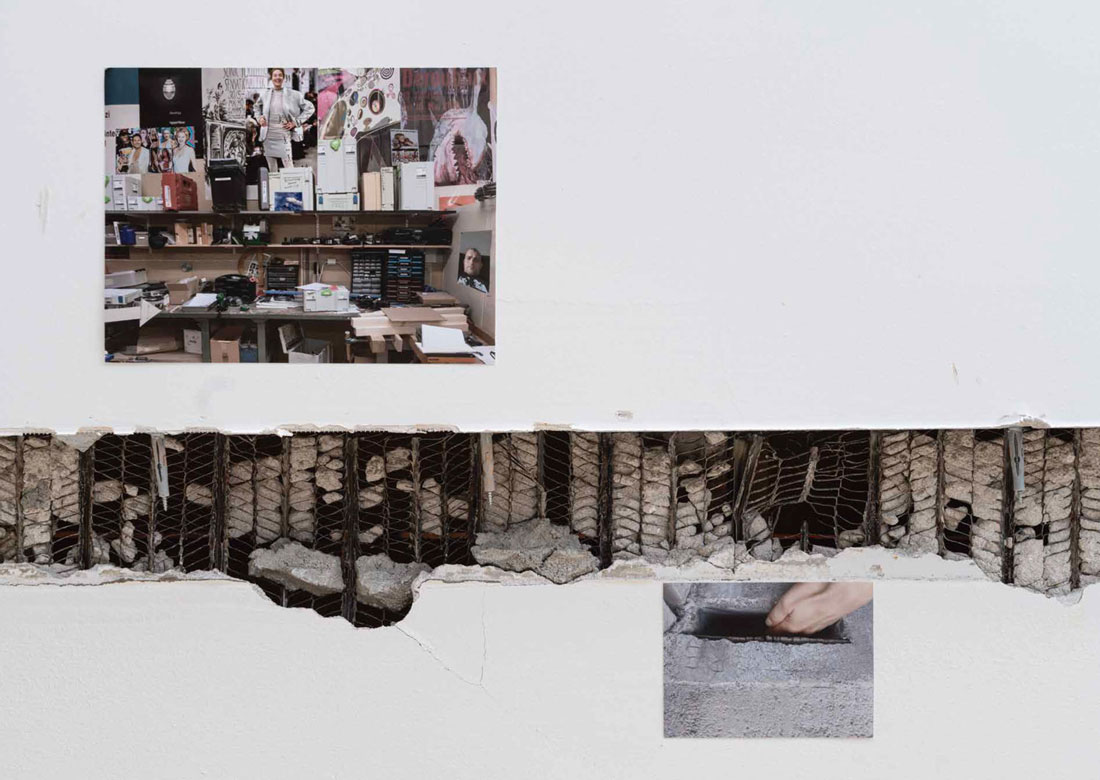
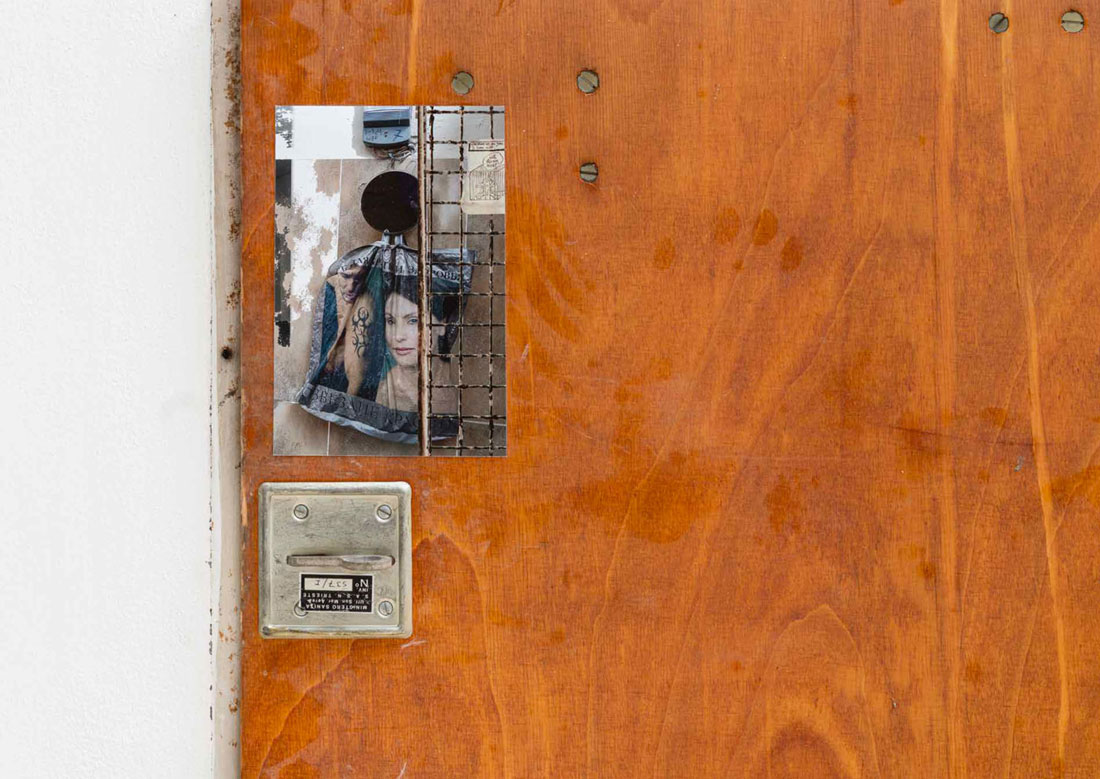
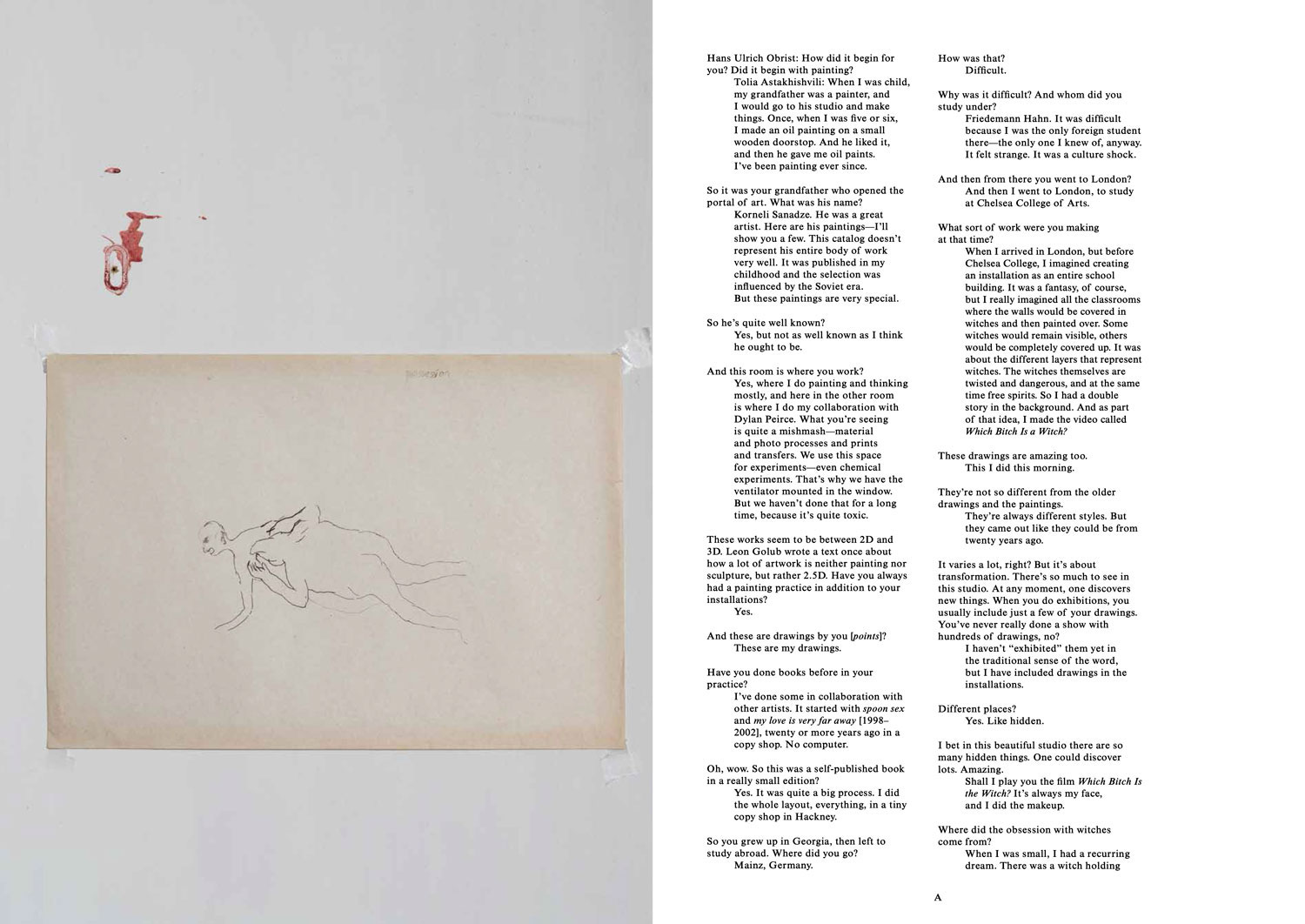
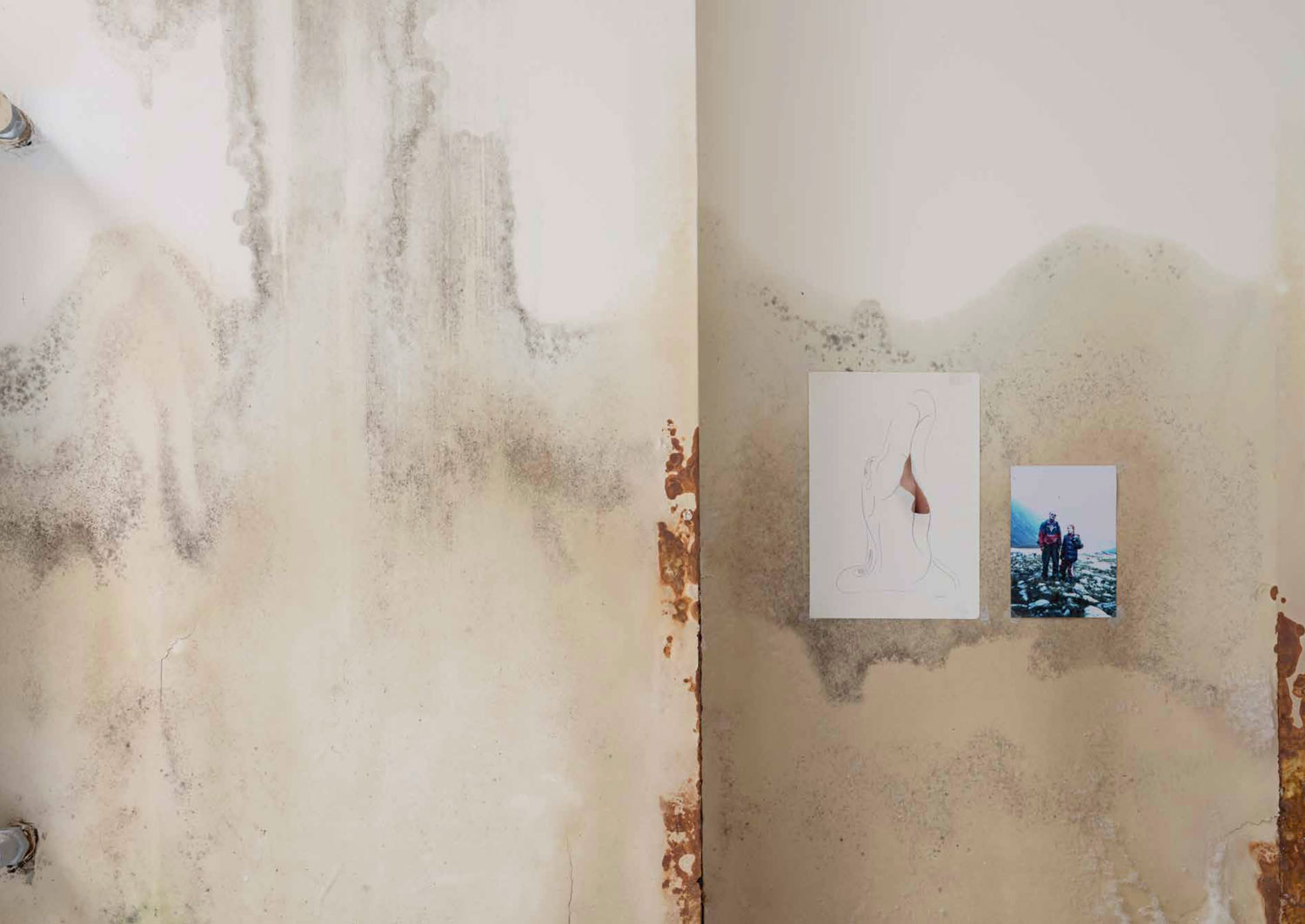
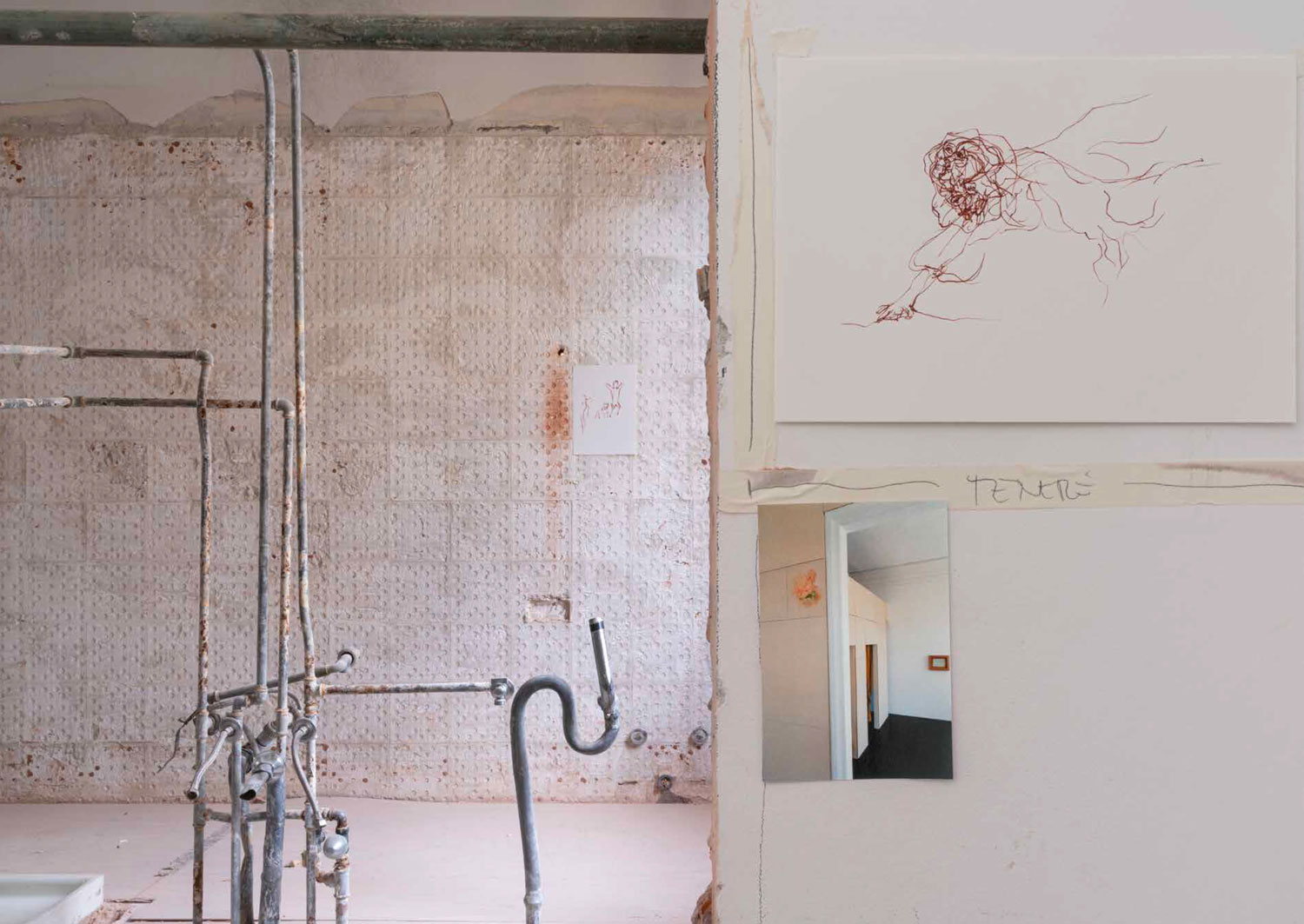
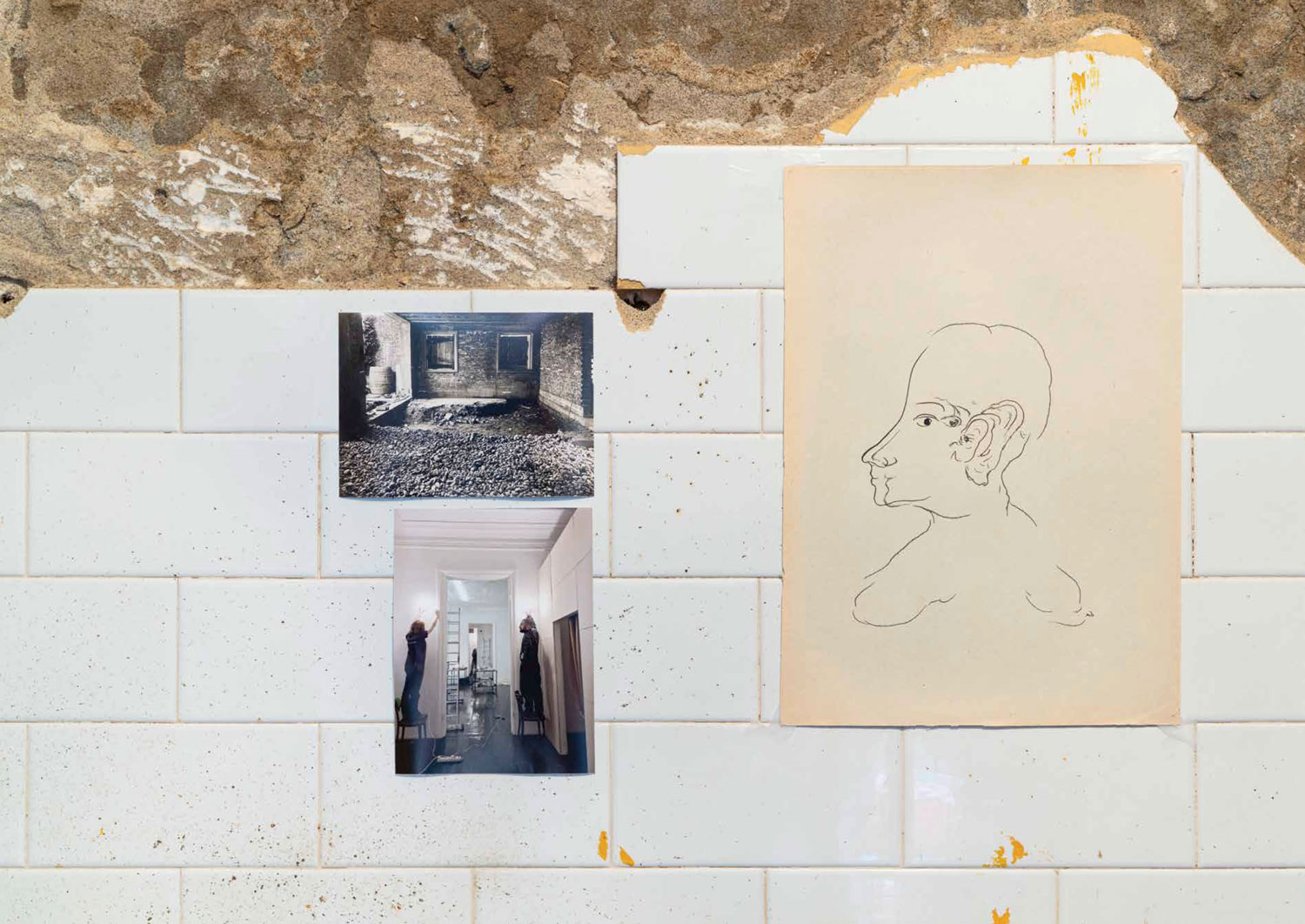
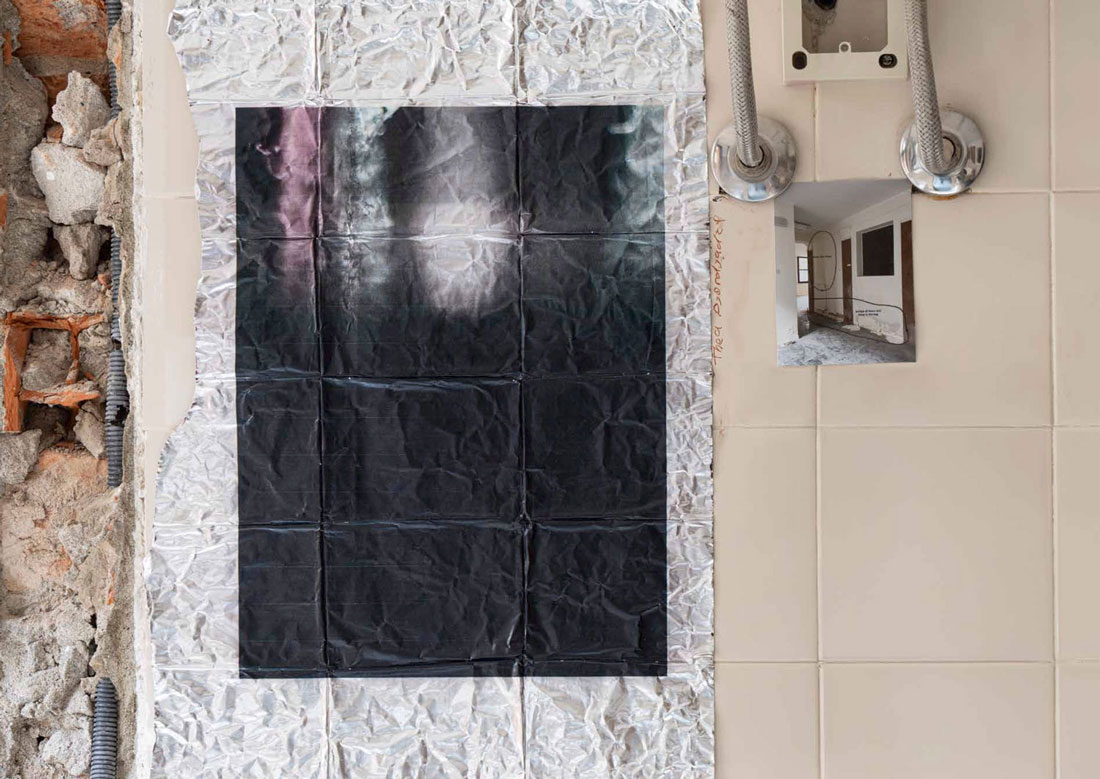
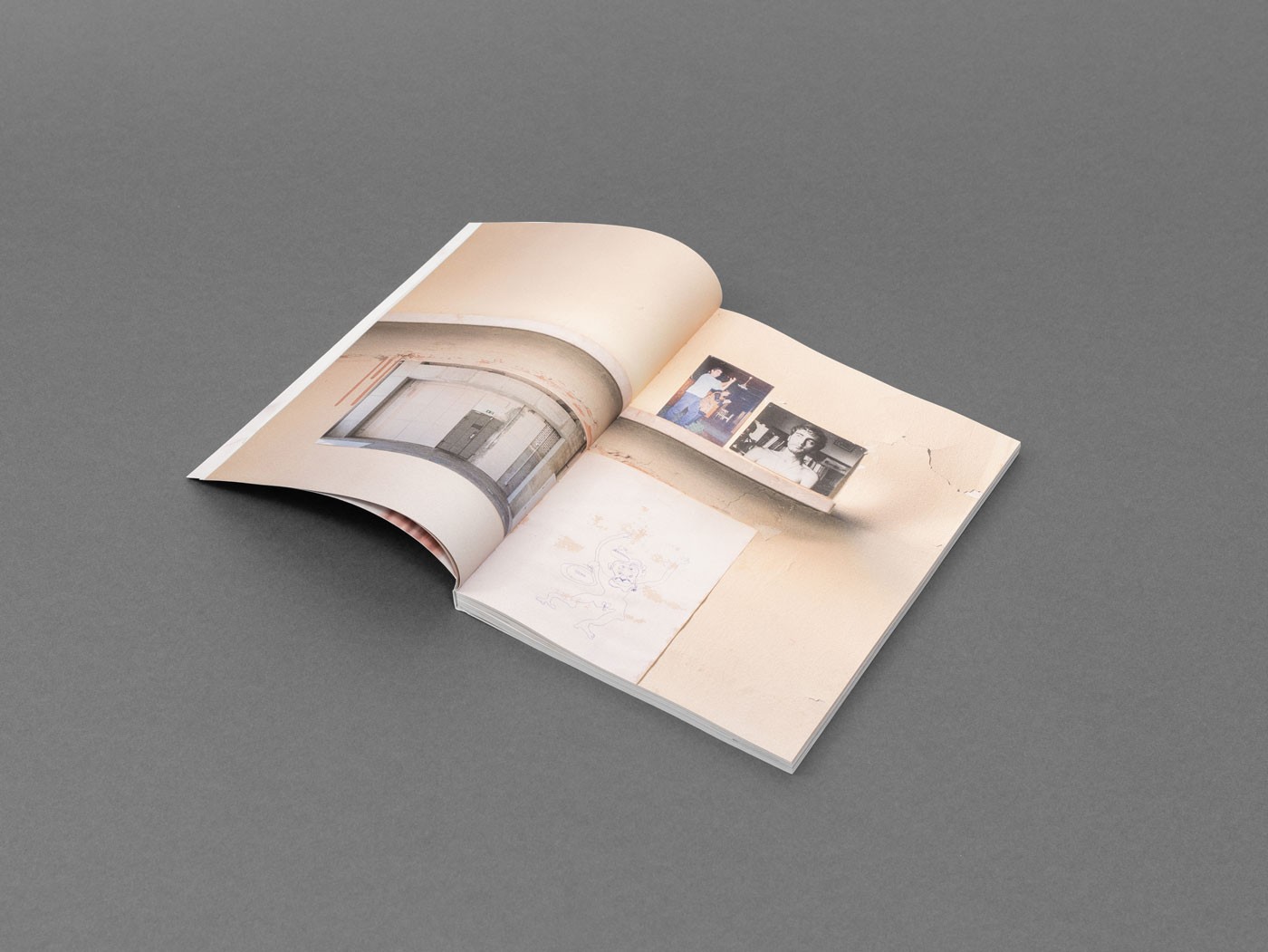
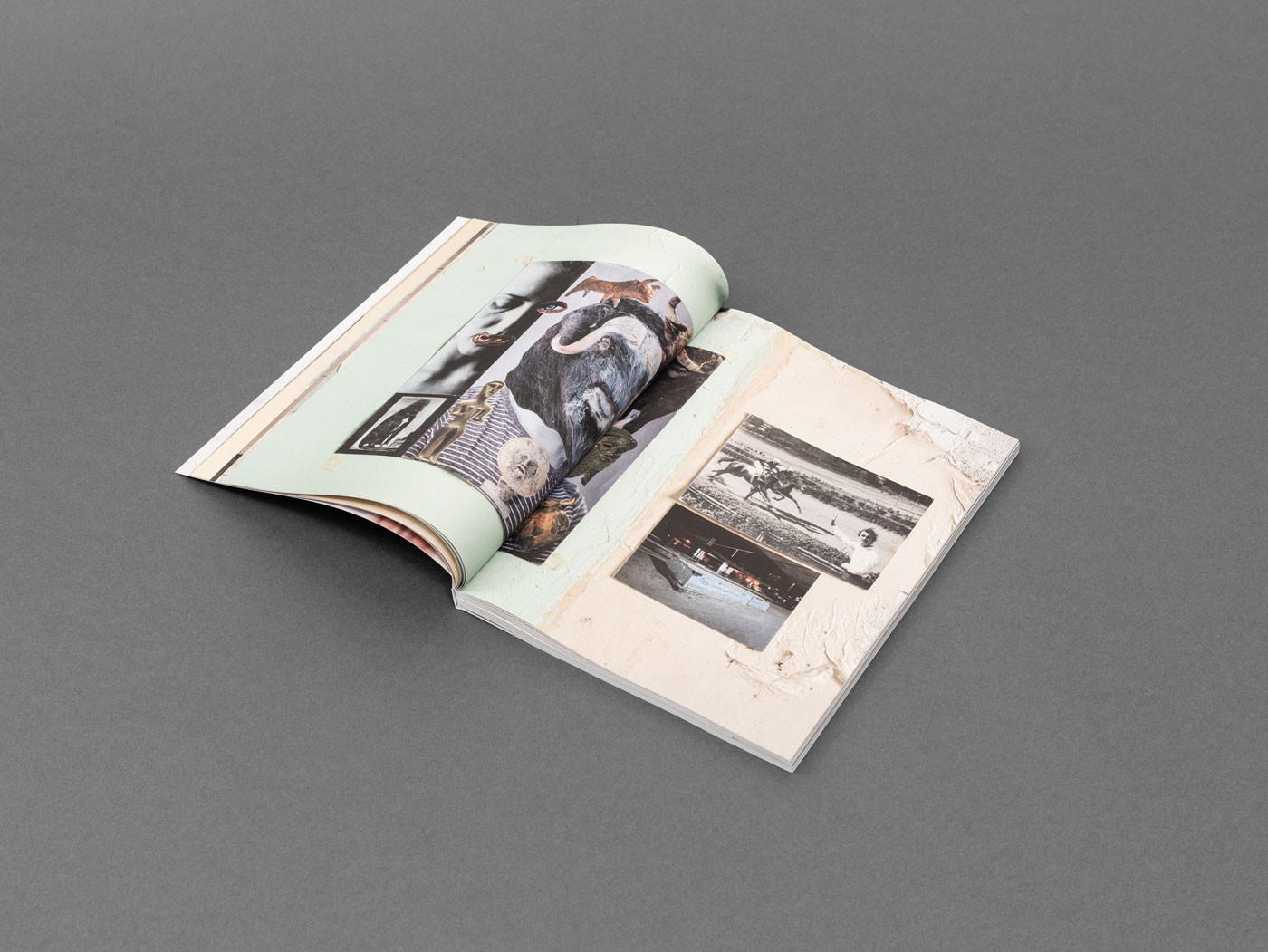
The book, produced in close collaboration with the Lorenzo Mason Studio, brings together drawings, paintings, and archive images composed directly amid the cracks, wounds, and skin of a building located in the historic center of Venice, which served as the artist’s studio for a number of months. Through processes of transformation of the space, addition and subtraction, expansion and contraction, Astakhishvili has created a project shot through with a deep sense of disruption, distortion and fragmentation—a feeling of uncertainty that is reflected in the way in which visitors to the installation are given the freedom to move around, without having to concentrate on a center or to follow a pre-set route. Appropriately, then, the book takes the form of a stream of images, in which the spaces and materials of the building (wood, glass, dust, mold, bricks, concrete, plaster …) enter into a dialog with the drawings, paintings, sculptures, collages, and photographs made by the artist herself and the other invited artists, including Ketuta Alexi-Meskhishvili, Zurab Astakhishvili, Thea Djordjadze, Heike Gallmeier, Rafik Greiss, Dylan Peirce, James Richards, and Maka Sanadze.
For Tolia Astakhishvili, architecture is the space of projection of ideas, which are developed in that space, generating actions that are separate but conducted simultaneously: alteration of structural elements, pictorial and graphic composition, and creation of perceptive ambiguities—of space, light, and sound. The book compiles the traces of this practice, serving as a sort of diachronic diary in the form of images, constituting a complete encapsulation of the artist’s poetics.
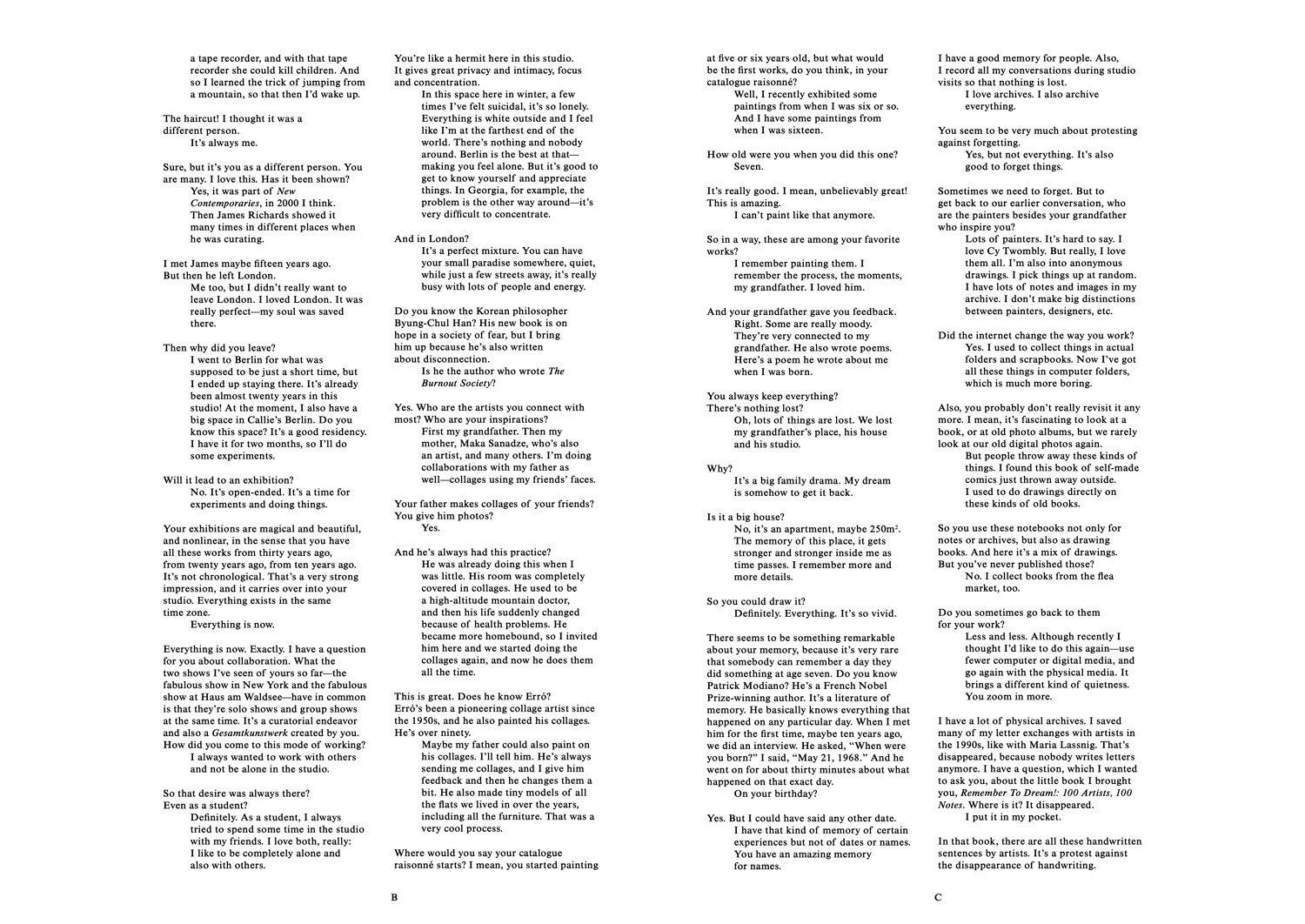
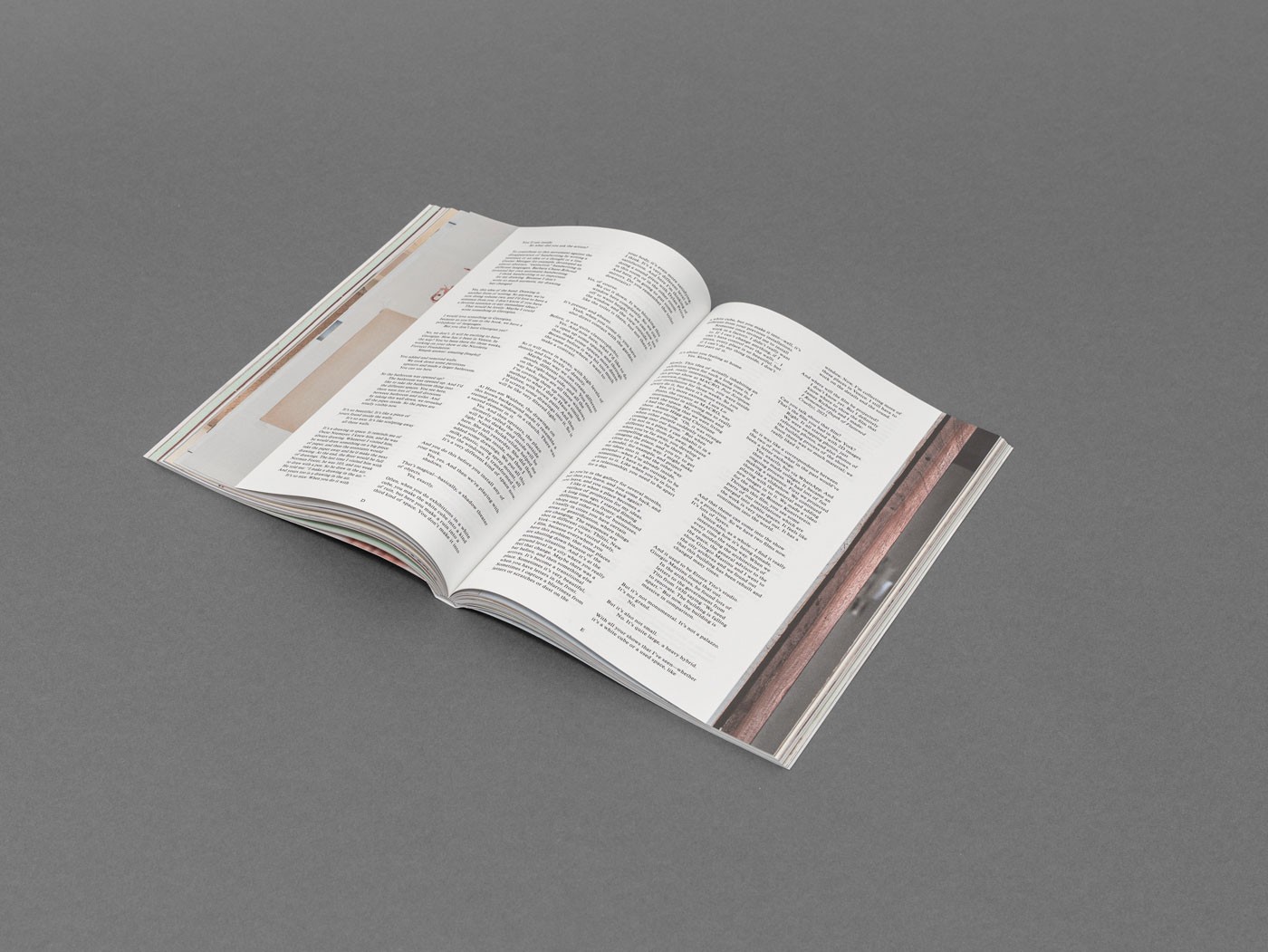
The book also features a new interview with the artist by Hans Ulrich Obrist.