The paintings and drawings by Jake Grewal draw the viewer in through stillness and ambiguity: they invite reflection on how we inhabit places—physically and emotionally—and how our inner landscapes mirror the physical world. This is the Grewal’s first book, published to accompany the artist’s exhibition at Studio Voltaire.
The transformation of the notion of monuments and the way cultural institutions choose to deal with it find in Maurizio Cattelan an interpreter capable of manipulating historical memory and shared symbols, to the point of turning them into a terrain of doubt and play. Lisa Parola and Lorenzo Giusti investigate the potential of contemporary art within the public sphere.
This is a visual archive of 12 years of developing, designing and exhibiting the House of One, a multireligious sacred space in the heart of Berlin. The architecture, conceived by Kuehn Malvezzi, has been displayed at various venues while being developed in close collaboration with three local religious communities in Berlin since 2012.
The first major monograph on artist Jill Mulleady, whose paintings thread motifs of decay, memory, history, and private myth, featuring humans and animals enacting their instinctive psychological reactions to ever-present threats of danger.
The essays in this first-ever monograph dedicated to Swiss artist Jan Vorisek, alongside image portfolios of the exhibitions they explore and an appendix that features photos and documentation of Vorisek’s performances, recordings and ephemera, grant us unprecedented access to the private fictions that the work reveals.
Since the 1990s Costa has been challenging hierarchies of art production and the fetishization of the “finished” artwork, inviting viewers to reconsider what is discarded, both materially and socially. Through over 300 artworks, accompanied by new writing, this catalogue explores Adriano Costa’s work, a meditation on transformation—of objects, meanings, and systems of value.
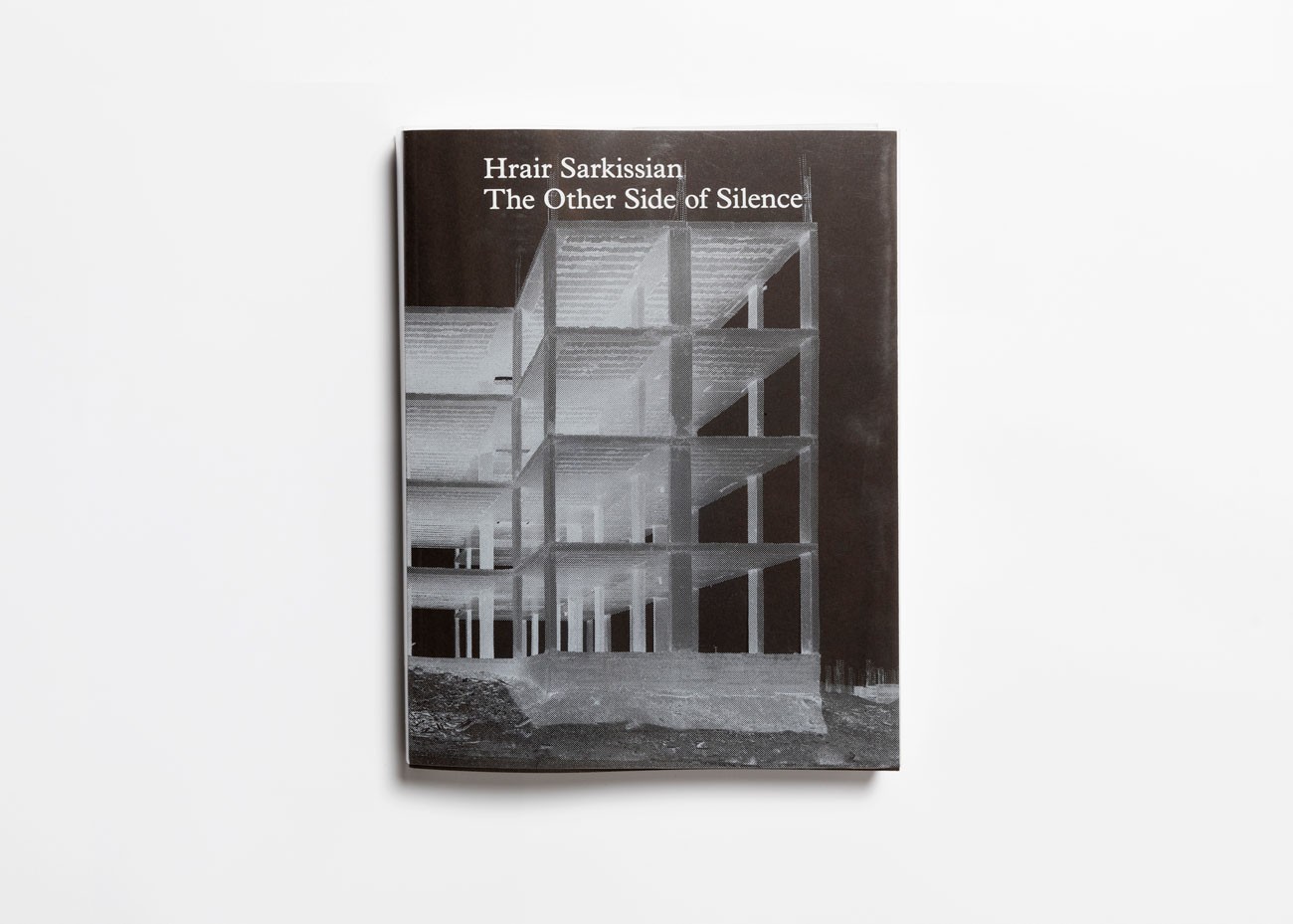
Edited by Omar Kholeif and Theodor Ringborg
Texts by Hannah Feldman, Marianne Hirsch, Omar Kholeif, Vali Mahlouji, Todd Reisz, and Theodor Ringborg
2021, English, softcover, 21.5 x 28 cm, 280 pages
ISBN: 979-12-80579-01-0
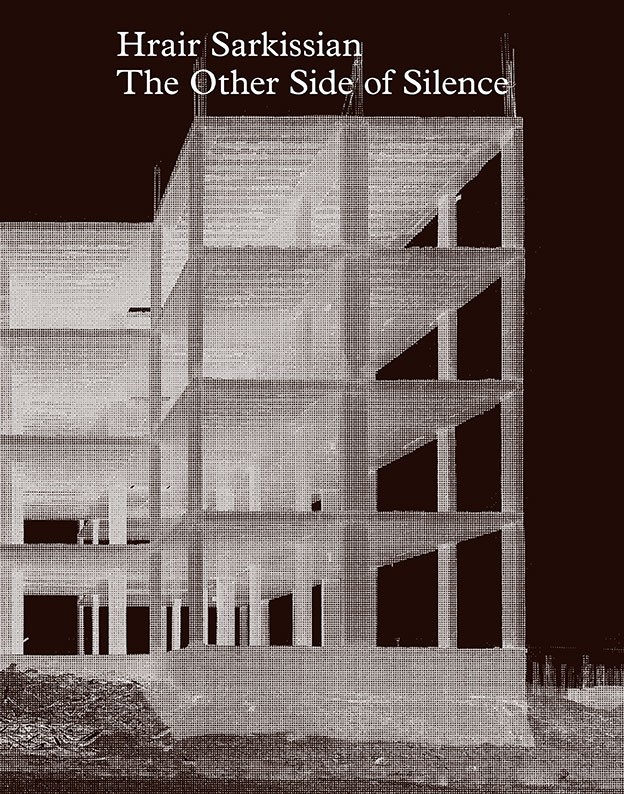
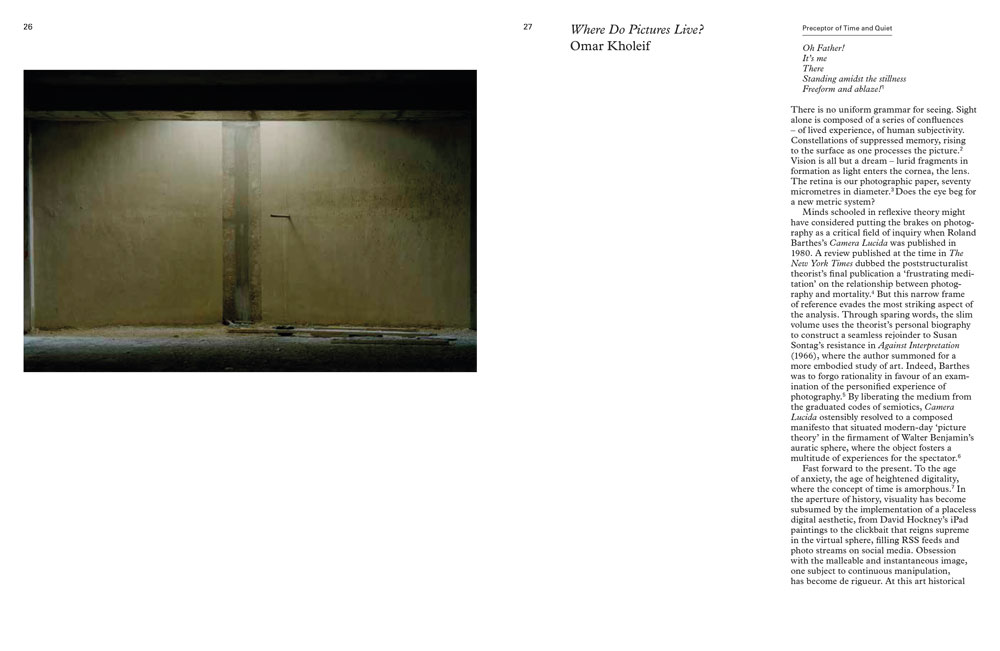
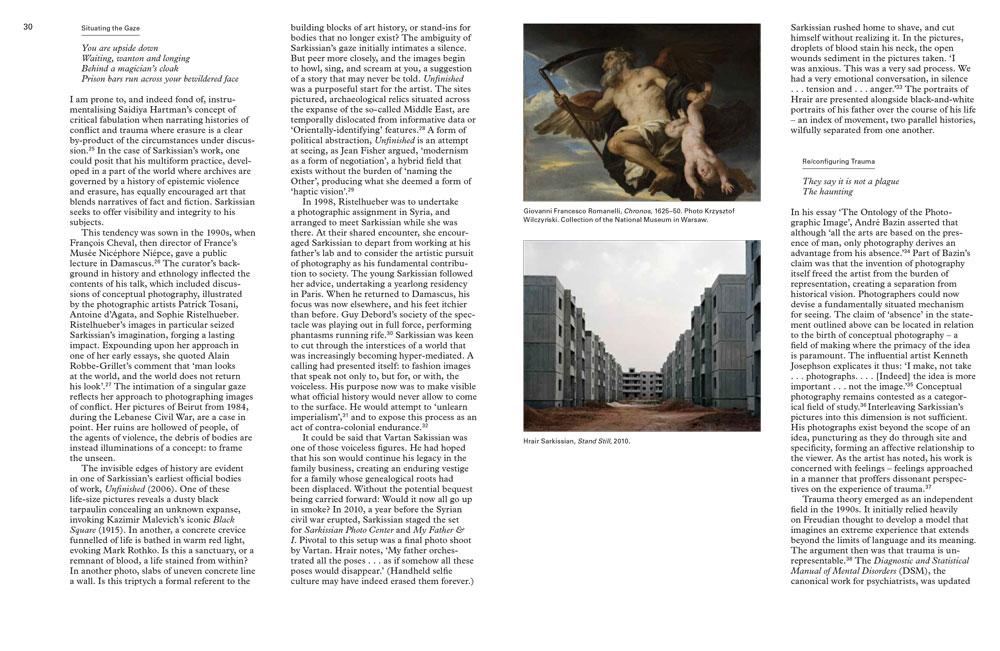
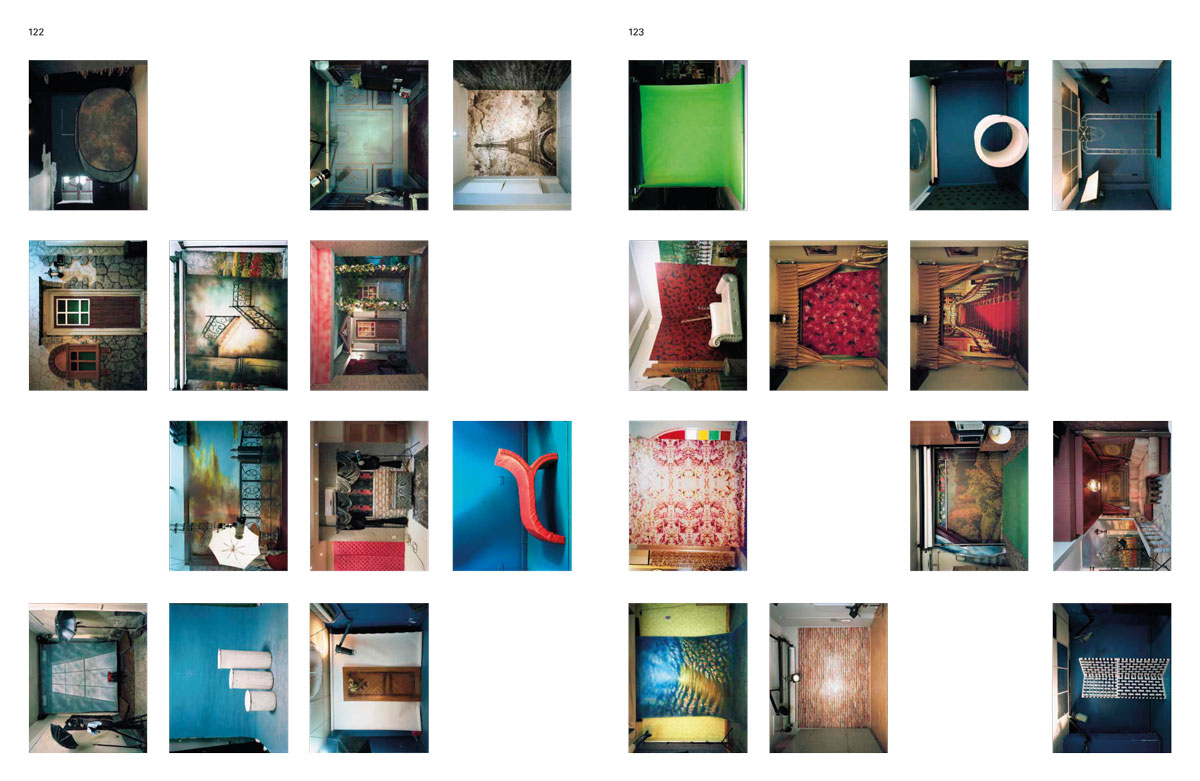
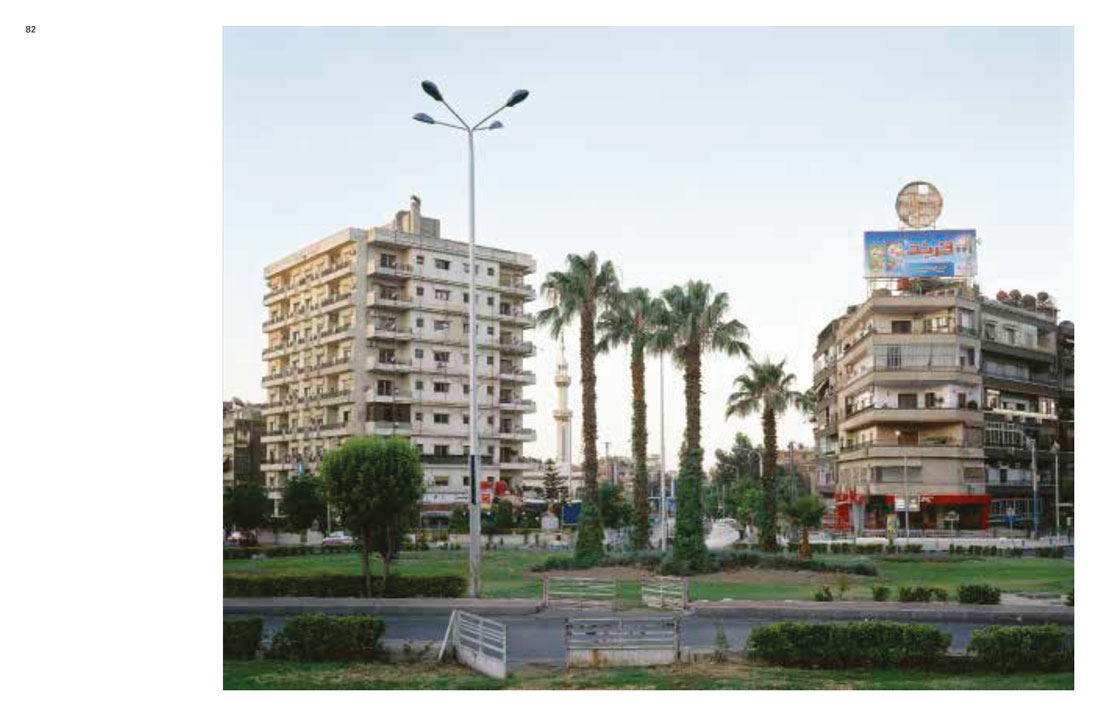
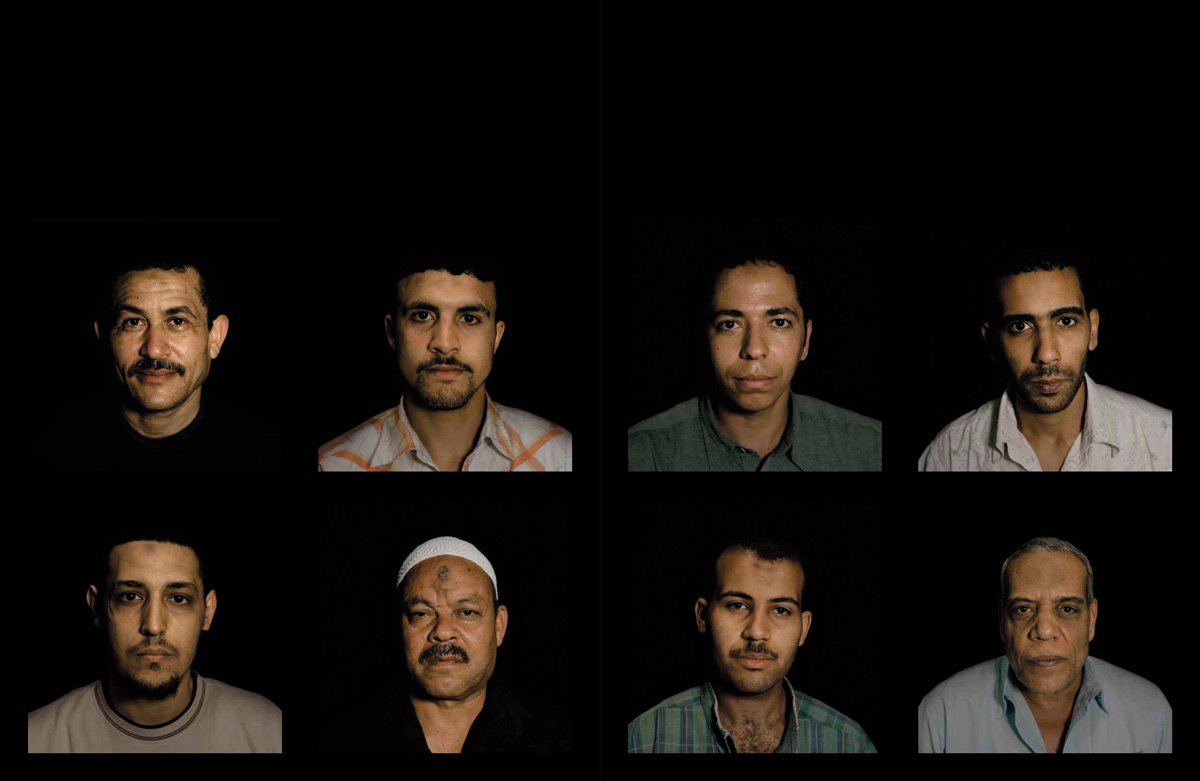
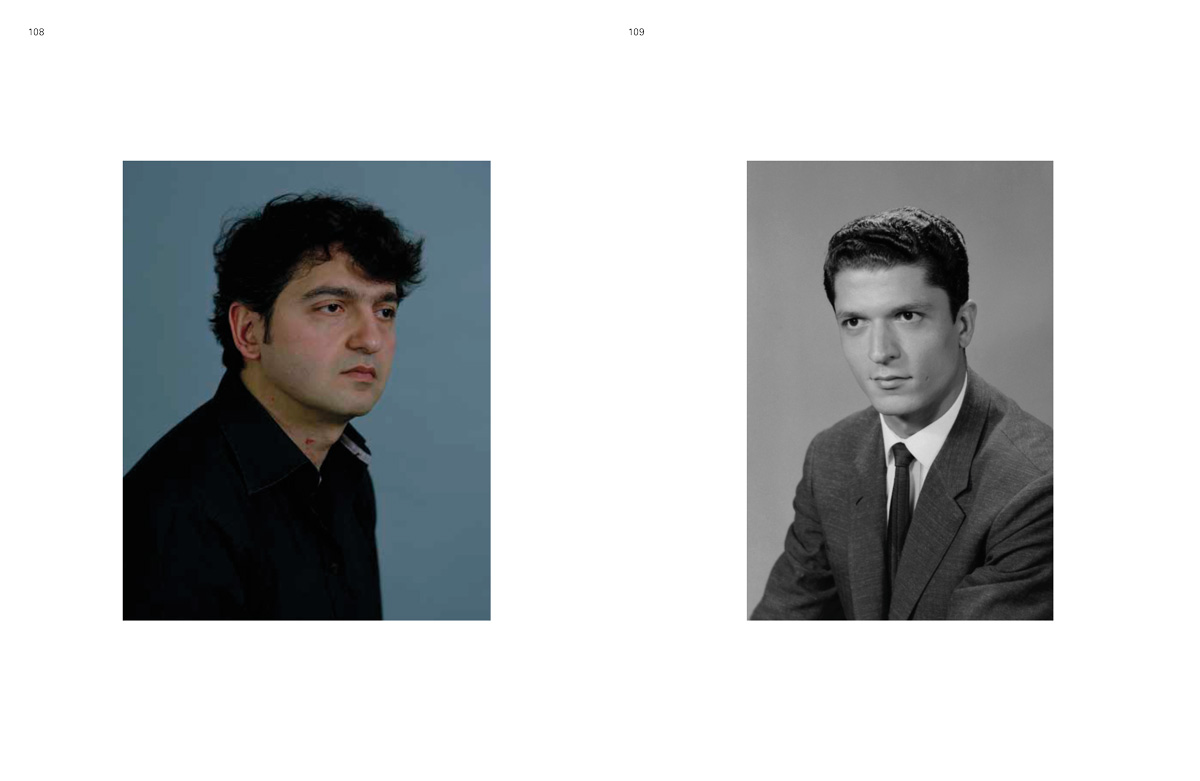
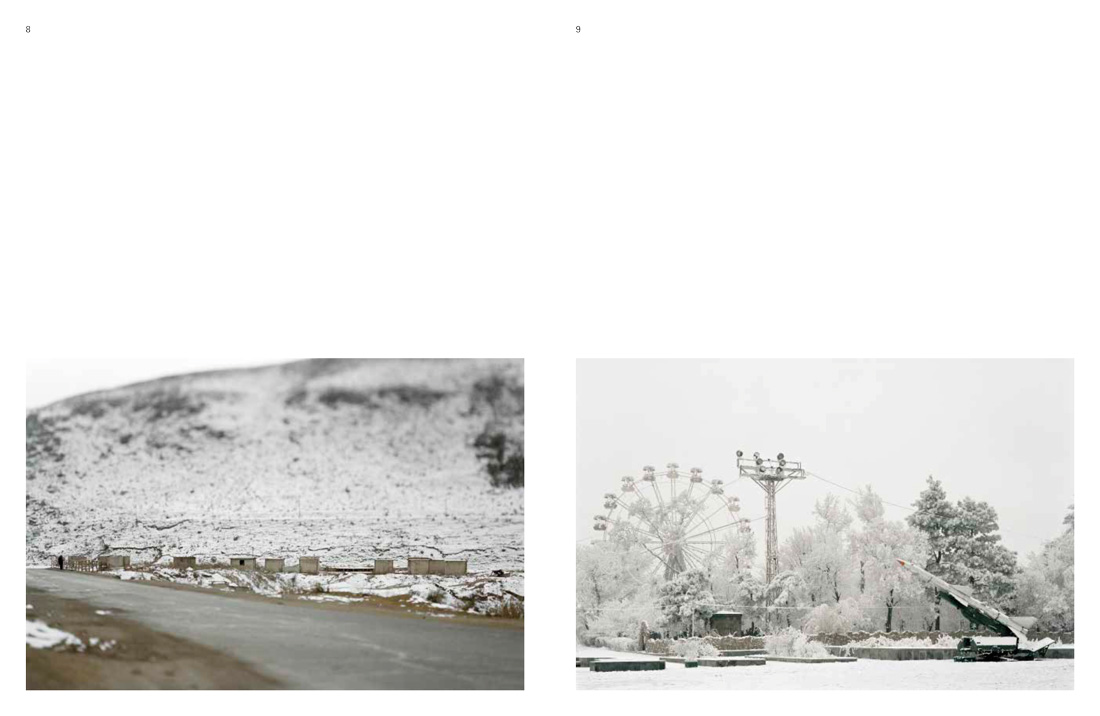
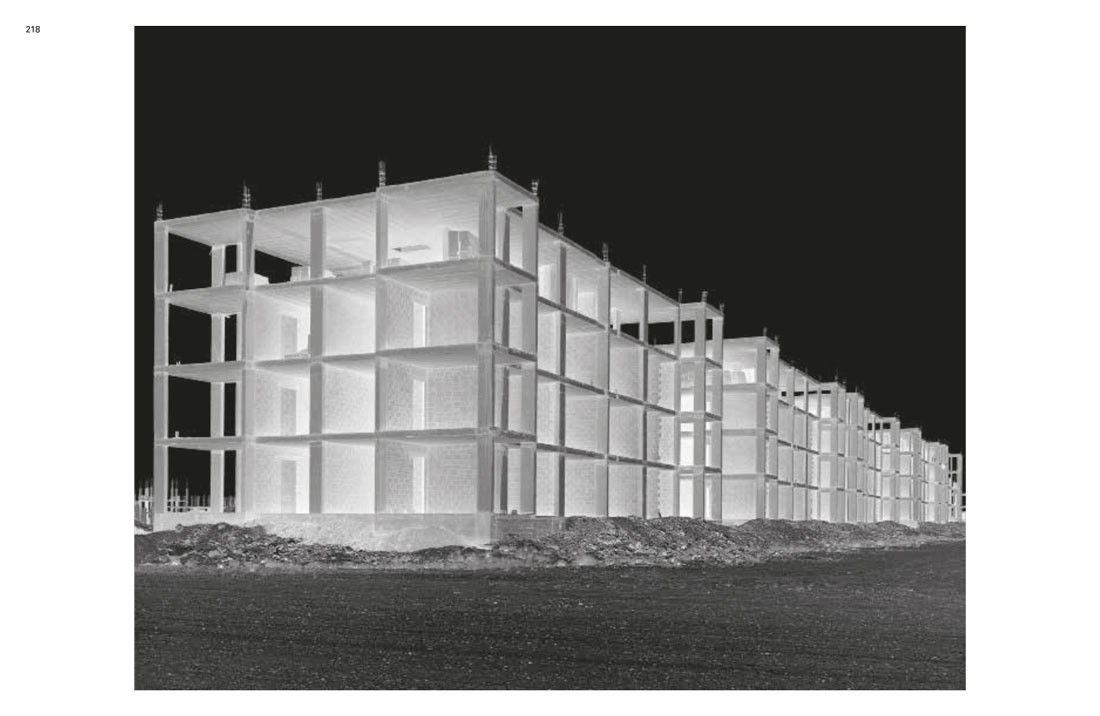
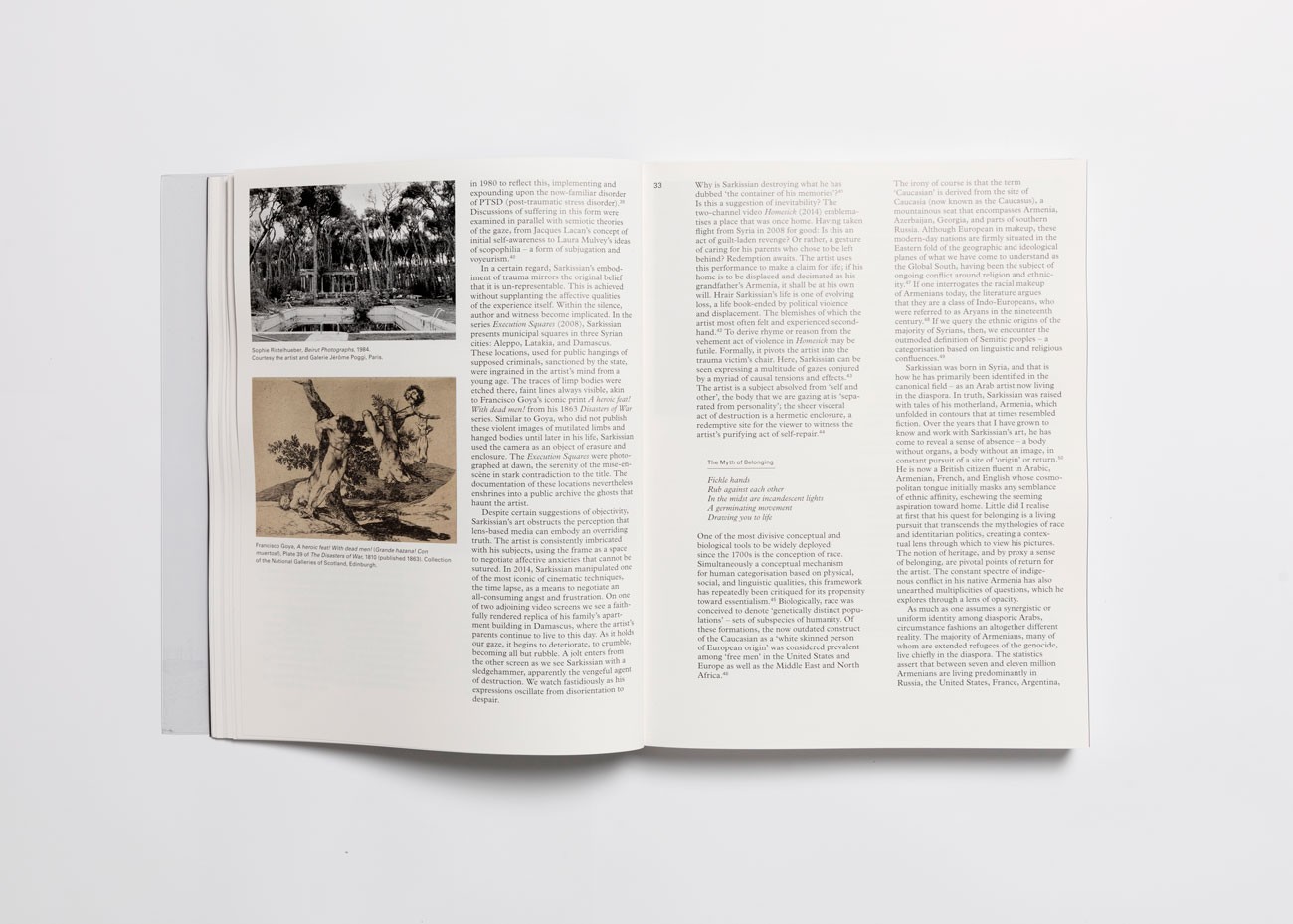
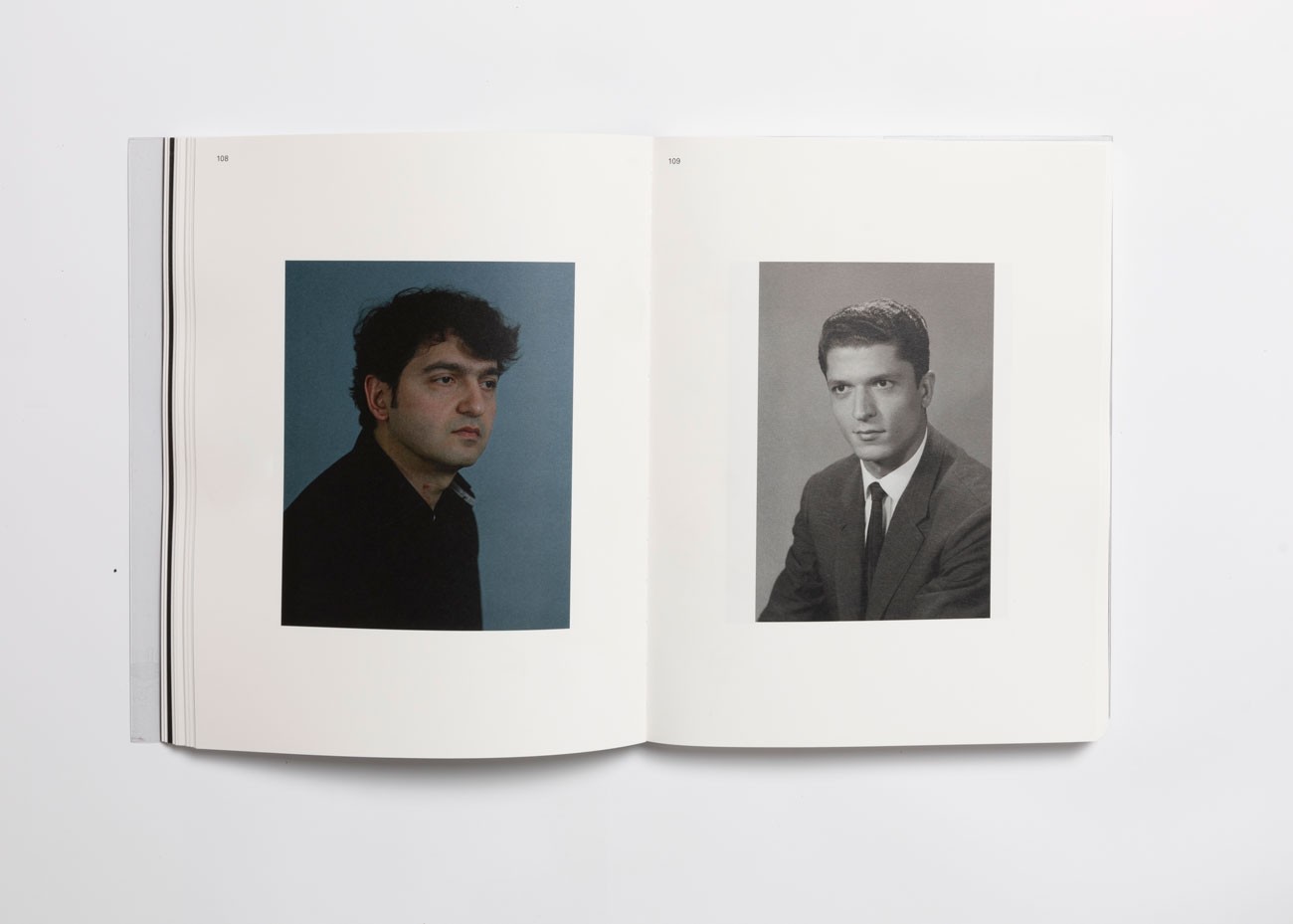
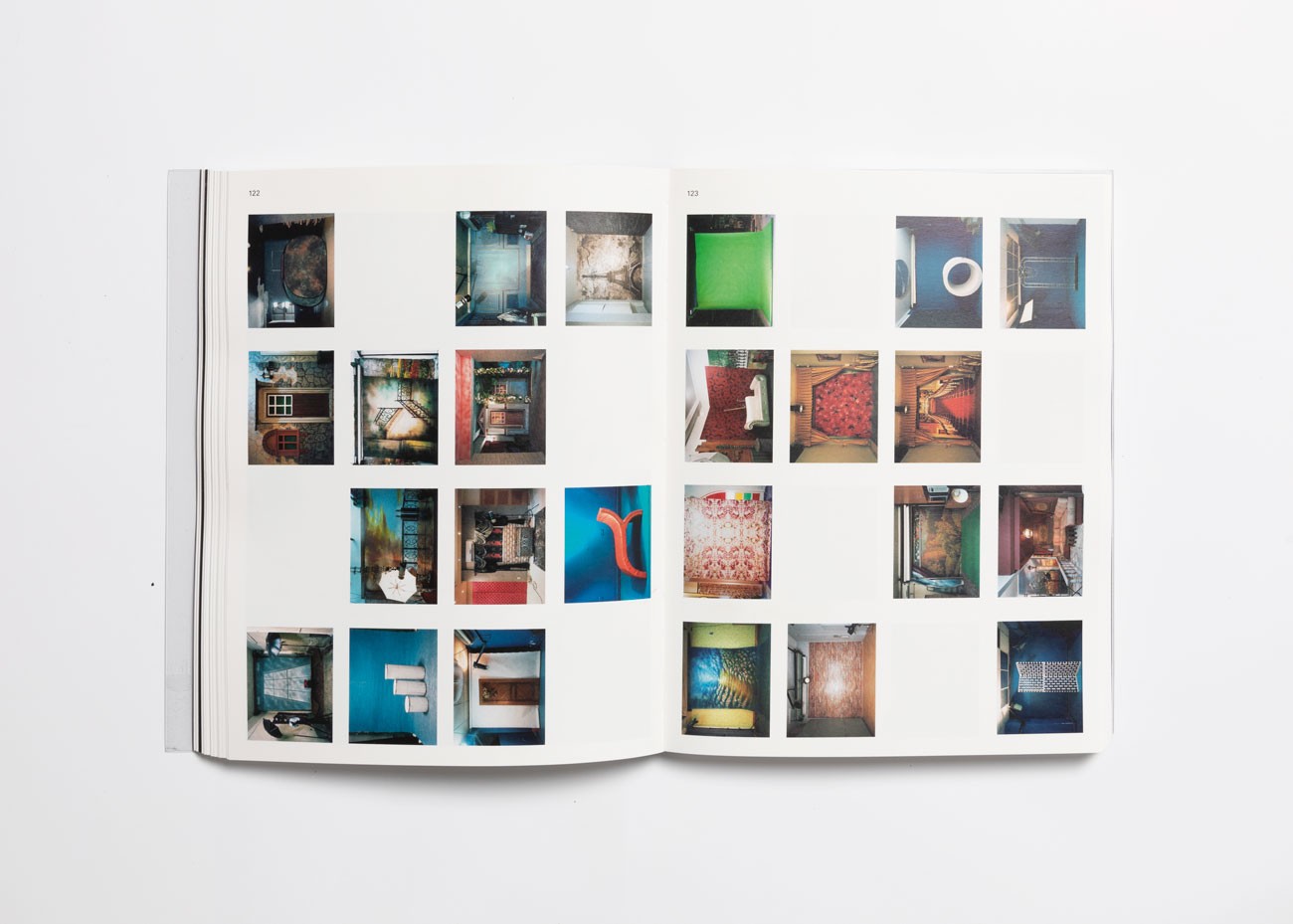
The Other Side of Silence is the first monograph of the artist Hrair Sarkissian—one of the leading figures working with photography globally today. This cerebral book of multi-disciplinary essays and images explores histories of disappearance, the architecture of violence, and the potential of the medium of photography itself. While encompassing the moving image, sculpture, sound, and installation, Sarkissian’s practice is rooted in his photographs. His lifelong use of a large-format camera relates to the artist’s interest in the role that chance plays in capturing hidden narratives of conflict, trauma, and displacement. Acting as an archaeologist and a storyteller, the artist draws upon personal and collective memory to reveal stories that official records cannot tell. The viewer is invited to consider the formal aspects of the image, to breathe in its silence and to interrogate what might live beneath its surface. This monograph accompanies Hrair Sarkissian’s eponymous touring exhibition organized by Bonniers Konsthall, Stockholm; the Bonnefanten, Maastricht; and Sharjah Art Foundation.
The artist
Born 1973 in Damascus, Syria, Hrair Sarkissian gained his foundational training at his father’s photographic studio in Damascus. In 2010 he completed a BFA in photography at the Gerrit Rietveld Academie, Amsterdam. He lives and works in London.