Pardon Façade documents the artistic output of Luca Monterastelli, showcasing almost all of the sculptures and installations that he produced between 2011 and 2022. Across four chapters—corresponding to four solo shows that he staged in Milan, Otegem, Antwerp, and Naples—the publication provides the first overview of the artist’s work.
More than half a century after its premiere, Yvonne Rainer, in collaboration with choreographer and dancer Emily Coates, directed the 2019 revival of her 1965 performance Parts of Some Sextets. This book poses questions about the trajectories of artworks, performers, and audiences, all while tracing the life—and afterlife—of a dance.
How does technology organize life? This book documents and reflects on the exhibition Proof of Stake: Technological Claims at Kunstverein in Hamburg, curated by Simon Denny and Bettina Steinbrügge. It brings together a unique group of artists and scholars who investigate the technological apparatuses and power relations of organized life.
This artist’s first monograph brings together sketches, documentation and installation shots, as well as an in-depth analysis of her practice. It highlights her process of making art, from the conception of an idea to the finished work, and from the deconstruction and re-assembling of her characters’ identities to the relentless creation of new worlds.
Published on the occasion of the first exhibition in Italy by Jenna Gribbon, staged at the Collezione Maramotti, Mirages showcases a wealth of images that highlight the fluid, sensual output of this artist who, in repeatedly portraying her wife, the musician Mackenzie Scott (aka TORRES), explores the implications inherent in seeing and being seen.
The catalogue of this ambitious project, held at the Centre d’Art Contemporain Genève in 2017, reflects on the centrality of writing in contemporary visual art practices. Documenting its slippages from printed matters to the digital realm, from voice modulations to its sculptural presence, this book celebrates the word in all its forms.
A cura di Cloé Perrone
Testi di Adrienne Edwards, Ekow Eshun, Francesco Freddolini, Wangechi Mutu, Cloé Perrone, Ilaria Puri Purini
Progetto grafico di Lorenzo Mason Studio
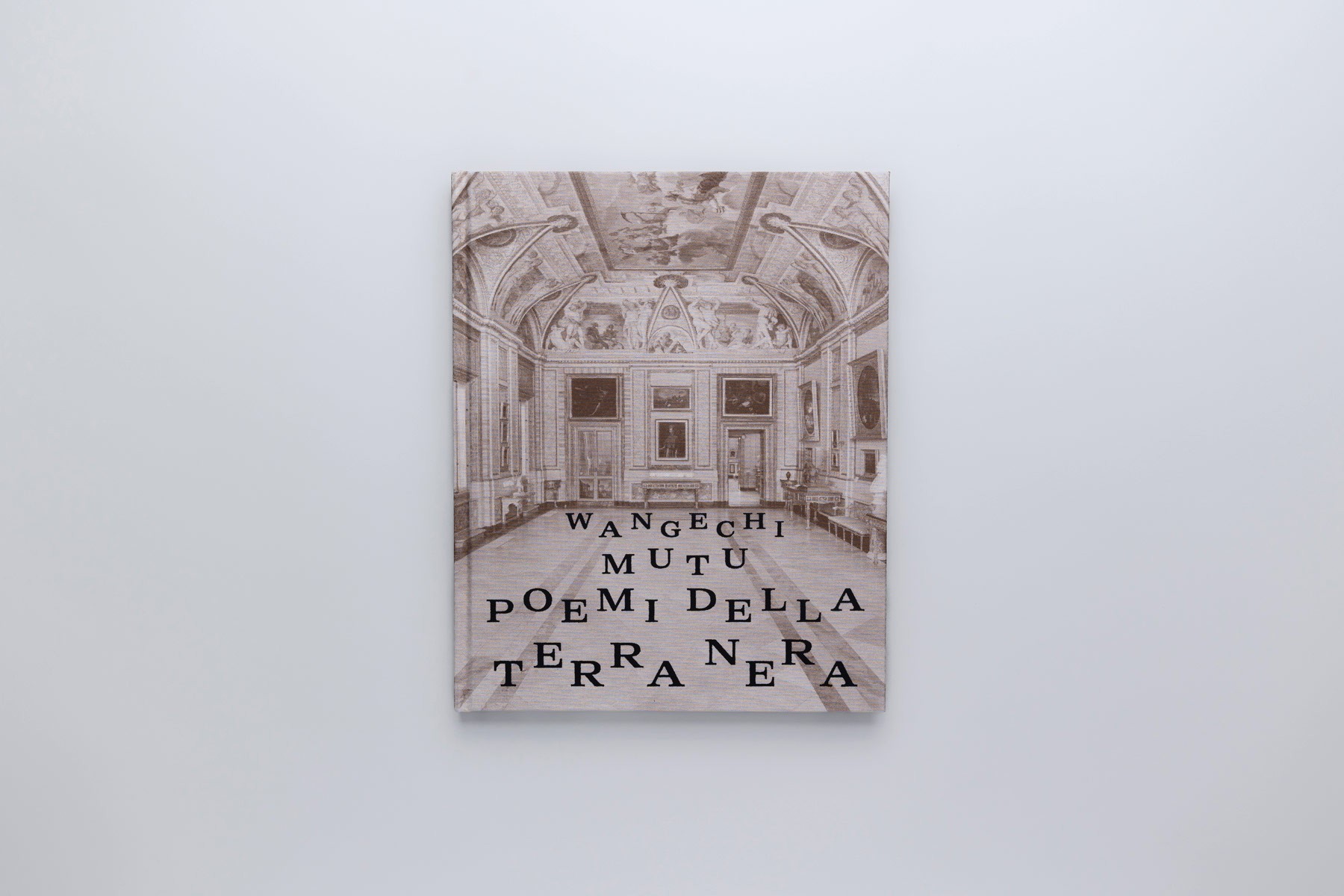
2025, Italiano, rilegato tela, 30 x 24 cm, 202 pagine
ISBN 979-12-80579-81-2
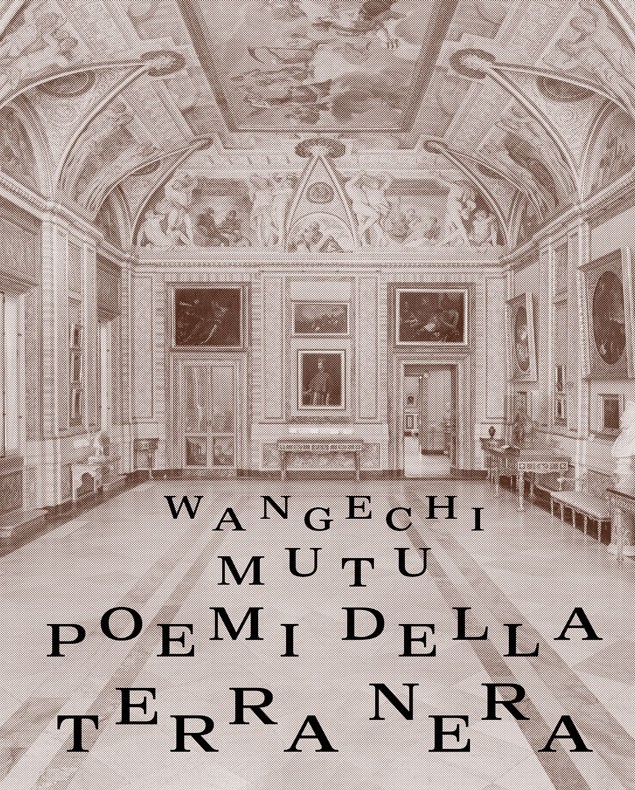
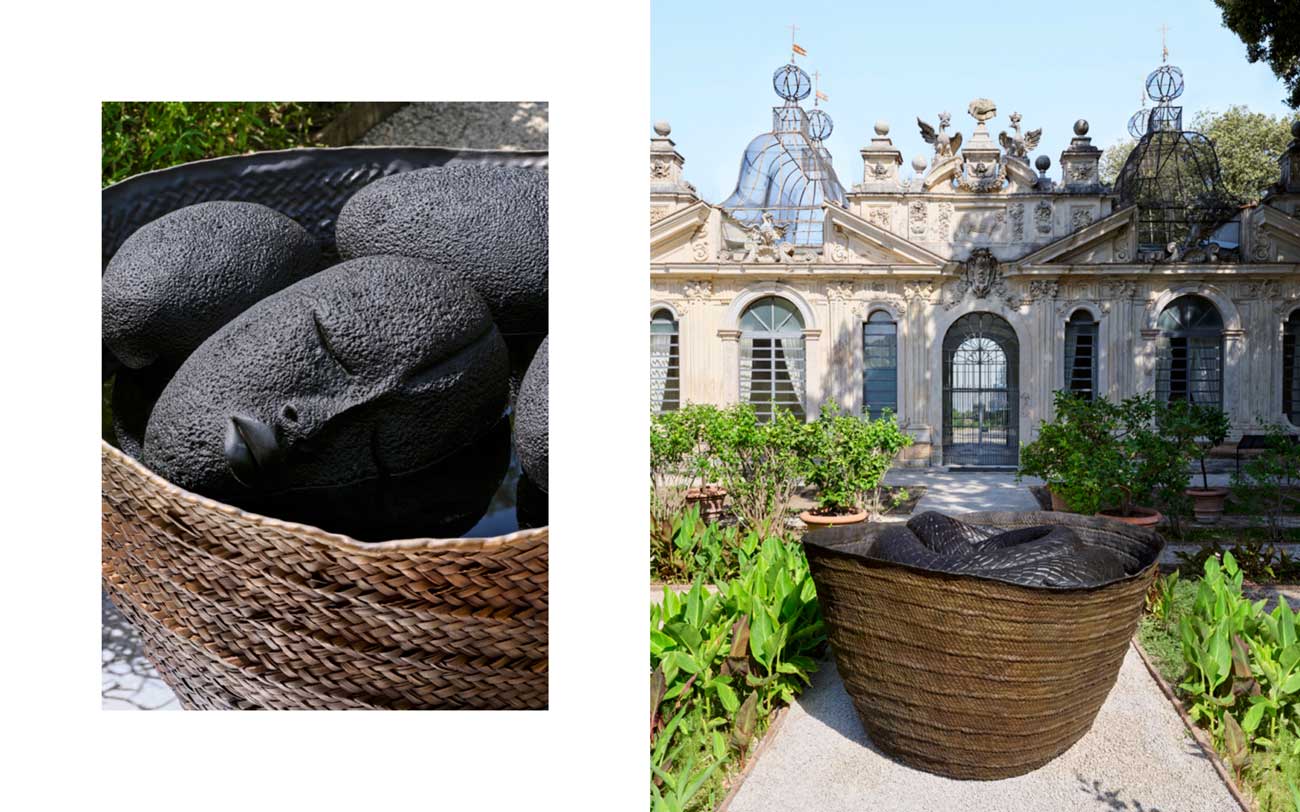
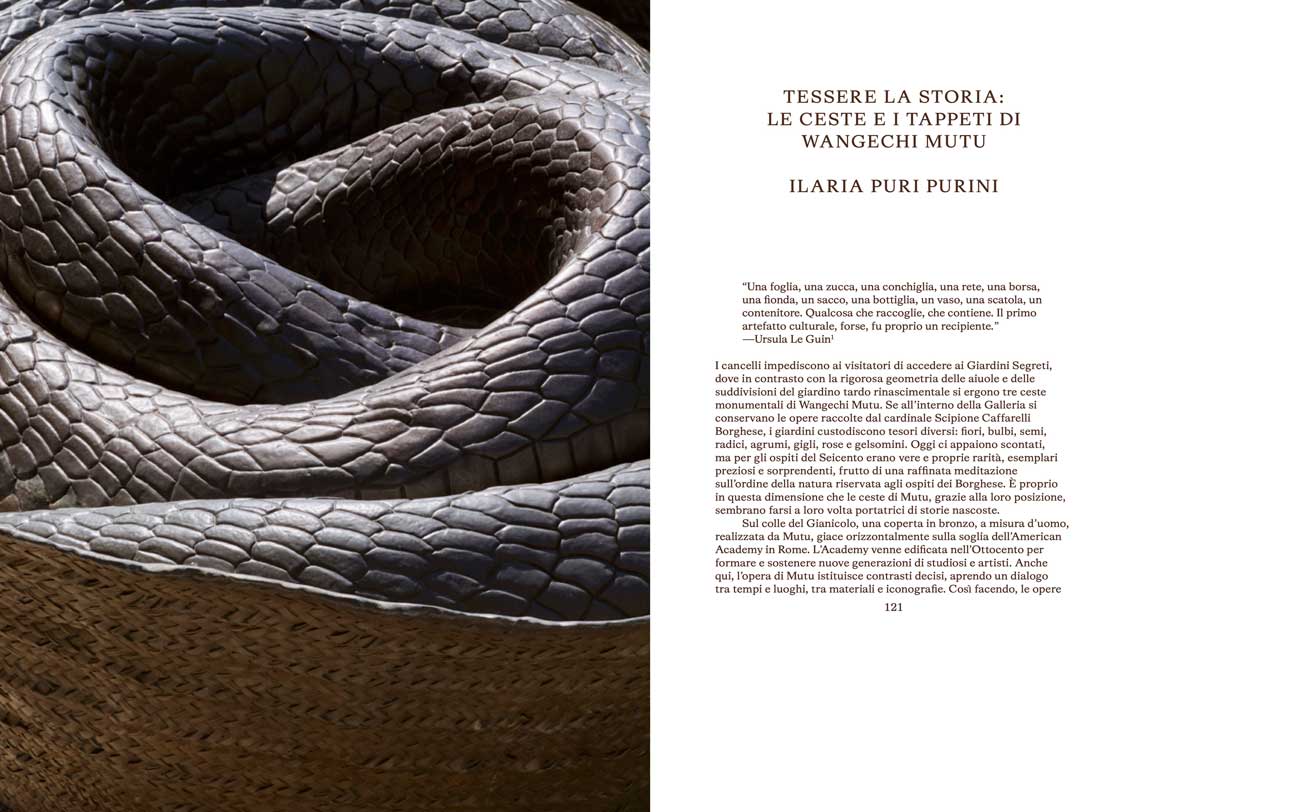
Il titolo di questo ricca pubblicazione, pubblicata in occasione della personale dell’artista keniota americana Wangechi Mutu alla Galleria Borghese – la prima volta nella centenaria storia della villa per un’artista donna vivente – evoca il profondo significato della pratica duplice di Mutu, intrecciata tra poesia e mitologie, ma profondamente ancorata ai contesti sociali e materiali contemporanei. La “terra nera”, ricca e malleabile sotto la pioggia, quasi come argilla, appare in molteplici geografie, inclusi i Giardini Segreti della Galleria Borghese, che offrono un punto di risonanza con l’immaginario dell’artista. Da questa terra, le sculture sembrano emergere, come modellate da una forza primordiale, dando vita a storie, miti, ricordi e poesie. La metafora sottolinea la forza generativa e trasformativa del suo lavoro: radicato nella materialità ma aperto a molteplici interpretazioni future.
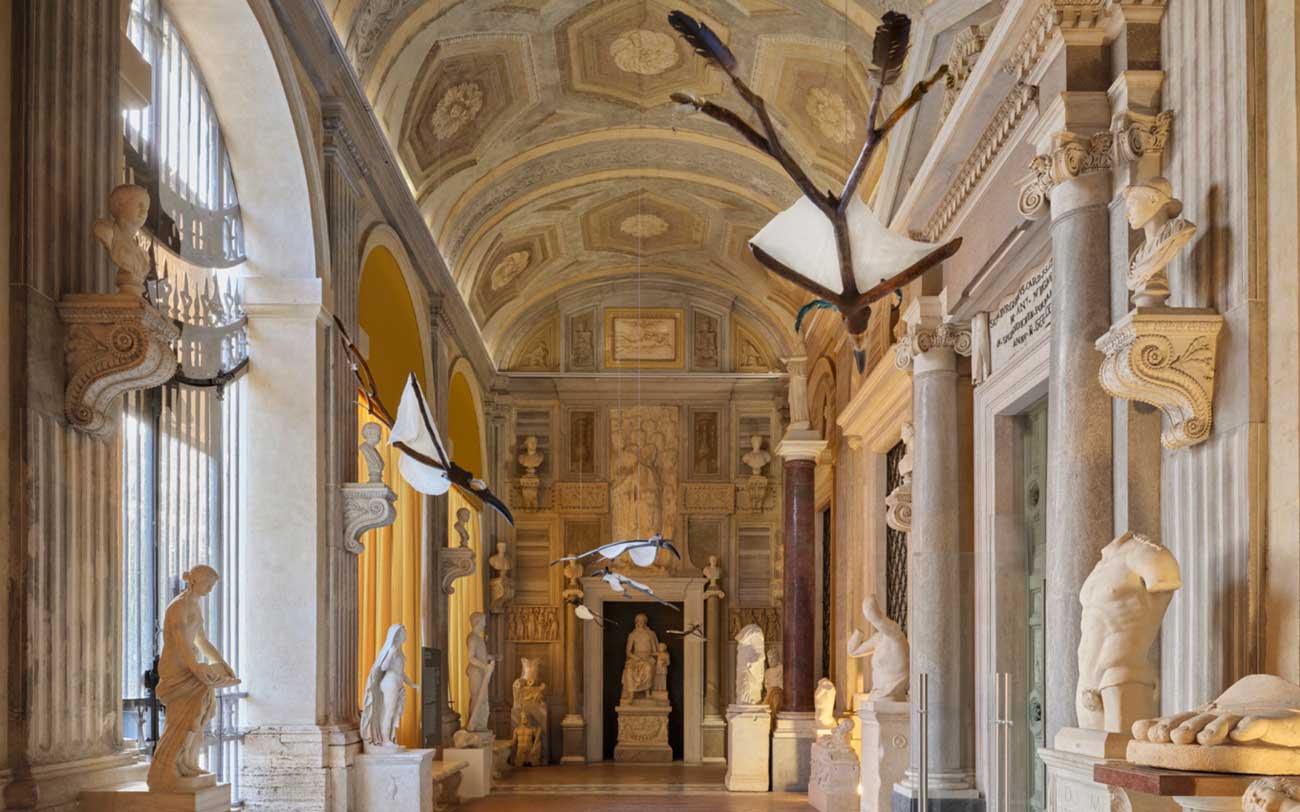
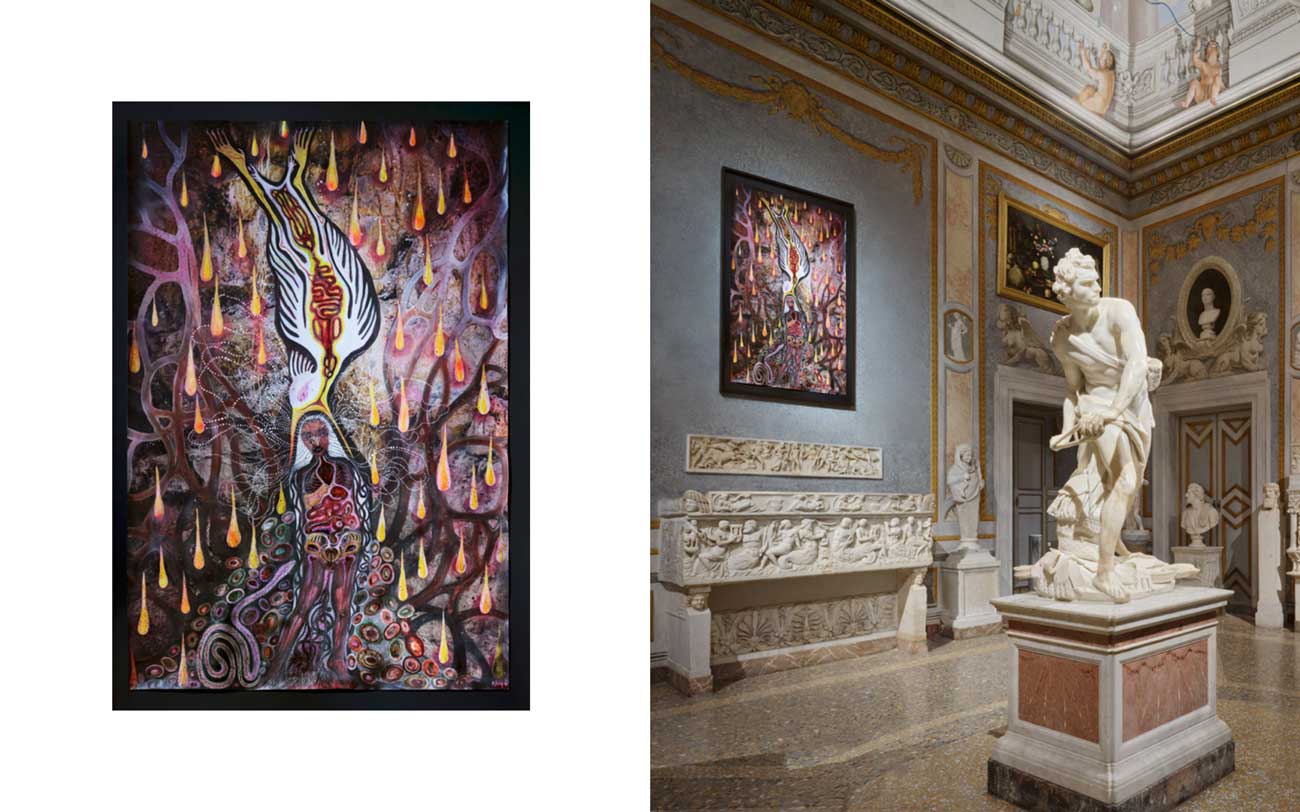
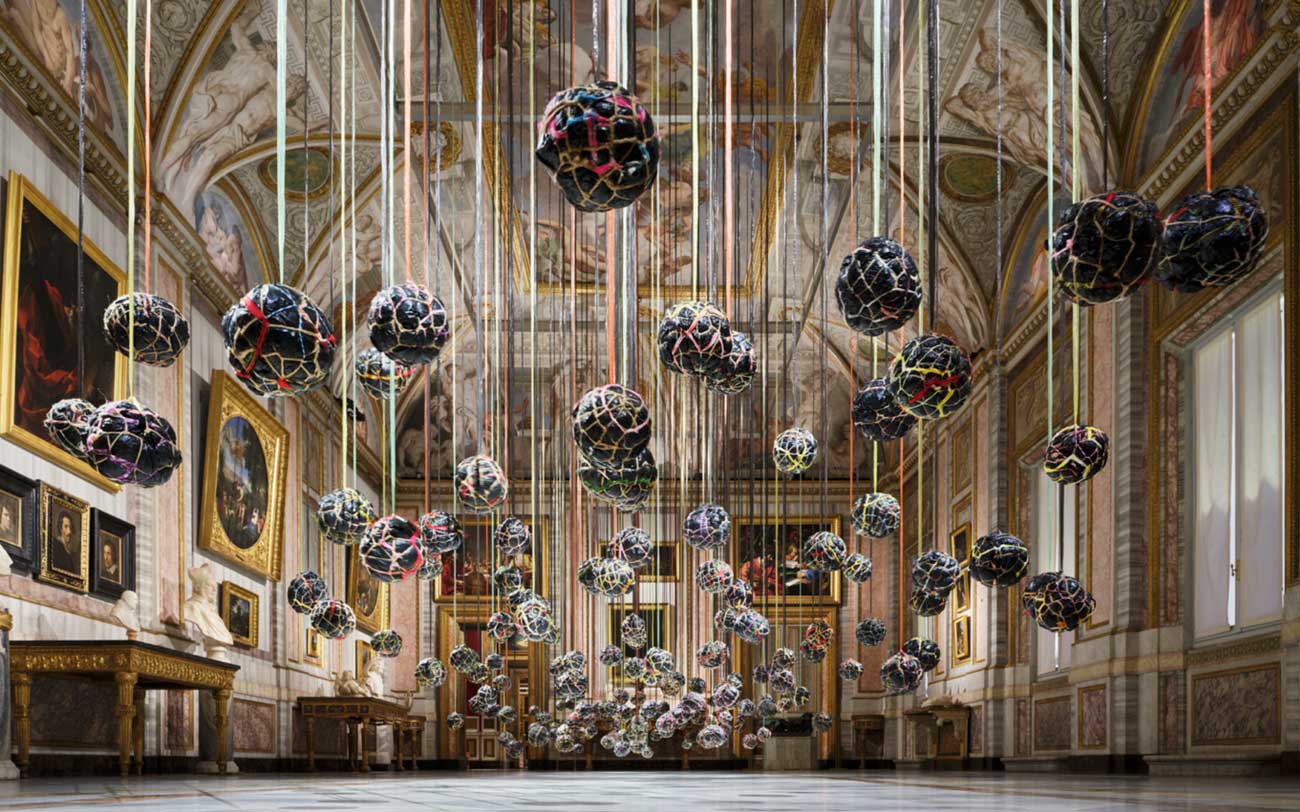
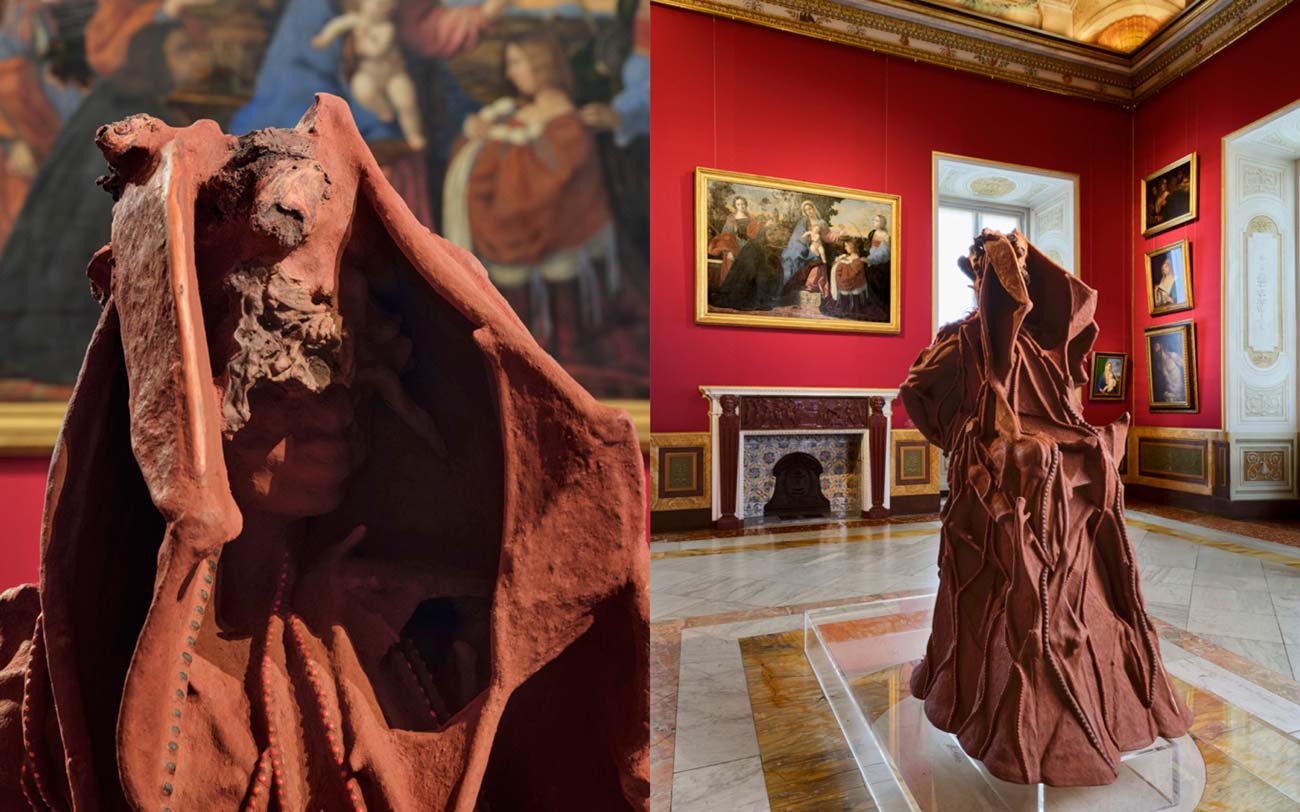
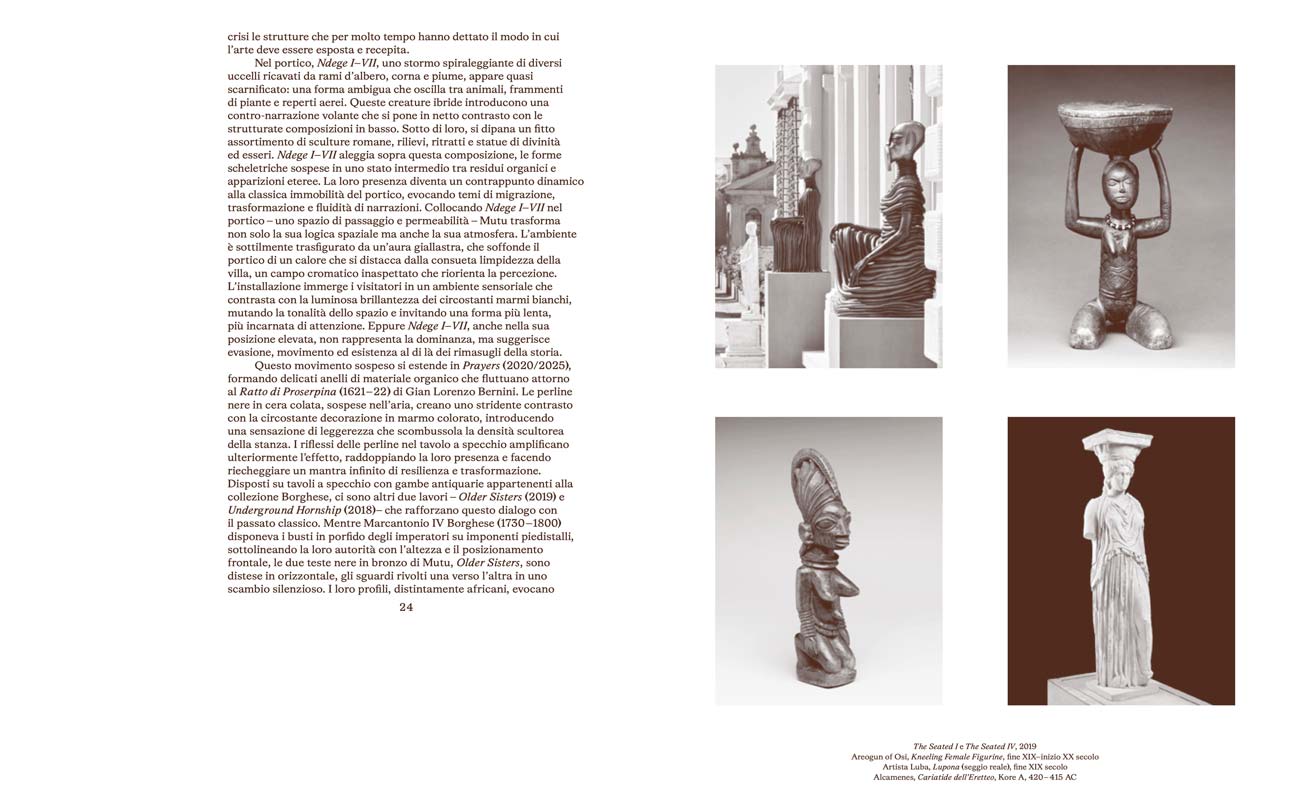
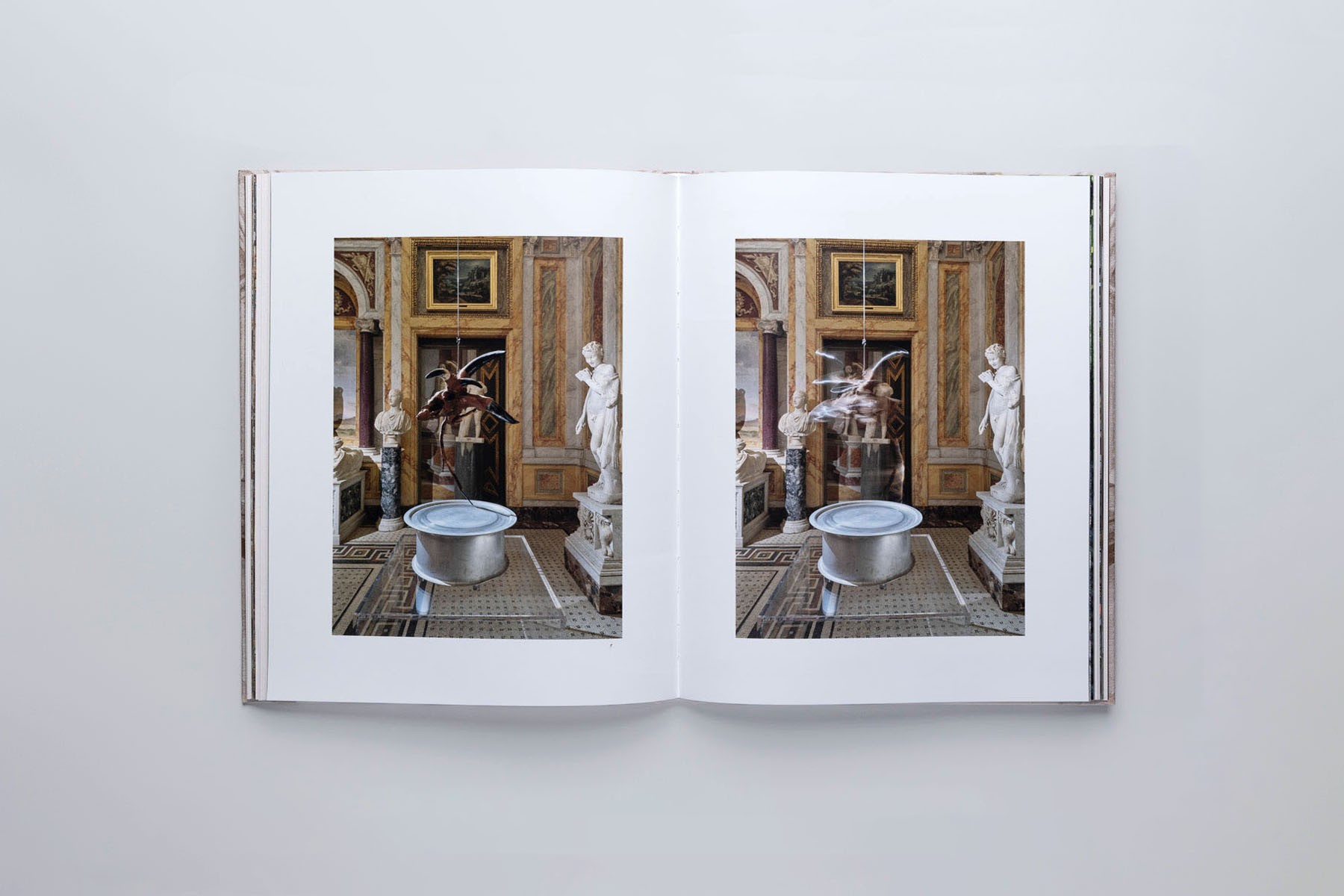
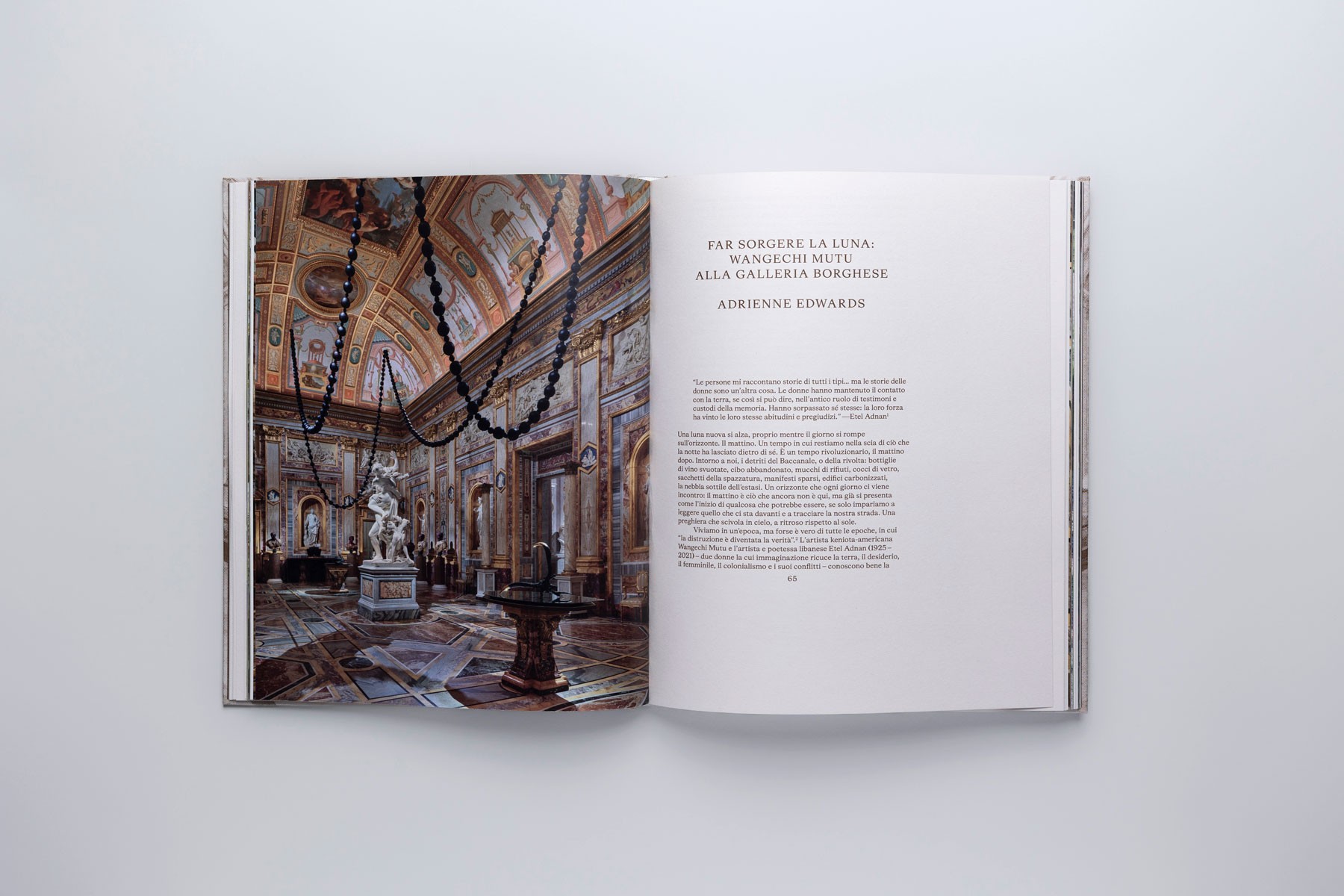
L’intervento di Wangechi Mutu introduce un vocabolario inedito nell’architettura storica e simbolica della Galleria Borghese. Attraverso la scultura, l’installazione e l’immagine in movimento, l’artista propone un approccio innovativo allo spazio museale, che sfida la gerarchia, la permanenza e il significato fisso. Le sue opere interrogano il peso visivo e l’autorità della collezione, adottando strategie di sospensione, fluidità e frammentazione. In tal modo il museo non si presenta come un semplice contenitore statico di oggetti, ma come un organismo vivo, in continua trasformazione, plasmato dalla perdita, dall’adattamento e dalla riconfigurazione.
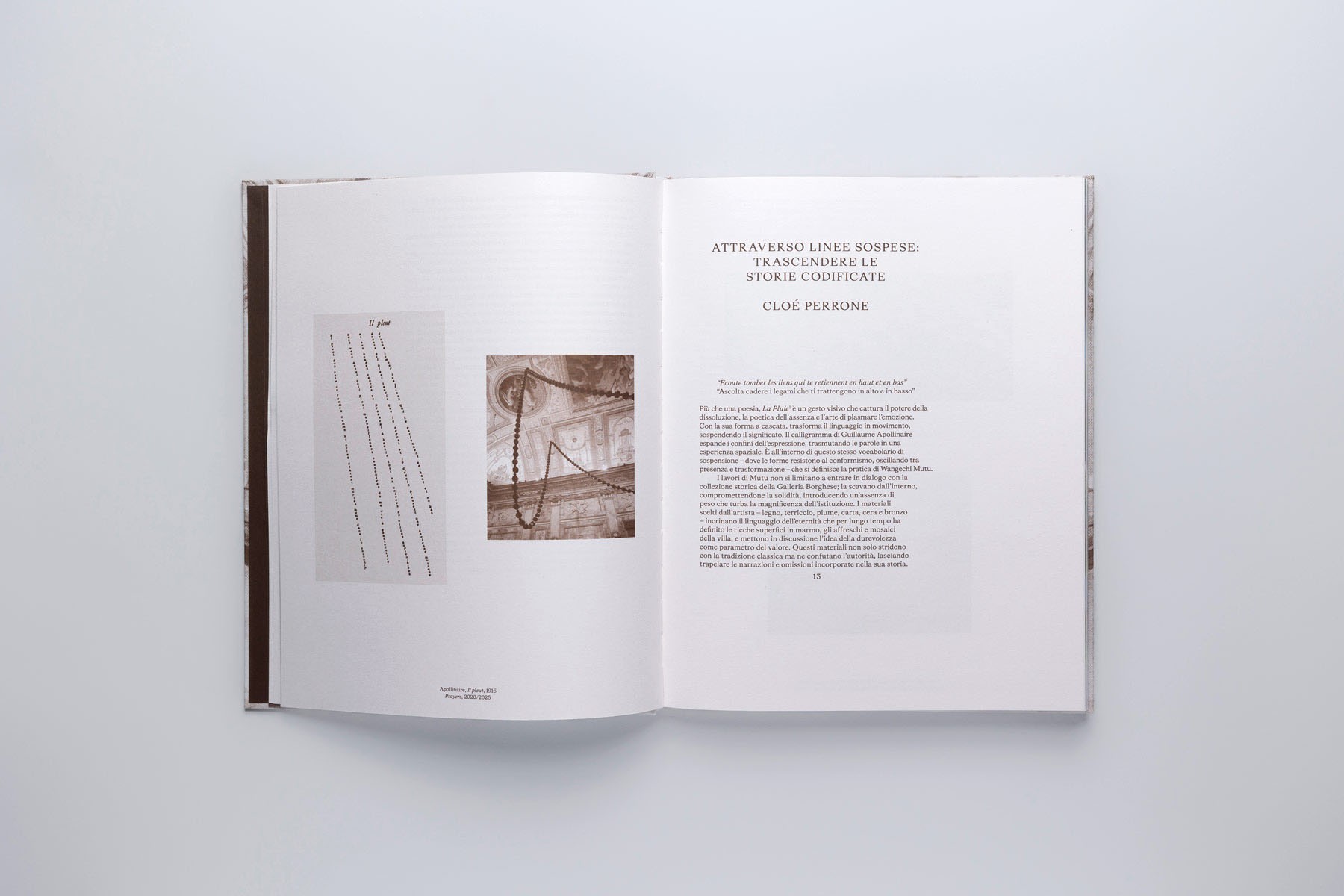
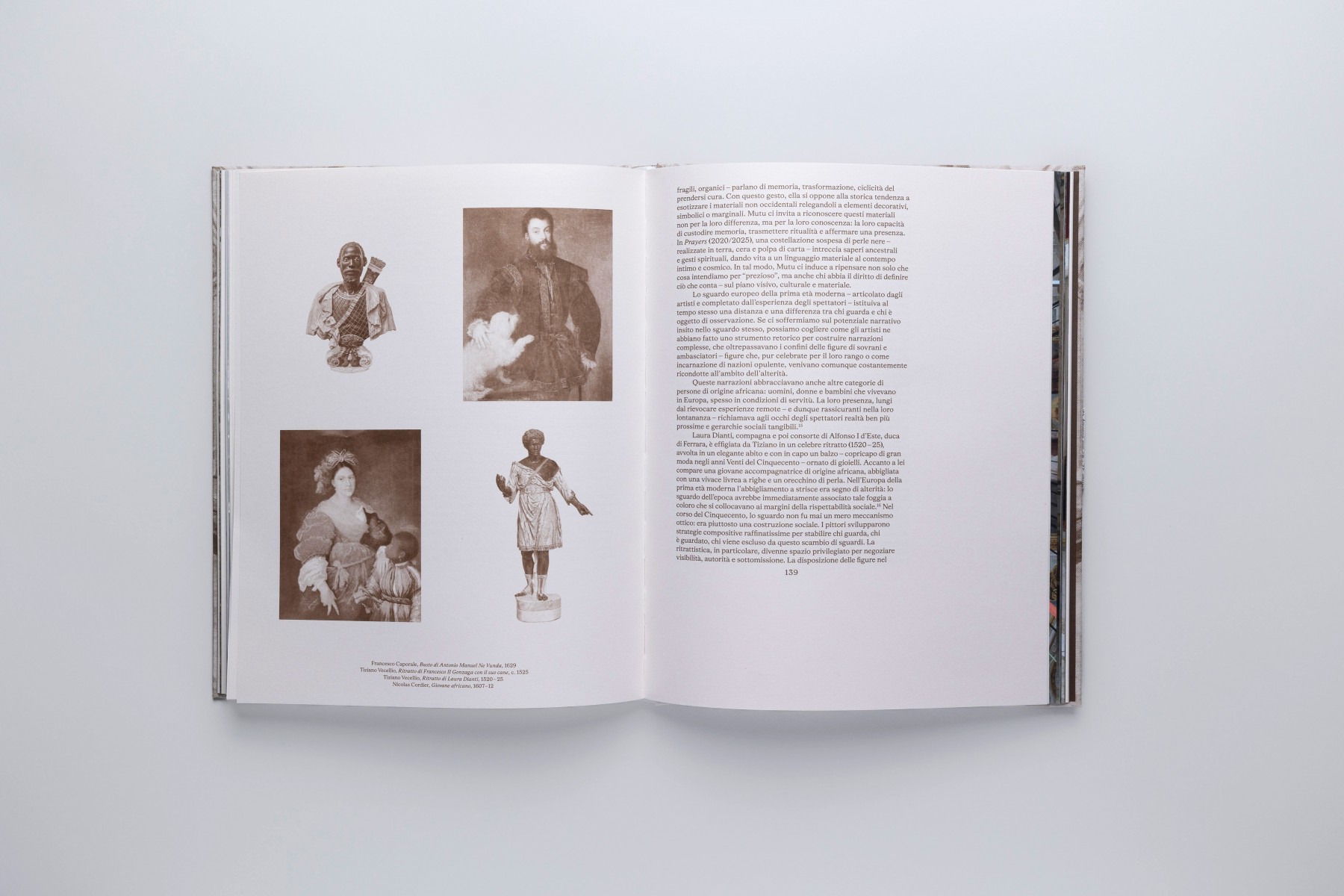
Introdotto da un testo della curatrice Cloé Perrone che analizza il contesto e le tematiche che hanno plasmato la mostra, il volume è arricchito da altri quattro saggi a cura di Adrienne Edwards, Ekow Eshun, Francesco Freddolini e Ilaria Puri Purini, oltre che da una conversazione tra Eshun e l’artista. Un ricco apparato iconografico permette di ripercorrere la mostra, sviluppata nelle sale sontuose della Galleria, nei suoi giardini, fino a una presenza extra muros, all’American Academy.