Through exquisite craftsmanship, and with reference to romantic nationalism, Ann Böttcher explores how aesthetic and political projections characterize notions of nature, and how such conceptions are taken up by countries, political movements, and other institutions.
Voices (Towards Other Institutions) is the final act of the coral, multiform, articulated, two-year-long experiment carried out by Open, the Russian Federation Pavilion at the 17th International Architecture Exhibition.
The book deals with Diego Marcon’s practice through the analysis of three film and video works. Monelle (2017), Ludwig (2018), and The Parents’ Room (2020) are his most recent and complex projects, and they are all emblematic of central aspects of his production.
Over the last ten years, Raphael Hefti has created an astonishingly body of work consisting of sculptures and installations, performance and “art-in-public-spaces.” The first comprehensive monograph is published on the occasion of his major exhibition at Kunsthalle Basel.
Between 1998 and 1999, the London-based art collective BANK operated the Fax-Bak Service. The group’s members proof-read and copy-edited more than 300 press releases by galleries. The publication is the most comprehensive record of this notorious project.
SOLD OUT
Sold Out
Listen
On how The BANK Fax-Bak Service started and how it came to be a book
In the Villa Santo Sospir, Jean Cocteau conceived his pictorial work through accumulation, inspired by Greek mythology and the Mediterranean landscape. Architecture permeates the subjects of Mauro Restiffe from a viewpoint that amplifies and reverberates the simple historical record.
Edited by Alessandro Rabottini
Texts by Martin Germann, Matilde Guidelli-Guidi, Luca Monterastelli, and Alessandro Rabottini
Design Lorenzo Mason Studio
2023, English / Italian, softcover, 20 x 28 cm, 128 pages
ISBN 979-12-80579-33-1
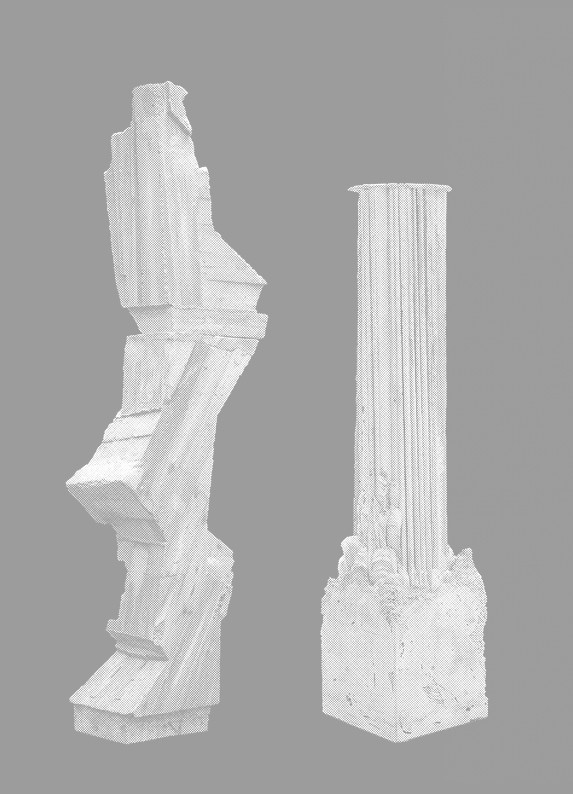
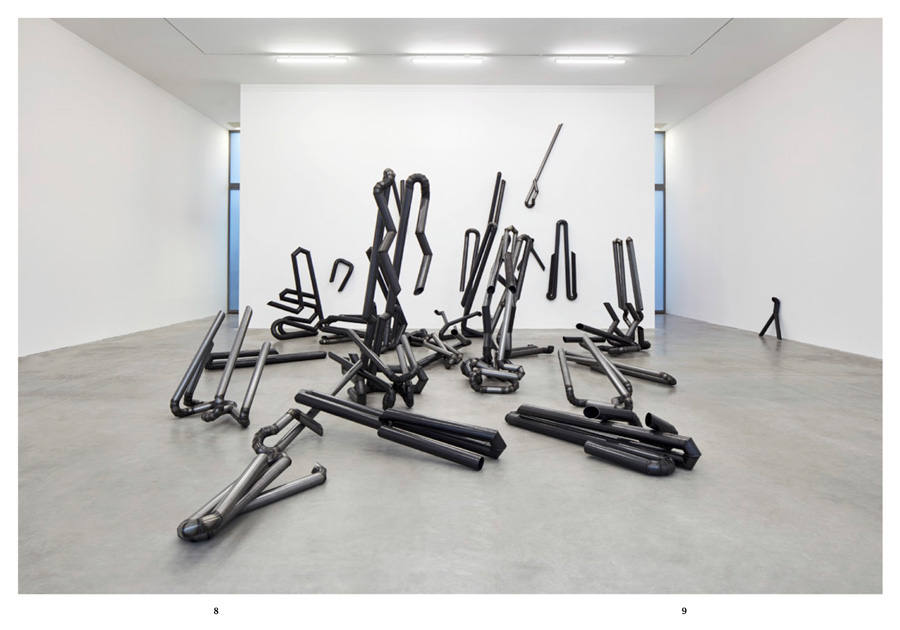
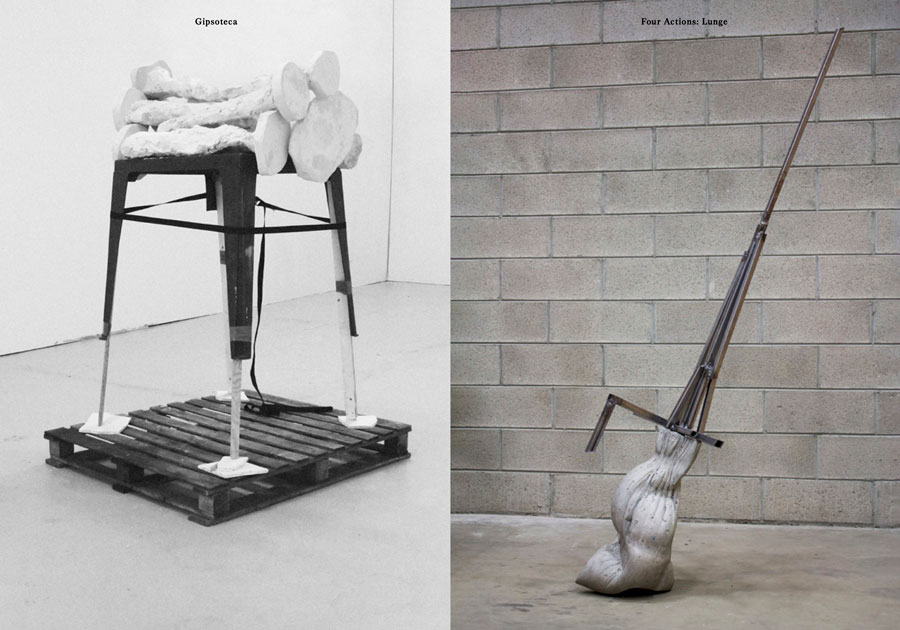
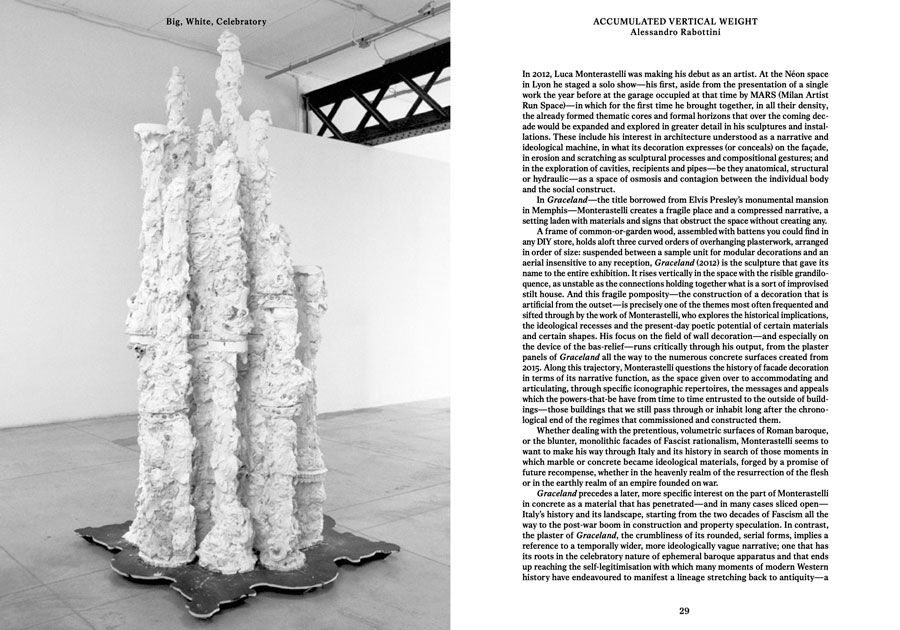
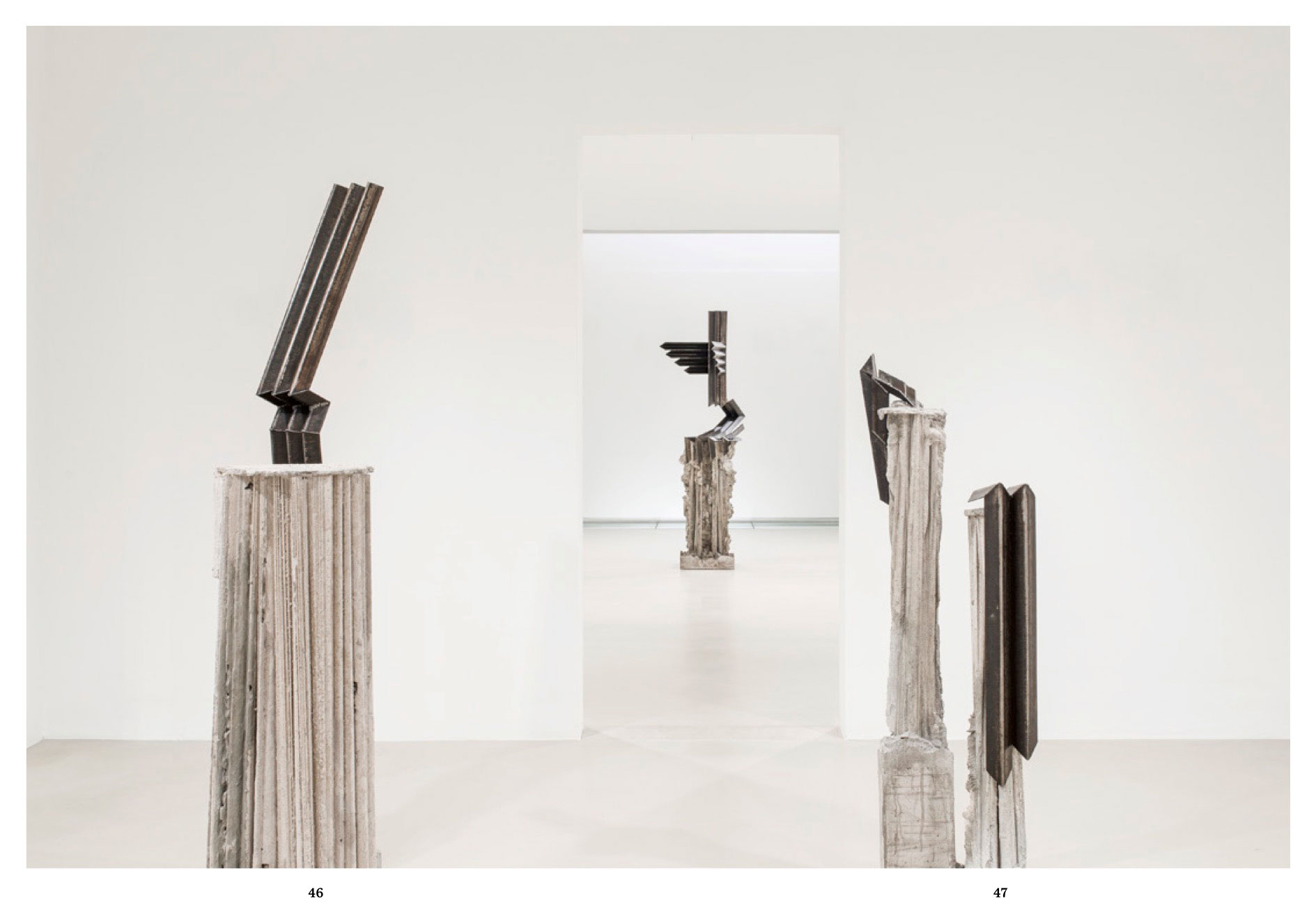
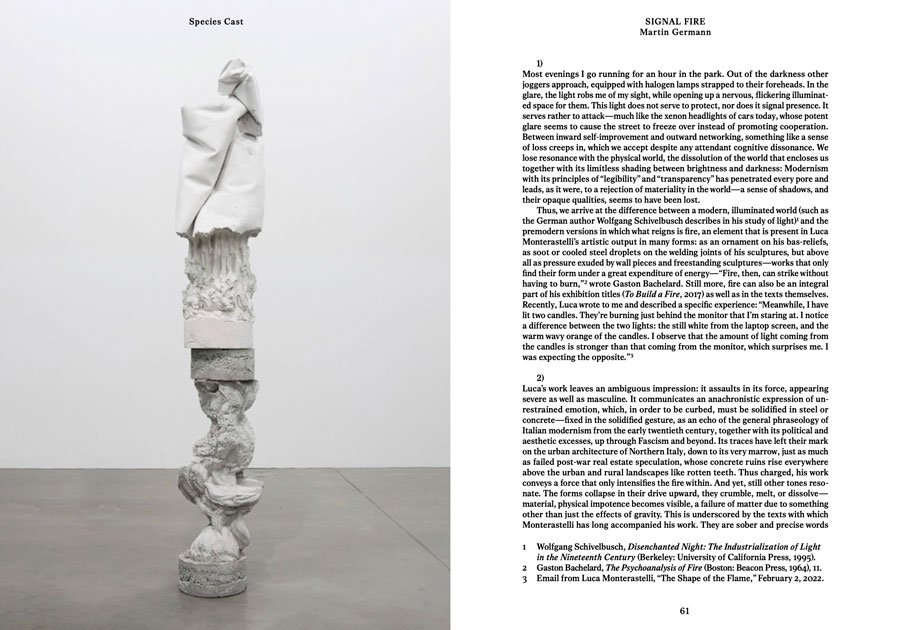
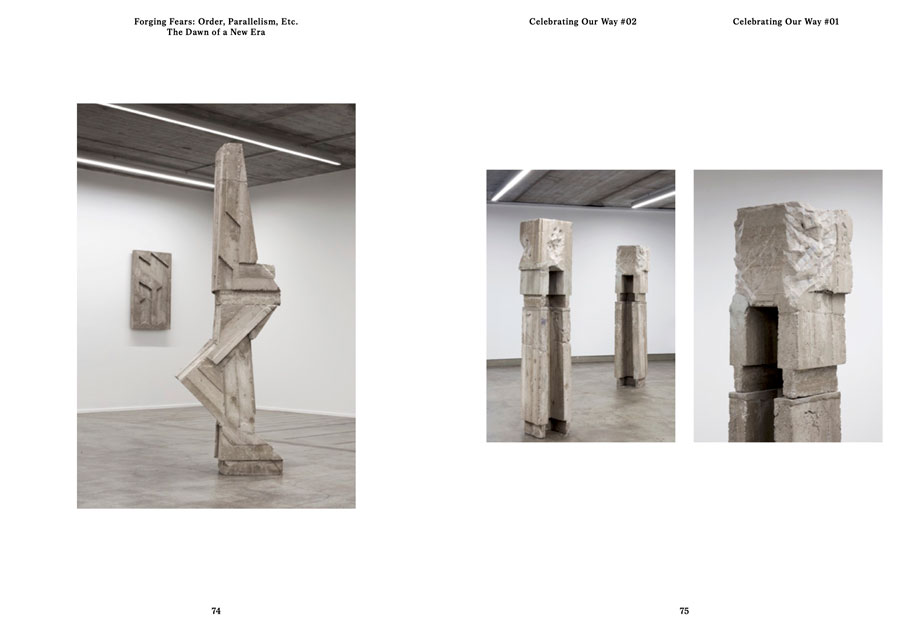
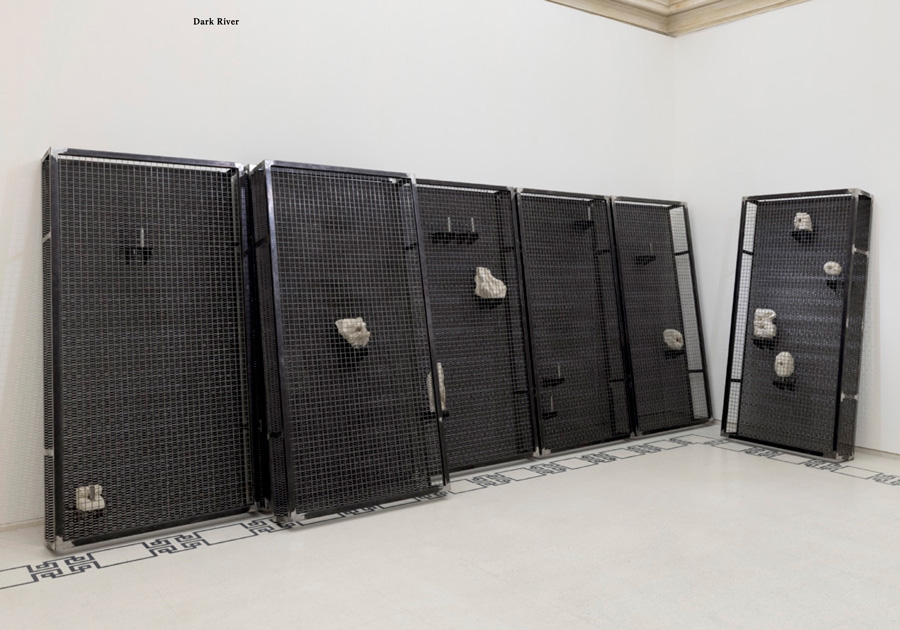
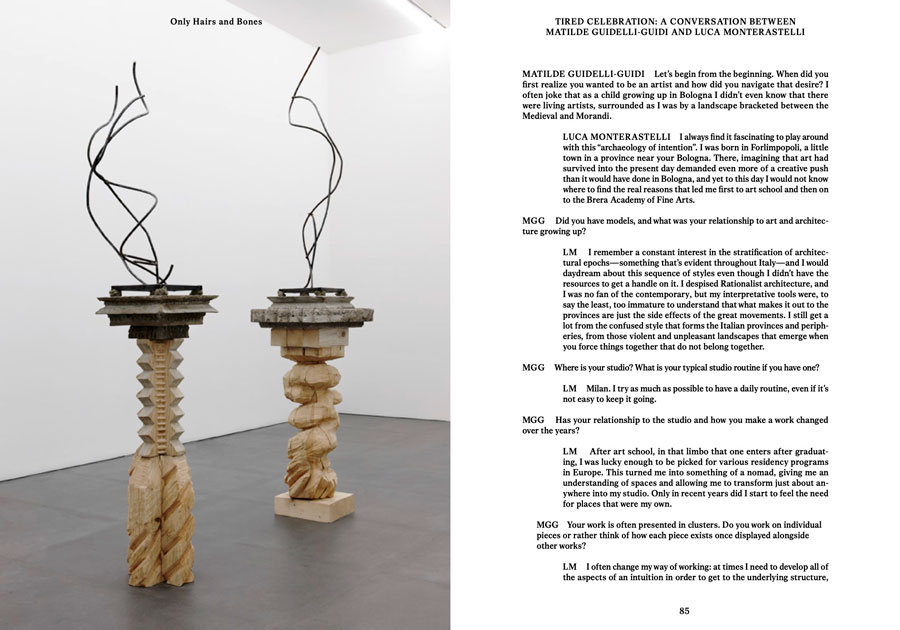
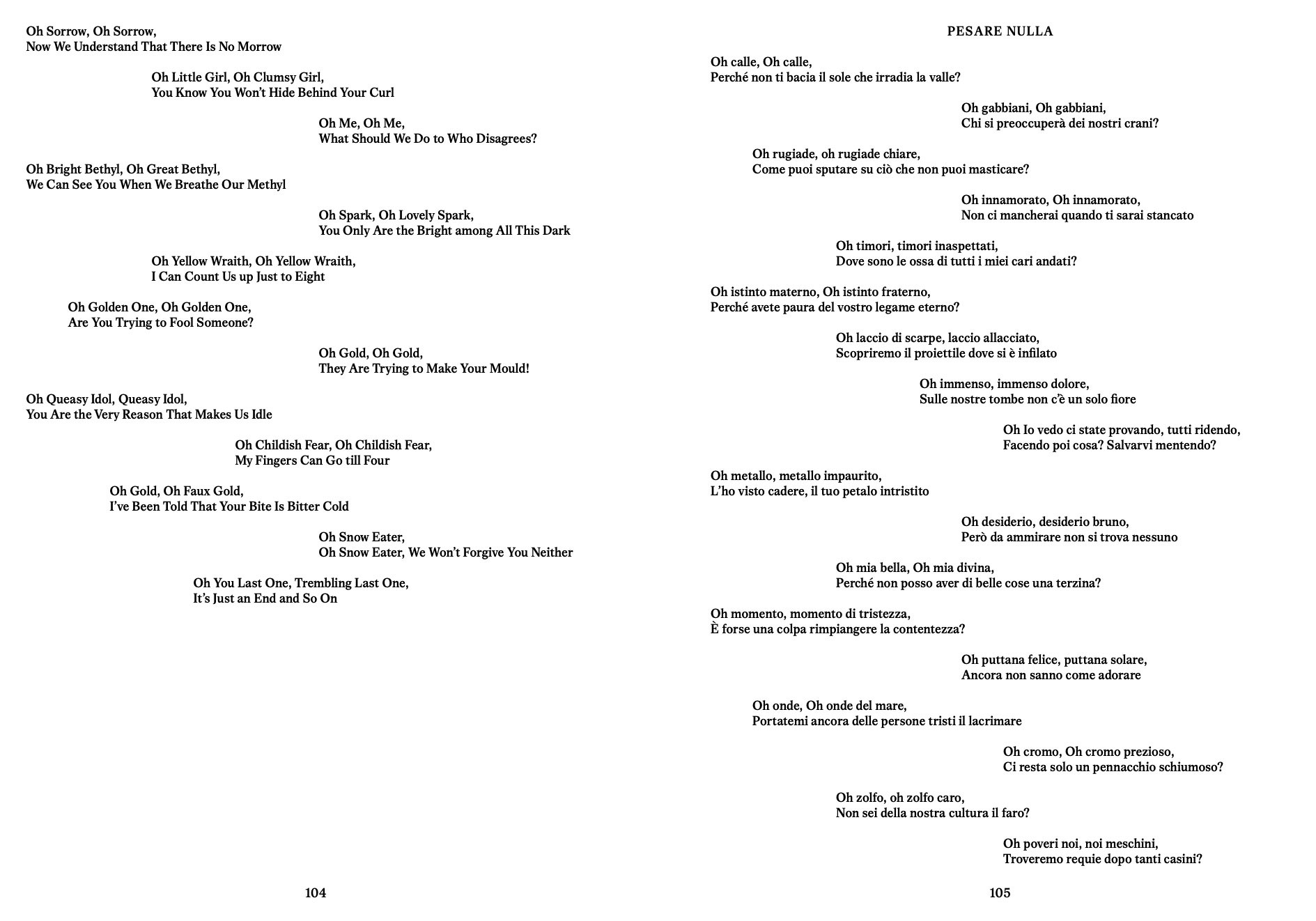
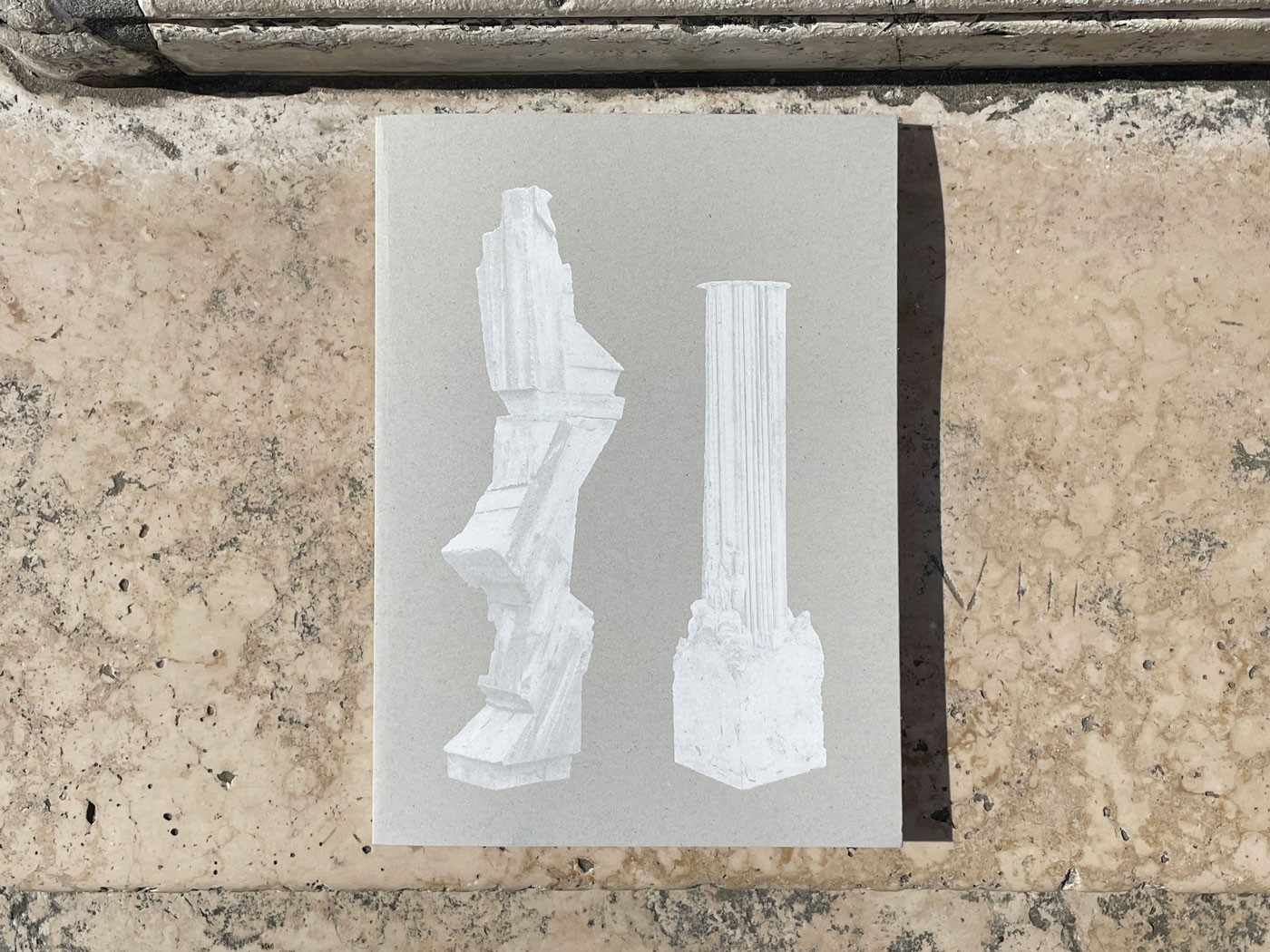
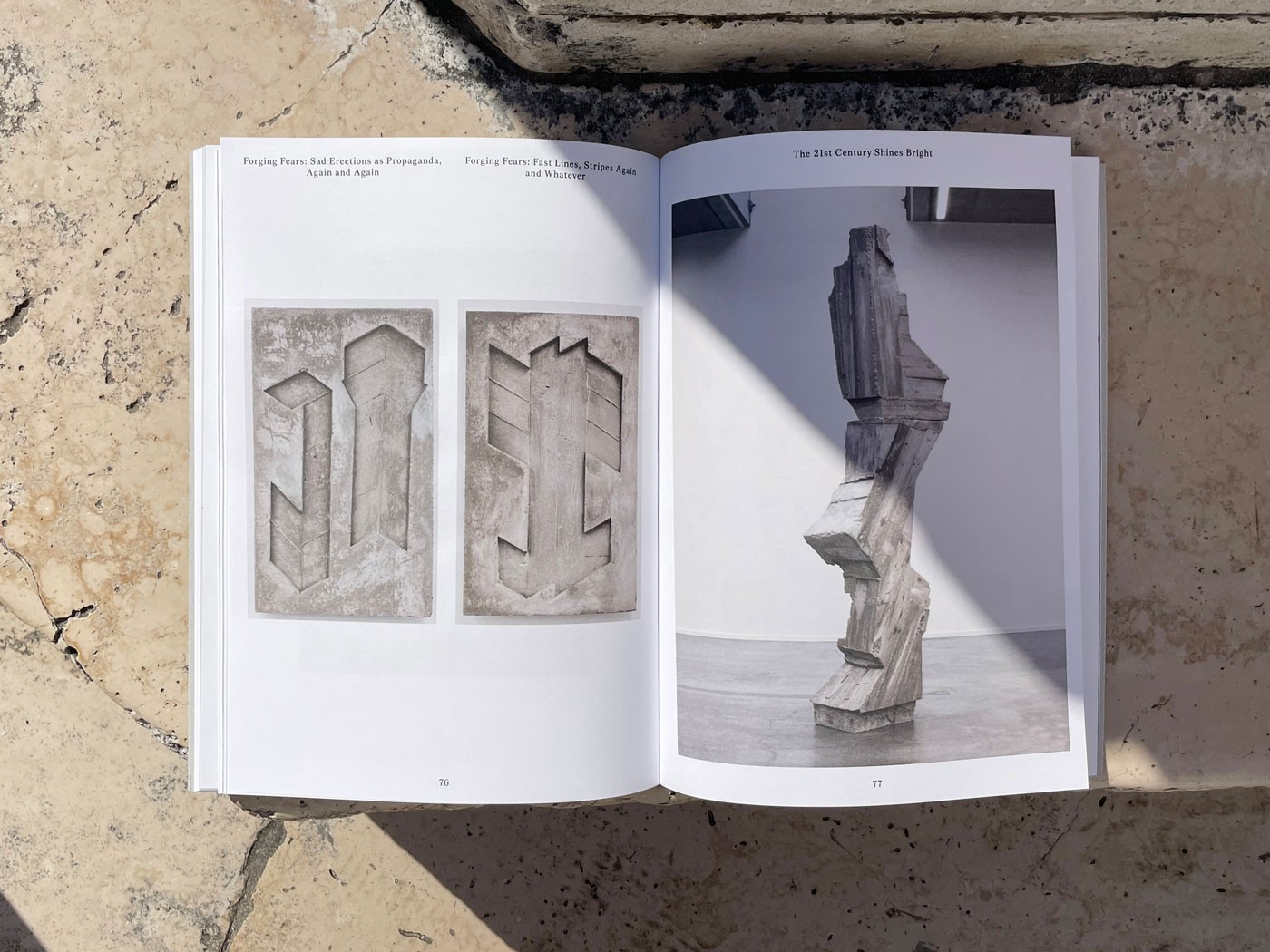
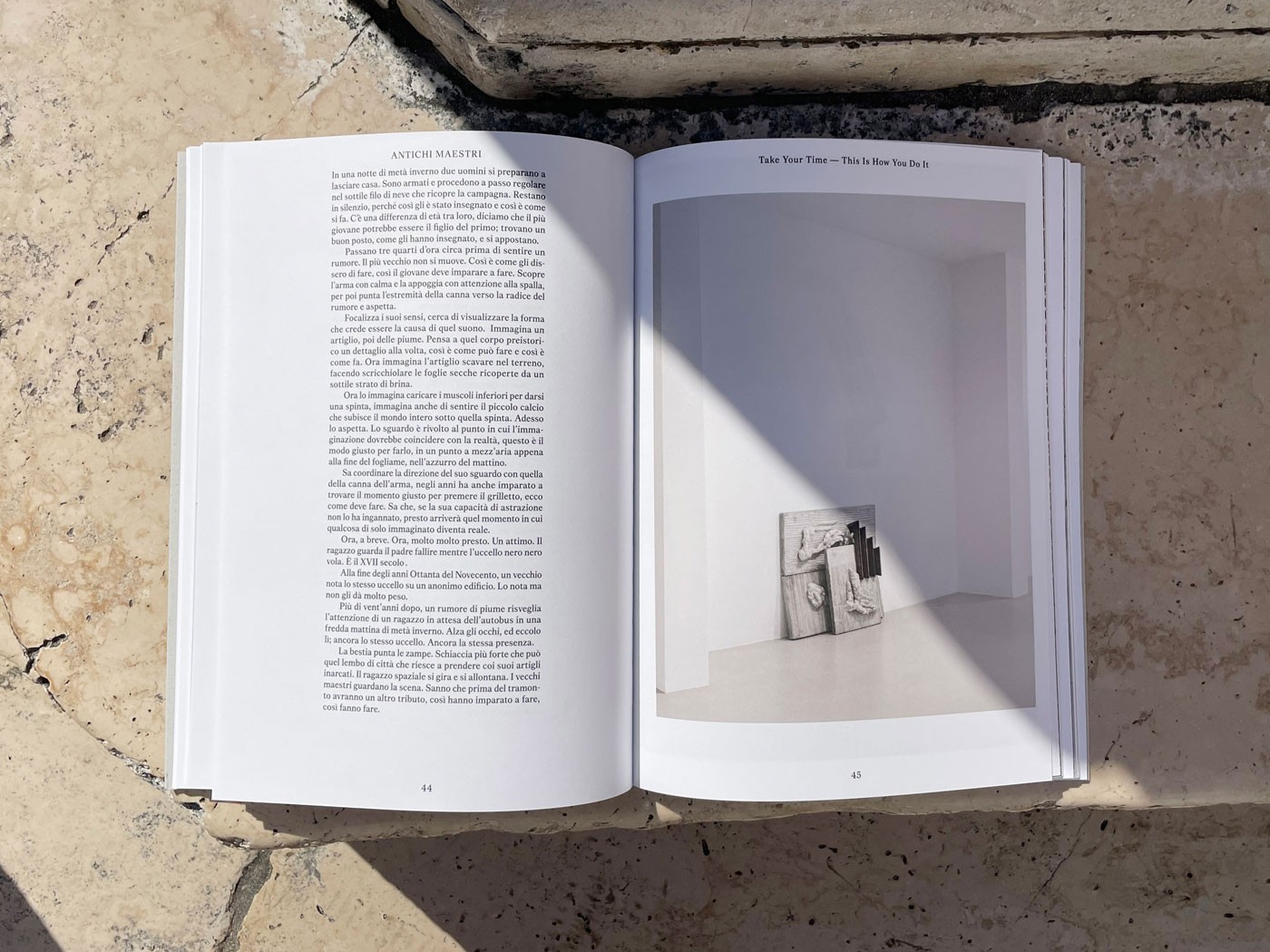
Pardon Façade documents the artistic output of Luca Monterastelli, showcasing almost all of the sculptures and installations that he produced between 2011 and 2022. With four chapters corresponding to four solo shows that he staged in Milan, Otegem, Antwerp and Naples, the architecture of the book is structured around the photographic documentation of these exhibitions, each introduced with a text written by the artist for the occasion. The centrality of Monterastelli’s writing to the book reflects his way of conceiving the medium of the personal exhibition as a specific narrative context, as a story that takes place between and with the works. This impulse of his towards a metaphorical and imaginary narrative is echoed by the eloquence of the titles of the works, which accompany the images in a story told across the pages.
Amid these four main groupings, we find images of individual works, some conceived for group shows, together with an essay by Martin Germann, a conversation between Matilde Guidelli-Guidi and the artist, and an introduction essay to Monterastelli’s oeuvre by Alessandro Rabottini.