Lam-See Lam’s storytelling develops through text, animations, and sculptural installations. Her multifaceted stories explore the narrative of the Cantonese diaspora in Sweden and examine questions of cultural identity.
A richly illustrated publication accompanying the experimental noise project as durational solo performance by Marco Fusinato for the Australia Pavilion at the 59th International Art Exhibition La Biennale di Venezia.
This catalogue explores some of the pivotal themes of the artist’s research, from her interest in crossing and redefining the border between interior and exterior to the relationship between the aesthetic object and its institutional context.
Published in conjunction with a solo exhibition at Kunst Museum Winterthur, this book provides the first overview of Altmann’s work to date, characterized by a strongly socio-critical consciousness, and reveals the artist’s influences and inspirations.
The first monograph dedicated to Paloma Bosquê addresses the Brazilian artist’s ways of understanding and giving shape to that matter which can be perceived, but not rationalized.
The first book on London based artist Gili Tal, whose practice identifies how the digital has long become a reality that has subjected our habits of perception to a radical change.
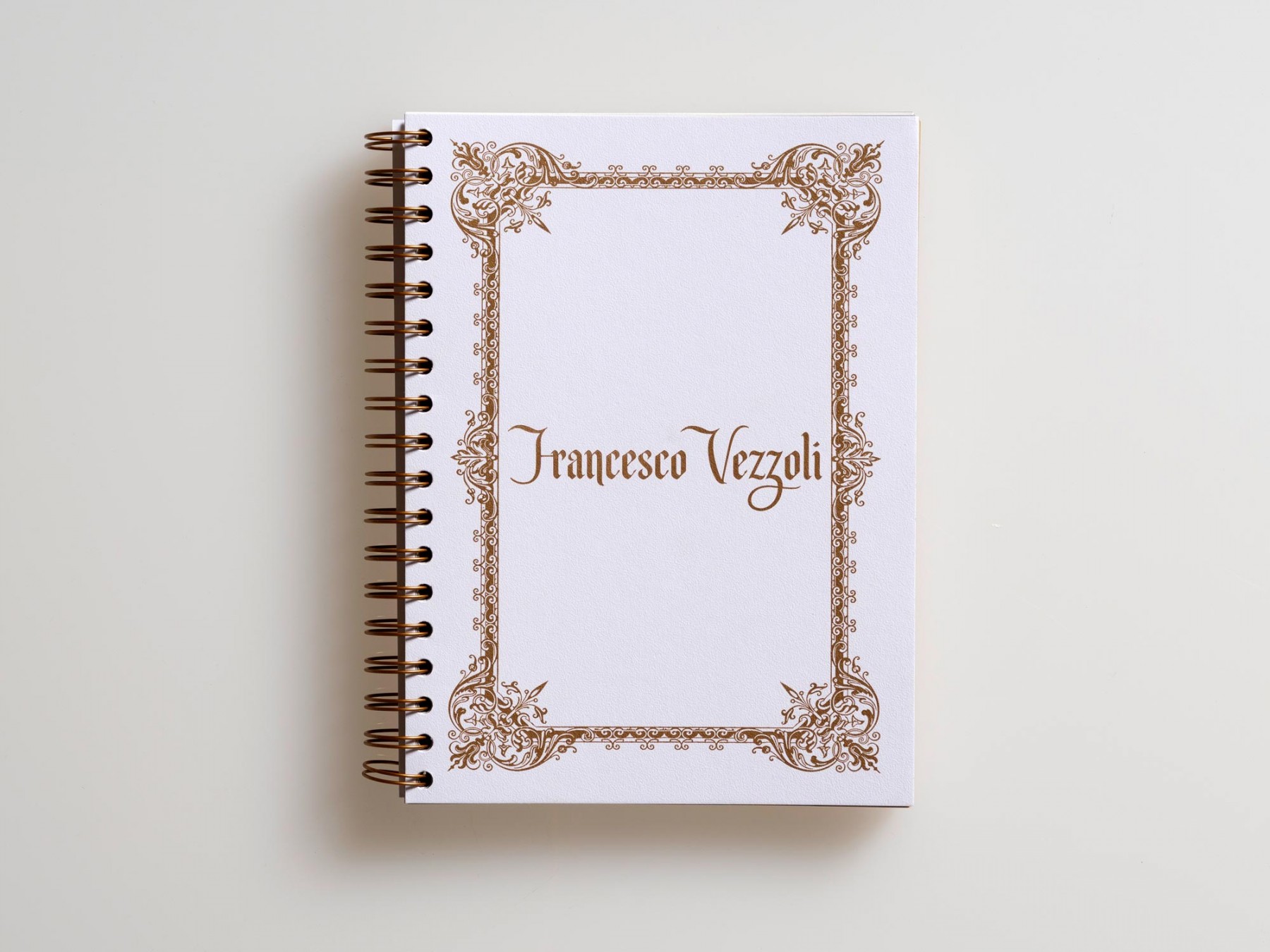
Edited by Francesco Vezzoli
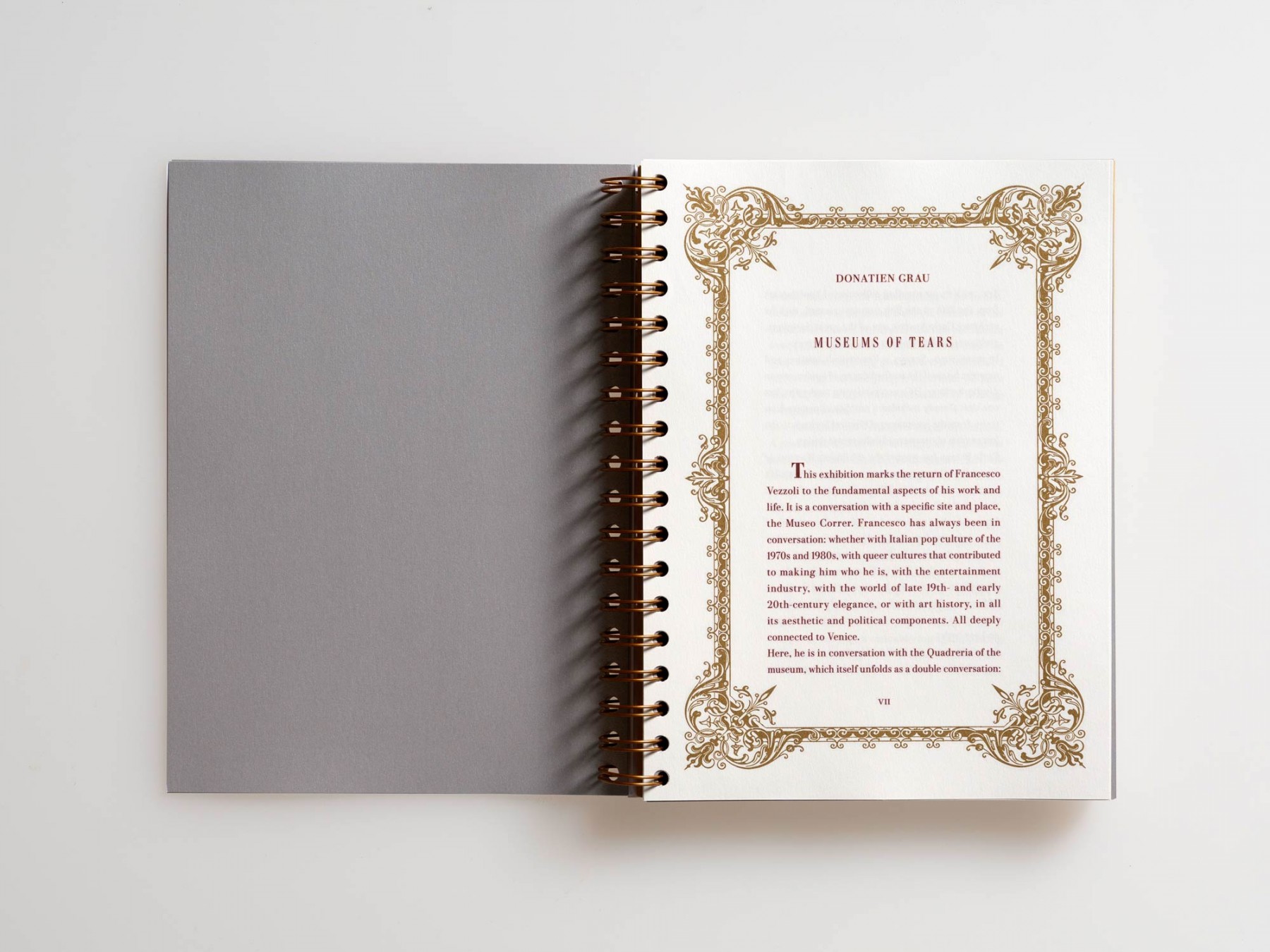
Texts by Donatien Grau, Francesco Vezzoli, and FiIlippo Bisagni
Art direction: Alberto Agosti
Design: Leonardo Pertile
Published for ArchivorumxM
2026, English, spiral-bound, 23 x 17 cm, 206 pages
ISBN 979-12-80579-95-9
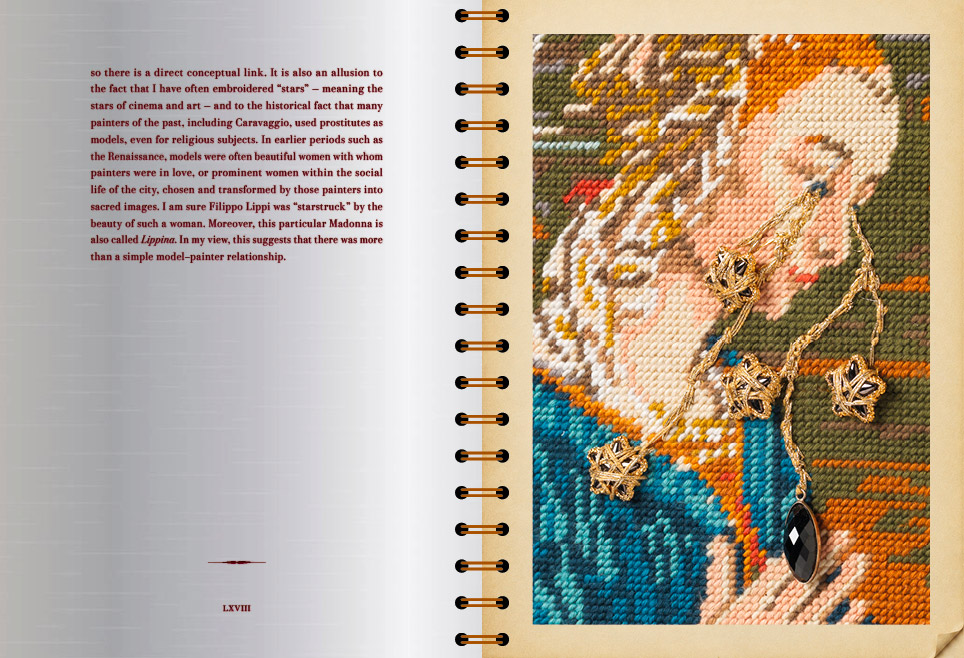
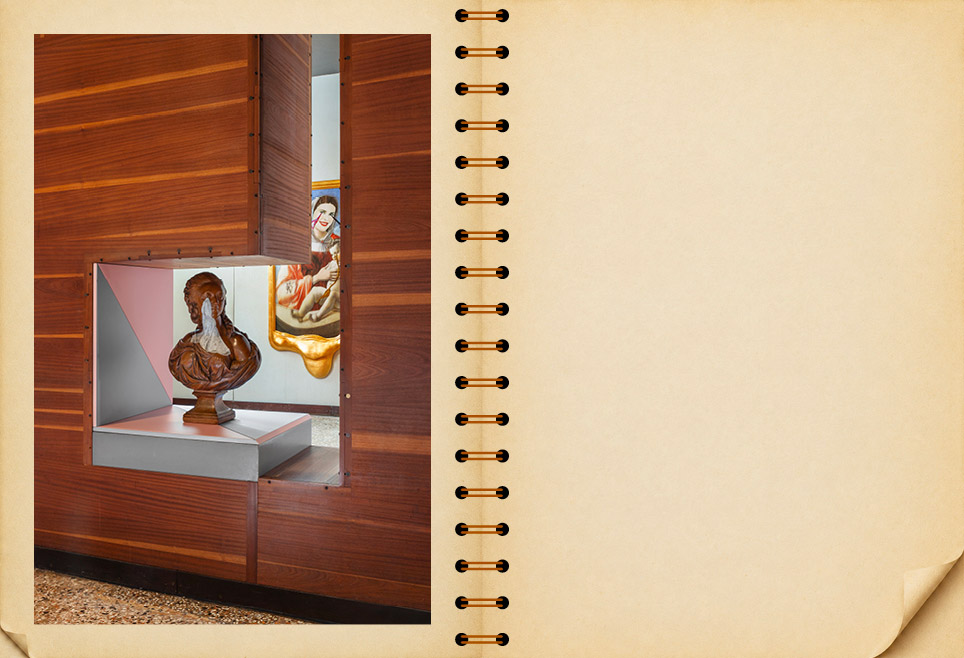
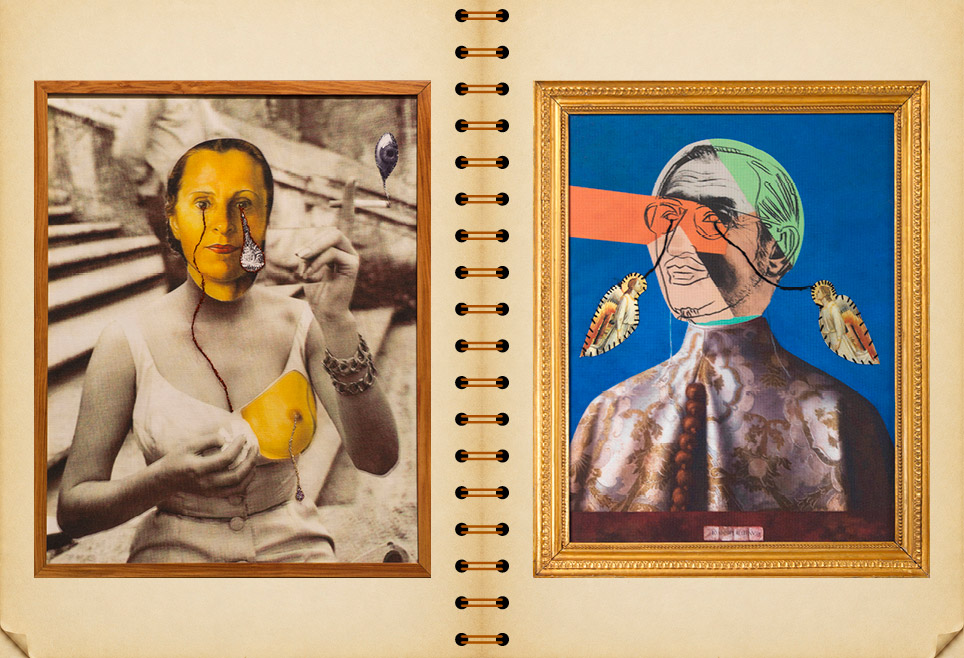
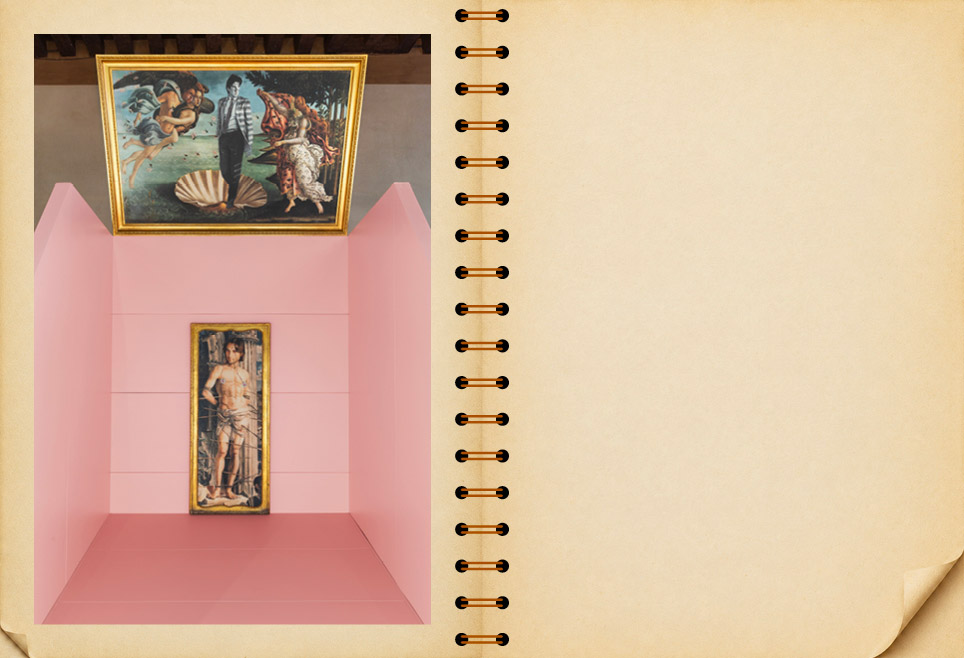
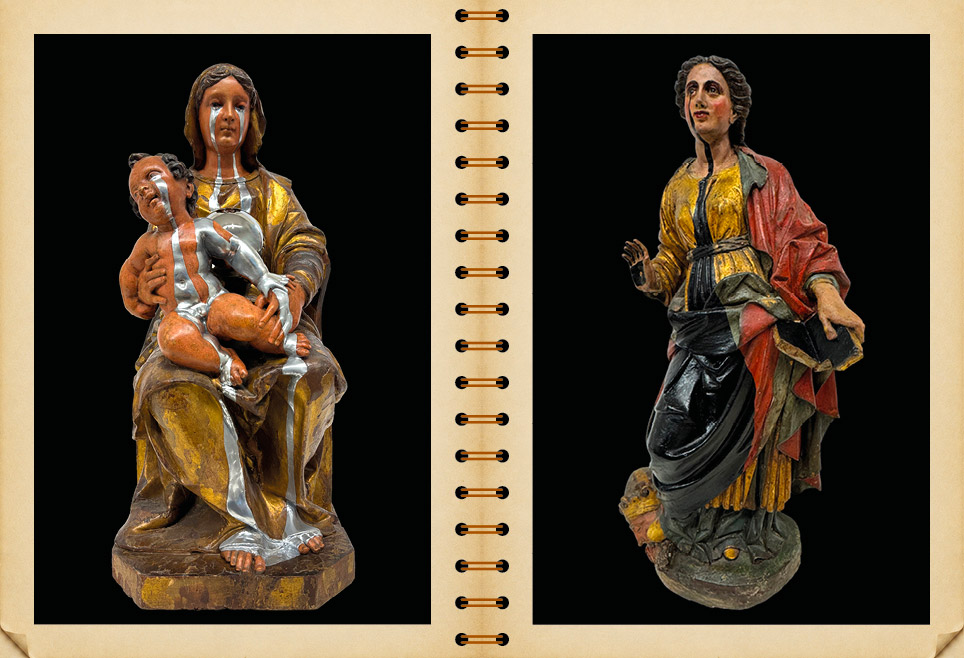
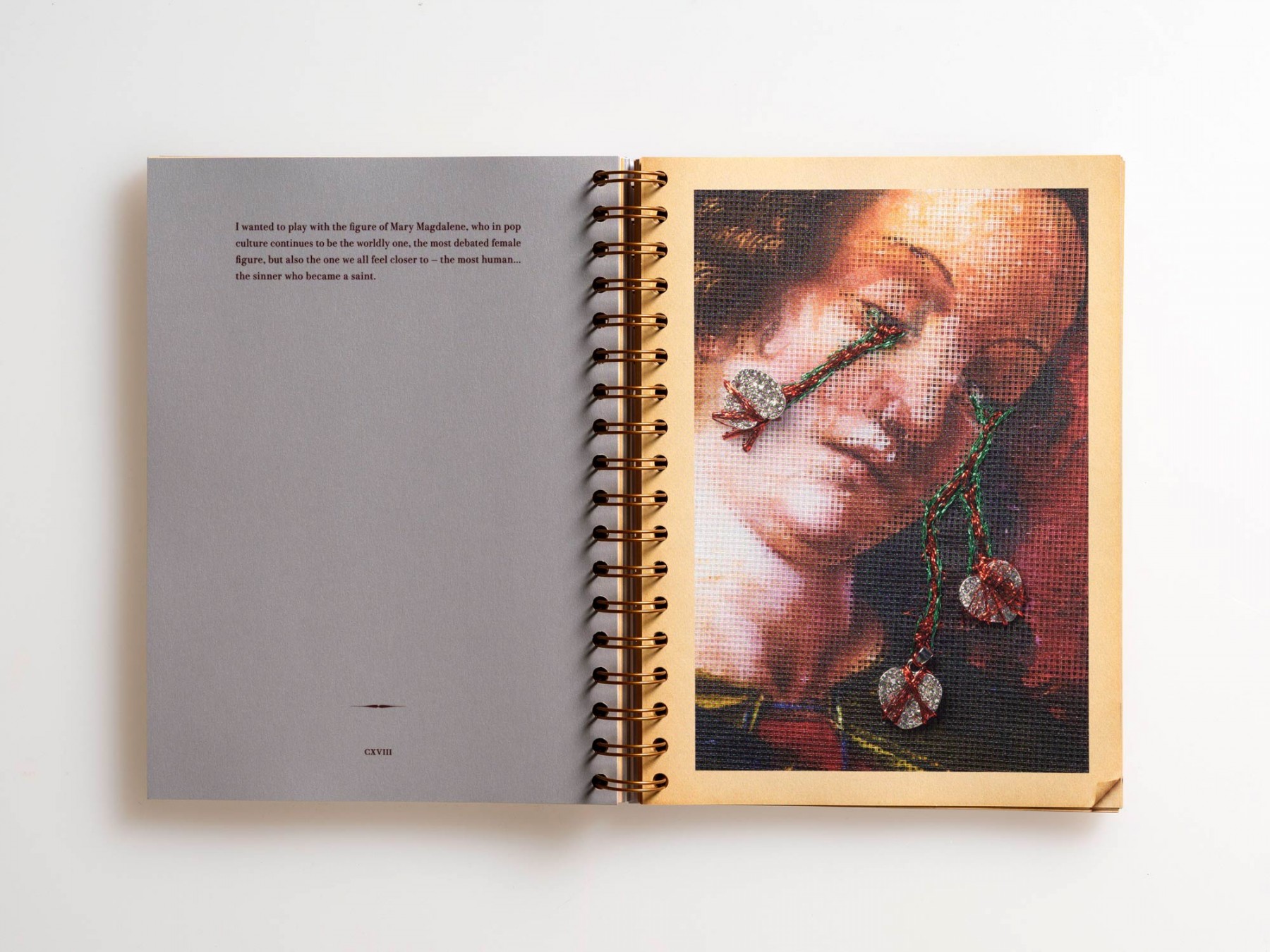
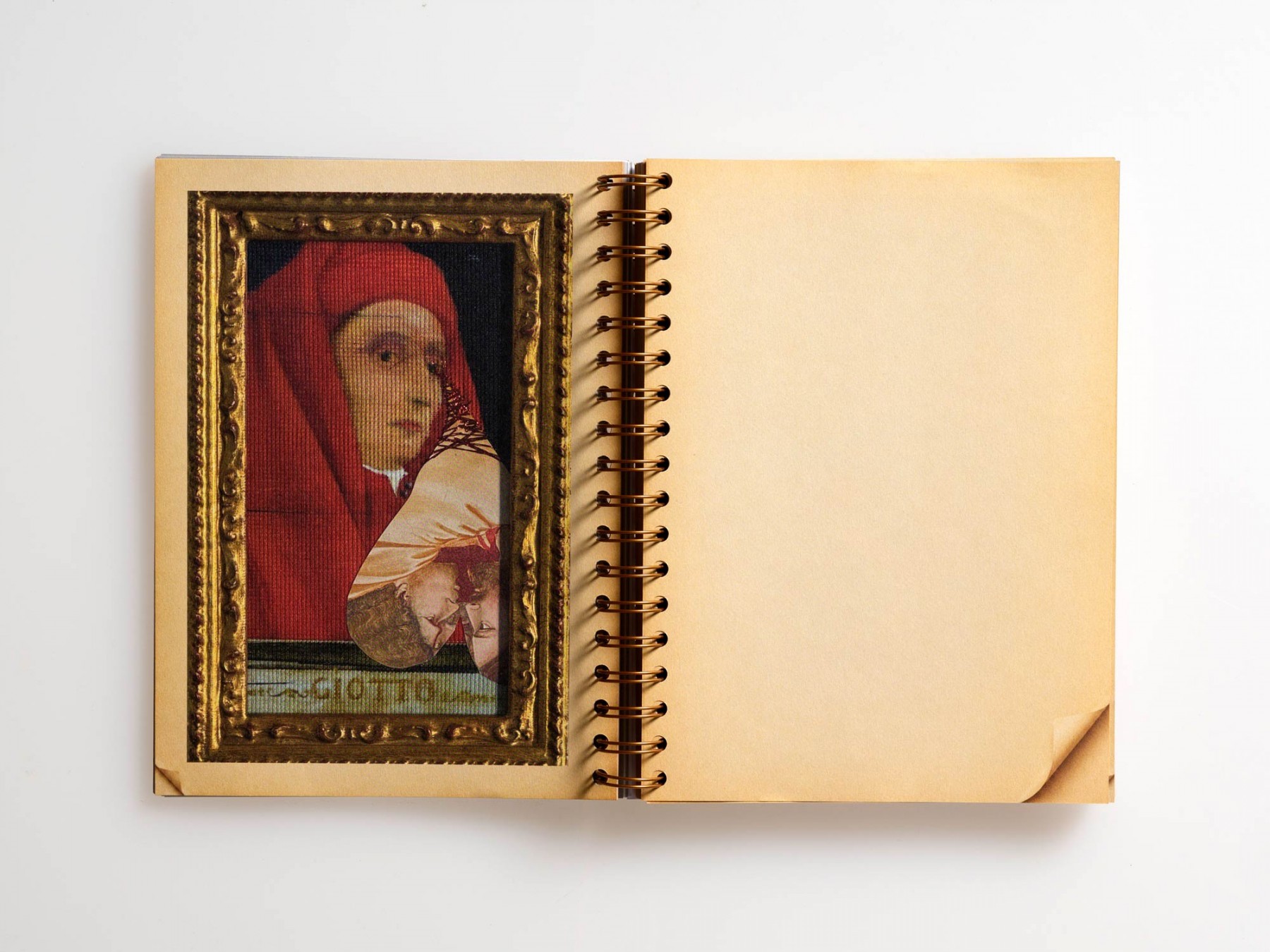
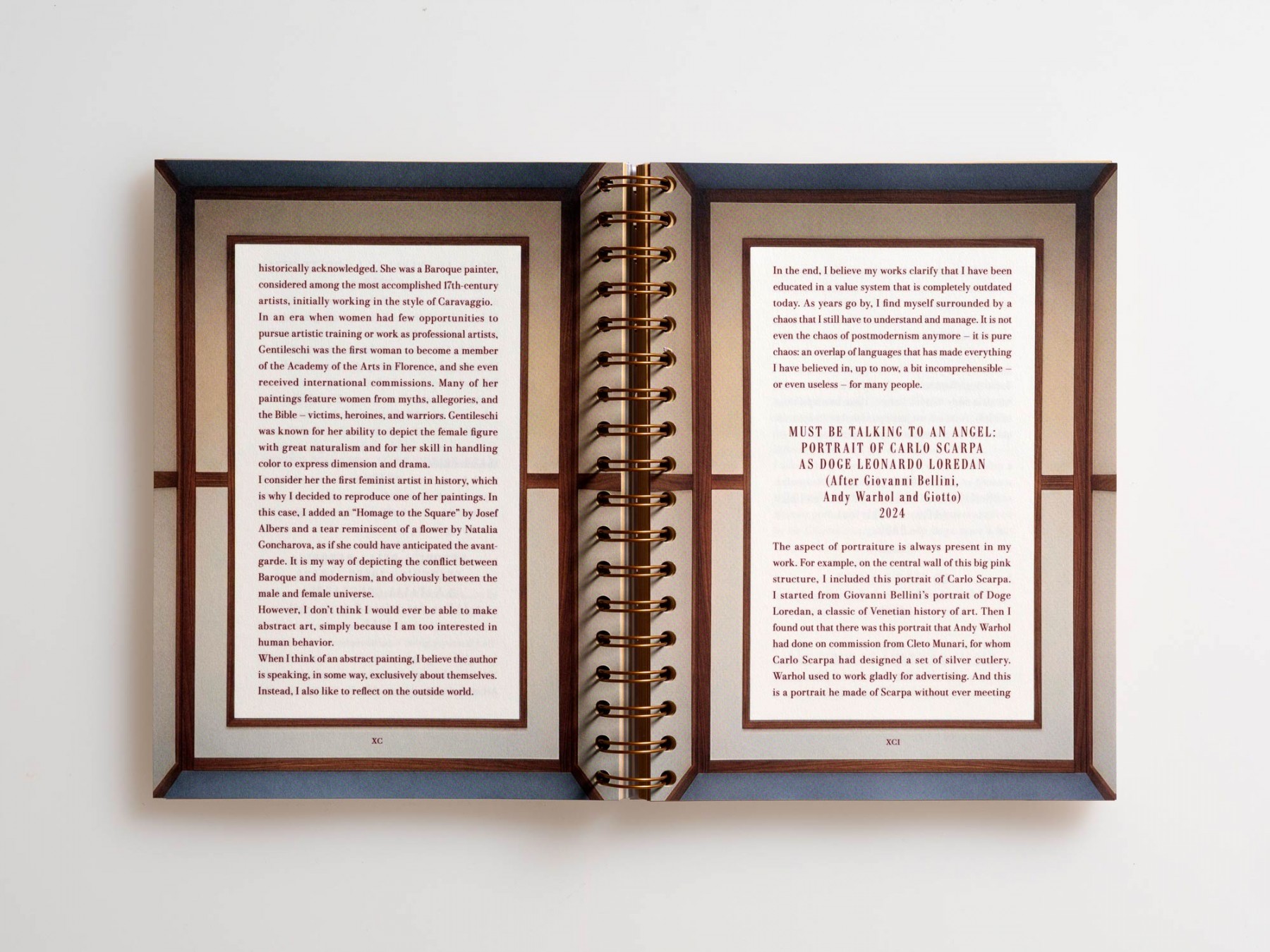
Conceived as both a publication and an autonomous artwork, Museums of Tears extends Francesco Vezzoli’s acclaimed exhibition presented at Museo Correr, Venice, in 2024. Developed in dialogue with Donatien Grau, the project brought together historical works from the museum alongside recent and newly commissioned works by Vezzoli, creating a layered conversation between antiquity, emotion and illusion. The exhibition marked a significant moment in the artist’s practice, reflecting his growing engagement with art history, archaeology and the museum as a space where the past can be reimagined through contemporary desire.
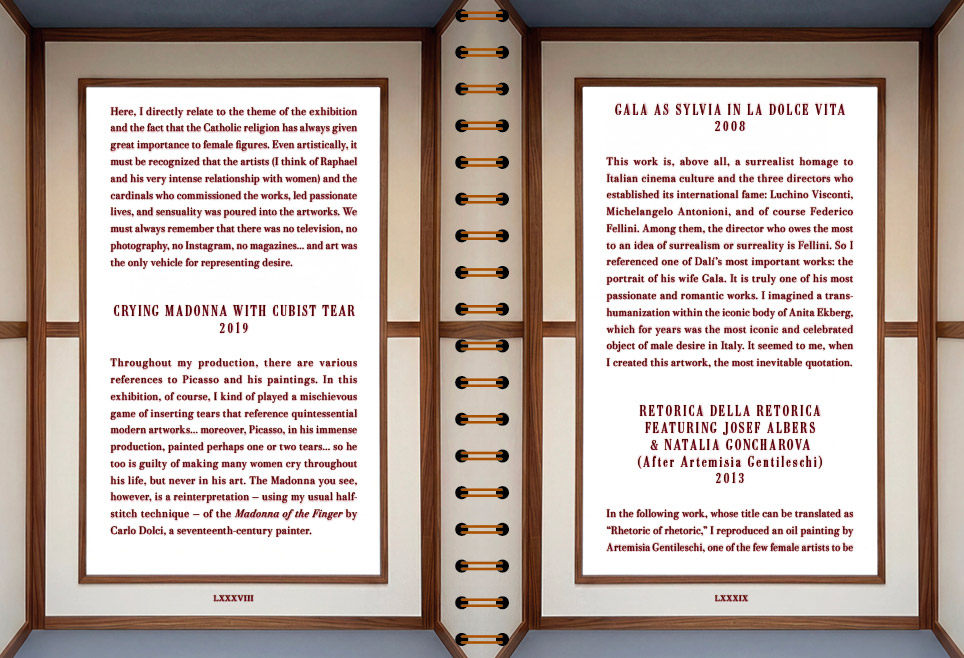
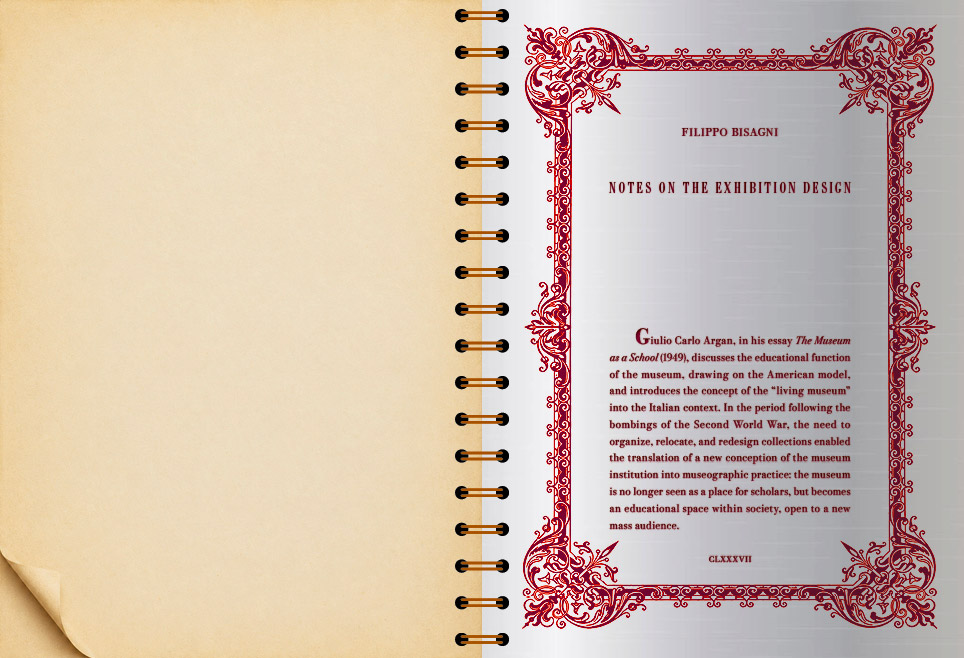
Moving beyond the conventional exhibition catalogue format, the volume has been conceived as a true artist’s book. Inspired by the historical guidebooks of Museo Correr and by Carlo Scarpa’s vision of the museum as a form of emotional choreography, it transforms the museum guide into a hybrid object: part scholarly document, part fictional archive and part personal diary. Rather than documenting the exhibition, Museum of Tears becomes an extension of it: a portable museum of memory, beauty, mourning and artifice.