This small anthology reviews some of the central themes of Diego Marcon’s research: from the role of the display in exhibitions to his relationship with cinema, from the use of special effects and animatronics to the sense of community established through his work. Glassa accompanies the exhibition of the same name designed by the artist for the spaces of the Centro per l’arte contemporanea Luigi Pecci in Prato.
Strata raccoglie 37 conversazioni con artisti il cui lavoro ha dato un contributo significativo alla scena artistica italiana e internazionale a partire dal 2000. Questo libro è il resoconto personale di una serie di incontri, amicizie e relazioni professionali che Vincenzo de Bellis e Alessandro Rabottini hanno coltivato negli ultimi vent’anni.
Strata compiles 37 conversations with artists whose work has made a significant contribution to the Italian and international art scene since 2000. This book is the personal account of a number of encounters, friendships, and professional relationships that Vincenzo de Bellis and Alessandro Rabottini have nurtured over the past twenty years.
Pardon Façade documents the artistic output of Luca Monterastelli, showcasing almost all of the sculptures and installations that he produced between 2011 and 2022. Across four chapters—corresponding to four solo shows that he staged in Milan, Otegem, Antwerp, and Naples—the publication provides the first overview of the artist’s work.
More than half a century after its premiere, Yvonne Rainer, in collaboration with choreographer and dancer Emily Coates, directed the 2019 revival of her 1965 performance Parts of Some Sextets. This book poses questions about the trajectories of artworks, performers, and audiences, all while tracing the life—and afterlife—of a dance.
How does technology organize life? This book documents and reflects on the exhibition Proof of Stake: Technological Claims at Kunstverein in Hamburg, curated by Simon Denny and Bettina Steinbrügge. It brings together a unique group of artists and scholars who investigate the technological apparatuses and power relations of organized life.
Edited by Julia Marchand, in collaboration with Vittoria Morpurgo
Texts by Morgan Labar, Julia Marchand, Julie Ackermann, Anya Harrison, Giulia Mariachiara Galiano and Cecilia Larese, Vittoria Morpurgo and Robin Plus, Gaia Vincensini, Raphaëlle Serre, Linda Voorwinde, Tohé Commaret, Louise Nicolas de Lamballerie, Caroline Poggi, Jonathan Vinel, Kevin Blinderman, Mohamed Bourouissa, Michal Novotný, Laura Owens, Magda Szpecht, Thomas Liu Le Lann, Velvet Aubry, Arnaud Dezoteux, Prune Phi, Alban Diaz, Ant łakomsk, Liselor Perez, Francesca Grilli, Camille Aleña, Joanna Kordjak, Katarzyna Kołodziej-Podsiadło
Designed by Lorenzo Mason Studio
2026, English, softcover, 11 x 18.5 cm, 160 pages
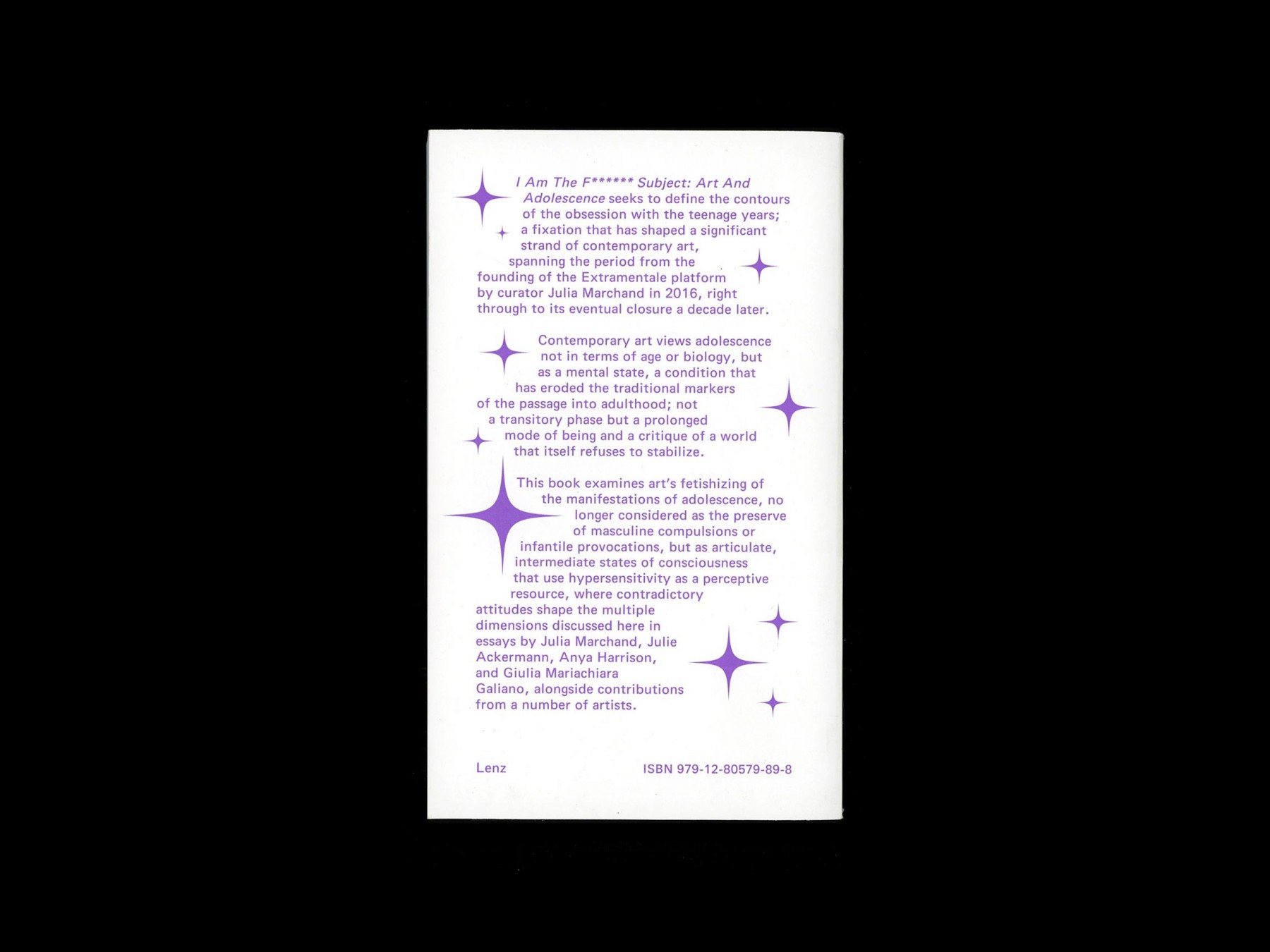
ISBN 979-12-80579-89-8
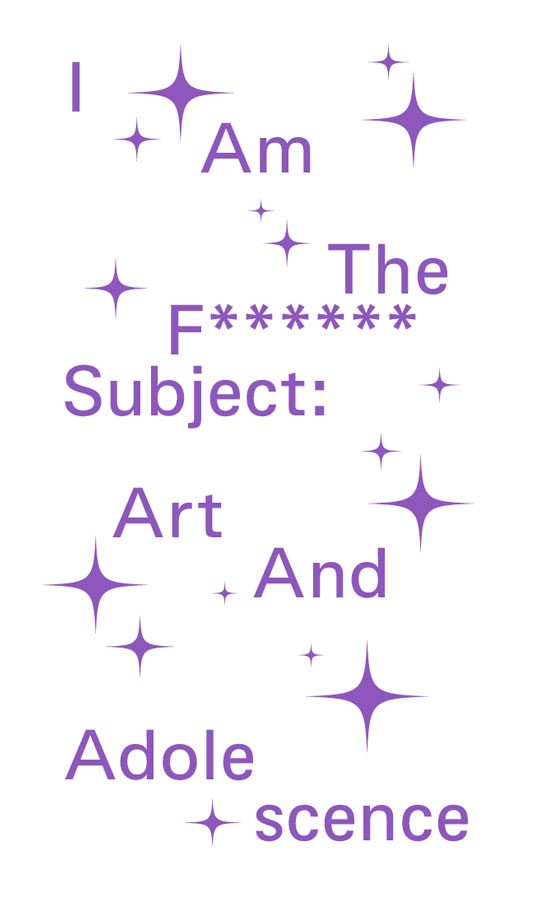
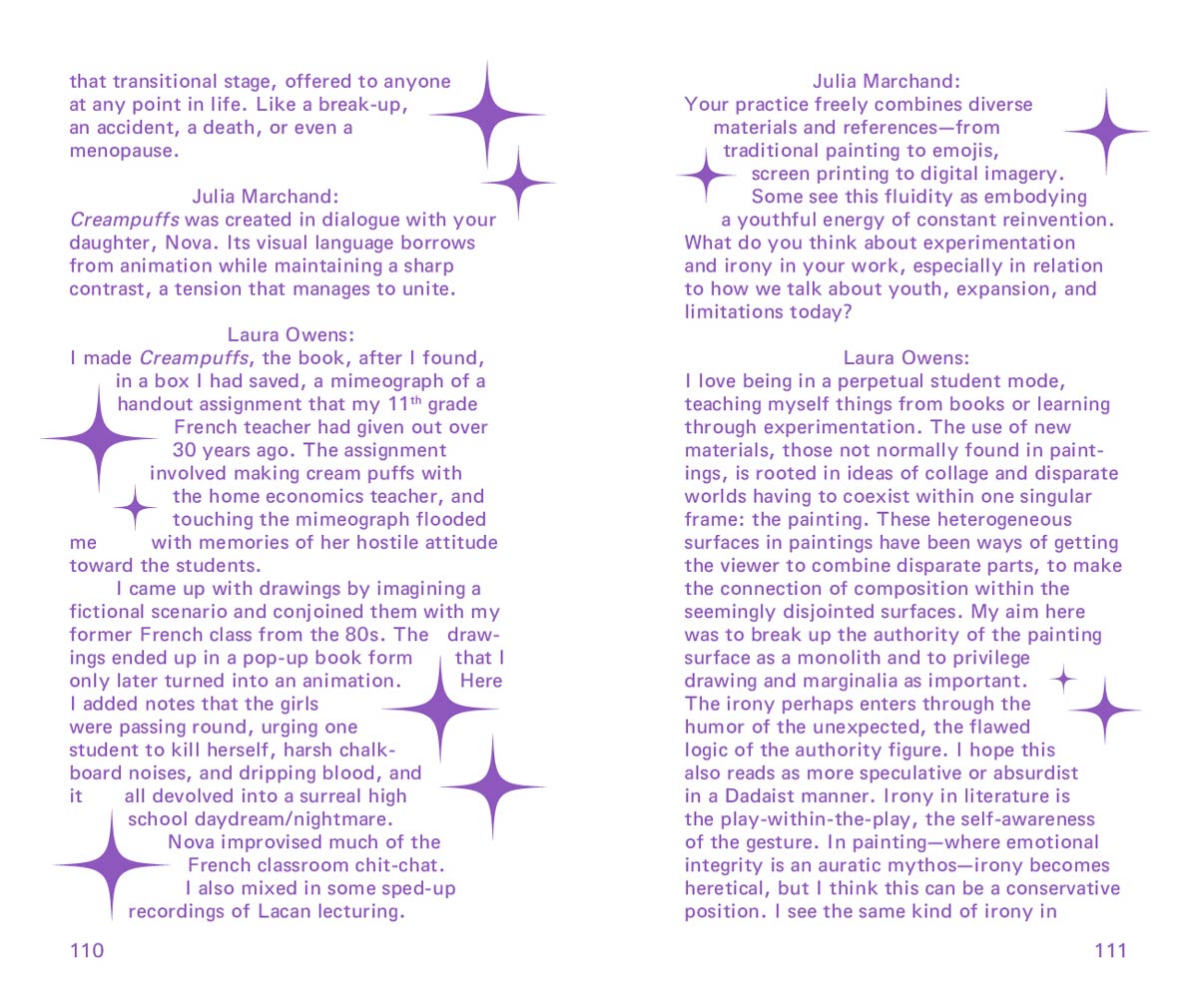
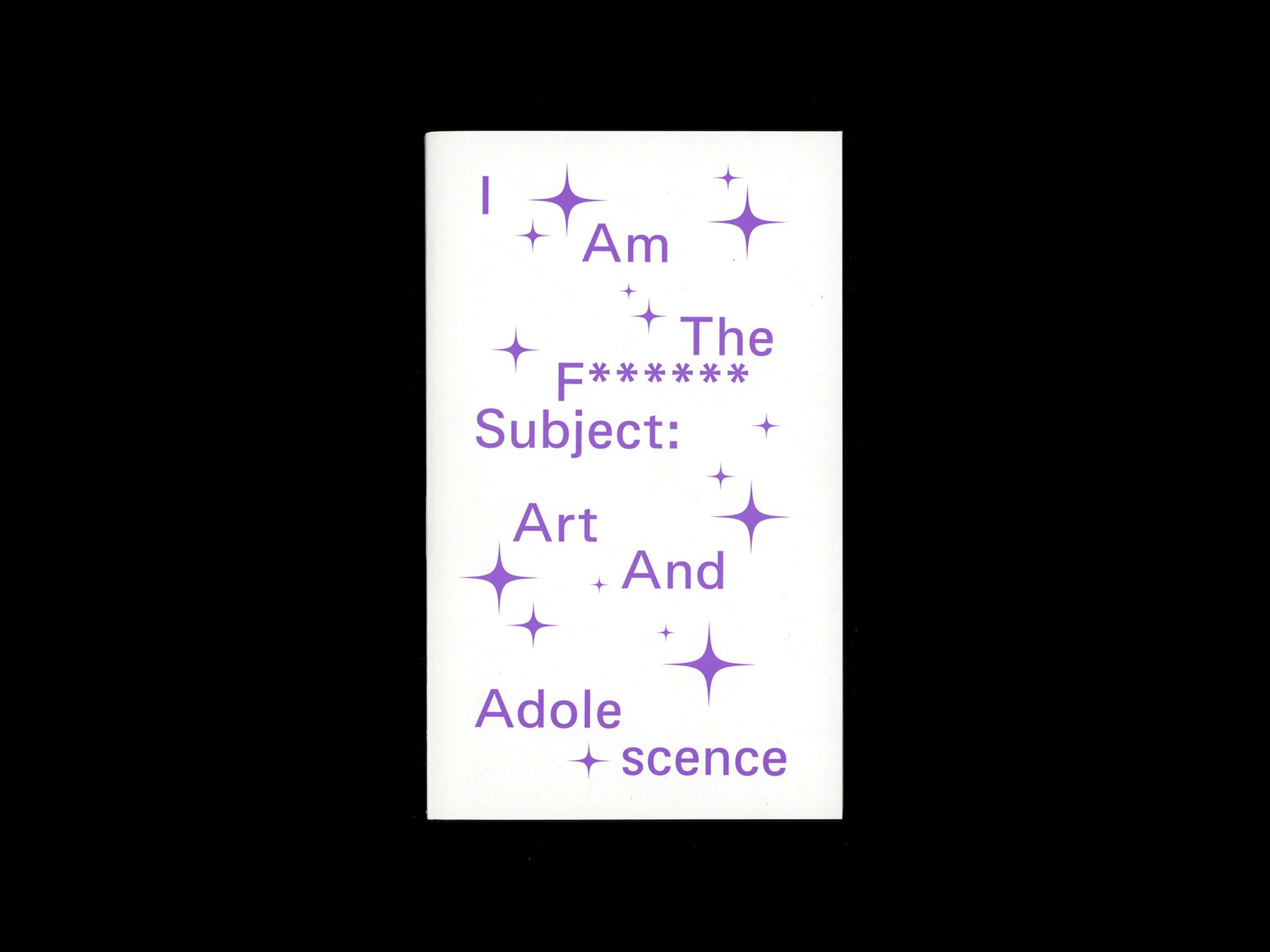
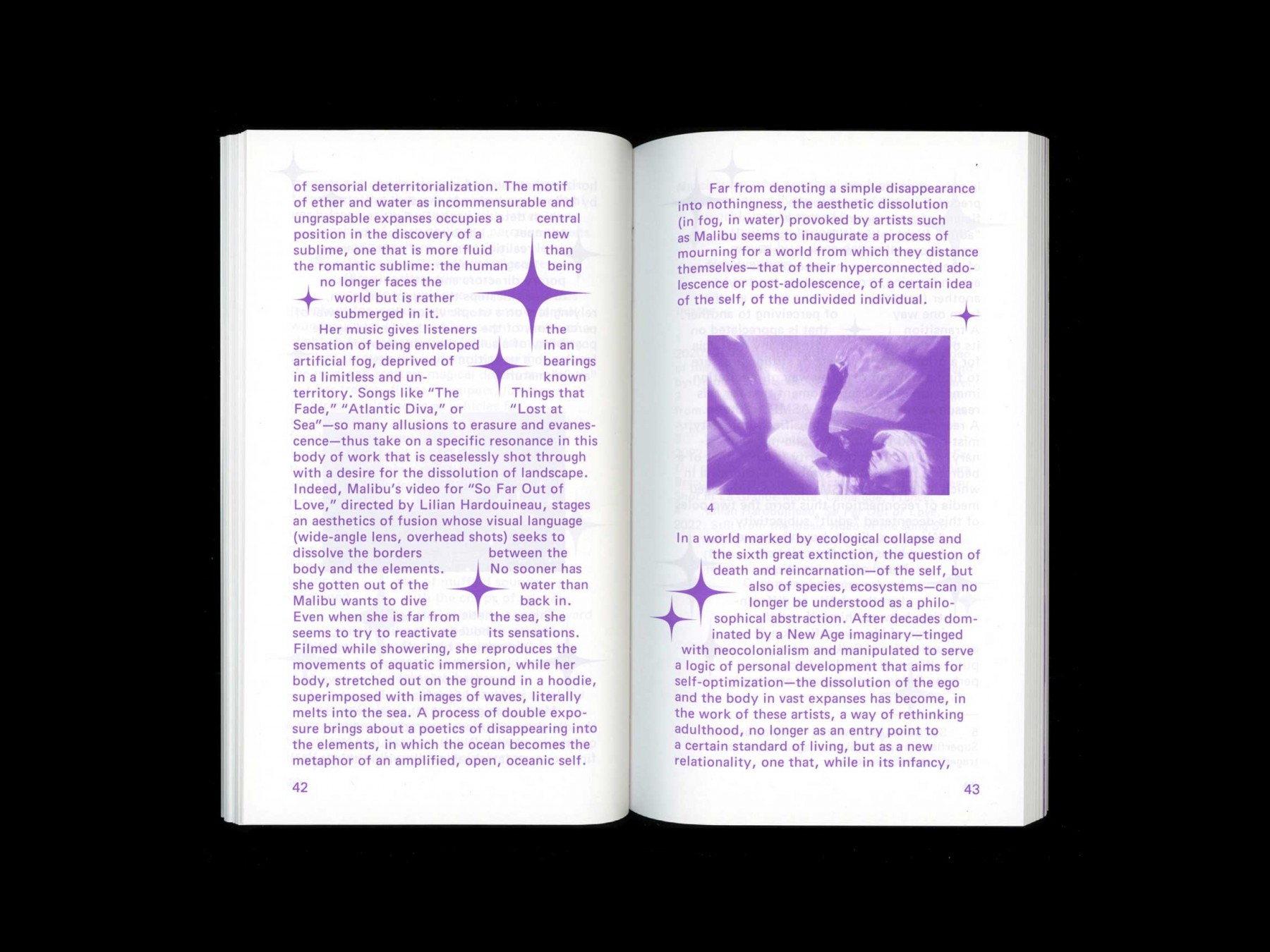
Why be the object when you can dive into yourself and archive your own adolescence? And what about this adolescence when it lasts until the late thirties, and expands beyond the traditional understanding of age group?
This volume redefines the coming-of-age genre by addressing the contours of the obsession with the prolonged teenager years. Contemporary art views adolescence as a mental state, a condition that has eroded the traditional markers of the passage into adulthood; not a transitory phase but a prolonged mode of being or even a critique of a world that itself refuses to stabilize.
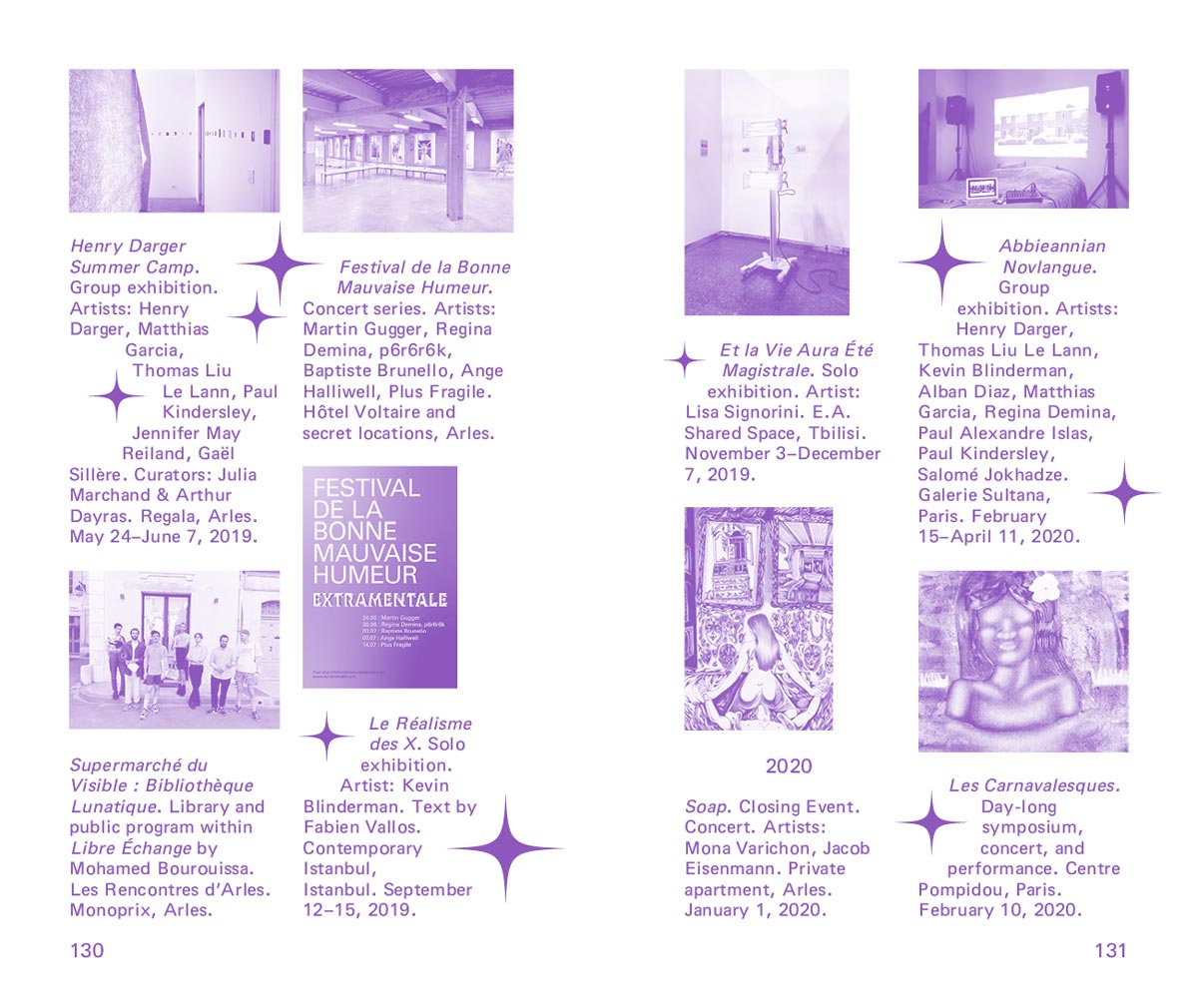
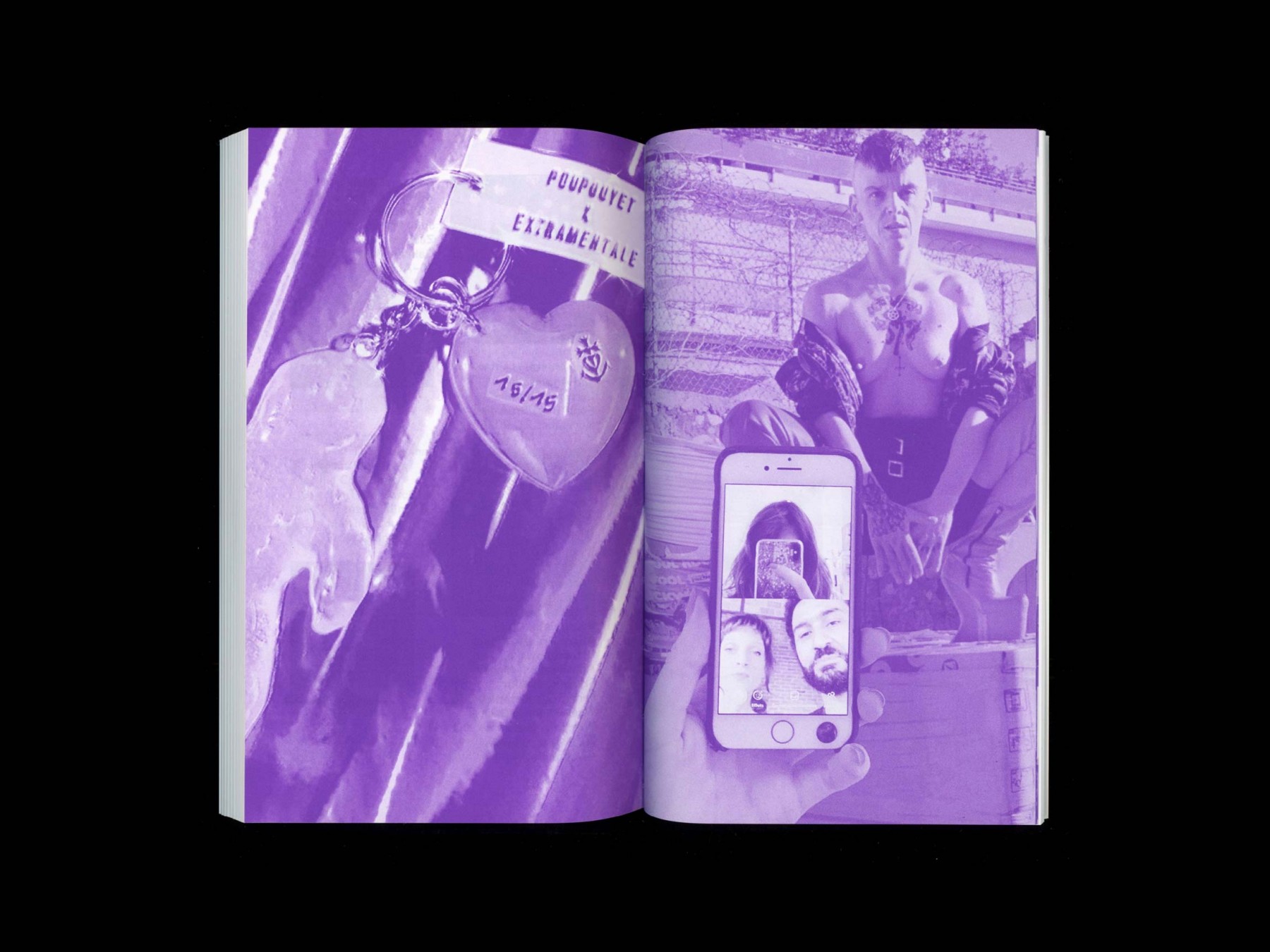
Extramentale, a curatorial platform on teenage aesthetics, was founded by Julia Marchand, the editor of this book, which spans the period from the platform’s creation in 2016 through to its eventual closure in 2026. It gave voice to artist-adolescents and author-adolescents, mainly millennials and Gen Zers.
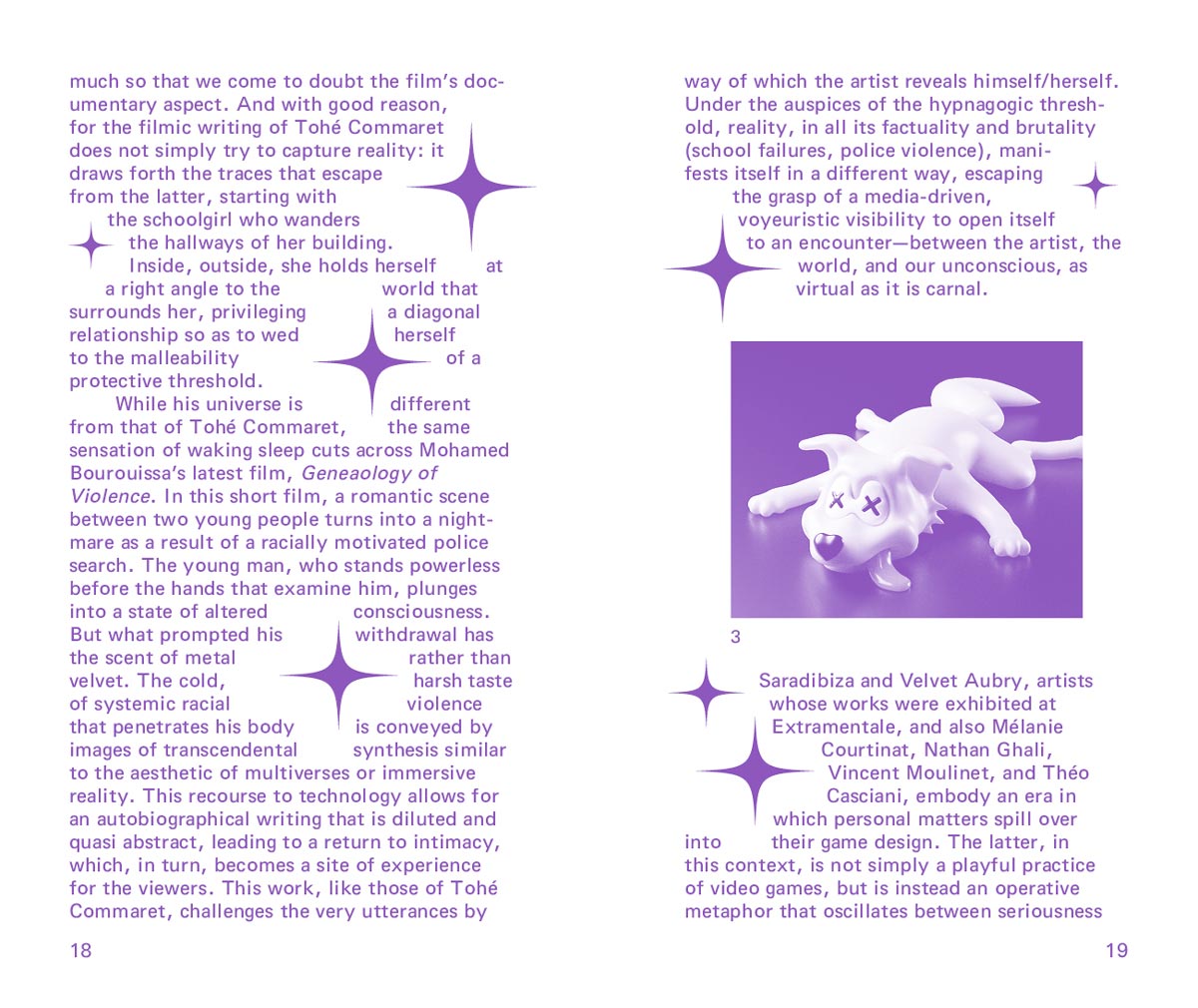
The essays by Julia Marchand and Julie Ackermann examine manifestations of adolescence that draw on gaming, hypersensitivity, and intermediate states of consciousness as a perceptive resource and where contradictory attitudes shape the many dimensions of today’s artists-adolescents. Anya Harrison, with her incisive critical voice, explores moral panics and literary extremity in a time when society’s fetishization of adolescence continues to generate intense debates. Giulia Mariachiara Galiano, writing from her perspective as a Venice-based curator, traces the limits and contours of the “girl online,” reflecting on digital subjectivities staged out by artists of her generation. Morgan Labar argues that adolescence as the territory of our concerns is no longer the preserve of masculine compulsions of infantile provocations; Labar, author of In Praise of Dumbness: Regression and Superficiality in the Arts Since the Late 1980s (Les Presses du réel), also signs the foreword to this anthology.
Adolescent artists of the Extramentale program and beyond contributed to this publication by sharing their words on the many dimensions of the adolescence: Robin Plus, Gaia Vincensini, Raphaëlle Serre, Linda Voorwinde, Tohé Commaret, Louise Nicolas de Lamballerie, Caroline Poggi, Jonathan Vinel, Kevin Blinderman, Mohamed Bourouissa, Michal Novotný, Laura Owens, Magda Szpecht, Thomas Liu Le Lann, Velvet Aubry, Arnaud Dezoteux, Prune Phi, Alban Diaz, Ant Łakomsk, Liselor Perez, Francesca Grilli, Camille Aleña, Joanna Kordjak, and Katarzyna Kołodziej-Podsiadło; interviewed by Venice-based researchers Cecilia Larese, Vittoria Morpurgo, and Julia Marchand.