The first major monograph on artist Jill Mulleady, whose paintings thread motifs of decay, memory, history, and private myth, featuring humans and animals enacting their instinctive psychological reactions to ever-present threats of danger.
The essays in this first-ever monograph dedicated to Swiss artist Jan Vorisek, alongside image portfolios of the exhibitions they explore and an appendix that features photos and documentation of Vorisek’s performances, recordings and ephemera, grant us unprecedented access to the private fictions that the work reveals.
Since the 1990s Costa has been challenging hierarchies of art production and the fetishization of the “finished” artwork, inviting viewers to reconsider what is discarded, both materially and socially. Through over 300 artworks, accompanied by new writing, this catalogue explores Adriano Costa’s work, a meditation on transformation—of objects, meanings, and systems of value.
This richly illustrated book considers the dazzling oeuvre of choreographer and dancer Marlene Monteiro Freitas. In line with her creative methodology, Alexandra Balona unfolds an “atlas of affects” through five emblematic dance pieces that reveal the intensity, humor, and humanity of one of today’s most radical choreographic voices.
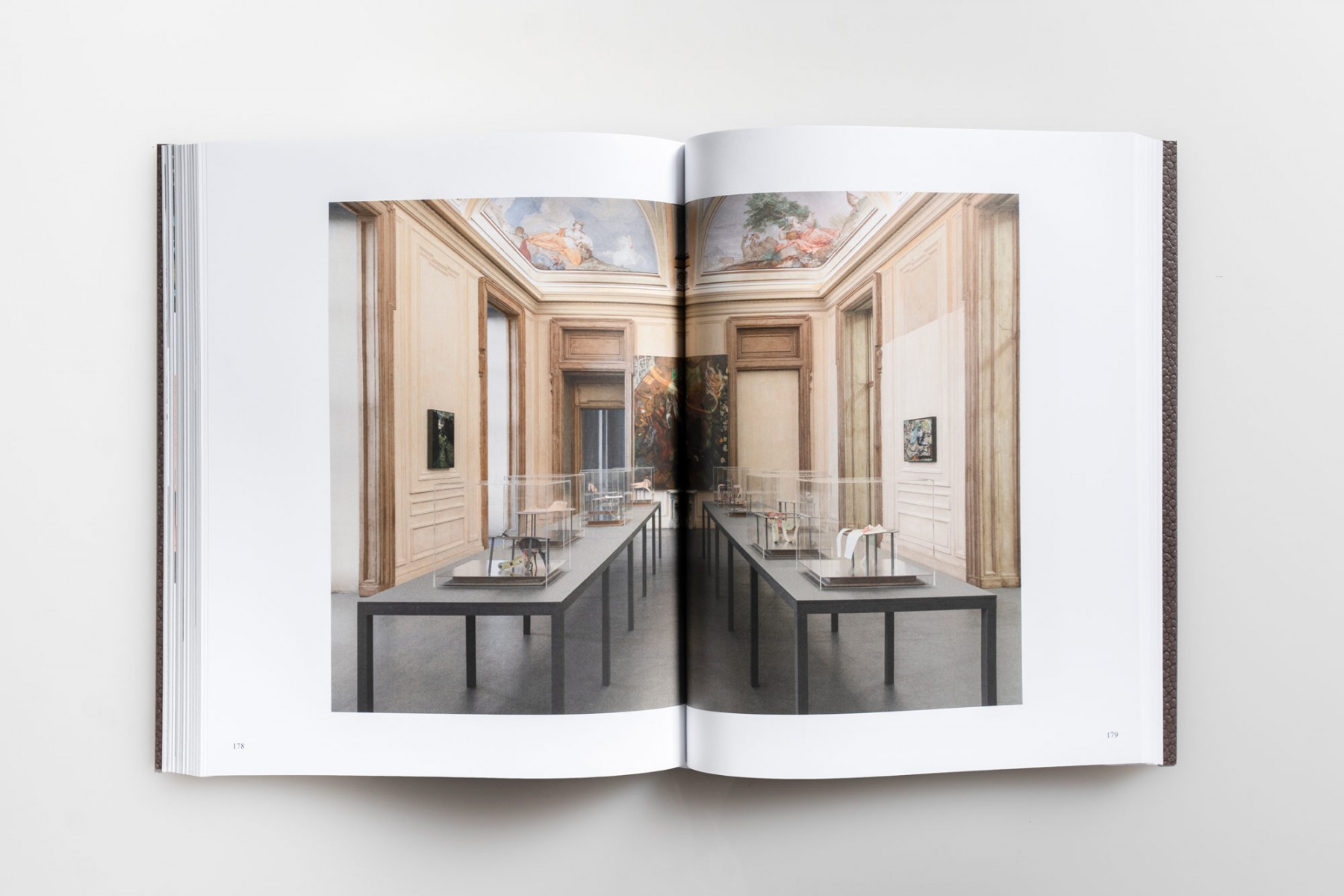
Invited to present an exhibition at the Galleria Borghese in Rome, Kenyan-American artist Wangechi Mutu has developed an innovative approach to museum space, challenging hierarchy, permanence, and fixed meanings. With in-depth essays and a rich selection of illustrations, this catalog retraces that exhibition and explores the themes and concerns that have long characterized the artist’s practice.
Invitata a concepire una mostra alla Galleria Borghese, l’artista keniota-americana Wangechi Mutu ha sviluppato un approccio innovativo allo spazio museale, confrontandosi con le gerarchie, la permanenze e le sedimentazioni del contesto. Attraverso saggi approfonditi e una ricca selezione di illustrazioni, questo catalogo ripercorre la mostra ed esplora i temi e le preoccupazioni che da tempo caratterizzano la pratica dell’artista.
Edited by Michelle Cotton and Francesco Manacorda
Texts by Guglielmo Castelli, Sarah Crowe, Lillian Davies, and Francesco Manacorda
Designed by Lorenzo Mason Studio
2026, English / Italian / German, 24 x 30 cm, 256 pages
ISBN 979-12-80579-90-4
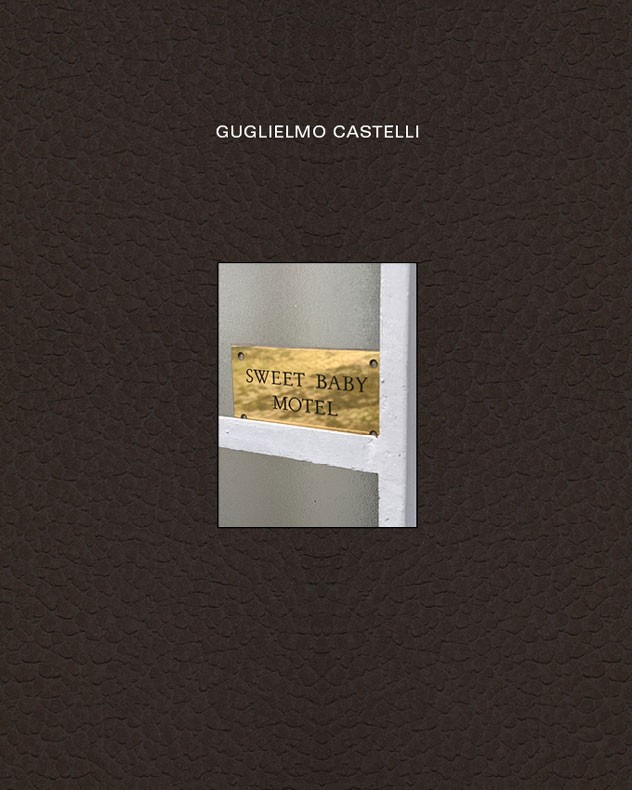
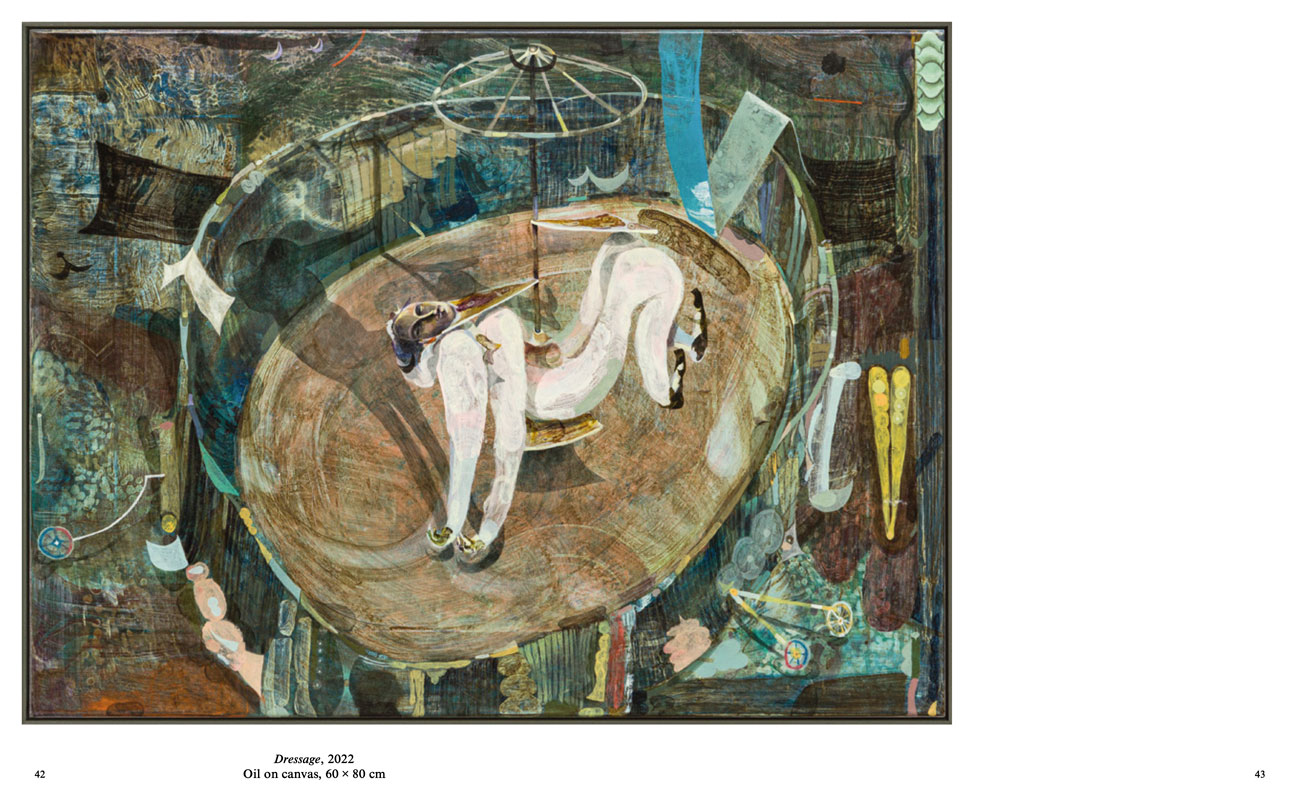
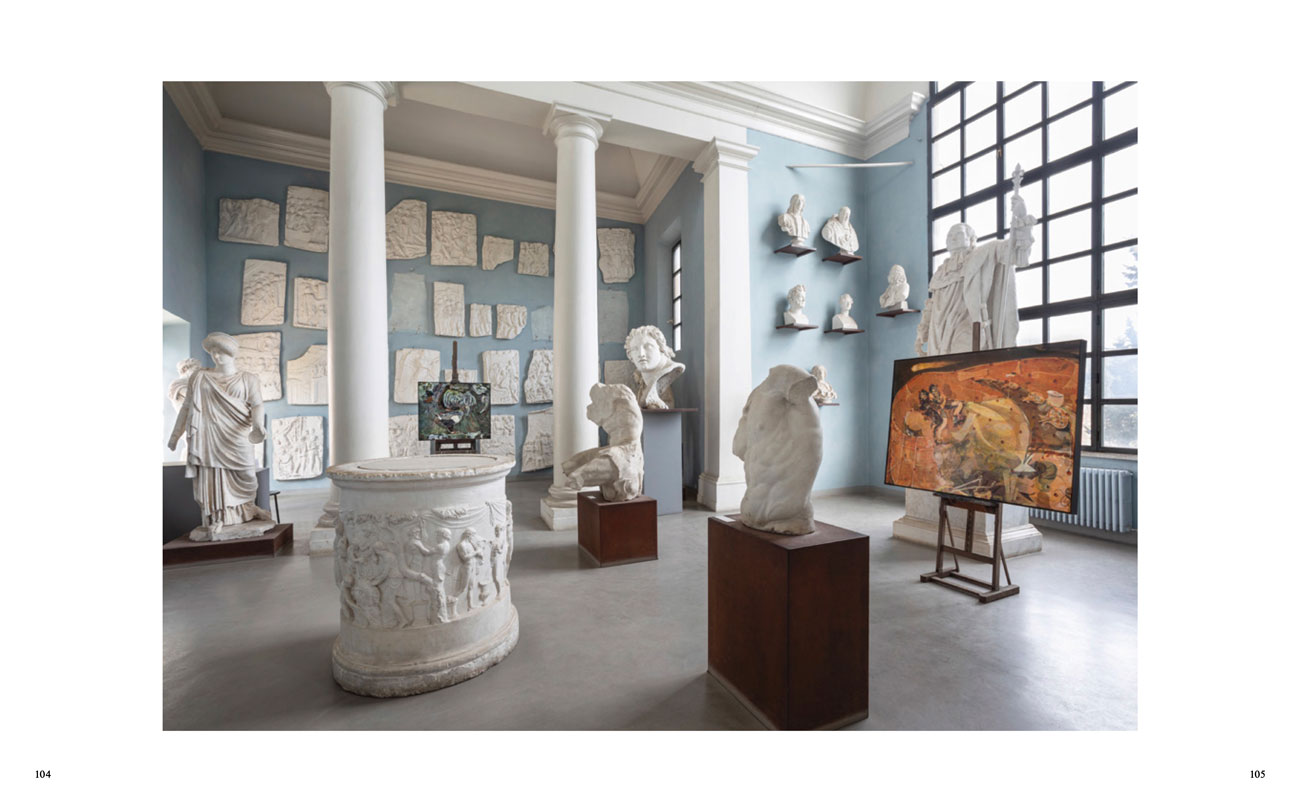
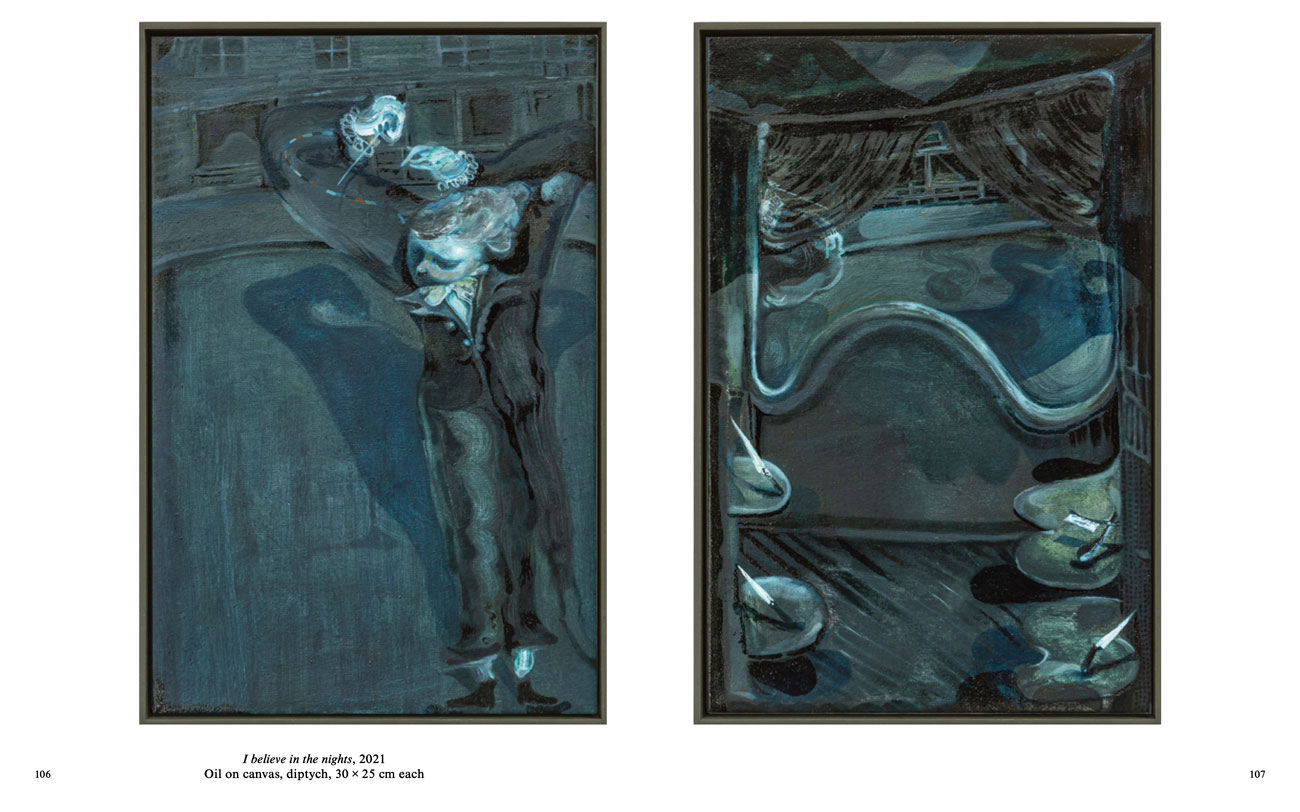
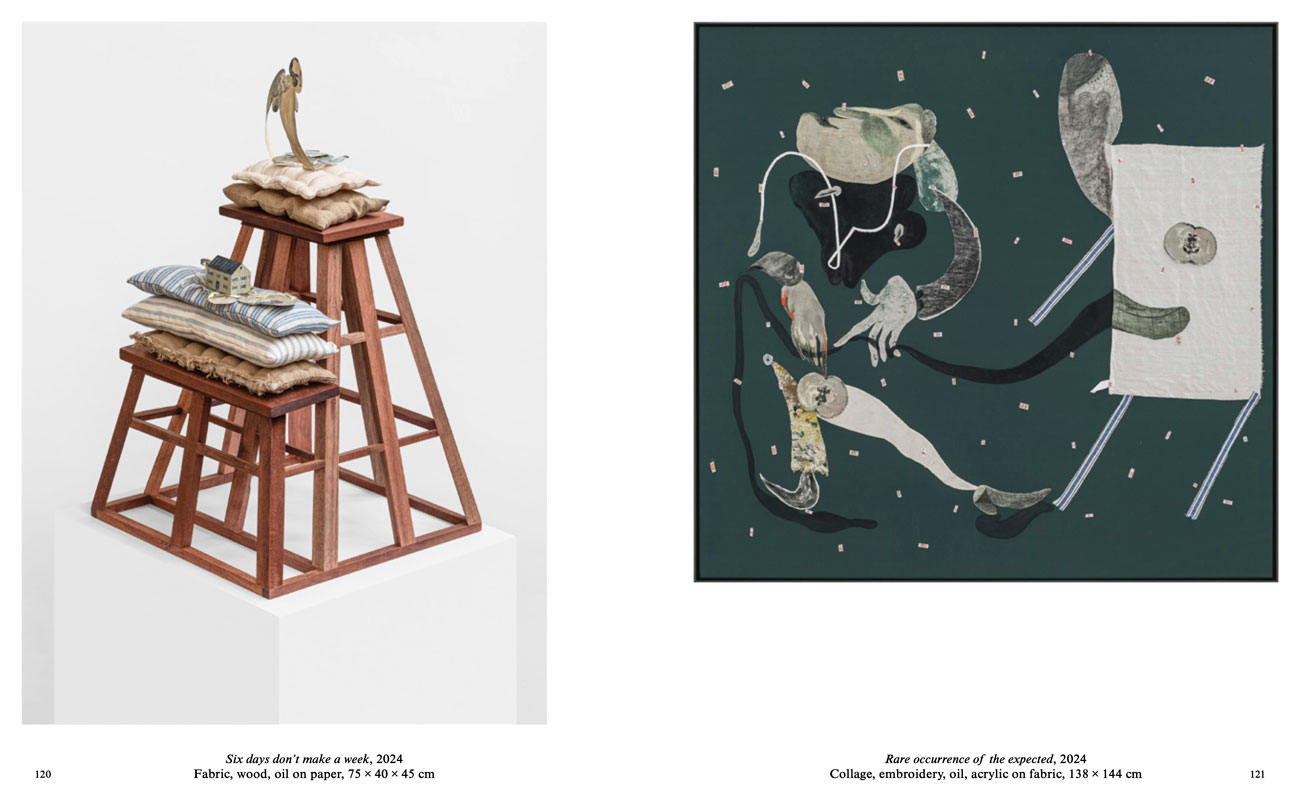
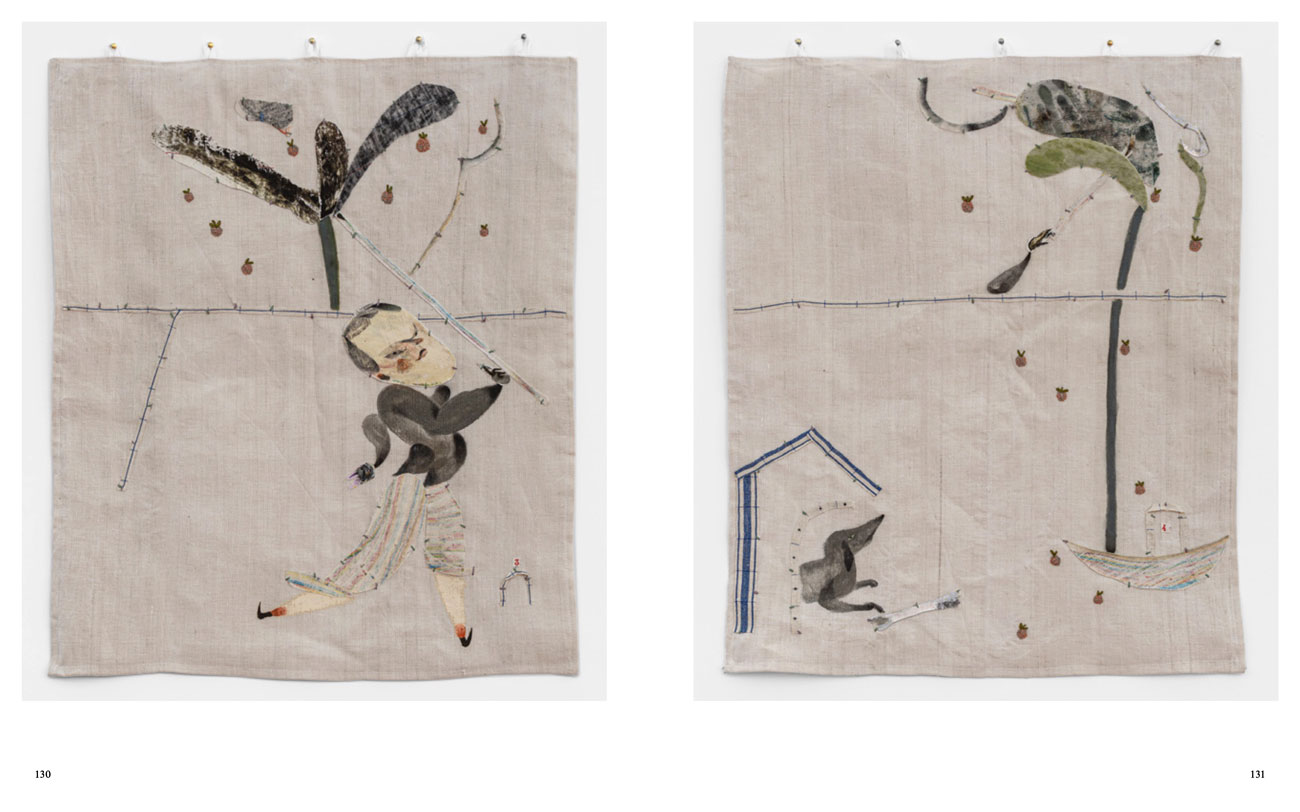
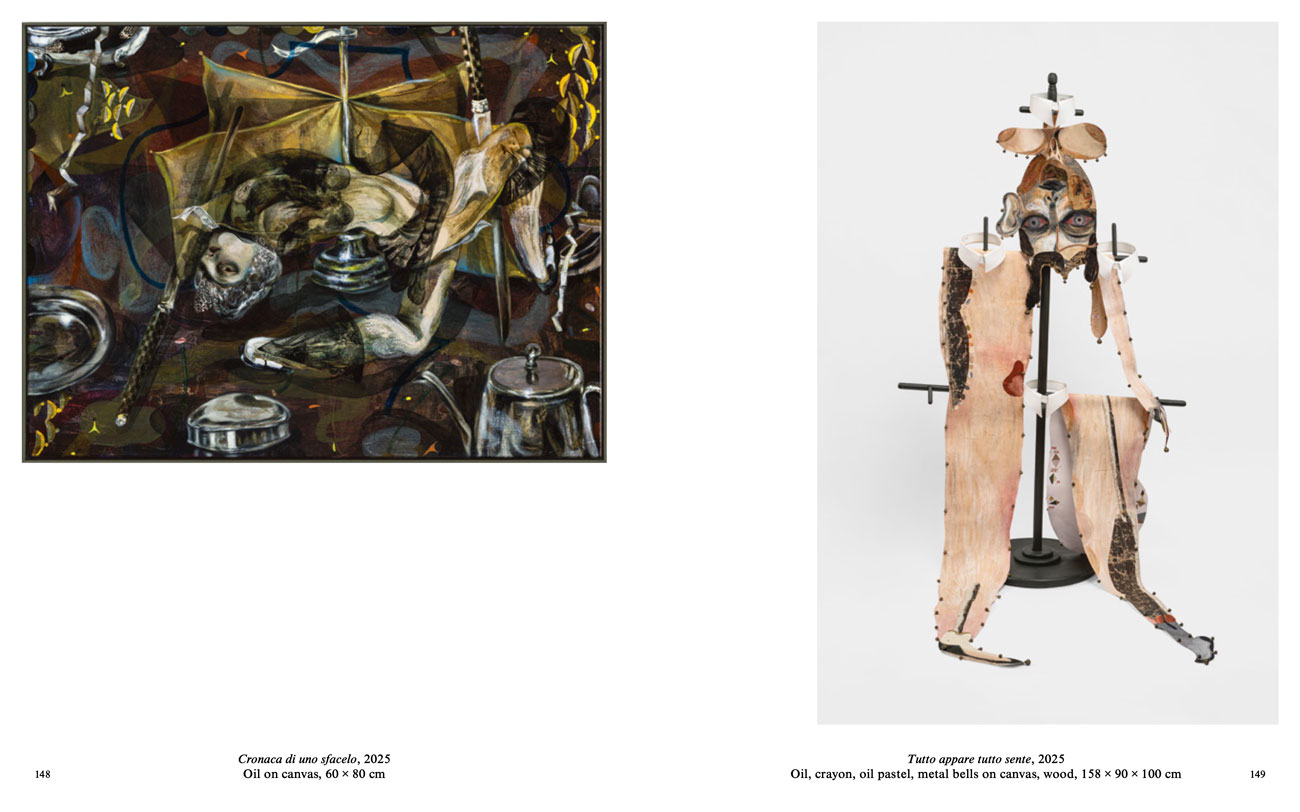
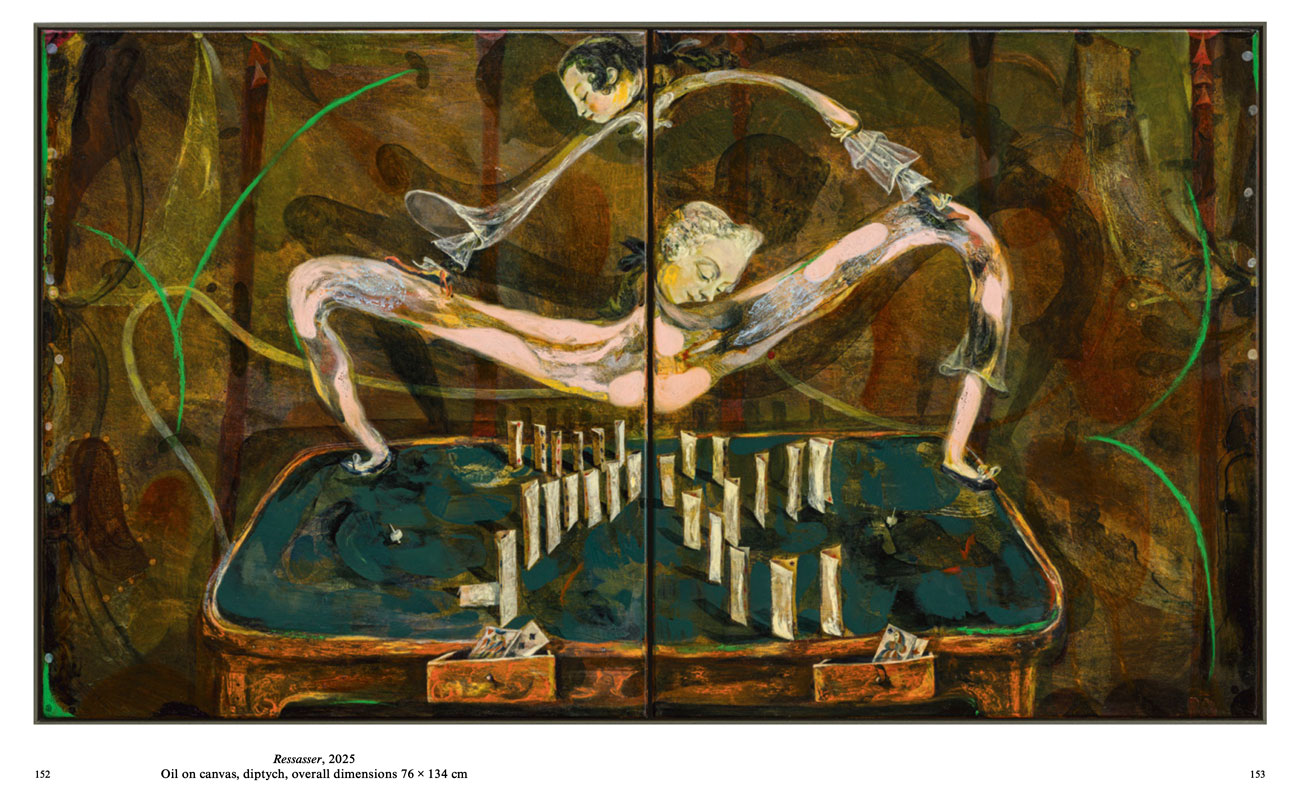
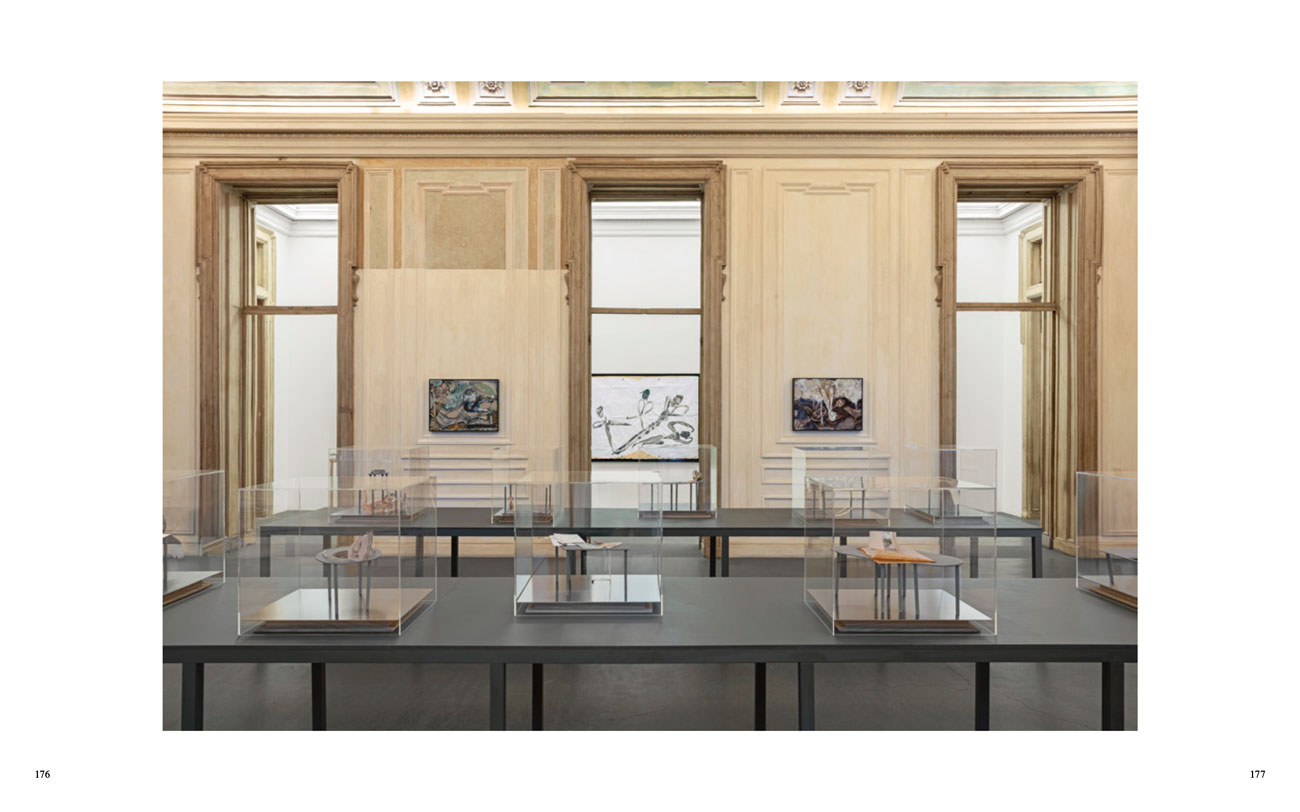
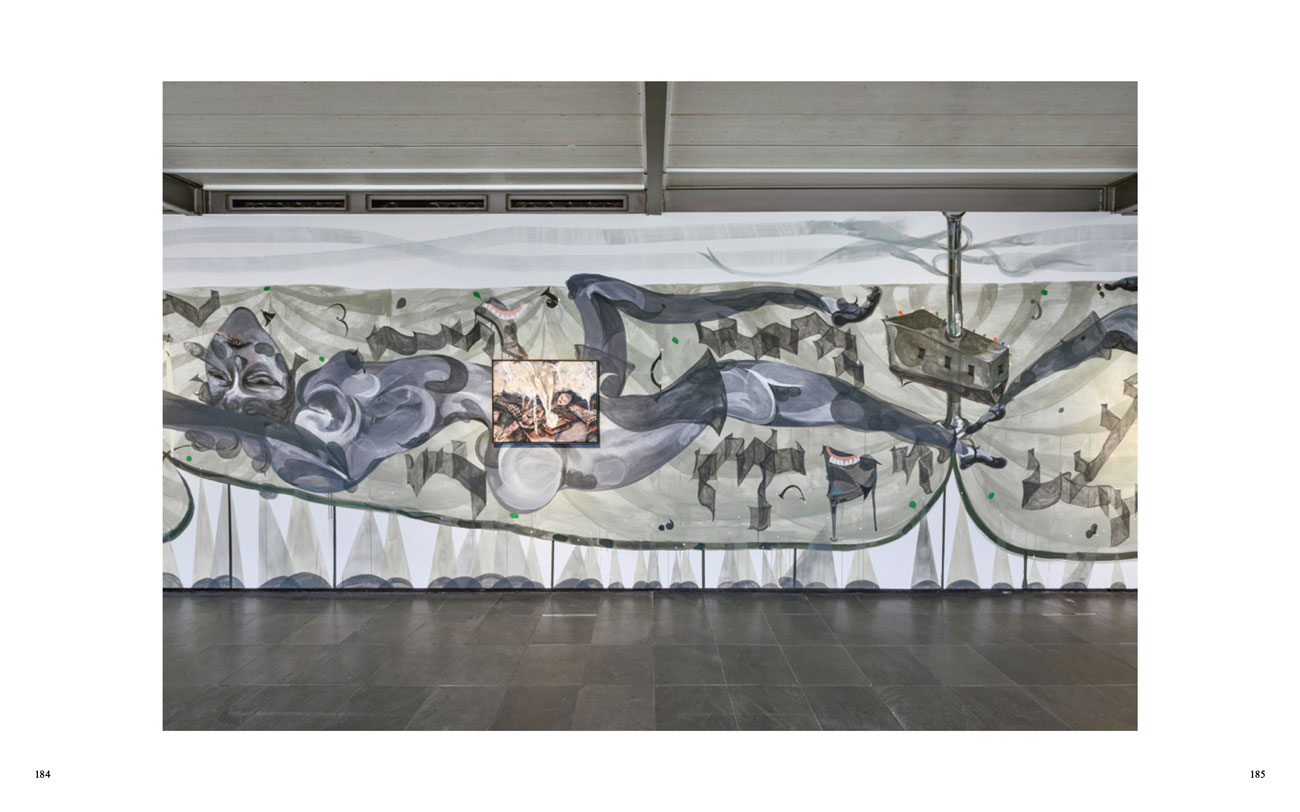
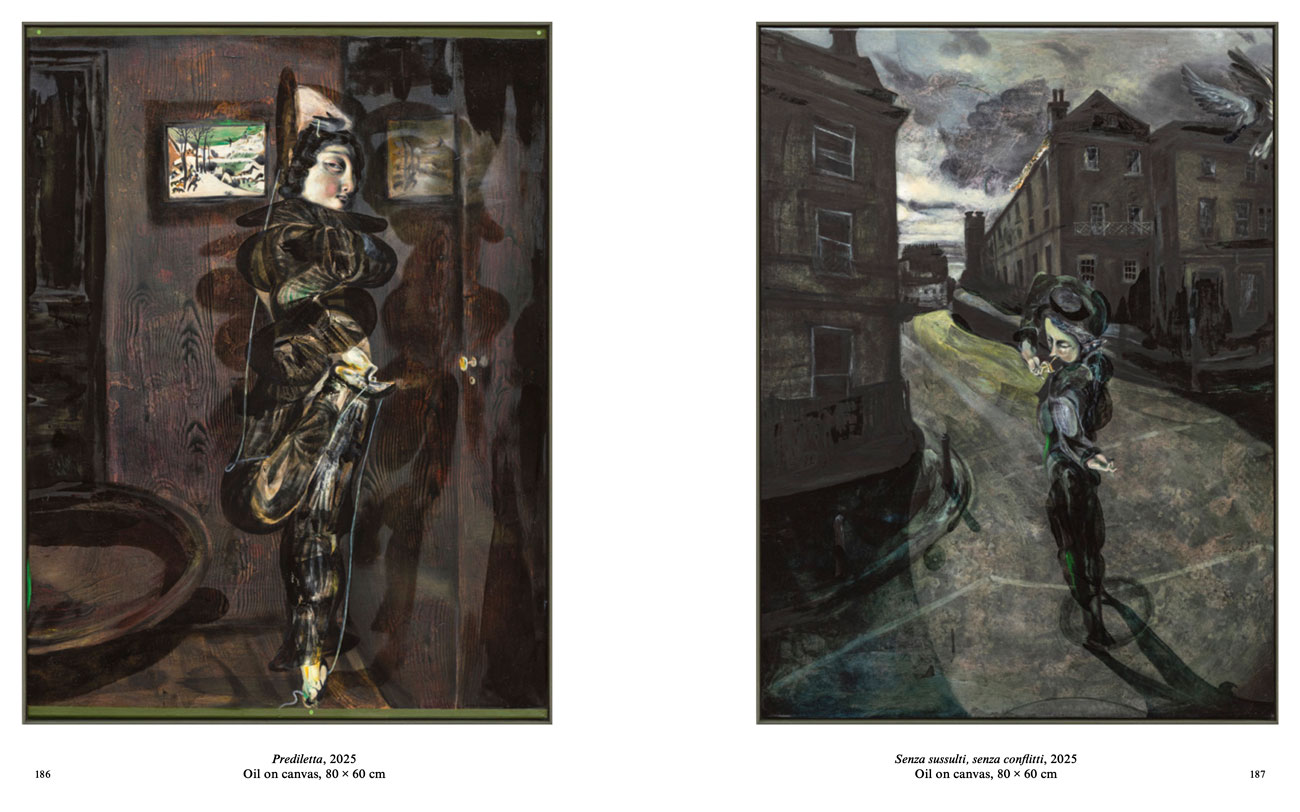
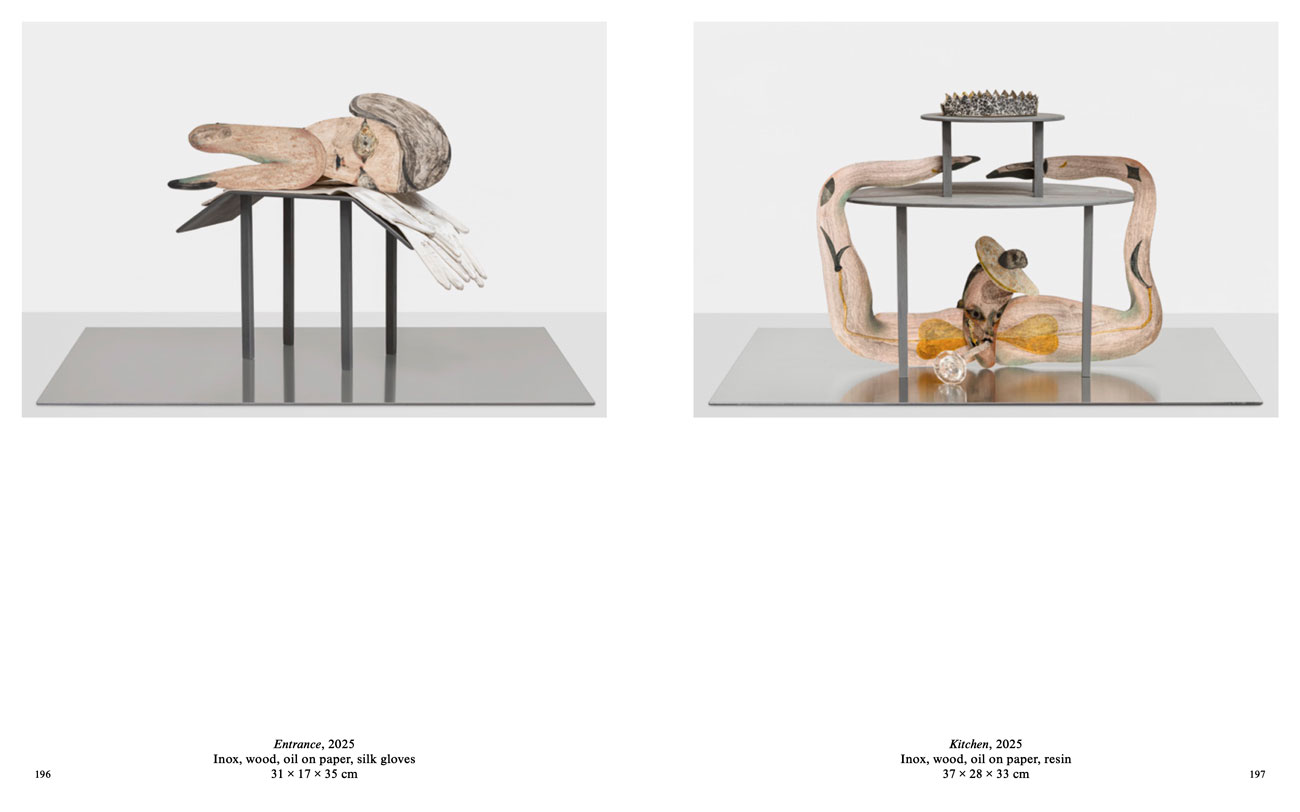
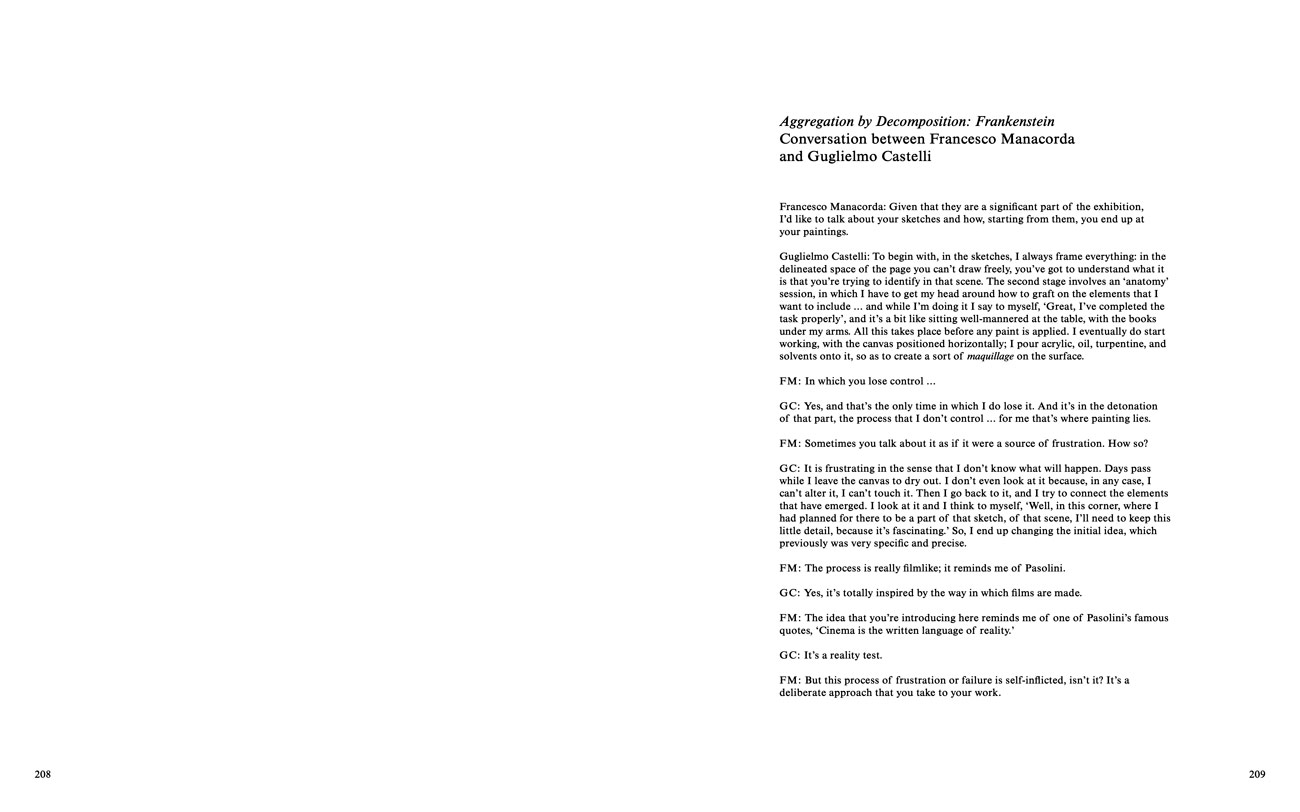
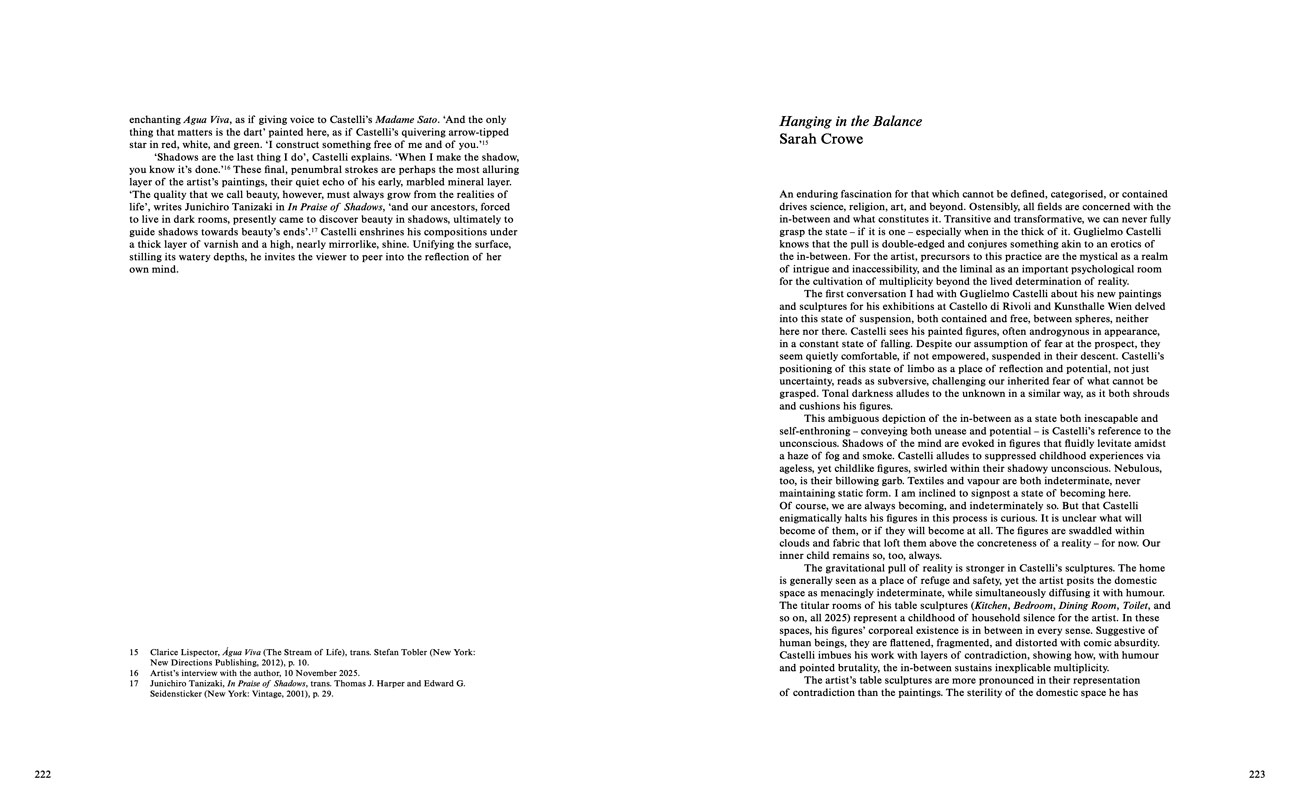
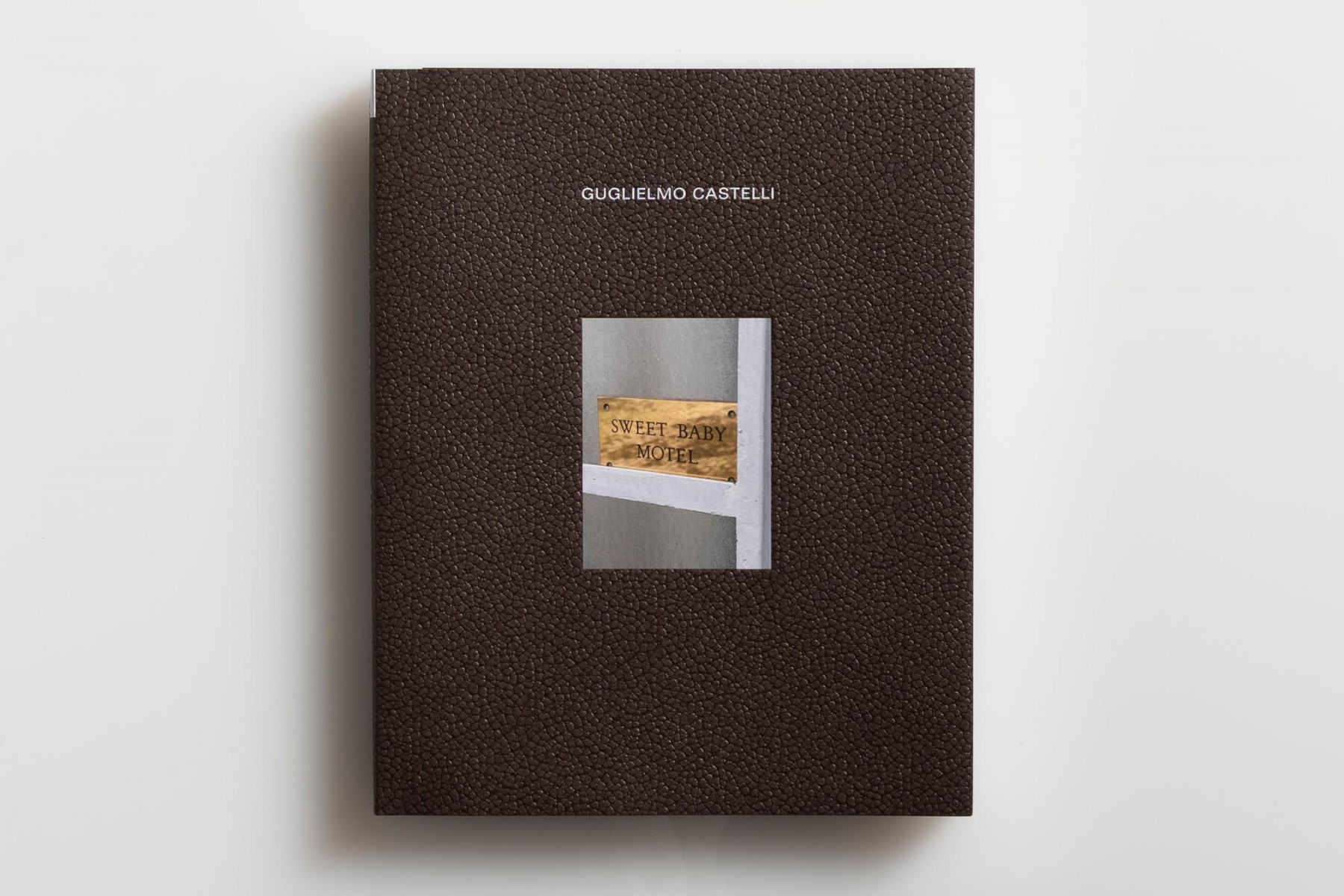
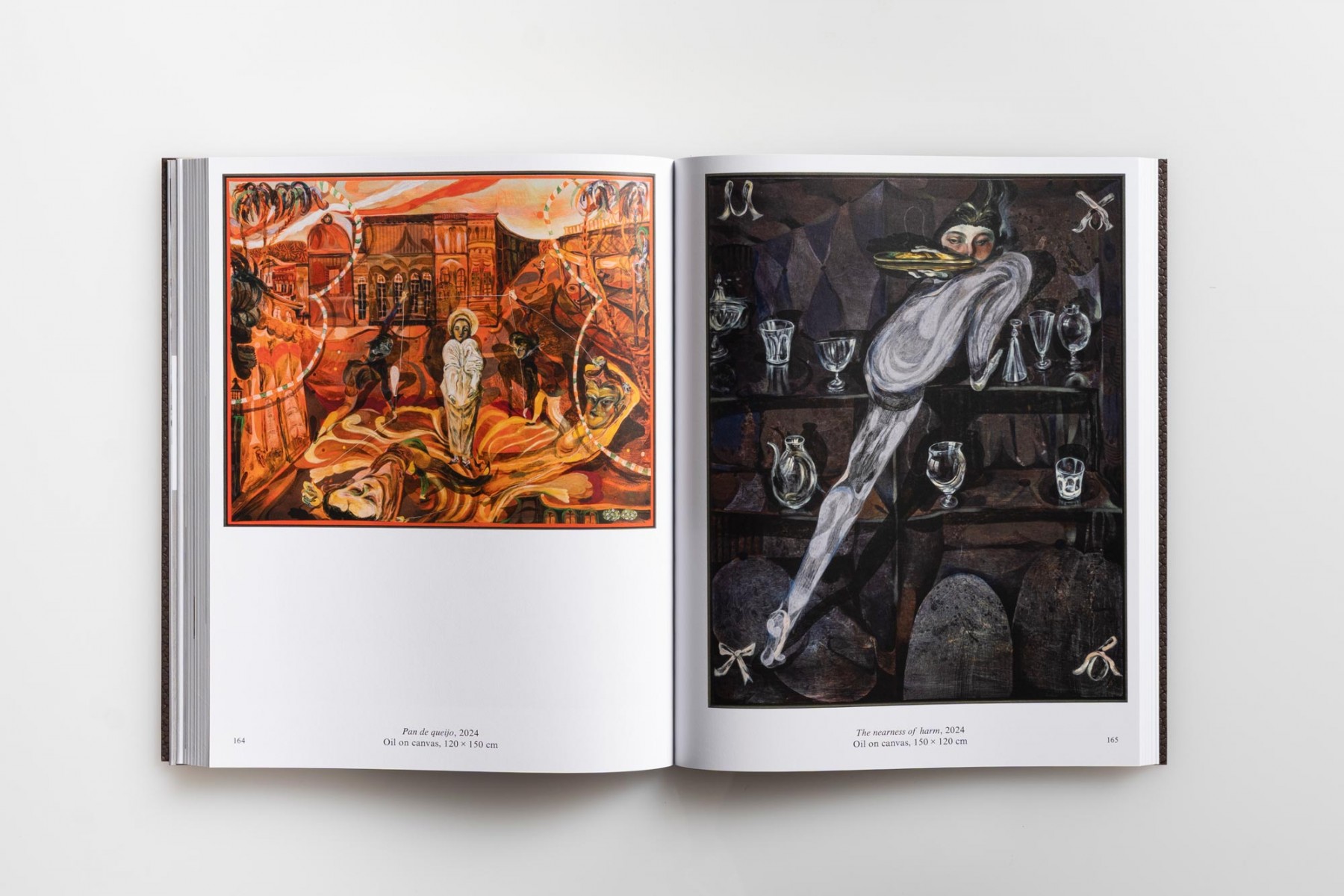
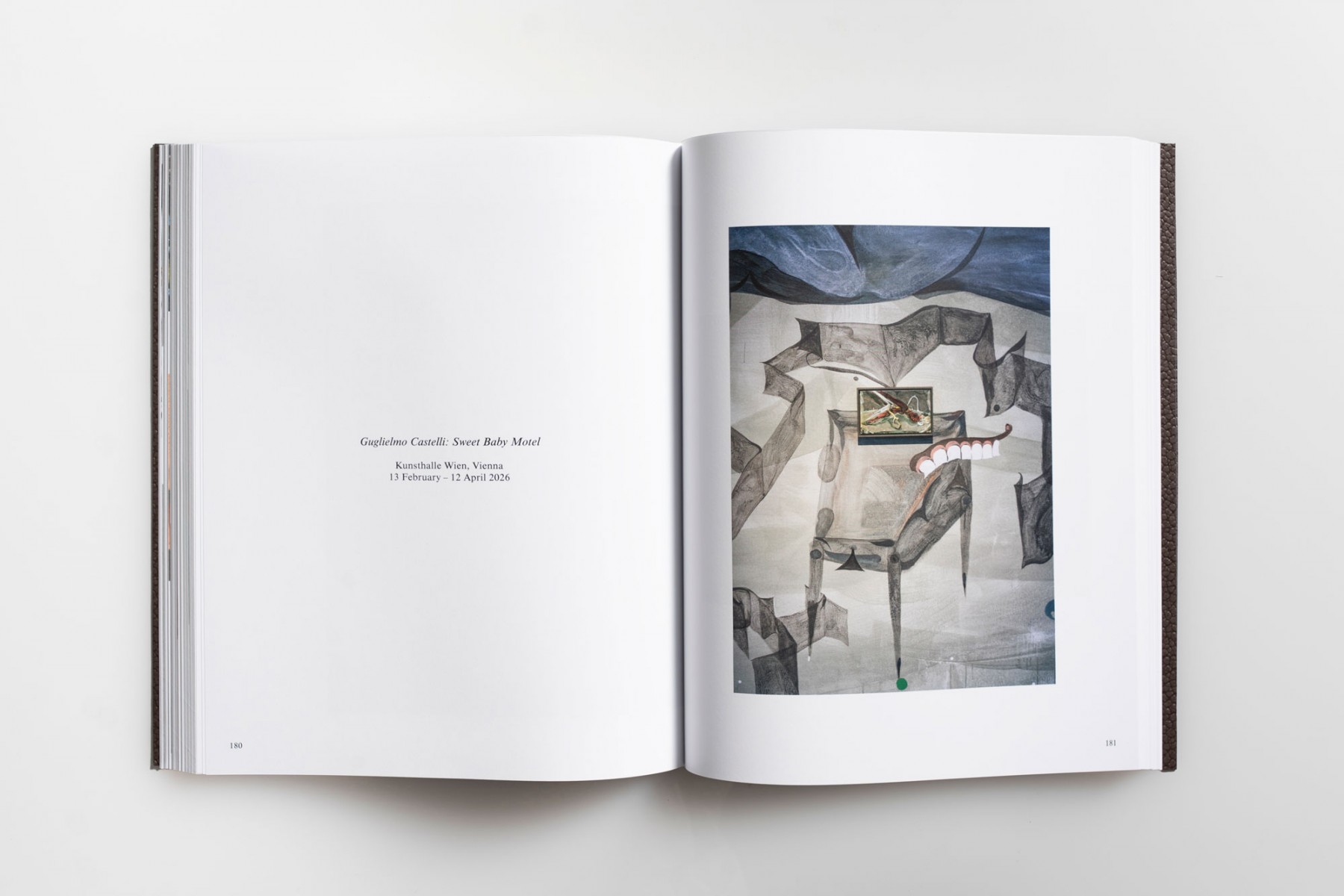
Published on the occasion of the exhibitions at Castello di Rivoli Museo d’Arte Contemporanea, Rivoli-Turin, and Kunsthalle Wien, Vienna, Guglielmo Castelli: Sweet Baby Motel is the first comprehensive monograph on the artist’s painting and sculpture. The publication conducts a wide-ranging investigation into the artist’s ethereal poetics, including newly commissioned essays by the curators of the exhibitions at Castello di Rivoli Museo d’Arte Contemporanea and Kunsthalle Wien, and by art historian and critic Lillian Davies. Davies explores the enigmatic depths of Castelli’s painting practice, and curator Sarah Crowe pays particular attention to the artist’s weightless, boneless, and genderless figures. Francesco Manacorda interviews the artist on his scenographic, filmic approach.
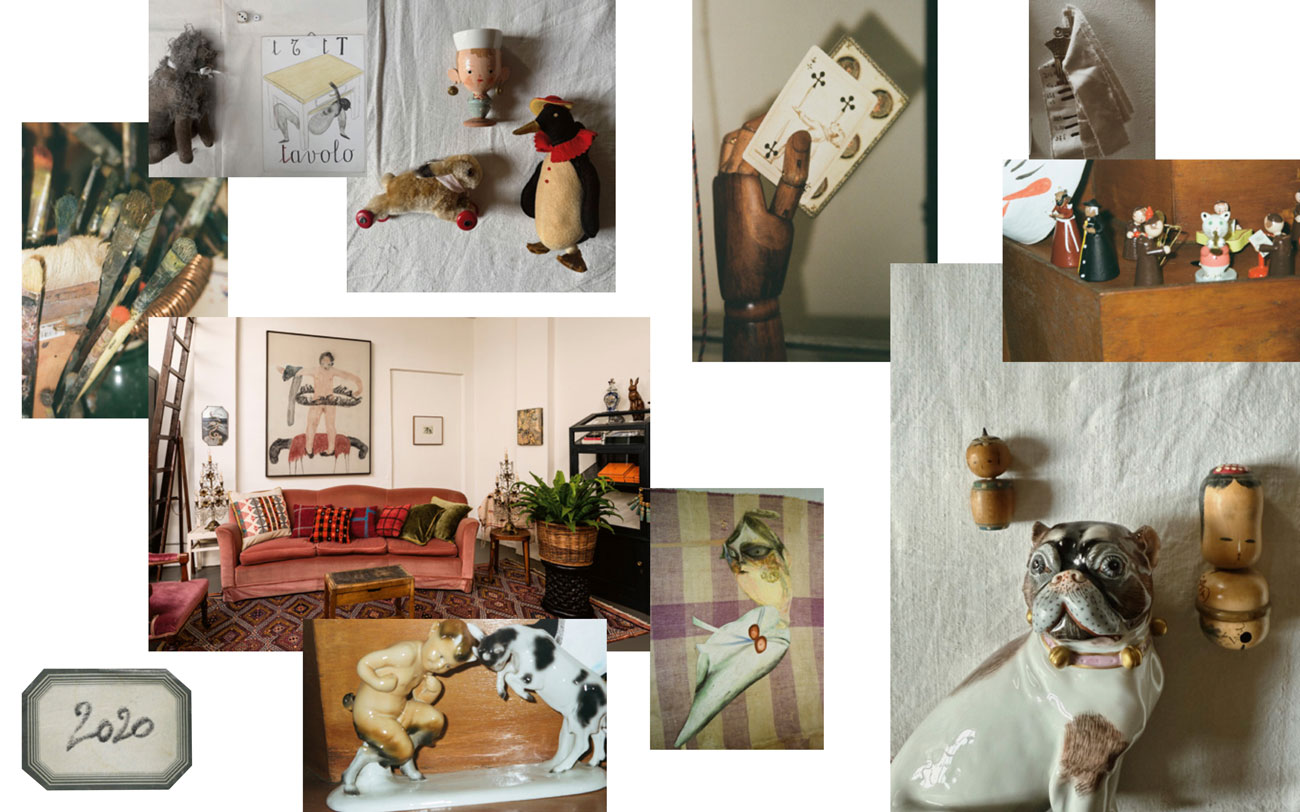
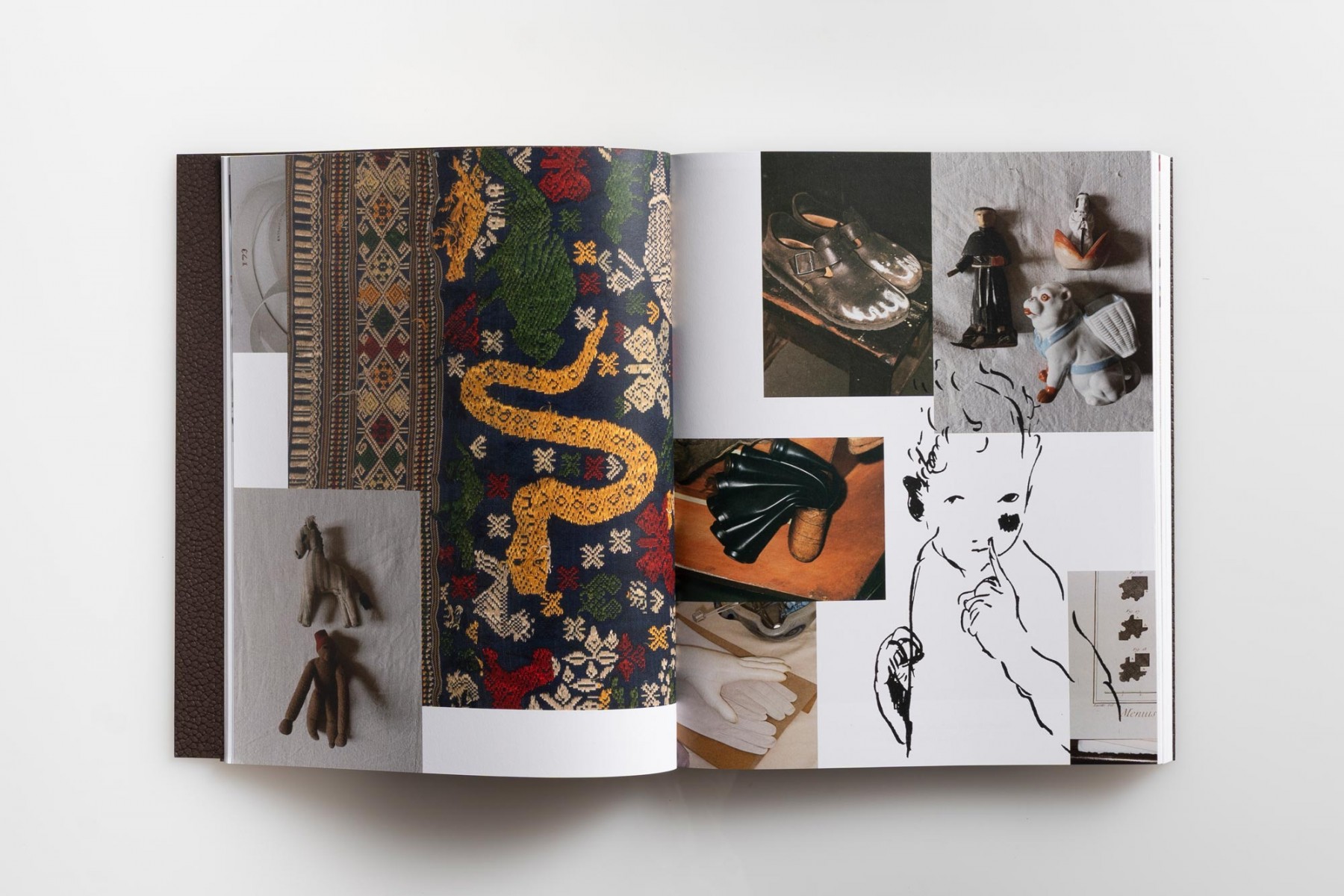
Castelli developed a new corpus of works for the exhibitions in Turin and Vienna that spans painting, collage, and sculpture, and culminates in a selection of his sketchbooks. Facilitating a deep understanding of process and intimate aspects of Castelli’s practice, these sketchbooks are invaluable repositories of creative trajectories, containing references from different places and times, which are then carefully selected by the artist to flow into his work.
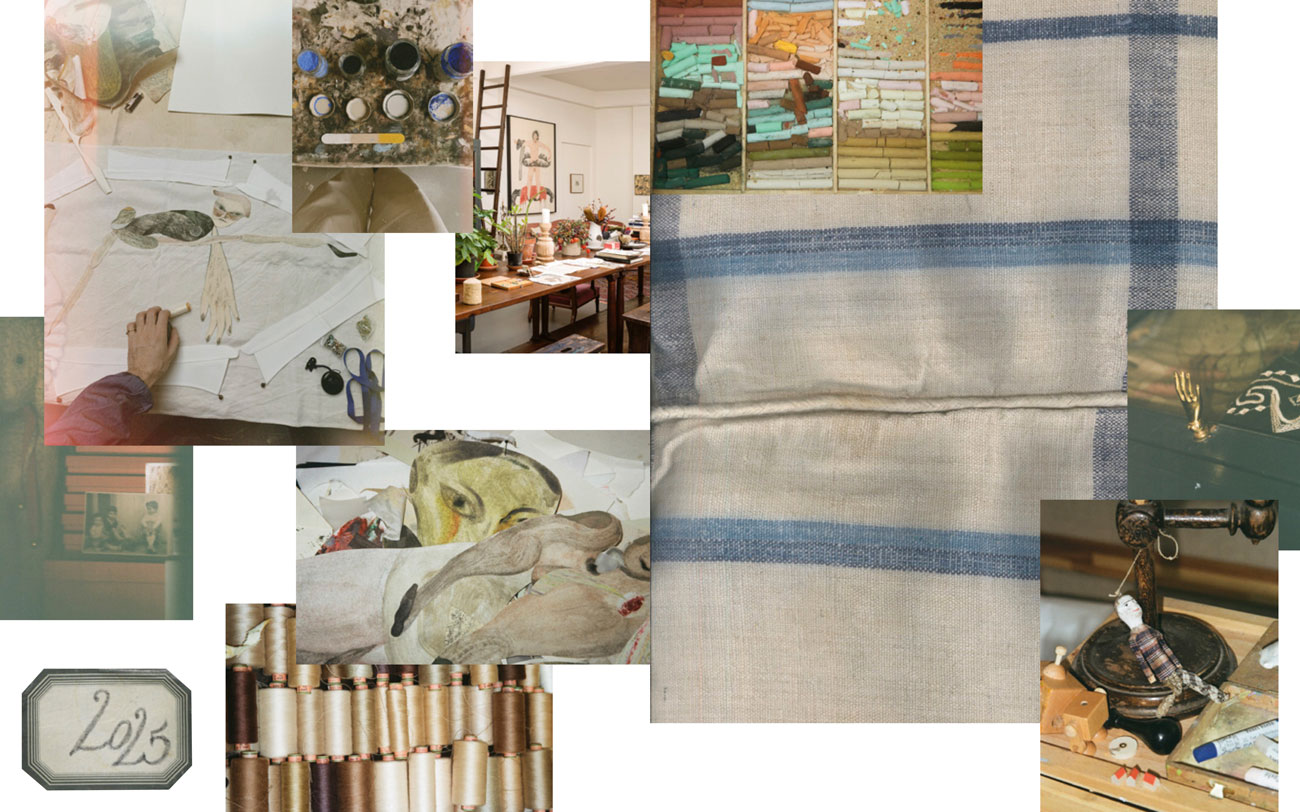
The sketchbooks and the artistic process they embody guide the temporal structure and artistic intimacy of the publication. Castelli constellates myriad materials—from preliminary drawings and notes to poetry excerpts and fabric cutoffs—as conceptual inspiration for bodies of work that he conceives as fully fledged exhibitions. In the publication, examples of these collaged fields of associations preface documentation of individual exhibitions and their groups of work, thus bringing the artist’s practice full circle.