Through exquisite craftsmanship, and with reference to romantic nationalism, Ann Böttcher explores how aesthetic and political projections characterize notions of nature, and how such conceptions are taken up by countries, political movements, and other institutions.
Voices (Towards Other Institutions) is the final act of the coral, multiform, articulated, two-year-long experiment carried out by Open, the Russian Federation Pavilion at the 17th International Architecture Exhibition.
The book deals with Diego Marcon’s practice through the analysis of three film and video works. Monelle (2017), Ludwig (2018), and The Parents’ Room (2020) are his most recent and complex projects, and they are all emblematic of central aspects of his production.
Over the last ten years, Raphael Hefti has created an astonishingly body of work consisting of sculptures and installations, performance and “art-in-public-spaces.” The first comprehensive monograph is published on the occasion of his major exhibition at Kunsthalle Basel.
Between 1998 and 1999, the London-based art collective BANK operated the Fax-Bak Service. The group’s members proof-read and copy-edited more than 300 press releases by galleries. The publication is the most comprehensive record of this notorious project.
SOLD OUT
Sold Out
Listen
On how The BANK Fax-Bak Service started and how it came to be a book
In the Villa Santo Sospir, Jean Cocteau conceived his pictorial work through accumulation, inspired by Greek mythology and the Mediterranean landscape. Architecture permeates the subjects of Mauro Restiffe from a viewpoint that amplifies and reverberates the simple historical record.
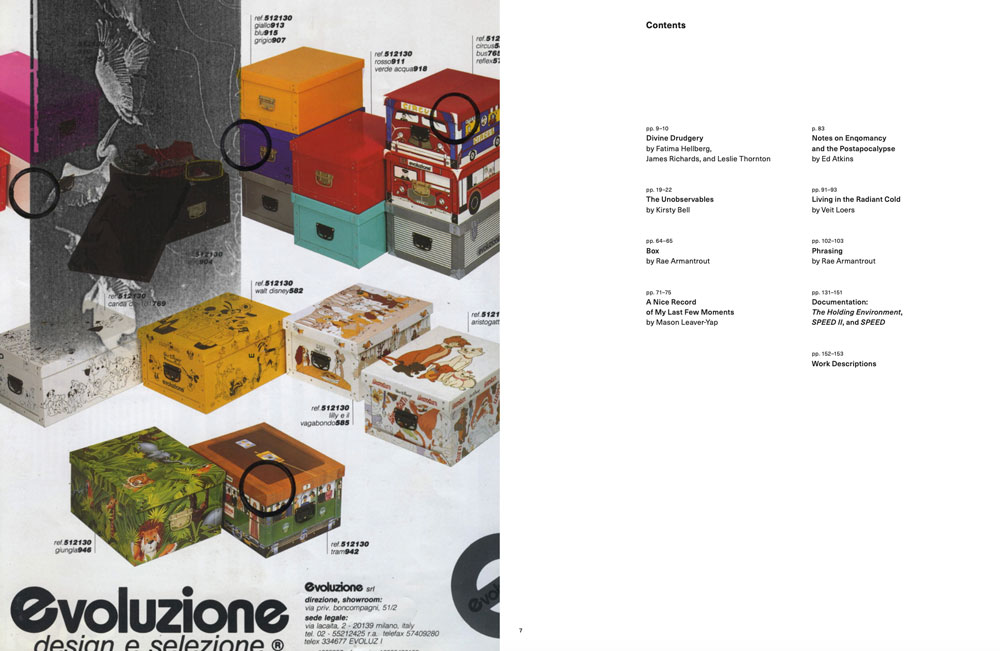
Edited by Fatima Hellberg, James Richards, and Leslie Thornton
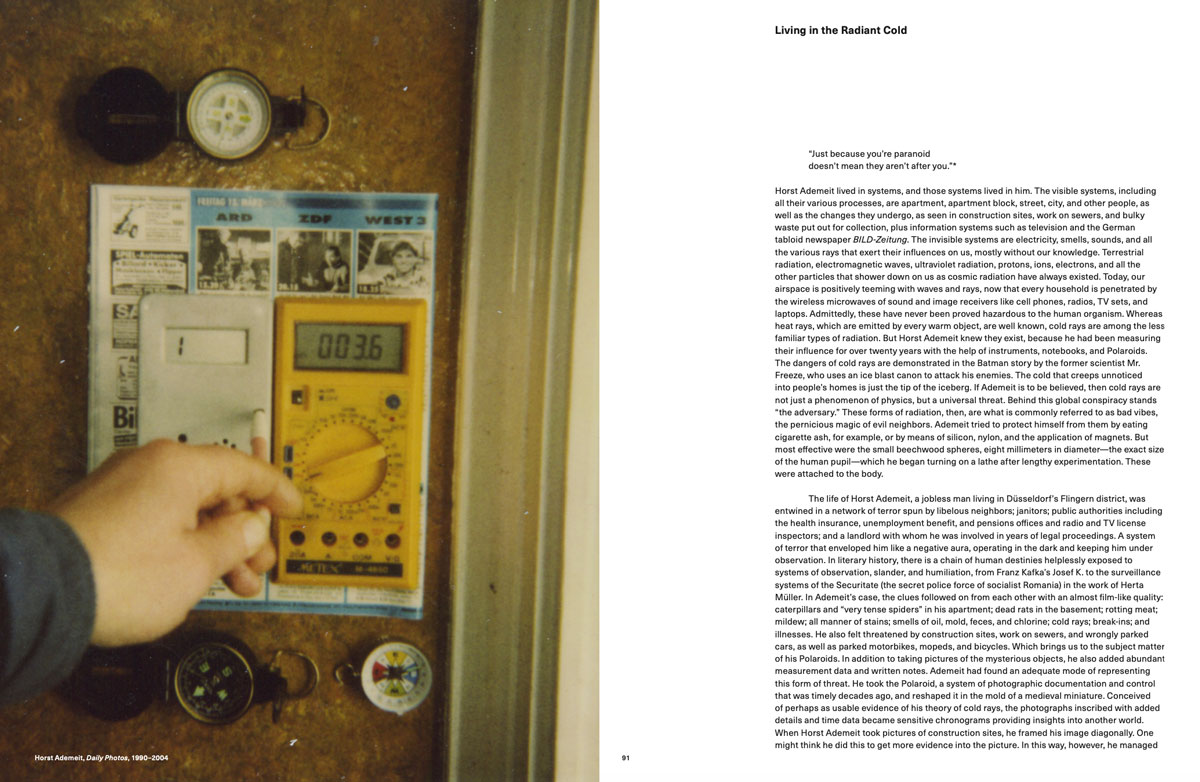
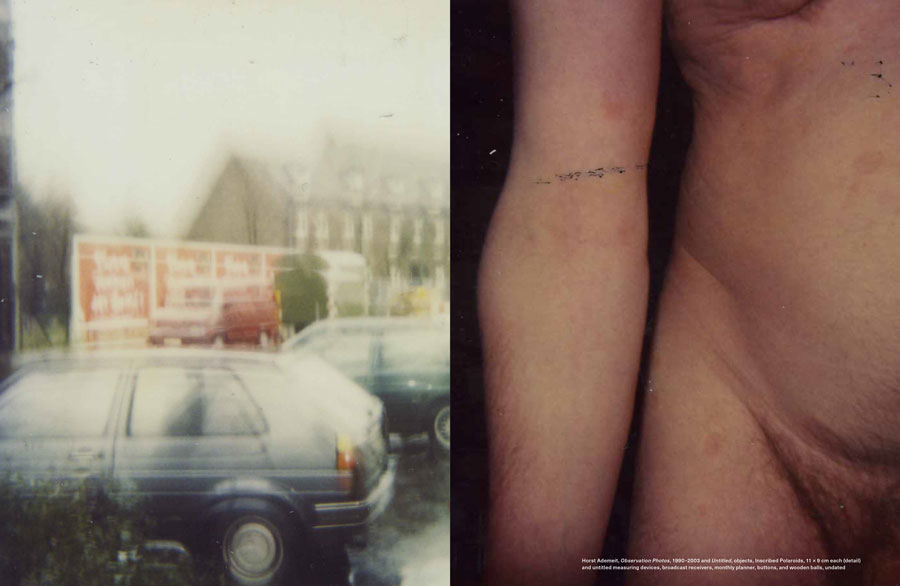
With work and contributions by Horst Ademeit, Rae Armantrout, Tolia Astakhishvili, Ed Atkins, Kirsty Bell, Adelhyd van Bender, Bruce Conner, Fatima Hellberg, Mason Leaver-Yap, Veit Loers, Terence McCormack, James Richards, Jens Thornton, Leslie Thornton, and Thomas Zummer
Copublished with Bonner Kunstverein, Malmö Konsthall and Künstlerhaus Stuttgart
Designed by Karl Kolbitz and Nicoletta Dalfino Spinelli
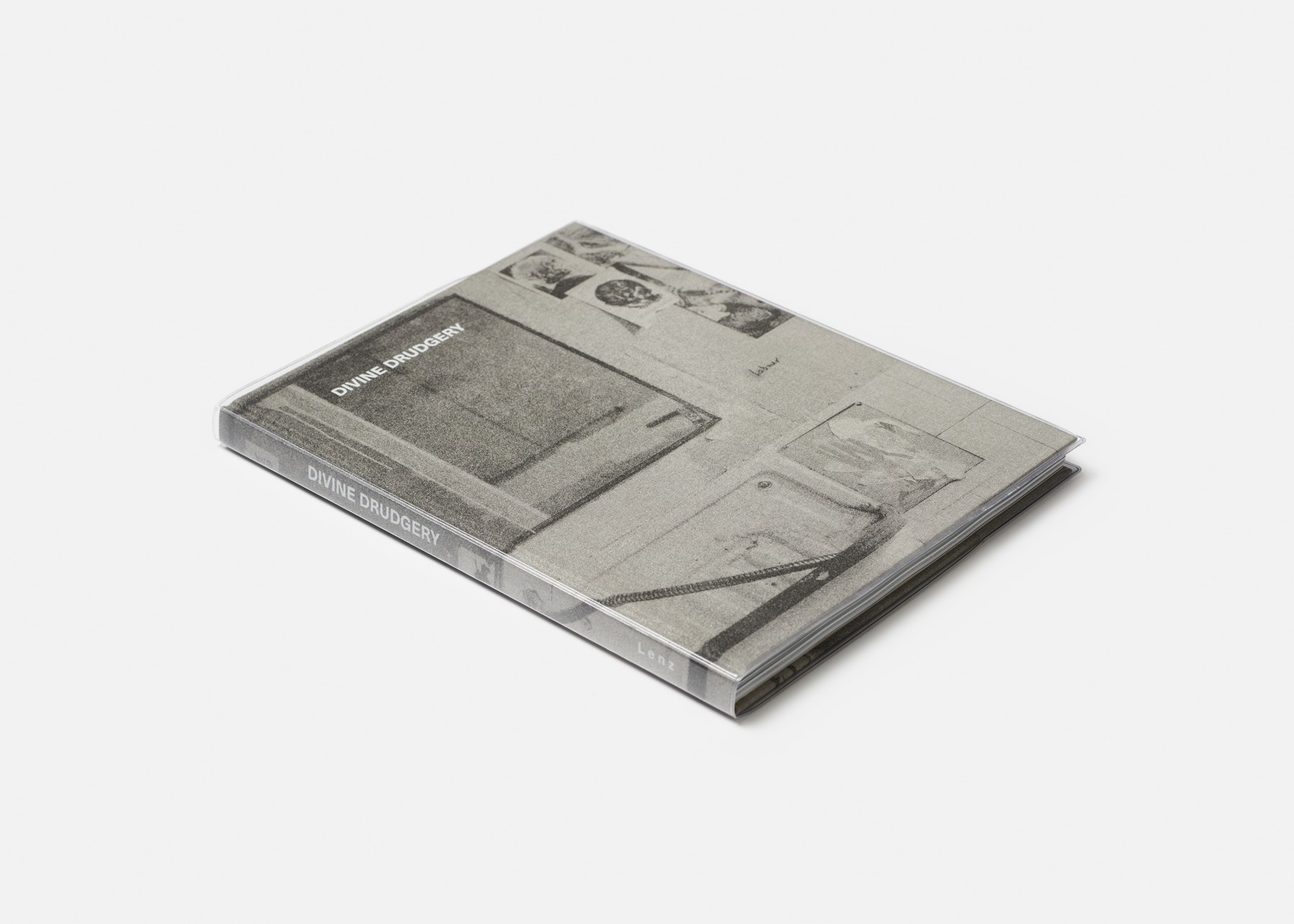
2021, English, hardcover, 21.9 x 28.5 cm, 160 pages
ISBN 978-88-945353-3-4
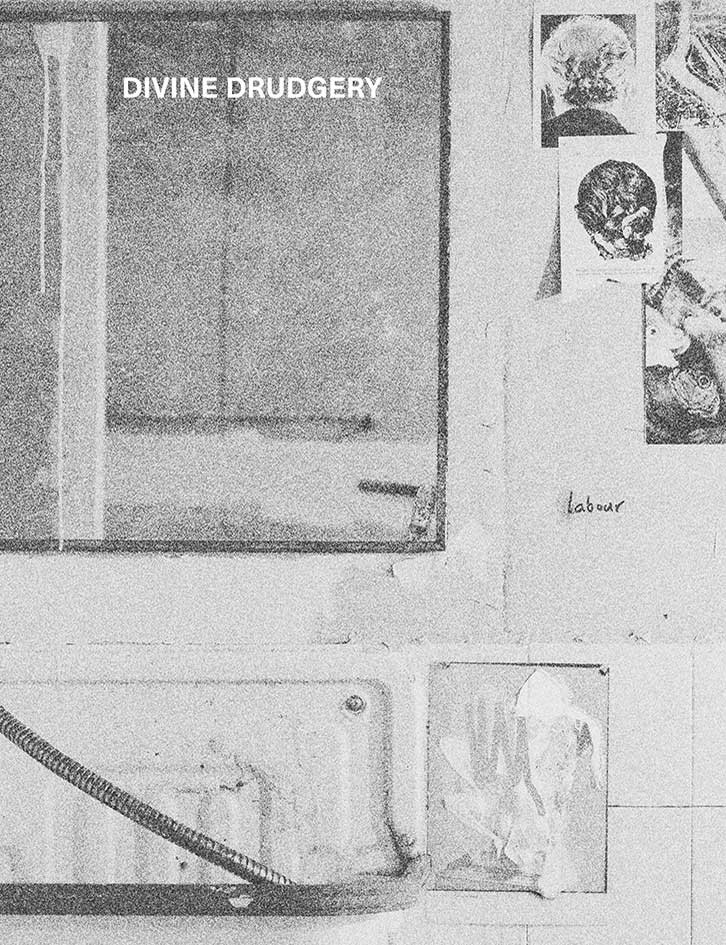
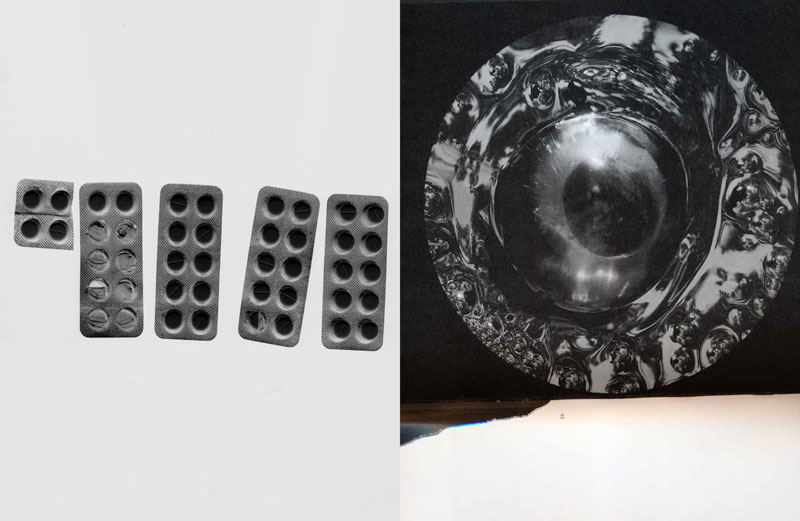
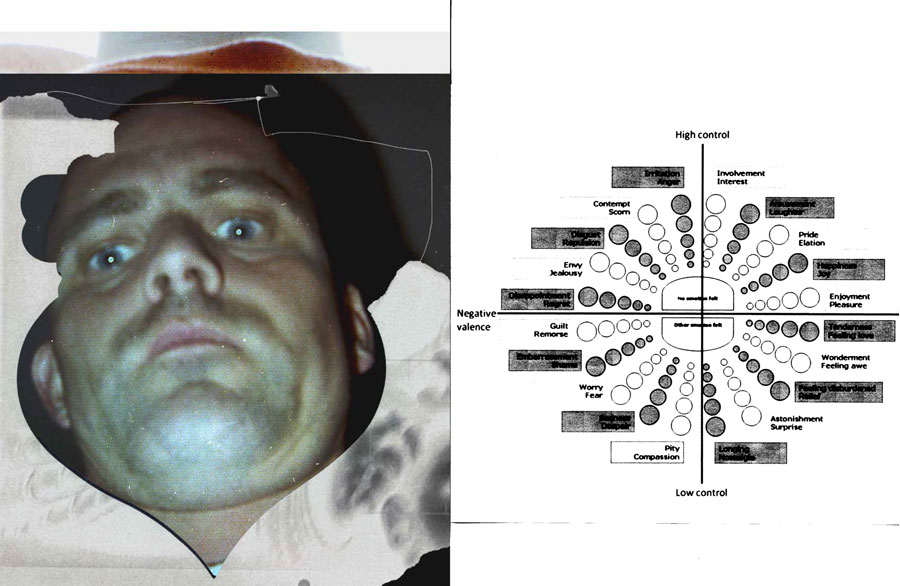
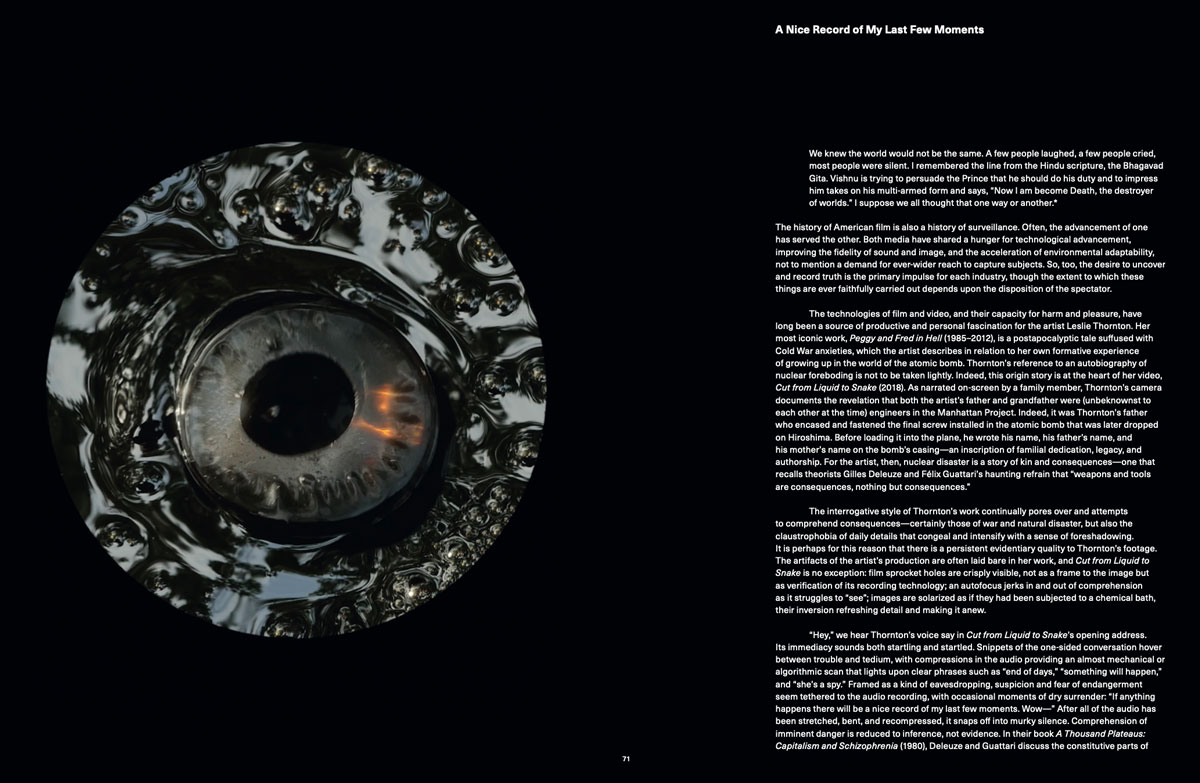
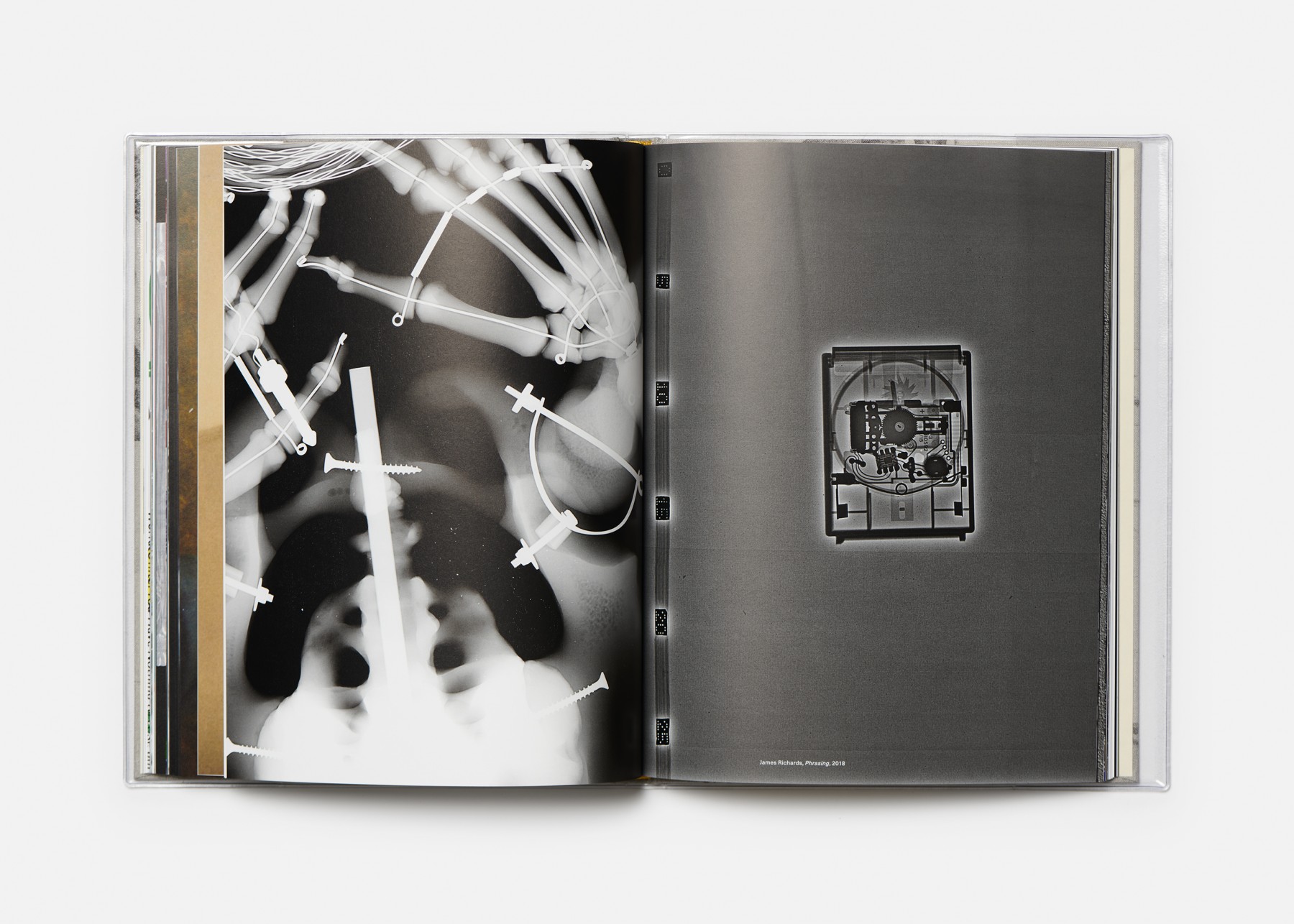
Divine Drudgery is an artist book with collages and artworks by James Richards and Leslie Thornton, and contributions by artists, writers and poets centred around liminality and the aesthetics and politics of the invisible. These dialogues and strands are anchored in and loop back to three exhibitions developed by the editors: Speed (Künstlerhaus Stuttgart), Speed II (Malmö Konsthall), and The Holding Environment (Bonner Kunstverein), and radiate outwards.
In the making of Divine Drudgery, there has been an ongoing concern with specific psychic and temporal states, rushes of systemic and embodied interconnectedness and wonder, as well as a sense of porousness and paranoia. The oscillation between an ordering impulse and the relinquishing of control is a central feature, one that returns in Divine Drudgery’s different modes: in the poetry and writing; collages, visual essays and specifically conceived work. There is an impulse of collaboration that brought about this project, one that renders the monologue of anxious speculation into a dialogic practice. The disparate elements have been generated from the third mind of collaboration, a channelling of and at times conscious unsettling of each other’s sensitivities, a process which in the words of artist and contributor to the publication Adelhyd van Bender could be understood as the “divine drudgery.“
Ph. Mareike Tocha
The editors
Fatima Hellberg is director of Bonner Kunstverein and former artistic director of the Künstlerhaus Stuttgart. Her curatorial practice is developed in close dialogue with artists and is often associated with long-term exchange, with amongst others Gregg Bordowitz, Ellen Cantor, David Medalla, James Richards and Leslie Thornton. She has curated exhibitions in institutions including the ICA, London; Tate Modern; the CCA Wattis Institute for Contemporary Arts, San Francisco; the South London Gallery and Malmö Konsthall.
Known for his provocative and visually seductive moving-image works that collage together a wide range of source material, James Richards’s work carves out a space where personal politics and digital materiality might meet. Recent exhibitions include When We Were Monsters, Haus Mödrath (2021); The Holding Environment, Bonner Kunstverein (2021); Alms for the Birds, Castello Di Rivoli (2020); Speed II, Malmö Konsthall w/ Leslie Thornton (2019); Speed, Künstlerhaus Stuttgart w/ Leslie Thornton (2018).
In a career spanning nearly five decades, Leslie Thornton has produced an influential body of work in film and video. Her early encounters with experimental, structuralist, and cinéma vérité fuelled her iconoclastic take on the moving image and gave shape to her practice of weaving together her own footage and voice with archival film and audio. Thornton’s work has been exhibited at documenta 12, Kassel; The Whitney Museum of American Art, MoMA PS1, and Artists Space in New York; Tate Modern and Raven Row in London; the Walker Art Center, Minneapolis, among many others. Recent solo and two-person exhibitions have taken place at Kunstverein Nürnberg (2020); Malmö Konsthall (2019); Secession, Vienna (2018) and Künstlerhaus Stuttgart (2018).