Between an artist’s book and a catalogue, this publication follows up on Armleder’s multidimensional exhibition at KANAL in 2020–21. Through archival pictures and in depth conversations, the book is designed to recreate the immersive experience of this collective experiment, and proposes a dive into something akin to a large self-portrait, conceived through the works of more than a hundred artists.
This artist’s book reflects Eva & Franco Mattes’ continued interest in the condition of displacement to be sensed in Fukushima. Borrowing the format of wrapping-paper catalogs, it contains twenty large pre-perforated sheets, each of which features a photographic texture—a seamlessly repeating motif captured by the camera amid the radioactive ruins of the contaminated towns and countryside.
The album brings together the music composed by Federico Chiari for various film and video works by Diego Marcon, including Monelle (2017), Ludwig (2018), The Parents’ Room (2021), and Dolle (2023). The album comes with a booklet containing lyrics and images that provide a deeper insight into this unique, profoundly intertwined collaboration between Chiari and Marcon.
This small anthology reviews some of the central themes of Diego Marcon’s research: from the role of the display in exhibitions to his relationship with cinema, from the use of special effects and animatronics to the sense of community established through his work. Glassa accompanies the exhibition of the same name designed by the artist for the spaces of the Centro per l’arte contemporanea Luigi Pecci in Prato.
Strata raccoglie 37 conversazioni con artisti il cui lavoro ha dato un contributo significativo alla scena artistica italiana e internazionale a partire dal 2000. Questo libro è il resoconto personale di una serie di incontri, amicizie e relazioni professionali che Vincenzo de Bellis e Alessandro Rabottini hanno coltivato negli ultimi vent’anni.
Strata compiles 37 conversations with artists whose work has made a significant contribution to the Italian and international art scene since 2000. This book is the personal account of a number of encounters, friendships, and professional relationships that Vincenzo de Bellis and Alessandro Rabottini have nurtured over the past twenty years.
Edited by Wilfried Kuehn & Dubravka Sekulić
Authors: Martina Abri, Ross Exo Adams, Thomas Auer, Giovana Borasi, Susana Caló, Brendon Carlin, Peggy Deamer, Clémentine Deliss, FICTILIS, Francesco Garutti, Maria Shéhérazade Giudici, Joyce Hwang, Anousheh Kehar, Bettina Köhler, Elke Krasny, Wilfried Kuehn, Ippolito Pestellini Laparelli, Maxim Larrivée, Matthew Leander Kalil, Mark Lee, Steve Lyons for Not An Alternative, Armin Linke, Mona Mahall, Charlotte Malterre-Barthes, Dejan Marković, Ana Miljački, Erica Petrillo, Christian Raabe, Albert Refiti, Damon Rich, Christiane Salge, Ivonne Santoyo-Orozco, Anna Schäffler, Bernd Scherer, Laila Seewang, Dubravka Sekulić, Asli Serbest, Stuart Smith, Laurent Stalder, Milica Tomić.
Designed by Gregory Dapra & Laure Giletti
2025, English, softcover, 20 x 28.5 cm, 440 pages
ISBN 979-12-80579-61-4
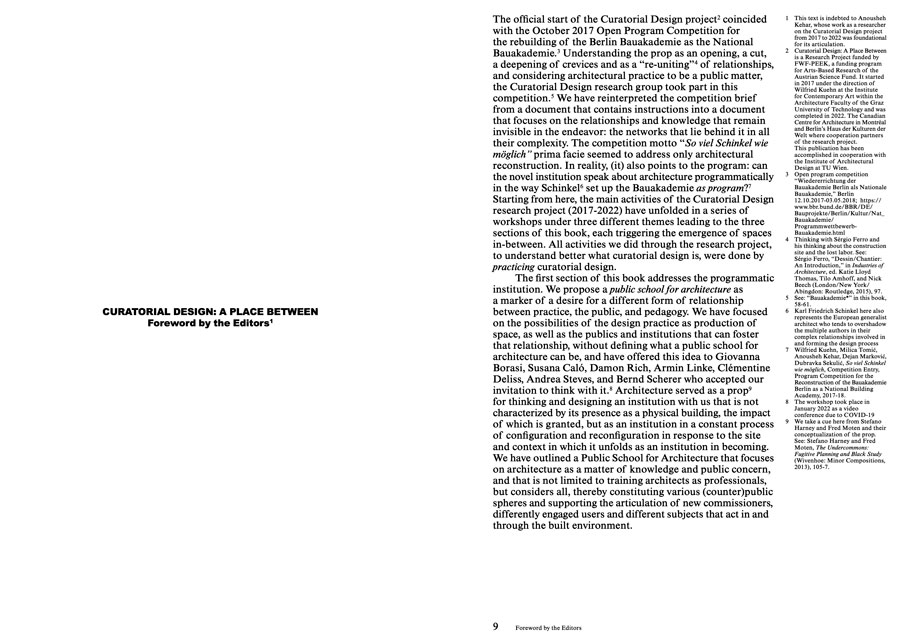
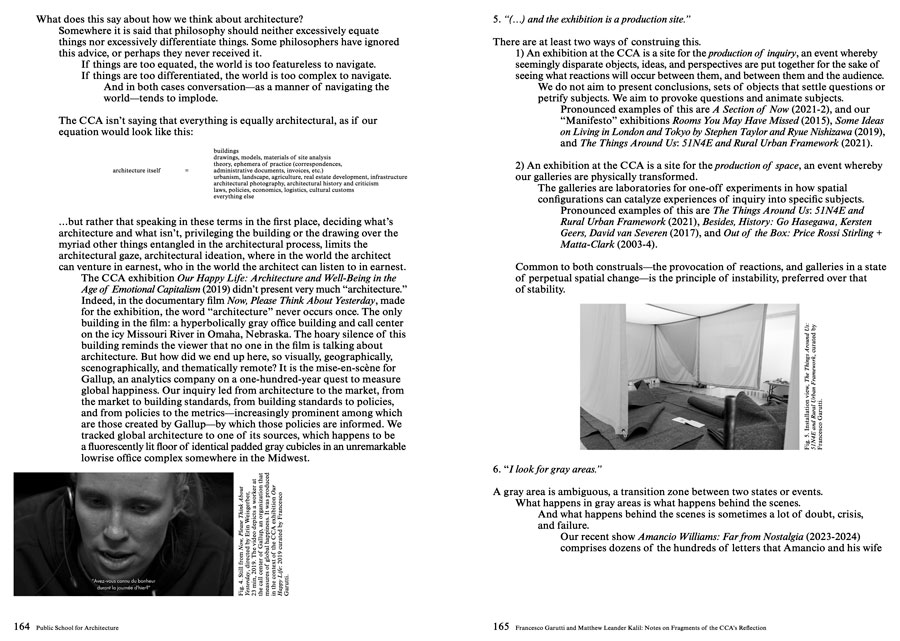
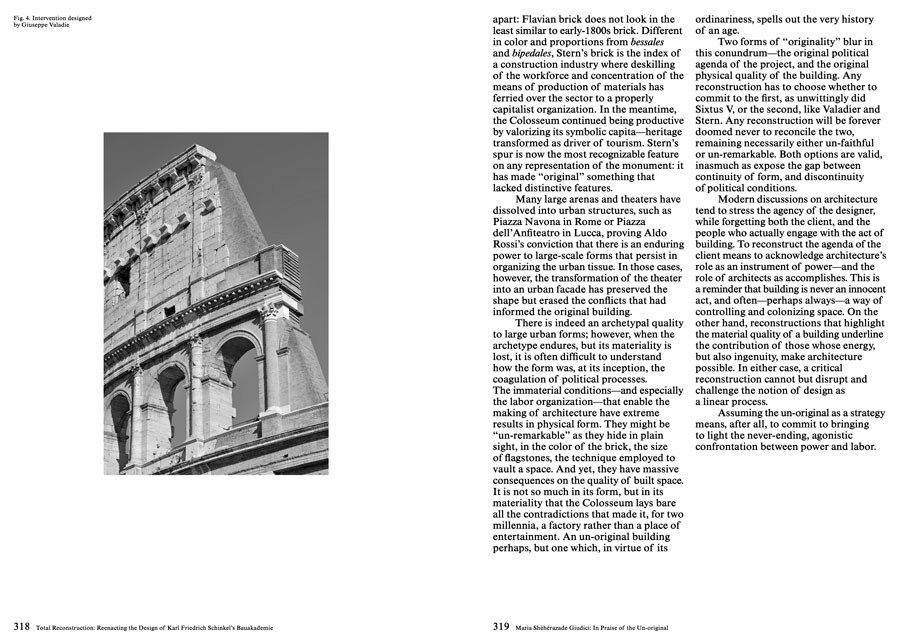
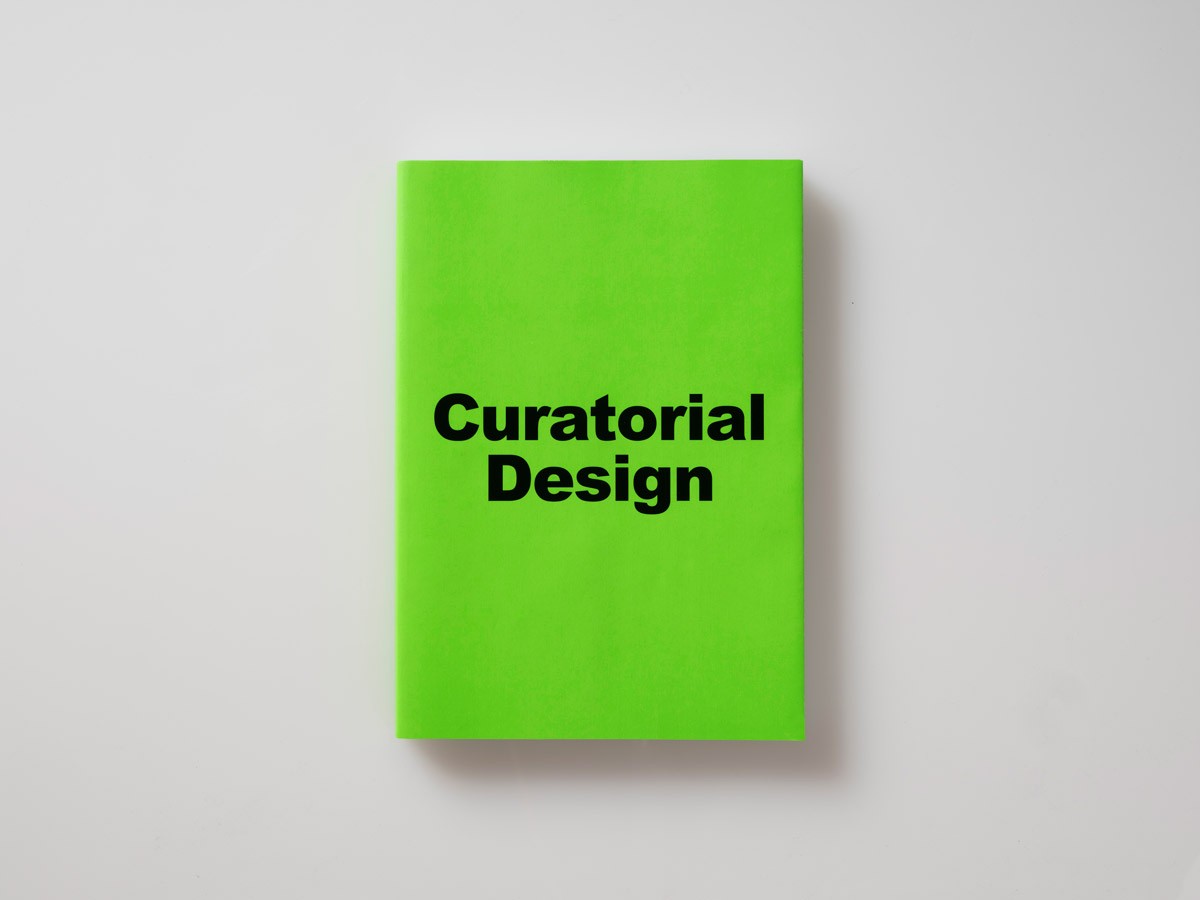
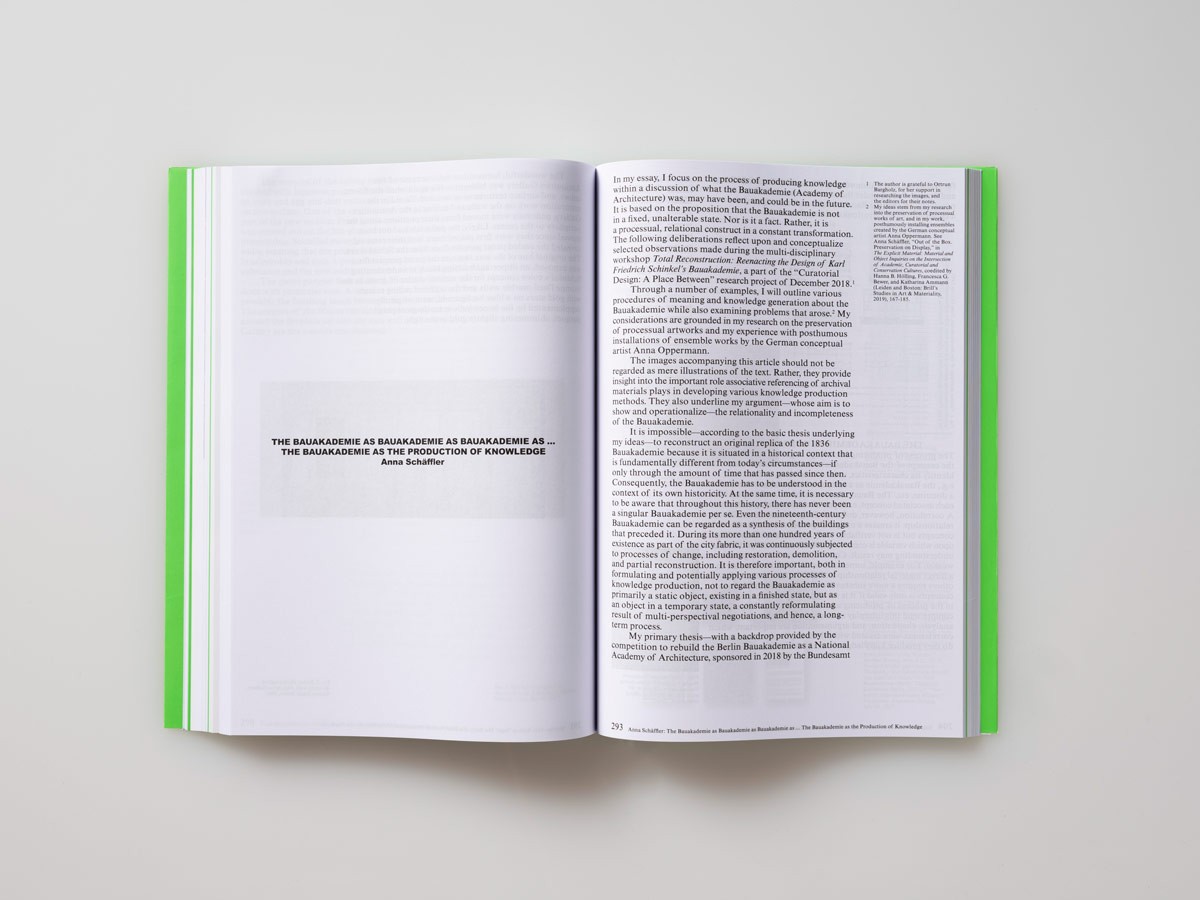
The future of architecture lies in the curatorial approach. This is the thesis put forward by architect Wilfried Kuehn and theorist Dubravka Sekulić in their book Curatorial Design: A Place Between, which brings together contributions from more than 30 authors working in the fields of architecture, art, and curatorial knowledge and practice.
Architectural design and the curatorial share a non-disciplinary background, and aim to assemble diverse forms of knowledge rather than specializing. Inherently transdisciplinary, then, they are at odds with the increasing division of labor in all fields of knowledge and practice. In the face of professionalization, which limits our capacity to intervene comprehensively, design and the curatorial challenge specialization and produce relational knowledge. They intend to create an in-between place, as together they form a novel practice that—in combining heterogenous forms of knowledge—takes center stage rather than serving as a moderator or mediator of sorts. What unites them is the assertion of a relational form, the autonomy of which consists precisely in teasing out relations between different elements. What happens to architectural design when it consciously enters a relationship with the curatorial?
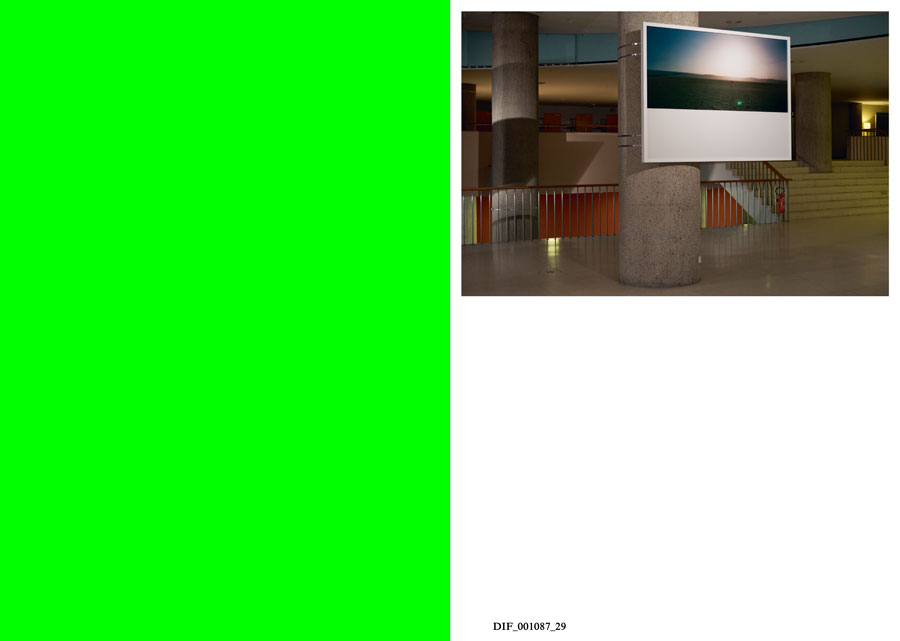
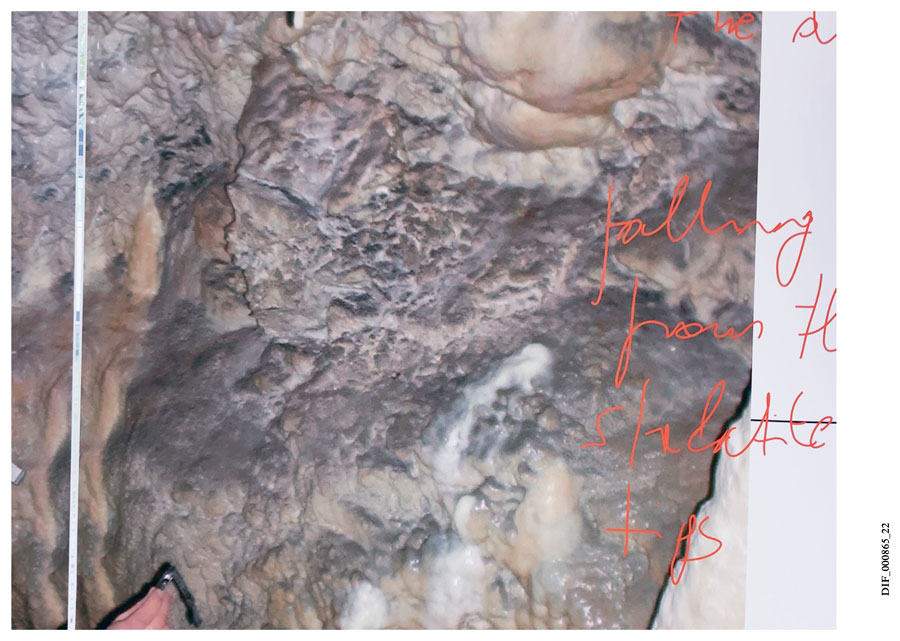
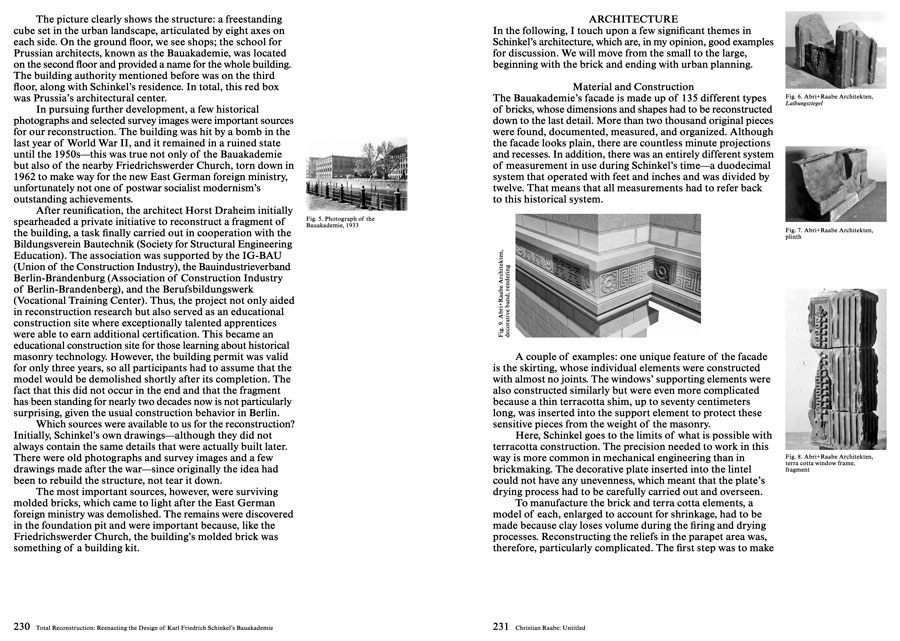
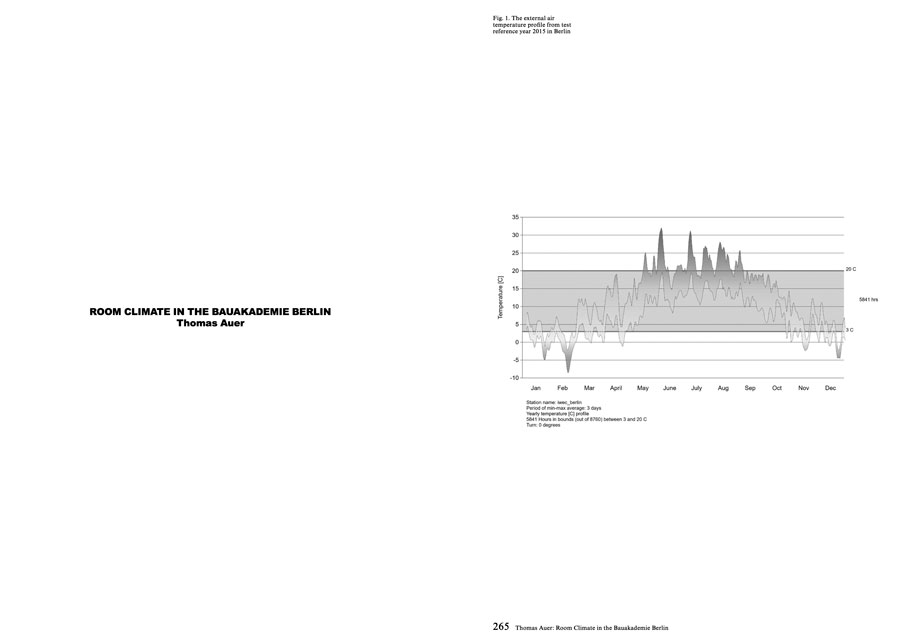
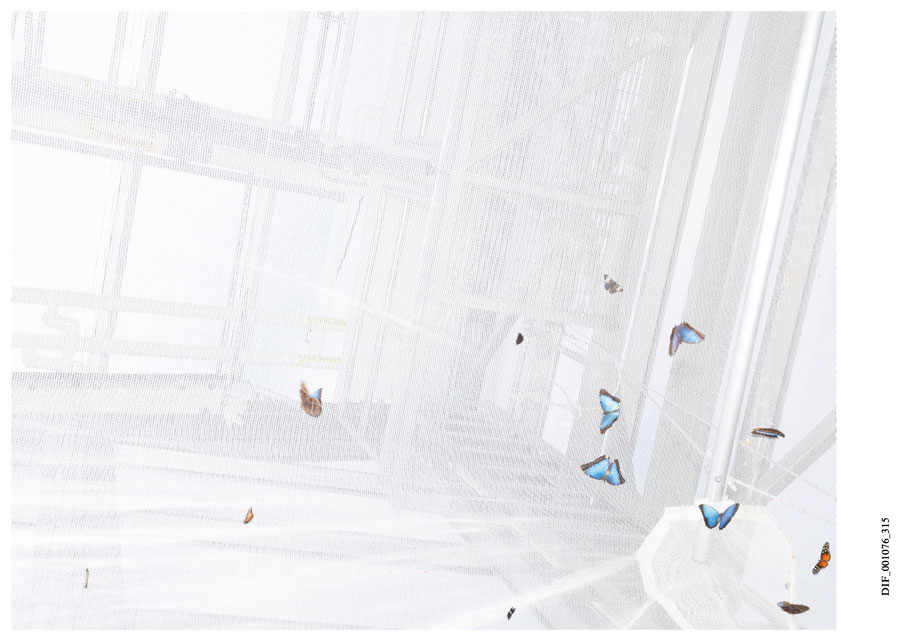
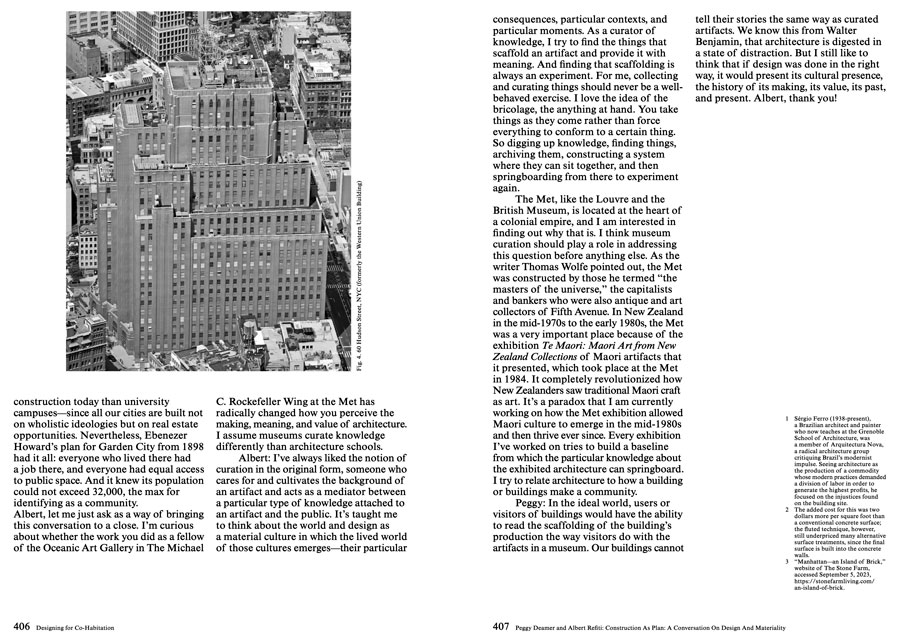
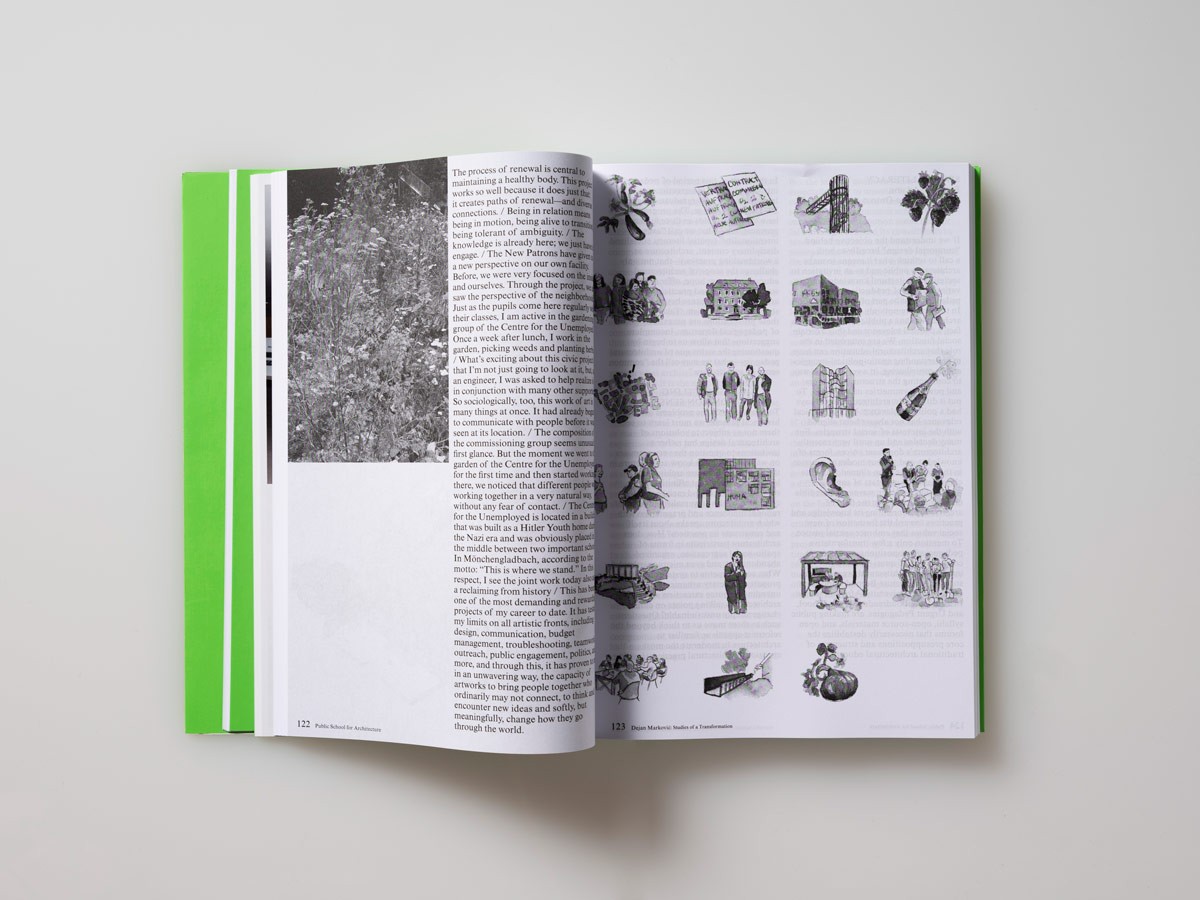
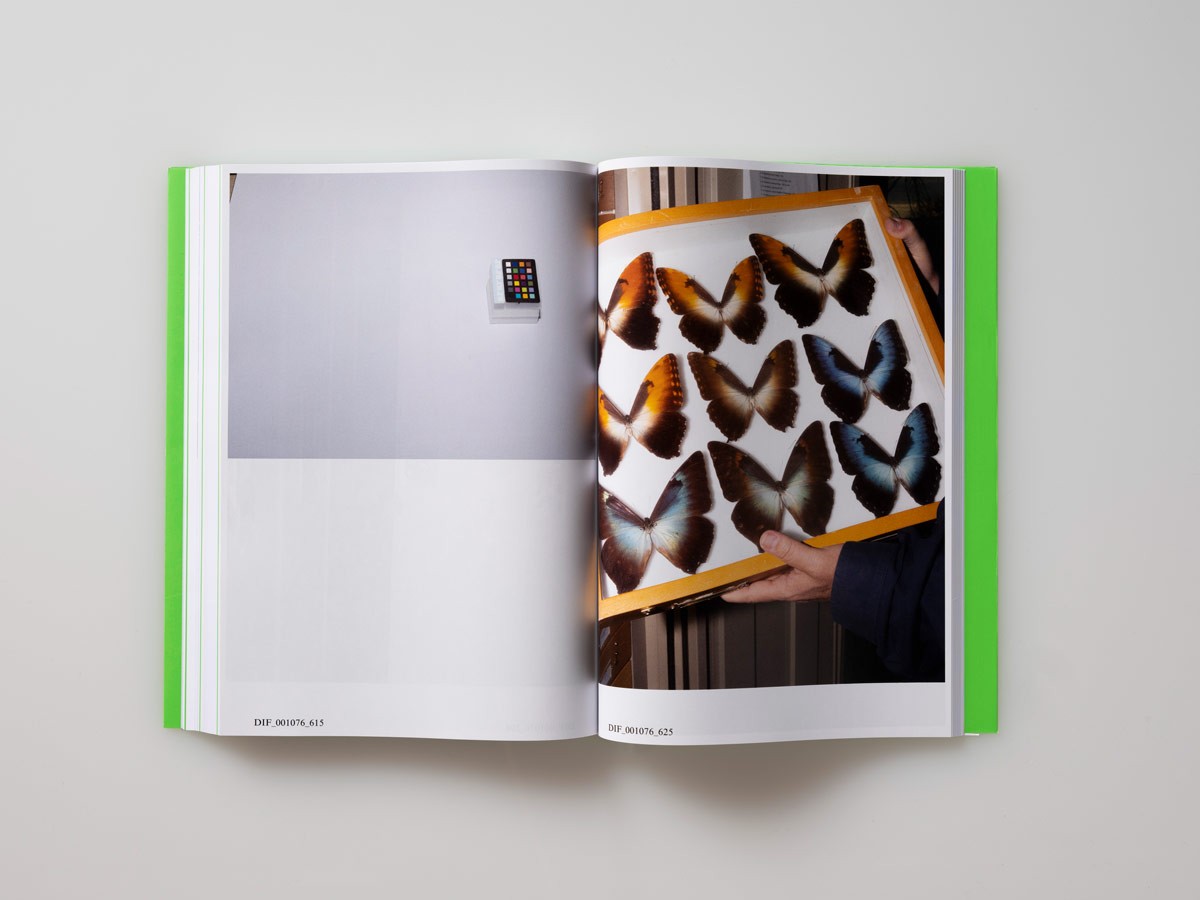
The book is aimed at practitioners and educators in the field of architecture and design, as well as curators and exhibition makers. It contains three photo series by Armin Linke that accompany the three sections of the book: “Public School for Architecture”, “Total Reconstruction,” and “Designing for Co-Habitation.”