Pardon Façade documents the artistic output of Luca Monterastelli, showcasing almost all of the sculptures and installations that he produced between 2011 and 2022. Across four chapters—corresponding to four solo shows that he staged in Milan, Otegem, Antwerp, and Naples—the publication provides the first overview of the artist’s work.
More than half a century after its premiere, Yvonne Rainer, in collaboration with choreographer and dancer Emily Coates, directed the 2019 revival of her 1965 performance Parts of Some Sextets. This book poses questions about the trajectories of artworks, performers, and audiences, all while tracing the life—and afterlife—of a dance.
How does technology organize life? This book documents and reflects on the exhibition Proof of Stake: Technological Claims at Kunstverein in Hamburg, curated by Simon Denny and Bettina Steinbrügge. It brings together a unique group of artists and scholars who investigate the technological apparatuses and power relations of organized life.
This artist’s first monograph brings together sketches, documentation and installation shots, as well as an in-depth analysis of her practice. It highlights her process of making art, from the conception of an idea to the finished work, and from the deconstruction and re-assembling of her characters’ identities to the relentless creation of new worlds.
Published on the occasion of the first exhibition in Italy by Jenna Gribbon, staged at the Collezione Maramotti, Mirages showcases a wealth of images that highlight the fluid, sensual output of this artist who, in repeatedly portraying her wife, the musician Mackenzie Scott (aka TORRES), explores the implications inherent in seeing and being seen.
The catalogue of this ambitious project, held at the Centre d’Art Contemporain Genève in 2017, reflects on the centrality of writing in contemporary visual art practices. Documenting its slippages from printed matters to the digital realm, from voice modulations to its sculptural presence, this book celebrates the word in all its forms.
Edited by Wilfried Kuehn & Dubravka Sekulić
Authors: Martina Abri, Ross Exo Adams, Thomas Auer, Giovana Borasi, Susana Caló, Brendon Carlin, Peggy Deamer, Clémentine Deliss, FICTILIS, Francesco Garutti, Maria Shéhérazade Giudici, Joyce Hwang, Anousheh Kehar, Bettina Köhler, Elke Krasny, Wilfried Kuehn, Ippolito Pestellini Laparelli, Maxim Larrivée, Matthew Leander Kalil, Mark Lee, Steve Lyons for Not An Alternative, Armin Linke, Mona Mahall, Charlotte Malterre-Barthes, Dejan Marković, Ana Miljački, Erica Petrillo, Christian Raabe, Albert Refiti, Damon Rich, Christiane Salge, Ivonne Santoyo-Orozco, Anna Schäffler, Bernd Scherer, Laila Seewang, Dubravka Sekulić, Asli Serbest, Stuart Smith, Laurent Stalder, Milica Tomić.
Designed by Gregory Dapra & Laure Giletti
2025, English, softcover, 20 x 28.5 cm, 440 pages
ISBN 979-12-80579-61-4
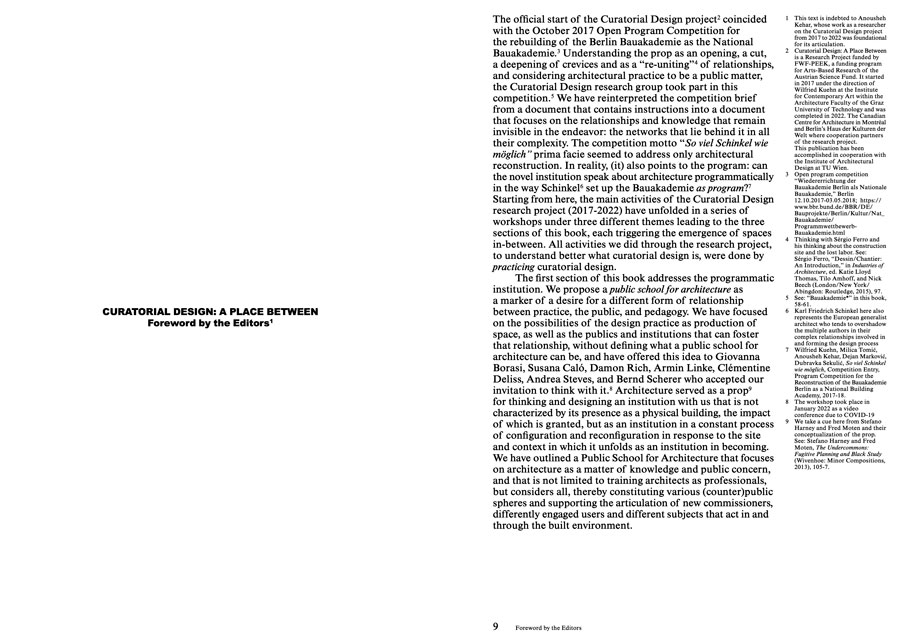
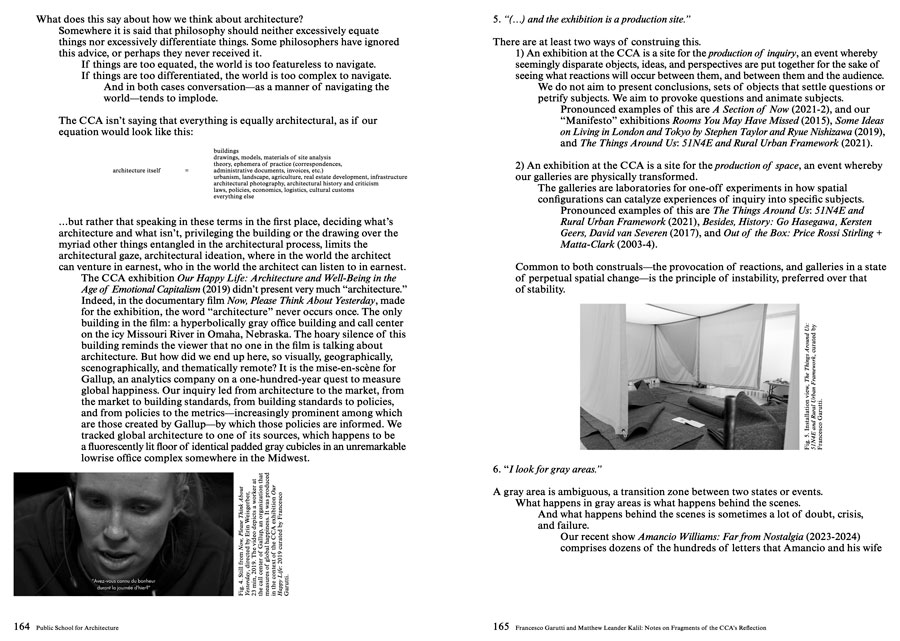
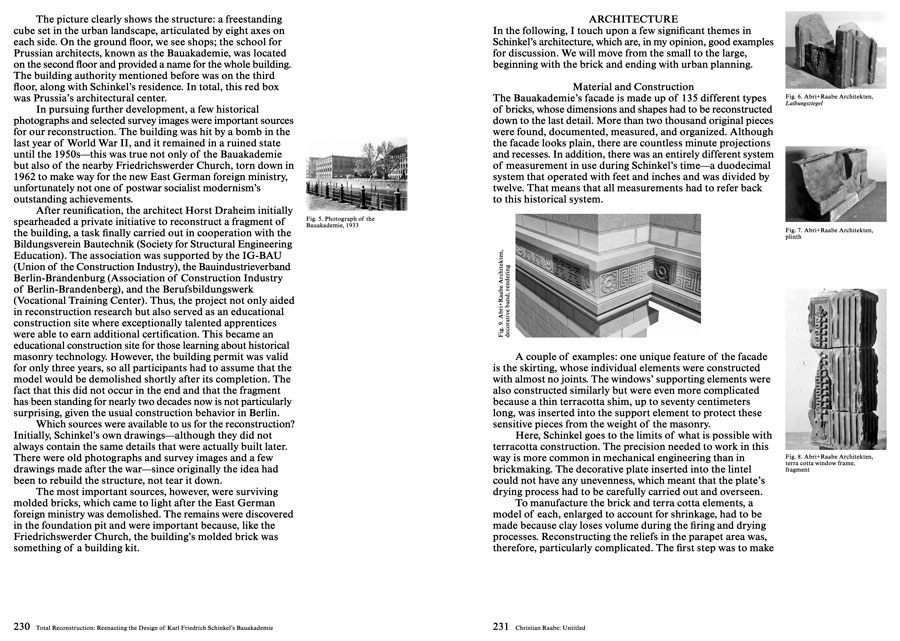
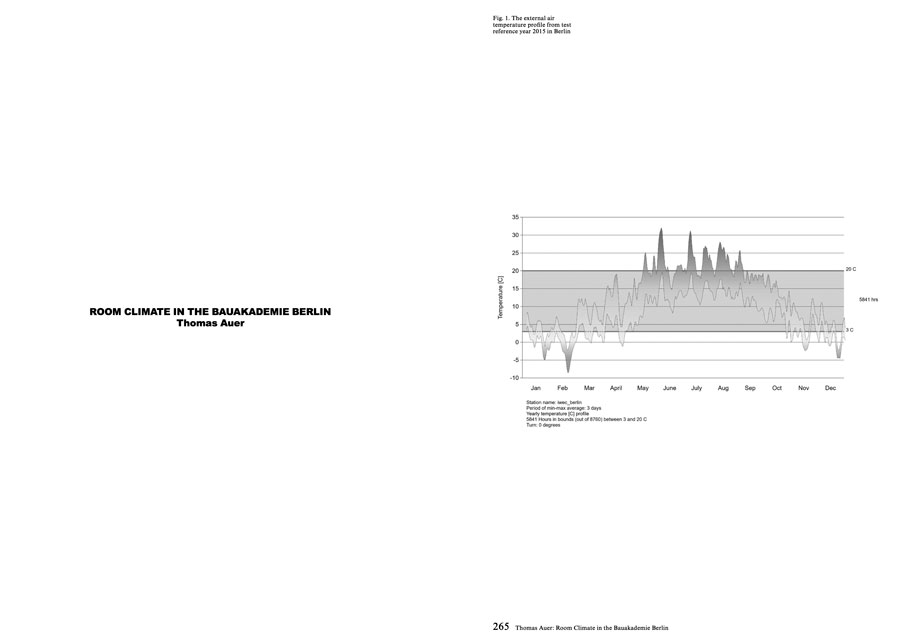
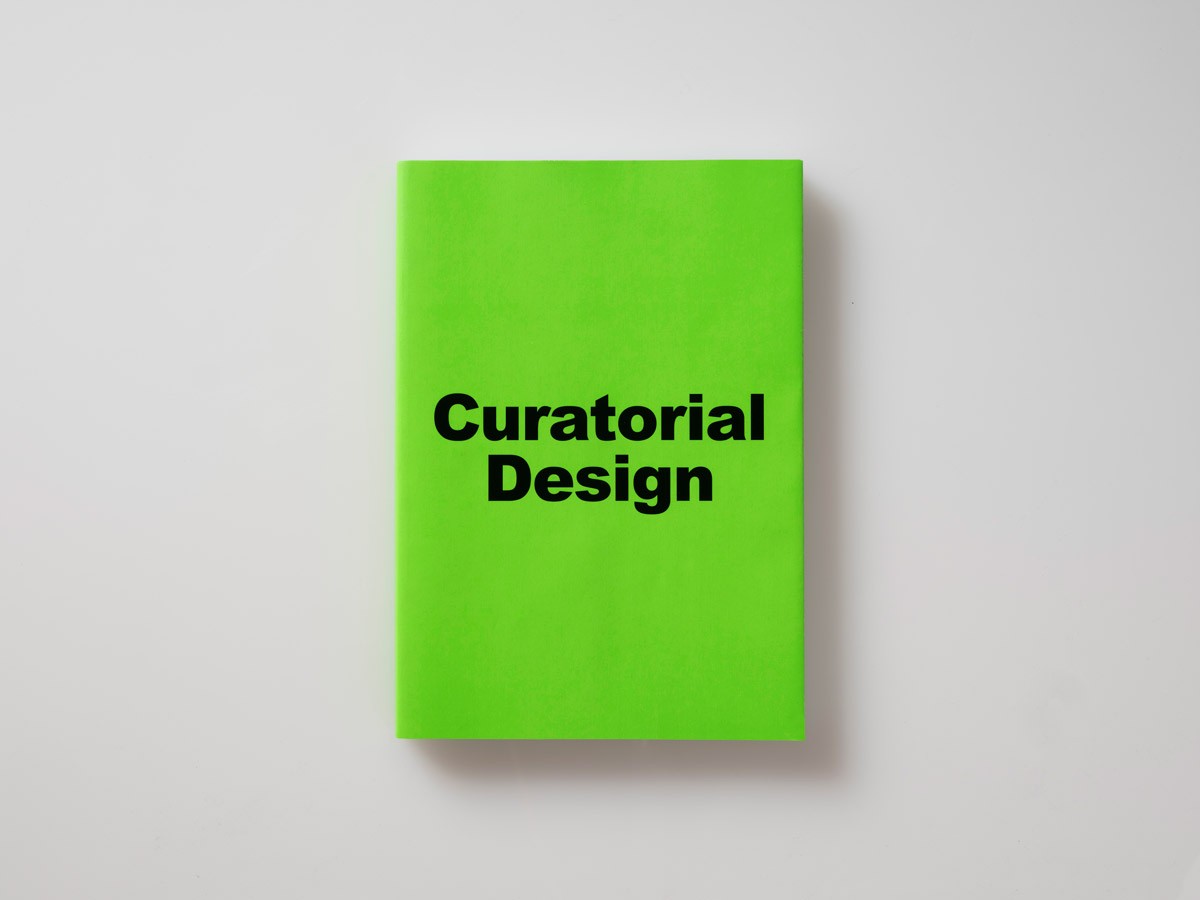
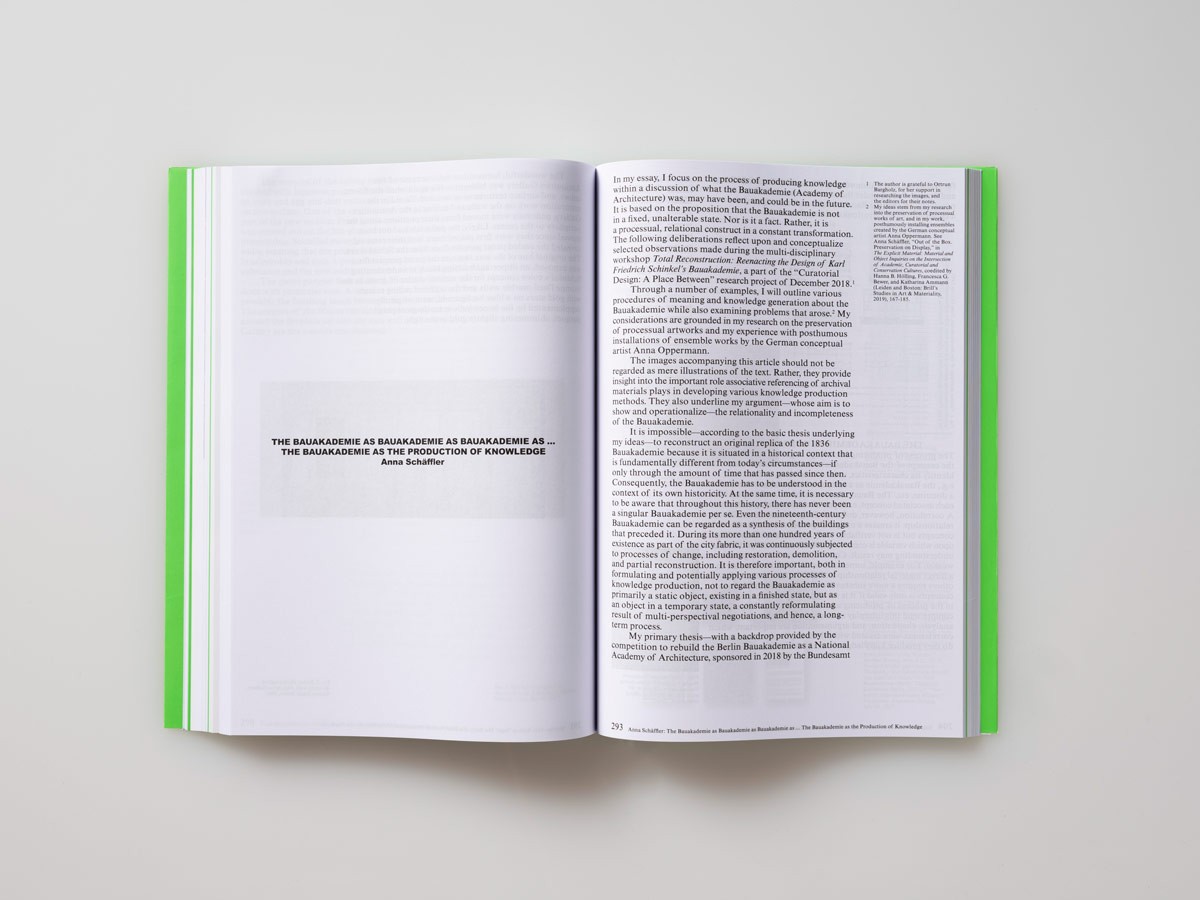
The future of architecture lies in the curatorial approach. This is the thesis put forward by architect Wilfried Kuehn and theorist Dubravka Sekulić in their book Curatorial Design: A Place Between, which brings together contributions from more than 30 authors working in the fields of architecture, art, and curatorial knowledge and practice.
Architectural design and the curatorial share a non-disciplinary background, and aim to assemble diverse forms of knowledge rather than specializing. Inherently transdisciplinary, then, they are at odds with the increasing division of labor in all fields of knowledge and practice. In the face of professionalization, which limits our capacity to intervene comprehensively, design and the curatorial challenge specialization and produce relational knowledge. They intend to create an in-between place, as together they form a novel practice that—in combining heterogenous forms of knowledge—takes center stage rather than serving as a moderator or mediator of sorts. What unites them is the assertion of a relational form, the autonomy of which consists precisely in teasing out relations between different elements. What happens to architectural design when it consciously enters a relationship with the curatorial?
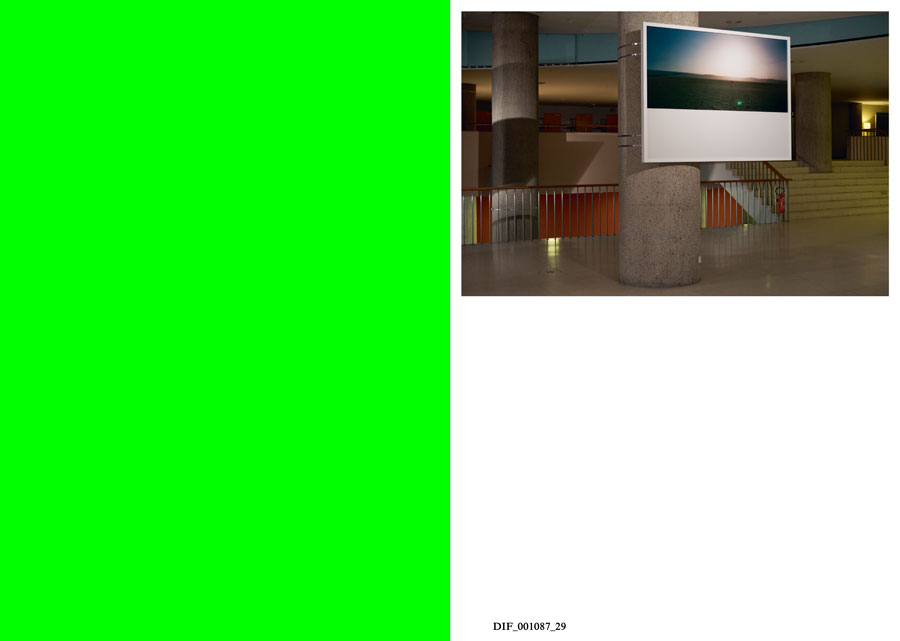
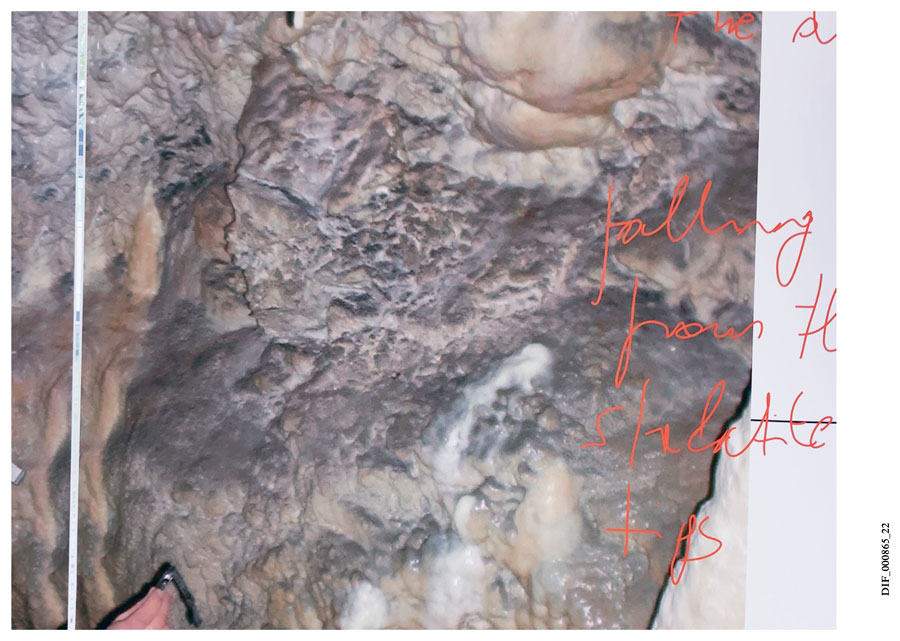
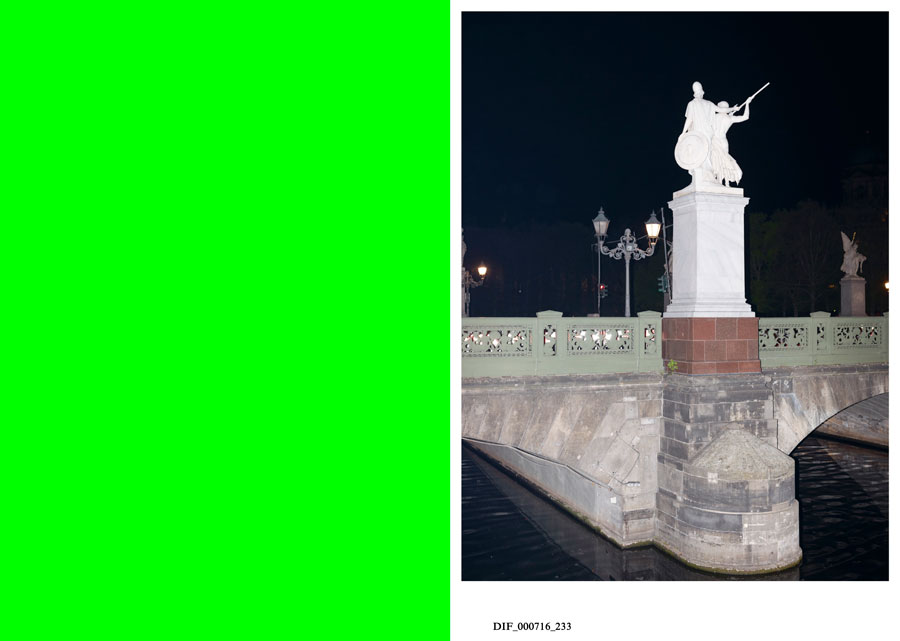
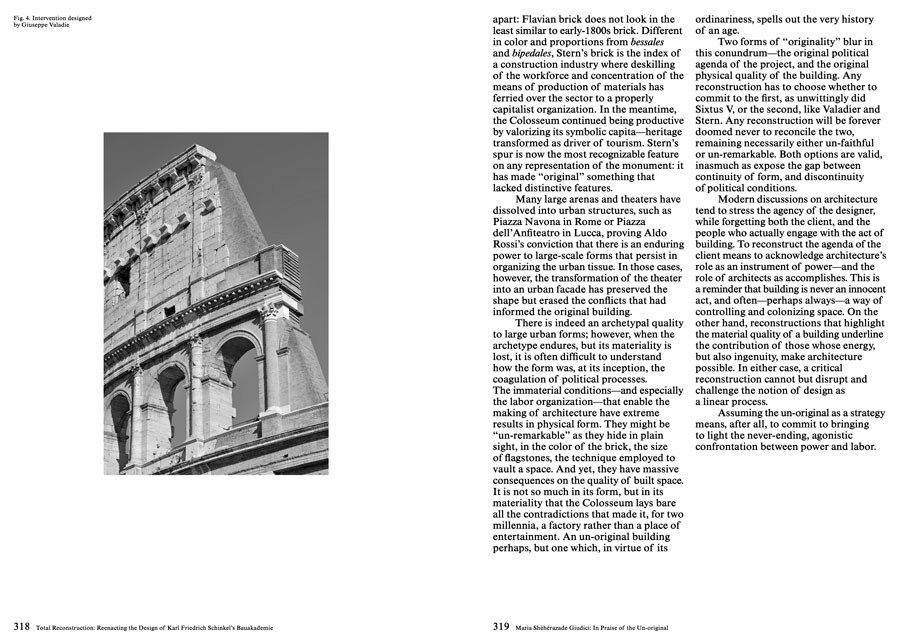
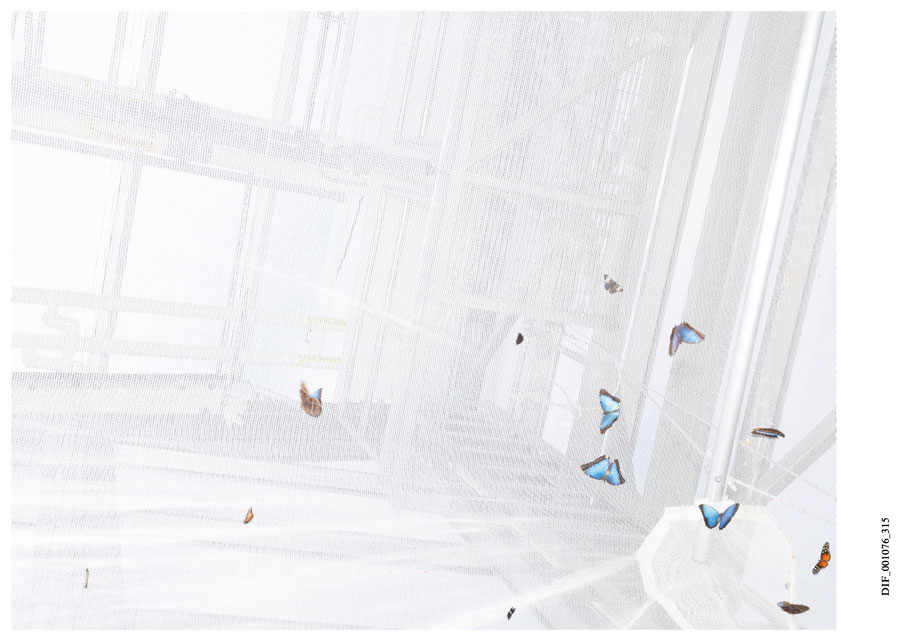
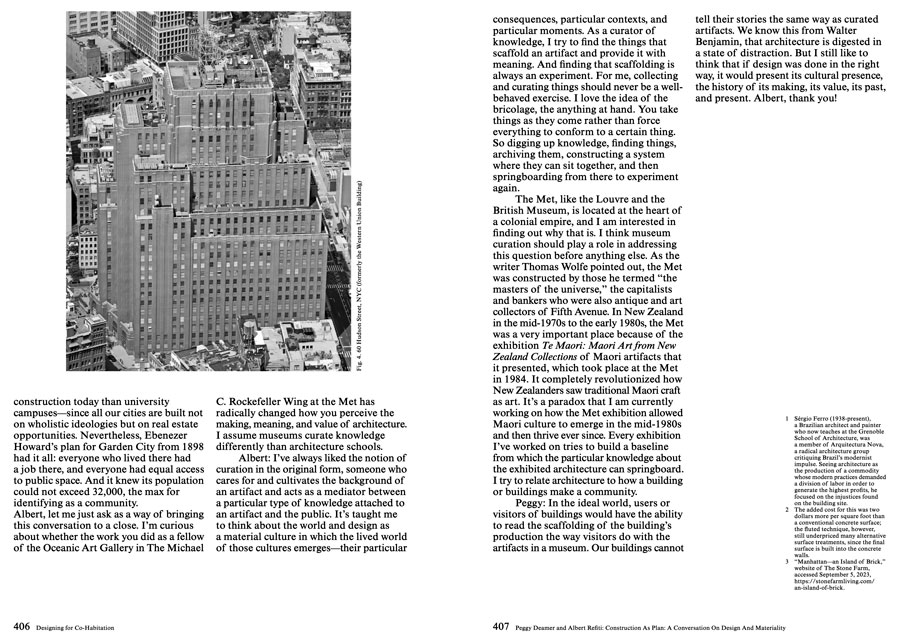
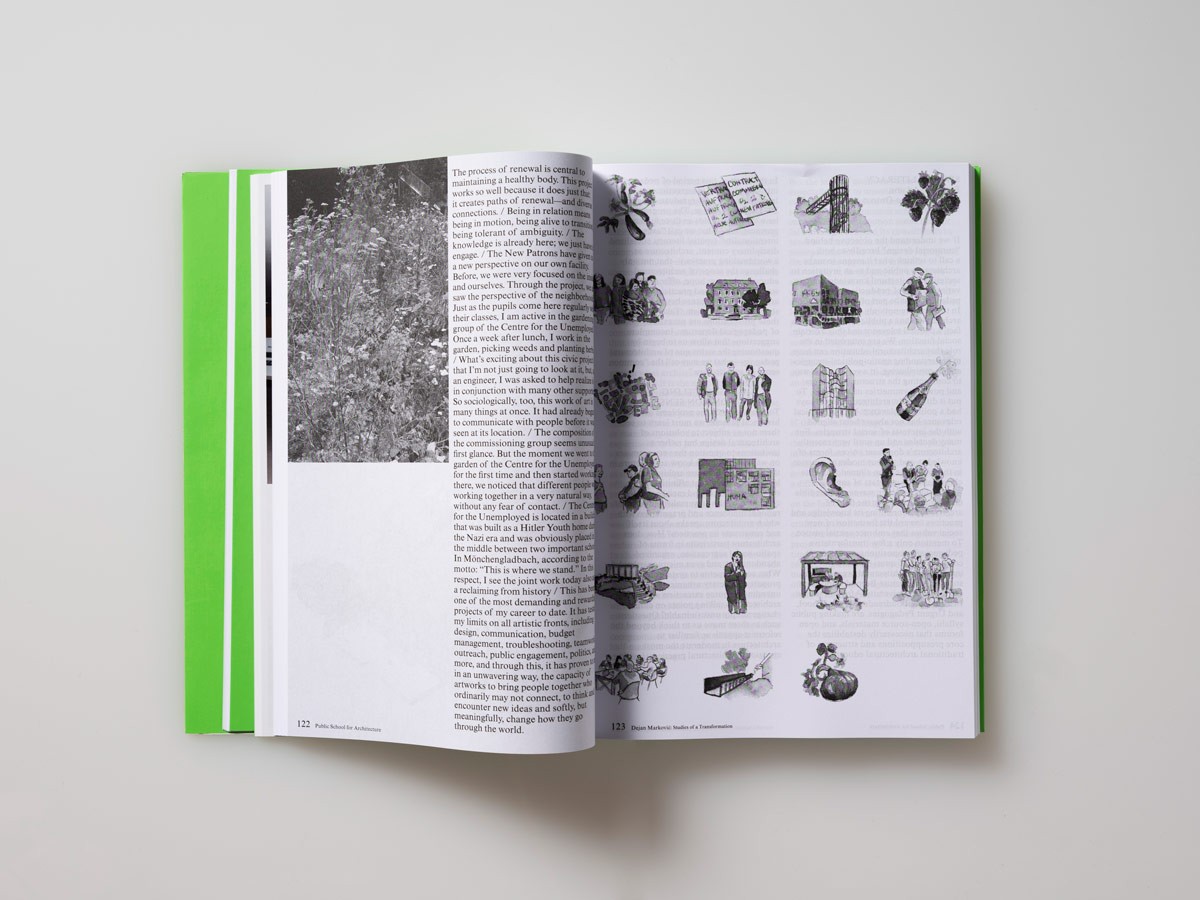
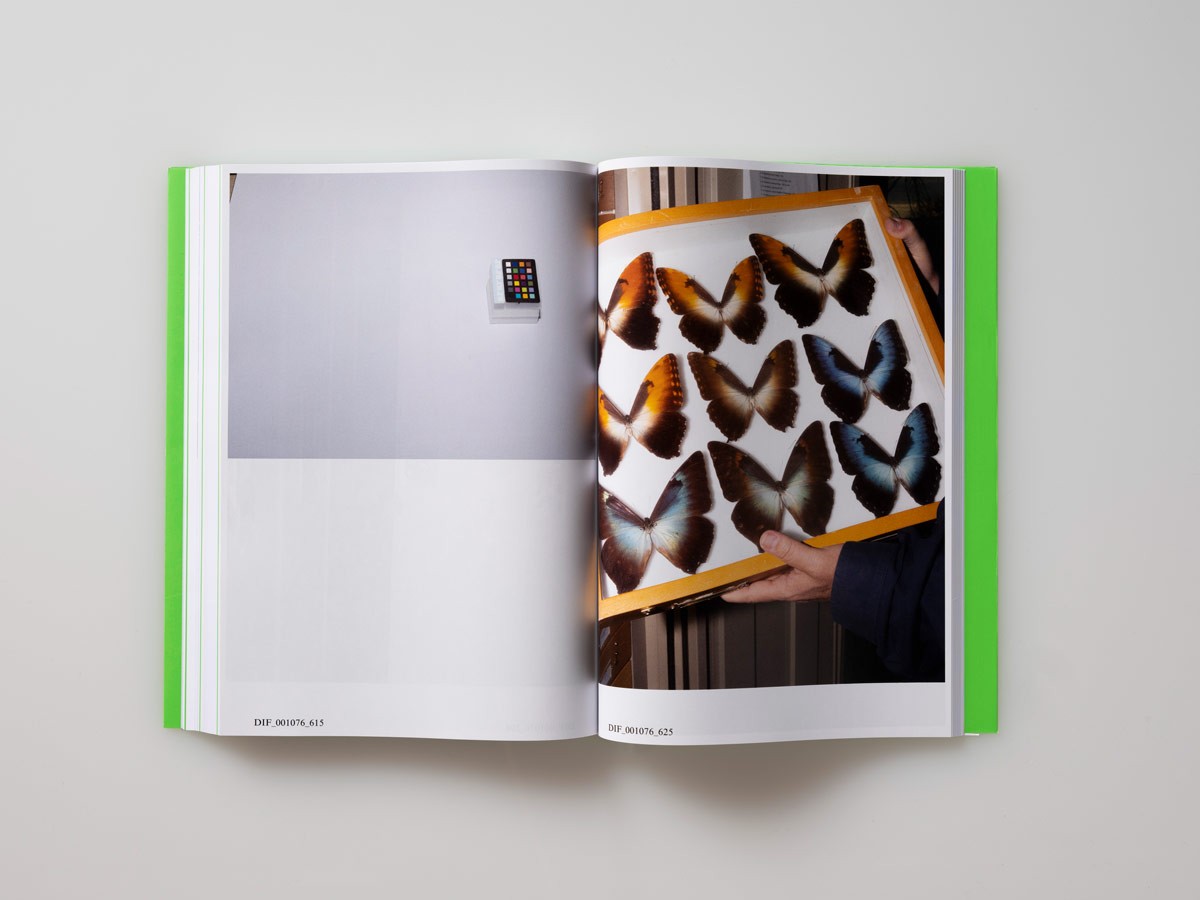
The book is aimed at practitioners and educators in the field of architecture and design, as well as curators and exhibition makers. It contains three photo series by Armin Linke that accompany the three sections of the book: “Public School for Architecture”, “Total Reconstruction,” and “Designing for Co-Habitation.”