The transformation of the notion of monuments and the way cultural institutions choose to deal with it find in Maurizio Cattelan an interpreter capable of manipulating historical memory and shared symbols, to the point of turning them into a terrain of doubt and play. Lisa Parola and Lorenzo Giusti investigate the potential of contemporary art within the public sphere.
This is a visual archive of 12 years of developing, designing and exhibiting the House of One, a multireligious sacred space in the heart of Berlin. The architecture, conceived by Kuehn Malvezzi, has been displayed at various venues while being developed in close collaboration with three local religious communities in Berlin since 2012.
The first major monograph on artist Jill Mulleady, whose paintings thread motifs of decay, memory, history, and private myth, featuring humans and animals enacting their instinctive psychological reactions to ever-present threats of danger.
The essays in this first-ever monograph dedicated to Swiss artist Jan Vorisek, alongside image portfolios of the exhibitions they explore and an appendix that features photos and documentation of Vorisek’s performances, recordings and ephemera, grant us unprecedented access to the private fictions that the work reveals.
Since the 1990s Costa has been challenging hierarchies of art production and the fetishization of the “finished” artwork, inviting viewers to reconsider what is discarded, both materially and socially. Through over 300 artworks, accompanied by new writing, this catalogue explores Adriano Costa’s work, a meditation on transformation—of objects, meanings, and systems of value.
This richly illustrated book considers the dazzling oeuvre of choreographer and dancer Marlene Monteiro Freitas. In line with her creative methodology, Alexandra Balona unfolds an “atlas of affects” through five emblematic dance pieces that reveal the intensity, humor, and humanity of one of today’s most radical choreographic voices.
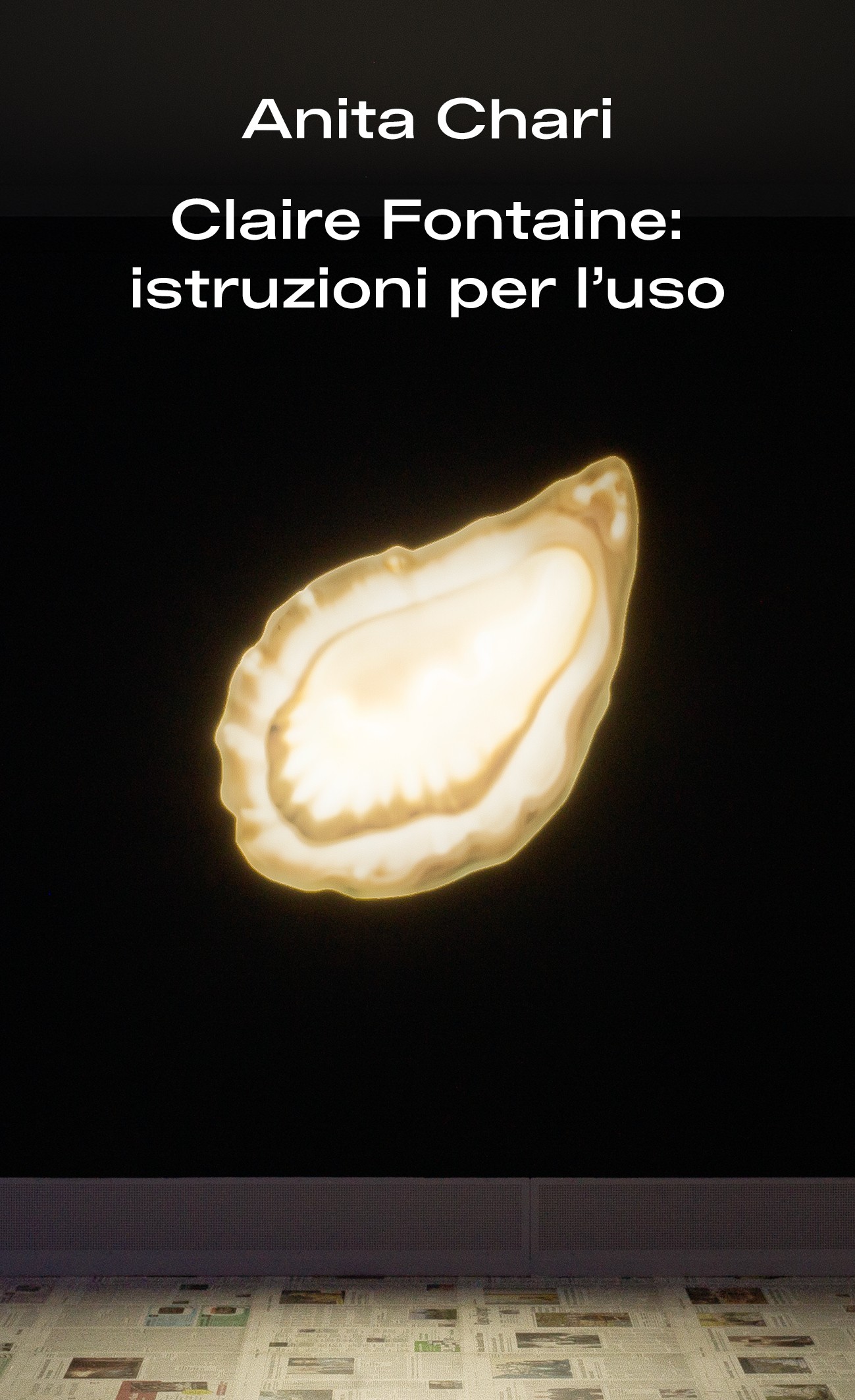
Anita Chari
Progetto grafico di Lorenzo Mason Studio
2026, italiano, brossura, 11 x 18 cm, 300 pagine
ISBN 979-12-80579-99-7
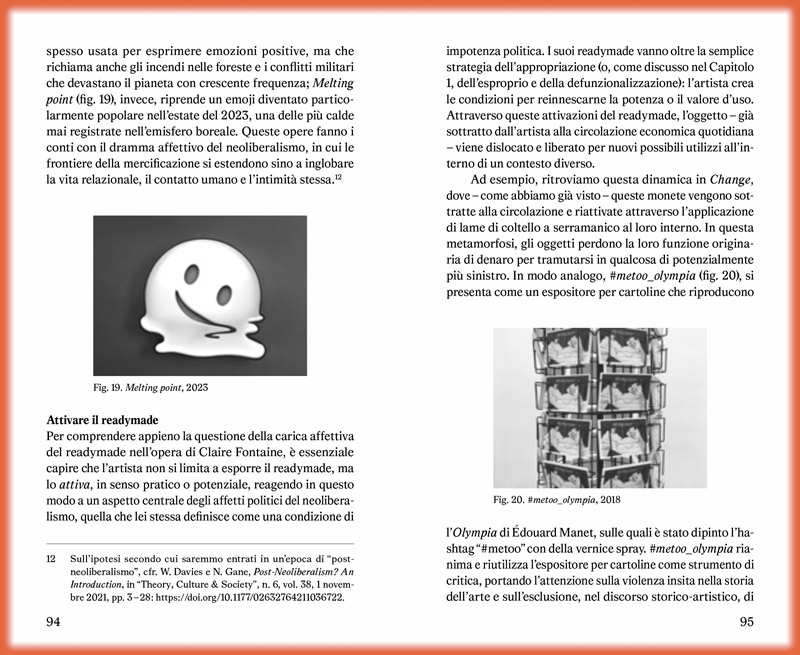
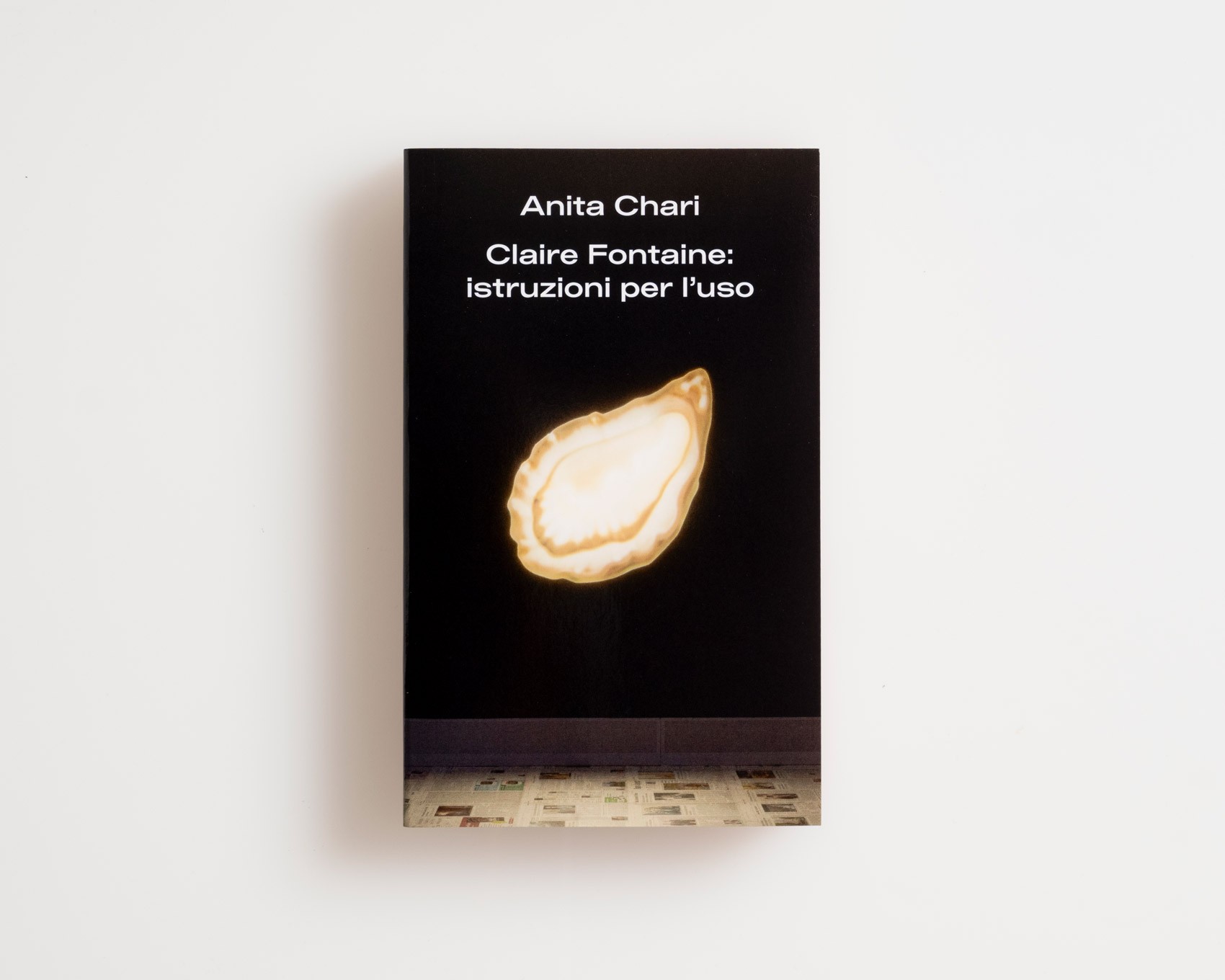
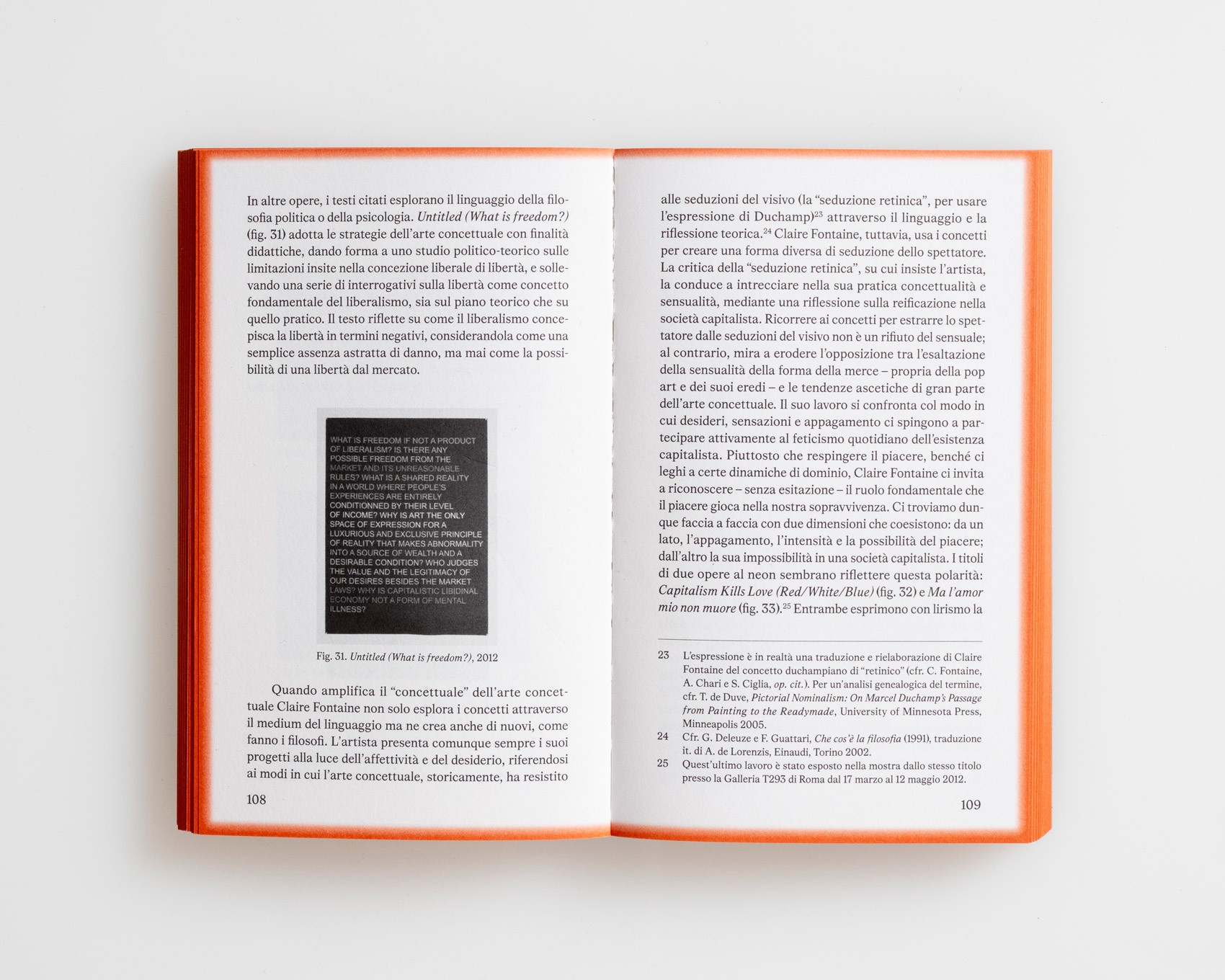
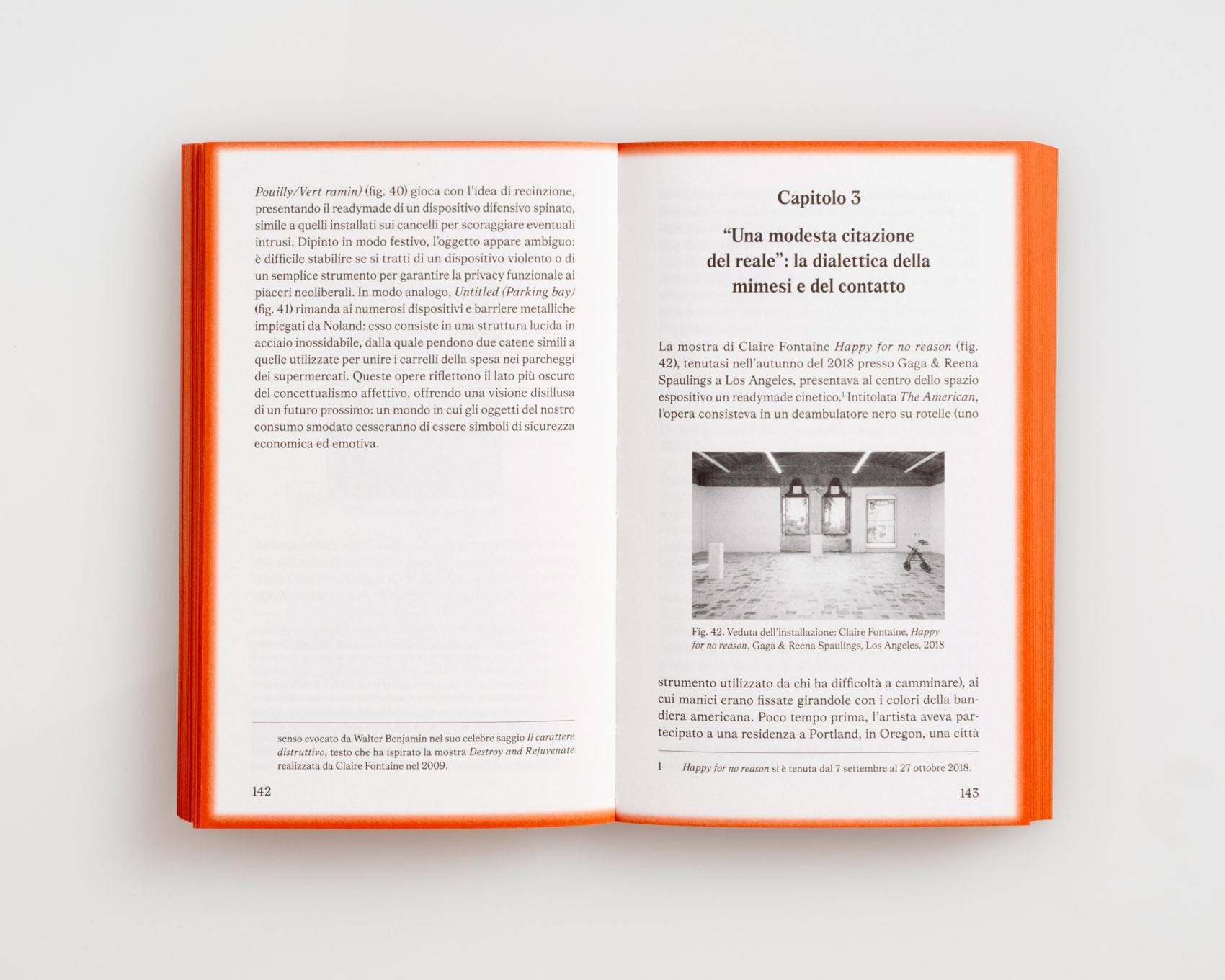
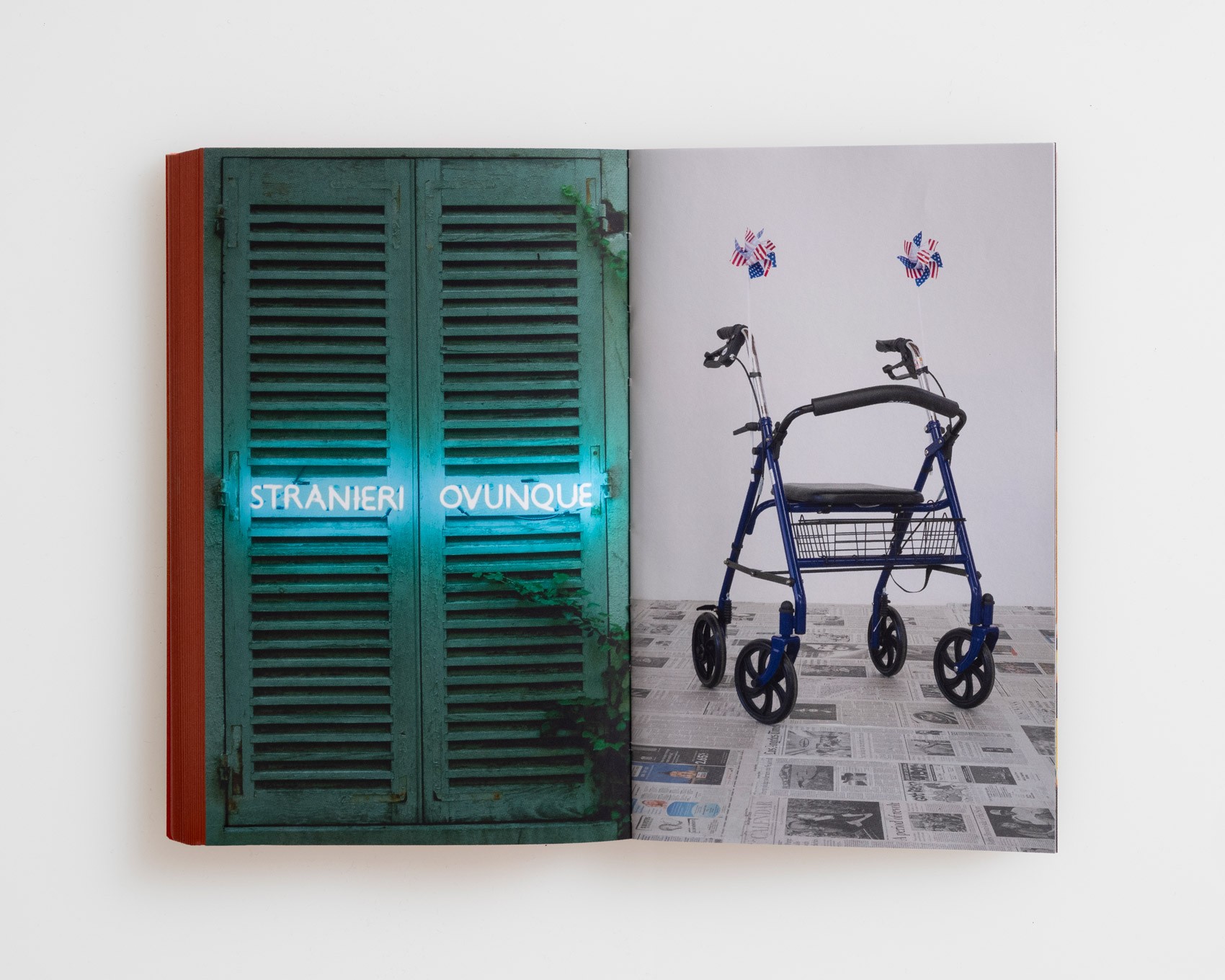
Claire Fontaine: istruzioni per l’uso esplora il lavoro del collettivo femminista di arte concettuale Claire Fontaine alla luce delle sue innovazioni teoriche e politiche, all’interno e all’esterno del contesto dell’arte contemporanea. Teorizzando le modalità tramite cui l’approccio sperimentale di Claire Fontaine è in grado d’illuminare un orientamento aptico e incarnato nei confronti della teoria critica, questo libro delinea una serie di metodologie e procedure teoriche al centro della pratica dell’artista, fra cui defunzionalizzazione, institutional critique, sciopero umano, mimesi tattile, desoggettivazione, détournement, materialismo magico e materialismo femminista.
In questo saggio, la teorica politica e operatrice somatica Anita Chari fa luce su una pratica più ampia per chi lavora nel mondo della teoria critica, fornendo una serie di “istruzioni per l’uso”: un manuale che, attingendo alle risorse dell’arte contemporanea, cerca di reinvestire la teoria critica di un valore d’uso, per rifondarla sulla percezione sensoriale e informare le pratiche politiche contemporanee.
“Un libro geniale e appassionante sull’arte e la scrittura di Claire Fontaine – ‘artista readymade’ e provocatrice concettuale – che attraversa con fluidità teoria critica, filosofia politica e critica d’arte, oltre a offrire una vitale delucidazione delle strade possibili verso modalità trasformative di vita nel presente. Scrivendo con e attraverso il suo soggetto, piuttosto che ‘su’ di esso, come è consuetudine, Chari offre ai lettori delle ‘istruzioni per l’uso’ alla pratica di Claire Fontaine, identificando nel suo lavoro un modello per una resistenza incarnata.” —Tom McDonough, autore di The Beautiful Language of My Century