The paintings and drawings by Jake Grewal draw the viewer in through stillness and ambiguity: they invite reflection on how we inhabit places—physically and emotionally—and how our inner landscapes mirror the physical world. This is the Grewal’s first book, published to accompany the artist’s exhibition at Studio Voltaire.
The transformation of the notion of monuments and the way cultural institutions choose to deal with it find in Maurizio Cattelan an interpreter capable of manipulating historical memory and shared symbols, to the point of turning them into a terrain of doubt and play. Lisa Parola and Lorenzo Giusti investigate the potential of contemporary art within the public sphere.
This is a visual archive of 12 years of developing, designing and exhibiting the House of One, a multireligious sacred space in the heart of Berlin. The architecture, conceived by Kuehn Malvezzi, has been displayed at various venues while being developed in close collaboration with three local religious communities in Berlin since 2012.
The first major monograph on artist Jill Mulleady, whose paintings thread motifs of decay, memory, history, and private myth, featuring humans and animals enacting their instinctive psychological reactions to ever-present threats of danger.
The essays in this first-ever monograph dedicated to Swiss artist Jan Vorisek, alongside image portfolios of the exhibitions they explore and an appendix that features photos and documentation of Vorisek’s performances, recordings and ephemera, grant us unprecedented access to the private fictions that the work reveals.
Since the 1990s Costa has been challenging hierarchies of art production and the fetishization of the “finished” artwork, inviting viewers to reconsider what is discarded, both materially and socially. Through over 300 artworks, accompanied by new writing, this catalogue explores Adriano Costa’s work, a meditation on transformation—of objects, meanings, and systems of value.
Edited by Rui Mateus Amaral
Texts by Rui Mateus Amaral, Carlos Bunga, Rina Carvajal, Roland Groenenboom, Omar Kholeif, November Paynter, and Catarina Rosendo
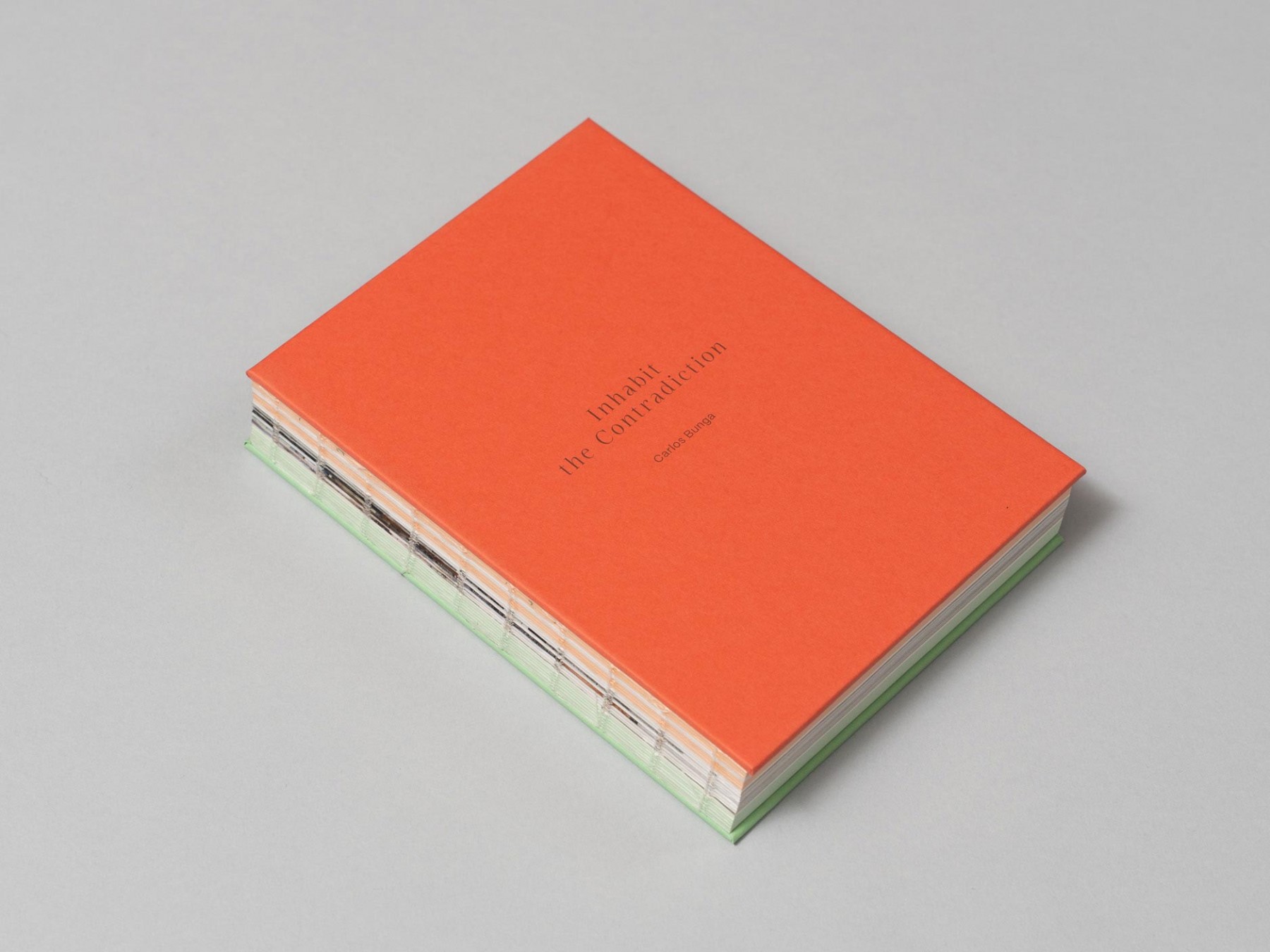
Designed by Ilhas Studio
2025, English / Portuguese, hardcover, 14 x 19 cm, 388 pages
ISBN 979-12-80579-92-8
Carlos Bunga: Inhabit the Contradiction is an extensive monograph devoted to the work of Carlos Bunga, published in conjunction with his eponymous exhibition presented at CAM – Gulbenkian.
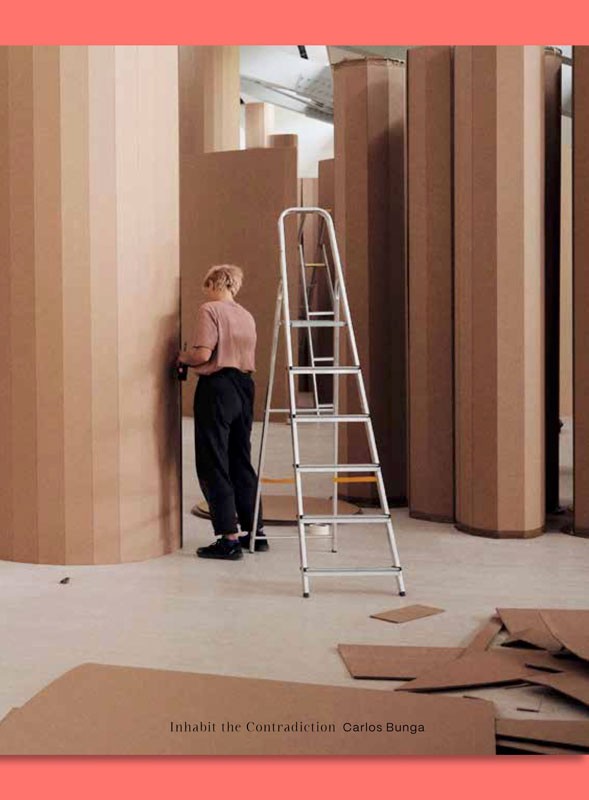
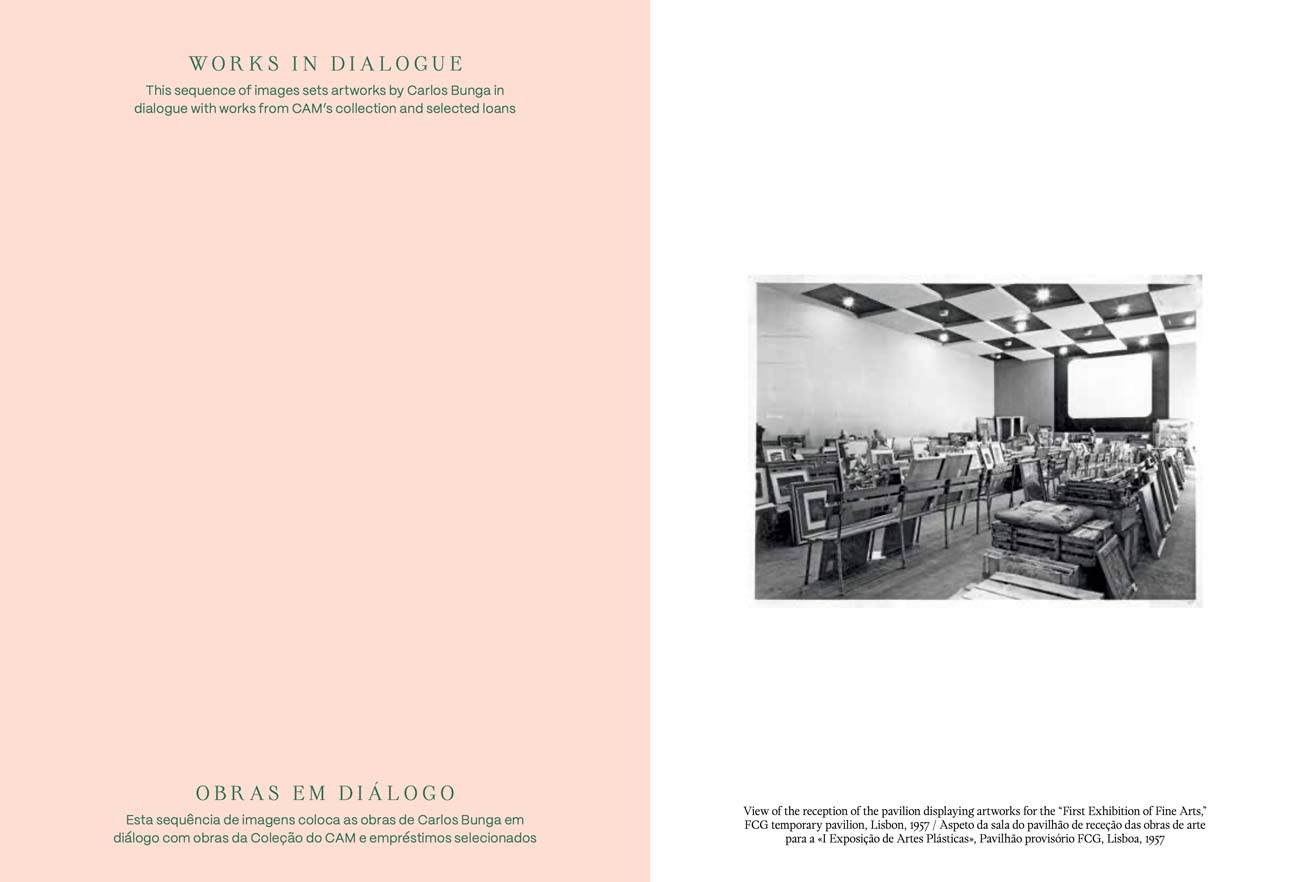
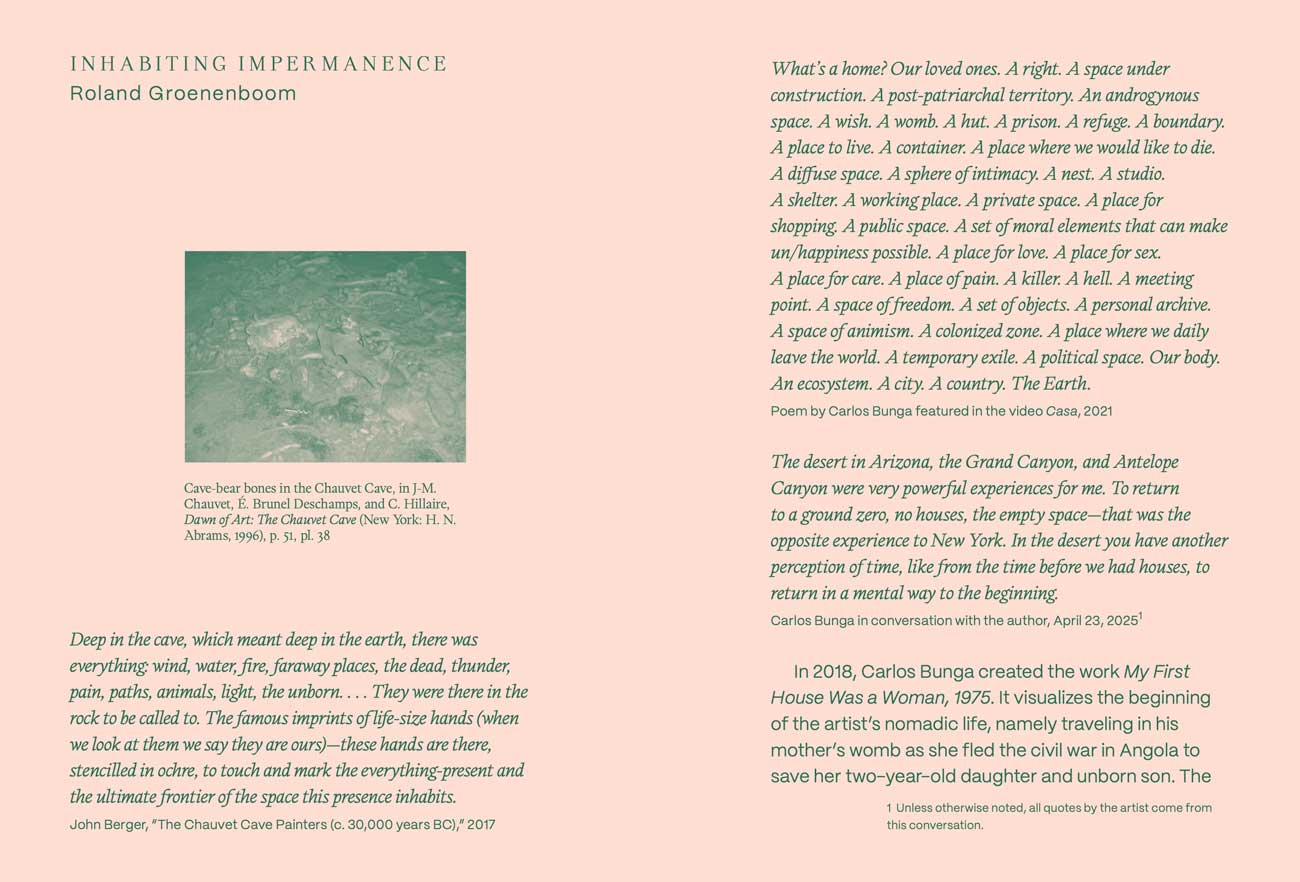
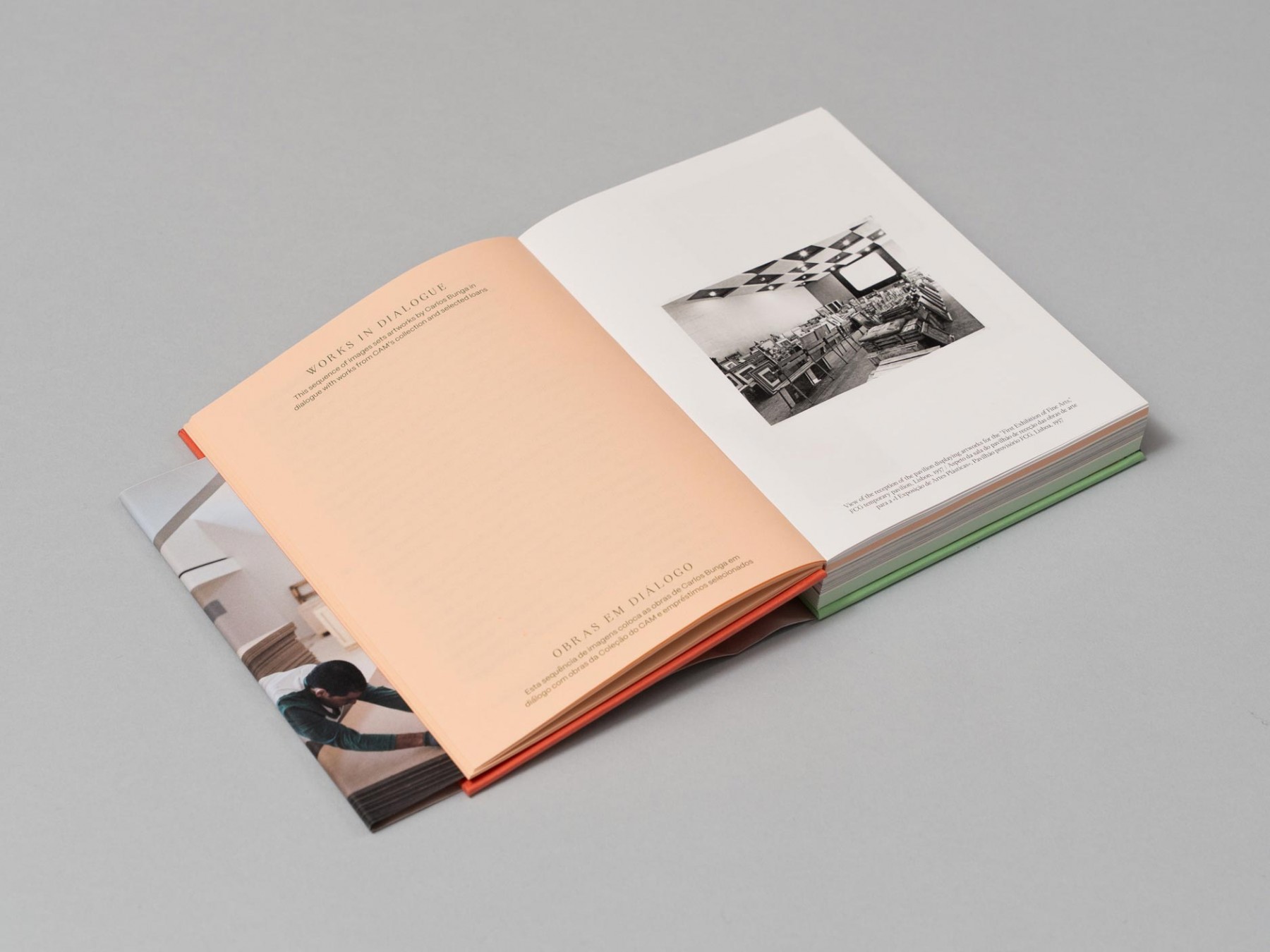
The book contains notes by the exhibition curator and catalogue editor, Rui Mateus Amaral, who introduces readers to the exhibition project, providing an in-depth account of its genesis and development, focusing on the dialogue between Bunga’s work and selected pieces from the CAM collection. The notes describe both Bunga’s new and existing works, as well as their configuration within the space, with the intention of opening up multiple points of access to the exhibition, leaving room for individual interpretation.
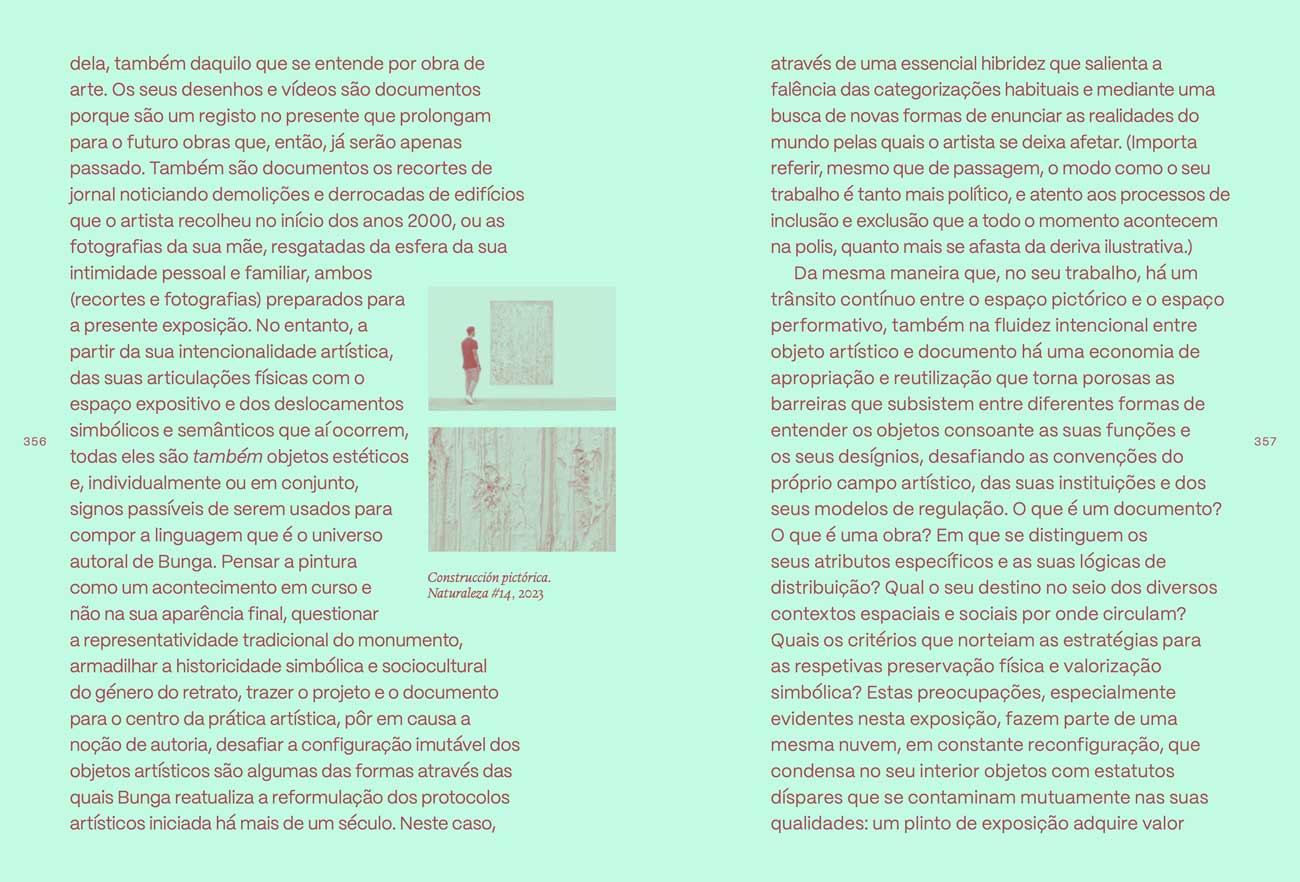
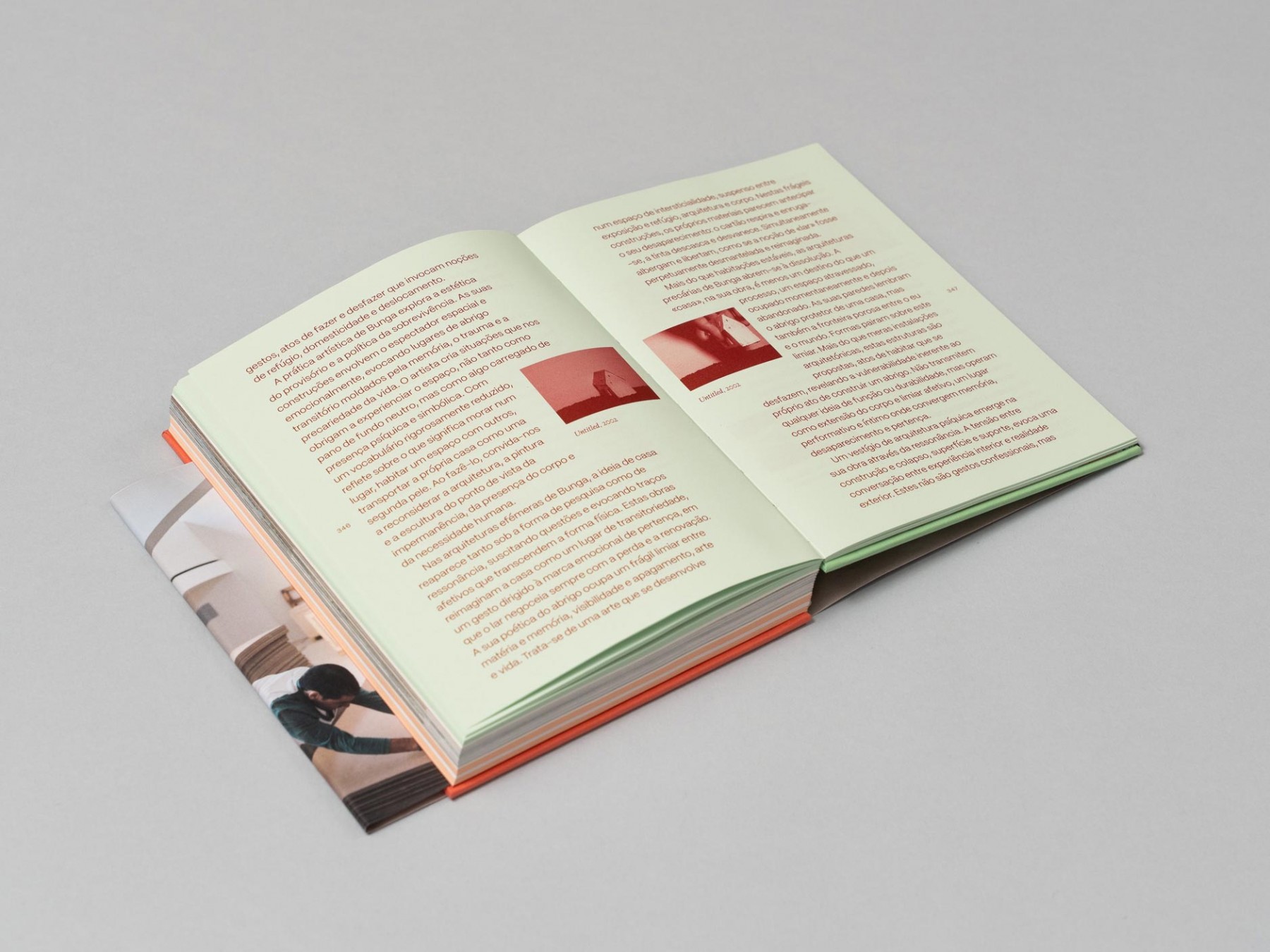
Designed by as ilhas studio, the catalogue also contains new essays by various authors written especially for the occasion—Rina Carvajal, Roland Groenenboom, Omar Kholeif, November Paynter, and Catarina Rosendo—each offering an in-depth look at salient aspects of the artist’s multifaceted practice.
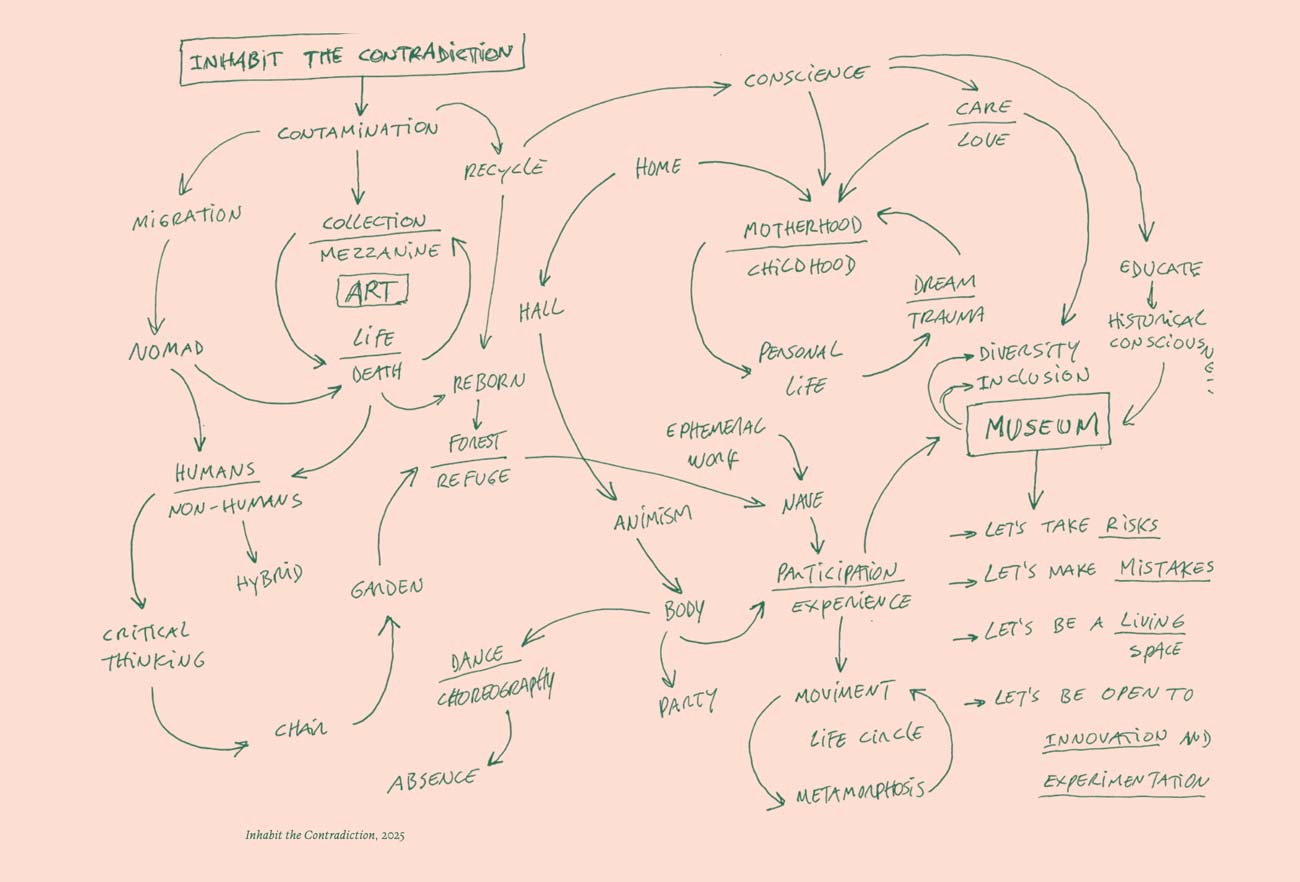
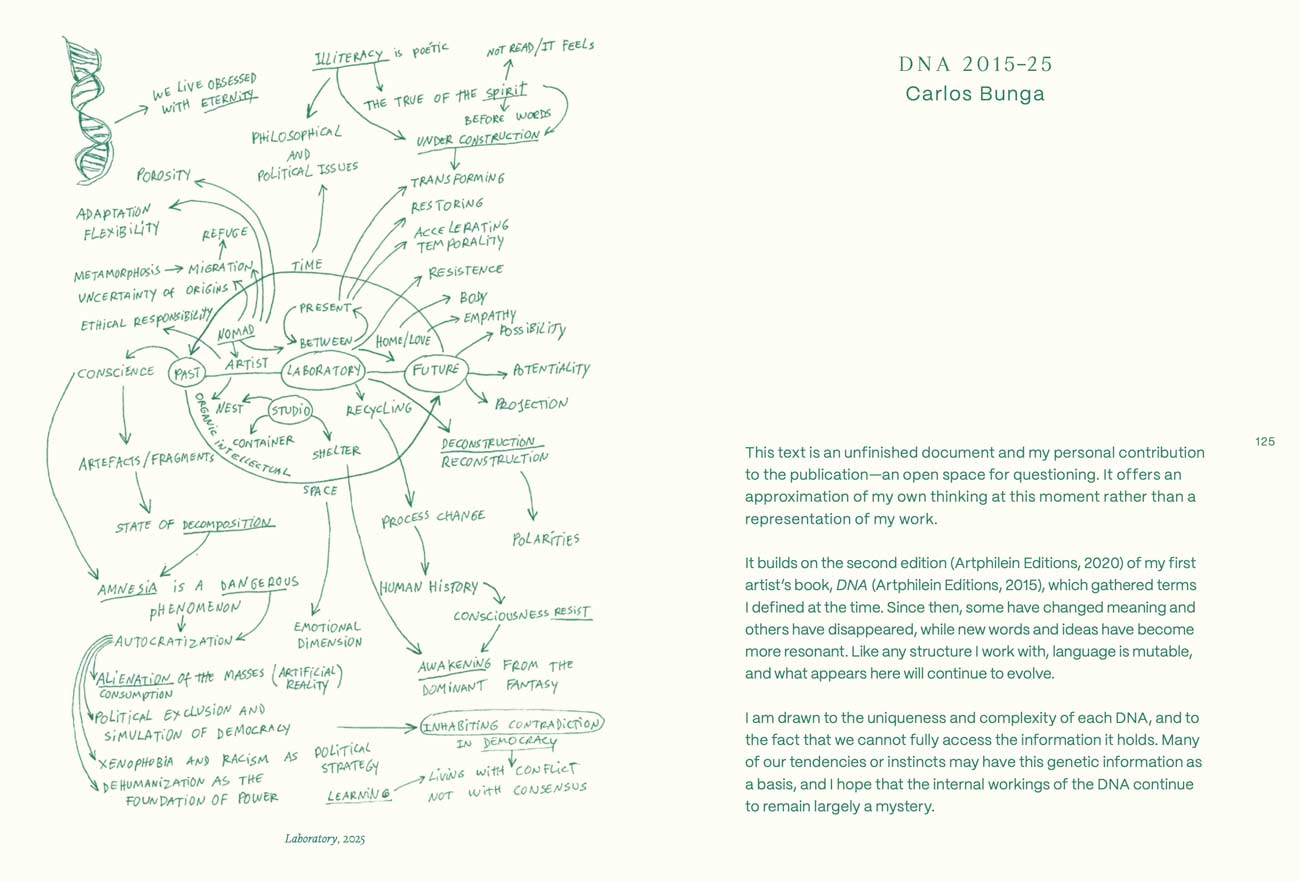
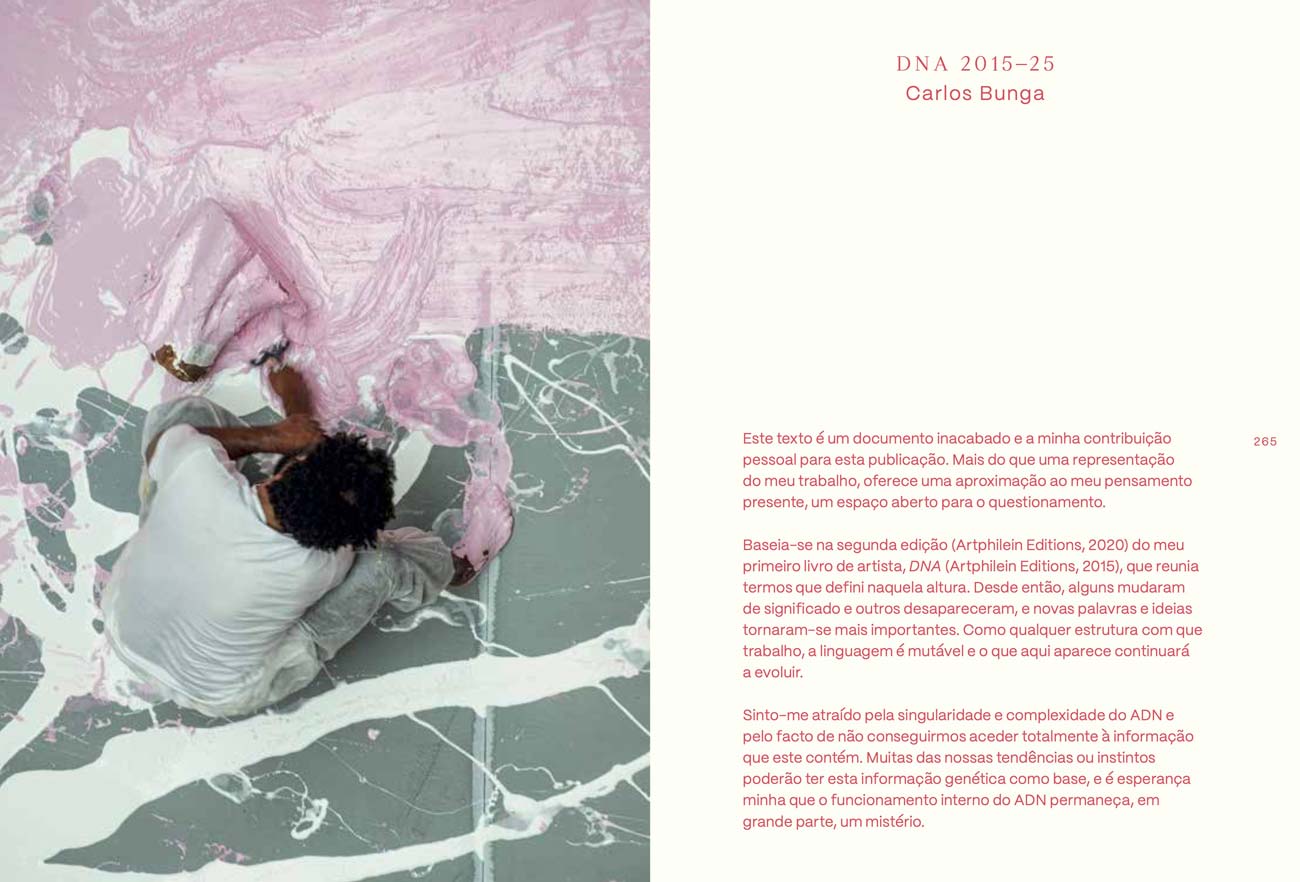
The content is complemented by DNA 2015–25, a dictionary-style text that Bunga began in 2015 and adapted for this publication. The terms, which the artist defines in his own unique way, are keywords that allow the reader to enter into Bunga’s current thought process, and into his particular approach to the world of art.
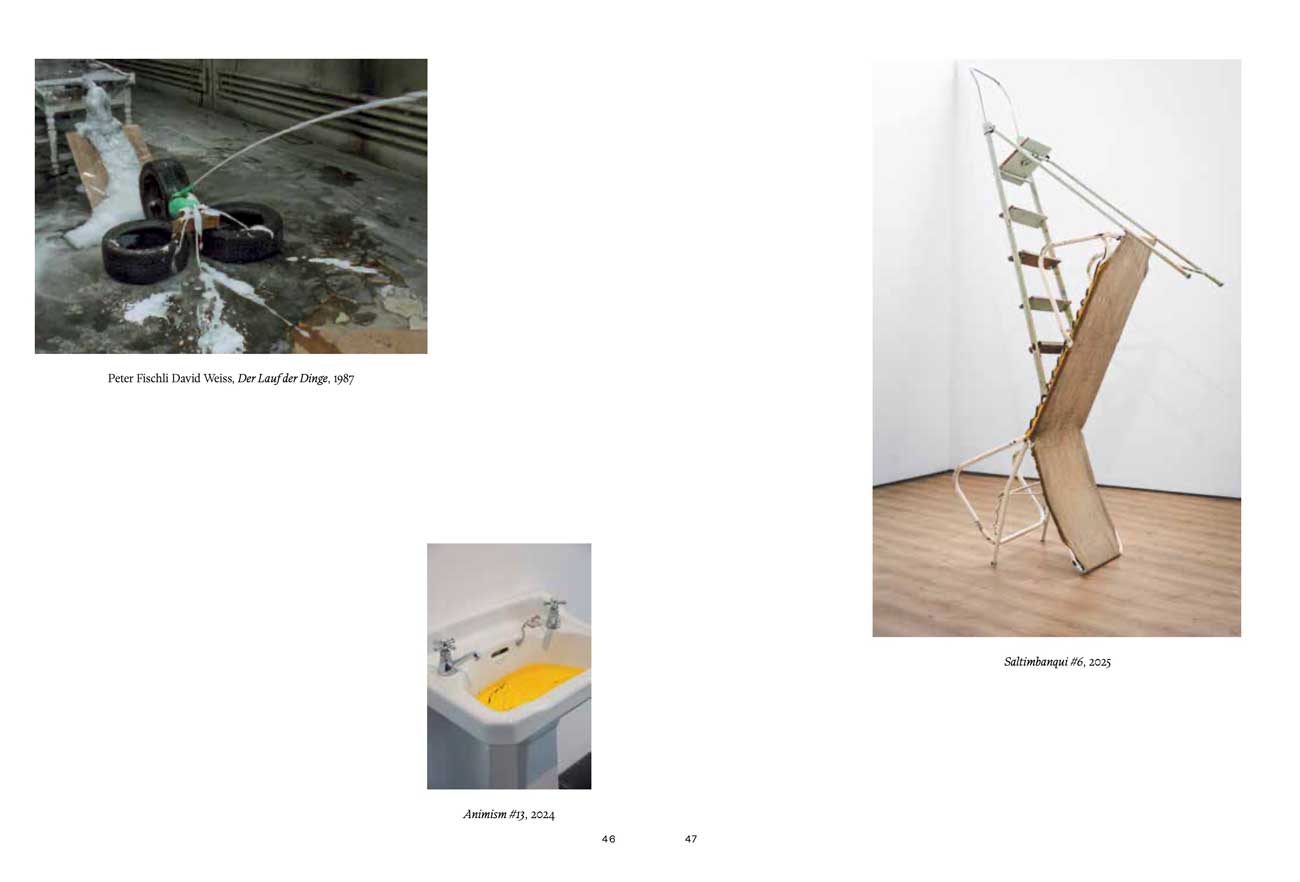
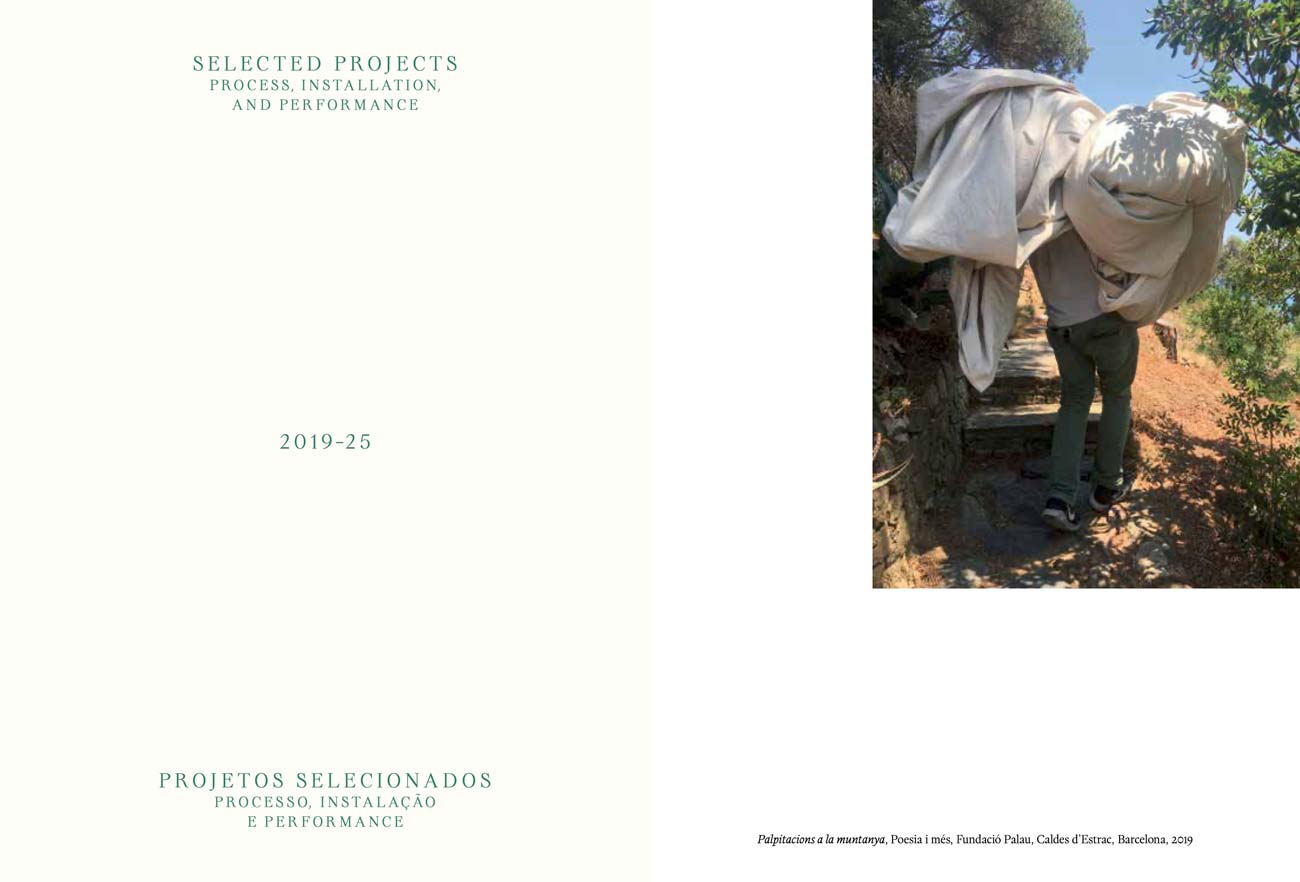
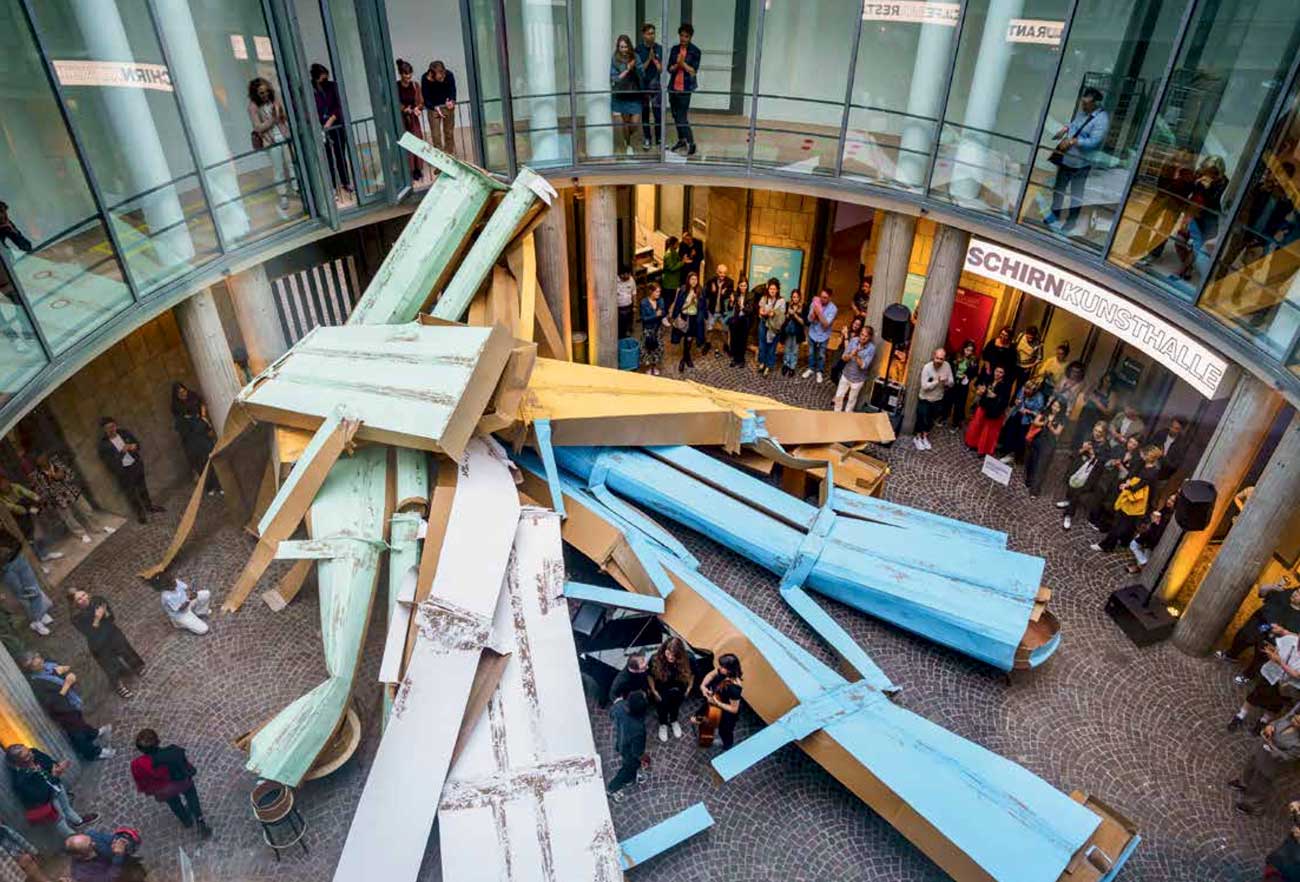
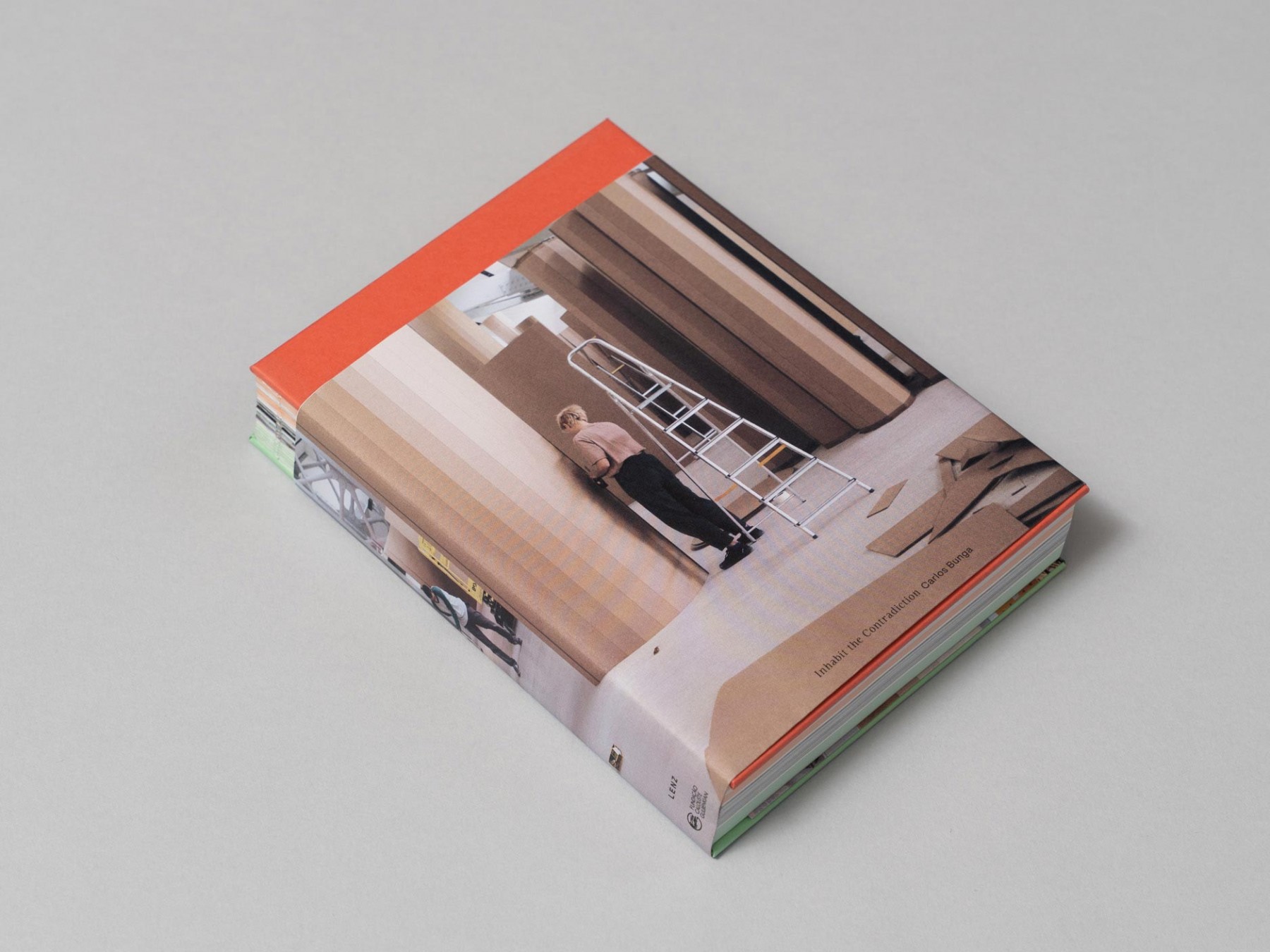
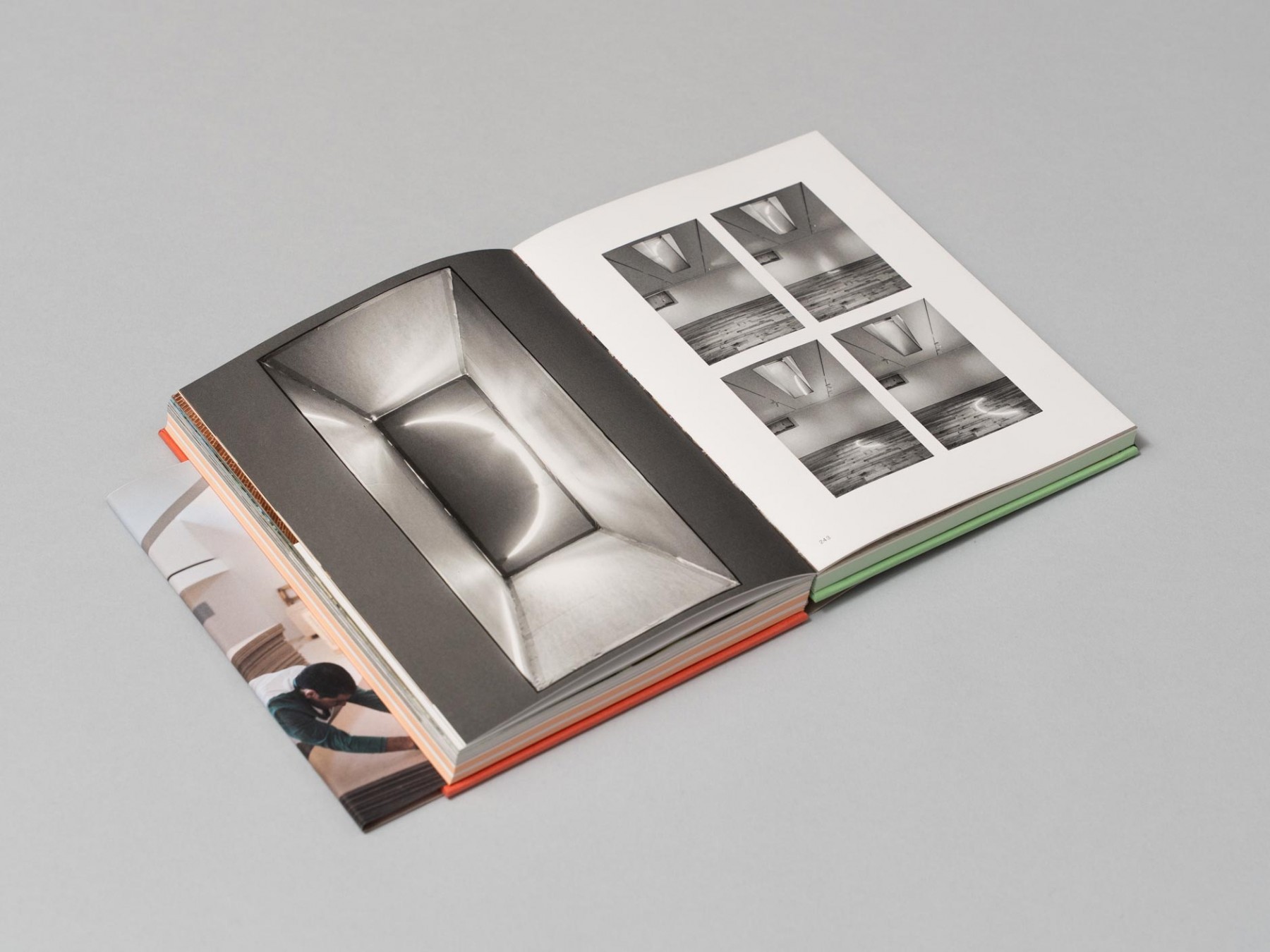
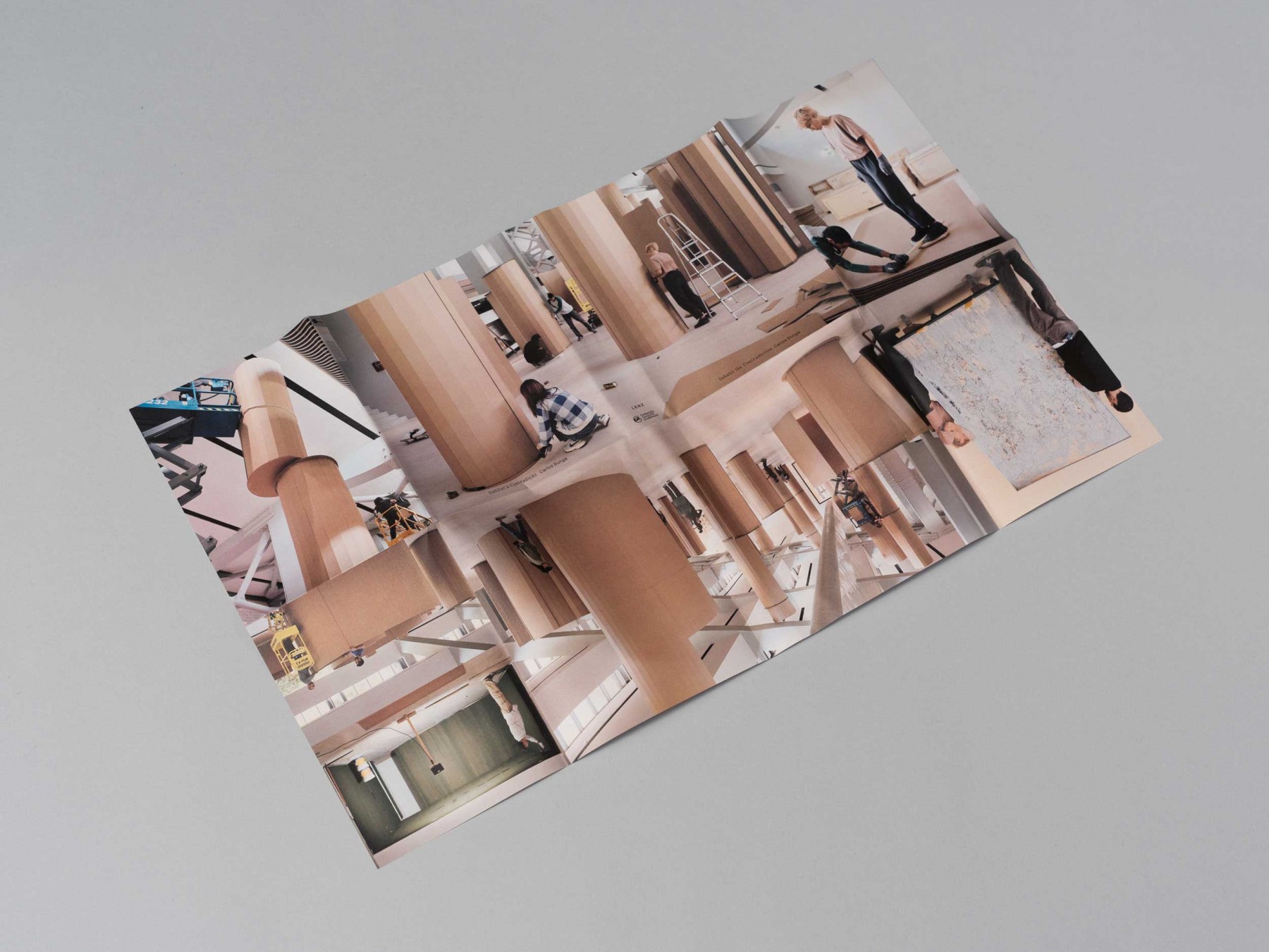
The book also contains a rich picture section, mainly dedicated to site-specific works and performances: a series of installation views, video stills, and performance views alternate with photographs, published for the first time, documenting the installation and assembly process of numerous exhibitions and works. Like a slide show, this image gallery offers a unique and generous insight into Bunga’s working method through the main projects the artist has worked on between 2019 and 2025. The poster enveloping the book completes the documentation, providing a snapshot of the installation of Inhabit the Contradiction at CAM – Gulbenkian, Lisbon.